
20 Bedroom Color Combinations That Always Look Stunning
Introduction
The most reliable bedroom color combinations are not the loudest ones. They are balanced pairs and trios, one calm base, one supporting tone and one small accent, that keep working through changing bedding, seasons and light, year after year.
A simple split helps every combination in this list: roughly 60 percent base color on walls and large textiles, 30 percent supporting color on bedding, curtains or furniture, and 10 percent accent in cushions, art and metals. That ratio is why these pairings look stunning in real rooms, not just in photos.
Test before you commit. Paint large samples, check them in morning and evening light, and hold them against your flooring and bedding. Undertones decide everything: a warm beige beside a cool grey can clash even when both colors are beautiful alone.
Pick the pairing that matches how you want to feel at wake up and wind down. Then carry its colors consistently through paint, textiles and wood tones for a room that feels designed in one calm pass.
1. Warm White and Beige
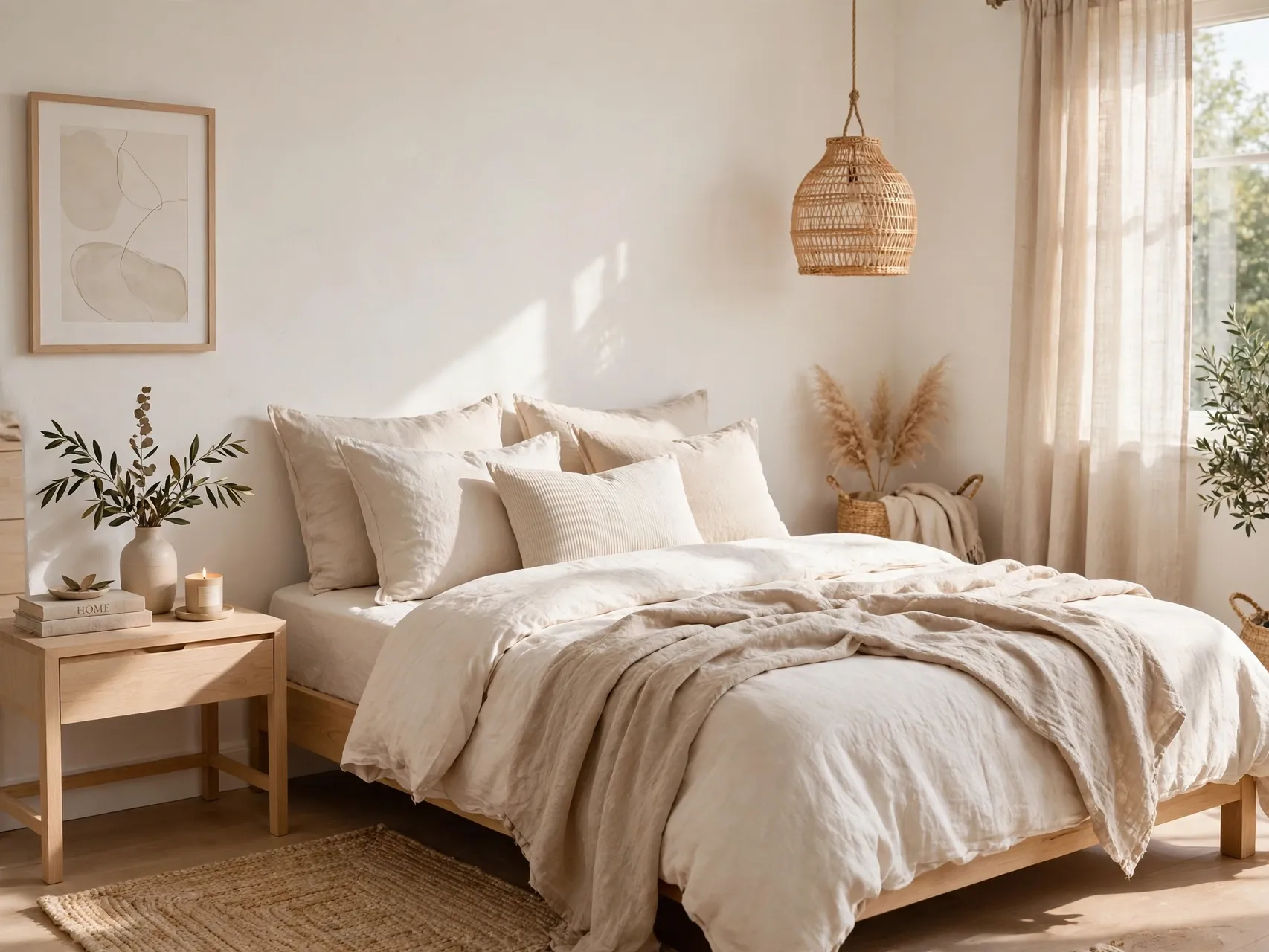
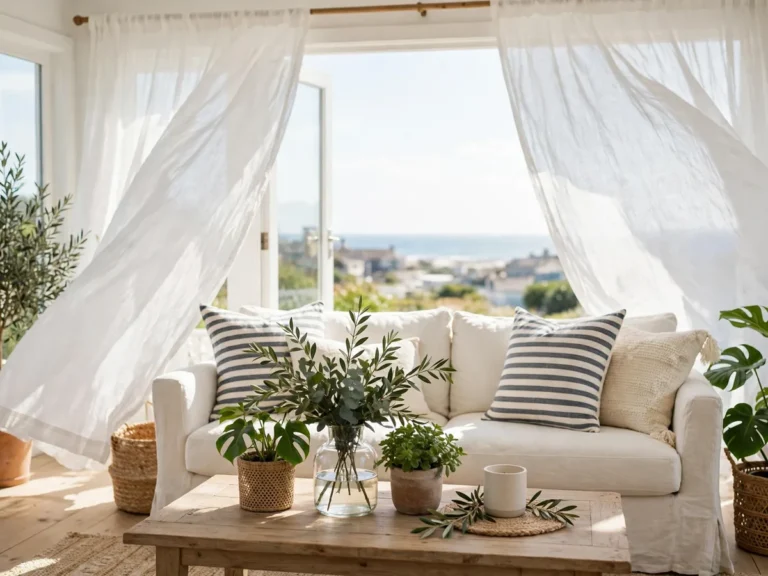
Warm white with beige is the timeless base pairing for calm bedrooms. Warm white walls keep the room bright, beige bedding, curtains and rugs add depth, and natural wood plus warm light stop the scheme from feeling flat or cold.
This pairing suits small rooms and renters moving into owned homes alike, because it works with almost any furniture. Add black or brass in small doses for definition, and layer textures, linen, wool and woven baskets, for interest.
For extra definition without new color, paint doors or trim a half shade deeper than the walls in the same warm family, so the architecture reads softly.
2. Sage Green and Cream

Sage green with cream brings nature indoors without darkness. Sage on the bed wall or in bedding, cream on walls and textiles, and light oak or rattan between them creates a soft, restful, modern organic room.
Sage shifts with light, greener in sun and greyer in shade, so sample carefully. This is one of the most loved bedroom paint color pairs for guest rooms, because almost everyone finds it peaceful.
For a slightly richer version, choose sage bedding with cream walls instead, which suits renters or anyone who prefers to keep paint neutral and change color with textiles.
3. Navy and Warm White
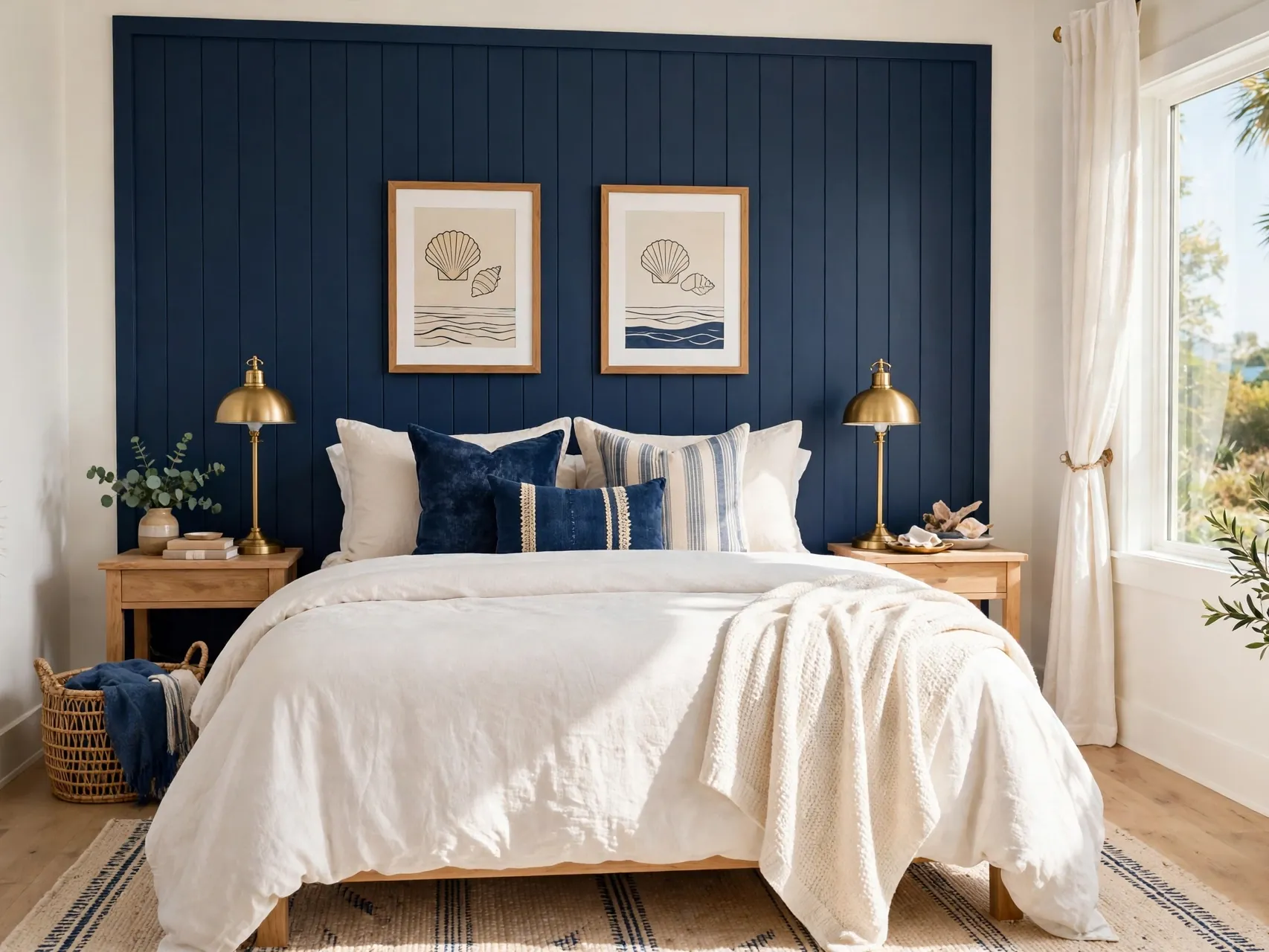
Navy with warm white is crisp, tailored and endlessly reliable. Use navy on one wall, in bedding or on a headboard, and let warm white carry the rest so the room stays bright enough for small spaces.
Brass or warm wood warms the contrast, while white bedding keeps the bed fresh. Avoid cool blue white paint here, because it can make navy feel harsh. Warm white is the secret that keeps this classic kind.
Repeat navy at least twice beyond the main feature, for example in a cushion and a framed print, so the eye reads it as a planned thread.
4. Charcoal and Soft White
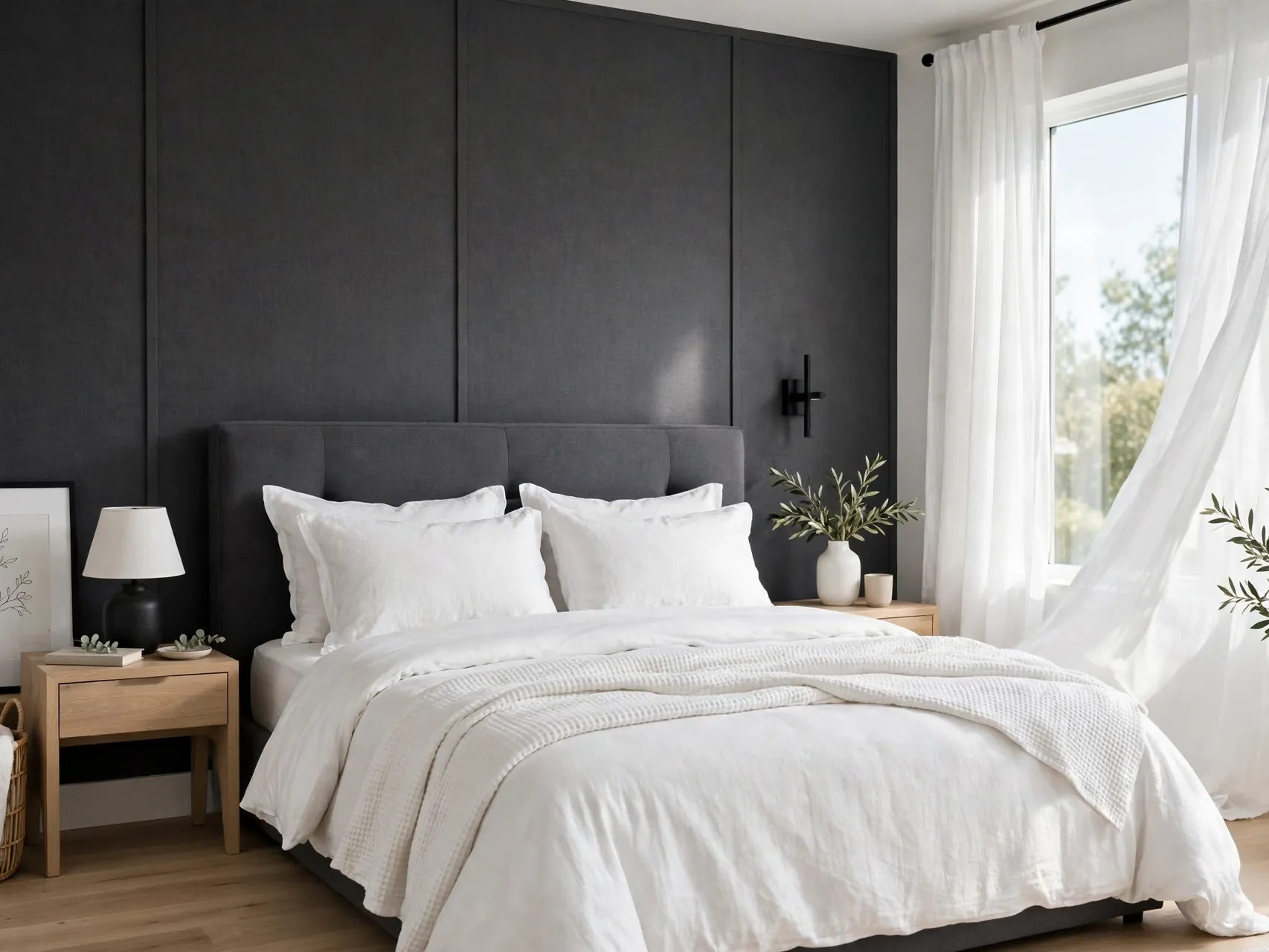
Charcoal with soft white gives modern drama with control. Charcoal in bedding, a painted bed wall or furniture adds depth, soft white walls and ceiling keep air in the room, and a pale rug protects the balance at floor level.
Add tan leather or light wood as the warming bridge. This pairing suits contemporary rooms and mens bedrooms especially well, and it hides busy patterns by simply not needing any.
5. Soft Blue and Ivory

Soft blue with ivory feels fresh in the morning and calm at night. Ivory is warmer than pure white, so the blue stays gentle rather than chilly, a lovely pairing for coastal, classic and small bedrooms alike.
Use blue in walls or bedding and ivory in the partner role, then add woven textures and silver or pale wood accents. In north facing rooms, choose a blue with a hint of grey or green for extra softness.
Keep metals and woods pale in this scheme, because dark heavy furniture can overwhelm the gentle contrast that makes this pairing feel so restful.
6. Terracotta and Light Beige

Terracotta with light beige is the earthy pairing for warmth lovers. Beige walls and bedding form the calm base, terracotta arrives in a bed wall, throw, cushions or curtains, and clay, wood and jute textures complete the grounded feeling.
Keep terracotta to the 30 or 10 percent role unless the room is large and sunny. This combination glows under warm evening light and pairs beautifully with houseplants and cream linen.
7. Blush Pink and Soft Grey
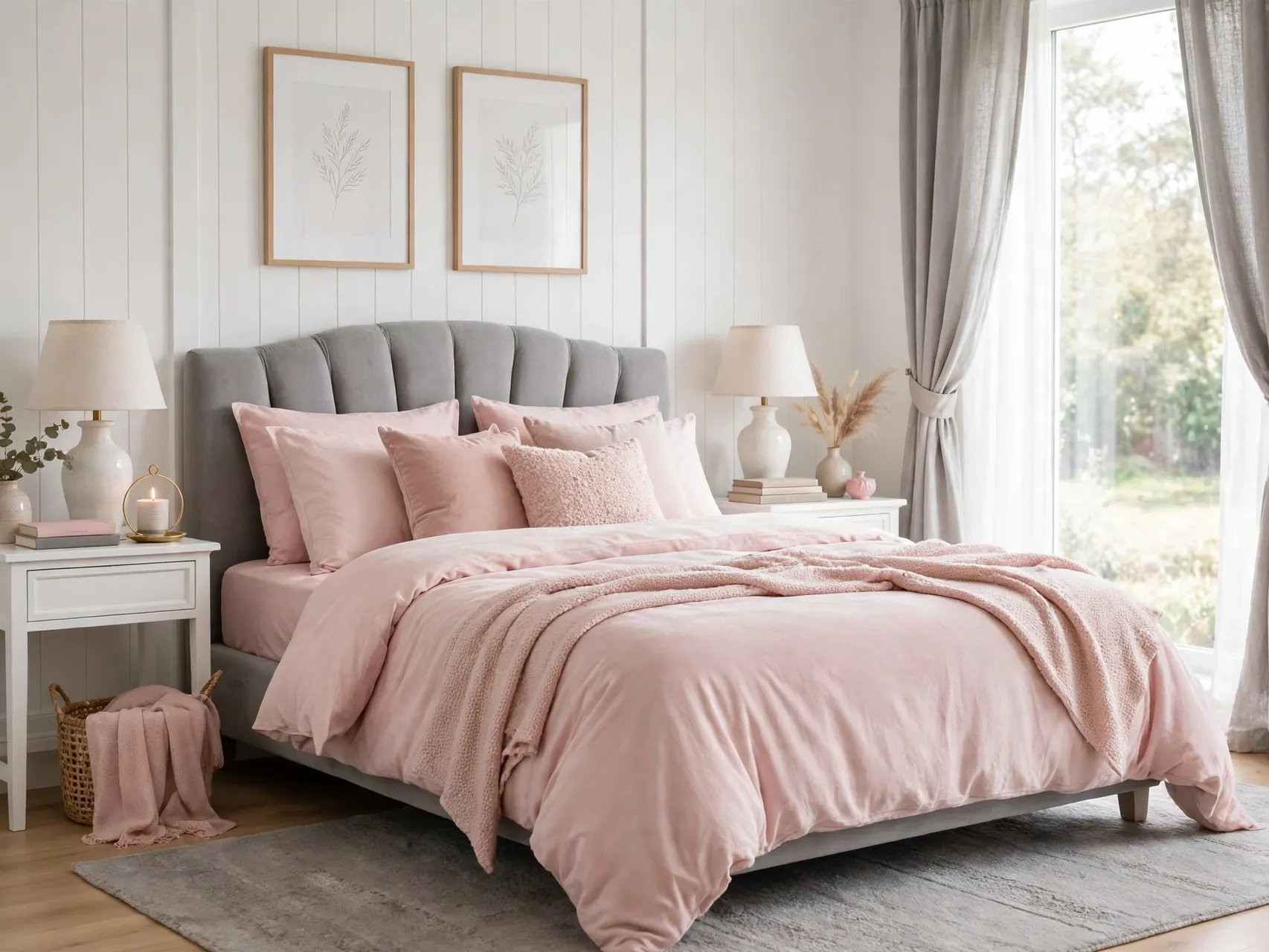
Blush pink with soft grey balances romance and calm. Grey walls ground the room, blush bedding and cushions soften it, and white keeps the pair fresh. Choose a warm grey so it does not fight the pink undertones.
Silver, chrome or black frames sharpen the softness when needed. This pairing is a kind choice for guest rooms and main bedrooms that want color without saturation or visual noise.
Add one deeper accent, like a charcoal cushion or a walnut side table, to anchor the soft pair and stop the room from floating away into pastel.
8. Forest Green and Cream

Forest green with cream is rich, restful and quietly luxurious. Forest green works best as the bed wall, bedding or a velvet headboard, with cream walls and textiles giving it room to breathe and brass adding a warm sparkle.
This deep pairing loves warm lamplight, so plan lamps on both sides of the bed. In smaller rooms, keep green to one role only and let cream dominate for balance.
Cream bedding with a subtle texture, like a waffle weave or a soft stripe, adds interest beside deep green without introducing a competing pattern or color.
9. Greige and White
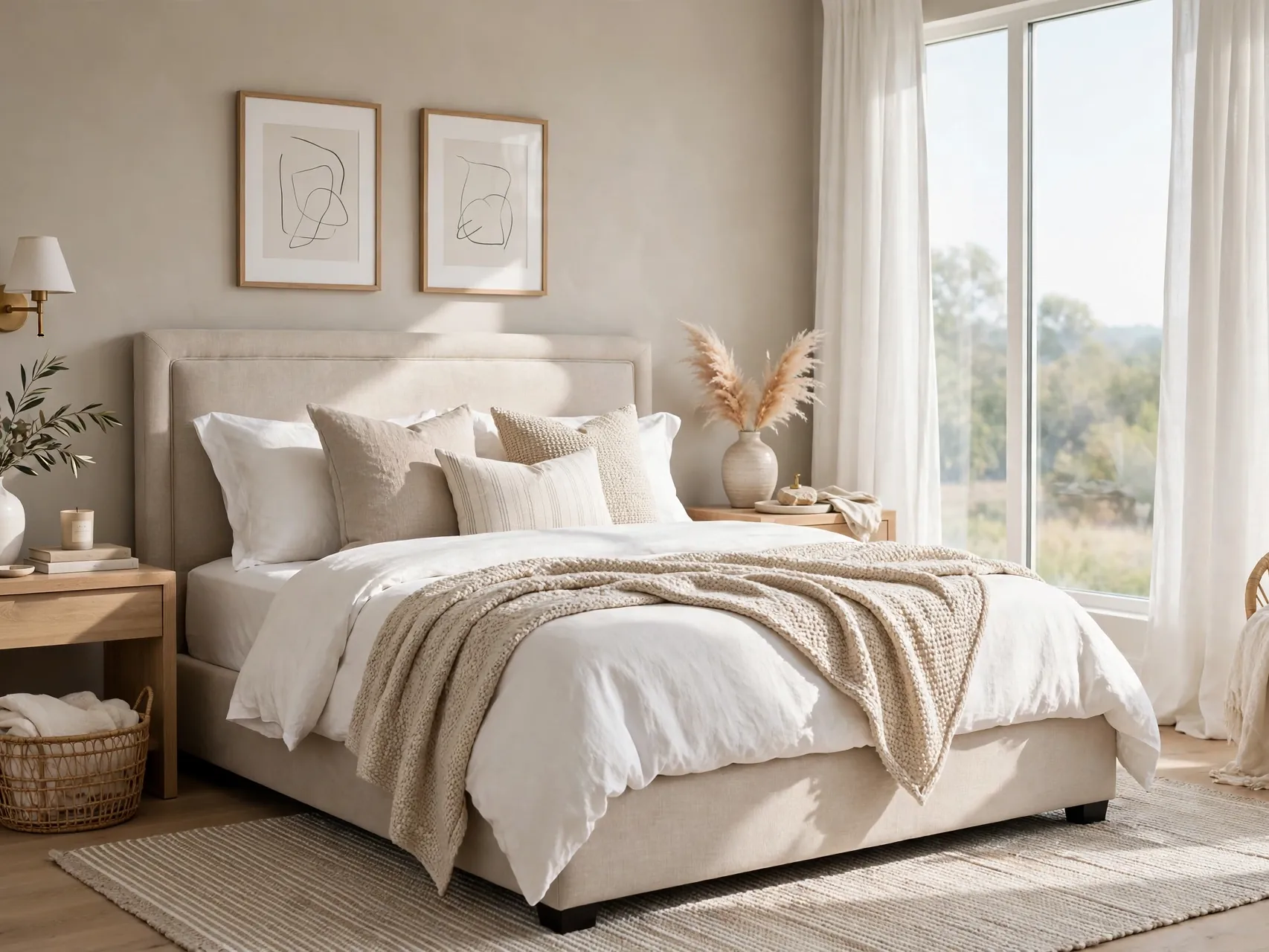
Greige, the grey beige blend, with clean white is the flexible neutral pairing for indecisive decorators. Greige walls adapt to warm and cool textiles, white trim and bedding keep the room crisp, and you can change accent colors seasonally for free.
Watch undertones when sampling, because greige varies widely. Pair with medium wood tones and black accents for definition, and this quiet scheme will carry almost any style of furniture gracefully.
10. Olive and Warm White

Olive with warm white feels organic, grounded and a little moody in the best way. Olive on a bed wall or in bedding pairs with warm white walls, tan leather, black metal and natural wood for a calm, collected room.
Olive can swing yellow in strong sun, so test on two walls. Plants echo the color beautifully. This pairing suits boho, rustic and modern rooms that want green with more depth than sage offers.
Keep ceiling and trim in the same warm white as the walls if you want the olive feature to stand out cleanly without extra lines competing for attention.
11. Dusty Blue and Beige

Dusty blue with beige is the softened version of blue and white, warmer and calmer for bedrooms. Beige textiles warm the blue, the blue cools the beige, and together they create a balanced, lived in palette that flatters wood furniture.
Use this pairing when pure white feels too stark for your light. Natural textures, linen, wool and cane, are the natural finish, and pewter or black hardware adds quiet definition.
12. Black and Cream
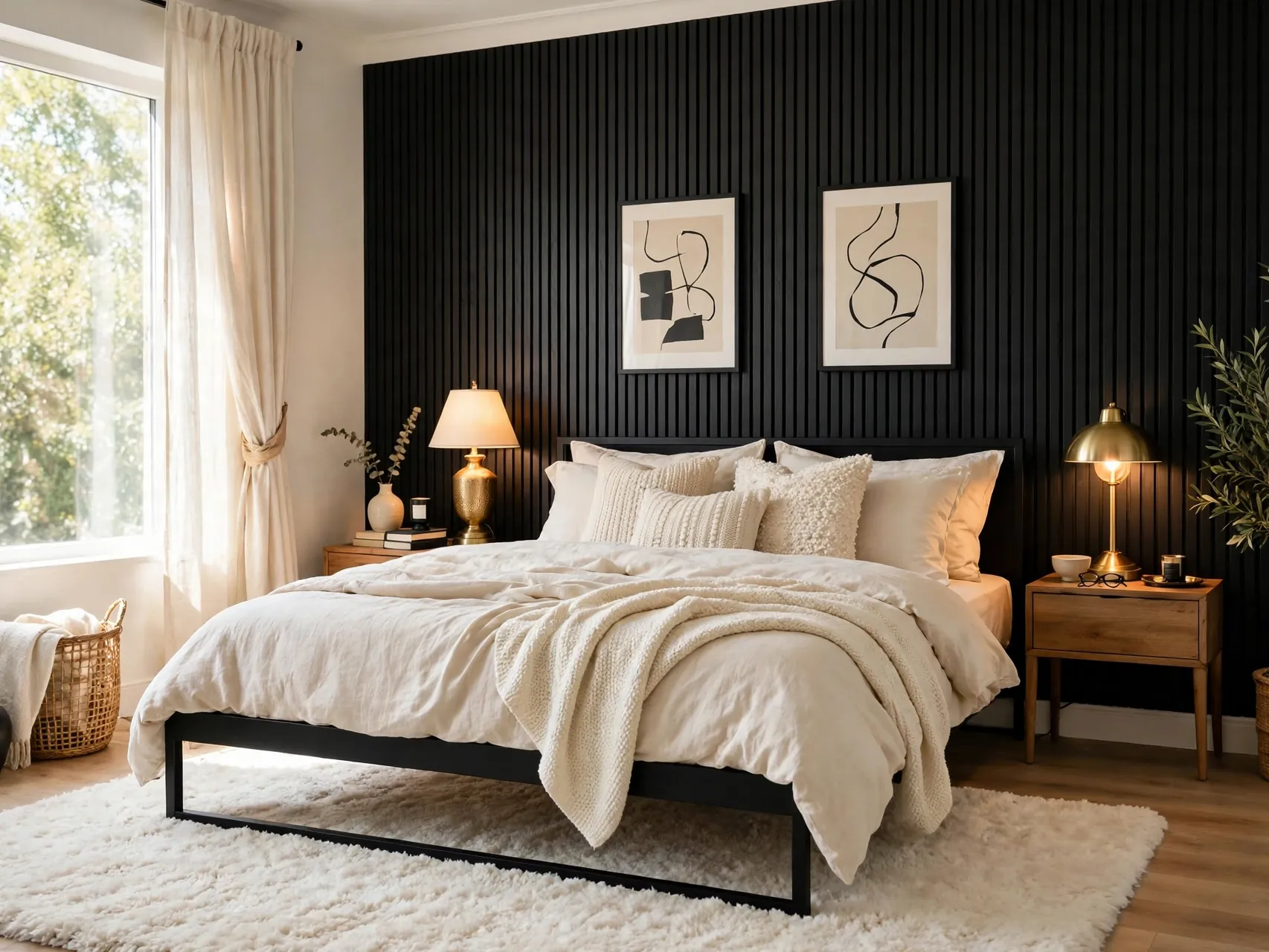
Black with cream is bold but controlled when cream clearly dominates. Cream walls and bedding keep the room soft, black arrives in the bed frame, lamps, frames and a bench, and warm wood stops the contrast from feeling cold.
This pairing looks expensive with very little pattern. Keep black matte where possible and repeat it at least three times in the room so it reads as a deliberate design thread, not an accident.
A warm cream rather than a bright white is essential here, because it softens every black edge and keeps the room feeling like a bedroom, not a showroom.
13. Lavender and Warm Grey

Lavender with warm grey is gentle, romantic and surprisingly grown up when the lavender stays dusty and muted. Warm grey walls, lavender bedding and cushions, and white accents create a calm room with a soft color story.
Silver and pale wood suit this pairing best. Keep lavender out of the brightest saturated range, because muted tones are what keep the scheme restful enough for a main bedroom.
14. Teal and Mustard Accents on White
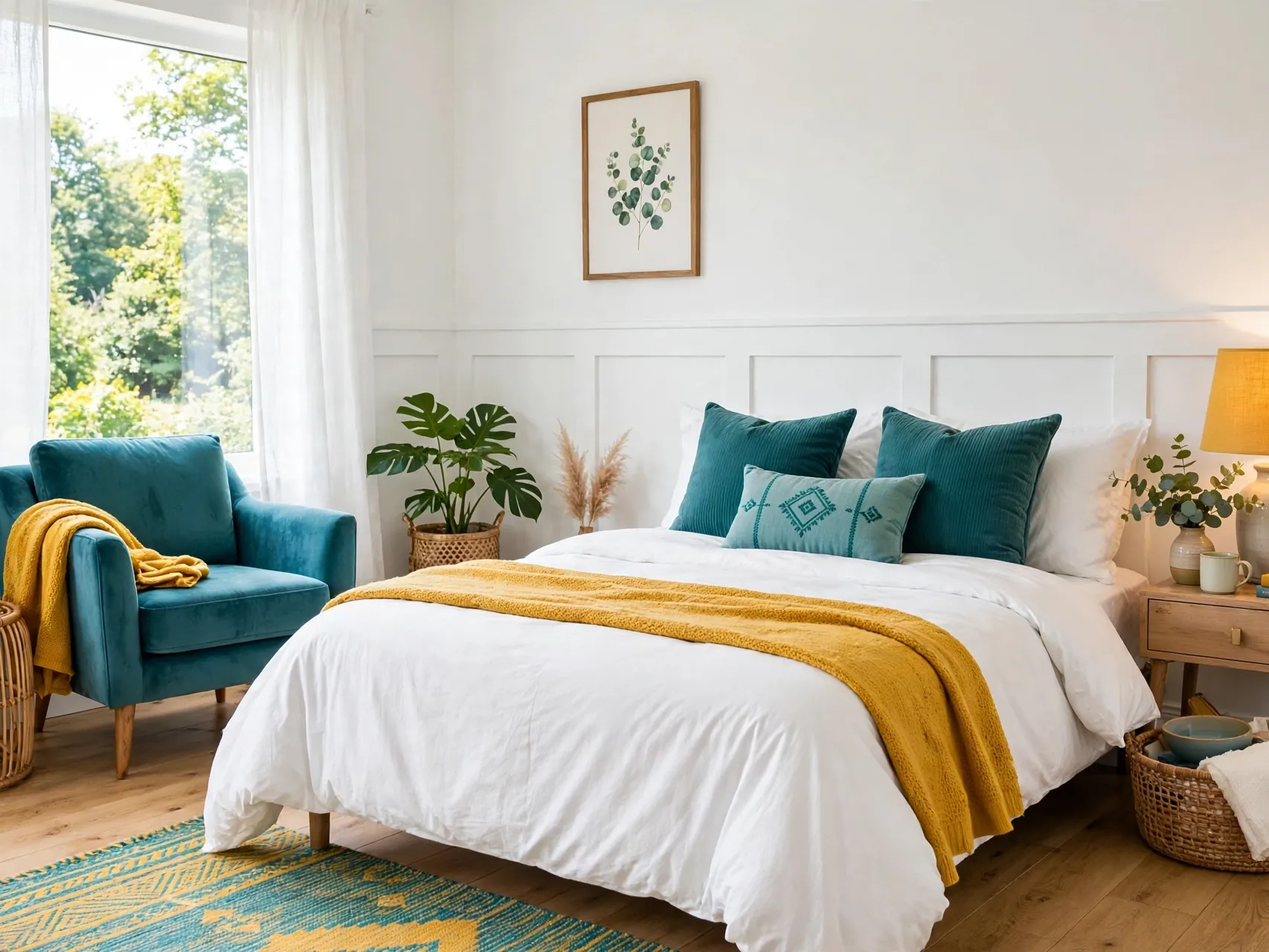
A white base with teal and mustard accents gives color lovers a stunning, balanced room. White walls and bedding provide calm, teal adds cool depth in a headboard or cushions, and mustard adds warm energy in one throw or a pair of pillows.
Keep the accent ratio honest, teal at 30 percent at most and mustard at 10, or the room turns busy. This pairing suits creative bedrooms and guest rooms that should feel memorable.
15. Chocolate Brown and Cream

Chocolate brown with cream is warm, cocooning and back in favor for bedrooms that want depth without black. Brown in bedding, a headboard or a painted wall pairs with cream walls and textiles, plus brass or caramel leather for glow.
Brown needs good warm light to avoid feeling heavy, so layer lamps generously. This pairing is especially cozy in fall and winter, with wool and knit textures completing the retreat feeling.
Cream linen and a caramel throw are reliable partners for chocolate, and a single plant adds the fresh note that keeps the warm palette feeling alive.
16. Sage, White and Light Oak Trio

This trio refines the sage pairing for Scandinavian and modern rooms: white walls for air, sage in bedding and cushions for calm color, and light oak furniture and flooring as the warm structural tone throughout the room.
The three roles stay fixed, which makes shopping and styling easy. Add woven and linen textures in white and sage tones, and one black or ceramic accent for contrast, and the room feels complete.
Because all three tones are quiet, vary texture generously in this room, smooth cotton, nubby wool, woven cane and matte ceramic, to keep the calm scheme interesting.
17. Peach and Cream

Peach with cream is soft sunshine for bedrooms that face away from the sun. Cream keeps the scheme light, peach adds gentle warmth on a bed wall or in textiles, and pale wood plus white bedding keep it fresh rather than sweet.
Choose a muted, clay leaning peach for a grown up result. This pairing flatters skin tones in morning light and suits guest rooms, nurseries that need to grow up gracefully, and small rooms needing warmth.
18. Slate Grey and Dusty Rose

Slate grey with dusty rose pairs cool depth with warm softness for a balanced, modern romantic room. Slate in walls or bedding anchors the scheme, dusty rose in textiles and art warms it, and white bedding keeps the contrast clean.
Use black or silver frames to sharpen the edges. This is a strong choice when one partner wants grey and the other wants color, because both colors genuinely share the room.
19. Emerald, Blush and Brass Trio

Emerald with blush and brass is the elegant statement trio: emerald as the deep anchor in bedding or a headboard, blush as the soft counterpoint in cushions and art, and brass in lamps and frames as the warm metallic thread.
Keep walls in warm white or palest blush so the trio has air. This combination suits dressier main bedrooms and photographs beautifully, as long as the emerald and blush stay muted rather than bright.
Use emerald in a matte or velvet finish where possible, because the soft surface keeps the deep green feeling luxurious rather than shiny or formal.
20. Cream, Wood and Charcoal Trio

Cream with natural wood and charcoal is the grounded trio that suits almost every home: cream walls and bedding for softness, wood furniture and flooring for warmth and structure, and charcoal in textiles, lamps or a bed frame for definition.
This trio works because each role is clear and the undertones are all warm. It adapts to modern, rustic and classic furniture, and it is the easiest scheme in this list to build gradually from pieces you already own.
Start this trio from your floor color if you are unsure, match the wood role to it, then choose cream textiles and place charcoal where the room needs weight.
FAQ
How many colors should a bedroom combination have?
Two main colors plus one small accent is the most reliable formula, split roughly 60 percent base, 30 percent support and 10 percent accent. More colors can work, but each extra color needs a clear role and a repeat somewhere else in the room. If a scheme feels busy, remove one color before adding anything else.
How do I know if two bedroom colors clash?
Check undertones in real light. Paint large samples side by side and view them in morning, afternoon and lamplight against your flooring and bedding. Warm and cool undertones fighting each other is the most common clash, for example a blue based grey beside a yellow based beige. Colors that share a warm or cool family usually live together peacefully.
What is the best combination for a small bedroom?
Light dominant pairings work best: warm white and beige, soft blue and ivory, or sage, white and light oak, with the deeper color kept to bedding or one wall. Keep the ceiling light, repeat the same two colors consistently, and use texture instead of extra colors for interest. Consistency makes a small room feel larger and calmer.
Can I mix dark color combinations in a low light bedroom?
Yes, with balance and warm light. Pair charcoal, navy or forest green with plenty of cream or warm white in bedding and rugs, and add lamps on both sides of the bed with warm bulbs. Test dark samples at night, because low light rooms show dark paint at its deepest, and choose the shade that still feels warm after dark.
How do I add an accent color without repainting?
Use textiles and small decor in the accent role: cushions, a throw, art, lampshades, a bench cushion or a rug. Repeat the accent at least three times in different spots so it looks intentional. This is the 10 percent layer, and it is easy to change seasonally while your two main colors stay in place.
Key Takeaways
- Use the 60-30-10 split: One calm base, one supporting tone and one small accent is the structure behind every stunning pairing in this list.
- Undertones decide harmony: Warm with warm and cool with cool, tested on large samples in morning and evening light against flooring and bedding.
- Light rooms love depth, dark rooms need balance: Navy, charcoal and forest green shine when cream, ivory or warm white and warm lamps share the room generously.
- Neutrals are combinations too: Warm white and beige, greige and white, and cream, wood and charcoal stay stunning because texture does the decorating.
- Accents are changeable, bases are calm: Keep paint and large pieces in the quiet pair, and let cushions, throws and art carry the bold 10 percent.
- Found your perfect pairing in these bedroom color combinations? Save this guide to Pinterest and pin the combo you will sample first.