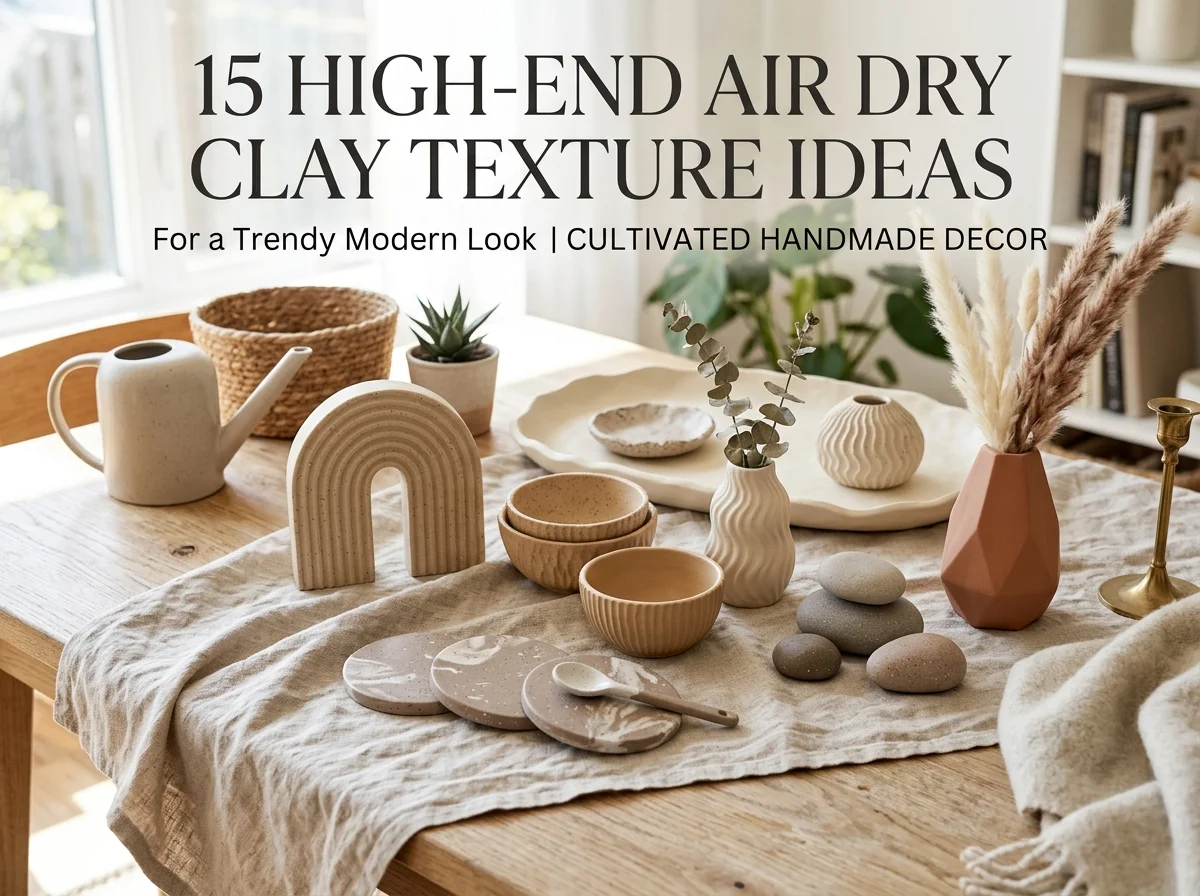
15 Air Dry Clay Texture Ideas High End Trendy Designs
Introduction
Looking for air dry clay texture and style ideas high end trendy enough to look designer-made without a designer price tag?
The right texture can transform a simple clay project into a beautiful piece of decor that feels modern, sophisticated, and completely unique. Whether you’re creating trays, vases, bowls, sculptures, or decorative accents, texture plays a huge role in the final result.
In this collection, you’ll discover 15 stylish clay finishes and design techniques inspired by current interior trends, organic modern decor, and artisan craftsmanship. From stone-inspired surfaces to sculptural forms and marble effects, these ideas are designed to help your projects stand out. I’ve noticed that even small texture changes can dramatically improve the overall appearance of handmade pieces. These inspiring concepts offer creative ways to elevate your work while keeping the process approachable, enjoyable, and beginner-friendly.
Matte Stone Finish
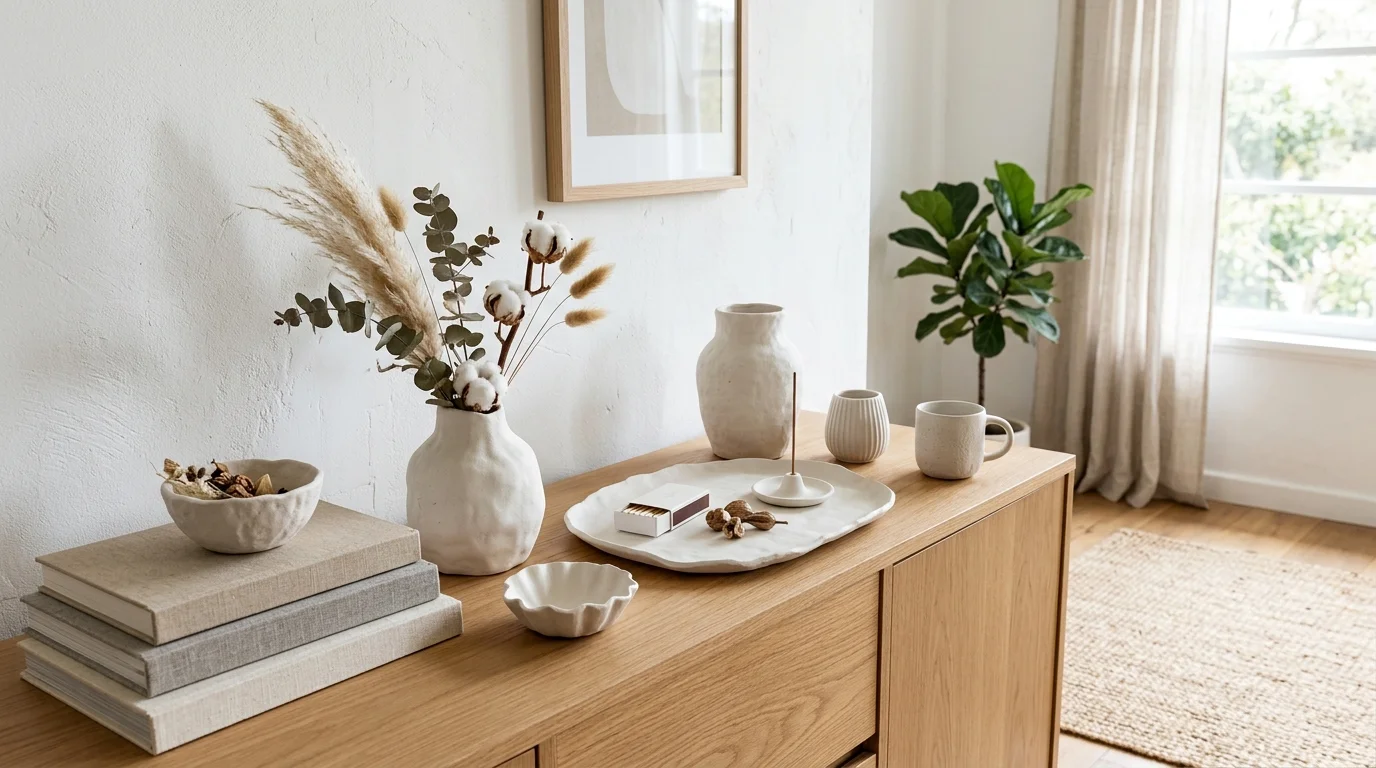
A refined stone-inspired finish instantly gives air dry clay projects a more elevated appearance. The soft matte texture mimics natural materials often seen in luxury home decor, making even simple pieces feel thoughtfully designed. Neutral shades such as beige, taupe, and warm gray create a calming visual effect that fits effortlessly into contemporary interiors. This style works particularly well for decorative trays, catchall dishes, and sculptural objects because it highlights shape rather than color, allowing the craftsmanship and texture to become the focal point of the finished piece.
One reason this finish remains popular is its versatility across different decorating styles. Whether placed in a minimalist apartment, a cozy modern farmhouse, or a Scandinavian-inspired room, the look feels timeless and sophisticated. In my experience, lightly sanding the surface before painting helps achieve a smoother result that closely resembles natural stone. Small variations in texture actually enhance the handmade character, creating depth and authenticity. The final effect feels expensive and curated while remaining surprisingly achievable for beginners exploring creative clay projects.
Linen Texture Vessels
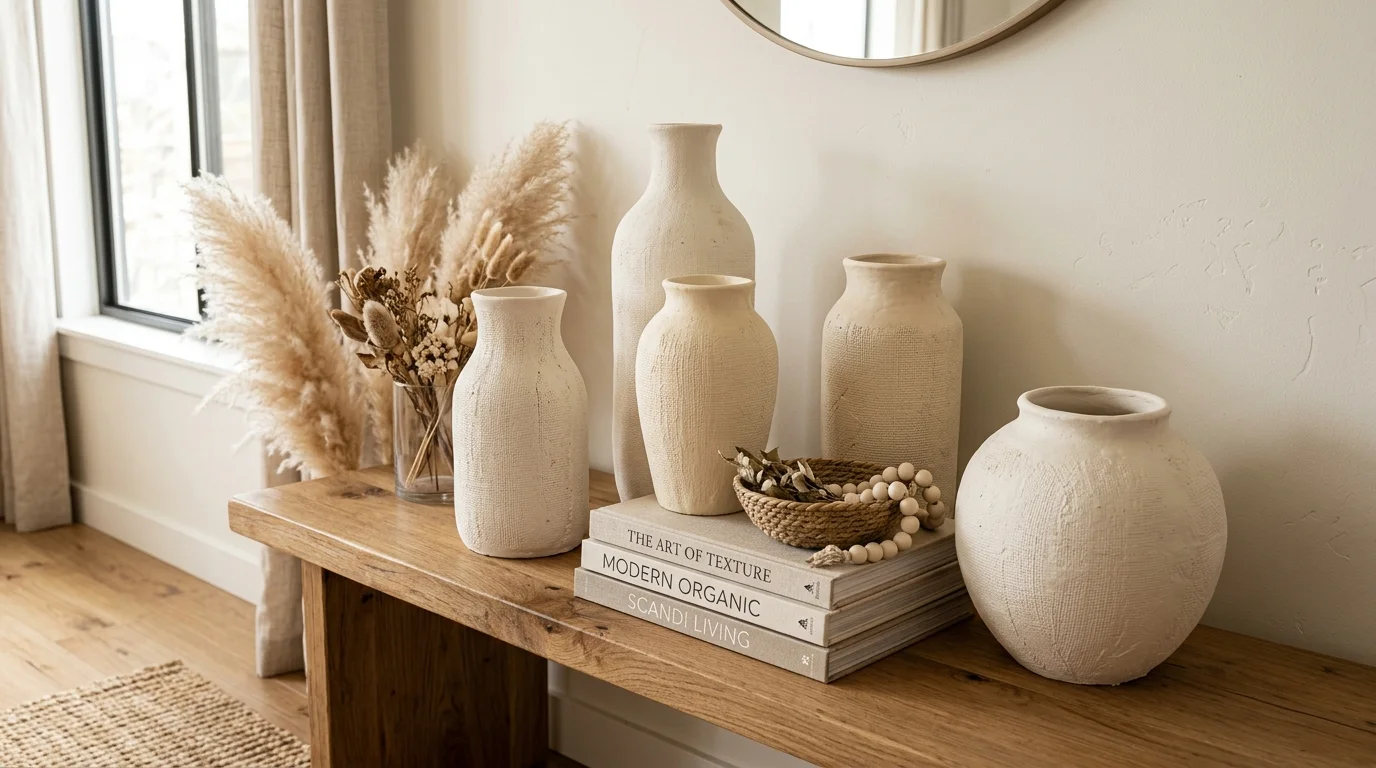
Fabric-inspired textures bring a unique sense of softness to clay decor. By pressing linen or textured fabric into the surface before drying, ordinary vessels gain a subtle pattern that feels organic and refined. The resulting texture catches light beautifully, adding dimension without relying on bold colors or elaborate embellishments. This understated approach works especially well in spaces that embrace natural materials and calming palettes. Decorative vases, candle holders, and small storage containers all benefit from this gentle tactile detail that makes each piece feel individually crafted.
What makes this idea particularly appealing is its ability to add interest while maintaining simplicity. Many trendy interiors focus on layered textures rather than excessive decoration, and this technique fits perfectly within that design philosophy. I’ve noticed that soft ivory and creamy white finishes emphasize the fabric impressions most effectively. The texture remains visible while preserving a clean aesthetic. When displayed alongside wood, woven accents, or dried florals, these pieces contribute warmth and depth, helping create a welcoming environment that feels balanced and intentionally styled.
Raw Clay Layers
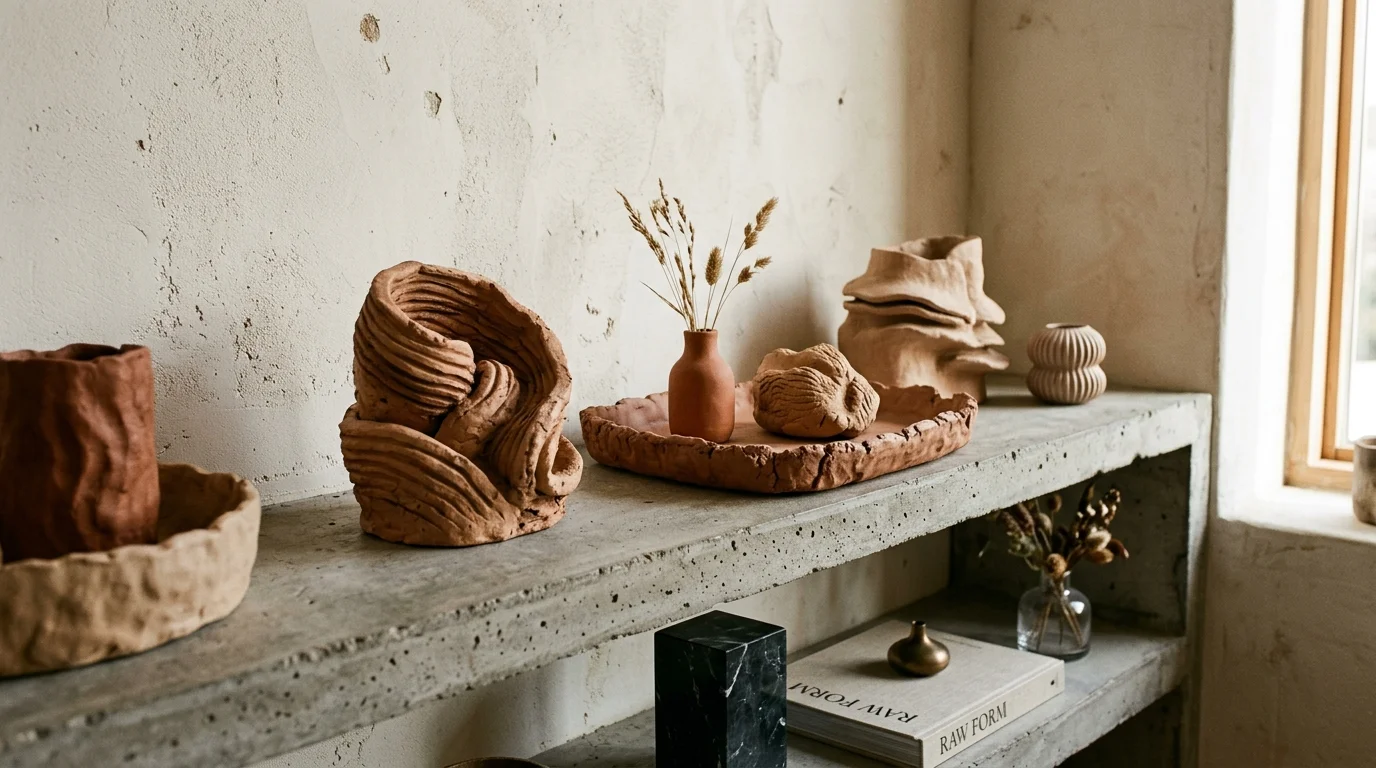
Layered clay textures create an artistic statement that immediately draws attention. Instead of smoothing every surface, this approach embraces visible ridges, overlapping sections, and dimensional details that showcase the making process. The result feels expressive, modern, and highly customized. Decorative trays, sculptural bowls, and abstract objects benefit especially well from this style because the texture becomes part of the design itself. The layered appearance introduces movement and depth, transforming simple projects into eye-catching decorative pieces that feel unique and thoughtfully crafted.
Many designers appreciate imperfect textures because they add authenticity and visual interest. Smooth surfaces can sometimes feel predictable, while layered finishes create natural variation that keeps the eye engaged. In my experience, allowing some raw texture to remain visible often produces a more sophisticated outcome than trying to achieve complete uniformity. Earthy tones further enhance the organic quality, helping each piece feel connected to natural materials. When styled alongside stone, wood, and neutral decor, layered clay designs contribute warmth, personality, and a strong sense of creative craftsmanship.
Travertine Speckle Effect
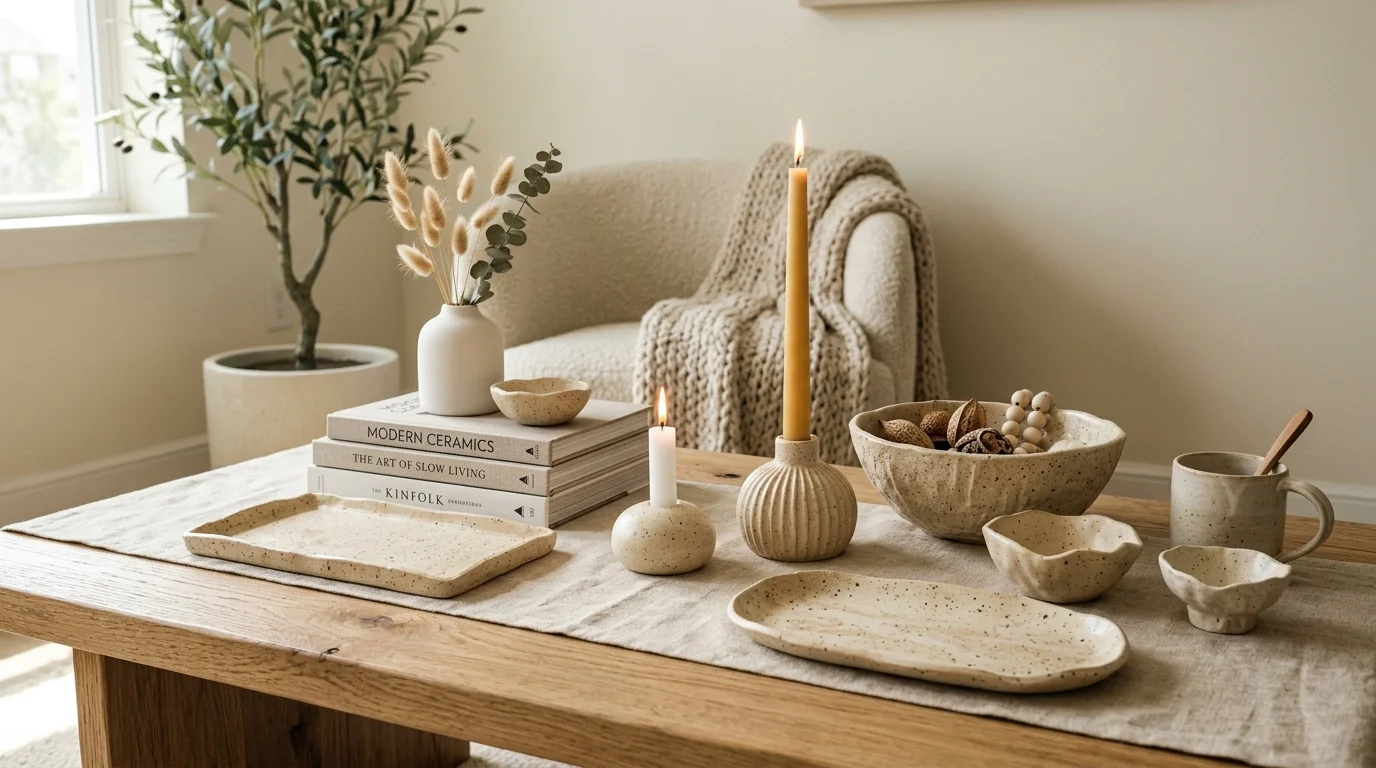
Travertine-inspired finishes have become a favorite in modern home styling because they feel both timeless and current. The delicate speckled surface resembles natural stone, giving handmade clay creations a more polished and expensive appearance. Simple trays, coasters, and decorative vessels instantly gain visual depth through tiny contrasting flecks scattered across the surface. This effect is especially effective when paired with soft neutral tones that allow the texture to remain the star. The finished pieces feel elegant, understated, and versatile enough to complement a wide variety of decorating styles.
One reason this look continues to trend is its ability to bring subtle character into a room without creating visual clutter. I’ve seen this work well in spaces that rely on layered neutrals and natural materials for warmth. Small speckles add texture while preserving a calm, sophisticated aesthetic. When displayed alongside wood furniture, linen fabrics, and ceramic accents, the effect feels cohesive and intentional. The result captures the beauty of natural stone while allowing creators to achieve a high-end decorative style using accessible and beginner-friendly clay techniques.
Soft Arch Sculptures
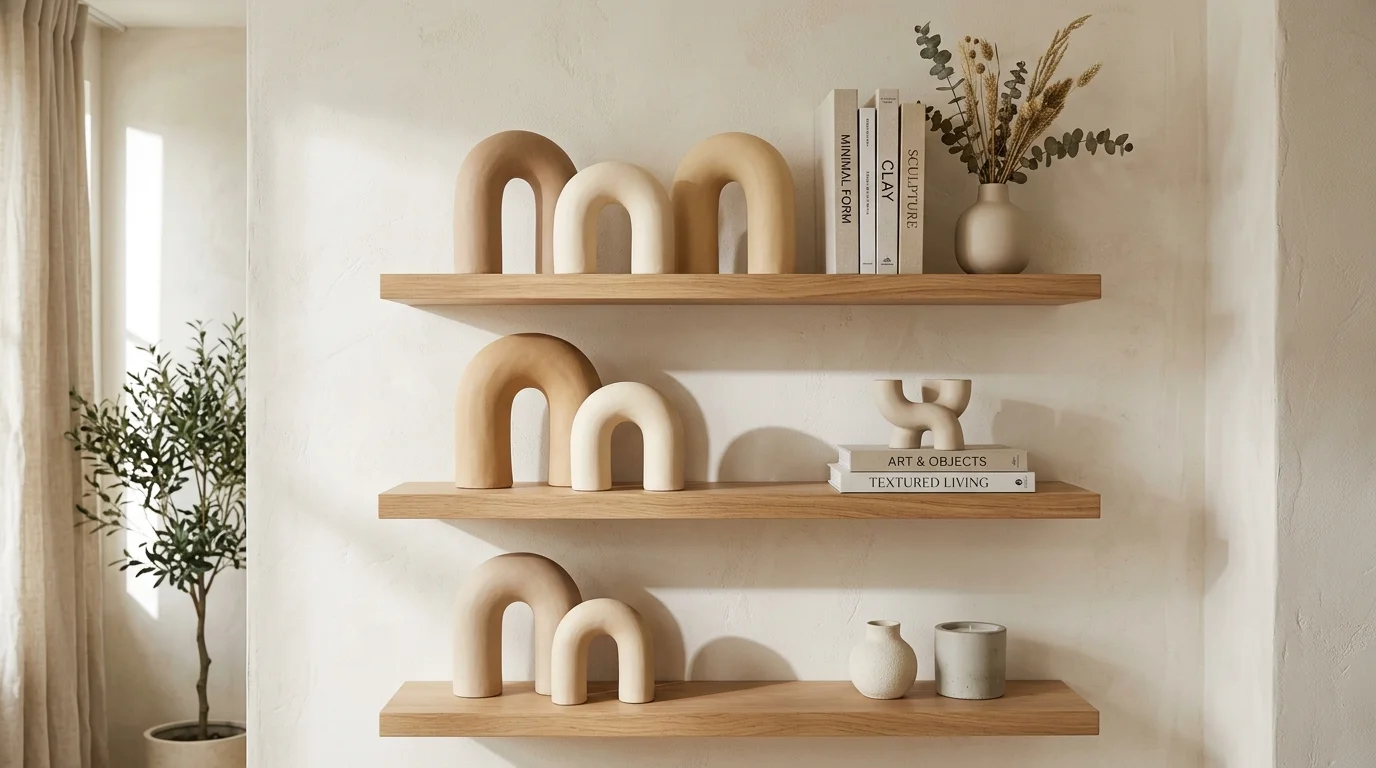
Curved forms have become a defining feature of many contemporary interiors, making arch-shaped clay sculptures a stylish decorative choice. Their simple silhouettes provide visual interest without overwhelming surrounding decor. Whether displayed individually or grouped together, these sculptural pieces create balance through soft lines and organic shapes. Neutral finishes further enhance their versatility, allowing them to blend naturally into different design schemes. The clean geometry feels modern while still maintaining warmth, making the sculptures suitable for shelves, consoles, desks, and decorative vignettes throughout the home.
The beauty of this idea lies in its simplicity. Even beginner makers can create striking decorative accents using basic forms and subtle texture techniques. I’ve noticed that slight imperfections often make these sculptures feel more artistic and authentic. Soft curves catch natural light beautifully, creating shadows that add dimension throughout the day. When paired with books, candles, or ceramic accessories, the arches help create a layered designer look. Their understated elegance makes them easy to style season after season without feeling trendy or temporary.
Textured Ripple Surfaces
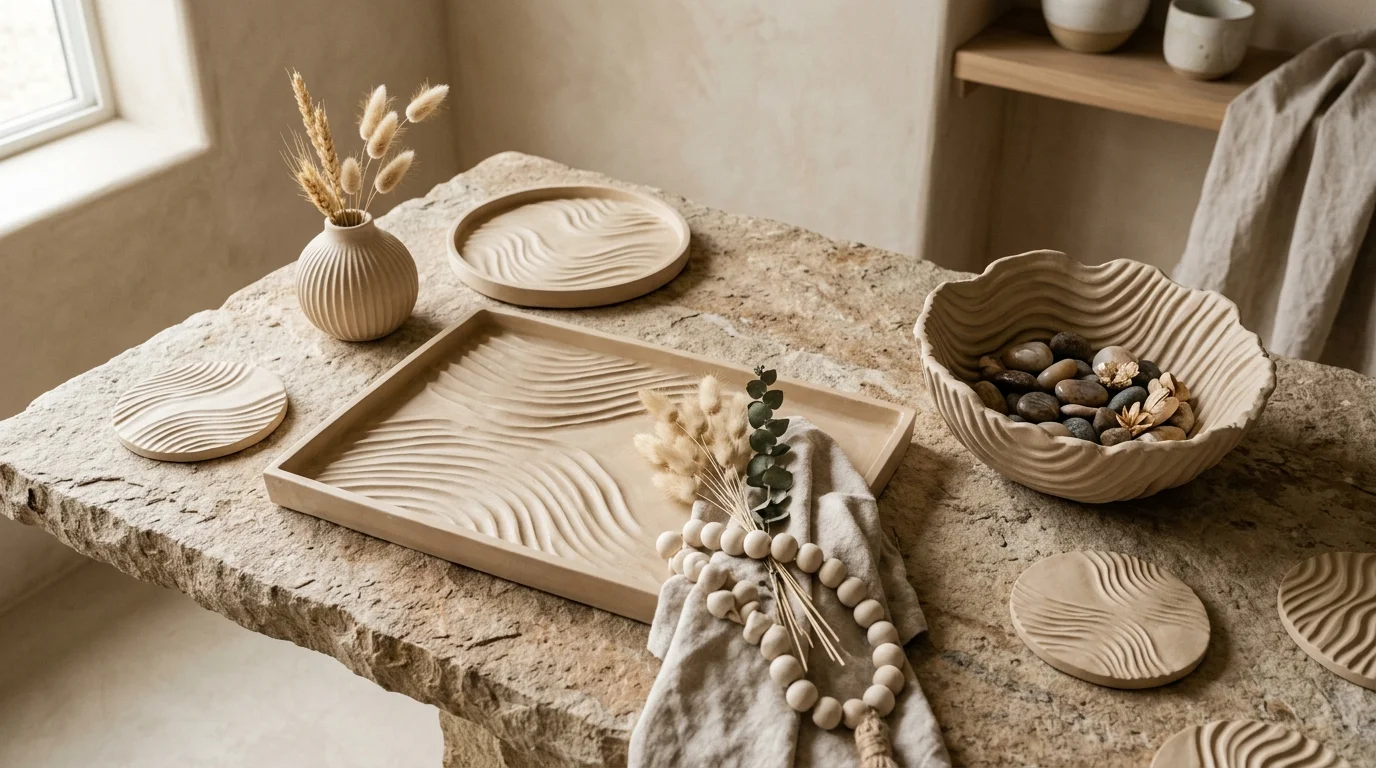
Rippled textures introduce a sense of movement that instantly makes clay creations more visually engaging. Inspired by patterns found in sand, water, and natural landscapes, these flowing lines add dimension while maintaining a clean aesthetic. Decorative trays, wall pieces, and tabletop accents benefit especially well from this approach because the textured surface becomes a key design element. Soft curves guide the eye across the piece, creating a dynamic appearance that feels artistic yet approachable. The result is decorative work that feels thoughtfully designed and rich with visual character.
Nature-inspired textures often remain popular because they bring a sense of calm into living spaces. Gentle ripples feel organic and relaxing, making them particularly effective in modern interiors focused on comfort and simplicity. In my experience, keeping the color palette neutral allows the texture to stand out more effectively. Light and shadow naturally emphasize every ridge, enhancing the three-dimensional effect throughout the day. Combined with wood, stone, and woven materials, ripple-textured decor helps create an inviting atmosphere that feels balanced, contemporary, and effortlessly stylish.
Chalky White Finish
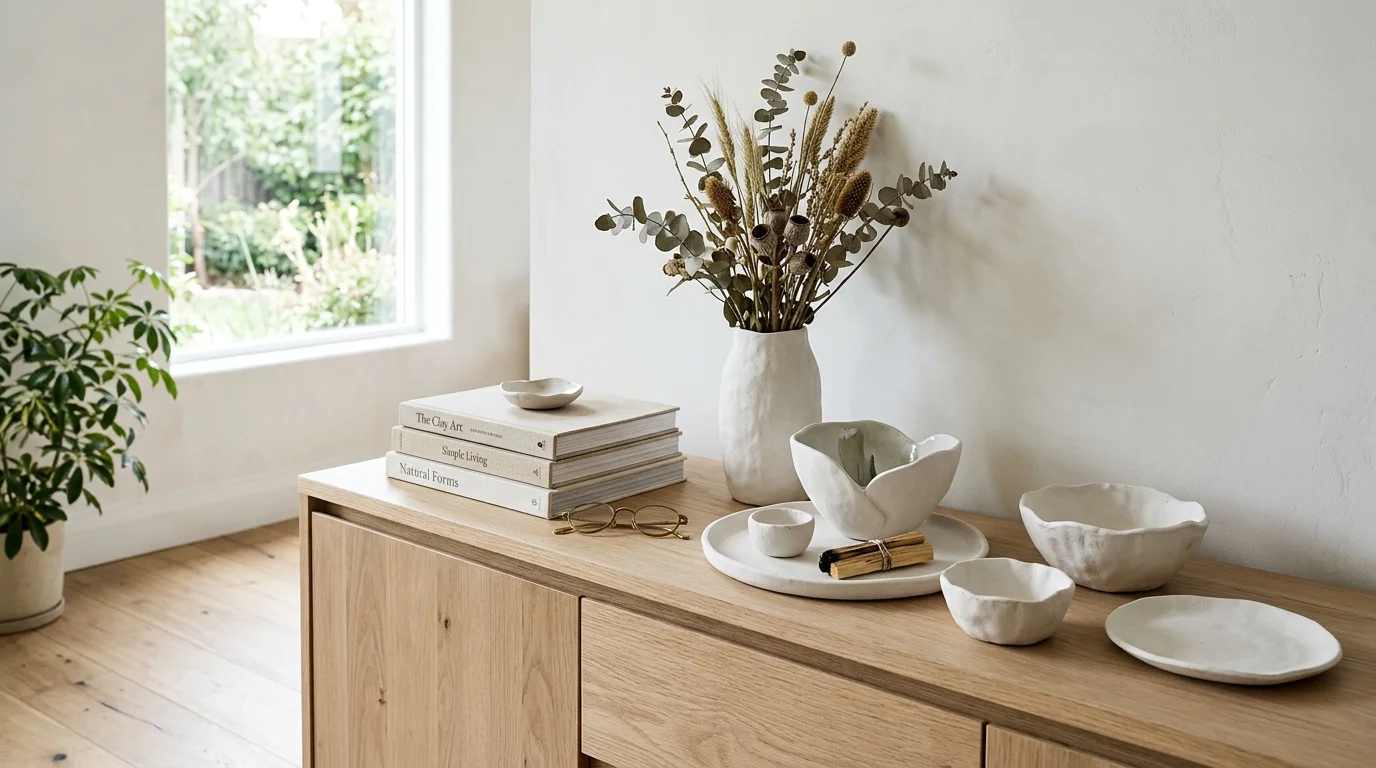
A chalky white finish offers a clean and elegant aesthetic that never seems to go out of style. The soft matte appearance feels sophisticated while allowing textures and shapes to remain the center of attention. Decorative bowls, trays, and vases take on a gallery-inspired quality when finished in crisp white tones. This approach works especially well in spaces that emphasize simplicity and natural light. By removing visual distractions caused by strong colors, the design itself becomes more noticeable, creating a polished look that feels calm, modern, and intentionally curated.
One of the biggest advantages of this finish is its versatility across different interiors. From coastal-inspired homes to contemporary apartments, white clay decor blends effortlessly with existing furnishings. I’ve noticed that subtle texture details become even more visible when paired with a matte white surface. Small ridges, fabric impressions, and handcrafted variations stand out beautifully under natural light. The result feels fresh and elevated without requiring complicated techniques. This simple finish proves that sometimes the most understated design choices create the strongest visual impact.
Organic Pebble Forms
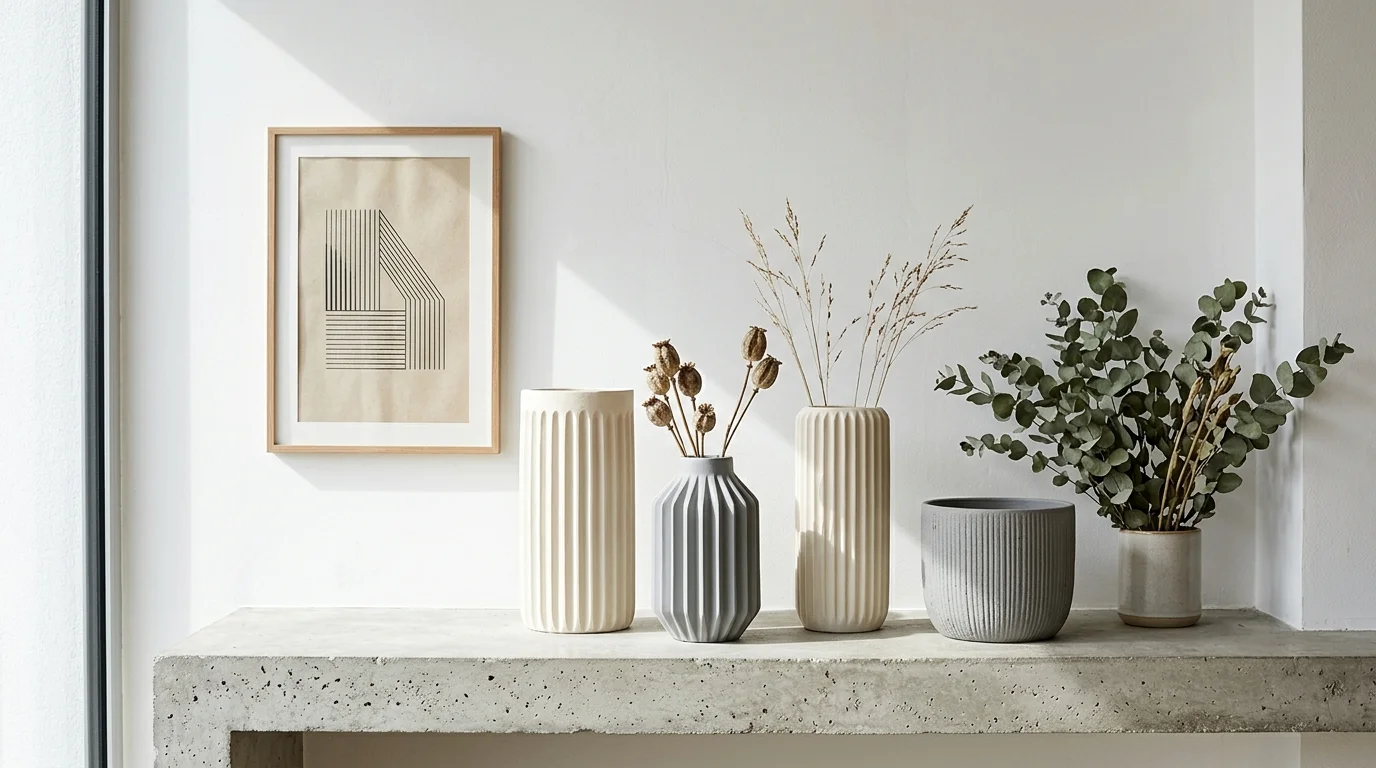
Pebble-inspired forms bring an organic softness that instantly makes a space feel more relaxed and welcoming. Their rounded silhouettes mimic natural stones shaped by water over time, creating a connection to nature without feeling rustic. Decorative clay pebbles can be displayed individually or arranged in clusters for greater visual impact. The smooth shapes provide balance alongside angular furniture and structured decor. Their simplicity allows them to function as subtle design accents while still contributing texture, form, and artistic character to a thoughtfully styled environment.
What makes pebble-inspired decor particularly appealing is its ability to create interest through shape rather than decoration. Smooth curves feel timeless and versatile, making these pieces easy to incorporate into changing design trends. In my experience, grouping several sizes together often creates the most striking display. The variation adds rhythm and depth while maintaining a cohesive look. When combined with wood, linen, and stone elements, pebble sculptures contribute to a layered yet uncluttered aesthetic. The finished arrangement feels natural, balanced, and effortlessly sophisticated.
Brushed Earth Texture
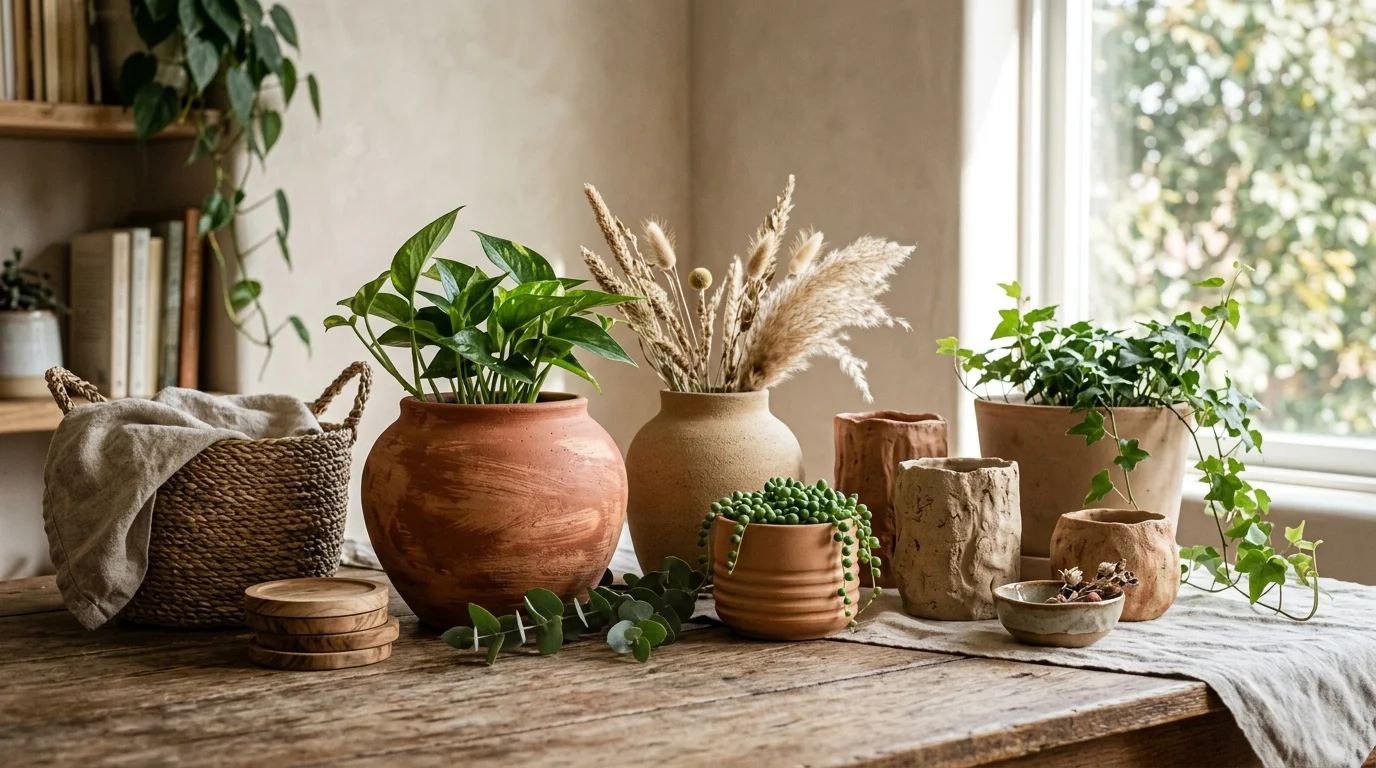
Brushed textures create a handcrafted finish that feels rich with personality and artistic detail. Visible brush strokes introduce movement across the surface, adding depth while preserving the natural beauty of the clay. This technique works particularly well on planters, vases, and larger decorative objects where texture can be appreciated from different angles. The layered surface catches light throughout the day, creating subtle variations that make each piece feel unique. Combined with earthy colors, the finish delivers warmth and authenticity that suits a wide range of interior styles.
Many people are drawn to artisan-inspired decor because it feels personal and inviting. Brushed textures emphasize the handmade process rather than hiding it, resulting in pieces that showcase craftsmanship and creativity. I’ve seen this work especially well in homes that feature natural materials and relaxed styling. The texture introduces visual richness without requiring elaborate patterns or decorative additions. When paired with greenery, wood furniture, and woven accents, brushed clay pieces help create an environment that feels grounded, comfortable, and thoughtfully designed from every angle.
Sandstone Edge Detail
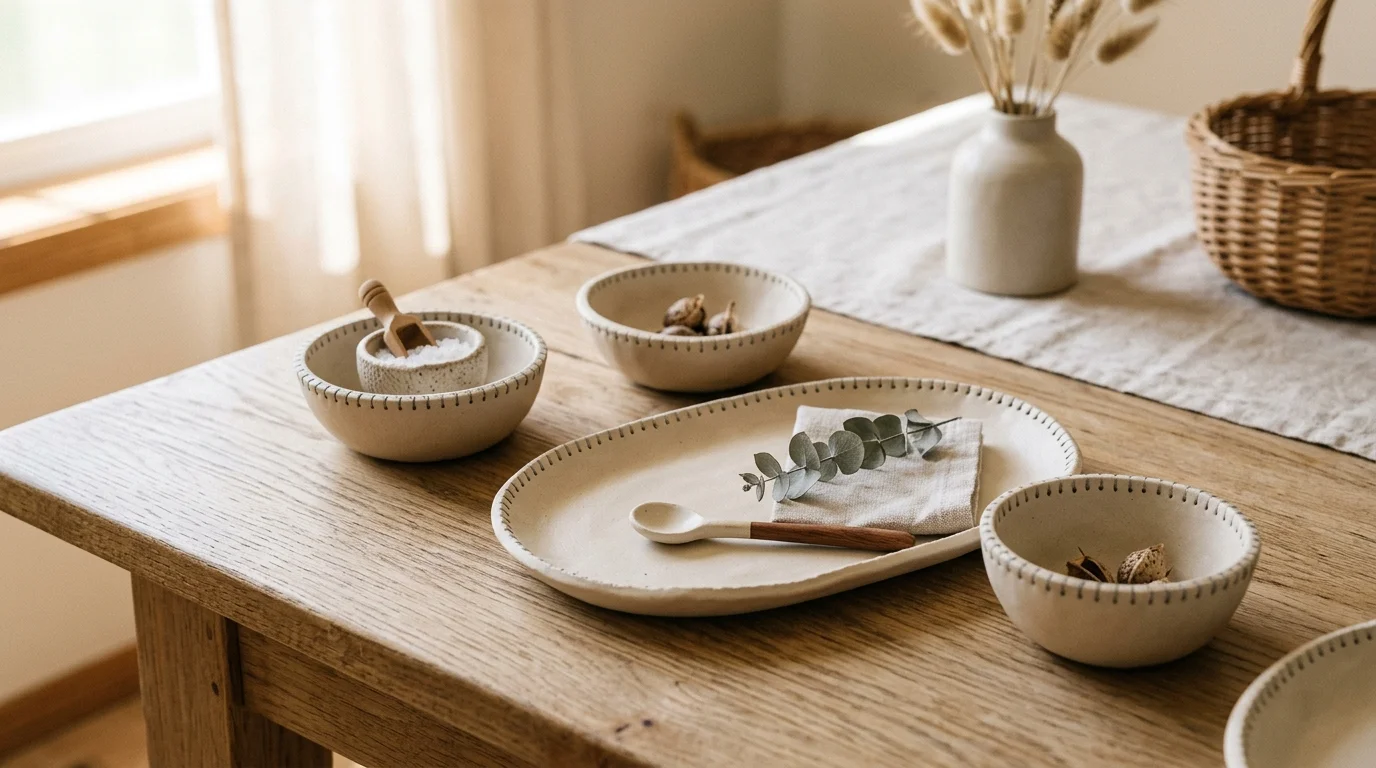
A sandstone-inspired edge treatment adds visual interest by combining rough texture with clean forms. The contrast between softly textured borders and smoother central areas creates a sophisticated look often found in high-end decorative accessories. This technique allows simple shapes to feel more dynamic while maintaining a minimalist aesthetic. Decorative trays, wall hangings, and display pieces benefit particularly well because the textured edges naturally draw attention. The finish captures the essence of natural stone while preserving the warmth and creativity associated with handcrafted clay projects.
This approach works well because it balances refinement and texture in a way that feels intentional rather than overly decorative. I’ve noticed that lightly irregular edges often create the most realistic and appealing results. The subtle imperfections help mimic naturally weathered stone, giving the finished piece more character and authenticity. When styled with wood furniture, neutral textiles, and ceramic accents, sandstone-inspired details contribute depth and sophistication. The overall effect feels curated and designer-inspired while remaining approachable for creative makers experimenting with decorative clay techniques.
Wabi-Sabi Bowls.
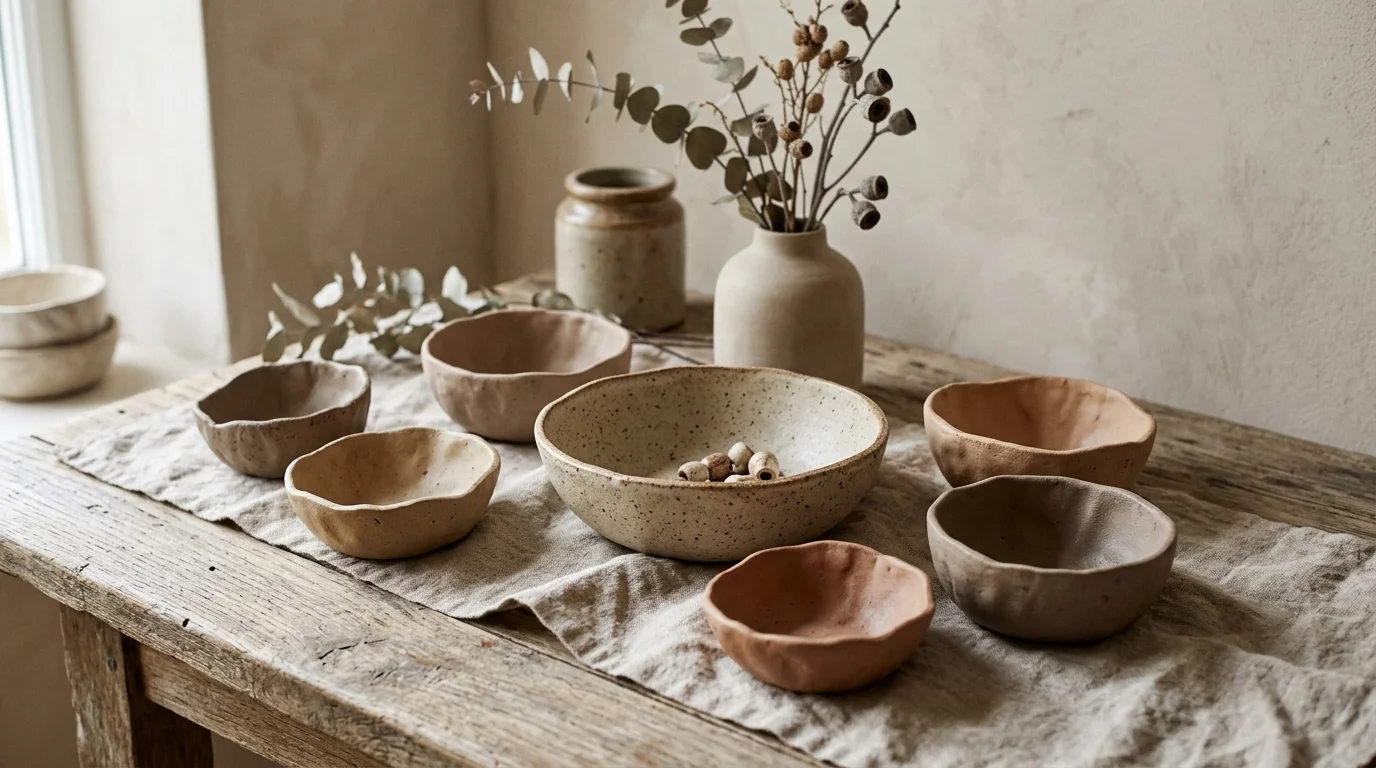
Wabi-sabi design embraces the idea that beauty often exists in imperfection, making it a natural fit for handmade clay decor. Slight asymmetry, gentle irregularities, and organic forms create pieces that feel authentic and full of character. Decorative bowls are especially suited to this style because their shape allows subtle variations to become part of the design. Rather than striving for flawless uniformity, the focus shifts toward texture, craftsmanship, and individuality. The result is decor that feels meaningful, relaxed, and connected to the handmade process.
Many modern interiors benefit from the warmth and personality that imperfect objects provide. Perfectly manufactured accessories can sometimes feel sterile, while handcrafted pieces introduce a more human touch. In my experience, allowing small variations in shape often produces the most memorable results. These details tell a visual story of creativity and craftsmanship. When paired with natural materials such as wood, stone, and linen, wabi-sabi bowls contribute to a peaceful atmosphere that feels grounded and inviting. Their understated charm remains timeless despite changing design trends.
Layered Neutral Tones
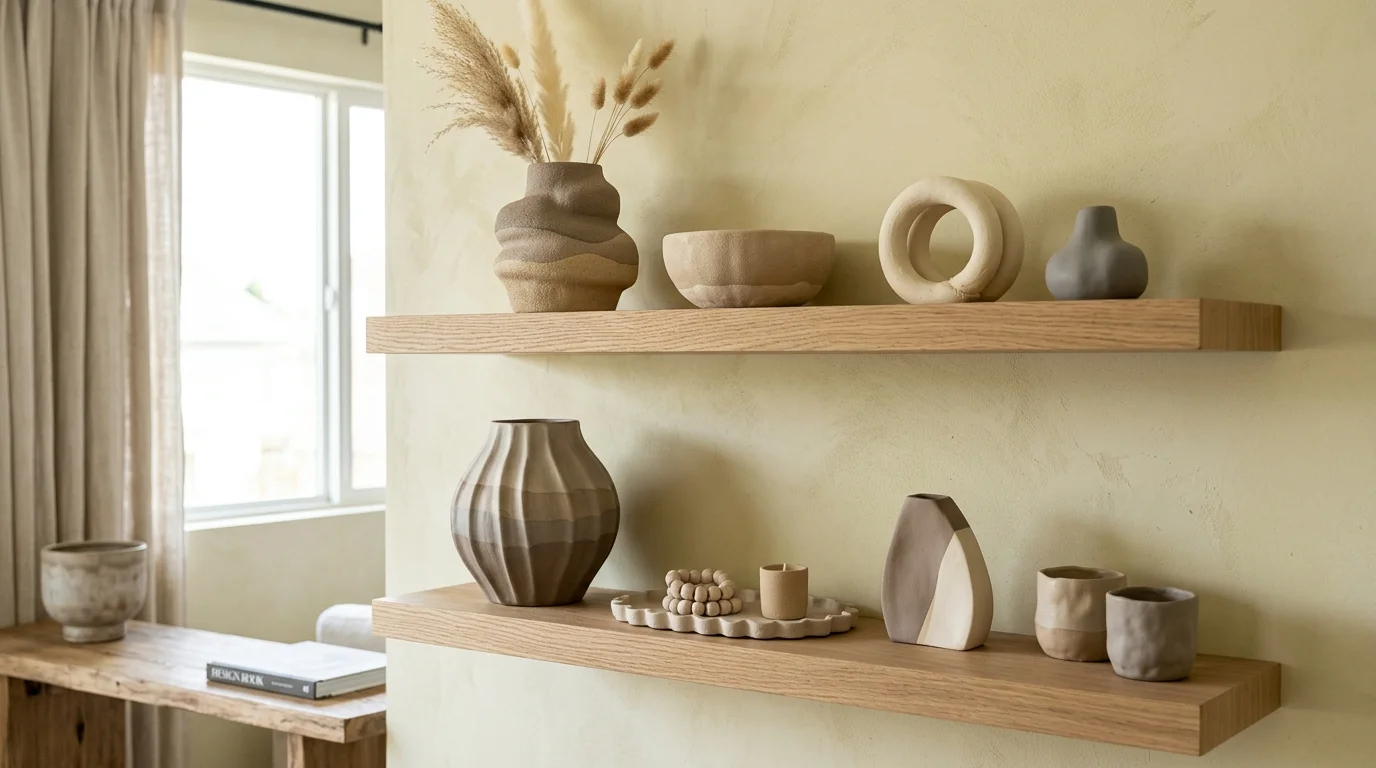
Layering neutral tones is an effective way to create visual interest while maintaining a calm and sophisticated aesthetic. By combining shades such as ivory, sand, beige, taupe, and soft gray, clay projects gain depth without relying on bright colors or dramatic patterns. This technique allows textures and shapes to remain prominent while introducing subtle variation. Decorative trays, sculptures, and vessels all benefit from layered color treatments that make the pieces feel more refined. The result is decor that feels elegant, cohesive, and easy to incorporate into existing interiors.
One reason layered neutrals continue to dominate design trends is their versatility. These tones complement a wide range of materials while creating a sense of harmony throughout a room. I’ve seen this work particularly well when different shades are blended gently rather than sharply contrasted. The gradual transitions create a softer, more natural appearance that feels luxurious and inviting. When combined with textured finishes and organic forms, layered neutral palettes help handmade clay pieces achieve a modern look that remains stylish and relevant year after year.
Minimalist Ring Sculptures
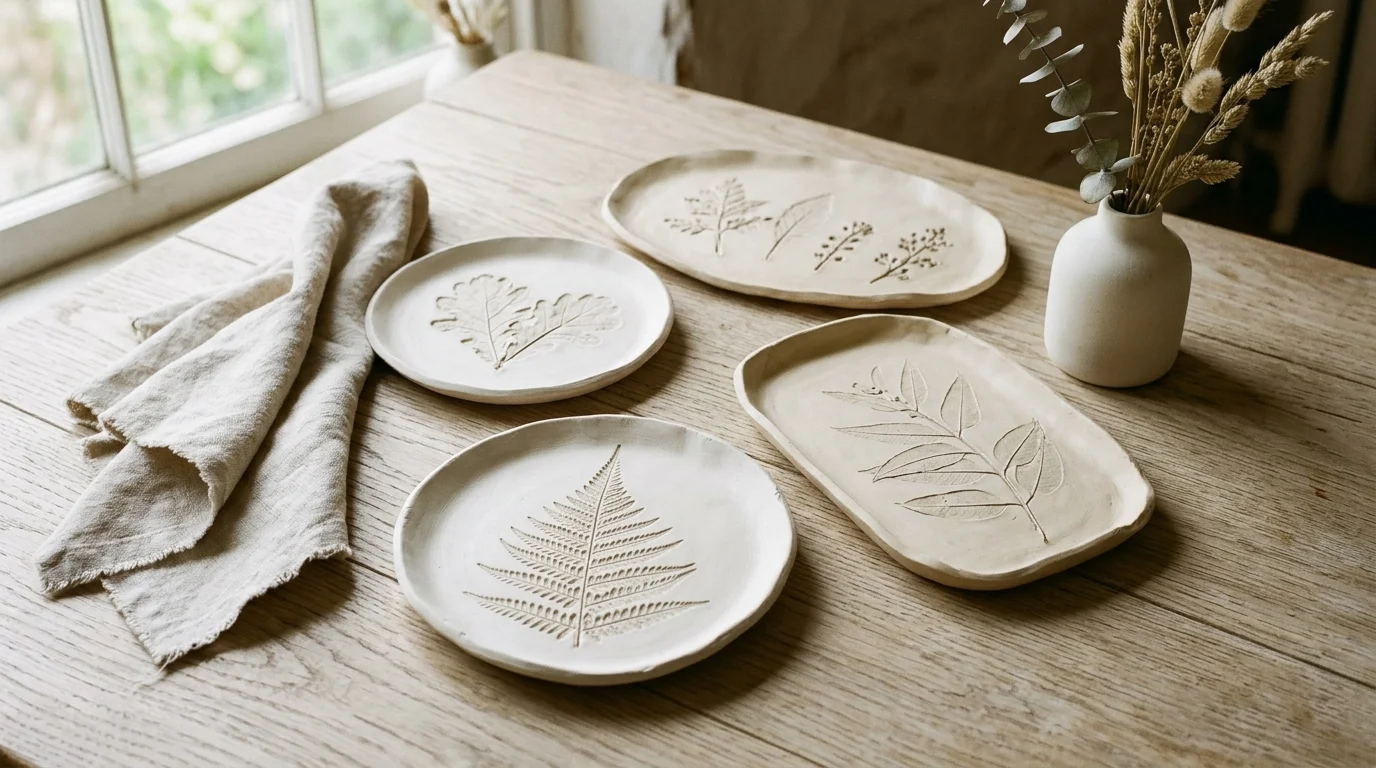
Ring sculptures bring a clean architectural quality that instantly elevates decorative displays. Their circular forms create visual movement while maintaining a simple and uncluttered appearance. Because the open center allows light and surrounding decor to remain visible, the pieces feel airy rather than heavy. This makes them ideal for modern interiors where balance and simplicity are important. Whether displayed alone or grouped together, ring sculptures add artistic character while preserving a calm aesthetic. Their versatility allows them to work beautifully in living rooms, offices, and bedroom styling arrangements.
The appeal of this design lies in its ability to create impact through form alone. Complex embellishments are unnecessary because the silhouette itself becomes the main decorative feature. In my experience, subtle textures paired with neutral finishes create the most sophisticated outcome. Light naturally interacts with the curved surfaces, producing gentle shadows that change throughout the day. When positioned alongside books, candles, and ceramics, ring sculptures help create layered displays that feel intentional and professionally styled without overwhelming the surrounding space.
Concrete Loft Finish
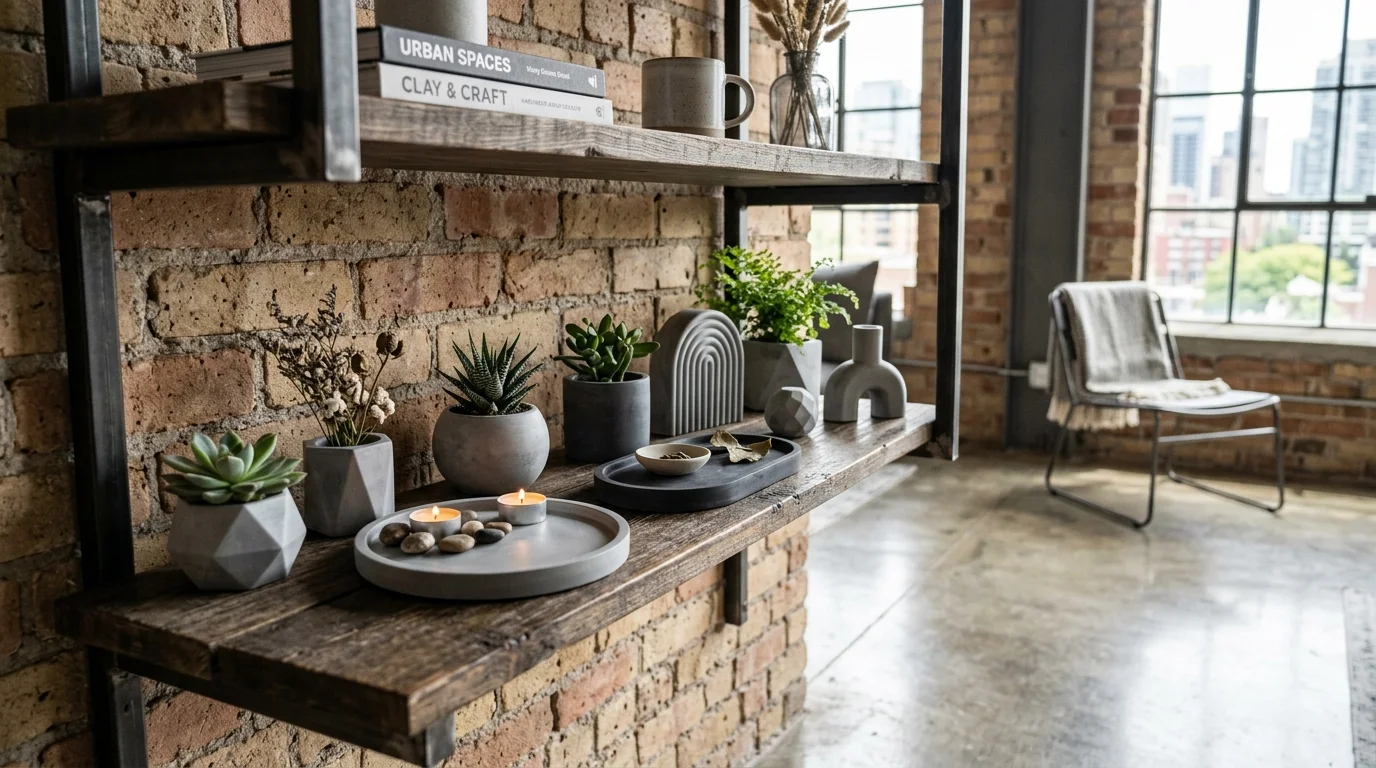
Concrete-inspired finishes offer a contemporary look that feels both modern and timeless. The smooth gray surface resembles architectural materials commonly used in upscale urban interiors, giving clay projects a sophisticated edge. Decorative planters, trays, and sculptural accents particularly benefit from this finish because their clean lines complement the industrial appearance. Despite its minimalist look, the texture still retains enough warmth to feel approachable. The balance between simplicity and character makes this style a favorite among those seeking a more modern decorative direction.
What makes this finish especially effective is its versatility within different design schemes. Cool gray tones pair beautifully with wood, metal, glass, and natural textiles, allowing handmade pieces to blend seamlessly into existing decor. I’ve noticed that a slightly imperfect surface often enhances the realistic concrete effect. Small tonal variations create depth and authenticity without making the design feel busy. When displayed against neutral backgrounds, these pieces contribute a strong architectural presence that feels polished, contemporary, and intentionally curated for modern living spaces.
Organic Shell Texture
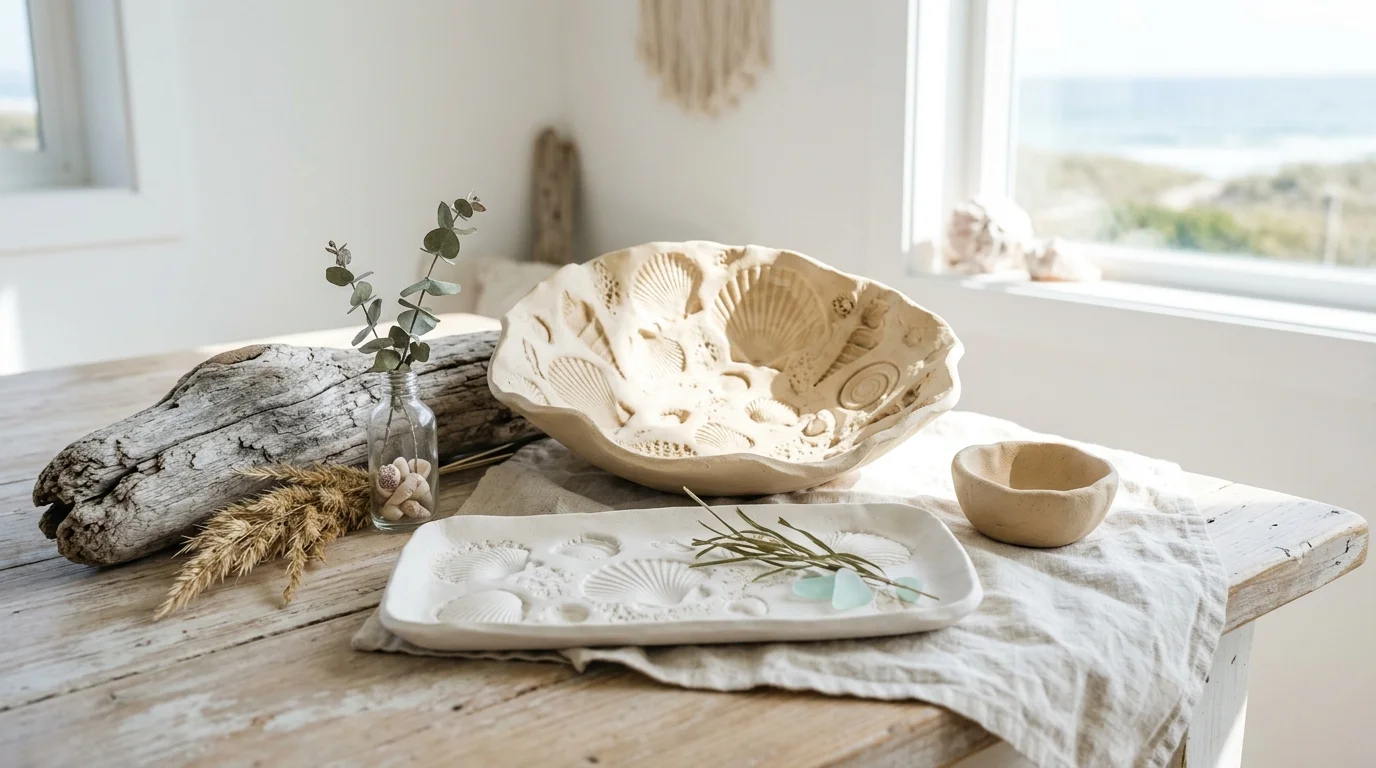
Shell-inspired textures bring subtle elegance and natural beauty to decorative clay projects. The intricate patterns found in seashells create gentle visual interest while maintaining a refined and understated appearance. Decorative trays, bowls, and wall accents become more engaging through these organic details, which add dimension without excessive ornamentation. Soft neutral finishes further emphasize the texture, allowing the design to remain sophisticated and versatile. The resulting pieces feel light, calming, and connected to nature, making them ideal additions to modern and coastal-inspired interiors.
Many people appreciate shell-inspired textures because they introduce detail in a way that feels organic rather than decorative. I’ve seen this work particularly well when paired with simple forms and restrained color palettes. The natural patterning creates enough visual interest to stand on its own without competing with surrounding decor. When combined with linen fabrics, wood furniture, and soft neutral accessories, these pieces contribute to a relaxed and welcoming atmosphere. Their timeless quality ensures they remain stylish long after short-lived trends have disappeared.
Conclusion
Beautiful clay decor is often less about complicated techniques and more about thoughtful texture, shape, and finish choices. These 15 ideas show how simple materials can be transformed into pieces that feel artistic, modern, and professionally styled. Whether you love organic forms, stone-inspired finishes, or sculptural statement pieces, there is plenty of inspiration here to explore and personalize.
If you found these air dry clay texture and style ideas high end trendy and inspiring, save your favorites on Pinterest for future projects and share them with fellow makers. I’ve seen how small creative details can completely transform a handmade piece. Start with one idea, experiment confidently, and enjoy creating decor that feels uniquely your own.
Read More :18 What Makes a DIY Project Worth Selling and Profitable