15 Creative Play Art Projects for Kids Without Screens
Introduction
Looking for creative play art projects to keep kids engaged without screens that are actually fun, easy, and inspiring? You’re in the right place.
When children spend less time on devices, many parents find themselves searching for activities that spark curiosity, creativity, and meaningful engagement. The good news is that art-based projects can do all three while encouraging imagination and hands-on learning. From nature-inspired creations to storytelling crafts and recycled-material masterpieces, these ideas offer exciting ways for kids to explore, experiment, and express themselves.
In my experience, the best creative activities are the ones that feel open-ended. Children stay interested longer when they can make their own choices, invent their own stories, and see their ideas come to life. This collection includes 15 imaginative projects designed to encourage independent thinking, artistic confidence, and plenty of screen-free fun. Whether you’re planning a rainy afternoon activity, a weekend project, or a creative learning session, you’ll find plenty of inspiration to keep young minds happily engaged.
Nature Collage Boards
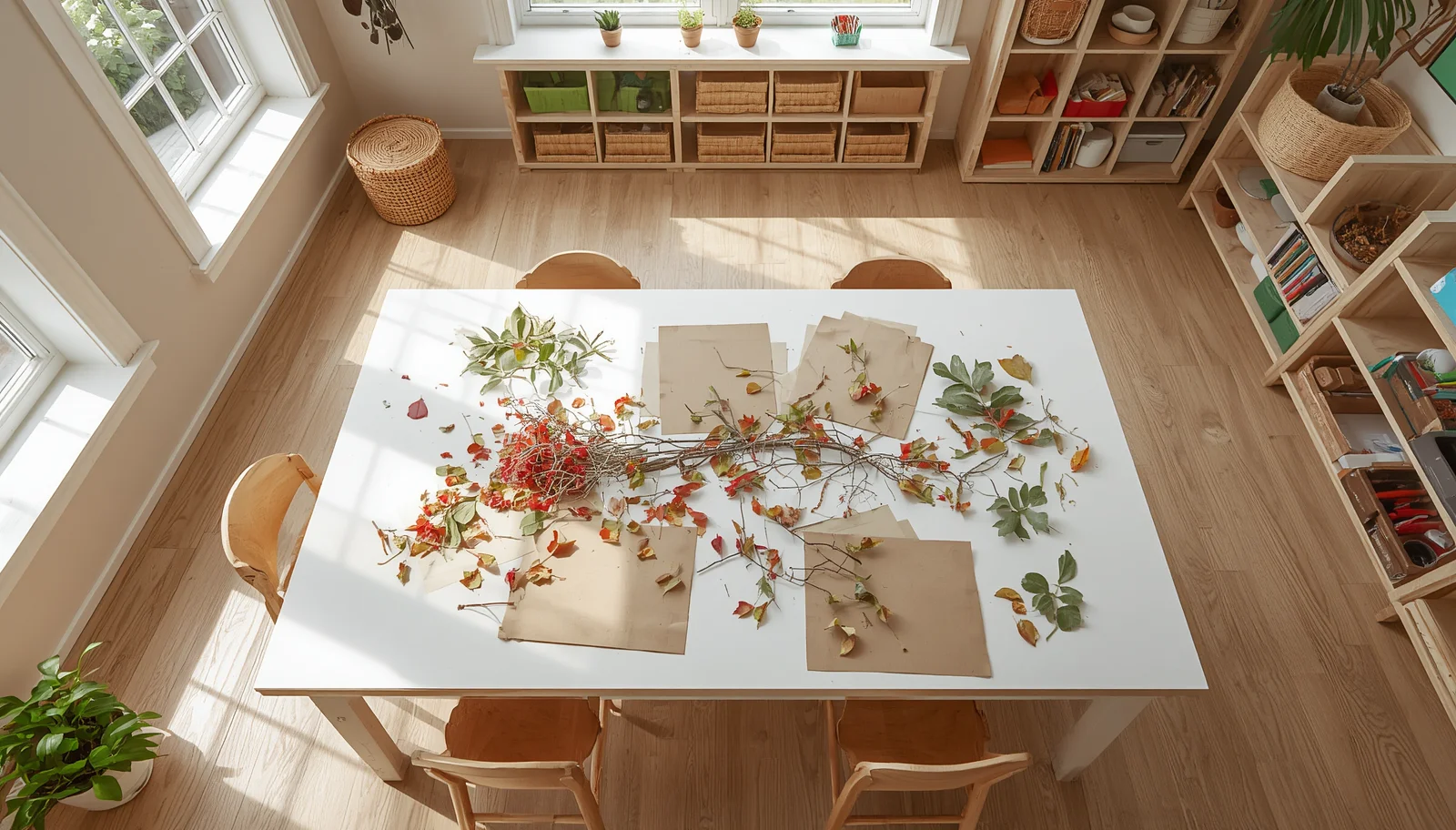
A simple walk outside can quickly turn into an exciting art adventure. Nature collage boards give children the chance to collect leaves, petals, and small natural treasures before arranging them into creative designs. The process feels open-ended, allowing kids to experiment without worrying about making mistakes. Many parents appreciate how this activity combines outdoor exploration with hands-on creativity, making it easier to keep children interested while encouraging curiosity about the natural world around them.
What makes this project especially appealing is its flexibility. Children can create seasonal designs, colorful patterns, or imaginative scenes using whatever materials they discover. I’ve noticed that even kids who normally lose interest quickly tend to stay engaged when they can choose their own materials. The finished collages also make beautiful displays for bedrooms, playrooms, or family bulletin boards. Beyond the artistic results, children gain confidence through independent decision-making and creative expression that feels rewarding from start to finish.
Cardboard City Builders
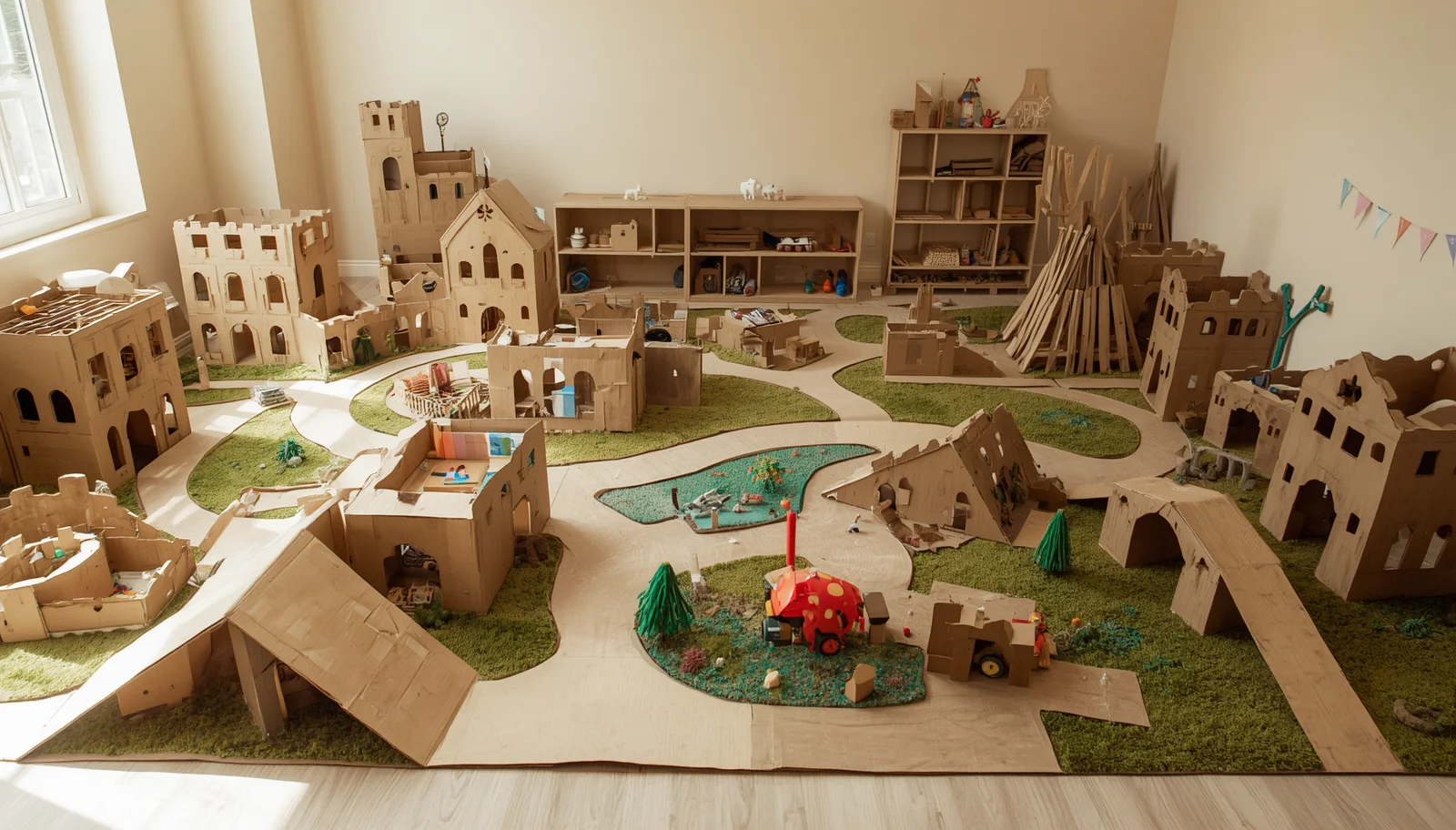
Nothing captures a child’s imagination quite like building an entire world from scratch. Cardboard city projects allow children to design streets, buildings, parks, and landmarks using materials that would otherwise be discarded. The creative possibilities feel endless, and every addition makes the miniature world more exciting. Because there are no strict rules, children can experiment freely with layouts, decorations, and structures while developing confidence in their ideas through hands-on construction and artistic exploration.
The project grows alongside a child’s imagination, which helps maintain interest far longer than many traditional crafts. Kids can return each day to add new buildings, create colorful signs, or invent stories about the people who live there. In my experience, activities that combine making and storytelling often hold attention the longest. The finished city becomes more than an art project because it also serves as an interactive play environment that encourages creativity, collaboration, and independent thinking for days or even weeks.
Painted Rock Creatures
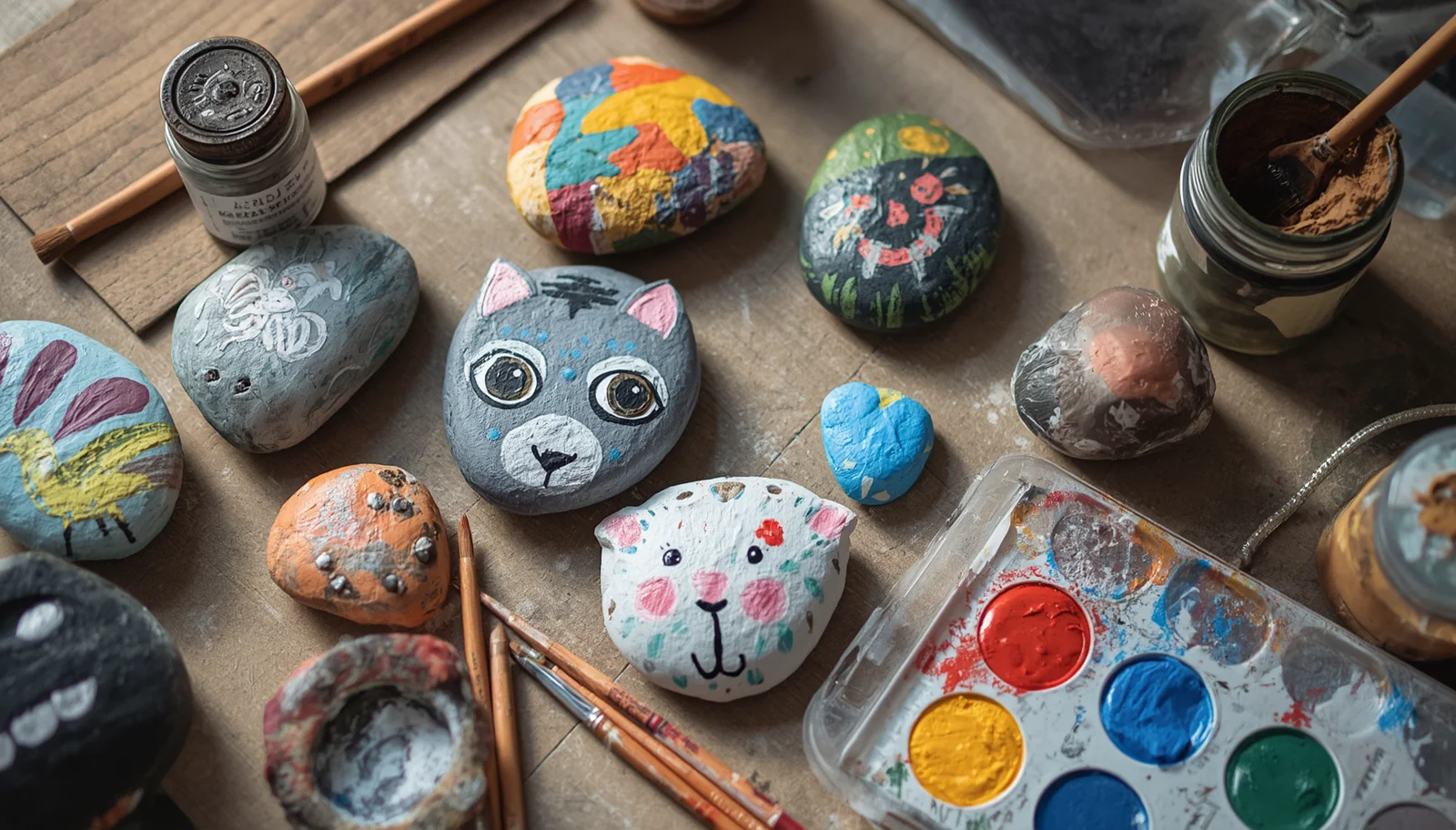
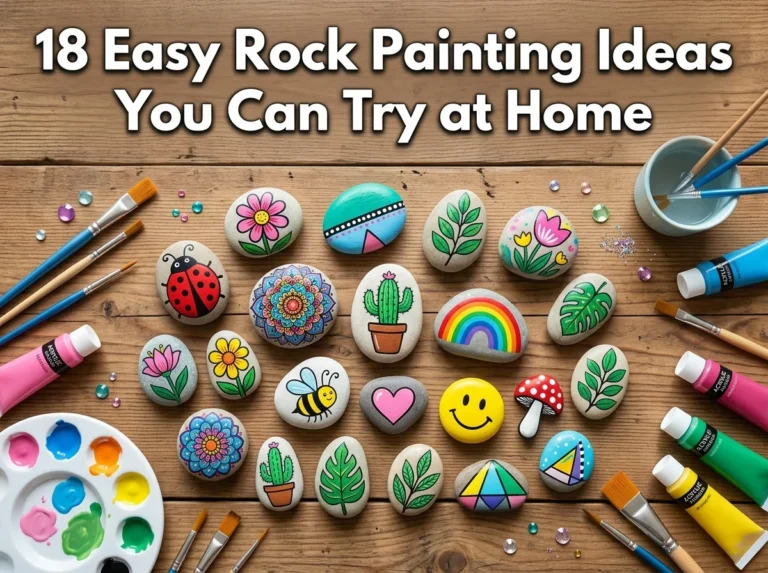
A handful of smooth stones can become an entire cast of colorful characters with just a little paint and imagination. Children love transforming ordinary rocks into animals, monsters, bugs, or magical creatures that reflect their own creative ideas. The project feels approachable because the materials are simple, yet the results often look surprisingly impressive. Painting on stones also provides a different artistic surface, helping children explore texture, shape, and color combinations in a way that feels fresh and exciting.
These painted creations often become favorites long after the activity is finished. Kids enjoy arranging them into collections, displaying them in gardens, or using them during pretend play sessions. I’ve seen this work especially well for children who enjoy creating stories because every rock can develop its own personality and role. The activity encourages patience, attention to detail, and artistic confidence while producing durable pieces that children feel proud to keep, share, or gift to friends and family.
Paper Tube Sculptures
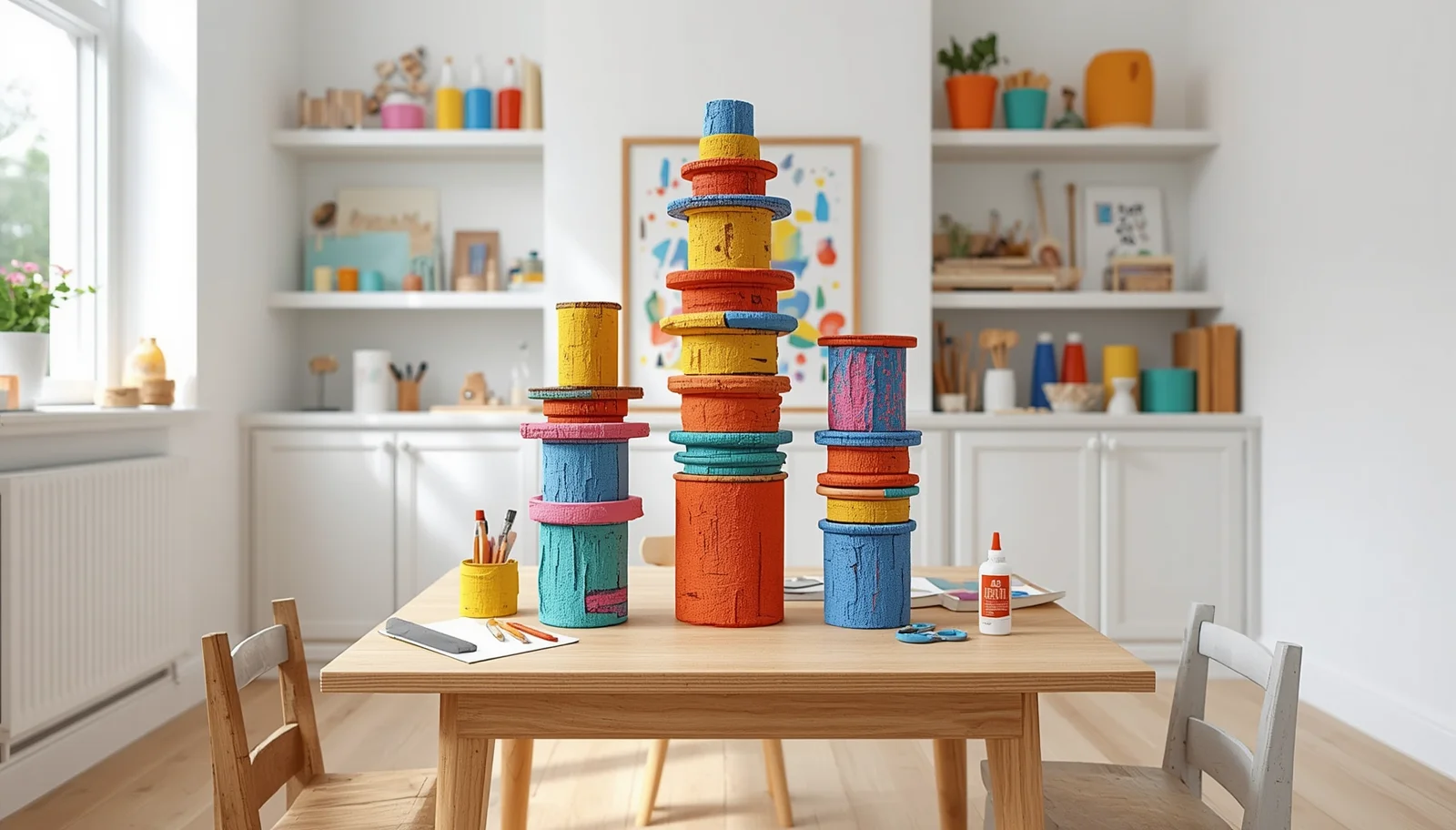
The simplest materials often inspire the most creative results. Paper tube sculptures encourage children to explore shape, structure, and design while transforming everyday household items into artistic creations. Kids can stack, cut, bend, and paint tubes to create towers, animals, robots, or completely abstract forms. Because there is no right or wrong outcome, the activity naturally reduces pressure and allows children to focus on the joy of making something unique with their own hands and imagination.
One reason this project remains popular is its ability to grow with a child’s skill level. Younger children enjoy decorating and assembling simple designs, while older kids often experiment with more complex structures and creative engineering ideas. I’ve noticed that children become especially proud when their sculptures stand independently after careful adjustments. The finished pieces add color and personality to playrooms while helping children develop spatial awareness, creative confidence, and problem-solving skills through an enjoyable hands-on experience.
Sticker Story Scenes
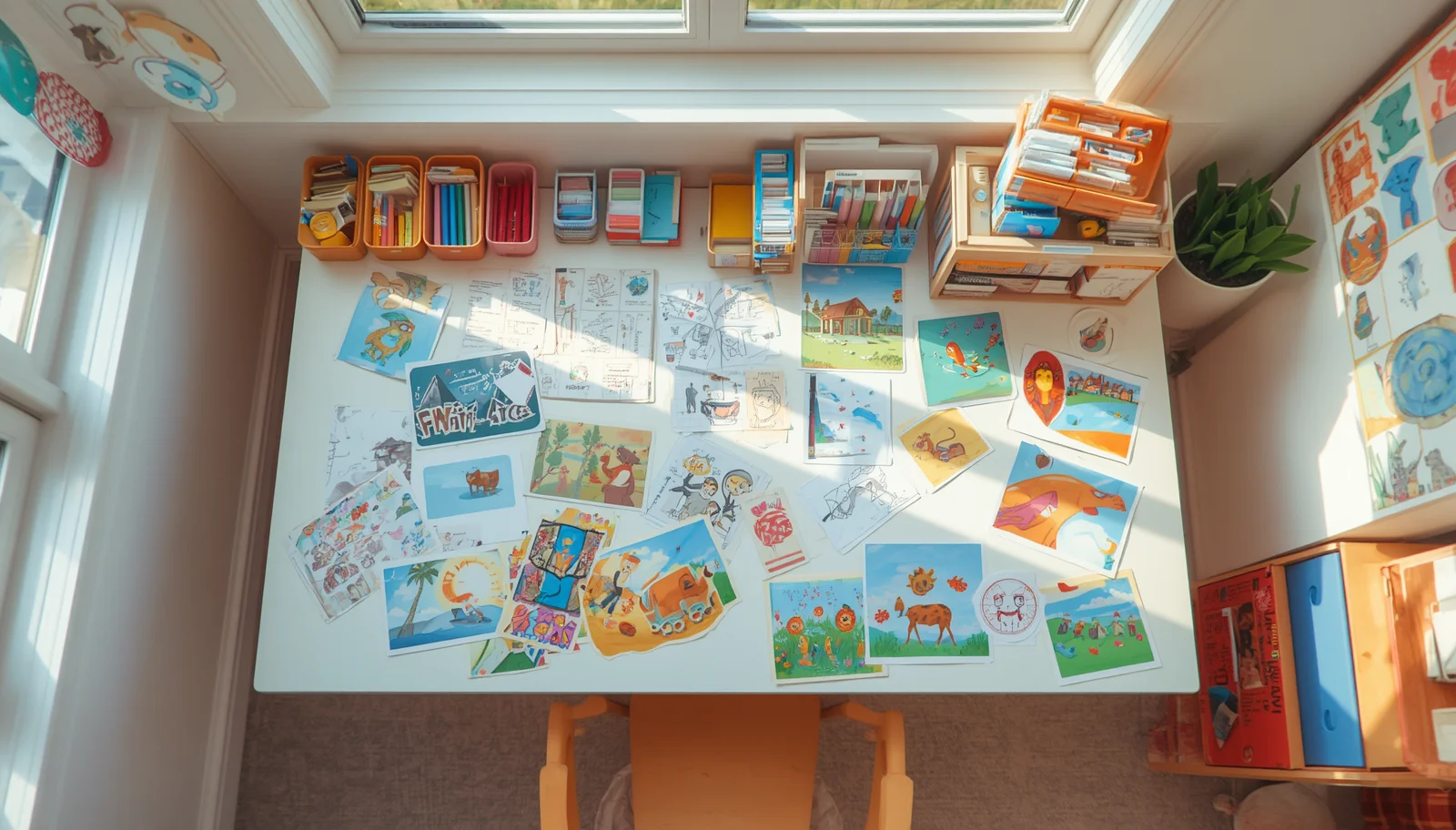
A sheet of stickers can become the starting point for countless imaginative adventures. Children enjoy arranging characters, animals, and objects onto paper backgrounds before drawing additional details to complete their scenes. The process encourages creative decision-making because every sticker placement influences the story being created. Rather than simply decorating a page, children become designers, artists, and storytellers all at once while developing confidence in their ability to communicate ideas through visual creativity.
This activity is particularly effective for children who enjoy inventing stories but sometimes struggle to begin with a blank page. Stickers provide visual inspiration that helps ideas flow naturally. I’ve seen many children spend long periods adding details, speech bubbles, and background elements after placing only a few stickers. The completed scenes become personal works of art that reflect individual interests and imagination. They can also be shared with family members, encouraging conversation and helping children feel proud of their creative accomplishments.
Shadow Drawing Fun
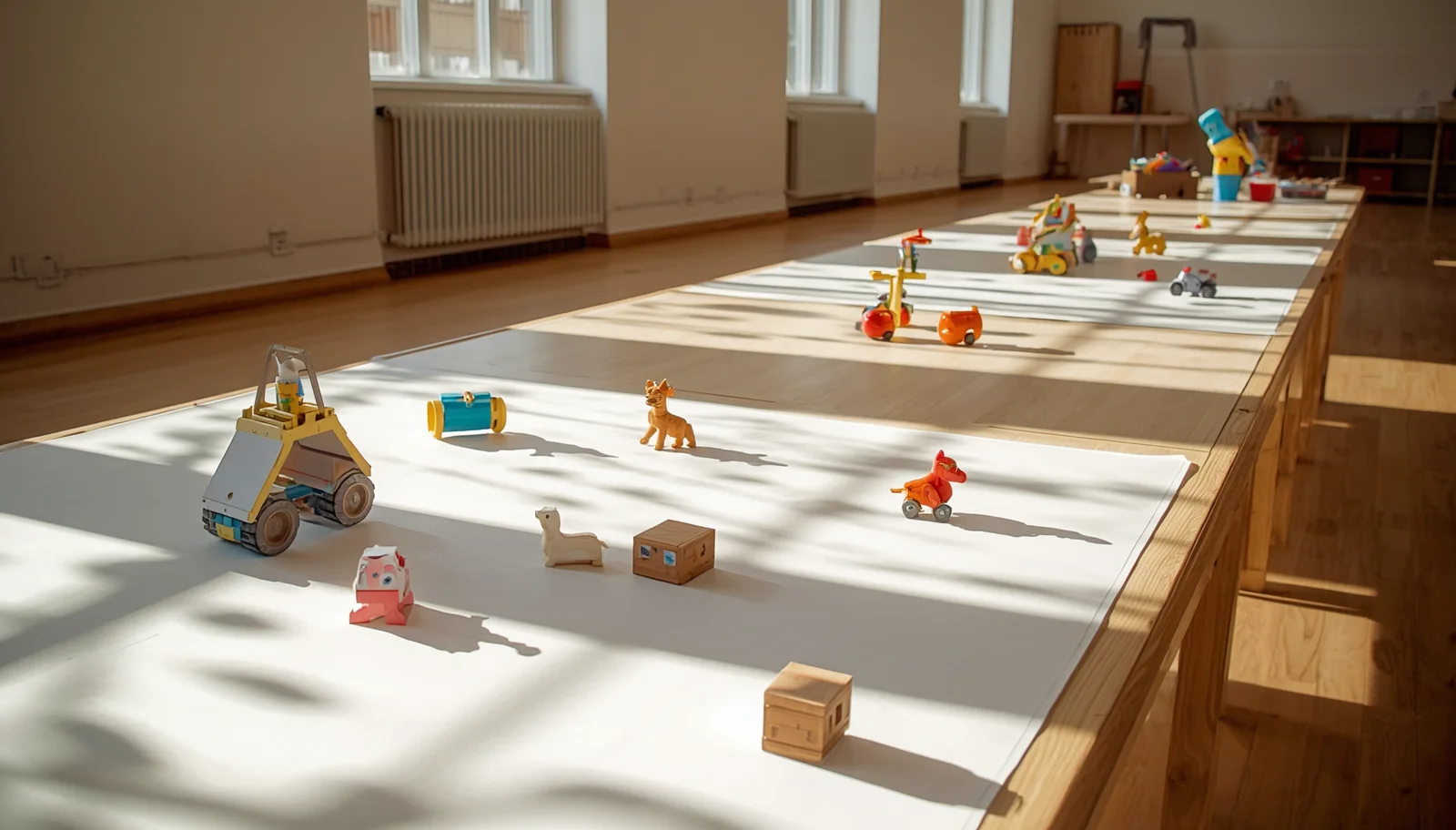
Few activities feel as magical as tracing shapes created by sunlight. Shadow drawing invites children to place toys, plants, or household objects on paper and trace the shadows they cast. As the light changes, the shapes shift, creating endless opportunities for creative exploration. Children become more observant as they notice how light affects different objects, while the tracing process helps build drawing confidence and hand coordination in a way that feels playful rather than instructional.
The combination of creativity and discovery keeps this project engaging for a wide range of ages. Once shadows are traced, children can color, decorate, and transform the outlines into imaginative artwork. In my experience, projects that reveal something unexpected tend to hold attention longer, and shadow art does exactly that. Kids often experiment with different objects to see how the shapes change, turning a simple drawing activity into an exciting creative challenge that encourages curiosity, observation, and artistic expression simultaneously.
Mask Making Studio
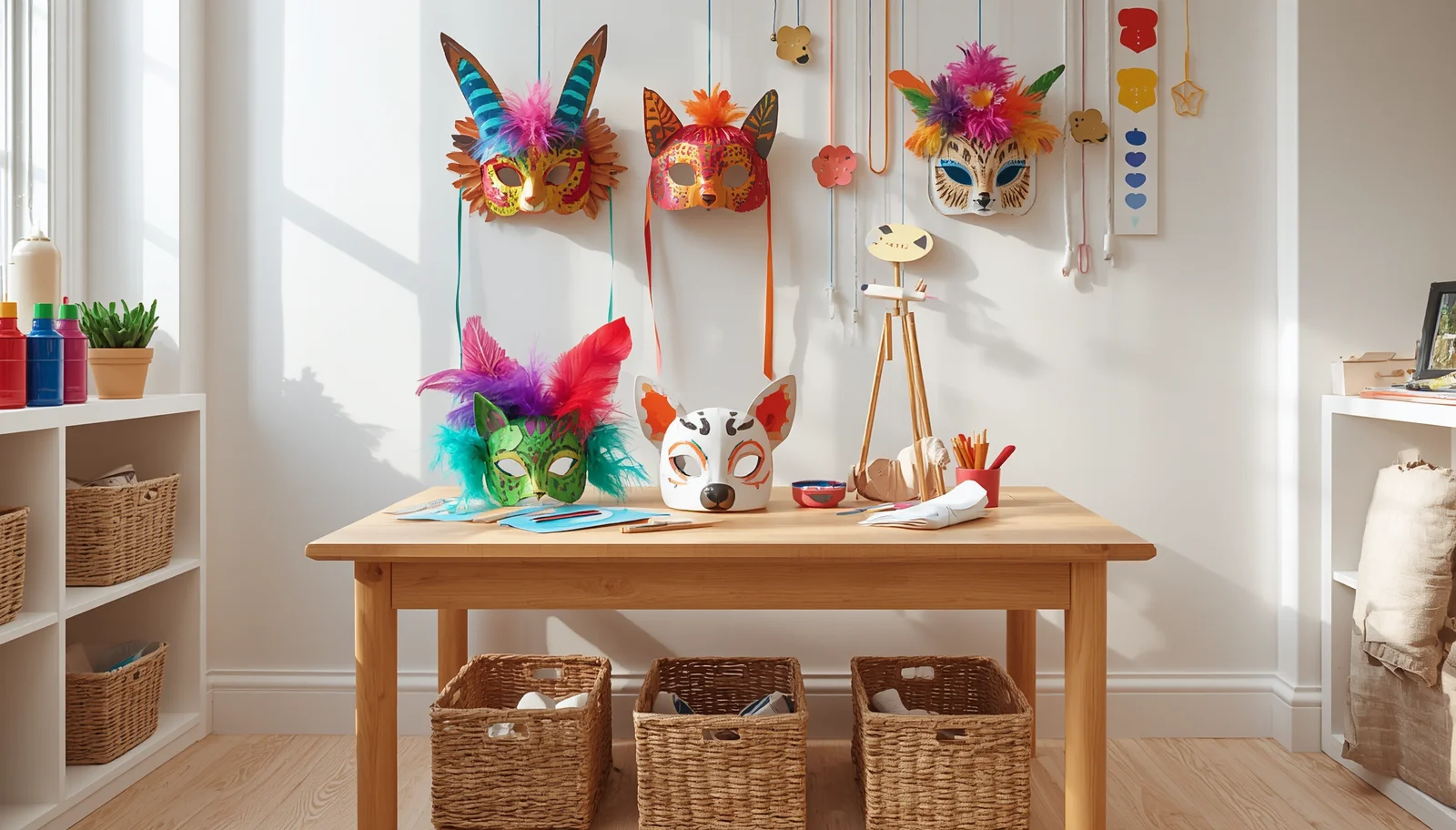
Stepping into a new character becomes even more exciting when children create the mask themselves. Mask making gives kids complete freedom to design animals, superheroes, fantasy creatures, or original characters using simple craft materials. The process encourages creativity from the very beginning because every choice, from colors to decorations, helps shape the final identity. Children often become deeply invested in their creations, making the activity feel more meaningful than crafts that follow a fixed set of instructions.
The excitement continues long after the paint dries. Finished masks naturally inspire dramatic play, storytelling, and imaginative adventures around the house. I’ve seen children spend more time acting out stories with handmade masks because they feel personally connected to what they created. This combination of art and pretend play keeps engagement high while encouraging communication, confidence, and creative thinking. The project also offers an excellent opportunity for children to explore emotions, personalities, and imaginative worlds through hands-on artistic expression.
Giant Floor Murals
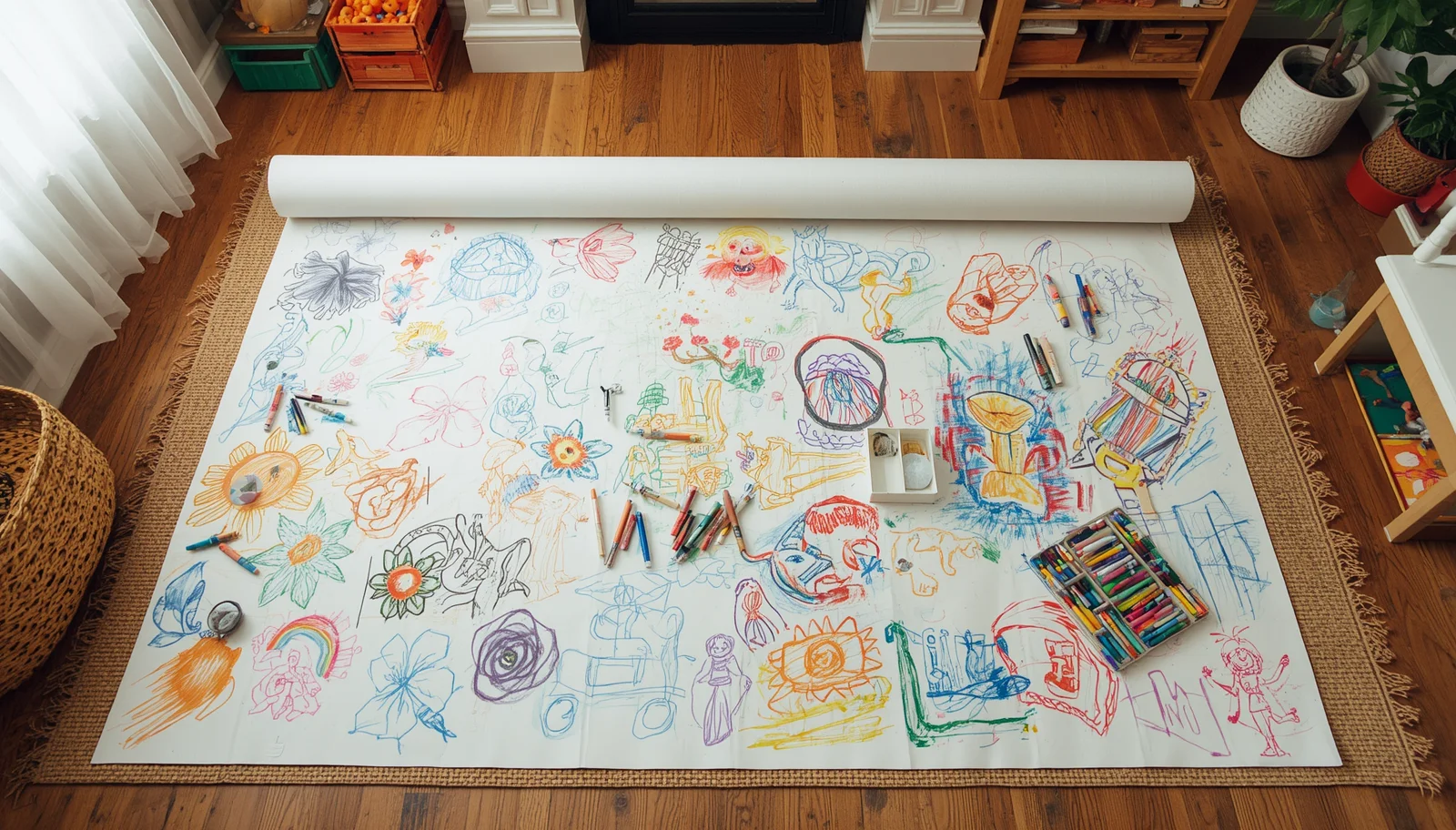
There is something exciting about creating art on a much larger scale than usual. Giant floor murals provide children with room to draw sprawling landscapes, cities, oceans, space scenes, or imaginative worlds without feeling limited by page size. The extra space encourages freedom and experimentation while making the process feel more like an adventure than a traditional art project. Children often become fully immersed as they move around the mural, continuously adding new details and expanding their creative vision.
Large collaborative artwork can also bring siblings and family members together in a positive way. Everyone can contribute ideas while working on different sections of the same creation. In my experience, bigger creative surfaces often inspire bigger ideas because children feel less restricted by boundaries. The finished mural becomes a visual record of imagination and teamwork while providing hours of screen-free engagement. It also helps children practice planning, artistic decision-making, and creative problem-solving through a fun and highly interactive activity.
Recycled Robot Designs
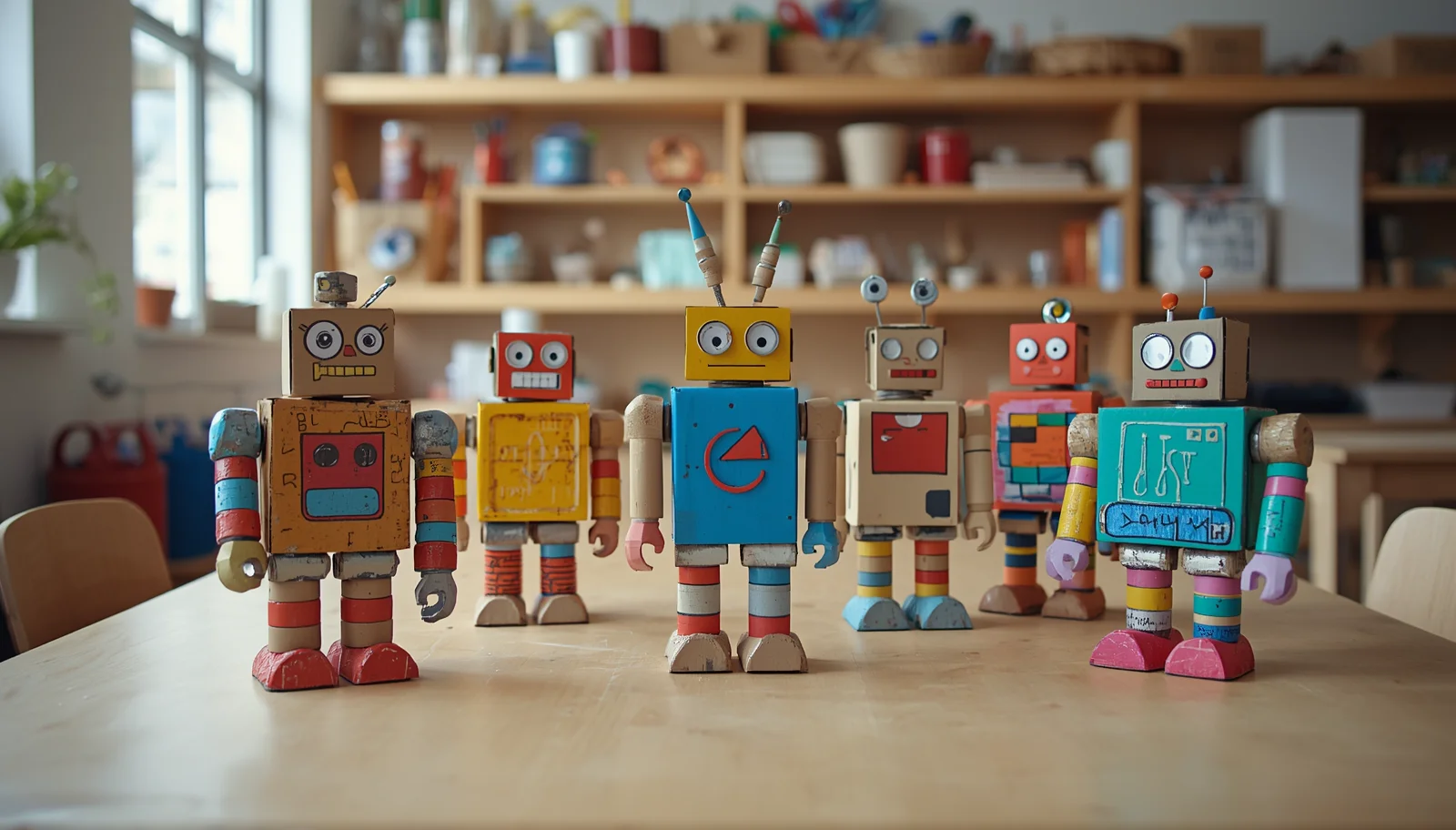
Ordinary household recyclables can quickly become impressive robotic creations when imagination takes the lead. Children enjoy sorting materials, choosing parts, and assembling robots with unique personalities and features. Bottle caps become buttons, boxes become bodies, and paper tubes become arms or legs. The open-ended nature of the project allows children to make creative decisions throughout the process, helping them feel ownership over every stage of the design while exploring artistic and construction skills together.
The variety of available materials keeps every robot completely different from the last. Children can paint, decorate, and customize their creations to match any theme they imagine. I’ve noticed that kids often create detailed backstories for their robots, adding another layer of creativity beyond the physical project itself. The finished designs become both artwork and play props, extending engagement well beyond crafting time. This combination of building, decorating, and storytelling makes recycled robot projects consistently appealing for curious and imaginative young creators.
Fingerprint Art Gallery
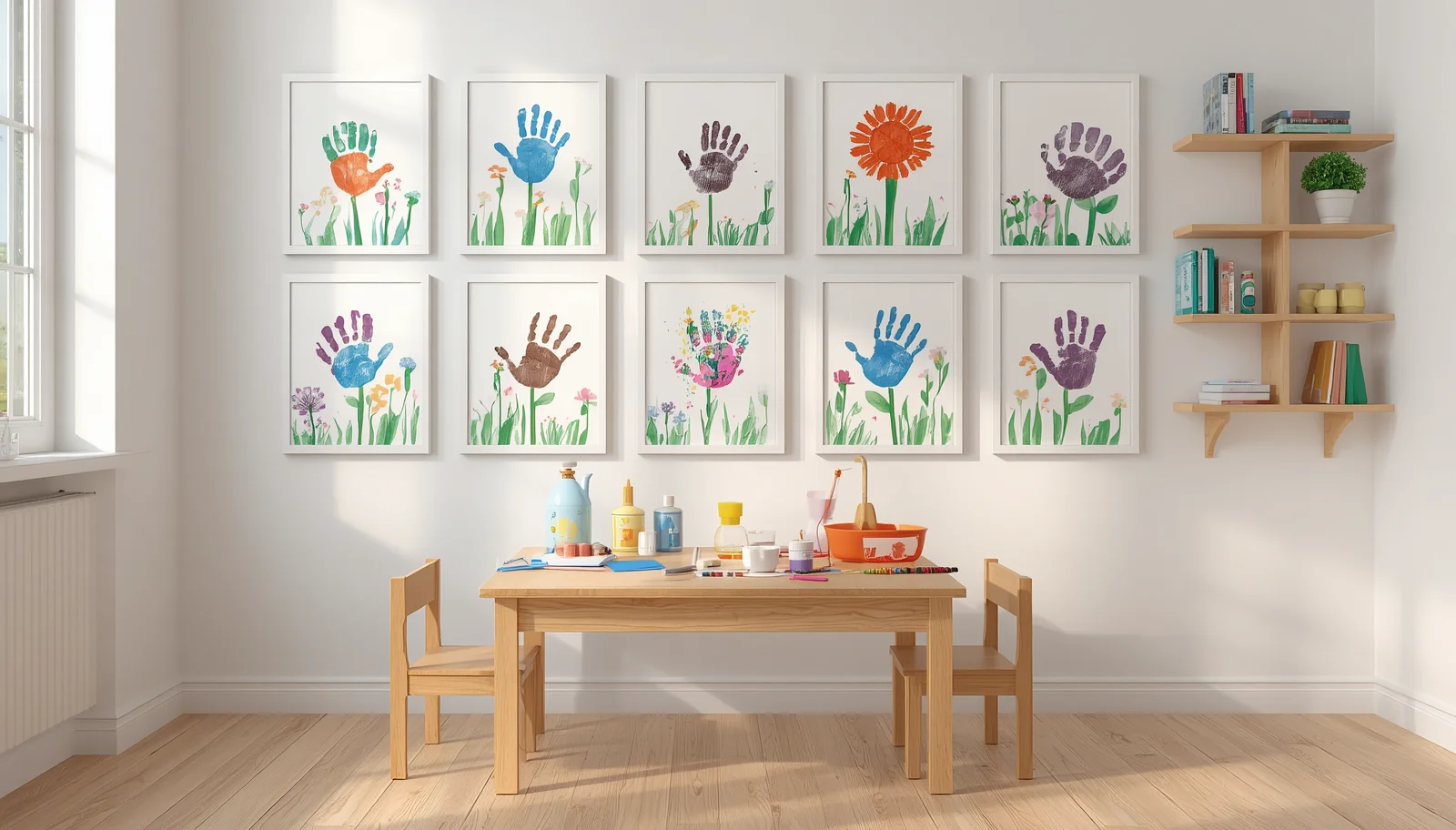
Tiny fingerprints can become surprisingly creative works of art with only a little imagination. Children enjoy turning colorful prints into animals, insects, flowers, and playful characters using markers and paint. The activity feels approachable because it starts with a simple touch, making it especially inviting for younger artists. As designs begin to take shape, children naturally become more engaged, experimenting with colors, patterns, and details while discovering how small marks can transform into complete artistic creations.
The simplicity of the process allows children to focus on creativity rather than complicated instructions. Every fingerprint is slightly different, making each piece feel unique and personal. I’ve seen children become excited when they realize a single fingerprint can inspire an entire drawing. Finished artwork often looks charming displayed on walls, bulletin boards, or homemade greeting cards. Beyond the visual appeal, the activity encourages patience, imagination, and artistic confidence while producing keepsakes that families enjoy saving and revisiting over time.
Washi Tape Designs
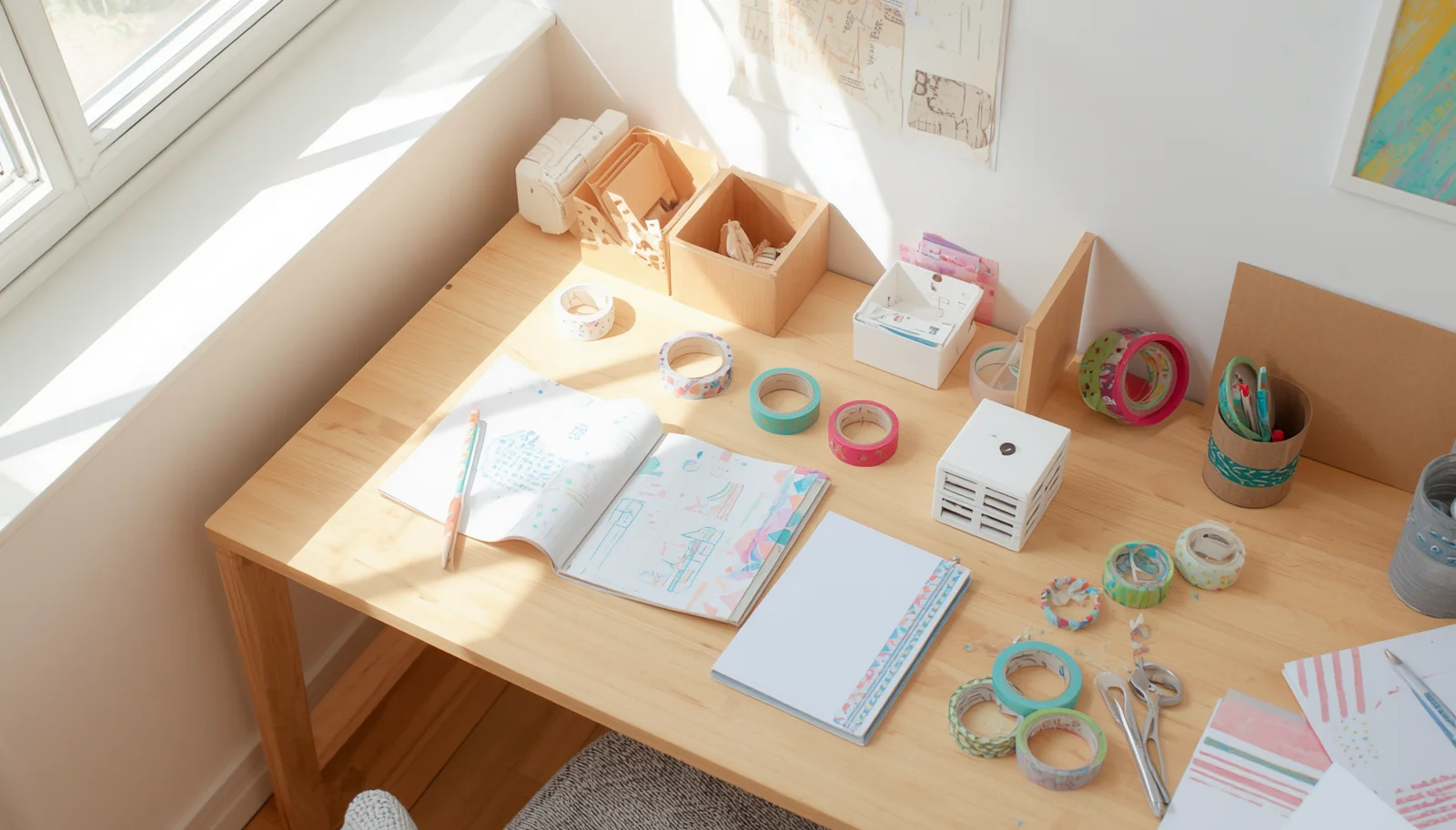
Colorful strips of decorative tape can inspire surprisingly creative projects without requiring paint, glue, or extensive cleanup. Children enjoy arranging tape into geometric designs, pictures, borders, and abstract artwork while experimenting with color combinations and patterns. The immediate visual impact keeps the process rewarding, helping children stay engaged as they build increasingly detailed creations. Because materials are easy to handle, the activity feels accessible for a wide range of ages and artistic abilities.
The versatility of washi tape opens endless creative possibilities. Kids can decorate notebooks, create landscapes, design greeting cards, or invent entirely original compositions. In my experience, children often appreciate projects that allow quick adjustments, and removable decorative tape makes experimentation easier. Mistakes feel less frustrating because pieces can be repositioned or replaced effortlessly. The result is a low-pressure creative environment where children can explore artistic ideas freely while developing confidence in their design choices and visual creativity.
Story Stone Collection
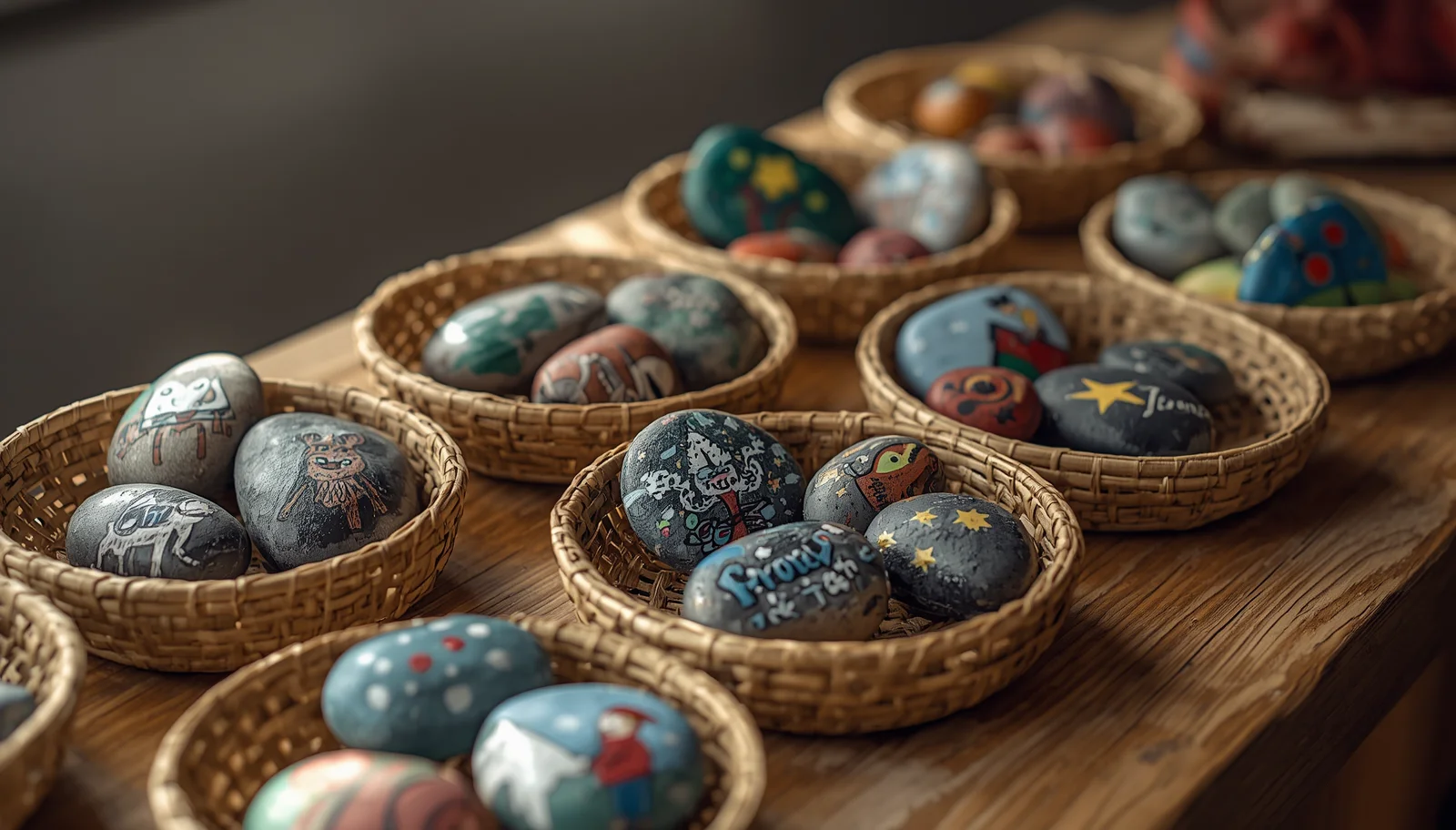
Creating a collection of story stones transforms a simple art activity into a long-lasting creative resource. Children paint symbols, characters, animals, and objects onto smooth stones, then use them to invent unique stories. The process begins with artistic expression and naturally expands into imaginative play. Because every stone can be combined in countless ways, children remain engaged as they create new adventures, settings, and characters from the same collection over and over again.
What makes this project especially valuable is its ability to encourage both creativity and communication. Children can tell stories independently, with friends, or during family activities. I’ve seen story stones work particularly well because they provide visual prompts without limiting imagination. A painted star, tree, or animal can mean something completely different in every story. The finished collection becomes a reusable creative tool that continues inspiring new ideas while supporting artistic confidence, storytelling skills, and meaningful screen-free entertainment.
Foil Texture Prints
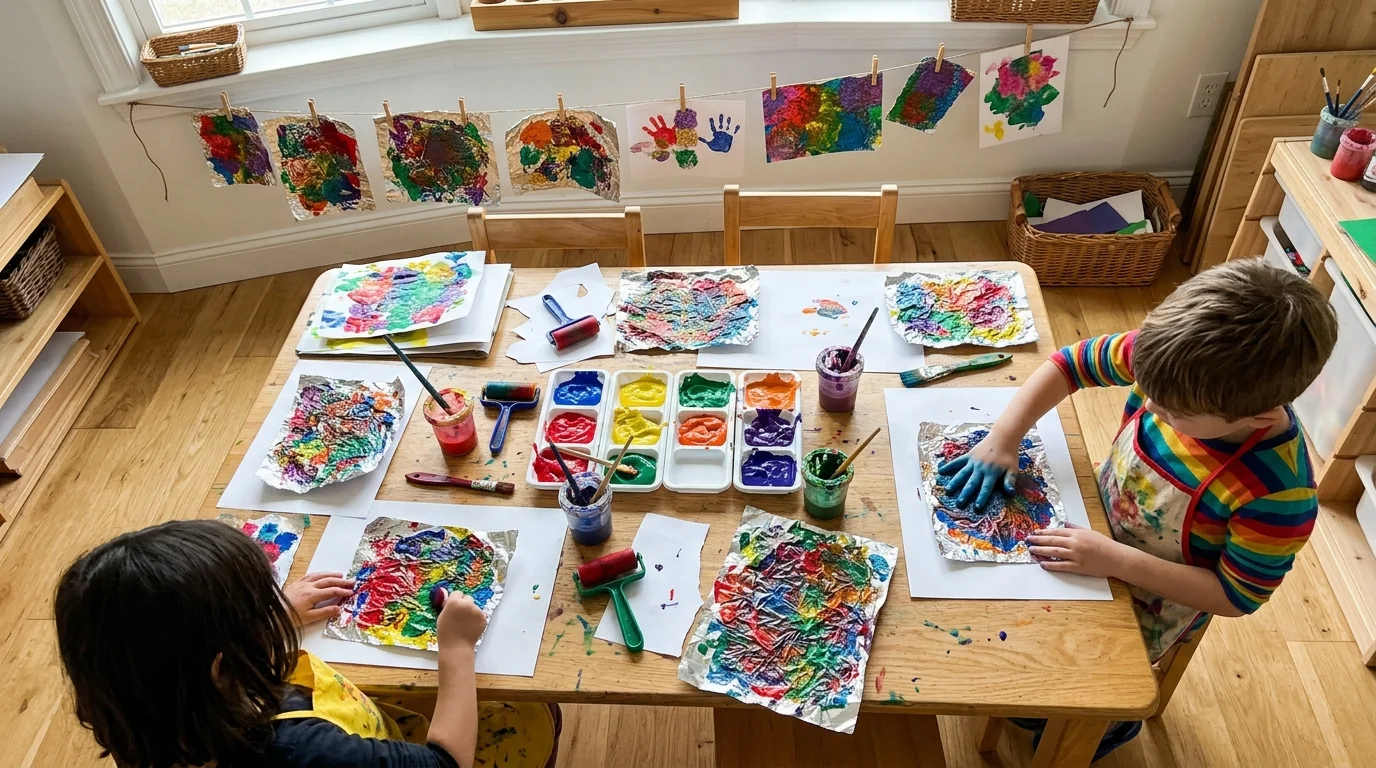
Unexpected textures often create the most exciting artwork. Foil texture printing allows children to crumple, shape, and paint aluminum foil before transferring patterns onto paper. The process feels part science experiment and part art project, keeping curiosity high throughout the activity. Children enjoy discovering how different folds and textures create completely different results. Every print feels unique, which helps maintain enthusiasm while encouraging artistic exploration without the pressure of creating perfectly detailed drawings.
The unpredictable nature of printmaking often inspires children to keep experimenting with new techniques. They can layer colors, combine patterns, and transform textured prints into larger creative projects. I’ve noticed that activities involving discovery tend to encourage longer periods of focused engagement, and foil printing frequently does exactly that. The finished artwork often looks surprisingly sophisticated while remaining easy enough for beginners to enjoy. Children gain confidence through experimentation and develop a deeper appreciation for texture, color, and visual design.
Puppet Craft Corner
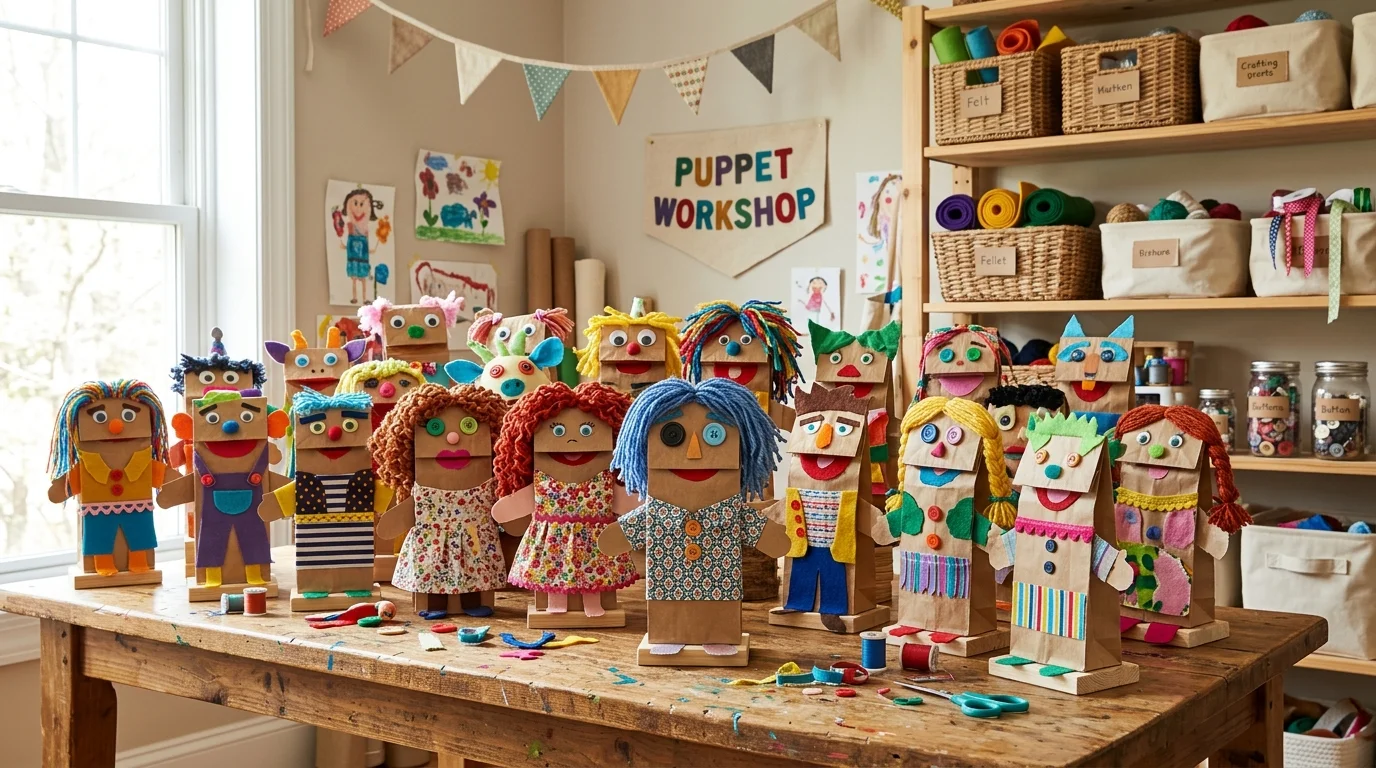
Creating a puppet is only the beginning of the fun. Children enjoy designing characters with distinct appearances, personalities, and imaginative details before bringing them to life through storytelling and play. The crafting process encourages artistic decision-making while allowing children to personalize every feature. Once completed, puppets become tools for creative expression, helping children explore ideas, emotions, and narratives through interactive play that feels engaging and rewarding.
The lasting value of puppet projects comes from the many ways they can be used after creation. Children often invent performances, conversations, and adventures that continue for days or weeks. In my experience, activities that blend making and performing tend to provide the strongest long-term engagement. Puppets encourage communication, creativity, and confidence while giving children a playful outlet for imagination. The finished characters become cherished creations that support meaningful screen-free entertainment and creative development well beyond the crafting session itself.
DIY Art Journals
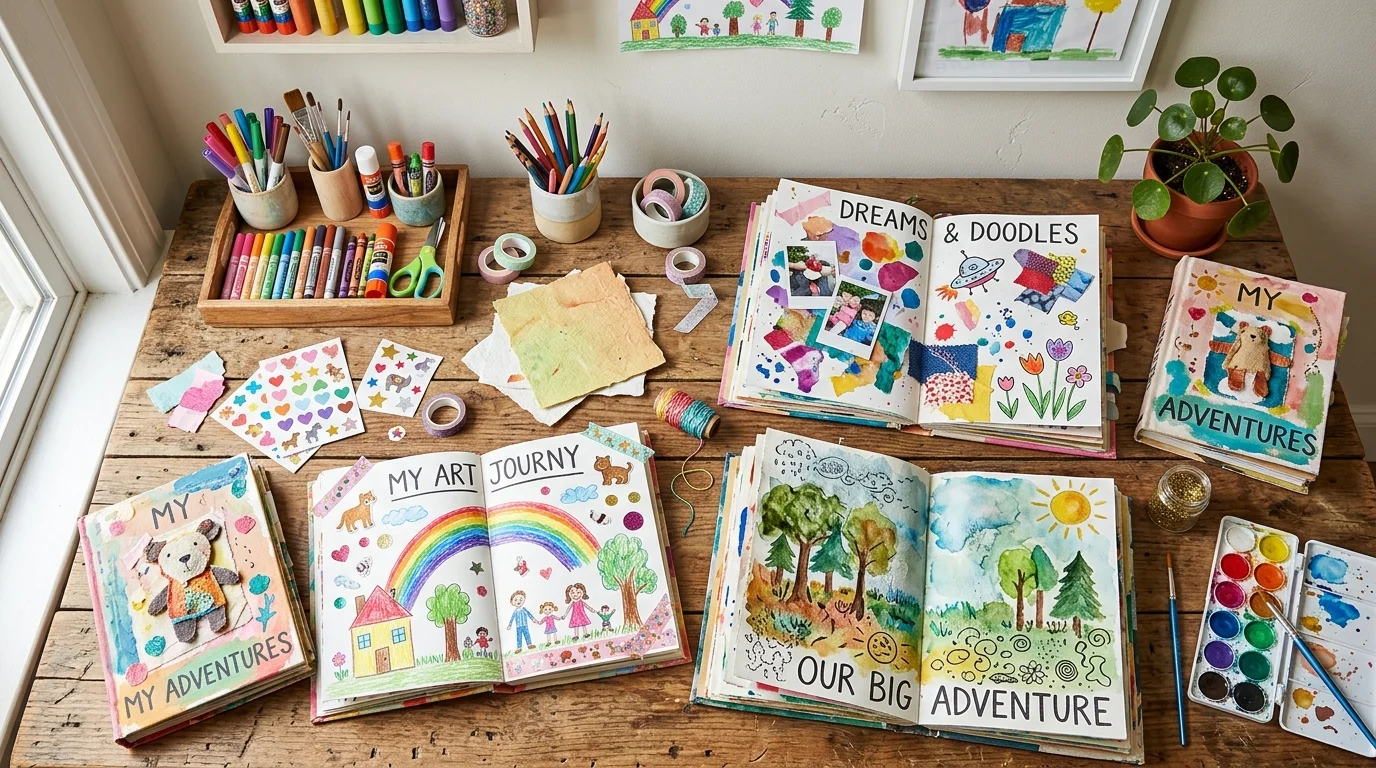
A handmade art journal gives children a place where creativity can continue long after a single project ends. Kids can fill pages with drawings, collages, sketches, colors, and imaginative ideas whenever inspiration appears. The journal becomes a personal creative space without rules or expectations, encouraging freedom of expression. Because new pages are always available, children feel comfortable experimenting with different artistic styles while building confidence through consistent creative practice and exploration.
Over time, these journals become valuable collections of ideas, memories, and artistic growth. Children often enjoy looking back at earlier pages and seeing how their creativity has evolved. I’ve seen this work well because it removes the pressure of creating a perfect final product. Instead, the focus stays on exploration and enjoyment. The journal supports independent creativity while providing a meaningful record of imagination and self-expression. It also encourages children to develop a lifelong habit of creative thinking and artistic discovery.
Conclusion
Creative time doesn’t have to be complicated to be meaningful. These projects show how simple materials, imagination, and a little curiosity can create hours of fun while helping children develop confidence, problem-solving skills, and artistic expression. Whether your child enjoys painting, building, storytelling, or experimenting with textures, there is something here to inspire their creativity.
I’ve seen how simple hands-on activities can transform an ordinary afternoon into a memorable learning experience. Try a few of these creative play art projects to keep kids engaged without screens, save your favorites on Pinterest for later inspiration, and share this article with other parents looking for fresh ideas. Small creative moments often lead to the biggest imaginative adventures.