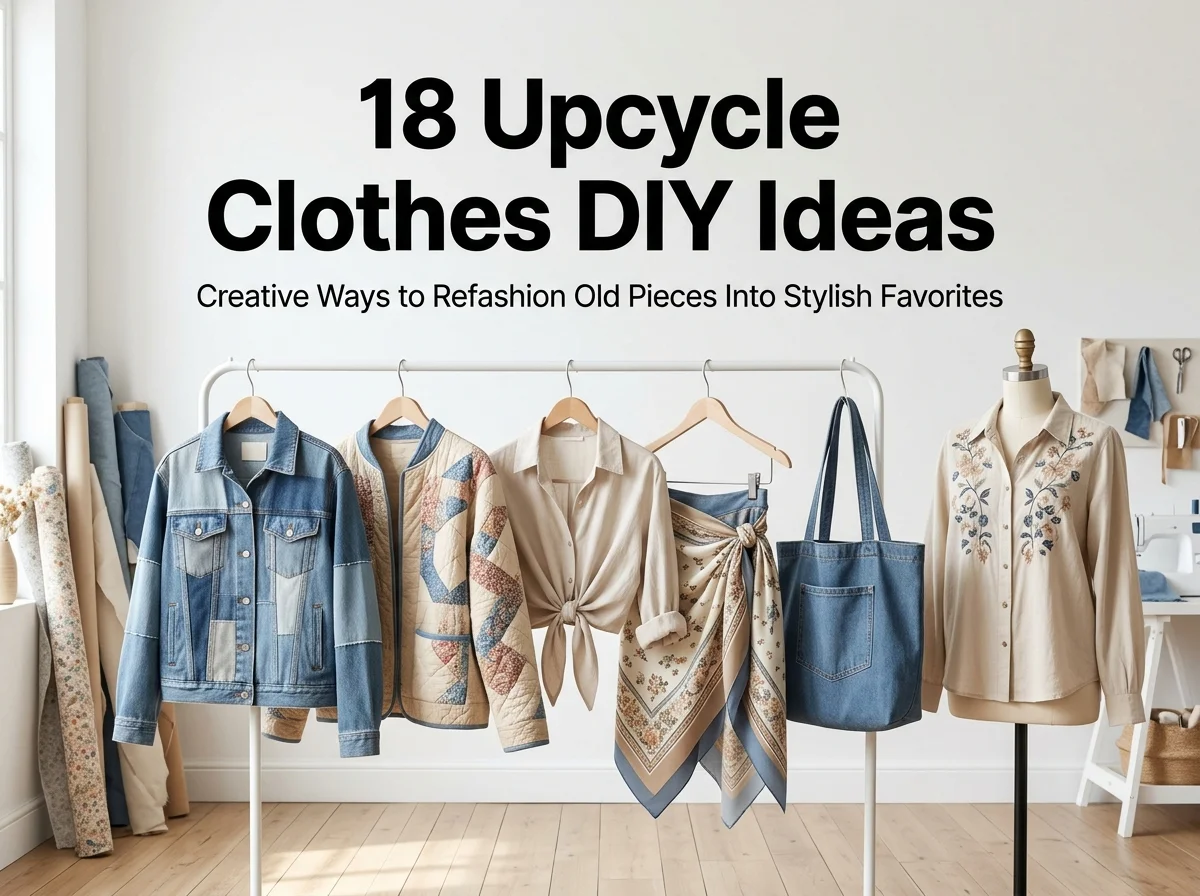
18 Upcycle Clothes DIY Ideas to Refashion Old Pieces and Create a Stylish New Wardrobe
Introduction
That pile of old clothes sitting in the back of your closet might be full of possibilities. With the right upcycle clothes diy refashioning ideas that give old pieces a new life, you can transform forgotten garments into stylish, useful, and completely unique creations.
Whether you’re working with worn denim, oversized shirts, vintage scarves, or favorite graphic tees, a simple makeover can completely change how a piece looks and feels. Instead of buying something new, these creative projects help you refresh your wardrobe while making better use of what you already own. I’ve noticed that some of the most impressive fashion transformations come from small, thoughtful changes rather than complicated redesigns. From statement jackets to practical accessories, these ideas offer inspiration for turning old clothing into pieces you’ll genuinely want to wear again. Get ready to see your closet through a more creative lens and discover fresh ways to give treasured items a second chance.
Patchwork Pocket
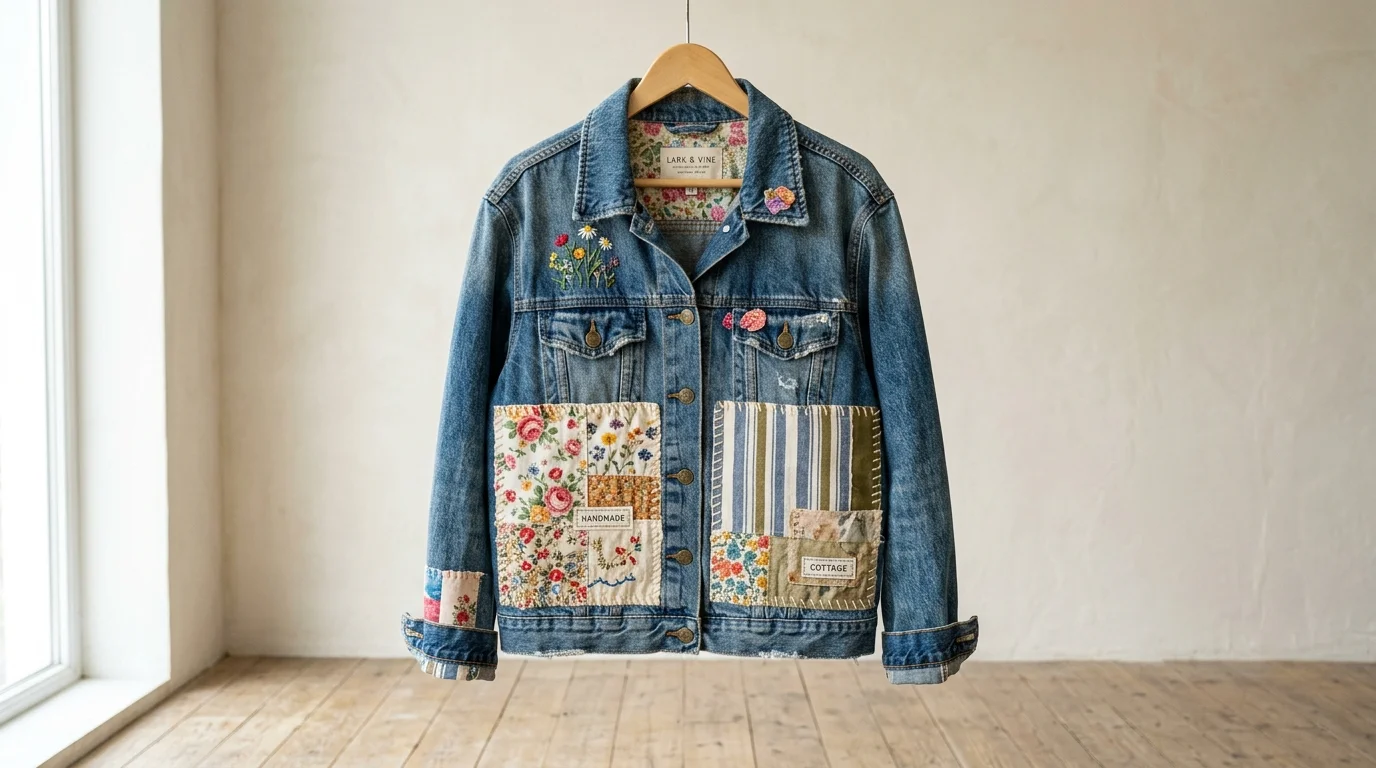
A simple pocket makeover can completely change the look of a forgotten piece. Adding patchwork pockets introduces color, texture, and handcrafted character without requiring advanced sewing skills. Different fabric patterns create visual interest, while larger pocket designs add both style and practicality. This type of transformation works especially well on denim jackets, utility shirts, and oversized button-downs that need a fresh update. The finished result feels intentional and creative rather than homemade, giving older clothing a distinctive look that stands out from mass-produced fashion pieces found in stores today.
One reason this idea remains popular is its flexibility. You can mix floral prints, vintage fabrics, striped materials, or even leftover quilting scraps to create a personalized design. In my experience, contrasting colors often make the strongest visual impact while helping pockets become a featured detail rather than an afterthought. The added storage is useful for everyday wear, and the layered fabrics provide durability. Small updates like these often inspire people to wear neglected garments again, making wardrobes feel larger without spending money on completely new clothing.
Painted Denim Panels
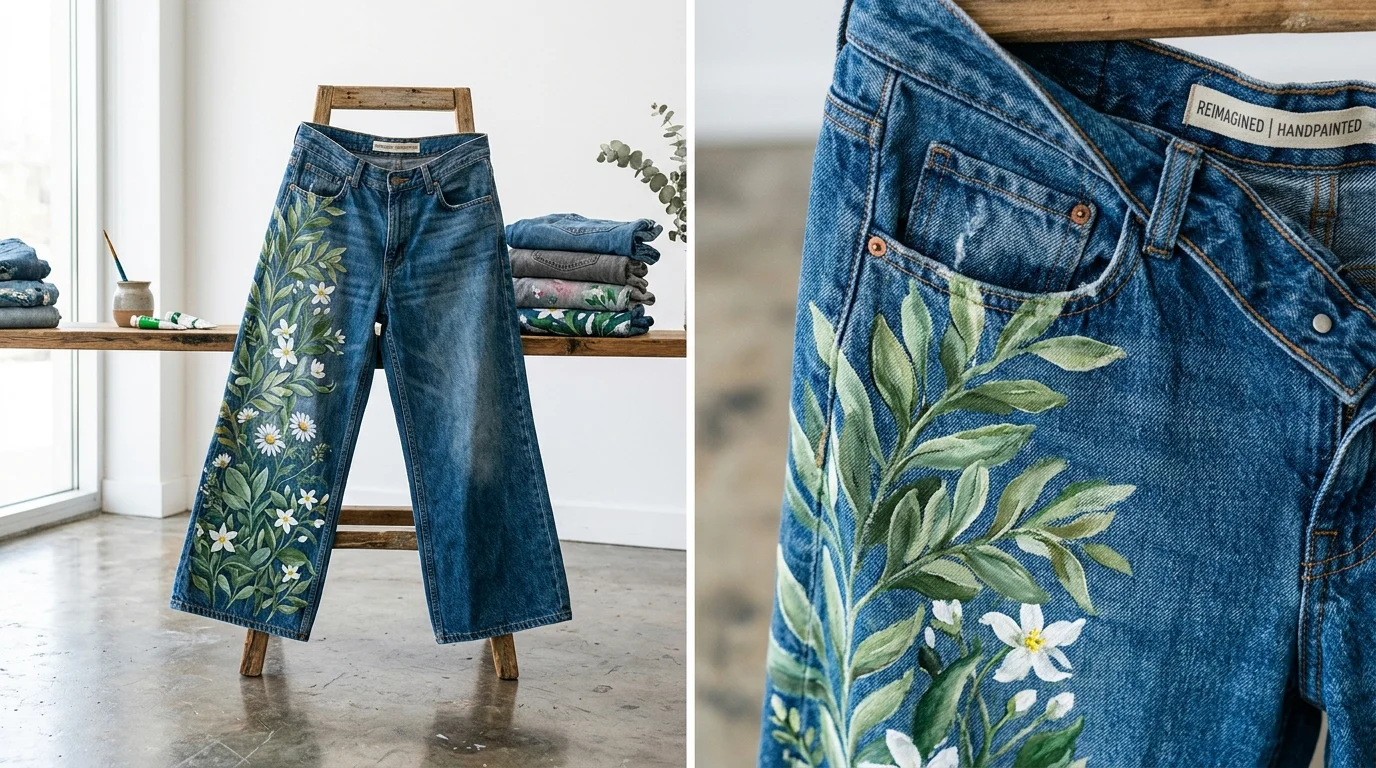
Few projects deliver such dramatic visual change with minimal materials. Painted denim panels transform ordinary garments into wearable art while covering worn sections or faded fabric. Botanical motifs, abstract shapes, and geometric patterns all work beautifully depending on personal style preferences. The painted sections draw attention to specific areas and add depth to otherwise plain clothing. Because denim provides a sturdy surface, the artwork tends to hold up well when properly sealed. This creative approach helps extend the life of garments that may otherwise remain unworn in the back of a closet.
The beauty of painted denim lies in its endless possibilities. Soft neutral designs create an elevated appearance, while bold colors produce a statement piece that feels fresh and contemporary. I’ve noticed that nature-inspired artwork often remains timeless and coordinates easily with existing wardrobe staples. Strategic placement around pockets, hems, or side panels can reshape how the garment looks visually. This project also encourages experimentation without major commitment. Even small painted accents can create a designer-inspired finish that feels thoughtful, artistic, and surprisingly versatile for everyday outfits.
Lace Sleeve Upgrade
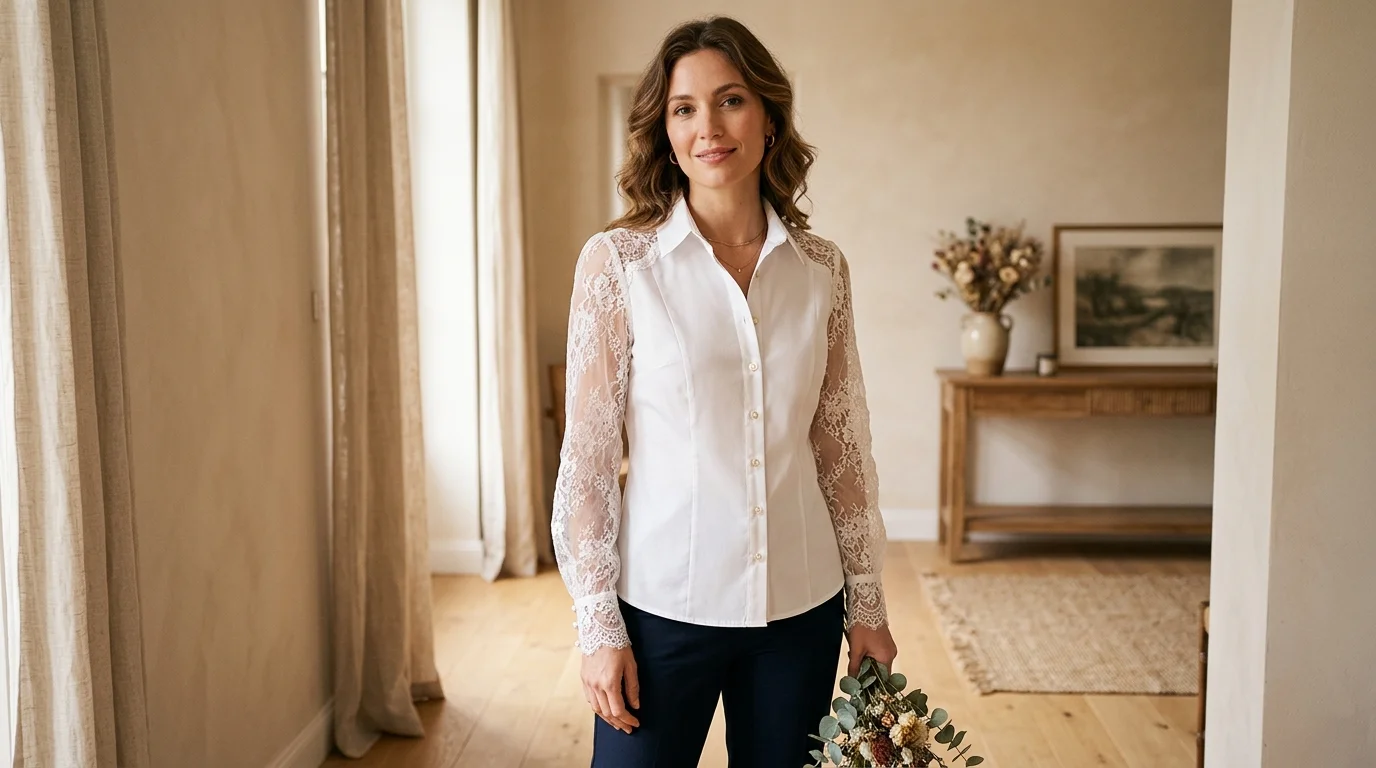
An unexpected fabric swap can make an old shirt feel completely different. Replacing standard sleeves with lace introduces softness, texture, and visual movement that instantly elevates a basic design. The contrast between structured fabric and delicate lace creates balance while adding sophistication. This upgrade works especially well on button-up shirts, lightweight blouses, and simple tops that need a fresh perspective. The result feels polished enough for special occasions while remaining practical for everyday wear. It is a simple transformation that delivers impressive results without changing the overall function of the garment.
Lace details have remained popular because they add elegance without requiring dramatic alterations. Choosing neutral lace creates versatility, while patterned options bring extra visual interest and character. I’ve seen this work especially well when the lace closely matches the garment color, allowing texture to become the focal point. Breathability is another benefit, making long-sleeved pieces feel lighter and more comfortable during warmer seasons. Small refinements like this often help older clothing align with current style preferences, encouraging more frequent wear and reducing unnecessary purchases.
Sweater Crop Refresh
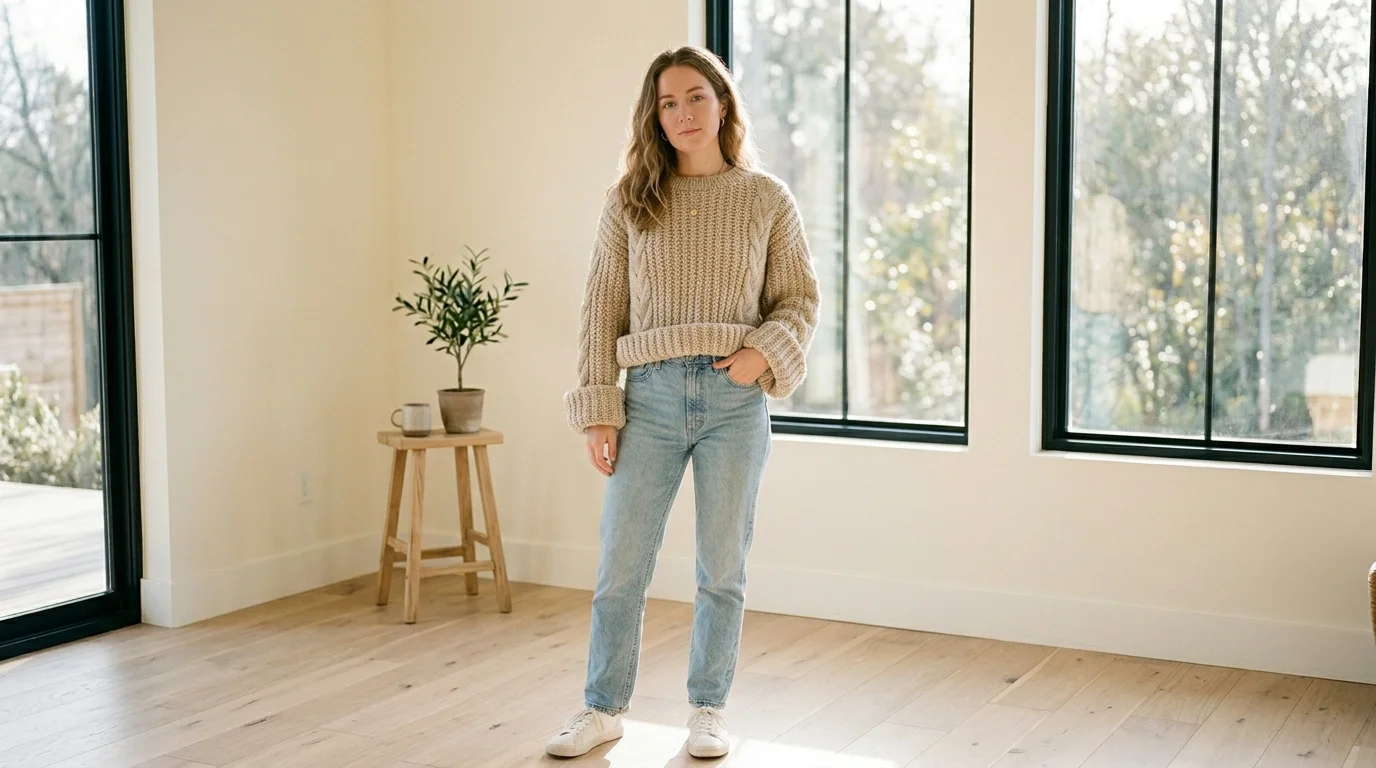
Sometimes the most effective clothing makeover involves changing proportions rather than adding decorations. Cropping an oversized sweater creates a cleaner shape that feels modern while preserving the cozy texture people already love. The shorter length helps define the waist and pairs effortlessly with many wardrobe staples. This adjustment works especially well on older sweaters that have become boxy or stretched over time. Instead of feeling bulky, the garment gains a more intentional appearance that aligns with current fashion trends. The transformation is simple but often makes the piece feel entirely new and more wearable.
A cropped silhouette can also improve versatility. Sweaters that once looked oversized or shapeless suddenly work well in layered outfits and transitional-season wardrobes. In my experience, leaving a slightly relaxed fit through the body helps maintain comfort while still creating a fresh profile. Neutral knit fabrics are particularly suited to this project because the updated shape becomes the primary design feature. Small structural changes often deliver the greatest impact, proving that a thoughtful adjustment can breathe new life into clothing that might otherwise remain unused for years.
Flannel Shirt Vest
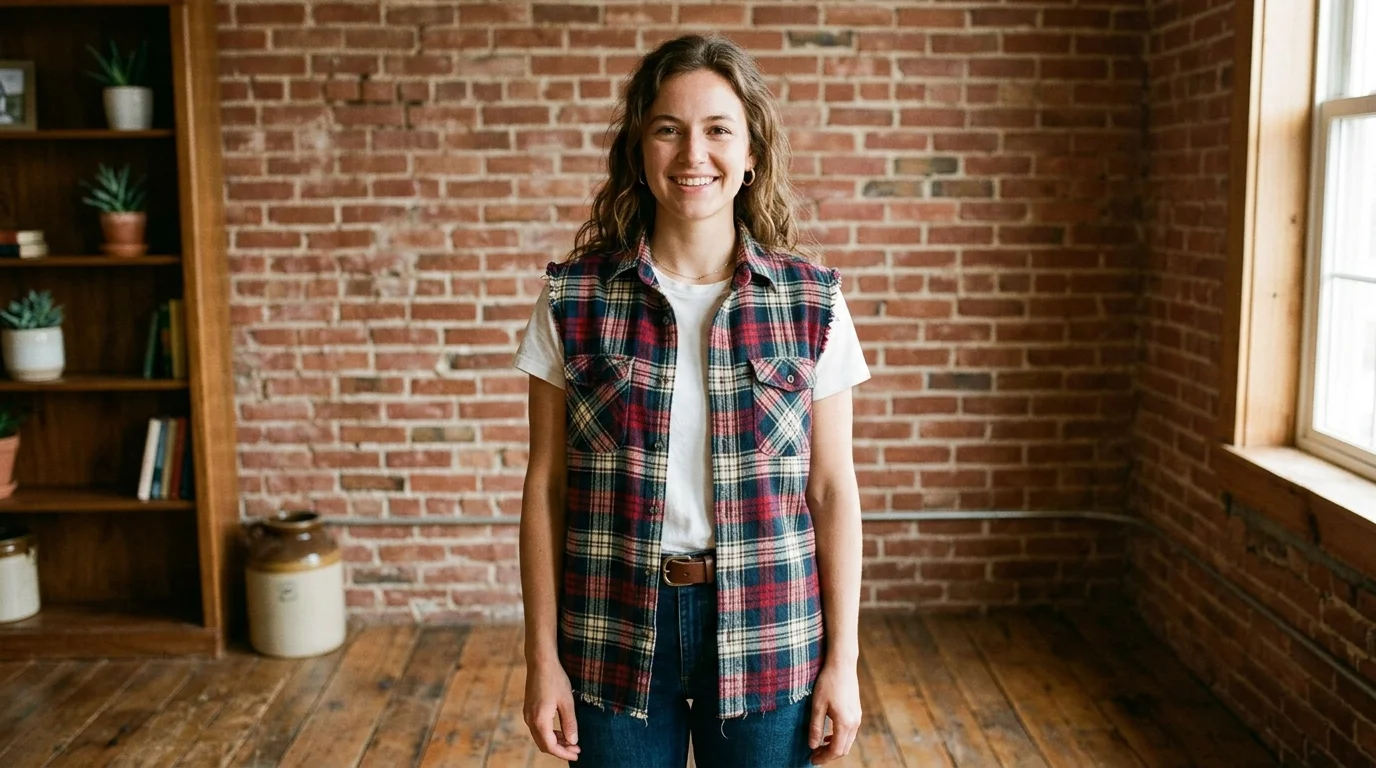
A worn flannel shirt can become an entirely different wardrobe staple with one thoughtful alteration. Removing the sleeves transforms the garment into a lightweight vest that works across changing seasons. The plaid pattern remains the focal point while the sleeveless design creates a more flexible layering option. This project is especially useful for shirts with frayed cuffs or damaged sleeves that would otherwise limit wearability. The finished vest feels casual, practical, and stylish, making it an easy addition to outfits that need extra texture and visual interest.
Layering pieces often provide more styling opportunities than standalone garments. A flannel vest works over simple tees, fitted tops, lightweight sweaters, and even casual dresses. I’ve noticed that slightly oversized fits tend to look especially relaxed and modern after the transformation. Retaining original pockets and buttons helps preserve character while reducing sewing requirements. Projects like this highlight how upcycle clothes DIY refashioning ideas that give old pieces a new life can focus on function as much as appearance. The result is comfortable, adaptable, and surprisingly versatile.
Scarf Panel Skirt
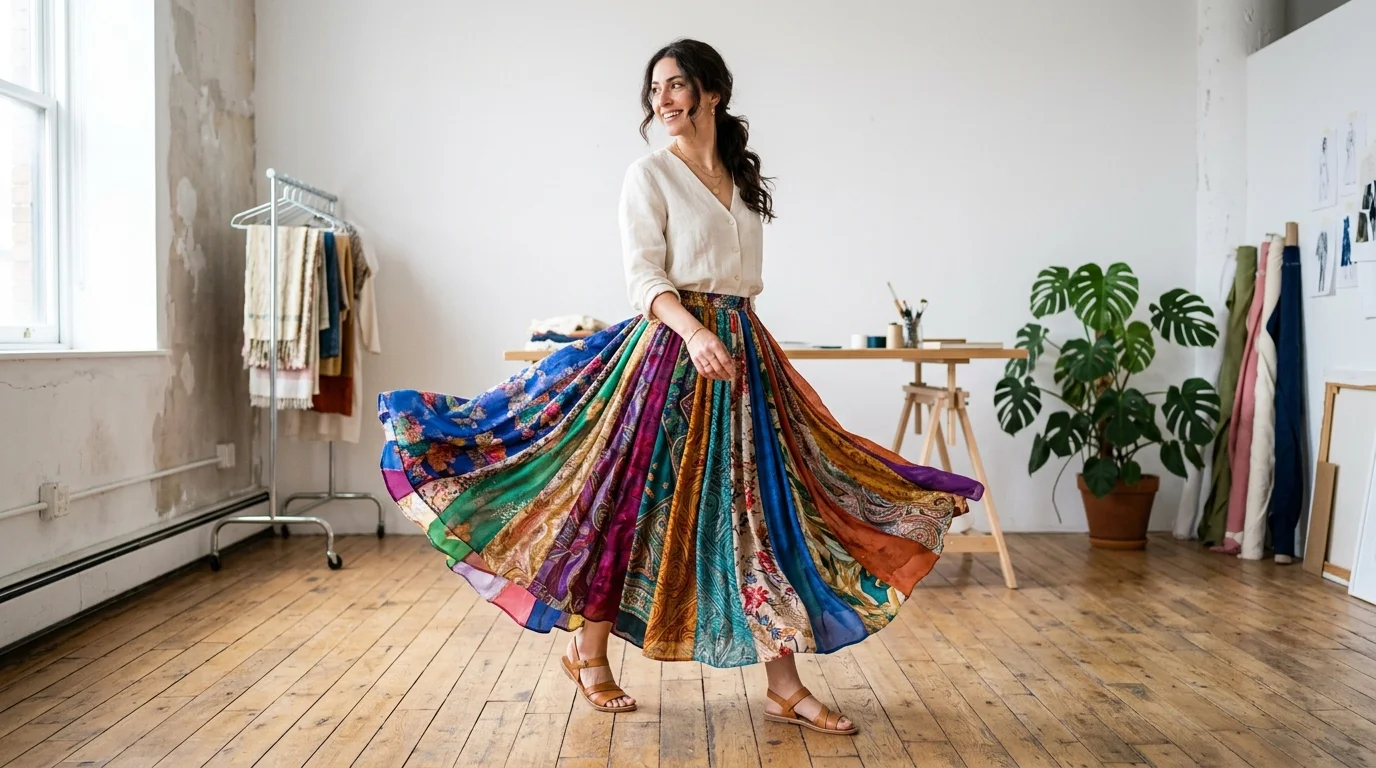
Scarves often feature beautiful patterns that deserve more visibility than a folded drawer can provide. Joining multiple scarves into a flowing skirt allows those prints to become the center of attention while creating a lightweight and expressive garment. The varied colors and textures naturally add depth and movement, making even simple outfit combinations feel more dynamic. This approach works particularly well with vintage scarves because their distinctive designs create a curated appearance. The finished piece feels creative and fashion-forward while giving treasured fabrics a practical purpose.
One of the strongest advantages of this project is individuality. No two combinations of scarves produce the same result, ensuring a truly personal design. I’ve seen this work especially well when colors share a common tone, creating cohesion while still allowing each pattern to stand out. Lightweight fabrics move beautifully with every step, adding visual softness and elegance. Transformations like this demonstrate how overlooked accessories can become standout wardrobe pieces. The finished skirt often feels more special than store-bought alternatives because every panel contributes its own history and character.
Denim Apron Dress
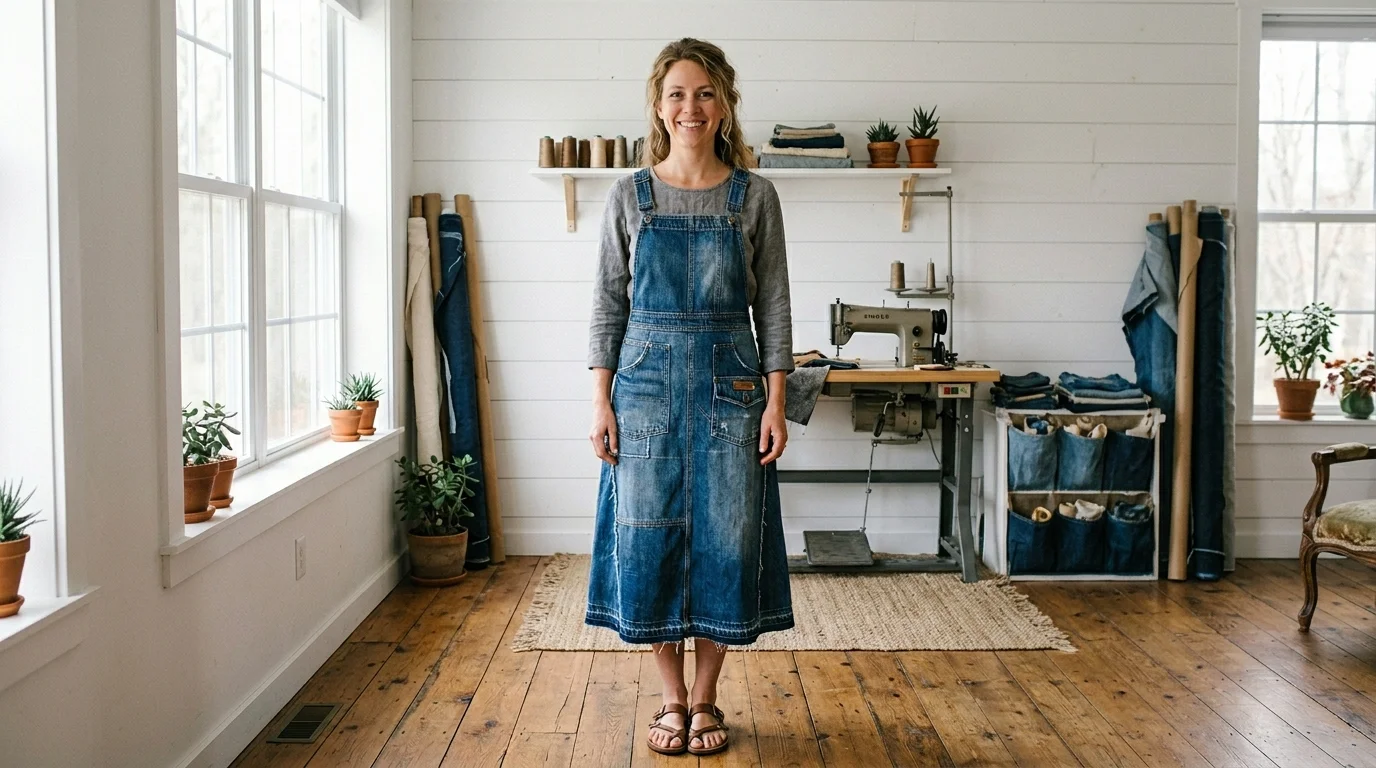
Old denim often has enough durable fabric to become something completely different. Transforming worn jeans into an apron-style dress creates a functional garment with a relaxed and contemporary appearance. The sturdy material holds its shape beautifully while preserving the character developed through years of wear. Patch pockets, decorative seams, and original denim details add personality without requiring excessive embellishment. This project combines practicality and creativity, resulting in a piece that feels comfortable for everyday use while still looking intentionally styled and fashion-forward.
The appeal of an apron dress comes from its versatility. It layers easily over fitted tops, lightweight sweaters, and simple tees throughout the year. I’ve noticed that incorporating original jean pockets often adds authenticity and reduces sewing time. Visible seams and contrasting stitching can become attractive design features rather than details to hide. This kind of refashion celebrates the strengths of denim while introducing a completely new silhouette. The finished garment feels unique, durable, and adaptable enough to become a regular part of a casual wardrobe.
Ruffle Hem Revival
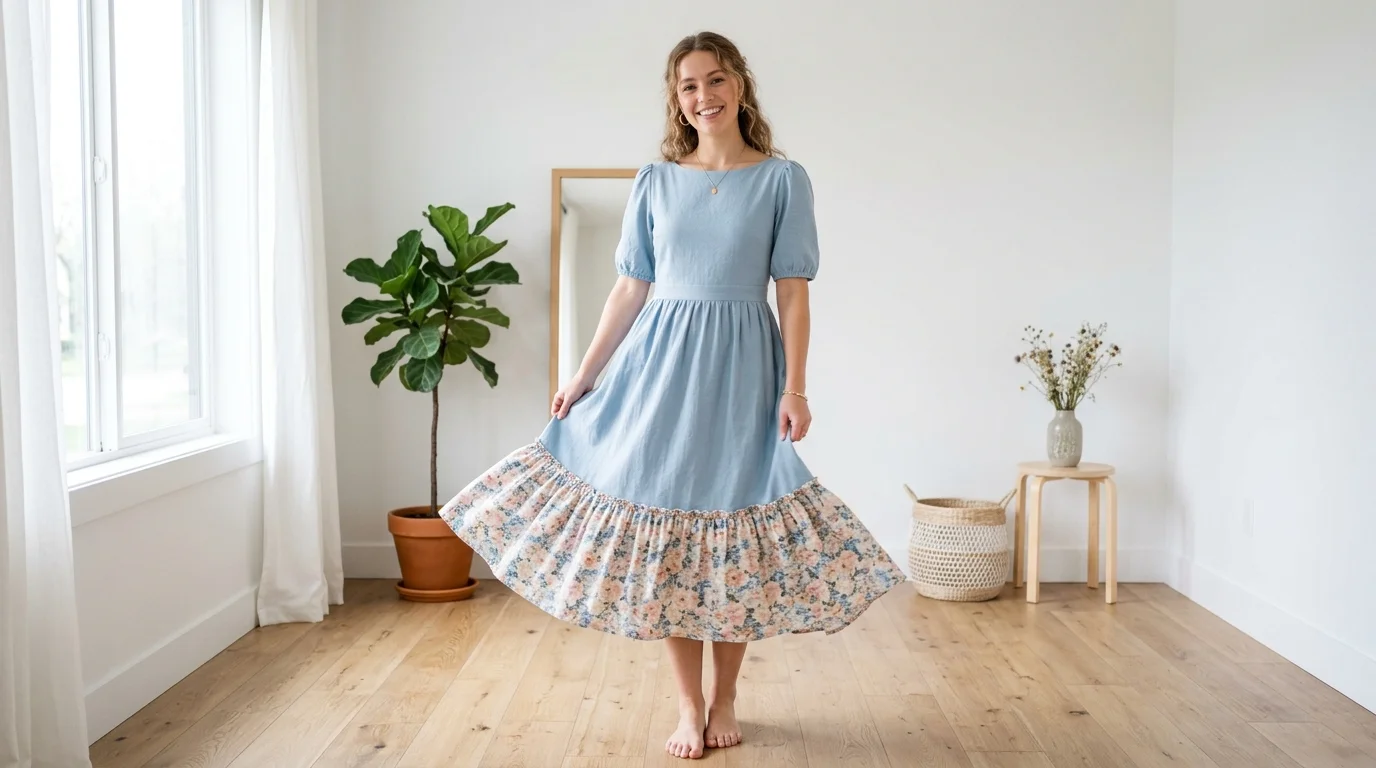
A ruffle hem can completely change the personality of a simple garment. Adding gathered fabric to the bottom edge introduces movement, softness, and visual dimension while extending the overall length. This approach works particularly well on dresses and skirts that feel too plain or slightly too short for comfortable wear. The added volume draws attention downward, creating a balanced silhouette that feels playful and polished. Even a small ruffle can make a garment appear thoughtfully designed rather than basic, giving older pieces a fresh and fashionable update.
One reason this technique remains popular is its accessibility. A coordinated fabric choice creates a subtle enhancement, while contrasting prints produce a more noticeable statement. In my experience, lightweight materials tend to create the most natural drape and movement. The additional fabric also helps disguise worn hems and small imperfections that often develop over time. Small details like these can dramatically increase how often a garment gets worn. The result feels feminine, stylish, and customized without requiring advanced sewing knowledge or specialized equipment.
Graphic Tee Tote
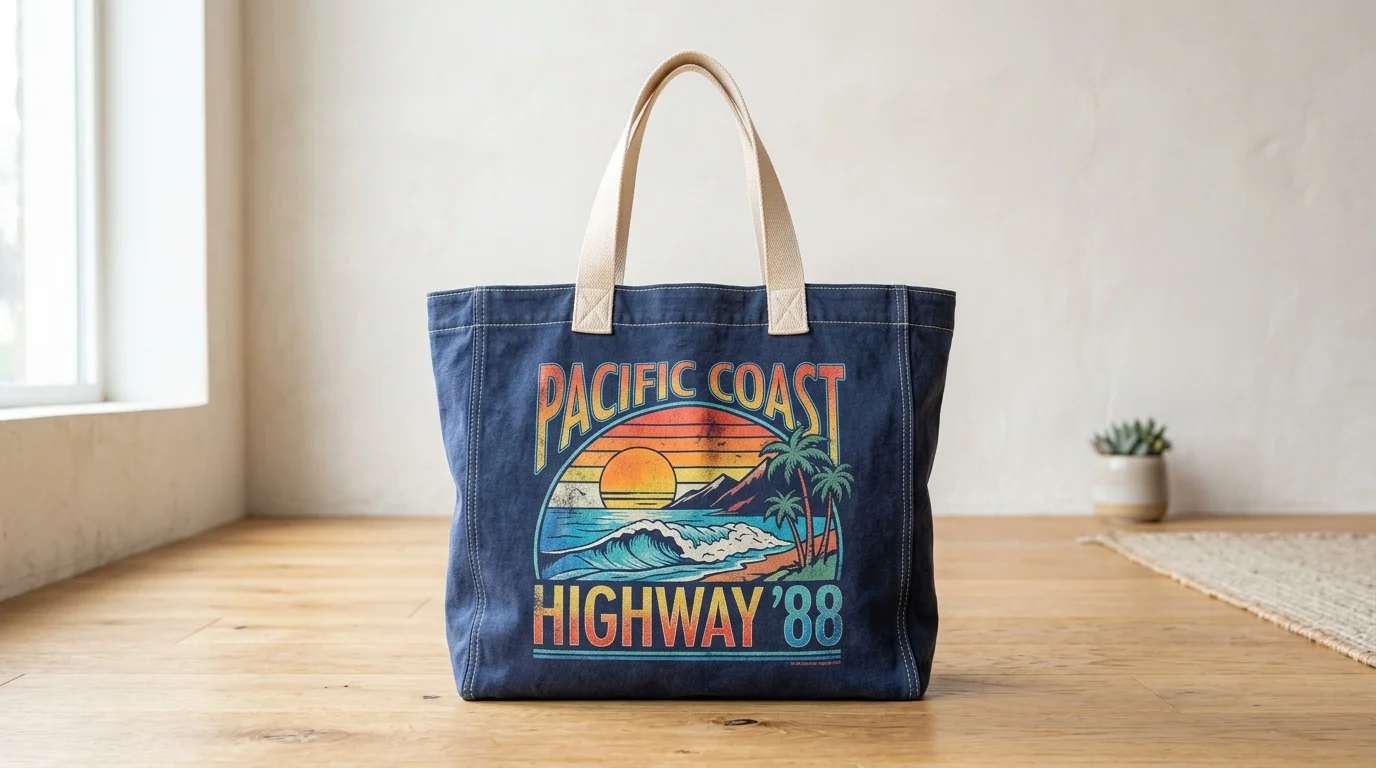
Some T-shirts carry memories long after they stop fitting comfortably. Turning a favorite graphic tee into a tote bag preserves meaningful artwork while creating something practical for daily use. The soft fabric maintains its familiar character, and the printed design becomes the centerpiece of a useful accessory. This transformation works especially well for concert shirts, travel souvenirs, and vintage finds that deserve continued visibility. Instead of remaining tucked away in storage, the design gains a second life through an item that can be used regularly and appreciated often.
Tote bags are among the most versatile projects because they combine simplicity with everyday usefulness. Reinforced handles improve durability while preserving the relaxed appearance of the original fabric. I’ve found that larger graphics often create the strongest visual impact because they naturally suit the front panel of a bag. This is one of those upcycle clothes DIY refashioning ideas that give old pieces a new life while serving a practical purpose. The finished tote feels personal, functional, and environmentally conscious without sacrificing style.
Button Front Makeover
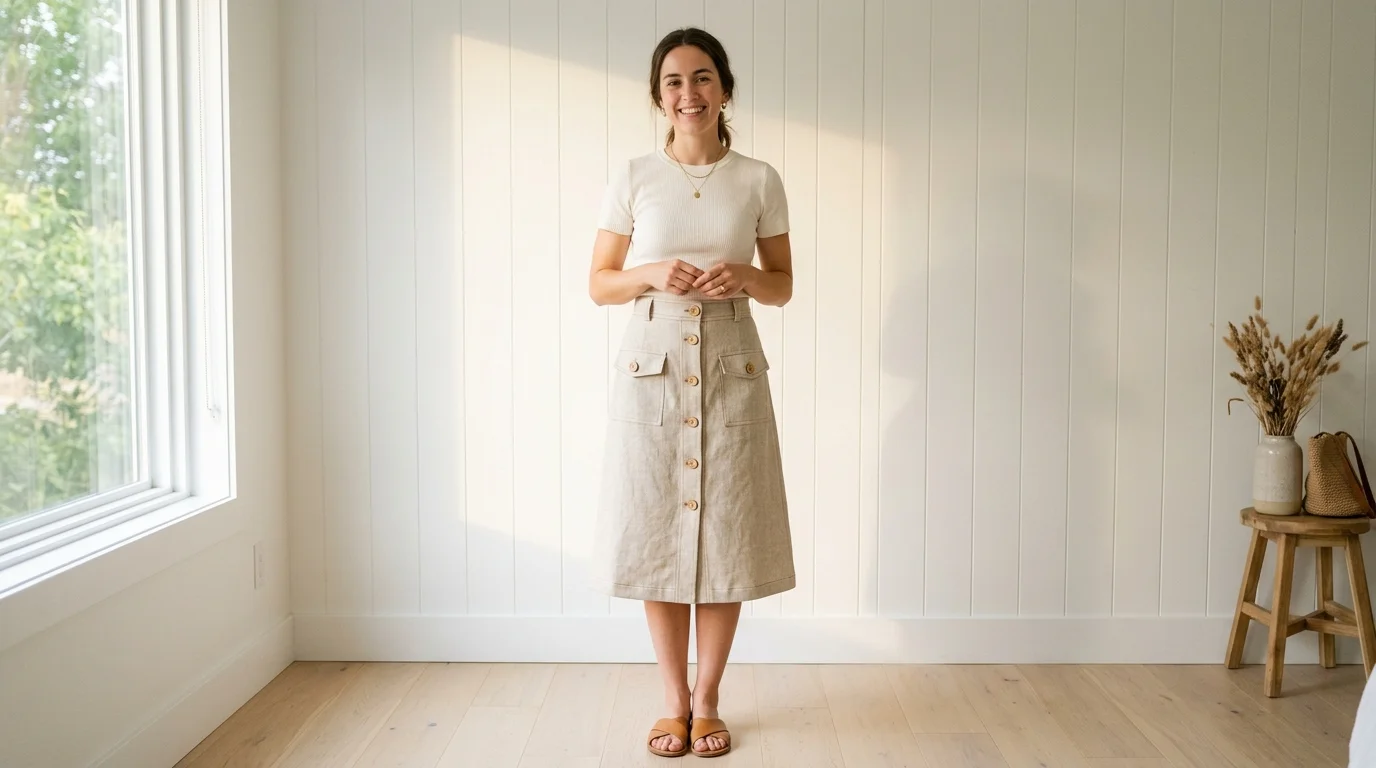
A button-front detail can completely refresh a plain skirt or dress without changing its overall function. The vertical row of buttons naturally draws the eye and adds structure, making the garment feel more thoughtfully designed. Decorative wood, metal, or fabric-covered buttons can shift the style from casual to vintage-inspired depending on the desired look. This update is particularly effective on solid-colored pieces that need visual interest. The transformation feels subtle yet impactful, helping older garments appear more current while preserving the comfort and familiarity that made them favorites.
Small design changes often create surprisingly large visual improvements. A button-front feature adds texture, rhythm, and dimension while maintaining versatility. I’ve noticed that neutral-toned buttons tend to create a timeless effect, while contrasting options can become a statement detail. The added structure also helps garments look more refined and intentional. Rather than replacing an item entirely, strategic upgrades like this maximize what already exists. The finished piece feels elevated, practical, and stylish enough to blend seamlessly into a modern wardrobe.
Fabric Scrap Collar
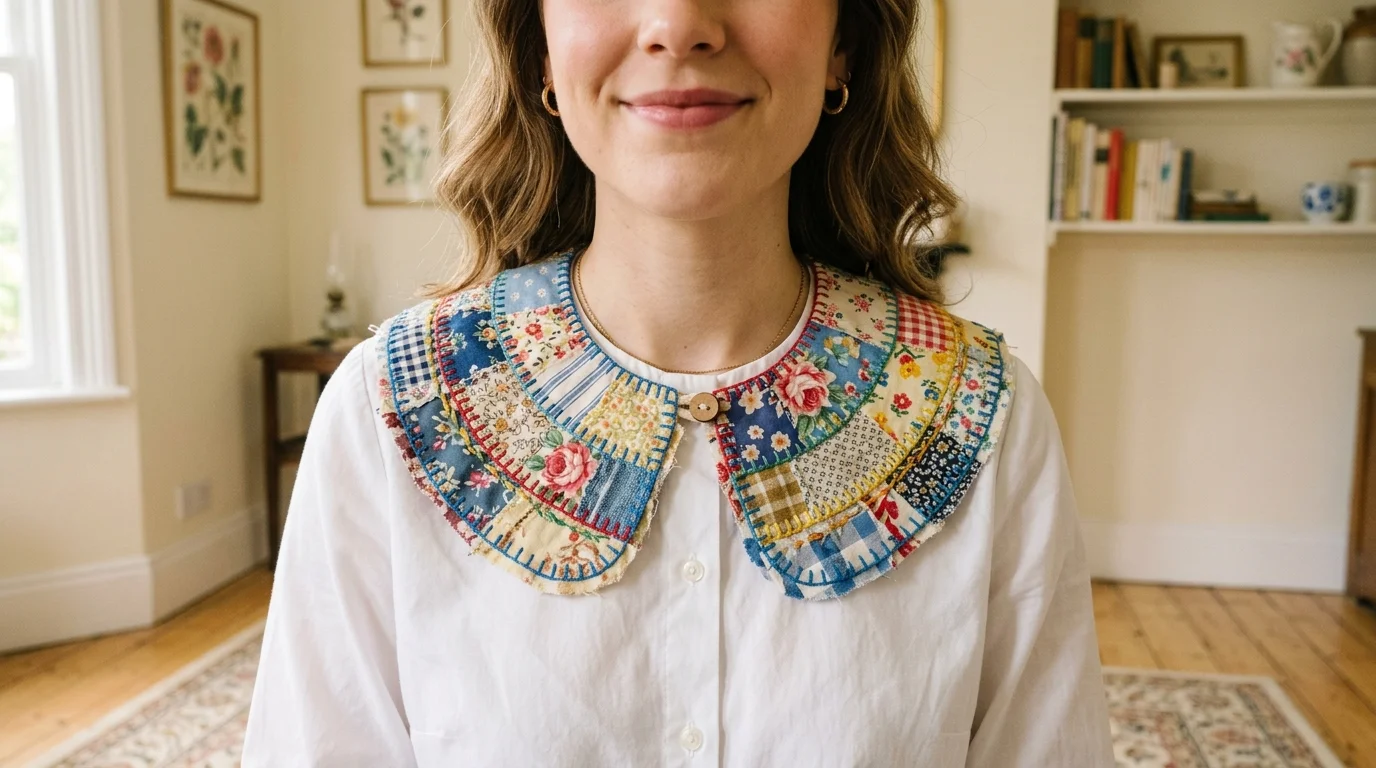
Collars naturally frame the face, making them one of the most effective areas for a creative update. Adding a fabric scrap collar introduces color, texture, and personality while requiring only a small amount of material. This approach works beautifully on plain shirts and blouses that feel too basic or predictable. The contrast between a simple garment and a decorative collar creates visual balance while keeping the overall look wearable. Even small fabric pieces can become valuable design elements when arranged thoughtfully and stitched into a cohesive pattern.
One of the most appealing aspects of this project is flexibility. Different collars can completely change the mood of the same garment, creating multiple styling options from a single piece. I’ve seen floral scraps, gingham prints, and vintage fabrics work especially well together when connected by a common color palette. Detachable versions offer even more versatility because they can be swapped between outfits. Creative details like these often become conversation pieces while helping older clothing feel unique. The finished look is charming, practical, and highly personalized.
Tiered Maxi Extension
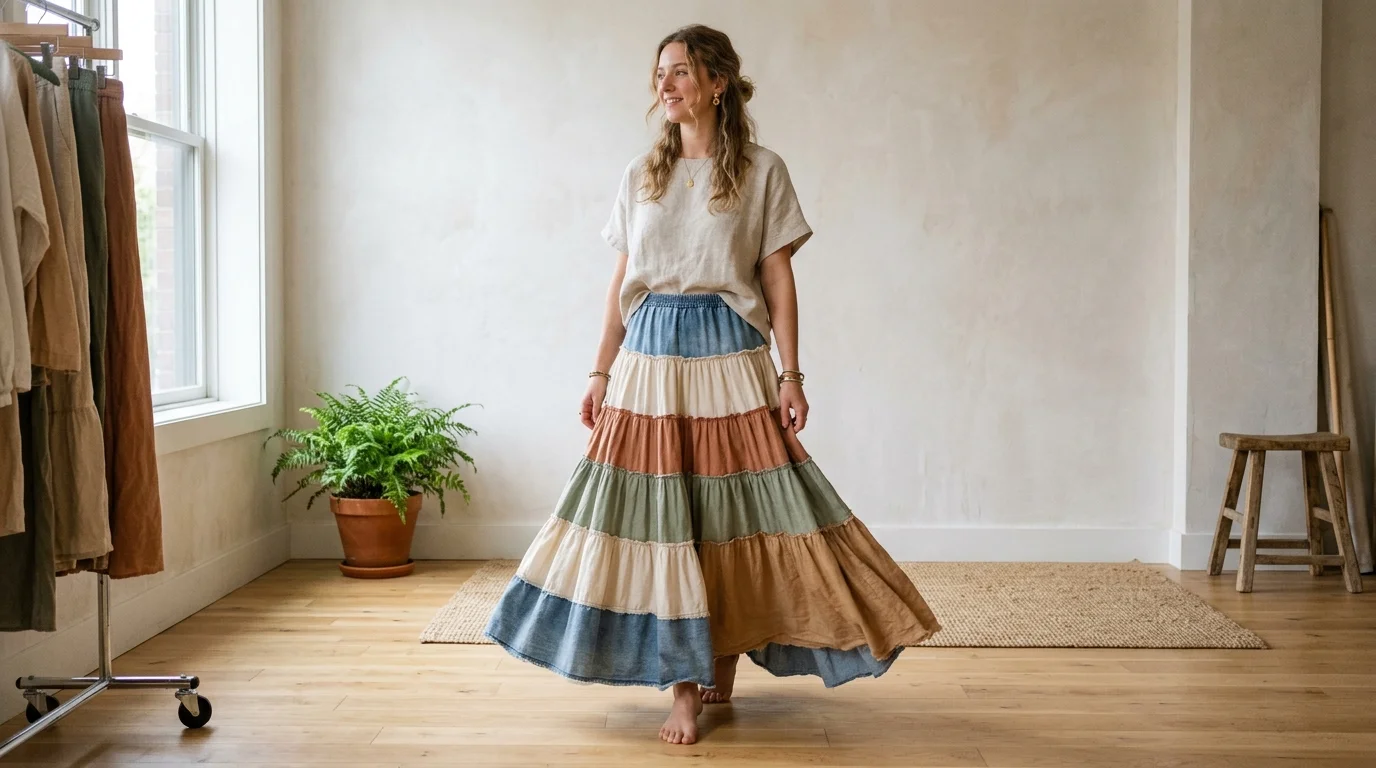
Extending a skirt with tiered fabric panels is both practical and visually transformative. The added layers introduce movement and texture while creating a longer silhouette that feels intentional and elegant. This technique works especially well when the original garment is slightly too short or lacks visual dimension. Soft gathers between tiers create natural flow and help blend different fabrics harmoniously. The result appears designed rather than altered, giving older pieces a refreshed identity that feels current, comfortable, and highly wearable across a variety of settings.
The layered effect brings depth that plain garments sometimes lack. Coordinating colors create a seamless look, while subtle contrasts add interest without overwhelming the design. In my experience, lightweight cotton and linen fabrics produce the most natural movement and drape. Additional tiers can also improve comfort by creating a looser fit around the legs. Refashioning projects like this show how simple fabric additions can dramatically change a garment’s appearance. The finished skirt feels effortless, versatile, and perfect for creating relaxed yet polished outfits.
Denim Pocket Purse
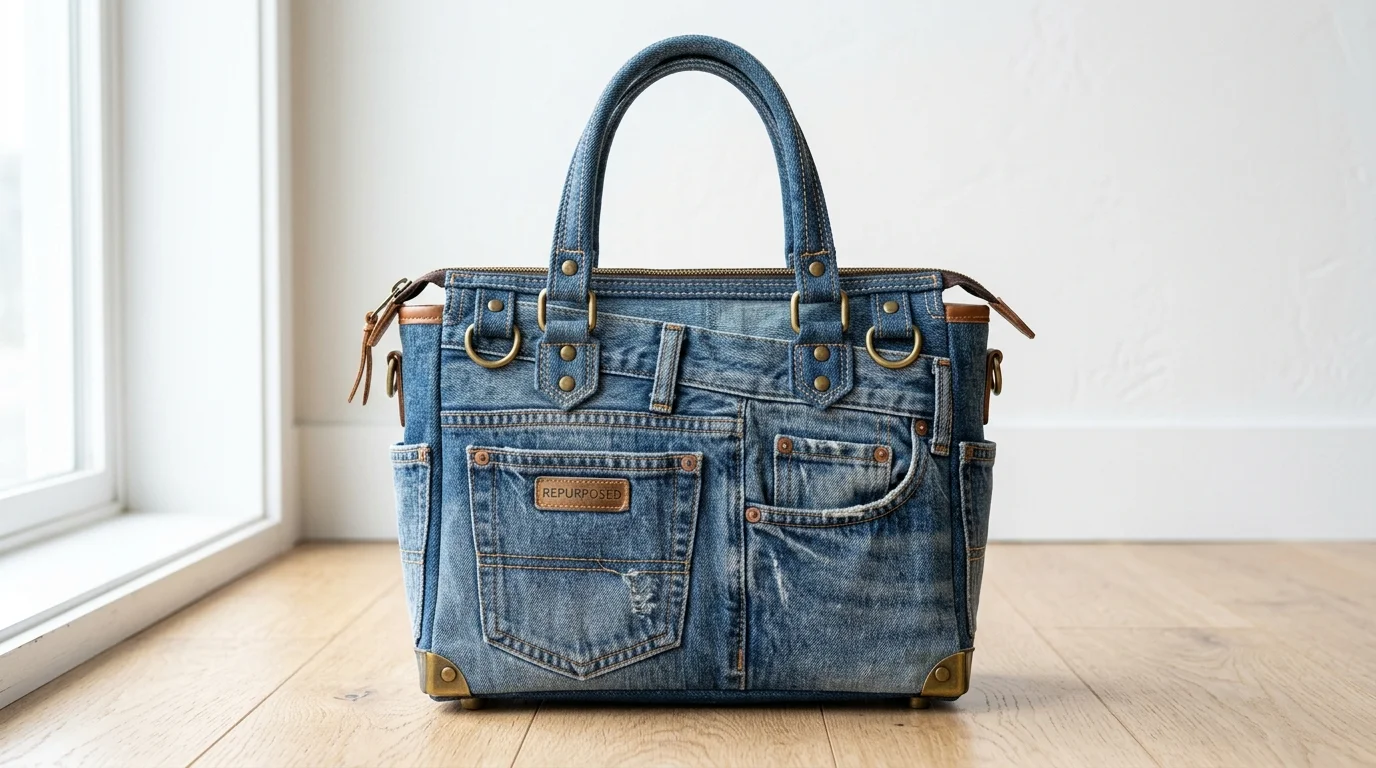
Denim pockets often contain some of the most attractive details on a garment, making them perfect for creative reuse. Transforming those pockets into a compact purse preserves stitching, fading, and hardware that already contribute visual interest. The sturdy fabric naturally provides durability, while the familiar denim texture makes the accessory easy to pair with casual outfits. This project is particularly useful when jeans are too damaged to wear but still contain strong fabric sections. The result feels practical, stylish, and intentionally designed rather than improvised.
Accessories made from reclaimed materials often have more character than mass-produced alternatives. Original pocket shapes provide built-in organization while reducing construction time. I’ve noticed that combining different shades of denim can create a layered and professional appearance. Adjustable straps and simple closures further increase functionality without complicating the design. Projects like this highlight how overlooked garment components can become useful everyday essentials. The finished purse feels distinctive, durable, and personal while helping extend the life of materials that still have plenty to offer.
Patchwork Kimono Layer
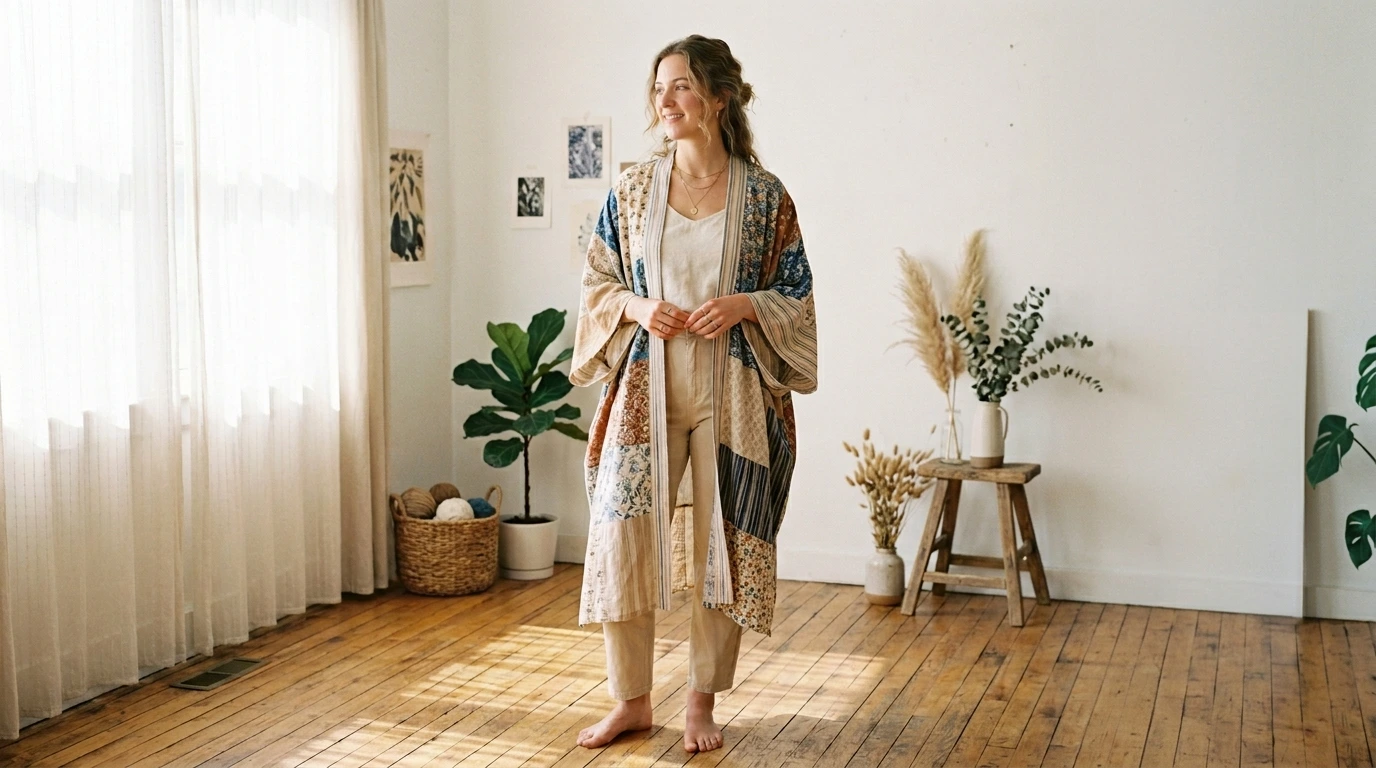
A patchwork kimono transforms assorted fabric remnants into a wearable piece that feels artistic and expressive. The loose silhouette allows different patterns to coexist harmoniously while creating movement and visual depth. Lightweight fabrics work especially well because they drape naturally and keep the garment comfortable throughout the day. This project is ideal for showcasing beautiful materials that may be too small for larger sewing projects. The finished layer instantly elevates basic outfits and adds personality without requiring dramatic styling choices.
The beauty of patchwork lies in its individuality. No two combinations look exactly alike, which makes each finished piece feel special. I’ve seen this work particularly well when prints vary in pattern but share complementary colors. The open-front design also provides flexibility, allowing the garment to function as a casual cover-up or statement outer layer. Creative refashioning often succeeds when it celebrates variety rather than hiding it. The resulting kimono feels relaxed, colorful, and unique while offering countless opportunities for styling throughout the year.
Embroidered Cuff Detail
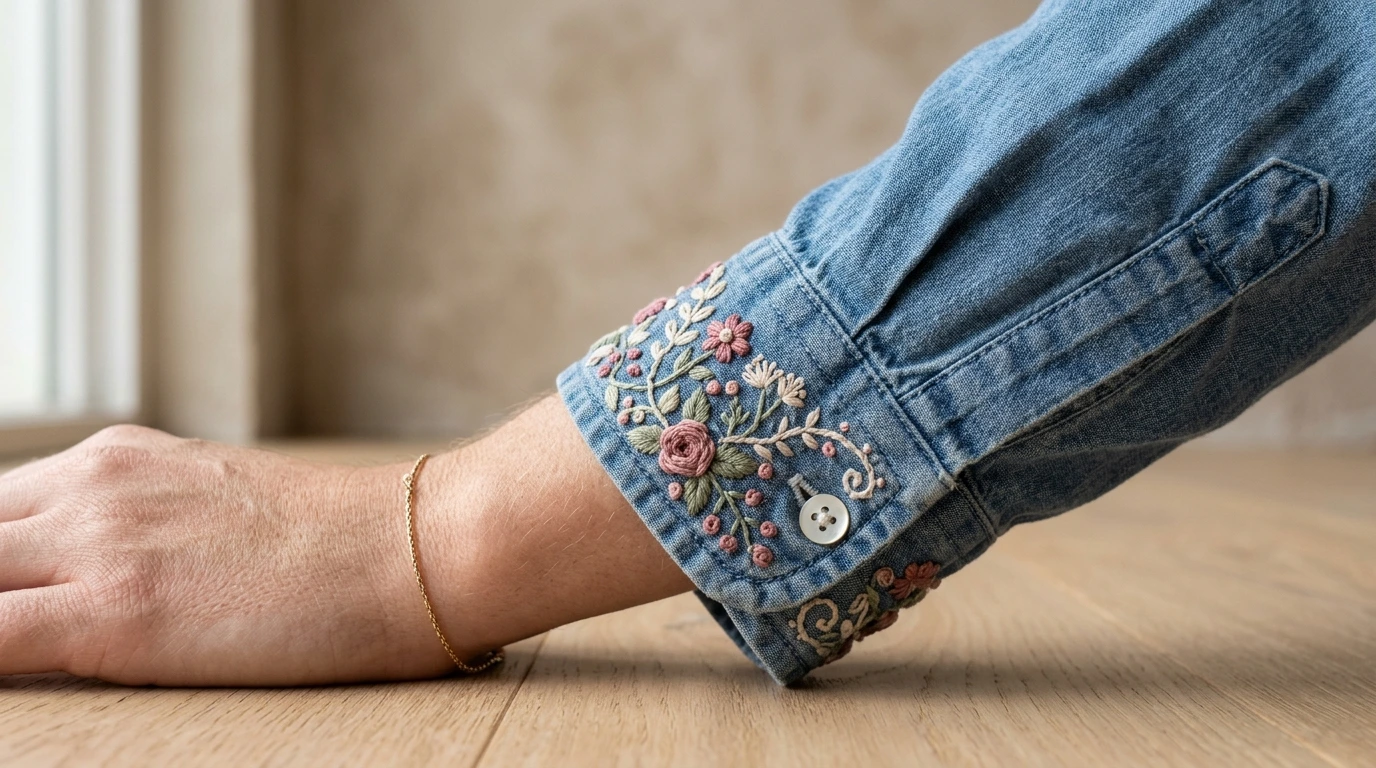
Sometimes the smallest details create the most memorable transformations. Adding embroidery to cuffs introduces texture, color, and craftsmanship while preserving the simplicity of the original garment. Floral motifs, geometric patterns, and delicate line work all bring unique character to sleeves that might otherwise go unnoticed. This technique works particularly well on shirts, jackets, and lightweight tops where the cuff area remains visible throughout the day. The enhancement feels refined and intentional, making older clothing appear more customized and thoughtfully designed.
Embroidery also allows personal creativity to shine through without overwhelming the garment. Subtle thread colors create an understated effect, while brighter combinations add more visual energy. In my experience, repeating a simple motif often produces the most polished result because it feels cohesive and balanced. The stitched details gradually draw attention as people notice them up close, adding depth and craftsmanship to the overall design. Small upgrades like this can significantly increase a garment’s appeal while maintaining everyday practicality and versatility.
Shirt Sleeve Tie Top
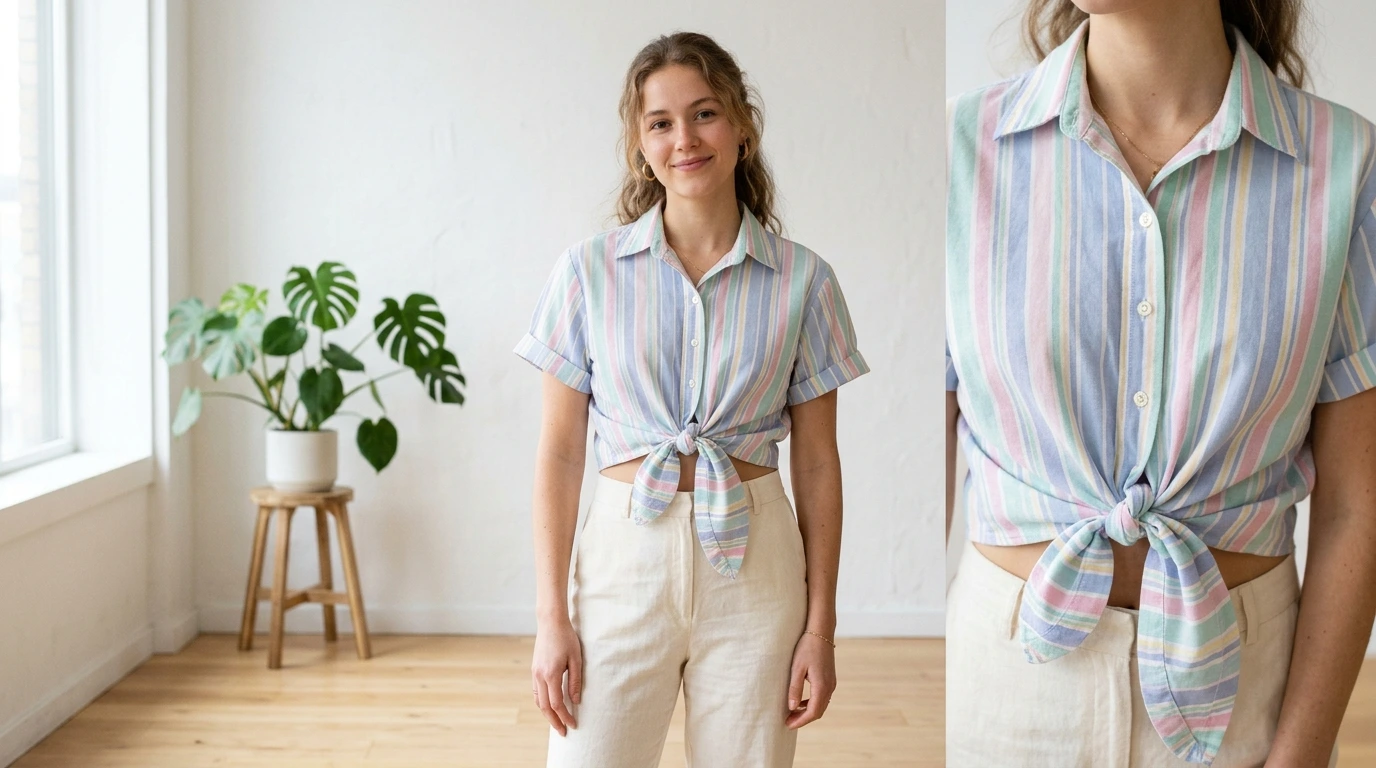
Oversized shirts often have more potential than they initially appear to offer. Converting one into a tie-front top creates a flattering shape while preserving much of the original garment. The front tie naturally defines the waist and introduces a relaxed, effortless feel that works with many wardrobe staples. This project is especially effective for shirts that feel too large or outdated in their current form. The transformation requires relatively few adjustments yet produces a completely different look that feels fresh, contemporary, and highly wearable.
The appeal of a tie-front design comes from its balance of comfort and style. It creates visual structure without sacrificing ease of movement, making it practical for everyday outfits. I’ve noticed that lightweight cotton shirts often achieve the cleanest drape and most comfortable fit after this type of refashion. Retaining original buttons and collars also helps preserve character while reducing construction work. A thoughtful silhouette change like this can make forgotten garments feel exciting again and encourage more creative outfit combinations.
Mixed Fabric Joggers
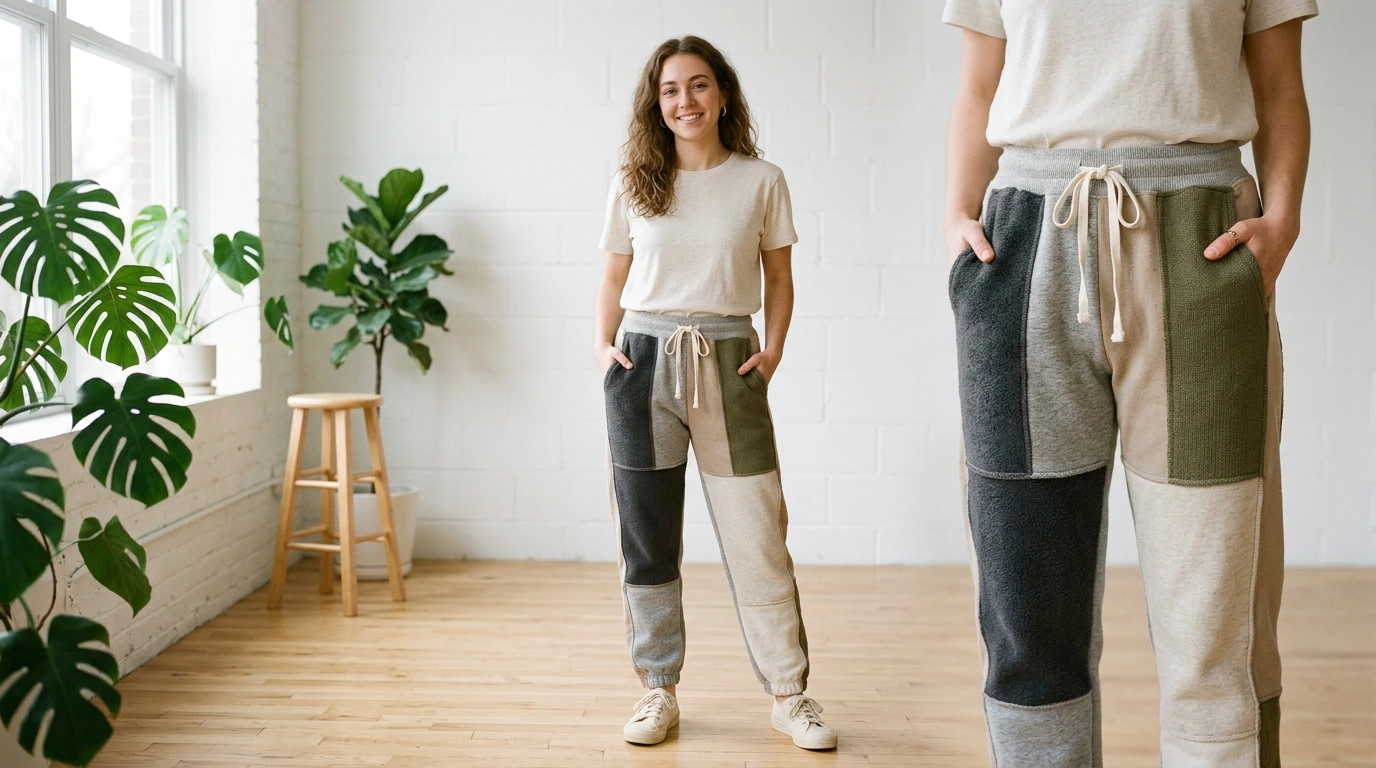
Combining different fabrics into a pair of joggers creates a unique garment that feels both comfortable and intentionally designed. Contrasting textures add depth while allowing worn sections of existing clothing to be replaced with fresh material. This approach works particularly well when repurposing sweatshirts, T-shirts, and knit garments that still have usable fabric. The varied panels create visual interest without relying on decorative embellishments. The finished joggers feel contemporary, practical, and distinctive while making the most of materials that might otherwise go unused.
Comfort-focused projects often become wardrobe favorites because they blend function with creativity. Coordinating colors help different fabrics appear cohesive while maintaining the charm of visible variation. I’ve seen neutral palettes work especially well because they highlight texture rather than overwhelming the design. Strategic panel placement can also improve flexibility and fit in key areas. Refashioning clothing in this way demonstrates how practical garments can still feel stylish and personalized. The result is comfortable enough for everyday wear while showcasing thoughtful craftsmanship.
Vintage Quilt Jacket
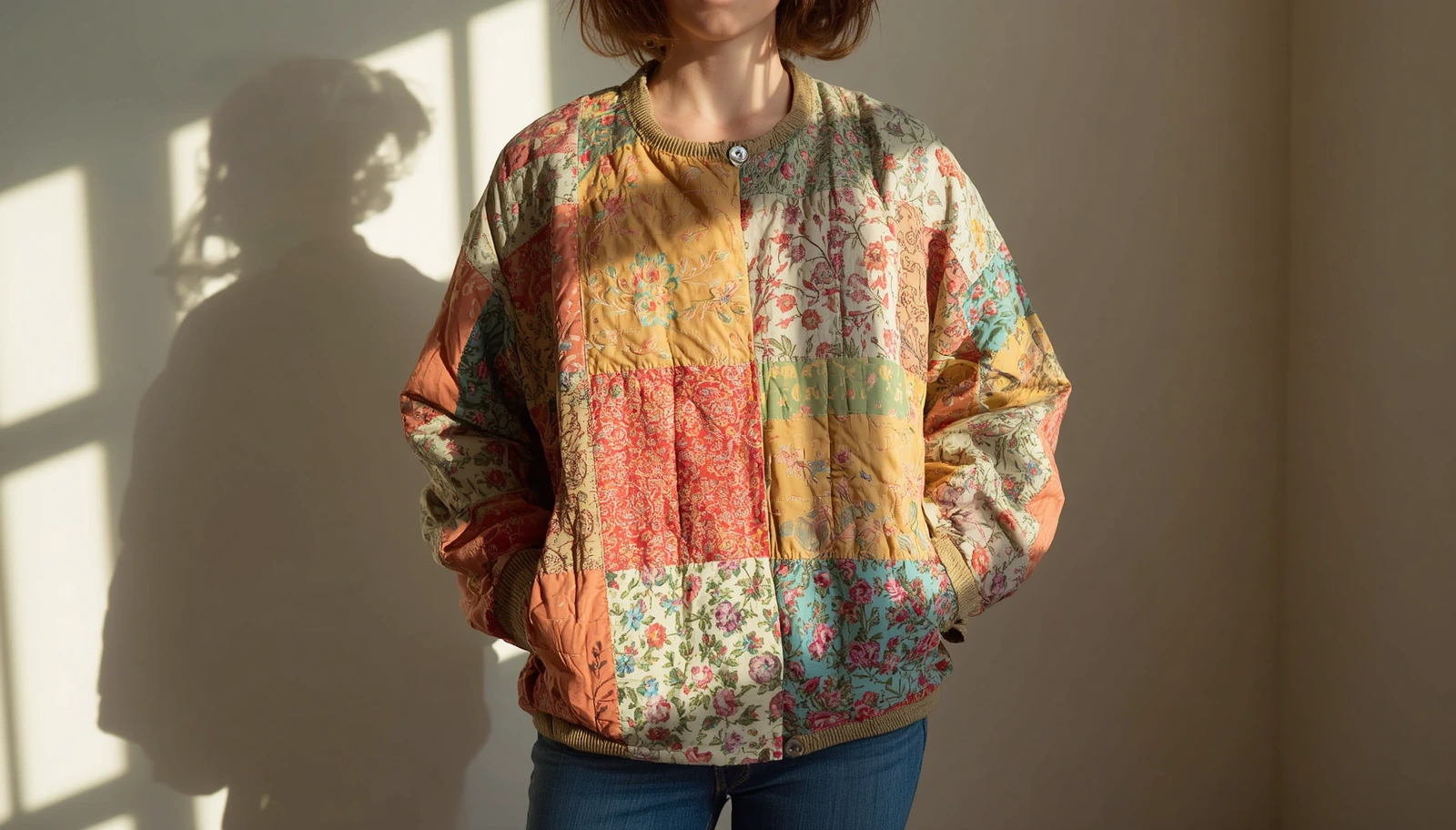
A quilt jacket is one of the most dramatic ways to transform old textiles into something wearable. The layered fabric provides warmth while showcasing patterns, stitching, and craftsmanship that deserve continued appreciation. Vintage quilts often contain beautiful color combinations that feel rich and distinctive compared with modern mass-produced fabrics. Turning those materials into a jacket allows them to remain visible and functional rather than stored away. The finished piece carries character, history, and visual depth that make it stand out in any wardrobe.
The enduring popularity of quilt jackets comes from their ability to blend comfort, artistry, and sustainability. Each section of fabric contributes texture and detail, creating a garment that feels genuinely unique. In my experience, preserving original quilt stitching whenever possible adds authenticity and charm. The relaxed structure pairs well with simple basics, allowing the textile work to become the focal point. Projects like this demonstrate how thoughtful refashioning can honor existing materials while creating something entirely new, practical, and beautiful.
Conclusion
Refashioning old clothing is about more than saving fabric. It is an opportunity to create pieces that reflect your personal style while making the most of materials you already own. From simple embellishments to complete garment transformations, each project proves that creativity can unlock new value in forgotten wardrobe staples. These upcycle clothes diy refashioning ideas that give old pieces a new life show how small changes can deliver impressive results without requiring a large budget. Save your favorite ideas on Pinterest, share them with fellow DIY enthusiasts, and start experimenting with your own clothing makeovers. I’ve seen how thoughtful updates can make old favorites feel exciting all over again