Introduction
Adding a functional outdoor living room ideas project can increase your property value by nearly 15 percent. Many homeowners treat their backyards as separate zones, but the best luxury backyard design focuses on a smooth transition between your indoor space and the garden. By extending your living area, you create a natural flow that makes your home feel much larger.
The secret to a successful space is choosing weatherproof patio furniture that mimics the comfort of your indoor sofa. You need materials like teak or powder coated metal that handle the elements without losing their finish. Adding a cozy backyard lounge area requires layering textures like performance fabric toss pillows and a durable outdoor rug. These pieces help define your space while standing up to rain and sun. With the right foundation, you turn an empty slab of concrete into a year round sanctuary.
Create Lounge Seating Zones
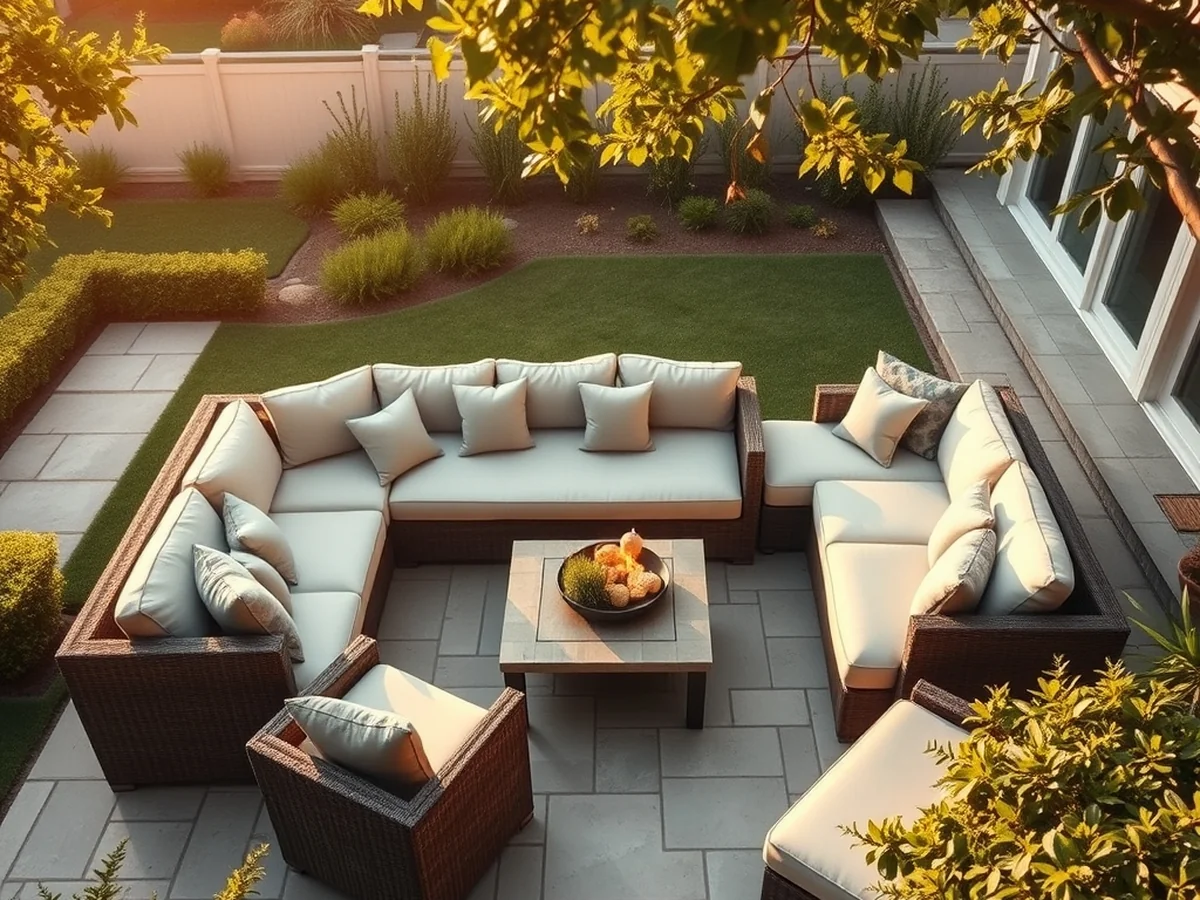
You want your backyard to feel like a true extension of your home, but an open deck can sometimes feel like a lost, empty space. Defining a specific area for relaxation is the best way to turn those scattered outdoor living room ideas into a cohesive retreat.
A sectional layout works best to anchor a large yard because it physically walls off a conversation space without needing actual partitions. By pulling your furniture away from the house walls and into the center of the patio, you build an intimate cozy backyard lounge area that feels purposeful. I have found that placing a large 9×12 foot outdoor rug underneath the entire seating arrangement instantly defines the floor space. This visual boundary tells guests exactly where the lounging begins and ends.
When choosing your frames, use natural teak for its incredible ability to resist moisture and sun damage. This hardwood contains high levels of natural oils that prevent it from warping or rotting, even after years of exposure. While other materials might require constant upkeep, a teak frame stays sturdy and smooth to the touch. If you prefer a lighter look, consider mixing these wooden pieces with wicker accent chairs to add a bit of organic texture.
To keep your seating looking showroom-ready, pair your sturdy frames with cushions wrapped in performance fabric. These textiles are designed to repel water and resist fading from harsh afternoon rays. If you live in an area with frequent rain, make sure to angle your cushions slightly when not in use so water can run off easily. This simple habit protects the foam inside and keeps your setup inviting for every weekend gathering. Adding a few heavy-weight toss pillows made from UV-resistant canvas will bridge the gap between indoor comfort and outdoor utility perfectly.
Covered Patio Styling
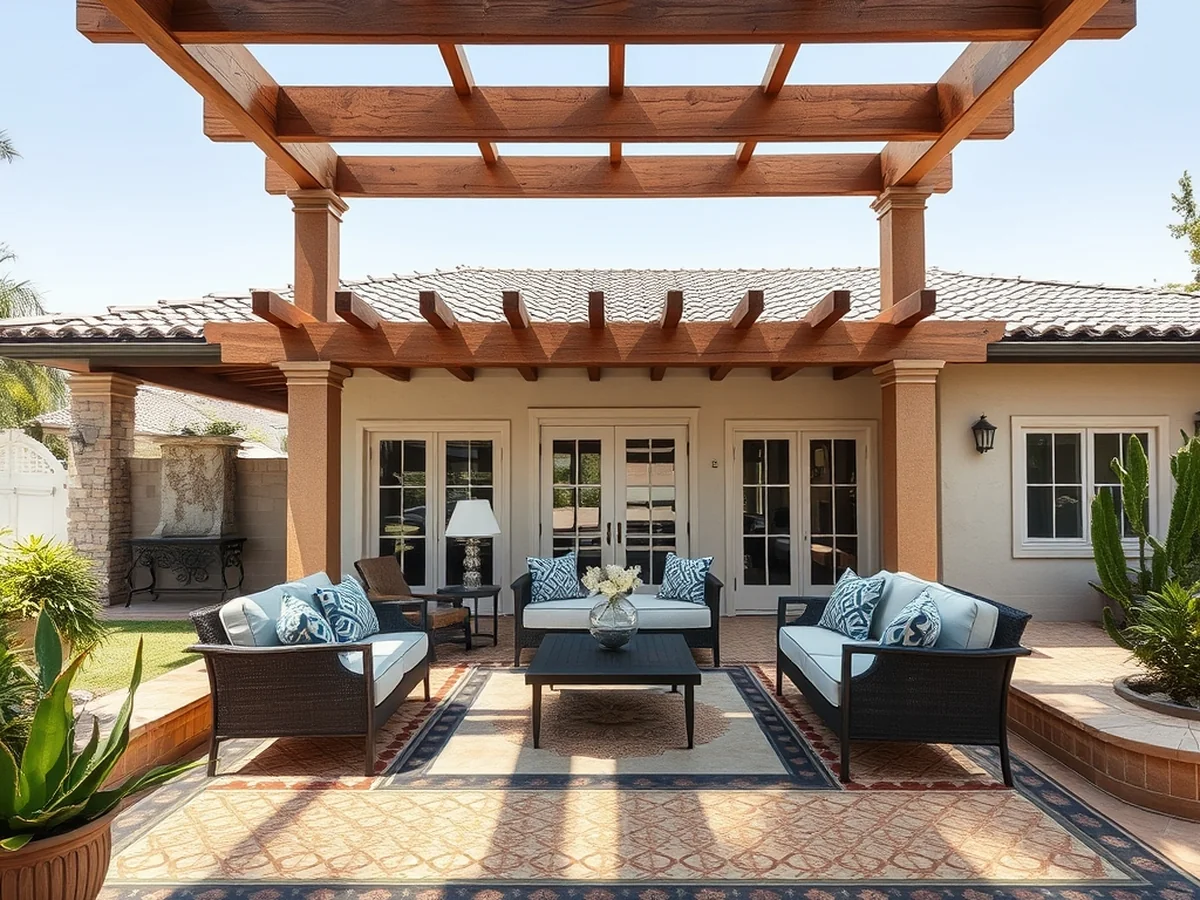
Do you want your porch to feel like a high-end extension of your home? You can achieve this by treating your floor as the foundation of your outdoor living room ideas. Incorporating artisan tile flooring helps anchor the space and provides a durable base that withstands changing weather. I have found that geometric patterns in a neutral palette work best to create a visual bridge from your indoor living area to the backyard.
Source: houzz.com
Since a covered patio often faces the open yard, adding acoustic privacy is vital for a truly relaxing environment. Installing cedar screening along one side of your veranda creates a physical barrier that softens wind and blocks noise. If you prefer a greener look, dense tall planters filled with bamboo or ornamental grasses offer the same benefit. These additions make your seating area feel like a private retreat rather than an exposed extension of the garden.
When selecting furniture for a covered space, look for weatherproof patio furniture that doesn’t sacrifice comfort. Teak frames are a fantastic investment because they resist rot and insects naturally. Pair these with deep seating sectionals covered in performance fabric cushions. These textiles are designed to shed water and resist fading from harsh sunlight. I recommend choosing cushions with a 5 inch thick density to ensure they remain supportive and comfortable for long afternoons of lounging.
To keep the space looking showroom-ready, you must address the maintenance of your chosen materials. Teak will turn a silvery grey if left untreated, so apply a high-quality teak oil twice a year to keep that rich, golden hue. Regularly sweep your artisan tiles to prevent grit from dulling the glaze. These simple habits ensure your lounge area stays fresh and inviting regardless of the season.
Choose Natural Texture Schemes
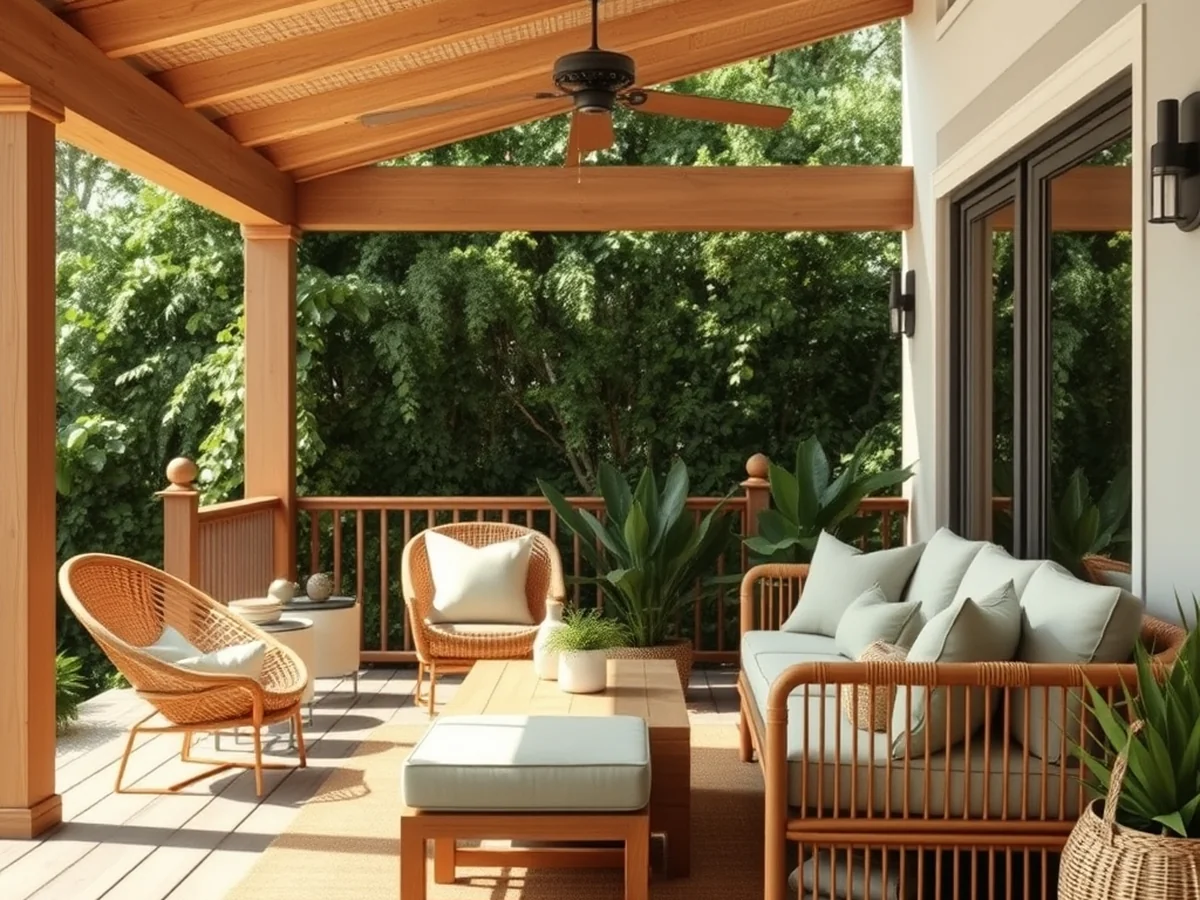
Many people assume that durable furniture must look cold or plastic to survive the elements. In reality, you can build a cozy backyard lounge area that feels just as soft and inviting as your indoor sofa by focusing on tactile variety.
Mixing different materials is the secret to successful outdoor living room ideas. You should pair the organic warmth of weather-resistant wicker with the softness of performance fabric toss pillows. While wicker provides a sturdy foundation, these pillows add the comfort needed for long afternoons outdoors. I have found that choosing fabrics rated for 1,500 hours of UV exposure ensures your cushions stay vibrant even in direct sunlight.
Layering is equally important when you are working with limited square footage. If you have a small balcony, place a smaller patterned mat on top of a larger, neutral outdoor rug. This technique helps define your seating zone and adds a layer of visual interest that makes the floor feel plush underfoot. For a standard 5×7 foot balcony area, this double-layer approach creates a distinct boundary that separates your relaxation zone from the rest of the floor.
You might worry that fabric will attract mold or mildew. To avoid this, always select inserts made from quick-dry polyester fill rather than cotton. This simple change allows air to circulate through the cushion, preventing that damp feeling after a rain shower. When you combine the rigid structure of teak tables or wicker chairs with layers of soft textiles, the space gains a professional, high-end feel. These textures work together to blur the line between your indoor style and your exterior space, turning a simple slab of concrete into a true sanctuary. Focus on these tactile details to keep the area feeling grounded and intentional.
FAQ
Choosing soft waterproof fabrics
I have found that performance fabric is the only way to balance comfort with durability. Look for solution-dyed acrylics which resist fading from harsh sun while feeling soft enough for bare skin. These materials handle spills well and you can often clean them with a simple mix of soap and water.
Defining outdoor zones
You can use a large outdoor rug to anchor your seating area and separate it from a dining space. Place your sectionals or chairs so they face each other to encourage conversation. This spatial zoning works best when you keep walking paths clear between the different functional areas.
Installing intimate string lights
Skip the harsh stadium-style floodlights and use string lights with warm amber bulbs to create a soft glow. You should hang them in a zig-zag pattern across a pergola or between two sturdy poles to provide even coverage. Aim for a mounting height of around 9 feet to ensure the light feels cozy rather than like a bright commercial parking lot.
Selecting durable furniture materials
For long-term use in any climate, teak is a superior choice because it contains natural oils that prevent rot and insect damage. If you prefer a lighter look, high-quality synthetic wicker provides a similar aesthetic with better moisture resistance. I recommend checking that the metal frames are powder-coated aluminum to avoid rust spots on your patio floor.
Styling small patios
Focus on vertical space by adding tall plants or privacy screens to make a compact area feel like a private room. Use slim, armless seating pieces to maximize your floor space without sacrificing comfort. Even a small fire pit can act as a focal point to draw the eye and make the area feel complete.
You might also like: 5 Outdoor Living Room Ideas for Elevated Style
Key Takeaways
Keeping your space looking sharp requires a mix of smart material choices and consistent care routines.
Source: pinterest.com
- Prioritize durable materials like teak or cedar for your main furniture pieces to ensure your investment stands up to harsh weather for over 10 years.
- Maintain showroom style by treating wood surfaces with oil every season and washing your performance fabric textiles at least once a month.
- Choose weather-resistant fabrics for your toss pillows and sectionals to prevent mold growth and fading from intense UV exposure.
- Define your zones using an outdoor rug to create a clear boundary between your lounge area and the rest of the patio.
- Add ambient lighting by installing string lights or a fire pit to make your outdoor living room ideas feel cozy after the sun sets.
- Layer natural textures like wicker and artisan tile to build visual interest that mimics the comfort of your indoor living space.
Save this post to your Pinterest board to keep these design tips handy for your next backyard project.
For another perspective, this detailed piece on 75 Outdoor Ideas You’ll Love – October, 2026 is worth a read.
Leave a Reply