18 What Makes a DIY Project Worth Selling and Profitable
Introduction
If you’ve ever wondered what makes a diy project actually worth selling, the answer goes far beyond just creativity. It’s about understanding what buyers truly value, how products look, and how they fit into real life. Many handmade creators struggle not because their ideas are bad, but because they miss the key elements that turn simple crafts into desirable products. In this guide, you’ll discover exactly what makes certain DIY projects stand out on Pinterest and Google. From design appeal to emotional connection, every factor here helps transform your handmade ideas into something people genuinely want to buy, save, and share.
Handmade Appeal
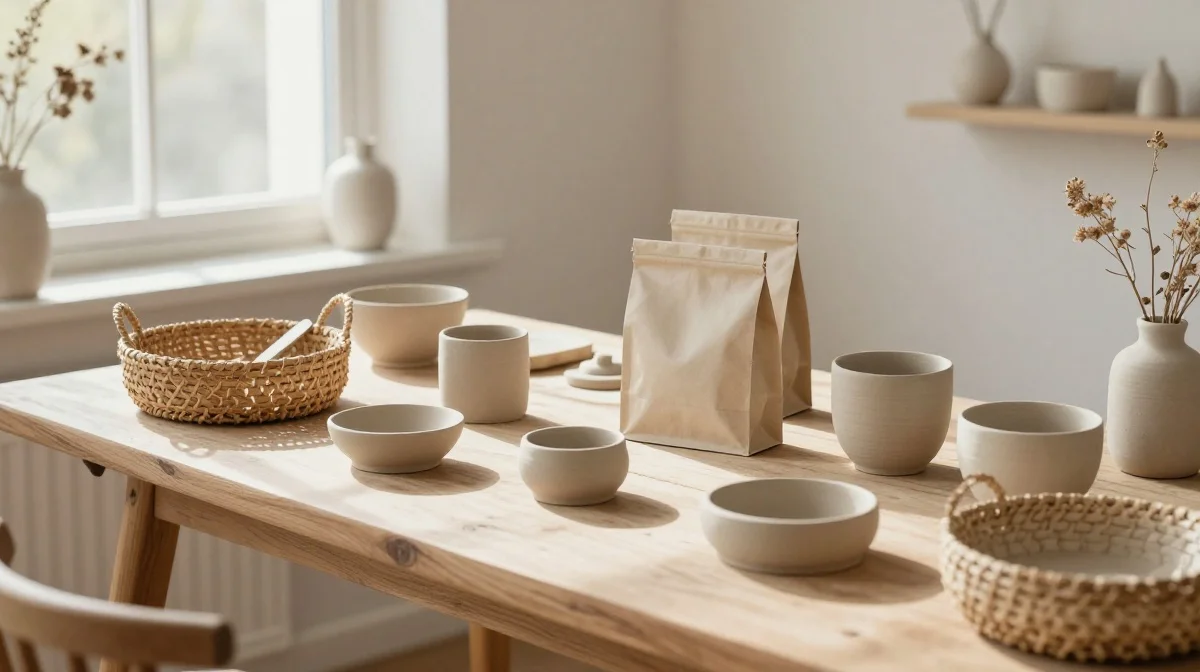
A strong handmade appeal is often what separates a casual hobby item from something people genuinely want to buy. When a product looks thoughtfully crafted, even simple designs start feeling premium and desirable. In my experience, buyers are emotionally drawn to items that feel personal rather than factory-made. This emotional connection is often the first step in understanding what makes a diy project actually worth selling in a competitive market.
This visual charm is not just about skill but also presentation and detail. Clean finishes, consistent color choices, and intentional imperfections can elevate a product instantly. When I’ve observed successful small craft sellers, their items always carried a sense of warmth and originality. That feeling of “this was made with care” is what convinces customers to pay more and choose handmade over mass-produced alternatives in online marketplaces and Pinterest-driven shopping trends.
Daily Function
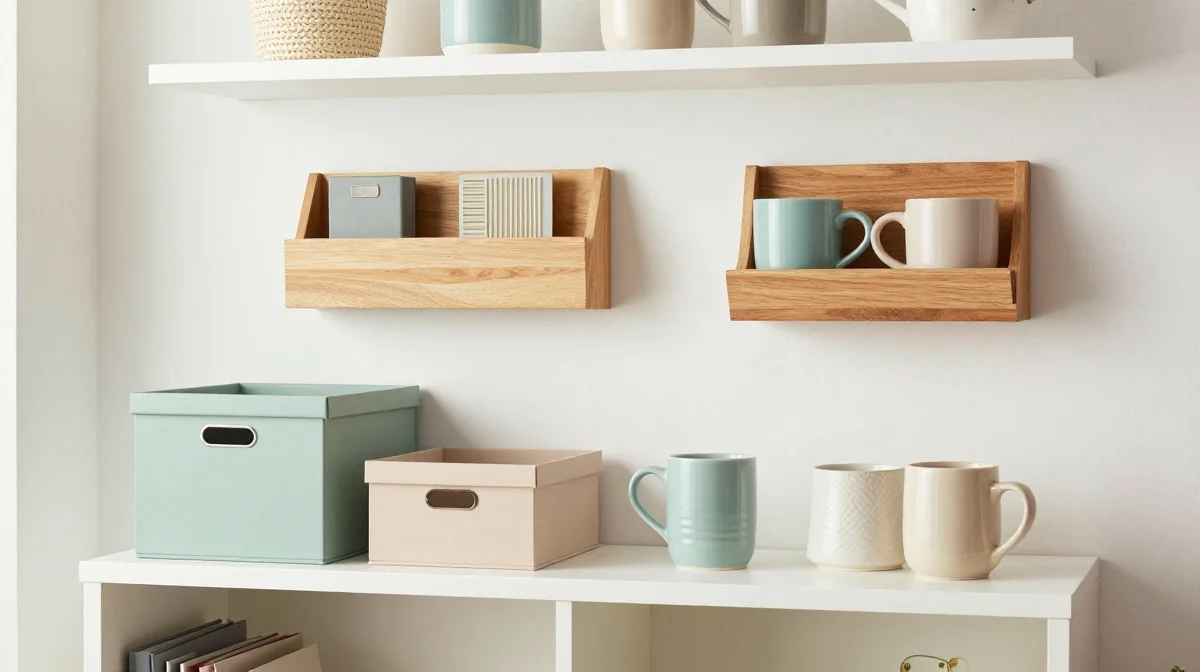
Projects that fit naturally into daily life always have stronger selling power. When a handmade item is useful, it becomes part of a routine, which increases its perceived value. I’ve noticed that even simple items like organizers or kitchen decor sell better when they serve a clear purpose. This practical value is a key part of what makes a diy project actually worth selling in both online shops and local craft markets.
Functionality also builds trust with buyers because they can immediately imagine using the product in their own space. Items that combine beauty and utility tend to stand out more on Pinterest boards and Etsy listings. In my experience, sellers who focus on solving small daily problems often achieve more consistent sales because customers see long-term value rather than just visual appeal. This balance is what turns simple crafts into reliable income products.
Gift Potential
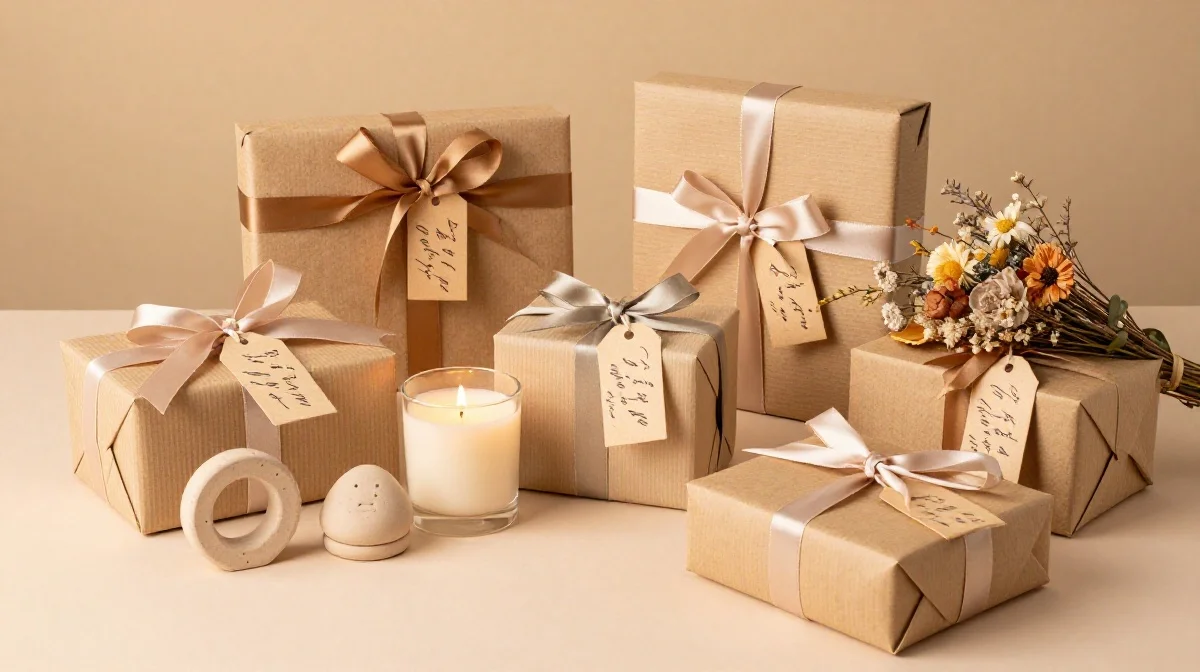
Gift potential plays a huge role in whether a handmade product sells well or not. People are naturally drawn to items they can instantly imagine giving to someone else. I’ve seen that even simple crafts gain higher demand when they are styled as ready-made gifts. This emotional readiness is an important factor in what makes a diy project actually worth selling in competitive handmade markets.
When a product feels like a complete gift solution, it reduces effort for the buyer and increases purchase likelihood. Thoughtful packaging, soft color palettes, and small decorative details can completely transform perceived value. In my experience, products that trigger emotional reactions like “this would be perfect for a friend” tend to perform significantly better across Pinterest and Etsy listings, especially during seasonal shopping peaks.
Trend Alignment
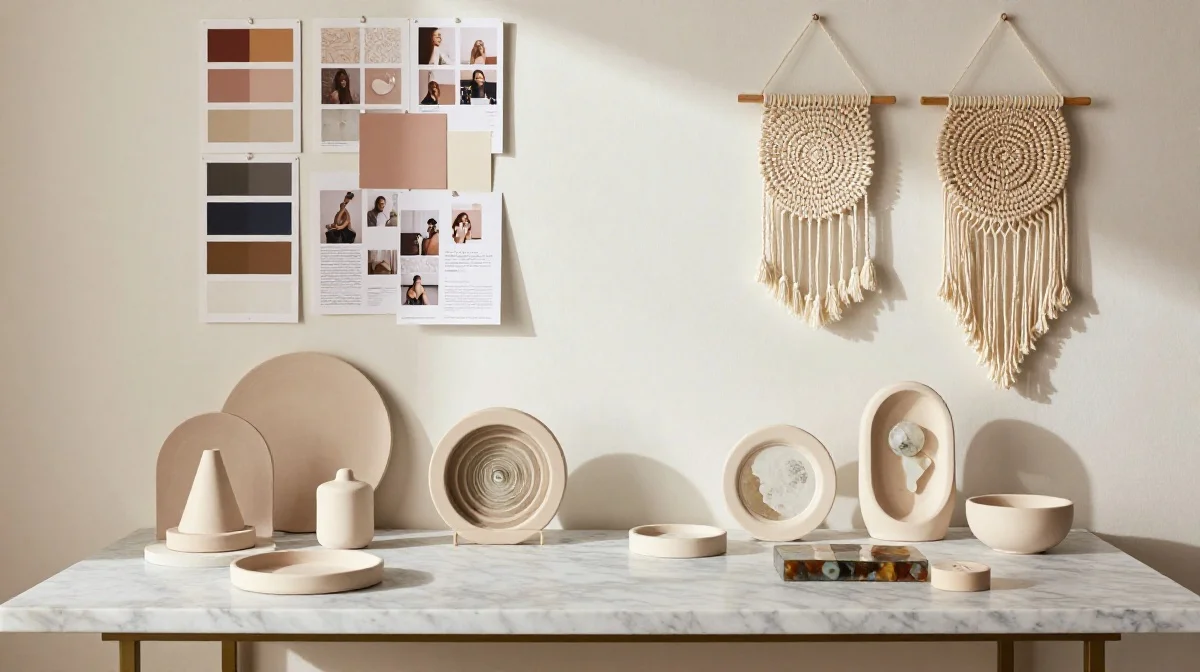
Trend alignment is one of the strongest indicators of product success in handmade businesses. When a DIY item reflects current styles, it immediately feels more desirable to online audiences. I’ve noticed that even simple designs can go viral if they match trending aesthetics like minimal, boho, or earthy tones. This is a key part of what makes a diy project actually worth selling in today’s fast-moving creative marketplace.
Keeping up with trends doesn’t mean copying everything, but rather adapting ideas into your own handmade style. Successful sellers often blend originality with popular visual directions. In my experience, products that match Pinterest mood boards tend to get saved more often, which increases long-term visibility. This balance between creativity and trend awareness helps handmade items stay relevant and continuously attract new buyers.
Production Ease
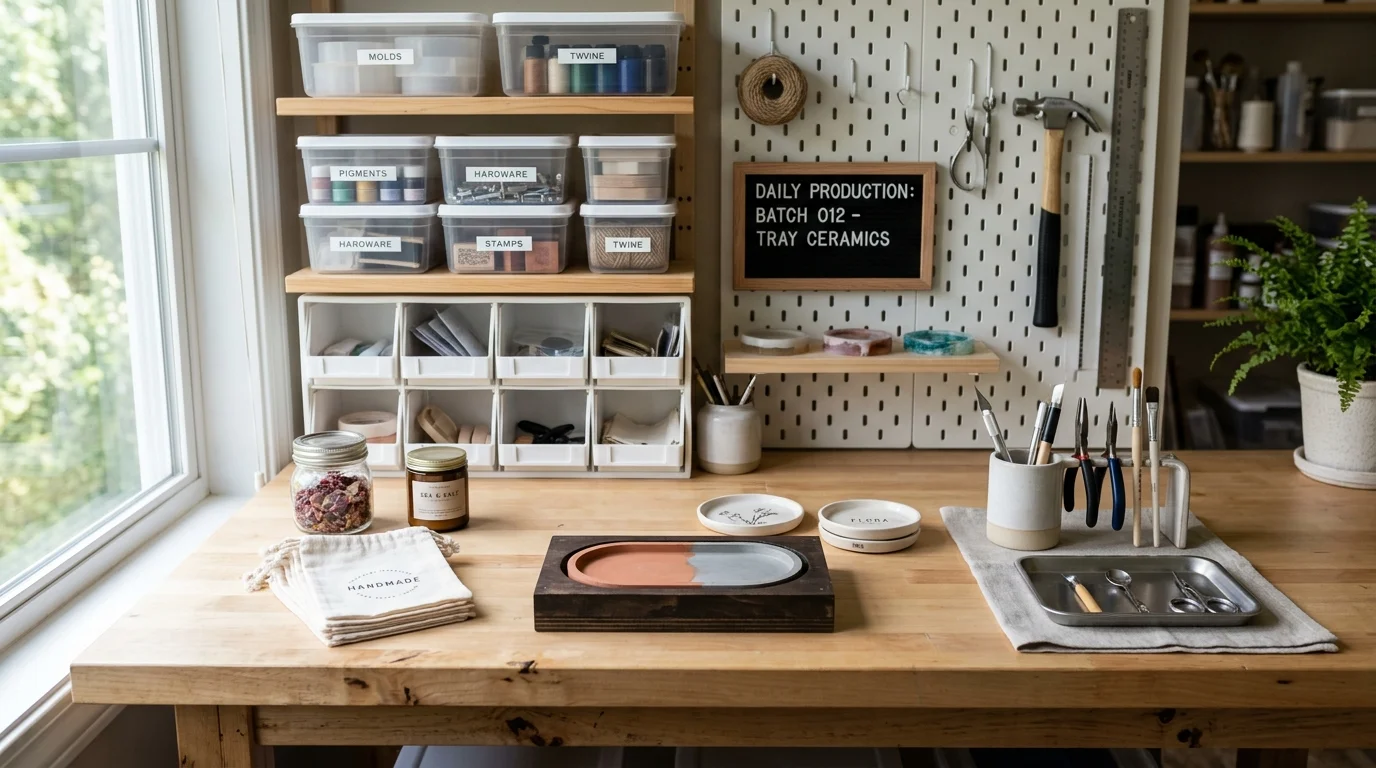
Production ease is a major factor in determining whether a handmade idea is sustainable as a business. When items are simple to reproduce, it becomes easier to maintain quality and fulfill orders quickly. I’ve seen many small creators struggle when their designs are too complex, which reduces profit and slows down growth. This practical balance is central to what makes a diy project actually worth selling in real-world craft businesses.
Easy production also allows sellers to focus more on branding and presentation instead of constantly fixing mistakes. In my experience, the most successful DIY shops often rely on repeatable processes that save time while maintaining aesthetic quality. This consistency helps build trust with buyers because every product looks reliable and polished, even when handmade in small batches from home studios.
Material Value
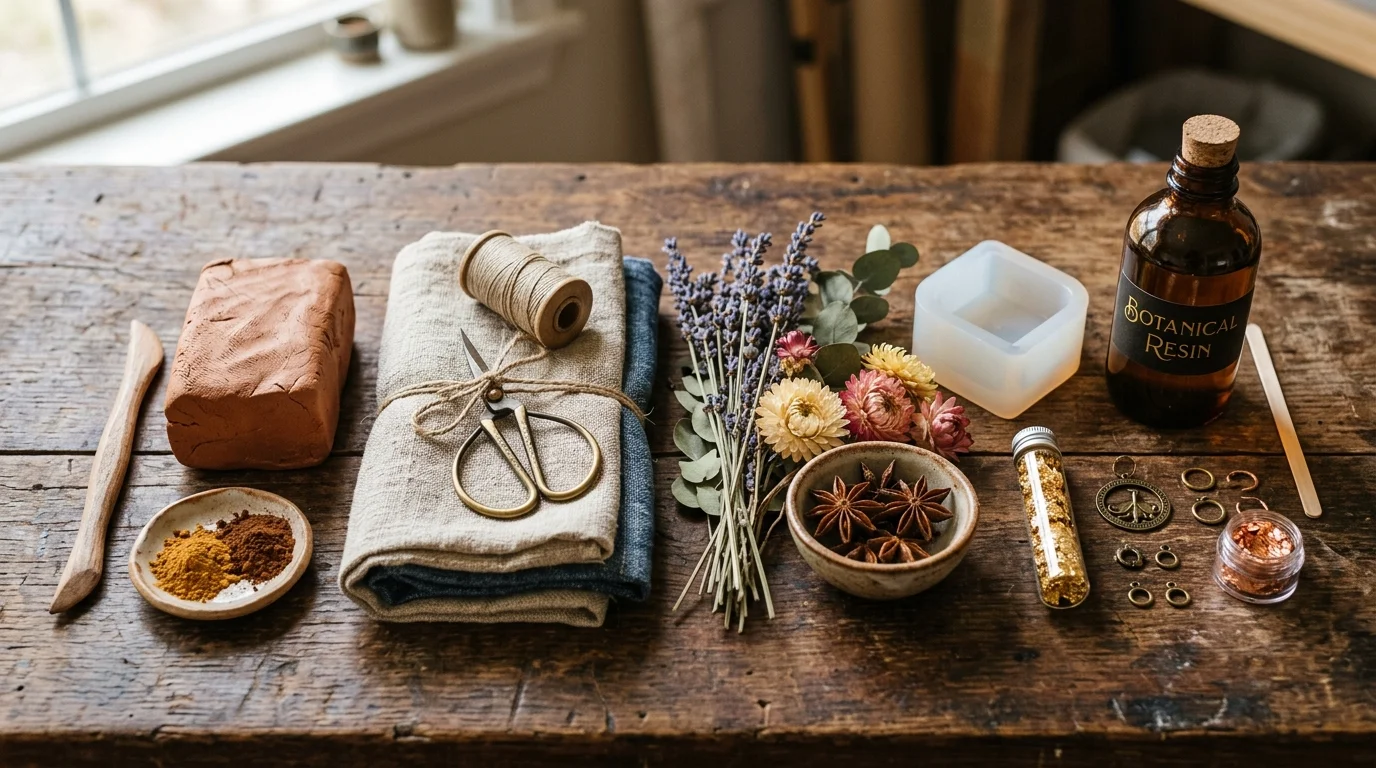
Material choice has a direct impact on how customers perceive value. Even the simplest DIY design can feel high-end when crafted with quality materials. I’ve noticed that buyers often judge handmade products within seconds based on texture, finish, and durability. This is why understanding materials is an important part of what makes a diy project actually worth selling in competitive creative markets.
Using better materials also reduces returns and increases customer satisfaction. In my experience, sellers who invest slightly more in raw supplies often achieve higher pricing and better reviews. Premium materials communicate care and professionalism, which builds long-term trust with buyers. This small upgrade can completely change how a handmade product is positioned, shifting it from hobby craft to a desirable boutique item.
Brand Identity
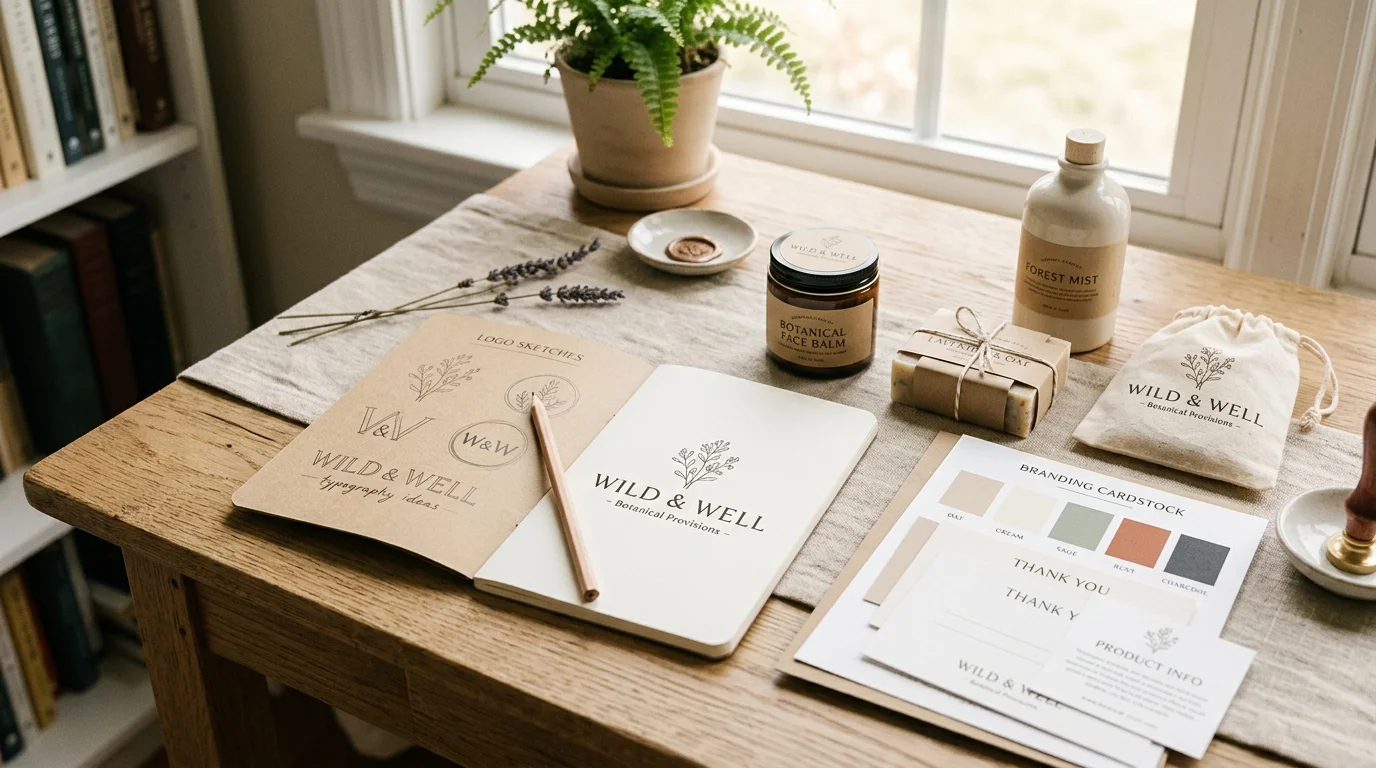
Brand identity is often what turns a simple DIY hobby into a recognizable small business. When your visuals, packaging, and product style feel consistent, customers start remembering your work more easily. I’ve seen that even basic handmade items can appear premium when they carry a clear and intentional brand style. This consistency is a major part of what makes a diy project actually worth selling in crowded online marketplaces.
A strong identity also builds emotional connection with buyers. When everything from your product photos to packaging feels aligned, it creates a sense of trust and professionalism. In my experience, customers are more likely to return when they recognize a familiar aesthetic. This repetition builds loyalty over time and helps transform occasional buyers into long-term supporters who associate your work with quality and style.
Price Balance
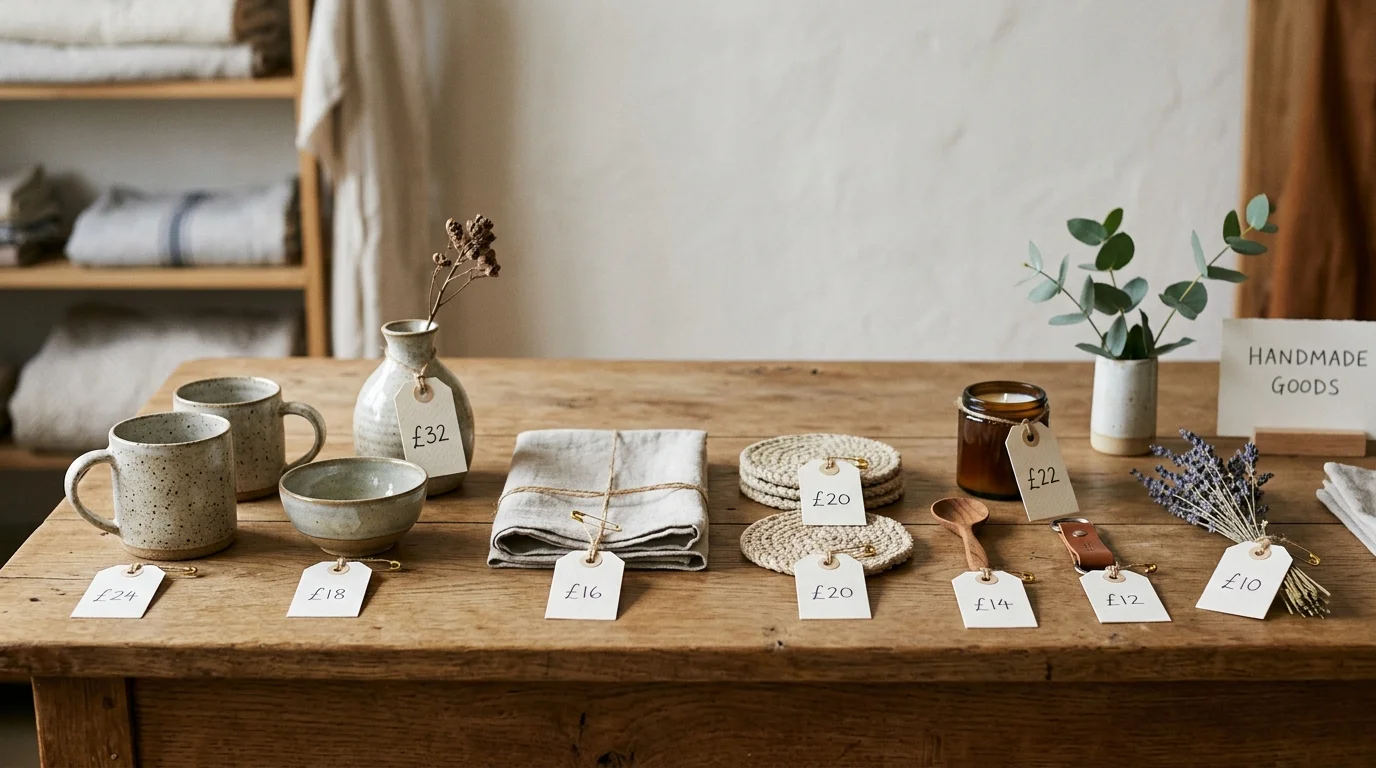
Price balance is a delicate but powerful factor in handmade success. When pricing feels fair and aligned with quality, customers are more willing to buy without hesitation. I’ve noticed that many beginners struggle here, either charging too little or too much without understanding their audience. This balance is essential in what makes a diy project actually worth selling because pricing directly affects both sales and perception.
Good pricing also communicates value. When a product is priced thoughtfully, it signals that the maker understands their craft and market. In my experience, successful sellers often test different price points before finding the right balance. This approach helps maximize profit while still keeping products accessible, ensuring steady growth and long-term sustainability in handmade businesses.
Photography Style
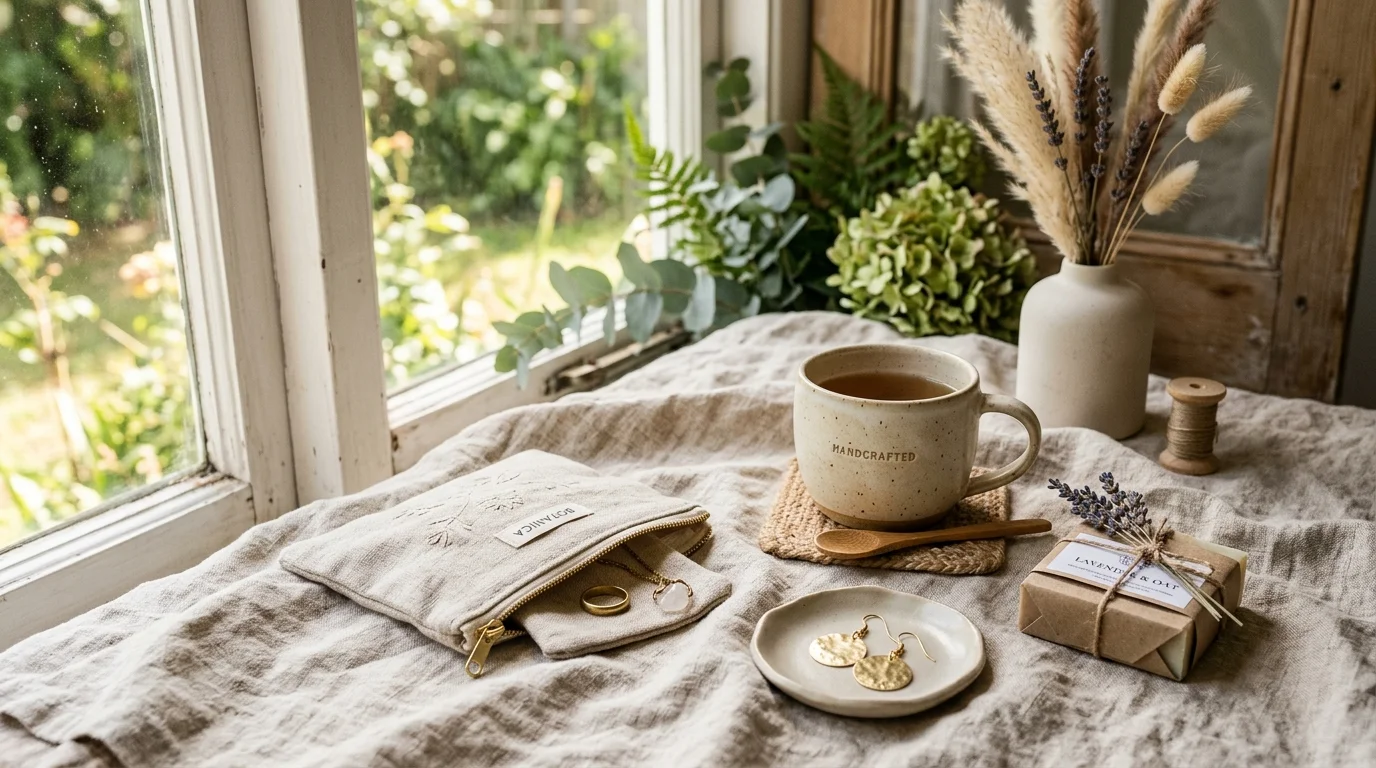
Photography style plays a huge role in whether a handmade product gets attention online. Even the best DIY item can go unnoticed if it is poorly photographed. I’ve seen simple crafts perform extremely well just because they were presented in clean, aesthetic lighting. This visual impact is a key reason behind what makes a diy project actually worth selling in Pinterest-driven marketplaces.
Good photography tells a silent story about quality and care. When buyers see well-lit, thoughtfully styled images, they automatically assume the product is more valuable. In my experience, consistent photo styling across listings helps build a professional brand image. This not only increases engagement but also improves trust, making customers more likely to click, save, and ultimately purchase the product.
Storage Utility
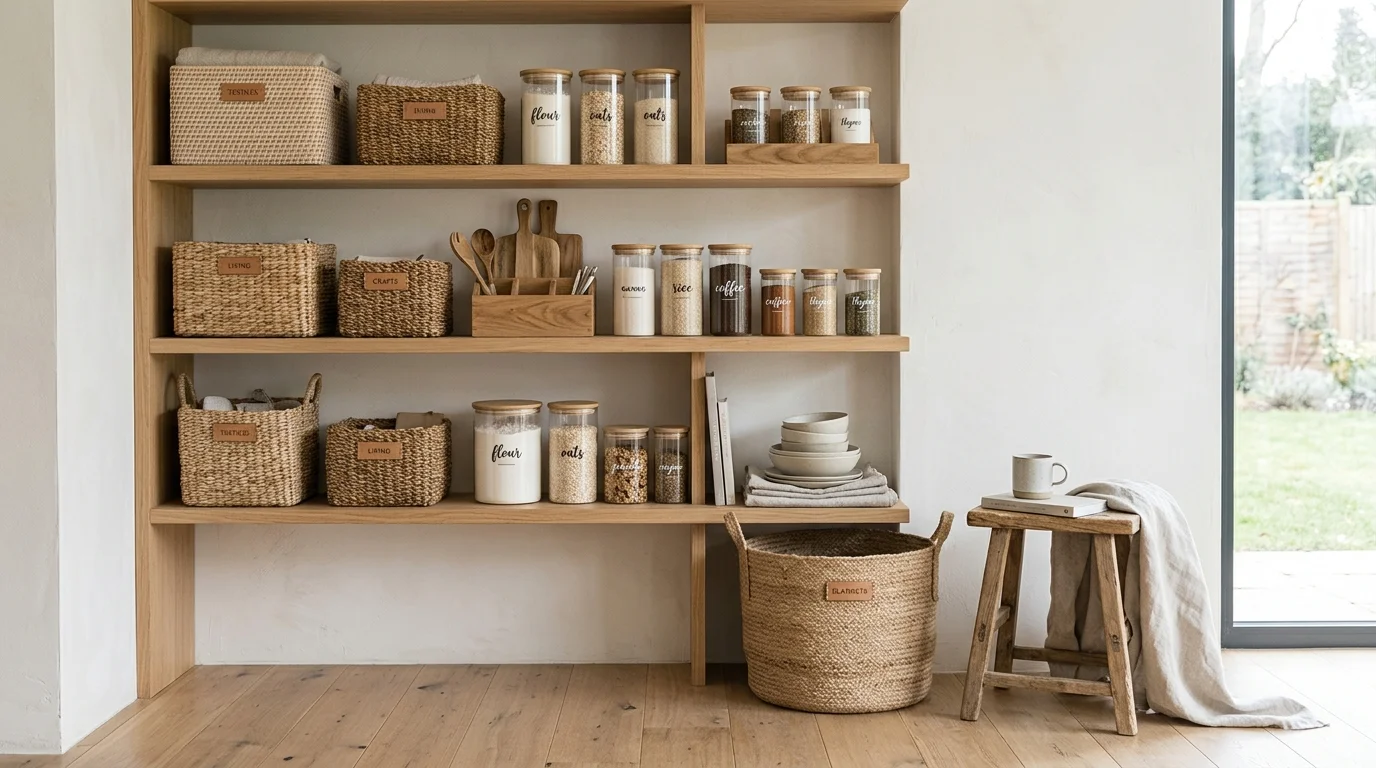
Storage utility is one of the strongest selling angles in handmade products because it solves a universal problem: clutter. When a DIY item helps organize space while still looking beautiful, it instantly becomes more desirable. I’ve noticed that simple storage pieces often outperform decorative-only crafts because buyers can easily imagine them in their own homes. This practicality is a key part of what makes a diy project actually worth selling in both small shops and online marketplaces.
Good storage designs also blend seamlessly into different home styles, which increases their audience reach. In my experience, neutral tones, natural textures, and simple shapes work best because they fit modern interiors. When customers see a product that improves both function and aesthetics, they feel it is worth the investment. That combination of beauty and usefulness is what drives consistent demand and repeat purchases in handmade businesses.
Emotional Touch
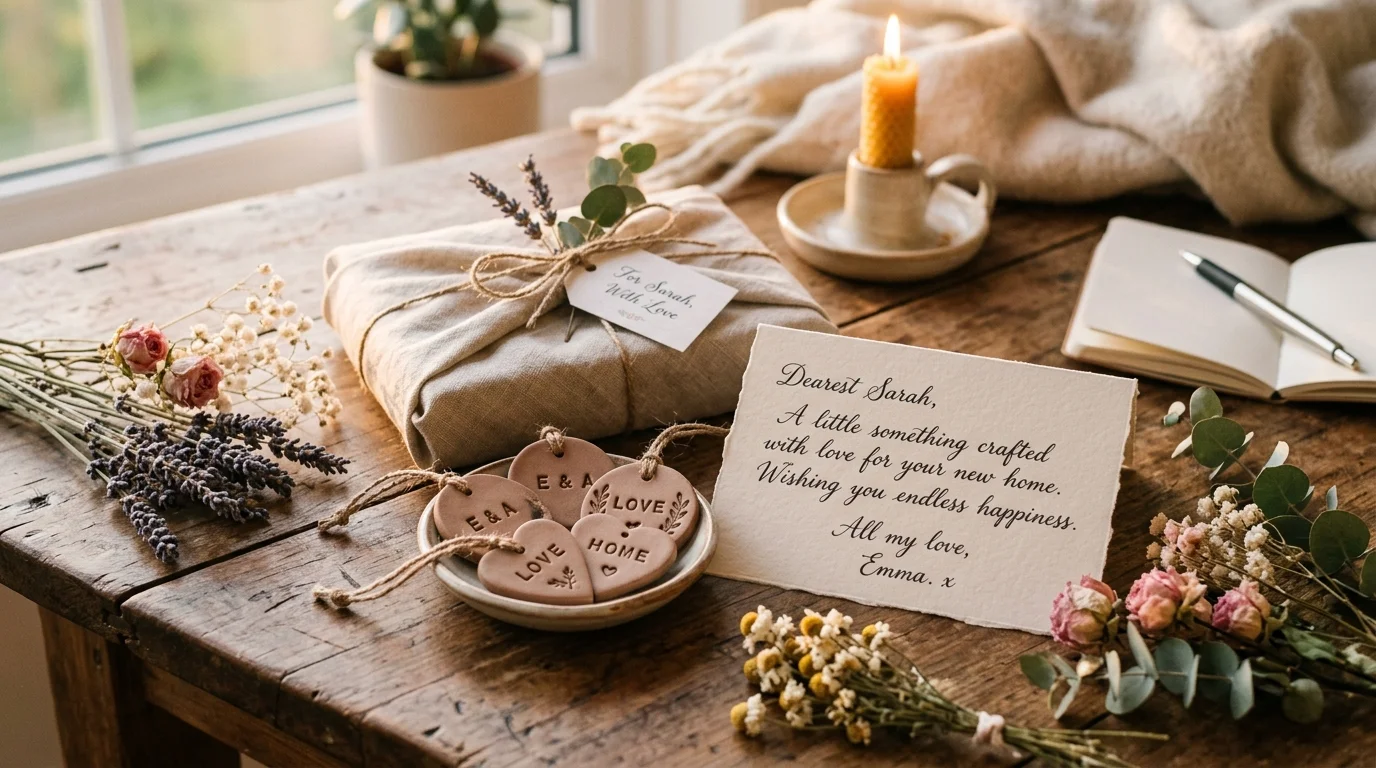
Emotional touch is what transforms a simple DIY item into something meaningful. When a product carries a sense of memory, sentiment, or personal connection, buyers respond on a deeper level. I’ve seen that even small handmade objects sell better when they feel like they tell a story. This emotional depth is an important layer of what makes a diy project actually worth selling in creative and competitive markets.
Products with emotional value often stand out on Pinterest because they feel relatable and heartfelt. In my experience, buyers are not just purchasing an item—they are buying a feeling or memory associated with it. When creators add subtle personal details, such as handwritten notes or symbolic designs, it increases emotional impact. This connection builds loyalty and encourages customers to return for more meaningful pieces.
Durability Factor
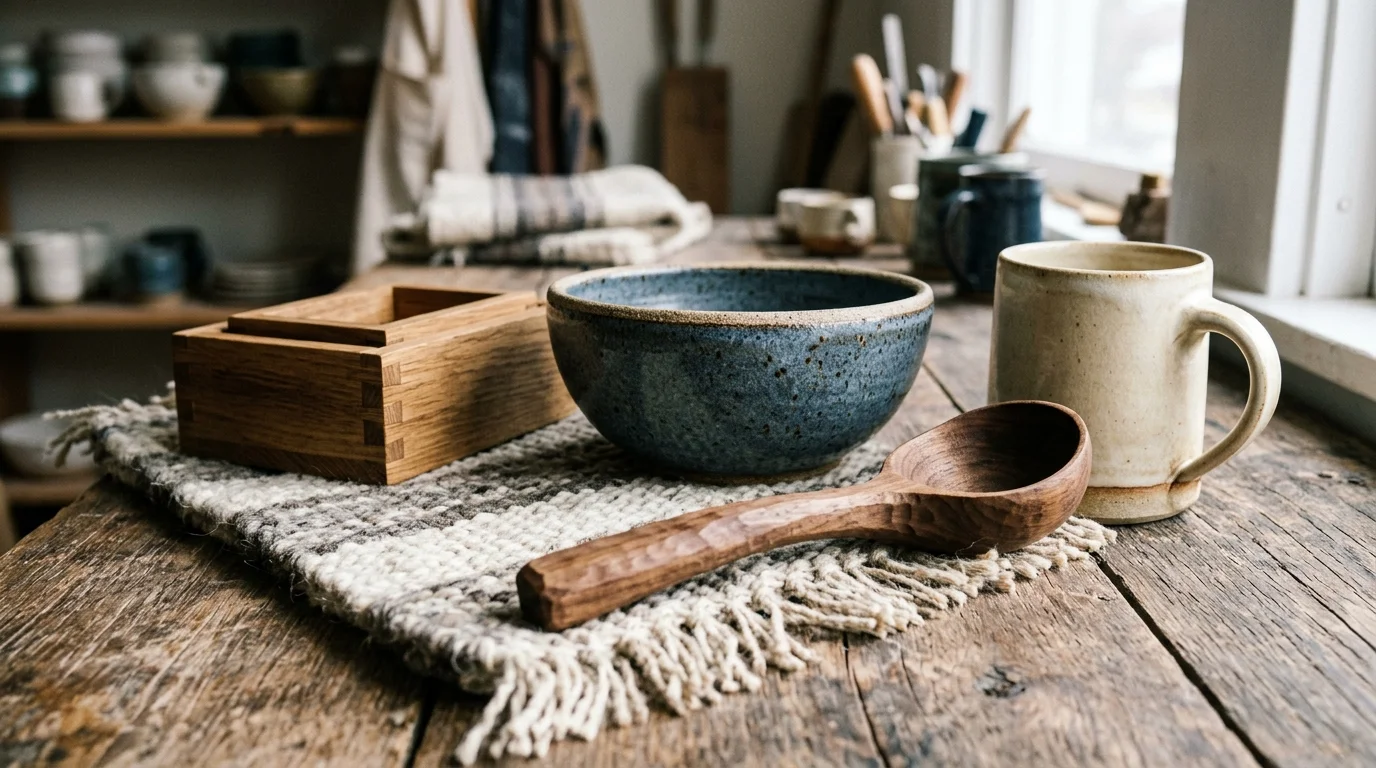
Durability is a major factor that determines whether a handmade product succeeds long-term. When customers feel that an item will last, they are more confident in making a purchase. I’ve noticed that even simple DIY designs gain higher value perception when they are built with strength and care. This reliability is an essential part of what makes a diy project actually worth selling in a competitive and trust-driven market.
Strong durability also supports repeat customers and positive reviews. In my experience, buyers often return to sellers whose products survive daily use without damage. This creates long-term credibility for a handmade shop. When creators focus on strong construction and quality finishing, it not only improves customer satisfaction but also strengthens the overall brand reputation in both local and online selling platforms.
Scalability Model
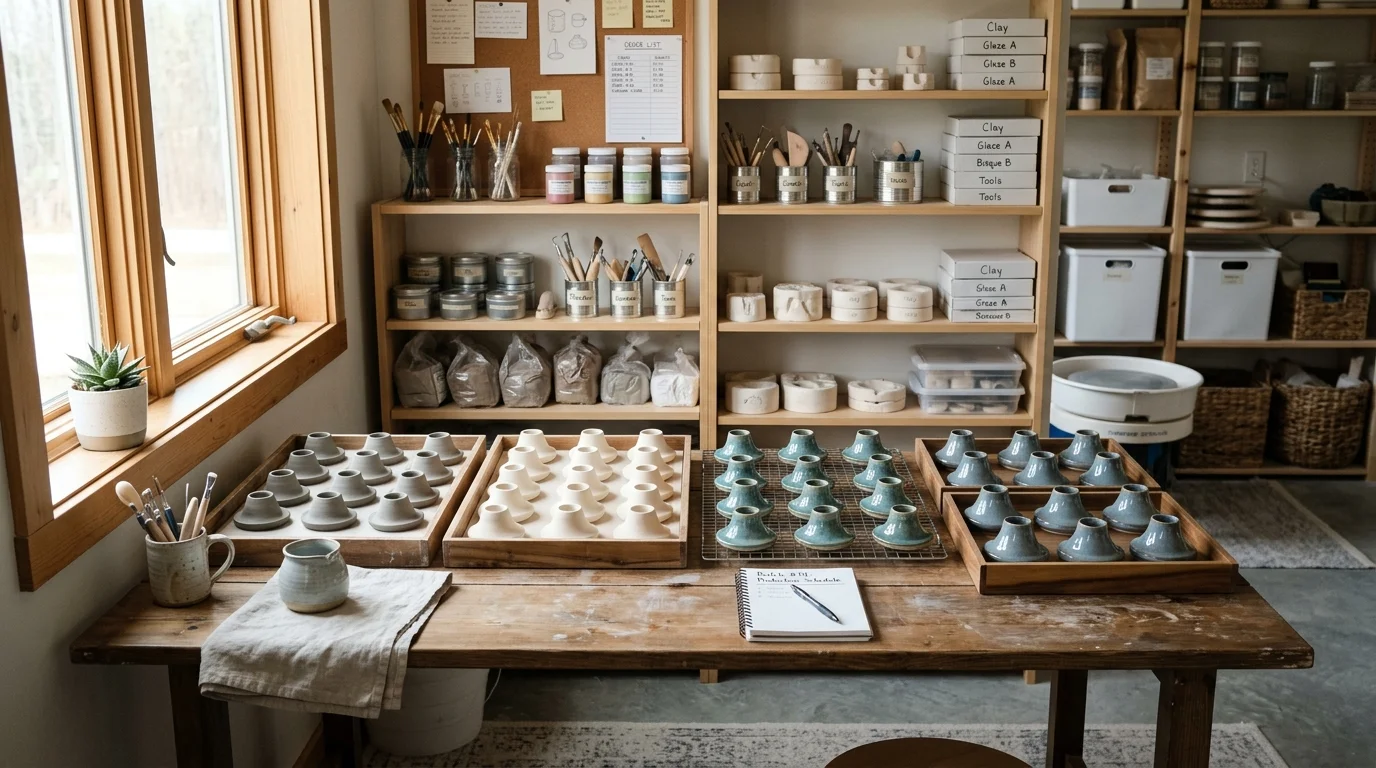
Scalability is what separates a small hobby from a real handmade business. When a DIY project can be repeated easily without losing quality, it becomes far more profitable. I’ve noticed that creators who design with repetition in mind grow faster because they can fulfill more orders in less time. This practical approach is a key part of what makes a diy project actually worth selling in long-term creative businesses.
Scalable products also reduce burnout because the production process becomes predictable. In my experience, sellers who rely on simple, repeatable steps maintain better consistency and customer satisfaction. Instead of reinventing each piece, they refine a system that works. This makes it easier to manage growing demand while still keeping the handmade quality intact, which is essential for sustainable success.
Packaging Impact
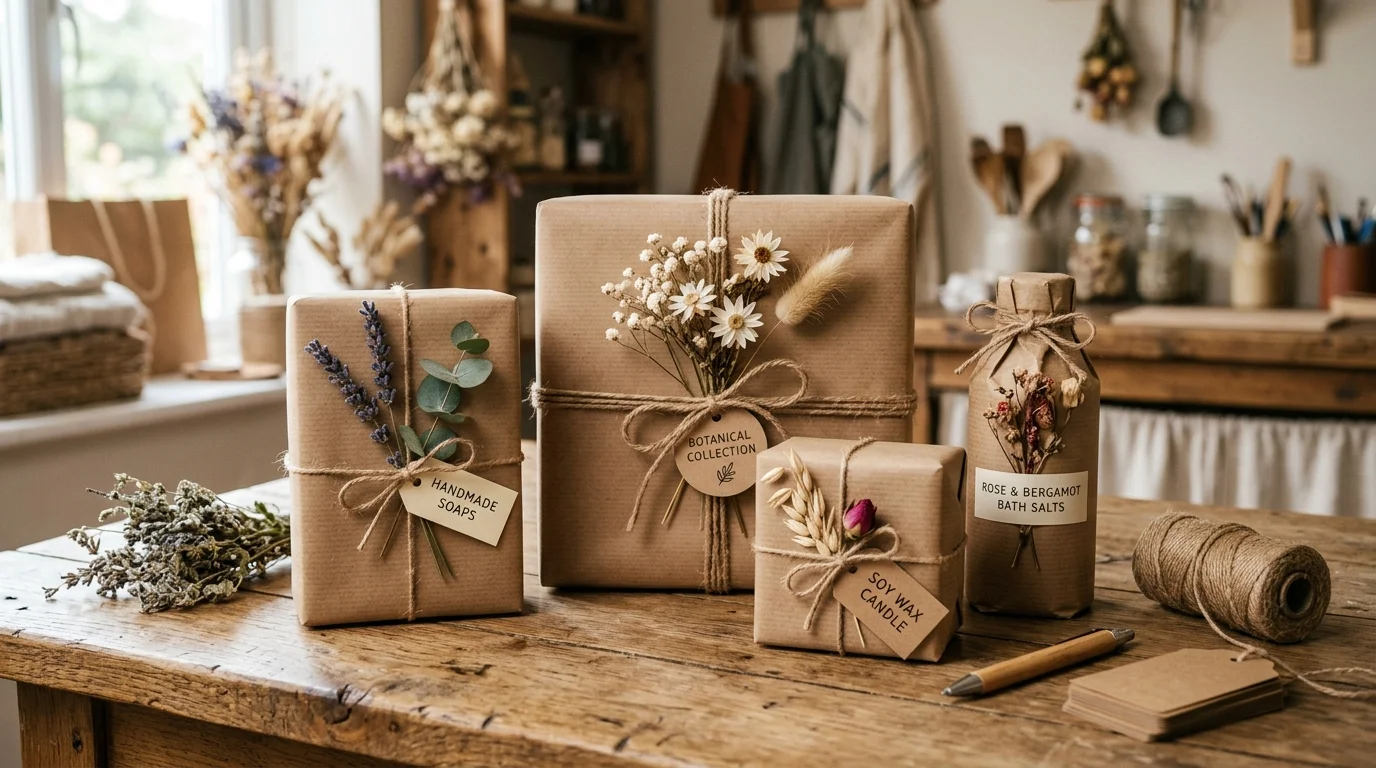
Packaging impact plays a powerful role in how customers perceive handmade products. Even a simple DIY item feels premium when it arrives beautifully wrapped. I’ve seen buyers share unboxing experiences on Pinterest and social media when packaging feels thoughtful. This emotional excitement is an important factor in what makes a diy project actually worth selling in modern online marketplaces.
Good packaging also strengthens brand identity and customer loyalty. In my experience, small details like tags, ribbons, or handwritten notes create a lasting impression. Customers remember how a product made them feel when they opened it. This emotional moment often leads to repeat purchases and word-of-mouth marketing, making packaging an essential part of a successful handmade business.
Market Demand
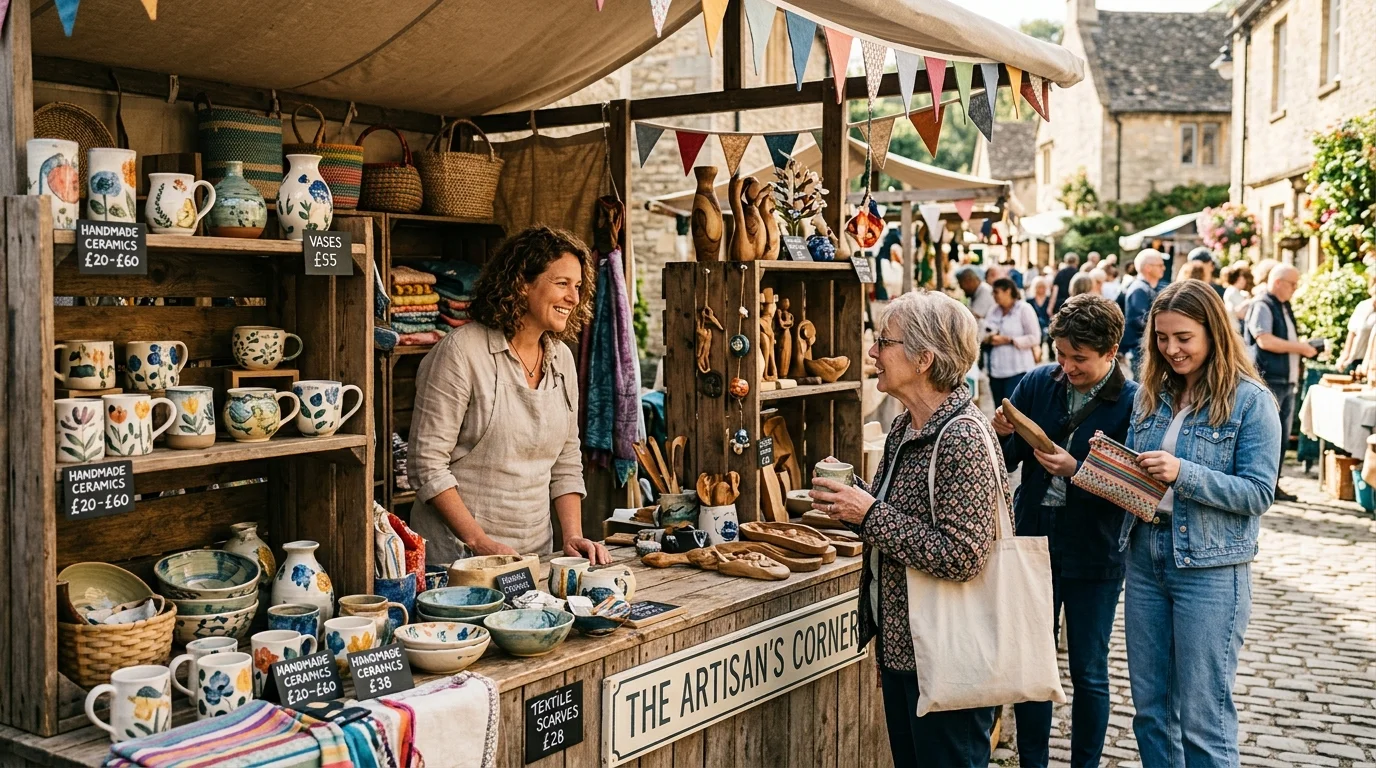
Market demand is one of the most important factors in determining whether a DIY product will succeed or fail. Even the most beautiful craft may not sell if people are not actively looking for it. I’ve noticed that successful sellers always research what customers actually want before creating new designs. This awareness is a major part of what makes a diy project actually worth selling in competitive handmade spaces.
Understanding demand also helps reduce wasted effort and materials. In my experience, creators who track trends, customer feedback, and seasonal interests make smarter decisions. They focus on products that already have interest instead of guessing. This increases the chances of consistent sales and helps build a stable, profitable handmade business that grows over time.
Customer Appeal
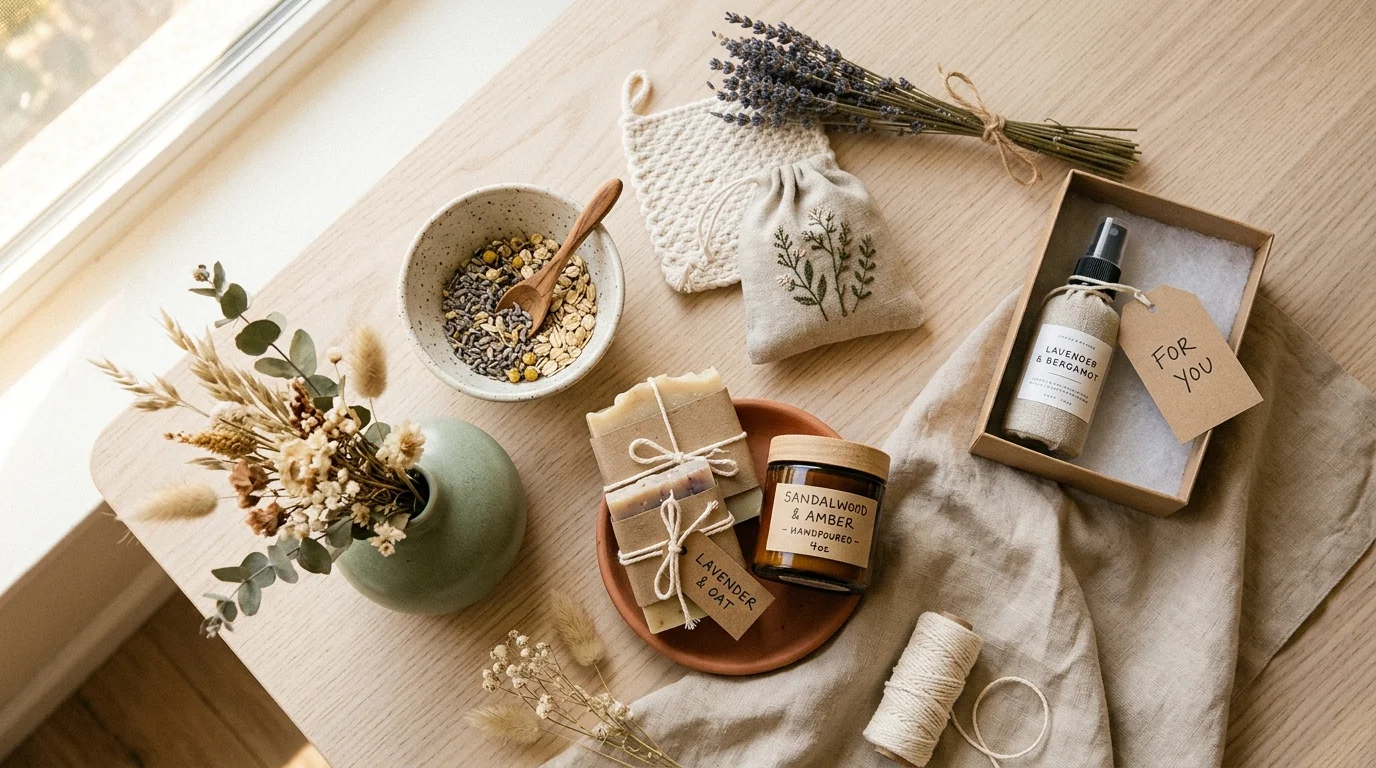
Customer appeal is all about how easily someone can imagine your product in their own life. When a DIY item feels familiar and relatable, it instantly becomes more attractive. I’ve noticed that even basic designs sell well when they align with everyday aesthetics people already love. This emotional recognition is a subtle but powerful part of what makes a diy project actually worth selling in competitive handmade markets.
Strong appeal also comes from clarity and simplicity. When buyers don’t need to “figure out” the product, they are more likely to trust it. In my experience, items that blend into modern home styles or daily routines tend to get more saves and shares on Pinterest. This effortless connection helps turn casual viewers into paying customers more consistently.
Visual Harmony
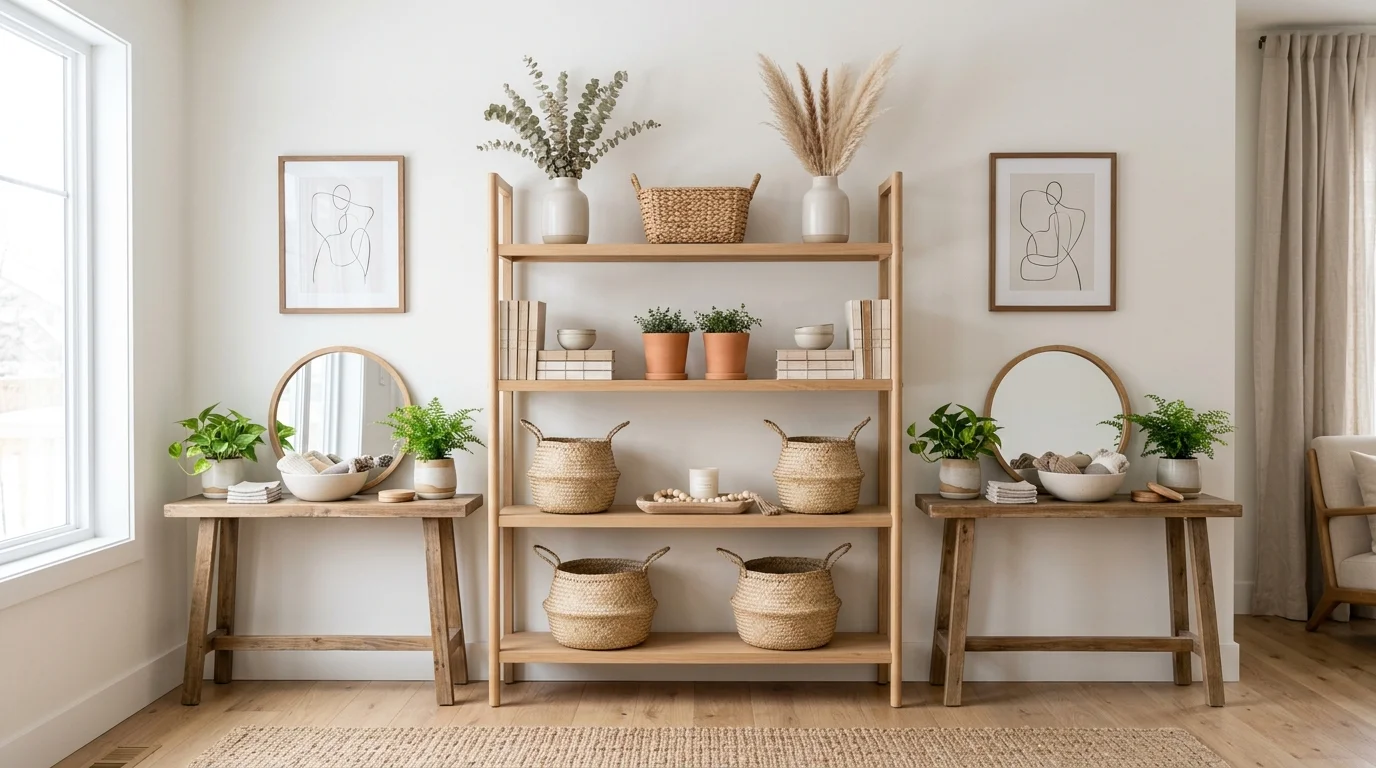
Visual harmony plays a major role in how customers perceive handmade products online. When everything looks balanced, organized, and aesthetically aligned, it immediately feels more valuable. I’ve seen that even simple crafts can look high-end when presented with thoughtful spacing and color coordination. This visual clarity strongly influences what makes a diy project actually worth selling in visually driven platforms like Pinterest.
Harmony in presentation also builds trust with buyers. In my experience, people are more likely to purchase when they see consistency in style and layout. It signals care, effort, and professionalism. When products are displayed in a visually pleasing way, they don’t just attract attention—they hold it, which increases engagement and ultimately drives more conversions.
Longevity Value
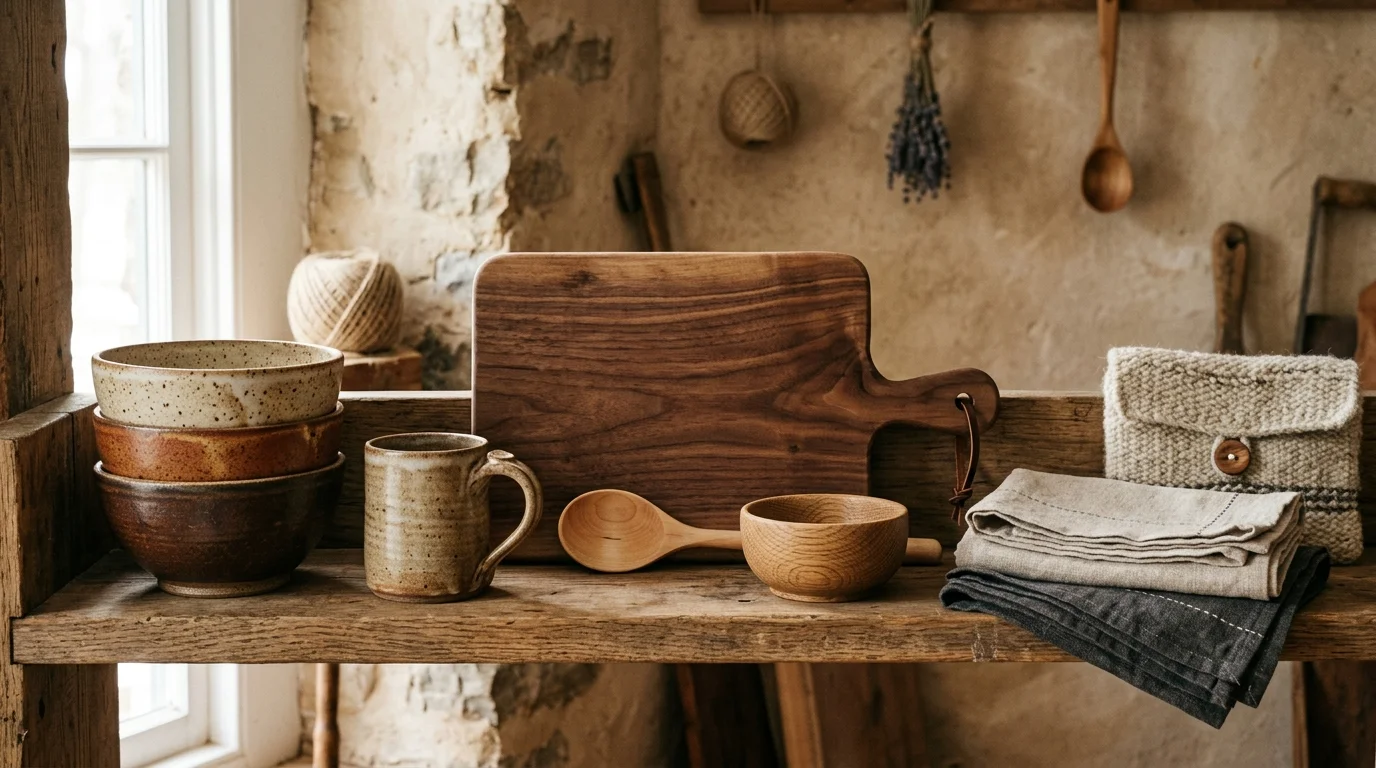
Longevity value is what ensures a handmade product continues to sell well beyond trends. When something is built to last, customers feel they are making a smart investment. I’ve noticed that buyers appreciate durability just as much as design, especially when they want items that won’t wear out quickly. This reliability is a key factor in what makes a diy project actually worth selling in long-term handmade businesses.
Timeless appeal also protects your shop from changing trends. In my experience, sellers who focus on durable and classic designs maintain steady sales even when styles shift. Instead of constantly redesigning, they build a foundation of reliable products. This creates long-term trust and helps establish a strong reputation that keeps customers coming back.
Conclusion
Understanding what makes a diy project actually worth selling is about combining creativity with strategy. It’s not just about making something beautiful, but ensuring it has purpose, value, and emotional appeal. When you focus on design quality, usability, and presentation, your handmade work becomes far more powerful in the market. I’ve seen how small improvements in branding, packaging, and storytelling can completely change sales results. Save these ideas, experiment with them, and apply them to your own creations. With the right approach, your DIY projects can move from simple crafts to profitable, meaningful handmade products people truly love.