30 Day Declutter Challenge: Small Daily Tasks, One Tidy Home
Introduction
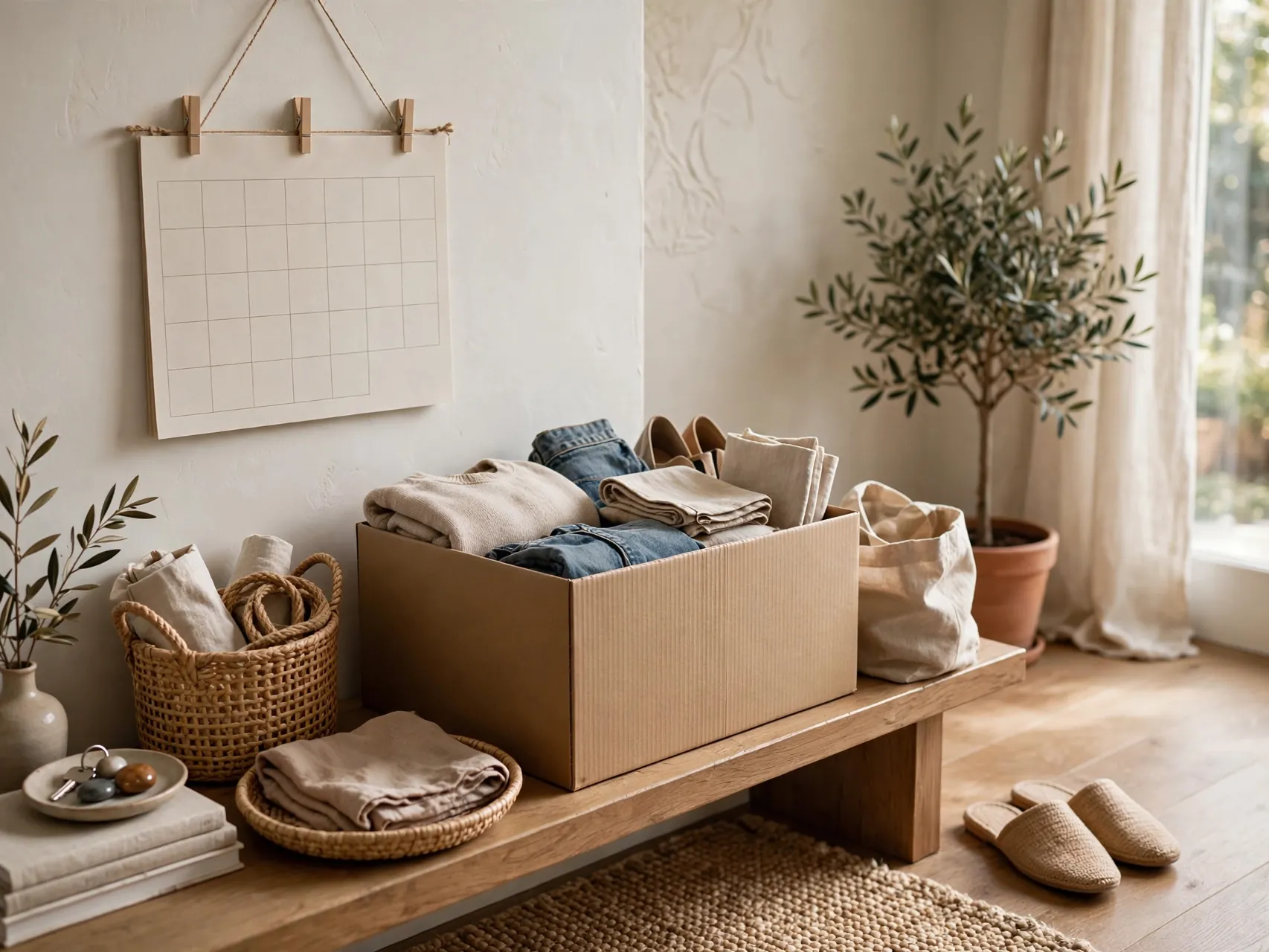
A whole home declutter sounds impossible until you shrink it to ten or fifteen minutes a day. This 30 day declutter challenge gives you one small, clear task daily, so you always know where to start and when to stop.
Each day needs only a trash bag, a donation box, and a timer. Sort fast, decide simply: keep here, move to its real home, donate, recycle, or toss. If a day gets missed, just pick up where you left off, because this 30 day declutter calendar rewards steady progress, not a perfect streak.
By day thirty you will have touched every major clutter zone in the home, from the junk drawer to the linen closet, and built the habit that keeps it tidy.
Day 1: Set Up Your Donation Zone and Walk the Home
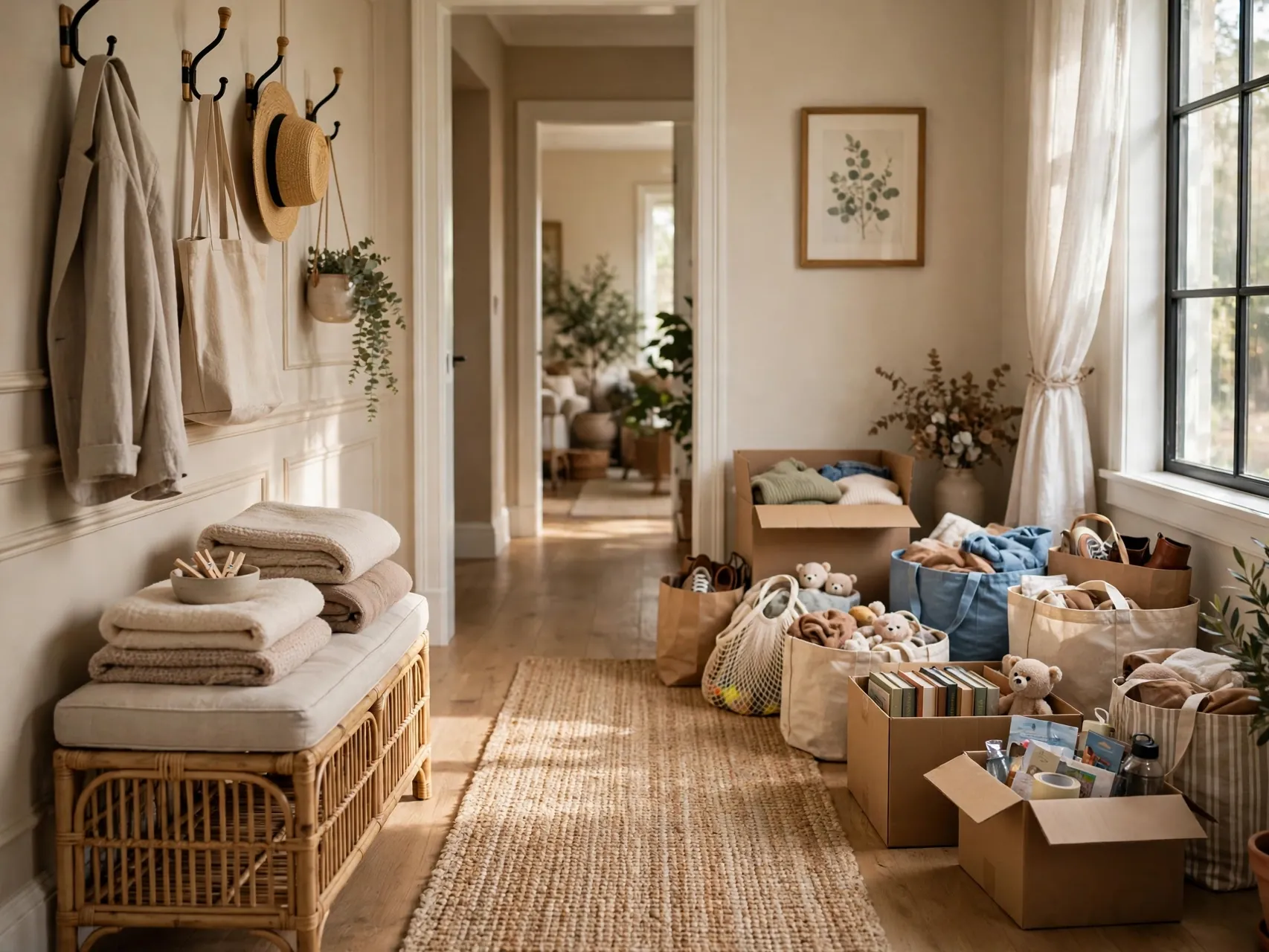
Place a donation box, a trash bag, and a small recycling pile in one easy spot, like a hallway or spare corner. This zone is where every decision lands for the next month, so nothing sorted ever drifts back onto a counter.
Walk the whole home with a notebook and list your worst clutter spots in order. Put one item in the donation box before you finish, however small.
Day 2: Clear the Entryway Coat and Shoe Pile
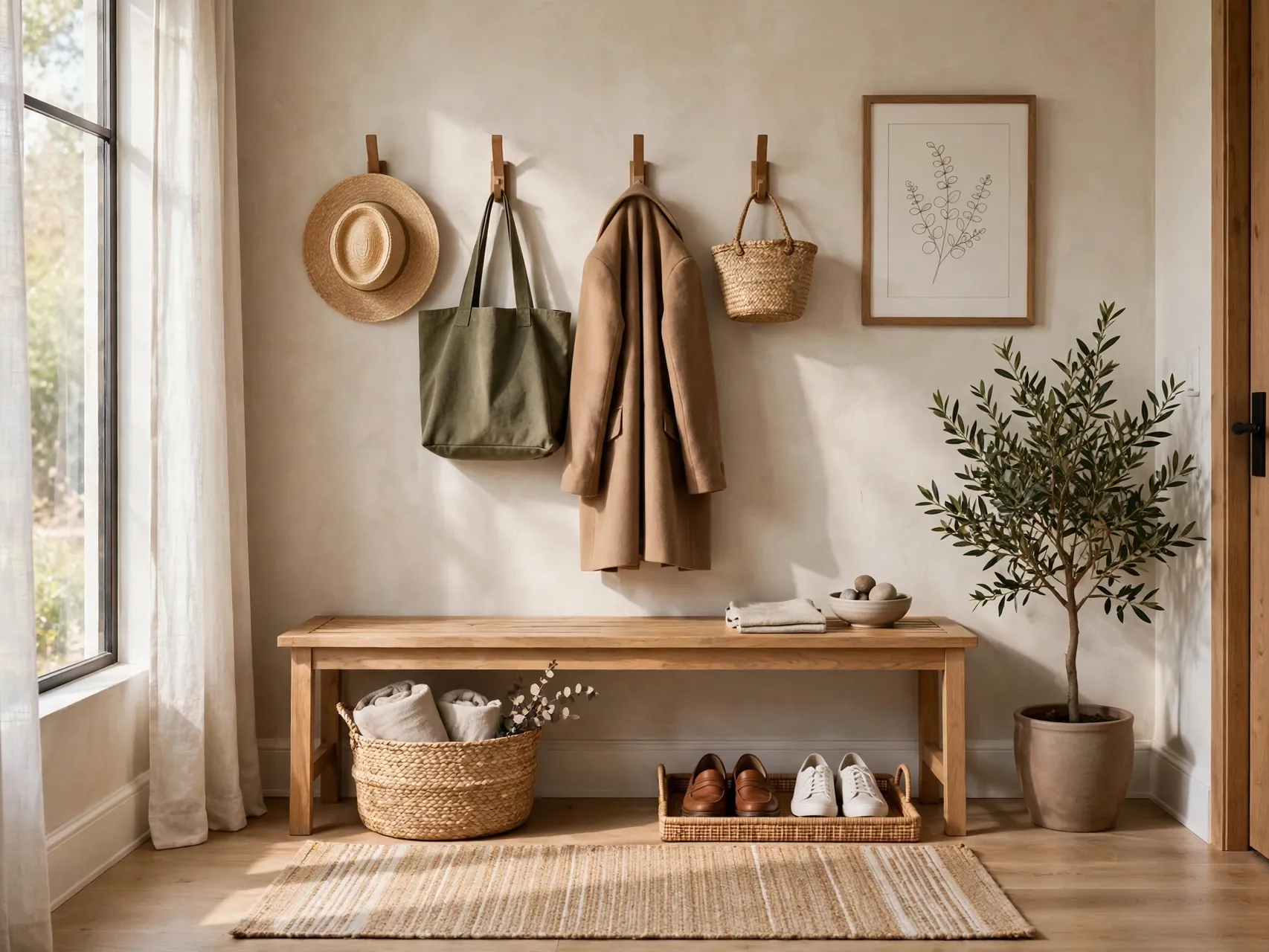
Take every coat, shoe, and bag out of the entryway. Return only what each person wears this week, one coat and two pairs of shoes per person is a kind guide for most homes.
Donate outgrown and unworn pieces, move off season items to a closet, and wipe the floor and mat while the space is empty. The entry is the first thing you see daily, so this clear out matters.
Day 3: Sort One Kitchen Junk Drawer
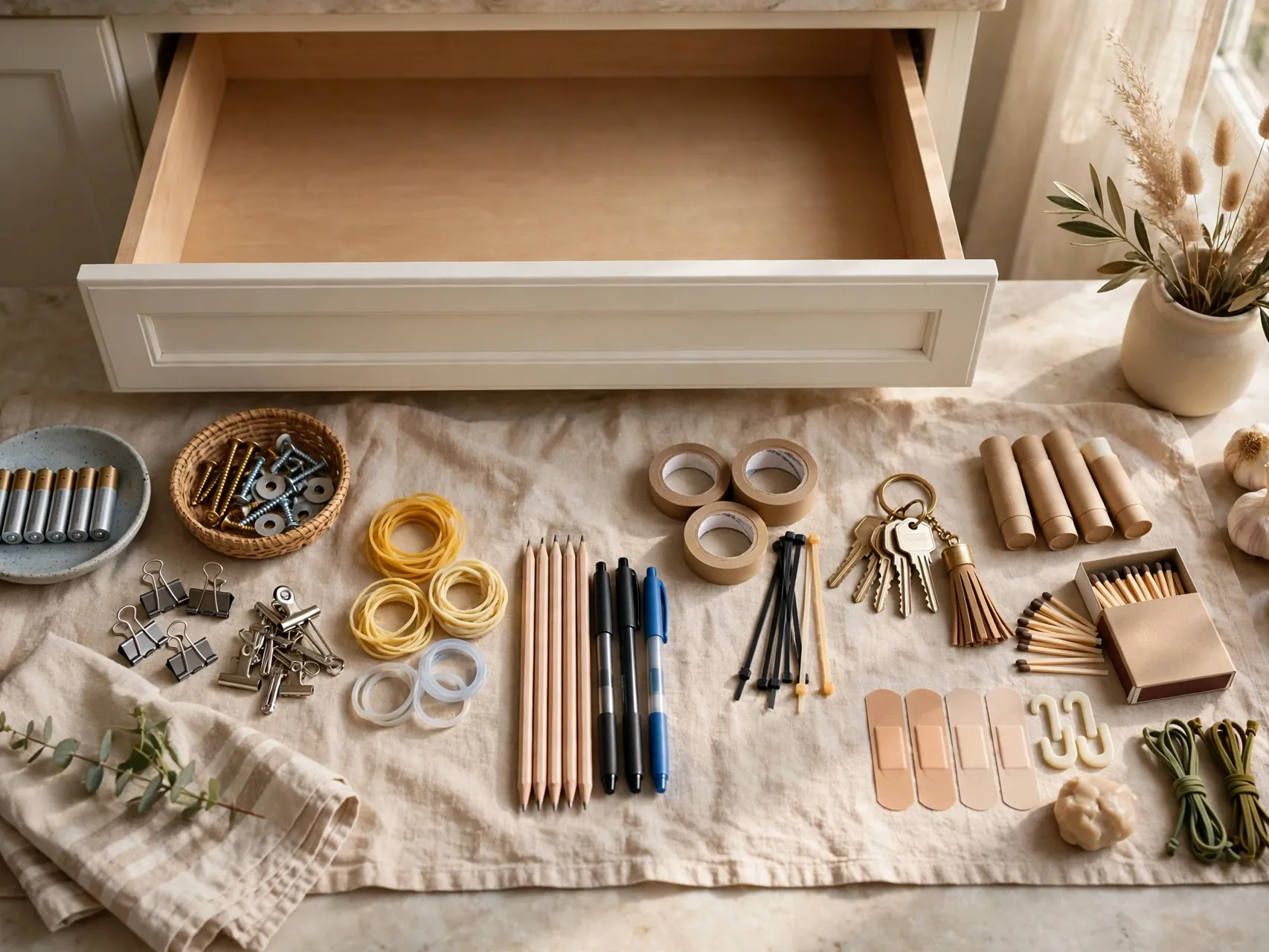
Empty the junk drawer onto the counter and toss true trash first: dead pens, dried glue, mystery keys, and single batteries rolling loose. Group what remains into tools, tape and string, batteries, and home bits.
Test pens and batteries where you can, return only items you have used in the last year, and give each group a small section or box. A sorted junk drawer is the classic daily declutter tasks win.
Day 4: Toss Expired Pantry Food

Work one pantry shelf at a time. Check dates on cans, boxes, and spices, toss expired food into the trash, and set aside unopened items you know you will never cook for donation where local rules allow.
Wipe the shelf before food returns, group by type, and put the oldest items at the front so they get used first. Write a short use first list for the door. Ten minutes here prevents waste.
Day 5: Clean Out the Fridge Door and Shelves
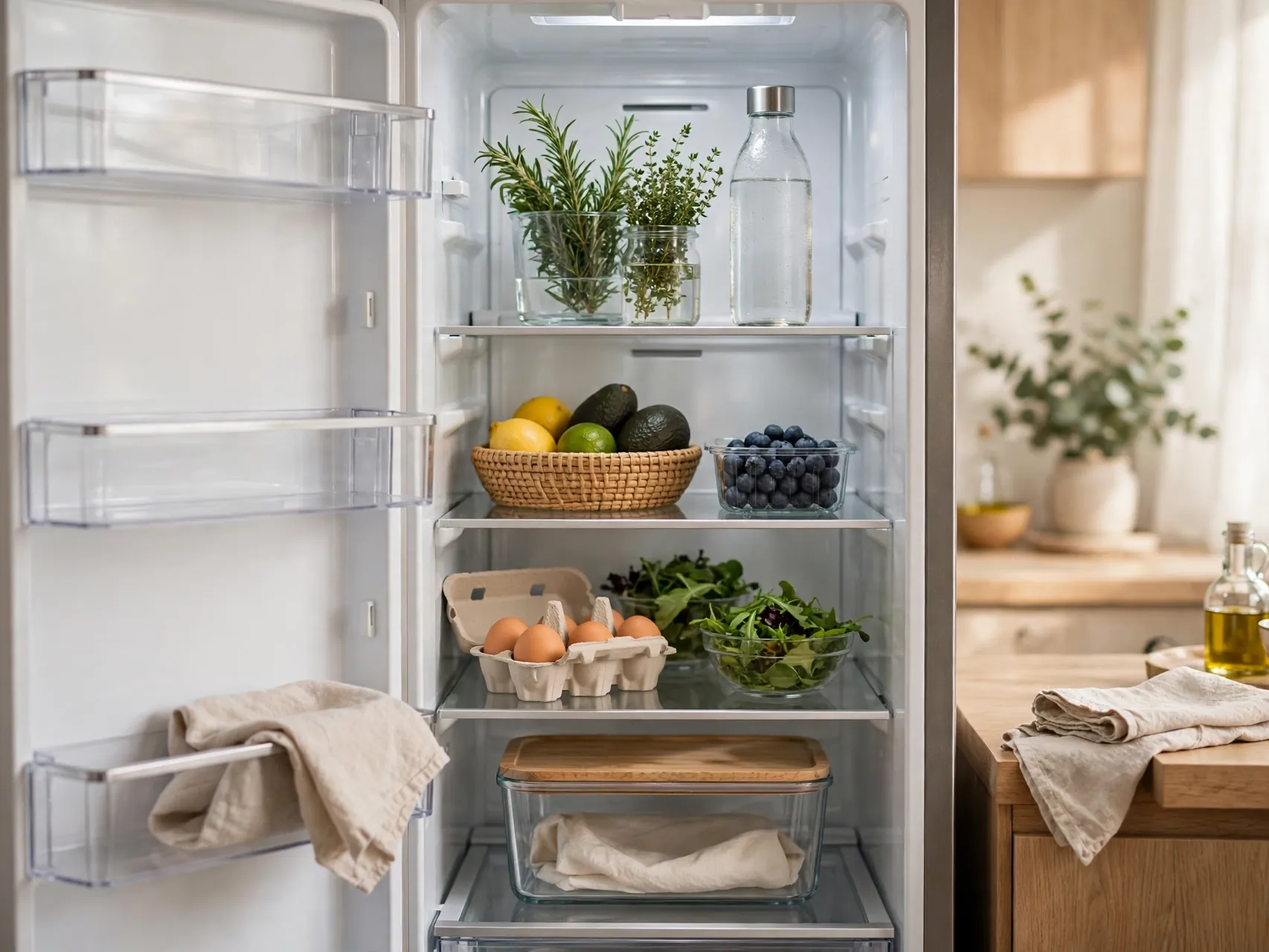
Today is just the fridge, nothing more. Check every sauce, dressing, and leftover container, toss anything expired or unlabelled and old, and wipe the door shelves and one main shelf while they are empty.
Group condiments together, keep leftovers in one visible zone, and return fresh food with space around it. A fridge you can read at a glance cuts waste, and it is an encouraging early win in any declutter challenge checklist.
Day 6: Declutter Mugs, Glasses and Food Containers

Open the mug, glass, and container cabinets together, because they grow as one family. Keep the mugs and glasses your household actually reaches for, and donate the novelty extras that live at the back untouched.
Match every food container with its lid and recycle or toss any lonely halves, warped lids, or stained boxes you avoid using. Stack what stays by size. Most kitchens free a full shelf today.
Day 7: Take Donations Out and Restock Your Bags

Today the sorted things actually leave. Load the donation box and bags into the car and drop them on your next trip out, or book a pickup if your local charities offer one. Do not re sort a single item on the way.
Restock the zone with fresh bags and a new box, wipe the hallway corner, and note how much left. This weekly exit stops sorted piles becoming clutter again.
Day 8: Sort Your Wardrobe Hanging Clothes

Take hanging clothes out in small armfuls. For each piece ask one question: did I wear this in the last year and would I choose it again this week? Anything with a slow answer goes to the donation box.
Return keepers grouped by type, work, casual, and dressy, with a little breathing room between hangers. Turn all hangers one way if you like a visual test for the months ahead.
Day 9: Clear Drawers of Clothes You Skip

Drawers hide the clothes we skip daily: tired tees, worn socks, and gym gear long past its best. Empty one drawer at a time, refill it with folded favorites only, and let the skipped items go without guilt.
Recycle worn out textiles where programs accept them, donate anything still in good shape, and keep drawer groups simple, one type per drawer where you can.
Day 10: Sort Shoes, Bags and Accessories

Gather shoes and bags from closets, halls, and bedroom corners into one sorting spot. Match every pair, check heels and straps, and keep the pairs you wore in the last season plus true occasion pieces.
Donate good pairs you skip, toss anything broken beyond repair, and store what stays where you get dressed, not scattered by doors. Belts, scarves, and hats get the same honest pass today.
Day 11: Edit the Linen Closet and Old Towels
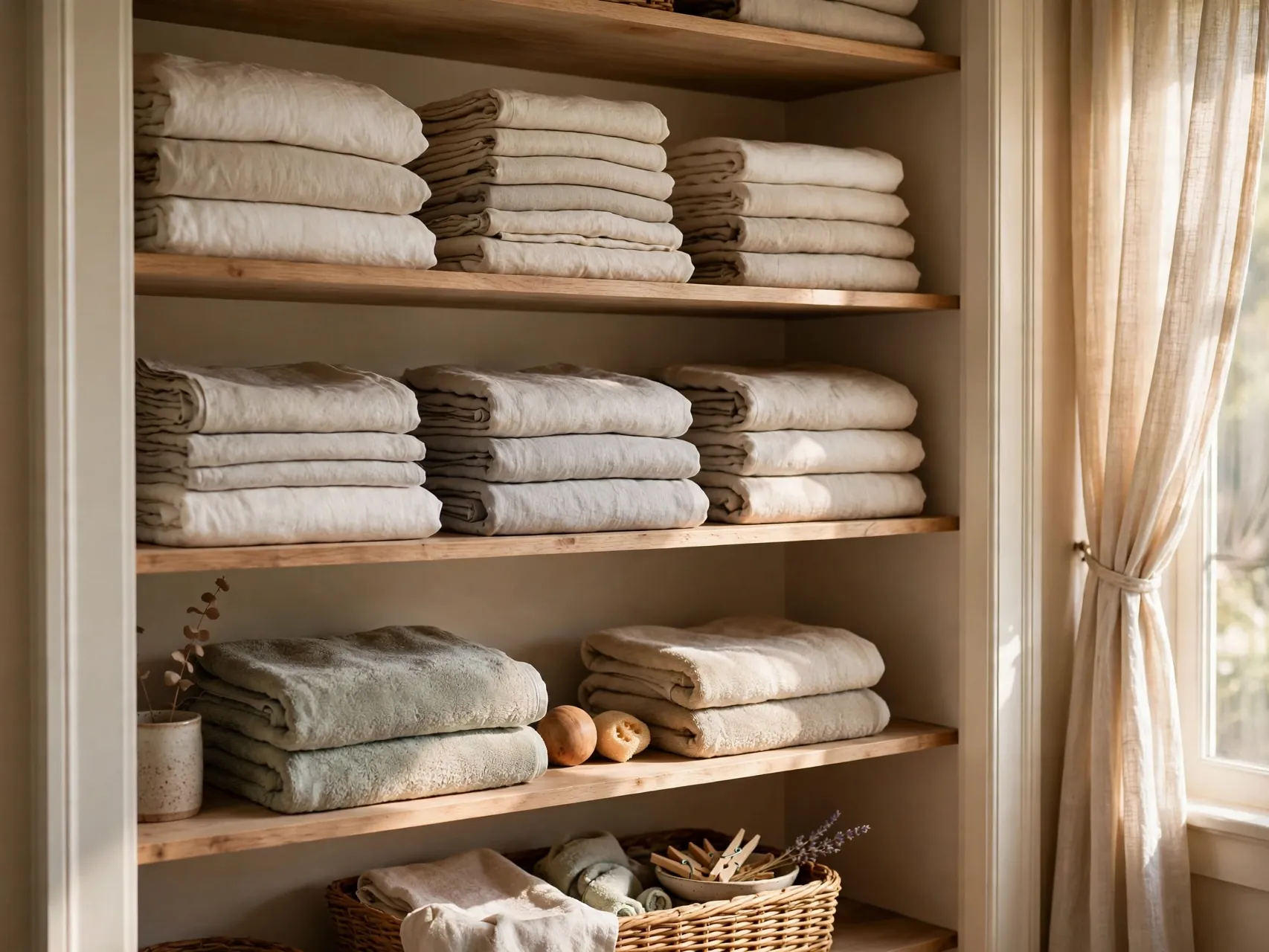
Pull out towels and sheet sets and count honestly. Two towel sets and two sheet sets per bed or person keeps most homes comfortable, with a small spare stack for guests and laundry days.
Move stained, thin, or scratchy pieces to cleaning cloths, or donate suitable old towels to local animal shelters that request them. Fold keepers in matching sets, label shelves if it helps, and enjoy how a calm linen closet makes the whole bathroom routine feel reset.
Day 12: Clear the Nightstands and Under Bed Storage

Nightstands and under bed boxes become quiet clutter traps. Empty both, return only nighttime needs to the nightstand, and sort under bed storage into keep, donate, and move elsewhere piles with fresh eyes.
Keep under bed boxes to true storage: off season clothes, spare linens, or keepsakes in one labeled box each. Anything you forgot you owned deserves a hard question today.
Day 13: Sort Bathroom Cabinets and Expired Toiletries
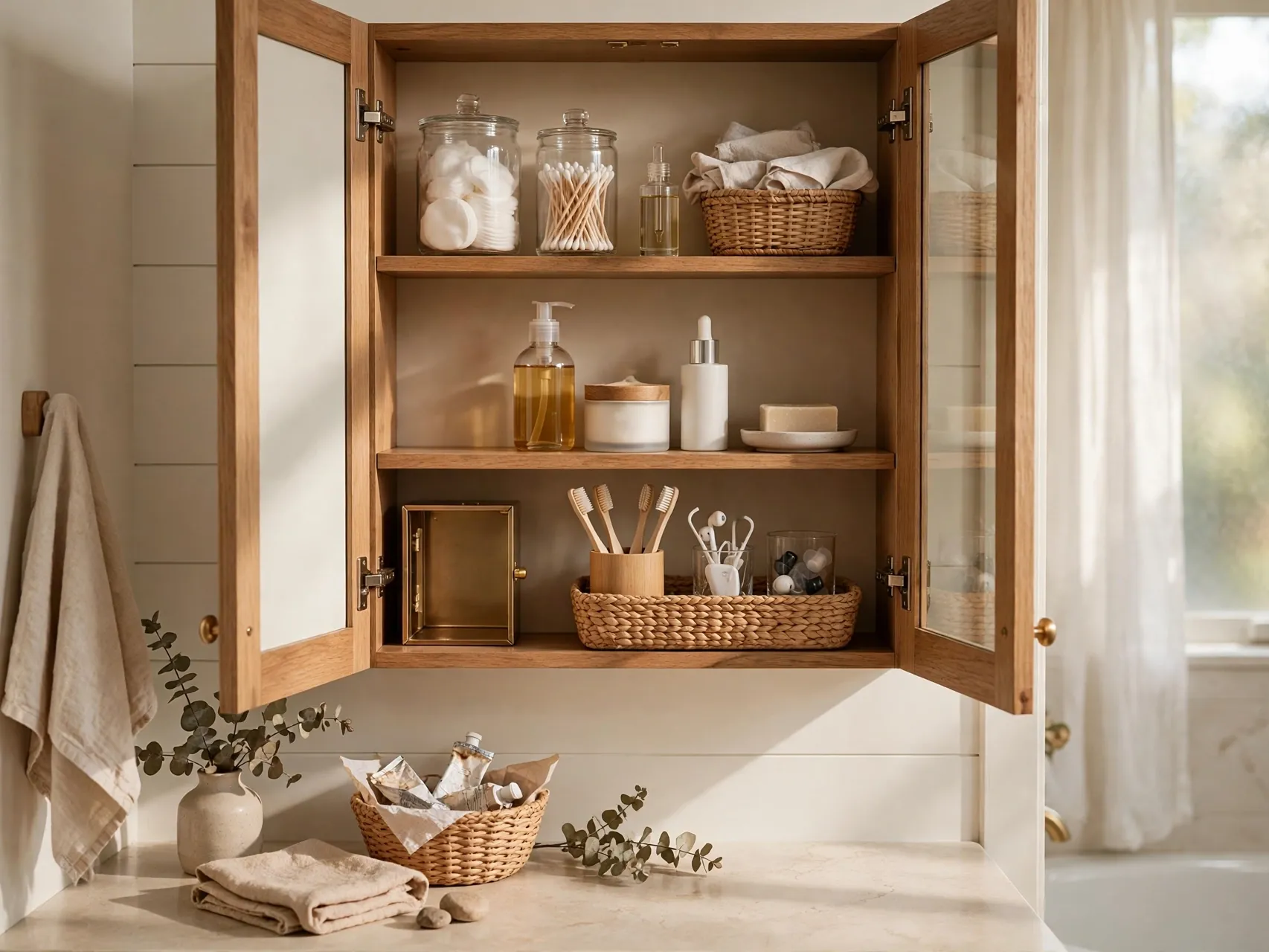
Empty the bathroom cabinet and vanity drawers. Check dates on medicines stored here, sunscreens, and cosmetics, and set expired items aside for proper handling on day twenty five rather than using them up.
Toss dried polishes, empty tubes, and hotel minis you never open. Group daily products at the front, backups together at the back, and wipe every surface before items return. Ten tidy minutes here makes mornings calmer.
Day 14: Sort Books, Magazines and Paper Piles

Collect books and magazines from every room into one sorting table. Keep books you love or will truly reread, donate the rest while they are still in good condition, and recycle old magazines and catalogs.
Sort loose papers into act, file, recycle, and shred piles, and deal with the act pile today. Shred sensitive pages rather than binning them whole. Clear shelves instantly make rooms look lighter.
Day 15: Declutter Living Room Shelves and Media
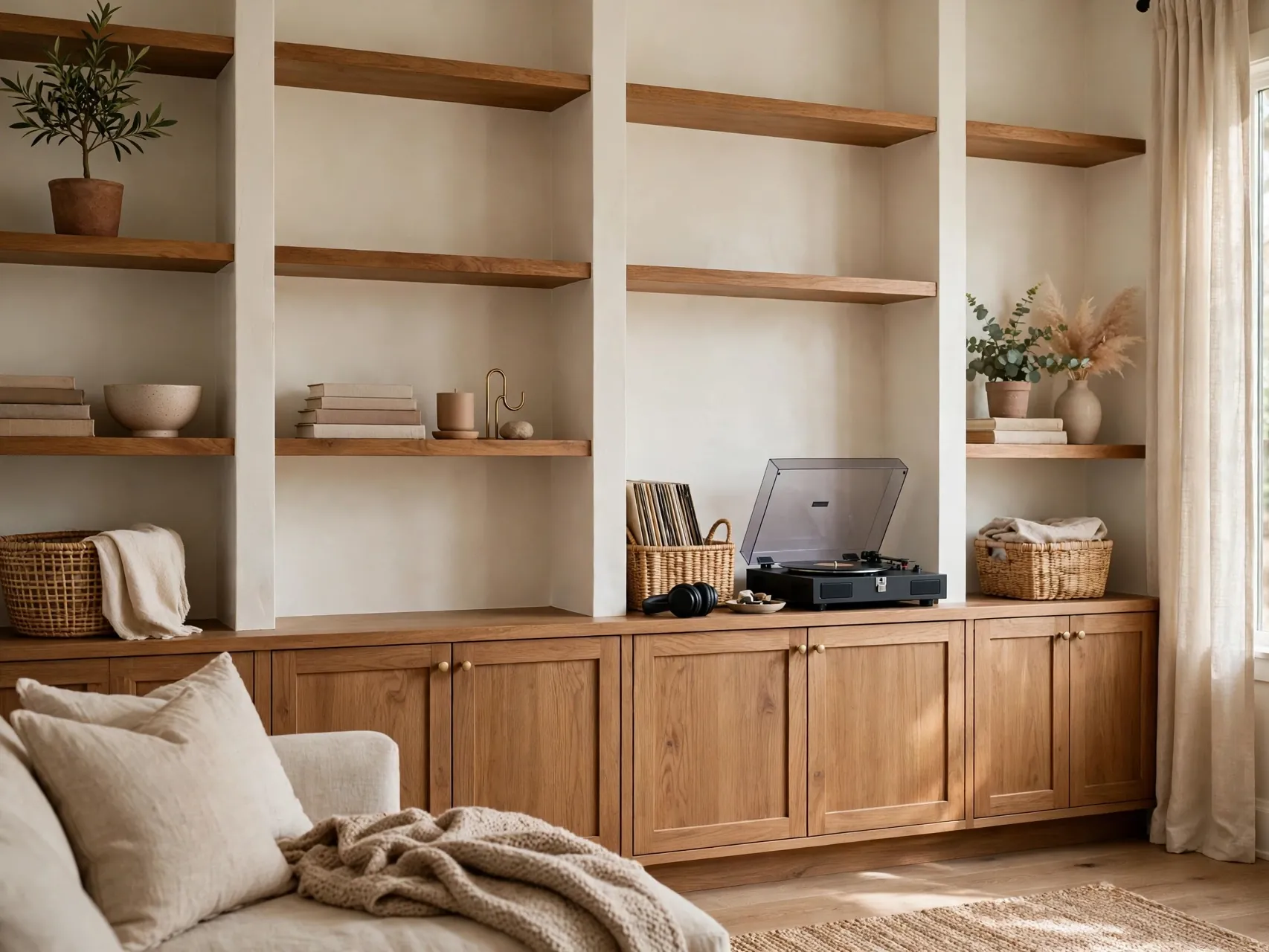
Take everything off one shelf or media unit at a time. Dust the surface, then return only the pieces you love, with breathing room between groups of books, plants, and a few meaningful objects.
Donate decor you have stopped seeing, gather remotes and game gear into one basket, and untangle the cord cluster behind the unit into one tidy run. Shelves styled with space look intentional.
Day 16: Sort Kids Toys or Hobby Supplies
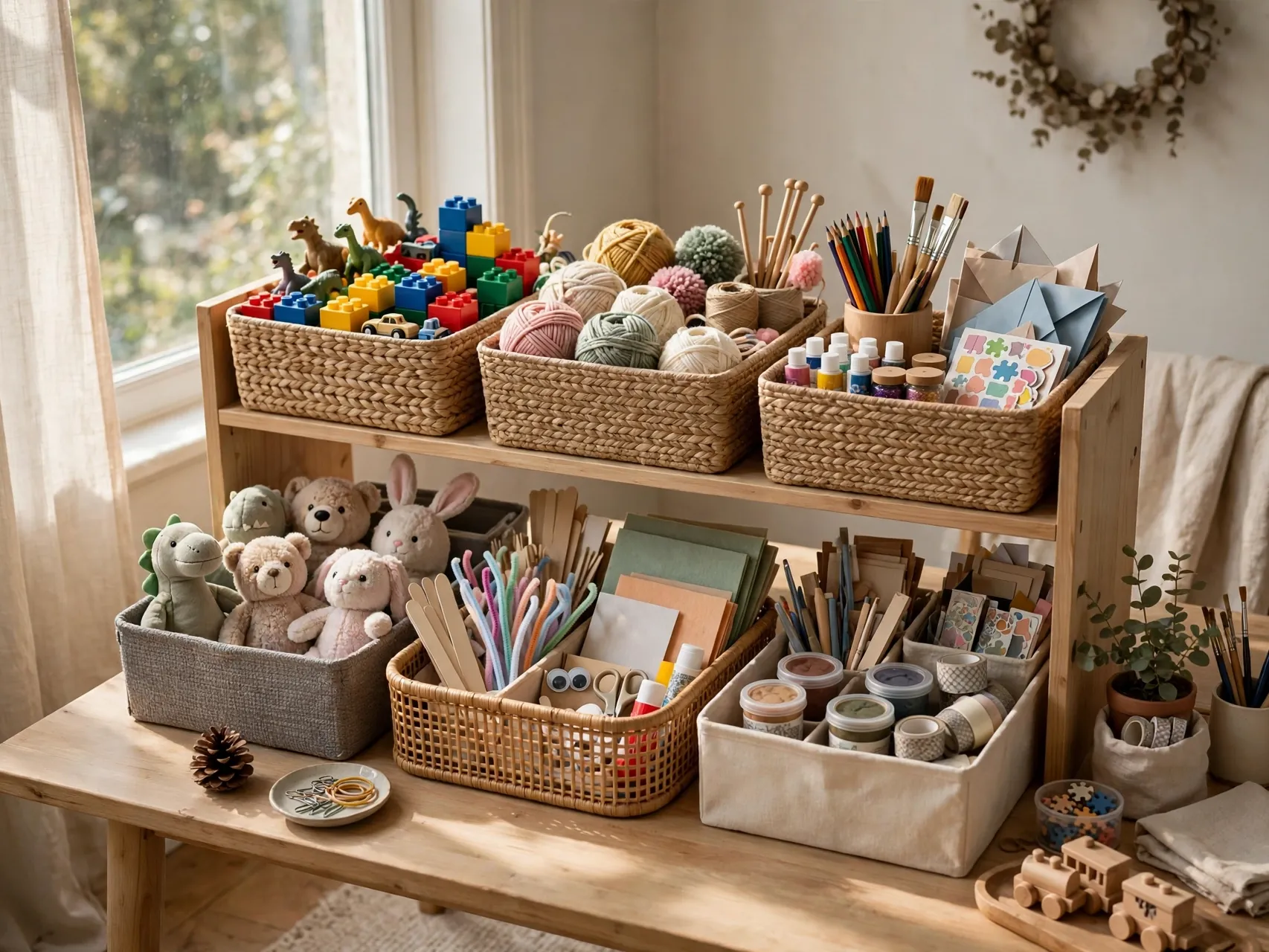
Choose toys if you have children, or your own hobby and craft supplies if you do not. Sort into keep and play often, store for later, donate, and toss broken pieces with missing parts.
Keep only what fits the bins and shelves you actually have, with one clear category per bin. Involve children in choosing donations where age allows, and keep the session short and kind.
Day 17: Clear the Home Office Desk and Paperwork

Clear the desk completely and wipe it down. Sort desk drawers and paperwork trays with the same act, file, recycle, and shred system from day fourteen, and file keepers into simple labeled folders today, not someday.
Return only daily work tools to the desk, plus one personal item you enjoy seeing. Set one in tray as the only legal landing spot for new paper.
Day 18: Sort Cords, Chargers and Old Electronics
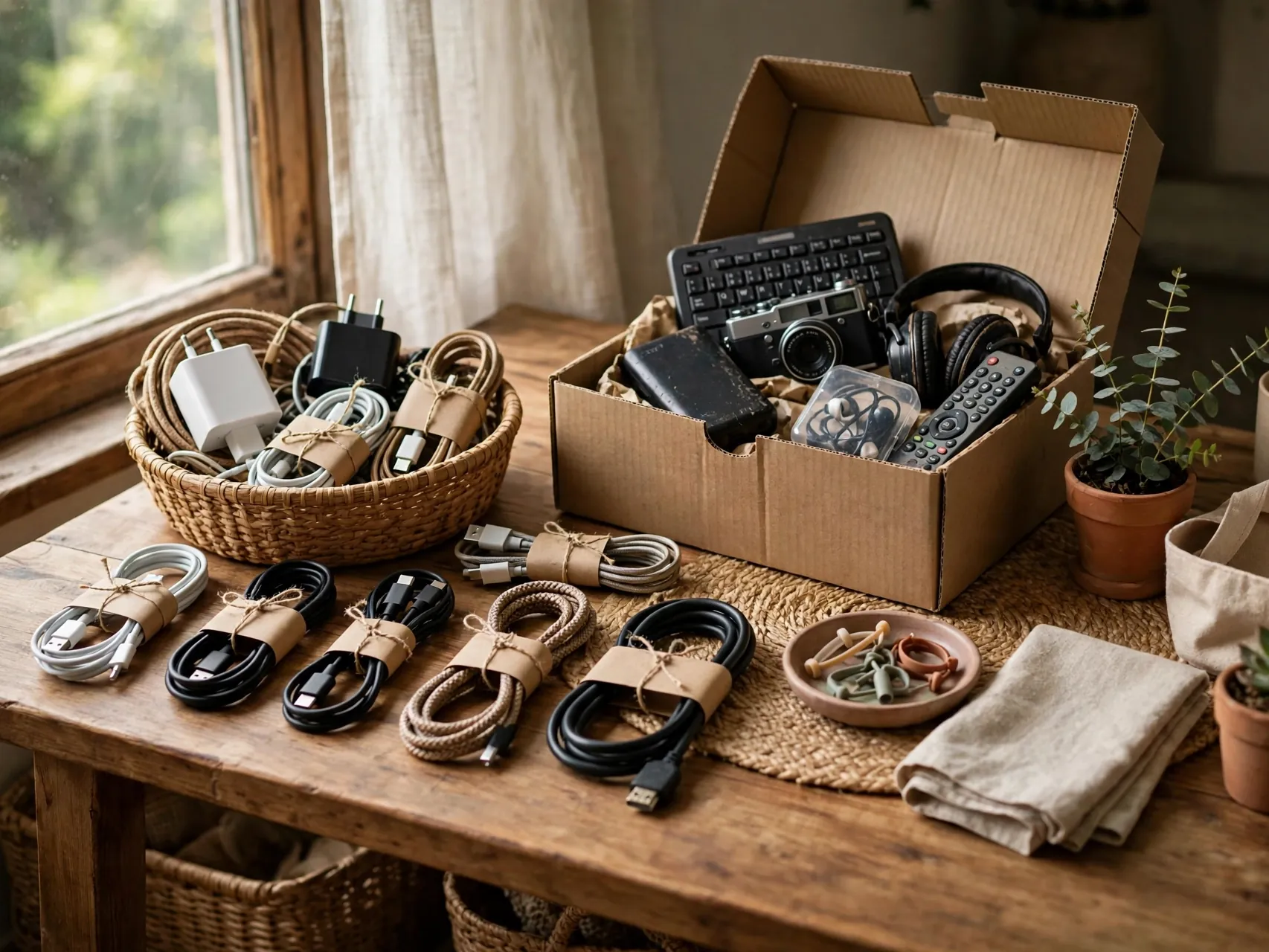
Gather every cord, charger, and spare device into one box. Test and label what belongs to current devices, store each set in a small pouch by room or gadget, and set dead or duplicate electronics aside for recycling.
Follow EPA guidance in general terms: delete personal information before donating or recycling electronics, and never put lithium ion batteries or devices containing them in household trash or curbside recycling. Use a dedicated electronics or battery collection point instead, and keep loose batteries taped or bagged as local guidance directs.
Day 19: Declutter the Bathroom Under Sink Cabinet

The under sink cabinet hides leaks, empties, and five half used cleaners. Empty it fully, check underneath for damp or drips, wipe it dry, and toss empty, expired, or never used products following label directions for disposal.
Return only what this bathroom truly uses, grouped in one small caddy or bin you can lift out whole. Keep plumbing access clear rather than packed tight. If you find active leaks or damage, note it for repair rather than storing items back against wet surfaces.
Day 20: Sort Cleaning Supplies Under Sinks

Gather cleaning supplies from the kitchen, bathrooms, and laundry into one sorting spot. Keep one of each true essential, store extras together in one place, and dispose of old or unlabelled products following label directions and local household hazardous waste guidance where offered.
Never mix cleaning products together, and keep all supplies in their original labeled containers, out of reach of children and pets. One honest caddy per home, plus a small bathroom set, is plenty for most houses and far safer to store.
Day 21: Clear Kitchen Counters and Small Appliances
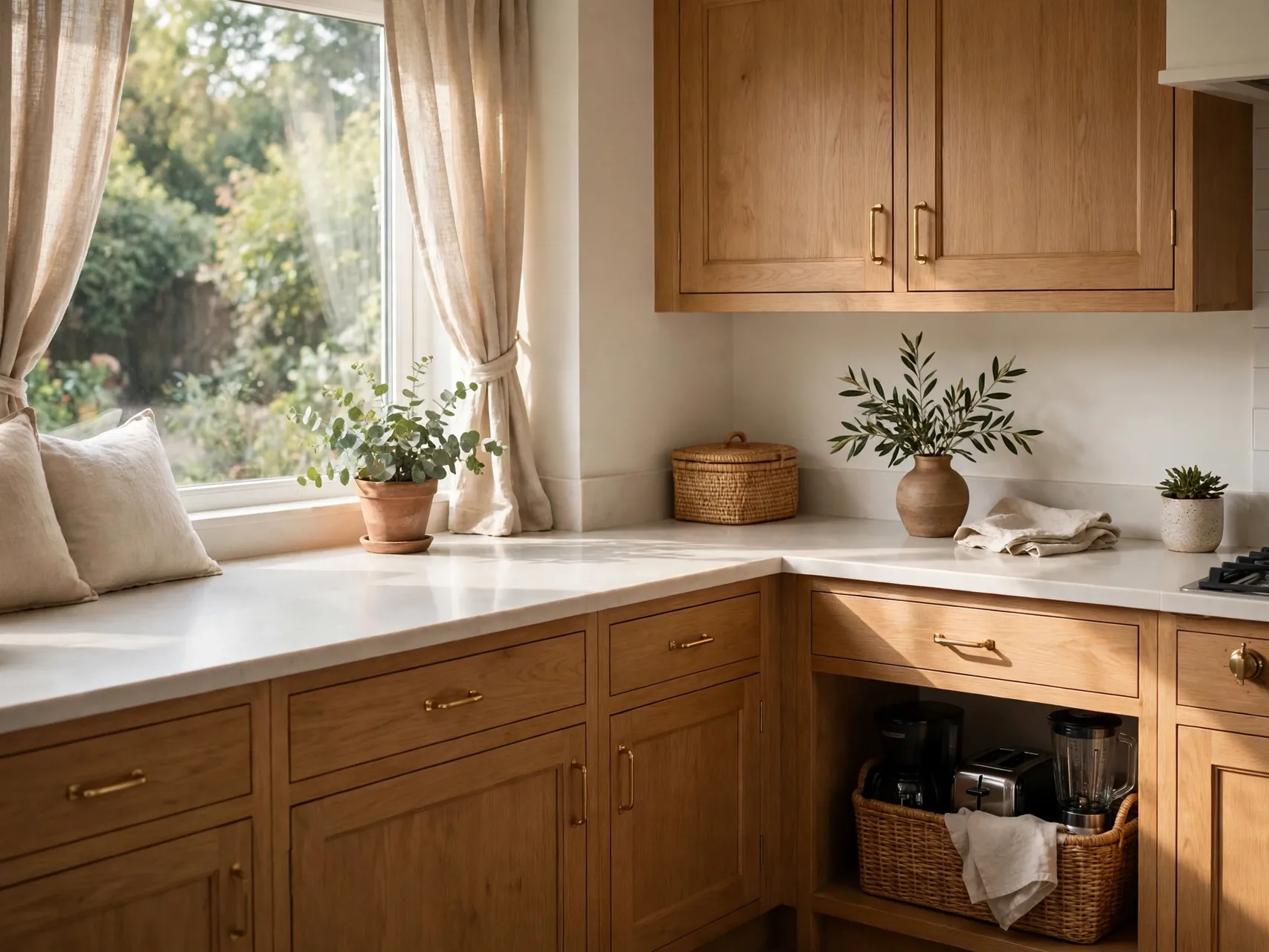
Remove everything from the kitchen counters and clean the surfaces. Bring back only daily essentials, and give weekly appliances a cabinet home instead, the blender, toaster extras, and the gadget used twice a year.
Donate duplicate tools and the single use gadgets that never earned their space. Wipe returned appliances before they go back. Clear counters make cooking and cleaning faster.
Day 22: Sort the Coat Closet and Seasonal Gear
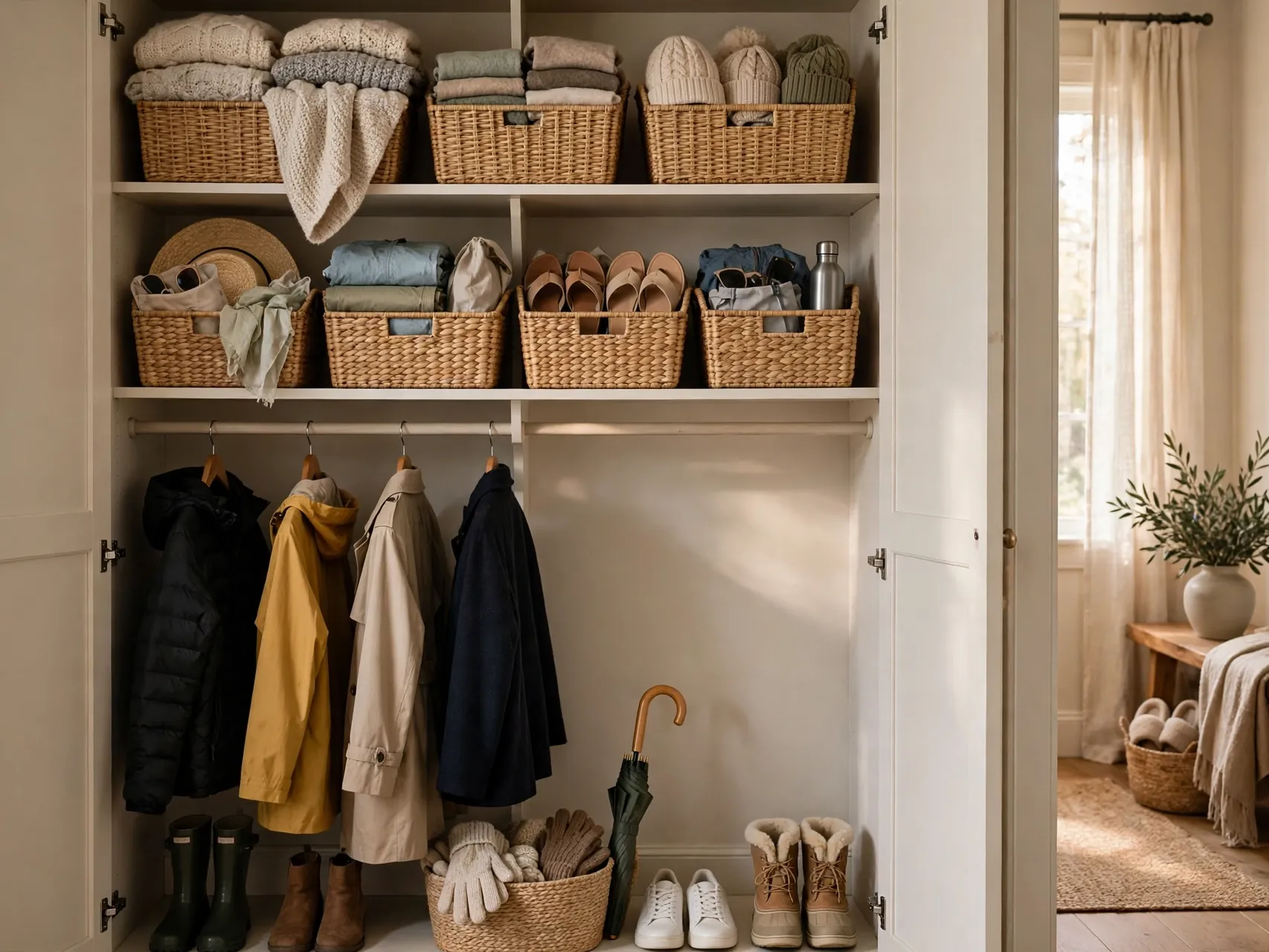
Empty the coat closet floor and shelf, the two places seasonal gear goes to be forgotten. Sort gloves, hats, umbrellas, and sports kit into keep handy, store up high, donate, and toss piles.
Keep daily coats on hooks or hangers with room to breathe, one labeled bin for cold weather smalls, and the floor completely clear. A closet that closes easily is a small daily luxury.
Day 23: Declutter the Laundry Room Shelves
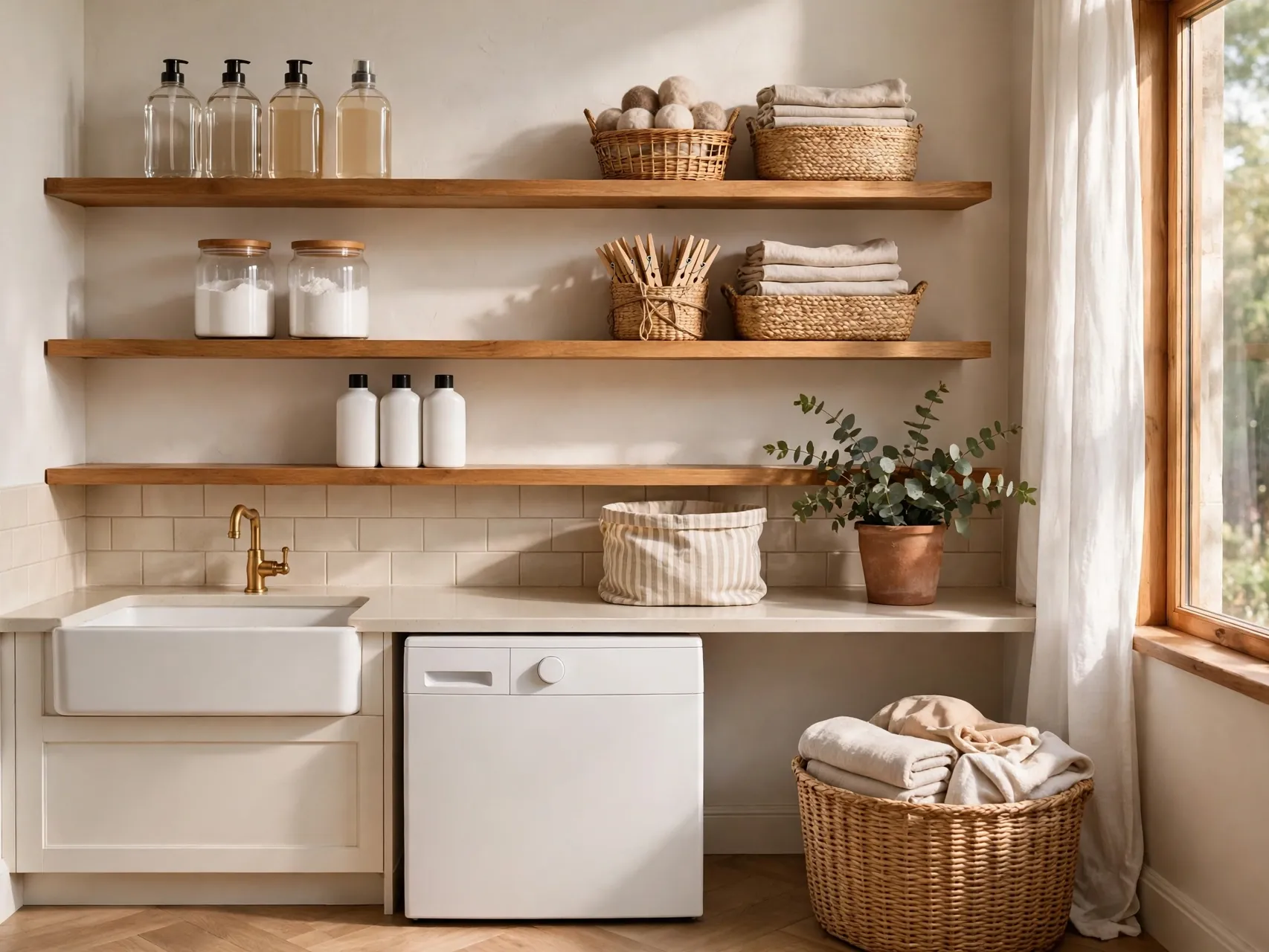
Laundry shelves collect empty bottles, single socks, and products bought for one stain in 2022. Empty the shelves, toss empties and dried out products following label directions, and wipe away the detergent dust that coats everything.
Group washing essentials at arm height, store the ironing and sewing bits in one small box, and add a tiny lost sock and pocket finds basket.
Day 24: Sort the Garage Corner or Storage Bins
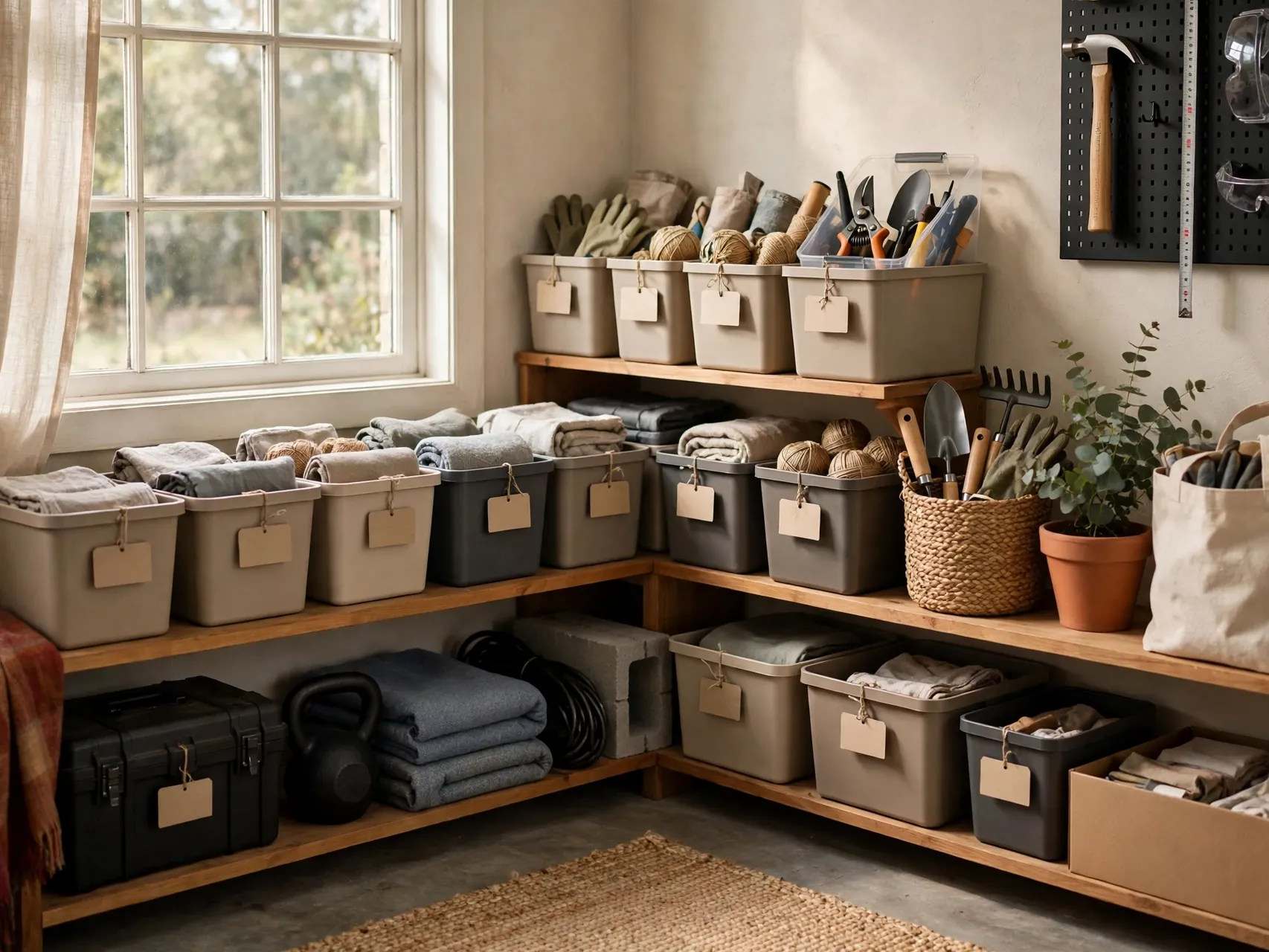
Choose just one garage corner, storage shelf, or stack of bins today, never the whole space. Sort into keep, donate, recycle, and trash, label every bin you keep on two sides, and take a photo of contents for forgetful days.
Keep heavy bins low, work from a stable footing, and ask for help with anything awkward or heavy rather than lifting alone. Set paints, chemicals, and batteries aside for local household hazardous waste or dedicated collection, following local guidance, instead of general trash.
Day 25: Check Medicines and First Aid Supplies
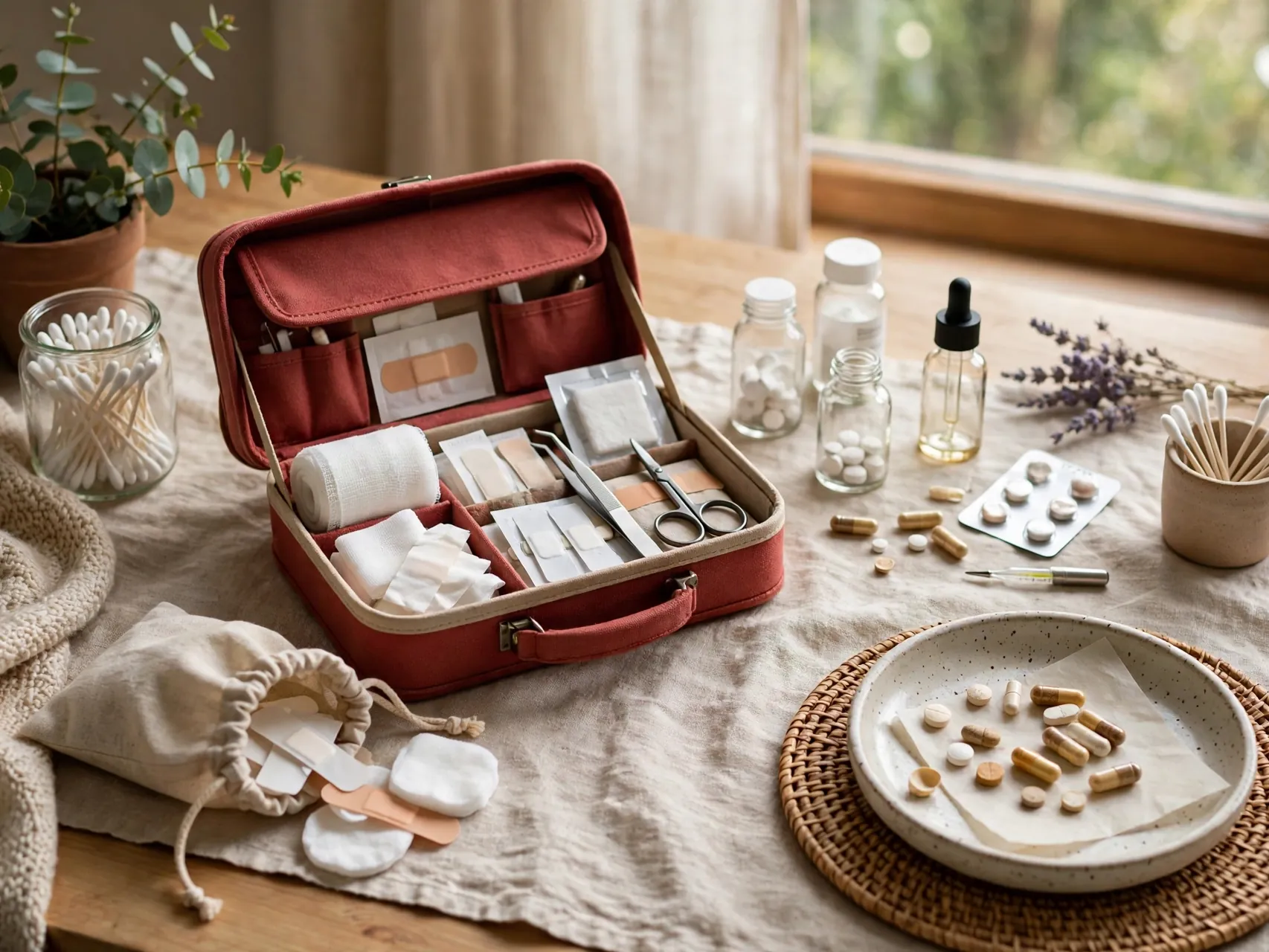
Gather medicines and first aid supplies from every room into one place. Check every date, restock basics you are missing, and set expired or unneeded medicines aside for safe disposal rather than the kitchen trash.
Follow FDA guidance in general terms: use a drug take back option first where one is available. If disposing at home, follow FDA trash guidance, mix medicines with an unappealing substance, seal the mixture, and scratch out personal information on labels.
Day 26: Sort Sentimental Items With a Limit Box
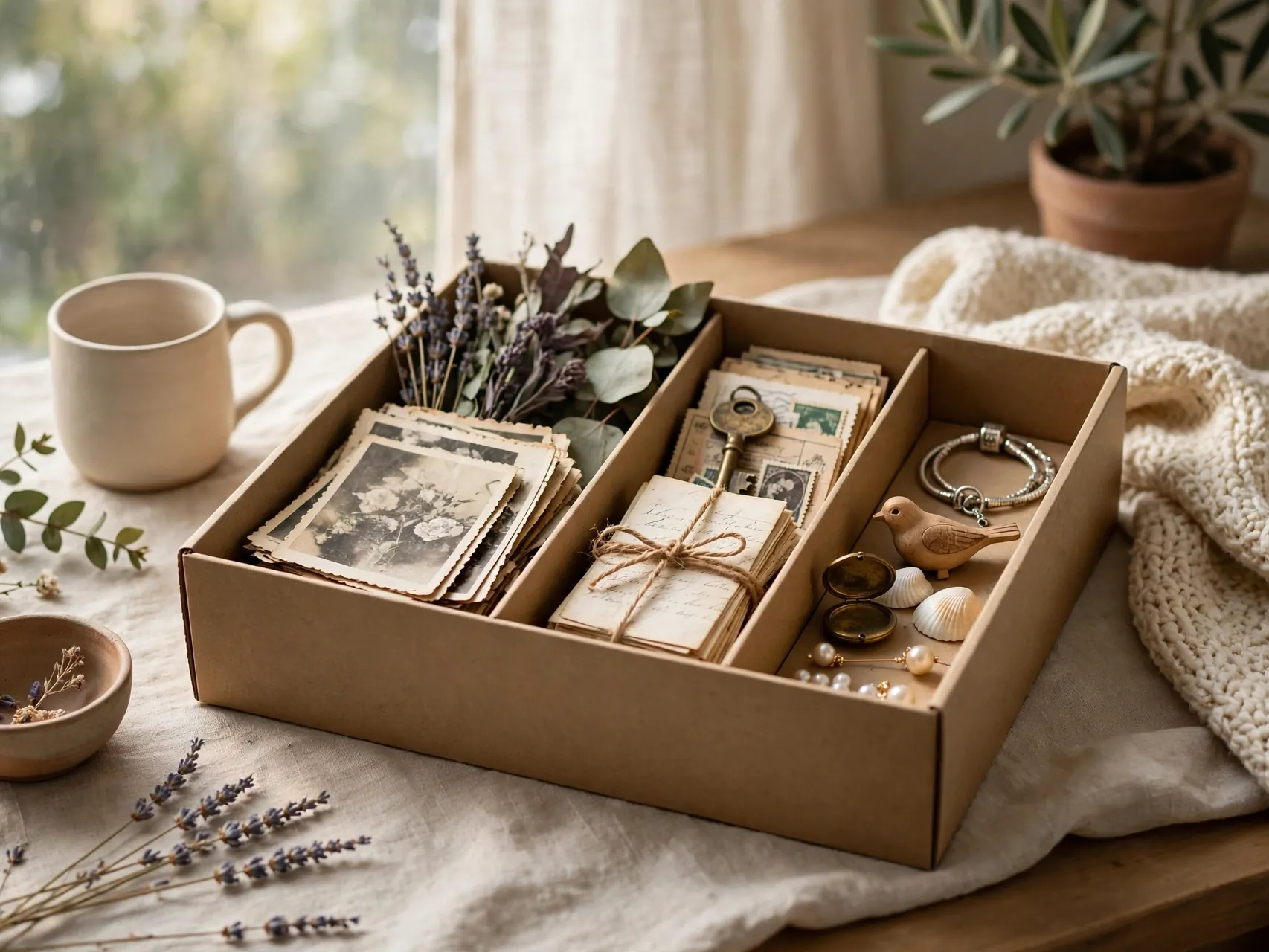
Sentimental clutter needs kindness and a boundary. Choose one keepsake box of a set size before you start, then sort cards, photos, and mementos keeping the pieces that truly hold the story, not every piece that ever arrived.
Photograph bulky items you love but cannot keep, share duplicates with family who may treasure them, and recycle plain paper and cards that hold no real memory. When the box is full, the task is done.
Day 27: Clear Digital Clutter, Photos and Inbox

Clutter lives on screens too. Spend today deleting blurry and duplicate photos, clearing downloads and desktop piles into a few named folders, and unsubscribing from five mailing lists you always delete unread.
Empty the phone photo trash and the email spam folder while you are here, and back up the keepers if you have a simple system. Set one folder called sort later with a monthly date to revisit.
Day 28: Do a Whole Home Ten Minute Tidy

Set a timer for ten minutes per main room if you have them to spare, or ten minutes total for a small home, and carry a basket through collecting strays. Return each item to its real home instead of the nearest surface.
Wipe the worst touch points, empty small bins, and put donation overflow into the car. This sweep shows how far the home has come.
Day 29: Rehome Strays and Give Everything a Place

Walk the home hunting for homeless items: things that live wherever they were last dropped. For each one, choose a permanent home near where it is used, add a label, hook, or small basket if needed, and tell the household where it now lives.
If an item cannot earn a home, it joins the donation box today. Tidy lasts when every kept thing has an address.
Day 30: Final Walk Through, Donate and Celebrate

Take the final walk through with your day one notebook and enjoy crossing off the spots that bothered you most. Load the last donation bags out today, break down recycling, and do one final ten minute surface sweep for the victory lap.
Write down the three habits that helped most, a weekly donation exit, a ten minute tidy, a monthly drawer, and put them on the calendar. You set out to declutter your home in 30 days with small steps, and the calm rooms around you are the proof it worked.
FAQ

What if I miss a day during the challenge?
Just continue with the next task on your next available day, or use a quiet evening to catch up on one missed task. The order matters more than the calendar dates, and steady progress over five or six weeks beats quitting in week two.
How much time should each daily task take?
Most tasks take ten to twenty minutes with a timer and a clear finish line. Larger zones like wardrobes or the garage corner are designed as one section only, so set the timer, do that section well, and stop without guilt.
What should I do with medicines, batteries and old electronics?
Follow FDA guidance for medicines and use a take back option first where available. For electronics and batteries, follow EPA guidance: delete personal information first, and keep lithium ion batteries out of household trash and recycling bins by using dedicated collection points.
How many items should I remove each day?
There is no required number. Some days, like the pantry or fridge, remove a bag of small items, while others, like sentimental sorting, may remove only a few meaningful pieces. Focus on finishing the named zone honestly rather than chasing a daily count.
How do I keep my home tidy after day thirty?
Keep the donation zone forever, repeat a ten minute tidy weekly, and re run one or two favorite daily declutter tasks each month where clutter creeps back first, usually the entryway, junk drawer, and paperwork tray in most homes.
Key Takeaways

- Small wins compound: Ten to twenty focused minutes a day cleared every major clutter zone in the home within one month.
- Exits matter most: Donations left the house weekly, so sorted piles never turned back into clutter in the hallway.
- Every keeper needs a home: Day twenty nine gave each kept item a clear place, which is what makes tidy last.
- Handle special items safely: Medicines follow FDA guidance and batteries and electronics follow EPA guidance, never general trash habits.
- Keep three habits: A permanent donation station, a weekly ten minute tidy, and one monthly drawer or shelf hold the results.
Finished your thirty days or just planning your start? Save this challenge to Pinterest and pin the day you will begin with tomorrow.