23 Afrohemian Decor Ideas Full of Color, Pattern and Craft
Introduction

Some rooms feel finished but forgettable, all matching sets and flat surfaces. These afrohemian decor ideas take the opposite path: a calm base, then color, pattern and handmade texture added slowly, piece by meaningful piece, until the room tells a story.
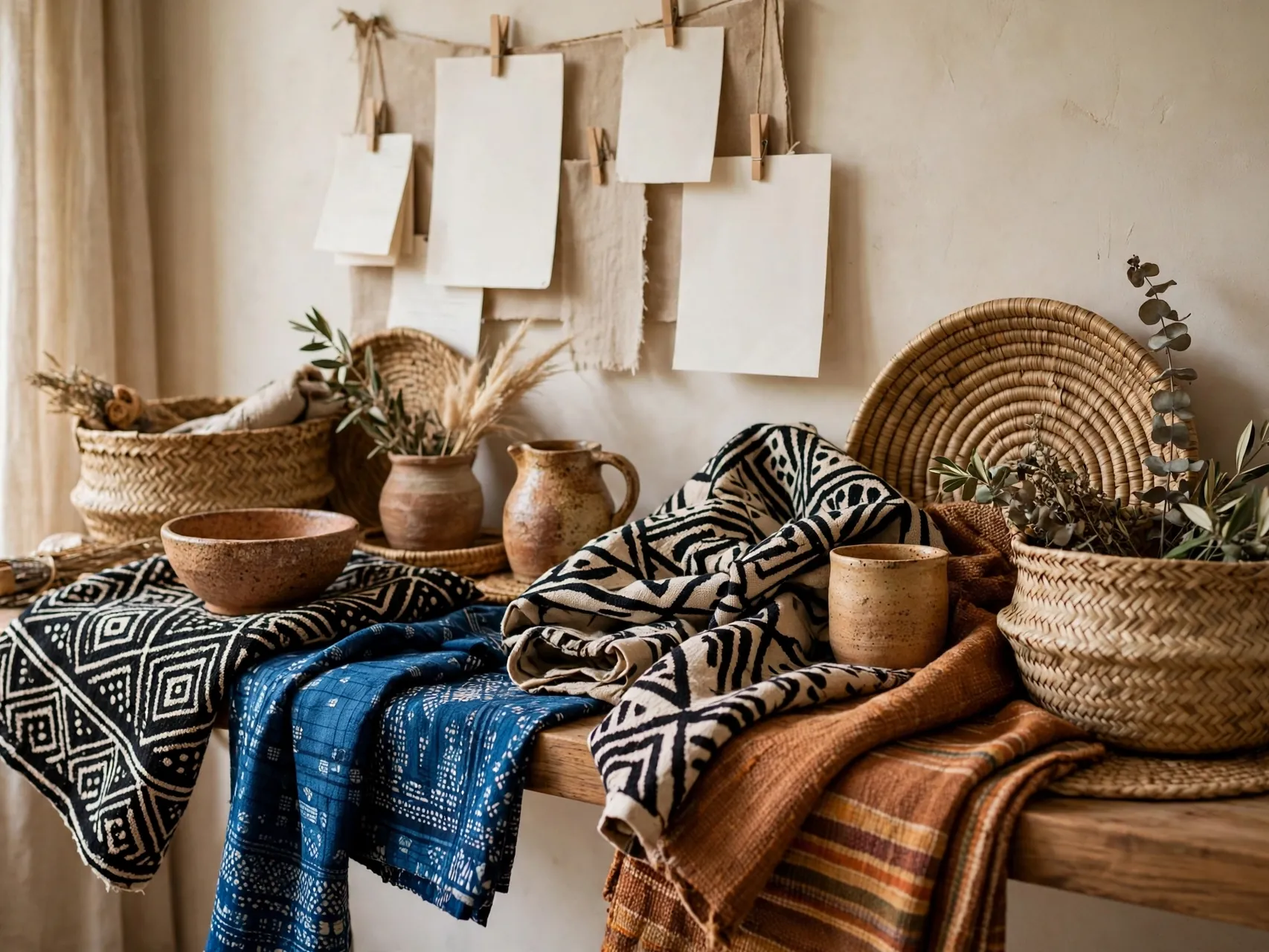
Afrohemian style, named in Pinterest Predicts 2026, brings African design traditions together with relaxed bohemian layering. Think mudcloth and adire textiles, handwoven baskets, carved wood, clay and natural fiber rugs, used with respect for the makers and cultures they come from.
You do not need a full makeover to start. One textile on a plain sofa, one basket group on an empty wall, or one artisan piece bought well can shift a whole room. Build in layers, edit often, and let each addition earn its place.
Source thoughtfully where you can, from African and diaspora makers and fair trade shops who name origins honestly. Handmade pieces vary a little, and that variation is the beauty.
1. Start With a Warm Neutral Base

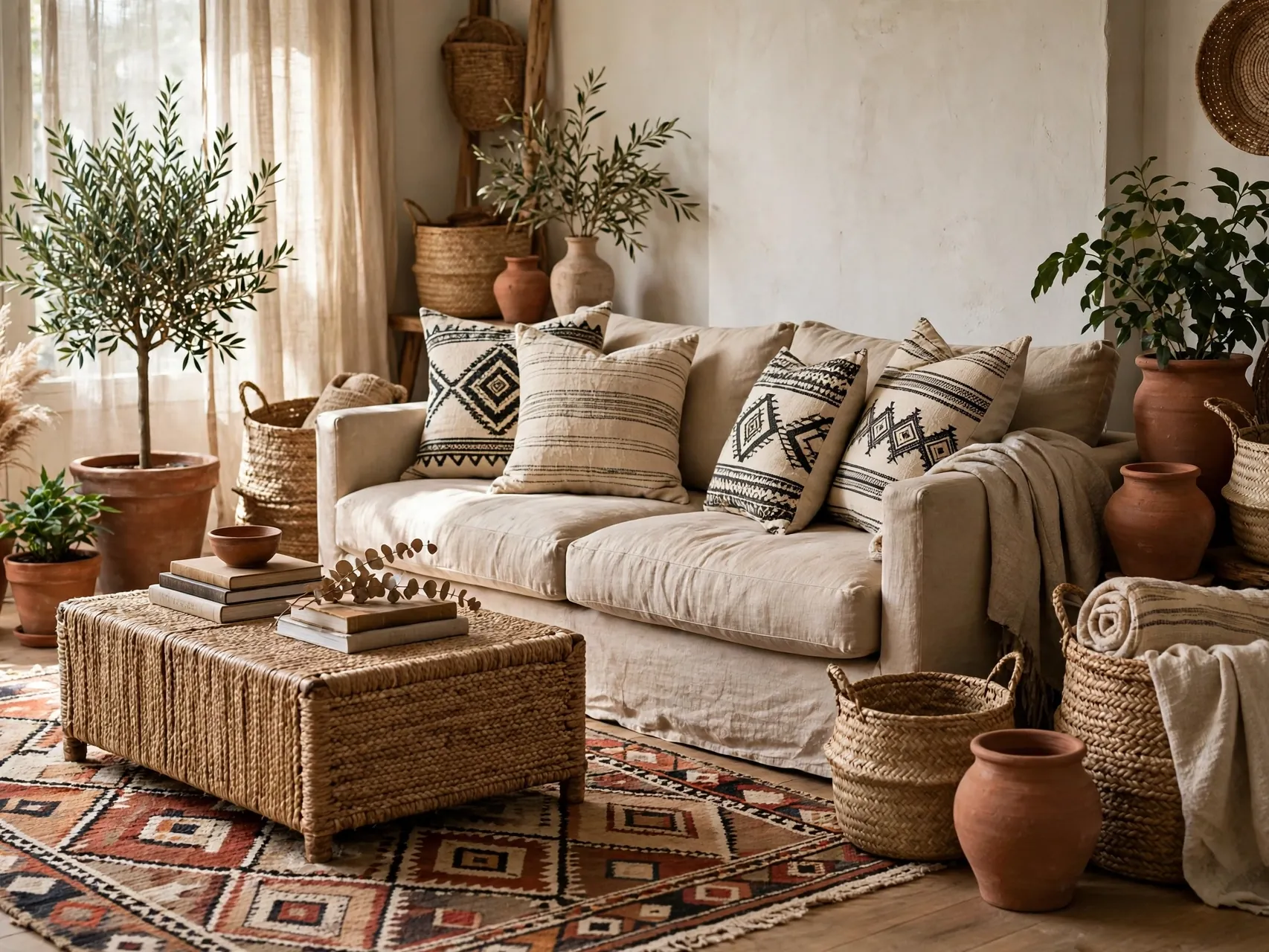
Afrohemian rooms look rich because the background stays quiet. Choose warm white, sand, cream or soft clay for large walls and the biggest furniture, then let textiles and wood bring the color. A calm base stops bold patterns from fighting each other.
A neutral sofa and simple curtains are an ideal canvas. Add warmth through wood tones, woven texture and one earthy accent color, like terracotta or ochre, repeated in two or three small places.
2. Layer Mudcloth Pillows on a Plain Sofa

Mudcloth decor ideas usually start here, for good reason. Mudcloth, also called bogolan, is a handwoven cotton tradition from Mali, dyed with fermented mud and marked with geometric patterns. A pair of mudcloth pillows on a plain sofa adds history, contrast and craft in minutes.
Mix one bold black and white pillow with one quieter rust or cream textile, and keep the third pillow solid. If you buy mudcloth inspired pieces, look for sellers who describe the origin honestly, and care for real mudcloth gently, since handmade cloth prefers spot cleaning and shade.
3. Run a Kente Inspired Runner Down the Table

Kente is a handwoven cloth tradition from Ghana, long associated with Asante weaving and patterns linked to proverbs and meaning. A narrow kente or kente inspired runner brings jewel bright color to a dining table or console without covering the whole surface.
Let the runner be the color event in the room. Keep dinnerware simple in white, wood or clay, and repeat just one runner color in a napkin or a vase. For everyday use, a cotton runner you can wash will work harder than a delicate piece saved only for guests.
4. Cool Warm Rooms Down With Adire Indigo
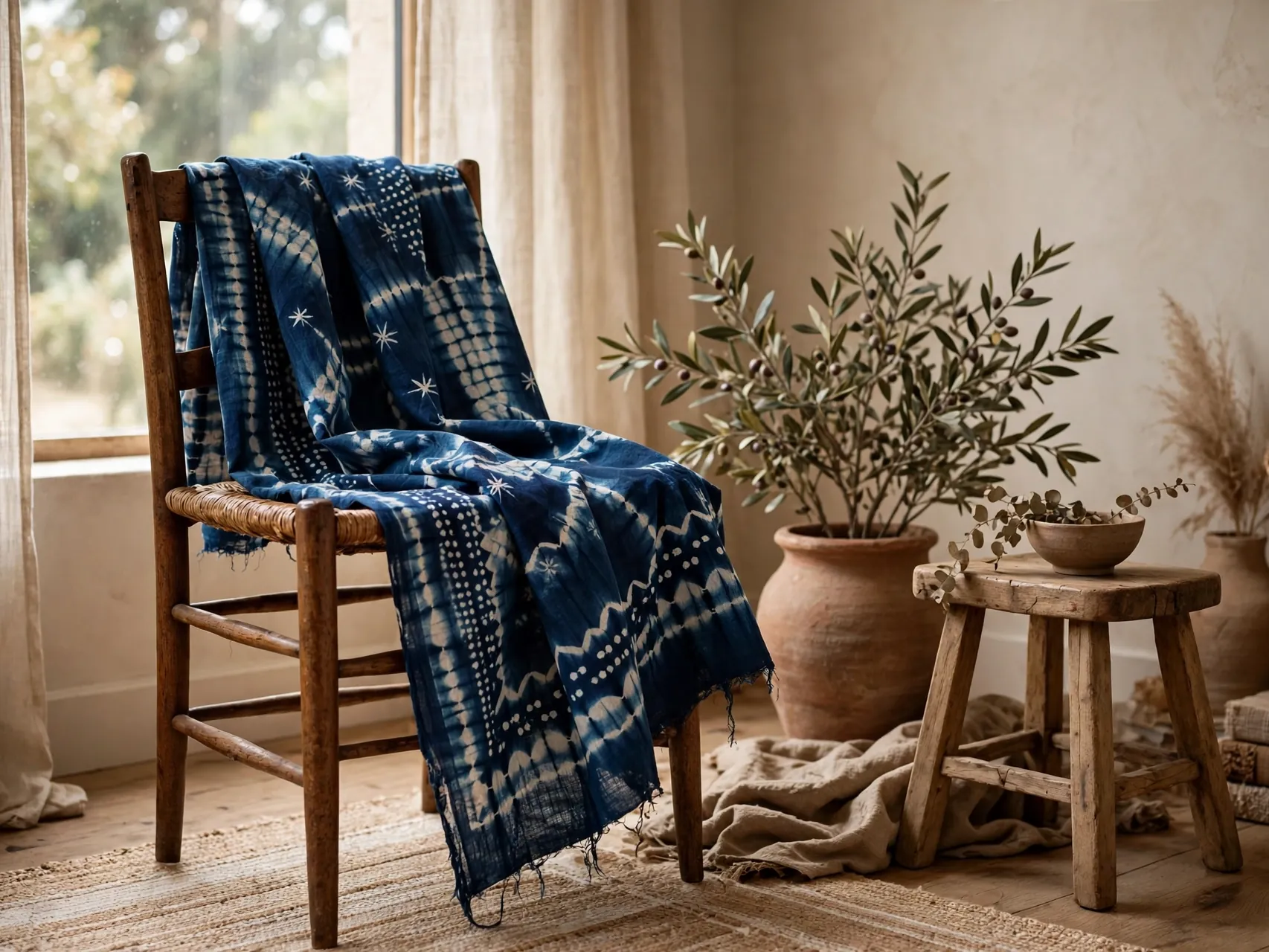
Adire is an indigo dyed cloth tradition of Yoruba makers in Nigeria, known for deep blue patterns that range from fine lines to bold circles. In a room full of terracotta, sand and wood, adire brings the cool contrast that keeps the palette balanced.
Try adire as cushion covers, a tablecloth for summer, or a framed panel on the wall. One indigo piece per room is often enough. Pair it with warm metals and natural wood, and avoid mixing it with three other blues, since its depth deserves clear space.
5. Hang a Woven Basket Wall in Odd Numbers
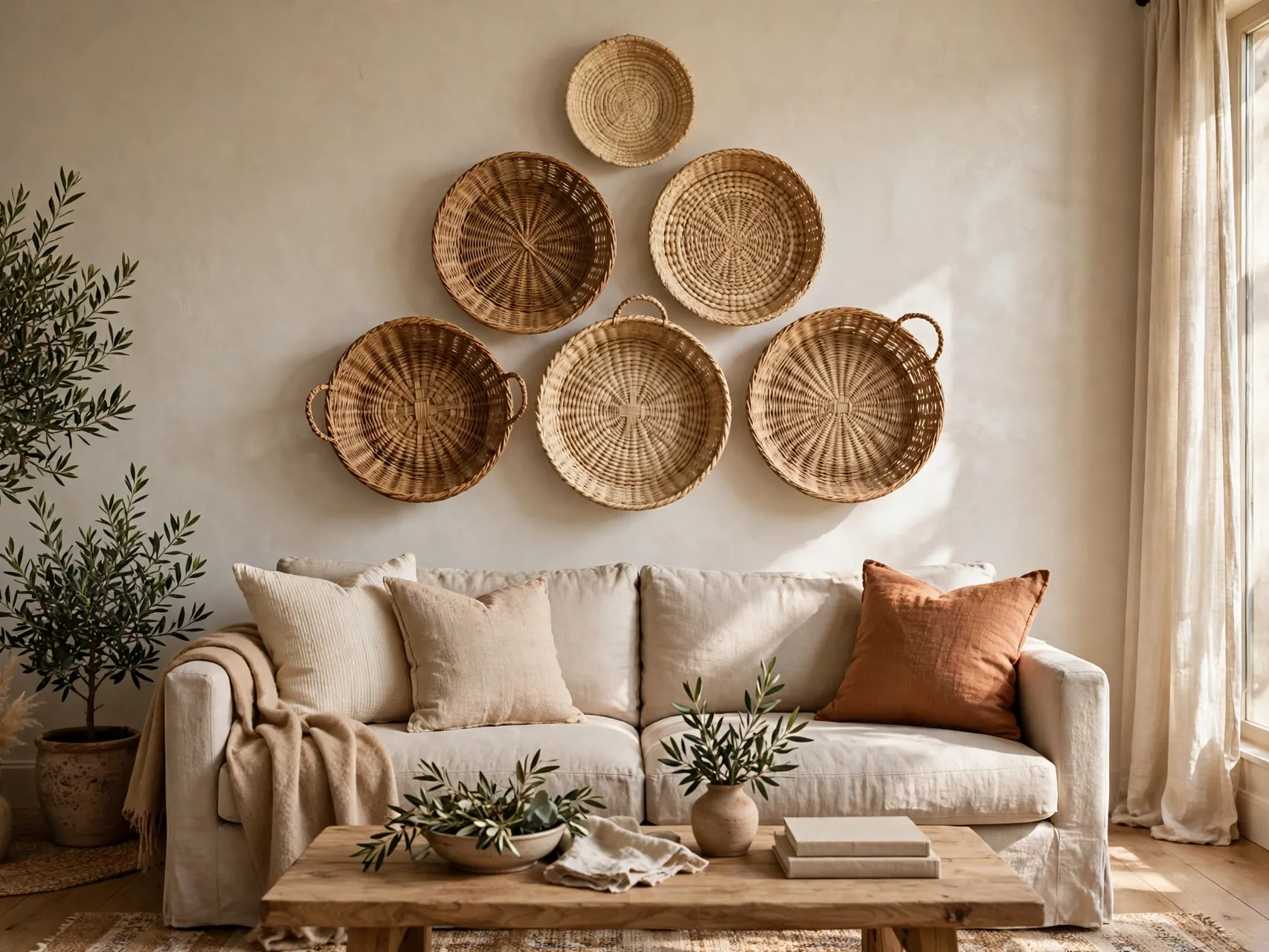
A basket wall is the signature Afrohemian wall treatment: handwoven baskets in varied sizes, weaves and natural tones, grouped like a loose constellation. It adds texture and shadow that flat art cannot, and it works above sofas, beds and entry consoles.
Plan the layout on the floor first, with five to seven baskets for most walls, the largest near the center and smaller ones stepping out. Hang each basket securely on a hook or nail suited to its weight, keep spacing uneven but related, and step back from the doorway to judge the whole group.
6. Let One Large Basket Anchor a Table
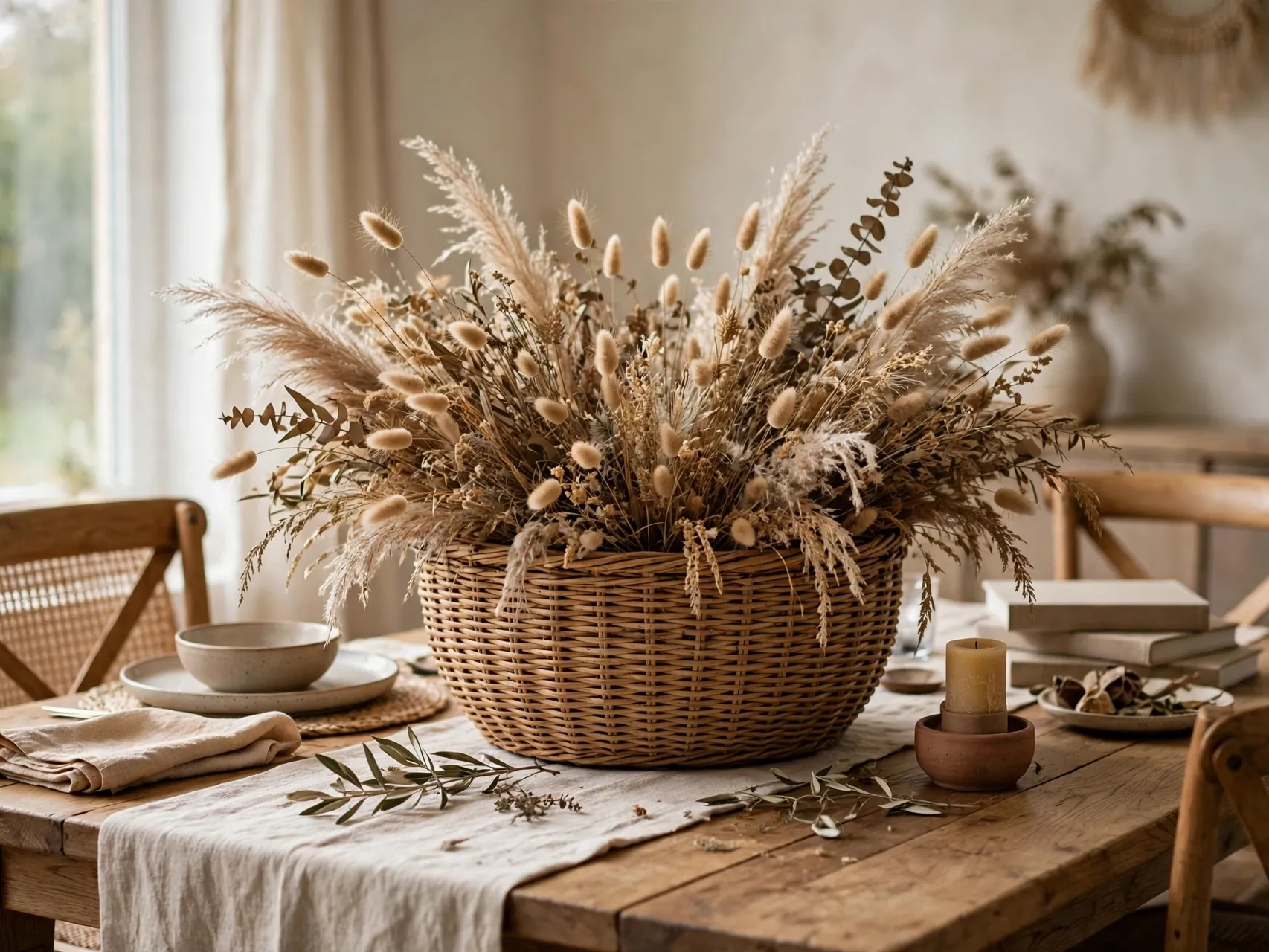
Not every basket belongs on a wall. One generous, well made basket as a centerpiece grounds a dining table, coffee table or kitchen island. Fill it simply with dried grasses, wooden beads, or seasonal fruit, and let the weave be the decoration.
Choose a basket with a stable base, and keep the filling low so people can see across the table. This is a good place to invest in a handmade piece from a named maker, since you will admire it daily.
7. Group Terracotta and Handmade Ceramics in Threes
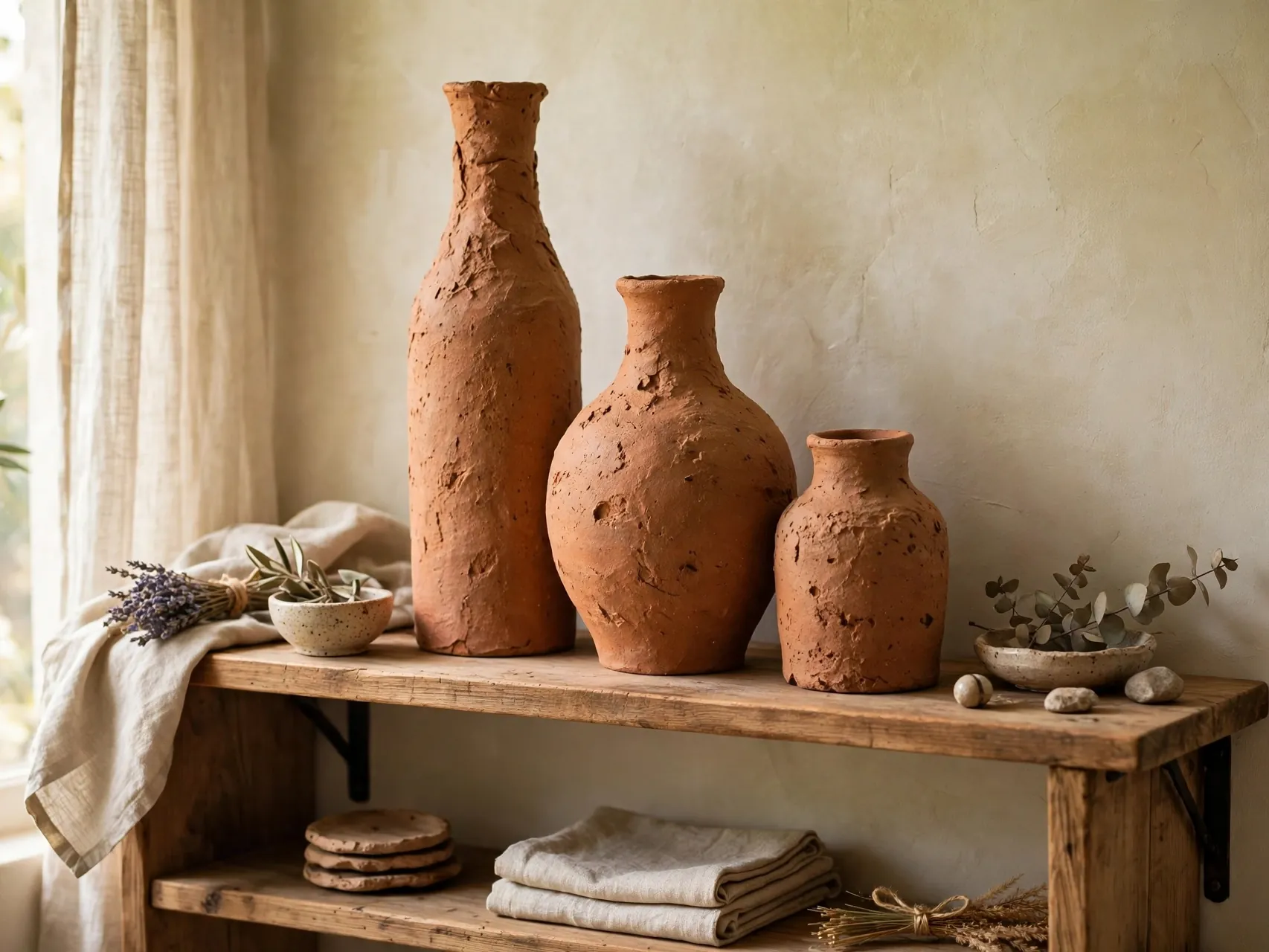
Clay belongs in every Afrohemian room. Group three handmade vessels in different heights on a shelf, mantel or sideboard, mixing one smooth piece, one textured piece, and one with a simple painted or carved detail. Odd groups look collected, not staged.
Terracotta, sand and charcoal finishes layer beautifully with wood and woven fiber. Leave some vessels empty and put dried stems in just one, so the shapes stay visible. If you collect slowly from local potters and African and diaspora ceramic artists, the group will carry real personal meaning.
8. Use a Carved Wood Stool as a Side Table

A carved wood stool does three jobs at once: side table, extra seat, and sculpture. Place one beside a sofa or reading chair with a book and a small bowl on top, and a plain corner gains weight, grain and handcrafted presence.
Look for solid, level pieces that sit steady, and keep heavy or hot items on a coaster or tray to protect the finish. Wood tones can vary across a room, in fact they should. A mix of honey, walnut and darker stained pieces feels gathered over time, which is the point.
9. Add a Rattan or Cane Accent Chair

One rattan or cane chair lightens an Afrohemian seating group and adds the woven texture the style loves. It works as a living room accent chair, a bedroom corner, or a sunny spot for morning coffee, especially with a patterned cushion on the seat.
Check that the weave is sound and the frame feels sturdy before you buy secondhand, and keep rattan out of prolonged damp or harsh direct sun. Add a small side table and a floor cushion nearby, and the chair becomes a destination, not just a place to drop clothes.
10. Layer a Natural Fiber Rug Under Pattern

Rug layering is the easiest way to get Afrohemian scale right. Start with a large, affordable natural fiber rug in jute or sisal that fills the seating area, then layer a smaller patterned rug on top, centered under the coffee table. The base calms the pattern and makes it feel intentional.
Make sure the bottom rug extends beyond the front legs of the sofa, and use rug pads to stop slipping and bunching. In a dining room, keep the patterned layer washable or skip it, since a flat natural weave alone still gives warmth and texture under a table.
11. Make Ethiopian Inspired Art the Focal Point
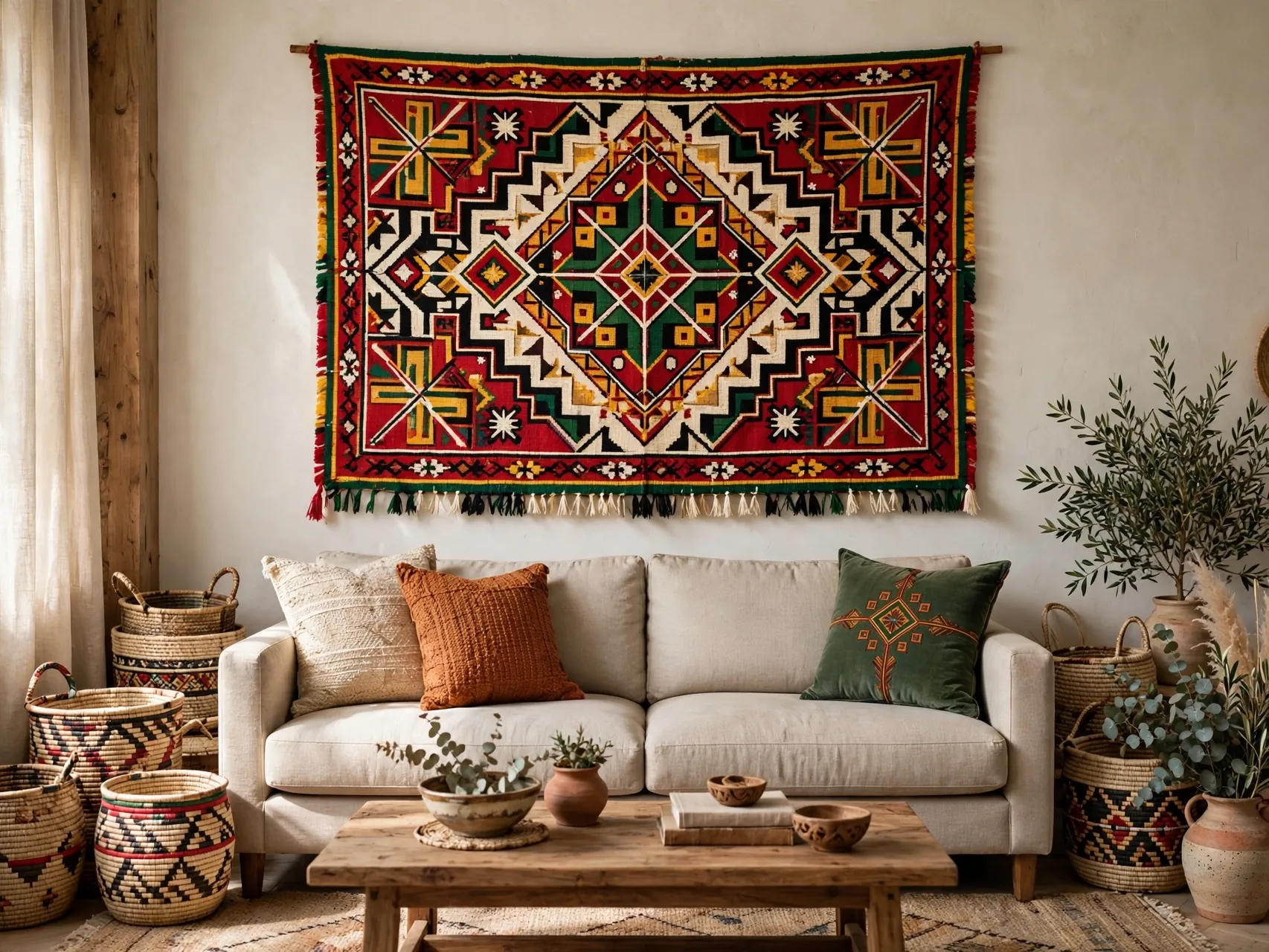
Pinterest Predicts 2026 points to Ethiopian wall art as part of this trend, and a single strong artwork can set the palette for a whole room. Hang one generous piece above the sofa or bed, then pull two of its colors into cushions, a throw or a rug.
Buy art from Ethiopian and diaspora artists where you can, or from sellers who credit the artist clearly. Hang the piece at eye level with secure fixings for its weight, and give it breathing room. One confident artwork with empty wall around it will always outshine a crowded gallery of small prints.
12. Hang a Bamboo Beaded Curtain in a Doorway
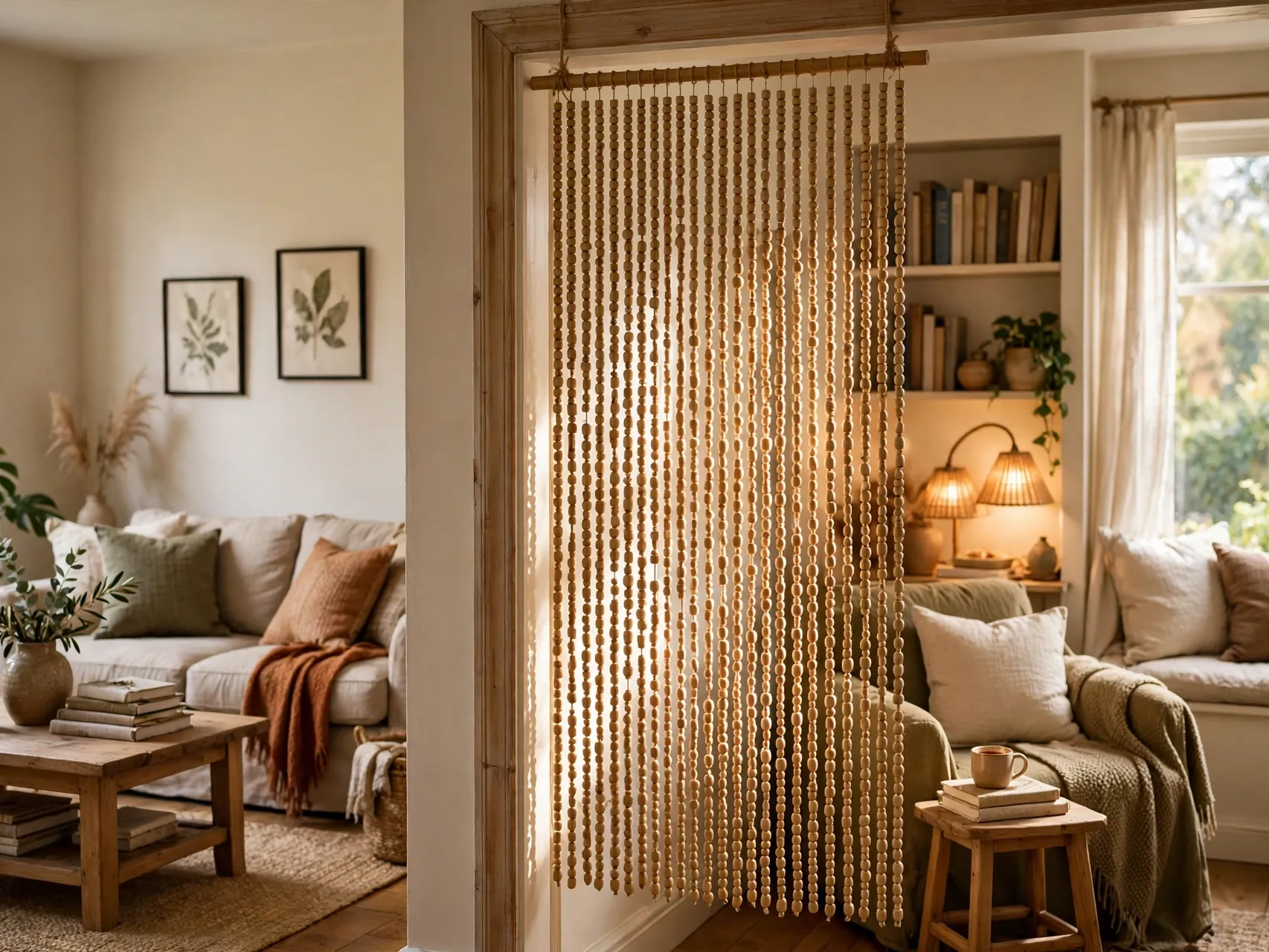
A bamboo beaded curtain adds movement, soft sound and pattern to a doorway, pantry opening or reading nook. Light filters through the beads during the day, and the gentle sway makes even a rental feel layered and personal without closing the space off.
Mount the curtain rod or header securely following the maker instructions, since the curtain will be touched and passed through daily. Keep one in a low traffic doorway if you have small children or pets who may tangle in it, and choose natural or warmly painted beads over novelty images for a lasting look.
13. Choose a Woven Pendant for Warm Overhead Light

Overhead light in an african boho home decor scheme should feel like sunset, not office light. A woven rattan, bamboo or seagrass pendant shades the bulb, casts soft patterned shadows, and becomes a ceiling focal point in dining rooms and bedrooms.
Use a warm bulb, around 2700K, and keep the bulb type and wattage within the fixture rating. Hang the pendant low enough over a table to feel intimate, but clear of heads and sight lines. Natural fiber shades need gentle dusting and should stay away from steam and moisture.
14. Create Low Floor Seating for Slow Gatherings

Floor cushions, poufs and a low tray table invite the relaxed, gathered feeling at the heart of bohemian living. Arrange two or three large cushions on a layered rug, add a woven pouf, and you have extra seating for games, tea and long conversations.
Choose sturdy cotton, mudcloth inspired or woven covers you can remove and wash, and keep the arrangement loose rather than symmetrical. Store one cushion in a large basket when you need floor space back. Low seating also suits small rooms, since it keeps sight lines open and the room feeling larger.
15. Layer Throws With Pattern, Then Edit

Throws are where pattern confidence grows. Layer one patterned throw, like a mudcloth or kente inspired design, with one solid woven blanket in an earthy color. Fold the patterned piece over the sofa arm or the foot of a bed, where its design can be read clearly.
The editing step matters as much as the adding. If a chair holds three throws, remove one. Richness comes from varied texture, not from covering every surface in print. One pattern per seat, supported by solids, is a reliable rule.
16. Warm the Room With Brass in Small Doses

Brass, bronze and other warm metals glow against terracotta, indigo and dark wood. Use them in small, useful doses: a tray on the coffee table, a bowl for keys, candle holders on the mantel, or picture frames in a gallery group. A little shine lifts all the matte texture around it.
Mixing one warm metal is calmer than mixing three, so pick brass or bronze and repeat it three times in a room. Keep real candles in sturdy holders, away from fabrics, and never leave them unattended. Flameless candles in brass holders give the same evening gleam with less worry.
17. Fill Basket Planters With Big, Leafy Plants
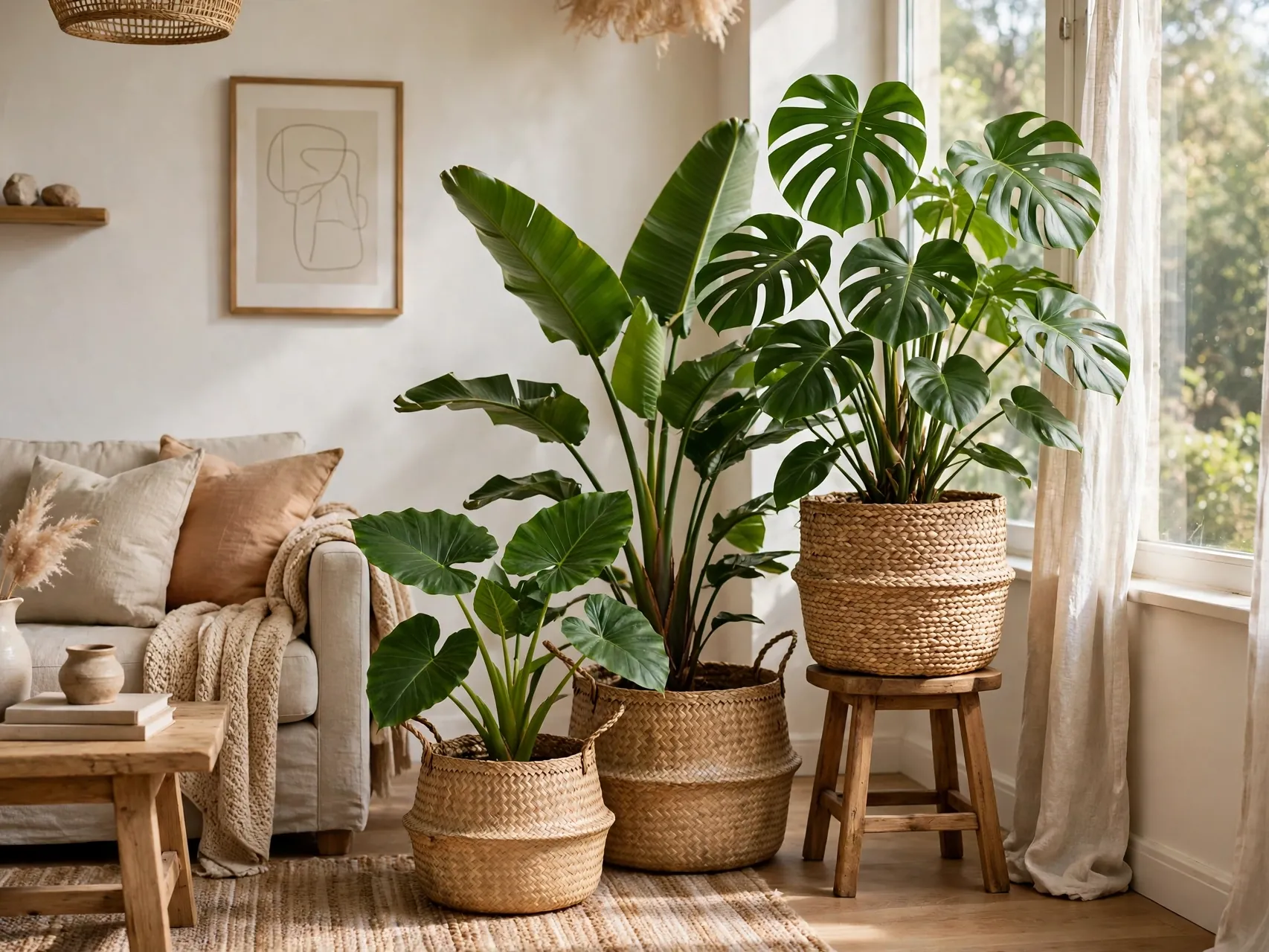
Plants are living pattern in an Afrohemian room. Group a tall plant, a medium plant and a trailing plant at different heights, and dress plain nursery pots in seagrass or woven basket planters. Snake plants, monsteras and rubber plants all hold their own beside bold textiles.
Keep a waterproof saucer or liner inside each basket planter so watering does not damage the weave, and rotate plants toward the light so they grow evenly. A plant corner beside the basket wall or the rattan chair ties the whole scheme together, green against natural fiber and warm wood.
18. Hide Everyday Clutter in Handwoven Storage

Afrohemian style looks collected only when everyday clutter has a beautiful home. Use lidded and open handwoven baskets for throws, remotes, chargers, toys and magazines. A large basket beside the sofa and two smaller ones on shelves will calm most living rooms.
Assign each basket one job, so tidying stays fast. Choose sturdy weaves for heavy items like books, and softer baskets for textiles. Storage from artisan sellers supports makers while solving a real problem.
19. Wash One Wall in a Clay or Limewash Tone
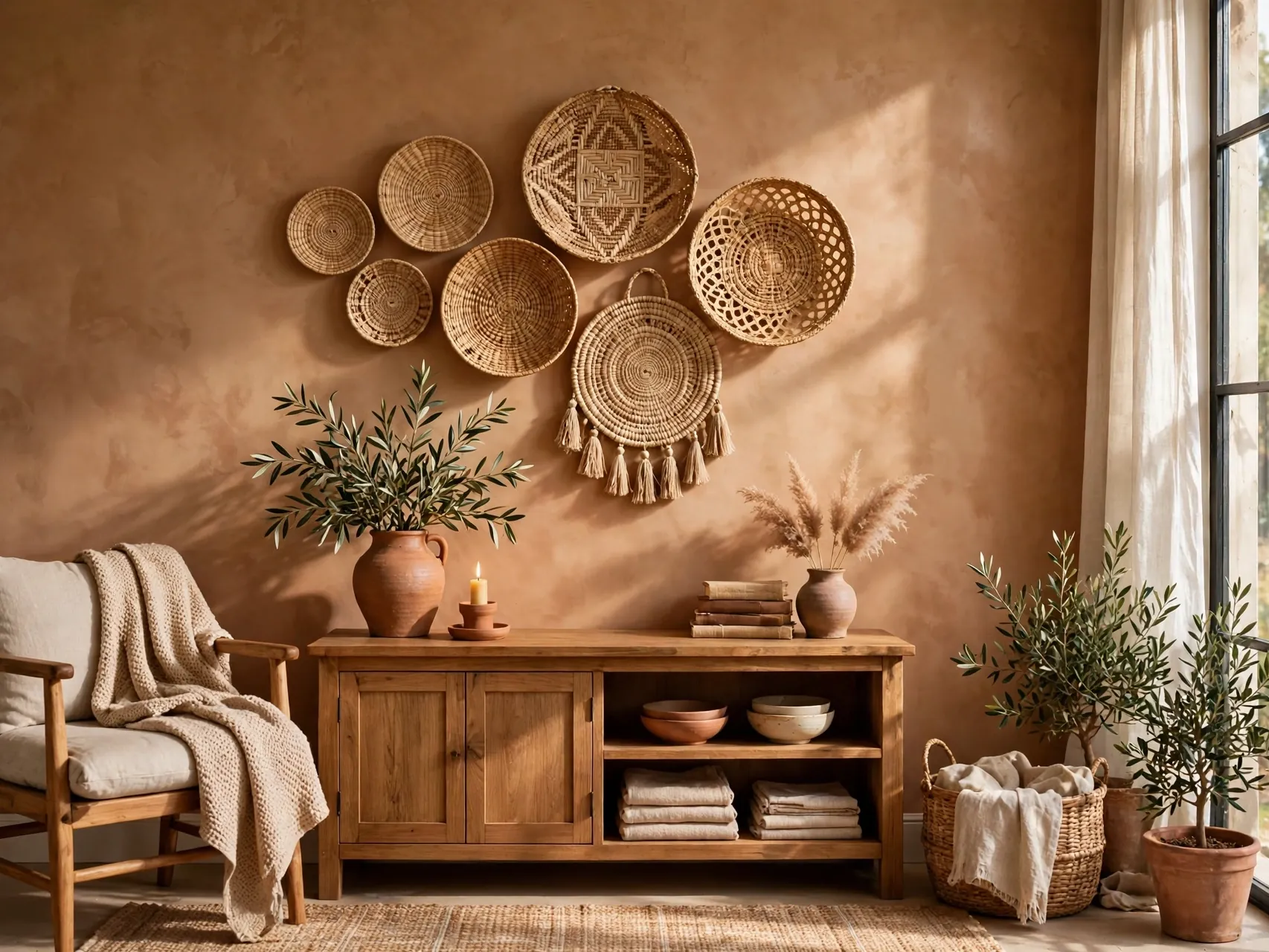
If white walls feel too flat for the textiles you love, try one wall in a clay, terracotta or warm ochre limewash finish. The soft, cloudy color gives mudcloth, baskets and carved wood a rich backdrop, and it changes gently with daylight through the day.
Test the color large and live with it in morning and evening light before committing. Keep the other walls warm white so the room stays bright, ventilate well while painting, and follow the paint maker directions. One colored wall plus patterned textiles is plenty, if the room starts to shout, remove pattern, not color.
20. Mix Art, Textile and Wood on One Gallery Wall
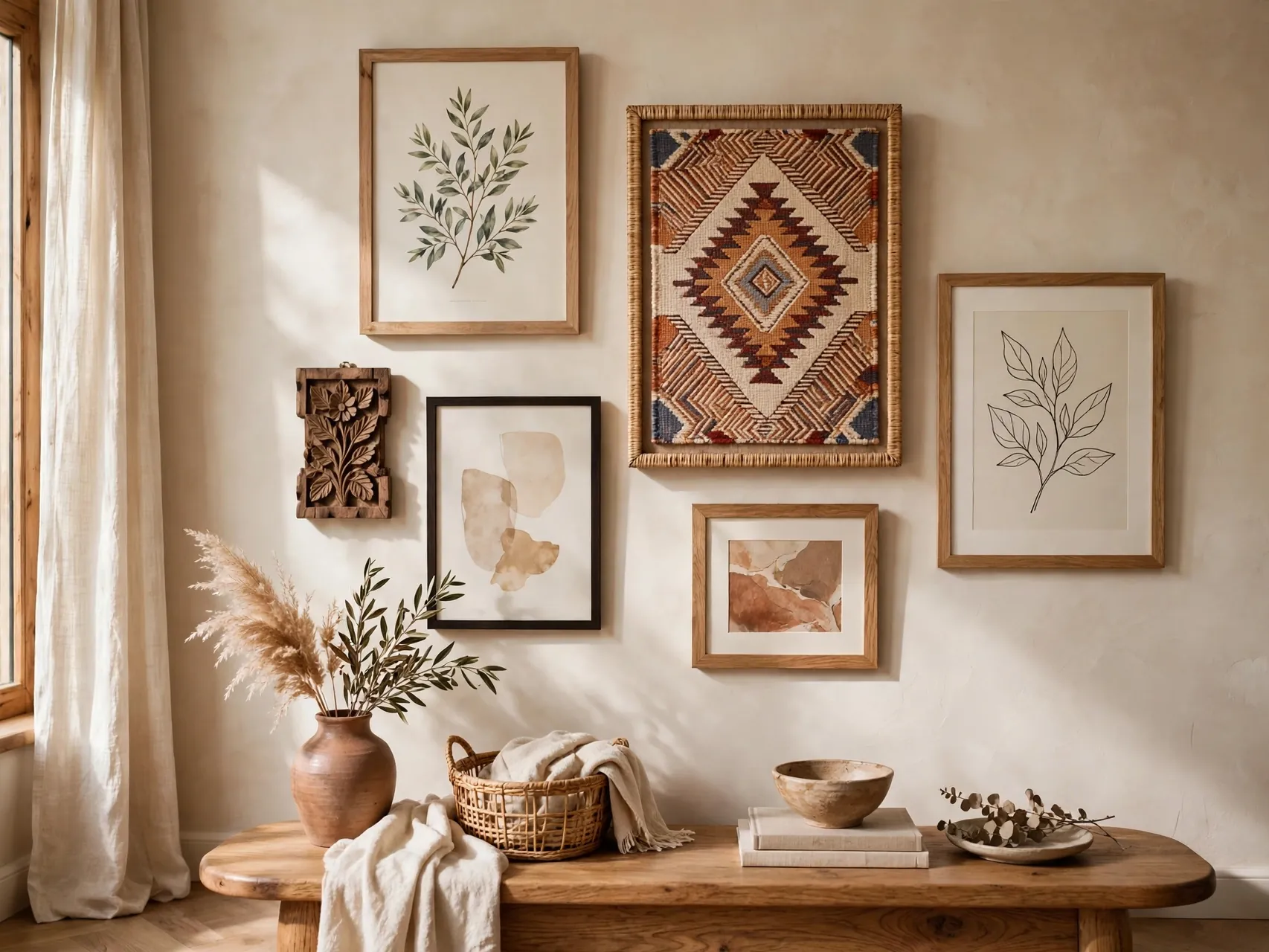
A gallery wall with more than pictures feels truly Afrohemian. Combine two framed artworks, one framed textile panel, a small basket and a carved wood piece on a single wall, arranged around one central item. The mix of flat, woven and carved surfaces creates rhythm and shadow.
Lay the arrangement on the floor or with paper templates first, keep spacing consistent, and hang heavier carved pieces and frames on fixings rated for their weight, into studs where possible. Start the group at eye level in the center and build outward, stepping back often to check balance.
21. Bring the Pattern Into the Bedroom, Softly

Bedrooms need the calm version of this style. Keep bedding mostly white, cream or natural linen, then add pattern in two places only: mudcloth or adire pillows at the head, and one patterned throw folded across the foot of the bed. The room stays restful but unmistakably layered.
Add a woven basket for extra blankets, a clay lamp base or carved stool as a nightstand, and one artwork above the bed, hung securely. Warm, low lamplight suits these textures beautifully. This is afro chic home decor at its most liveable, bold at the edges and quiet where you sleep.
22. Style the Entryway as a First Chapter

The entry sets the story for the whole home, so give it one console, one mirror or artwork, one basket and one textile. A patterned runner on the floor, a clay vase with dried stems, and a brass bowl for keys cover beauty and daily function in a very small footprint.
Keep the styling useful: a lidded basket for gloves, a hook rail for bags, and clear floor space for shoes coming in. If your entry is just a wall beside the front door, a framed textile panel and a single large basket will still announce the style honestly and warmly.
23. Buy One Hero Artisan Piece, Slowly and Well

The most Afrohemian decision is not a purchase, it is patience. Choose one hero piece you will keep for years, a hand carved chair or stool, a genuine handwoven textile, a large basket or an original artwork, and buy it from a maker or seller you can name and credit.
Research the origin, materials and care before you buy, and expect handmade variation. Let that piece lead the room, and build the rest around it over months. A room grown this way will never look themed, because every layer has a story.
FAQ
What is Afrohemian decor, in simple terms?
Afrohemian decor blends African design traditions with relaxed bohemian layering. In practice that means a warm neutral base, textiles such as mudcloth, kente inspired cloth and adire, handwoven baskets and natural fiber rugs, carved wood and clay, plus plants and warm metals, all arranged in a collected, personal way rather than a matching set.
How do I use Afrohemian style respectfully?
Learn the name and origin of the textiles and objects you bring home, buy from African and diaspora makers and fair trade sellers where you can, and credit artists when you share photos. Avoid costume style use of cultural or ceremonial objects, and choose genuine craft or honest inspired pieces from sellers who describe origins clearly.
What colors work best for an Afrohemian living room?
Start with warm neutrals, cream, sand, clay and warm white, then layer terracotta, ochre, rust and deep brown. Add contrast with black, indigo from adire, and the jewel tones in kente inspired cloth, plus green from plants. Keeping the largest surfaces neutral lets you change the accent colors with textiles as seasons and tastes shift.
Can Afrohemian decor work in a small apartment?
Yes, and it can make a small space feel richer without making it feel crowded. Use high impact, low footprint pieces: one patterned throw, a small basket wall, a natural fiber rug, and woven storage that hides clutter. Keep walls light, use vertical space for art and baskets, and repeat the same two or three colors so the room reads as one calm story.
Where should a beginner start on a small budget?
Start with textiles and texture, not furniture. One mudcloth inspired pillow pair, a thrifted rattan piece, a jute rug, terracotta pots and a large plant in a basket planter deliver most of the look for very little. Save for one authentic artisan piece later, and let the room grow slowly. Slow collecting is not a compromise in this style, it is the style.
Key Takeaways

- Calm base, rich layers: Warm neutral walls and furniture let mudcloth, adire, baskets and carved wood carry the color and pattern.
- Know your textiles: Mudcloth from Mali, kente traditions from Ghana and adire from Nigeria each bring a distinct pattern, color and story to a room.
- Texture does the work: Woven fiber, clay, wood, rattan and natural rugs create Afrohemian richness even before you add bold color.
- Source with respect: Buy from African and diaspora makers, fair trade shops and honest sellers, and let one hero artisan piece lead the room.
- Edit as you add: One pattern per seat, groups of three for ceramics and baskets in odd numbers keep rooms feeling collected, not cluttered.
Save these afrohemian decor ideas to Pinterest and pin the idea you will try first.