22 Best Plants for Bedroom Spaces to Help You Sleep
Introduction
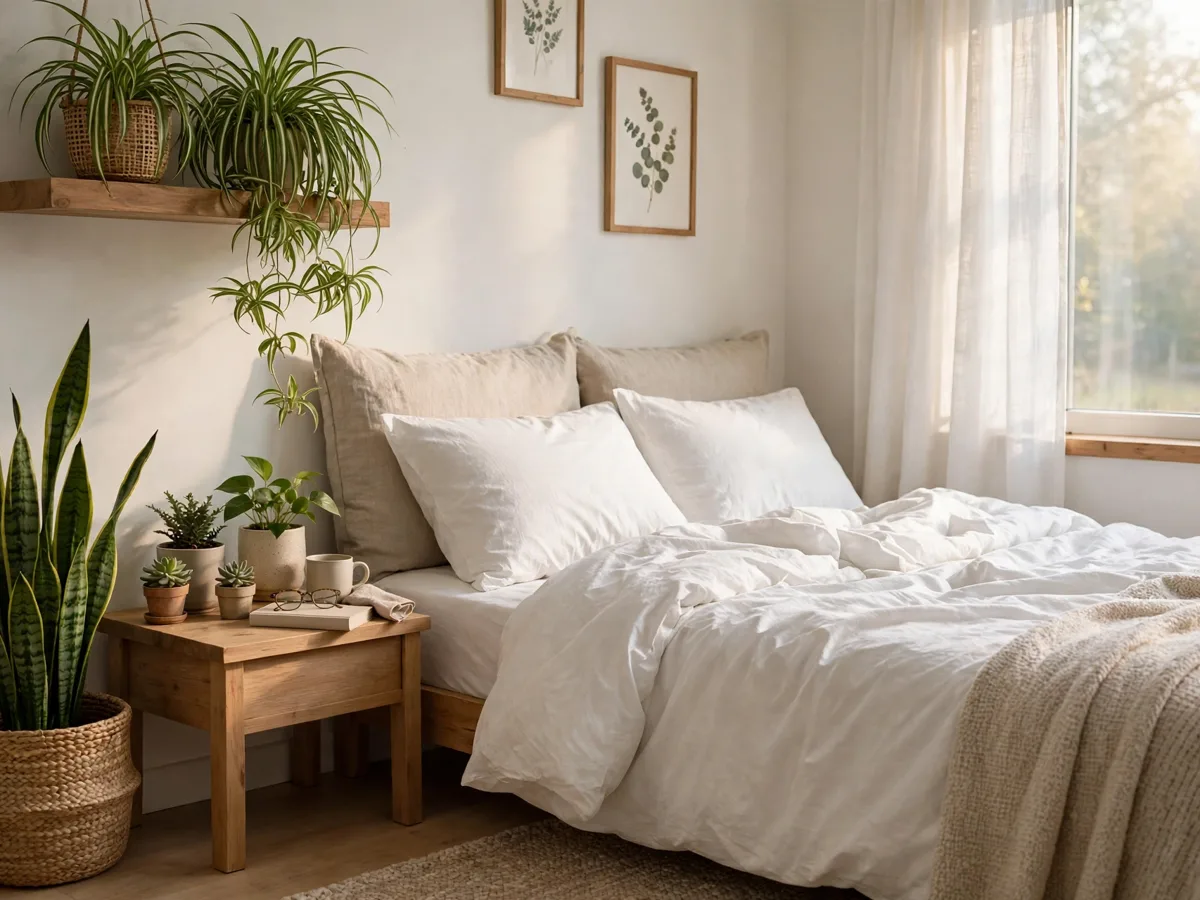
A calmer bedroom often starts with something living and green in the corner. The best plants for bedroom spaces are not magic sleep cures, they are easy, forgiving plants that suit low light, missed waterings and a room that stays shut all day, while making the space feel softer and more restful.
Honesty first. The famous NASA Clean Air Study from 1989 tested plants in small sealed chambers, and later reviews, including work from Drexel University, found you would need a very large number of plants in a normal ventilated room for a measurable air cleaning effect. Choose bedroom plants for beauty, ritual and calm, and open a window for fresh air.
Pet safety matters in a bedroom, where a curious cat or dog can reach a nightstand plant at 3 a.m. Every plant below is flagged using ASPCA listings: toxic plants are clearly marked so you can place them out of reach or skip them, and pet safer choices are marked too.
Start with one or two plants matched to your real light, a bright sill, a dim corner or a hanging spot, and build slowly. A plant you can keep alive happily beats a crowded jungle you resent watering, and a simple bedtime routine of dimming lights and checking your plants is its own quiet wind down.
1. Snake Plant for the Forgetful Waterer
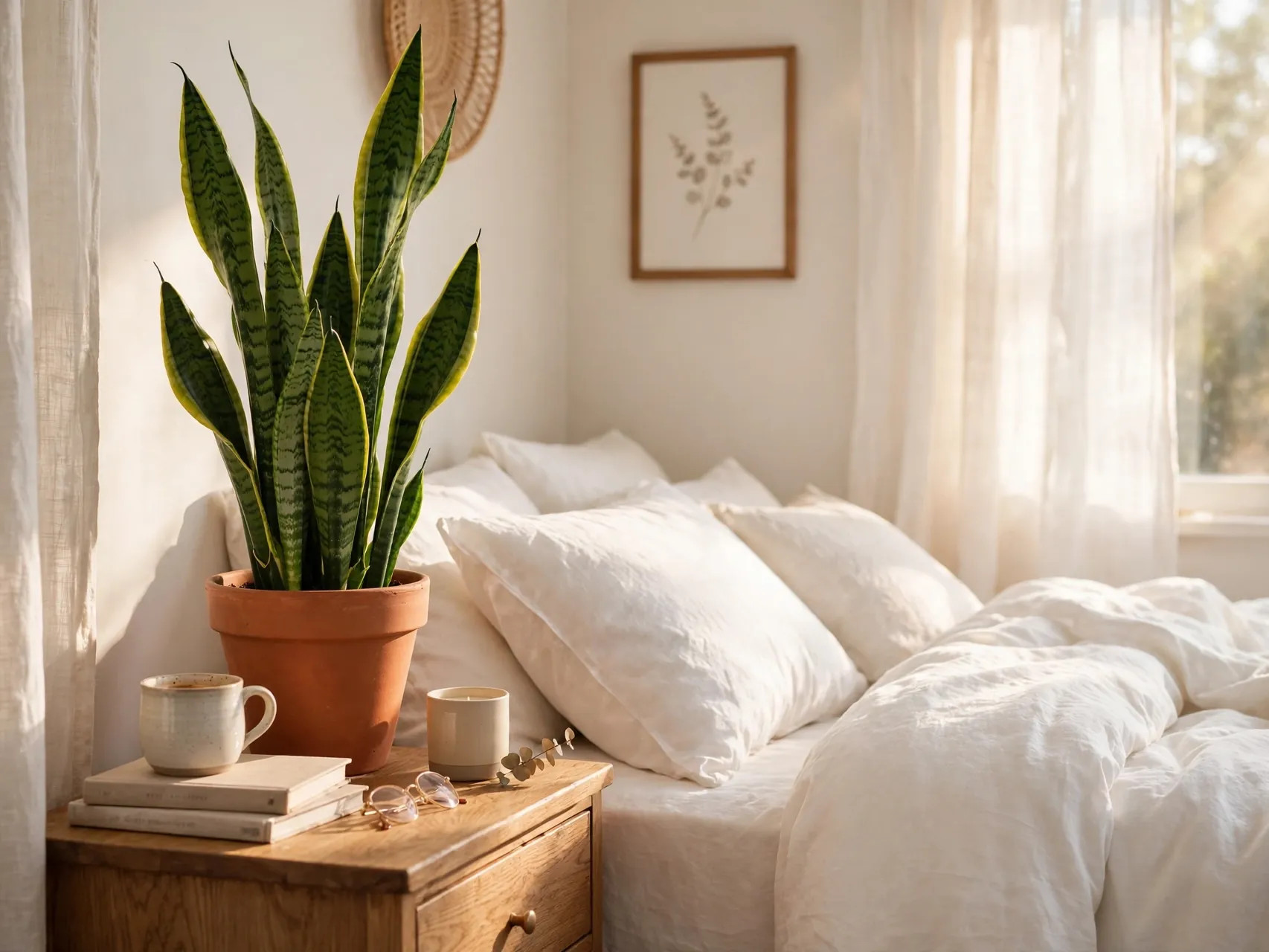
Upright, sculptural and famously hard to kill, the snake plant tolerates low light, bright light and weeks between waterings, which makes it ideal for a bedroom corner or beside a dresser. Let the soil dry out fully between drinks and use a pot with drainage to avoid root rot.
Pet note: the ASPCA lists snake plant as toxic to cats and dogs, because its saponins can cause nausea and stomach upset if chewed. Place it where pets cannot nibble, such as a tall stand, or choose a pet safer plant from this list if your animals graze on leaves.
2. Spider Plant, the Pet Safer Classic

With arching striped leaves and baby plantlets that dangle and root easily, the spider plant is cheerful on a shelf, in a hanging basket or on top of a wardrobe. It likes bright indirect light but copes with medium light, and it forgives an occasional missed watering.
Pet note: the ASPCA lists spider plant as non-toxic to cats and dogs, making it one of the safest first bedroom plants for pet homes. Cats may still bat at the dangling leaves, so a hanging spot protects the plant as much as the pet. Propagate the babies for free plants.
3. Golden Pothos for Trailing Shelves
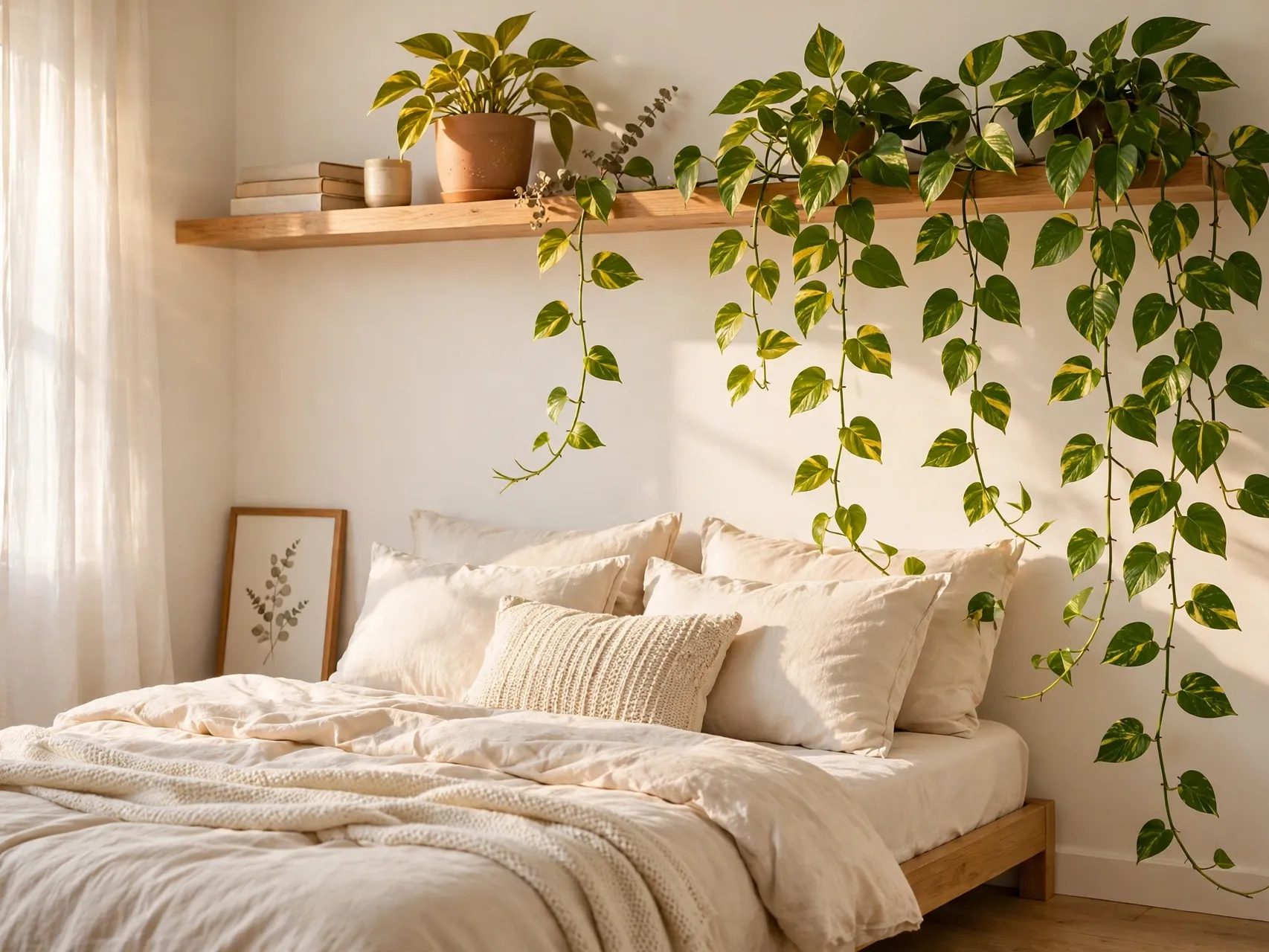
Pothos trails beautifully from a high shelf, bookcase or hanging planter, with heart shaped leaves that keep growing in low to medium light. Water when the top of the soil feels dry, and trim long stems to keep the plant full rather than leggy.
Pet note: the ASPCA lists pothos as toxic to cats and dogs, since its calcium oxalate crystals irritate the mouth and stomach if chewed. Grow it high and out of reach, trailing where no pet can pull a stem down, or pick peperomia below for a safer trailing look in pet bedrooms.
4. Peace Lily for Soft White Blooms
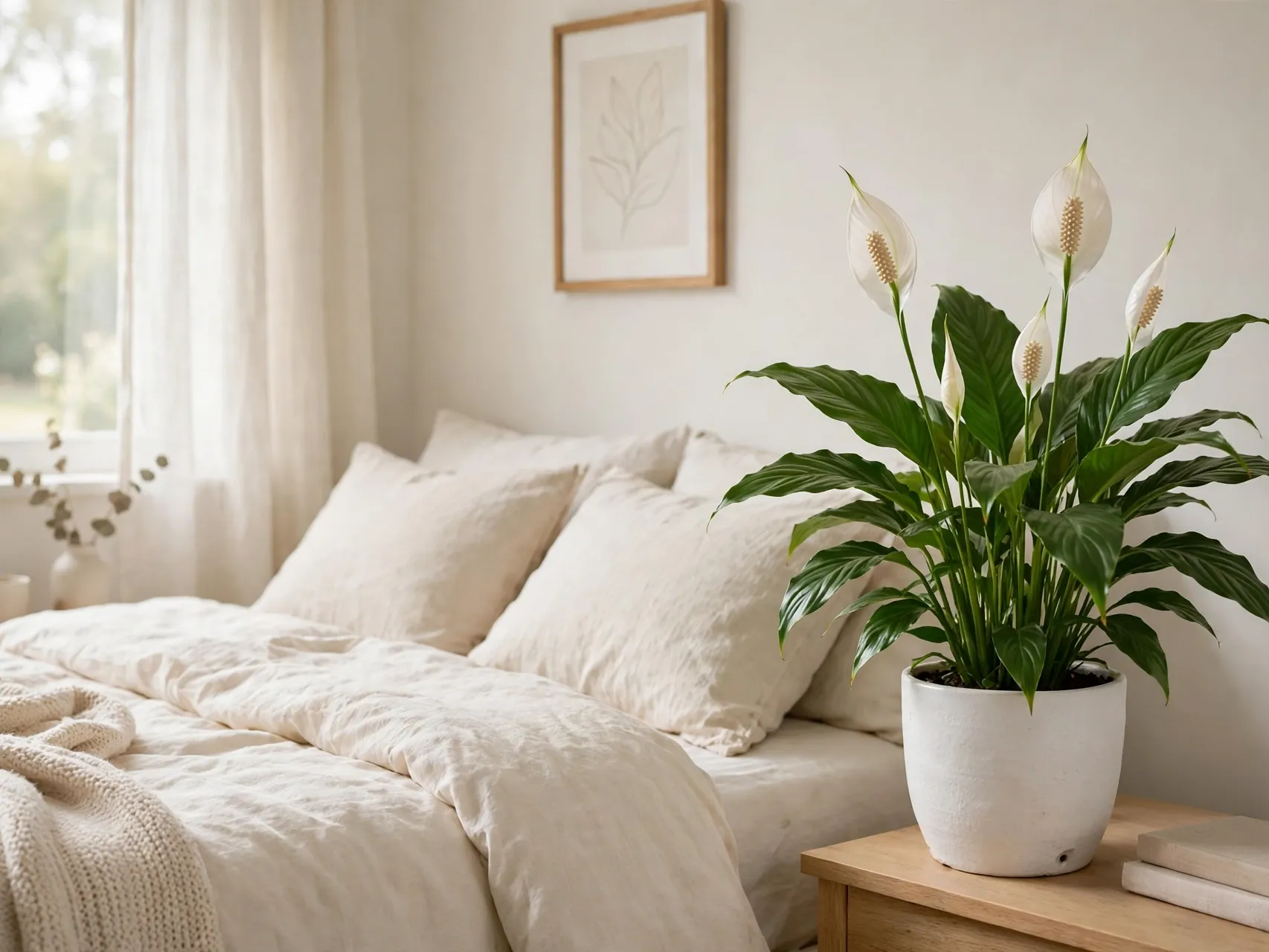
The peace lily brings glossy leaves and gentle white flowers to a shaded bedroom corner, and it tells you clearly when it is thirsty by drooping, then perking up after watering. Keep the soil lightly moist and wipe dust from the leaves so they shine and photosynthesize well.
Pet note: the ASPCA lists peace lily as toxic to cats and dogs, causing mouth irritation and drooling if chewed. True lilies are a separate and far more serious danger to cats, but peace lilies still belong out of pet reach, on a dresser or stand a pet cannot climb to.
5. Lavender for a Sunny Windowsill

A small lavender plant on a bright bedroom sill brings the scent most people associate with calm evenings, plus pretty purple flowers in season. Lavender needs more sun and sharper drainage than most plants on this list, so it suits only genuinely sunny windows.
Pet note: the ASPCA lists lavender as toxic to cats and dogs, so keep the pot on a sill pets cannot reach, or enjoy the scent through dried lavender in a drawer instead. Nothing here guarantees better sleep, but a scent you love as part of a steady bedtime routine can help the room feel like rest.
6. Aloe Vera for a Bright, Dry Corner
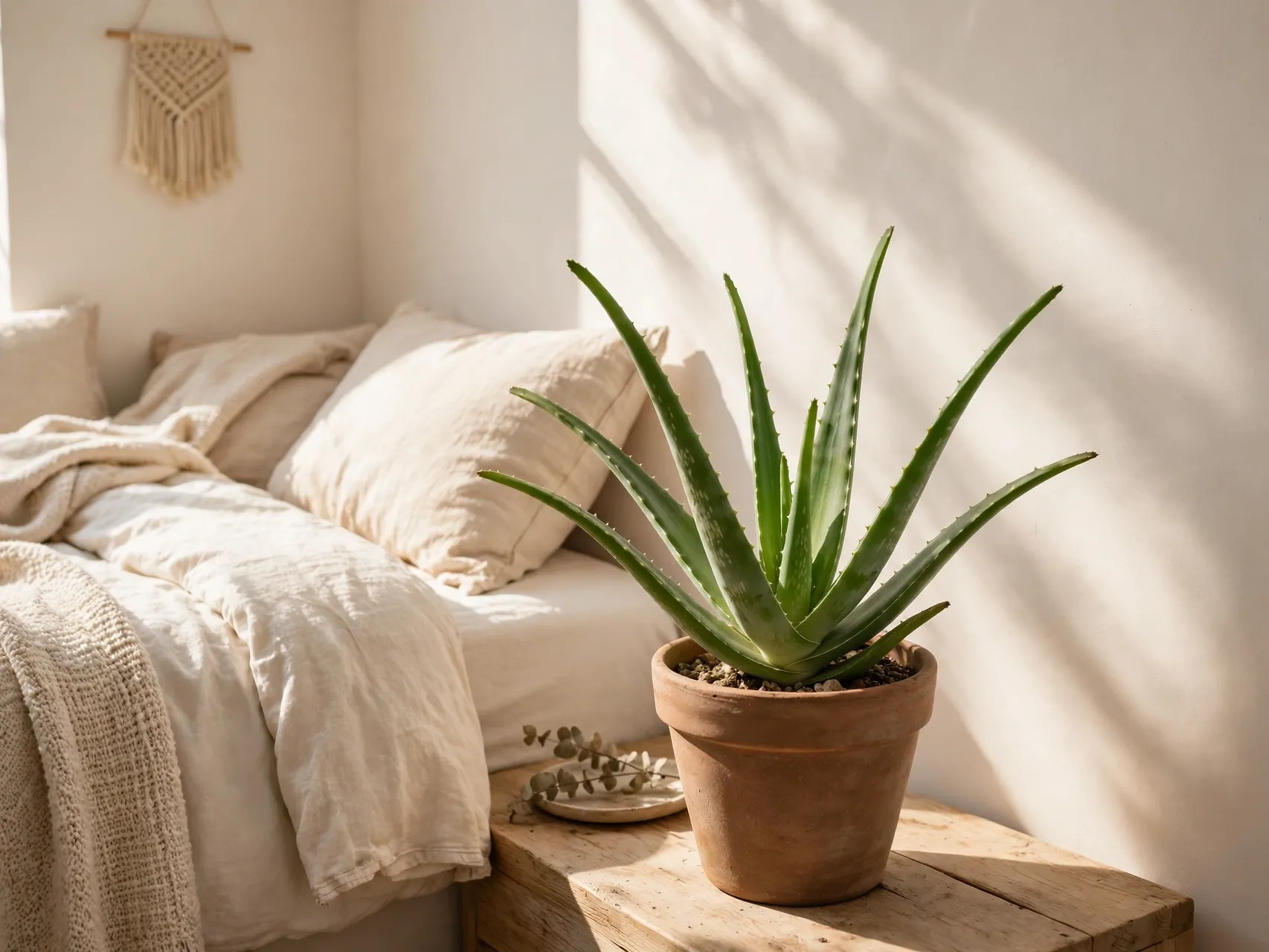
Aloe is a sculptural succulent for a sunny sill or bright dresser, asking for very little water and a gritty, fast draining soil. Its gel has a long history in home first aid for minor skin scrapes, though the plant earns its bedroom place mainly through looks and toughness.
Pet note: the ASPCA lists aloe vera as toxic to cats and dogs, with the latex under the leaf skin linked to vomiting and diarrhea if eaten. Keep aloe on a high, bright shelf away from pets, and never let a pet home treat it as a harmless snack plant.
7. ZZ Plant for the Darkest Corner

Glossy, upright and almost sculptural, the ZZ plant stores water in thick rhizomes under the soil, so it survives low light and long gaps between waterings better than almost any other bedroom plant. It is the answer for a north facing room or a corner far from windows.
Pet note: the ASPCA lists ZZ plant as toxic to cats and dogs, because it contains calcium oxalate crystals. Its tough leaves are rarely nibbled, but place it out of reach in pet homes all the same, and wash your hands after pruning or dividing it.
8. Parlor Palm for Gentle, Pet Safer Height

The parlor palm gives a small bedroom soft, feathery height without outgrowing its corner too fast. It tolerates medium light, prefers evenly moist soil, and suits a floor spot beside a wardrobe or reading chair where its fronds soften hard lines.
Pet note: the ASPCA lists parlor palm as non-toxic to cats and dogs, so it is a reassuring choice for a floor plant in pet homes. Keep a consistent watering rhythm, mist in very dry heated rooms, and turn the pot now and then so growth stays even on all sides.
9. Boston Fern for a Bright, Humid Feel
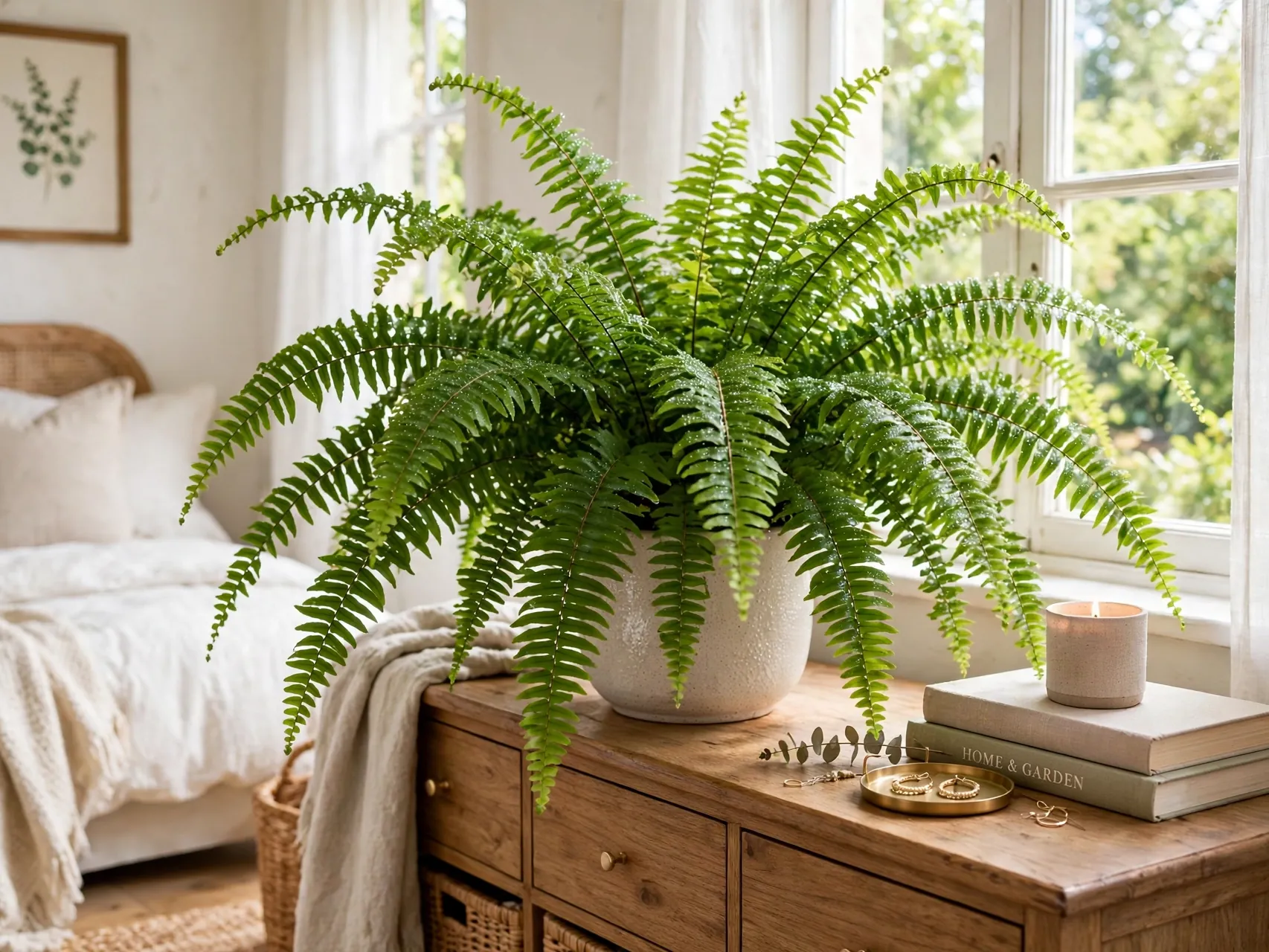
A Boston fern on a stand or hanging near a bright window brings lush, old fashioned softness to a bedroom, and it enjoys the humidity of an en suite bathroom nearby. It asks for consistent moisture and will drop leaflets if the soil dries out completely.
Pet note: the ASPCA lists Boston fern as non-toxic to cats and dogs, making it a kind pick for pet bedrooms that get good light. Keep the soil damp but not soggy, trim brown fronds at the base, and stand the pot on a pebble tray if your winter heating dries the air.
10. Calathea for Patterned Evening Leaves

Calathea leaves carry painted looking stripes and patterns, and many varieties fold their leaves upward at night, a quiet daily rhythm that suits a sleep space. They prefer indirect light, steady moisture and water without too many minerals, which can crisp the leaf edges.
Pet note: calathea is listed by the ASPCA as non-toxic to cats and dogs, so patterned foliage is safe to keep near the bed in pet homes. Group calathea with other plants to raise local humidity, and keep it away from cold drafts and heating vents.
11. Peperomia for Small Nightstand Pots

Compact, varied and unfussy, peperomias fit where bigger plants cannot: the corner of a nightstand, a narrow shelf, a windowsill ledge. Many types have thick, water storing leaves, so they forgive irregular watering and stay tidy without pruning.
Pet note: peperomia species are listed by the ASPCA as non-toxic to cats and dogs, which makes them perfect small plants for a bedside within paw reach. Give bright indirect light for the fullest growth, let the top of the soil dry between waterings, and rotate the pot weekly.
12. English Ivy for a Cool, Trailing Touch
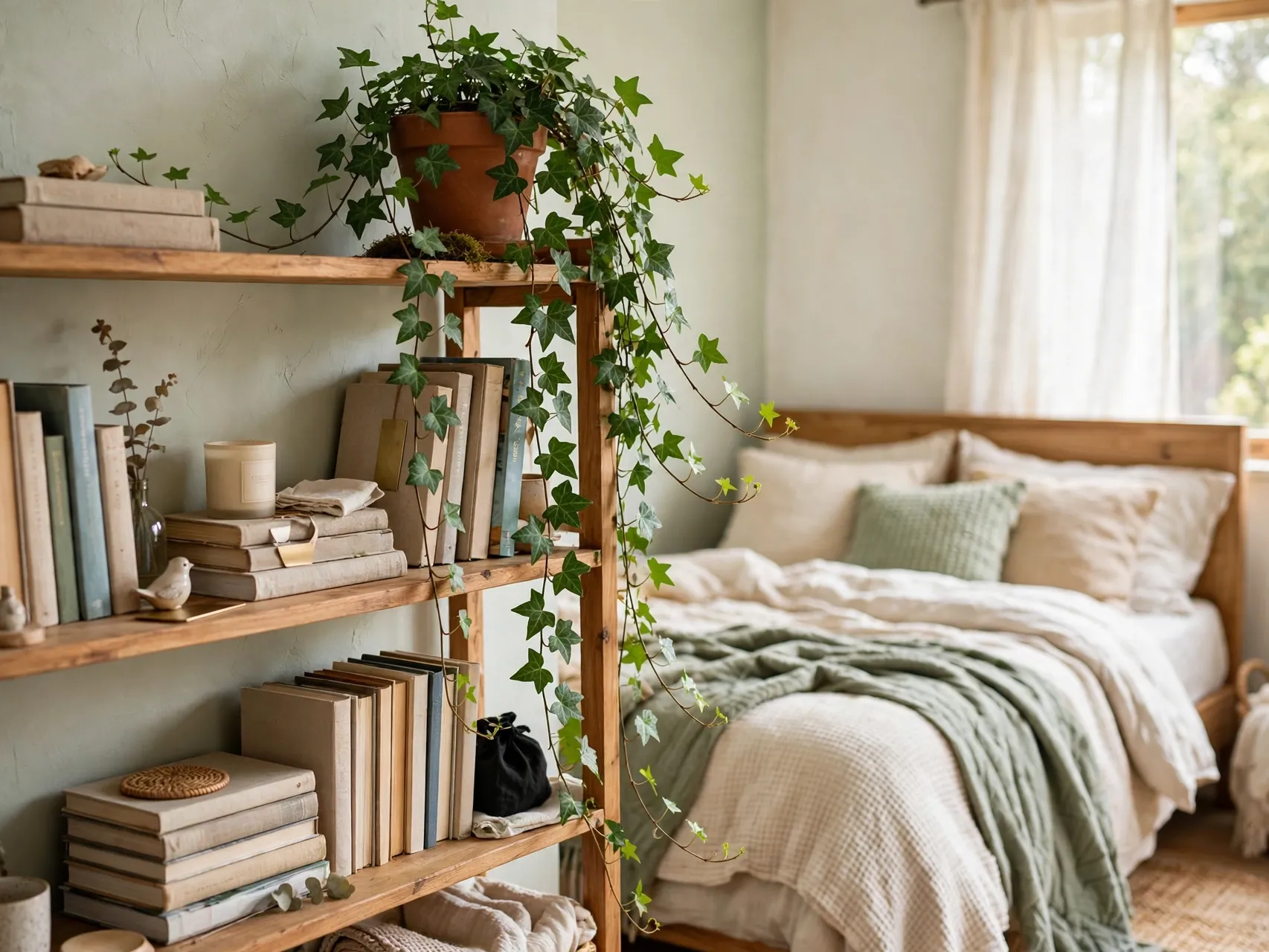
English ivy trails elegantly from a tall shelf or hanging basket and prefers the cooler temperatures many people keep in a bedroom at night. Give it bright indirect light and even moisture, and pinch the tips to keep it bushy instead of stringy.
Pet note: the ASPCA lists English ivy as toxic to cats and dogs, so it belongs high and out of reach in pet homes, with fallen leaves tidied away promptly. Check leaves now and then for pests, because ivy can attract them indoors, and a quick shower in the sink solves most early problems.
13. Heartleaf Philodendron for Easy Vines
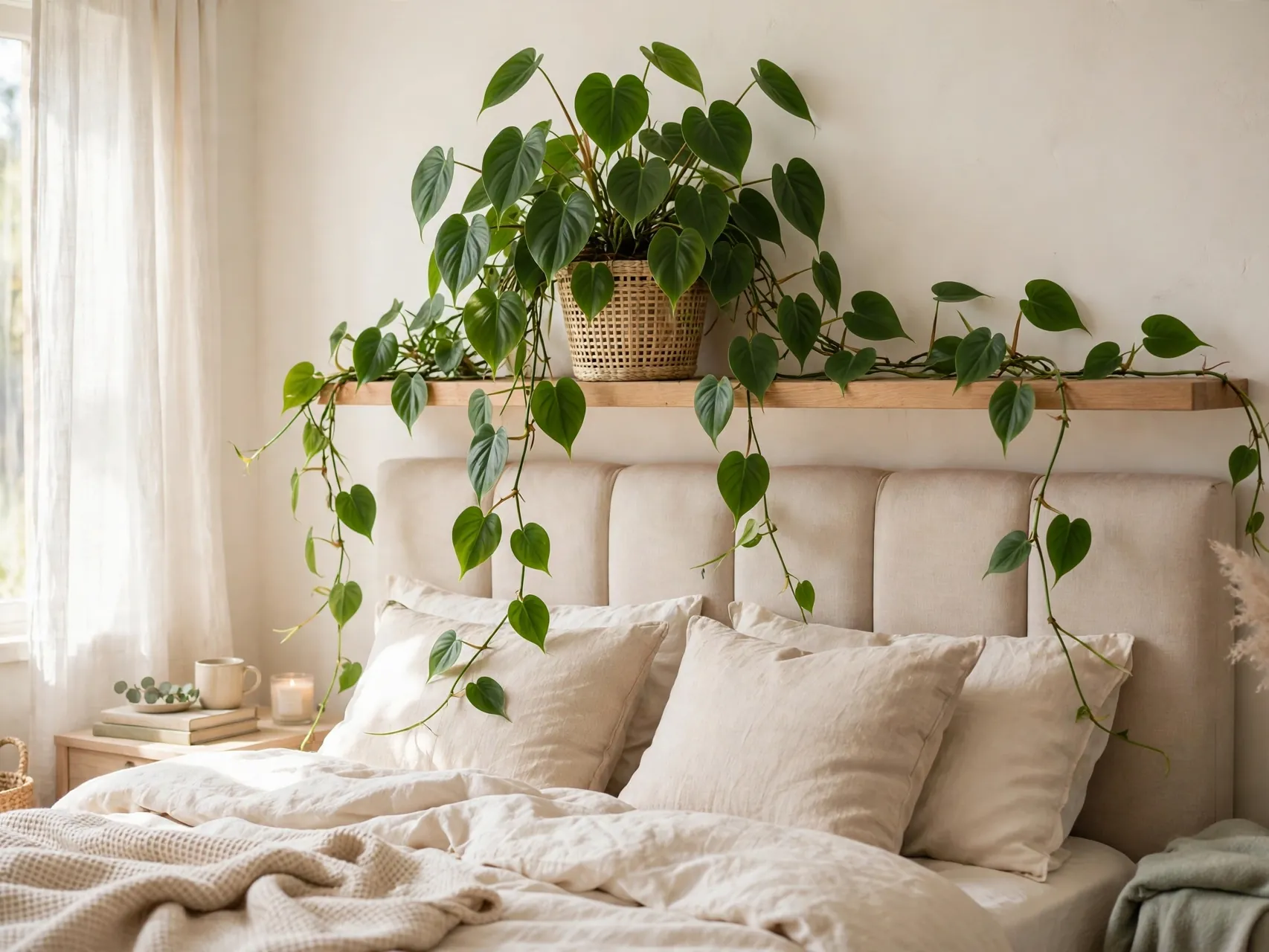
Soft heart shaped leaves on forgiving vines make heartleaf philodendron a bedroom staple for shelves and hanging pots. It tolerates medium light and missed waterings, roots easily from cuttings in water, and grows fast enough to feel rewarding within weeks.
Pet note: the ASPCA lists heartleaf philodendron as toxic to cats and dogs, due to calcium oxalate crystals that irritate the mouth if chewed. Train vines along high shelves or wall clips where pets cannot reach, and gift your rooted cuttings only with the toxicity note passed on.
14. Rubber Plant for One Bold Statement
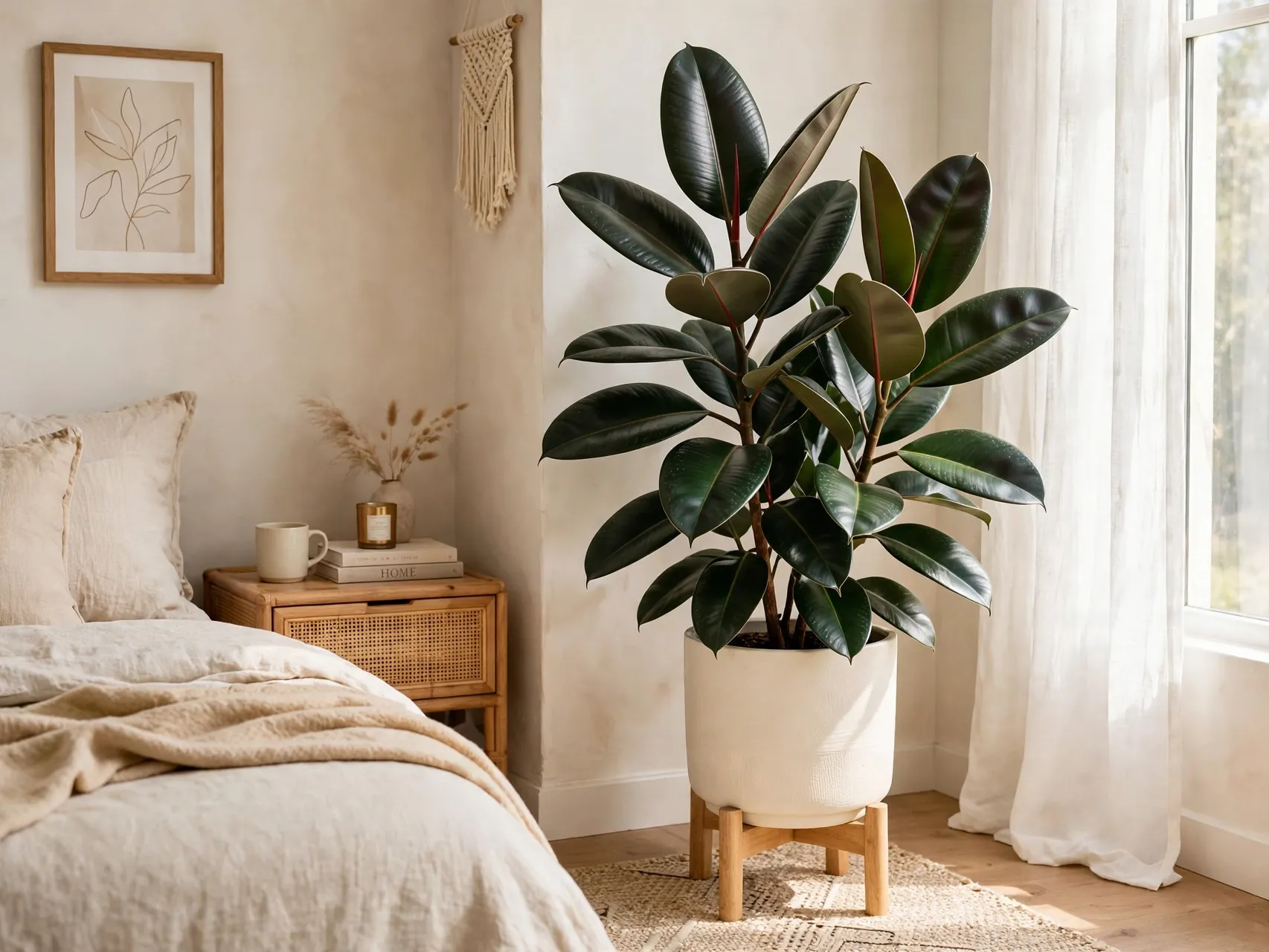
A rubber plant brings big, glossy, architectural leaves that turn an empty bedroom corner into a focal point. It likes bright indirect light, steady watering when the top soil dries, and an occasional leaf wipe to keep the foliage shining.
Pet note: the ASPCA lists rubber plant as toxic to cats and dogs, and its milky sap can irritate skin and stomachs. Keep it in a floor corner pets pass but do not chew, or choose a parlor palm for a safer statement plant. Stake young plants to keep the trunk straight.
15. Areca Palm for a Soft, Airy Screen
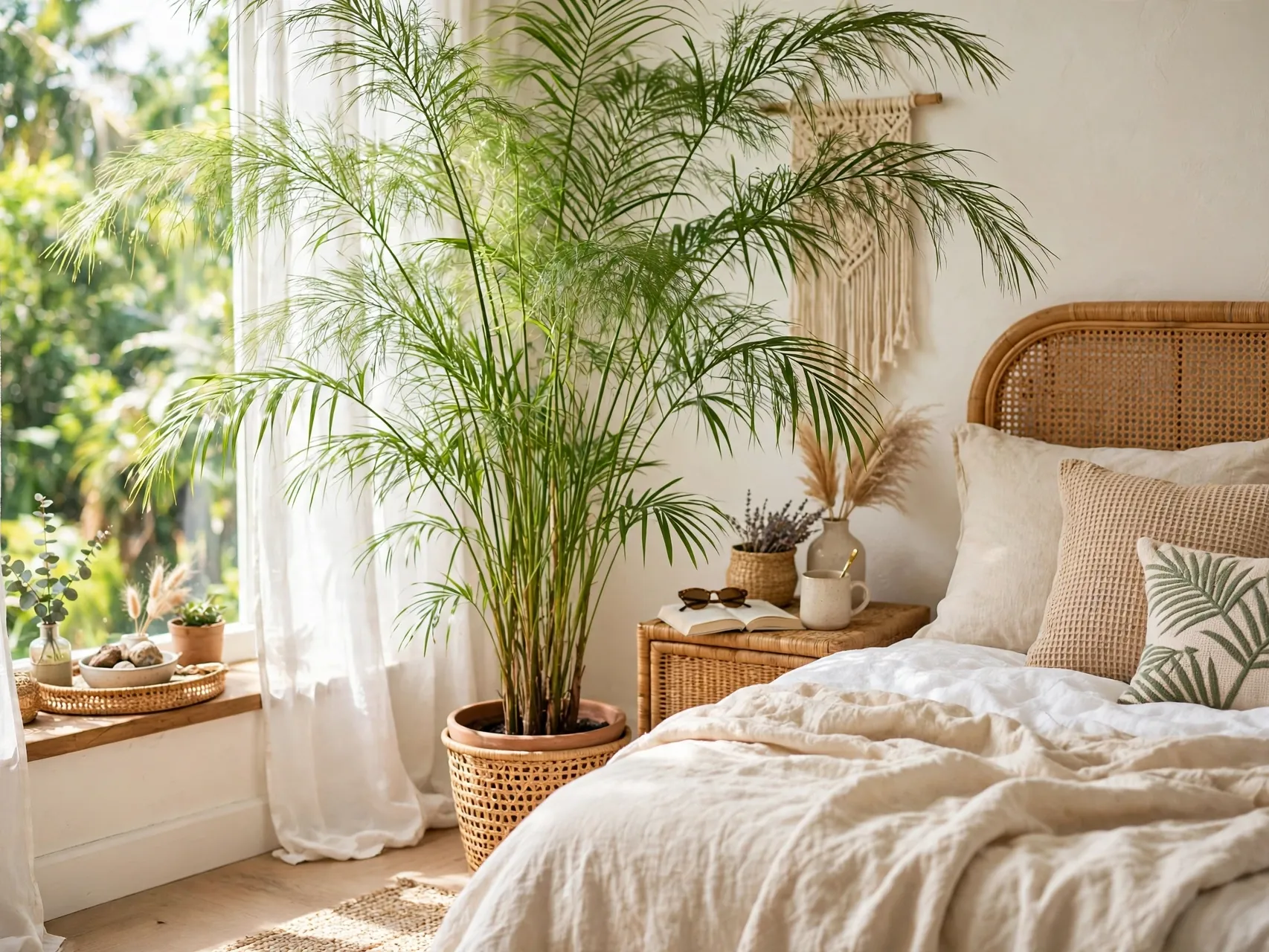
Feathery areca fronds create a gentle screen between a bed and a door or window, and the plant suits a larger bedroom with bright indirect light. It drinks more than most plants here, preferring soil that stays lightly and evenly moist.
Pet note: the ASPCA lists areca palm as non-toxic to cats and dogs, so it is a calm choice for pet friendly bedrooms needing height. Brown leaf tips usually mean dry air or inconsistent watering, so keep a rhythm, mist in heated rooms, and trim only the fully brown fronds.
16. African Violet for Flowers on the Sill

African violets flower for months on a bright sill, in soft purples, pinks and whites that suit a calm bedroom palette. Water from below or carefully at the base, because cold water splashed on the fuzzy leaves can mark them.
Pet note: the ASPCA lists African violet as non-toxic to cats and dogs, a happy fact for pet homes that want flowers indoors. Give several hours of bright indirect light, feed lightly in the growing season, and remove spent blooms to encourage the next round of color.
17. Moth Orchid for Long Lasting Elegance
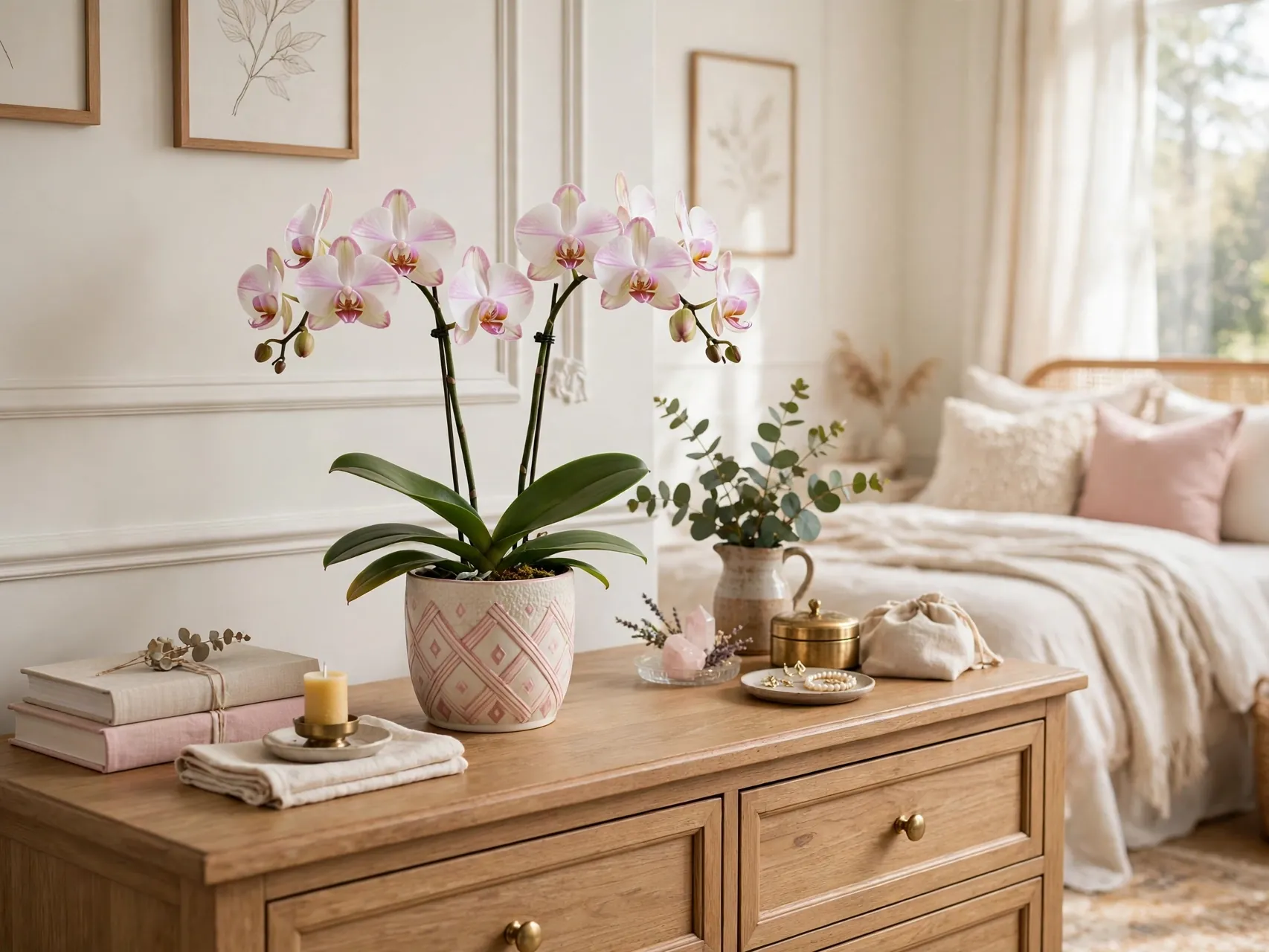
A moth orchid on a dresser or nightstand flowers for weeks at a time, then rests and blooms again with simple care: bright indirect light, a weekly soak of its bark mix, and full drainage afterwards. Its sculptural stems suit modern and traditional bedrooms alike.
Pet note: Phalaenopsis orchids are listed by the ASPCA as non-toxic to cats and dogs, so an orchid is a refined and reassuring bedside choice. Never pot it in ordinary soil, keep water out of the leaf crown, and snip the stem above a node after flowering to encourage a second spike.
18. Haworthia, the Pet Safer Aloe Lookalike
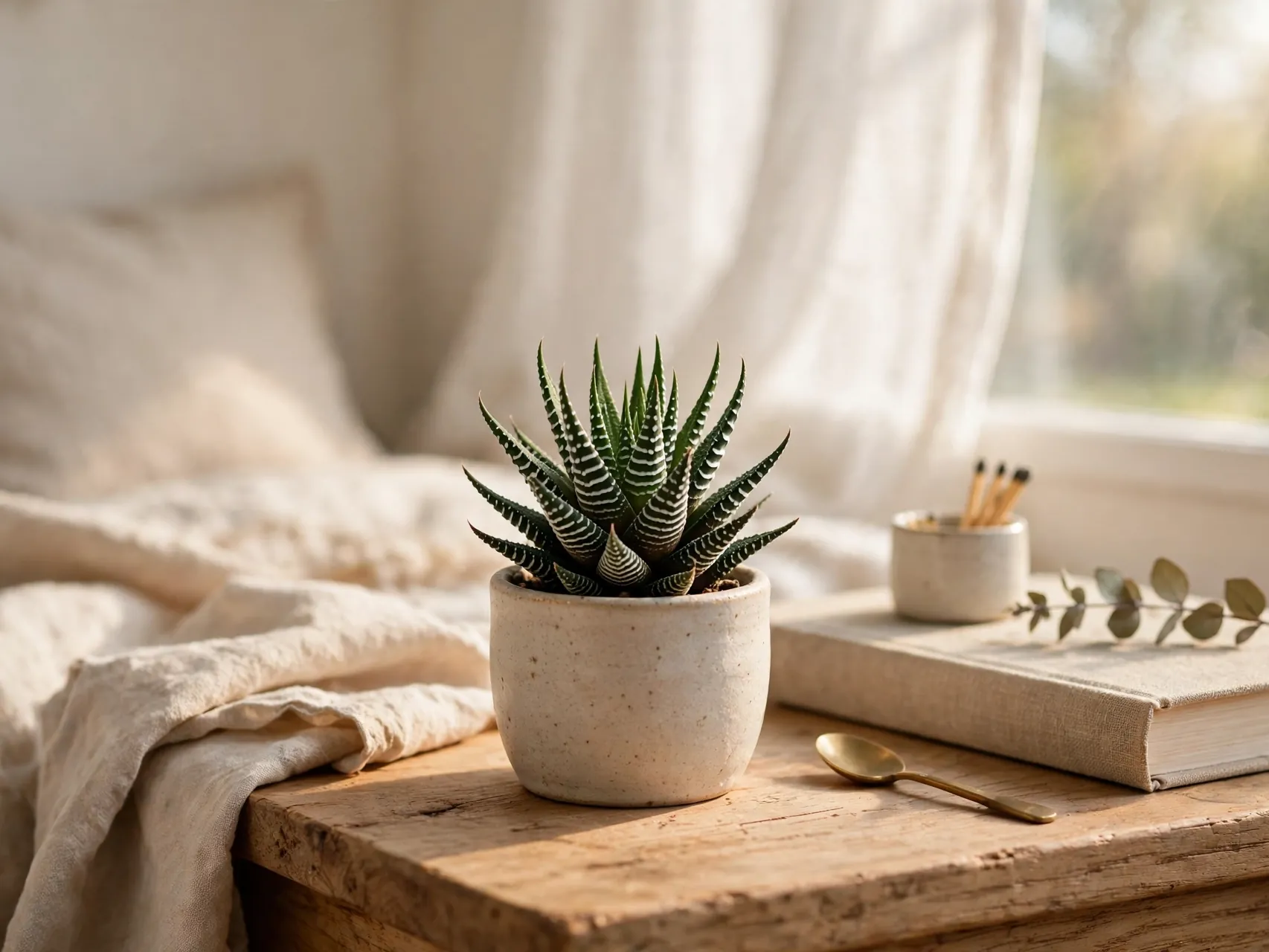
Haworthia gives you the neat rosette succulent look in a tiny pot for a nightstand or sill, with striped, pointed leaves and very modest water needs. It prefers bright indirect light and a gritty mix, and it stays small enough for the tiniest bedroom.
Pet note: haworthia is listed by the ASPCA as non-toxic to cats and dogs, unlike aloe vera which it resembles, so it is the smart swap in pet homes. Let the soil dry fully between waterings, keep winter drinks very light, and enjoy a succulent with no toxicity worry.
19. Cast Iron Plant for Impossible Corners
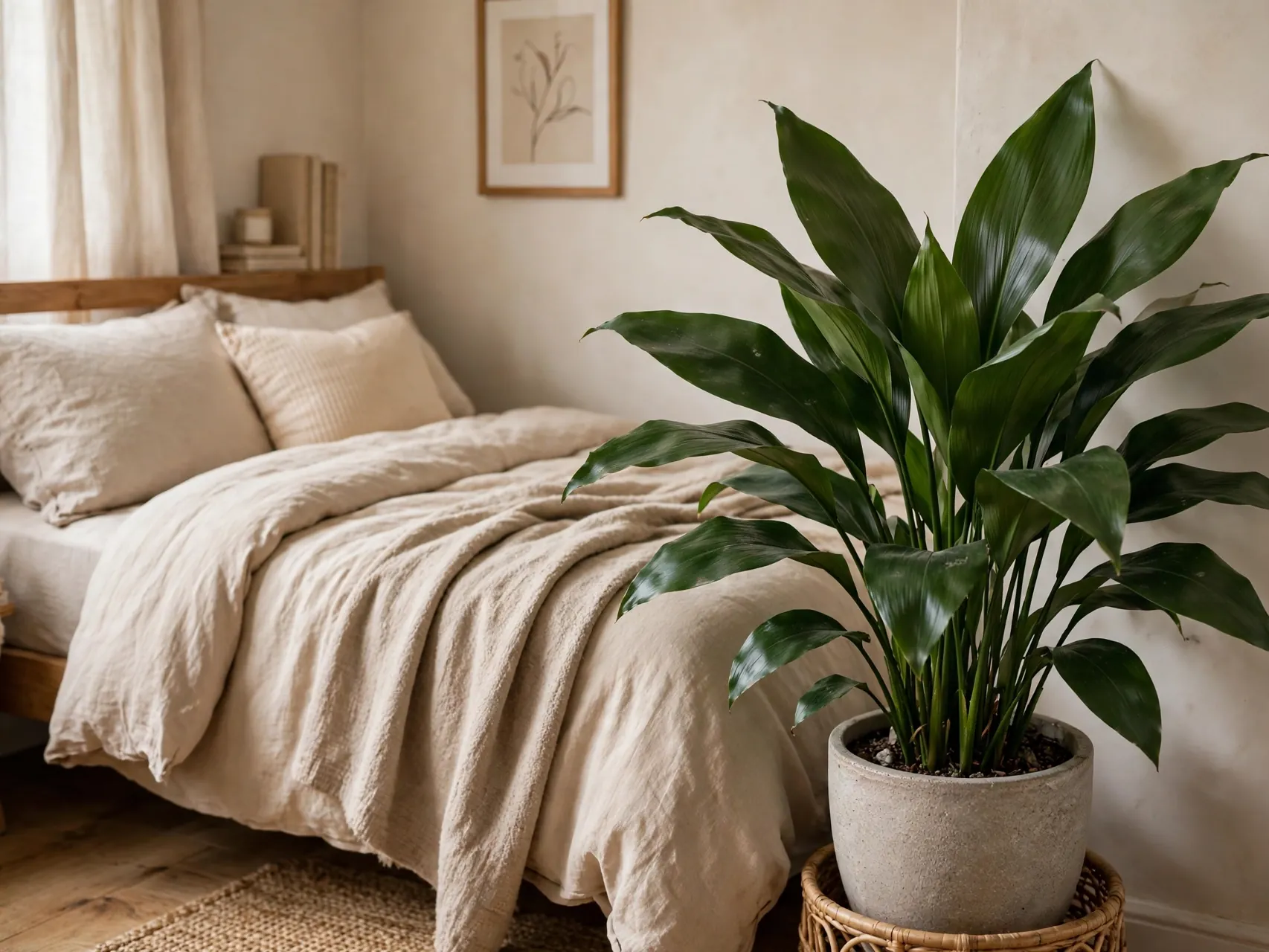
Named for its toughness, the cast iron plant survives low light, irregular watering, temperature swings and general neglect that would finish most houseplants. Its deep green, upright leaves suit a shaded floor corner or the foot of a wardrobe.
Pet note: the ASPCA lists cast iron plant as non-toxic to cats and dogs, making it a rare mix of indestructible and pet safer. Growth is slow, so buy a decent sized plant if you want impact now, keep it out of harsh direct sun, and dust the broad leaves occasionally.
20. Prayer Plant for Leaves That Move at Night
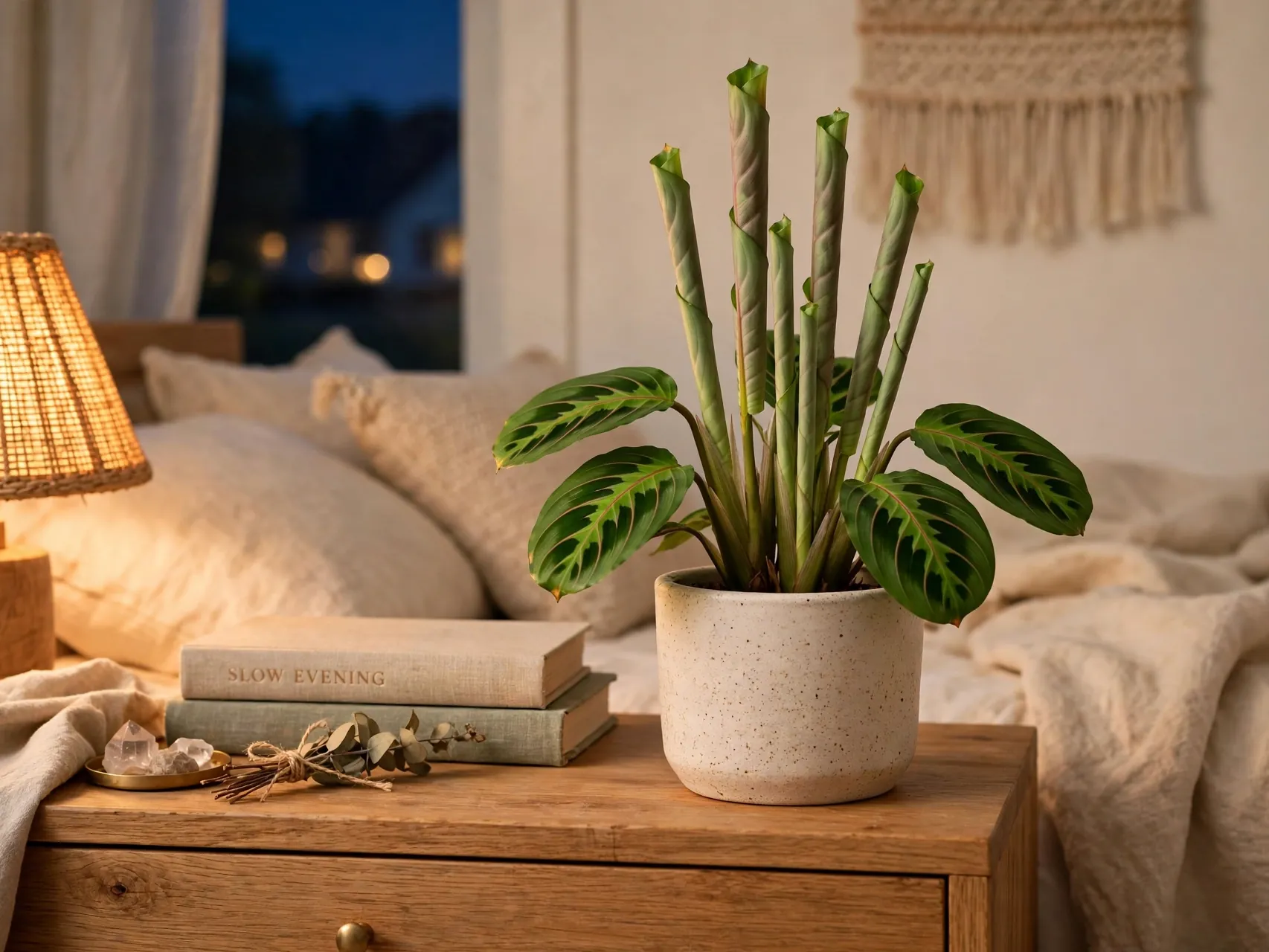
The prayer plant, a maranta, folds its patterned leaves upward each evening and opens them each morning, a living rhythm that mirrors your own day and night. It likes indirect light, steady moisture and humidity, and it trails gently from a shelf or hanging pot.
Pet note: maranta is listed by the ASPCA as non-toxic to cats and dogs, so its moving leaves can live happily within reach in pet bedrooms. Use rainwater or filtered water if leaf edges brown, group it with other plants for humidity, and enjoy the nightly leaf folding show.
21. Dracaena for Slim, Upright Structure
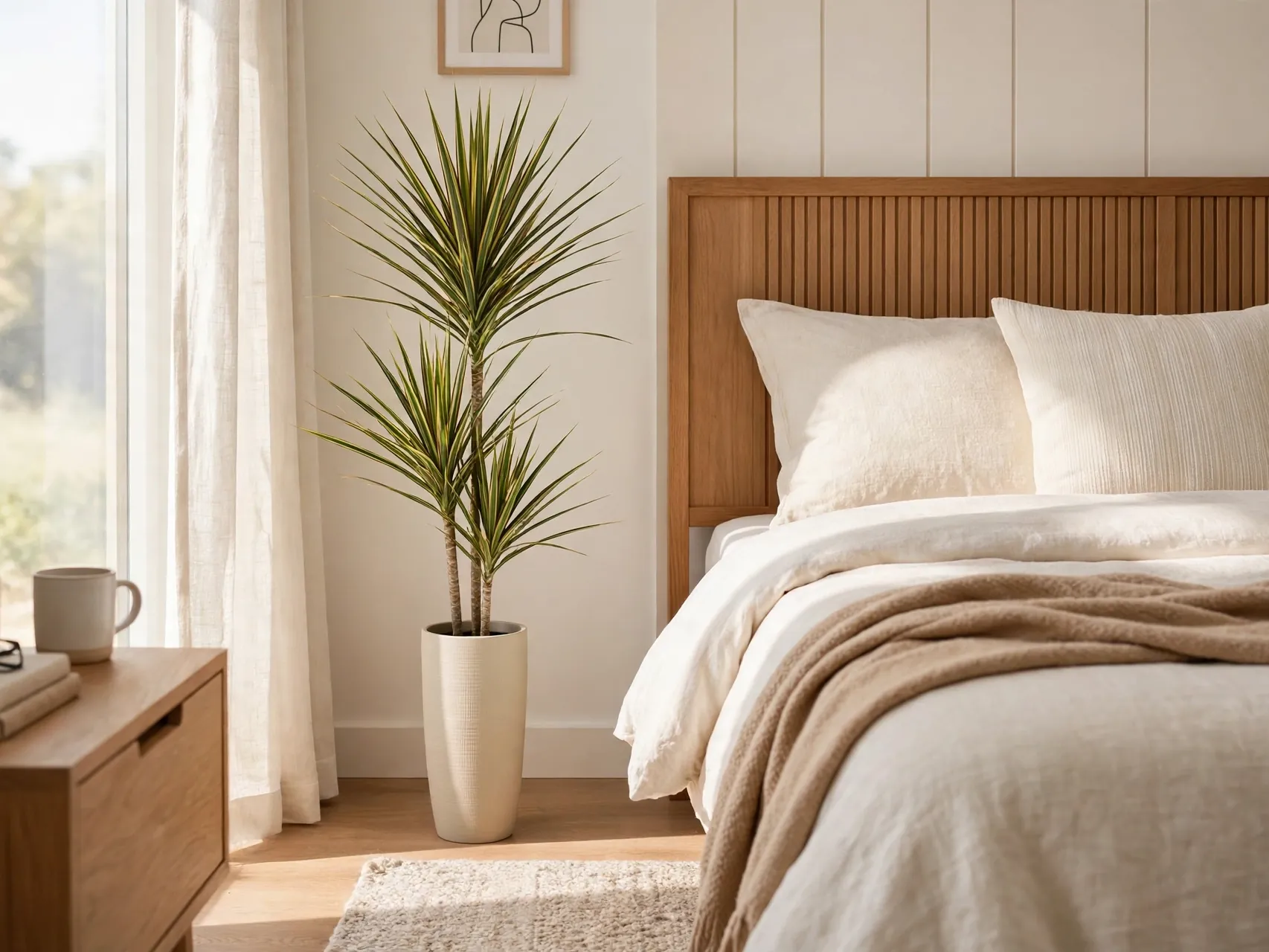
Dracaena varieties bring slim trunks and arching strap leaves that fit narrow floor spaces beside a bed or dresser. They tolerate medium light and want the top of the soil to dry between waterings, and overwatering is the mistake to avoid.
Pet note: the ASPCA lists dracaena as toxic to cats and dogs, with cats especially sensitive, showing drooling and stomach upset after chewing leaves. Place dracaena where pets cannot reach the foliage, or choose a cast iron plant or palm instead for a worry free upright shape.
22. Jasmine for Fragrance by a Bright Window

A jasmine plant trained on a small hoop or trellis brings starry white flowers and a sweet evening scent to a sunny bedroom window. It needs strong light to bloom well indoors, regular watering in growth, and a cooler rest in winter to set next year flowers.
Pet note: true jasmine, Jasminum species, is listed by the ASPCA as non-toxic to cats and dogs, but common names are confusing, so always check the botanical name on your plant label before buying. Enjoy the fragrance as part of your evening routine, not as a promise of deeper sleep.
FAQ
Do bedroom plants really purify the air while I sleep?
Only modestly in real life. The NASA Clean Air Study of 1989 found certain plants removed some chemicals in small sealed chambers, but later reviews found a normal ventilated room would need a very large number of plants for a measurable effect. Ventilation and fresh air do the heavy lifting, plants add calm and beauty.
How many plants should I keep in a bedroom?
One to three medium plants suit most bedrooms well. That is enough green to soften the room and build a caring routine, without crowding surfaces, raising humidity too much or turning watering into a chore. Add more slowly only if your light is good and you enjoy the upkeep.
Which bedroom plants are safest around cats and dogs?
Per ASPCA listings, spider plant, parlor palm, areca palm, Boston fern, calathea, peperomia, African violet, moth orchid, haworthia, cast iron plant and prayer plant are non-toxic to cats and dogs. Even non-toxic plants can upset a stomach if eaten in quantity, so discourage chewing and check the ASPCA list for any new plant.
Why is my bedroom plant not growing or looking pale?
Light is the usual culprit: most bedrooms are dimmer than we think, especially away from windows. Move the plant closer to indirect light, rotate it weekly, dust the leaves, and check you are neither drowning nor parching it. Slow winter growth is normal for almost every plant on this list.
Can plants actually help me sleep better?
No plant guarantees better sleep, and any claim that one does should be treated with care. What plants can do is make the room feel calmer, support a steady wind down routine, and add a scent you associate with rest, like lavender on a sunny sill. Cool, dark, quiet and consistent habits remain the real foundations of good sleep.
Key Takeaways
- Match the plant to your light: Sunny sills suit lavender, aloe and jasmine, dim corners suit ZZ, snake and cast iron plants.
- Keep air claims honest: Plants beautify and calm a room, but fresh air and ventilation, not a few pots, do the real air cleaning.
- Check ASPCA before you buy: Snake plant, pothos, peace lily, ZZ and several others here are toxic to pets, while spider plant, palms and calathea are safer picks.
- Start with one or two: A small, thriving collection beats a crowded jungle, and 1 to 3 plants suit most bedrooms.
- Water less than you think: More bedroom plants die from overwatering than neglect, so check the soil and always use drainage.
- Build a wind down ritual: Dimming lights, closing curtains and checking your plants each night signals rest better than any single product.
Ready to green up your sleep space? Save this guide to Pinterest and pin the first plant you will try by your bed.