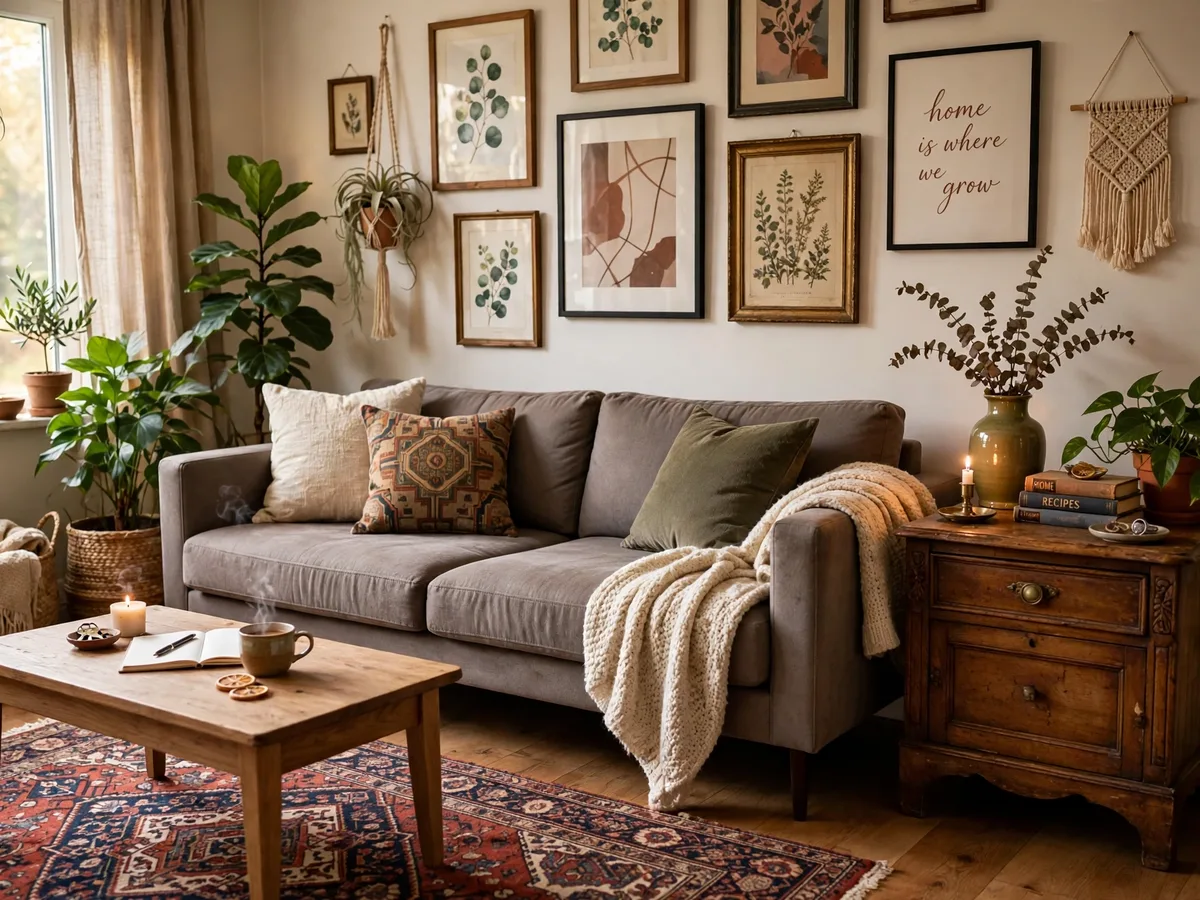
22 Couples Decorating Styles Tips When You Disagree
Introduction
One of you loves clean modern lines. The other dreams in vintage wood, bold color, and collected treasures. Disagreeing about decor is not a design failure, it is the normal starting point for almost every shared home, and couples decorating styles clash in nearly every household at first.
The good news: blended homes are often the most interesting ones. A room built from two viewpoints has layers, stories, and surprises that a single taste rarely creates on its own. The goal is not winning. The goal is a home where both of you walk in and feel that it is yours.
Work through these tips in order: ground rules first, blending tools next, and the stubborn pieces last.
1. Start With the Feeling, Not the Furniture
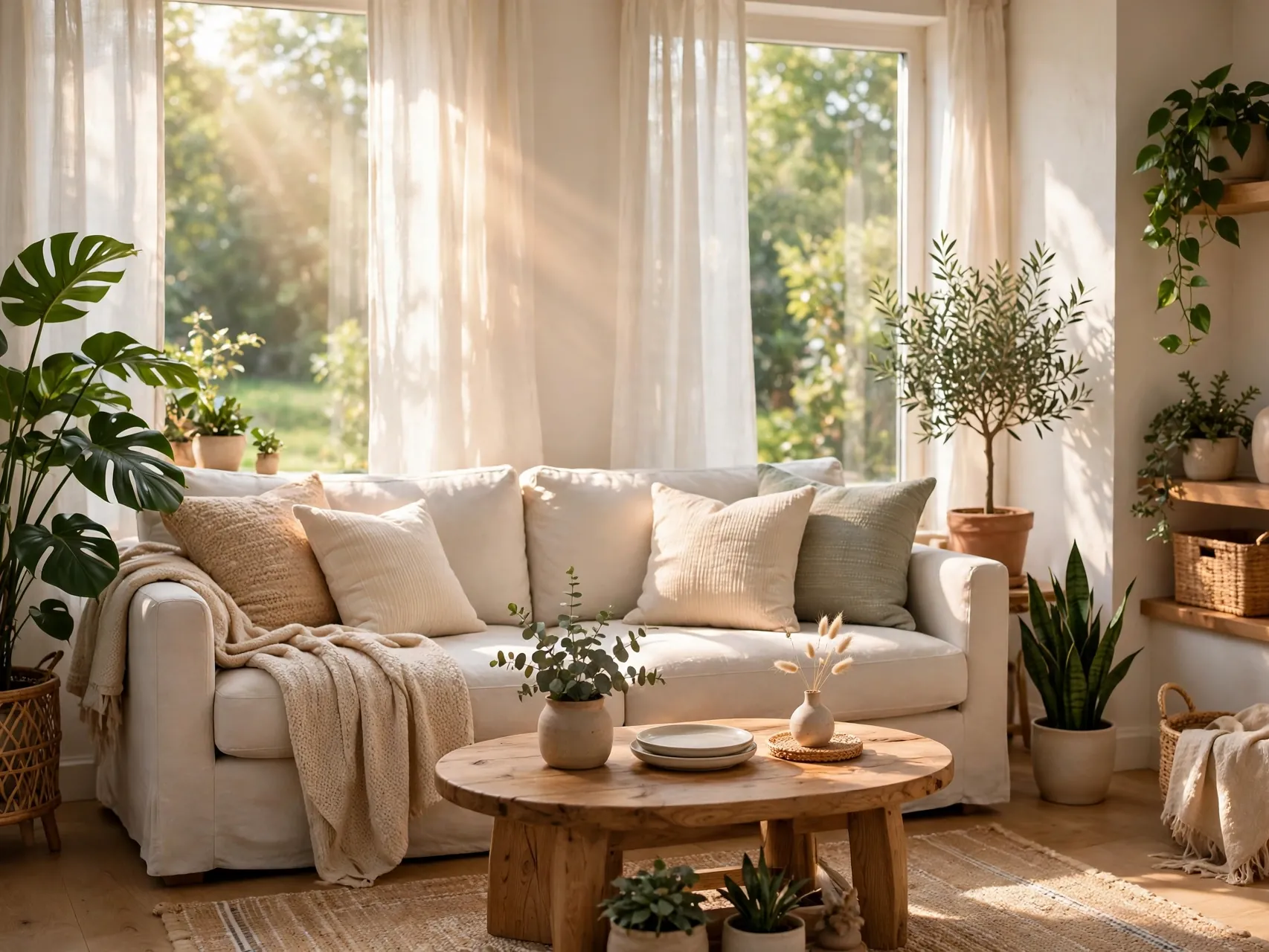
Before arguing about a sofa, agree on how the home should feel: calm or energetic, cozy or airy, formal or relaxed. Couples who clash on objects often agree completely on feelings, and feelings are what you actually live with every day.
Write down three feeling words you both accept for each shared room. Every later purchase gets one simple test: does it serve those words? This moves debates from taste, which is personal and unchangeable, to purpose, which you can genuinely discuss, test, and solve together as a team.
2. Each Make a Mood Board, Then Build One Together

Pin or save images separately first, with no commenting allowed, then sit down and build one shared board from both collections. Patterns appear fast: you may discover you both love warm wood, deep green, or curved shapes, even though your style labels sound opposite.
Keep the shared board as your reference for every shopping decision. A picture you both approved in a calm moment settles arguments that showroom words never will.
3. Agree the Budget Before You Shop Anywhere

Many decor fights that look like style fights are really money fights. Set a total budget per room, decide who can approve small purchases alone, and agree a price level above which you always decide together. Put it in writing if that helps keep things friendly.
When both partners trust the spending rules, style compromises get easier. Let the budget be the bad guy when a beloved piece costs too much.
4. List Your Non Negotiables, Three Each, Maximum
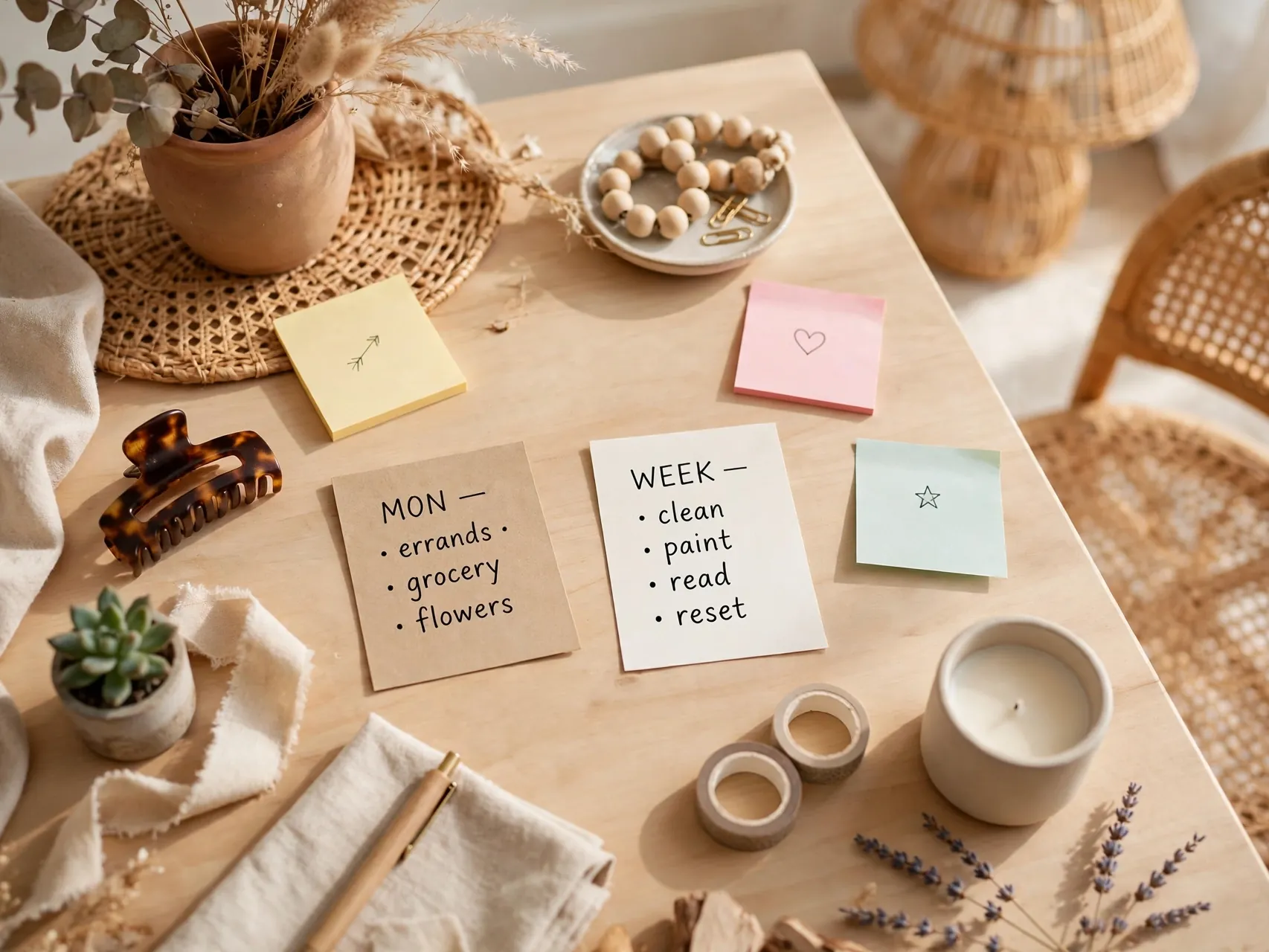
Each partner names up to three things that truly matter: a beloved chair, a color that must appear, a collection that needs display, a desk that needs light. Everything not on the list is open for honest negotiation, trade, or cheerful surrender.
Limiting the list forces real priorities to the surface, and granting them fully buys goodwill for everything else. A partner heard on the big three rarely fights over curtains.
5. Use a Neutral Base You Both Can Live With
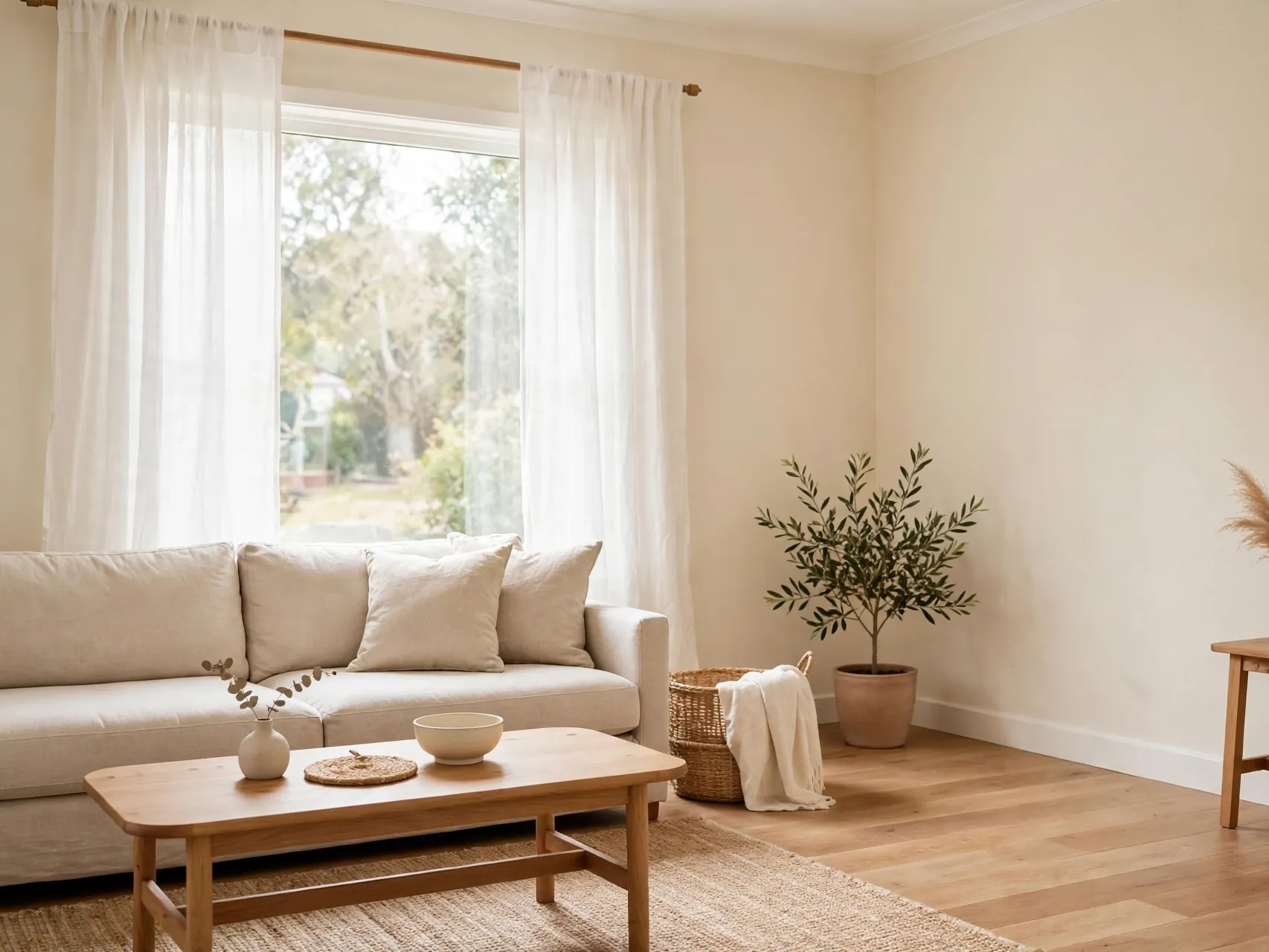
Walls, large rugs, and the biggest furniture pieces in a shared neutral palette give two different styles a calm stage to share. Warm whites, soft greiges, and natural wood tones welcome both modern and traditional pieces without siding with either partner.
Then layer personality through pillows, art, lamps, and accessories, which are cheaper to change and easier to negotiate. If one of you craves bold color, bring it in accents first. A neutral base is not boring or a surrender: it is the peace treaty that lets both styles stay visible.
6. Repeat One Color or Material in Every Room
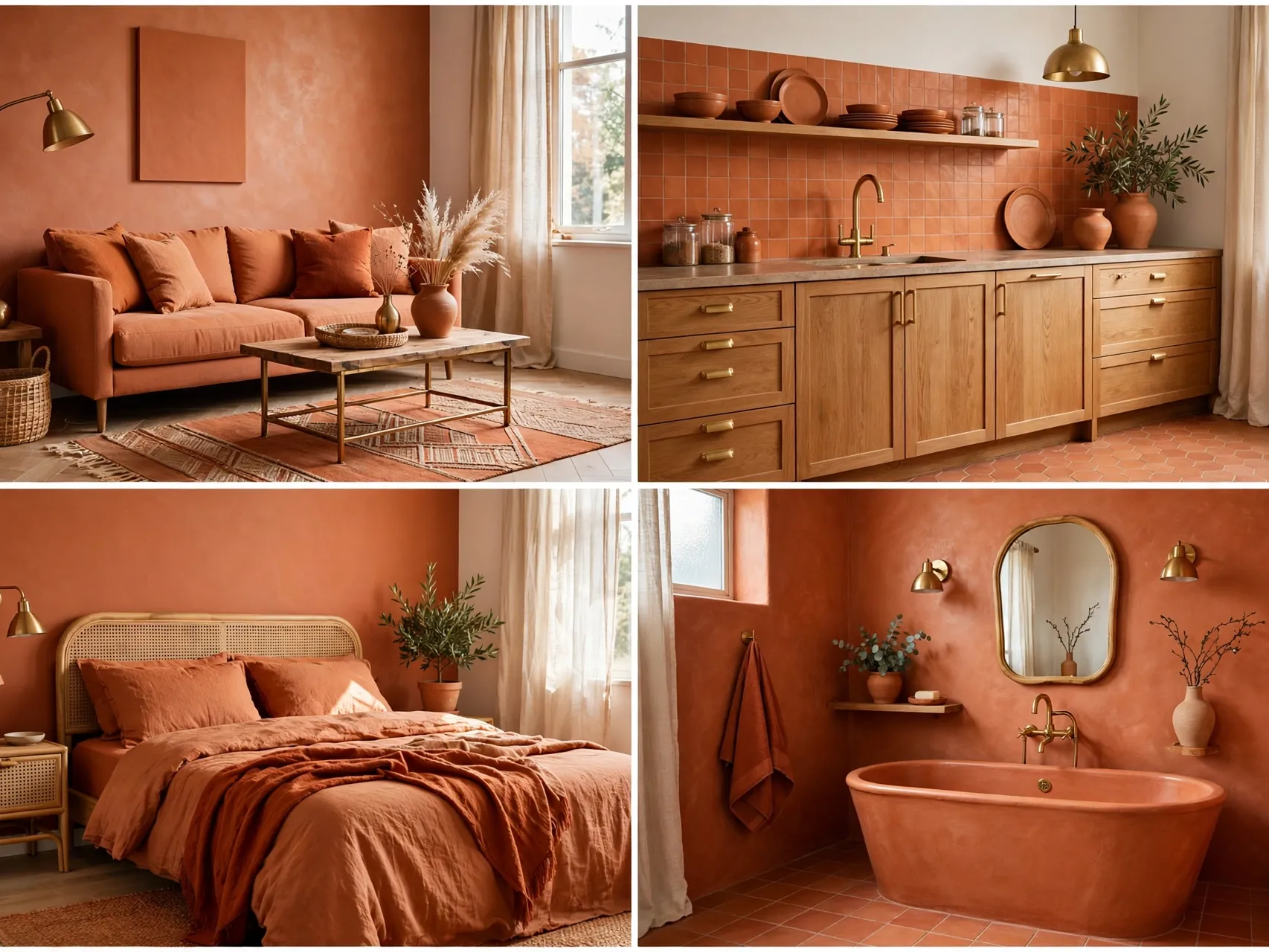
Blended homes fall apart when every room looks like a different person won it. Choose one thread to repeat everywhere: the same metal finish, the same wood tone, or one shared accent color appearing in small doses from hallway to bedroom.
Repetition makes mixed pieces feel like one collected home instead of two apartments colliding, and gives you a simple shopping filter for every future purchase.
7. Bridge Styles With Textiles First
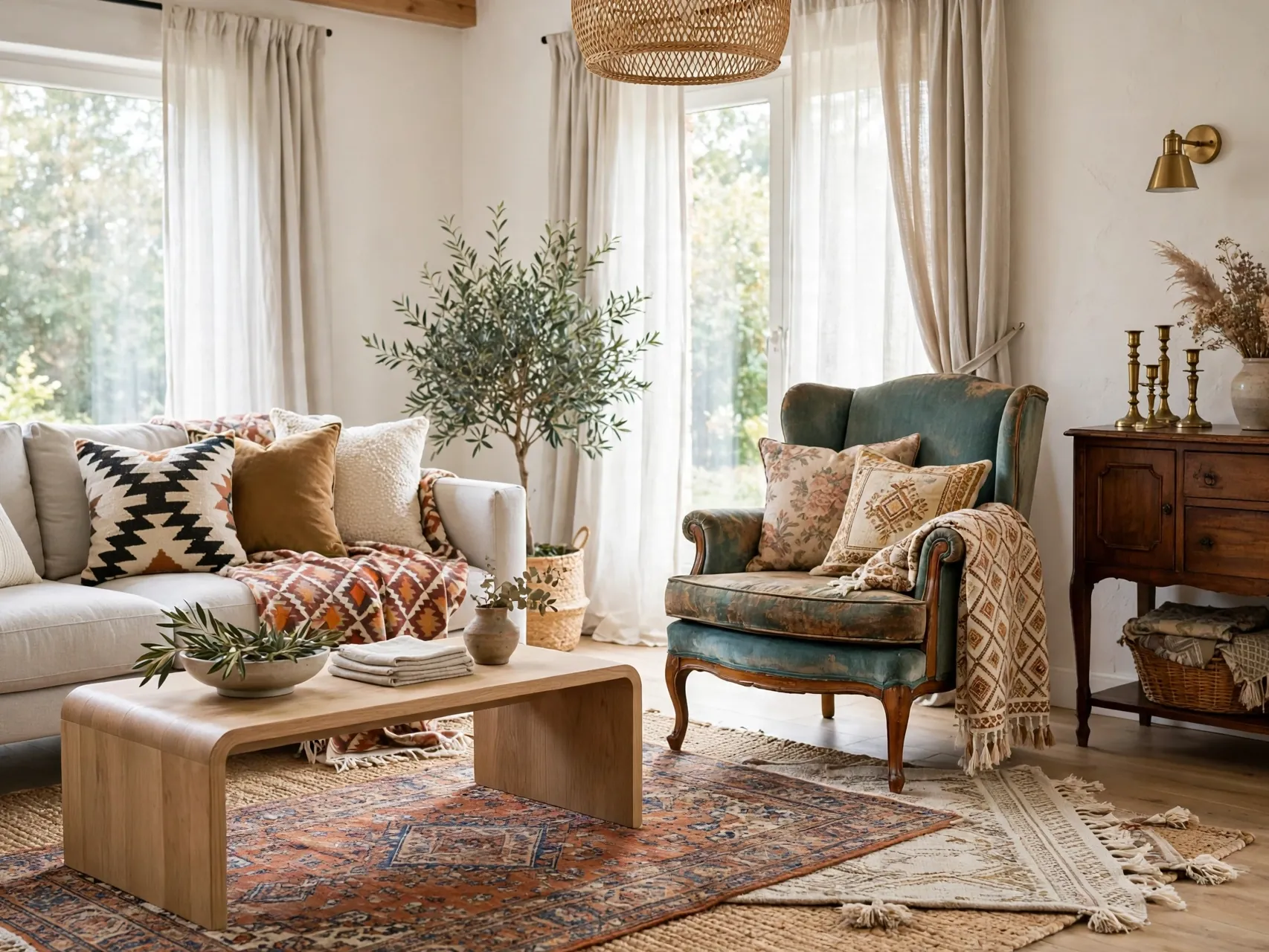
Rugs, curtains, throws, and pillows are the fastest, cheapest bridge between clashing tastes. A modern sofa softens under a traditional patterned rug. A rustic room sharpens with simple striped cushions. Textiles mix the DNA of both styles in pieces nobody has to marry for a decade.
Shop textiles together and swap them seasonally before committing to furniture. Most couples find their blended look in the fabric aisle first.
8. Take Turns Leading One Room Each

Turn taking ends the stalemate of every item needing double approval. One partner leads the living room with the other holding genuine veto power only on their non negotiables, then you swap leadership for the bedroom or office. Each person gets rooms that feel deeply theirs.
The lead chooses palette and main pieces, the partner chooses some accents, and both respect the shared budget and thread color. Over a whole home, the balance evens out beautifully. Rooms with one clear lead also look more coherent than rooms where every purchase was a negotiated settlement.
9. Give Each Person One Personal Zone, No Questions Asked
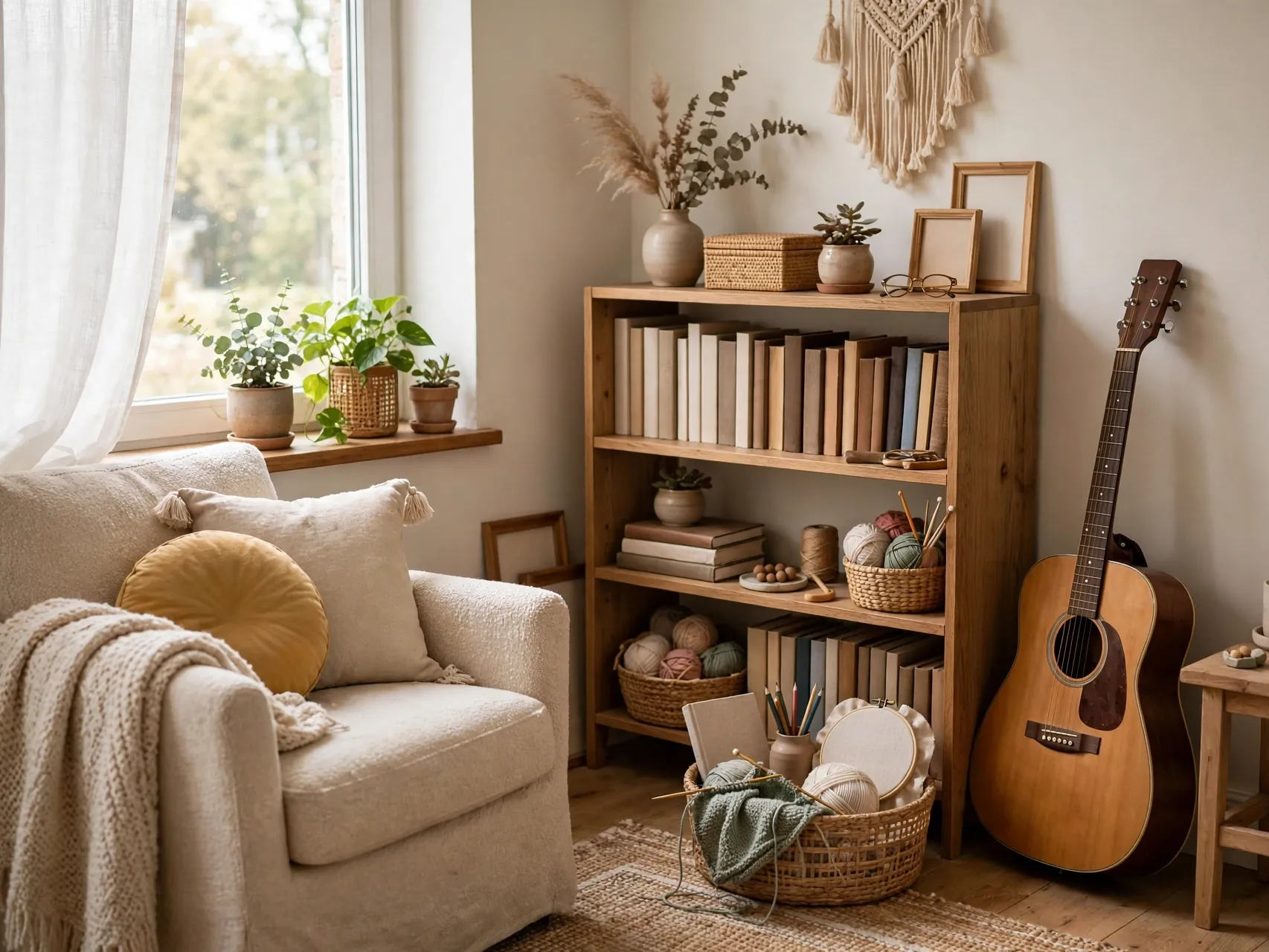
A desk corner, a reading chair area, a workshop bench, one shelf: everyone deserves a small territory styled entirely their way, no vetoes, no teasing. Protecting a personal zone makes compromise in shared zones dramatically easier, because nobody has to win the living room to exist in the home.
Keep zones small and clearly bounded. A home where both people are visible somewhere feels honest, and honest homes are the ones people relax in.
10. Shop Together With a List, Not a Vibe
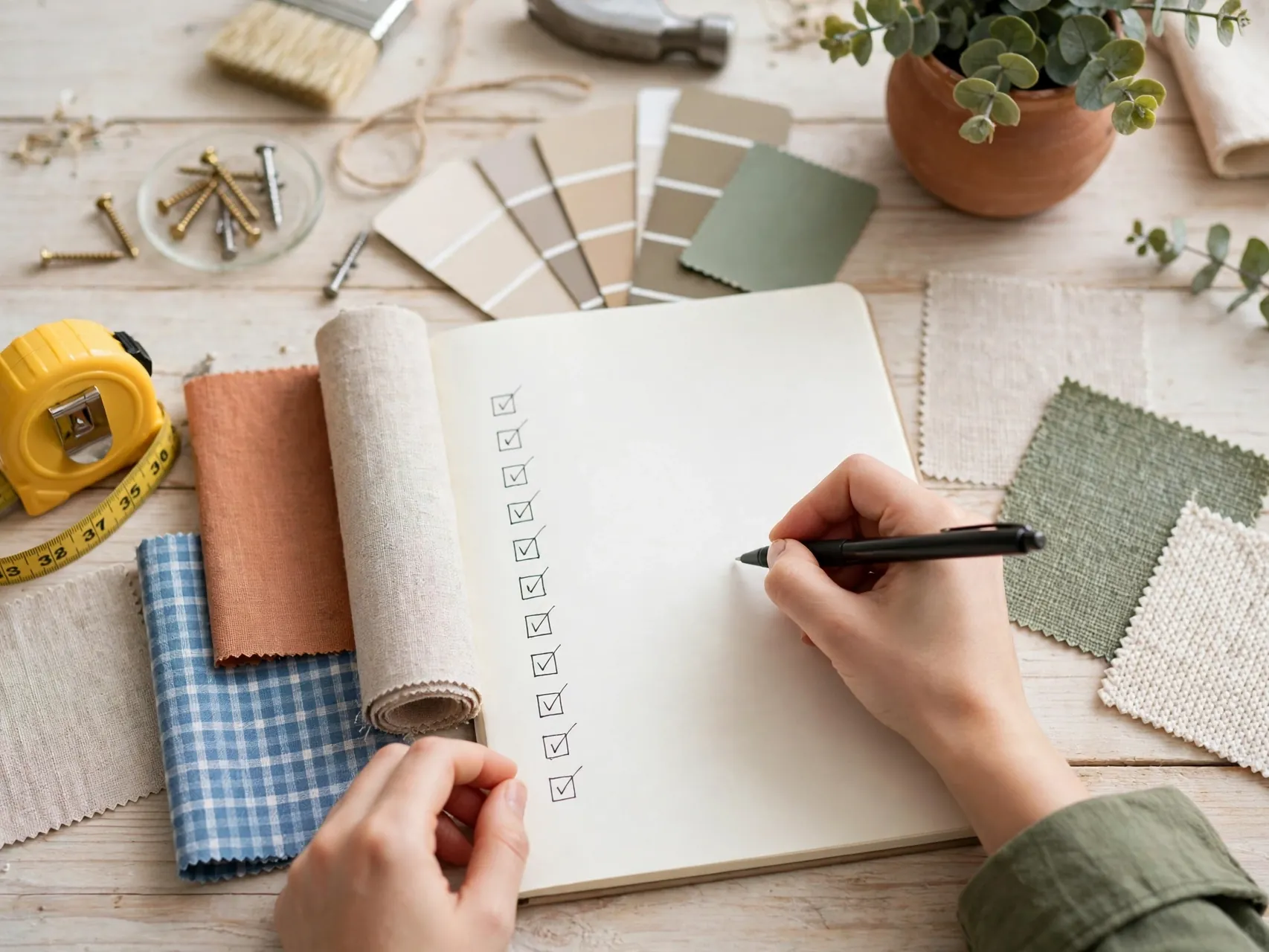
Wandering a store hoping to agree is how decor fights are born. Shop with the shared board, room measurements, your palette, and a written list of exactly what the room needs next. Judge every candidate against the list, the feeling words, and the shared thread, out loud, together.
If one partner shops solo, agree the return window is part of the plan and use it without drama. Seeing a piece at home, in your light, next to your things, settles most arguments in a day. Data beats taste debates: measurements, budget, and the board make most decisions obvious.
11. Test Big Pieces With Trial Periods and Returns
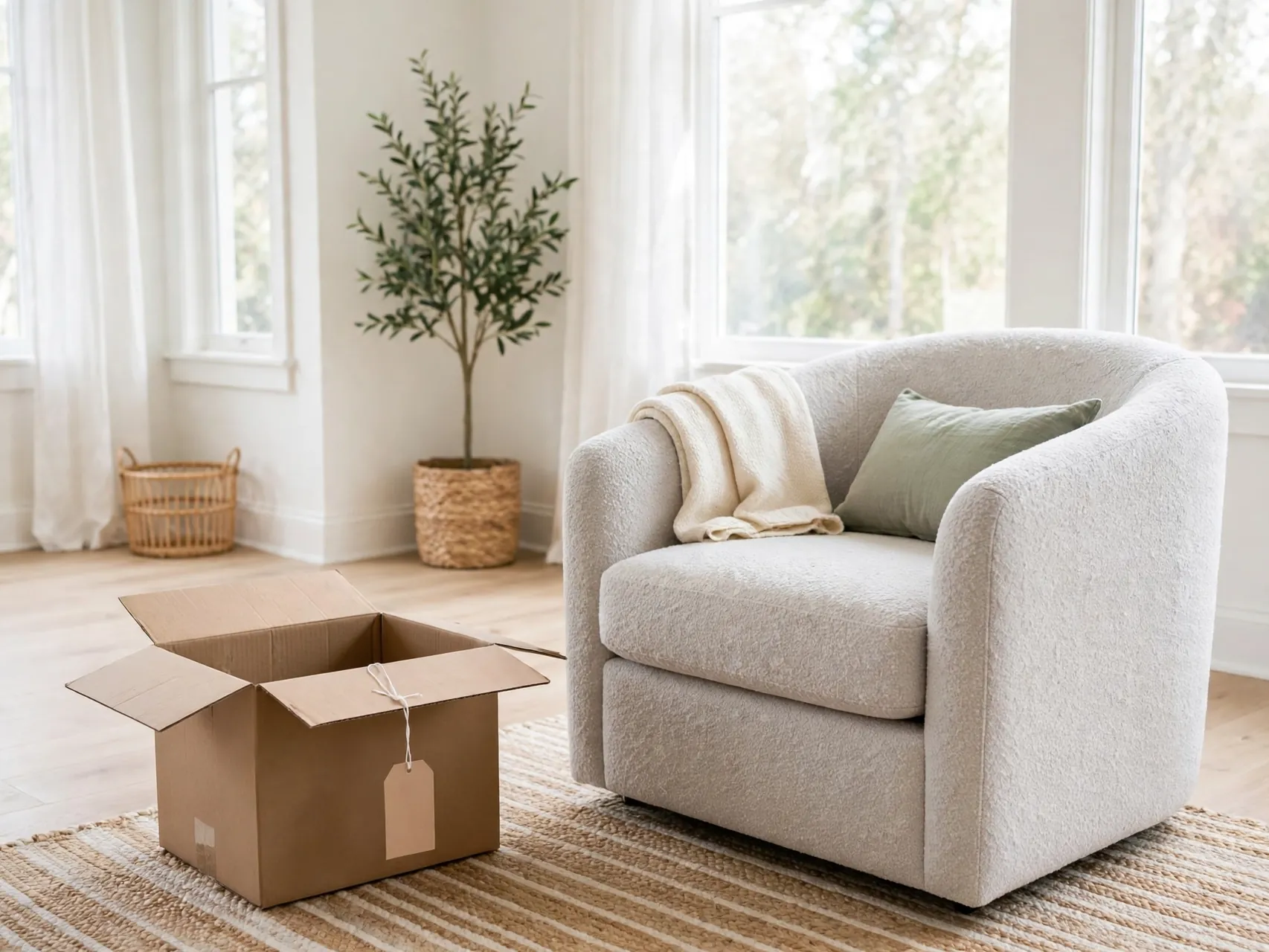
For sofas, rugs, and art, buy from sellers with fair return policies and agree a trial week at home before the tags come off. Live with the piece through morning coffee and evening light. Many hated purchases become loved, and some loved ones quietly fail, with no pride at stake.
Trial rules protect both partners: the skeptic agrees to a fair trial, the enthusiast agrees to return without sulking if it truly fails. Put the decision date on the calendar. Open ended trials become permanent by accident, and permanent by accident is nobody's style at all.
12. Mix Eras and Styles in a Rough Ratio
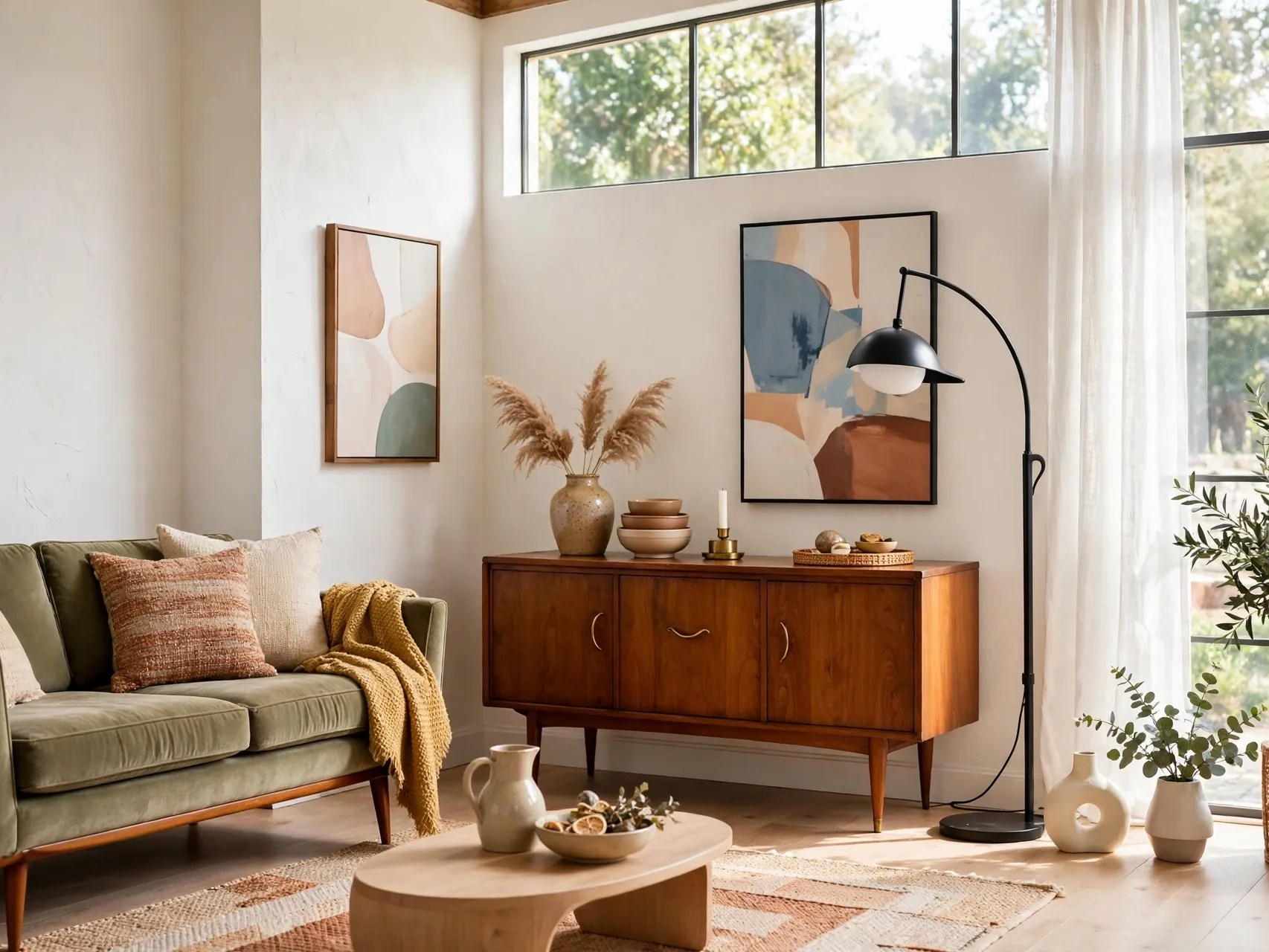
A practical blending formula: let one style lead at roughly seventy percent of a room and the other style answer at thirty percent. The lead sets the big pieces and palette, the answer brings accent furniture, art, lighting, and objects with the other flavor, repeated at least twice.
Ratios prevent the accidental fifty fifty split that often looks like two rooms arguing. Flip the ratio in another room so both styles get to lead somewhere in the home. Designers use this balance constantly, and it works because the eye reads a clear main story with interesting supporting characters.
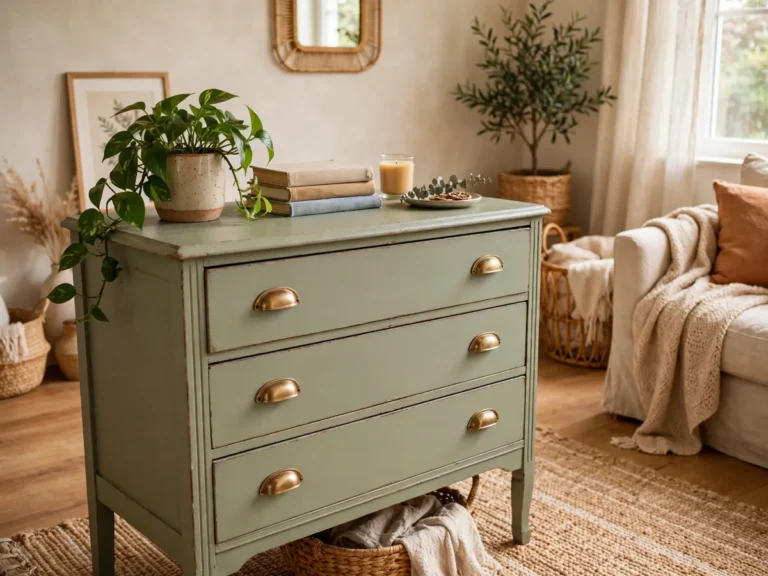
13. Refinish or Restyle the Heirloom Instead of Banishing It
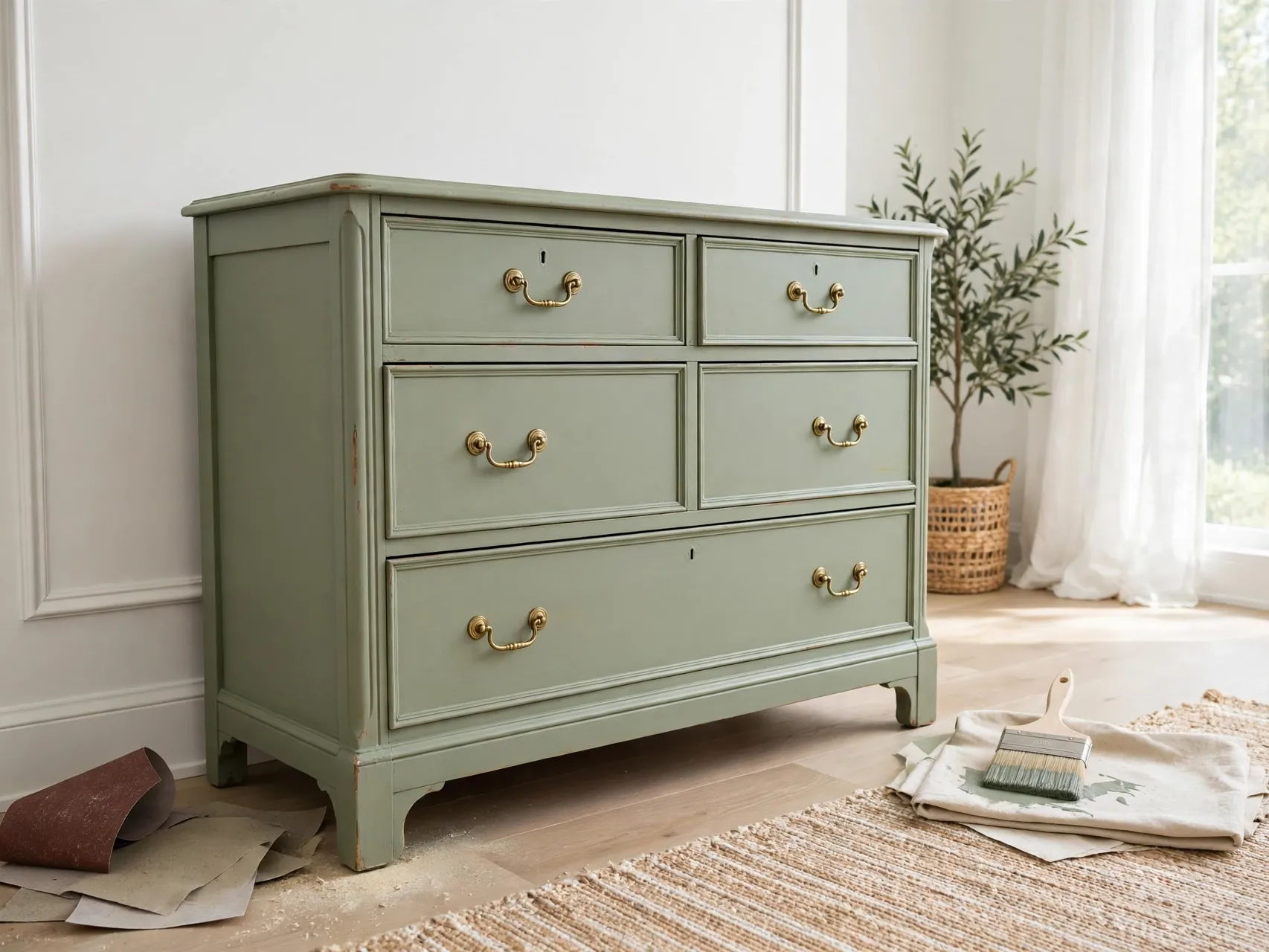
Inherited and beloved pieces are the hardest decor fights, because they carry memory, not just style. Before banishing a partner's treasure, try changing its context: paint or refinish it if the owner agrees, reupholster it in a shared fabric, or move it to a room where its style leads.
Often the piece was never the problem, only its placement was. Agree that some items stay purely for love, and that this grace extends both ways.
14. Display Collections Together, Edited and Framed
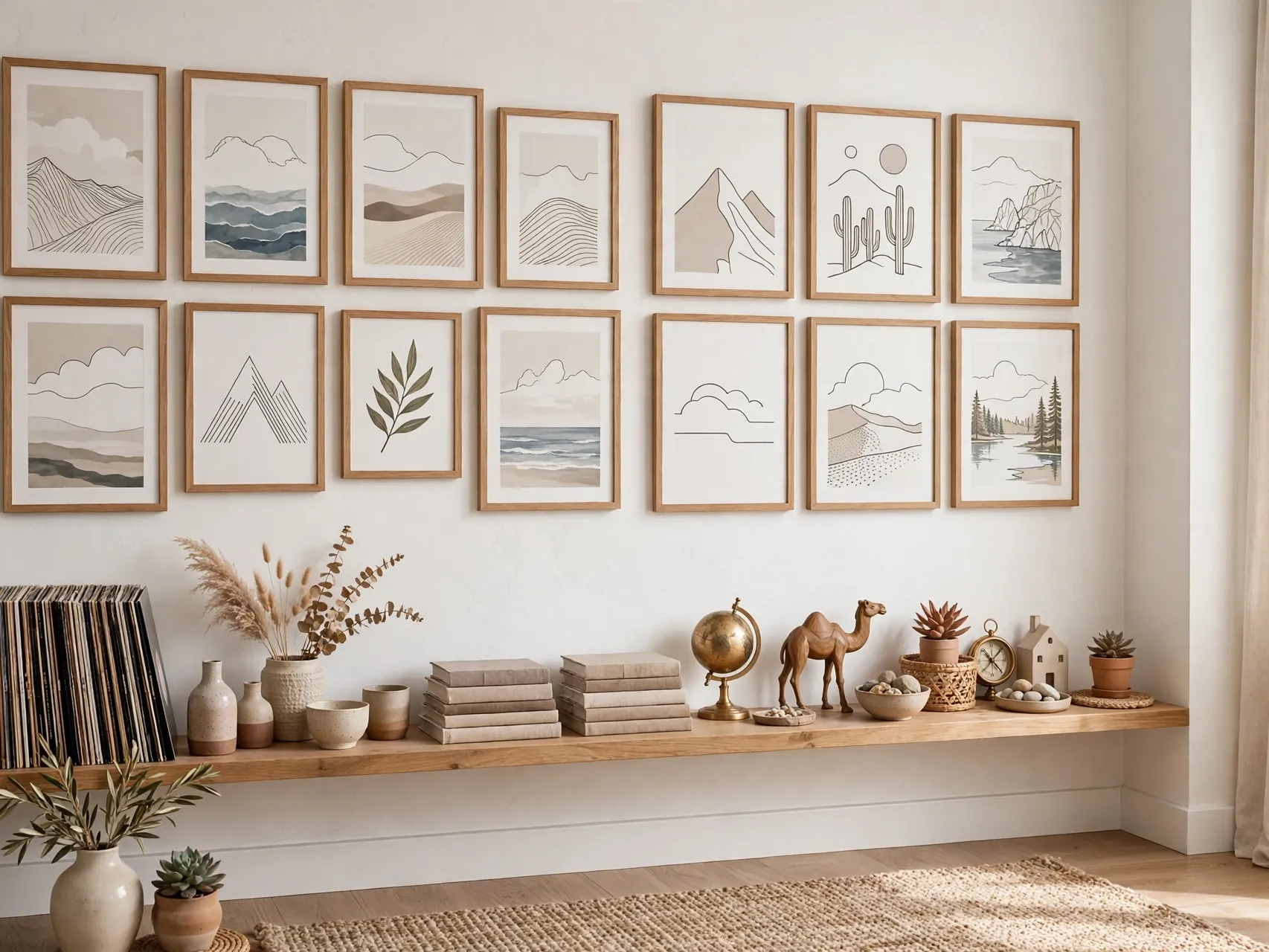
One collects records, the other ceramics, someone has sports pieces or travel finds. Collections displayed deliberately, on one shelf run, in matching frames, or grouped on a single wall, look like curation. The same items scattered everywhere look like clutter and invite fresh arguments weekly.
Edit together: display the best pieces, store or rotate the rest, and give the collection one defined home with good light. Agree that new additions replace something on display rather than expanding endlessly. A collection with borders respects both the collector and everyone who shares the room with it daily.
15. Split Decisions by Expertise and Interest

Nobody cares equally about everything. Let the partner who cooks lead the kitchen layout, the reader shape the reading corner, the music lover place the speakers and instruments. Interest based leadership produces better rooms and fewer, shorter debates about details one partner never truly cared about.
Swap roles room by room and keep budgets shared so leadership never becomes spending power. The non lead partner keeps non negotiable vetoes and chooses some accents. Most couples find this division feels natural within one room, because it simply follows how you already divide the rest of your life together.
16. Use Lighting and Plants as Neutral Ground
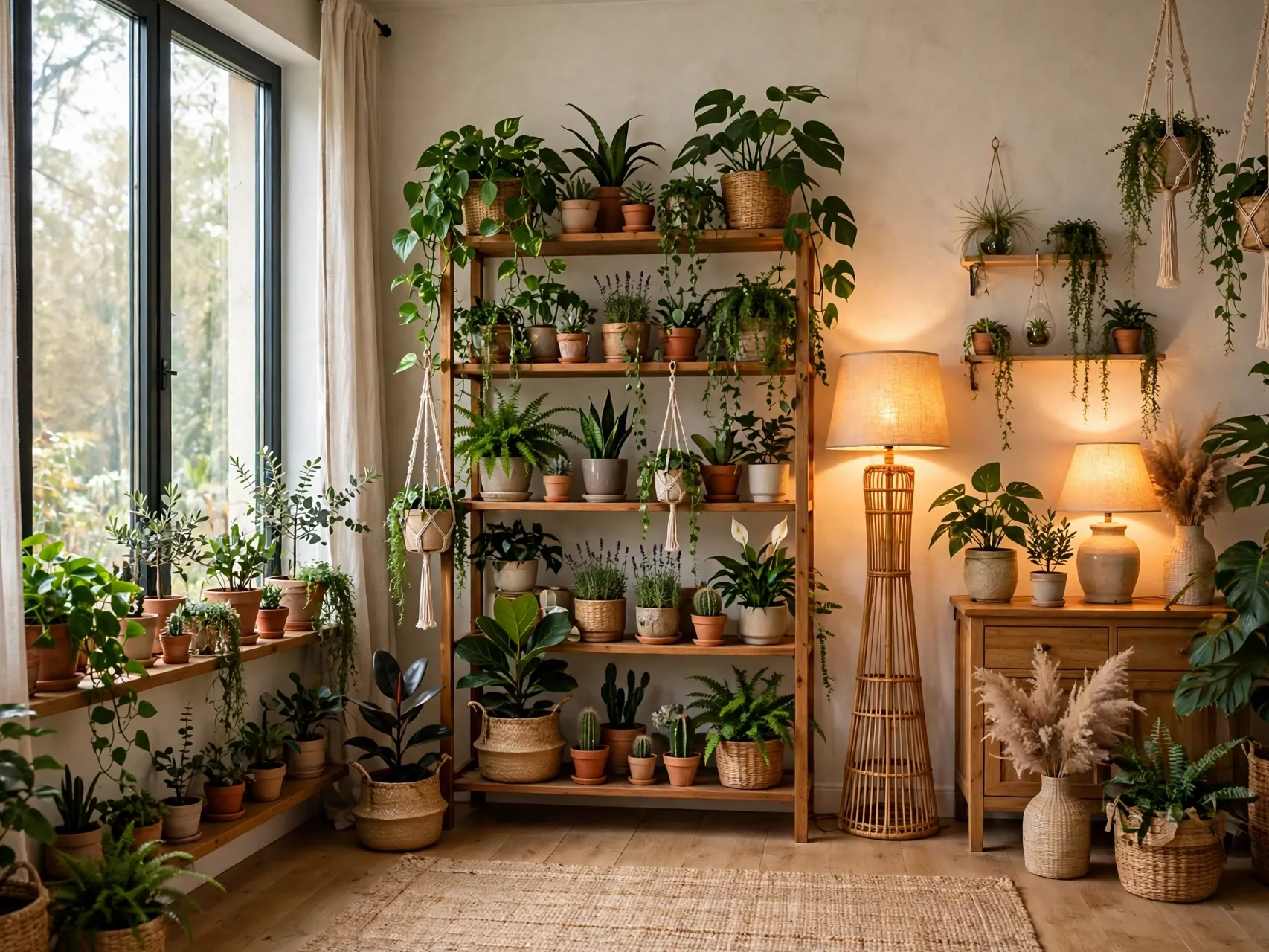
Almost nobody fights about warm light and healthy plants. If a room feels stuck between your styles, invest first in layered lamps and greenery, which improve every style equally and change the mood more than most furniture swaps ever will.
Plants soften modern edges and liven traditional rooms, while good lighting flatters both. Add these shared wins early in any room project to build decorating momentum together. Success on neutral ground makes the harder conversations, the sofa, the art, the color, noticeably kinder when their turn finally comes around.
17. Compromise on Color by Testing, Not Arguing

Color debates end fastest with paint on the wall. Each partner picks a candidate, you paint large sample patches on two walls, and you both live with them through different lights for a few days. Colors that sounded extreme on a chip often calm down, and favorites sometimes fail honestly.
If you still split, use the bolder color in the smaller dose: an accent wall, a door, inside a bookcase, cushions, or art, over the calmer shared base. Testing replaces taste arguments with shared observation, and shared observation is how two people actually build one home together.
18. Keep Big Furniture Classic and Let Accents Be Personal
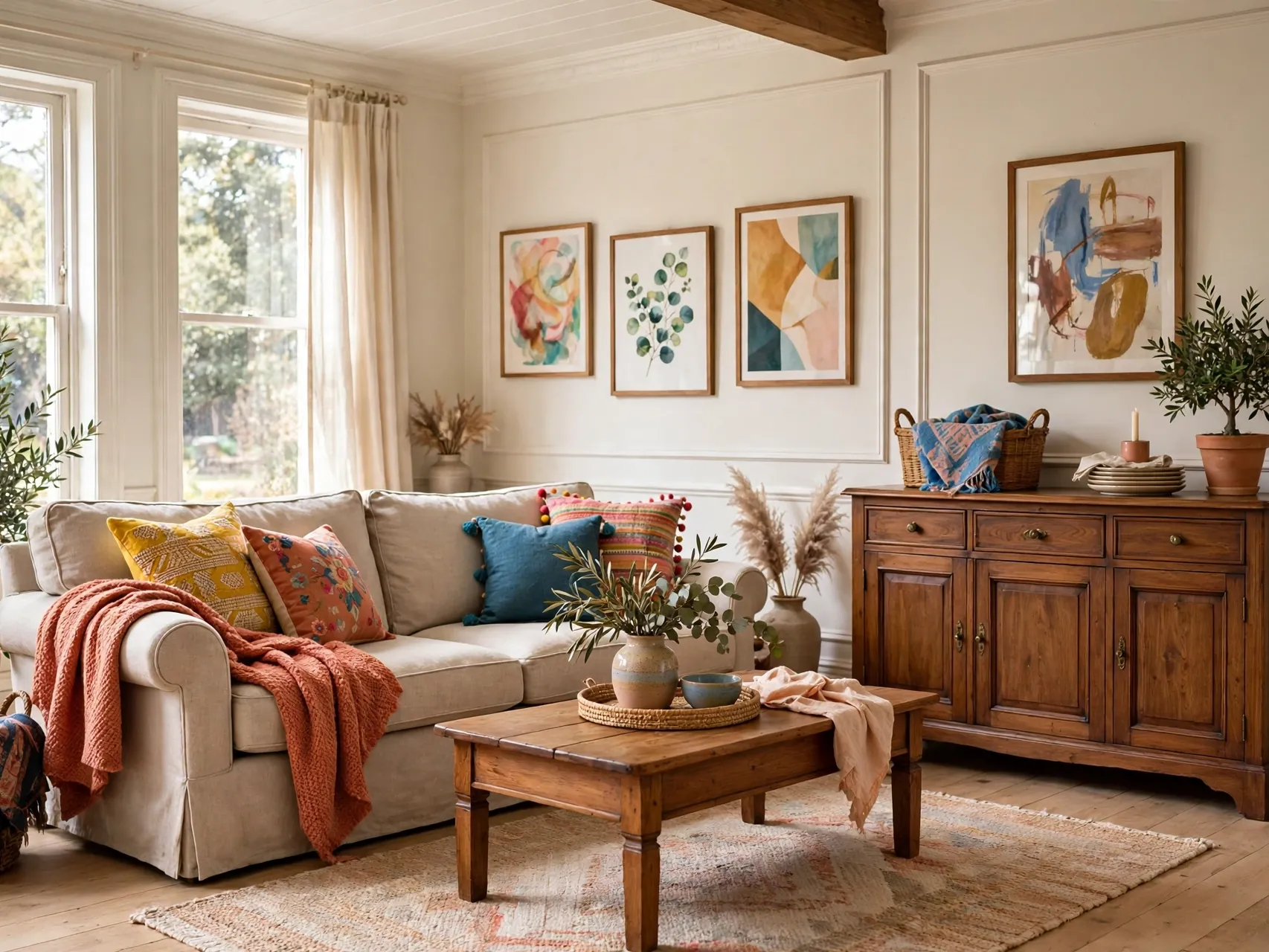
Compromise gets easier when expensive, long lived pieces stay simple. Choose sofas, beds, and dining tables in classic shapes and shared neutral fabrics that neither partner will tire of, then let personality run free in the layers: art, cushions, throws, lamps, and objects that can evolve.
This protects the budget and the peace. When tastes change, and they will, you restyle with textiles and decor instead of replacing a costly sofa someone never loved. Rooms stay fresh through small updates both partners can choose together, which turns decorating into an ongoing shared hobby.
19. Say What You Need, Not Just What You Hate
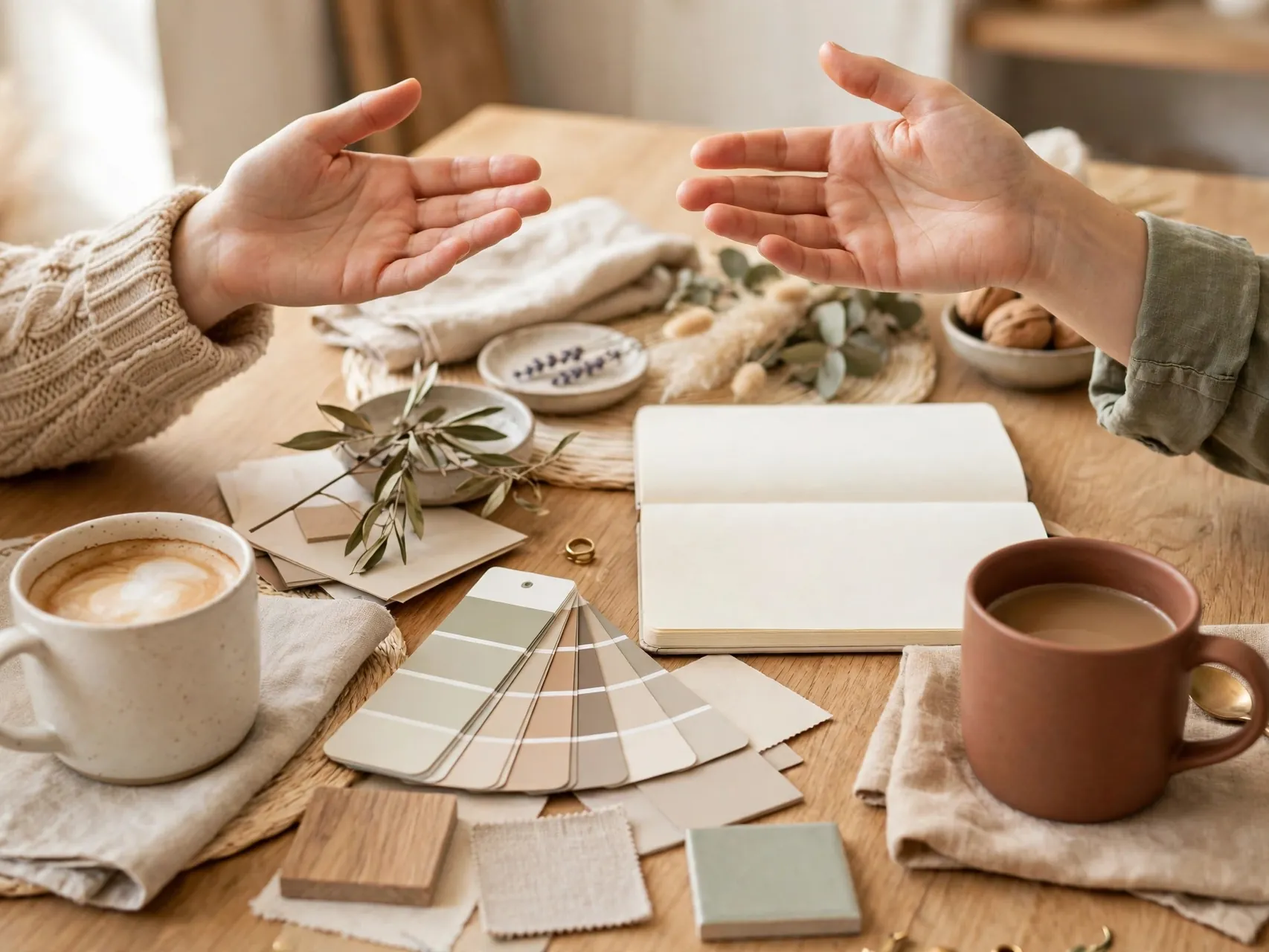
Ban the sentence that thing is ugly from decorating talks. Replace vetoes with needs: I need the room calmer, I need storage for these, I need one thing here that feels like me. Needs can be solved in many ways, while taste verdicts can only be won or lost.
Listen for the need under your partner's no. A rejected lamp may really be a request for warmer light, and a defended cluttered shelf may be a plea to keep family history visible. Solving needs ends most couples decorating styles disputes faster than any design trick in this entire guide.
20. Photograph Rooms and Review Them Together

Take a phone photo of each room and look at it together on a screen. Photos flatten pride and show balance, clutter, and clashes with surprising honesty. Rooms both of you have stopped seeing clearly become readable in seconds, and agreements about what to fix next come easily.
Keep a simple shared album of progress. It reminds you both how far the home has come during the inevitable mid project mess, and it makes a kind record of styles blending over time. Reviewing photos quarterly also catches drift early, before small mismatches grow into the next big decorating standoff.
21. Bring in a Neutral Third Opinion When Stuck
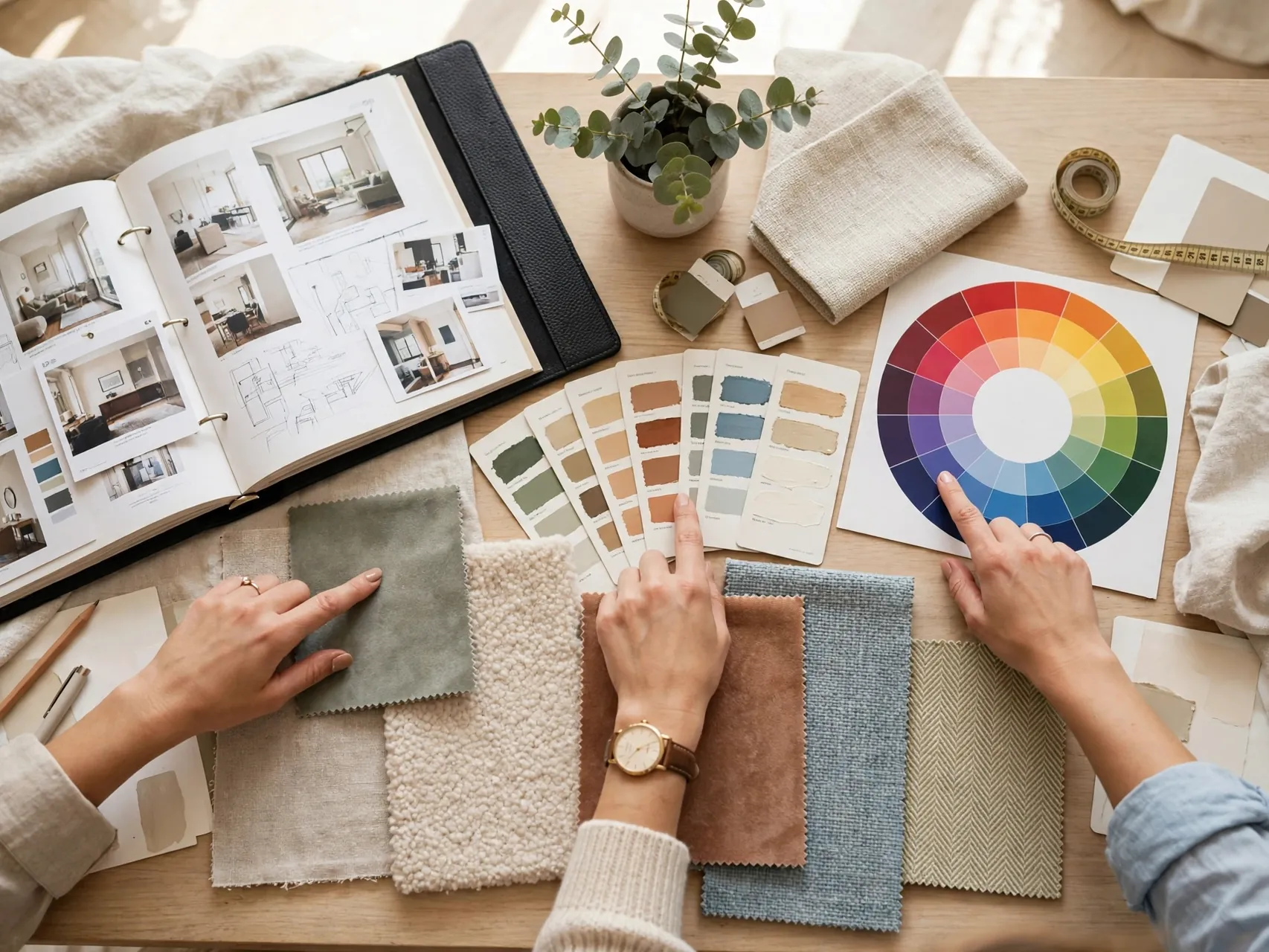
When one item or room defeats you both, borrow fresh eyes: a design savvy friend, an hourly consultation with a local designer, or a store stylist. A third voice breaks the tie without either partner surrendering, and professionals solve style clashes for couples every single week.
Frame the question narrowly: this wall, this sofa choice, this color pair. Narrow questions get useful answers and keep costs small. Agree beforehand that you will both genuinely consider the advice. Sometimes the outsider simply names the blended style you were already building, and naming it ends the argument.
22. Remember the Home Is the Relationship, Styled
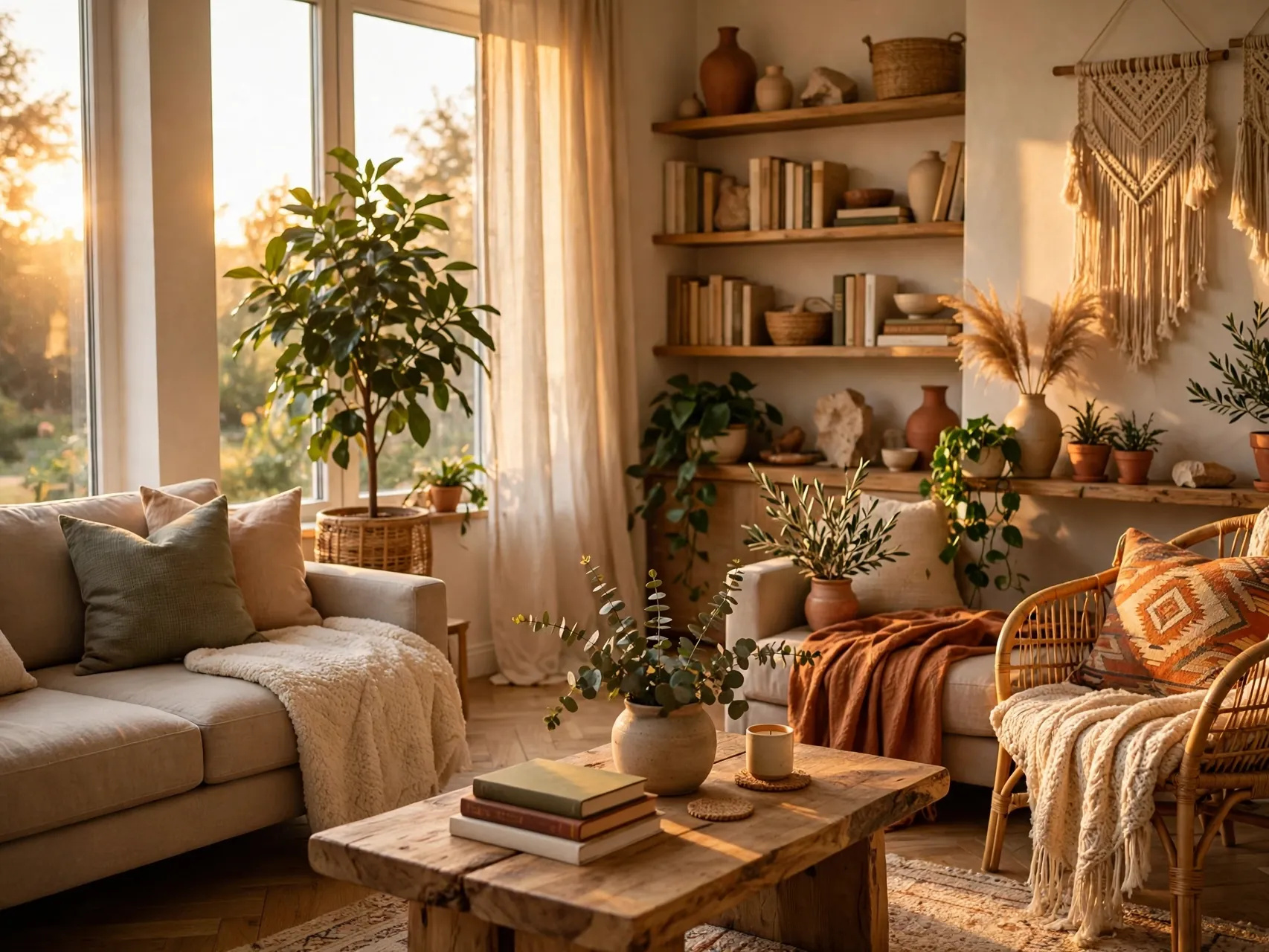
At the end of every decorating debate sits a simple truth: you are not decorating against each other, you are building the backdrop of your shared life. A home where both styles show up, imperfectly and warmly blended, tells the truth about the people inside it better than any showroom could.
Celebrate the mixes that surprise you, laugh at the experiments that fail, and keep the shared board growing as your tastes evolve together. The couples who enjoy decorating most treat it as a long, kind conversation. Your home will keep changing, and that is not a problem to solve but the whole point.
FAQ
How do we start decorating together when our styles are total opposites?
Start with feelings, not objects. Agree three words for how each shared room should feel, build one shared mood board from images you both save, and set the budget and each partner's three non negotiables in writing. Then begin with neutral ground wins like lighting, plants, and textiles. Opposites blend successfully every day when the ground rules come first and the furniture arguments come last.
What is the easiest way to blend two decorating styles in one room?
Let one style lead the big pieces and palette at roughly seventy percent, and let the other style answer in accents, art, and lighting at thirty percent, repeated at least twice so it looks deliberate. Bridge the two with textiles that mix both flavors, and repeat one shared color or material through the home. Flip the ratio in another room so both partners get a space where their style leads.
How do we handle a piece of furniture one of us hates?
First find the need under the hate and the love: comfort, memory, function, or cost. Then try context changes before banishment: refinish or reupholster with the owner's agreement, move the piece to a room where its style leads, or give it a trial period in place. If it still fails, store it or place it in a personal zone. Agree that grace on beloved pieces always extends in both directions.
Should couples hire an interior designer to settle decor disagreements?
It can help for specific stuck points, and many designers offer hourly consultations for exactly this. Book help with a narrow question, like a color palette or a living room layout, rather than a whole home, to keep it affordable. Choose someone whose portfolio already mixes styles. A neutral expert often settles in one session a debate that has circled for months, and both partners keep their dignity.
How do we decorate fairly on a tight shared budget?
Set the room budget together before shopping, agree which purchases need joint approval, and favor classic shared basics for the big spends. Use textiles, paint, secondhand finds, and restyling what you own for the personality layers, and take turns leading rooms so influence balances over the home. Review spending together after each room. Fair process matters more than equal spending on each partner's taste in any single room.
Key Takeaways
- Feelings before furniture: Agree how each room should feel, build one shared board, and set budgets and non negotiables before shopping.
- Neutral base, personal layers: Calm walls and classic big pieces let both styles shine through textiles, art, and accents.
- Ratios and repetition blend styles: One style leads, the other answers, and one shared color or material ties the whole home together.
- Trials beat arguments: Sample patches, return windows, and trial weeks settle taste debates with real life evidence instead of opinions.
- Protect personal zones: One small no questions area each makes compromise in shared rooms dramatically easier for both partners.
- Did these tips save a decor debate at your house? Save this guide to Pinterest and pin it before your next shopping trip together.