25 Long Narrow Living Room Layout Ideas That Really Work
Introduction
A long, narrow living room is not a bad room. It is just a room that punishes random furniture placement. Push everything against the walls and it feels like a waiting hallway. Plan it in zones, protect one clear walkway, and the same square footage suddenly holds conversation, TV time, reading and even a small desk with room to breathe.
The ideas below follow the order designers actually use for a long narrow living room layout: measure first, choose a focal point, divide the length into zones, then pick furniture that fits the width you really have. Most of them cost nothing because they start with rearranging what you already own.
Keep two numbers in mind as you read. A main walkway of about 30 to 36 inches feels comfortable, and seating rugs work best when the front legs of the sofa and chairs sit on them. Those two simple checks will tell you quickly whether a layout you love in photos will actually work in your room.
Finally, test before you buy. Tape the footprint of a sectional, float your current sofa for a weekend, and live with a reading chair at the far end before ordering anything new. Long rooms reward patience, and the best layout is usually the second or third one you try, not the first.
1. Split the Room Into Two Clear Zones

Divide the length into a main seating zone and a second zone for reading, work or dining. A rug under each zone, plus different lighting, tells your eye where one area ends and the next begins, so the room stops reading as one long corridor.
Keep a walkway of about 30 to 36 inches where you can. That single measurement, repeated in good long narrow living room layout advice, is what makes zoning feel generous instead of squeezed.
2. Float the Sofa With a Console Behind It

Pull the sofa off the wall and place a slim console behind it. The console holds lamps, books and a tray, defines the walkway behind the seating, and makes the arrangement look planned rather than pushed aside.
Even six to twelve inches of float changes the feel. If space is tight, float only the sofa and keep smaller pieces against the walls to protect your traffic path.
3. Sofa on the Long Wall, Chairs Opposite
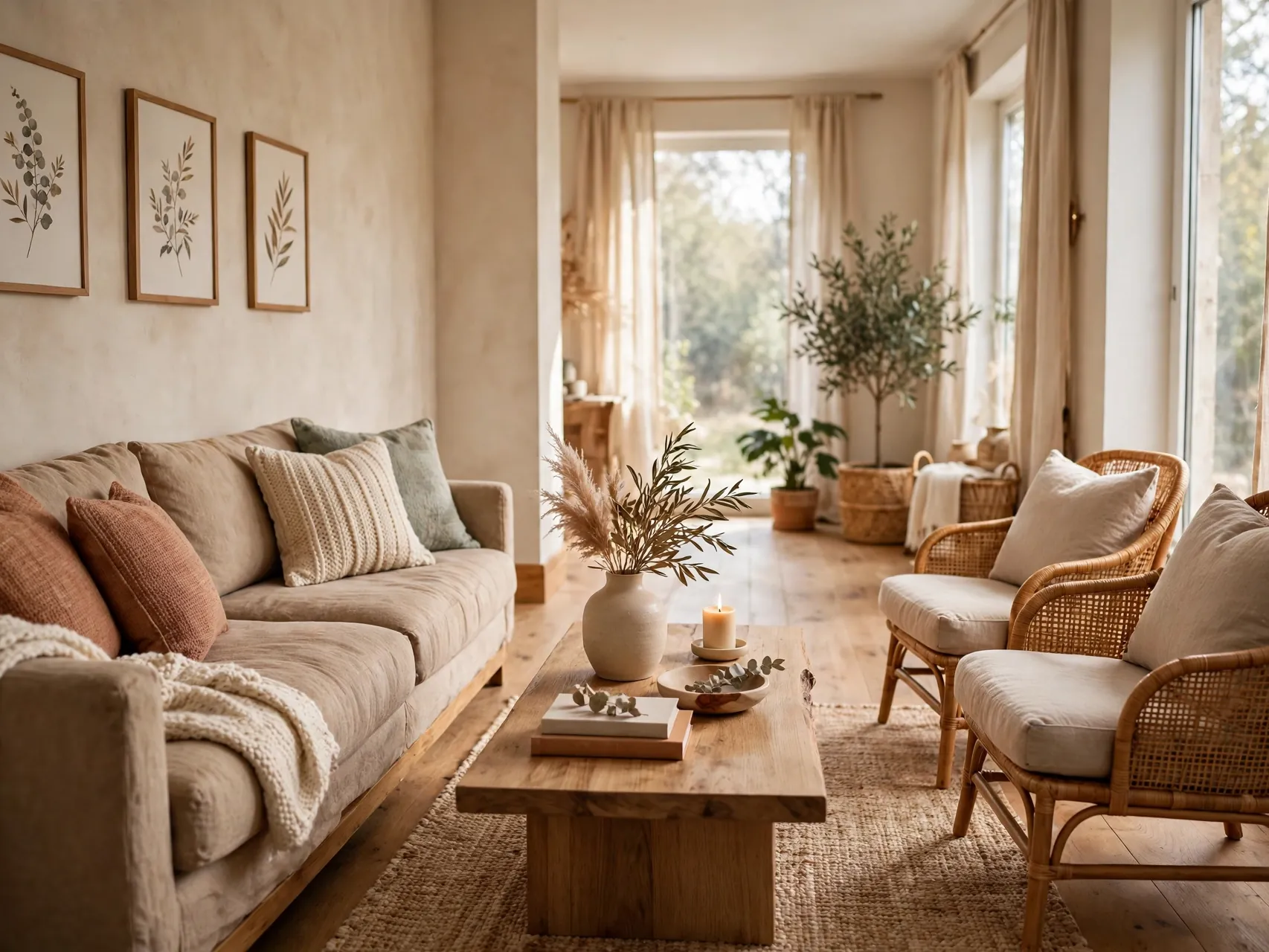
The classic fix still works. Put the sofa along one long wall, two lighter chairs opposite, and a narrow coffee table between them. Conversation feels natural and nobody has to shout down the length of the room.
Choose armless or low arm chairs so sightlines stay open. This rectangular living room layout suits rooms where the TV or fireplace sits on the short end wall.
4. Use an L-Shaped Sectional as an Anchor
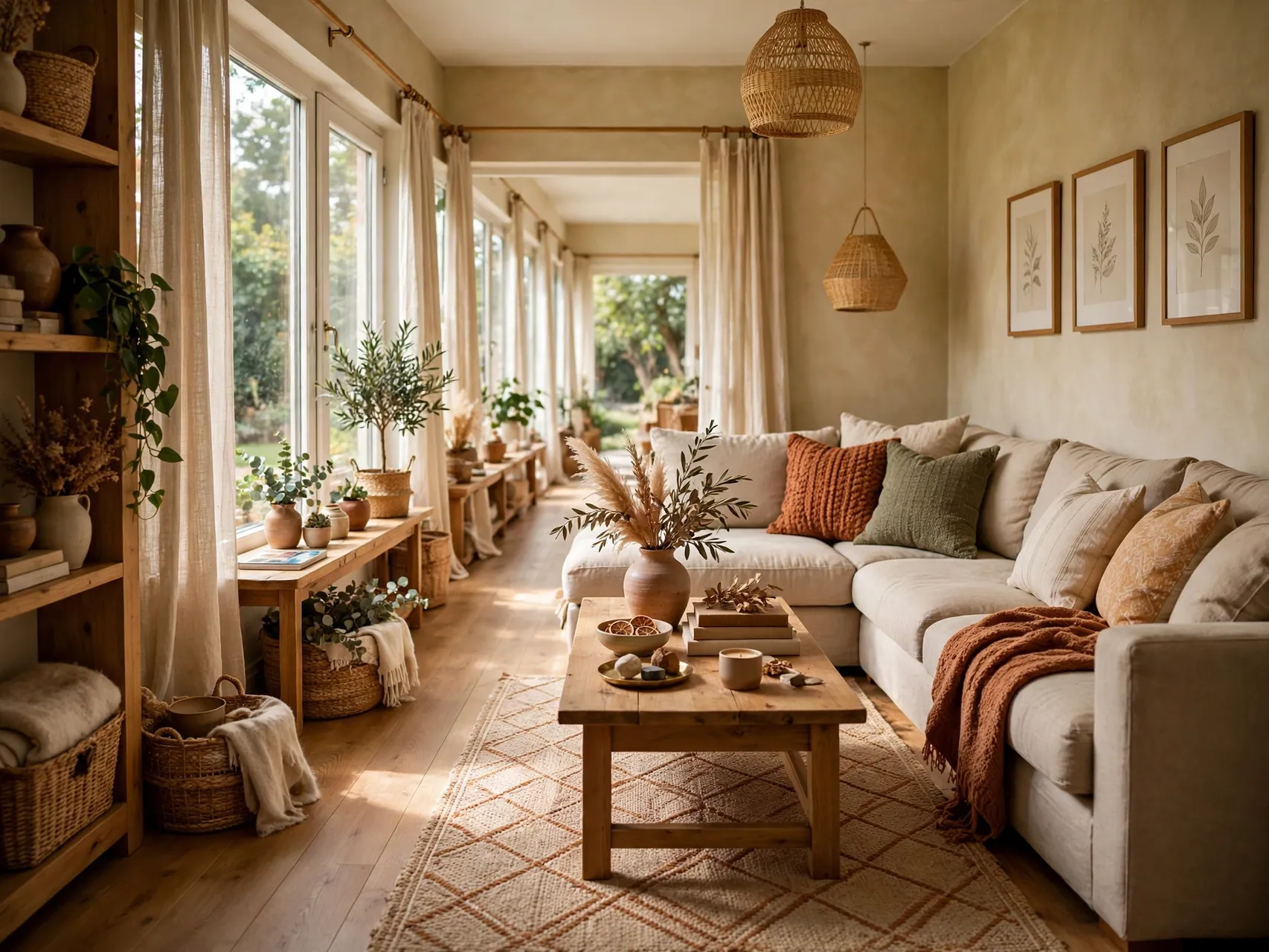
A compact L sectional can anchor the main zone and its chaise end acts as a soft divider. It replaces a sofa plus extra chairs, which reduces visual clutter in a space that cannot afford extra pieces.
Measure carefully before buying. The sectional back should still leave your walkway clear, and a low back profile will keep the far end of the room visible and connected.
5. Create a Reading Nook at the Far End
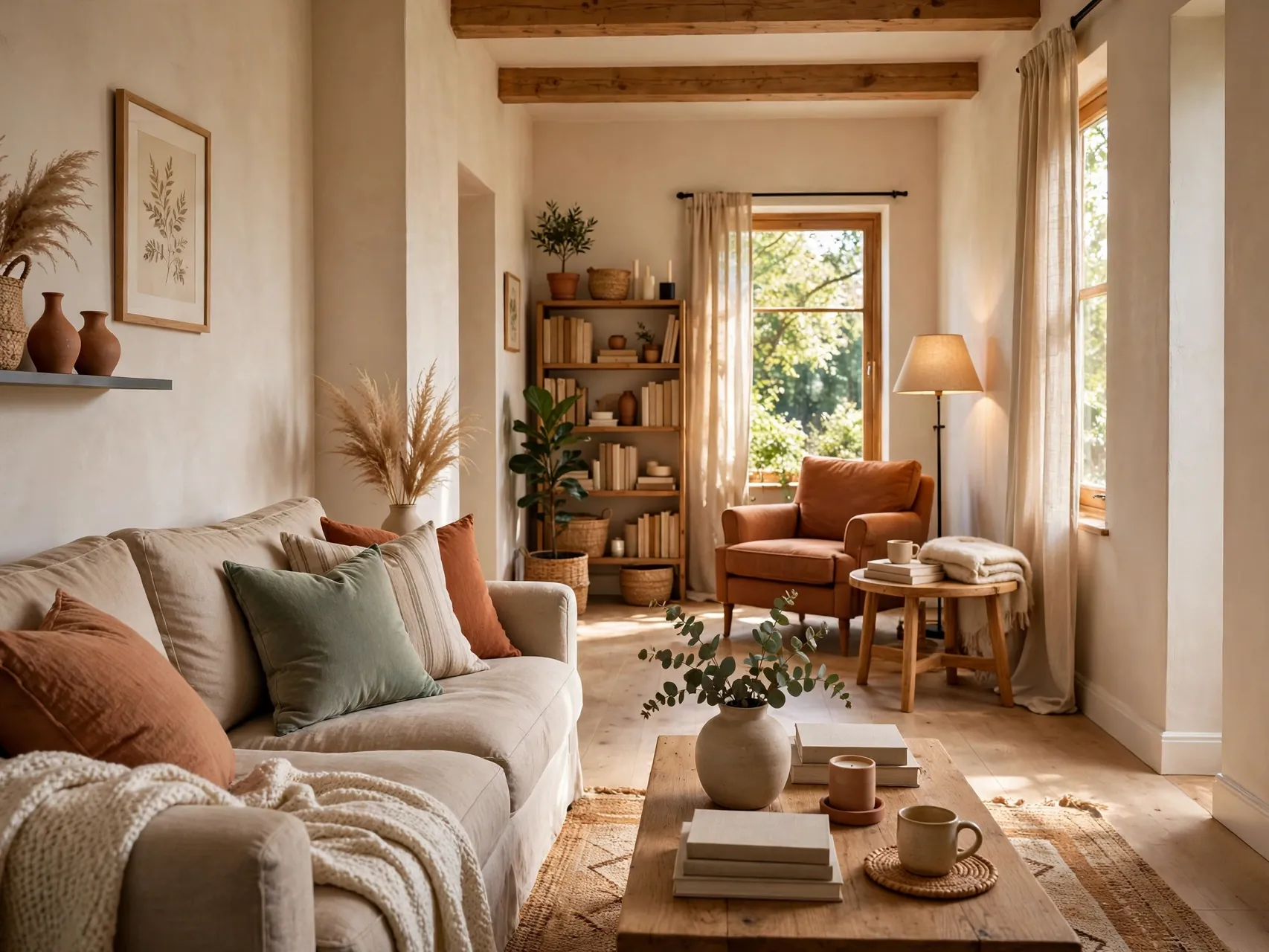
Give the far end a job. One comfortable chair, a small side table, a floor lamp and a book basket turn dead space into the most requested seat in the house, especially near a window.
Angle the chair slightly toward the room instead of squaring it to the wall. That small turn makes the nook feel social rather than exiled, and it softens the tunnel effect.
6. Add a Slim Desk Zone Behind the Seating

Tuck a narrow desk and a light chair at one end or behind the sofa zone for homework, laptops and mail. A desk gives a long room a second purpose without needing a separate home office.
Keep desk storage vertical with one shelf above it. Closed boxes for papers stop the work zone from visually spilling into your relaxing zone at the end of the day.
7. Break the Length With a Square Coffee Table
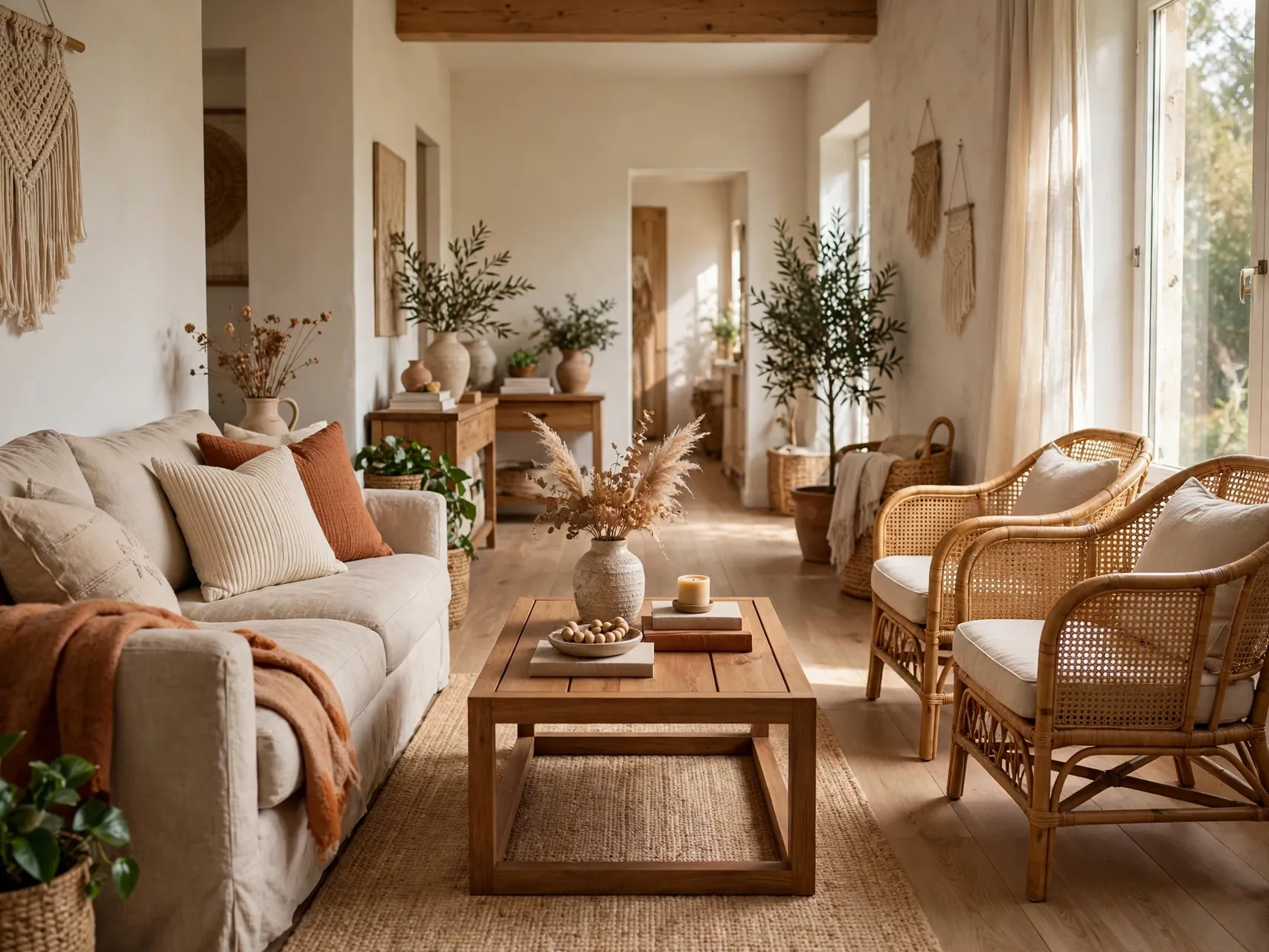
A square or round coffee table interrupts the long lines of the room. Where every other piece runs parallel to the walls, one different shape resets the proportions and makes seating feel gathered.
Round tables also help shins in tight walkways. Leave enough clearance around the table to move comfortably, and scale it to the sofa rather than to the whole room.
8. Lay Two Rugs Instead of One Runner Rug

One long runner style rug exaggerates length. Two separate rugs, one per zone, shorten the room visually and let you mix patterns safely, as long as they share a color or two.
Each rug should be big enough for the front legs of its seating. Undersized rugs are the fastest way to make a narrow room feel like a collection of small, floating islands.
9. Keep the Walkway on One Side Only
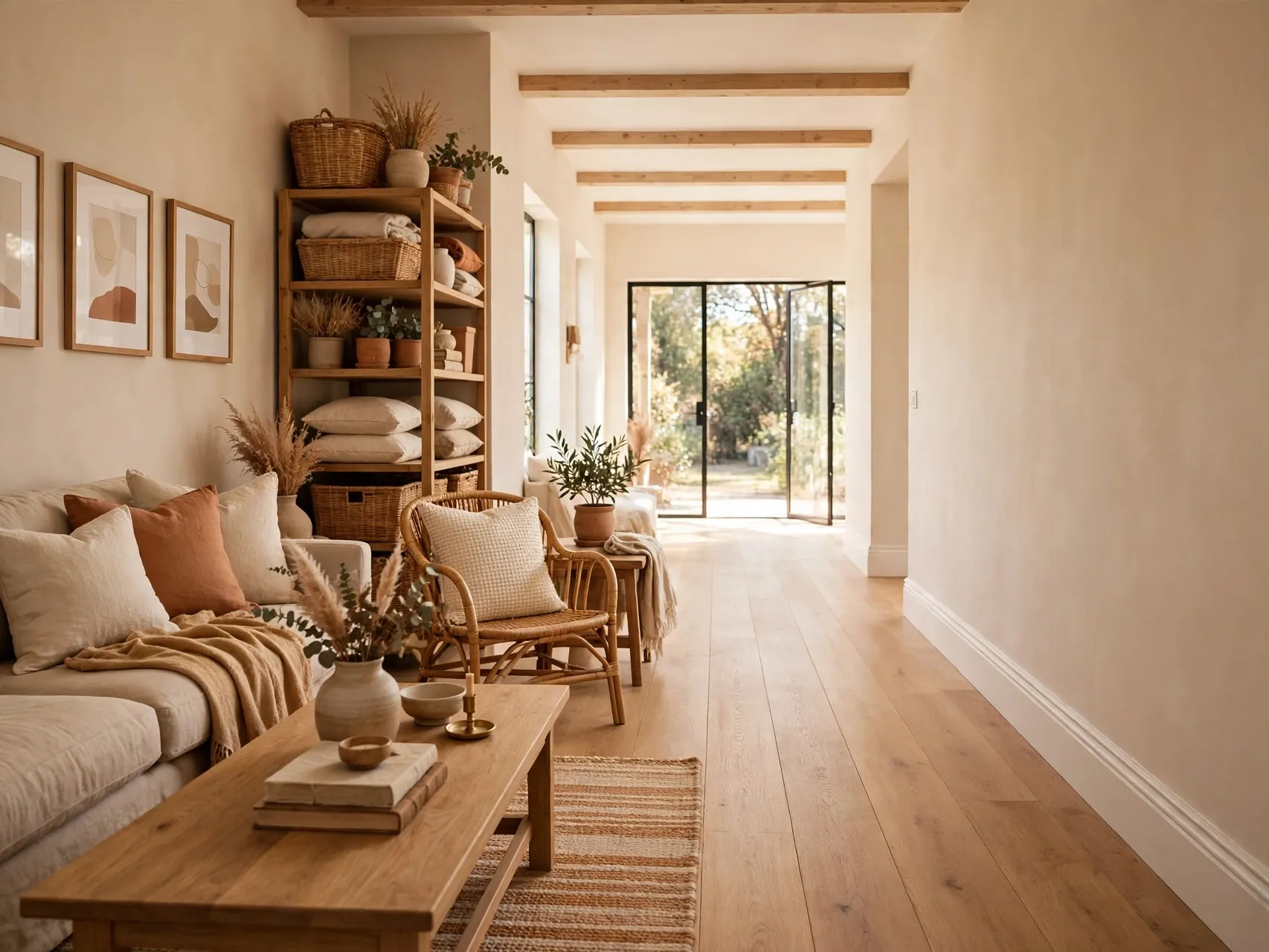
Decide early which side is your path and protect it. Furniture can fill the other side more fully, and guests will move through the room without weaving between chairs and tables.
Mark the path with painter tape while you test layouts. Living with tape lines for a day reveals pinch points that a floor plan sketch almost always misses.
10. Hang Curtains High and Wide
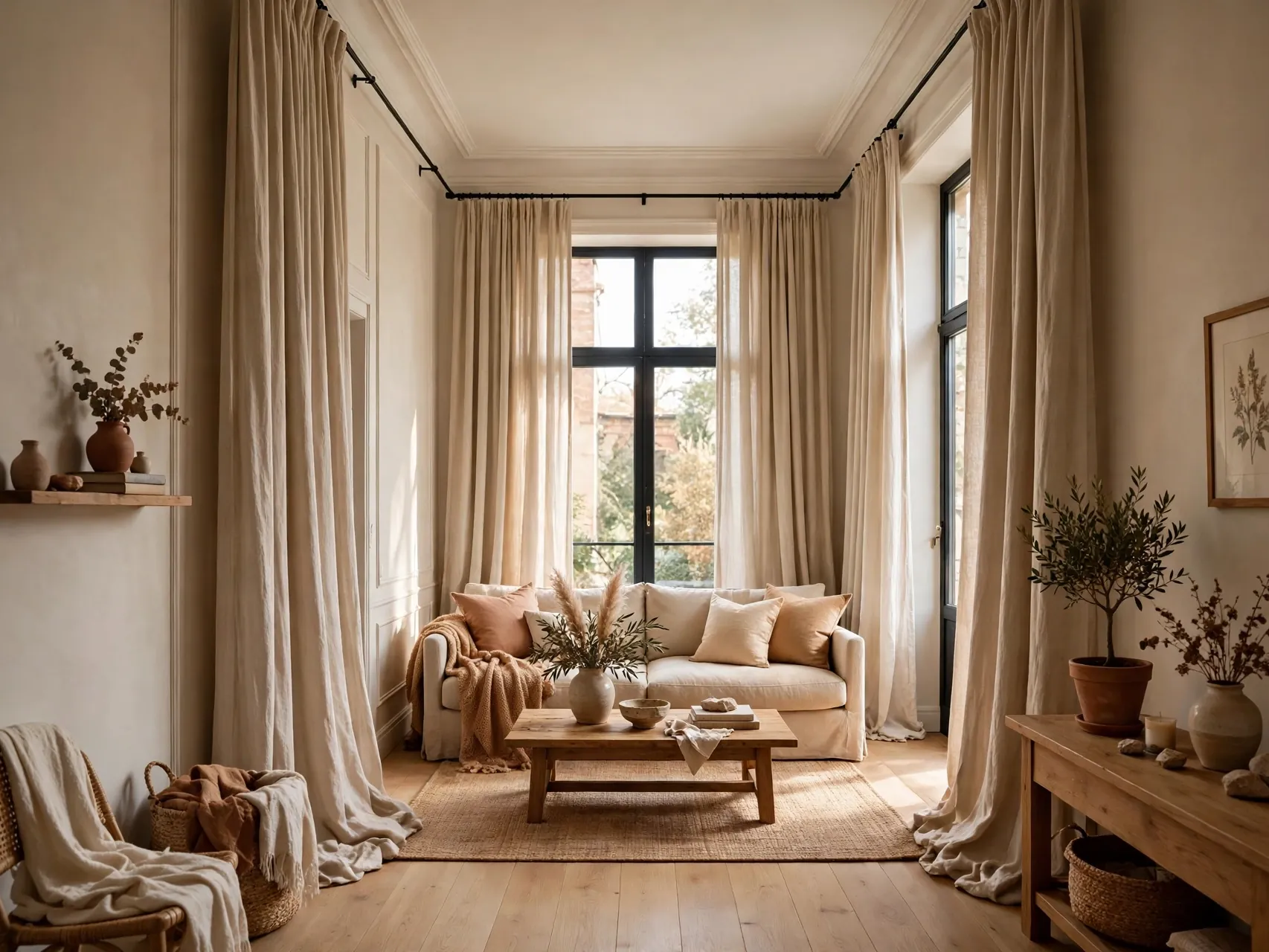
Mount curtain rods close to the ceiling and wider than the window frame. The panels frame the short end wall, add height, and make windows feel larger, which balances the long side walls.
Choose curtains that just kiss the floor. Panels that stop short look accidental in a long room, while a clean full length line helps the end wall feel finished and intentional.
11. Use a Low Media Console on the Short Wall
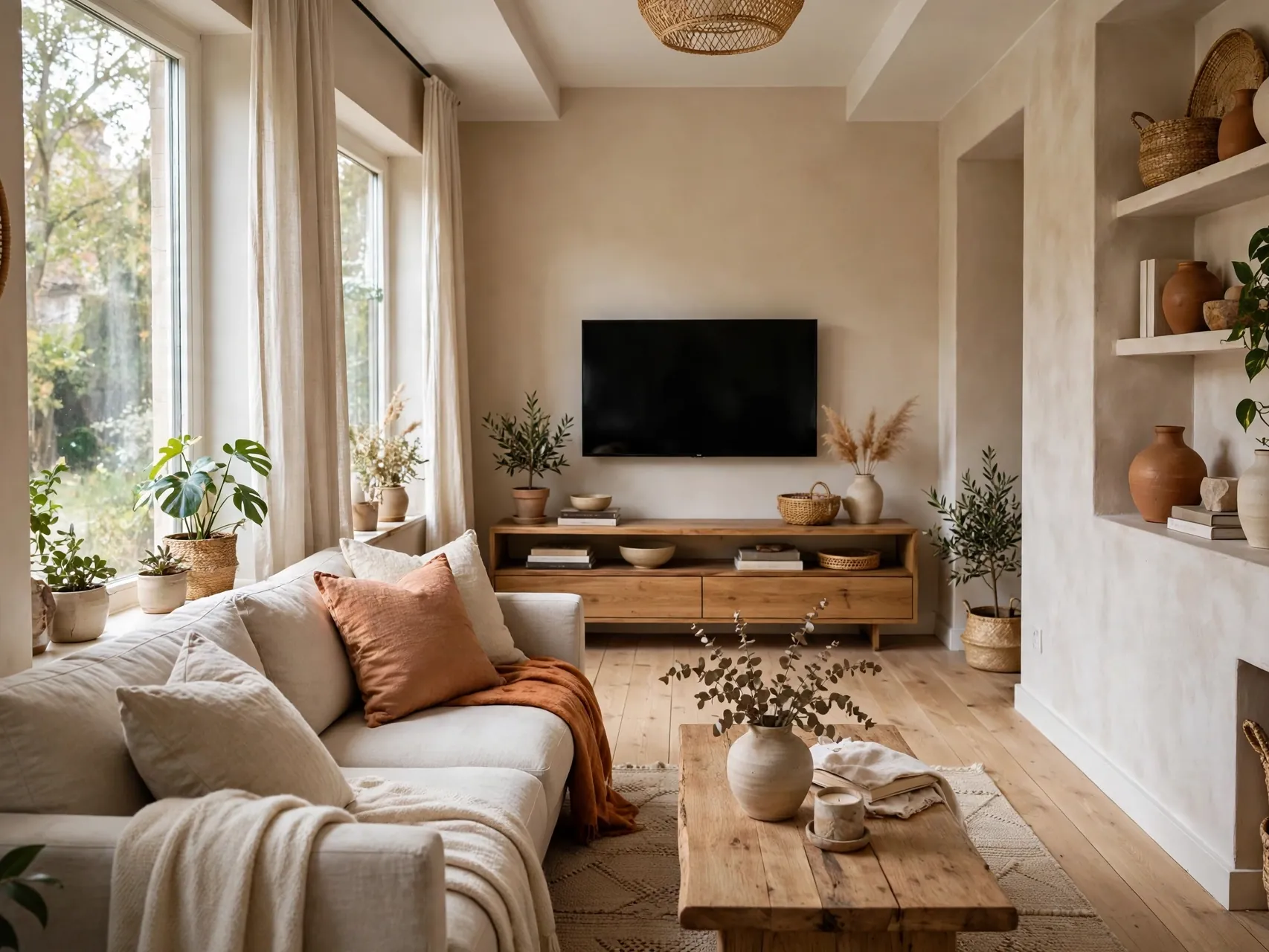
A low, wide media console on the short end wall gives the room a clear focal point and stops the eye. Mount the TV above it or rest it on top, then arrange seating to face that end.
Keep the console low rather than tall. Horizontal furniture on the short wall widens that wall visually, while a tall cabinet there would make the room feel even more like a hallway.
12. Try a Diagonal Accent Chair

Angle one accent chair at about 45 degrees in a corner of the seating zone. The diagonal breaks the grid of parallel lines and invites people in, making the arrangement feel relaxed rather than lined up.
Pair it with a small round side table. Diagonals need breathing room, so use this trick once per room rather than angling every piece you own.
13. Build Symmetry Around the Focal Point
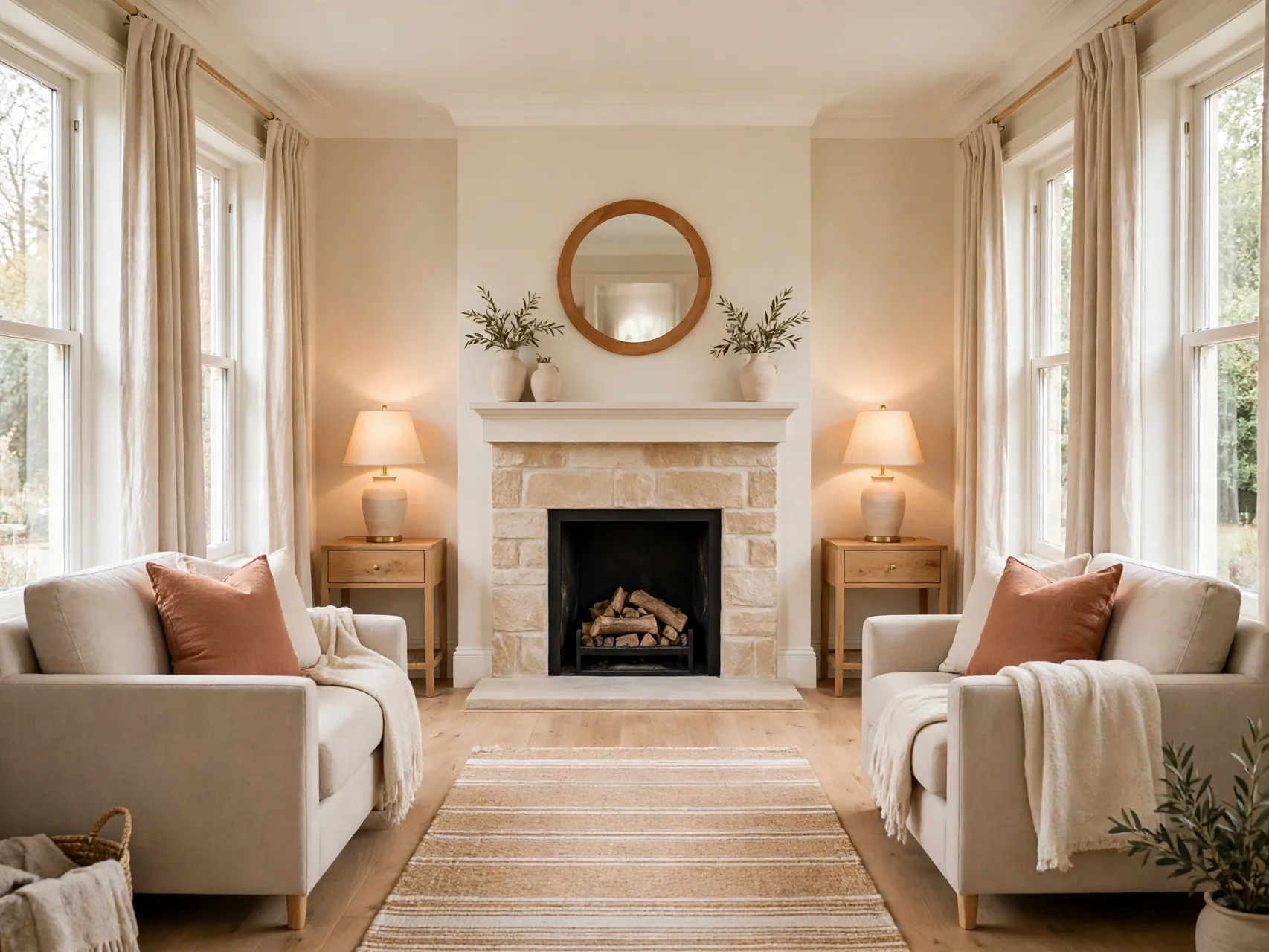
Matching lamps, paired chairs or twin bookcases around a fireplace or TV create order in a room that can feel chaotic. Symmetry reads as calm, and calm makes narrow spaces feel larger.
You do not need identical everything. Match the big shapes and heights, then let pillows, art and objects vary so the room still feels collected and personal.
14. Choose Leggy, Raised Furniture
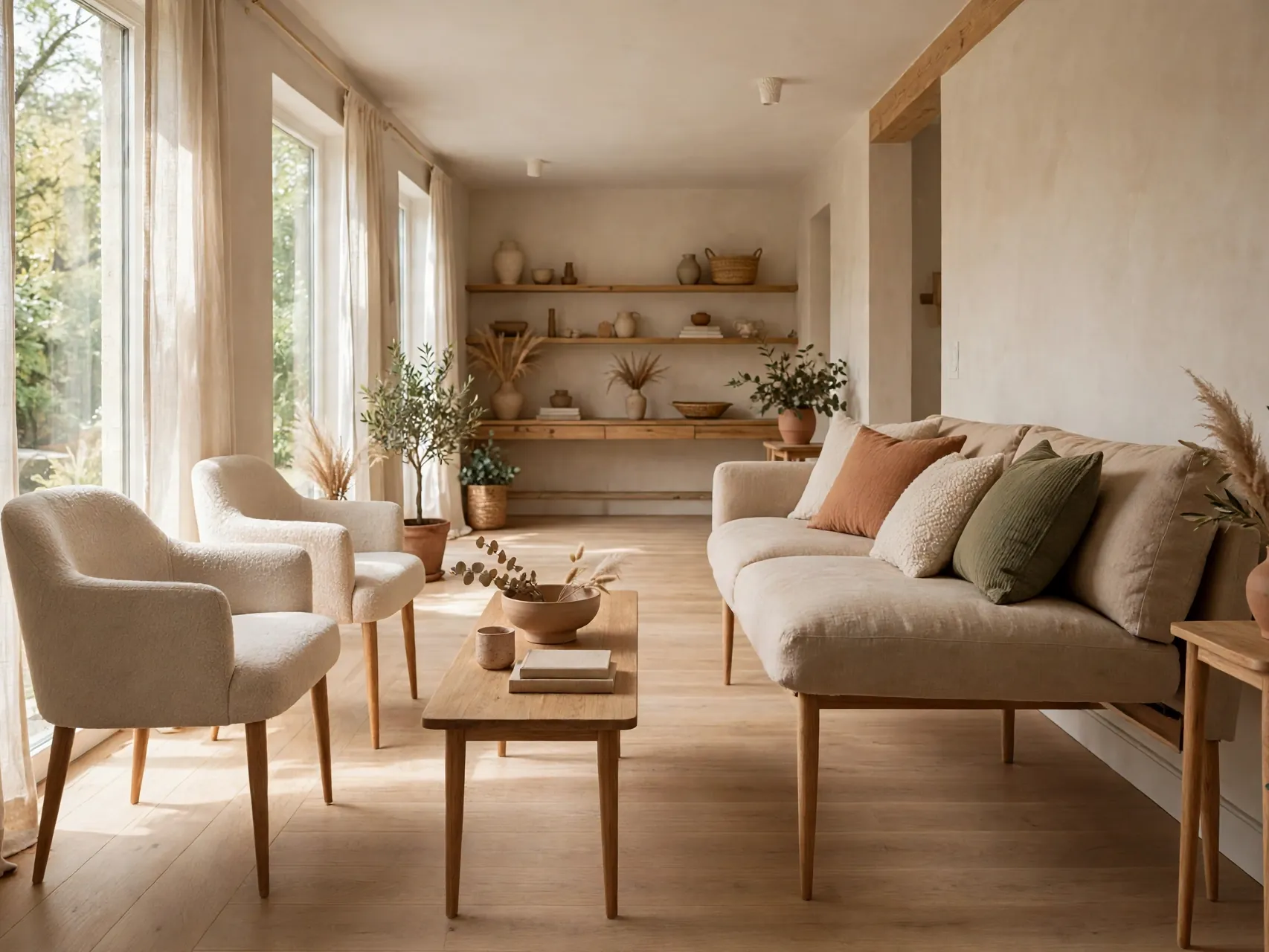
Sofas and chairs raised on visible legs let light and sight pass underneath, which makes the floor feel continuous. In a narrow room, that borrowed openness matters more than in a square one.
Avoid skirted bases and bulky low pieces in the main zone. Save one solid, grounded piece, like an ottoman, to anchor the grouping so it does not feel floaty.
15. Pick a Narrow Coffee Table With a Shelf

If a square table will not fit, choose a narrow rectangular table with a lower shelf. You gain display and storage without widening the footprint, and the shelf keeps remotes and books off the top.
Glass or open frame versions feel lightest. Whatever you pick, keep the top mostly clear, because a crowded table surface makes a tight seating zone feel tighter.
16. Line One Wall With Low Bookcases
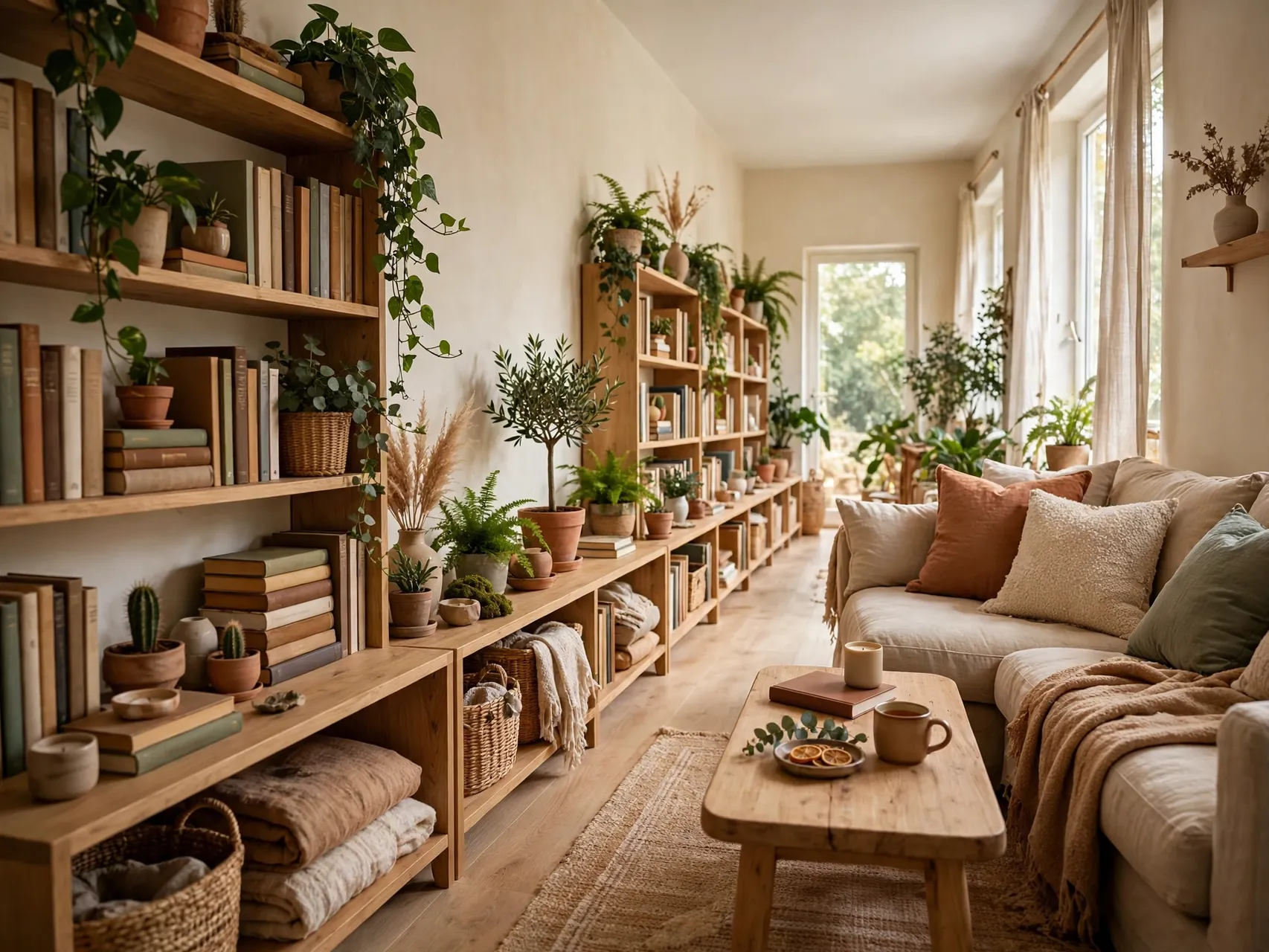
Low bookcases along one long wall add storage, display space and a strong horizontal line that organizes the room. Keep them below window height where possible so light is not blocked.
Style shelves with breathing room: books, one plant, one object, then space. A low bookcase wall also gives the second zone a backdrop for a reading chair or desk.
17. Use Wall Sconces to Save Floor Space

Sconces light the room without eating floor or table space, which is gold in a narrow layout. Place them to mark each zone, above a bookcase, beside the TV wall, or flanking art on a long wall.
Hardwired sconces look cleanest, but plug in and battery versions suit renters. Warm bulbs at seated eye level make long rooms feel cozy in the evening rather than stark.
18. Make a Dining End in Open Plan Rooms
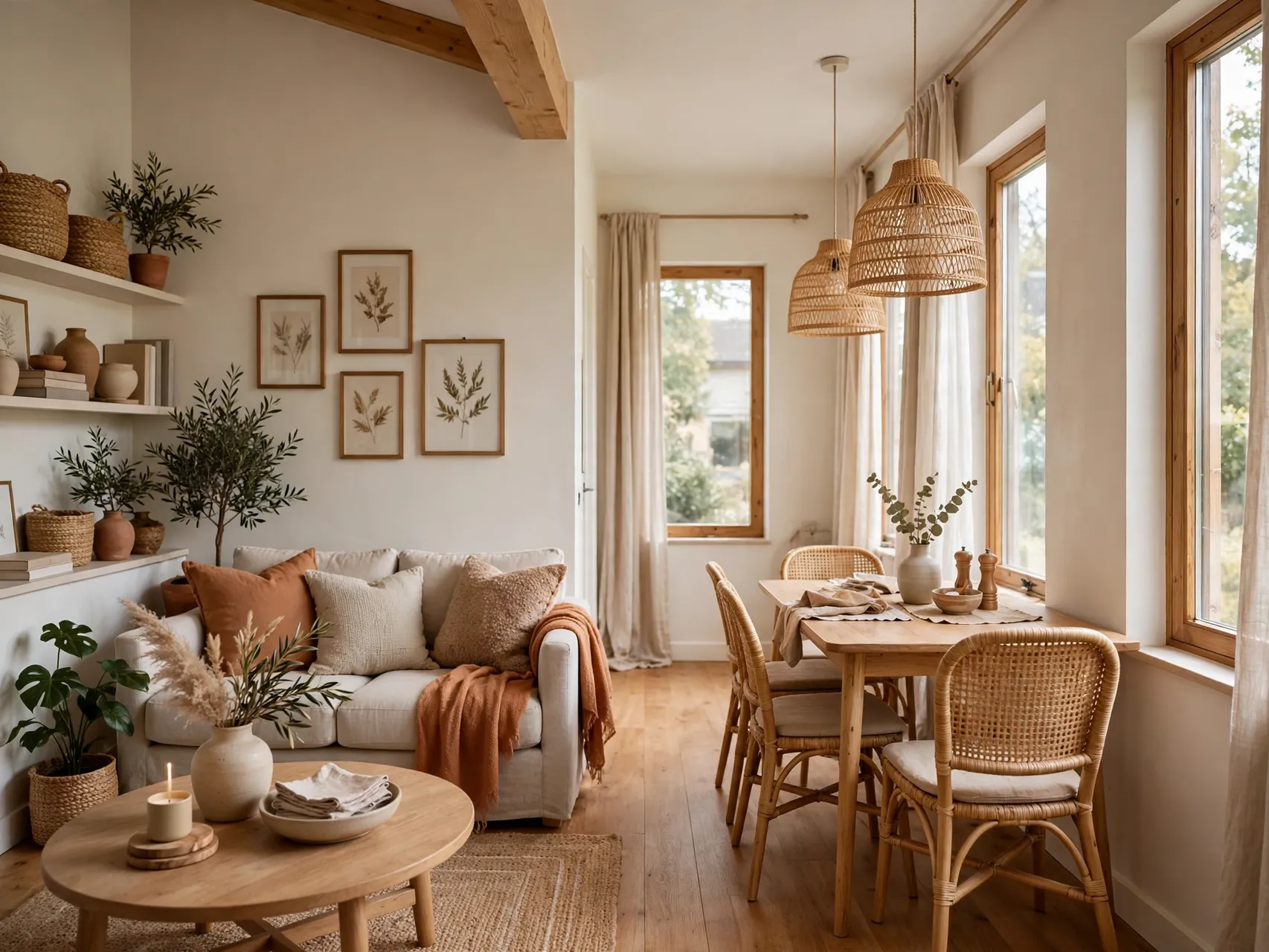
If your long room must also hold dining, give the far end a small round or extendable table, a pendant light and its own rug. Round tables keep corners free for passing and soften the rectangle.
Keep dining chairs light and armless so they tuck in fully. A bench on one side can double as extra living room seating when guests spill over between zones.
19. Add a Bench Instead of a Second Sofa
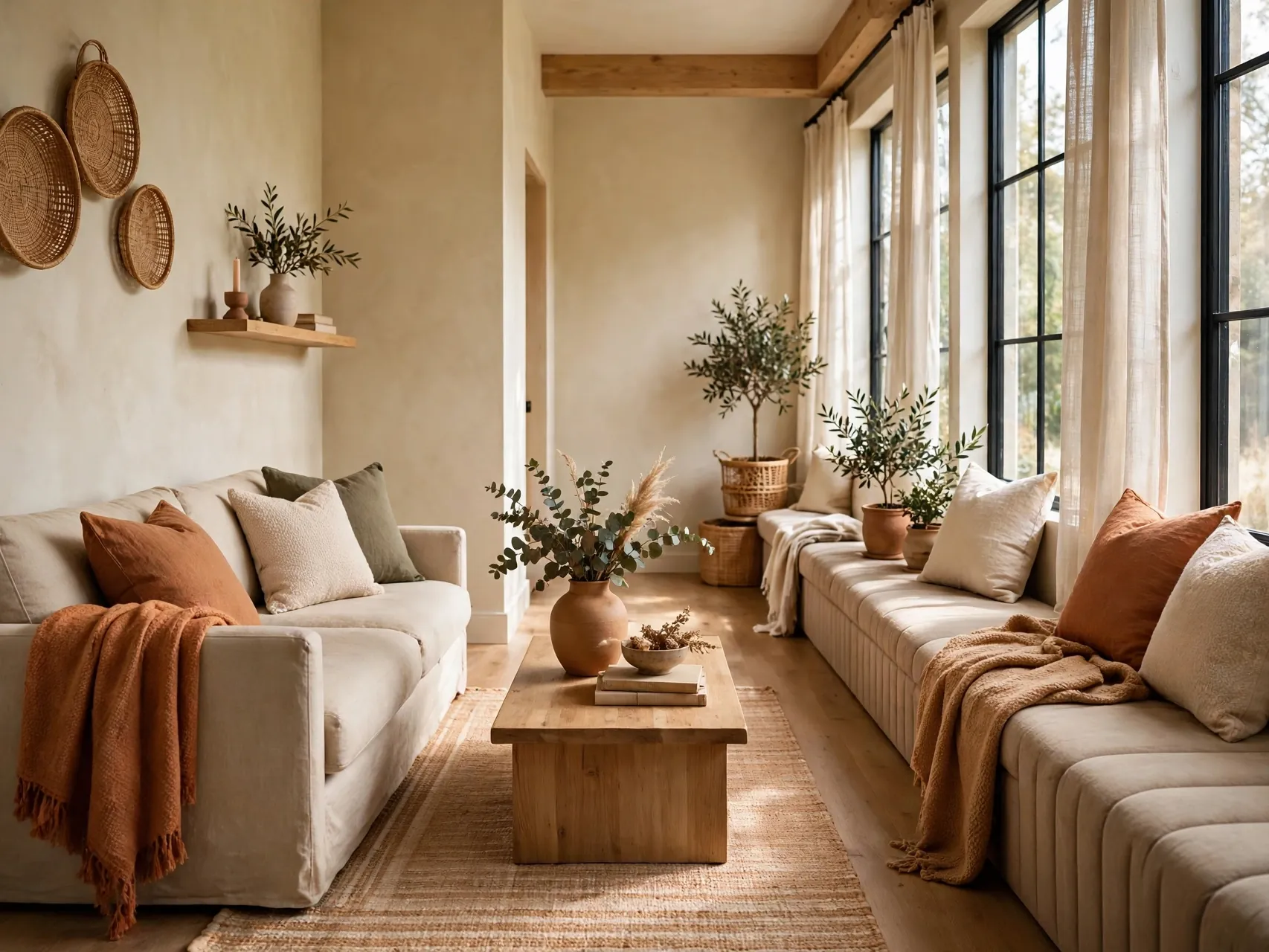
A backless bench or daybed style seat adds places to sit without blocking views down the room. It can face the sofa for conversation, hold a tray as a table, or sit under a window.
Benches are also easy to move for movie night or parties. In a narrow living room layout, flexible pieces earn their keep far more than one perfect, fixed arrangement.
20. Use Mirrors on the Long Wall
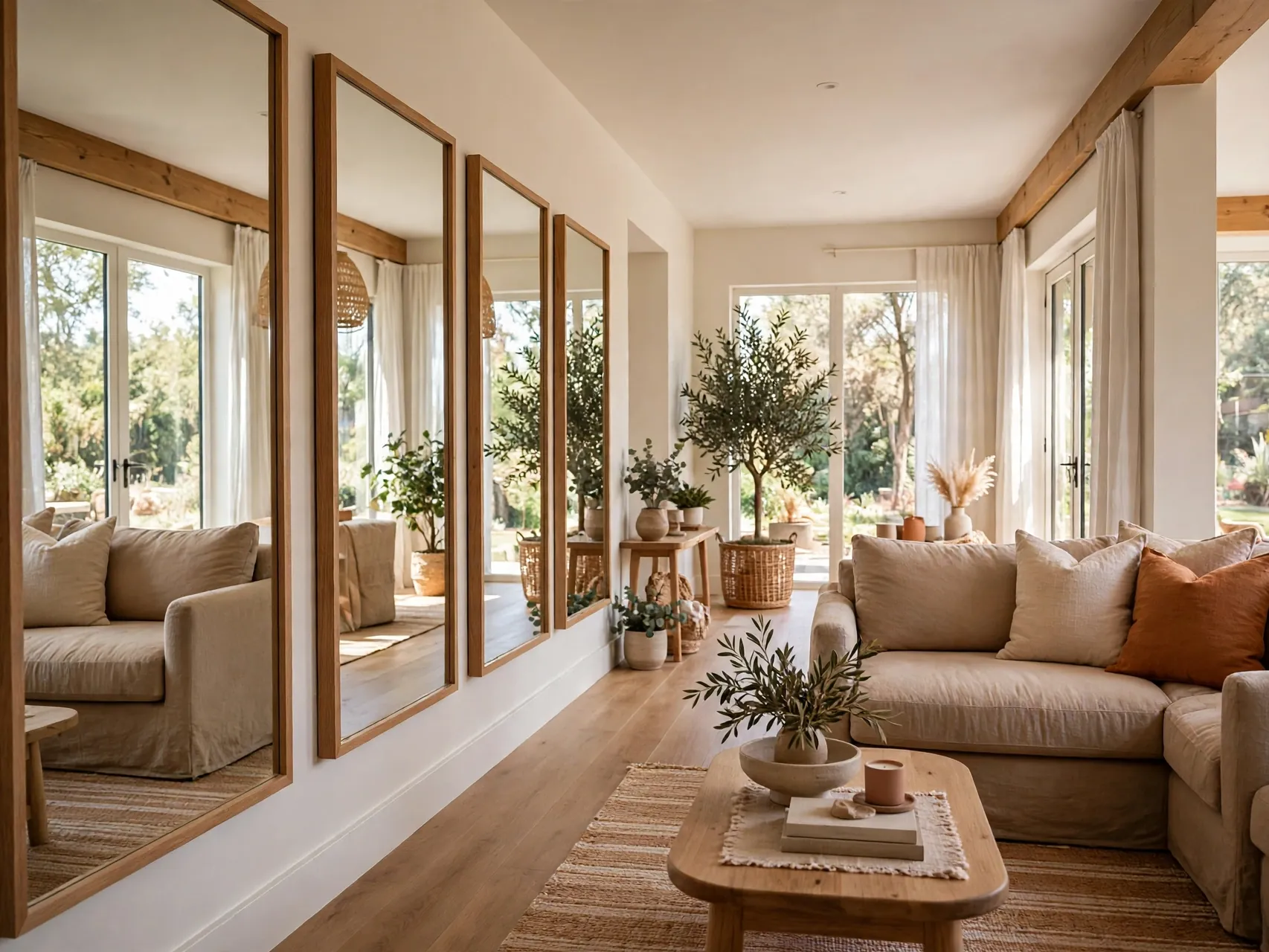
A mirror or a pair of mirrors on a long wall bounces light across the width of the room, which is exactly the direction a narrow room needs help. Place them to reflect a window or a lamp.
Avoid reflecting clutter or a blank TV screen. Check the view from the sofa before hanging, since a mirror only helps when it reflects something worth looking at twice.
21. Keep the Palette Light on Long Walls

Light, warm colors on the long walls push them apart visually, while a slightly deeper tone on the far short wall can pull that wall closer and correct the proportions of a very long room.
Test paint on both a long and a short wall before committing. Light changes down the length of these rooms, and the far end often reads darker than the entry end.
22. Store Vertically With Tall, Slim Shelving
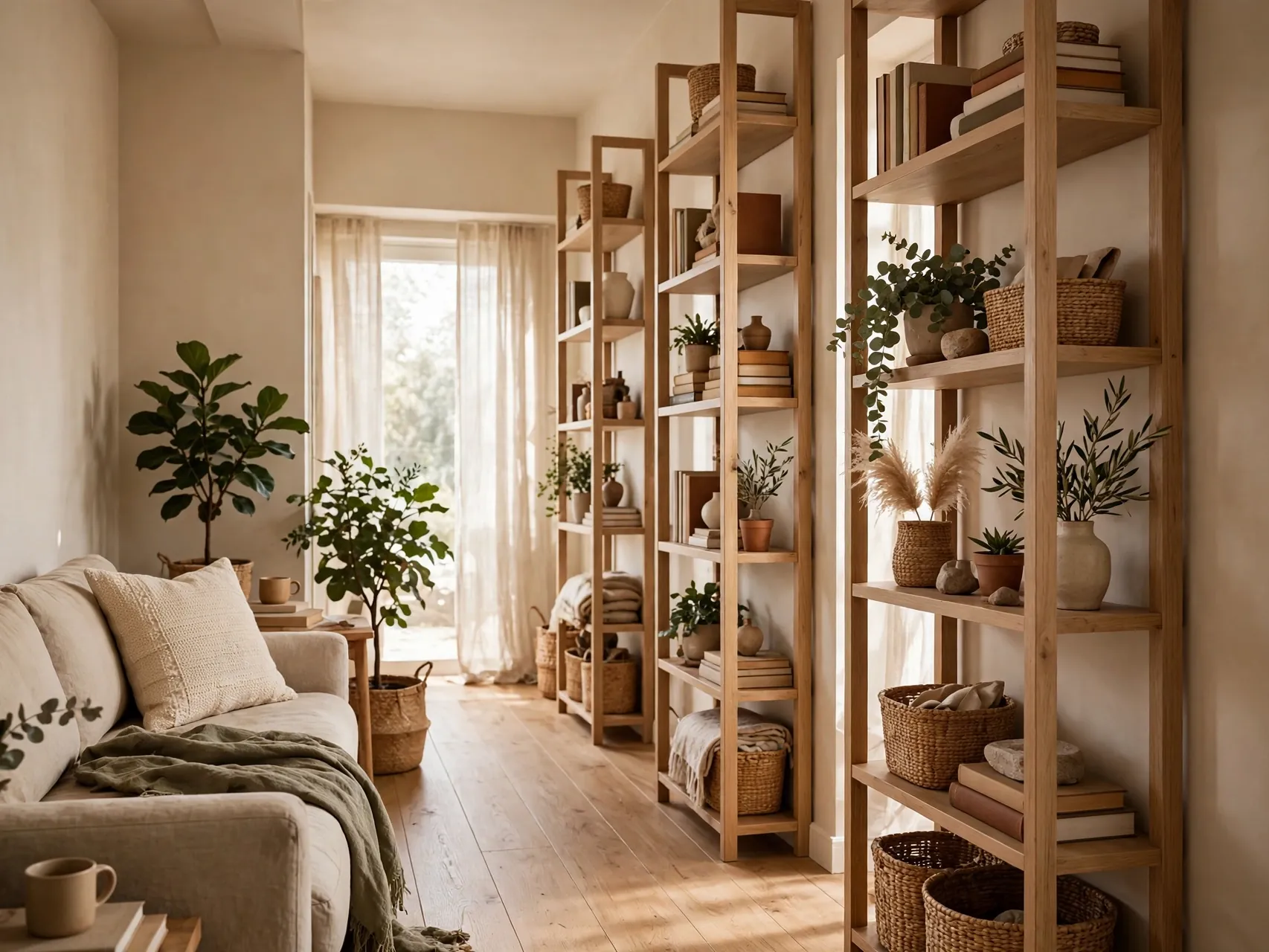
One tall, narrow bookcase or etagere uses height instead of width for storage. Place it in the second zone or beside the media console, not in the middle of your main seating wall.
Anchor tall pieces safely, especially in homes with kids. Vertical storage keeps the floor plan open, which protects the walkway that makes the whole layout work.
23. Define Zones With Lighting, Not Walls
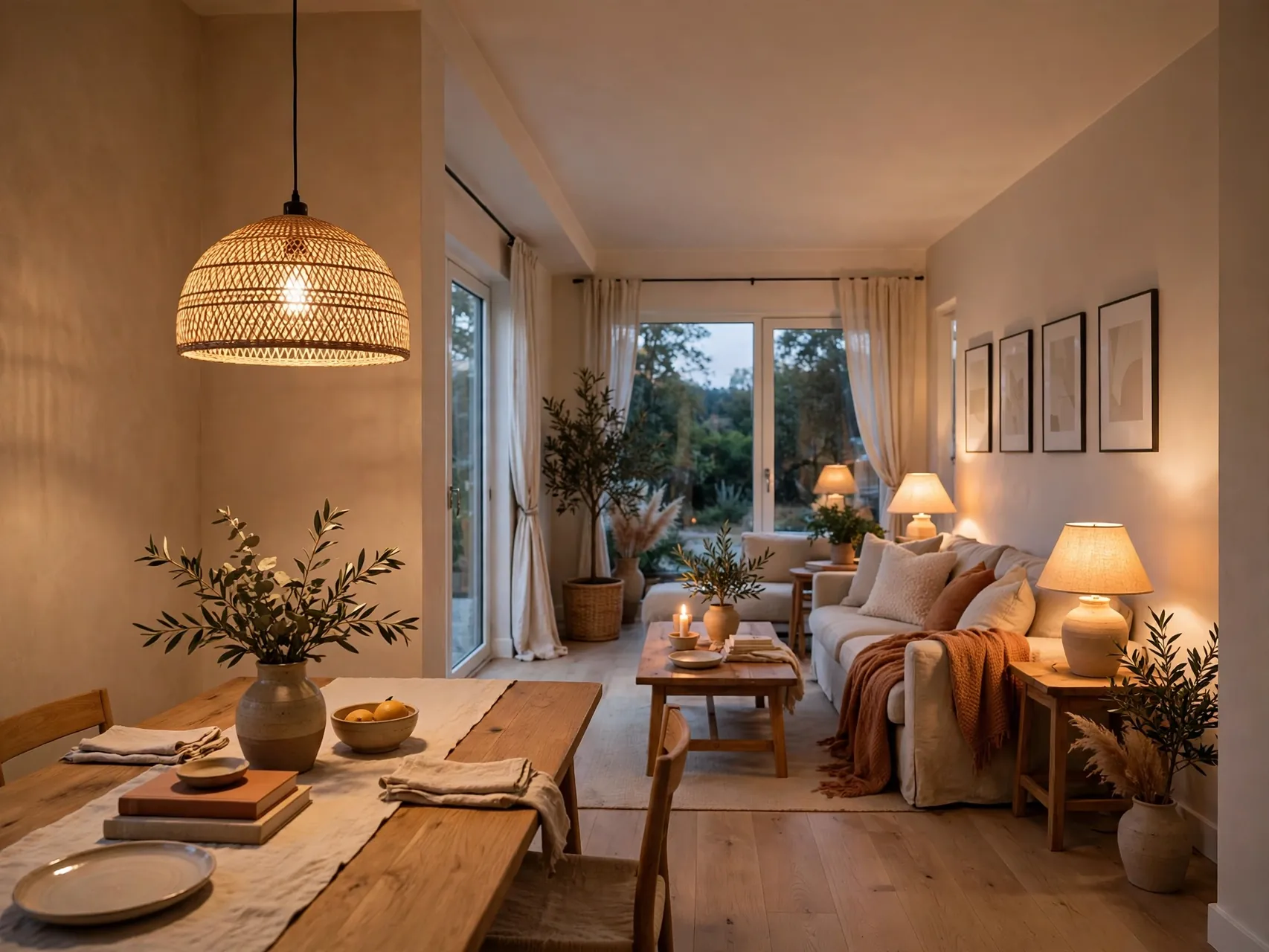
A pendant over the dining end, a floor lamp by the reading chair and table lamps in the seating zone can divide a room as clearly as furniture does, with zero floor space used.
Put lamps on separate switches or smart plugs where you can. Lighting one zone at a time in the evening makes a long room feel like a series of cozy rooms.
24. Choose a Loveseat Plus Chairs Over a Big Sofa
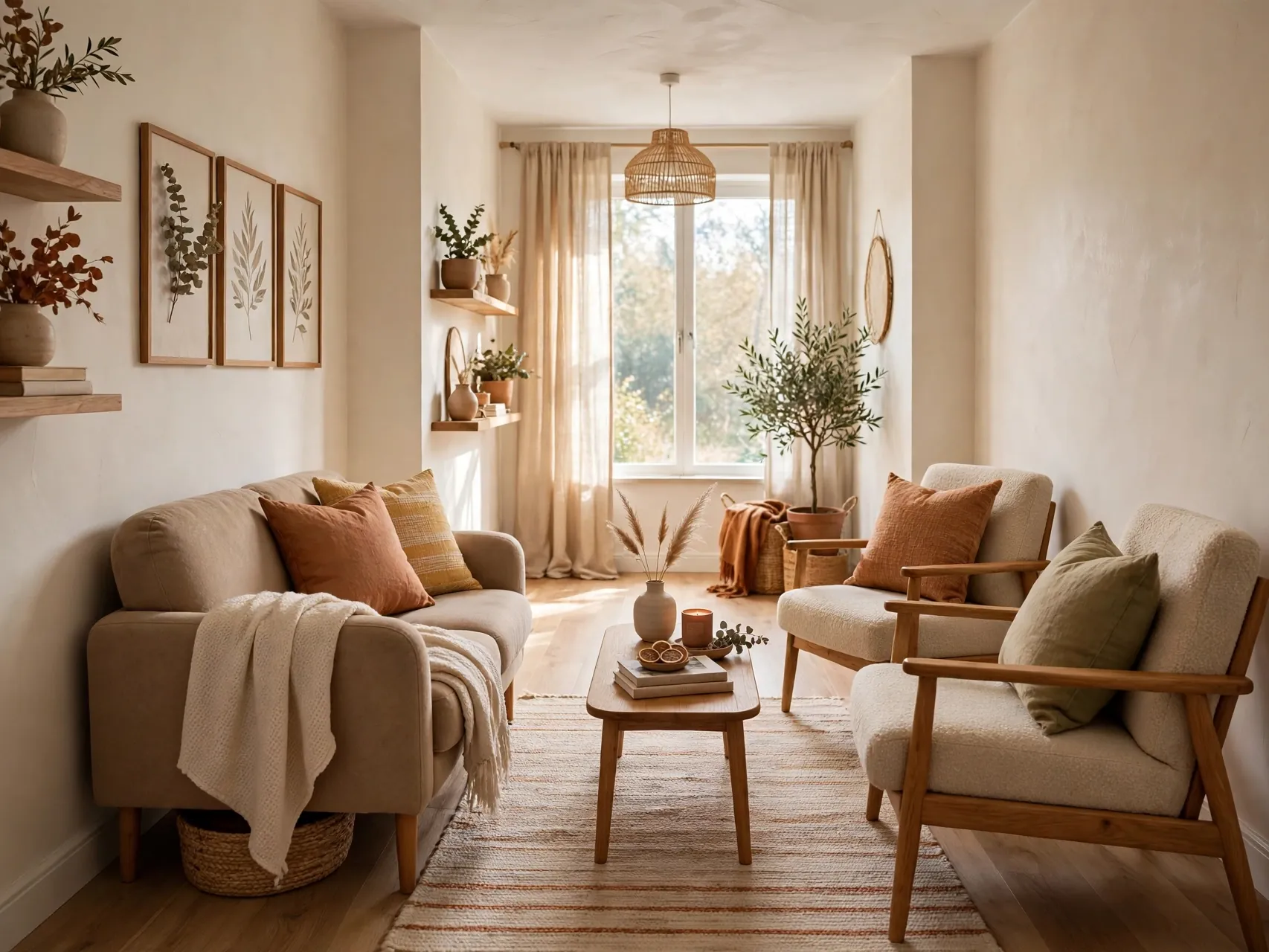
In very narrow rooms, a loveseat and two movable chairs beat one oversized sofa. You get similar seating with far more layout options, and chairs can turn to face a zone, a view or a conversation.
This mix also helps if your door or hallway limits what furniture can physically enter the room. Measure doorways and turns before ordering any large piece, sectional included.
25. End the Room With a Real Focal Moment
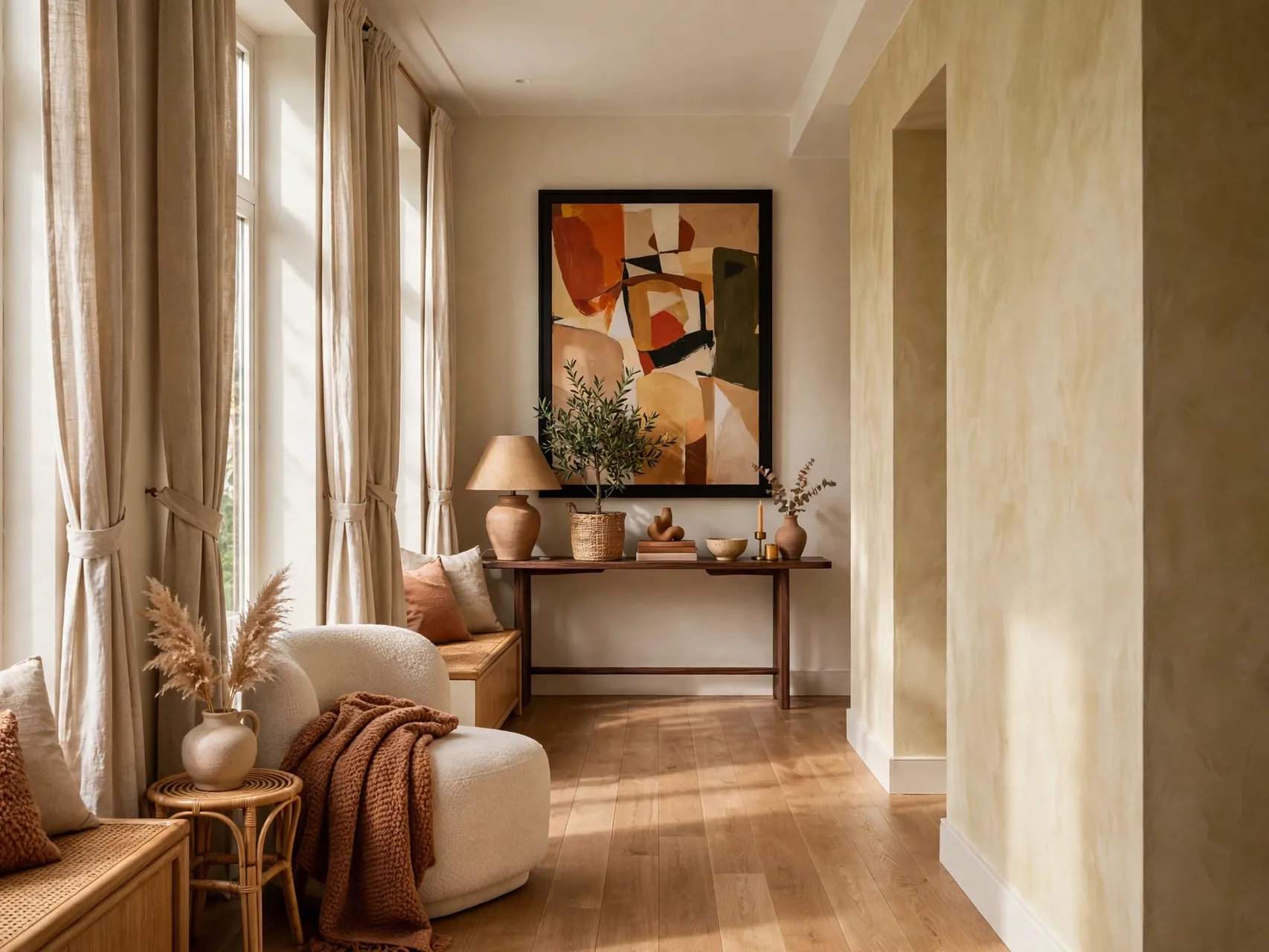
Finish the far wall on purpose: art, a plant grouping, a bookcase with a lamp, or a bar cart with a mirror above it. A designed ending stops the eye happily instead of letting it slide into a blank corner.
This is the most skipped step in how to arrange a long narrow living room guides in real homes. One intentional far end makes every layout choice before it look smarter.
FAQ
What is the best layout for a long narrow living room?
Zone the room. Anchor a seating area around one focal point at one end or on one long wall, give the far end a second job like reading or dining, and keep one clear walkway of about 30 to 36 inches along the room.
Should a sofa go against the wall in a narrow living room?
It can, especially on a long wall, but floating it slightly with a console behind often looks more intentional. If floating blocks your walkway, the wall placement is the right choice for your room.
How do I stop a long living room feeling like a hallway?
Break the sightline. Use rugs to define zones, add a square or round coffee table, angle one chair, and design the far end with art, shelving or a plant grouping so the eye has a place to land.
What size rug works in a narrow living room?
Choose a rug wide enough for the front legs of your seating to rest on it, and long enough to cover the seating zone only. Avoid one runner style rug down the whole room, which exaggerates the length.
What furniture should I avoid in a narrow living room?
Avoid oversized deep sofas, bulky skirted chairs, tall cabinets on the short walls and too many small tables. Leggy, slim and multi use pieces keep the room open and the walkway clear.
Key Takeaways
- Zone first, decorate second: Two defined areas with rugs and lighting beat one long, undefined space every time.
- Protect one walkway: About 30 to 36 inches of clear path is the measurement that makes narrow layouts feel calm.
- Float one piece: A floated sofa with a console behind it turns a hallway feel into an intentional layout.
- Break the lines: A round table, a diagonal chair or a square rug interrupts the tunnel effect fast.
- Give the far end a job: A reading chair, desk or dining set stops dead space from dragging the room down.
- Trying a new layout this weekend? Save this post to Pinterest first, and pin the zone plan you want to test.