20 Living Room Decorating Tips I Wish I Had Known Sooner
Introduction
Most living rooms do not need more stuff. They need a few decisions made in the right order. These living room decorating tips are the ones I learned the slow way, through a sofa that did not fit, art hung a foot too high, and a rug so small it made a good room look like a waiting area.
None of them require a renovation, and most cost nothing at all because they are about measuring, moving, editing and repeating what you already own. Work through them in order if your room feels completely off, or jump to the tip that matches your biggest frustration, whether that is lighting, pillows or a layout that never quite works.
A useful habit runs through all twenty tips: test before you commit. Tape it, move it, borrow it from another room, photograph it, and live with it for a day. Living rooms are the most used rooms in most homes, so they reward real life testing far more than they reward fast shopping.
Keep a short note on your phone as you read, with your room measurements, your palette colors and the three tips you will try first. Decorating gets much easier, and much cheaper, when every purchase has to pass a list that was written at home, in the room, with the tape measure out.
One final encouragement before you start moving furniture. Every well decorated living room you admire was built in layers over time, not delivered complete in a single weekend. Give yourself permission to improve one decision at a time, to live with a change before judging it, and to let the room evolve with your life, your family and your budget. That patience is not a compromise. It is exactly how personal, comfortable and genuinely beautiful living rooms are actually made in real homes.
1. Measure the Room Before Buying Anything

I bought a sofa that fit the wall and blocked the walkway in the same afternoon. Measure the room, the doorways, the hallway turns and the furniture footprint, then tape the footprint on the floor and live with it for a day before ordering.
This is the first of all living room decorating tips because it prevents the most expensive mistakes. A tape measure and painter tape cost almost nothing, and they tell you more than any product photo with dimensions ever will.
2. Start With the Rug, Not the Sofa Fabric

A rug sets the palette, the seating size and the mood of the whole room. When I started choosing rugs first, every later decision, from pillow colors to art, became faster and more confident, because the room already had a color story.
Size up if you are between sizes. A rug that holds the front legs of all seating pieces makes even a mixed furniture set look planned, while a small rug makes good furniture look lost and temporary.
3. Pull Furniture Off the Walls

Pushing every piece to the edges leaves a dead empty middle and makes conversation awkward. Floating the sofa even a few inches, or fully with a console behind it, creates the gathered feeling that makes people want to stay in the room.
If your room is small, float one piece only. Even a single floated chair angled into the grouping changes the energy, and you can keep the rest against the walls to protect floor space.
4. Plan Lighting in Three Layers

One ceiling light was making my room feel flat and harsh for years. Rooms need ambient light, task light for reading and work, and accent light for warmth. Three layers at different heights fix almost any room that feels off at night.
Count your light sources. Most living rooms feel right with at least three to five, including lamps. Warm, consistent bulb tones across them matter more than expensive fixtures, and dimmers help every layer work harder.
5. Hang Art at the Right Height
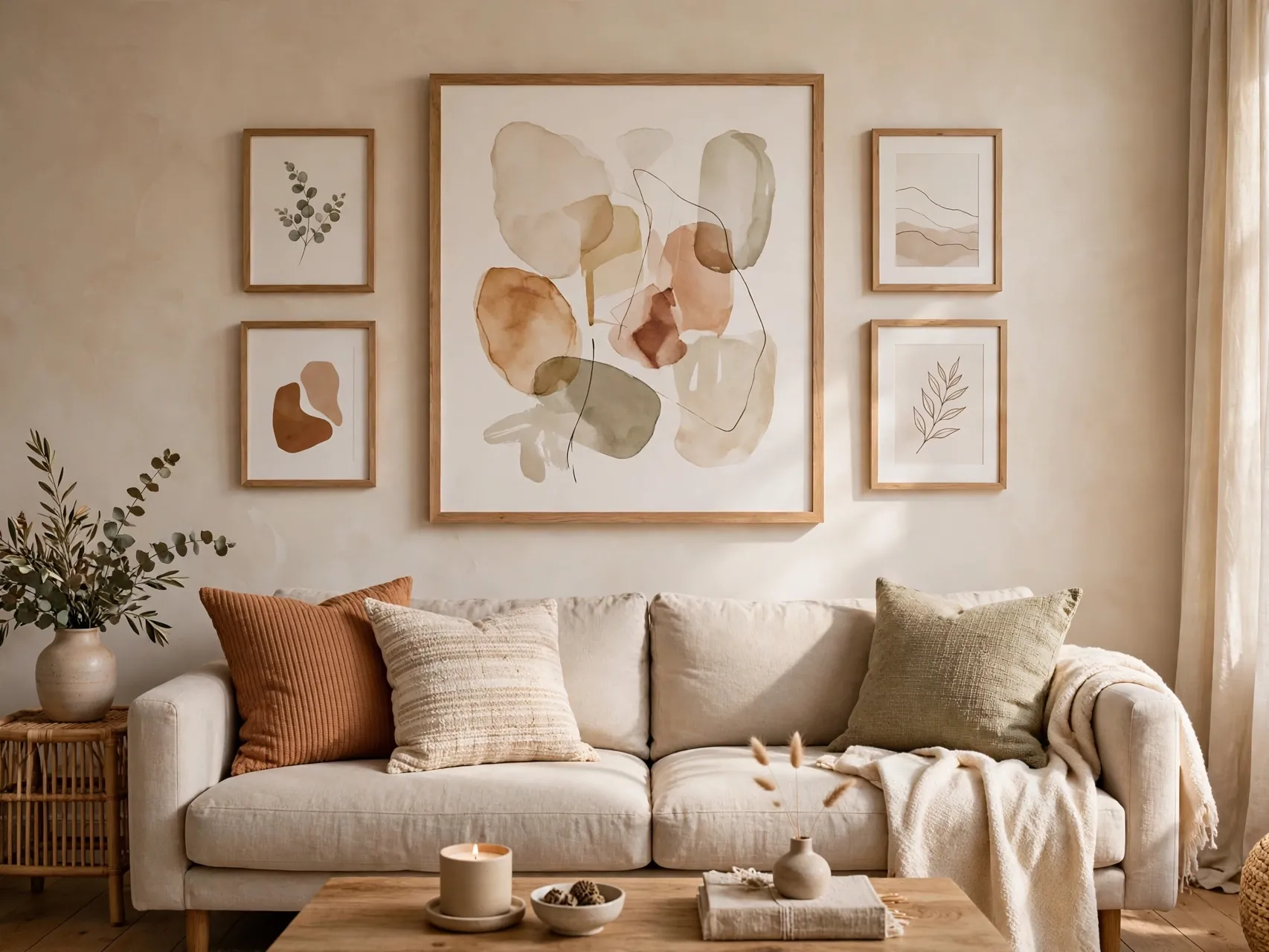
I hung art too high for a decade. The center of a piece or grouping should sit around eye level, roughly 57 to 60 inches from the floor in most guidance, and art above a sofa should sit close to the sofa, not floating near the ceiling.
Art should also relate in size to the furniture below it. A tiny frame over a wide sofa will always look wrong, no matter how beautiful it is. Group small pieces into one larger arrangement instead.
6. Use the Rule of Three on Surfaces

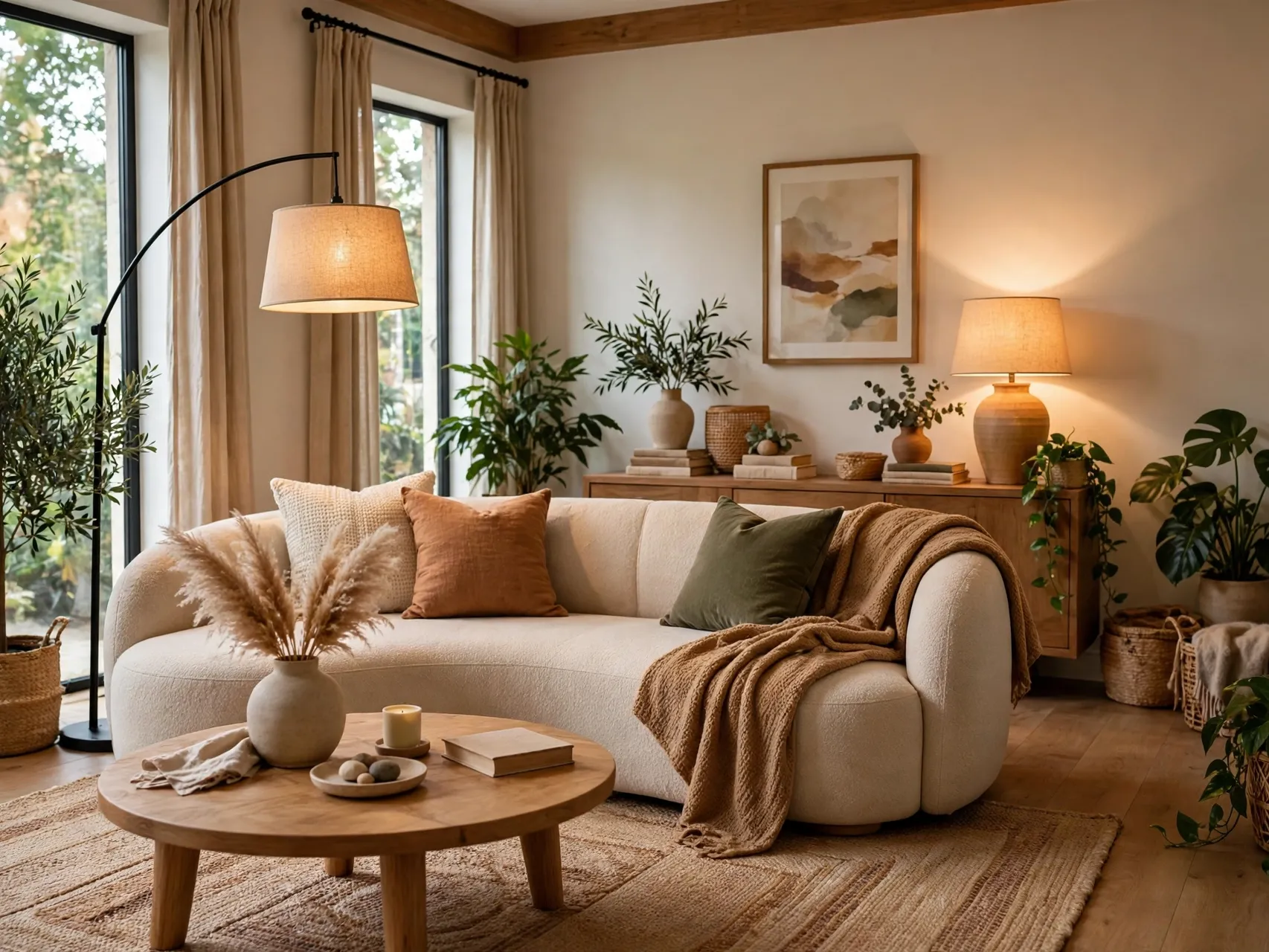
Coffee tables and shelves look styled when objects are grouped in threes with varied heights: something tall, something medium and something low, like a vase, a stack of books and a small bowl. Single objects scattered evenly look like clutter.
Leave empty space inside every grouping. The space is part of the arrangement, and it is what lets the eye rest. If a shelf still looks busy, remove one item rather than rearranging the rest again.
7. Mix Textures Before Adding More Color
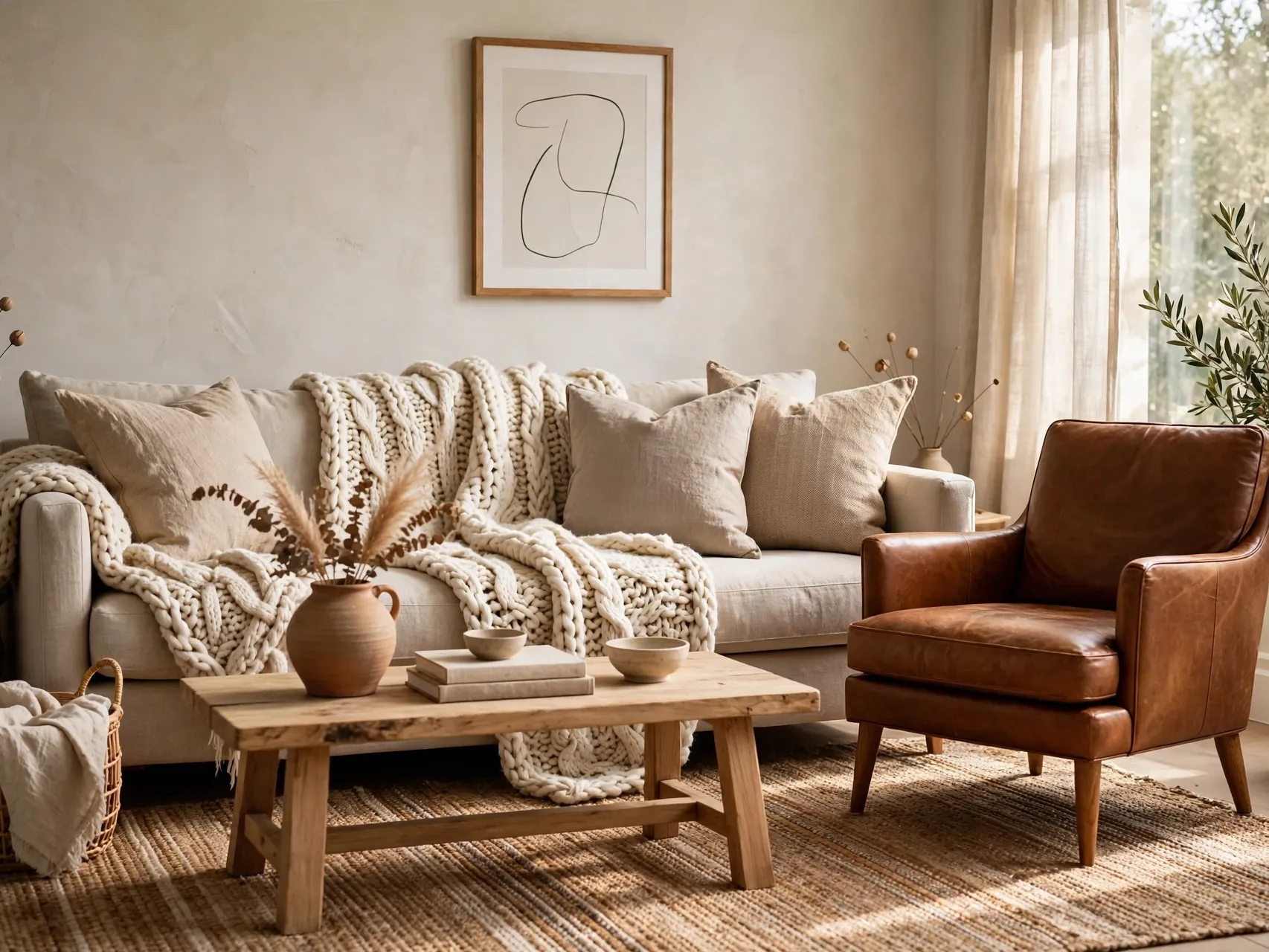
My early rooms had the right colors and still felt boring, because everything was the same smooth fabric. Add contrast in texture first: linen, wool, leather, wood, woven fibers, glass and metal in one room create depth that color alone cannot.
Touch your room as you audit it. If the sofa, pillows, curtains and rug all feel similar in your hand, swap one pillow cover for a woven or knitted version and notice how much richer the same palette becomes.
8. Keep a Tight Color Palette, Then Repeat It
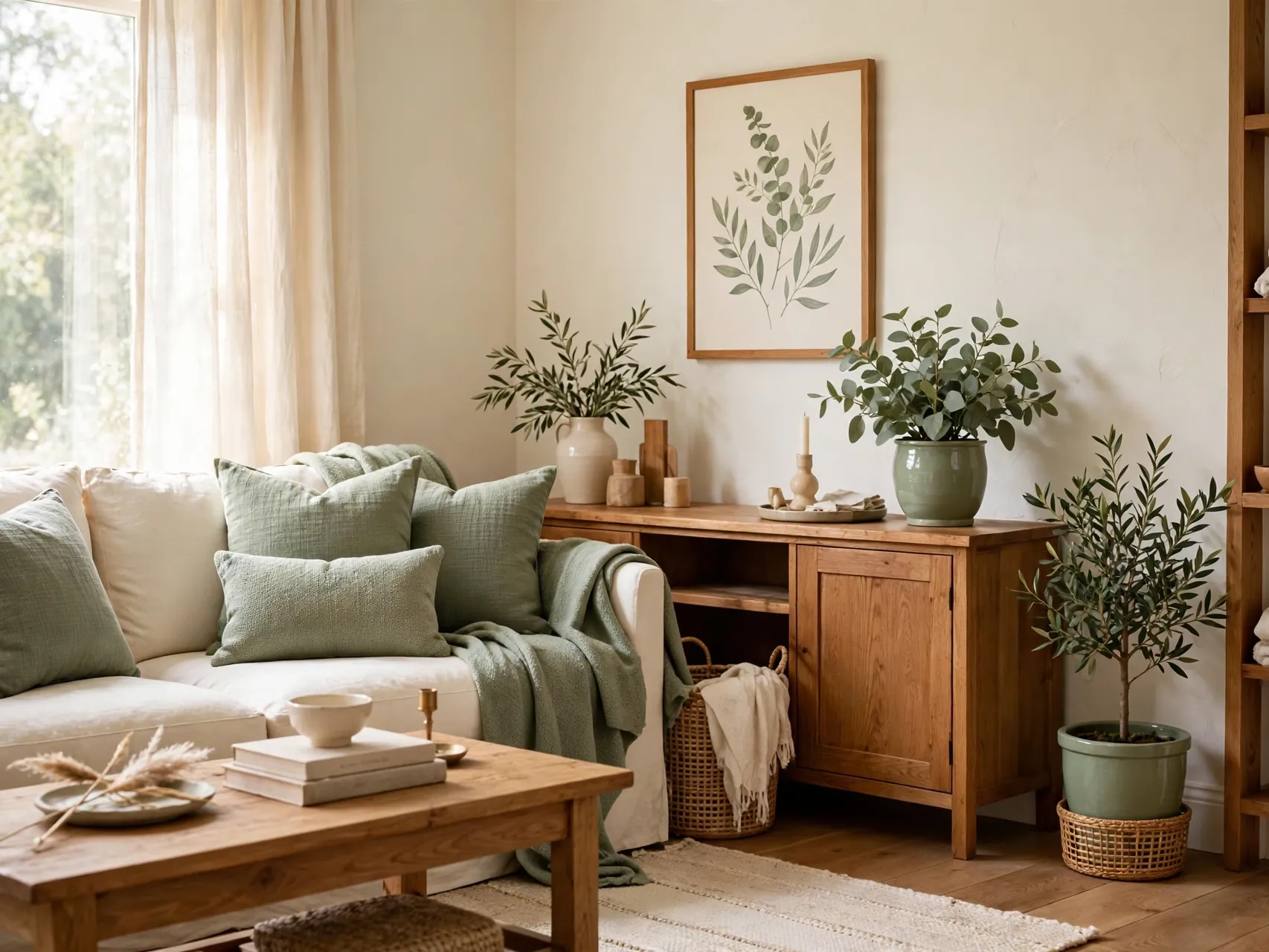
Pick two or three main colors plus one accent, then repeat each color at least three times around the room. Repetition is what makes a collected room look intentional rather than accidental, and it costs nothing to do.
Carry the palette to every corner, not just the sofa zone. A color that appears only once will always look like a mistake, even if it is a beautiful piece you love on its own.
9. Scale Pillows to the Sofa, Not the Sale Bin
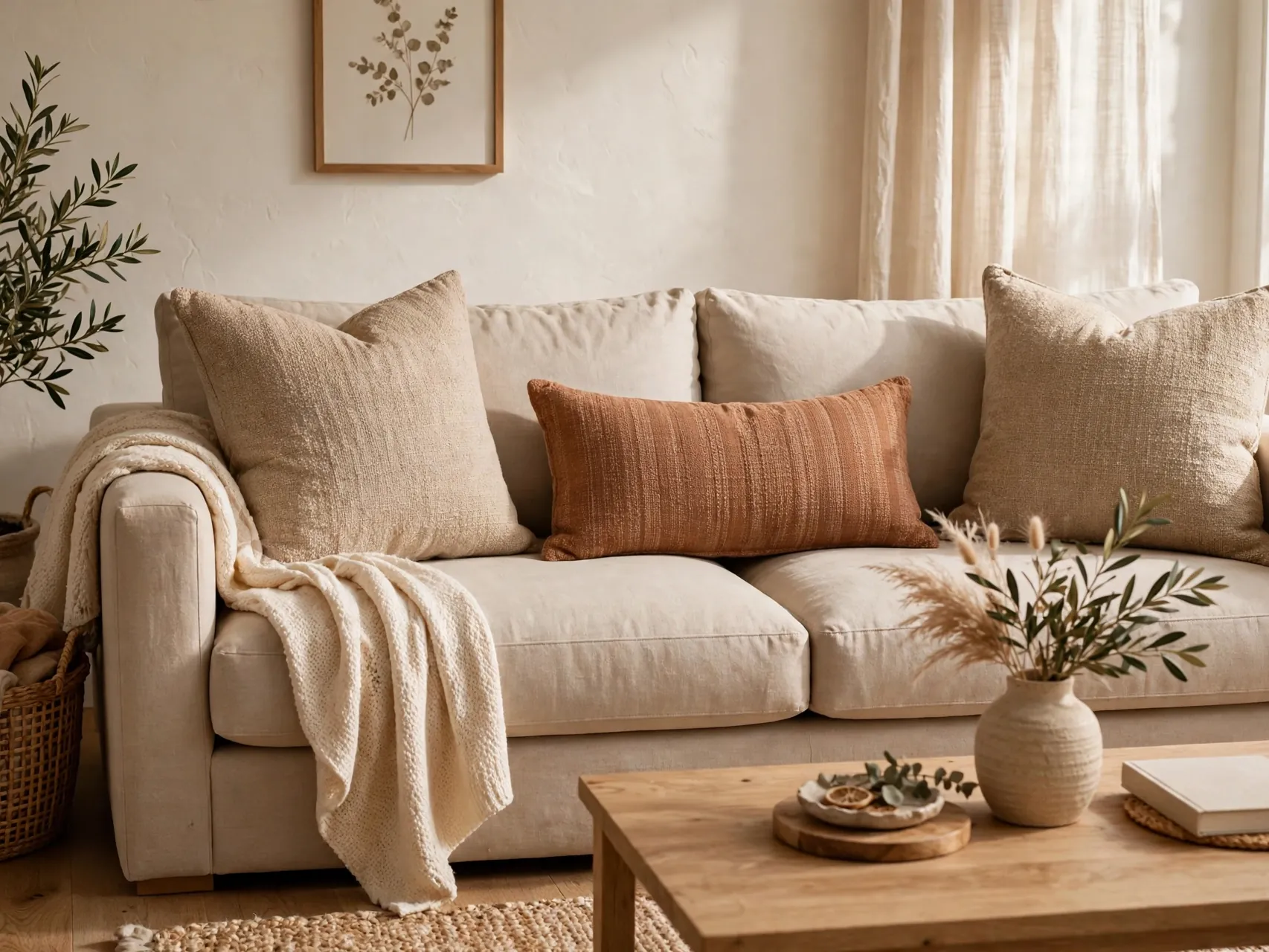
Small pillows on a deep sofa look lost and feel useless. Large pillows, usually 20 to 22 inches on standard sofas, with one smaller lumbar in front, look generous and actually support your back when you sit down.
Mix pillow patterns by scale within your palette: one large pattern, one medium and one solid or texture. That simple scale recipe, repeated in good living room design tips, ends most pillow confusion in one shopping trip.
10. Hang Curtains High, Wide and Long

Curtains mounted just above the window frame shrink the wall. Mount the rod close to the ceiling, extend it past the frame on both sides, and let panels reach the floor. The window looks bigger and the whole wall looks taller.
This change costs a new rod position and sometimes longer panels, nothing more. It is the highest impact low cost fix I know, and it works in rentals if you keep the original hardware holes situation in mind.
11. Give Every Seat a Surface and a Light

A chair without a table or lamp nearby is a chair nobody chooses. Every main seat needs a place to set a drink within reach and light good enough to read by, or it becomes decorative seating that guests avoid.
Walk your room and sit in each spot. If you cannot set down a cup or read a page comfortably, move a small stool, a floor lamp or a side table there before buying anything new for the room.
12. Anchor the Room With One Focal Point

Rooms feel restless when the TV, the fireplace, the view and the art all compete. Choose one focal point, arrange seating to honor it, and let the other elements support it quietly. One clear star calms the whole layout.
If your focal point is the TV, make it look deliberate with a console, art or panels around it. A focal point that looks apologized for will drag the room down more than a bold one ever will.
13. Leave Breathing Room Around Furniture

I used to fill every gap, and the room always felt smaller. Furniture needs space around it to look its best and to let people move. A few inches of air between pieces and walls reads as calm and confidence.
Edit one piece out of an overfull room and live without it for a week. Most people never put it back. That empty corner or open stretch of floor is often the missing design element itself.
14. Layer Rugs Only With a Reason

Layering a small patterned rug over a large natural one can add warmth and define a seating zone, but layering random rugs just adds visual noise. Layer when you need more size, more pattern or more softness in one zone.
Keep the base rug large and flat, and the top rug centered under the seating. If the top rug slides, use a proper rug pad made for layering, because curled rug edges are both ugly and a tripping hazard.
15. Use Trays to Make Clutter Look Collected

Remotes, candles, coasters and small objects look messy loose and styled on a tray. A tray on the coffee table or ottoman creates one tidy landing zone and makes everyday items part of the decor instead of interruptions to it.
Trays also make cleaning and movie night resets faster, since everything moves in one lift. Choose a tray size that leaves half the table free, so the table still works as a table, not just as storage.
16. Add One Living Thing to Every View

A plant, a branch in a vase or even a bowl of fruit adds life that no accessory can copy. I aim for something green in each main sightline of the room, scaled to the spot, from a tall floor plant to a tiny shelf plant.
Match plants to your light and habits, and enjoy them for beauty. Keep care simple with forgiving varieties first. One healthy plant always looks better than three struggling ones bought for a photo.
17. Repeat Materials Around the Room
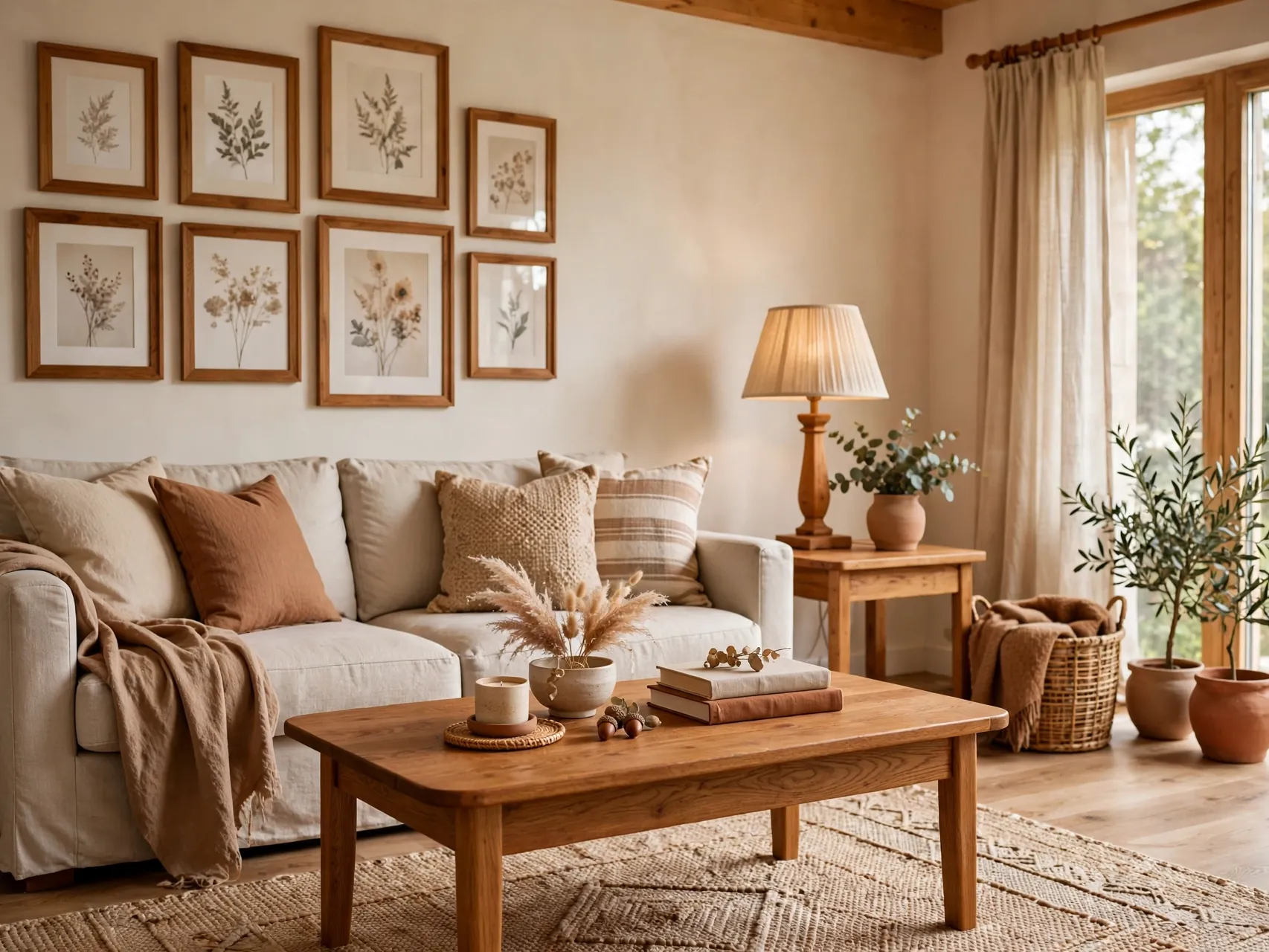
One wood tone, one metal and one woven texture, each repeated in a few places, tie a room together quietly. My rooms started looking designed when the oak on the table echoed the frame across the room and the basket by the sofa.
You do not need matching sets. Echoes are enough: similar wood tones, the same black metal in a lamp and a frame, linen on curtains and one pillow. Repetition at a distance reads as a plan.
18. Style Shelves With Books Both Ways

Shelves of only upright books look like a library, and shelves of only objects look like a shop. Mix upright rows, horizontal stacks, one plant and one personal object per shelf, then leave a third of the shelf empty for the calm, edited look.
Turn some book spines inward or use covers in your palette if the colors fight your room. It is your home, not a bookshop, and shelves should serve the room first and the collection second.
19. Test Paint and Fabric in Day and Night Light

Colors lie under shop lights and morning sun. I now tape large paint samples to two walls and check them morning, afternoon and evening with lamps on before committing, because warm and cool light change everything in a living room.
Do the same with fabric swatches on the actual sofa spot. The ten minutes this takes has saved me from a gray that turned purple and a cream that turned yellow, and it will save you a return trip too.
20. Finish One Corner Completely Before Moving On

Half finished rooms feel worse than untouched ones. Pick one corner or the sofa wall and finish it fully: art hung, lamp placed, textiles done, surfaces styled. One complete view motivates the rest and teaches you what the room actually needs next.
Photograph the finished zone and shop from the photo, not from memory. This habit, the last of my living room styling tips, stops duplicate buys and keeps every new piece tied to a real gap in the room.
FAQ
What should I decorate first in a living room?
Start with layout and the rug. Get the furniture arrangement and a correctly sized rug in place first, because they set the palette and scale for everything else. Then add lighting, curtains, art and textiles in that order.
How do I decorate a living room on a tight budget?
Rearrange, edit and repeat what you own first. Then spend on the highest impact items: a properly sized rug, curtain panels hung high, pillow covers in better textures and one extra lamp. Paint is the cheapest large change of all.
What is the most common living room decorating mistake?
Buying pieces one at a time with no measurements and no palette. The fix is a simple plan: room dimensions, a color story repeated around the room, and a list of real gaps to fill in order.
How many colors should a living room have?
Two or three main colors plus one accent is a comfortable range for most rooms. Repeat each color at least three times in different places so the scheme looks intentional rather than accidental.
How do I make my living room feel finished?
Finish the details that surround the seating: art at eye level, a lamp and surface for every seat, styled trays, curtains to the floor and one living plant in view. Finished is usually about these edges, not new furniture.
Key Takeaways
- Measure and tape first: Footprints on the floor prevent the costliest living room mistakes before any money is spent.
- Rug before everything: A correctly sized rug sets palette and scale, and makes mixed furniture look like a plan.
- Light in three layers: Ambient, task and accent light at different heights fix rooms that feel flat at night.
- Repeat to unify: Colors, woods and metals repeated around the room turn collected pieces into a designed whole.
- Edit before buying: Removing one piece and finishing one corner completely often improves a room more than any purchase.
- Wish you had read this before your last decor buy? Save this post to Pinterest now, and pin it before your next shopping trip.