
20 Cheap Soundproofing Ideas That Really Block Out Noise
Introduction
Street noise, a loud television through the wall, footsteps overhead: noise leaks into a home through the smallest openings, and it wears you down. The good news is that cheap soundproofing works best when you start with those leaks, not with expensive panels. Sound travels through air gaps, thin doors, and bare hard surfaces, and most homes have all three.
Be honest with yourself about what budget fixes can do. Sealing gaps and adding soft, heavy layers will cut echo and take the edge off everyday noise, sometimes a lot. They will not turn a bedroom into a recording studio, and no thin product glued to a wall can stop deep bass or heavy impact noise from above. Real sound blocking comes from two simple principles: airtight sealing and mass. Every idea below leans on one or both.
One myth needs clearing up first. Egg cartons do not soundproof anything, and loose packing foam is a poor blocker and a fire risk.
1. Seal Every Gap First With Caulk and Weatherstripping
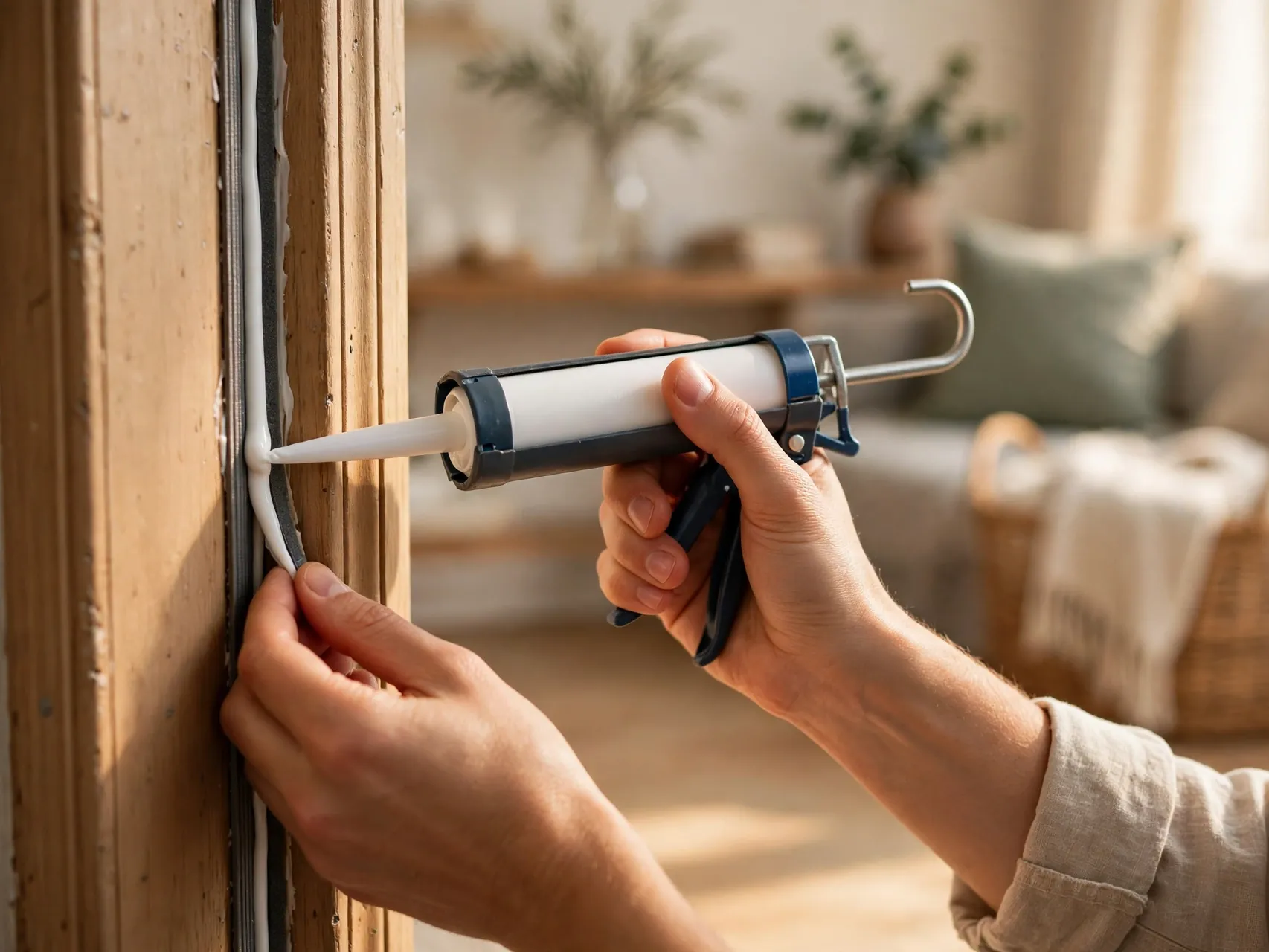
Sound follows air, so any gap that lets a draft through also lets noise through. Walk the room slowly and check baseboards, window frames, and the edges of door frames. A flexible acoustic caulk stays soft after it dries, so it keeps sealing as the house moves with the seasons.
Fill thin cracks with caulk and wider joints with foam weatherstripping tape. Pay special attention to the wall you share with the noise, and to corners where two walls meet the ceiling.
2. Fit a Door Sweep and Seal the Door Frame

Interior and exterior doors are usually the biggest hole in any quiet room plan. Light showing under the door means sound is pouring through the same gap. A screw-on or adhesive door sweep closes the bottom, and self-adhesive foam tape around the frame seals the sides and top.
Close the door and check again for light leaks on all four edges. Add a second strip where the tape does not quite meet the door. For a rented room, a removable draft stopper helps too, though a fixed sweep seals better. When the door closes with a soft, snug push, you have removed the easiest path noise had into the room.
3. Upgrade Outlet Covers With Foam Gaskets and Putty Pads

Electrical outlets and switch boxes on a shared wall are thin spots in the wall itself, and sound slips straight through them. Foam gaskets made for outlets cost very little and fit behind the cover plate in minutes. Turn the power off at the breaker first, remove the plate, set the gasket in place, and refit the plate.
For a stronger seal, acoustic putty pads can be molded around the back of the box from inside the room where access allows. Never push anything into the wiring itself, and if a box feels loose or damaged, leave it for an electrician.
4. Hang Heavy Curtains Over Windows

Glass is thin, and windows are often the weakest surface in the room. Heavy curtains with a dense weave, hung from ceiling to floor and wider than the frame, add a soft, heavy layer that absorbs sound and blocks some of what passes through the glass. Velvet, thick cotton, and purpose-made sound curtains all help.
Fit the rod close to the wall so sound cannot slip easily around the edges, and let the fabric puddle slightly or rest on the sill. Layering a liner behind the curtain adds more mass.
5. Add a Removable Window Insert for Night Noise

If street noise ruins your sleep, a removable interior window insert can help. This is a clear acrylic or similar panel, cut to fit inside the window frame on soft seals, that creates a still air gap between it and the glass. That air gap is what does the work, the same principle as a second pane.
Measure carefully, follow the maker instructions, and use only products sold for this purpose. Never seal a bedroom window shut in a way that blocks escape in an emergency, and keep at least one window easy to open.
6. Layer a Thick Rug Over a Dense Pad

Hard floors bounce sound around a room and let footsteps and dropped items ring out. A thick rug helps, but the dense pad underneath it does even more. Choose the heaviest pad you can, felt or dense foam made for rugs, and size the rug to cover the main walking and sitting area.
In a room above another living space, this layering also softens the impact noise your downstairs neighbors hear. Bare corners still echo, so go as large as the room allows.
7. Place a Full Bookshelf Against the Shared Wall

Mass blocks sound, and a floor to ceiling bookshelf packed with books is mass you may already own. Books are dense, irregular, and excellent at soaking up sound that tries to pass through a wall. Push the shelf flat against the shared wall and fill it fully, mixing sizes so there are no open tunnels of air.
Leave no big gaps at the top if you can style it safely, and keep heavy books low and secure. This trick works best on the wall between you and the noise source.
8. Hang Moving Blankets Where Noise Enters
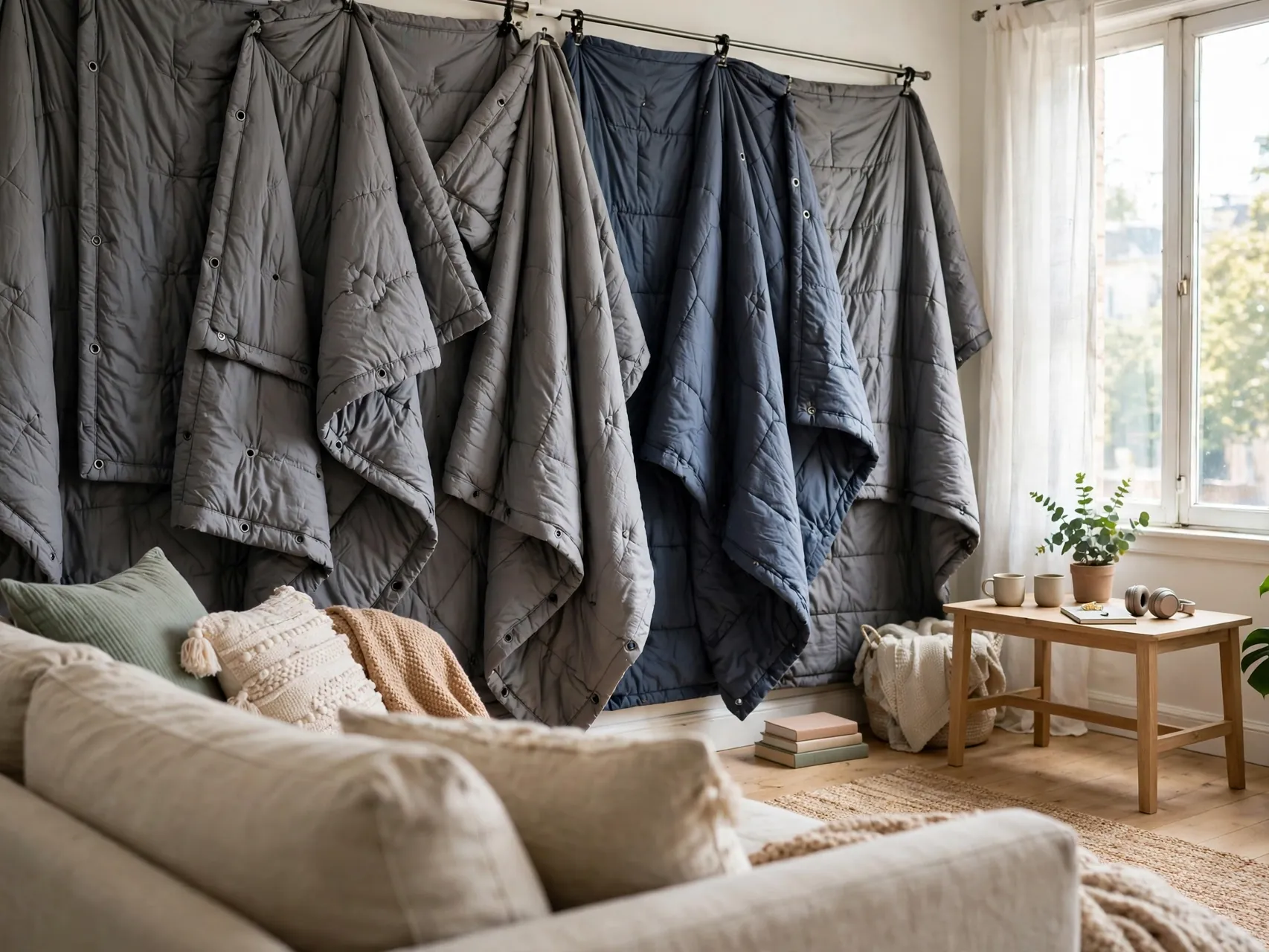
Moving blankets are thick, padded, and made to protect furniture, which makes them surprisingly good at dampening sound on a wall or over a door. Hang one on hooks or a curtain rod across the wall that faces the noise, or over a thin door during sleep or work calls.
They are not pretty on their own, so hang a curtain or tapestry in front for a finished look. Never hang blankets over windows you need for escape, over vents, or near any heat source, and keep them off space heaters and radiators entirely.
9. Add Upholstered Pieces and Soft Furnishings

A room full of hard surfaces echoes, and echo makes every sound feel louder than it is. Upholstered chairs, a fabric sofa, cushions, and throws all absorb sound instead of reflecting it. If your room sounds harsh, soften it before you buy anything technical.
Swap a hard bench for a padded one, add cushions to a window seat, and drape a throw over a leather chair. Soft furnishings will not block the neighbor television by themselves, but they lower the overall noise level inside your room, so outside sounds stand out less. This is soundproofing on a budget that also happens to make the room look finished and feel inviting.
10. Hang Fabric Wall Hangings and Tapestries

Bare walls reflect sound straight back into the room. A large tapestry, quilt, or woven wall hanging adds a soft layer that tames that reflection, especially on the wall opposite a television or speakers. The heavier and thicker the textile, the more it helps.
Hang it on a rod with a small gap behind the fabric, which improves absorption a little and looks intentional. Keep textiles away from stoves, heaters, candles, and any open flame, and secure the rod into studs or rated fixings so nothing can fall. A quilt with family history does double duty here: it quiets the wall and tells a story every time you walk past it.
11. Build Fabric Covered Panels With a Fire Rated Core
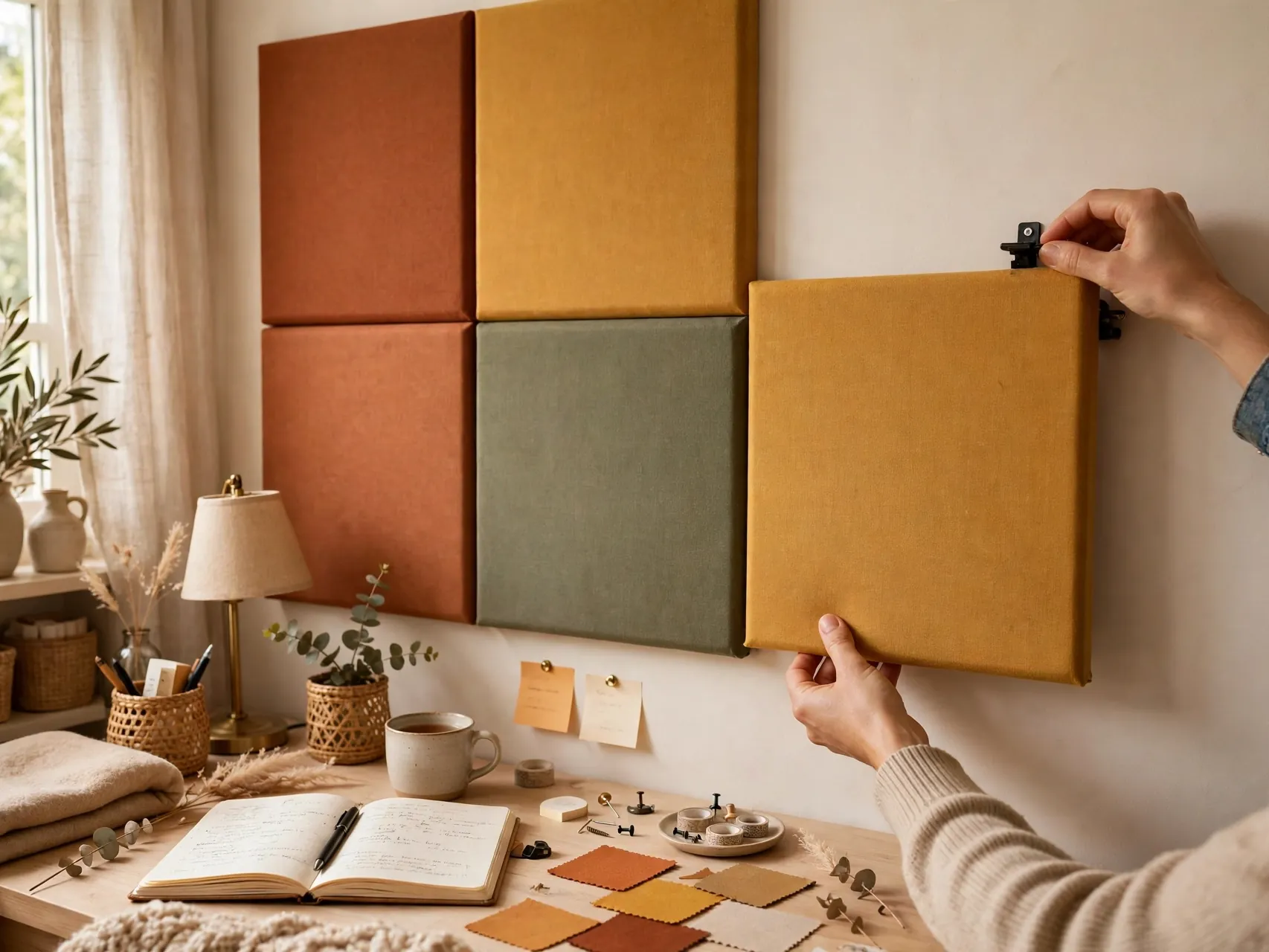
Simple wall panels are a classic home studio project: a light wood frame, a sound absorbing core, and fabric stretched over the front. The key rule is material choice. Use a core sold for acoustic panels or mineral wool board made for this purpose, and check that it carries a fire rating suitable for use in a home.
Skip loose foam, packing foam, and egg cartons completely, because they burn easily and block almost no sound. Mount finished panels at ear height on the wall where sound first reflects, and keep them away from heat sources.
12. Use Fire Rated Acoustic Foam Only Where It Belongs
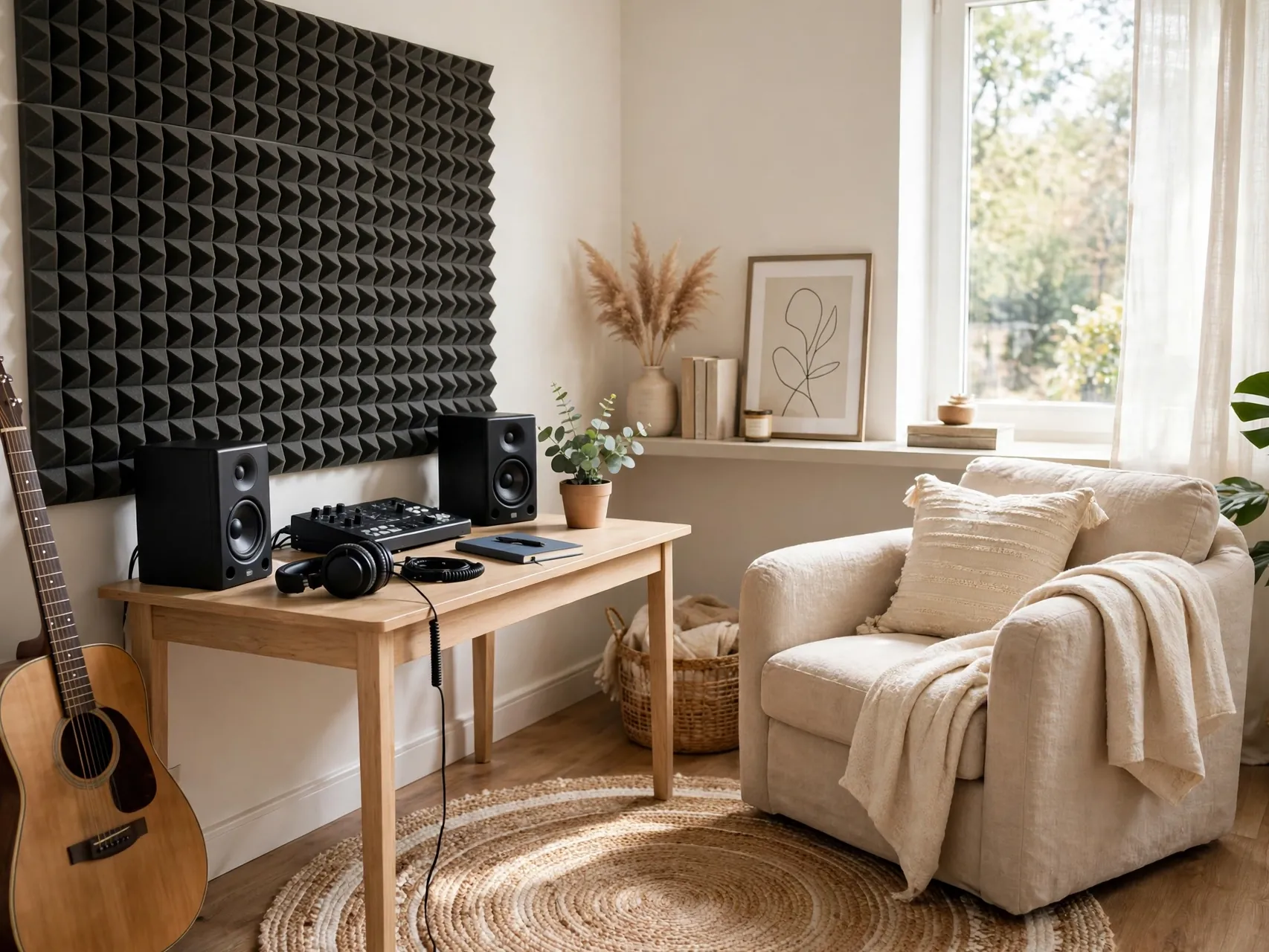
Acoustic foam has one honest job: it absorbs echo and flutter inside a room, mainly at higher frequencies. It does not block sound from entering or leaving, no matter what the packaging implies. If you use it, buy only foam that is clearly labeled fire rated for interior use.
Fit it in small areas, such as the first reflection points beside a desk or recording spot, and never place it near stoves, heaters, candles, or hot light fittings. Never cover windows, doors, exits, or vents with foam or panels, because safe escape and ventilation always come first.
13. Swap a Hollow Door for a Solid Core Door

Many interior doors are hollow, and a hollow door passes sound almost like an open frame with a skin on it. A solid core door adds real mass, and mass is what blocks voices and television noise between rooms. Secondhand solid doors are common and cheap if you measure carefully and match the hinge positions.
Pair the swap with a door sweep and frame seals from the earlier ideas, because a heavy door with gaps still leaks sound. Check that hinges and frame can carry the extra weight, and get help lifting it.
14. Add Mass With an Extra Drywall Layer on One Wall

If you own your home and one wall causes most of the trouble, adding a second layer of drywall to that wall is a proven way to add mass. The new layer should be sealed at every edge with caulk, and seams should not line up with the layer beneath. This is a bigger weekend job, but the materials are basic.
Work safely: cut boards outdoors or with dust control, find studs, and keep clear of wiring and pipes in the wall. If you are unsure what is inside the wall, stop and ask a professional.
15. Quiet Appliances With Anti Vibration Pads
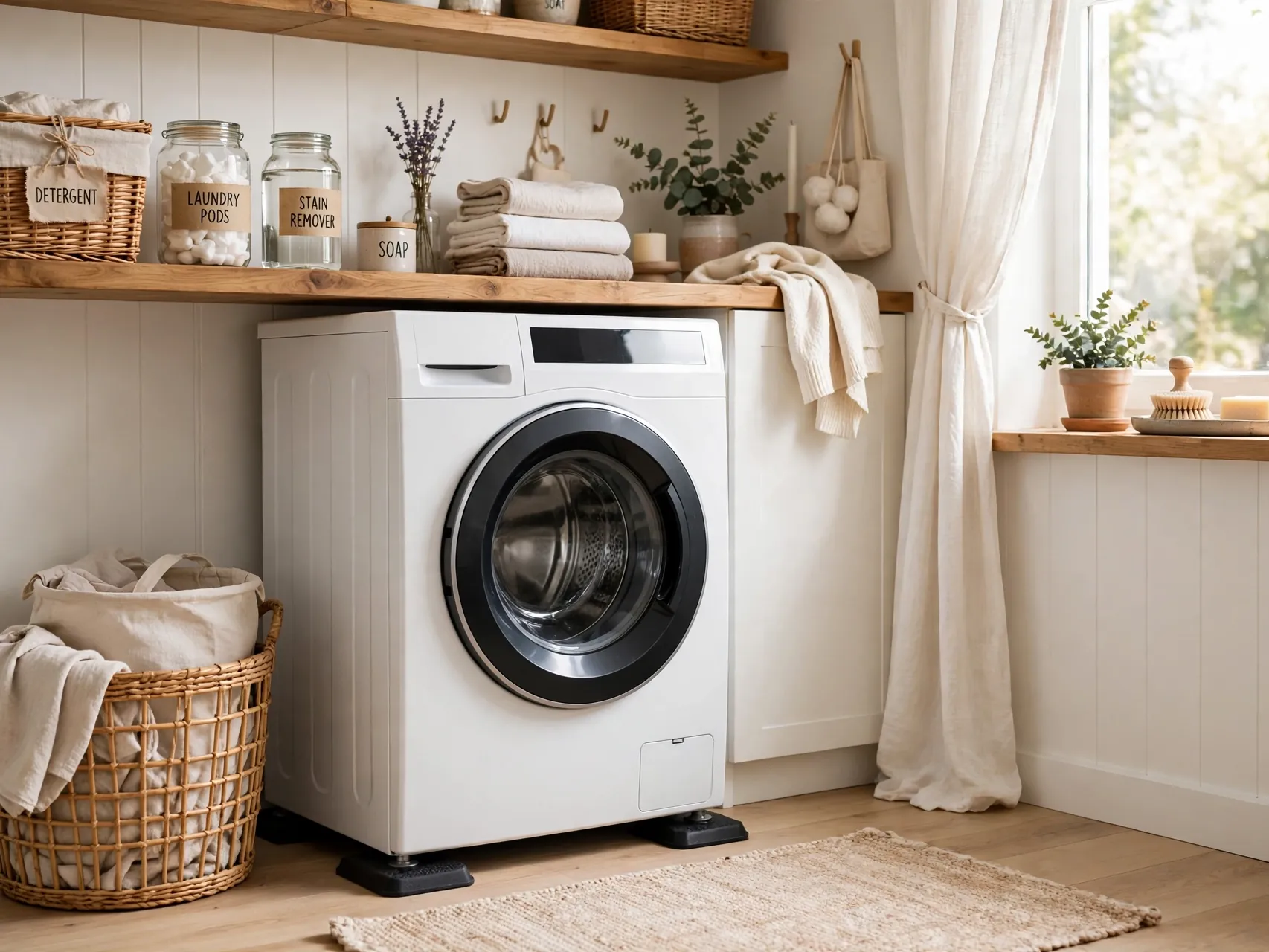
Some noise starts inside your own home. Washers, dryers, dishwashers, and fridges hum and rattle, and that vibration travels through floors and walls. Dense rubber anti vibration pads under each foot of the appliance absorb much of that movement, and they cost very little.
Level the appliance as the maker directs, tighten any loose panels or screws you can reach safely, and keep the machine clear of walls so it cannot buzz against them. Unplug before any adjustment beyond simple leveling. A quieter laundry corner makes the whole home feel calmer, and it is one of the fastest fixes on this list to complete.
16. Wrap Noisy Pipes With Foam Sleeves

Water pipes tick, bang, and carry sound from room to room, especially in older homes. Foam pipe sleeves, split along one side, slip over accessible pipes in basements, utility cupboards, and under sinks, and they soften both the noise pipes make and the noise they carry.
Secure loose pipes with proper clips so they cannot rattle against joists, leaving room for normal expansion. Keep insulation materials away from flues and any pipe that gets very hot, and follow the sleeve maker guidance for temperature limits. If pipes bang loudly when taps close, that can be a plumbing issue worth a professional visit, not just a noise problem.
17. Stop Impact Noise With Felt Pads and Soft Closers

Impact noise is the clatter of daily life: chair legs scraping, drawers slamming, doors thudding. Felt pads under chair and table legs, soft bumpers inside cabinet doors and drawers, and a padded strip where a door meets its frame all cut this noise at the source for pennies.
Walk through your home at night and fix every scrape and slam you hear. This does not block outside sound, but it lowers the noise your household makes for itself and for neighbors below. In apartments especially, softening impact noise is good manners as well as good sound control, and it protects your floors at the same time.
18. Arrange Furniture to Soak Up Echo

Before you buy anything, rearrange what you have. A sofa against the noisy wall, a rug under the seating area, curtains closed at night, and a bookshelf on the opposite wall break up the flat, hard surfaces that let sound bounce. Move seating away from bare corners where echo builds.
Test as you go: clap once in the middle of the room and listen. A sharp, ringing echo means the room still needs soft surfaces; a short, dull clap means you are winning. Rearranging is free, renter friendly, and often reveals that you need far less new material than you feared to get a room that feels calm and quiet.
19. Seal Around Pipes and Duct Openings Without Blocking Vents
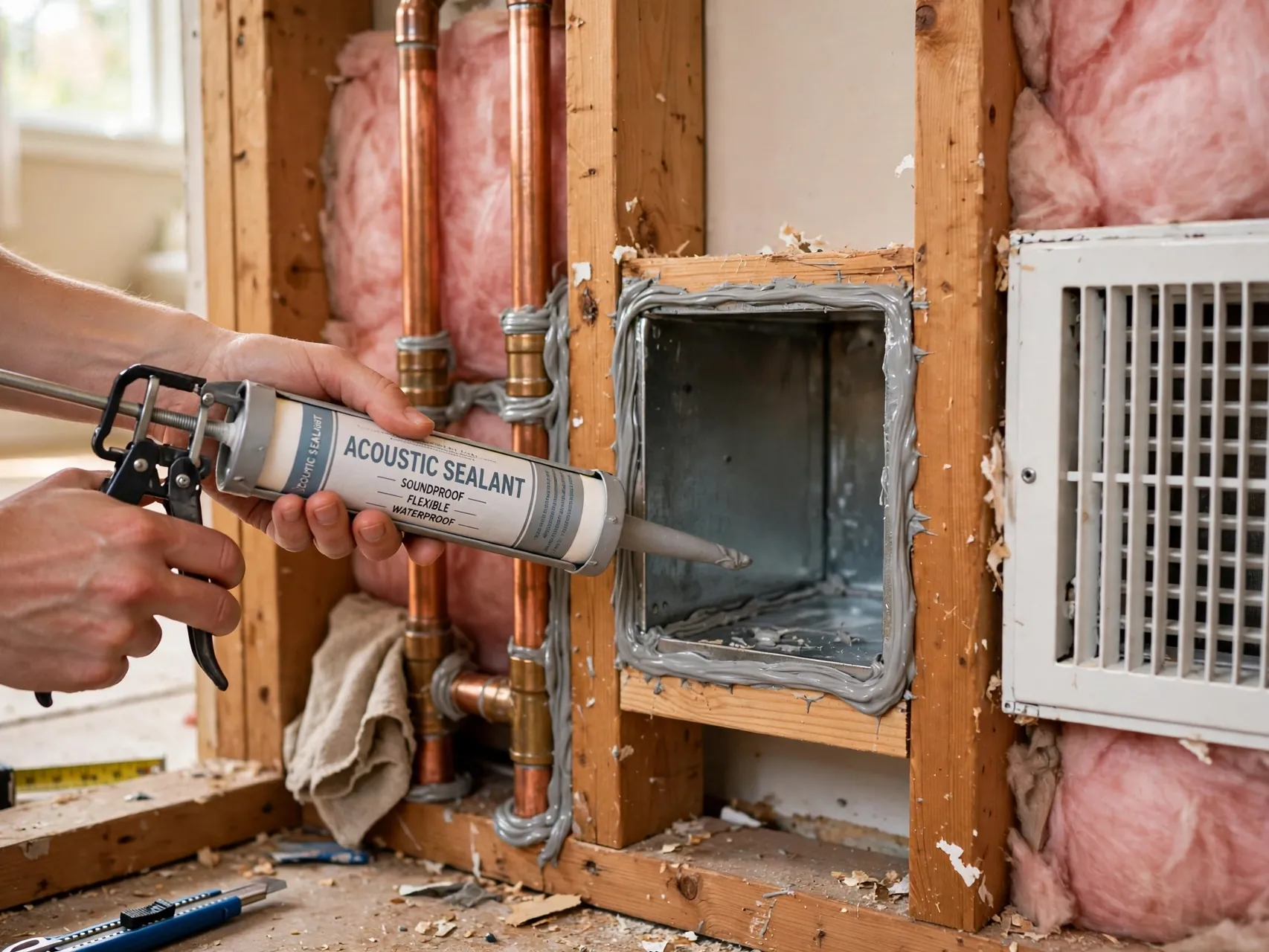
Where pipes, cables, and ducts pass through walls and floors, there is usually a rough hole with gaps around it, and sound pours through. Seal around the edges of these penetrations with caulk or foam made for the purpose, working neatly so the opening is airtight around the pipe or duct.
Be careful here: seal around vents and ducts, never over them. Heating and cooling vents, bathroom exhausts, and appliance vents must stay open and clear for safe air flow, and blocking them can cause real harm. If a vent itself carries noise between rooms, ask an HVAC professional about lined duct options instead of covering anything yourself.
20. Mask What Is Left With Gentle White Noise

Even after sealing and softening, some sound usually remains, especially low street rumble at night. Masking is the honest final step: a fan or a white noise machine adds a steady, gentle sound that makes intruding noises less noticeable, so your brain stops tracking them.
Keep the volume low and comfortable, just enough to smooth the edges of outside sound. Choose a machine with a timer for sleep, and place it between you and the noise source, such as near the door or window. Masking does not block a single decibel, and this guide will not pretend it does, but for sleep and focus it often delivers the relief the other steps could not quite finish.
FAQ
Can you really soundproof a room cheaply?
You can make a room much quieter on a budget, but true soundproofing, the kind that silences loud music or heavy bass, needs construction level mass and sealing. Cheap fixes cut echo, seal leaks, and reduce everyday sounds like voices, television, and traffic. Start with gaps and doors, add heavy soft layers, and set your expectations at noticeably quieter rather than silent.
Do egg cartons or foam mattress toppers soundproof a wall?
No. Egg cartons are a stubborn myth: they are thin, they block almost no sound, and cardboard and loose foam are fire risks on a wall. The same goes for packing foam. If you want wall panels, use materials made and fire rated for acoustic use, keep them away from heat, and remember that panels mainly calm echo inside the room rather than blocking outside noise.
What is the cheapest first step for a noisy bedroom?
Seal the door. Fit a door sweep, add foam tape around the frame, and check for light leaks with the door closed. Then seal window frame gaps and hang the heaviest curtains you have. These steps cost very little, take under an hour each, and target the openings where most sound actually enters a bedroom.
How can renters soundproof without permanent changes?
Use removable layers: rugs with dense pads, heavy curtains on tension or existing rods, moving blankets hung on hooks, a bookshelf against the shared wall, removable door draft stoppers, and a white noise machine. All of these leave with you on moving day. Check your lease before using adhesives, and keep every window and exit fully usable.
Why does my room still echo after adding curtains and a rug?
Echo lives on every hard surface, including the ceiling and any bare wall. If two large surfaces still face each other bare, sound keeps bouncing between them. Add one soft treatment to the largest bare wall, such as a tapestry, panels with a fire rated core, or a full bookshelf, and test with a clap again. Small rooms often need coverage on three surfaces, not two, before the ring disappears.
Key Takeaways
- Seal first, always: Caulk, weatherstripping, door sweeps, and outlet gaskets close the gaps that sound uses most, for the least money.
- Mass is what blocks: Full bookshelves, solid core doors, and heavy layered textiles beat thin novelty products every time.
- Soft layers calm echo: Rugs with dense pads, upholstered furniture, and wall hangings lower the noise level inside the room itself.
- Skip the myths, respect fire safety: No egg cartons or loose foam on walls; any acoustic foam must be fire rated, away from heat, and never over windows, exits, or vents.
- Mask the rest honestly: A low white noise machine smooths what sealing cannot stop, especially for sleep.
- Found a quieter corner already? Save this guide to Pinterest and pin the first fix you will try this weekend.