23 Under Stair Storage Ideas That Use Every Hidden Inch
Introduction
Every staircase hides a triangle of space that most homes waste. It collects a vacuum, a few forgotten boxes, and a lot of dust, even though it could be holding coats, pantry overflow, toys, or an entire reading nook. Smart under stair storage turns that awkward slope into some of the hardest working square footage in the house.
The space breaks naturally into zones. The tall end fits cupboards, wardrobes, and standing storage. The middle suits drawers, shelves, and desks. The low, deep point is perfect for bins, seasonal items, and things you need monthly rather than daily. Plan by zone and nothing feels cramped.
This list covers built in projects, simple freestanding fixes, and a few renter friendly options, so there is an idea for every budget and skill level. Measure the height at several points along the slope before you commit, note any pipes or meters hiding inside, and check that doors and drawers will open fully into your hallway.
Start with what your home lacks most. If the kitchen overflows, think pantry. If mornings are chaos, think lockers and shoe drawers. One well planned zone usually inspires the rest.
Pull-Out Drawers That Follow the Slope

Deep pull-out drawers are the most popular under stairs storage ideas for good reason. Each drawer rolls out to you, so nothing gets lost at the back of a dark cupboard, and stepped drawer heights can follow the angle of the stairs above.
Use the deepest drawers for blankets, board games, or bulk pantry goods, and shallower ones for shoes or tools. Full extension runners cost a little more but make the back of every drawer reachable. Label the fronts if several people share them.
Tall Coat Cupboard at the High End

The tallest point under the stairs is the natural home for coats, since jackets need hanging height. A simple rail, a row of hooks below it for bags, and a shelf above for hats turns the high end into a proper coat cupboard.
Add a small boot tray on the floor and a battery light inside. Closing the door on coats, scarves, and umbrellas instantly calms a hallway, and guests get a tidy place for their things too. This is often the easiest first project because the shape already suits the job.
Slide-Out Pantry Shelves
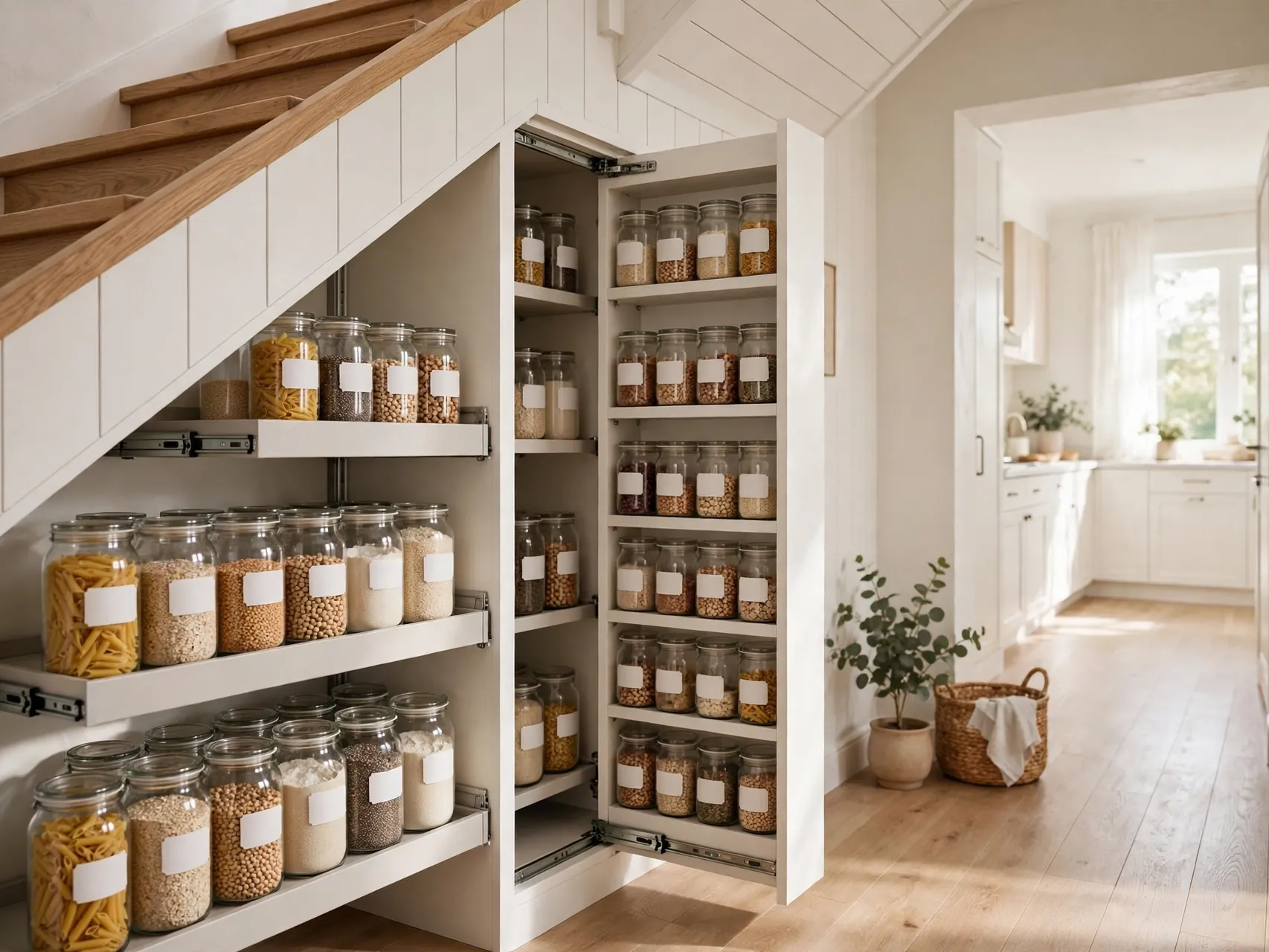
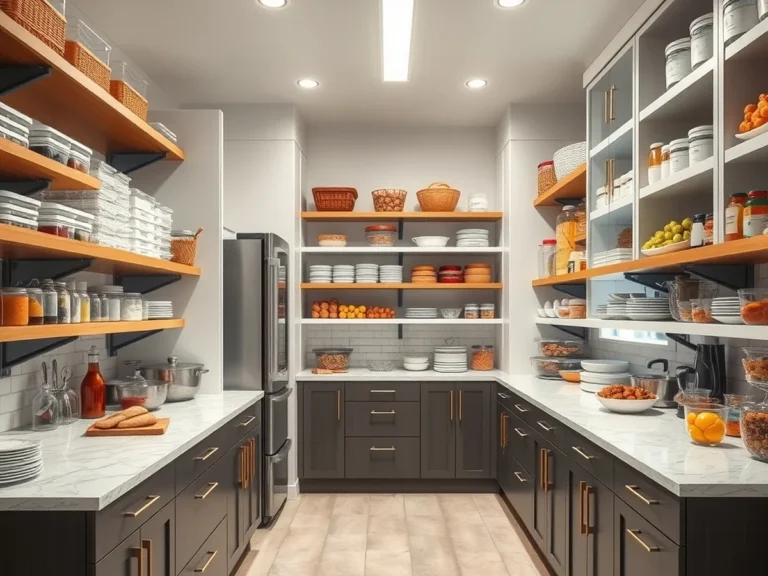
If your stairs sit near the kitchen, the middle zone makes an excellent pantry. Slide out shelving units on casters or runners hold cans, jars, and small appliances, then disappear behind a door that matches the wall.
Group food by type in clear bins so you can see stock at a glance. An under stairs pantry ideas search will show many custom builds, but a freestanding rolling shelf inside an existing cupboard achieves much of the same result for far less money and no carpentry.
Built-In Bookshelves Along the Slope
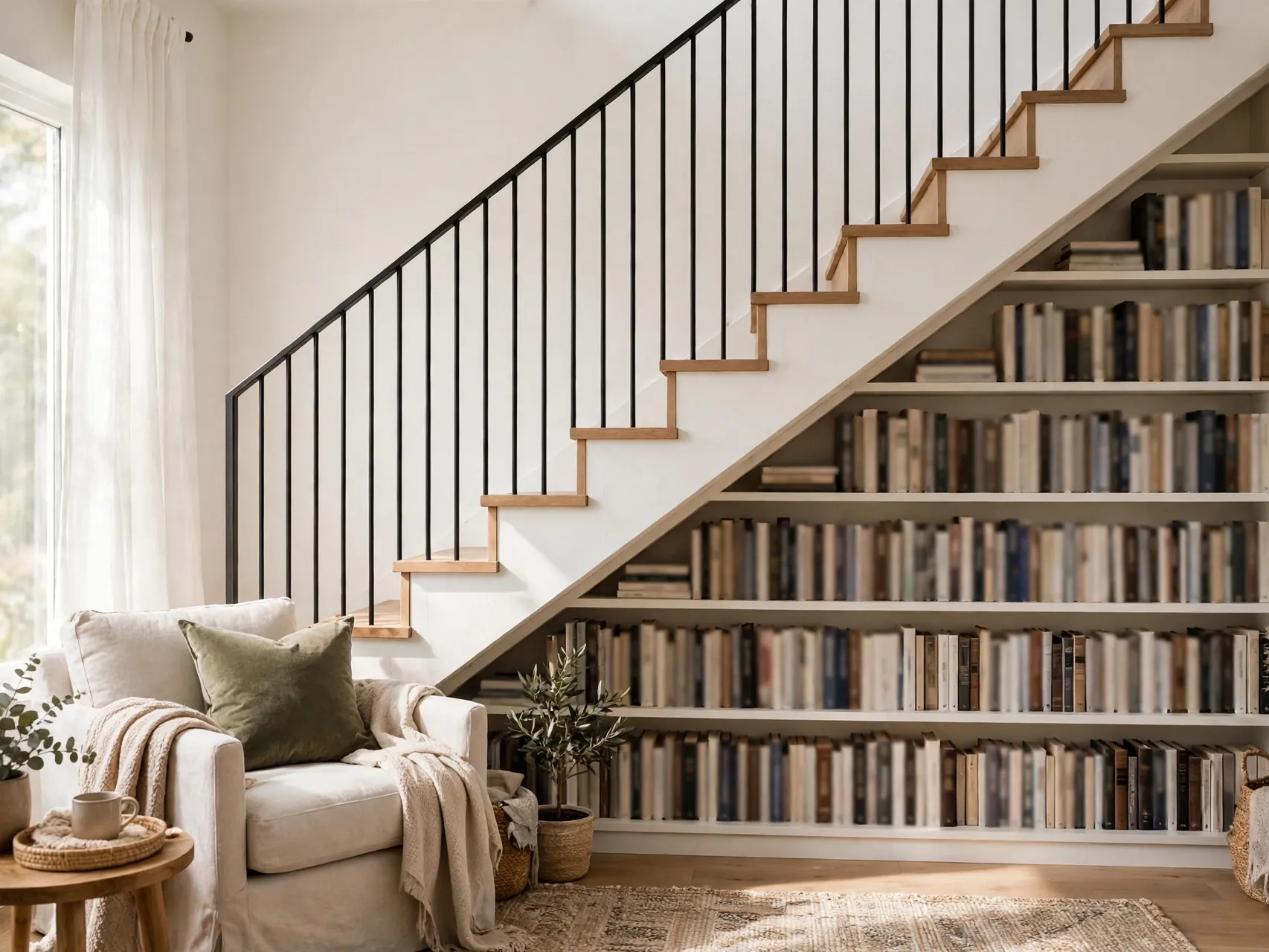
Stepped bookshelves follow the staircase angle beautifully and give paperbacks, cookbooks, and display pieces a dedicated home. Shallower shelves at the low end suit small books and baskets, while deeper sections take albums and board games.
Paint the shelves the same color as the wall or trim for a built in look, even if the unit is freestanding. Leave a little breathing room on each shelf rather than packing every inch, so the display feels styled instead of stored. A small reading light nearby finishes the corner.
Cozy Reading Nook With Storage Bench

The middle zone is often tall enough for a bench seat with a cushion, a soft throw, and shelves within arm's reach. Hide blankets, magazines, and toys inside a lift up bench seat and the nook stores as much as it charms.
This works especially well for children, who love a small hideaway that is clearly theirs. Add curtains or a low bookshelf as a divider if the space feels exposed. Keep a basket for library books so returns never go missing in the house.
Pet Nook With Food Storage Above

Dogs and cats claim the low, cozy end of the under stair space happily. A washable bed, a hook for the leash, and toys in a small basket give your pet a den, while shelves above hold food bins, treats, and grooming supplies.
Keeping every pet item in one place ends the scatter of bowls, bags, and brushes around the house. Choose a spot away from the deepest, darkest point if your pet is nervous, and leave the opening wide so the nook feels inviting rather than closed in.
Home Office Nook With Filing Drawers
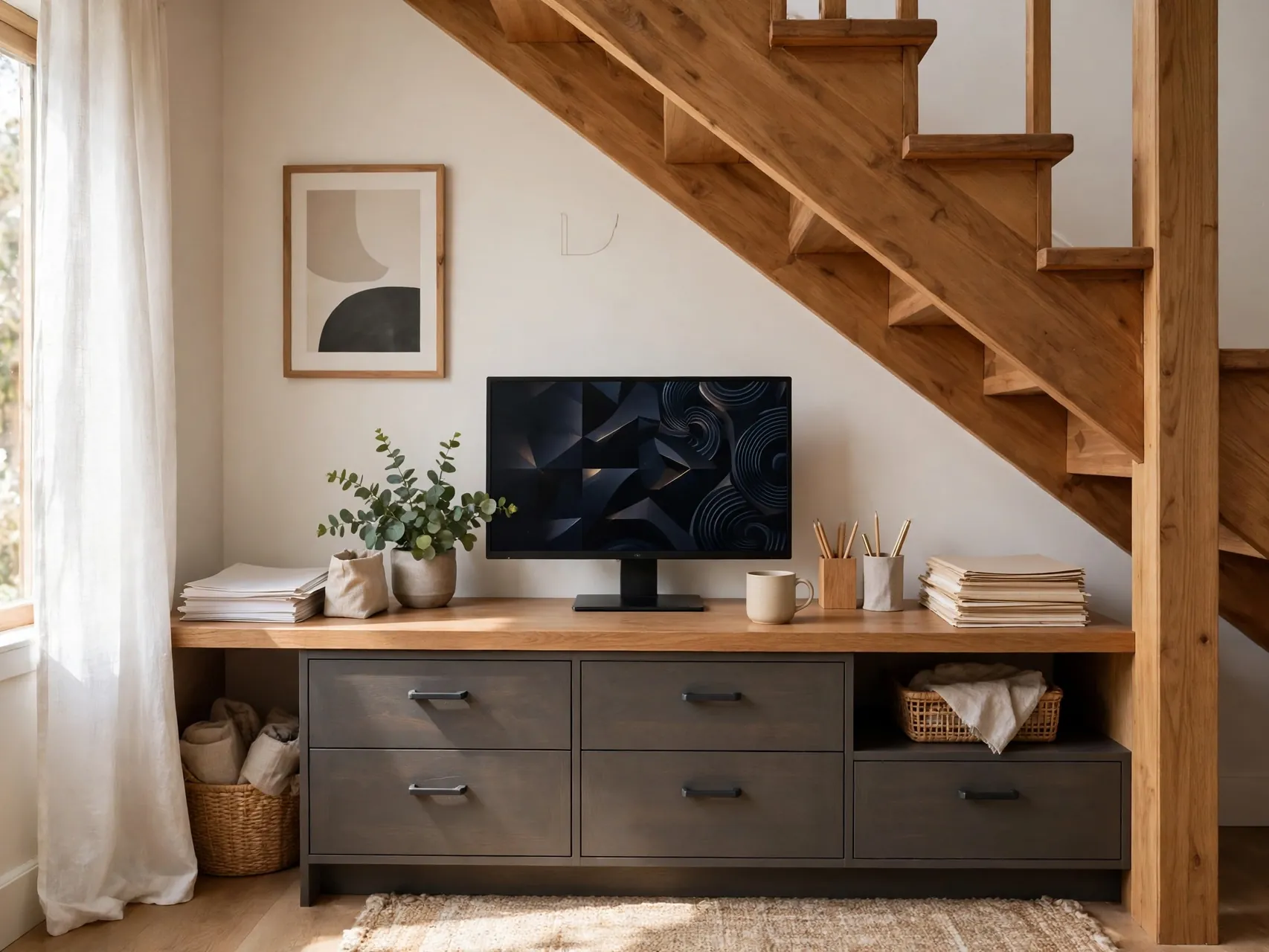
A compact desk tucked into the middle zone creates a real workspace in homes without a spare room. A shallow desktop, one filing drawer, and shelves above hold a laptop, paperwork, and office supplies behind a door or curtain when work ends.
Plan power before you build. An electrician can advise on safe outlets, and a small lamp plus a cable box keeps cords tidy. Even a part time desk here frees the kitchen table, which alone makes the project worthwhile for many households.
Wine and Drinks Cabinet

The cool, dark conditions under stairs suit a drinks cabinet well. Simple bottle racks, a shelf for glasses, and a small counter surface create a neat home bar without taking any living space. Always store bottles in line with the maker's guidance and keep the cabinet secure if children visit.
Renters can copy the idea with a freestanding rack and a tray inside an existing cupboard. Add battery powered strip lighting for a finished feel, and keep mixers and extras in a labeled box below the bottles.
Kids Play Den With Toy Bins

Turn the slope into a tiny play den and toys stop migrating across the house. Low bins, soft flooring, and a few cushions make the space welcoming, while a curtain gives children the thrill of a secret hideout.
Use open bins at child height so tidying up is a game rather than a chore. Rotate the toys inside every few weeks and store the rest elsewhere, which keeps the den feeling new. Check head height as children grow, and move the den on when it gets snug.
Linen and Blanket Cupboard

Spare duvets, guest towels, and winter blankets are bulky, light, and needed only occasionally, which makes them perfect for the deeper middle zone. Stack them in labeled fabric boxes or vacuum storage bags to keep dust off and save space.
Keep one complete guest set together in a single box, sheet, duvet cover, and towels, so hosting takes minutes. Cedar or lavender sachets keep stored linens fresh. This cupboard also suits air mattresses and spare pillows that otherwise colonize bedroom closets.
Cleaning Supply Pull-Out Tower
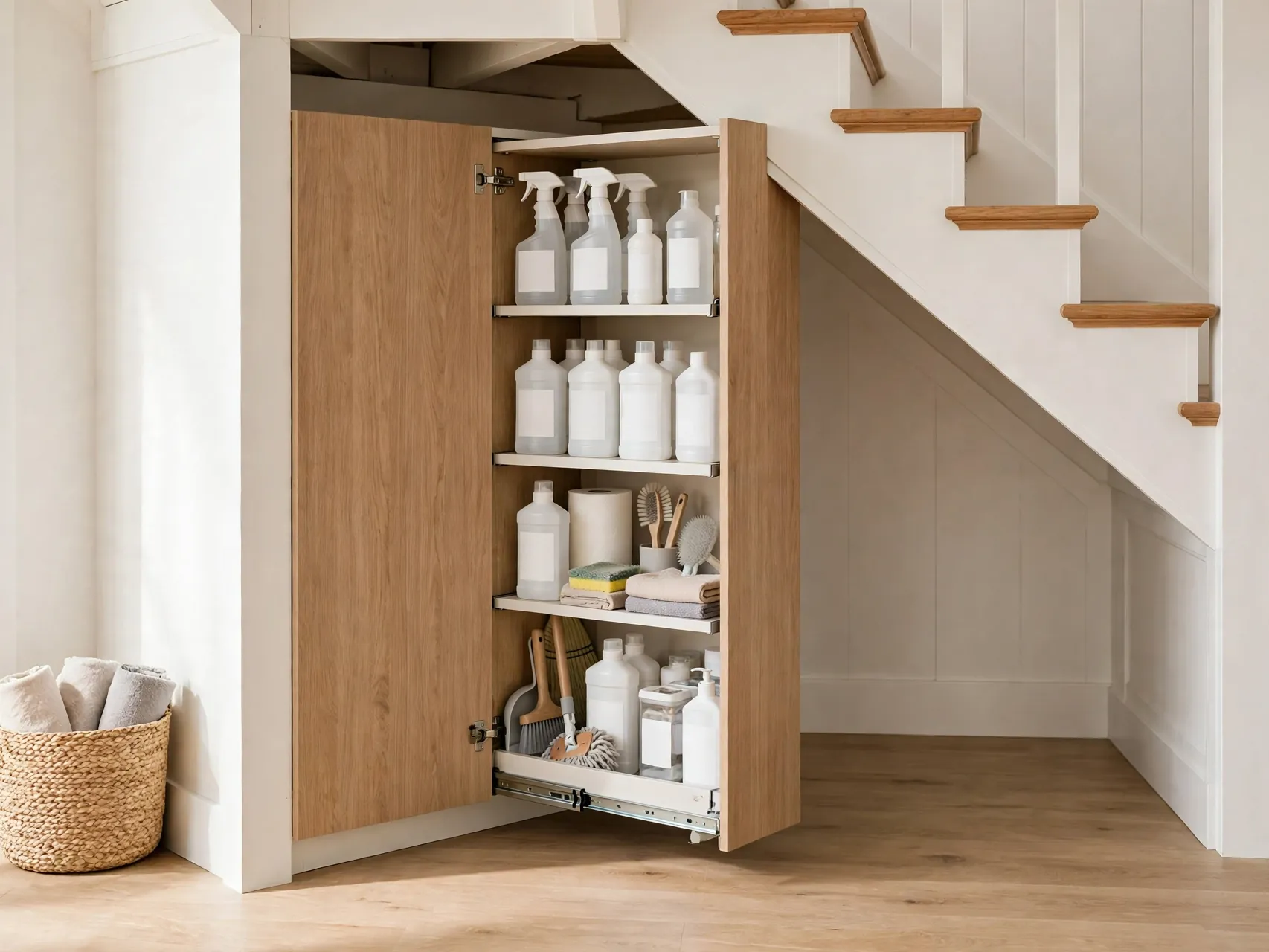
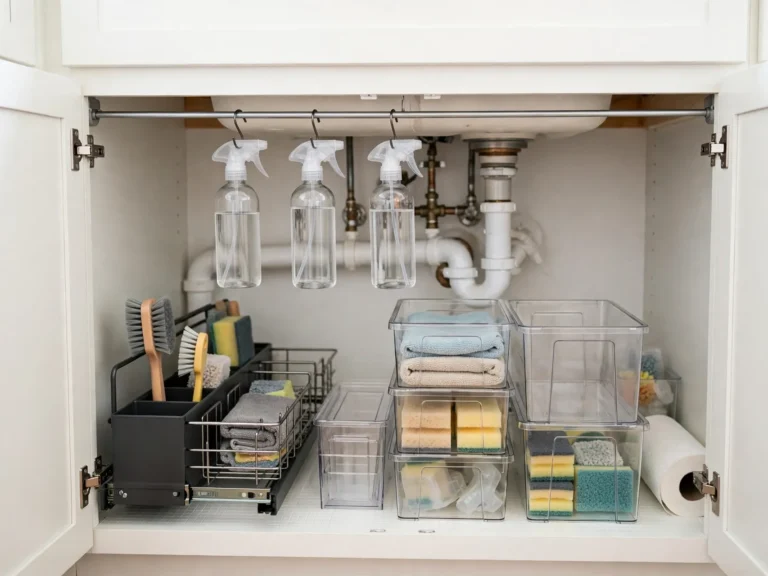
Brooms, mops, and the vacuum need vertical space, and a narrow pull-out tower or tall cupboard section at the high end gives it to them. Hooks inside the door hold dustpans and spray bottles, while a caddy keeps small supplies together.
Storing cleaning gear under the stairs puts it centrally in most homes, close to every room. Keep any household chemicals in line with their label instructions, out of reach of children, and in a ventilated spot. A small mat protects the floor from damp mop heads.
Backpack and School Lockers
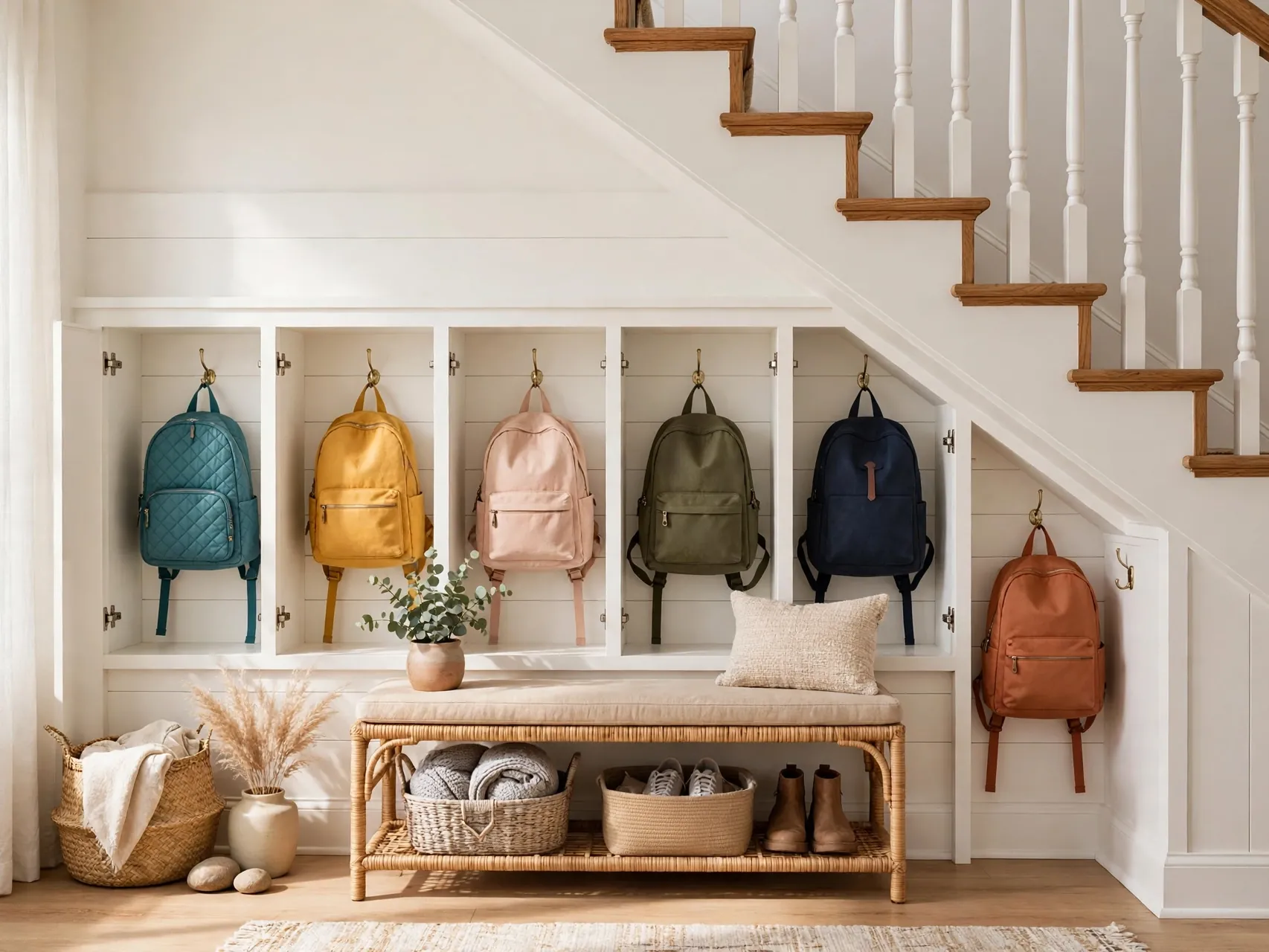
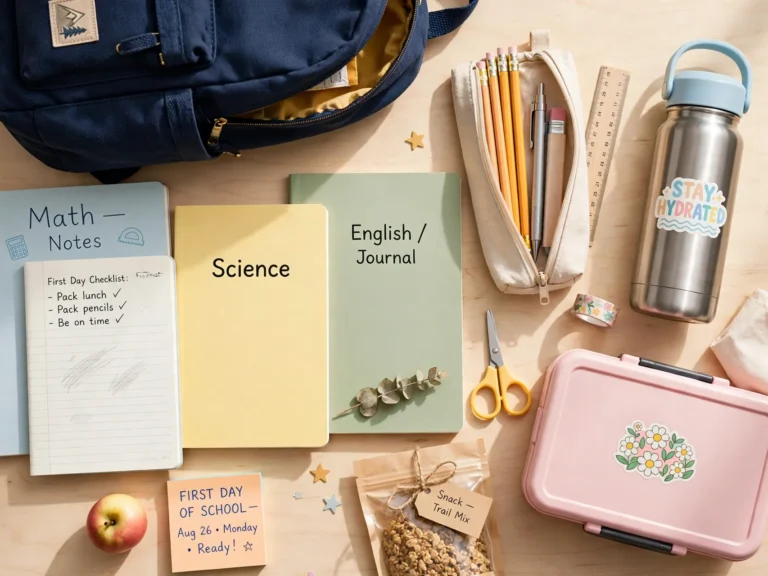
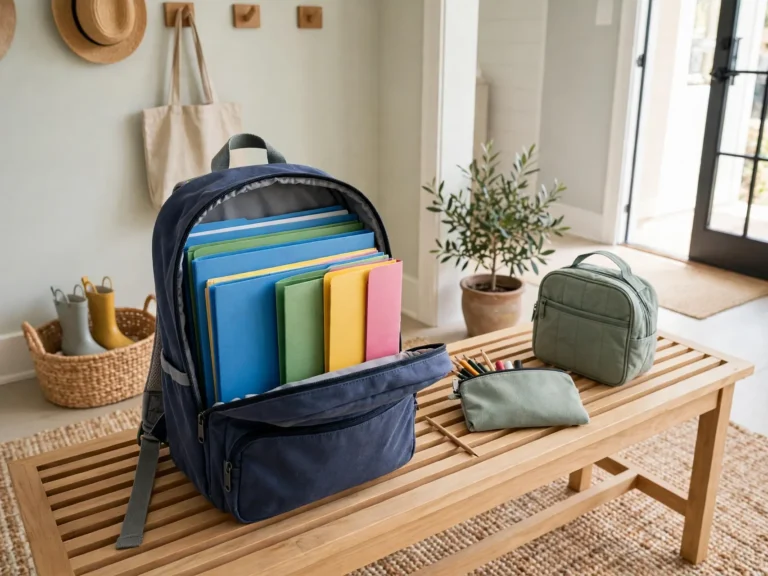
Divide the middle zone into simple lockers, one per child, with a hook, a shelf, and floor space for shoes. Backpacks land in the same spot every day, homework folders stay findable, and the hallway floor stays clear.
Name labels or different colored bins make ownership obvious. This is one of the most life improving pull out drawers under stairs alternatives for families, because it needs no drawers at all, just dividers, hooks, and a house rule that bags live here and nowhere else.
Shoe Drawers in the Lowest Triangle

The lowest point, where adults cannot stand, is exactly the right height for shoes. Shallow drawers or low pull out trays hold pairs in rows, easy to see and easy to reach from a crouch or from the bottom step.
Reserve this zone for everyday footwear and keep special pairs in bedroom closets. A tray or mat under the drawers catches dirt. If drawers are beyond your budget, low rolling crates behind a simple hinged panel copy the same idea for much less.
Seasonal Decor Storage With Labels

Holiday decorations, wreaths, and Halloween props spend eleven months waiting, so the deep, low zones suit them well. Sturdy boxes, clearly labeled by season, stack neatly where you would never store daily items.
Wrap fragile pieces before boxing them, and keep one small box for the items you reach for first, such as the tree stand or door wreath hook. A simple list taped inside the cupboard door records what lives where, which saves a yearly treasure hunt through every box.
Bike and Scooter Parking Bay

In homes without a garage, the tall end under the stairs can park a bicycle upright with a wall hook, plus helmets and locks on pegs beside it. Kids scooters and skateboards fit the lower zones neatly.
A washable mat or tray protects the floor from wet tires. Keeping wheels here instead of the hallway removes a daily trip hazard and a lot of visual clutter. Measure the doorway swing first, since the bike needs a clear path in and out to stay convenient.
Laundry Sorting Station

A small sorting station with two or three hampers fits the middle zone in many homes, especially where stairs sit near bedrooms or a utility area. Labeled hampers for lights, darks, and delicates make laundry day faster for everyone.
Add a narrow shelf above for detergent and stain supplies, stored safely and per label directions. When wash day comes, grab the full hamper and go. This setup also gives dirty sports kits a landing place that is not the bedroom floor.
Craft Cupboard With Pegboard Door
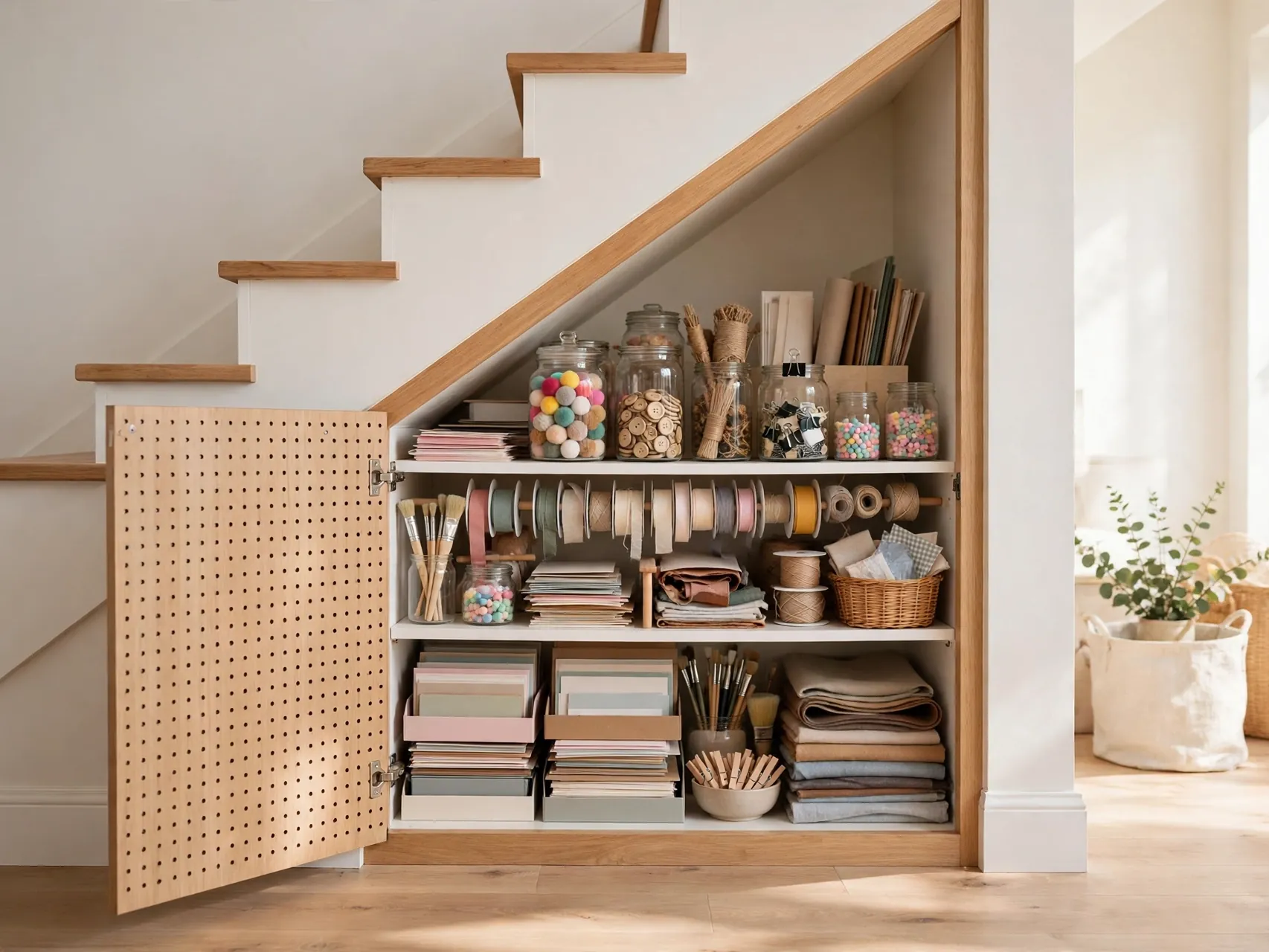
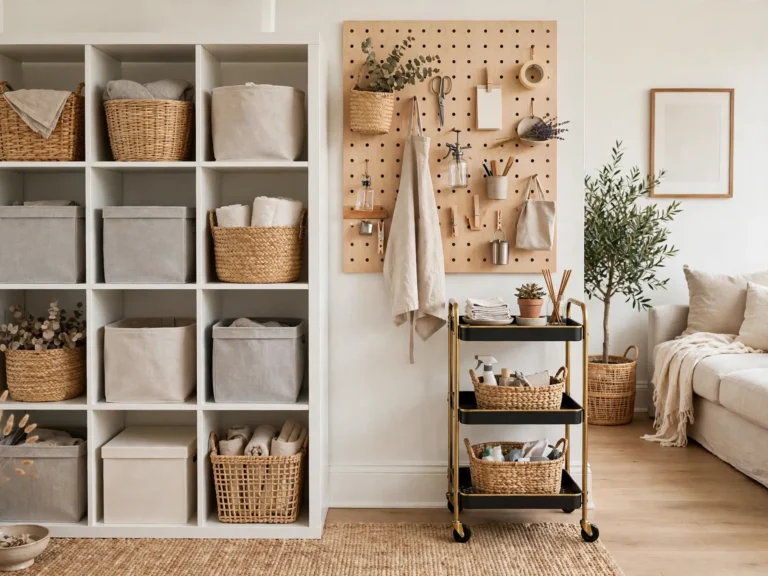
Craft supplies multiply quietly, and the under stair cupboard can hold all of them in one organized place. Clear boxes by project, a bin for wrapping and ribbons, and a pegboard inside the door for scissors, tape, and tools keep everything visible.
Pegboards and hooks are a recurring theme in IKEA's own organization guidance because they use vertical space so well. A small folding table nearby turns the cupboard into a wrapping and making station during busy seasons, then everything closes away again.
Board Game and Puzzle Library
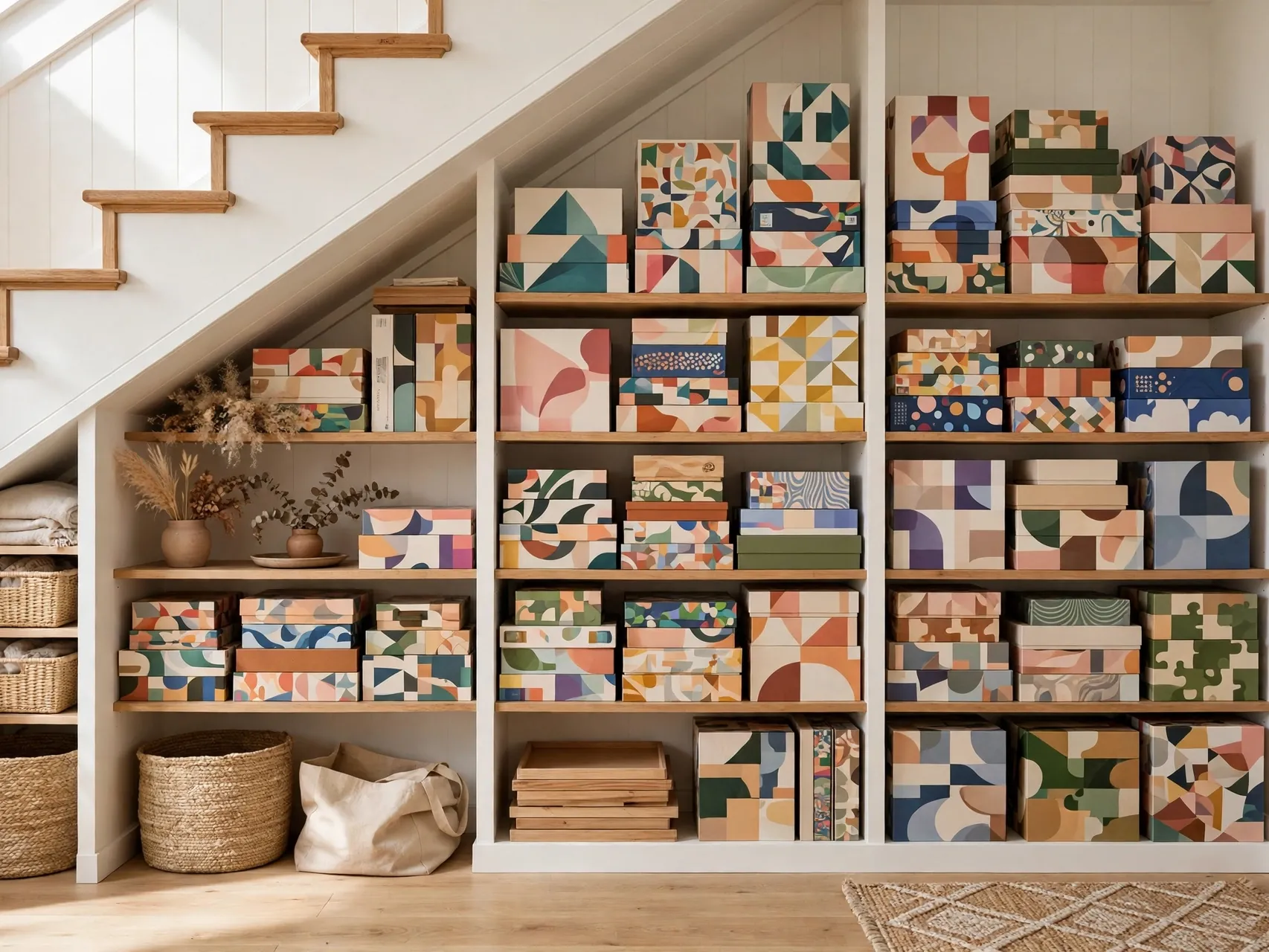
Games and puzzles stack beautifully on stepped shelves in the middle zone. Store boxes upright like books where possible, so titles show and boxes survive longer, and keep a small basket for dice, counters, and other escape prone pieces.
A family game library near the living room gets used far more than games buried in a bedroom closet. Add a note inside the cupboard listing any borrowed or missing piece games, and keep current puzzles in progress on a board that slides under the lowest shelf.
Hidden Safe and Document Drawer

One lockable drawer or a small secured box in a less obvious section suits passports, spare keys, and important household documents. Choose a spot that is dry, easy for you to reach in an emergency, and not the first place a visitor would look.
Keep an inventory list with your household paperwork and tell one trusted person where essentials live. For fire and water protection, follow the guidance of the safe manufacturer and your insurer rather than assuming any drawer protects documents on its own.
Rolling Bins Behind Flush Doors

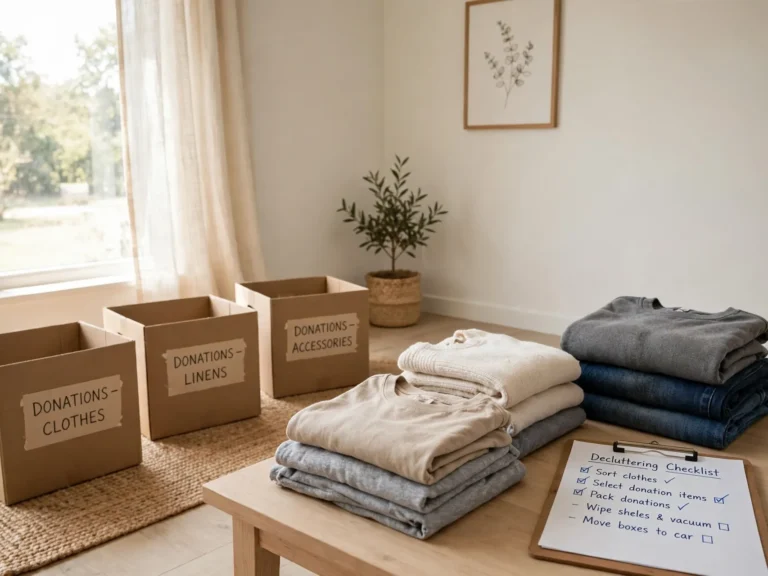
The simplest family friendly system is a set of large rolling bins behind plain doors that sit flush with the wall. Each bin takes a category: sports gear, donation items, recycling overflow, or tools. Roll out, drop in, roll back, done.
Wheels matter most in the deep low zone, where reaching in is awkward. Choose bins with handles and lids if you store anything dusty. This approach needs no custom carpentry beyond doors, so it adapts easily when your storage needs change over the years.
Gift Wrap and Household Station

Long rolls of wrapping paper fit the tall end or a vertical bin, while a shallow box holds cards, tags, tape, and ribbon. Add spare batteries, light bulbs, and a basic tool kit, and the cupboard becomes a small household station that answers daily needs.
Standing wrap upright in a tall bin stops it crumpling in a closet corner. Keep a household inventory note on the door: when the last bulb or battery leaves, it goes on the shopping list. Small systems like this save surprising amounts of time.
Guest Essentials Cupboard

If you host often, dedicate one section to guests: spare towels, a small basket of toiletries, extra hangers, and a folded blanket. When visitors arrive, everything they might need is in one grab and go place instead of five different closets.
Restock the basket after each stay while you strip the guest bed, so the cupboard is always ready. This also works as overflow for your own bathroom supplies, bought in bulk and stored neatly rather than crowding the bathroom cabinet.
Open Shelves Styled With Baskets

Not every under stair space needs doors. Open stepped shelves with matching baskets look light and welcoming in a living area, and baskets hide the visual clutter while keeping things reachable. IKEA describes its KALLAX units as usable standing or lying down, a flexibility many people copy for stepped arrangements.
Keep the top shelves for display and the lowest baskets for heavy or everyday items. A consistent basket color keeps the look pulled together. This is the friendliest option for renters, since shelves and baskets leave with you.
FAQ
How do I measure under stair space before buying storage?
Measure the height at the tall end, middle, and low end, plus the full depth and width, and write the numbers down with a quick sketch. Check for pipes, meters, and wiring before planning drawers or shelves, and test that any door or drawer can open fully into the hallway without hitting anything.
Is under stair storage safe for heavy items?
Keep heavy items low and in the deepest, sturdiest sections, and anchor tall units to the wall following the maker's instructions. Avoid storing anything heavy on high shelves under a slope, where reaching is awkward. When in doubt about structural changes, ask a qualified builder before cutting into the stair structure.
What should I avoid storing under the stairs?
Avoid anything that needs frequent access in the lowest, deepest zone, since crouching gets old fast. Keep household chemicals per their label instructions and away from children, and skip items that could be damaged by damp if your under stair area is not dry. A quick check for leaks or condensation comes first.
Can renters use under stair storage ideas?
Yes. Freestanding stepped shelves, rolling bins, baskets, and coat stands all work without altering the property. Save custom drawers and built in cupboards for homes you own, or get written landlord permission first. Photograph the space before and after if you add anything semi permanent.
How much does built in under stair storage cost?
Costs vary widely by size, materials, and whether you hire a carpenter or do the work yourself, so get local quotes rather than relying on a single figure. Simple shelves and bins cost the least, while stepped drawers and paneled doors cost more. Start with one zone to test the layout before funding the whole triangle.
Key Takeaways
- Plan by zone: Tall end for coats and hanging, middle for drawers and desks, low end for bins and seasonal storage.
- Drawers beat dark cupboards: Pull out storage means nothing gets lost at the back of the slope.
- Match storage to your pain point: Pantry, lockers, or a pet nook all work, so fix your biggest daily annoyance first.
- Measure the slope carefully: Heights change along the triangle, and doors need room to open fully.
- Renters have options too: Stepped shelves, baskets, and rolling bins deliver most of the benefit with no building work.
- Pin these ideas for later: Save this list to your home organization board on Pinterest before you start measuring and shopping.