24 Back to School Essentials Every Student Truly Needs
Introduction
Back to school shopping gets expensive fast when every display claims to be a must have. A calmer approach starts with the items students actually open, carry, and use every single day, then adds only what your school list truly requires. These back to school essentials focus on the daily basics first, so your money goes where it helps most.
Before you shop, check drawers and last year backpack for supplies that still work. Many families already own pens, rulers, and half used notebooks that are fine for another term. Make a list from your school supply sheet, tick off what you already have, and shop only for the gaps.
The 24 items below cover carrying, writing, organizing, eating, and staying healthy through a normal school day. They suit elementary, middle, and high school students, with simple notes on where younger or older students may need a different version of the same basic item.
A Sturdy Backpack That Fits Well
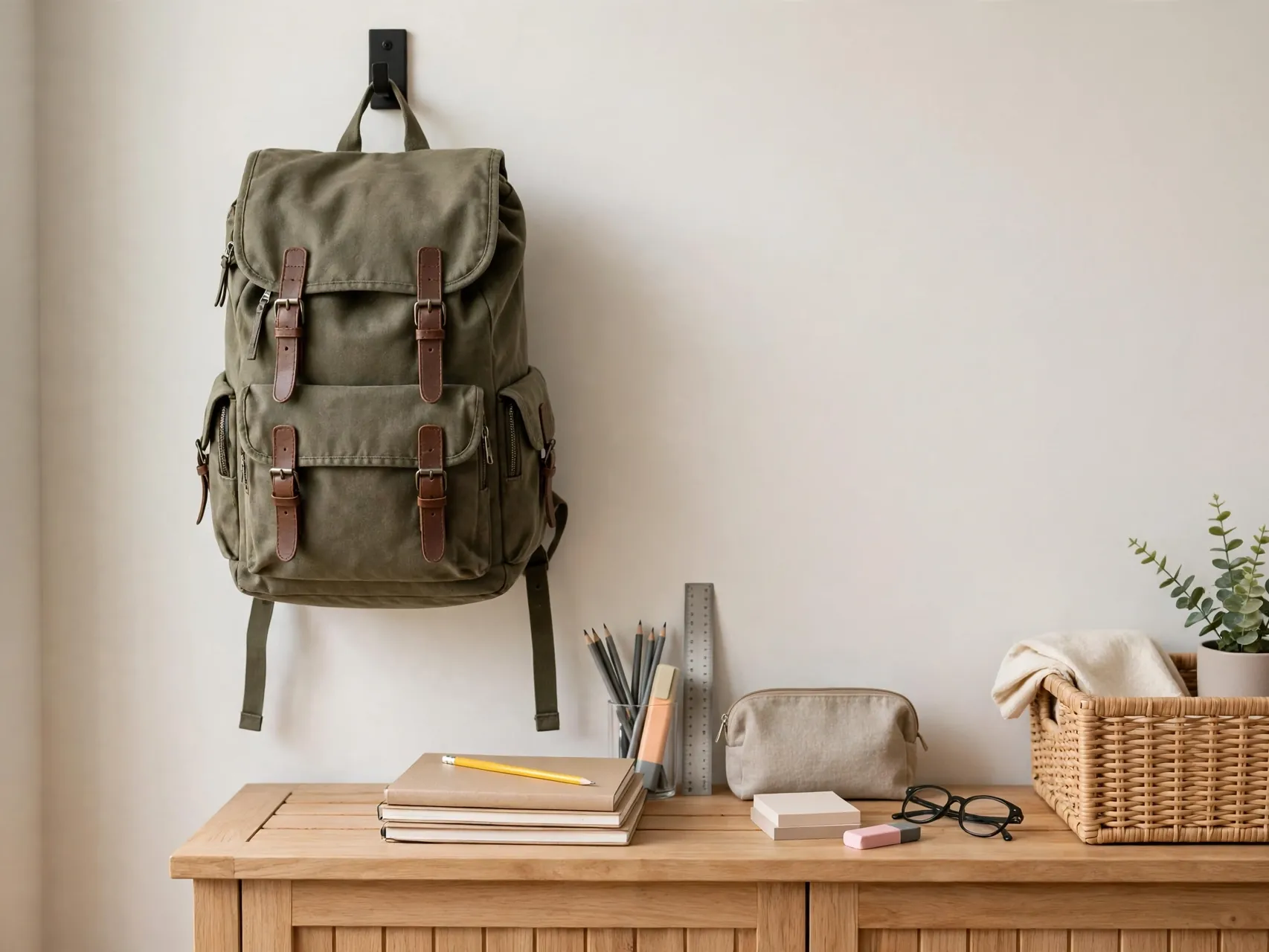
The backpack is the one item your student touches every day, so fit matters more than prints. Choose two wide, padded shoulder straps, a padded back, and enough compartments to separate books from lunch and small items. Health guidance shared by children hospitals advises using both straps and keeping the loaded pack light relative to a child body weight, with the heaviest items packed closest to the back.
Let your student try it on in the store and adjust the straps so the pack sits snugly in the middle of the back, not sagging below the waist.
Notebooks for Each Subject

One notebook per subject keeps notes easy to find and review. Spiral notebooks suit students who keep everything in one place, while composition books work well for younger writers and journals. Choose wide ruled paper for younger students and college ruled for older ones, following your school guidance.
Color match notebooks to folders for the same subject, so math notes and math homework travel together. Write the subject and name on the cover on day one.
Folders in Matching Colors

Folders protect homework, permission slips, and handouts from the crush at the bottom of a bag. Pick sturdy two pocket folders, ideally in the same colors as the notebooks for each subject. A clear front folder for papers that must go home and return signed can save a lot of morning stress.
Teach a simple routine: papers for home go on one side, papers to return go on the other. Empty and sort folders every Friday.
A Binder With Tabs for Older Students

Middle and high school students often do better with one binder divided by subject tabs. Loose leaf paper, handouts, and graded work all land in the right section, and full sections can be filed at home each term. Choose a binder that fits the backpack without forcing the zip closed.
Add a three hole punch that clips into the rings, or keep one in the locker. Remind students to hole punch handouts the day they receive them.
Pencils and Spare Lead or a Sharpener

Pencils run out, break, and vanish, so start the year well stocked. Younger students usually need standard No. 2 pencils, while many older students prefer mechanical pencils with spare lead and erasers. Keep a small set at home for homework so the school case stays in the bag.
Pre sharpened pencils save time for little kids. For mechanical pencils, pack one small tube of spare lead at the start of term and check it monthly.
Pens in Two Colors
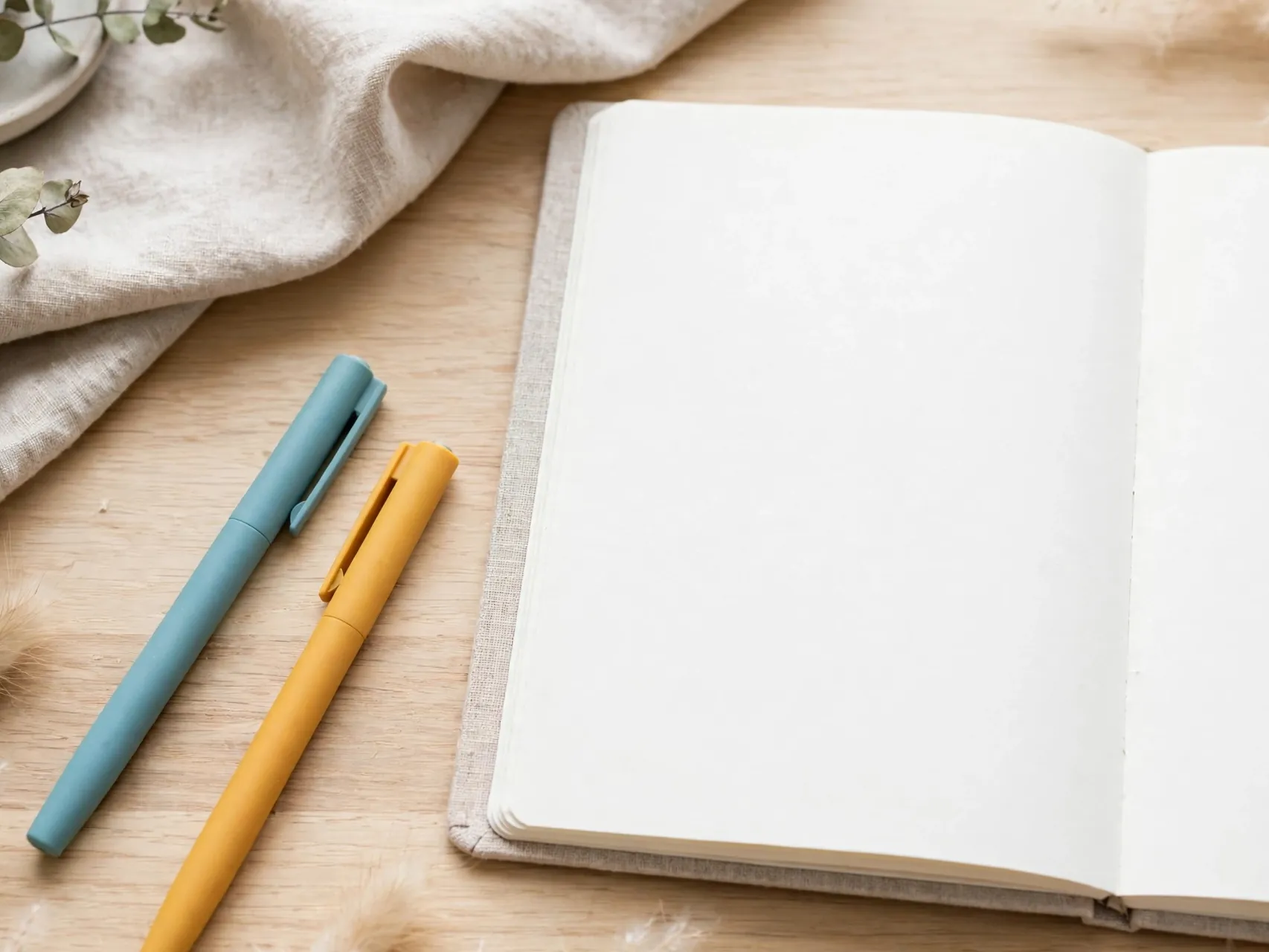
Pens matter more as students get older and teachers ask for written work in ink. A reliable black or blue pen for everyday work and a second color for corrections and headings covers most classes. Choose pens that glide without smudging, especially for left handed writers.
Pack two working pens, not five, and test each one before it goes in the case. Keep a small backup set in the locker or at home.
Highlighters for Study Notes
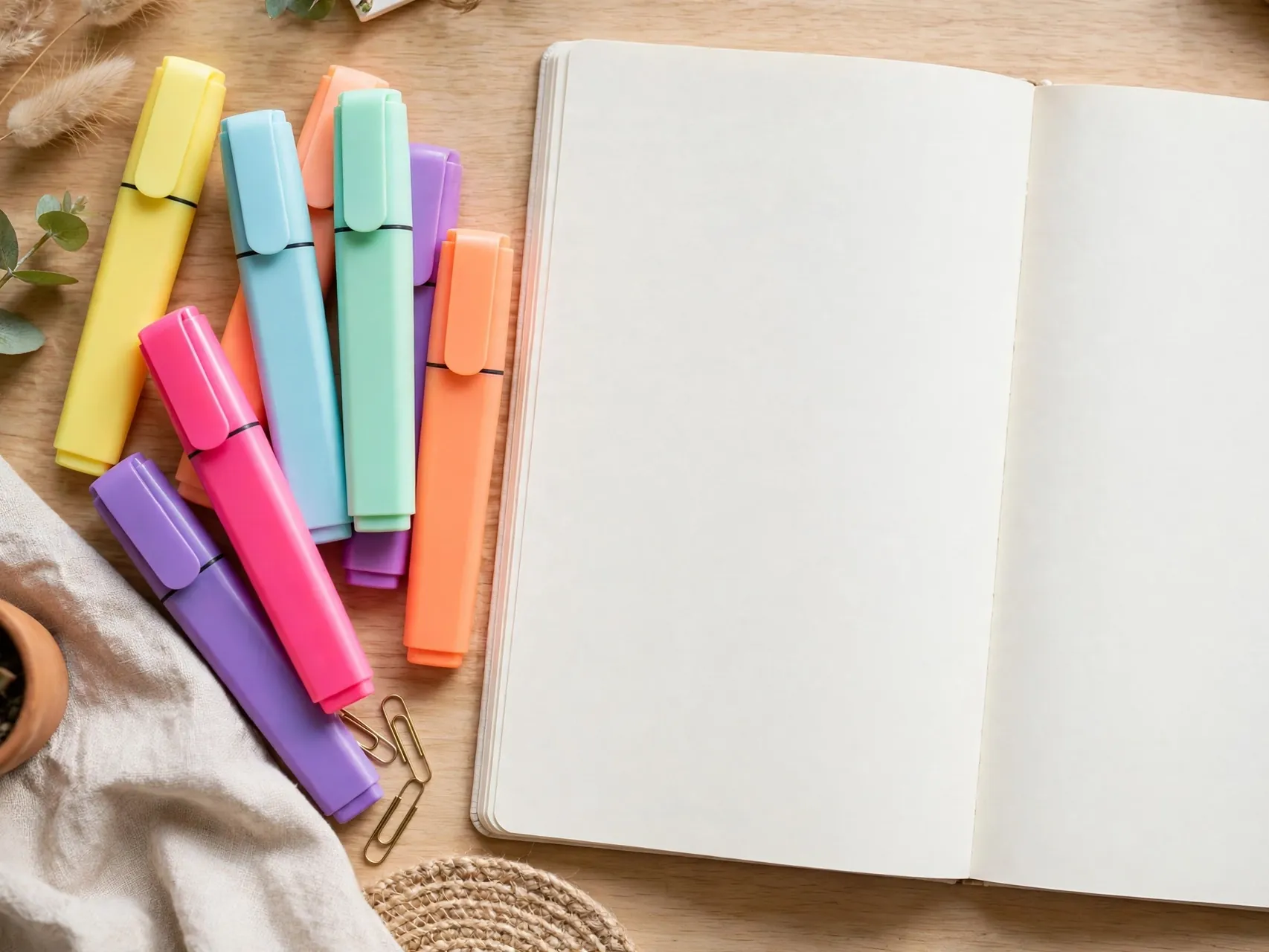
Highlighters help students mark key terms, dates, and formulas when they review. Two or three colors are plenty: one for main ideas, one for vocabulary, and one for questions to ask the teacher. More colors than that usually turns notes into a rainbow that is hard to study from.
Teach students to read a paragraph first, then highlight only the phrases that answer likely test questions. Pastel highlighters are easier on the eyes and rarely bleed through notebook paper.
A Padded Pencil Case That Fits the Bag
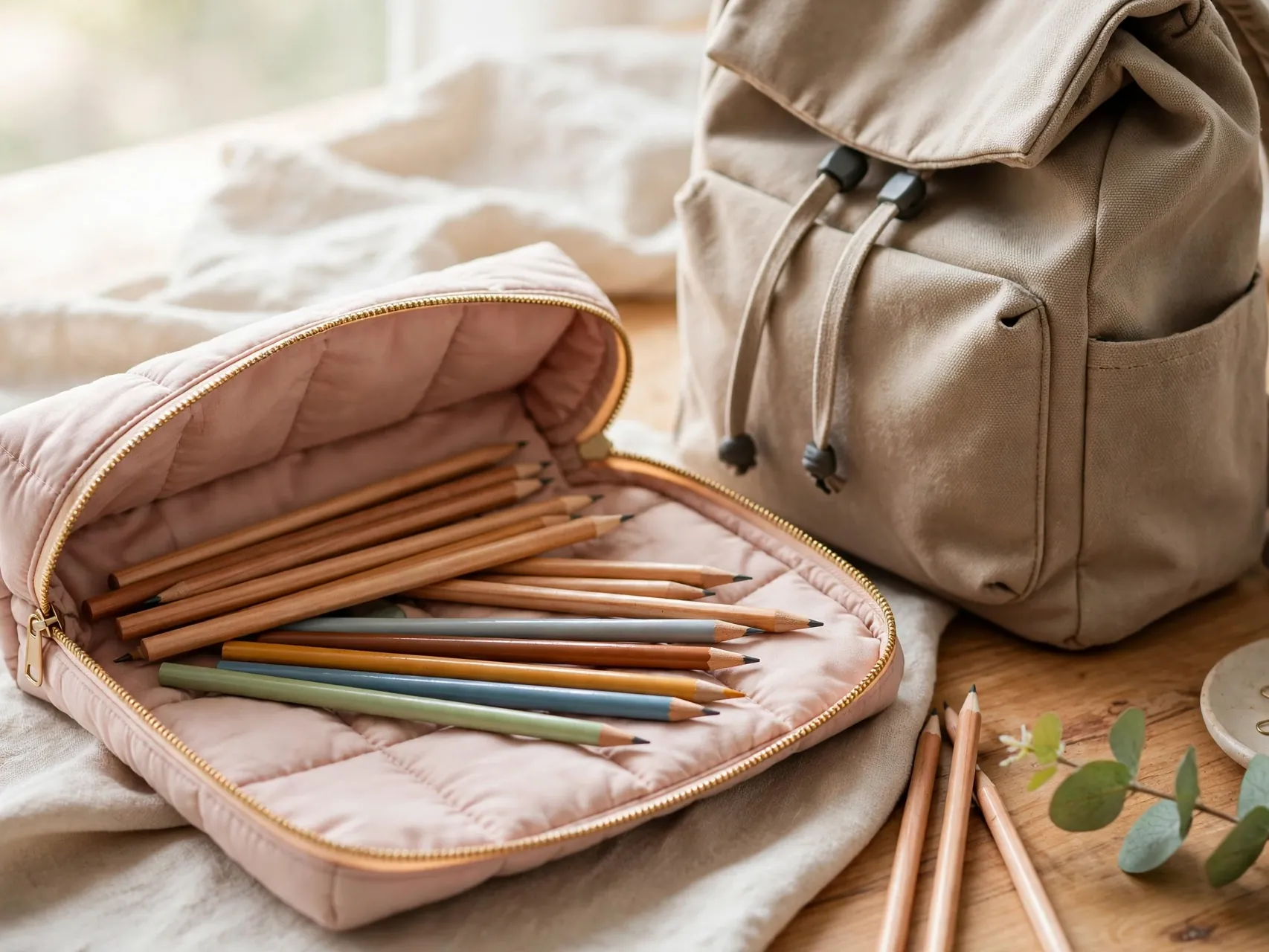
A pencil case keeps small tools from scattering through the backpack. Choose a soft, padded case that holds pencils, pens, an eraser, and a sharpener without bulging. Hard cases protect supplies well for younger kids, while zip pouches suit older students who carry more tech.
Measure the case against the backpack front pocket before you buy. Once a week, tip the case out, toss broken tips and dried pens, and refill what is missing.
Erasers and a Hand Sharpener

A large, soft eraser that lifts pencil marks without tearing paper is worth packing from day one. Cap erasers vanish quickly, so a block eraser in the case plus a spare at home is a smarter setup. Add a small hand sharpener with a lid to catch shavings for students using wooden pencils.
Check the sharpener blade still cuts cleanly at the start of term. A blunt sharpener chews pencils down fast and wastes them.
A Ruler and Basic Geometry Set
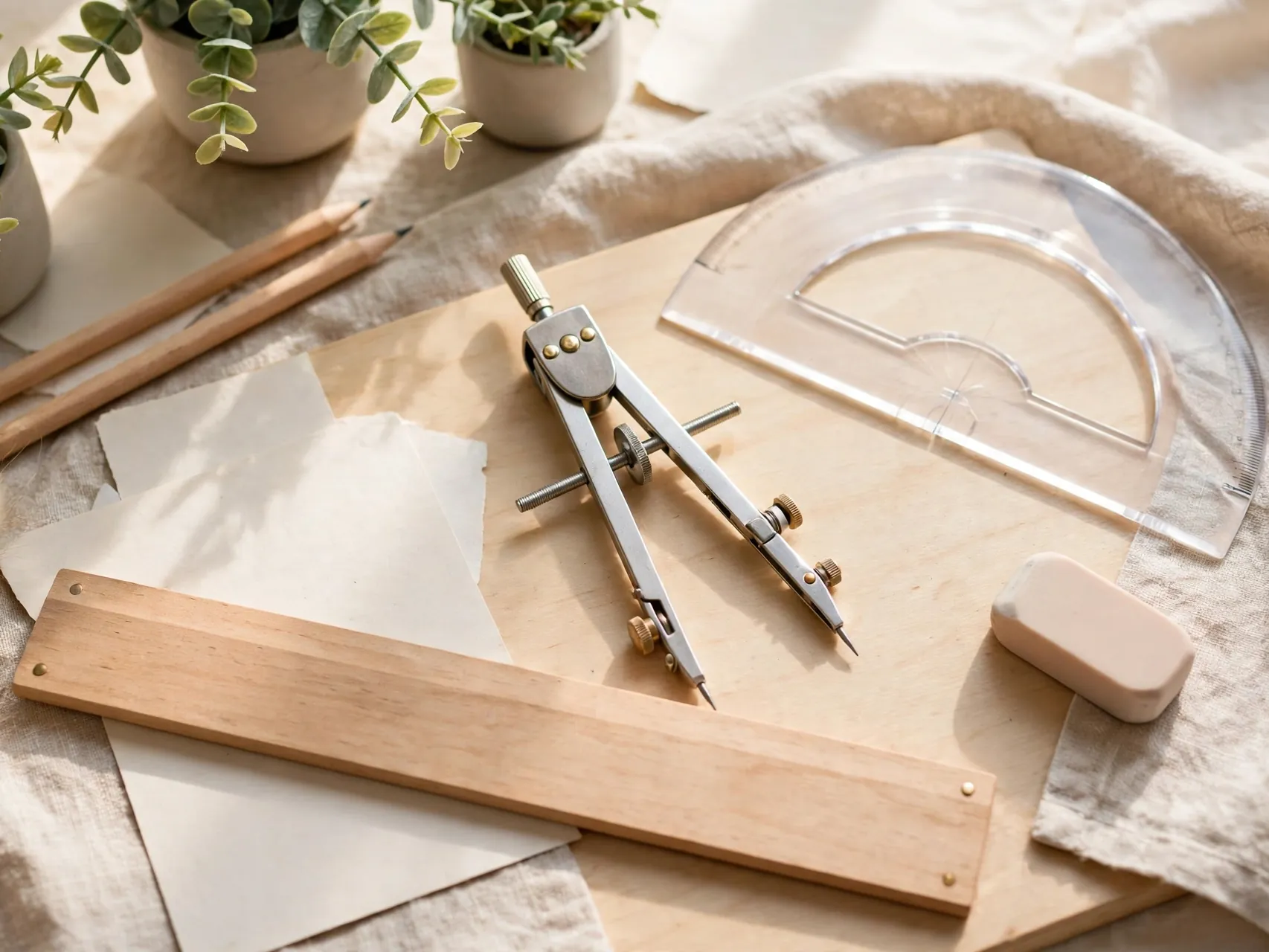
A clear, sturdy ruler that shows both inches and centimeters covers most elementary and middle school needs. Clear rulers are easier for measuring drawings because students can see the line underneath. Older students in geometry will need a protractor and compass, which often come in one small set.
Store the set in its case so compass points stay safe and rulers do not snap against books. Write the student name on the case, because identical sets swap owners easily in shared classrooms.
The Right Calculator for the Grade
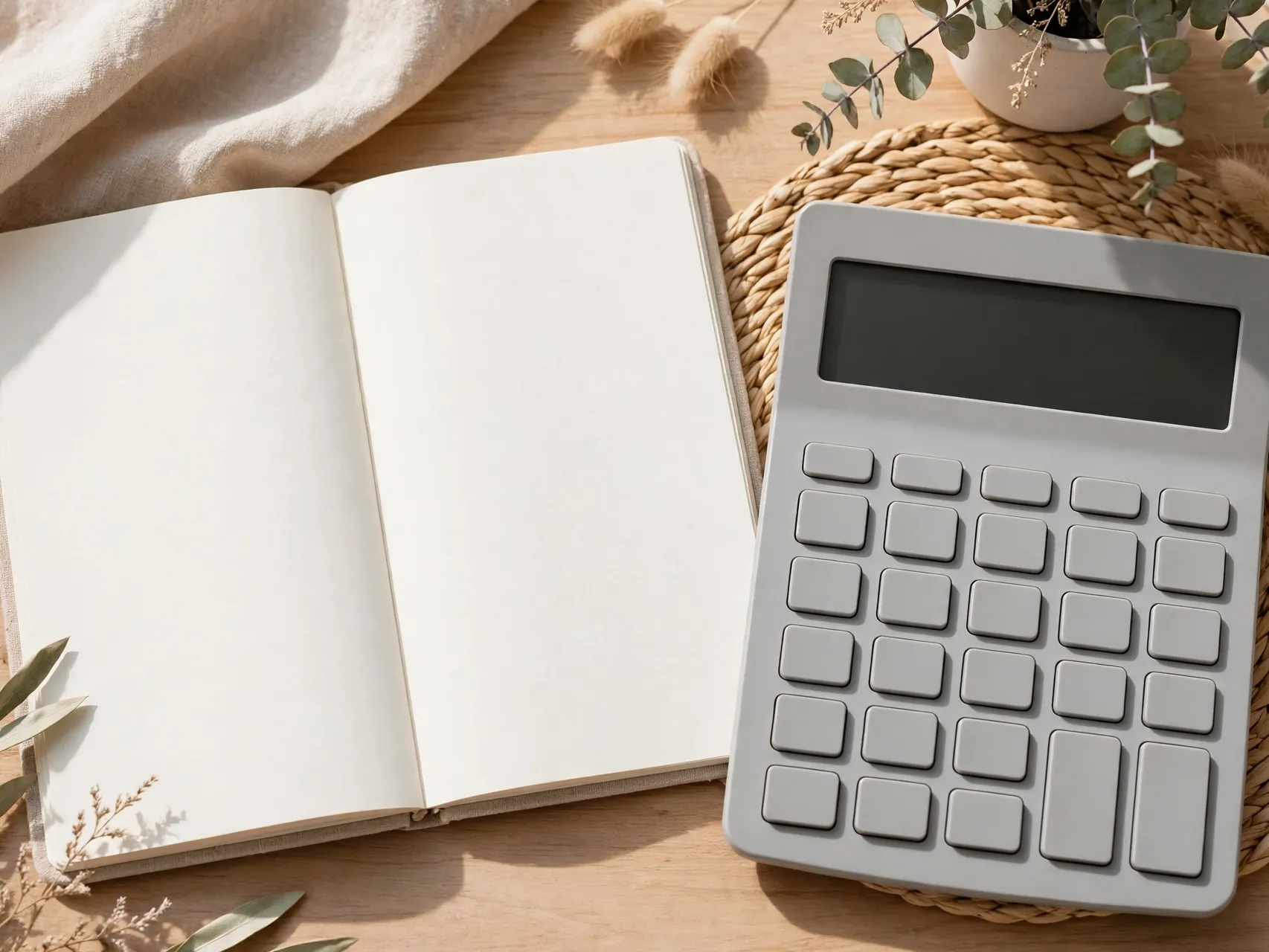
Calculator needs change fast by grade. Young students may not need one at all, while middle schoolers often need a scientific calculator and high school math and science classes may require a graphing model. Check the teacher list before buying, because schools often name exact approved models for tests.
Buying the approved model once is cheaper than buying a basic one now and the required one in October. Add spare batteries or check the solar panel works in normal classroom light.
A Paper Planner for Assignments

A simple paper planner helps students see homework, projects, and test dates in one place. Even in schools with apps, writing a task down by hand helps many students remember it. Choose a planner with a week view, enough writing space per day, and a size that fits the binder or bag.
The habit matters more than the brand. Students should open the planner in the last minutes of each class and again at homework time.
Sticky Notes and Index Cards

Sticky notes and index cards are small, cheap, and surprisingly useful. Sticky notes mark pages, hold quick reminders, and label projects. Index cards suit vocabulary, formulas, and speech practice, and they are easy to sort, shuffle, and carry for short review sessions on the bus or in line.
Keep one small pack of each in the pencil case or binder pocket, and a spare pack in the homework area at home.
A Reusable Water Bottle

A leak proof, reusable water bottle helps students drink through the day and cuts daily waste. Choose a size your student can carry when full without overloading the bag, and a lid they can open easily with one hand. Stainless steel and sturdy plastic both work if they clean well.
Wash the bottle daily and deep clean the lid and straw parts weekly, following the maker care guidance. Write the student name on the bottle in permanent marker or with a label.
An Insulated Lunch Bag and Containers
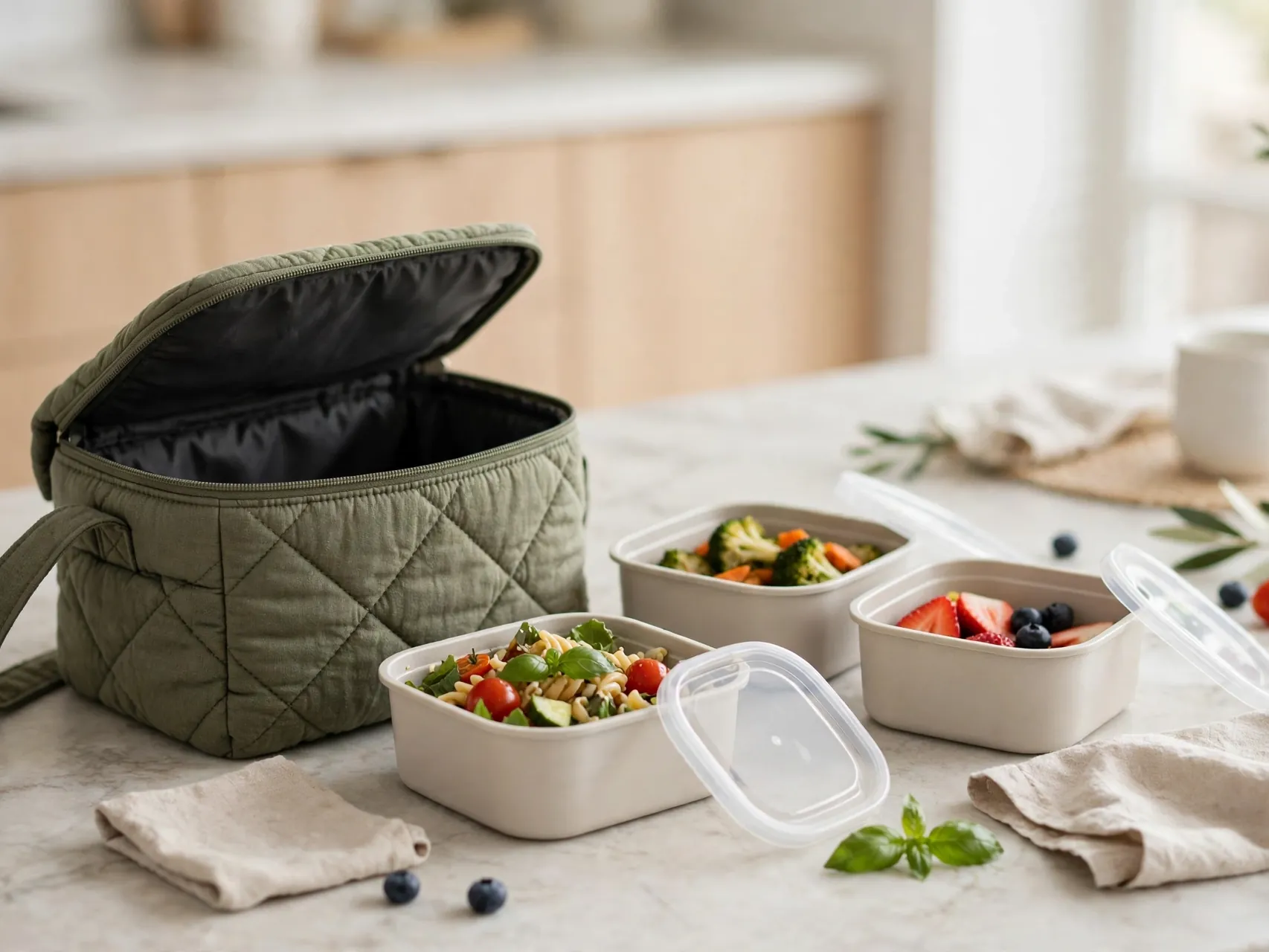
An insulated lunch bag keeps food at a safer, fresher temperature until lunch, especially with a small ice pack on warm days. Pair it with two or three containers that seal well and open easily for your student age. Practice opening every container at home before the first day, especially with younger kids.
Pack lunches the night before where you can, and keep lunch supplies in one kitchen spot so mornings stay calm. Wash the bag out weekly and let it dry fully to stop smells building up. A lunch setup that is easy to clean is one your family will actually keep using.
Headphones for Class and Study

Many classrooms now use tablets, computers, and language or reading programs that need headphones. Check whether your school asks for over ear headphones for younger students or allows earbuds for older ones. A simple, sturdy pair with a standard plug or the connection your school devices use is usually enough.
Add a small pouch so cords do not tangle with chargers and pens. Label the pouch and the headphone band with the student name. At home, the same headphones help with homework videos and focused study in a busy house, so they earn their place on the student essentials list twice over.
A USB Drive or Cloud Backup Plan

Older students lose hours of work when a file lives in only one place. A small USB drive, a school cloud account, or both give essays and projects a backup. Teach students to save work in clearly named folders by subject and to back up at the end of each project, not just at the end of term.
Check what your school provides first, since many schools give students cloud storage accounts. If you buy a drive, choose a modest size, attach it to a bright key ring, and store it in one pocket of the bag. Backups are boring until the day they save a grade.
A Small Portable Charger for Older Students
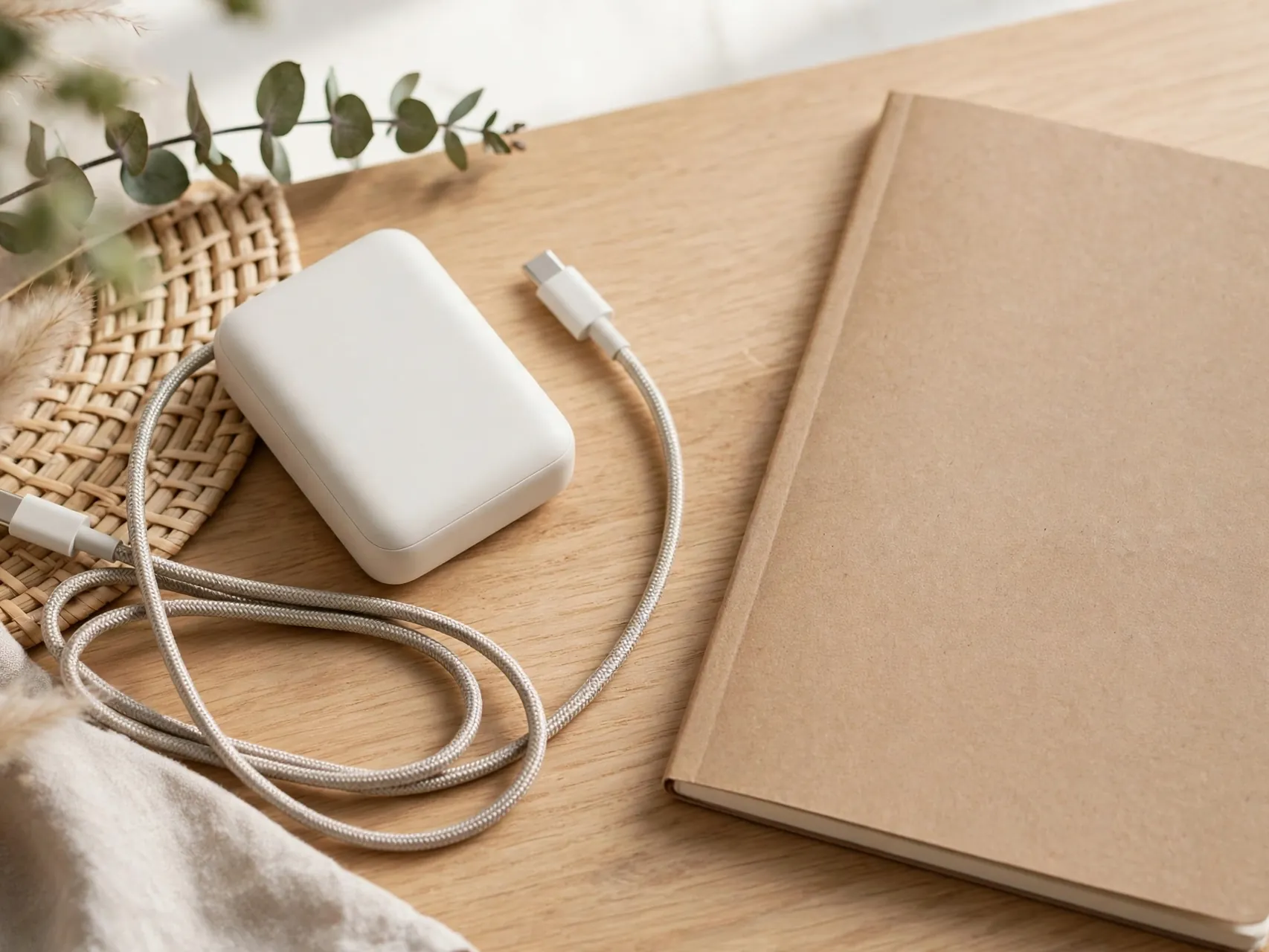
Students with long days, after school activities, or a commute may need a small portable charger for a phone or school device. This is an older student essential, not a primary school need. Choose a compact model and one short cable, and check your school rules on charging and phone use during the day.
Charge the power bank at home each night alongside the phone, in the family charging spot. Remind students that a charger is a backup, not a reason to arrive with a flat battery. Keep it in the same bag pocket every day so it can be found without emptying the pack.
Name Labels on Everything
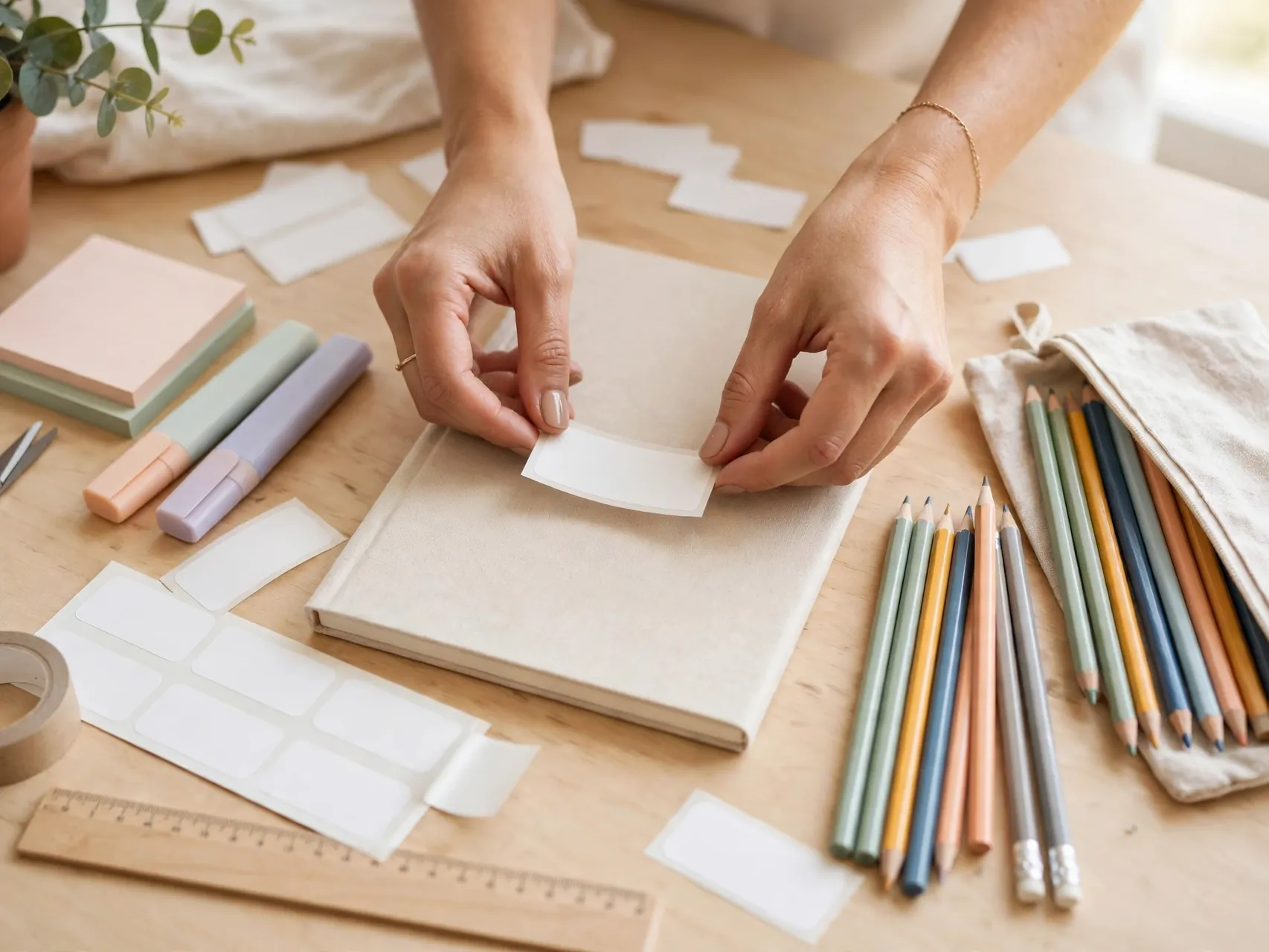
Label the items that walk away most often: jackets, water bottles, lunch bags, headphones, calculators, and sports gear. Iron on labels, sticker labels, or a permanent marker on the inside tag all work. For younger students, labels also help teachers return items quickly at the end of the day.
Do the labeling in one session the week before school starts, with your student helping. They are more likely to check for their name in the lost and found if they remember labeling the item themselves. A ten minute labeling session can save the cost of replacing half the items on this list.
A Spare Change of Clothes for Young Students

For preschool and early elementary students, a spare change of clothes in a sealed bag is a true essential. Spills, playground mud, and bathroom accidents happen, and a familiar change of clothes from home is far more comfortable than borrowed spares. Include socks and underwear, not just a top and bottoms.
Store the bag in the backpack or classroom cubby as your teacher prefers, and replace the set when the season or size changes. Check the bag after any day it is used and refill it the same evening. This small item rarely appears on a store school supplies checklist, but teachers ask for it again and again.
Tissues and Hand Sanitizer for the Bag
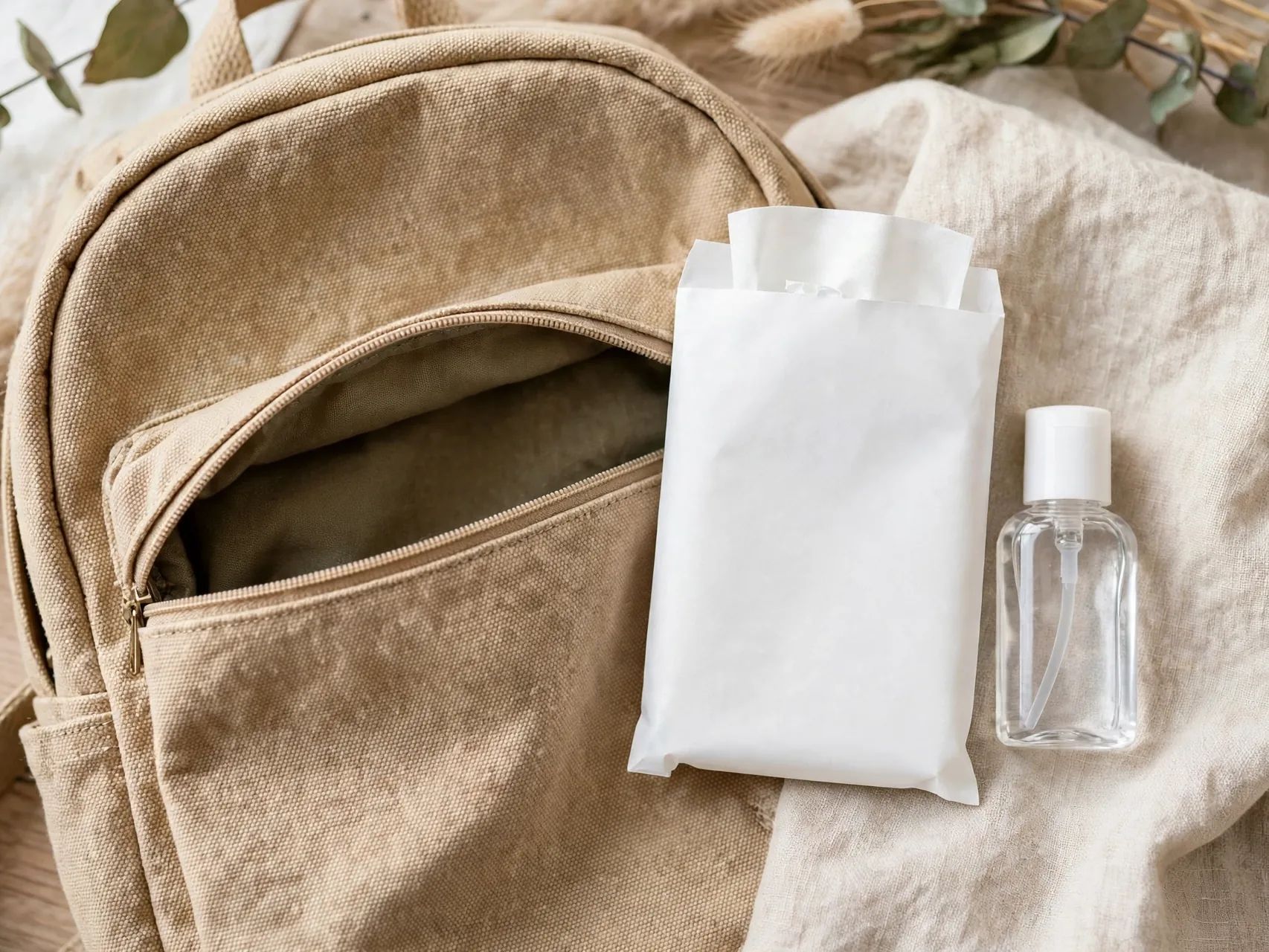
A travel pack of tissues and a small hand sanitizer help students handle sniffles and sticky hands without leaving class. Many teachers also request classroom boxes of tissues at the start of term, so check the school list and send those in during the first week if asked.
Teach younger students when to use sanitizer and when soap and water is the better choice, like before eating and after the bathroom. Refill or replace the small sanitizer bottle each term. Keep these items in the front pocket of the bag so they can be reached quickly and do not leak onto notebooks.
A Homework Station Kit at Home
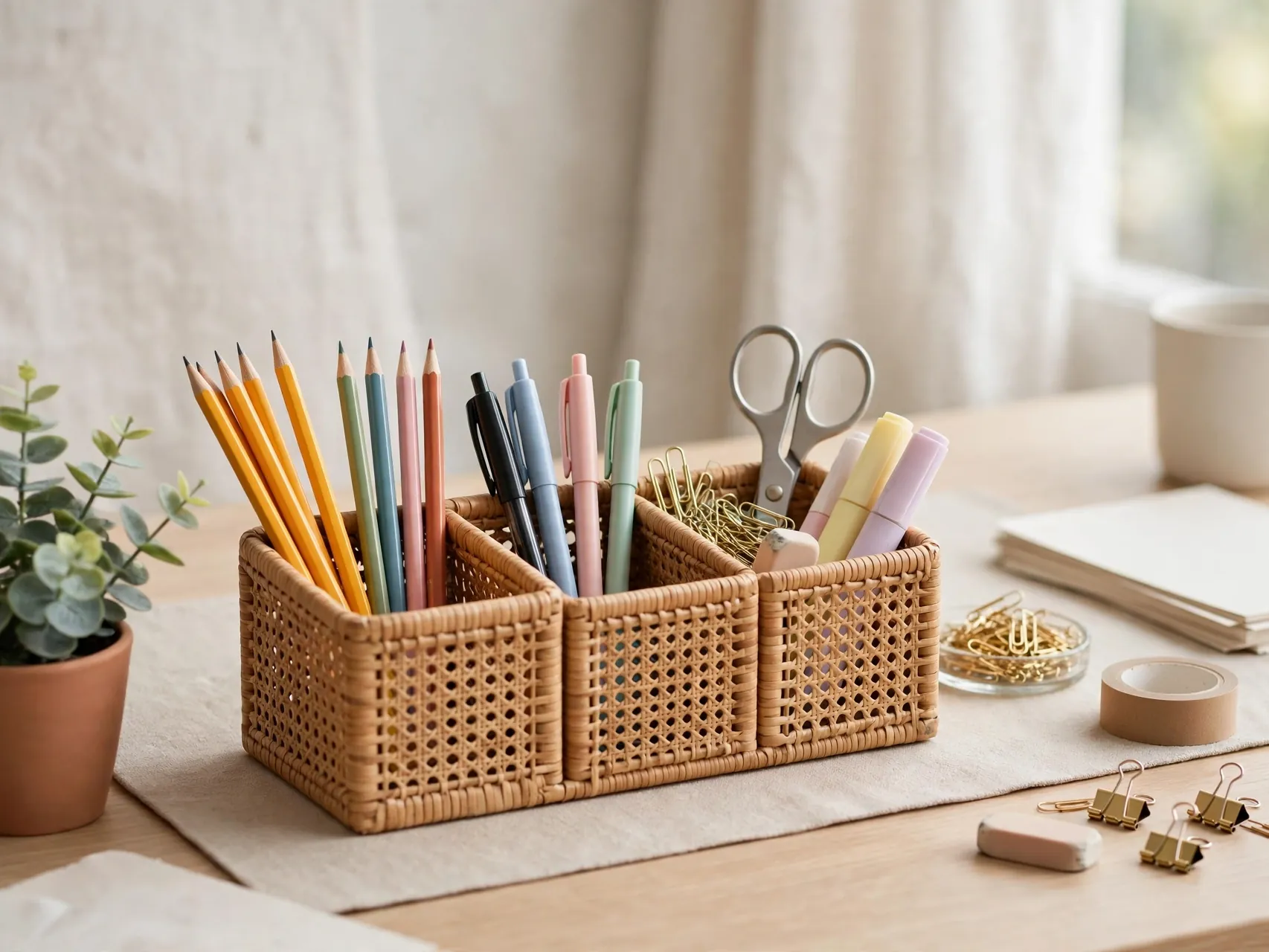
School readiness does not end at the school gate. A small homework kit at home, with pencils, an eraser, a ruler, glue, scissors, and paper, stops the nightly hunt for supplies. Keep it in a caddy or box where homework happens, whether that is the kitchen table or a small desk.
Restock the kit when you do the weekly backpack check. A calm homework spot with its own supplies protects the school pencil case from being emptied at home and forgotten. It also makes homework start faster, because everything needed is already on the table when books come out.
A Weekly Backpack Cleanout Routine
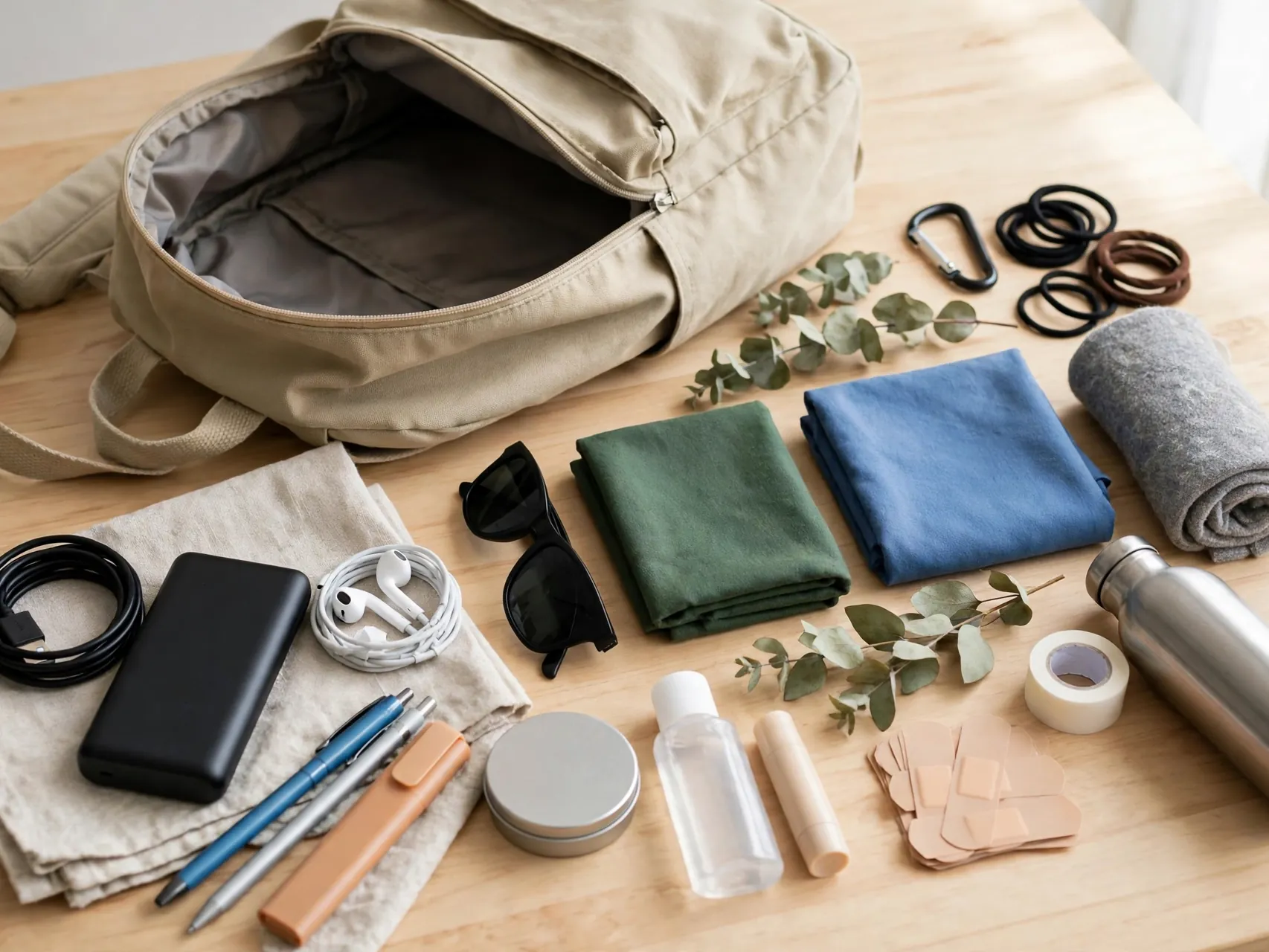
Backpacks collect loose papers, snack wrappers, library books, and mystery crumbs fast. A weekly cleanout, ideally on Friday or Sunday, keeps the load light and the system working. Empty every pocket, sort papers into keep, sign, and recycle, and wipe out crumbs before they attract smells.
Weigh the full pack from time to time, especially for younger students carrying books. Health sources advise keeping loads modest and using both straps, so remove anything that does not need to travel daily. This routine ties the whole back to school shopping list together, because even the best supplies fail inside a bag that is never emptied.
A First Week Check In and Restock
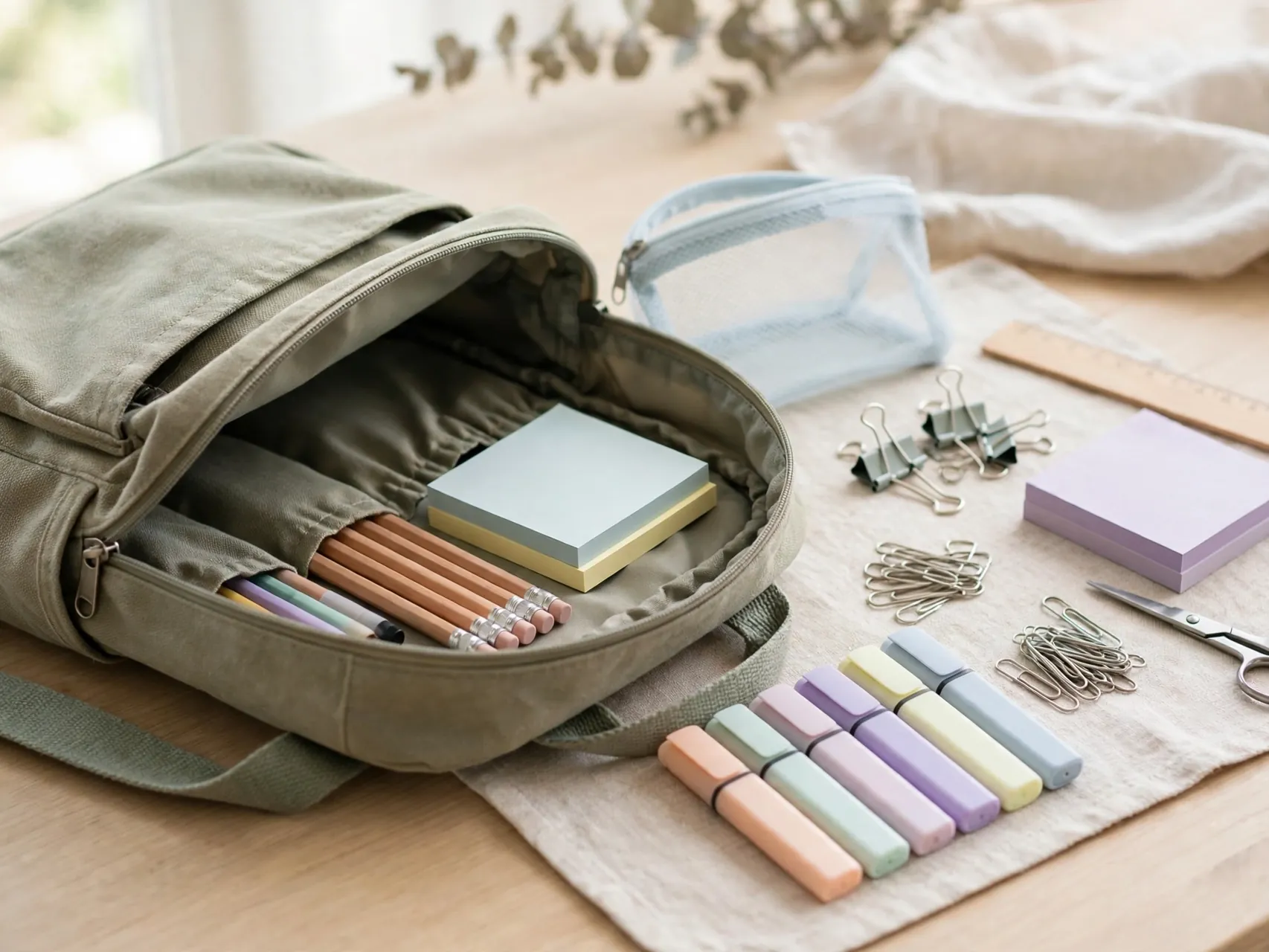
No list survives the first week unchanged. Teachers add items, some supplies run out fast, and a pencil case that looked fine at home may be too small in real use. Plan a short check in after the first week: ask what ran out, what was never used, and what the teacher actually requested.
Restock once, calmly, instead of making daily emergency trips. Keep a small home stash of the fastest moving items: pencils, erasers, glue sticks, and notebook paper. A family that expects one small restock shops smarter, spends less, and starts week two feeling settled instead of scrambling.
FAQ
What are the most important back to school essentials for any grade?
Every student needs a well fitting backpack, notebooks and folders by subject, working pencils and pens, an eraser, and a water bottle and lunch setup for the day. Older students add a binder, the calculator their teacher approves, and a planner. Start with those basics, then follow your exact school list for class specific items.
How can I save money on back to school shopping?
Shop your own home first and reuse supplies that still work from last year. Buy basics in multipacks during sales, skip themed extras that cost more for the same function, and wait until after the first week for non urgent items, when prices often drop. A written list stops impulse buys, which is where most budgets break.
How heavy should a school backpack be?
Children health sources advise keeping a loaded backpack light relative to the student body weight, packing the heaviest items closest to the back, and always using both padded shoulder straps. If your student complains of back, neck, or shoulder pain, lighten the load, check the fit, remove non daily items, and talk with the school or a health professional if pain continues.
What do younger students need that older students do not?
Young students usually need a spare change of clothes in a sealed bag, larger pencils and washable art basics if the school asks for them, over ear headphones, and folders with a clear system for papers going home and back. They also need labels on almost everything, because classrooms of identical gear swap items daily.
When should we start back to school shopping?
Start two to three weeks before the first day if you can. That leaves time to check what you already own, catch sales, order approved items like specific calculators, label everything, and do a practice pack of the bag. A short restock after the first week is normal, so do not worry if the first shop is not perfect.
Key Takeaways
- Carry it well: A backpack that fits, worn on both straps and kept light, is the foundation of the whole list.
- Organize by subject: Matching notebooks, folders, and binder tabs stop lost homework before it starts.
- Stock the daily tools: Pencils, pens, erasers, highlighters, and the right calculator cover almost every class task.
- Fuel and health count too: A water bottle, a clean lunch setup, tissues, and labels protect the school day.
- Systems beat stuff: A planner, a homework kit, and a weekly backpack cleanout make your back to school essentials last all year.
- Expect one restock: A calm check in after week one fixes gaps without emergency spending.
Love this list? Save this post to Pinterest so you can find it later, and pin it to your back to school board before your next shopping trip.