
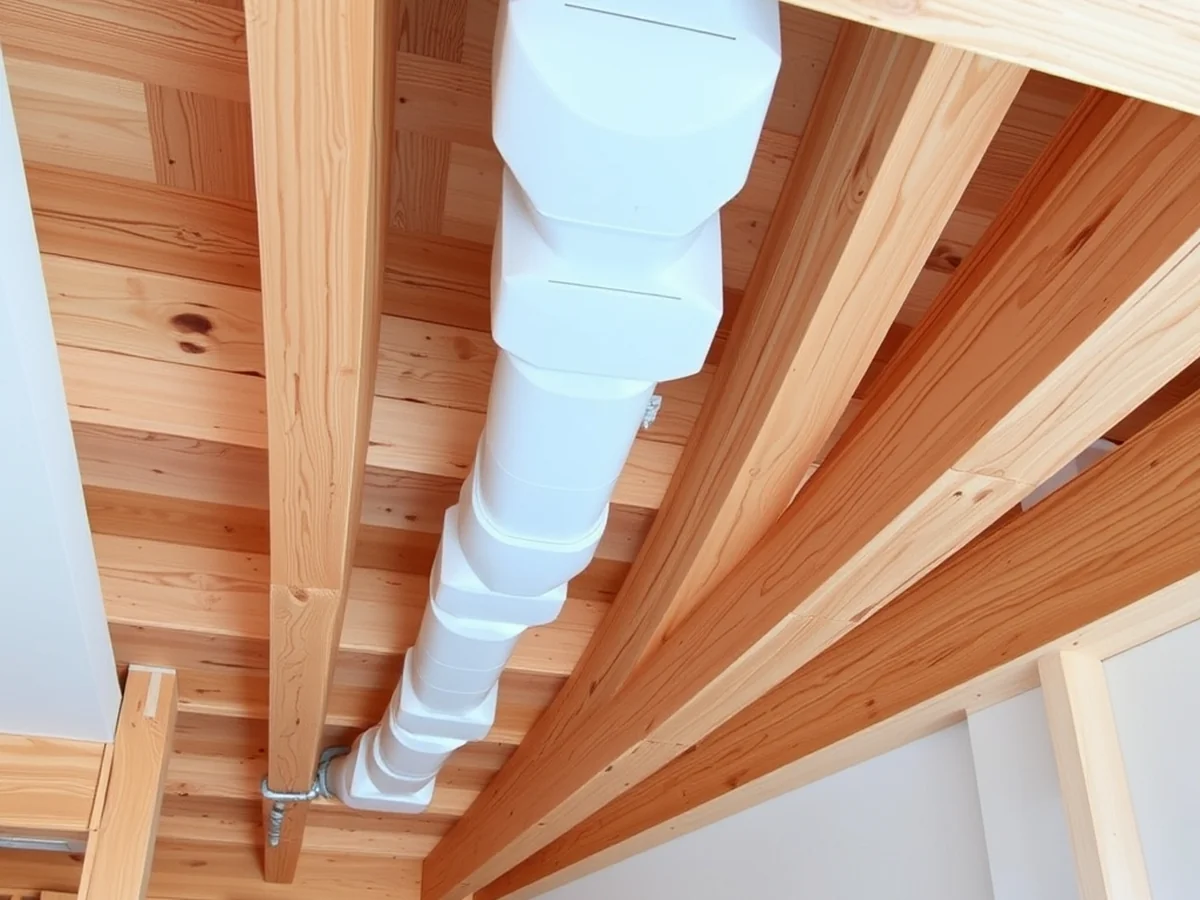
20 Basement Ceiling Ideas That Hide Pipes and Look Amazing
Introduction
Most basements lose at least 6 inches of vertical clearance when you install a traditional drywall ceiling. Finding the right basement ceiling ideas helps you reclaim that space while masking messy utility lines. You don’t have to choose between a finished look and keeping your plumbing accessible for future repairs.
The best basement ceiling covers balance your aesthetic vision with the practical need to reach shut-off valves or electrical boxes. If you are working on a tight budget, you can find options like cheap basement ceiling covers starting at around $2 per square foot for basic foam panels. Whether you prefer the industrial look of exposed joists or the clean lines of modern finished basement ceiling alternatives, you need to prioritize moisture management and height. This guide covers how to hide unsightly ductwork and pipes while keeping your room feeling open, bright, and functional for your family.
Matte Black Paint

Painting your exposed joists is one of the most effective basement ceiling ideas for homeowners who want to hide messy pipes without losing precious vertical clearance. Instead of installing a heavy drop ceiling that eats up three inches of room height, you can simply spray the entire overhead area with matte black paint. This approach creates a sleek, modern industrial aesthetic that makes the various pipes and ductwork vanish into the shadows.
To get a professional result, use a high-quality airless paint sprayer. One gallon of paint typically covers about 300 square feet, which makes this one of the most budget friendly ceiling options available. Focus on using a flat or matte finish to avoid reflections from your recessed lighting. This keeps the look grounded and prevents the paint from highlighting the very textures you want to hide.
Drywall Ceiling Panels

Are you looking for the most effective way to achieve a clean, professional finish in your lower level? Installing **drywall ceiling panels** is one of the top **basement ceiling ideas** for homeowners who want their space to feel like a natural extension of the upper floors. This method creates a smooth, seamless surface that hides messy pipes and bulky ductwork entirely.
Because drywall attaches directly to the joists, it only reduces your room height by about 0.5 inches. This makes it an ideal choice for low-clearance areas where every inch matters. Keep in mind that once the drywall is finished, you lose easy access to plumbing valves or electrical boxes hidden above. I suggest installing small access panels in key locations to avoid major repairs later. Always use moisture-resistant drywall, typically costing around $15 per 4×8 foot sheet, to prevent future mold growth.
Suspended Grid Systems
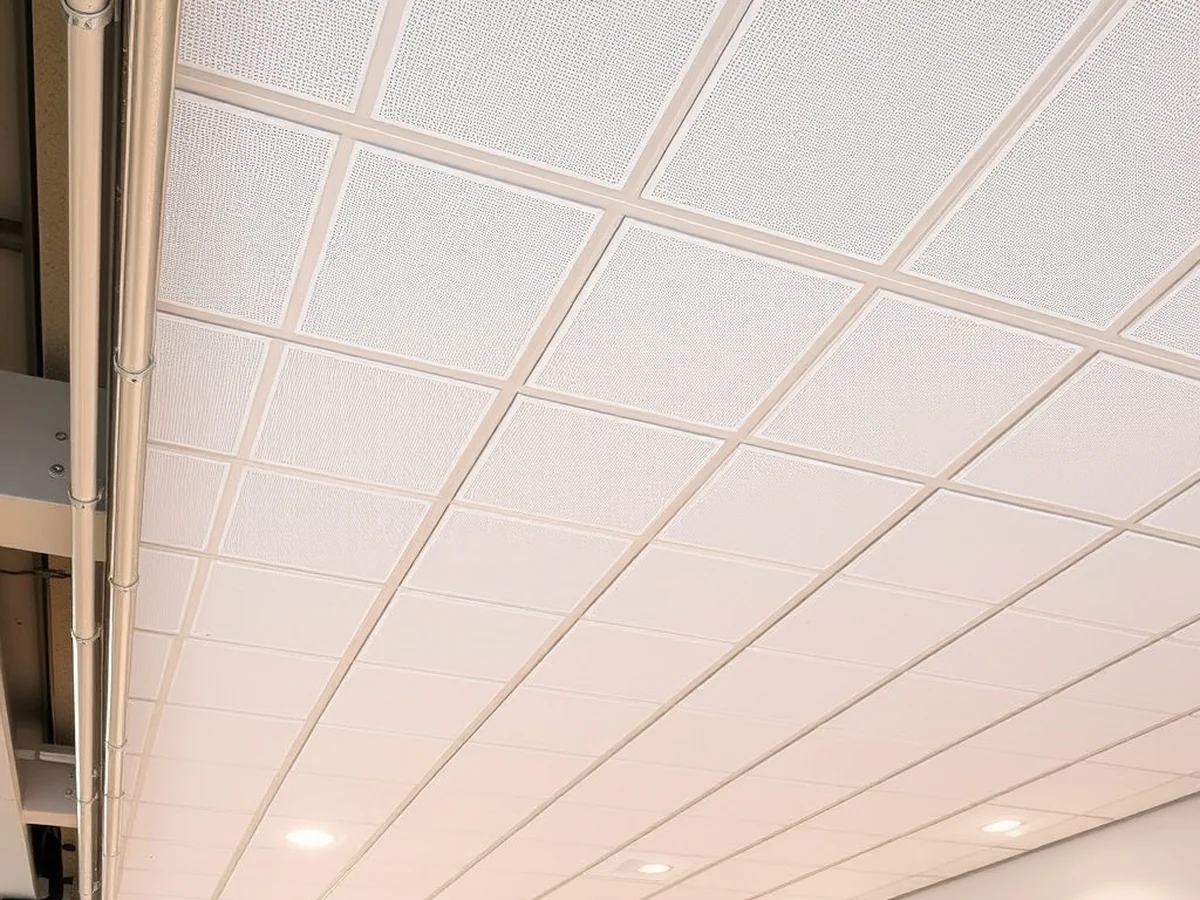
Many homeowners assume a suspended ceiling grid looks like a dated office building, but modern designs prove otherwise. These systems are actually one of the smartest basement ceiling ideas for homes with extensive plumbing and electrical runs. Because the panels rest in a lightweight metal frame, you gain instant, easy pipe access whenever a leak happens or a valve needs adjusting. You simply lift a tile to reach the pipes above without damaging your finished surface.
To avoid the industrial aesthetic, look for modern ceiling tiles with a matte finish or subtle texture. You can find high-quality mineral fiber or PVC options for around $3 per square foot that mimic the look of custom plaster or wood. Choosing a clean, white panel helps maintain a sense of height in rooms with low clearance where traditional drywall might feel too heavy.
Natural Wood Planks

I have found that wood adds a level of comfort to subterranean rooms that cold drywall simply cannot replicate. Among various basement ceiling ideas, using cedar or pine planks remains my favorite way to bring texture into a space that often feels sterile. These boards attach directly to the exposed joists, which saves you from losing precious vertical clearance that a suspended grid would steal. You can install 1×6 tongue and groove planks using a simple nail gun, costing roughly $2 per square foot for basic materials. This method effectively masks unsightly ductwork and pipes while keeping the area accessible if you ever need to reach a plumbing valve. If your basement has high humidity, always check that the wood is properly sealed to prevent warping over time.
Beadboard Ceiling Sheets
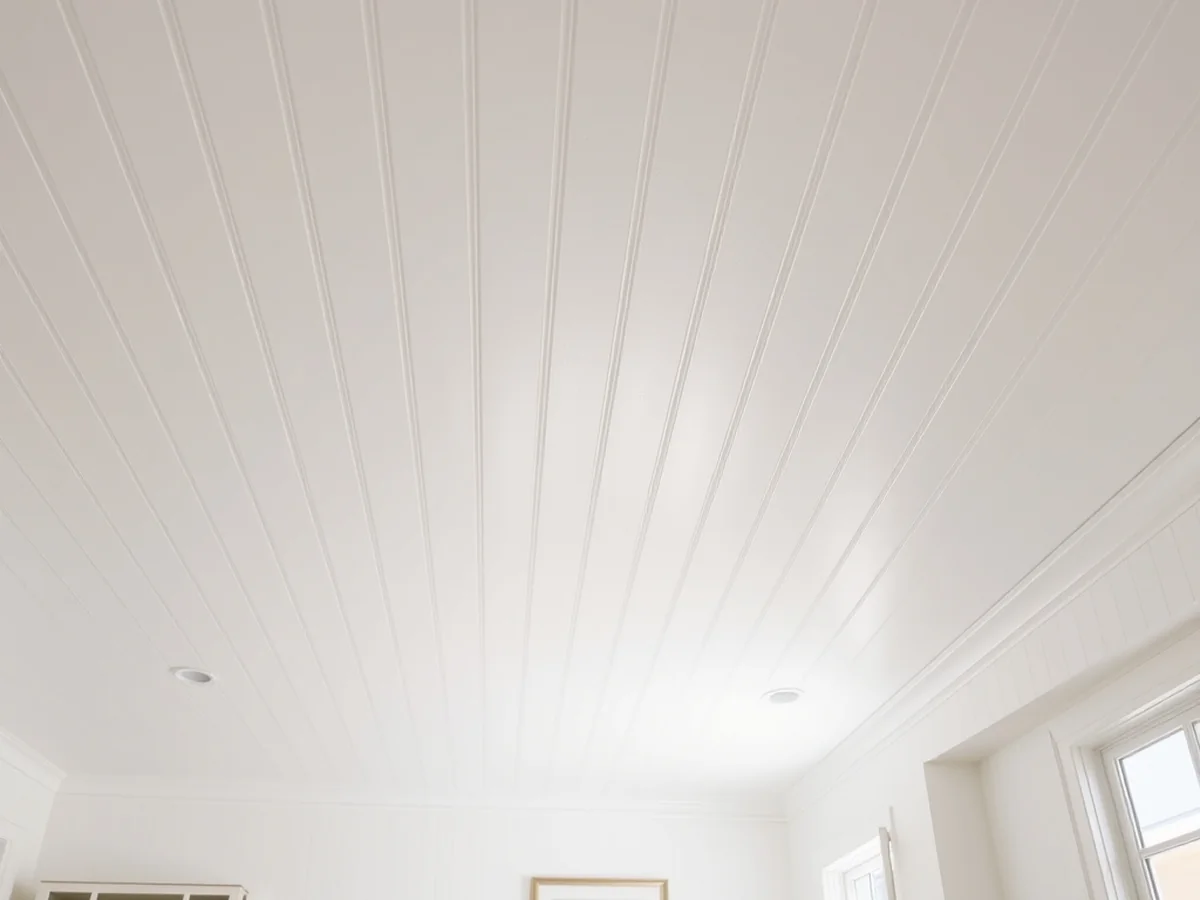
Install beadboard panels directly over your existing joists to gain a classic cottage look without sacrificing precious headroom. These sheets are among the most effective basement ceiling ideas for covering uneven surfaces or damaged drywall because the tongue and groove edges hide minor imperfections in your foundation. You can purchase a standard 4×8 foot sheet for roughly $20 at most home improvement stores.
Because these thin wood panels mount tight to the structure, they provide a finished basement ceiling alternative that keeps the room feeling open. If you need to hide ductwork or plumbing pipes, build a simple frame around the utilities before attaching the boards. This method keeps your ceiling height clearance high while creating a clean, painted surface. Since basements often face moisture, always check that your chosen material is suitable for damp environments to prevent warping over time.
PVC Ceiling Tiles
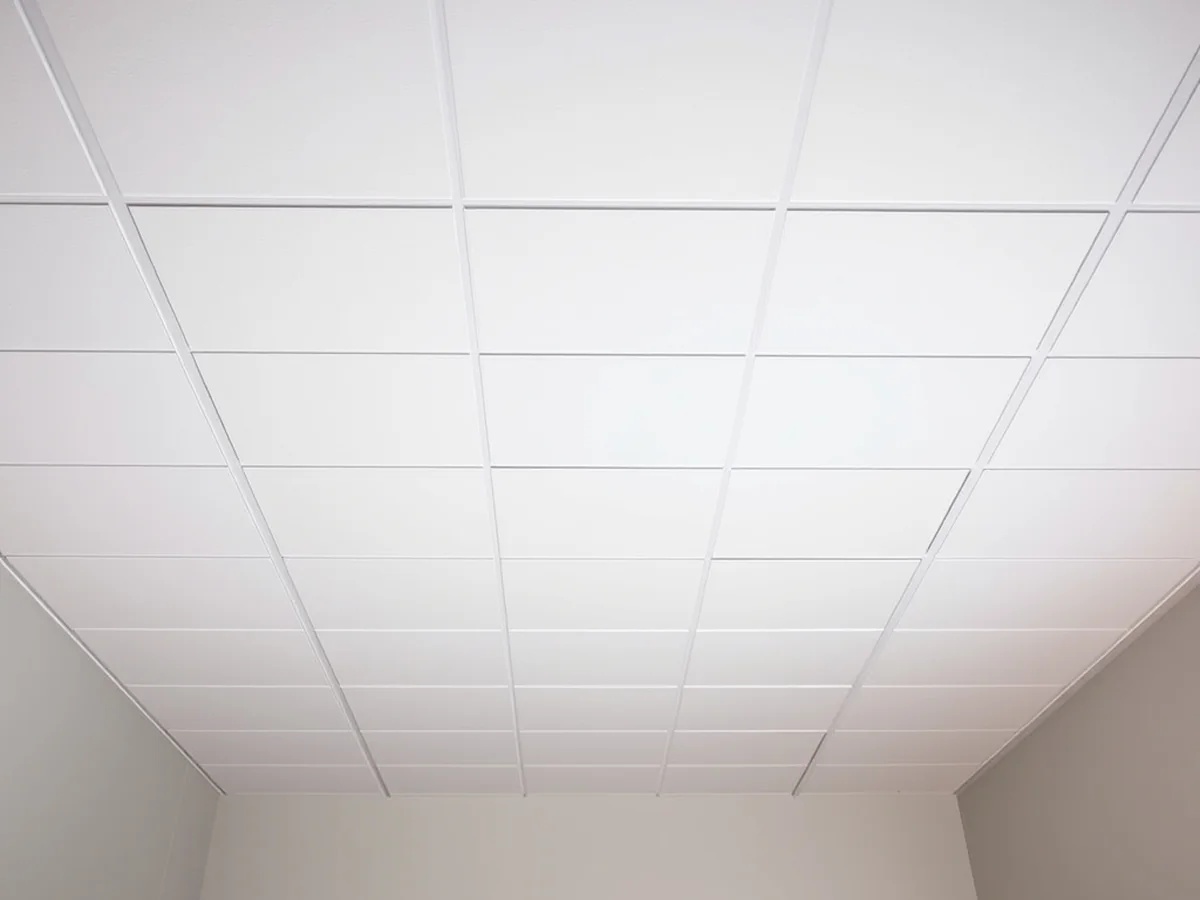
If you are planning your basement renovation during the humid summer months, PVC ceiling tiles are one of the smartest basement ceiling ideas to manage moisture. Unlike organic materials that warp or grow mold, these synthetic panels are completely water resistant. They offer a clean look that stands up to the damp conditions often found in lower levels.
The lightweight installation process makes this a great choice for a solo DIY project. You can easily cut these panels with standard utility scissors to fit around stubborn ductwork or plumbing lines. Most standard 2×2 foot tiles cost about $5 each, keeping your total project cost manageable. Because they snap directly into a suspended ceiling grid, you keep full access to pipes hidden above. This ensures you can reach shut-off valves without tearing apart your finished ceiling.
Faux Wood Ceiling Beams
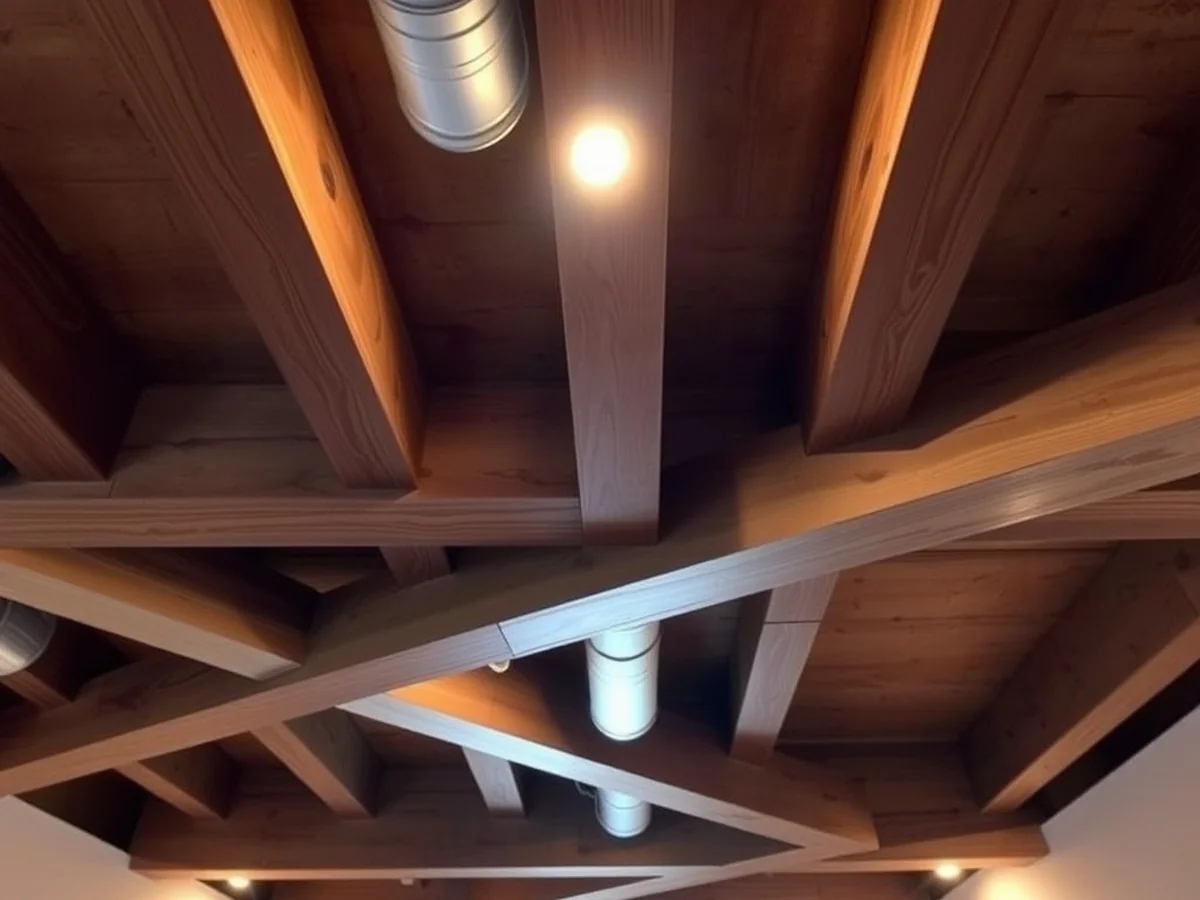
Real reclaimed timber beams can cost over $500 per piece, but high-density foam alternatives usually run closer to $150 for a standard 8-foot length. These lightweight beams are one of the most effective basement ceiling ideas for hiding messy ductwork and pipes without sacrificing precious vertical clearance. Because they are hollow, you can easily slide them over plumbing lines or electrical conduit to create a rustic, high-end look.
You can improve your home energy efficiency by adding rigid insulation boards between these faux beams before installation. If the foam texture looks too synthetic, a quick coat of flat latex paint in a deep wood tone will soften the finish and make it look authentic. These cheap basement ceiling covers are perfect for DIY projects because they weigh very little, allowing you to secure them with simple construction adhesive and a few finishing nails.
Fabric Ceiling Drapes

You can cover an entire 500 square foot basement ceiling with lightweight fabric for under $150. This is one of the most effective basement ceiling ideas for softening hard industrial edges without sacrificing room height. By suspending sheer or opaque fabric panels from the joists, you create a flowing look that masks unsightly ductwork and pipes while keeping them accessible for repairs. It is a smart move if you want to avoid the permanence of drywall or the cost of a drop ceiling.
- Use fire-retardant fabric to ensure safety near electrical wiring.
- Install simple hooks every 2 feet to create a consistent drape effect.
- Choose light colors to make your space feel larger and airier.
This budget friendly cover works well because it hides the mess while letting air circulate. It is a perfect way to hide those ugly ceiling utilities during a quick renovation.
Corrugated Metal Panels
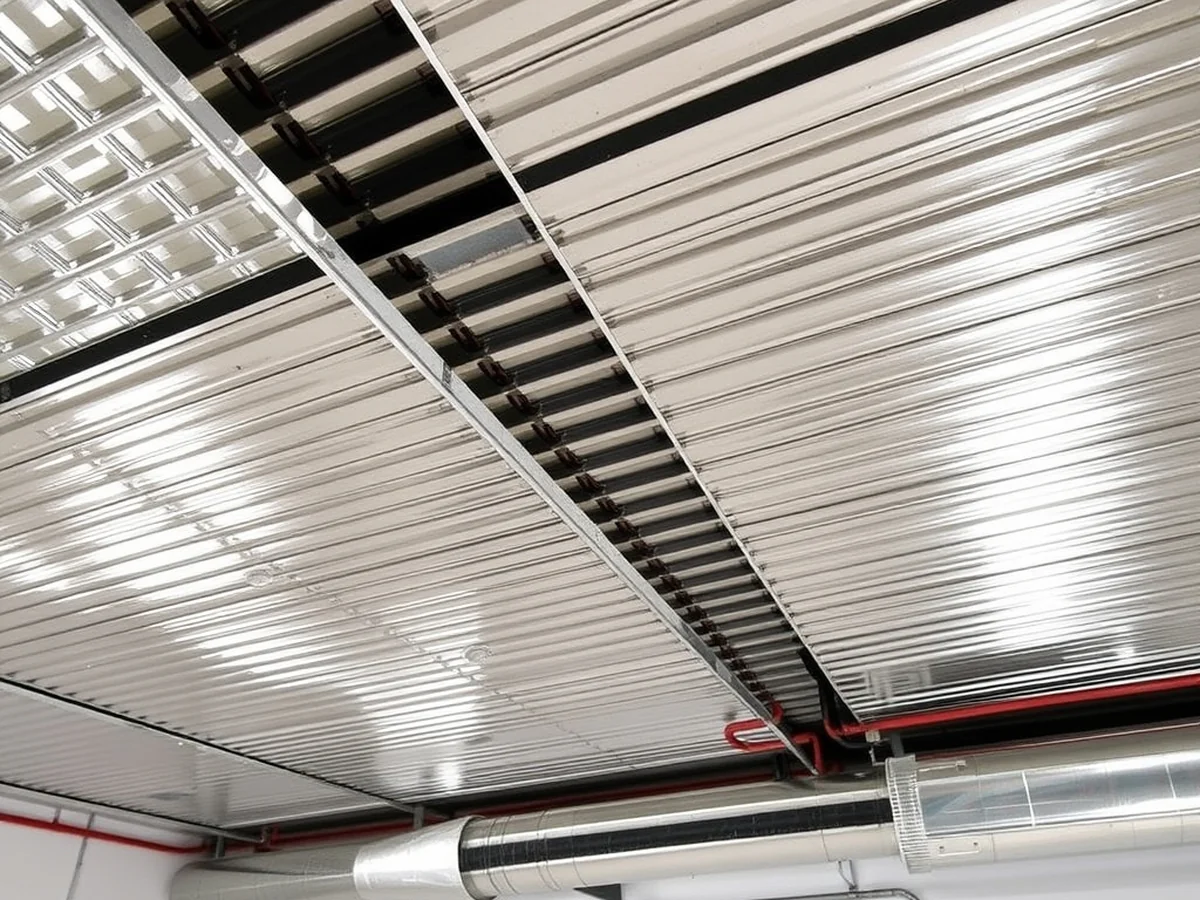
If you want to hide messy ductwork and pipes without losing precious vertical space, corrugated metal is one of the most effective basement ceiling ideas. These panels provide a durable rustic design that stands up well to the damp environment often found in lower levels. Because metal has a shiny surface, it does a great job of reflecting light around the room, which helps a dark basement feel much larger and brighter.
You can purchase 8-foot long galvanized steel panels for around $20 each at most home improvement stores. Installation involves screwing the sheets directly into your floor joists, which keeps your ceiling height clearance high compared to a bulky drop ceiling. One trade-off is the noise factor, as metal can vibrate if you have heavy foot traffic in the room above. Adding a thin layer of insulation between the joists before mounting the metal helps dampen sound.
Faux Tin Tiles

Do you want a vintage look without the high cost of metal? Faux tin tiles are one of the smartest basement ceiling ideas for homeowners who want elegance on a budget. These lightweight PVC panels mimic the intricate designs of antique metal ceilings but are much easier to install. You can buy a box of 24 tiles for around $120, which is a fraction of the cost of real copper or tin materials.
The easy glue up application means you can attach them directly to your existing joists or a flat surface using a simple construction adhesive. This method is perfect for covering basement pipes and ugly ductwork while keeping your ceiling height clearance as high as possible. Because they are moisture resistant, these tiles perform much better than standard foam boards in damp spaces. You keep a polished finish that hides every imperfection.
Custom Box Beams
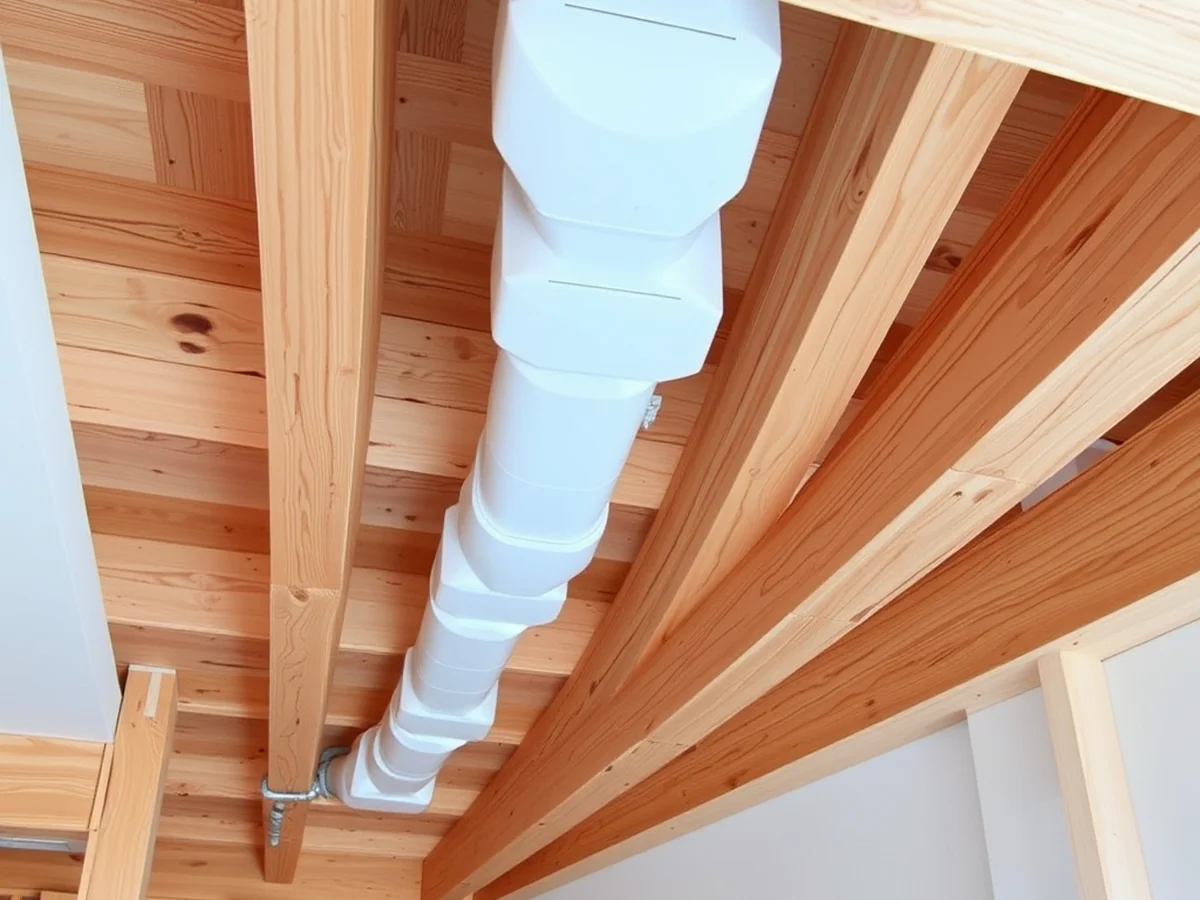
You might think bulky ductwork forces you to settle for a low drop ceiling, but custom wood beams offer a stylish alternative that actually adds height to the room. While a flat ceiling feels uniform, boxing in pipes with stained pine boards creates strong lines that draw the eye upward. These basement ceiling ideas turn a functional eyesore into a deliberate design feature. You can build these frames using 1×6 inch lumber to wrap around your existing metal vents. Once the wood is secured, the beams provide the perfect mounting point for recessed lighting to brighten dark corners. This method protects your pipes while keeping them accessible if you ever need a plumber. Staining the wood a deep walnut shade provides a polished, high end look that feels much more custom than standard basement ceiling panels.
Framed Bulkhead Covers
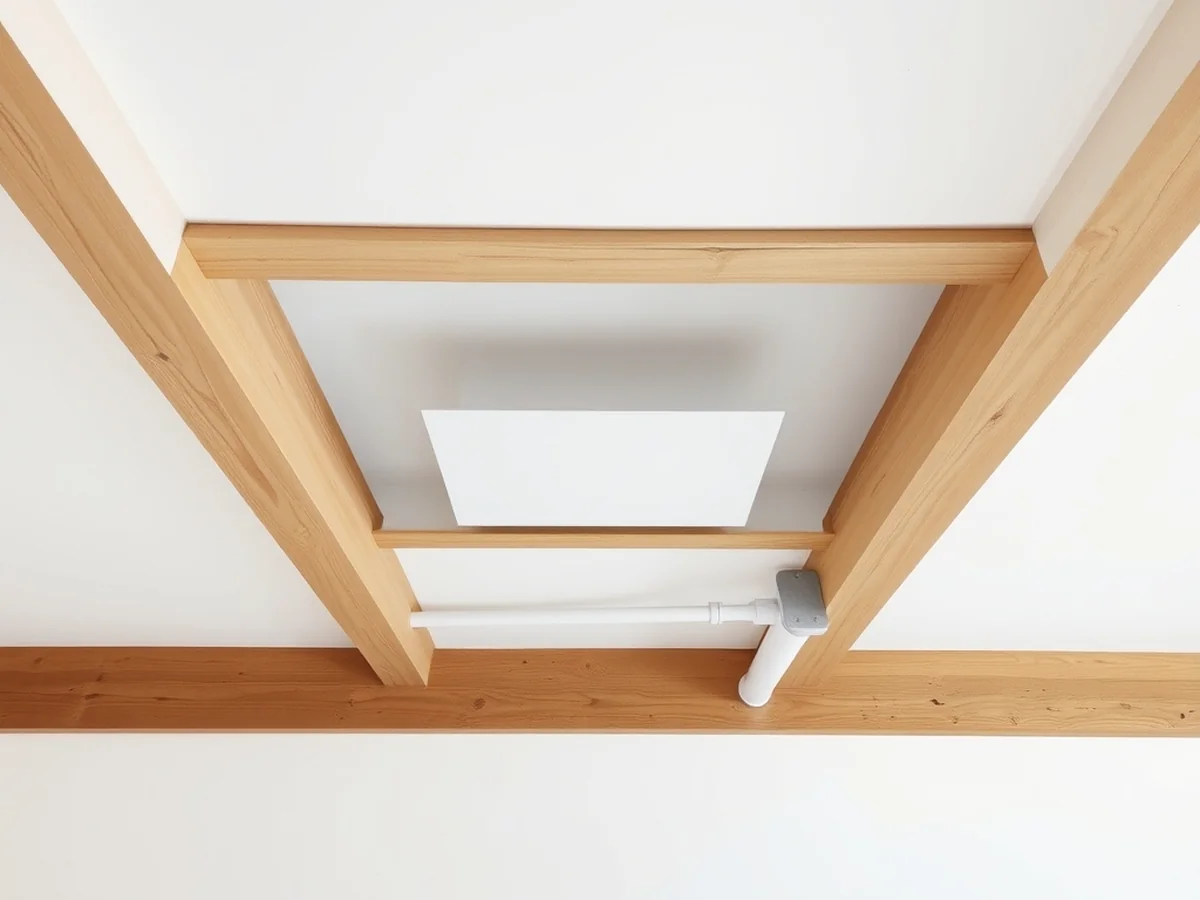
I have found that building a simple frame is often the cleanest way to deal with low-hanging pipes. These framed bulkhead covers hide messy plumbing lines while making your ceiling look like a deliberate architectural choice. By constructing a wooden frame around the pipes and covering it with drywall, you turn an eyesore into a smooth transition between the wall and the ceiling. This is one of the most effective basement ceiling ideas because it keeps your room feeling open rather than closed off by an entire drop ceiling.
You can use a 2×4 lumber frame to box in pipes, which costs about $40 for every ten feet of coverage. To make the bulkheads blend into walls, paint them the same color as the surrounding drywall. This trick helps them disappear, especially when you add recessed lighting to brighten the corners.
Textured Acoustic Ceiling Tiles

Install tiles with a high noise reduction coefficient to dampen sound vibrations between your basement and the main floor. These tiles are among the most functional basement ceiling ideas for busy households, as they effectively block noise from foot traffic above while masking unsightly ductwork and pipes. You can find modern geometric patterns that add visual interest without feeling heavy.
Many sets feature a 2×2 foot square design that slots directly into a standard suspended ceiling grid. This setup provides easy access to electrical boxes if you ever need to perform repairs. One major advantage is the weight, as a single acoustic panel often weighs less than 2 pounds, keeping the load light on your joists. If you prioritize soundproofing basement spaces, look for mineral fiber options that resist sagging in humid environments, which is a common issue with cheaper foam versions.
Modular Mirror Tiles

Mirror tiles are one of the most clever basement ceiling ideas for making a low space feel significantly more open. By installing these reflective panels, you create an illusion of height that pulls the eye upward and makes the room feel much larger than it is. These tiles are particularly effective at reflecting basement lighting, bouncing the glow from your recessed lights across the entire floor to eliminate dark corners. You can purchase a pack of twelve 12×12 inch glass tiles for about $50 at most home improvement stores. While they are great for adding brightness, remember that they highlight every imperfection in the joists above. I recommend using a thin layer of plywood or foam boards as a flat base to ensure the reflection stays perfectly straight without any warping or distortion.
Stretch Ceiling Film
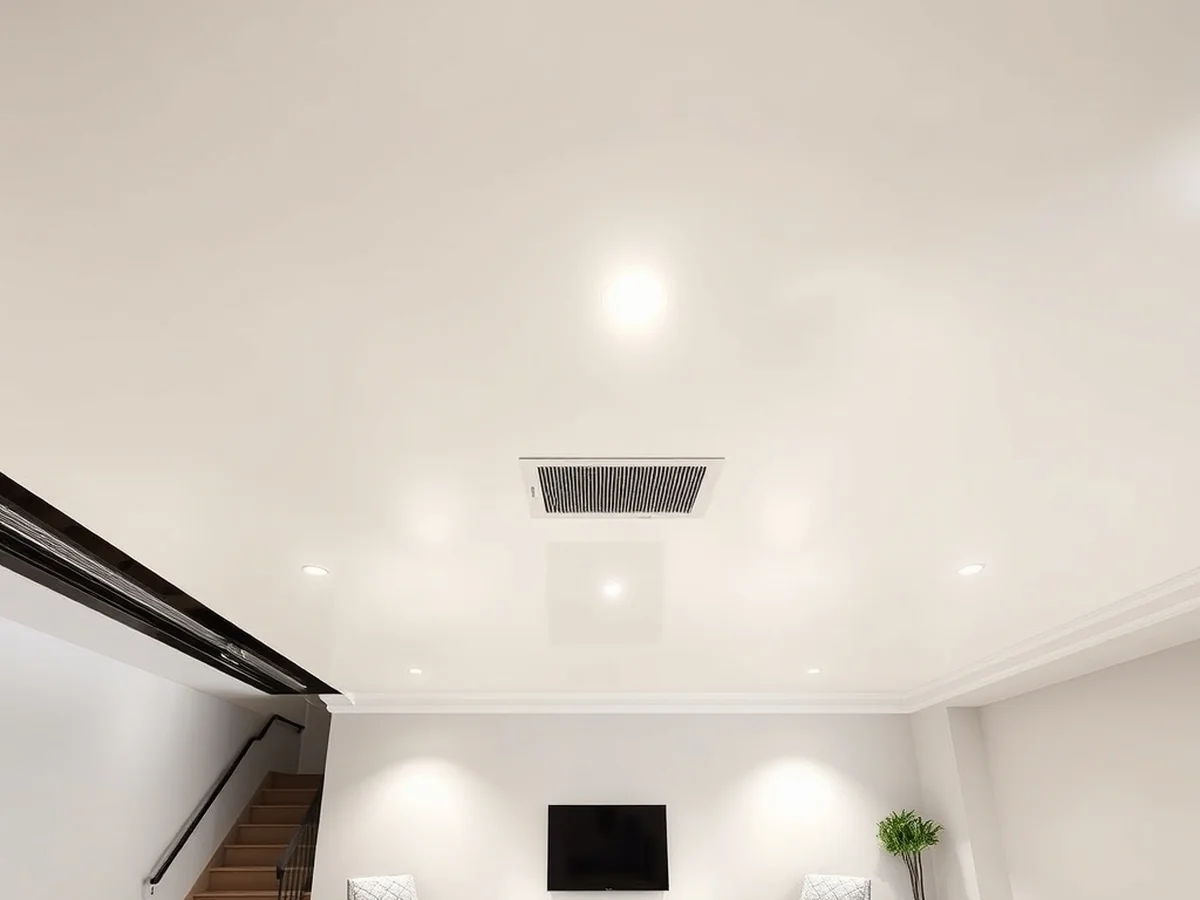
Stretch film usually costs between $10 and $20 per square foot, making it a pricier option compared to basic drywall or a standard drop ceiling. If you want one of the most polished basement ceiling ideas available, this high end finish creates a perfectly smooth surface that hides all ductwork and pipes. The material consists of a lightweight PVC membrane stretched across a perimeter track system. Because it reflects light, it can make a cramped room feel much larger. You will need a professional installation team for this project, as they use specialized heat tools to soften the film for a tight fit. While it is not a DIY friendly task, it offers unmatched moisture resistance. This makes it a smart choice if you worry about humidity in your basement space.
Stained Plywood Sheets

You can cover your entire ceiling for under $400 using 4×8 foot plywood sheets, making this one of the most affordable custom wood looks available. Unlike a bulky drop ceiling that eats up precious room, this method ensures minimal ceiling height loss because you attach the boards directly to your joists. This is a smart choice for basement ceiling ideas where every inch of vertical space matters.
- Stain the plywood before installation to achieve a rich, warm tone that hides imperfections.
- Use 1/4 inch thick sheets to keep the weight low and make the DIY process easier.
- Install the panels with simple brad nails, leaving small gaps between boards to allow for wood expansion.
This approach provides a clean, modern finish while allowing you to easily remove individual panels if you ever need to reach plumbing or ductwork.
Woven Bamboo Mats
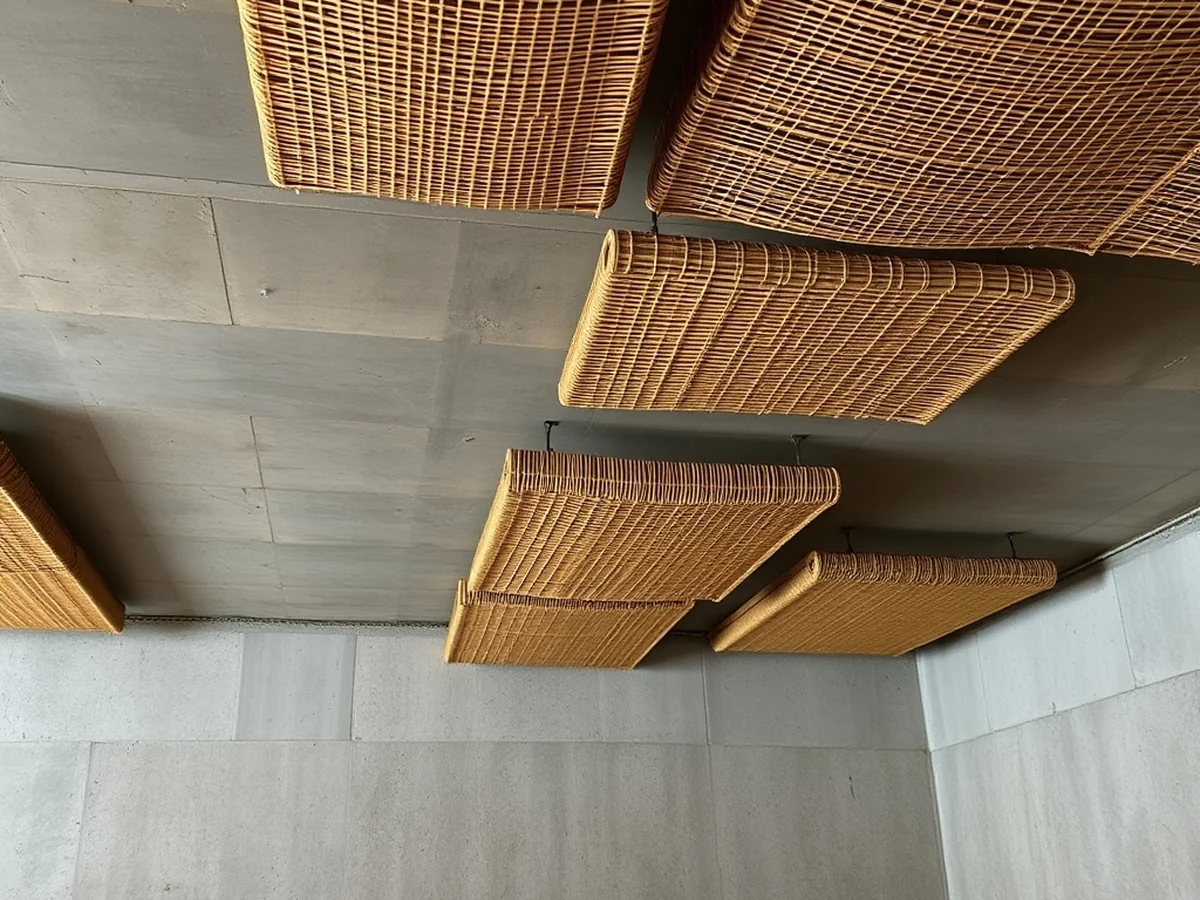
If you want to soften a cold concrete space without installing heavy drywall, woven bamboo mats are among the most creative basement ceiling ideas. These lightweight rolls bring an earthy, organic texture that hides ugly ductwork and pipes while keeping the room feeling airy. You can pick up a standard 6 by 16 foot roll for about $40 at most home improvement stores.
Installing them is simple for a DIY project. Just use a staple gun to attach the mats directly to your exposed joists. This method creates a textured organic ceiling vibe that works perfectly in a lounge or home gym. Because the material is flexible, it conforms to uneven surfaces and allows you to easily push the mat aside if you need to reach a plumbing valve. It is an affordable alternative to a traditional suspended ceiling grid that keeps your vertical clearance high.
Integrated Coffered Ceiling Design
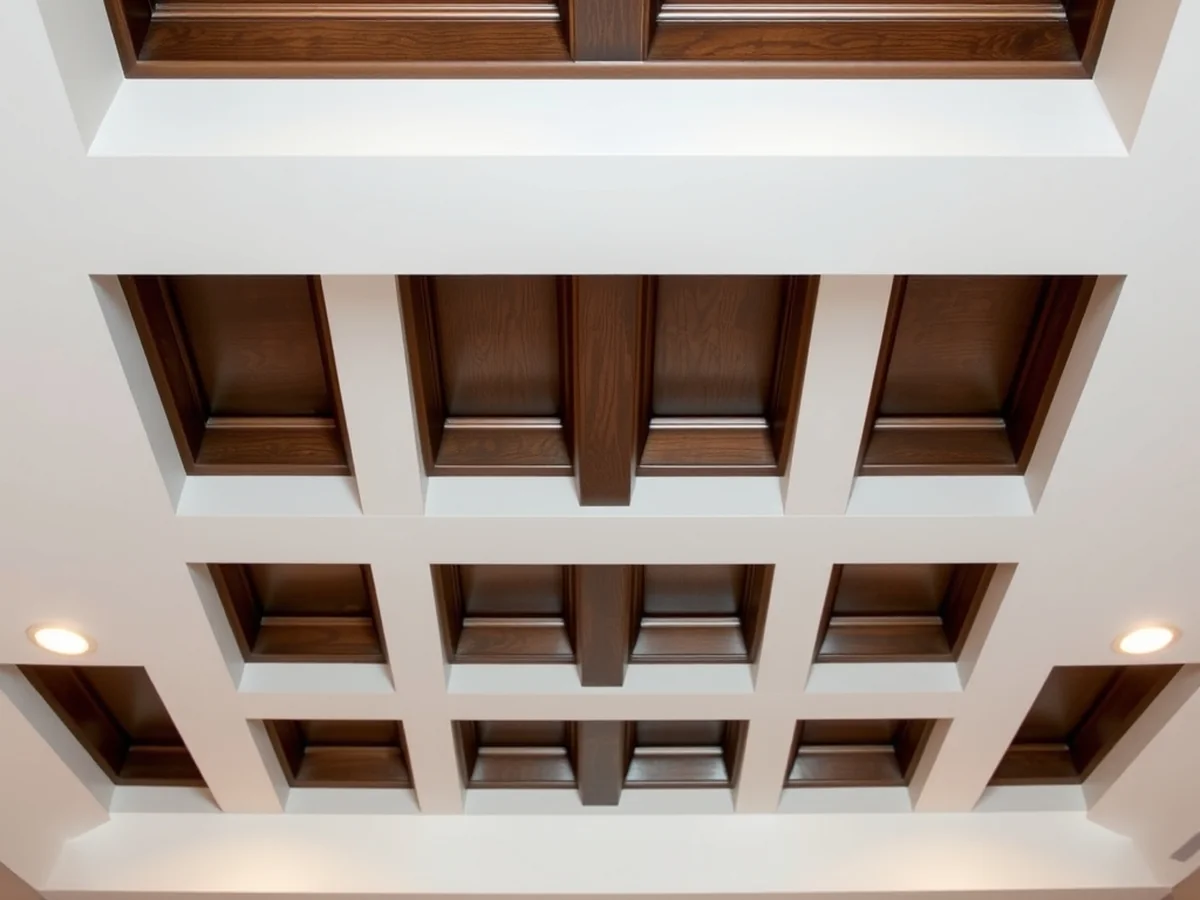
Do you want to add architectural interest while keeping your utility lines hidden? An integrated coffered design is one of the most effective basement ceiling ideas for masking bulky plumbing and metal ductwork. By creating a grid of beams, you frame the pipes inside the dropped sections while keeping the rest of the ceiling higher. This approach works best in rooms with at least seven feet of clearance. If your space is tighter, keep the beams shallow to avoid a closed-in feeling. For best lighting for basements, install recessed lighting inside the coffers. This placement pulls light away from the shadows cast by the beams and provides a clean look. I usually recommend spacing your lights about 4 feet apart to ensure even coverage across the room. This method balances a custom, high-end look with the functional need to hide pipes.
Decorative Tin Ceiling Panels

Many homeowners assume metal tiles are permanent fixtures that trap you behind a wall, but these panels actually offer a practical way to manage utility access. You can easily install them using a suspended ceiling grid or direct mount system, providing a stylish look that remains fully removable for maintenance. When you need to reach hidden plumbing valves or electrical boxes, you simply pop out the specific tile to perform your repair without damaging the entire finish. This makes them a smart choice among basement ceiling ideas for older homes where pipes might need occasional attention. A standard 24-inch square tile allows you to isolate your repair area, keeping the rest of your room intact. You can find beautiful embossed designs starting at about $15 per tile, which adds character while hiding unsightly ductwork and insulation effectively.
Industrial Exposed Ceiling Look

I find that leaving your pipes and joists visible creates a high-end loft aesthetic without the cost of installing a full ceiling. Among many basement ceiling ideas, this approach is the most effective way to maintain maximum height clearance. Before you start, you must treat your joists with a moisture-resistant primer to prevent mold growth in damp underground spaces. I recommend applying a high-quality matte black paint to unify the ductwork and pipes, which makes them disappear into the shadows. This simple update costs around $150 in materials for a standard 400 square foot area. It is a smart way to keep your plumbing accessible if a leak ever occurs. By choosing this industrial style, you avoid the heavy feel of drywall while keeping your project budget-friendly and visually sharp.
For another perspective, this detailed piece on 10 Functional and Stylish Basement Ceiling Ideas is worth a read.
FAQ
Do I need building permits to install basement ceiling ideas?
Check your local municipal office before starting any work on your ceiling. Many areas require a permit if you are covering electrical wiring or adding new fixtures like **recessed lighting** to ensure the space meets fire safety codes.
Are permits required for simple covers?
You usually do not need a permit if you are only applying a cosmetic layer that does not disturb existing utility lines. However, if your project involves moving **ductwork** or adding structural supports, a building permit is almost always mandatory for legal compliance.
How do material costs compare for basement ceilings?
The most budget friendly approach is using **matte black paint** directly on the exposed joists and pipes, which often costs less than $100 for a standard room. In contrast, installing a professional **drop ceiling** or drywall system can range from $5 to $12 per square foot depending on your choice of tiles or labor.
Which materials offer the best value for money?
If you want a balance between cost and style, look into lightweight **PVC panels** or simple wood planks. These materials provide a finished look without the heavy price tag of drywall, and they allow for easier access if you ever need to reach plumbing valves tucked above your head.
Are drop ceilings still popular for modern basements?
Modern versions of the suspended ceiling grid have evolved significantly from the old office-style tiles. By choosing high-quality mineral fiber or metal panels, you can create a clean look that maintains necessary access to your pipes while keeping your room feeling bright and spacious.
You might also like: 24 Ways to Make a Small Living Room Look Bigger Instantly
Key Takeaways
As you prepare your home for a new season of indoor projects, choosing the right look for your lower level is the most important step for a successful renovation.
- Versatile design choices include everything from clean drywall to rustic wood planks, allowing you to pick the best basement ceiling ideas for your specific height and style goals.
- Budget friendly materials like matte black paint for exposed joists can cost as little as $50 for a standard room, making them a top choice for quick updates.
- Maintenance access is vital, so ensure you use a drop ceiling or removable panels if you have pipes or ductwork that might need future repairs.
- Moisture management remains critical in basements, so always install proper insulation or use moisture-resistant PVC panels to prevent long-term damage.
- Lighting placement is easier with suspended grids, which allow you to snap in recessed lighting exactly where you need it most.
Save these ideas to your Pinterest board to keep them handy for your next renovation.