
24 One Acre Homestead Layout Ideas for Simple Living
Introduction
One acre sounds modest until you stand on it and realize how much good living it can hold. A thoughtful one acre homestead layout fits a kitchen garden, a small flock, fruit trees, and room to breathe, all within an easy walk of your back door.
The secret is order, not size. Daily chores belong close to the house, heavy and smelly work sits a sensible distance away, and everything follows the sun, the water, and the way you actually walk the land each morning.
Before any animals or buildings arrive, do the unglamorous homework: check local zoning for livestock and structures, confirm well and septic permits and placement, and learn your setbacks for fences, coops, and sheds. Rules vary widely, and a quick call now prevents an expensive move later.
Walk through these ideas with a sketch of your own land. Note your sunniest ground, your lowest wet spot, and your driveway, and the right layout for your family will start to draw itself.
1. House in the Front Third Near the Road

Placing the house in the front third of the acre keeps the driveway short, utility runs shorter, and deliveries simple. It also leaves the largest, most flexible block of land behind the house for gardens, animals, and future projects.
Face living rooms toward the back land if you can, so your daily view is garden and green rather than the road. A short walk from the road also means school buses, mail, and guests stay simple, while your private working land stays tucked quietly behind. A small front yard with a fence and plantings keeps the welcome tidy and the work zones private.
2. Raised Bed Garden Right Behind the House
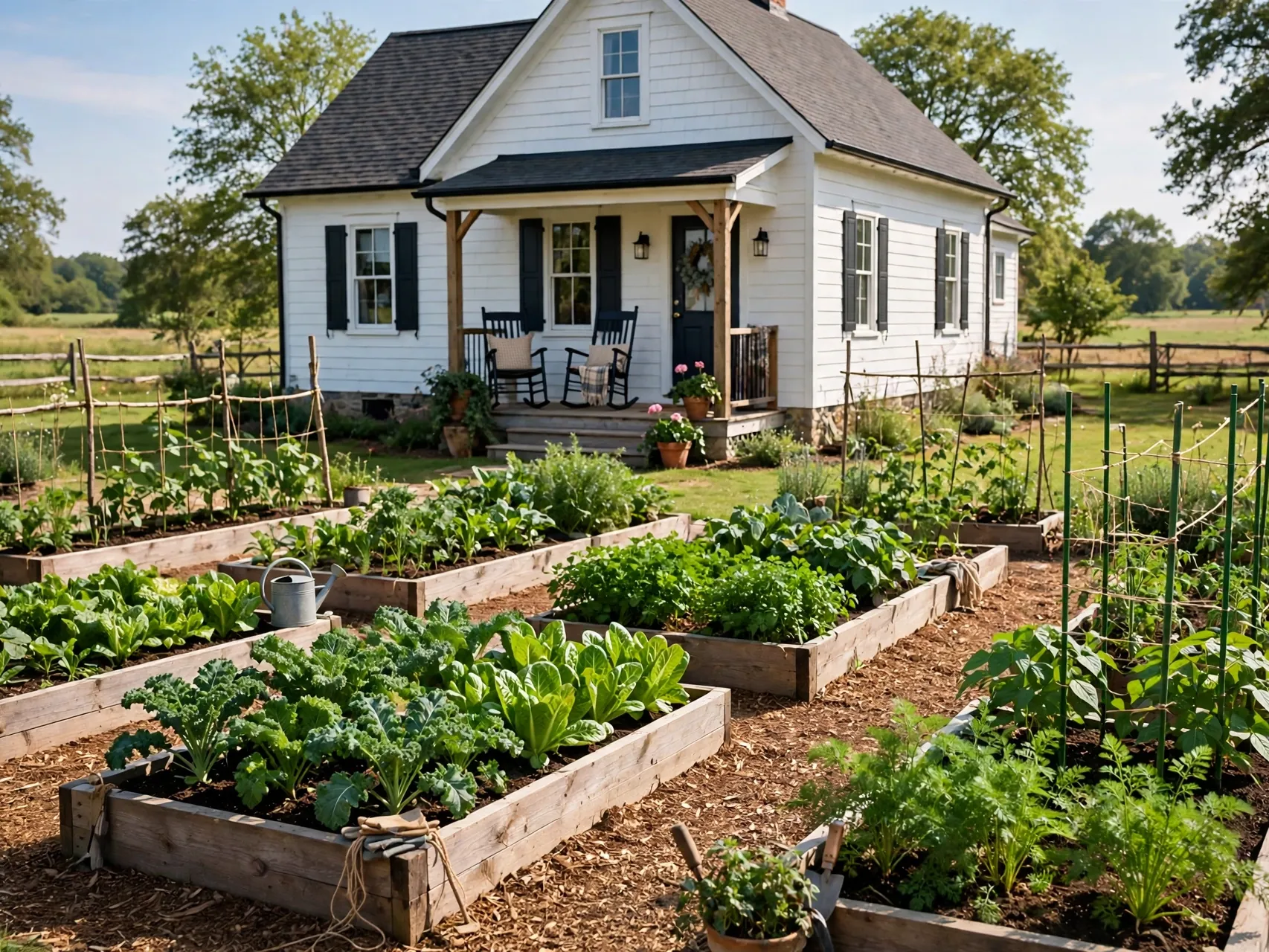
The main vegetable garden earns the ground directly behind the house, where you can reach it in slippers with a colander. Raised beds keep soil tidy, warm up early, and make weeding and harvesting kind on your back.
Leave paths wide enough for a wheelbarrow and a kneeling gardener. Keep this garden on your sunniest, best drained ground, since vegetables will reward good placement more than any other crop on the acre. Sketch bed sizes around the tools you own, so every path and bed edge matches your barrow, your mower, and your reach.
3. Herb and Salad Beds Steps From the Kitchen Door

A tiny bed or a row of pots by the kitchen door holds herbs, salad greens, and scallions for daily picking. You will use what is close, and a few steps is the difference between fresh herbs at dinner and a forgotten garden chore.
Refresh this bed often with small sowings so something is always ready. It is also the perfect place for flowers that bring pollinators within sight of your morning coffee. This little bed is also where children and guests can help harvest, because everything is visible, reachable, and hard to get wrong.
4. Chicken Coop on High, Dry Ground
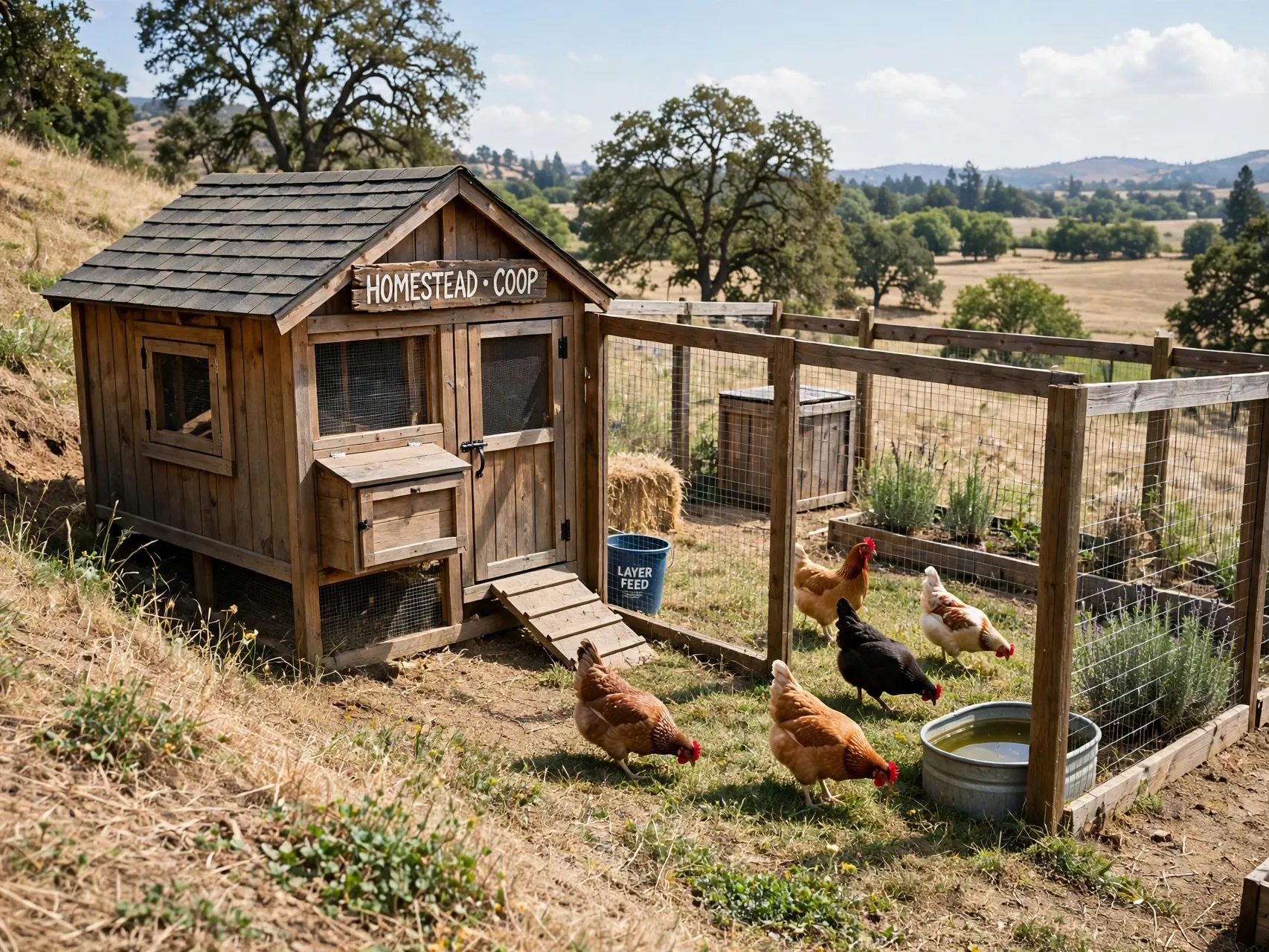
Chickens need a dry, well drained spot within an easy walk, but not so close that summer smells reach open windows. High ground keeps the run from turning to mud and protects feed and bedding from damp.
Before you build, check local zoning and setback rules for poultry, since they differ town by town. Plan shade for summer, shelter from winter wind, and a secure run that keeps predators out at night. A small apron of wire at the base of the run discourages digging visitors and buys you far better sleep.
5. Goat Pen With Room to Rotate

Goats ask for the sturdiest fencing on the acre and enough pen space to split or rotate, so one area rests while the other is grazed. Place the pen where you can reach it with hay and water in all weather.
Confirm your zoning allows goats before you buy fence posts, and ask about setback distances from property lines and wells. A small shelter, dry bedding, and a play structure of stumps or platforms keep goats healthy and happily occupied. Visit the pen at different times of day before building, and note where shade falls and where winter puddles gather.
6. Small Orchard Along the Sunniest Edge
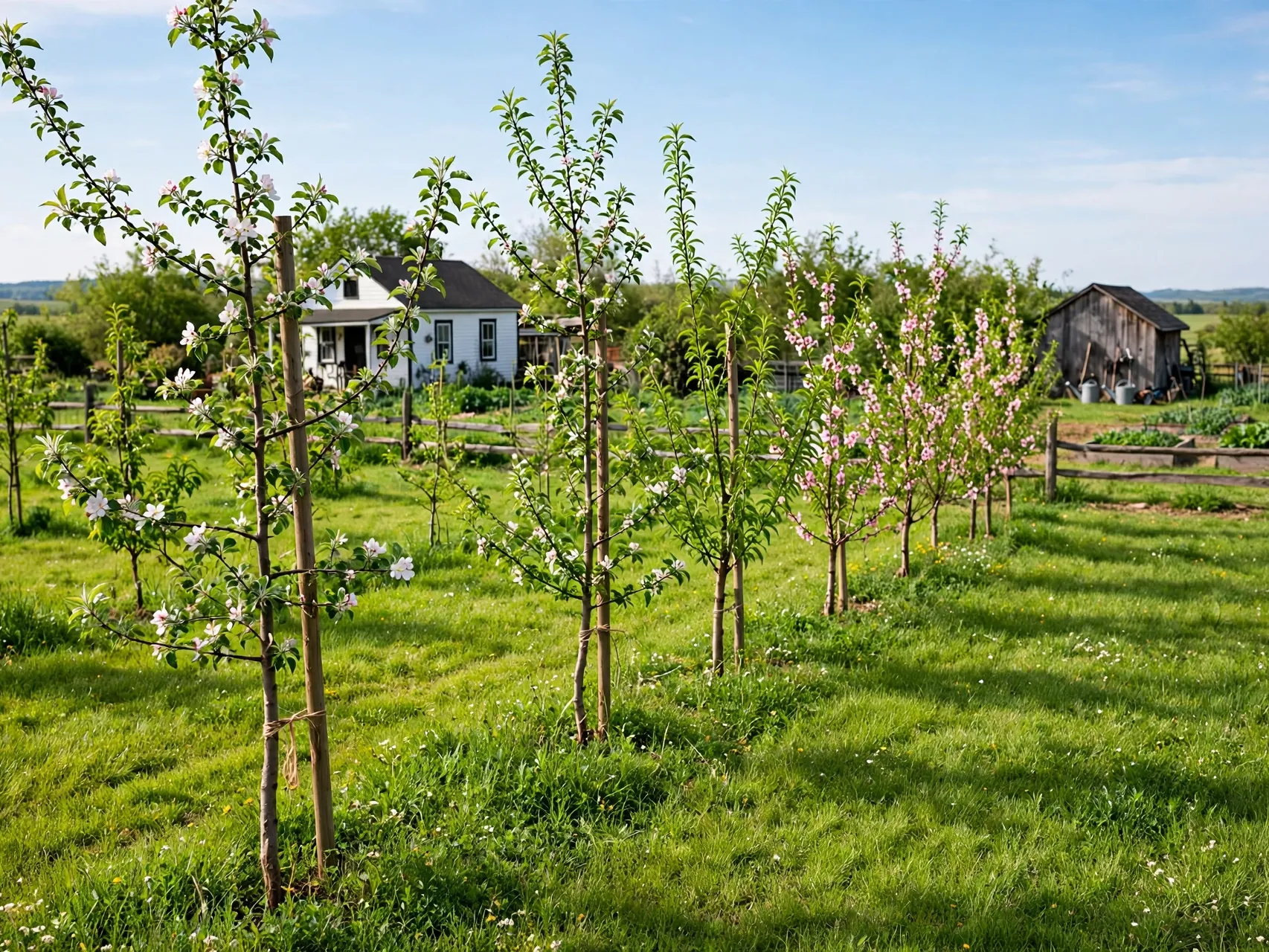
Fruit trees are a ten year decision, so plant them early along a sunny edge where they will not shade the vegetable garden as they grow. A short row or a small cluster is plenty for one acre and one family.
Leave honest space between trees for air flow and ladder work, and plant wind pollinated and self fertile choices if space is tight. Trees planted in year one are the ones fruiting while later projects are still on paper. Keep a simple map of what you planted and when, since young trees all look alike in their first two winters.
7. Berry Rows Along a Fence Line

Berry bushes and brambles thrive along fence lines, where they use vertical edge space and are easy to net, prune, and pick. Raspberries, blackberries, and blueberries turn a boundary into a harvest you walk each summer morning.
Give brambles their own stretch so their enthusiastic spreading does not crowd quieter plants. A simple trellis wire along the fence keeps canes tidy and picking pleasant, even in a small homestead layout. Mulch under berry rows keeps weeds down and moisture in, and it makes the harvest walk cleaner after summer rain.
8. Three Bin Compost Near the Garden

A three bin compost system near the garden, but not against the house, turns kitchen scraps, bedding, and garden waste into next season soil. One bin fills, one cooks, and one is ready to spread, in a simple rhythm.
Site it where a wheelbarrow rolls easily in all seasons and where runoff will not reach your well. Check local rules for compost placement if your area has them, and keep the pile balanced between greens and browns. A lid or a simple cover keeps compost moist in summer, protected in heavy rain, and tidier in the eyes of near neighbors.
9. Tool Shed and Woodshed in One Handy Corner

One work corner for the shed, firewood, and tool storage keeps the acre looking calm and saves endless hunting. Place it between the driveway and the garden so supplies land where they are used.
Keep firewood stacked off the ground under a simple roof, with air moving through the pile. A shed with a wide door fits mowers and barrows without the daily wrestling match that small doors create.
10. Greenhouse for a Longer Season
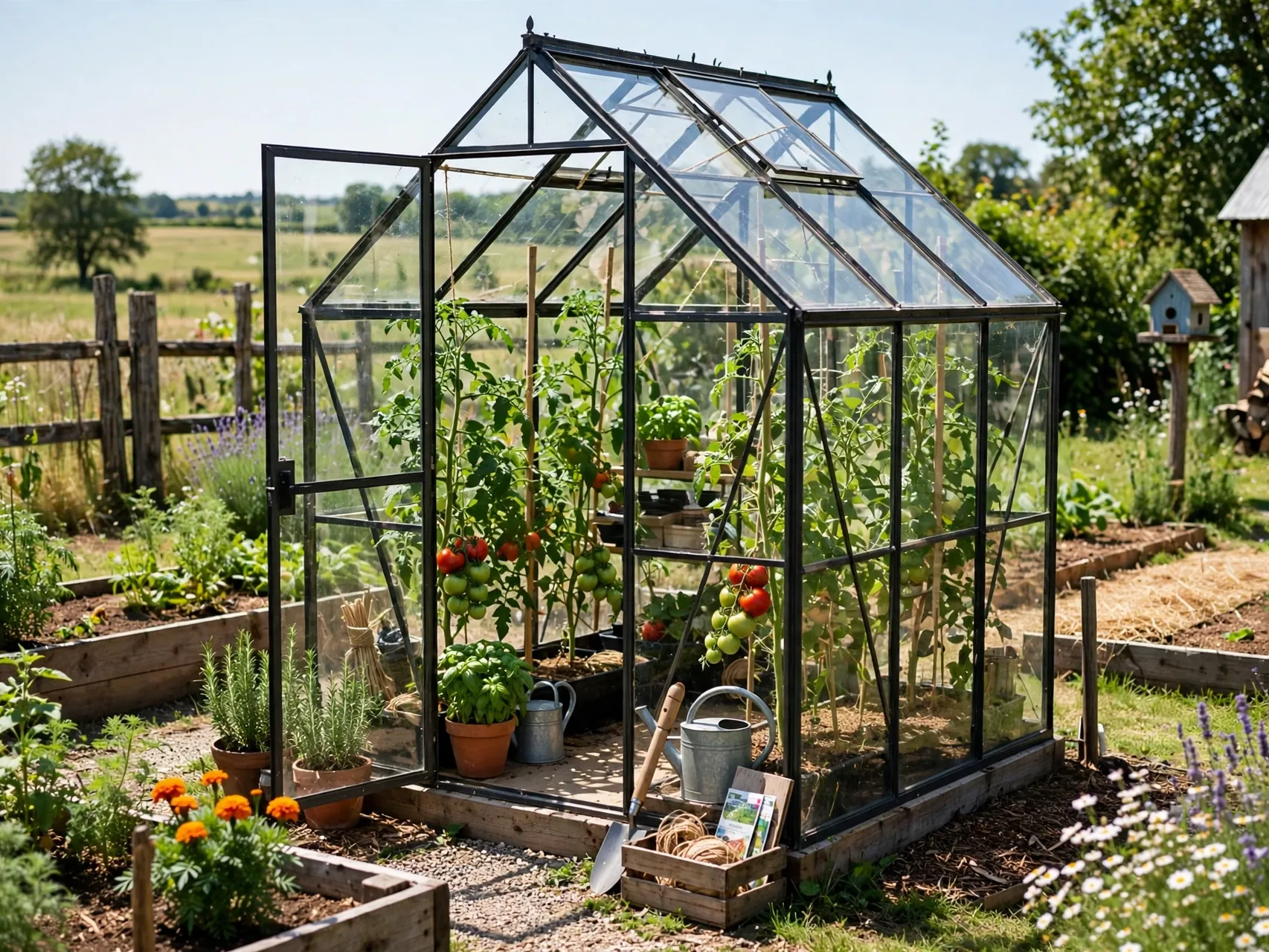
A small greenhouse near the garden extends your season at both ends, sheltering seedlings in spring and greens deep into fall. Even a modest structure transforms what one acre can feed a family.
Site it for full sun with water close by, and check whether your local rules treat it as a structure needing a permit or setbacks. Ventilation matters as much as warmth, since a sealed greenhouse overheats fast on sunny spring days.
11. Beehives at a Quiet, Flower Rich Corner

Bees like a calm corner with morning sun, shelter from strong wind, and forage in every direction. Place hives where their flight path does not cross your main paths, seating, or the clothesline.
Many areas regulate hive numbers or placement, so check local and state guidance and talk to a local beekeeping group first. A water source near the hives keeps bees out of neighbor pools and pet bowls.
12. Small Pond in the Lowest Spot

Every acre has a low place where water gathers. Working with it, as a small pond or a planted wet area, beats fighting it with drains. A pond supports frogs, birds, and irrigation backup in dry spells.
Keep ponds well away from septic systems and wells, and follow local rules about digging and water features. Fence or grade edges safely if small children visit, and plant the margins with native style moisture lovers.
13. Perimeter Fencing Planned From Day One

Good perimeter fencing is the quiet foundation of a one acre farm layout. It marks your lines clearly, keeps your animals home, and keeps wandering animals and deer pressure in check.
Walk your boundaries and confirm them before you dig, since old fence lines are not always true lines. Gates, corners, and bracing deserve the best materials, because they carry the strain for the whole fence.
14. Wide Gate and Truck Path to the Back
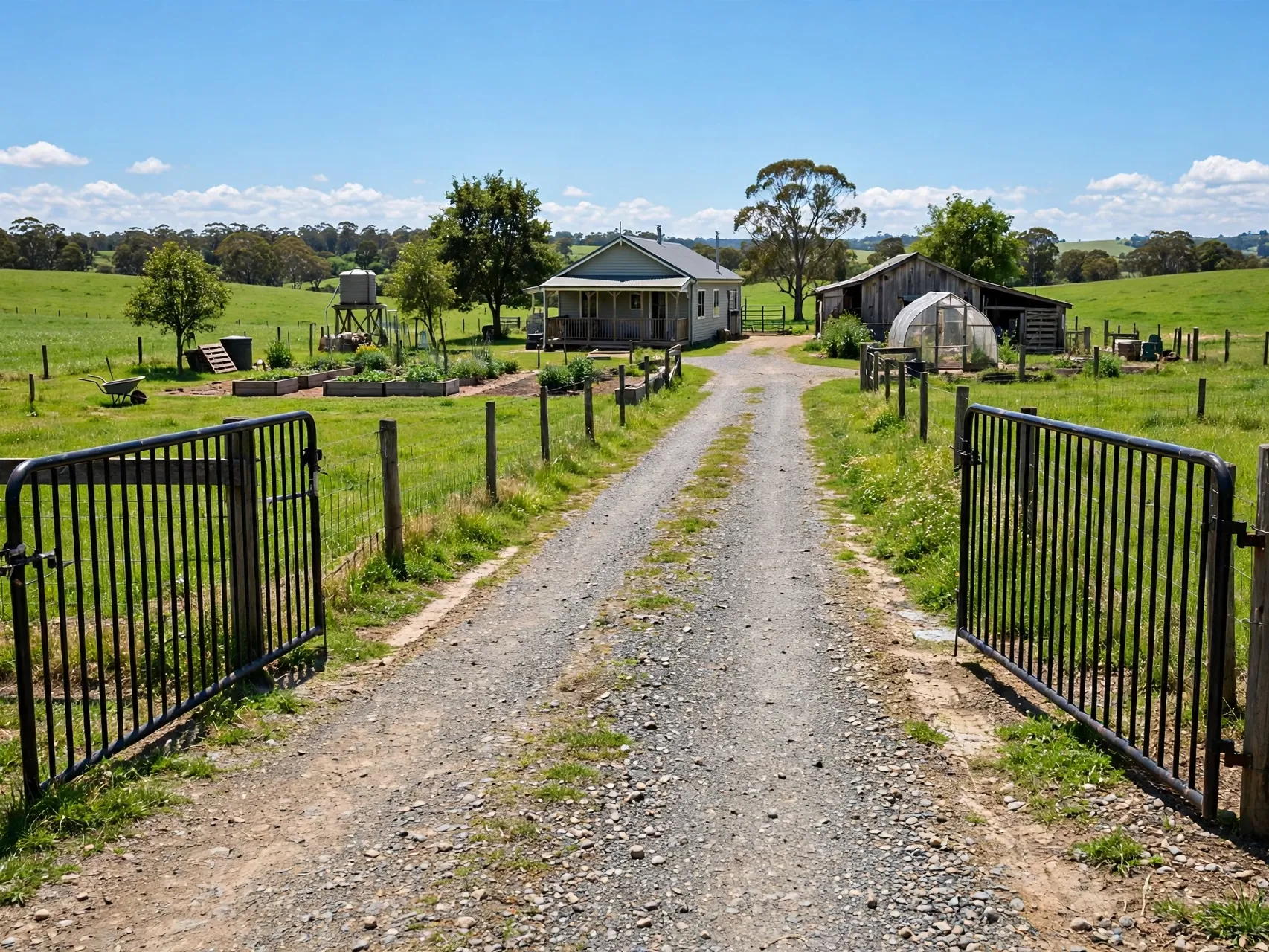
Sooner or later a truck must reach the back of your acre with compost, hay, firewood, or a shed. Plan a wide gate and a clear, firm path from the driveway before beds and trees close the route forever.
Keep the path out of your best garden soil and off the septic field. A simple gravel or grass track that stays passable in spring mud will save your land, and your temper, many times over.
15. Rain Barrels and Water Storage Near the Beds

Water stored near the garden shortens every watering job. Rain barrels under the house and shed eaves, plus a larger tank if your rules allow, smooth out dry weeks and keep seedlings alive without endless hose dragging.
Place barrels on level, sturdy stands with screened tops, and follow local guidance on rainwater collection where it applies. Keep drinking water systems and garden water clearly separate, and protect your well head from any runoff.
16. Solar Panels on Open, South Facing Ground

If solar suits your home, a small ground array on open, unshaded ground keeps roof work simple and panels easy to clean. Place it where future trees will not shade it and where mowing stays easy.
Permits and utility approval are part of any solar project, so involve your installer and local office early. Even without panels, noting your best solar ground now helps you avoid planting a tall tree in exactly the wrong place.
17. Kids Play Lawn Kept Close to the House
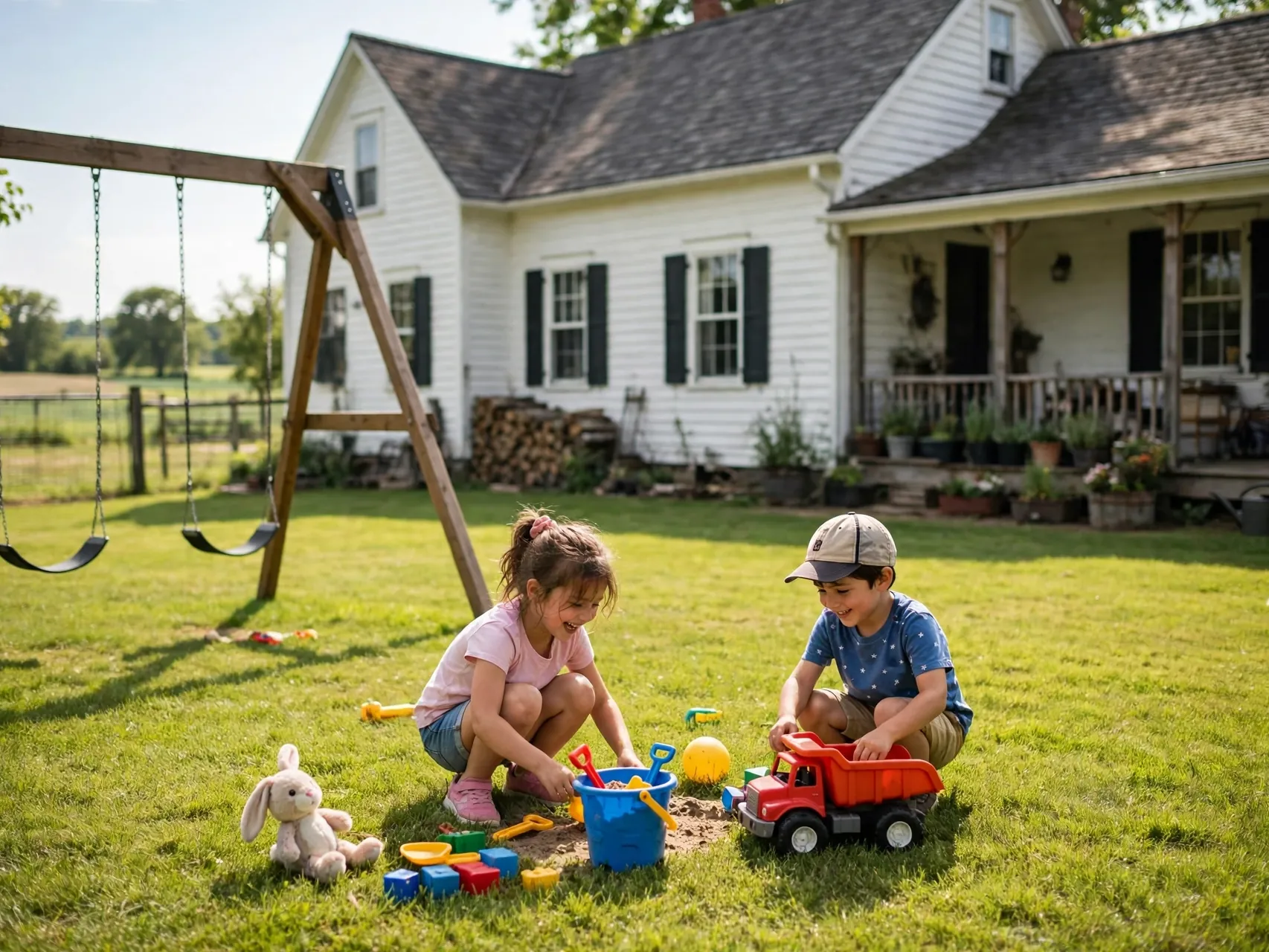
Simple living includes play. A modest lawn near the house, visible from the kitchen window, holds a swing, a sandbox, and years of evening games without eating into your best growing ground.
Keep play space away from animal pens, ponds, and the truck path. As children grow, this lawn flexes into seating, a fire pit circle, or extra garden, which is why keeping it simple and central is so smart.
18. Cool Storage Near the Kitchen End of the Garden
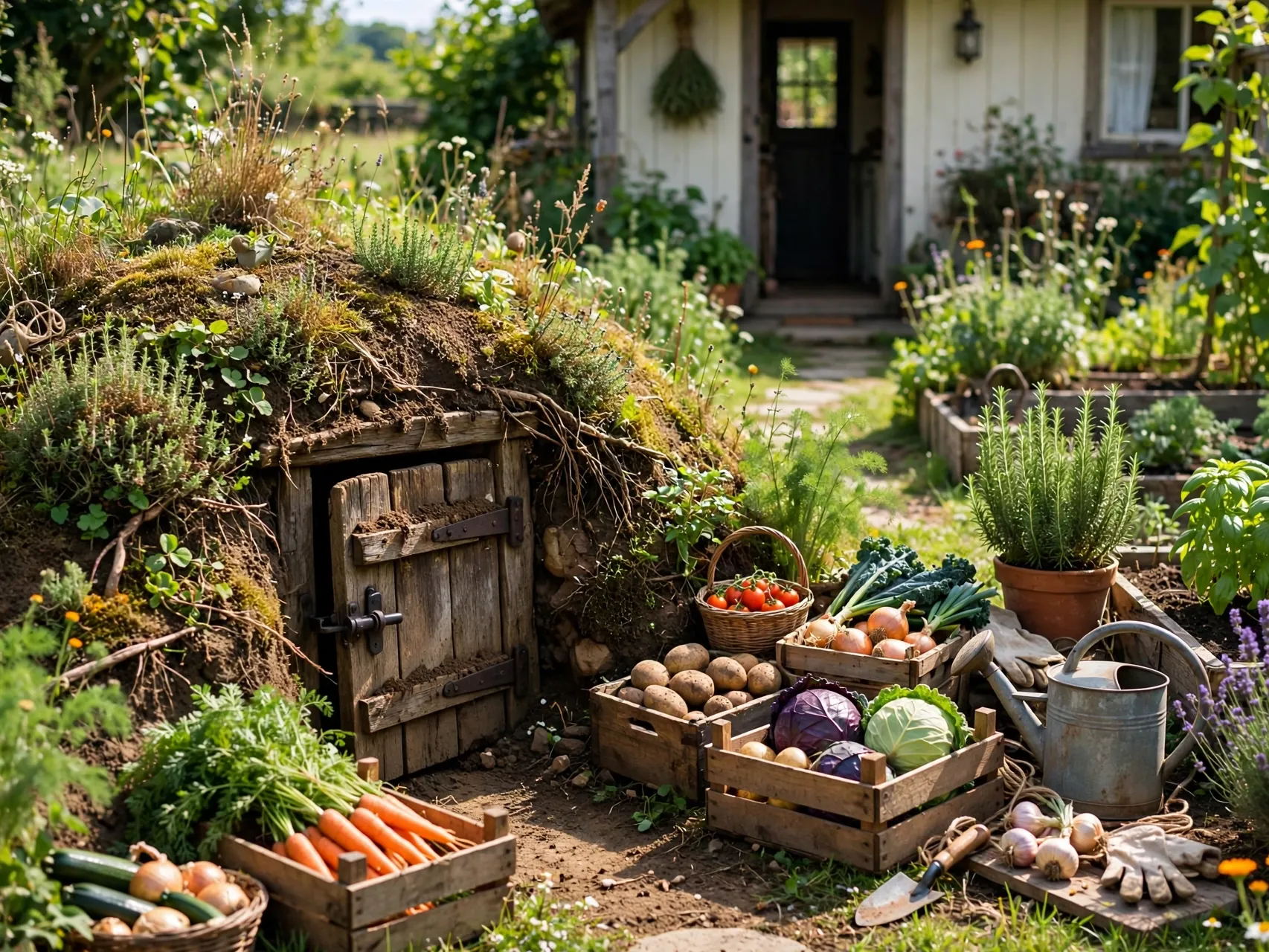
Harvests need a cool, dark landing place: a root cellar, a cool pantry corner, or a shaded storage nook near the kitchen. Crops keep longer and the kitchen counters stay clear when storage is planned, not improvised.
Any below ground storage needs proper design for water, ventilation, and safe access, so research local practice and rules before digging. Even a simple insulated box in a cool garage corner is a strong first step.
19. Rabbit Hutch in Light Shade

Rabbits fit a small homestead beautifully: quiet, gentle, and productive in a small footprint. A hutch in light shade near the garden keeps them cool in summer and close to the greens they love.
Raise hutches off damp ground with secure latches, since predators test every weak point. Check local rules on small livestock, and drop a tray or bin below for droppings that go straight to the compost.
20. Duck Area Near Water With Secure Fencing

Ducks bring eggs, slug control, and endless entertainment, plus a real love of water and mud. Give them their own fenced area with a small, refreshable pool, placed where the splashing does no harm.
Ducks need secure night housing just like chickens, and their area should sit away from your well and garden beds. Confirm local zoning for waterfowl, since some areas treat ducks differently from hens.
21. Pasture Strip With Rotational Grazing

If you keep grazing animals, divide your open ground into two or three strips with simple fencing and rotate the animals through them. Grass rests and regrows, parasites drop, and the land improves instead of wearing out.
Even one acre can hold a modest rotation for small livestock. Keep water available in each strip or at a shared lane, and rest each section long enough for real regrowth before animals return.
22. Windbreak Trees on the Windy Side

A row of hardy trees or large shrubs on the prevailing wind side shelters everything: house, garden, animals, and you. Windbreaks soften winter cold and summer drying winds, and they feed birds and pollinators too.
Plant them far enough from buildings and septic fields for mature roots and canopies, and check setback and line rules near roads. Slow growing shelter planted in year one is a gift to every later year.
23. Market Garden Beds for Extra Income

Some homesteaders grow a little extra to sell: salad greens, herbs, flowers, or eggs where local rules allow. A dedicated market bed block near the wash and pack spot keeps business tidy and separate from family beds.
Before selling anything, research your local cottage food, egg, and market rules carefully, since they vary and change. Start tiny, learn your buyers, and let demand, not enthusiasm, decide how much ground the market beds earn.
24. Quiet Seating Corner to Enjoy It All

A homestead is a home first. Keep one small corner, a bench under a tree, a chair by the berries, a fire circle on the lawn, where the point is simply to sit and enjoy what you are building.
Place it where evening light is kind and the view takes in garden, orchard, and sky. This corner reminds you during busy seasons that simple living was the goal, not just shorter chores.
FAQ
How much of one acre should the garden take?
For most families, a garden roughly the size of a quarter of the acre, including paths, grows a large share of fresh vegetables. Start smaller than your ambition, since a well tended small garden outproduces a weedy large one, and you can expand beds each year.
What should I build first on a one acre homestead?
Start with access, water, and fencing, then plant trees, then build the garden, and add animals last once shelters and fences are finished. This order prevents the classic mistake of animals arriving before their housing is secure.
Do I need permits for a well, septic, or sheds?
Very often, yes. Well and septic systems almost always need permits and professional siting, and sheds, coops, and greenhouses may need permits or must meet setbacks. Call your local zoning and health offices before you build, because rules are local and specific.
Can I keep goats and chickens on one acre?
Many families do, where zoning allows it, with modest numbers, strong fencing, and rotation so the land rests. Check local livestock rules first, keep animals on high, dry ground, and size your flock and herd to your feed budget and your land, not the other way round.
How do I keep chores from taking over my day?
Cluster daily tasks near the house: herbs by the door, garden behind the house, small animals a short walk away. Store tools where they are used, keep water close to animals and beds, and design paths you can walk with full hands or a full barrow.
Key Takeaways
- Daily chores close, heavy work at a distance: Herbs by the door, garden behind the house, animals a short and sensible walk away.
- Follow sun and water: Vegetables and greenhouses take the sunniest ground, ponds take the lowest, and storage water sits near the beds.
- Rules before building: Check zoning, well and septic permits, and setbacks for coops, sheds, and fences before the first post goes in.
- Build in phases: Access, water, and fencing first, trees early, garden next, and animals only when their housing is truly ready.
- Rotate and rest the land: Split pens and pasture so grass and soil recover, and one acre keeps improving year after year.
Ready to sketch your own acre, beds, coops, and orchard in place? Save this guide to Pinterest and pin the layout ideas you will start with.