
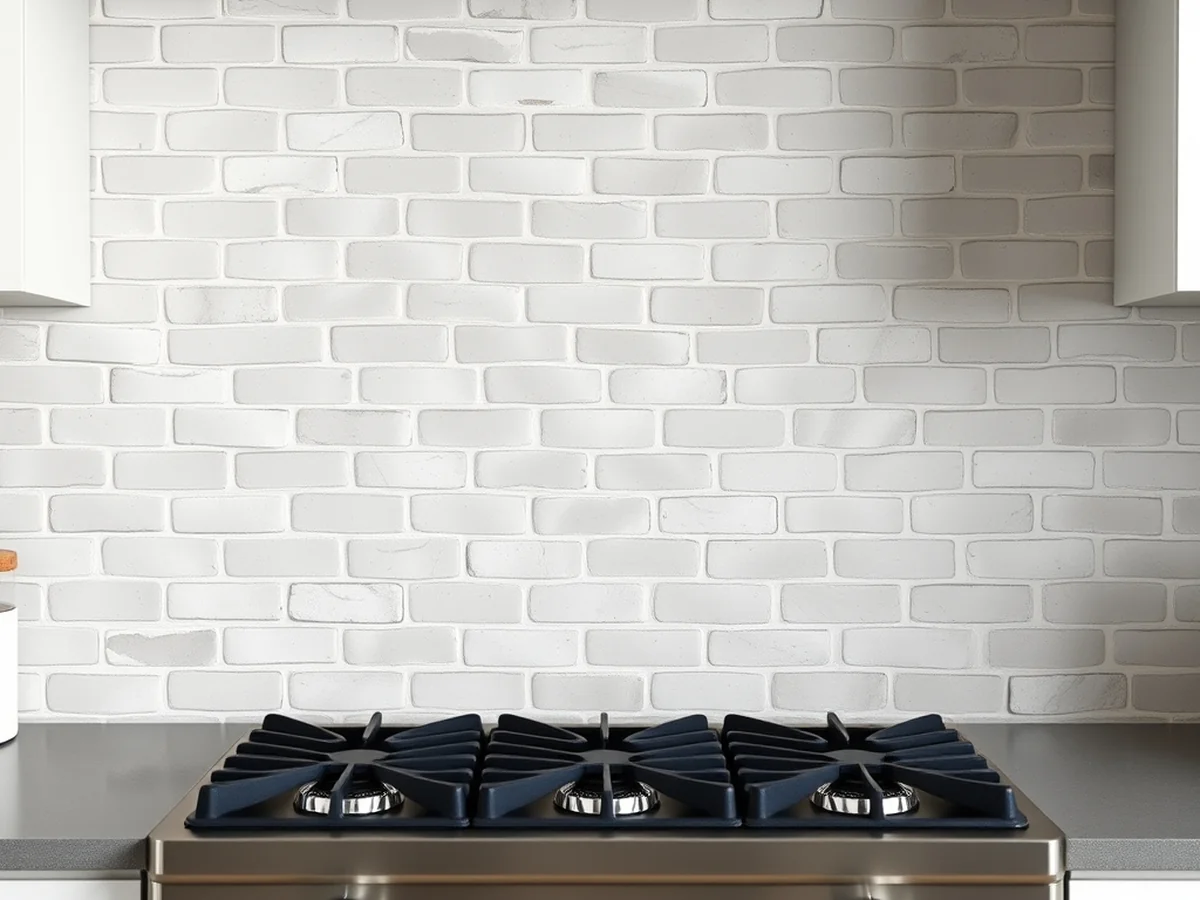
21 Brick Backsplash Kitchen Ideas Full of Warmth and Charm
Introduction
A brick backsplash kitchen can increase the property value of a home by adding instant architectural character that feels both grounded and timeless. While many homeowners stick to smooth subway tile, adding rough texture creates a focal point that transforms a builder-grade space into a custom room. You can achieve this classic look using thin brick veneer, which is about 0.5 inches thick and much lighter than traditional structural bricks.
This material brings a sense of history to your cooking area, perfectly bridging the gap between an industrial style kitchen decor and a cozy, modern farmhouse vibe. The natural variation in color and shape provides a depth that paint or wallpaper simply cannot replicate. Whether you choose a classic red finish or a clean white-wash, this design choice adds warmth that makes the busiest room in the house feel like a home.
Classic Red Brick
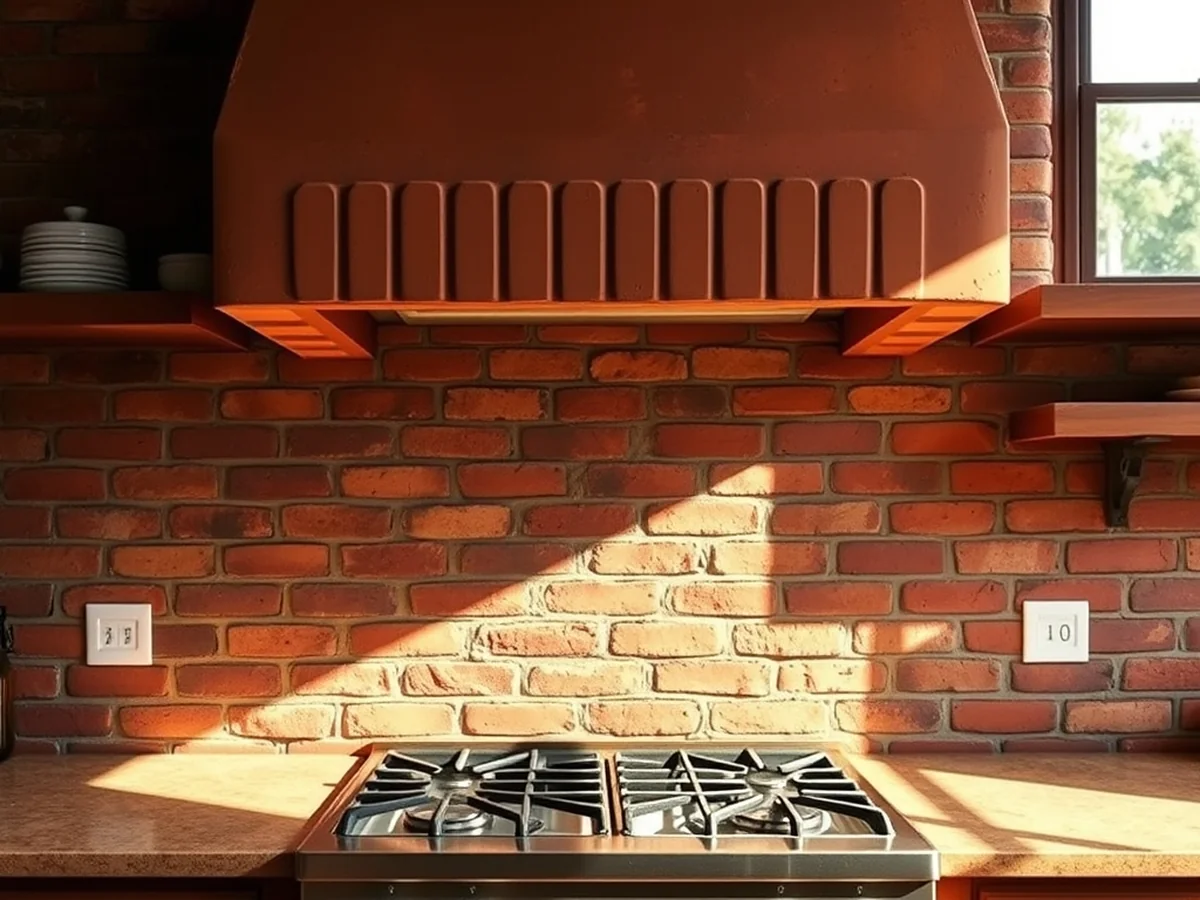
You walk into a kitchen and feel that immediate sense of history from a deep, warm **brick backsplash kitchen** wall. This look leans heavily into an **industrial aesthetic** by bringing raw, earthy textures to a space that might otherwise feel too sterile. I have found that using thin brick tiles is the most practical way to achieve this without sacrificing precious floor space.
Pairing these tiles with rich wood cabinetry creates a perfect balance between rugged surfaces and polished furniture. For a standard 10-foot run, you might spend around $400 on materials. Remember to apply a high-quality matte **sealer** after installation to keep grease from settling into the porous surface. This simple step makes the texture easy to wipe down while keeping that authentic, fired-clay charm intact.
White Washed Brick
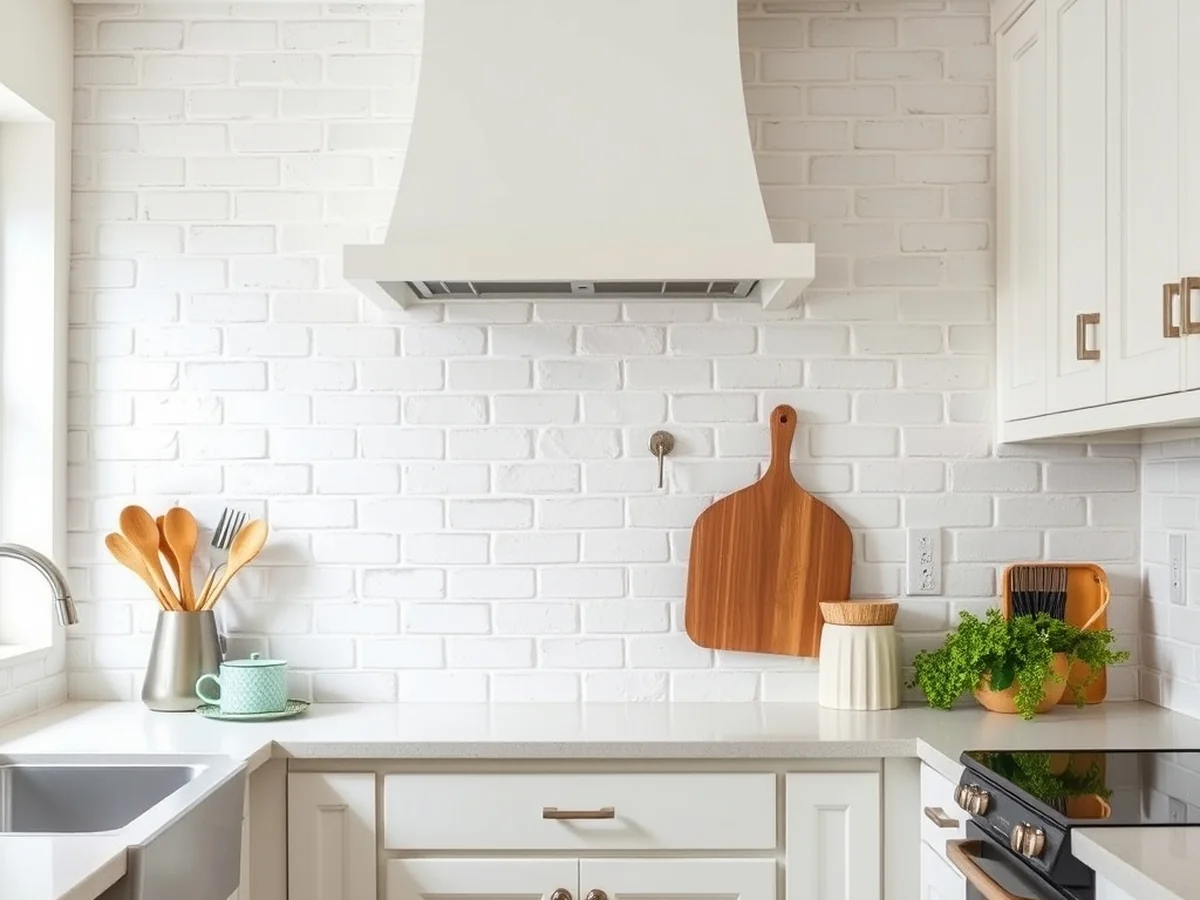
Do you want to brighten your room while keeping that classic brick backsplash kitchen look? White washing is the best way to open up a cramped cooking space because it reflects light instead of absorbing it. This finish creates a soft farmhouse aesthetic by muting the harsh red tones of the clay while letting the natural texture shine through. You can achieve this effect by diluting white paint with water at a 1 to 1 ratio and brushing it over your thin brick veneer. It is a smart choice if you have dark cabinetry or a small kitchen island. Just remember to apply a matte sealer afterward. This clear coat protects the porous surface from grease and makes your new wall much easier to wipe clean.
Thin Brick Tiles
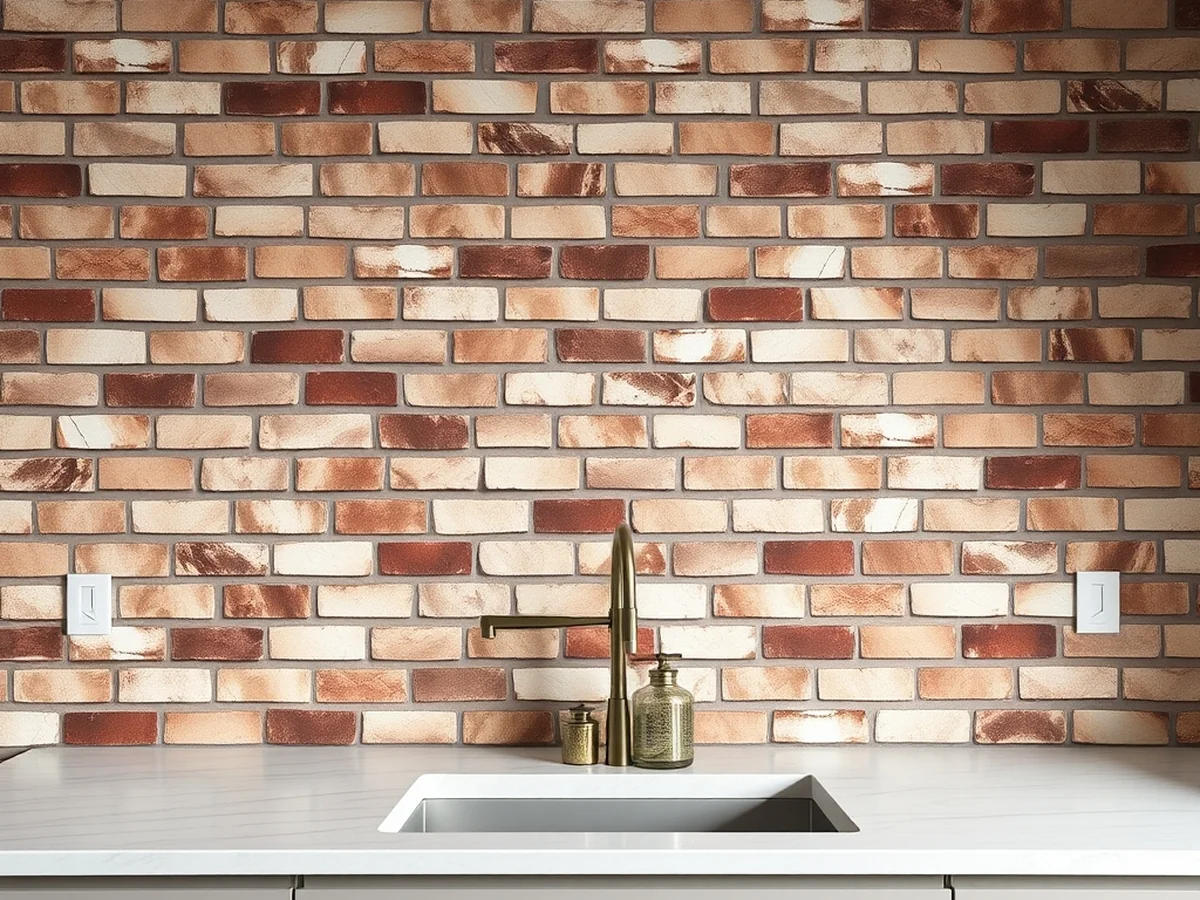
Many people assume a brick backsplash kitchen requires heavy structural support, but thin brick tiles weigh significantly less than traditional full-sized bricks. These lightweight options provide the authentic industrial aesthetic you want without needing a reinforced wall. You can apply thin brick directly over existing drywall using a high-quality polymer-modified mortar, which saves days of demolition work. This process keeps your kitchen renovation clean and manageable. A standard box of thin brick tile backsplash material typically covers about 5 square feet, making it easy to calculate your project needs. While these tiles mimic the look of reclaimed materials, they are much easier to handle for DIY enthusiasts. Just ensure your drywall is clean and primed to create a strong bond for your new surface.
Faux Brick Panels
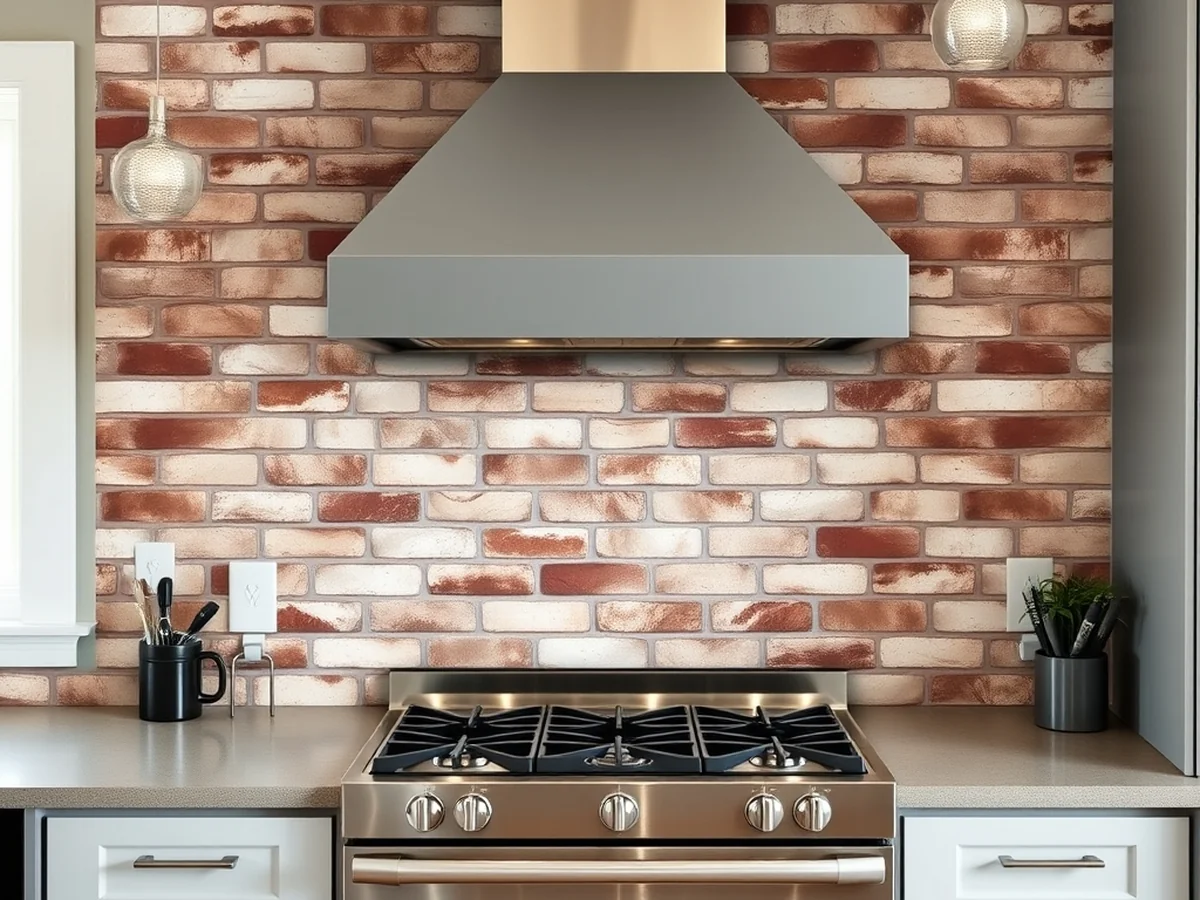
I have seen many homeowners struggle with heavy masonry, so using panels for a brick backsplash kitchen is a game changer for quick renovations. You can install these lightweight sheets directly onto existing drywall using simple construction adhesive. It takes roughly 4 hours to cover a standard area behind a stove, which is much faster than laying individual bricks with mortar.
These panels often feature a realistic texture that mimics a thin brick tile backsplash without the intense labor. While genuine clay holds up better against high heat and heavy impact, modern high density foam or plastic panels offer impressive durable alternatives for low traffic zones. You will notice they feel lighter to the touch, but they capture that classic industrial aesthetic perfectly for any DIY project.
Gray Brick Backsplash
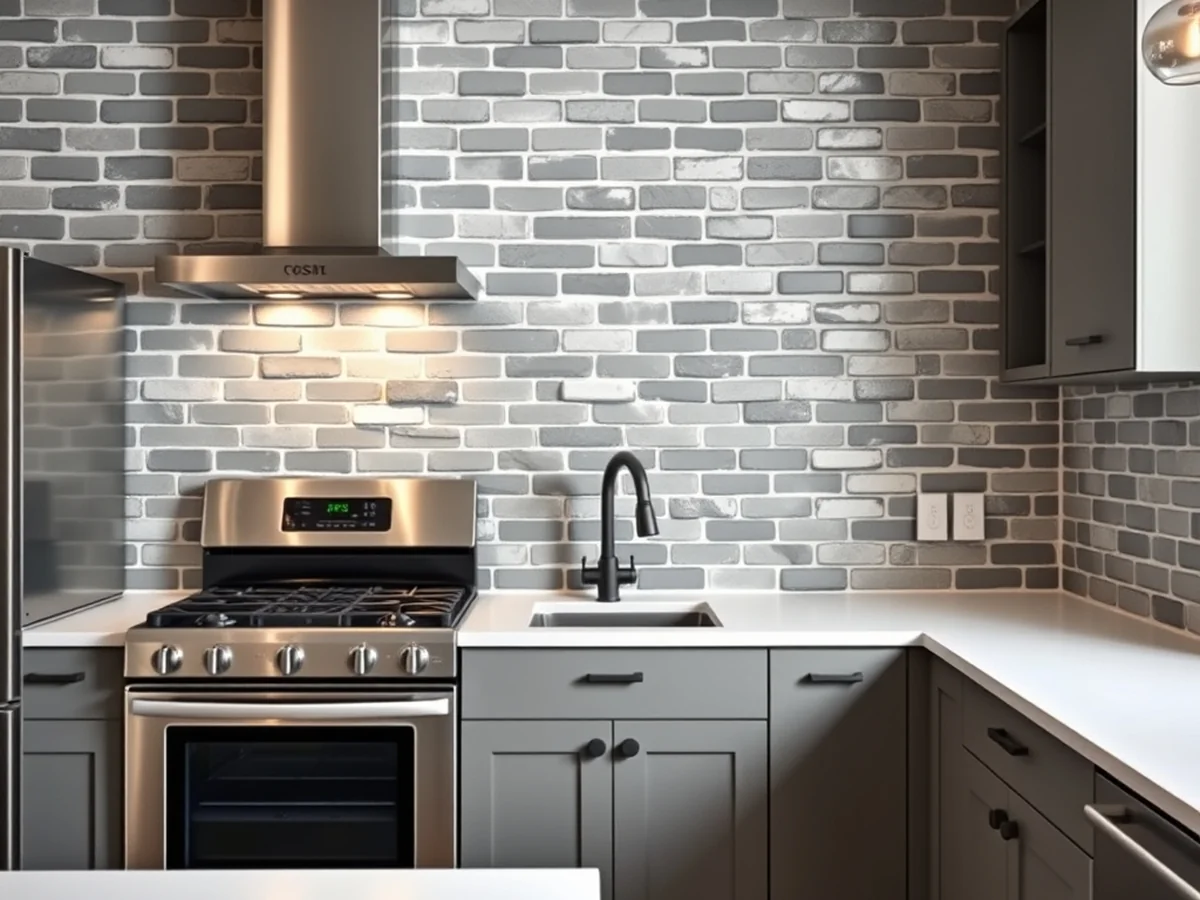
Choose a cool gray brick backsplash kitchen to anchor a modern space without losing the texture of raw materials. Gray tones offer a sharp, sophisticated contrast against stainless steel appliances, making the metal finishes pop rather than clash with the wall. Because gray is a neutral, it pairs well with both matte black hardware and crisp white cabinetry.
If you are worried about grease, use a high-quality matte sealer to protect the surface. A 1/2 inch thick thin brick veneer is usually enough to achieve this look without losing precious counter depth. I have found that using a light gray grout keeps the lines looking clean and prevents the wall from feeling too busy. This approach creates an industrial aesthetic that feels current while still adding architectural charm to your home.
Painted Brick Backsplash
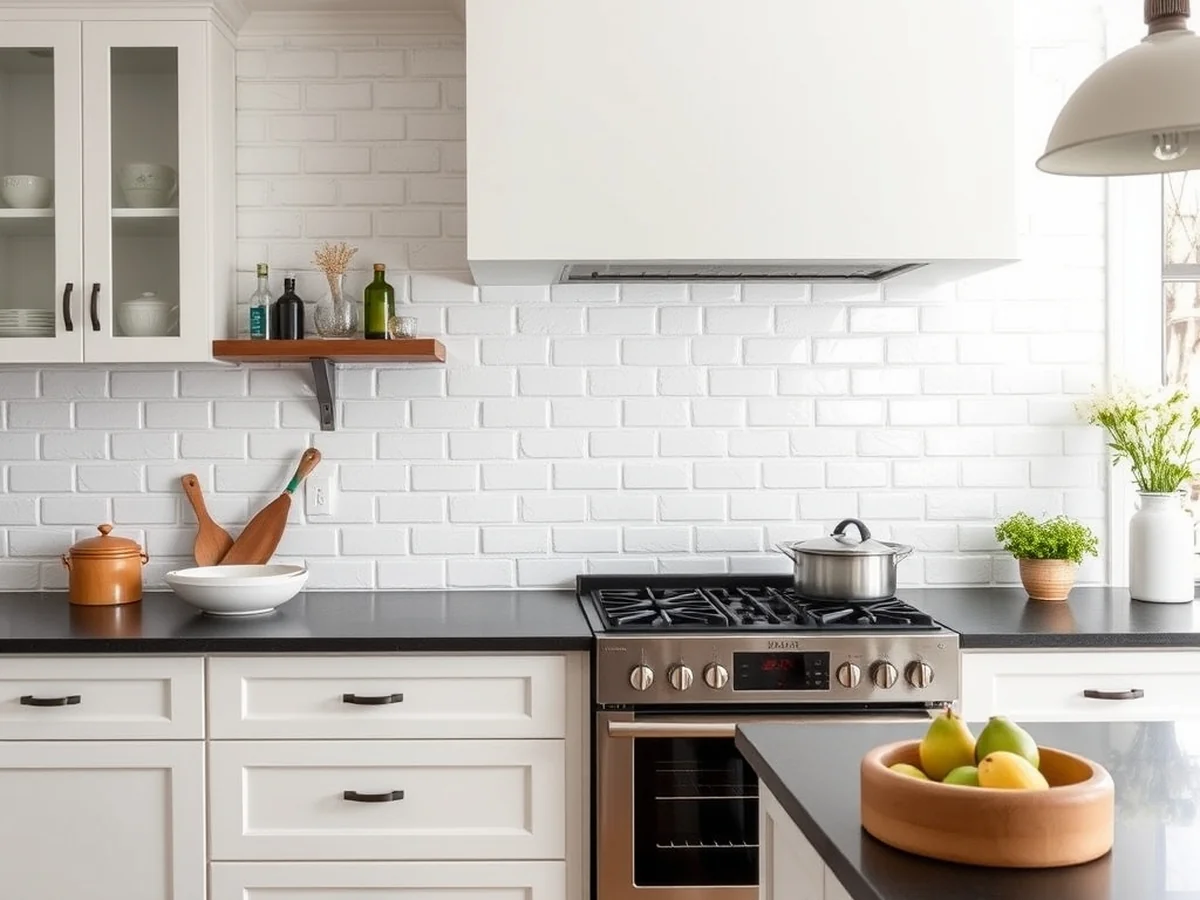
Painting your brick backsplash kitchen creates a fresh look that feels crisp during the bright spring months. You should always use a high heat kitchen paint or a specialty masonry coating to ensure the finish stands up to stove splatter and humidity. These paints are designed to bond with porous surfaces while remaining easy to wipe down. Applying a primer first helps prevent the brick from soaking up too much pigment, which saves you money on extra cans of paint.
Customizing colors lets you blend the brick into your farmhouse decor or industrial style seamlessly. A soft white wash keeps the texture visible, while a solid coat offers a modern, uniform appearance. One gallon of quality masonry paint usually covers about 200 square feet of wall space.
Rustic Tumbled Brick
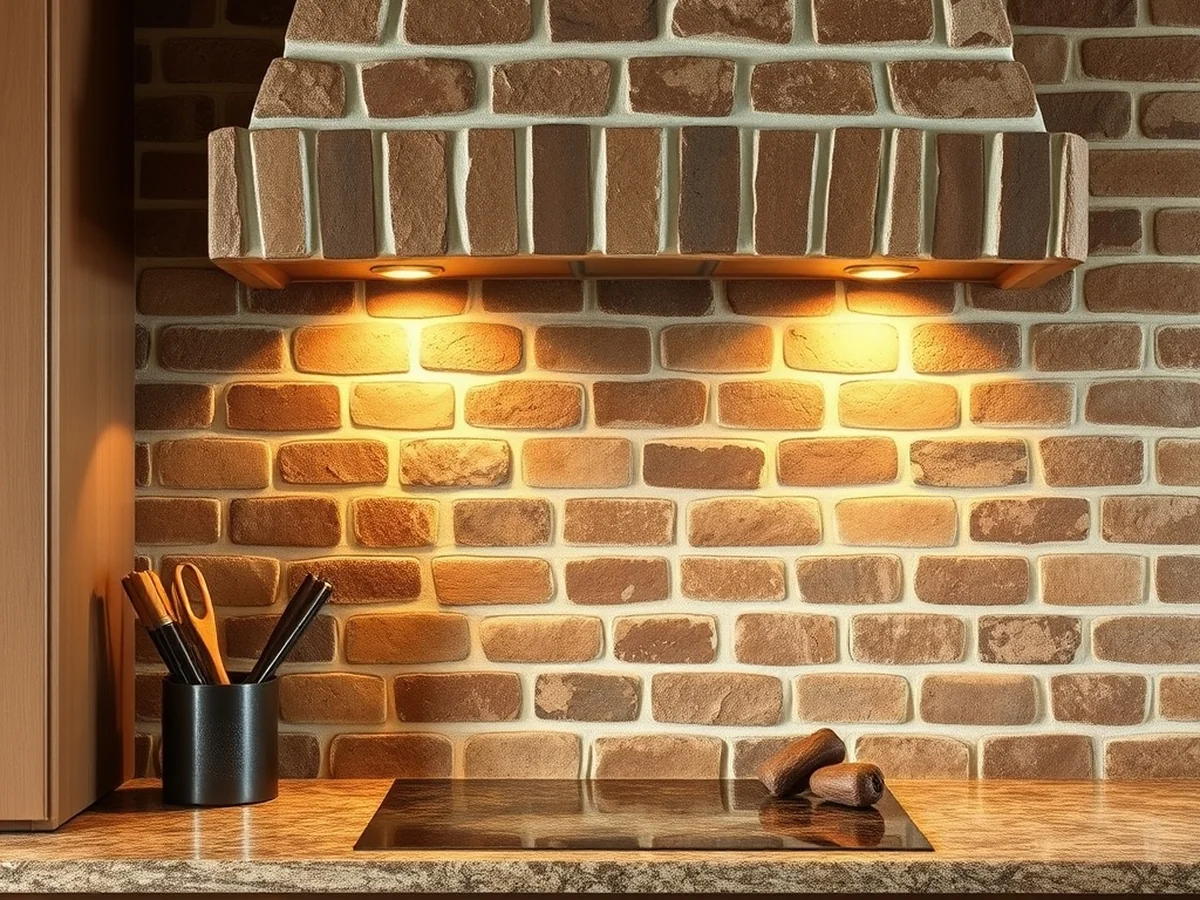
You will pay about $8 per square foot for authentic tumbled thin brick, which is slightly more than standard ceramic subway tile but offers much higher visual impact. This material is the best way to craft an aged and authentic feel in your brick backsplash kitchen. The irregular edges and soft, rounded corners mimic centuries-old masonry. It works perfectly for adding depth to neutral color palettes because the varying shadows within the texture prevent white or beige kitchens from feeling flat.
- Apply a high-quality matte sealer to protect the surface from grease without creating an artificial shine.
- Use a thick mortar line to emphasize the historical look of your rustic kitchen backsplash ideas.
- Ensure your drywall is primed well before you start the installation process.
Herringbone Brick Layout
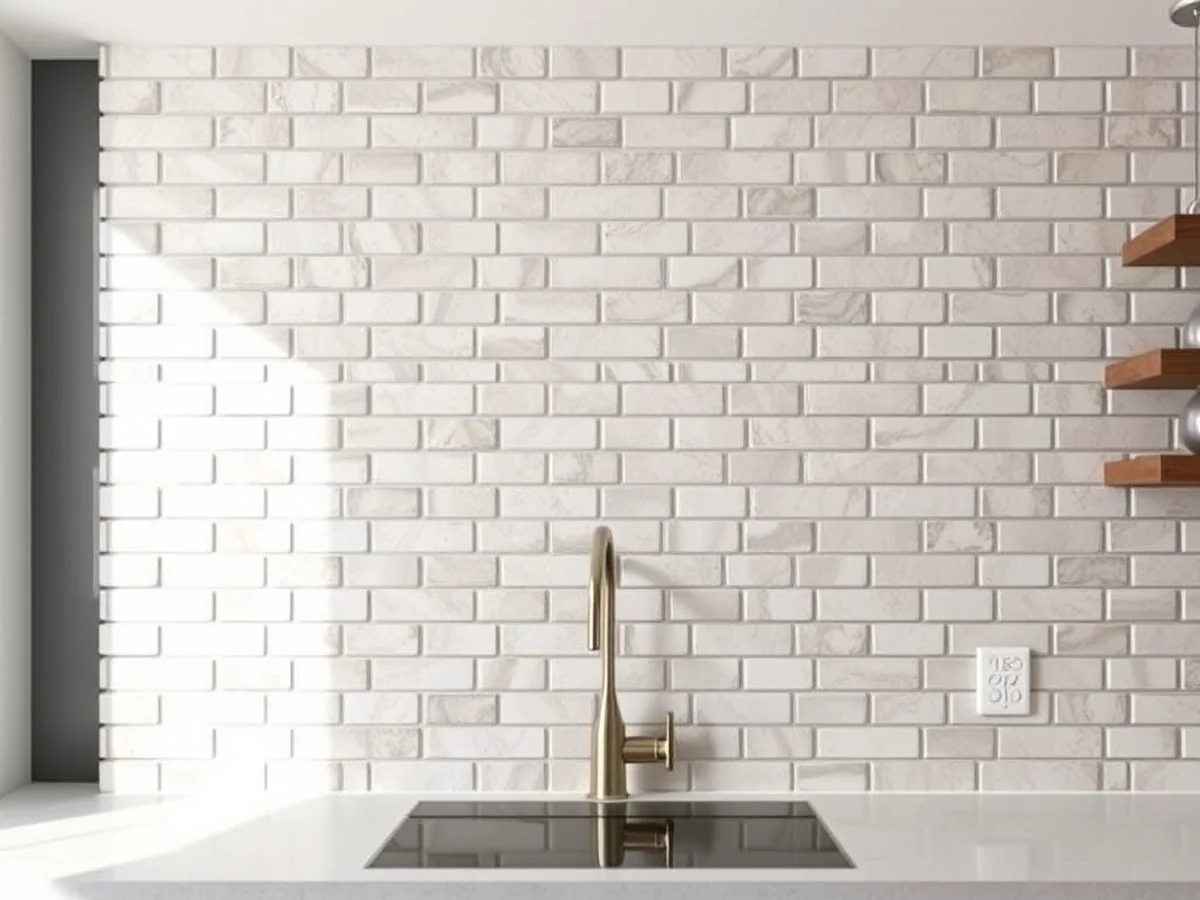
A herringbone pattern uses 45-degree angles to turn a standard brick backsplash kitchen into a focal point that visually expands the room. This layout creates dynamic movement on your wall surfaces, which helps draw the eye upward and makes small kitchens feel larger. Because most brick veneer pieces have irregular, rustic edges, you should expect to spend about 15 percent more on material than you would for a standard running bond pattern due to the extra cuts required at the corners.
To keep the industrial aesthetic clean, use a high-quality mortar and ensure you apply a matte sealer once the grout is fully dry. This protects the porous surface from grease splatters while maintaining the raw texture that defines a classic farmhouse kitchen.
Stacked Bond Pattern

You might love the look of raw materials but worry about your kitchen feeling too cluttered. A stacked bond layout for your brick backsplash kitchen offers clean lines that instantly simplify a busy room. By aligning every brick vertically and horizontally, you create a grid that feels organized rather than chaotic. This geometric approach works wonders for highlighting the raw brick texture, as the repeating pattern emphasizes the natural imperfections in each piece. I found that using thin brick tiles measuring 2 by 8 inches creates the most balanced look for this style. While this layout is visually striking, keep in mind that you must use a high-quality sealer to keep the mortar joints free of grease and dust in your workspace.
Dark Charcoal Brick

Do you want to add a bold edge to your cooking space? A dark charcoal brick backsplash kitchen creates a striking, moody industrial vibe that instantly stands out. The deep tones provide a dramatic contrast against crisp white quartz countertops, making the stone texture pop. Because this color absorbs light, it works best in rooms with large windows or under-cabinet lighting. You can use thin brick veneer to achieve this heavy, architectural look without adding too much weight to your drywall. I recommend applying a high-quality matte sealer to your finished wall. This step takes about 2 hours to complete and prevents grease from soaking into the porous mortar. It keeps your surfaces looking clean and sharp for years to come.
Natural Clay Brick
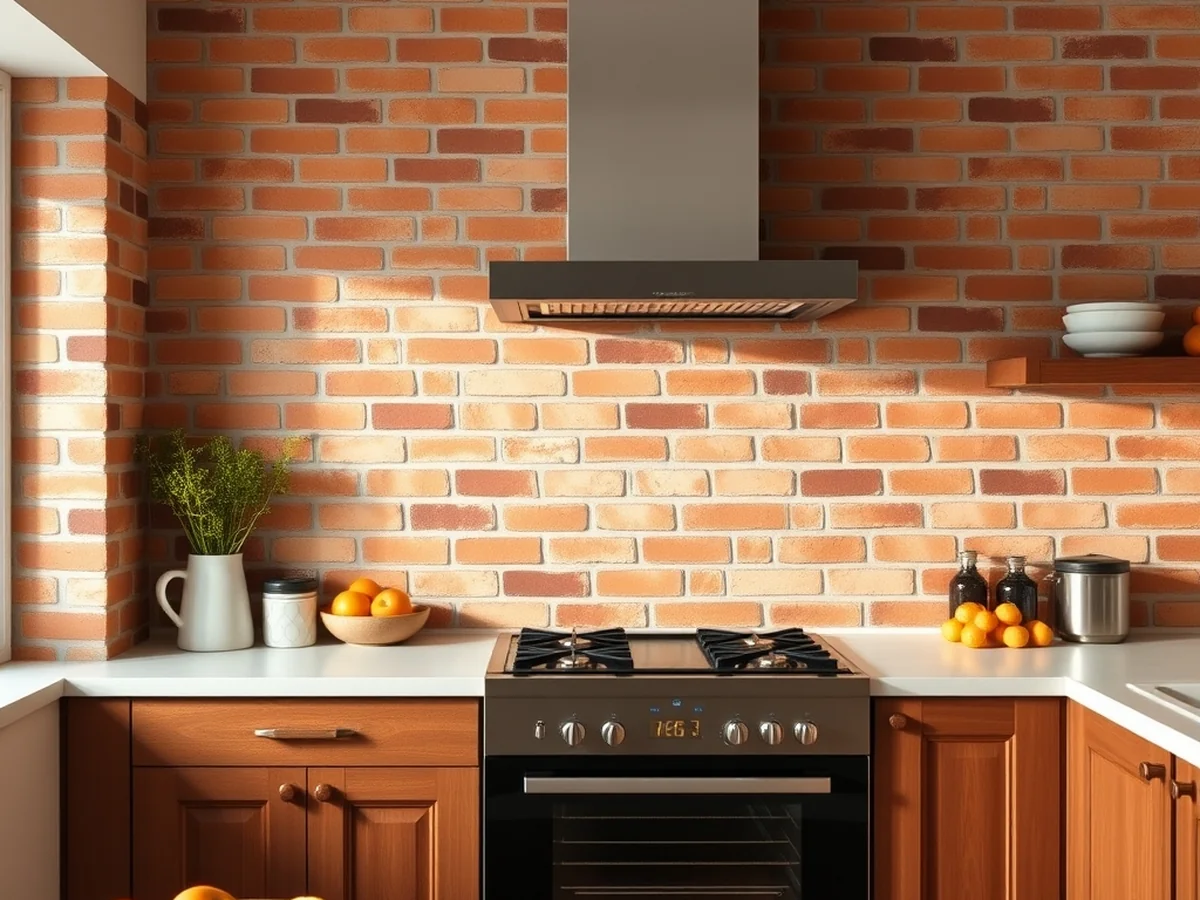
Some people think clay is too messy for a brick backsplash kitchen, but it actually adds a timeless quality that clean tiles cannot match. Using natural clay brings an immediate sense of warmth to sterile or cool kitchen spaces. These bricks highlight rich orange and deep brown tones that anchor a room. If you have cold stainless steel appliances or stark white cabinetry, a red brick kitchen backsplash acts as a visual bridge that softens the entire area. You can find high quality thin brick veneers starting at around $6 per square foot. Because clay is porous, you must apply a matte sealer to protect the surface from cooking oils and spills. This step keeps the rustic texture looking fresh while making maintenance much easier for your daily routine.
Brick Backsplash Maintenance
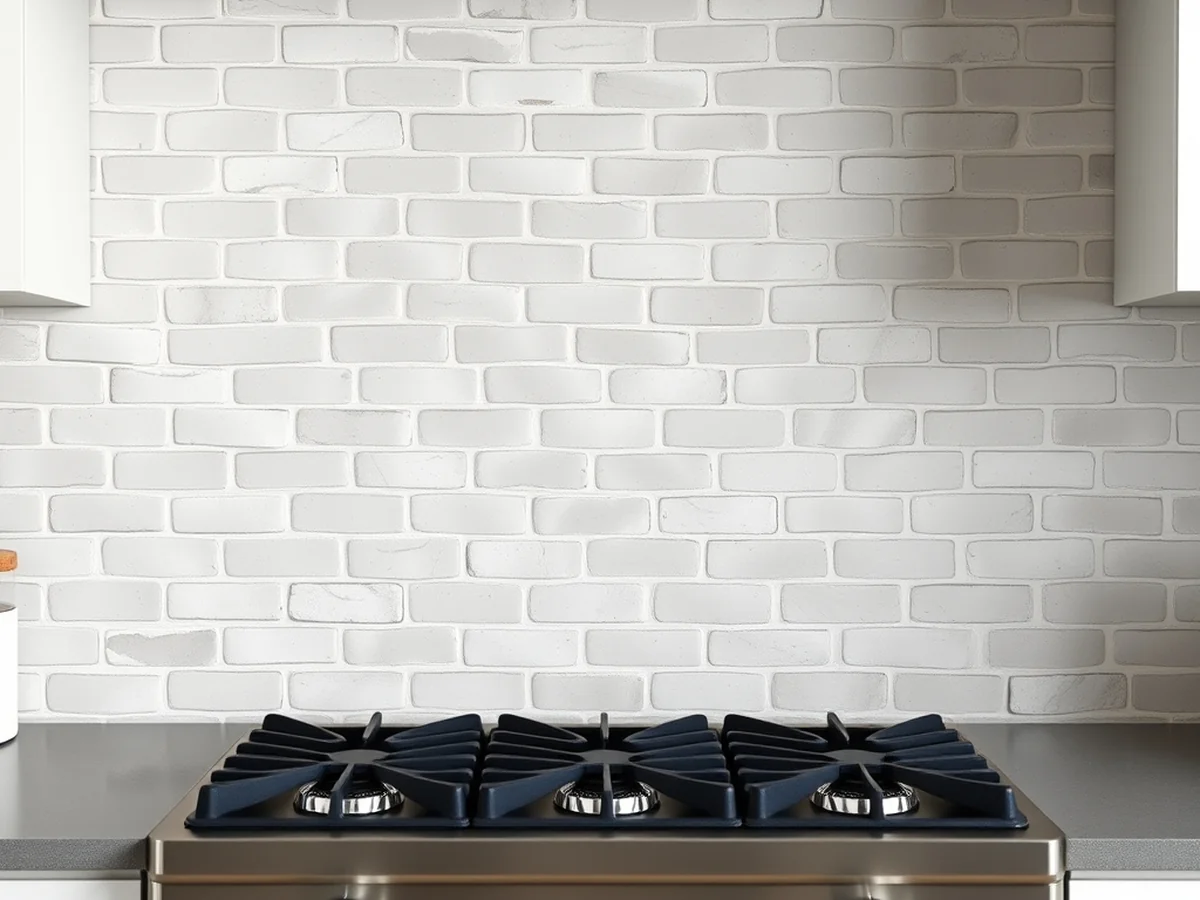
I have found that keeping a brick backsplash kitchen clean is much easier when you prioritize the initial sealing process. You should apply a high-quality matte sealer immediately after installation to protect the porous surface from grease. This clear barrier prevents food splatters from soaking into the material, making wipe-downs simple with a damp cloth.
When installing your thin brick, aim for a consistent mortar thickness of about 3/8 inch. This spacing creates a balanced look that is narrow enough to prevent excessive crumb buildup. If you have flat-front cabinetry, the heavy texture of the brick provides a beautiful contrast. To avoid visual clutter, pair this rustic finish with sleek surfaces on your kitchen island or countertops to keep the room feeling airy and modern.
Grout Color Choices
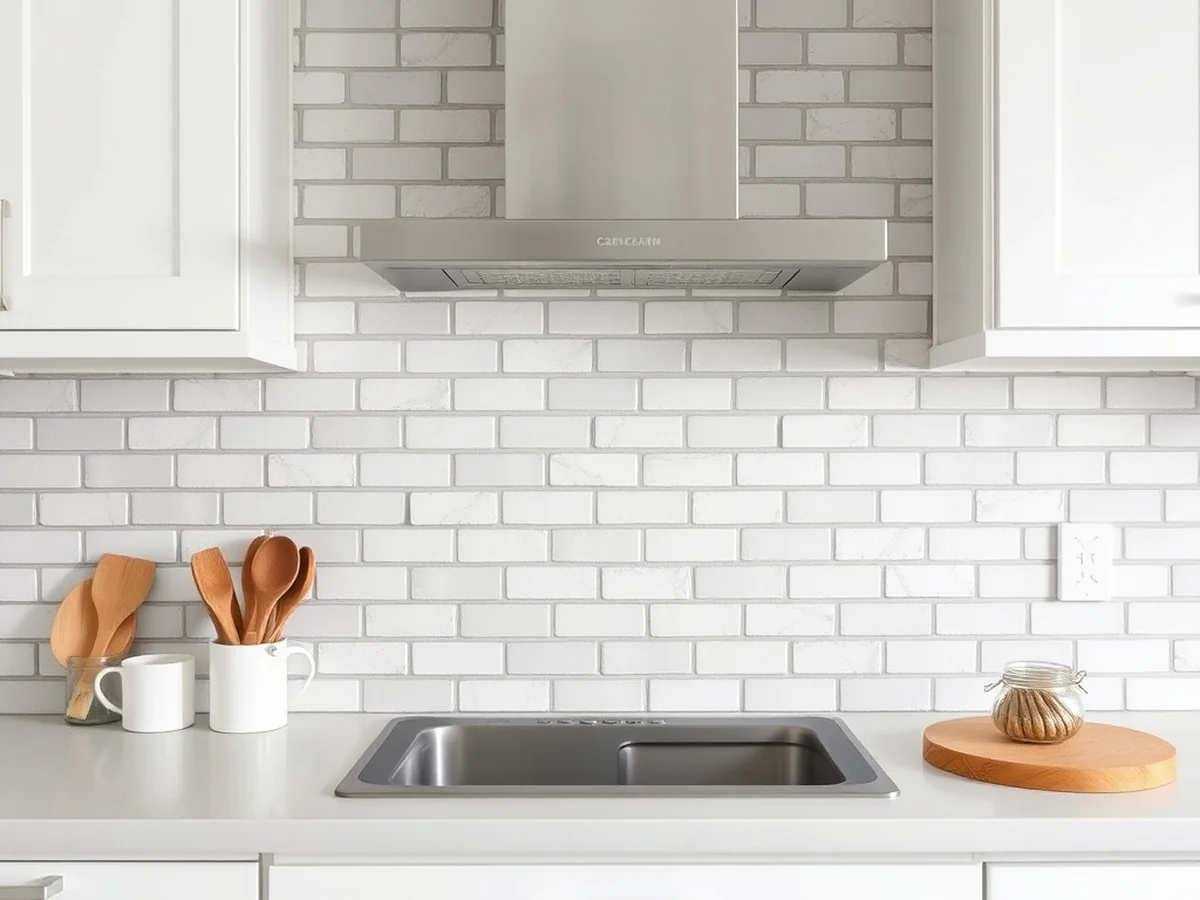
Pick your grout based on how much contrast you want for your brick backsplash kitchen. Using white or light grey grout softens the appearance of thin brick and helps it blend into a bright, airy space. This approach keeps the look subtle and clean, especially if you have white cabinetry nearby. In my experience, choosing a dark charcoal or black grout creates a bold industrial aesthetic. It highlights the individual shape of each brick and provides a sharp, graphic finish that draws the eye to your cooking area. A standard bag of quality sanded grout costs about $25 and covers roughly 50 square feet. Remember that deep grout lines trap more dust, so applying a matte sealer after installation makes future cleaning much easier for you.
Modern Farmhouse Brick Backsplash
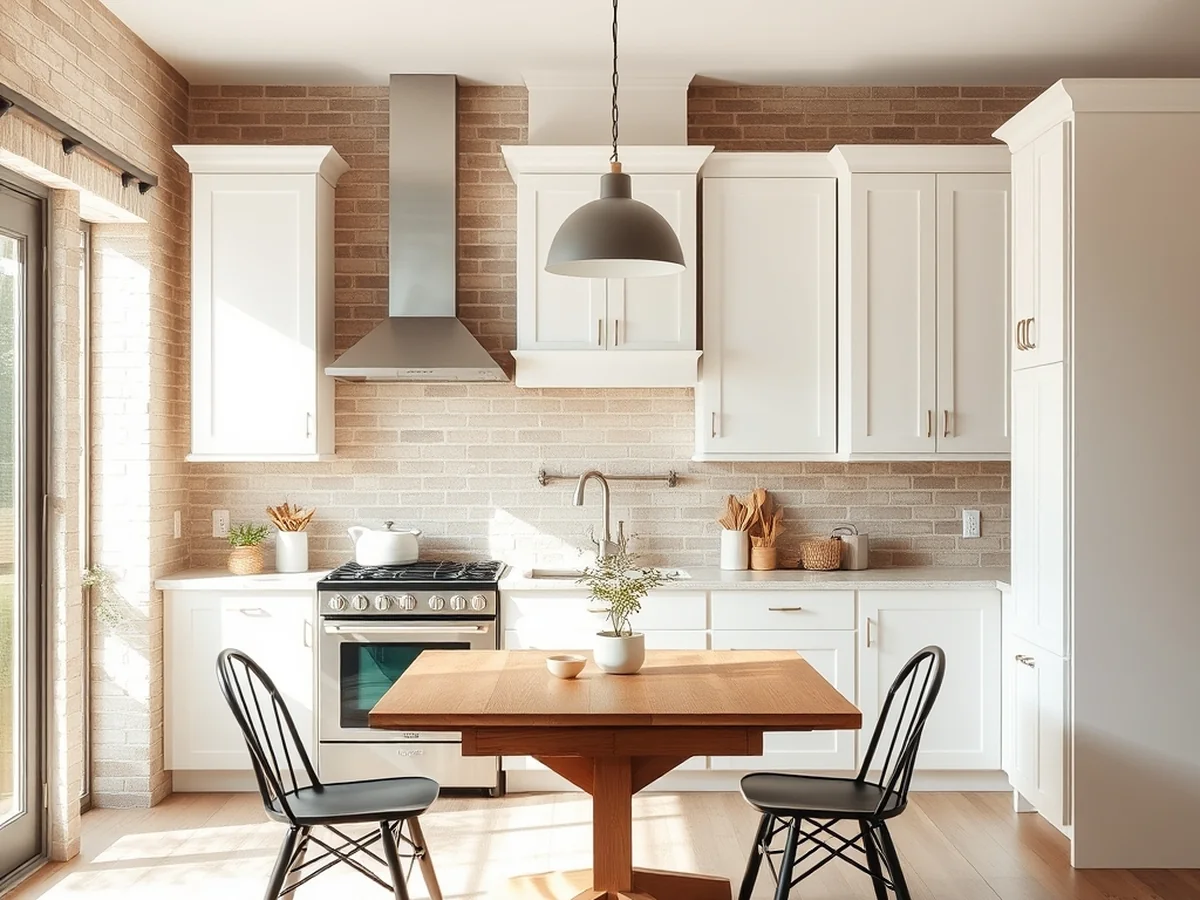
Winter kitchens feel cozy when you pair a brick backsplash kitchen with crisp white shaker cabinets. This look brings warmth to a space without making it feel heavy or closed in. I have found that choosing a lighter, sand-colored thin brick helps reflect natural light, keeping your cooking area bright and airy. You can install these pieces directly over your existing drywall to save time during a renovation. If the original red shade feels too bold, apply a thin white-wash to soften the tone while keeping the texture visible. Use about 10 percent of your total budget on a high-quality sealer to protect the surface from grease. This keeps the brick looking beautiful while making it much easier to wipe down after you cook a meal.
Industrial Brick Backsplash Design
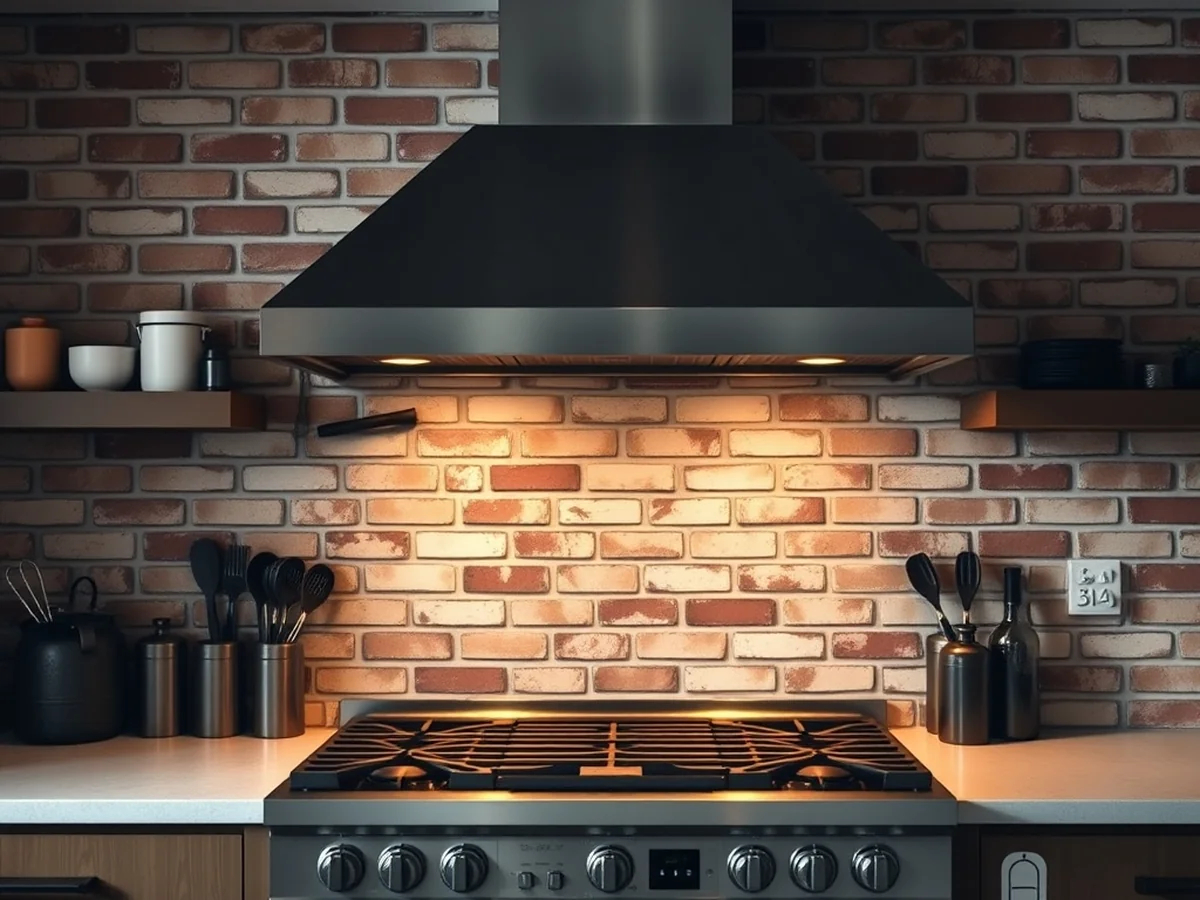
Installing a brick backsplash kitchen using thin brick veneer costs about $8 per square foot, which is significantly cheaper than custom glass panels. This choice creates an authentic industrial aesthetic that balances hard edges with organic texture. To lean into this style, pair your red brick with matte black metal hardware on your cabinetry. This contrast creates a sharp look that feels intentional and grounded.
* Use dark iron cabinet pulls to complement the natural tones of the clay.
* Select a charcoal colored grout to define each piece and add depth to your wall.
Since brick is porous, apply a high quality matte sealer to protect the surface from grease splatters. This step keeps your modern industrial look clean without adding an unwanted shine to your walls.
Sealing Your Brick
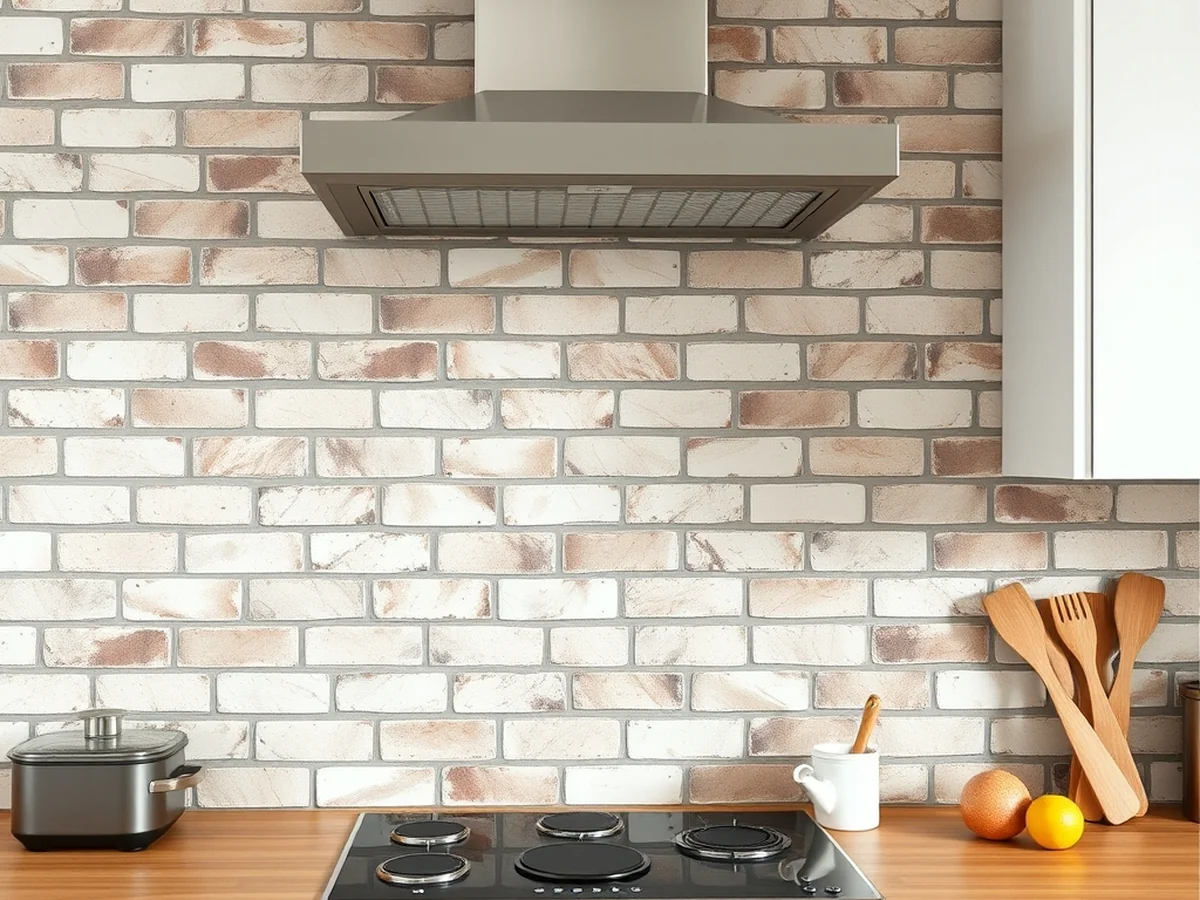
You only have about 48 hours after installation before your brick backsplash kitchen begins absorbing cooking splatters. Unsealed brick is highly porous, meaning grease and moisture will sink deep into the surface and become impossible to scrub away. To keep your wall looking fresh, you must apply a high quality water-based sealer. I prefer using a matte finish sealer because it provides invisible protection without creating an unnatural plastic shine. A single quart costing around $25 is usually enough to cover a standard backsplash area. By filling the microscopic pores of the thin brick, you stop oil from penetrating the material. This simple step turns your rustic feature into an easy to clean brick backsplash that stands up to daily cooking around your kitchen island or stove.
Easy Clean Techniques
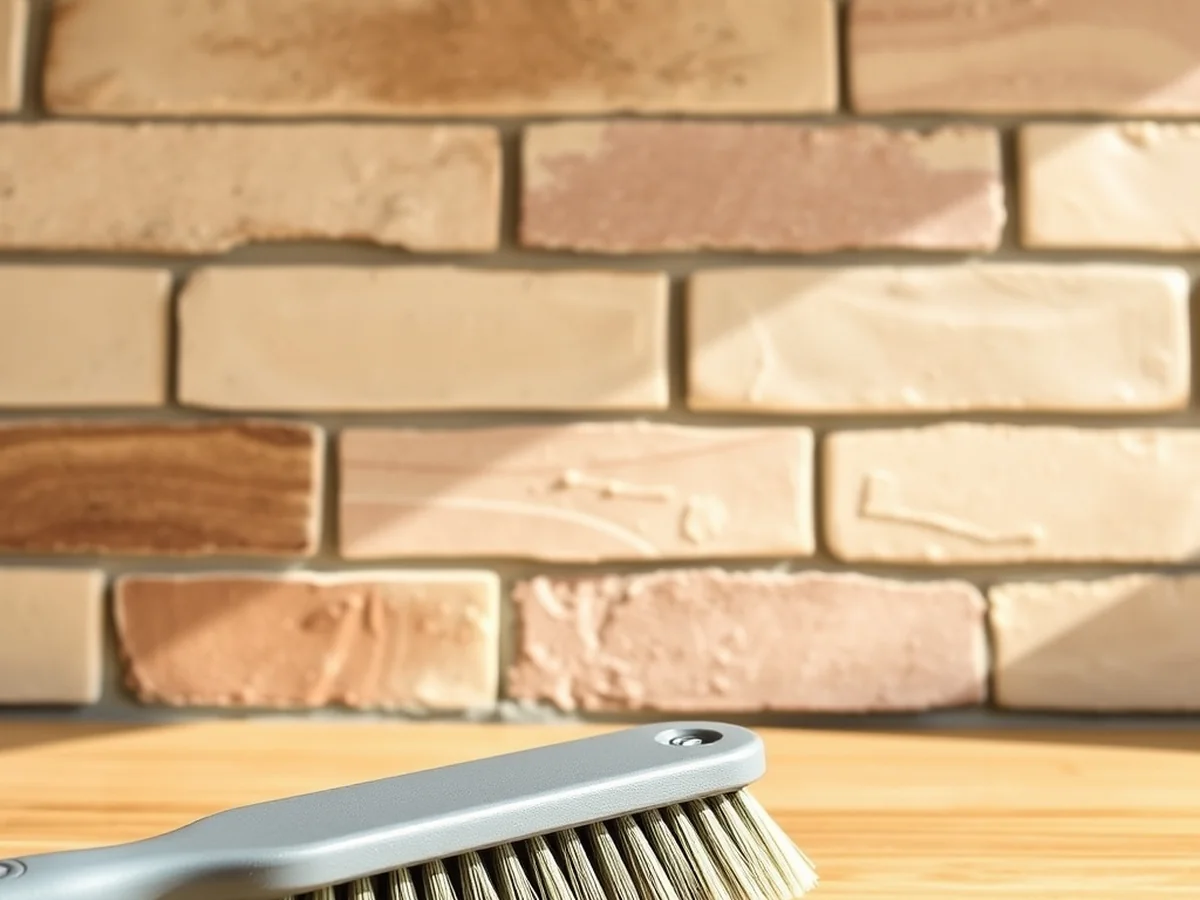
You spent hours installing your brick backsplash kitchen only to worry about how that beautiful texture will handle cooking grease. A soft-bristled nylon brush is your best friend here because it reaches into the crevices without damaging the surface. I suggest keeping one with a long handle in a drawer near the sink for quick touchups after frying bacon. If you notice dust or crumbs, a light vacuuming with a soft brush attachment works perfectly.
Managing deep grout lines can feel like a chore, but it becomes much simpler if you apply a high-quality sealer immediately after the mortar dries. This creates a protective barrier that keeps liquids from soaking into the material. If you need a deeper clean, mix a solution of one part vinegar to 4 parts water and spray it lightly on the area before scrubbing.
Brick Installation Steps
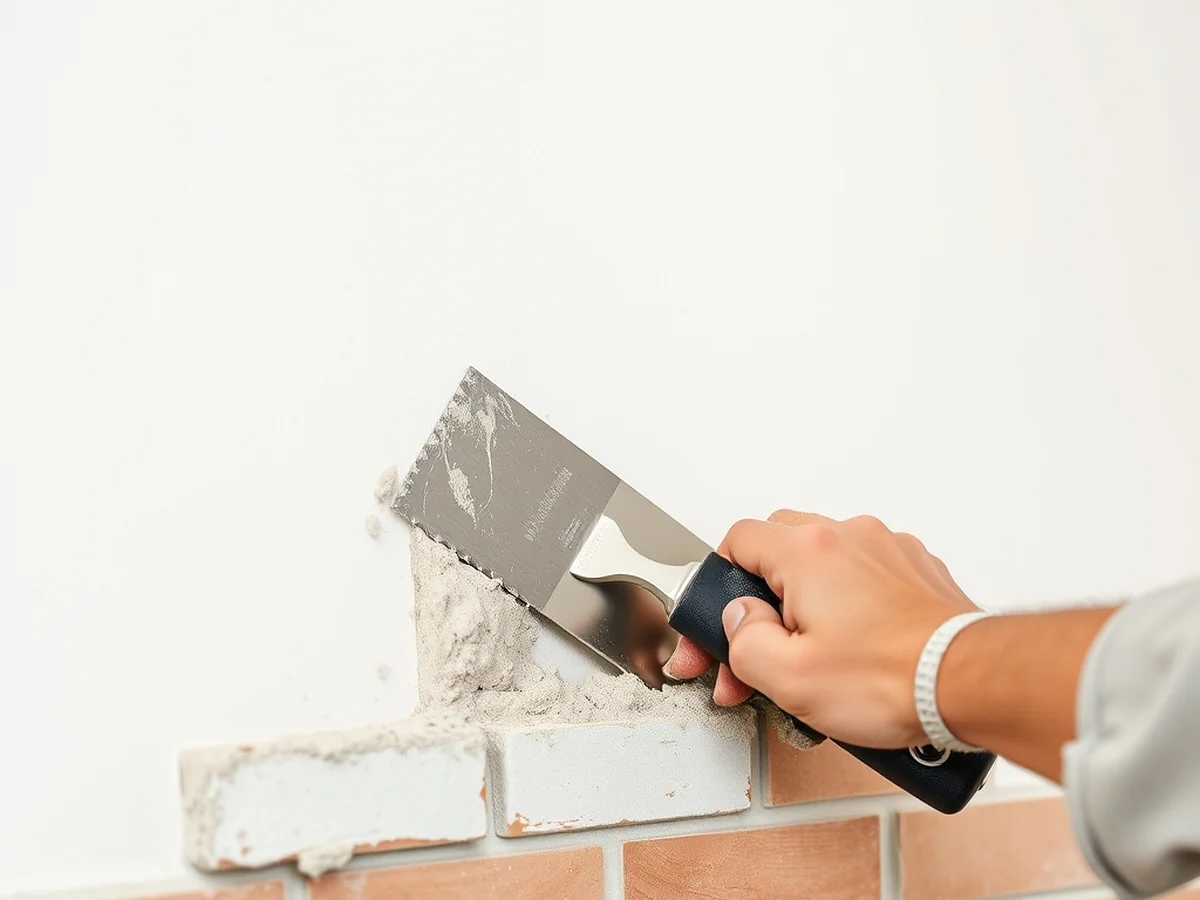
Do you want to install a brick backsplash kitchen surface that lasts for years? You need a notched trowel, a level, thinset mortar, and thin brick veneers to get started. Before you begin, ensure your drywall is clean and free of dust. Use a 1/4 inch notched trowel to spread the mortar evenly across the wall in small sections. This specific size helps create the right ridges for the thin brick to bond firmly to the surface. Press each tile into the mortar with a slight twisting motion to ensure full contact. Work from the bottom up to keep your pattern straight. This method prevents the weight of the tiles from causing them to slide before the mortar sets. Always wipe away excess mortar from the face of the brick immediately.
DIY Versus Professional
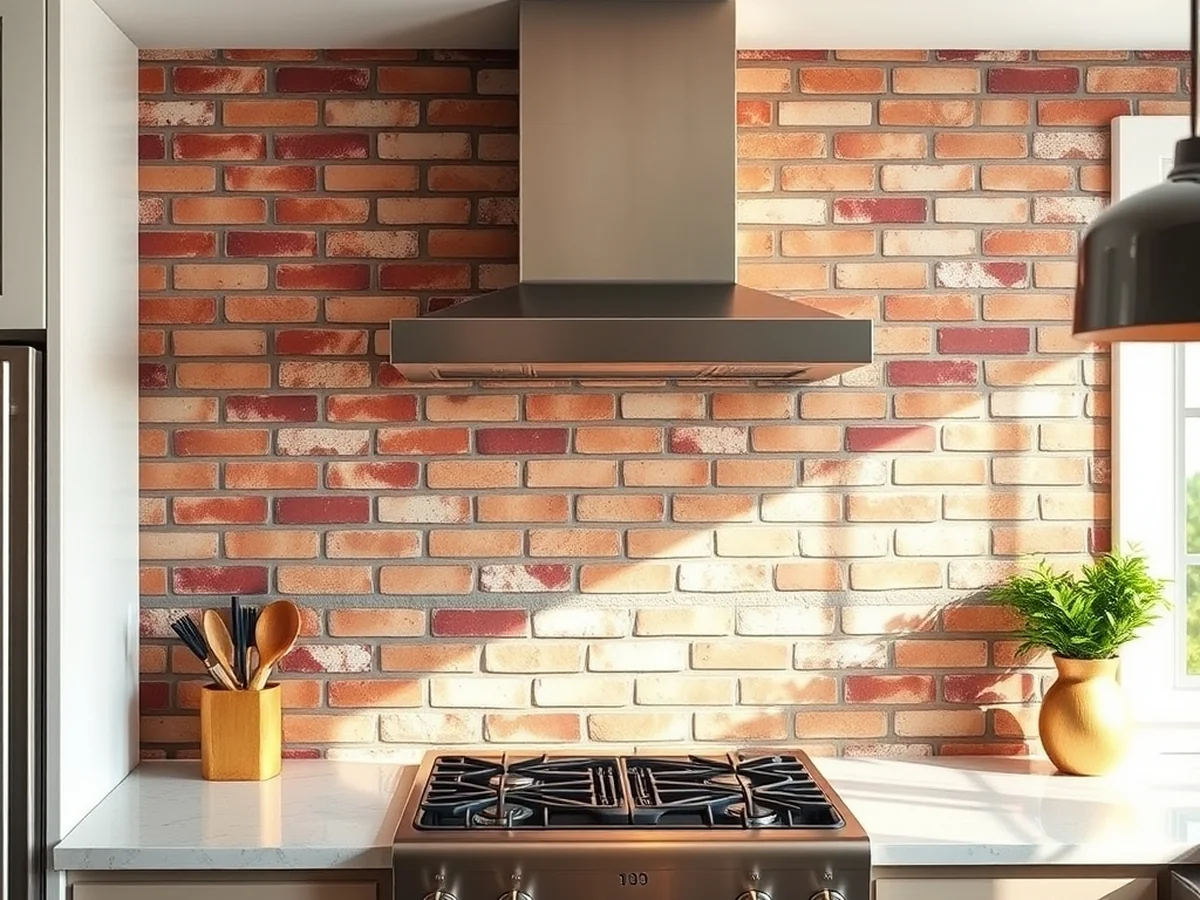
Many homeowners assume installing a brick backsplash kitchen is a simple weekend project, but the reality depends on your comfort with masonry tools and precision work. If you have basic tiling experience, you can handle thin brick installation using standard mortar and spacers. This approach keeps your budget around $5 per square foot for materials. However, achieving a perfectly level layout across a large wall requires patience and an eye for detail.
- Professionals typically charge $15 to $30 per square foot for labor, ensuring clean edges and consistent grout lines.
- DIYers often struggle with the weight of real brick veneer compared to lightweight faux brick panels.
- Experienced installers safely apply the necessary sealer to protect porous surfaces from kitchen grease and moisture.
Brick Backsplash Cost Estimates
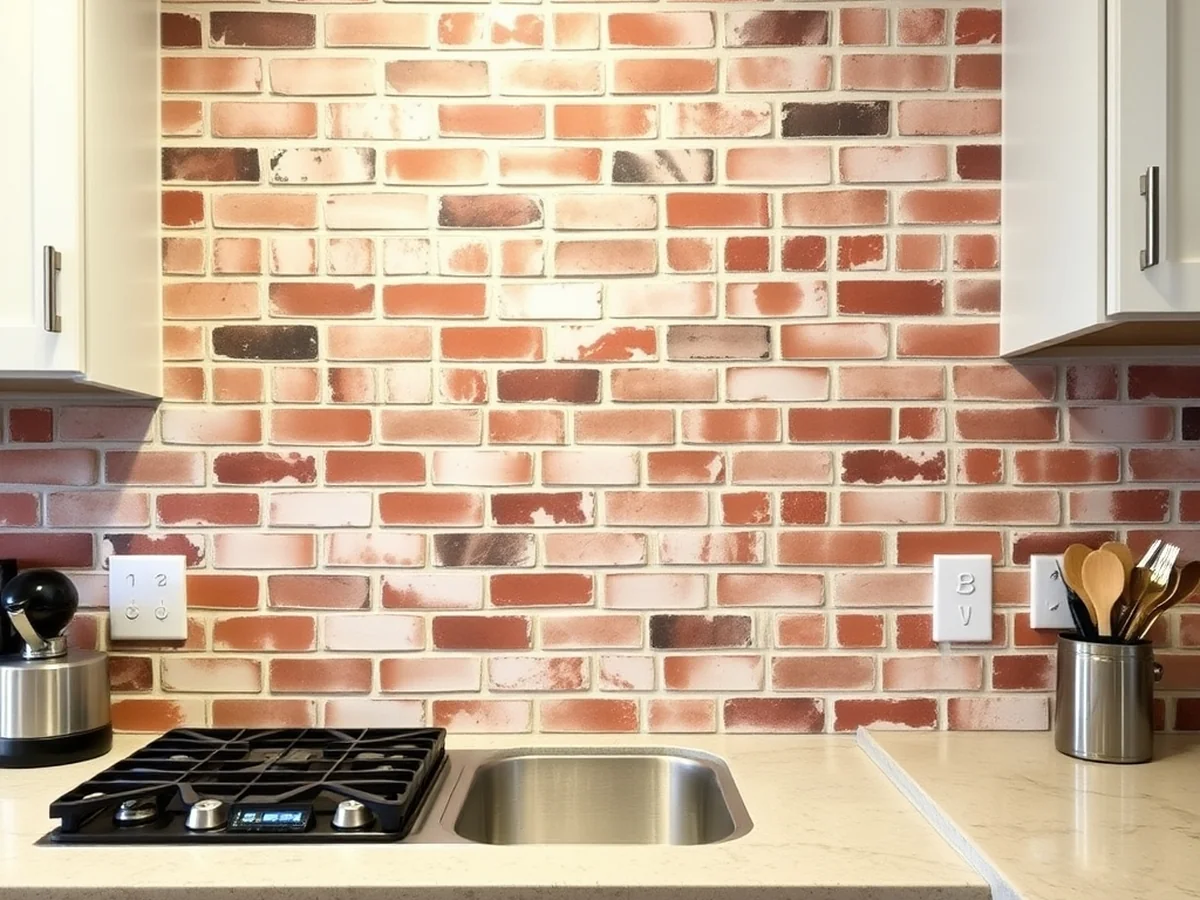
I have found that budgeting for a brick backsplash kitchen requires looking beyond the price of materials to include the labor for proper installation. Expect to spend around $15 to $30 per square foot for professional installation of thin brick veneer. This estimate covers the bricks, mortar, and the essential sealing brick backsplash process. Installing this material behind your stove is a smart design choice because brick handles heat well. Just ensure you use a fire rated mortar and maintain a small gap between the burners and the wall. Since brick is porous, applying a high quality clear sealer is vital to keep your backsplash clean. This protects the surface from grease splatters and makes wiping down the area much easier during your daily cleanup.
Small Kitchen Brick
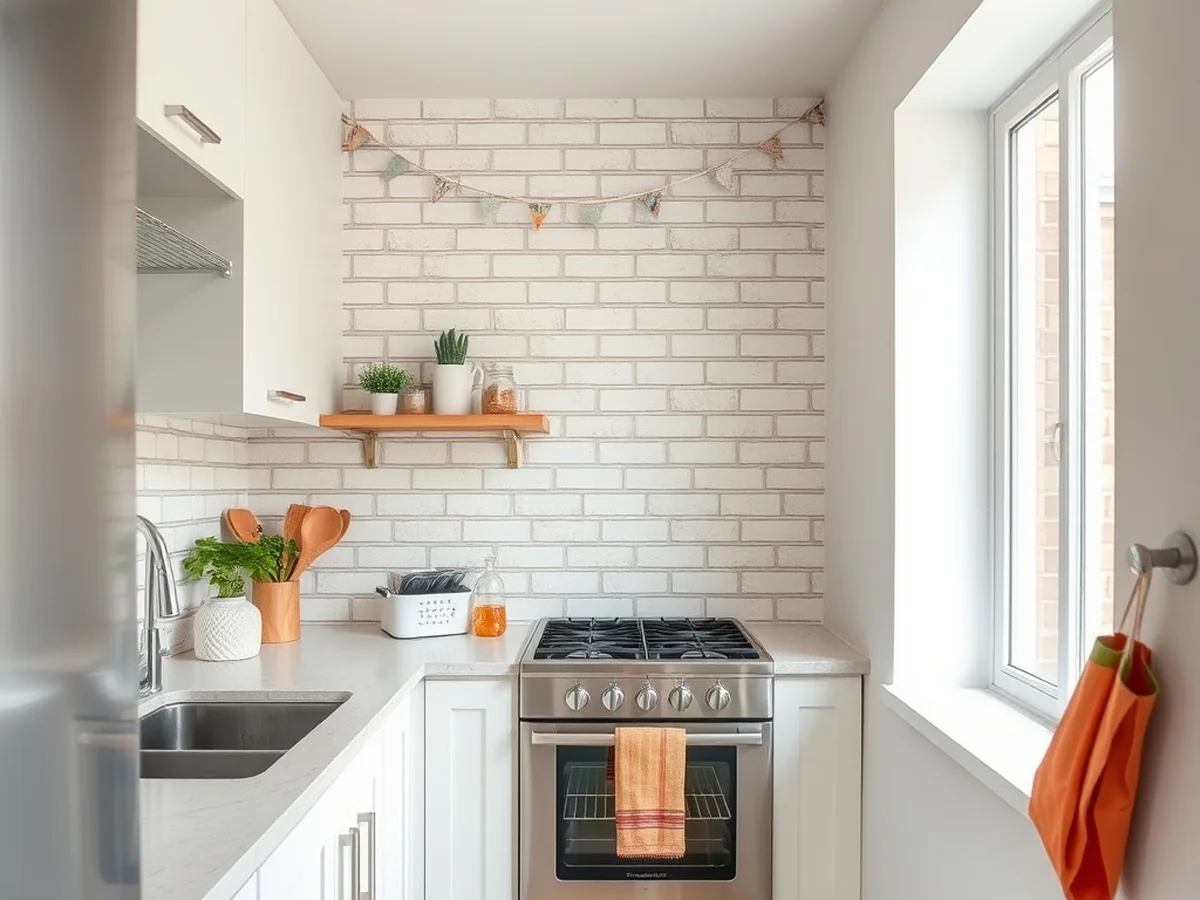
Choose thin brick veneer to save precious inches in a compact room while still adding architectural charm. Thick materials can overwhelm small walls, but a half-inch profile keeps your space feeling open. If you worry about a heavy look, apply a light white-wash to your brick backsplash kitchen. This soft finish reflects natural light and prevents the area from feeling like a dark cave. You can install these lightweight tiles directly over existing drywall for a quick update that avoids major construction. Use under-cabinet LED strips with a 3000K warm temperature to highlight the grout lines and rough texture of each brick. This strategic lighting creates depth and interest without making the kitchen feel crowded or visually cluttered.
Brick Backsplash Lighting
As the days grow shorter during autumn, you will notice your brick backsplash kitchen absorbs more light than smooth subway tile. Because brick is naturally porous and textured, it traps shadows that can make a cooking area feel dim. To counter this, install under cabinet LED strips with a colour temperature of 2700K to 3000K. These warm bulbs highlight the natural red or white-wash tones in the thin brick rather than washing them out. If you have a large kitchen island, add two pendant lights overhead to bounce illumination off the veneer surface. I have found that avoiding cool white bulbs is best, as they make the brick appear grey and clinical. Aim for 500 lumens per foot of cabinet space to maintain a cozy glow in your home.
For another perspective, this detailed piece on Thin Brick for Backsplash Collection Online is worth a read.
FAQ
Is cleaning a brick backsplash difficult?
A brick backsplash kitchen needs regular care because the rough texture traps grease. Vacuum the surface monthly using a soft brush attachment and scrub stubborn spots with a mixture of warm water and mild dish soap using a stiff nylon brush.
How do I seal the surface?
You must apply a high quality penetrating sealer to your thin brick after the mortar has fully cured, which usually takes about 28 days. This invisible barrier prevents grease and liquid from soaking into the porous material without changing its natural matte finish.
Can I install brick over drywall?
You can install brick veneer directly over existing drywall as long as the wall is clean, dry, and structurally sound. Use a professional grade construction adhesive or mortar and ensure you account for the extra weight by checking your wall studs if the backsplash covers a large area.
What is the difference between real and faux brick?
Genuine thin brick is cut from real clay and offers authentic depth, while faux panels are often made of lightweight polyurethane. Real brick costs around $8 to $12 per square foot, providing a more convincing industrial aesthetic, whereas faux options are cheaper and faster to install but lack the same tactile texture.
Will brick make my kitchen look small?
Using a white-wash finish or lighter clay tones prevents a small kitchen from feeling cramped or dark. These lighter colors reflect light back into the room and pair beautifully with modern cabinetry to maintain a bright and airy atmosphere.
You might also like: 22 Outdoor Kitchen Ideas for Every Backyard and Budget
Key Takeaways
A brick backsplash kitchen requires slightly more attention than smooth subway tile because the porous surface traps grease and cooking splatters.
- Seal your surface with a high quality matte penetrating sealer to block liquids without changing the original color or texture of your thin brick.
- Use a stiff brush and a simple mixture of warm water and mild dish soap to scrub away residue from your brick backsplash kitchen every few months.
- Choose your grout carefully because the mortar lines define the overall look. A light grey or white grout creates a clean, modern farmhouse vibe.
- Consider thin brick veneer as a lightweight alternative to full bricks, which typically cost around $8 to $12 per square foot for materials.
- Balance the texture by pairing raw brick with smooth countertops or minimalist cabinetry to keep your kitchen feeling open and inviting.
Save this guide to your Pinterest board to keep these styling tips handy for your next home project.





One Comment