21 Easter Basket Ideas Kids Will Be Excited to Open
Introduction
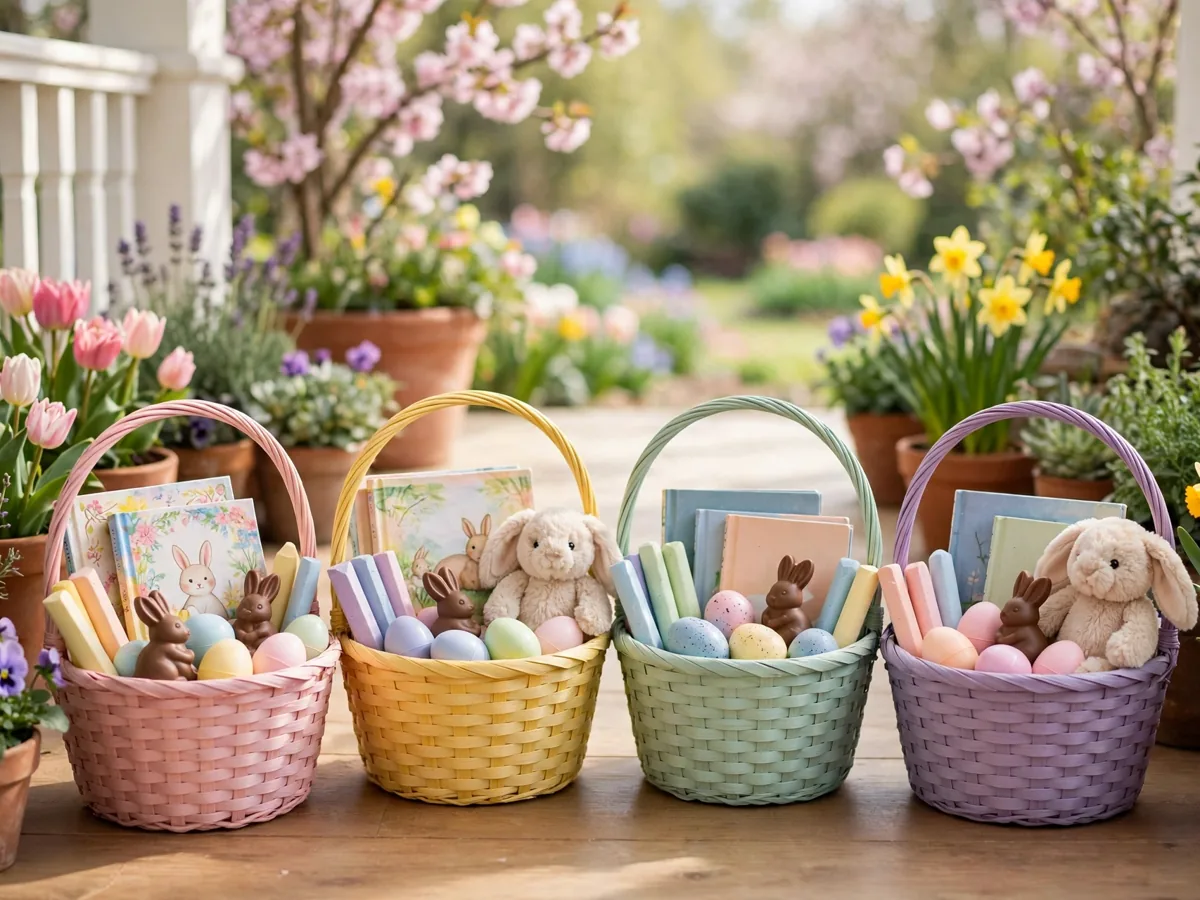
The baskets kids remember are rarely the biggest ones. They are the ones that feel chosen for them: a book about their favorite animal, chalk in their favorite color, a small garden kit with their name on a tag. These easter basket ideas focus on that feeling, mixing a few treats with books, play, and practical spring pieces kids will use for months.
Build each basket in layers. Start with a container that can be reused, add one anchor item like a book or outdoor toy, fill gaps with small activities and snacks, and finish with a little paper grass and a name tag. That formula works for babies through tweens with simple swaps.
Keep age and safety front and center. For children under 3, skip small parts, small balls, marbles, and small candy that can be choking hazards, and choose soft, large, age-appropriate items instead. Keep perishable treats refrigerated until the basket goes out, and use plastic eggs for hunts rather than real eggs meant for eating.
1. Build a Classic Treat Basket With Balance

Start with the classics: a chocolate bunny or a few favorite candies, jelly beans in a small bag, and plastic eggs with stickers or coins inside. Then balance the sugar with a book, bubbles, and one small toy so the basket is not finished in ten minutes.
A balanced classic basket satisfies tradition without an all-candy crash later in the day. Keep chocolate somewhere cool so it does not melt before morning. This simple formula is the starting point for most easter basket ideas for kids, and you can theme it from here.
2. Fill a Baby First Easter Basket

For a baby, choose a soft fabric basket with a board book, a teether, a plush bunny with no small detachable parts, soft socks, and a bath toy. Everything should be made for infants and checked for loose pieces before it goes in.
Babies experience Easter through parents photos and gentle play, so comfort and safety matter more than quantity. Avoid small candy, small toys, and anything with strings or cords that do not belong in a crib. A sweet photo of baby with the basket is the real keepsake from this first year.
3. Make a Toddler Basket Without the Choking Hazards
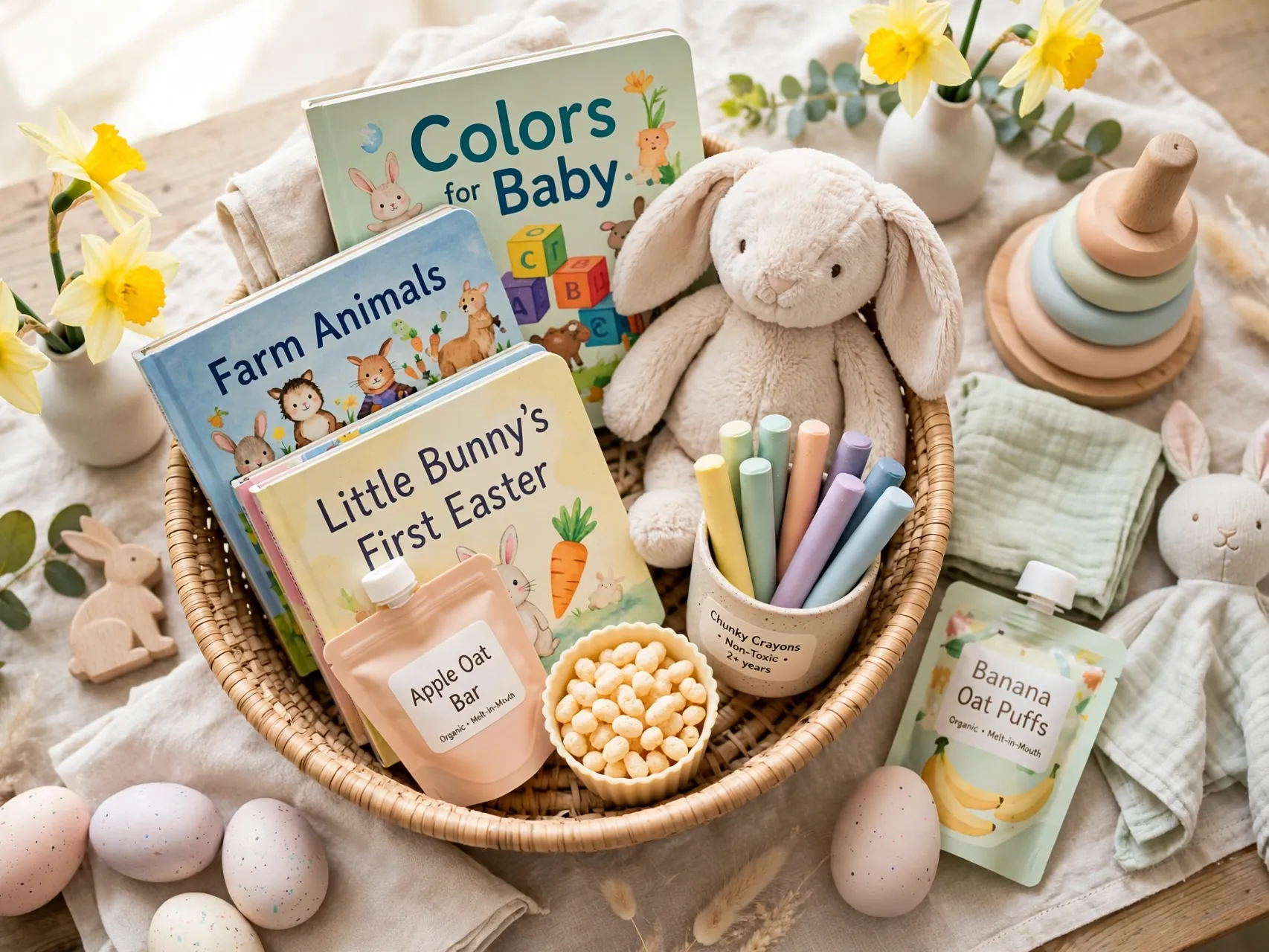
Fill a toddler basket with bubbles, chunky crayons, a board book, a sippy cup, soft snacks made for toddlers, a small ball too large to be a choking hazard, and a stuffed animal. Keep every item large, soft, or made for this age group.
Skip jelly beans, small chocolate eggs, marbles, tiny toys, and uninflated balloons for under-3s. Read age labels and choose items intended for toddlers. These thoughtful easter basket ideas for toddlers keep the excitement and remove the worry, so parents can relax and enjoy the morning too.
4. Create an Art Basket for Little Makers
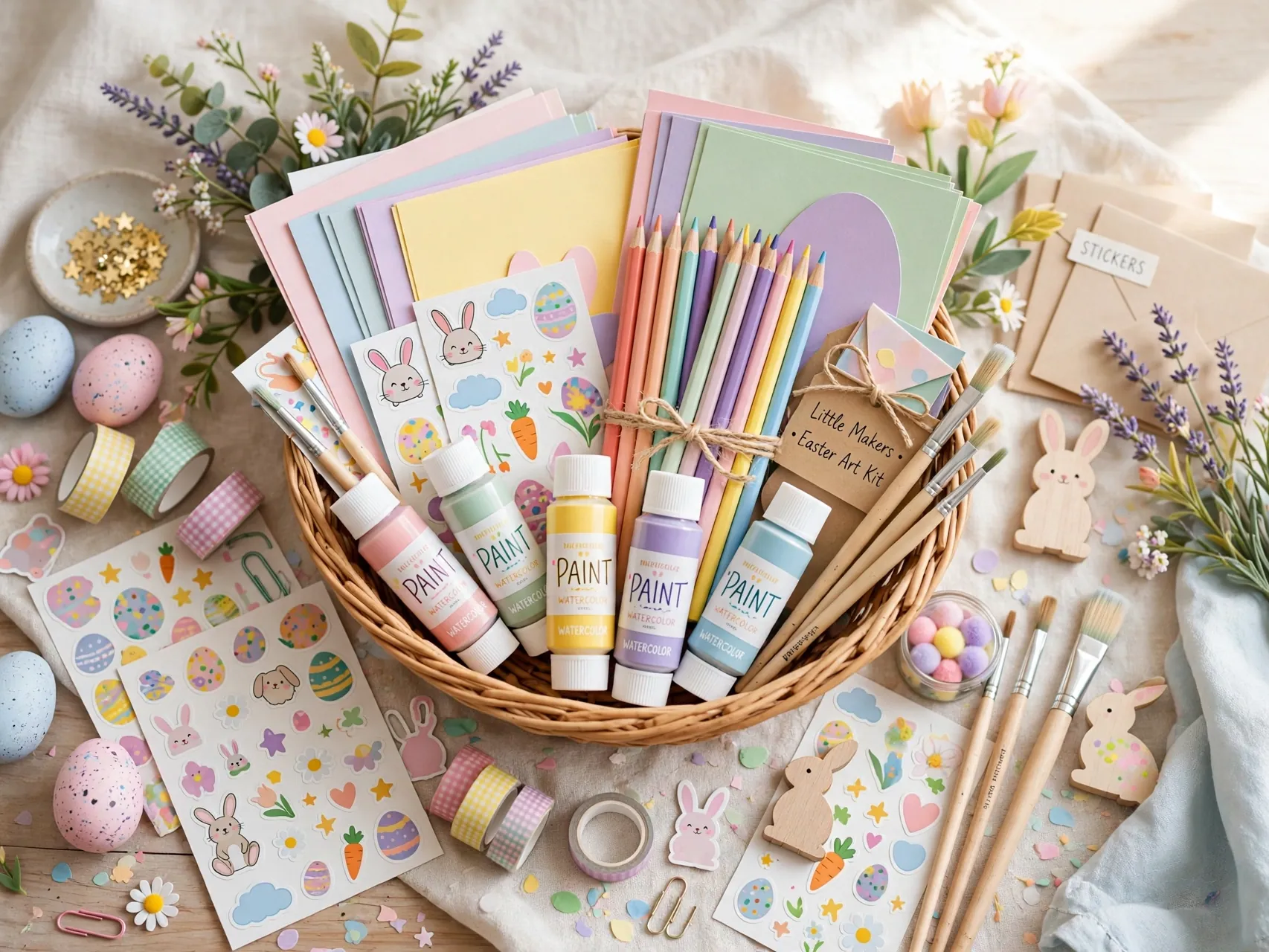
Pack washable markers or crayons, a coloring book, stickers, safety scissors for older preschoolers, a glue stick, and construction paper in a basket or caddy the child can carry to the table. Add one Easter craft kit for a guided project.
Art baskets keep giving long after Easter morning and suit a wide age range. For younger children, choose chunky tools and large stickers and let adults handle cutting. Tie a ribbon around a finished drawing from last year if you have one, it makes a personal topper no store item can match.
5. Put Together a Garden Basket
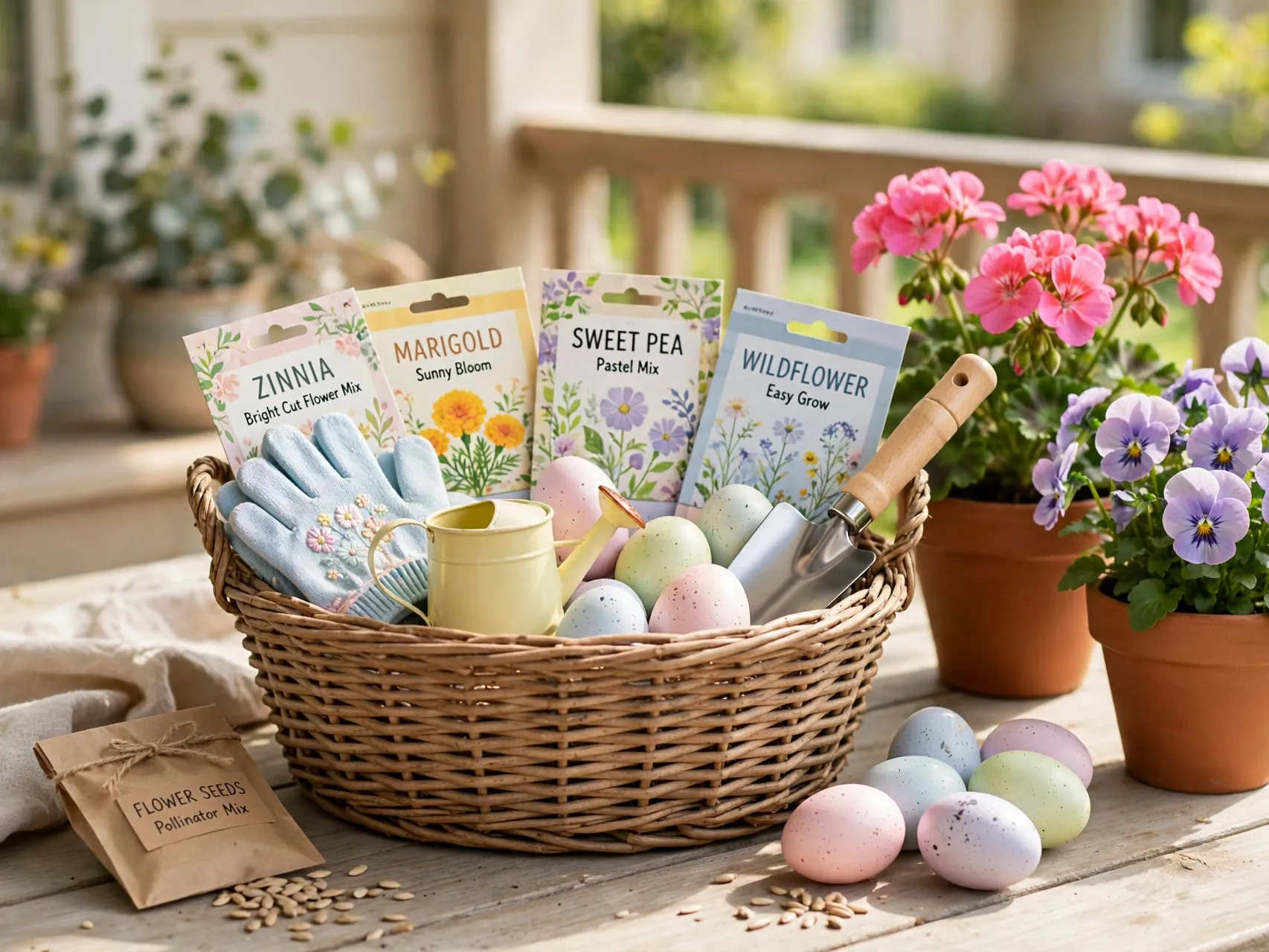
Use a small watering can, bucket, or basket as the container and fill it with kid-size garden gloves, simple tools with adult supervision, seed packets for easy growers like sunflowers or radishes, and a small plant marker with the child name.
Garden baskets turn Easter into the start of a season-long project. Choose seeds suited to your climate and a sunny spot the child can reach for watering. An adult should handle tools and soil products, and hands get washed after planting. Watching a seed they planted sprout is a gift that keeps unfolding.
6. Kick Off Summer With a Beach and Pool Basket
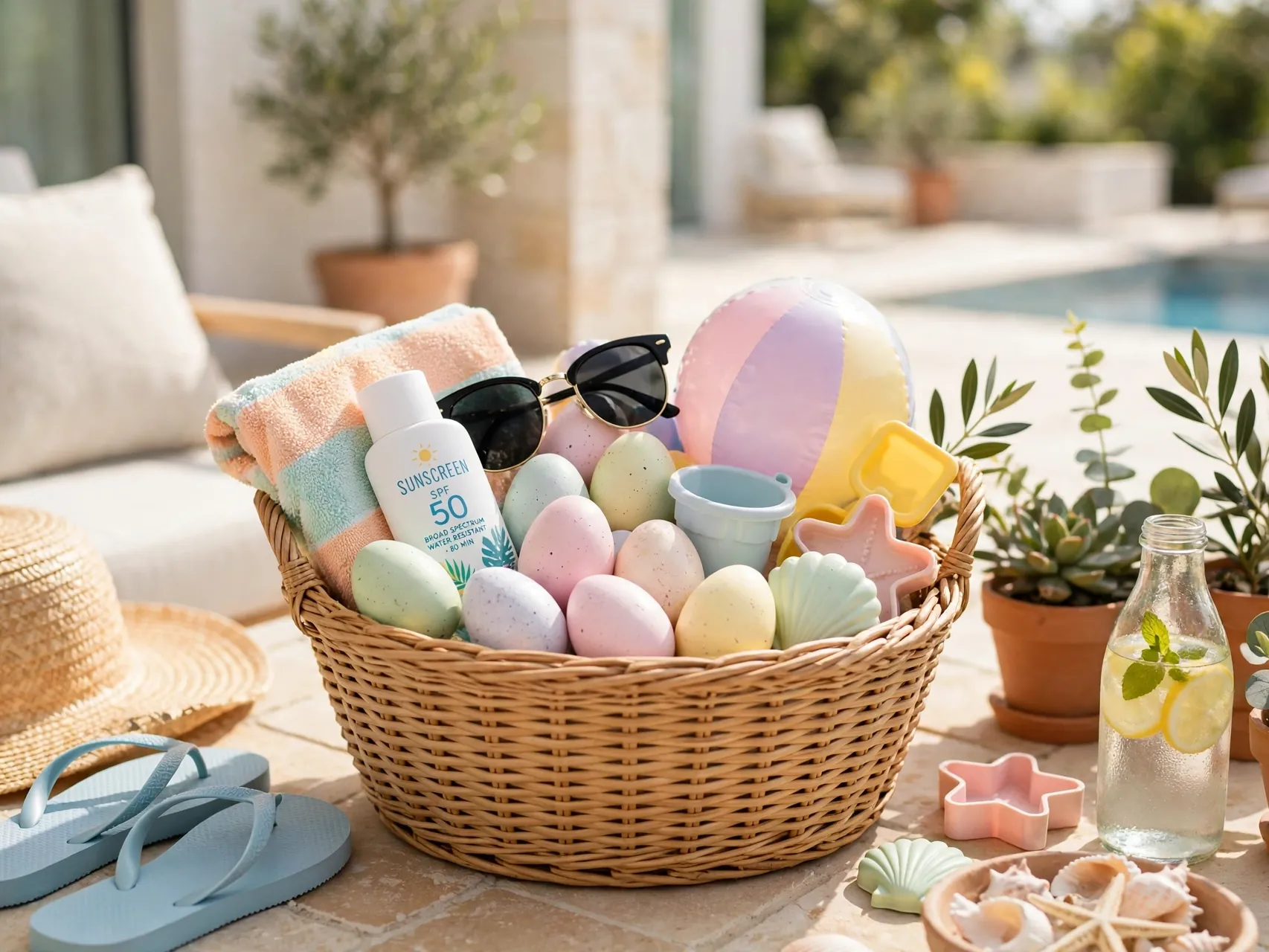
Use a beach bucket as the basket and add sunglasses, a swimsuit, sandals, a small beach towel, sunscreen chosen for kids, and a water toy. It is a practical basket families return to every year because everything gets used.
Easter falls right when last year swim gear is outgrown, so this basket solves real shopping while still feeling like a present. Check sizes before you buy and keep tags on until morning. Add one treat and a book for the full basket feeling without any filler that will be forgotten by May.
7. Fill an Outdoor Play Basket

Bubbles, sidewalk chalk, a jump rope for older kids, a frisbee, and a small kite or ball make a basket built for spring weather. Use a tote or open basket so kids can carry everything outside in one trip.
Outdoor baskets are ideal when you want less candy and more movement. Choose chalk and bubbles sized for the child age, and supervise younger children with ropes and small parts. After the hunt, this basket sends everyone straight into the yard, which is exactly where a spring morning should be spent.
8. Make a Book Lover Basket

Anchor the basket with one or two books matched to the child reading level, a bookmark, a small reading light for older kids, and a snack for reading time. Add a library card holder or a note promising a bookstore trip together.
For babies and toddlers, board books with spring animals are perfect. For early readers, choose a bunny or garden story at their level so they can show off new skills. Books make baskets feel substantial without much cost, especially from library sales and discount shelves, and they last for years.
9. Build a Baking Basket for Kitchen Helpers

Fill a mixing bowl or basket with a kid apron, cookie cutters in egg and bunny shapes, sprinkles, cupcake liners, and a simple recipe card you will make together that weekend. The basket is really an invitation to bake side by side.
An adult handles the oven and hot pans while kids measure, pour, and decorate. Wash hands before baking and keep raw flour and batter away from little tasters. Baking baskets suit kids who love helping in the kitchen and create a finished treat the whole family shares.
10. Choose a Non-Candy Basket That Still Feels Fun

Skip candy entirely and fill the basket with play dough, stickers, temporary tattoos made for kids, a puzzle, hair accessories, socks with a fun pattern, and fruit snacks or crackers if you want an edible element. Color and variety make it feel generous.
Non-candy baskets help with allergies, braces, family preferences, and classrooms with food rules. Always check labels if allergies are a concern and ask parents before giving food to other children. These non candy easter basket ideas prove a basket does not need sugar to get a big morning reaction.
11. Theme a Basket Around a Favorite Animal
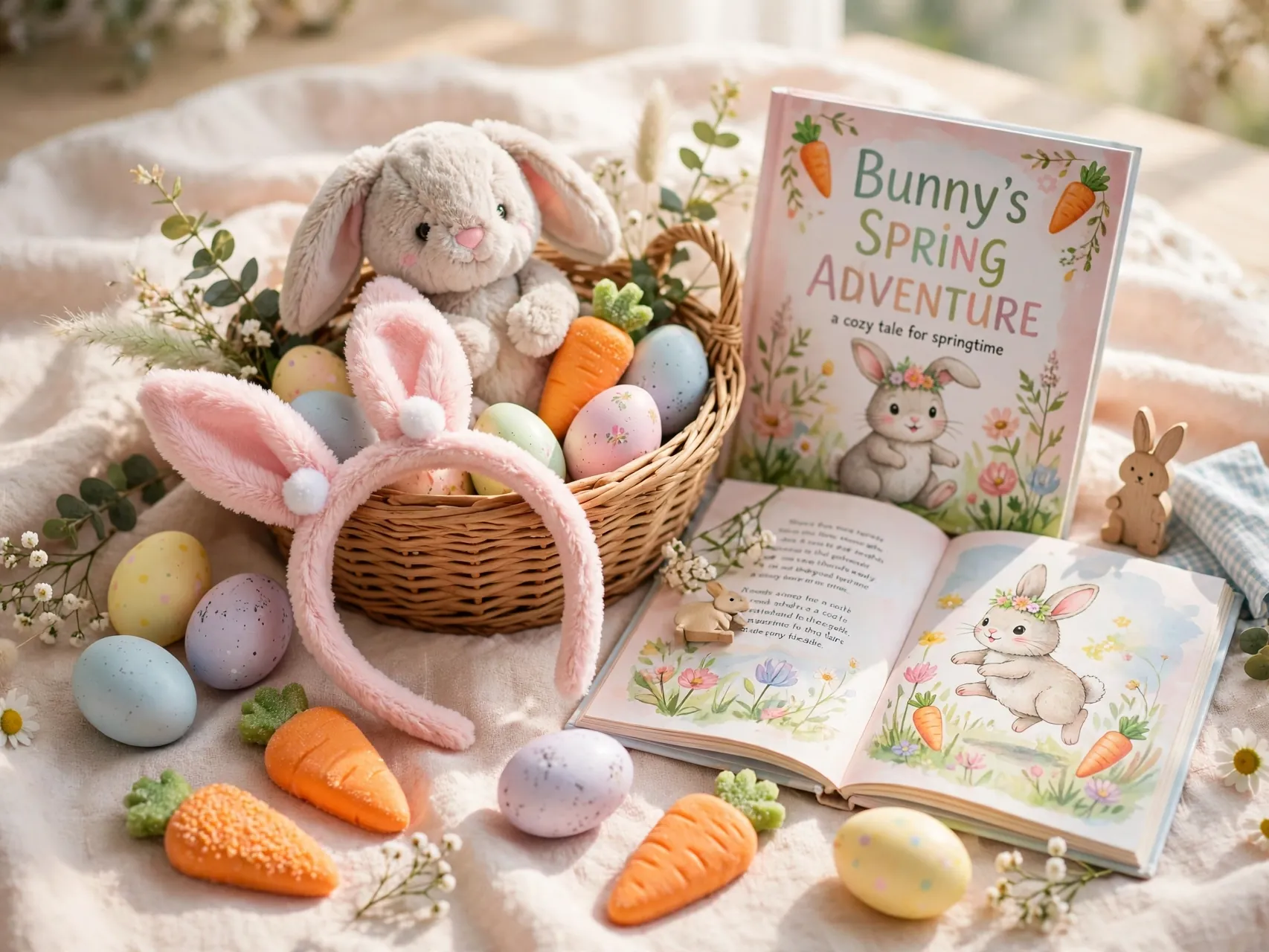
Pick the animal your child is currently obsessed with, a kitten, dinosaur, bunny, or butterfly, and gather a small plush, a book, a puzzle or craft, and snacks or socks in that theme. A simple color scheme ties the pieces together.
Themed baskets feel personal because they show you noticed what the child loves right now. You do not need many items, three or four themed pieces plus basics read as a complete basket. Add a name tag shaped like the animal for the finishing touch kids always point out first.
12. Make a Rainy Day Activity Basket

Pack a puzzle suited to the child age, an activity or sticker book, playing cards or a simple board game, crayons, and a cozy pair of socks. This basket is built for the inevitable rainy spring weekend after Easter.
Choose puzzles with pieces large enough for the child age and avoid tiny game pieces around children under 3. A rainy day basket also makes a thoughtful gift for cousins and friends, because it gives parents a ready activity. Add hot cocoa packets for older kids if your family enjoys them.
13. Fill Plastic Eggs With Non-Food Surprises
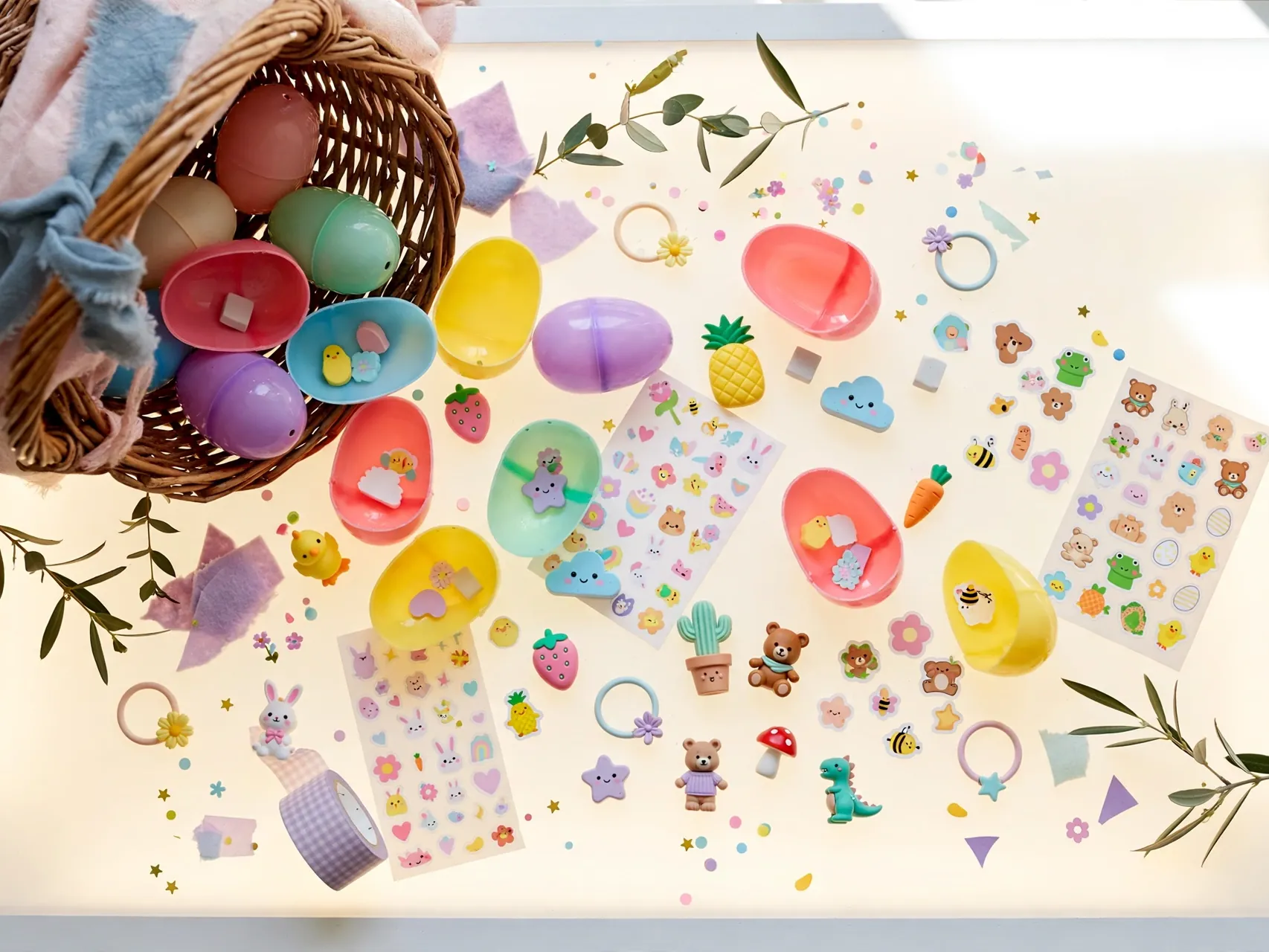
Instead of candy in every egg, fill larger plastic eggs with stickers, temporary tattoos, small erasers, hair clips, puzzle pieces from one puzzle split across eggs, or notes with clues and kind messages. Mix in a few treat eggs if you like.
Check every filler for age fit: anything small enough to be a choking hazard stays out of baskets and hunts for children under 3. Splitting one puzzle across eggs turns opening the basket into a game that continues at the table, which older kids especially enjoy.
14. Create a Preschool Learning Basket
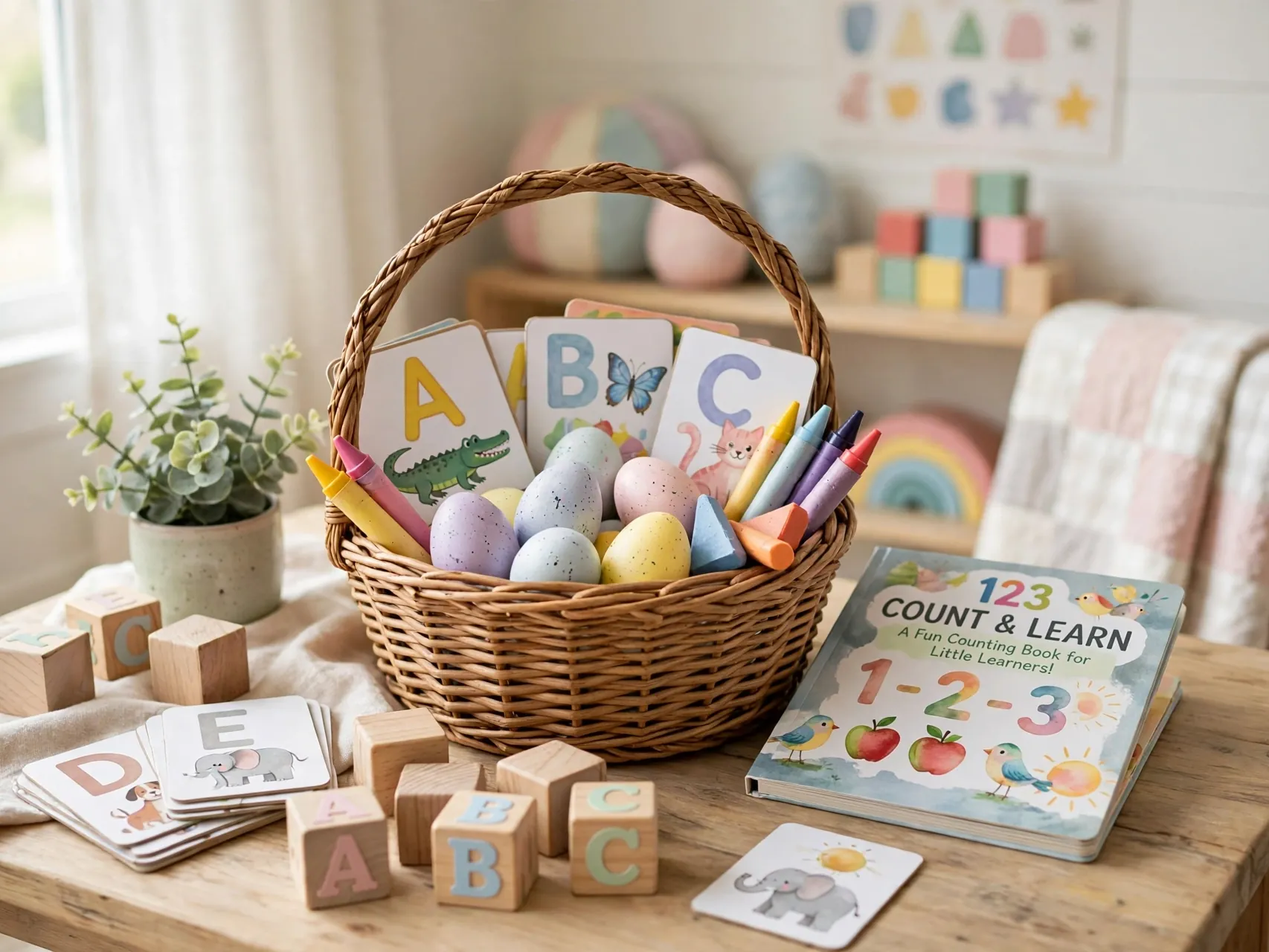
Add chunky counting toys made for preschoolers, an alphabet or number tracing book, washable dot markers, shape stickers, and a spring storybook. Keep it playful, this is a basket, not homework, so lead with the story and stickers.
Learning baskets work well for children starting school in the fall. Choose items labeled for their age and avoid small counters and beads for younger siblings who may share the space. A magnifying glass for garden exploring bridges learning and outdoor play in one simple, sturdy tool.
15. Build a Tween Basket That Does Not Feel Babyish
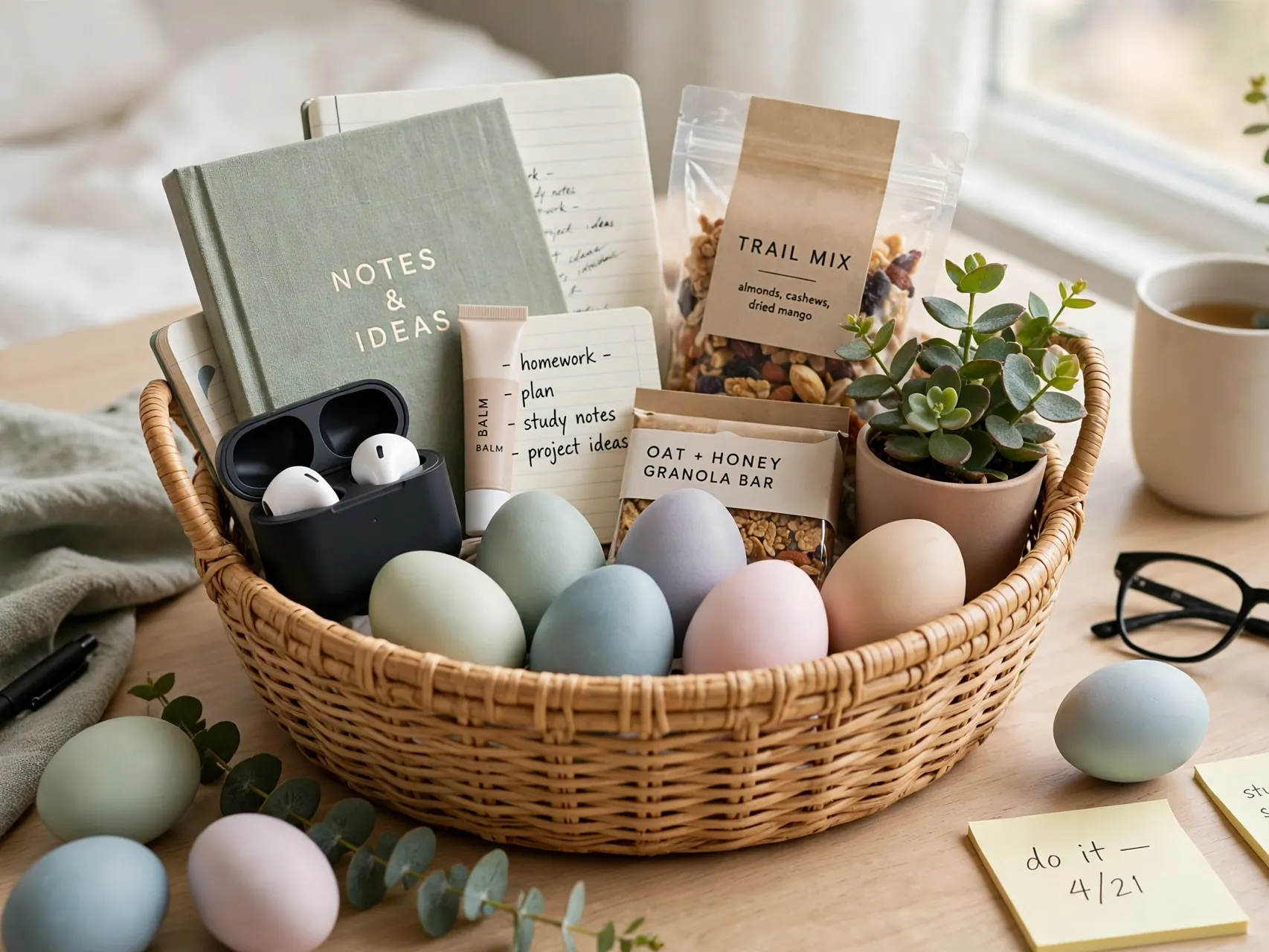
For older kids, use a tote, cap, or storage bin as the container and add a chapter book or graphic novel, a journal and nice pen, lip balm, hair ties or a cap, a card game, and their favorite treat in a modest amount.
Tweens still love the tradition, they just want it to respect their age. Let the container be something they will use at school or sports. A gift card for a small amount tucked in an egg is often the most exciting find. Keep the bunny tag, some traditions are worth keeping at every age.
16. Use a Reusable Container as Part of the Gift
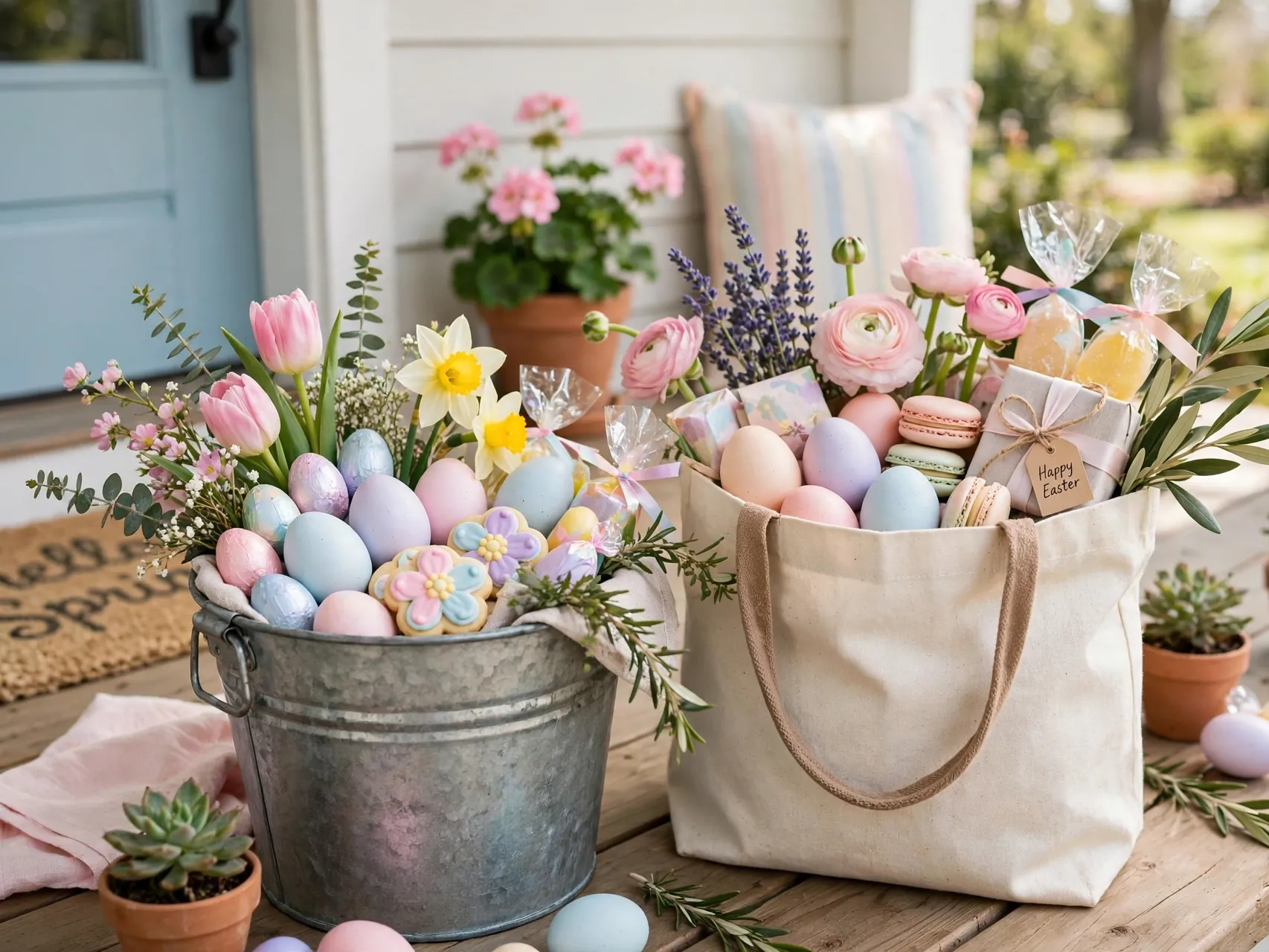
Swap the single-use basket for a beach bucket, garden tote, book bin, lunch bag, or fabric storage cube the child will use all year. Fill it the same way, with grass or tissue at the base and the anchor item standing tall at the back.
Reusable containers cut waste and storage clutter, since nothing needs a closet shelf until next Easter. Wire and fabric bins move straight to toy or book storage. If you love the classic basket look, choose a sturdy one and reuse it every year as a family tradition piece.
17. Make a Cousin or Classroom Mini Basket
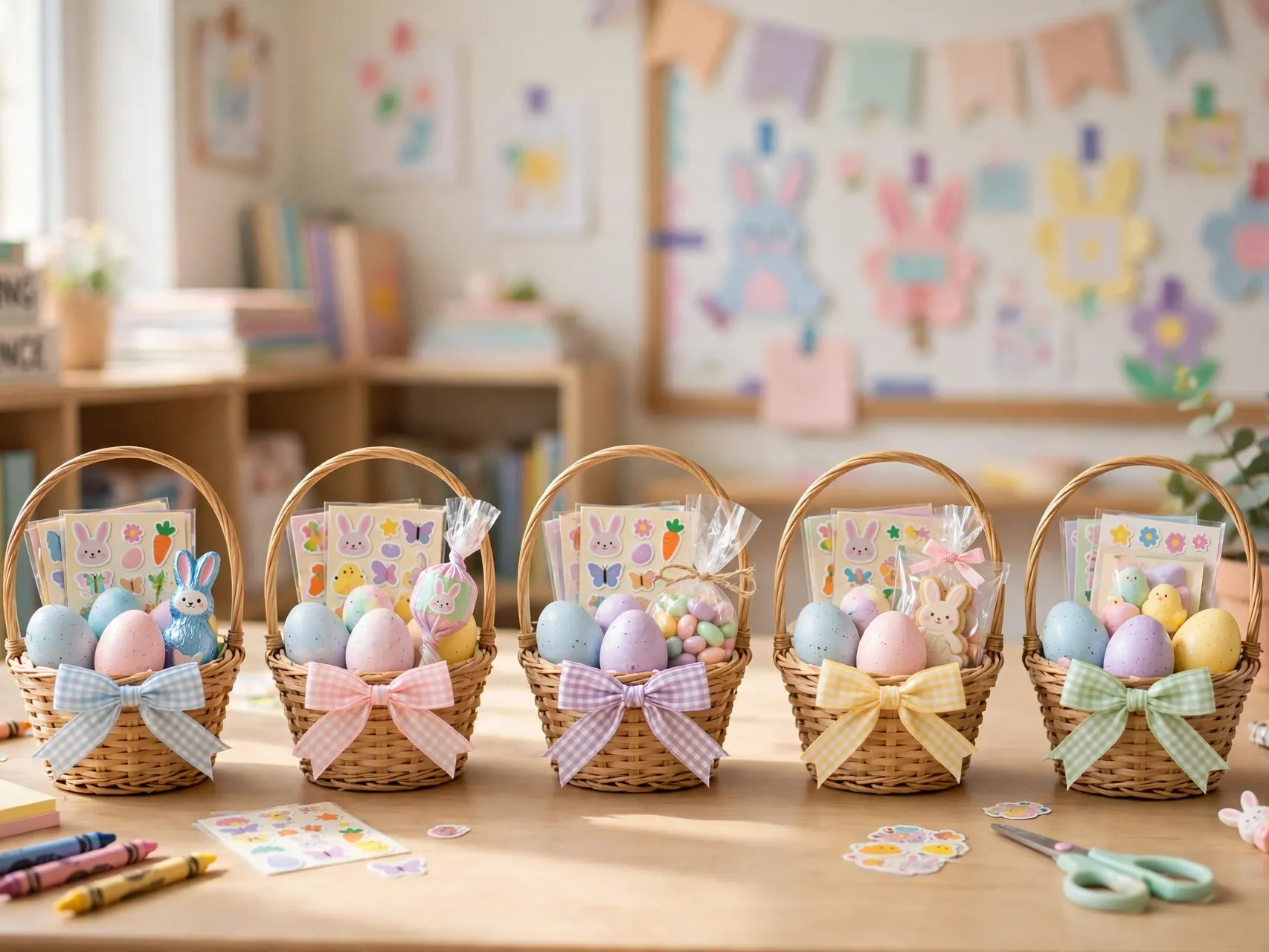
For gifting beyond your own kids, make small matching baskets or bags with a sticker sheet, a few treats cleared with parents, a crayon pack, and a paper craft. Mini baskets let you share the tradition widely without a large spend per child.
Check food allergies and school rules before including any edible items, and default to non-food fillers when you are unsure. A handwritten name tag makes each mini basket feel personal. Deliver them in one tote and let each child find their name, which becomes a mini hunt of its own.
18. Add a Healthy Snacks Basket Mix
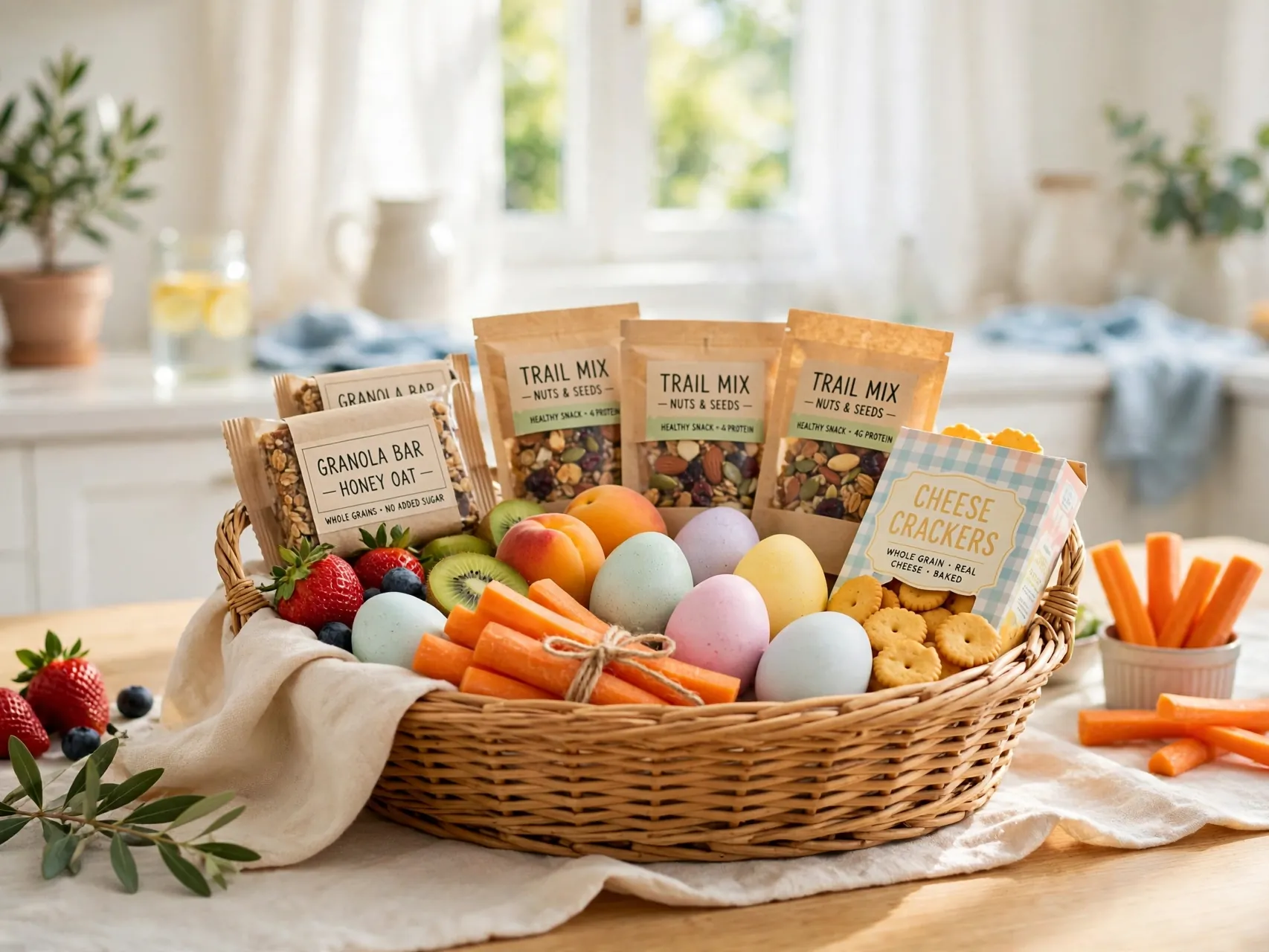
Balance treats with fruit leather, applesauce pouches made for kids, whole grain crackers, dried fruit for older children, cheese crackers, and a clementine or two for color. Add one small chocolate item so the basket still feels like Easter.
Read labels for allergies, avoid hard small snacks for toddlers, and keep perishable items refrigerated until the basket is given. Dried fruit and nuts can be choking hazards for young children, so save those for older kids. A colorful, varied snack mix keeps energy steadier through a busy holiday morning.
19. Plan a Treasure Hunt Basket
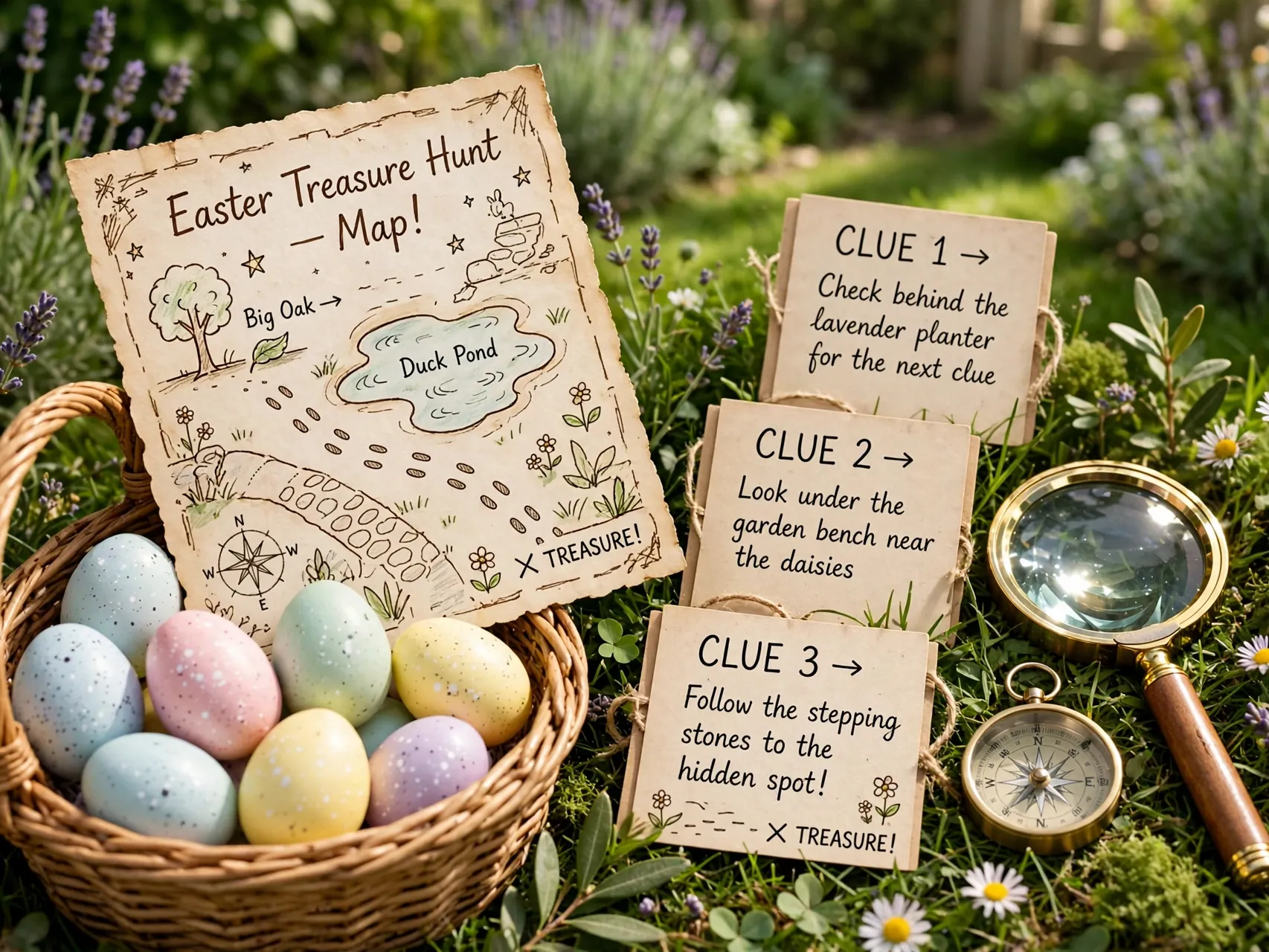
Give a basket with only a first clue egg inside, then hide the remaining items or eggs around the house and yard with simple picture or written clues leading to each one. The final stop holds the book or main gift with a congratulations note.
Picture clues work for pre-readers, riddles work for older kids. Keep hunts away from streets, pools, and off-limit rooms, and supervise young children outdoors. Use plastic eggs for hunts, not real eggs meant for eating. A hunt stretches five gifts into twenty minutes of excitement and becomes the story of the day.
20. Personalize Baskets With Names and Tags
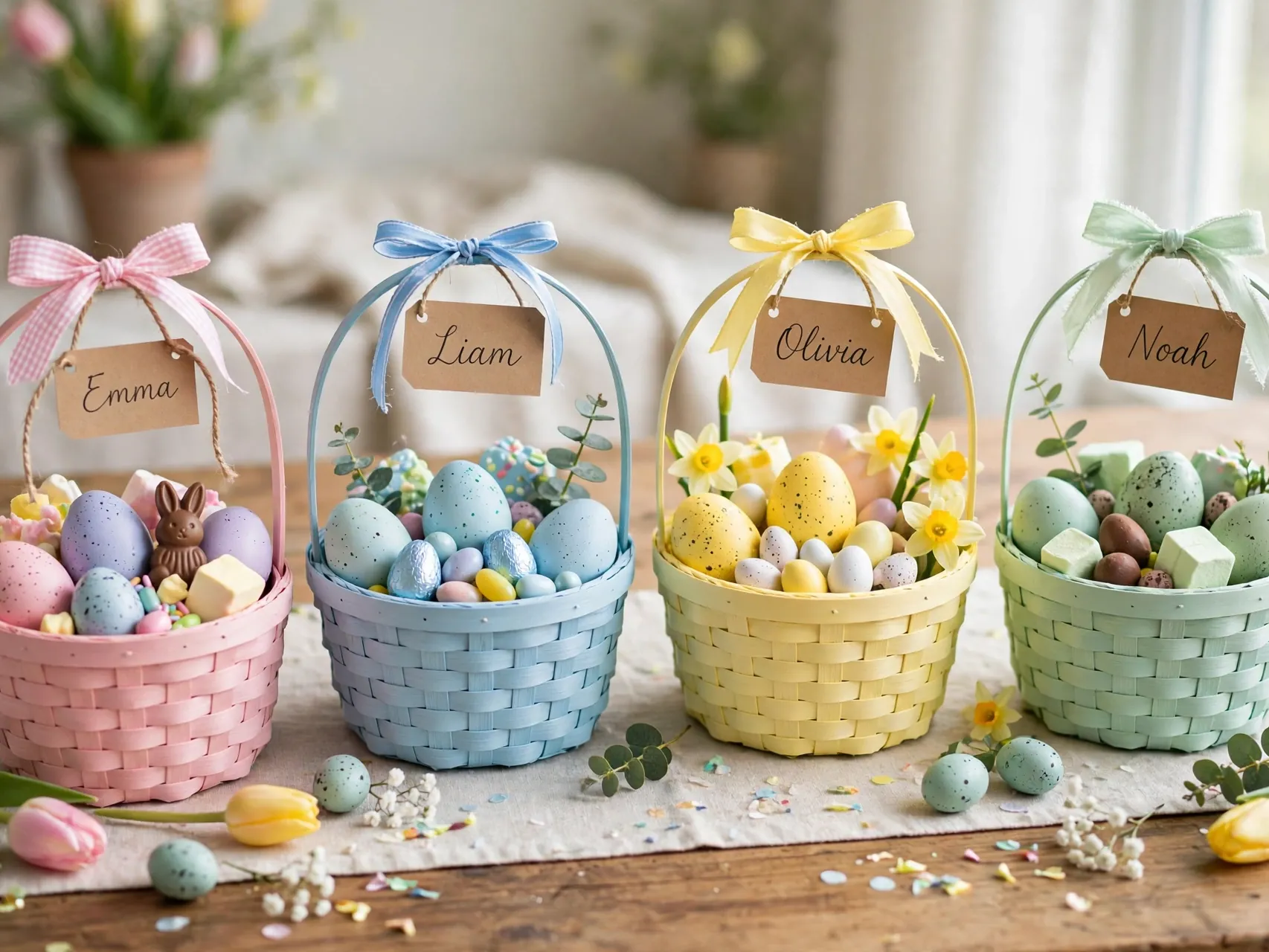
Tie a large name tag, wooden initial, or photo tag to each basket handle. Inside, add one item that could only be for that child: their favorite color, a note in your handwriting, or a small item tied to a recent interest or achievement.
Personal touches are what separate a basket kids open from a basket kids remember. Tags also prevent mix-ups between siblings and make morning photos cuter. Reuse sturdy tags each year and update only the note. This finishing step costs almost nothing and does more than any extra candy could.
21. Shop and Assemble Baskets on a Budget
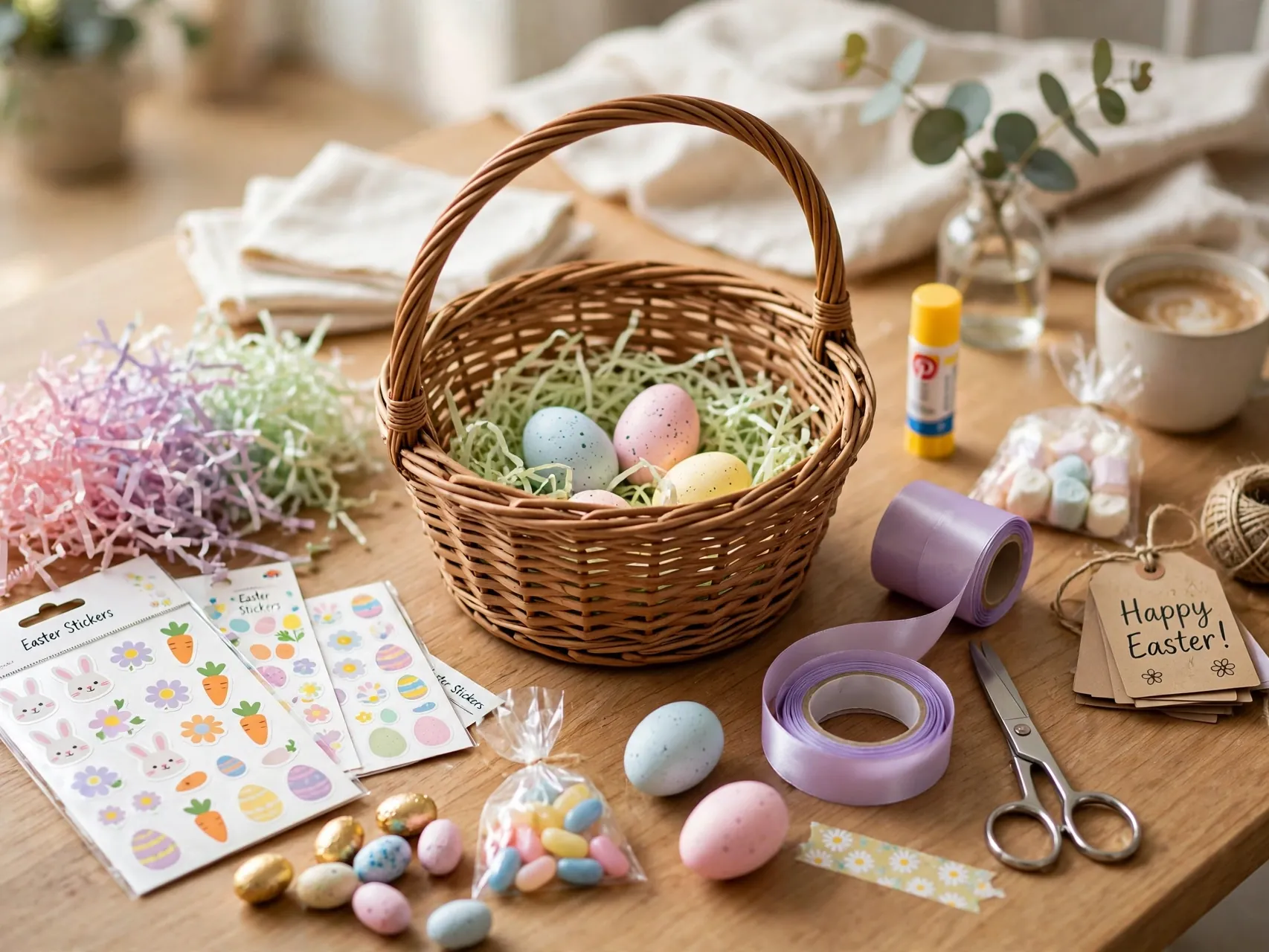
Set a per-basket limit, buy the anchor item first, then fill with dollar-store and discount finds like bubbles, chalk, stickers, and socks. Use tissue or shredded paper you have at home instead of buying filler, and reuse containers and eggs year to year.
Shop a little at a time in the weeks before Easter so small purchases do not stack up at once. Keep a simple list per child to avoid duplicates and last minute overspending. A thoughtful basket built slowly will always beat an expensive one thrown together in a hurry, and kids can tell the difference in the details.
FAQ
What should I put in an Easter basket for a toddler?
Choose large, soft, age-appropriate items: a board book, bubbles with adult help, chunky crayons, a sippy cup, a plush with no small detachable parts, and snacks made for toddlers. Avoid small candy, jelly beans, small balls, marbles, and tiny toys, which can be choking hazards for children under 3.
How can I make an Easter basket without candy?
Fill it with activities and useful spring items instead: books, puzzles, art supplies, bubbles, chalk, a garden or beach kit, fun socks, and a reusable container. Add fruit pouches or crackers if you want something edible. Color, height, and a name tag make a non-candy basket feel just as exciting.
What is a good anchor gift for an Easter basket?
A book matched to the child is the most reliable anchor. Other strong anchors are a beach bucket set, a garden kit, a simple board or card game, a craft kit, or a new swimsuit and towel set for summer. One good anchor plus small fillers beats many small items alone.
How much should I spend on an Easter basket?
There is no required amount. Many thoughtful baskets come together with one anchor item, a few small activities, and a modest treat, especially when you reuse containers and plastic eggs. Set a limit per child, shop over a few weeks, and spend on the personal details rather than volume.
Are real eggs safe to put in Easter baskets?
Real hard-cooked eggs need refrigeration and should not sit in a basket at room temperature for more than two hours. Do not eat eggs used in hunts. For baskets that will sit out for photos and morning play, use plastic or decorative eggs and keep eating eggs safely in the refrigerator.
Key Takeaways
- One anchor, then fillers: A book, game, or seasonal kit gives the basket a center, with small activities and a modest treat around it.
- Match the basket to the age: Toddlers need large, soft, labeled-for-age items with no small candy, small balls, or tiny parts.
- Practical can be exciting: Swim gear, garden tools, and art supplies get used for months, long after candy is gone.
- Personal beats expensive: A name tag, a favorite color, and one item chosen for that child are what kids remember.
- Keep food safe and simple: Refrigerate perishables, use plastic eggs for hunts, and check allergies before gifting food.
- Building baskets this year? Save this guide to Pinterest and pin the basket idea that fits your kid best.