25 Steps on How to Deep Clean a Mattress Like a Pro
Introduction
You shed around 20 ounces of sweat into your bed every single month, making how to deep clean a mattress an essential chore you shouldn’t ignore. If you wake up with a stuffy nose or notice yellow rings on the fabric, your bed is holding onto dust mites, sweat, and dead skin cells. Ignoring this buildup shortens the lifespan of your sleep surface and ruins your indoor air quality. Learning how to deep clean a mattress takes away the guesswork so you can remove stains and eliminate odors safely. I will walk you through a reliable process using simple household ingredients like baking soda and white vinegar to restore your bed without damaging the foam.
Gathering Essential Tools

You can save a lot of time by pulling all your supplies together before you start learning how to deep clean a mattress. Grab a vacuum with upholstery brush to pull hidden dust and dead skin cells out from deep inside the fabric layers. You will also want a clean microfiber cloth for blotting liquids without leaving lint behind on the surface. Add a box of baking soda and a standard spray bottle filled with white vinegar to your basket. Having these items within arm’s reach stops you from running around the house halfway through the job.
Removing Bedding Layers
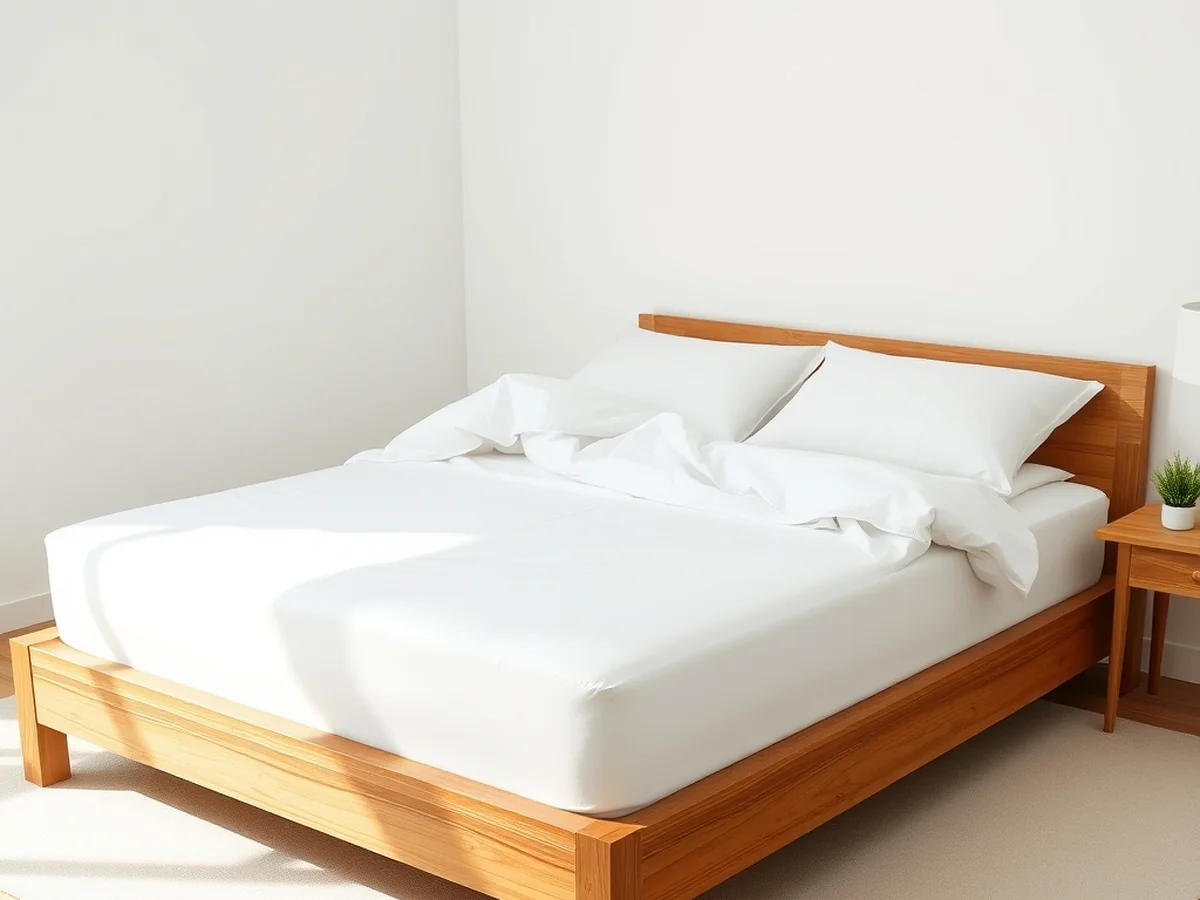
Are you ready to start how to deep clean a mattress the right way? You need to strip every single piece of fabric off the bed before doing anything else. Pull off all sheets, pillowcases, and the mattress protector so the raw surface is completely exposed. Toss the sheets and duvet covers into your washing machine on a hot water cycle at 140 degrees Fahrenheit to kill trapped dust mites and bacteria. Wash any decorative pillows or removable fabric covers according to their care tags. Leaving even one blanket on the bed blocks your access and traps hidden allergens right where you sleep.
Initial Surface Vacuuming

Some people think flipping your bed makes vacuuming optional, but trapped skin cells and dust mites stay right where they are. To learn how to deep clean a mattress correctly, start by stripping all sheets and pulling the bed away from the wall. Attach a clean upholstery attachment to your vacuum cleaner and set it to low suction. Push the tool slowly across the top panel to pull up hidden dust and dander. Pay close attention to the piping and deep seams where crumbs and hair collect over a period of 6 months. Take about 5 minutes on this step alone to protect your sleep environment health.
Spotting Mattress Stains

In my experience, how to deep clean a mattress always starts with a close inspection under bright bedroom lights. You need to identify whether you are dealing with yellow sweat patches or dark biological marks before applying any liquid. Grab a spray bottle and check for old stain residue left behind by previous cleanings. If you spot a rigid crust, use a microfiber cloth dipped in mild dish soap to soften it gently. Avoid soaking the foam core, as trapped moisture ruins internal layers within 24 hours.
Mixing Natural Cleaners
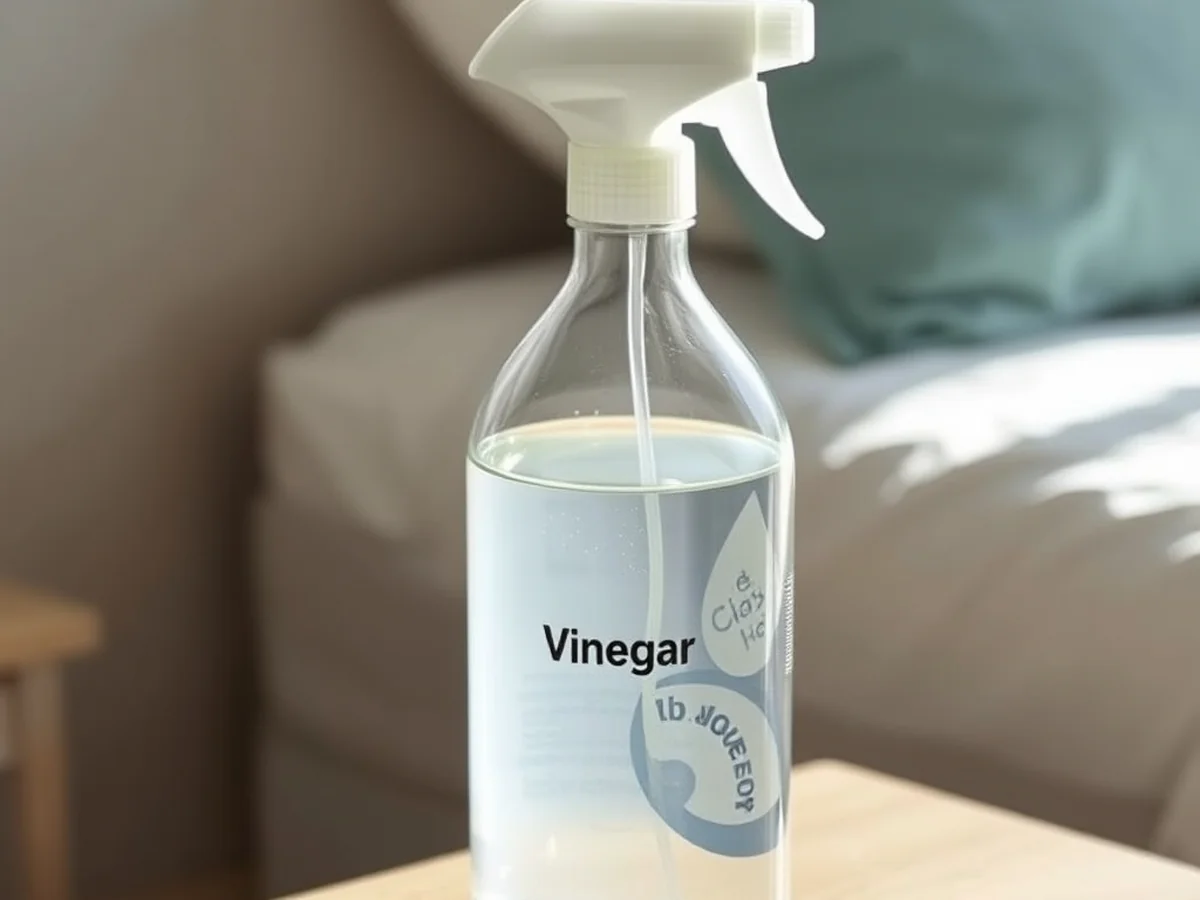
You can how to deep clean a mattress safely by mixing equal parts warm water and white vinegar in a clean spray bottle. Skip harsh bleach or heavy detergents because excess liquid ruins memory foam cores. Add a single drop of dish soap if you are tackling stubborn sweat marks. Pour the liquid into a spray bottle and mist the surface lightly. Never soak the fabric since trapped moisture causes mold growth. A light spray breaks down surface grime while keeping your sleep environment safe and fresh.
Handling Sweat Stains

Spring cleaning is the ideal time to learn how to deep clean a mattress and target stubborn yellow rings. Mix 1 teaspoon of dish soap with 2 cups of warm water and hydrogen peroxide in a spray bottle. Mist the stained area lightly because excess moisture damages foam cores. Avoid soaking the fabric. Use a clean microfiber cloth for gentle blotting techniques to lift body oils without pushing liquid deeper. Never rub the spot. Press down firmly for 30 seconds to absorb the liquid. Follow up by blotting with cold water on a separate cloth to remove stain residue.
Removing Urine Stains
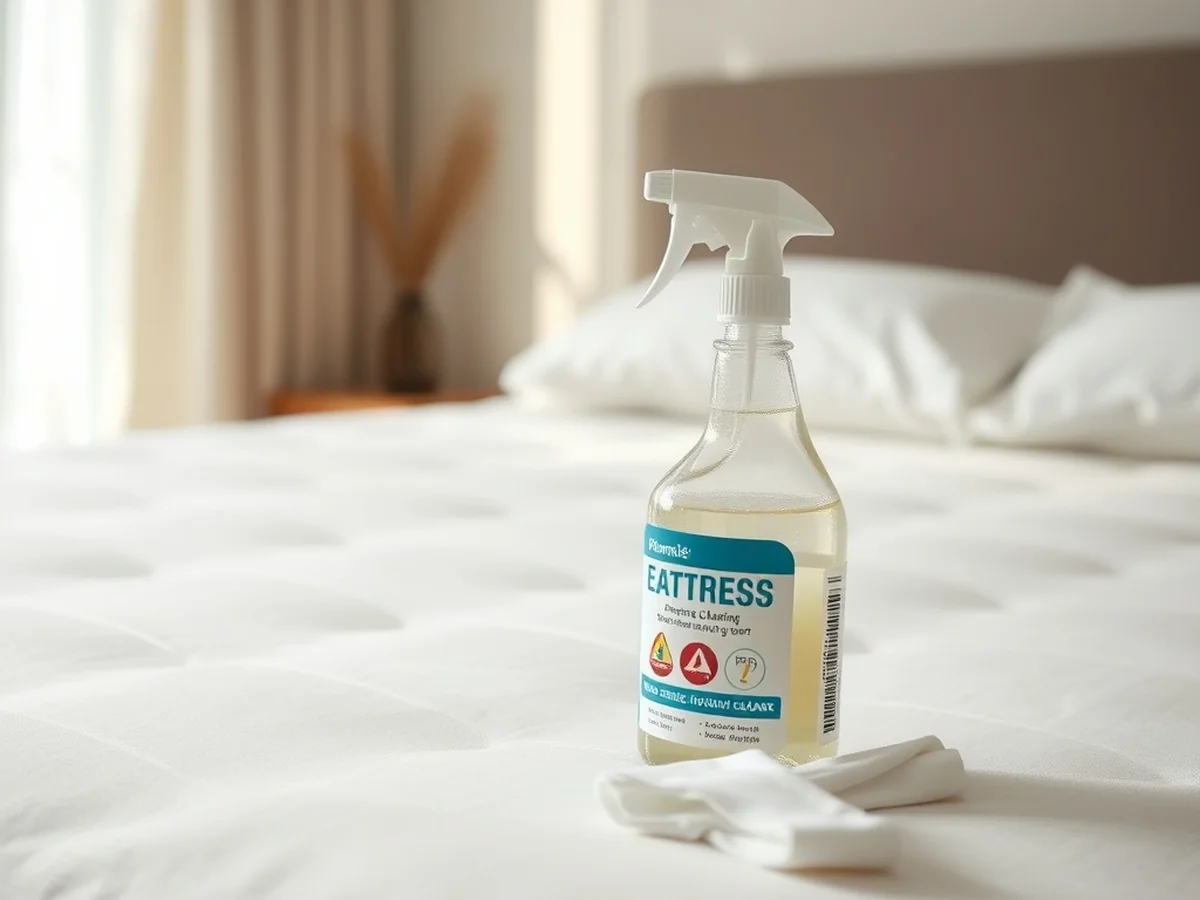
Professional cleaning services charge over $150 for biological spot treatments, but you can achieve identical results at home for under $10 using basic supplies. When learning how to deep clean a mattress, dealing with biological spills requires breaking down proteins rather than just bleaching the surface. Apply an enzymatic cleaner directly to the affected zone using a spray bottle. Let the liquid sit for 15 minutes so the active enzymes digest the uric acid crystals completely. Blot the area gently with a clean microfiber cloth to lift the remaining stain residue without pushing moisture deeper into the foam core.
Treating Blood Spots

Warm water permanently sets protein stains, which makes cold water your best friend when you figure out how to deep clean a mattress. Grab a clean microfiber cloth and blot the area gently without rubbing. Next, pour a small amount of hydrogen peroxide into a spray bottle and mist the spot lightly. Watch the liquid bubble up as it breaks down the biological matter. Dab away the pink foam every 30 seconds using a dry towel. Keep your moisture levels low so you do not soak the inner foam layers and ruin your bed.
Limiting Liquid Moisture
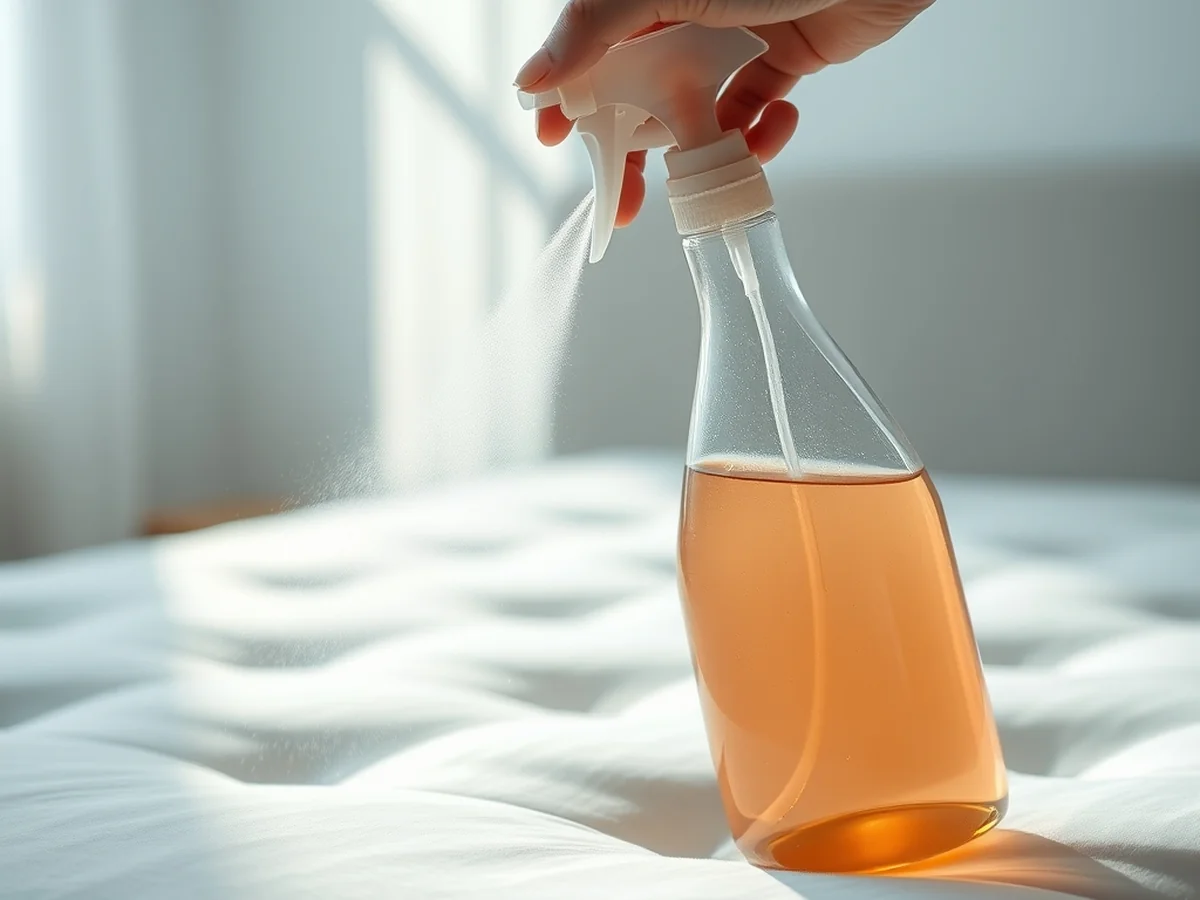
Pouring cleaning liquid directly onto your bed ruins the internal foam layers and causes mold. When you learn how to deep clean a mattress, mastering moisture control prevents permanent water damage. Never soak the fabric. Instead, you need a spray bottle to apply liquids in a very fine mist. Fill it with a mixture of water and white vinegar or dish soap, then spritz the surface lightly. A memory foam core can hold water for over 24 hours, leading to terrible odors. Stop spraying the moment the top fabric feels damp to the touch. Grab a clean microfiber cloth to blot away excess liquid immediately before it sinks past the surface layer.
Deodorizing Mattress Surfaces
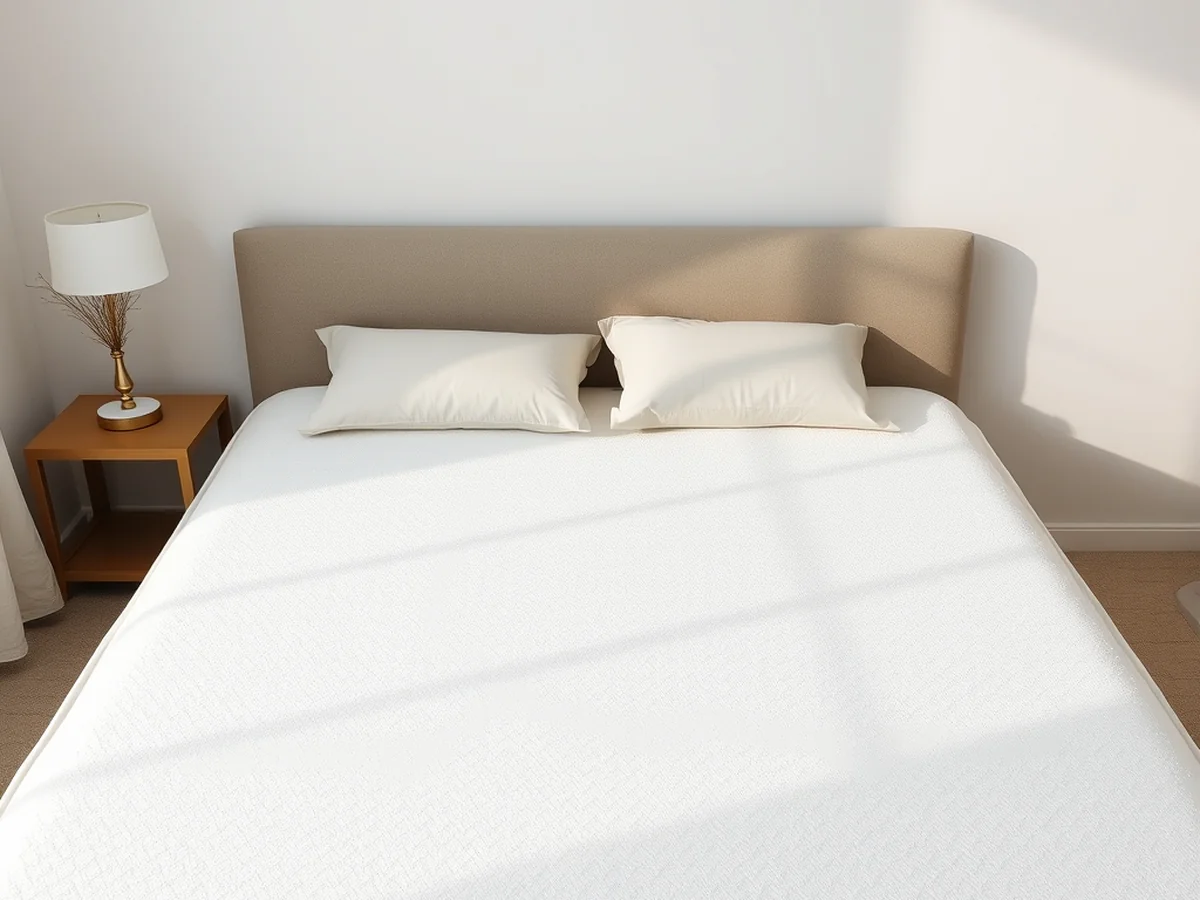
Do you want to know how to deep clean a mattress and eliminate trapped odors at the same time? You should start by spreading a generous layer of baking soda evenly across the entire top fabric. Baking soda absorbs trapped sweat and stubborn smells naturally without soaking the internal padding. If you want a fresh scent, mix 10 to 15 drops of lavender essential oil directly into the powder before scattering it. Let the mixture sit undisturbed for at least 4 hours so the minerals can break down lingering odors completely.
Setting Cleaning Time

Many people think a quick fifteen-minute refresh is enough when you want to know how to deep clean a mattress. In reality, you need to block out at least six full hours for the job to succeed. You must let the baking soda sit undisturbed for a minimum of four hours to absorb trapped odors and oils effectively. Rushing this step leaves trapped moisture inside the foam layers, which causes mold growth. Wait until the surface is 100 percent dry before you pull out the vacuum cleaner and finish your routine.
Vacuuming Baking Soda
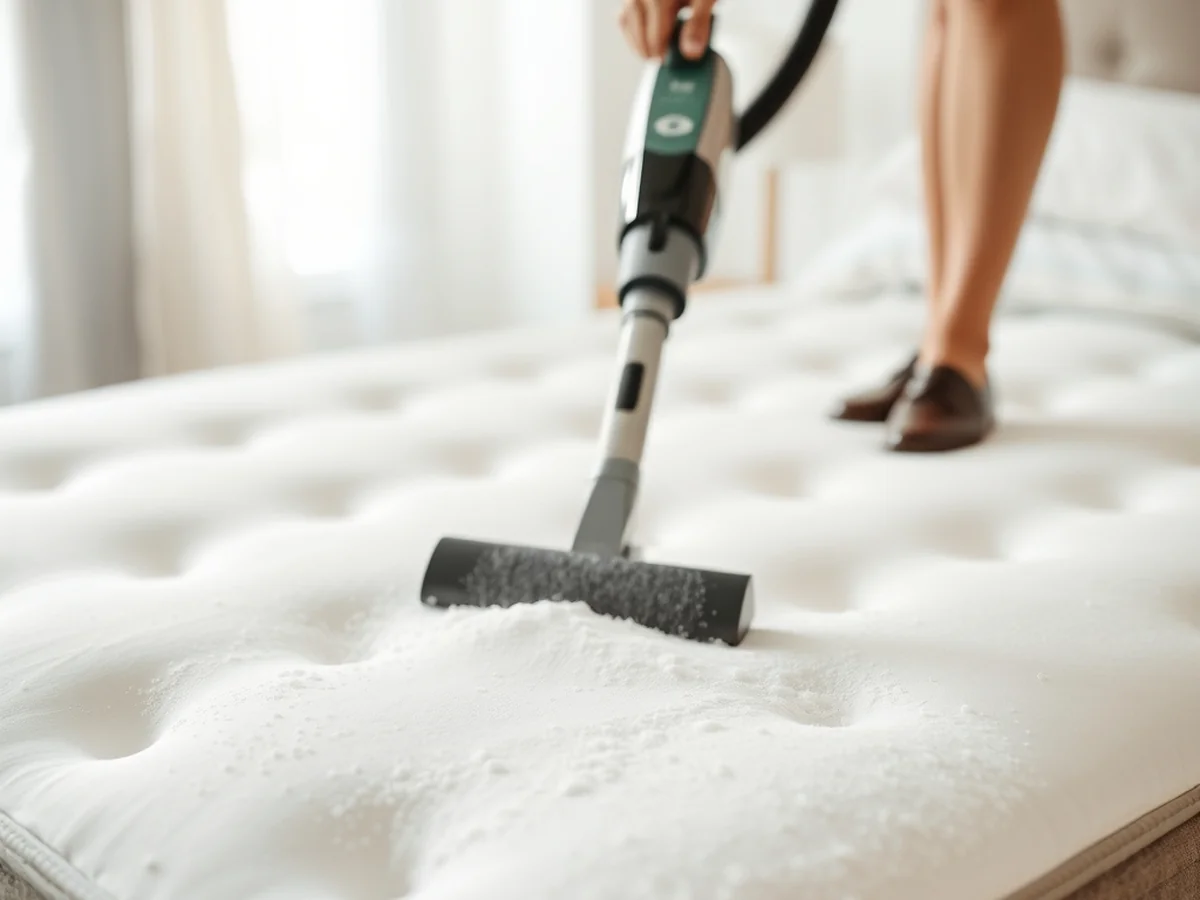
I learned the hard way that leaving baking soda on too long makes it cake into a solid paste. When you figure out how to deep clean a mattress, removing the white powder completely is just as important as applying it. Grab your vacuum cleaner and attach the clean upholstery attachment to sweep the surface. Go slow and use overlapping passes to pull up every trace of baking soda from the fabric crevices. Empty your vacuum canister or bag when it is half full to prevent airflow loss. Fine powders easily bypass standard filters and burn out small motors, so protecting your machine matters.
Managing Mattress Humidity

Proper airflow prevents mold growth while you figure out how to deep clean a mattress. Open your bedroom windows for at least 15 minutes every single morning to let fresh air circulate around the bed frame. Running a ceiling fan on medium speed helps pull residual moisture away from the fabric after you treat sweat stains or apply a natural mattress cleaner DIY. High indoor humidity stops foam layers from drying properly. Keep bedroom humidity below 50 percent using a dehumidifier if you live in a damp climate. Good air movement protects your sleep environment health and extends your mattress lifespan.
Cleaning Memory Foam

Spring cleaning is the best time to figure out how to deep clean a mattress made of dense foam without ruining the core. Memory foam absorbs liquids like a sponge and takes over 24 hours to dry completely. You must avoid excess soaking at all costs. Instead of pouring water directly onto the surface, dampen a microfiber cloth with a mild mix of dish soap and cold water. Gently blot the stain residue until it lifts. Never use harsh bleach or hot water on your memory foam bed because extreme heat destroys the sensitive cell structure.
Sanitizing Spring Mattresses
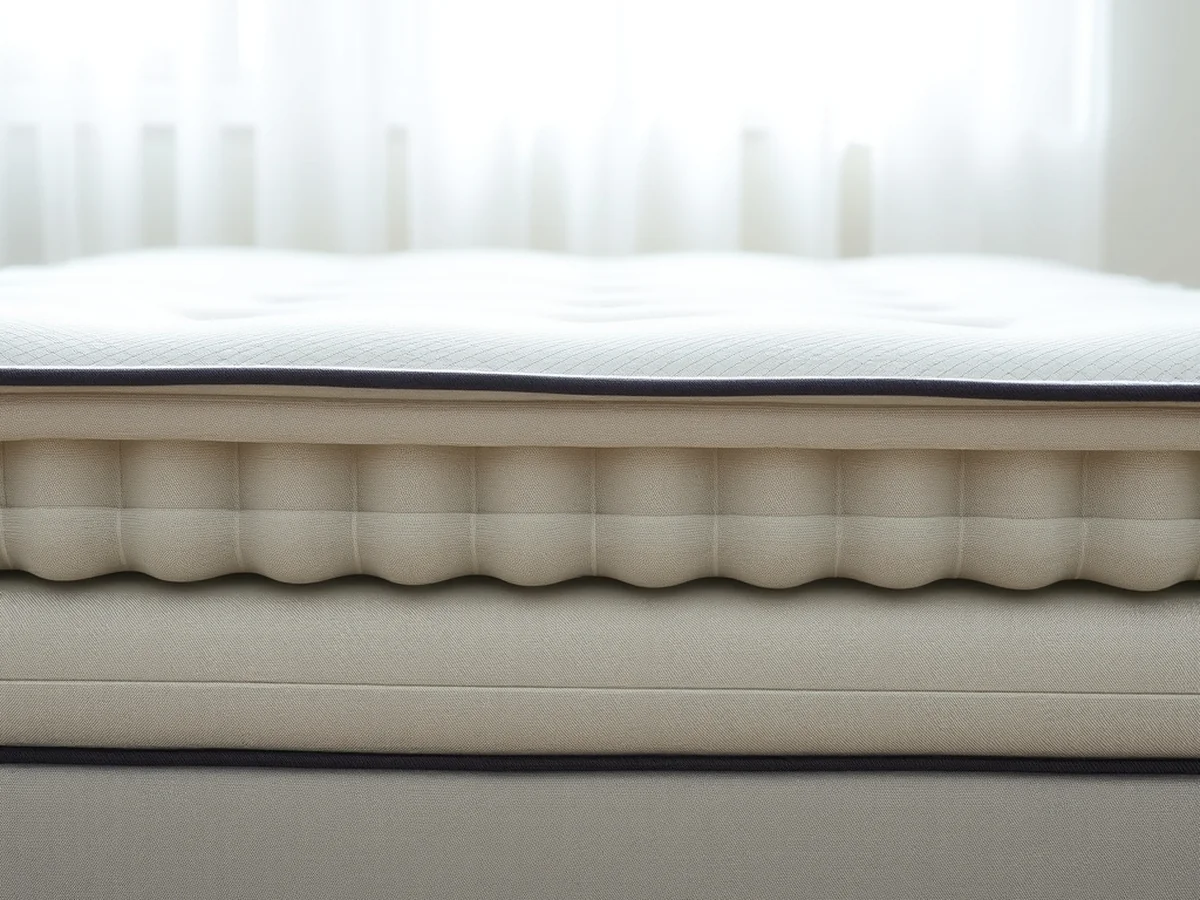
Professional mattress cleaning services often charge over $150, but you can achieve similar results at home for less than $5 in supplies. Knowing how to deep clean a mattress with internal coils requires careful moisture control because trapped water damages the metal springs. Start by connecting a vacuum cleaner with an upholstery attachment to pull dust mites and skin cells from the quilted top layers. Next, fill a spray bottle with a mild mixture of water and dish soap, spraying lightly so the liquid stays on the surface. Blot the fabric with a microfiber cloth and let air circulate completely for 6 hours before making the bed.
Killing Dust Mites
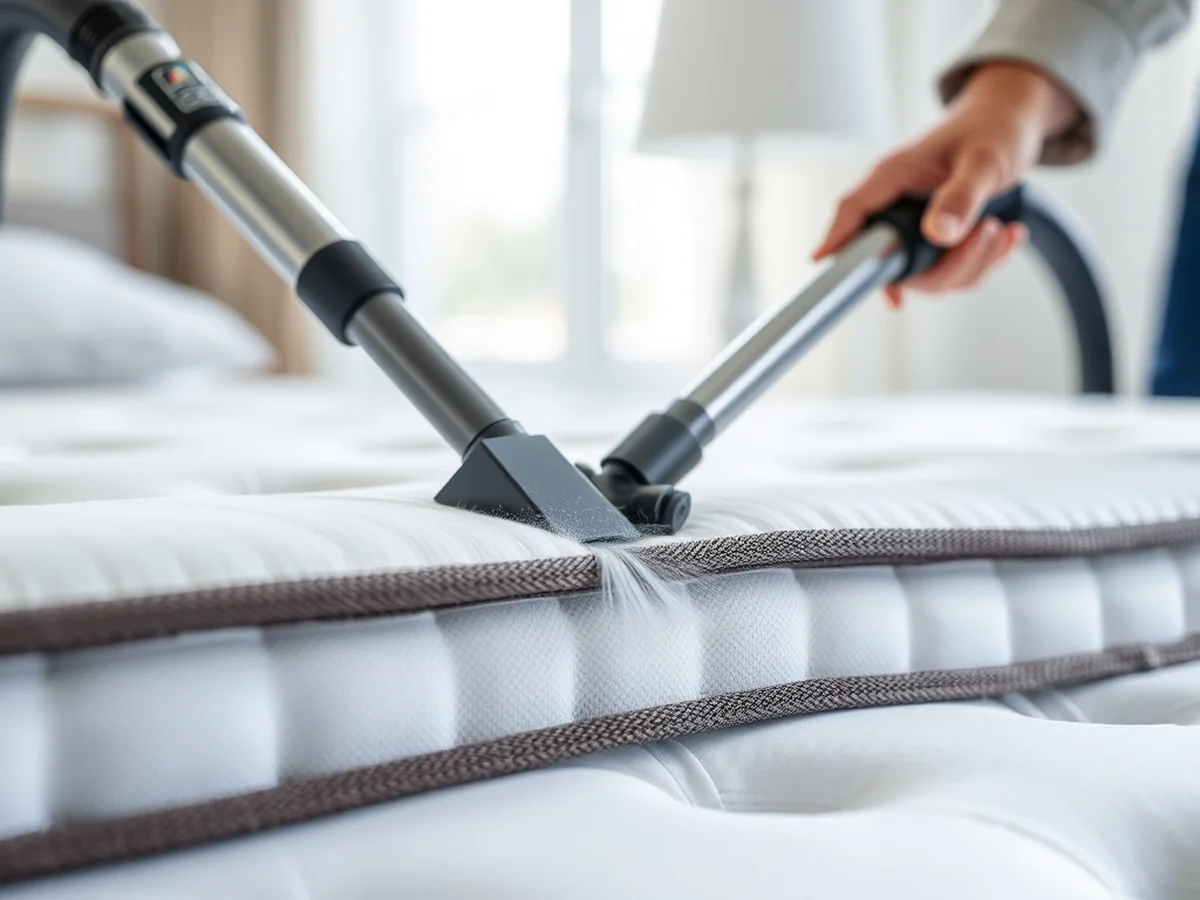
Millions of microscopic bugs live deep inside standard bed fibers. Learning how to deep clean a mattress starts with removing these unseen pests. You should run a vacuum cleaner fitted with an upholstery attachment slowly across every square inch of the surface. Pay close attention to seams and tufts where bugs hide. A standard vacuum cleaner pulls out dead skin cells and allergen triggers trapped deep inside the fabric. If you want extra protection against dust mites, pass a hand-held garment steamer over the surface first. Just keep the steam moving so you do not trap excess moisture in the foam.
Checking Drying Progress
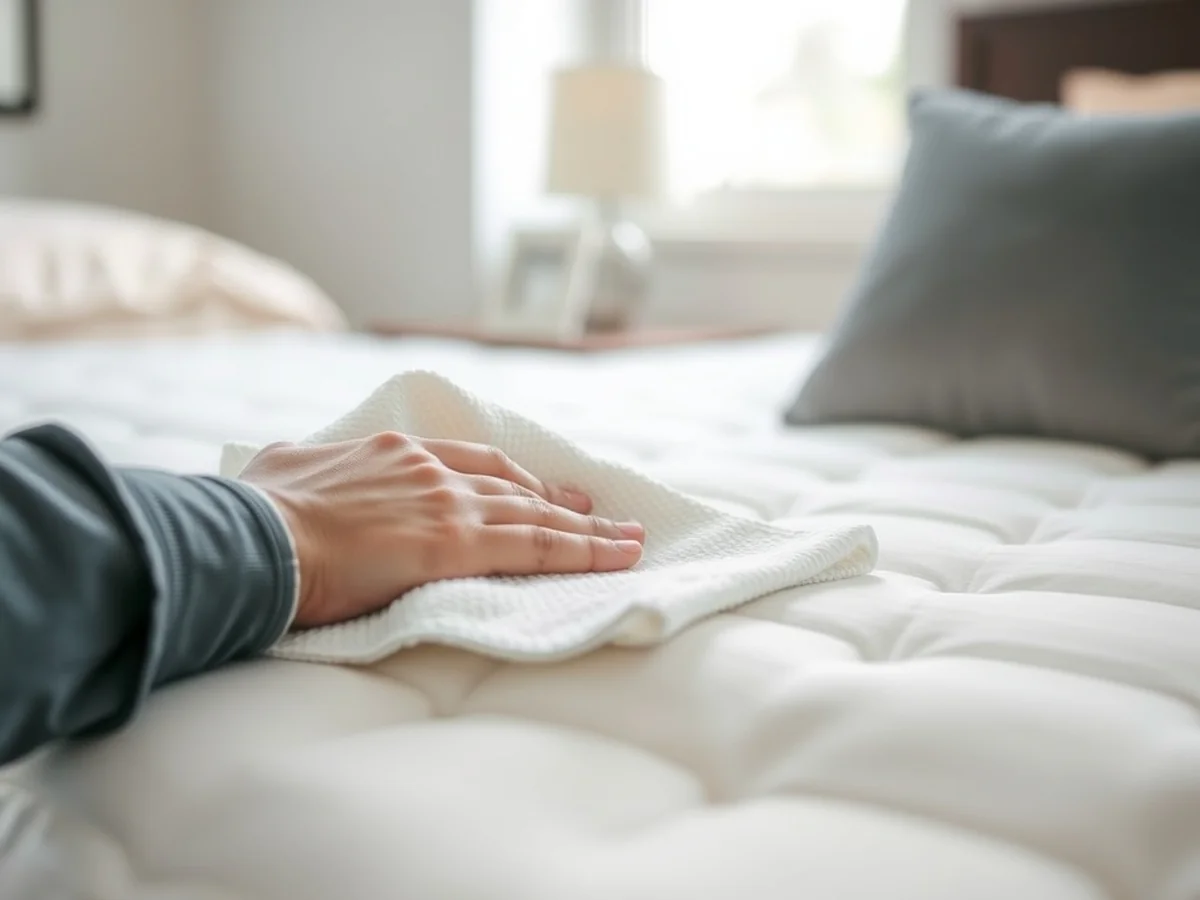
You can tell if your bed is truly dry by pressing a clean microfiber cloth deep into the fabric for thirty seconds. If the cloth stays completely dry, you have successfully finished how to deep clean a mattress without leaving trapped moisture behind. Never make the bed if the foam core still feels cool or damp to the touch. Give it at least 6 hours of airflow with a ceiling fan running before putting on clean sheets and a mattress protector.
Rotating Your Mattress
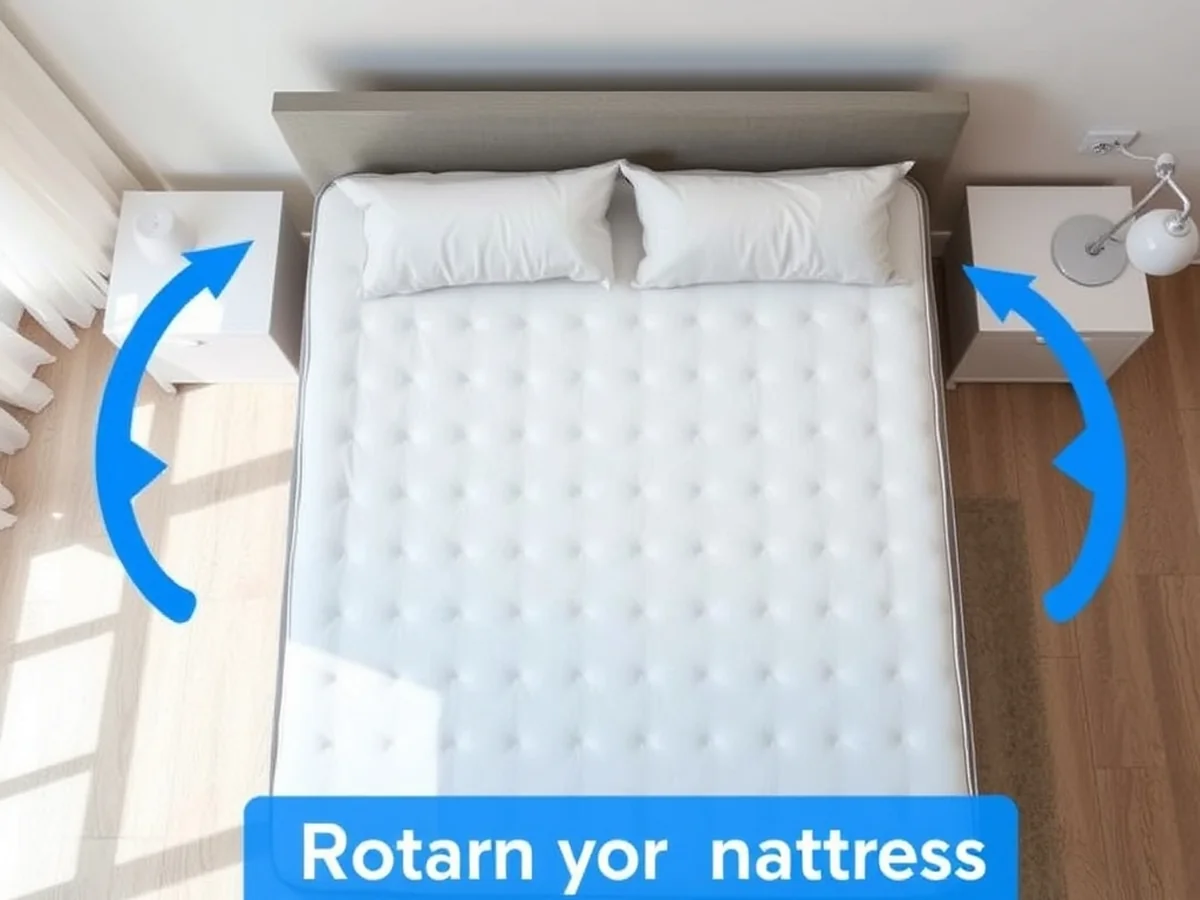
Do you flip your bed every time you start how to deep clean a mattress routine? You need to rotate it head to toe every 3 months to ensure even wear and tear across the entire surface. This simple step stops body impressions from forming in one spot, which keeps your spine aligned properly all night. Extending product lifespan is easy when you share the weight load evenly across both sides of the bed frame. Take just five minutes during your seasonal mattress care routine to turn the mattress around, and you will prevent premature sagging in your favorite sleeping spot.
Adding Mattress Protectors
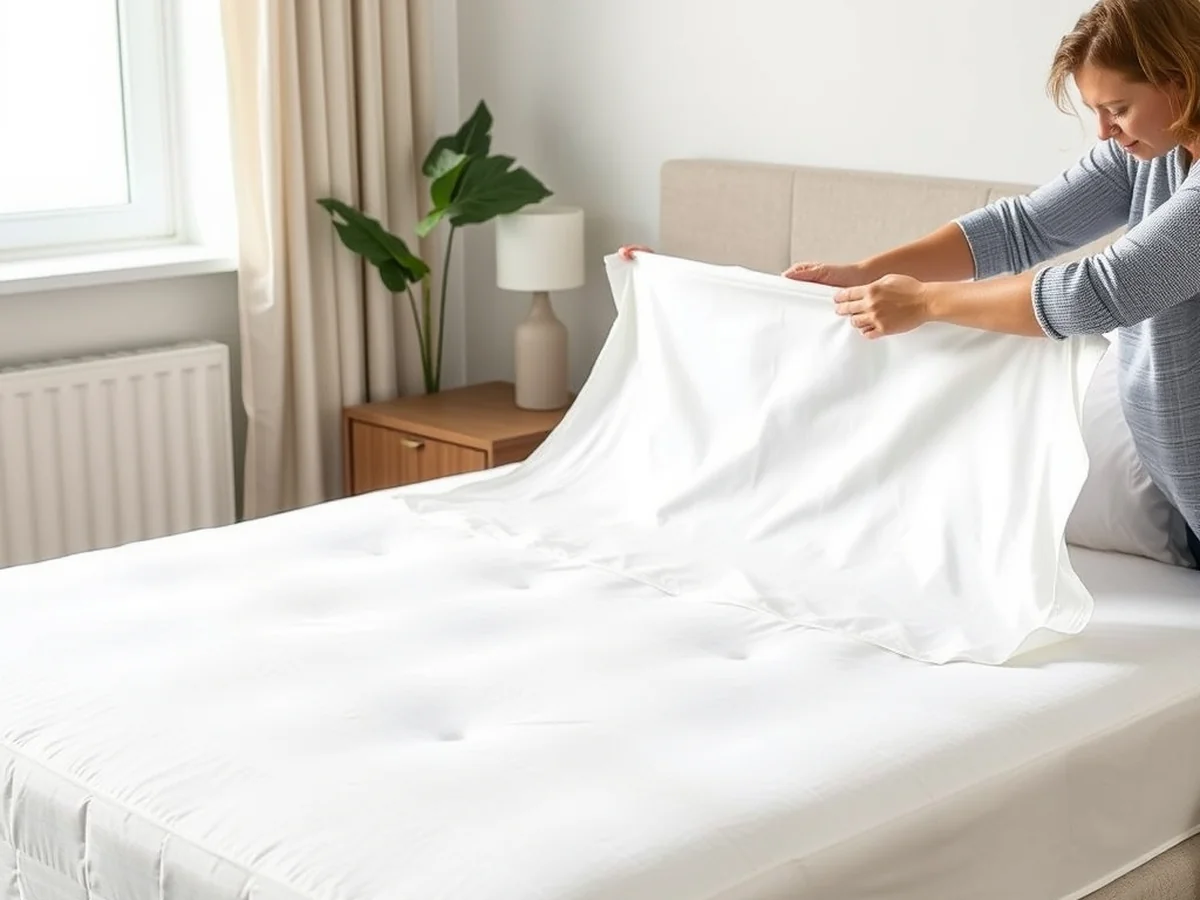
Many homeowners think washing the bedsheets keeps a bed entirely clean, but sweat and dust still sink deep inside the layers. You need a physical barrier to finish how to deep clean a mattress routine properly. Pick a waterproof mattress protector with a TPU backing layer to block spills completely. Zip-around styles give you total defense against dust mites and bed bugs. For ease of washing covers, throw the barrier into the machine every two weeks on a warm cycle. This single step stops future stains from ever reaching your mattress foam.
Avoiding Bleach Usage
I learned the hard way that harsh chemicals destroy delicate threads when you figure out how to deep clean a mattress. Bleach eats through memory foam and weakens cotton fibres almost instantly. It also leaves behind a terrible yellow stain residue on white ticking. Instead, you should mix a gentle natural mattress cleaner DIY using hydrogen peroxide and liquid dish soap in a spray bottle. This combo lifts dirt safely without ruining your bed frame or fabric. For stubborn smells, baking soda works wonders without any risk of chemical burns.
Identifying Permanent Stains
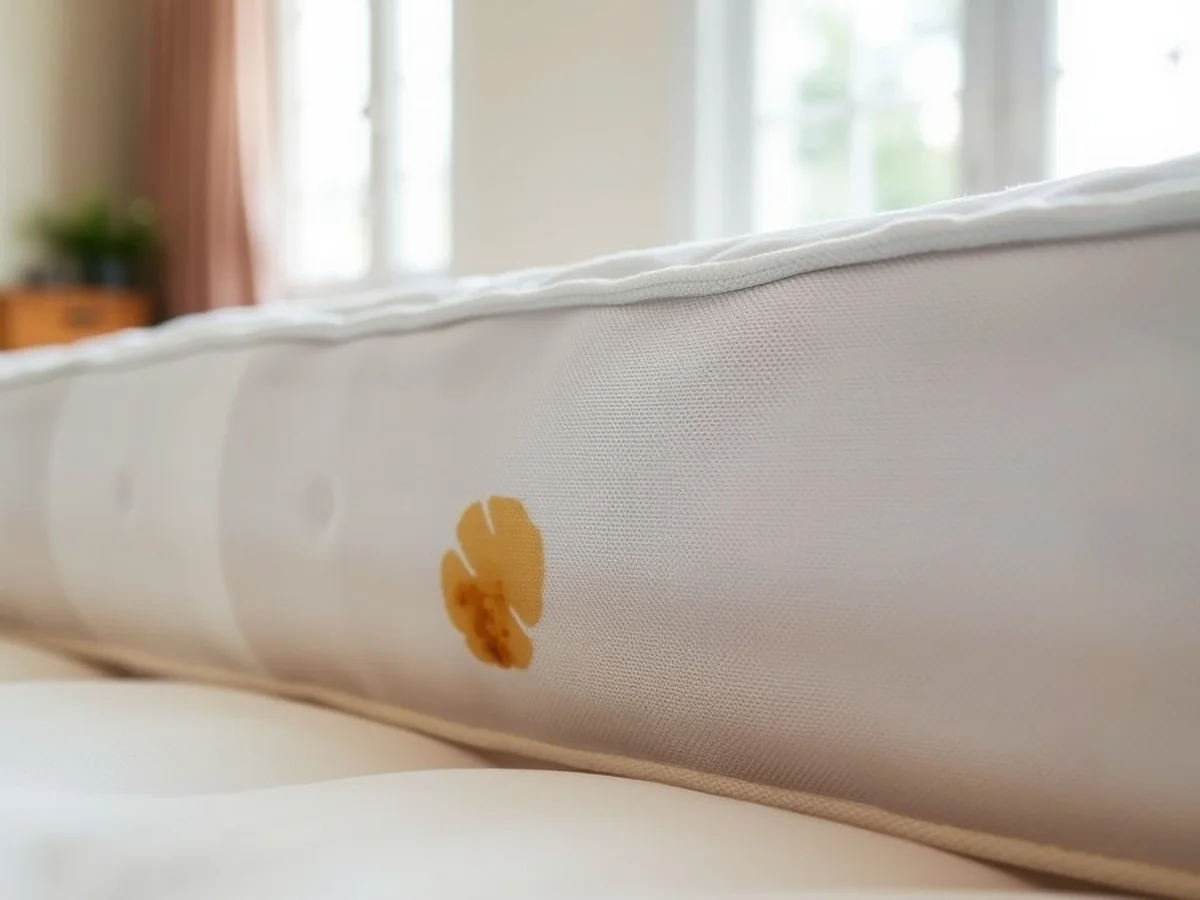
Stop scrubbing the moment fabric starts to fray or the spot refuses to fade after three attempts. You need to know when to stop scrubbing so you don’t ruin the foam core with excess moisture. Sometimes stain residue simply alters the fabric color permanently without carrying any bacteria. A yellowish tint left behind by sweat is completely normal on older beds. Once the area feels dry to the touch, leave the discoloration alone and focus on your mattress care routine instead. Bleaching the fabric will only weaken the fibers and cause more damage.
Cleaning Bed Frames
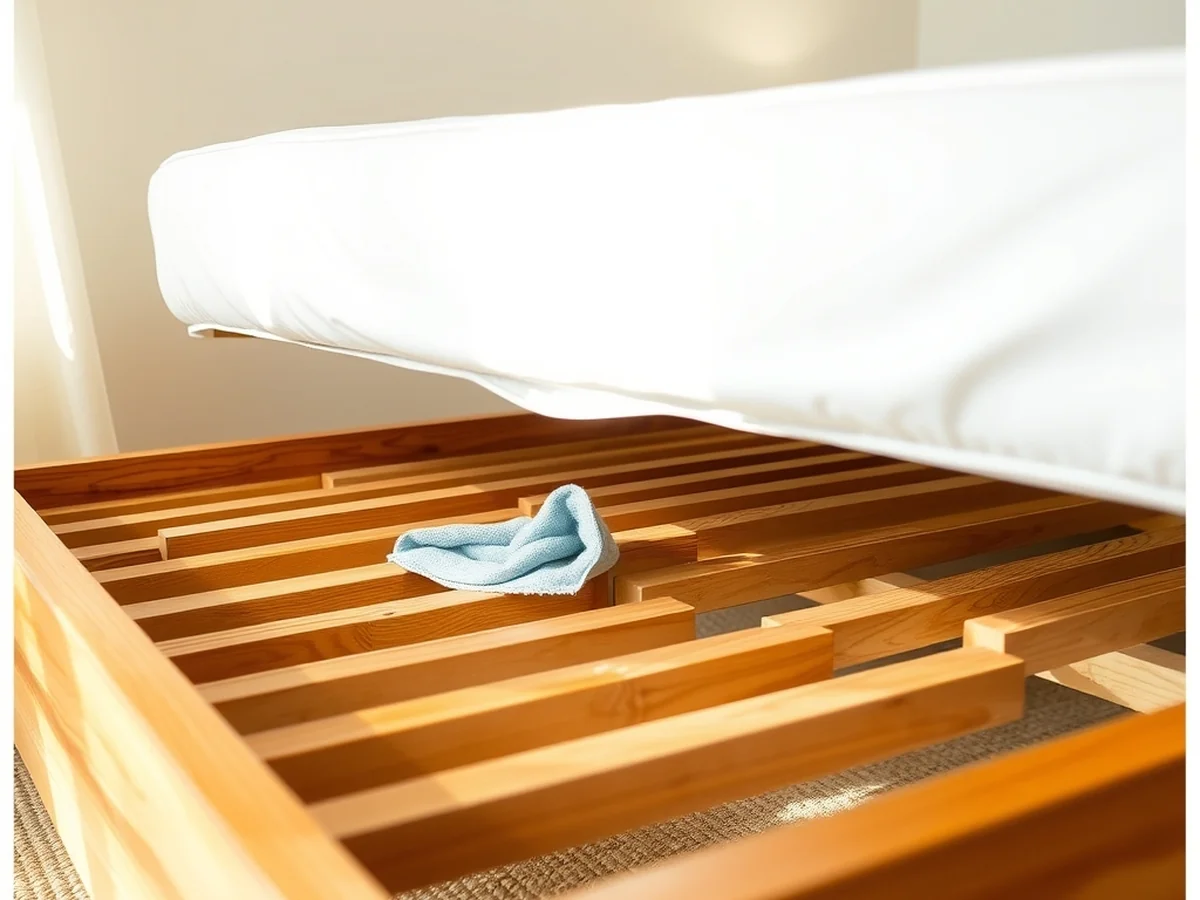
Spring cleaning is the best time to check your bed frame while you learn how to deep clean a mattress. Start by wiping down all wood slats with a damp microfiber cloth to pick up hidden dust. Next, grab your vacuum cleaner and fit it with an upholstery attachment. Spend about 5 minutes vacuuming under beds where pet hair and dust mites collect out of sight. Keeping this area clean stops fresh debris from blowing back onto your bedding.
Scheduling Deep Cleans

Professional mattress cleaning services cost around $150 to $350 per visit, but you can protect your investment for free by following a strict mattress care routine every three months. You need to how to deep clean a mattress four times a year to stop dust mites and allergens from building up in the fabric. Make sure you match your schedule to the changing seasons so you never forget a session. Good sleep hygiene starts with a clean surface, and using a mattress protector between these deep cleans keeps sweat and oils from sinking into the memory foam core.
Final Inspection Steps

Most beds hold up to two pounds of dead skin cells after five years of daily use. You need to check every square inch before making the bed. Start by running your upholstery attachment over the seams to catch any leftover baking soda. Feel the fabric with your hand to make sure zero moisture remains in the foam core. Trapped water causes mold fast. Add this check to your bi-annual mattress care routine so you spot new spots early. Zip on a fresh mattress protector to block future sweat and spills.
Preventing Future Stains
You probably think the work ends after you how to deep clean a mattress, but keeping it fresh requires a simple habit shift. The best defense is a high quality mattress protector. Invest around $40 in a waterproof, hypoallergenic cover to stop liquids from soaking into the foam. I’ve found that washing this cover every 14 days is the most effective way to keep your bed surface hygienic.
For your mattress care routine, avoid eating or drinking in bed to reduce spill risks. If you do spill something, blot it immediately with a microfiber cloth instead of rubbing. Regular vacuuming with an upholstery attachment also prevents skin cells from feeding dust mites throughout the year.
For another perspective, this detailed piece on Tips for deep cleaning a mattress : r/CleaningTips is worth a read.
FAQ
How often should you deep clean a mattress?
You should aim to perform a thorough refresh every six months to keep your bed hygienic. Following a consistent mattress care routine helps prevent dust mites from settling deep into the fibers.
Can you use bleach on a mattress?
Never use bleach because it damages the delicate fabric and foam layers found in most beds. Instead, use a natural mattress cleaner DIY mixture of hydrogen peroxide, dish soap, and water to safely lift away surface grime.
How long does foam take to dry?
Memory foam is sensitive to moisture and typically requires 4 to 8 hours to dry completely after cleaning. Always use a fan or open a window to improve airflow, as leaving moisture trapped inside can lead to mold growth.
Are there tools I must have?
A vacuum cleaner with an upholstery attachment is the most important tool for pulling out dead skin cells and allergens. Beyond that, having a few microfiber cloths for blotting stains is all you really need to get the job done.
How do I handle tough stains?
For biological spots, apply an enzymatic cleaner and let it sit for 15 minutes before blotting with a dry towel. If you are learning how to deep clean a mattress, avoid over-saturating the surface, as using more than 2 ounces of liquid per spot can cause permanent damage to the internal structure.
You might also like: 21 Victorian Bedroom Ideas That Feel Romantic and Timeless
Key Takeaways
Many people assume you need expensive professional gear to refresh a bed, but simple household staples often work better than harsh chemicals.
- Essential cleaning tools include a vacuum cleaner with a strong upholstery attachment and a spray bottle for your natural solution.
- Master mattress stain removal by using a mixture of hydrogen peroxide and dish soap, but always dab the area instead of rubbing.
- Safely sanitize your bed using baking soda to absorb odors and moisture, leaving it for at least 4 hours before vacuuming.
- Prevent fabric damage by never oversaturating the surface, especially with memory foam that traps liquid easily.
- Avoid bleach entirely as it ruins mattress fibers and can cause yellowing or chemical burns on the fabric.
- Consistent care matters more than intensity, so aim to deep clean a mattress every 6 months to manage dust mites.
Save this guide to your Pinterest board to keep your sleep space fresh all year long.