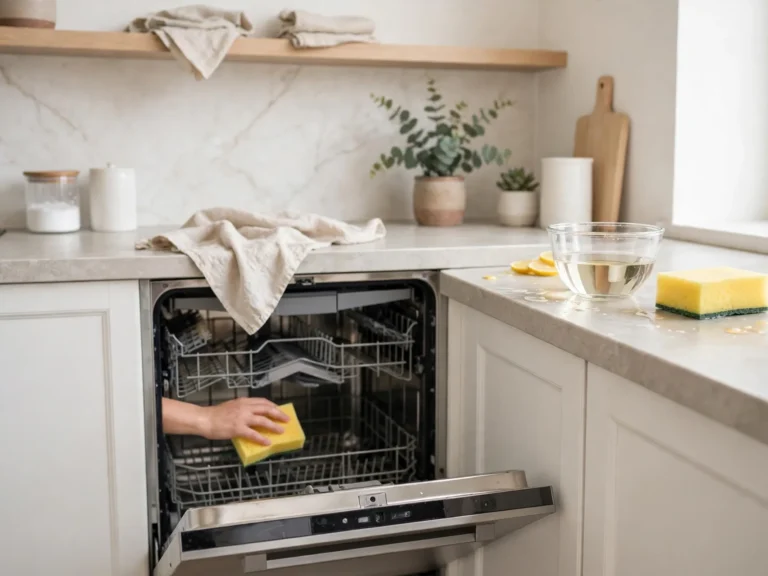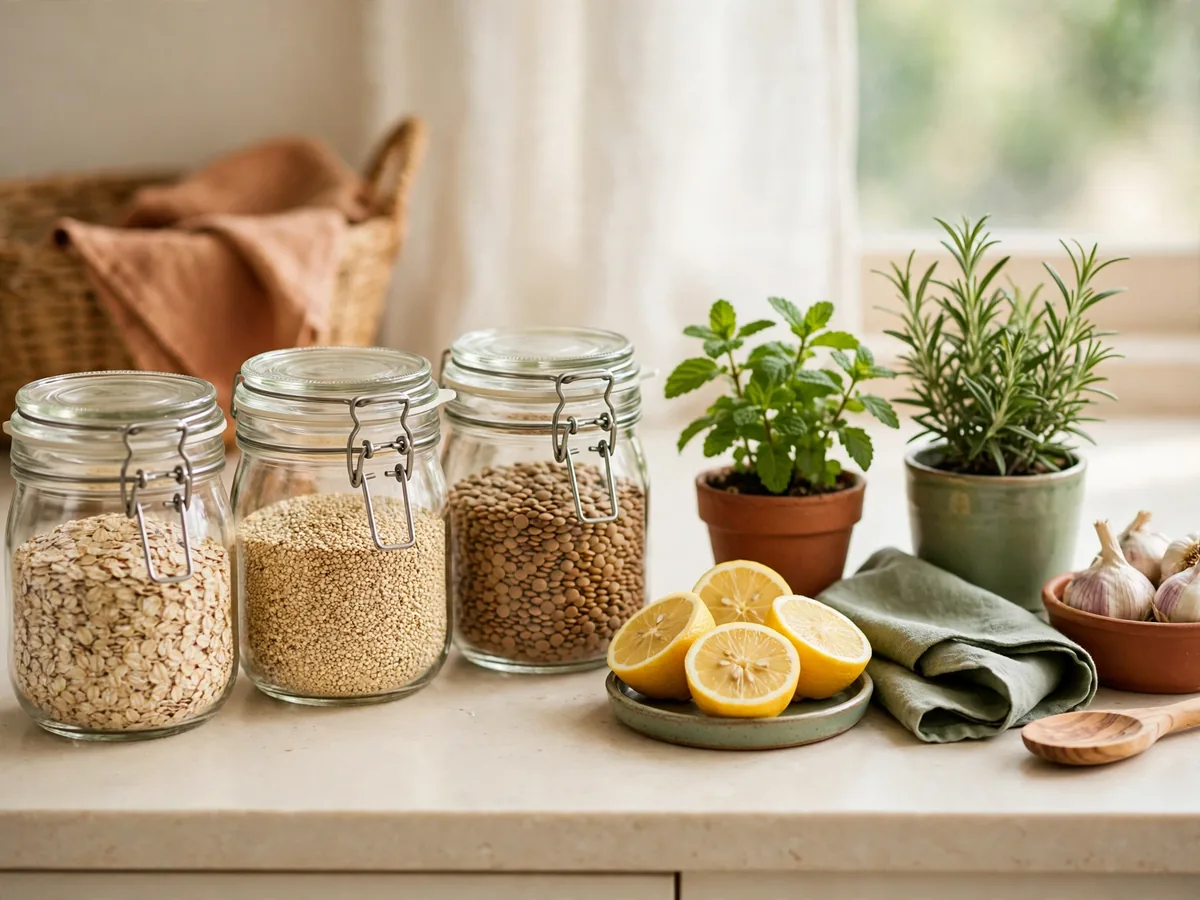
22 Ways to Get Rid of Ants Naturally Inside Your Home
Introduction

A line of ants across the counter feels personal, but the ants are not being rude. They are following a scent trail to food or water, using a crack you probably have not noticed, from a colony that stays hidden while workers do the shopping. Spraying the workers you see never reaches that colony, which is why trails return the next day. This guide shows you how to get rid of ants naturally inside your home with the methods university extension services actually recommend first: remove food and water, erase trails with soapy water, seal entry points, use barriers with care, and use bait only in closed stations placed safely away from children and pets. Work the steps in order and give them time. Natural control is slower than a spray but far more lasting, because it changes what your home offers ants. Most small household trails fade within one to two weeks of steady sanitation and sealing, and they stay away when the nightly habits in this guide become routine.
1. Find the Trail and Follow It Back
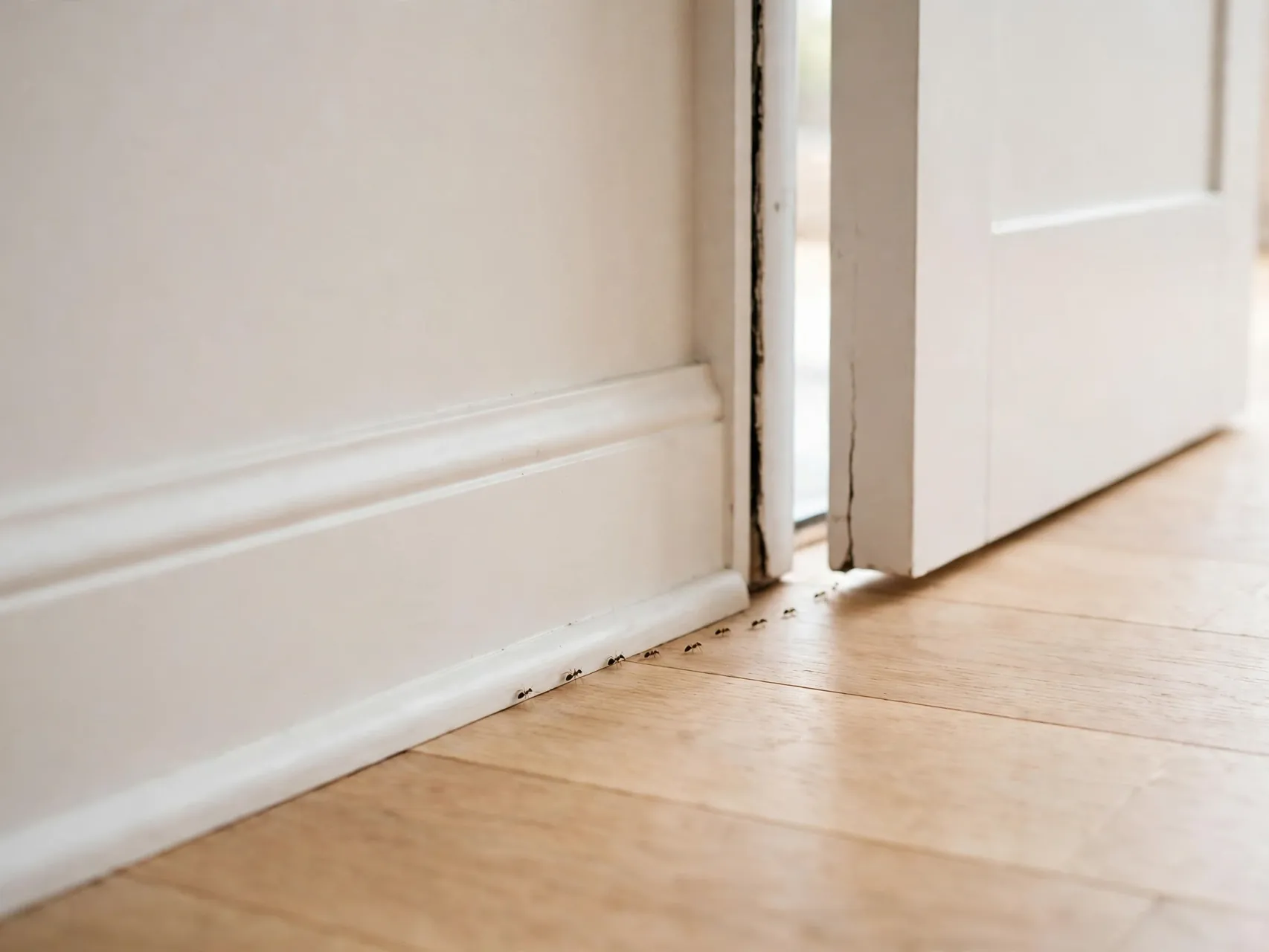
Before you wipe anything up, watch the ants for a few minutes. A steady trail shows you where they enter, what they are eating, and which crack or pipe opening they use. That information decides where cleaning, sealing, and any bait will actually work, instead of guessing across the whole kitchen.
Note the entry point with a piece of tape if needed. Extension guidance stresses identification and patience with ant control, because killing only the visible workers leaves the colony, and its queen, untouched and ready to send more scouts tomorrow.
2. Wipe Trails With Soapy Water

Ants follow pheromone scent trails laid by earlier scouts. Wiping the full trail with hot, soapy water removes that chemical map and the food residue traveling with it, which is why Mississippi State Extension recommends soapy water or a vinegar solution for cleaning ant trails indoors.
Wipe a wider area than the visible line, including along baseboards and counter edges, and repeat daily while activity continues. This simple step is the foundation of natural ant killer indoor routines, because no barrier works well on top of an active scent highway.
3. Remove Every Food Source in Reach
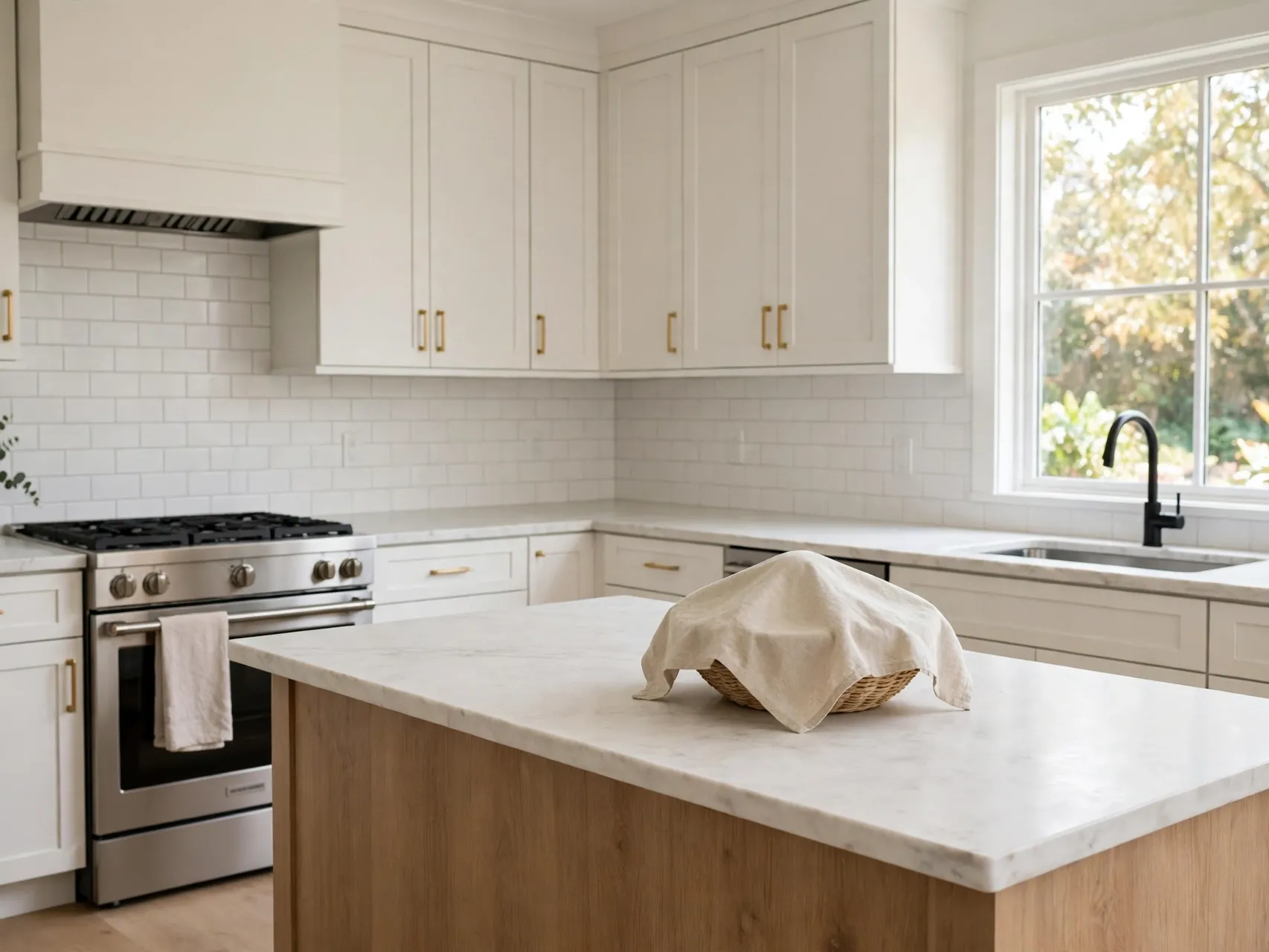
Ants need very little: a few crumbs under the toaster, a sticky jam lid, or grease behind the stove is a full meal for a colony. Wipe counters, sweep under appliances, clean the stove top, and wash sticky jars and bottles on the outside before returning them to shelves.
Take trash and recycling with food residue out daily during an outbreak. The goal is to make your kitchen a food desert for ants while baits and barriers do their work, so scouts report back that there is nothing worth the trip.
4. Store Pantry Food in Sealed Containers

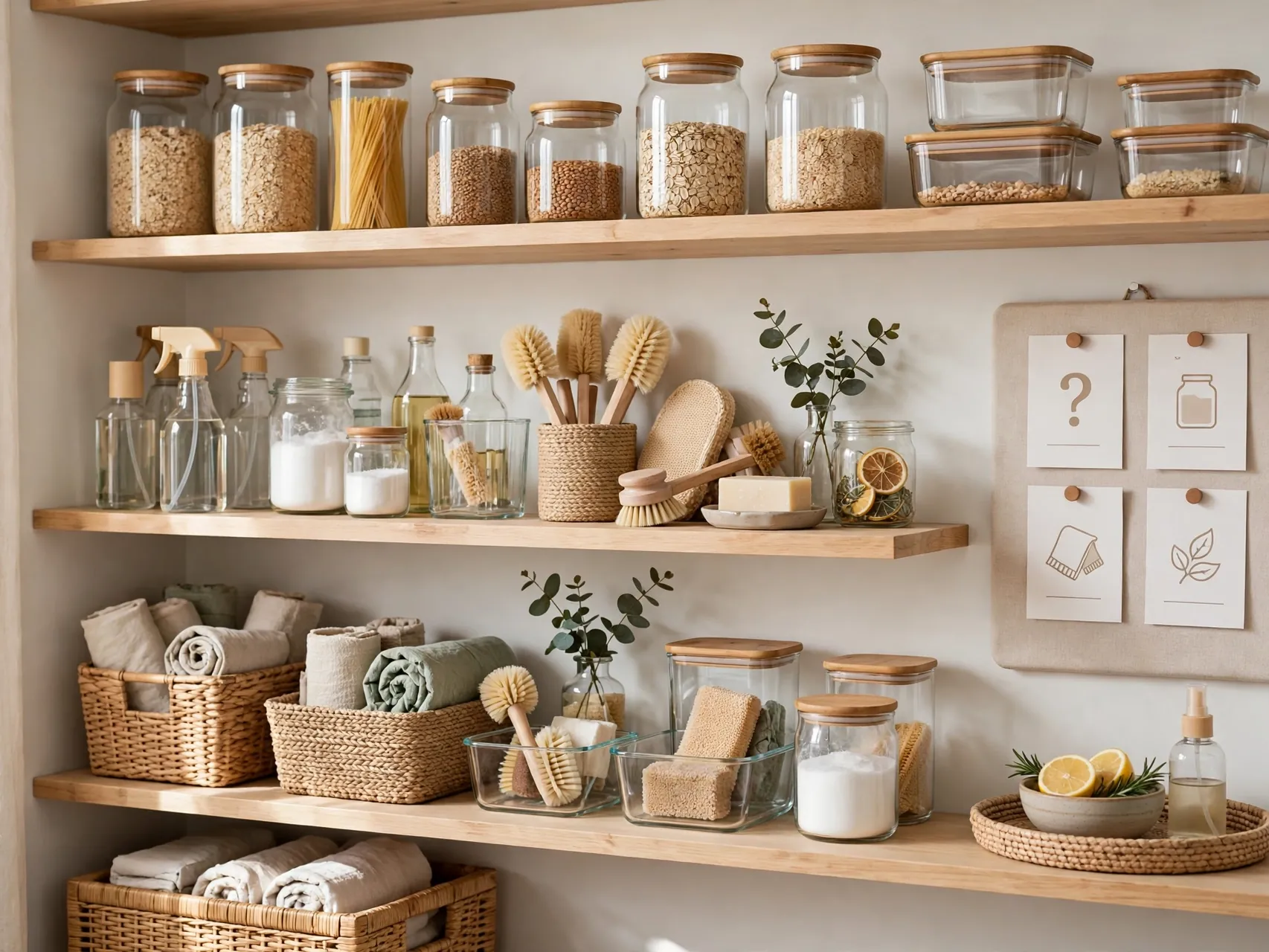
Open bags of sugar, flour, cereal, and pet food are open invitations. Transfer pantry staples into hard containers with tight lids, wipe shelves before restocking, and check for spilled grains in corners and under canisters where scouts like to gather quietly.
This step also protects food from pantry moths and keeps ingredients fresher. Label containers if it helps the household put things back sealed every time, because one bag left open overnight can restart a trail you worked a week to break.
5. Take Pet Food Up Between Meals
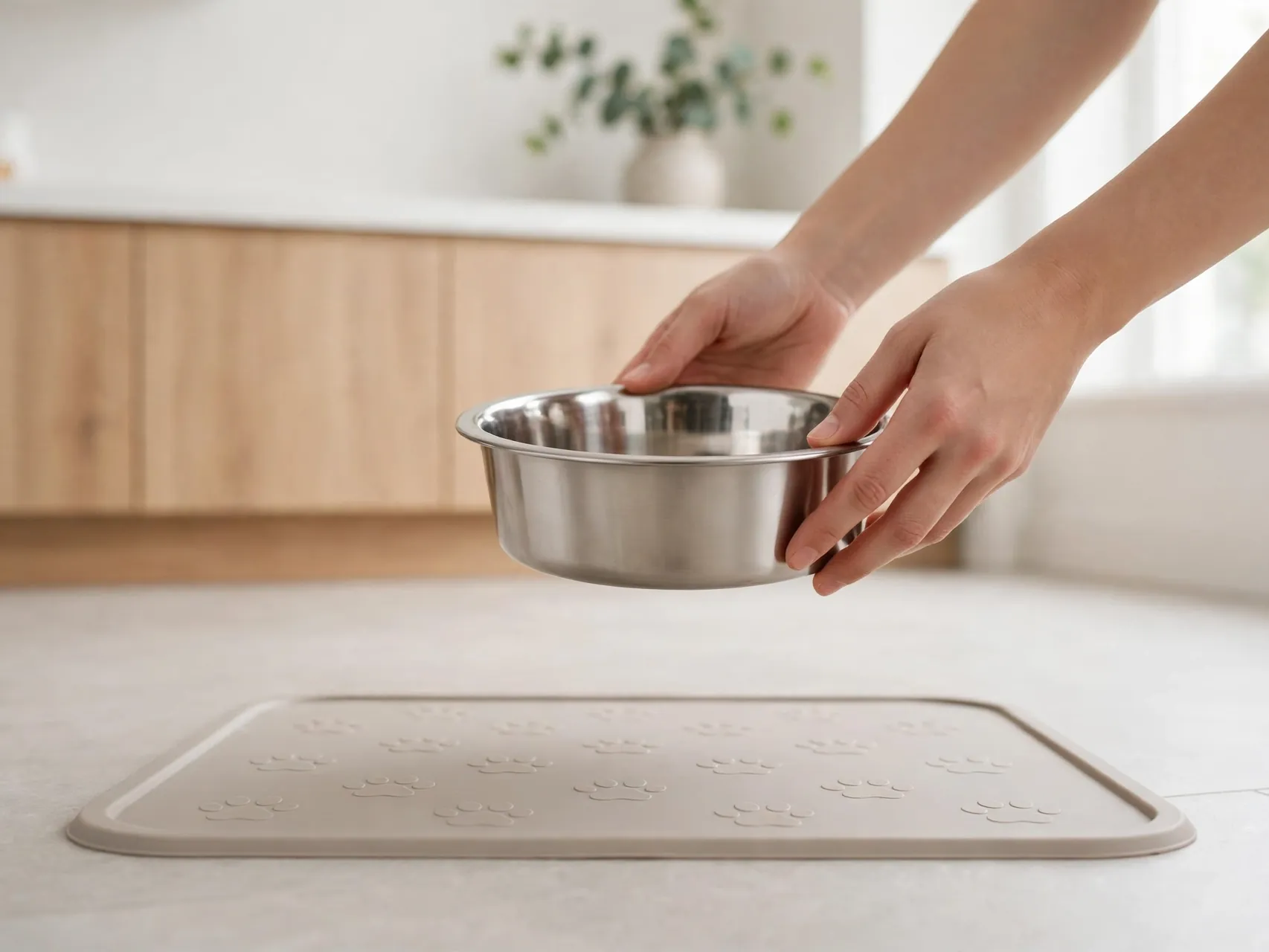
A pet bowl left down all day is one of the most common indoor ant magnets, especially in warm weather. Feed pets at set times, pick bowls up between meals, wash them regularly, and sweep the feeding area daily to remove scattered kibble and sticky wet food residue.
If free feeding is necessary, place the bowl in a shallow tray of water to create a small moat ants cannot cross easily, and refresh the tray water daily. Store pet food in a sealed bin, not the open bag, near the feeding spot.
6. Fix Leaks and Dry Damp Areas

Many indoor ants are hunting water as much as food, especially in bathrooms, laundry rooms, and under kitchen sinks. Repair dripping faucets and slow pipe leaks, dry cabinet floors under sinks, and improve ventilation in damp corners where ants and other pests settle comfortably.
Extension advice for keeping ants out includes fixing moisture problems and repairing leaking pipes and spigots. Dry wood and dry cabinets are far less attractive for nesting, and this step also protects your home from mold and wood damage at the same time.
7. Seal Cracks Around Doors and Windows
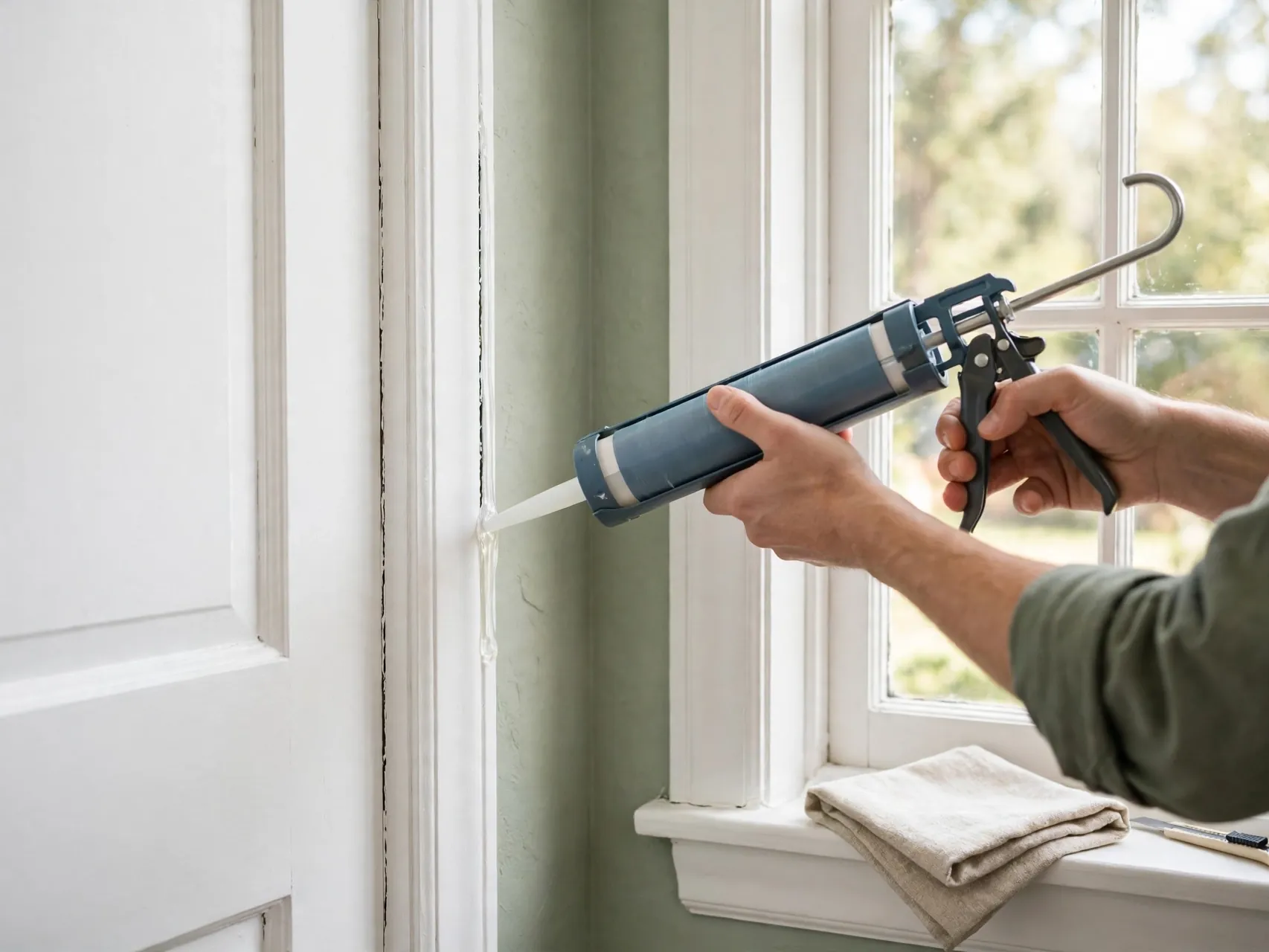
Walk the trail entry points with a tube of caulk and weather stripping in hand. Seal gaps around window frames, door thresholds, and baseboards, and replace worn door sweeps. Even a gap the width of a credit card is a highway for small household ants.
Work from the inside first, then check the same spots outside. Sealing is permanent, free of any chemical concern around children and pets, and it keeps working long after sprays fade, which is why professionals treat it as core prevention, not an extra.
8. Caulk Gaps Around Pipes and Cables
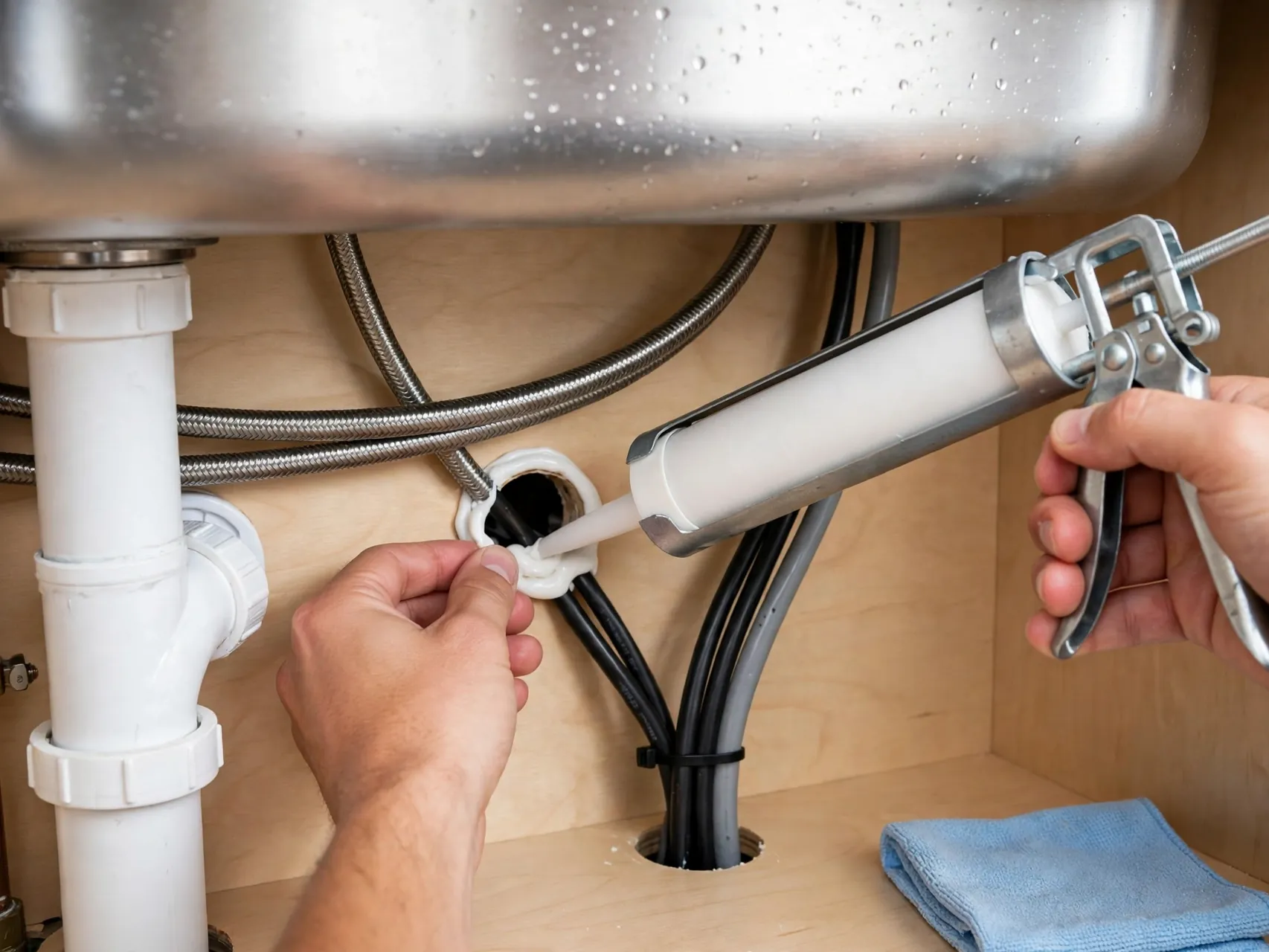
Ants love the hidden openings where plumbing, gas lines, and cables pass through walls and floors, because those routes connect room to room unseen. Fill suitable gaps around pipes under sinks and behind toilets with caulk or copper mesh plus sealant, following product guidance for each material.
Check behind the stove and refrigerator too, where warm motors and water lines attract scouts. Closing these back doors forces ants to use visible routes, where your cleaning and barriers can actually stop them.
9. Use a Vinegar and Water Trail Wipe
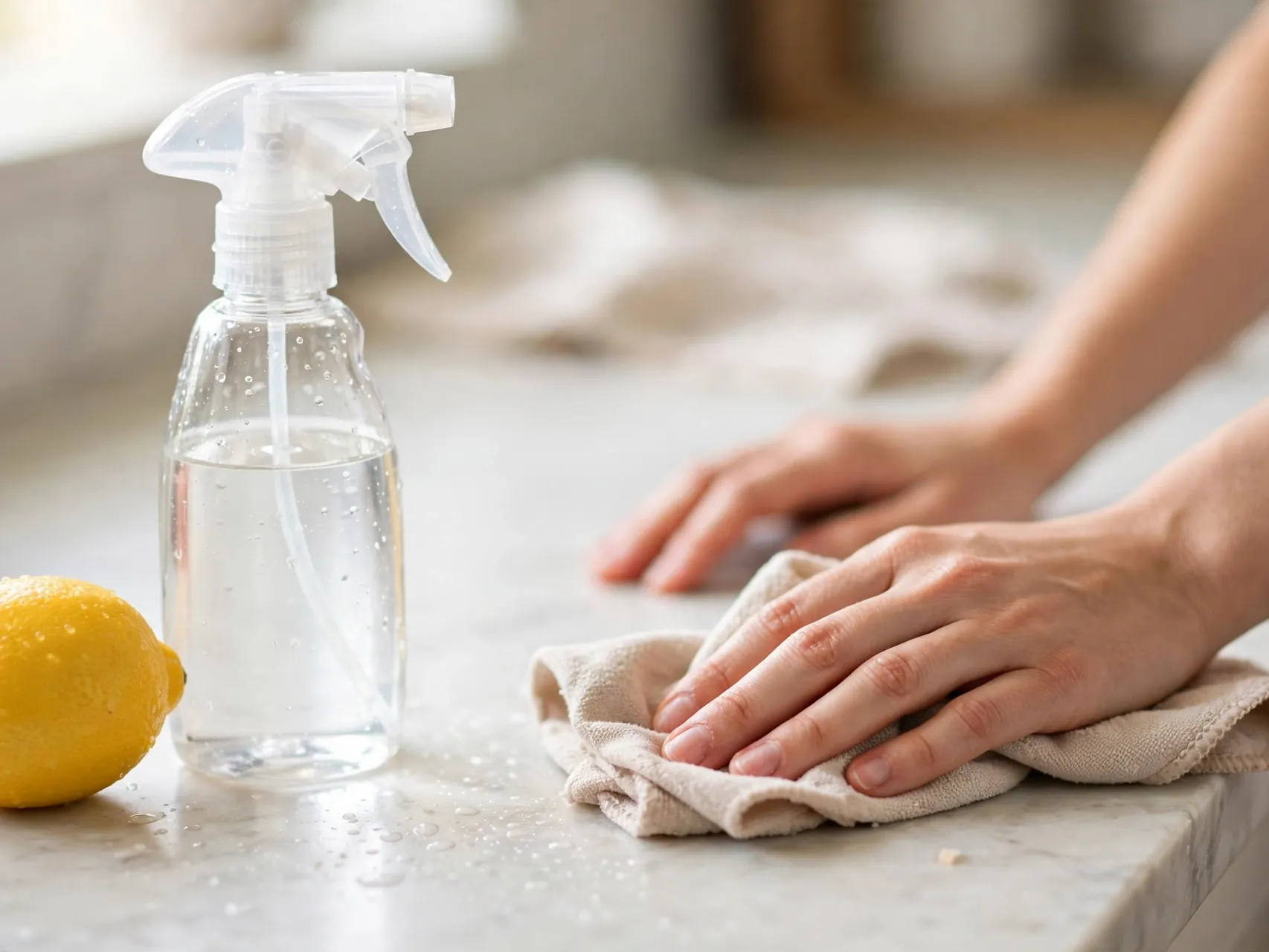
A spray bottle with equal parts white vinegar and water is a handy daily tool during an outbreak. Spray and wipe trails, entry points, and counter edges to disrupt scent trails and remove food film. The vinegar smell fades as it dries, but the broken trail effect remains for the ants.
Keep vinegar away from natural stone counters, where acids can damage the finish, and use soapy water there instead. This wipe is a repellent and cleaner, not a colony killer, so pair it with food removal and sealing for lasting results.
10. Lay Cinnamon Along Entry Points
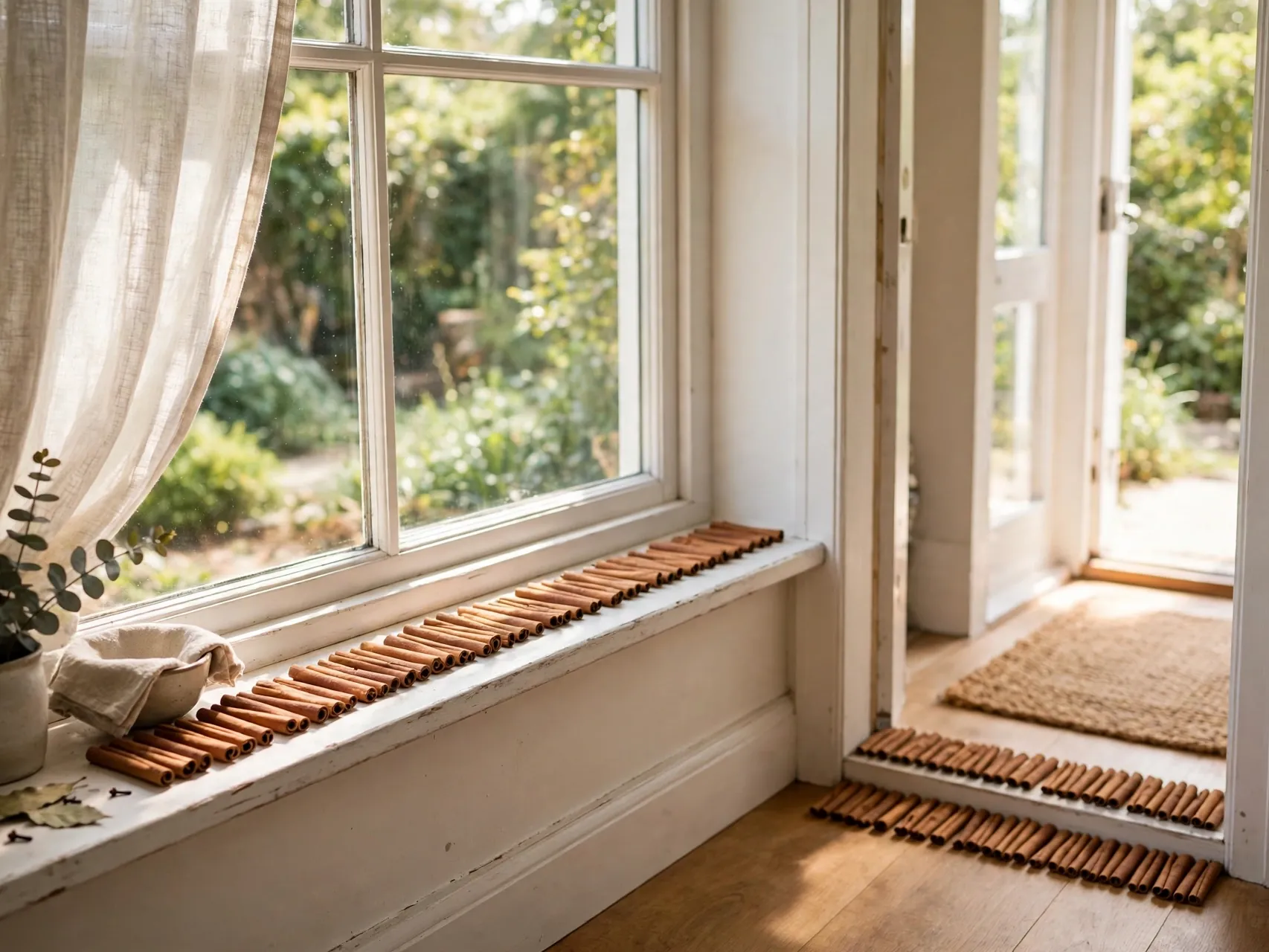
Ground cinnamon has a strong scent that many household ants avoid crossing, so a thin line along a windowsill, threshold, or known entry crack can redirect scouts while you seal and clean. It is a pantry item, easy to vacuum up later, and best used in dry indoor spots.
Reapply after cleaning or if the line gets disturbed. Keep in mind that cinnamon is a deterrent, not a treatment for a nest, and curious pets should not be encouraged to eat spices in quantity, so use it in cracks and edges rather than open piles.
11. Place Peppermint Cotton Balls With Care
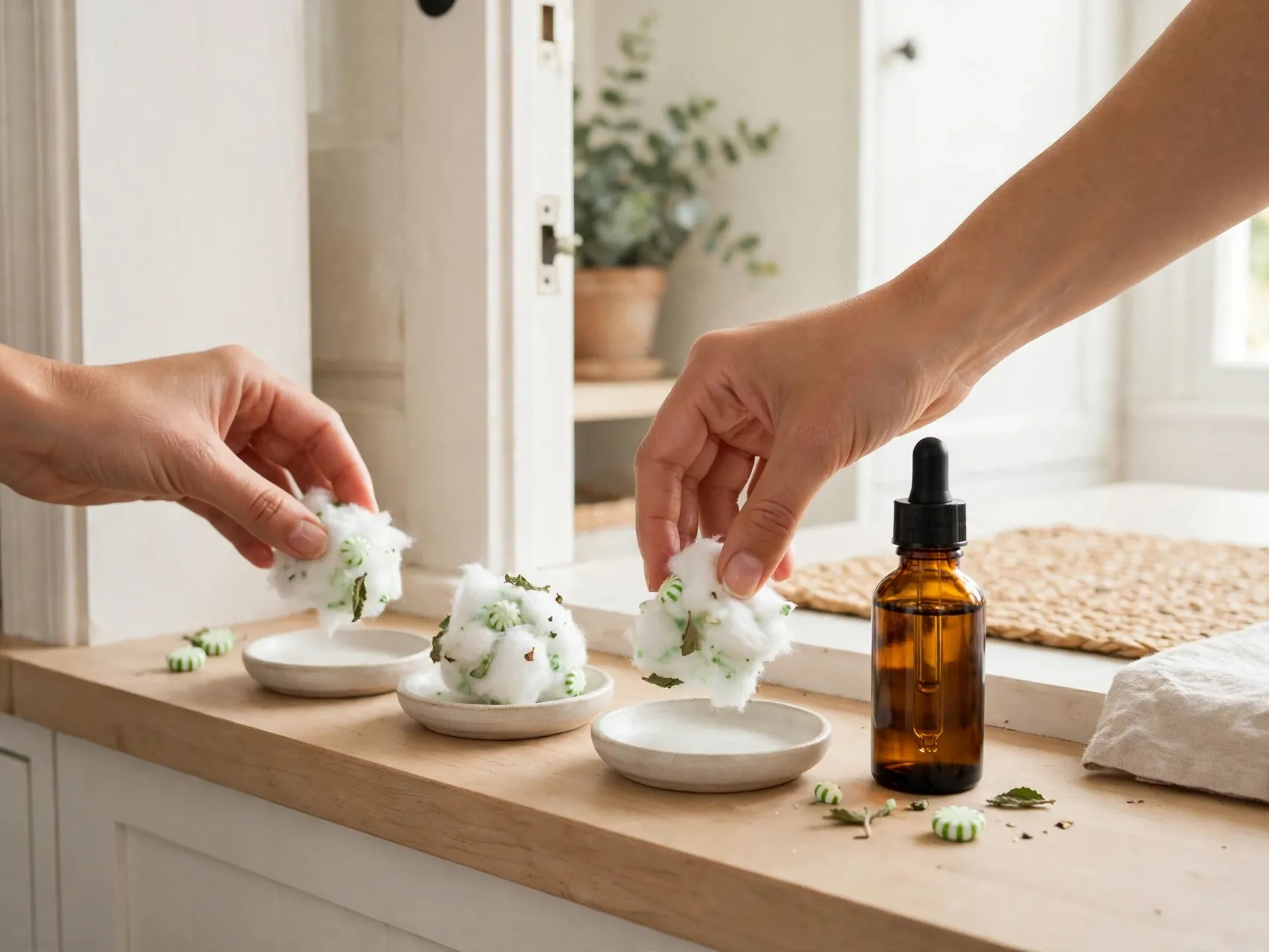
A few drops of peppermint oil on cotton balls tucked near entry points, inside cabinet corners, or behind appliances gives off a scent many ants avoid. Refresh the cotton weekly as the scent fades, and place balls where children and pets cannot reach or chew them, because essential oils are not food.
Never use undiluted oils on counters where food is prepared, and stop if anyone in the home finds the scent irritating. Used carefully in hidden spots, this is a pleasant smelling support step alongside the more important cleaning and sealing work.
12. Try Citrus Peels Near Thresholds
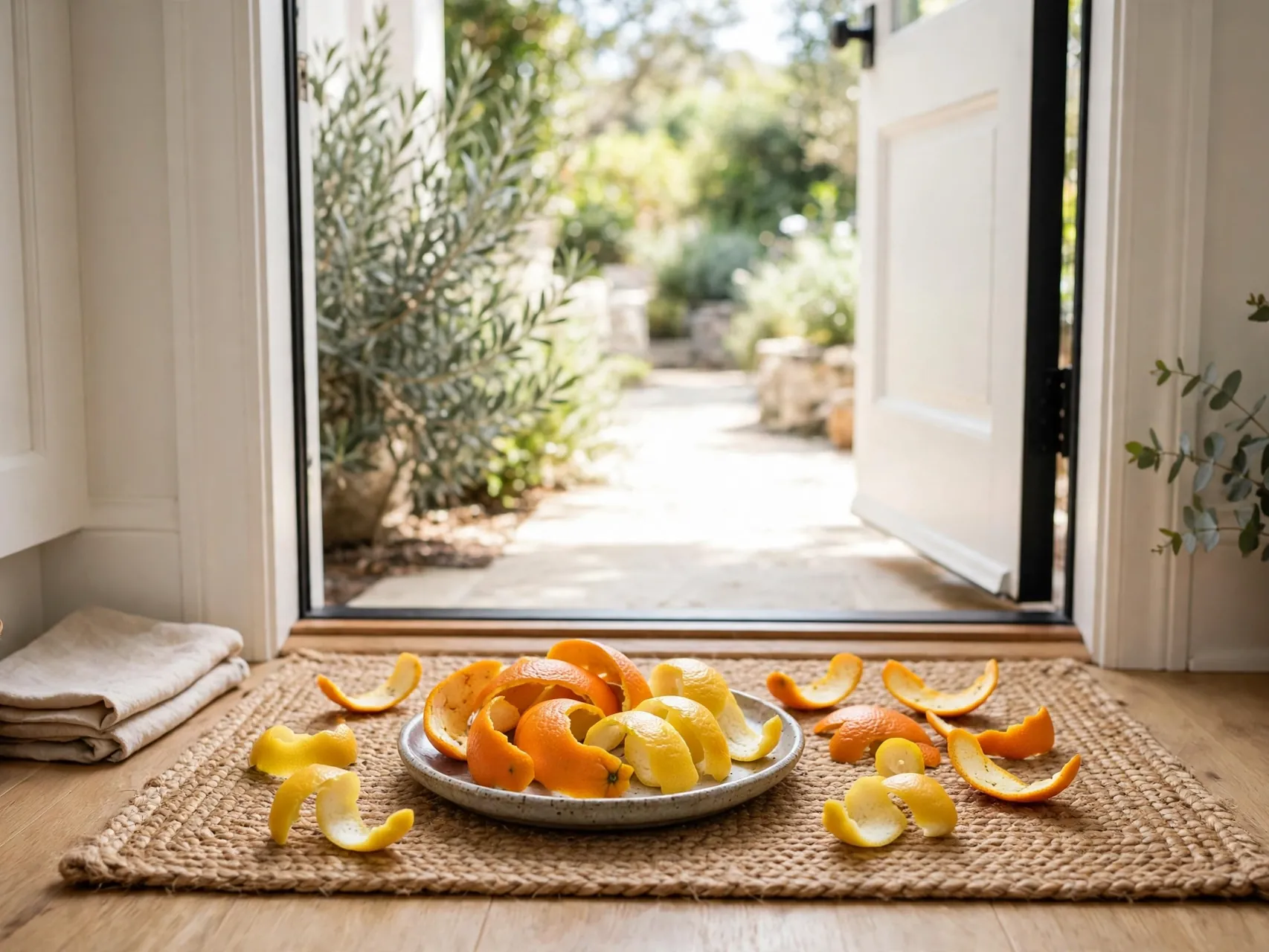
Fresh lemon or orange peels rubbed along thresholds, windowsills, and entry cracks leave citrus oils that ants dislike, along with a clean smell for people. Replace peels every day or two as they dry out, and wipe the area clean afterward so sugary residue does not attract new scouts.
Save this for active entry points during an outbreak rather than scattering peels around food prep areas. Like other scent deterrents, citrus works best as a short term redirect while you remove food, wipe trails, and seal the actual opening.
13. Use Food Grade Diatomaceous Earth Dry

Food grade diatomaceous earth is a fine powder made from fossilized algae that damages the outer coating of insects on contact, causing them to dry out. Apply a thin, dry layer in cracks, under appliances, and along baseboards where ants travel, keeping it out of open living areas.
Avoid breathing the dust while applying, keep children and pets away until it settles, and never use pool grade product indoors. It only works while dry, so reapply after mopping or any moisture, and use it as a barrier, not a food area treatment.
14. Set Closed Bait Stations Safely
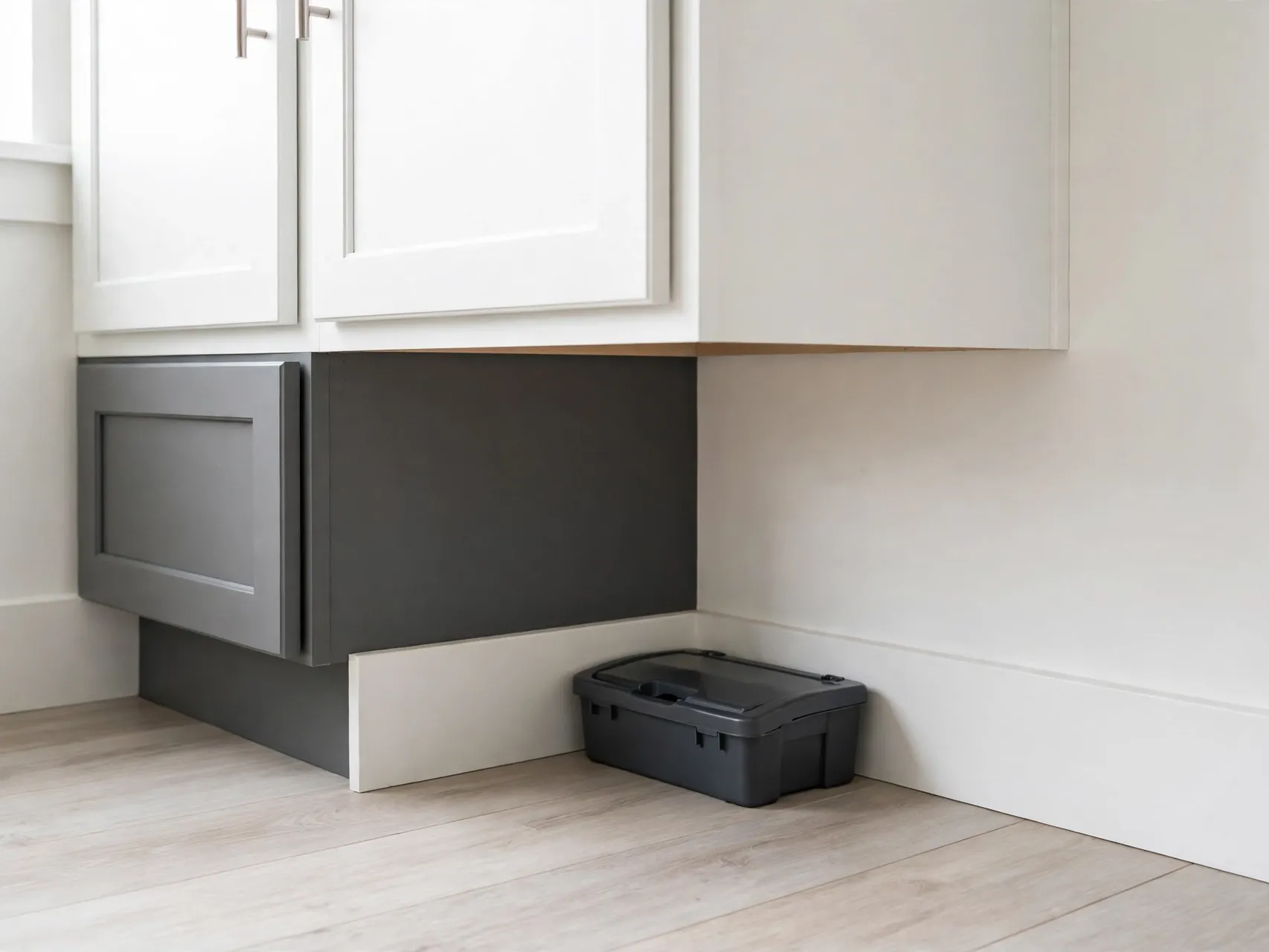
When cleaning and sealing are not enough, a labeled commercial bait in a closed station lets workers carry a slow acting ingredient back to the colony, which is the only way to reach the queen. Extension sources note that sweet liquid and gel baits with borax based ingredients can be effective for indoor ants when placed near trails.
Choose closed stations, place them exactly as the label directs, and keep them out of reach of children and pets at all times. Expect a brief increase in ants at the bait at first, and do not spray repellent near stations, or workers will avoid them.
15. Use DIY Borax Bait Only With Extreme Care
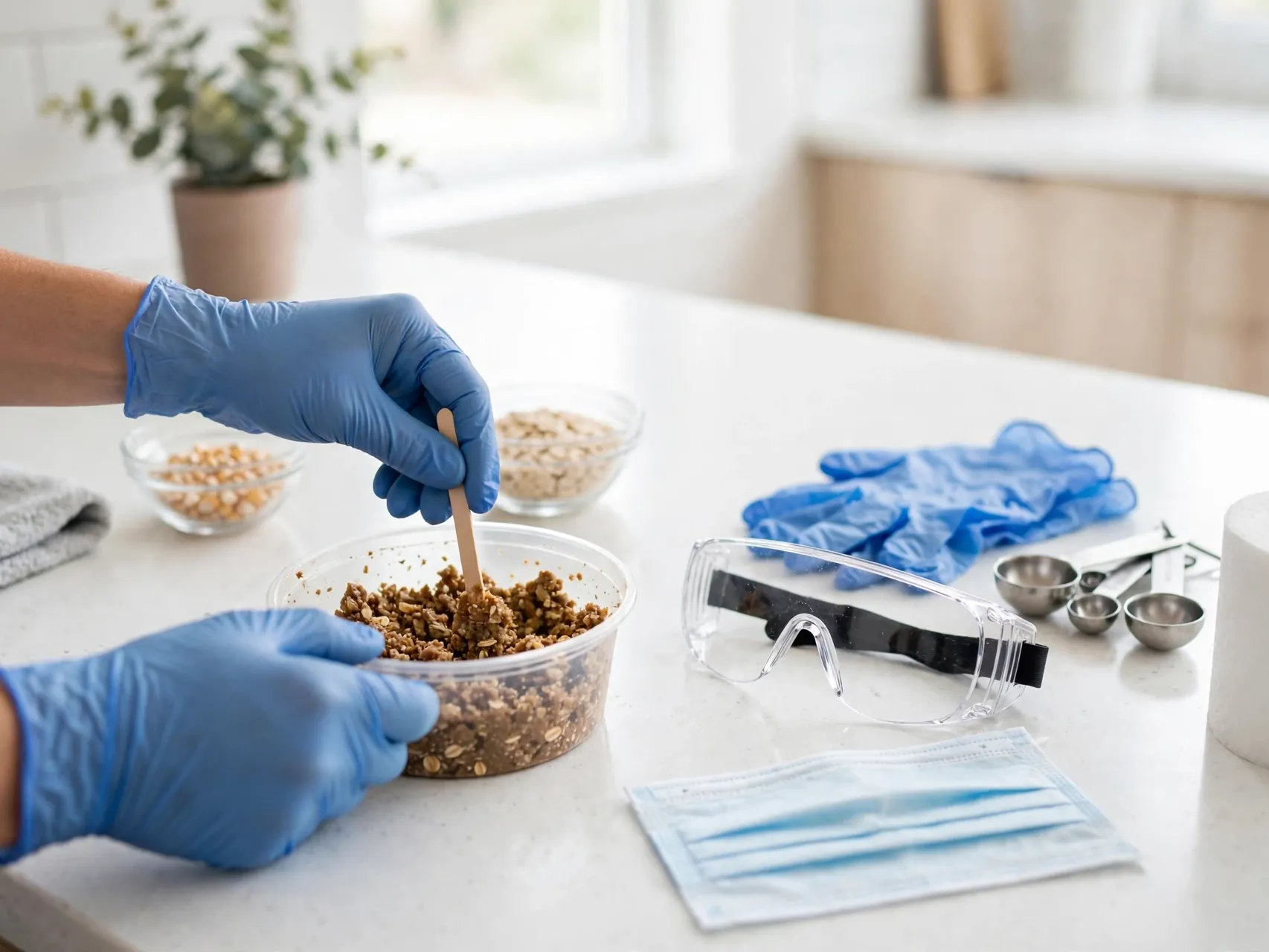
Homemade borax and sugar bait is widely shared, but borax is toxic if eaten, so it is not a casual kitchen counter remedy in homes with children or pets. If you use any borax bait, it belongs only inside a secure, closed, labeled station in a spot children and pets cannot access at all, following safety guidance carefully.
Many households are better served by a pre made closed station with clear label directions than by mixing bait at home. Never place open bait on counters, near pet food, or where a child could reach it, and wash hands after handling any bait product.
16. Sprinkle Cornmeal as a Mild Deterrent

Cornmeal scattered near outdoor entry points and around exterior nests is sometimes used as a low risk deterrent and feeding distraction away from the house. It will not eliminate a colony on its own, and indoor use can simply become another food mess, so keep this trick outside and modest.
Sweep it up after a few days so it does not attract other pests or spoil in rain. Think of cornmeal as a minor supporting step while the serious work, sanitation, moisture repair, and sealing, happens at the house itself.
17. Pour Boiling Water on Outdoor Nests Carefully

For a visible outdoor nest in soil away from plant roots, slowly pouring boiling water directly into the nest entrance can kill ants on contact and collapse shallow tunnels. Use a kettle, pour carefully to avoid splashing skin, and keep children and pets well away during the job.
This only affects the nest you treat and can damage nearby grass or plants, so weigh the spot first. Repeat visits may be needed. Indoor nests in walls or floors are a different problem and should never be treated with water.
18. Trim Plants Touching the House

Shrubs, vines, and tree branches that touch walls and roofs are bridges that let ants bypass every ground level barrier you set. Trim vegetation back so nothing touches the siding, roof edge, or window frames, and clear leaf litter and heavy mulch away from the foundation as extension guidance recommends.
This also reduces moisture against the house and helps siding dry after rain. Check after trimming for new trails, because ants will test other routes for a few days before giving up on a house that no longer offers easy access and food.
19. Move Wood and Mulch Away From Walls
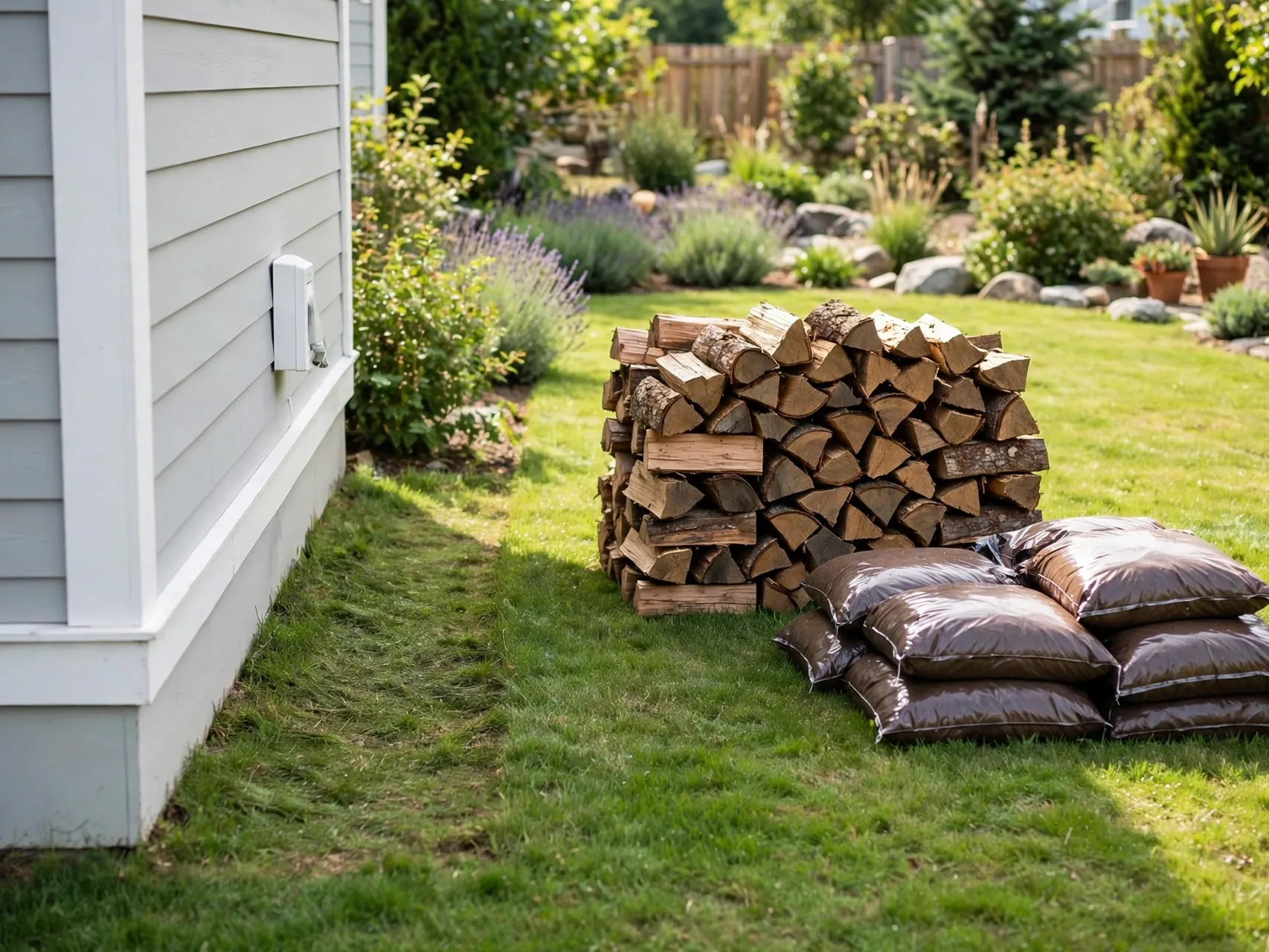
Firewood stacks, lumber, and thick damp mulch against the foundation give ants shelter, moisture, and a hidden staging area right at your walls. Move wood piles away from the house, raise them off the ground if you can, and rake mulch back so a dry gap shows next to the foundation.
Bring in only the firewood you will burn that day during ant season. These outdoor habits support your indoor work, because most indoor trails start with a comfortable colony living just inches from an entry crack.
20. Vacuum Ants Instead of Crushing Them

When you find a cluster of ants indoors, vacuum them up quickly rather than crushing them, because crushed ants of some species release alarm scents that can attract more workers to the spot. Empty the vacuum or change the bag promptly, ideally into an outdoor bin, so nothing survives inside the machine.
Follow with a soapy water wipe of the whole area to erase the trail. This is a clean, chemical free way to handle a sudden scout party while you find and fix the entry point and food source behind the visit.
21. Keep Counters Crumb Free Every Night
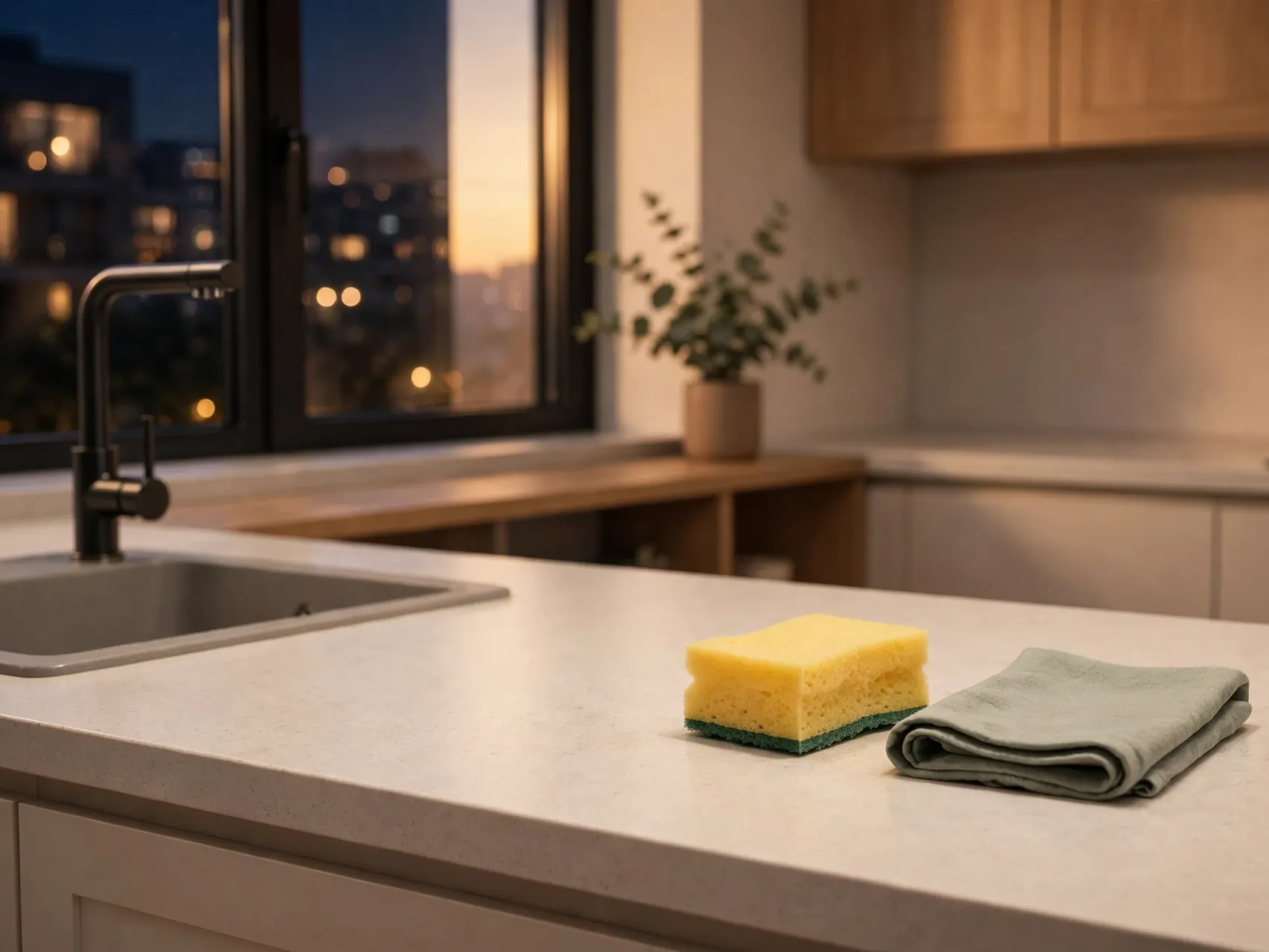
Ants scout most successfully when the house is quiet. A nightly five minute reset, counters wiped, crumbs swept, pet bowls up, sticky spots washed, trash out, makes scouts find nothing worth reporting. Within days, trails fade because the colony stops investing workers in a kitchen that no longer pays.
Pair the reset with a quick check of the sink for standing water and a damp sponge left in a puddle. This habit is the long term answer to how to stop ants in kitchen problems without repeated product use.
22. Know When to Call a Professional

Call a licensed pest professional if you see large black ants with sawdust like debris, which can signal carpenter ants in damp wood, if stinging fire ants appear indoors, if trails return in several rooms after two to three weeks of steady work, or if you suspect a nest inside walls or floors.
A professional can identify the species, which matters because bait and treatment choices differ, and can treat hidden nests safely. Keep your cleaning, sealing, and moisture fixes in place either way, since no treatment lasts if food, water, and entry points remain open.
FAQ
What is the fastest natural way to stop an ant trail today?
Wipe the entire trail with hot soapy water to erase the pheromone path, remove the food they were heading to, vacuum any clusters, and seal or block the entry point you find. A vinegar and water wipe also disrupts trails. That combination stops todays traffic while longer steps address the colony.
Is borax safe to use around kids and pets?
Borax can be harmful if eaten, so it must be treated with respect. Use it only inside closed, labeled bait stations placed where children and pets cannot reach them at all, follow label directions exactly, and wash hands after handling. If safe placement is not possible in your home, skip borax and rely on sanitation, sealing, and barriers, or call a professional.
Why do ants come back after I clean?
Usually the colony, entry point, or a food and water source is still active. A single open sugar bag, pet bowl, or dripping pipe can restart scouting, and unsealed cracks let new trails form. Recheck pantry storage, moisture, and entry gaps, and be patient, since bait based control can take days to weeks to affect a whole colony.
Are essential oils enough to get rid of ants on their own?
No. Peppermint and citrus scents can deter ants at a specific spot for a short time, but they do not remove food, water, entry points, or the nest. Use them as a support step in hidden places, out of reach of children and pets, alongside cleaning, sealing, and moisture repair for real results.
When should I stop DIY and call a professional?
Call for help if you suspect carpenter ants in wood, see stinging ants indoors, find trails in several rooms that persist after two to three weeks of consistent work, or cannot locate the nest. A licensed professional can identify the species and treat hidden colonies safely and legally.
Key Takeaways

- Erase the map: Soapy water on the full trail removes the pheromone path other ants follow into your kitchen.
- Starve the colony: Sealed food, pet bowls up, crumbs gone nightly, and trash out daily remove the reason for visiting.
- Dry the house out: Fixed leaks and dry cabinets remove the water source many indoor ants want most.
- Seal the doors: Caulk around windows, doors, pipes, and cables is permanent, chemical free prevention that keeps working.
- Bait with respect: Borax belongs only in closed stations out of reach of children and pets, exactly as labels direct.
- Know the limit: Carpenter ants, stinging ants, or stubborn multi room trails mean it is time for a licensed professional.
Love these ideas? Save this pin to your cleaning board on Pinterest so you can find them again before your next reset.