20 Ways to Make Your Home Smell Good All Day and Night
Introduction

Some homes just smell welcoming the moment the door opens. It is rarely one expensive product doing the work. More often, it is a clean base, good airflow, and a few light scent layers placed in the right spots, refreshed on a simple schedule that nobody has to think hard about. This guide shows you how to make your home smell good all day and night by fixing odor at the source first, then adding fragrance gently. You will find ideas for every room, from a simmer pot in the kitchen to sachets in drawers and a reed diffuser in the entry, all using everyday items. Start with fresh air and trash, because those two steps change everything else. Then pick two or three scent methods your household actually enjoys and rotate them so your nose does not go blind to them. By the end, you will have a routine that keeps the house fresh between deep cleans, not just for the hour after you spray.
1. Open Windows for Fresh Air First

Fragrance layered over stale air never smells clean, it just smells mixed. Start by opening windows on opposite sides of the home for ten to fifteen minutes when weather allows, creating a light cross breeze that pushes out cooking, laundry, and overnight odors.
Do this in the morning in bedrooms and after cooking in the kitchen. Fresh air is the free foundation of every other idea in this guide, and it also helps control indoor moisture, which the EPA links to musty smells and mold growth in damp areas of the home.
2. Simmer a Stovetop Pot With Citrus

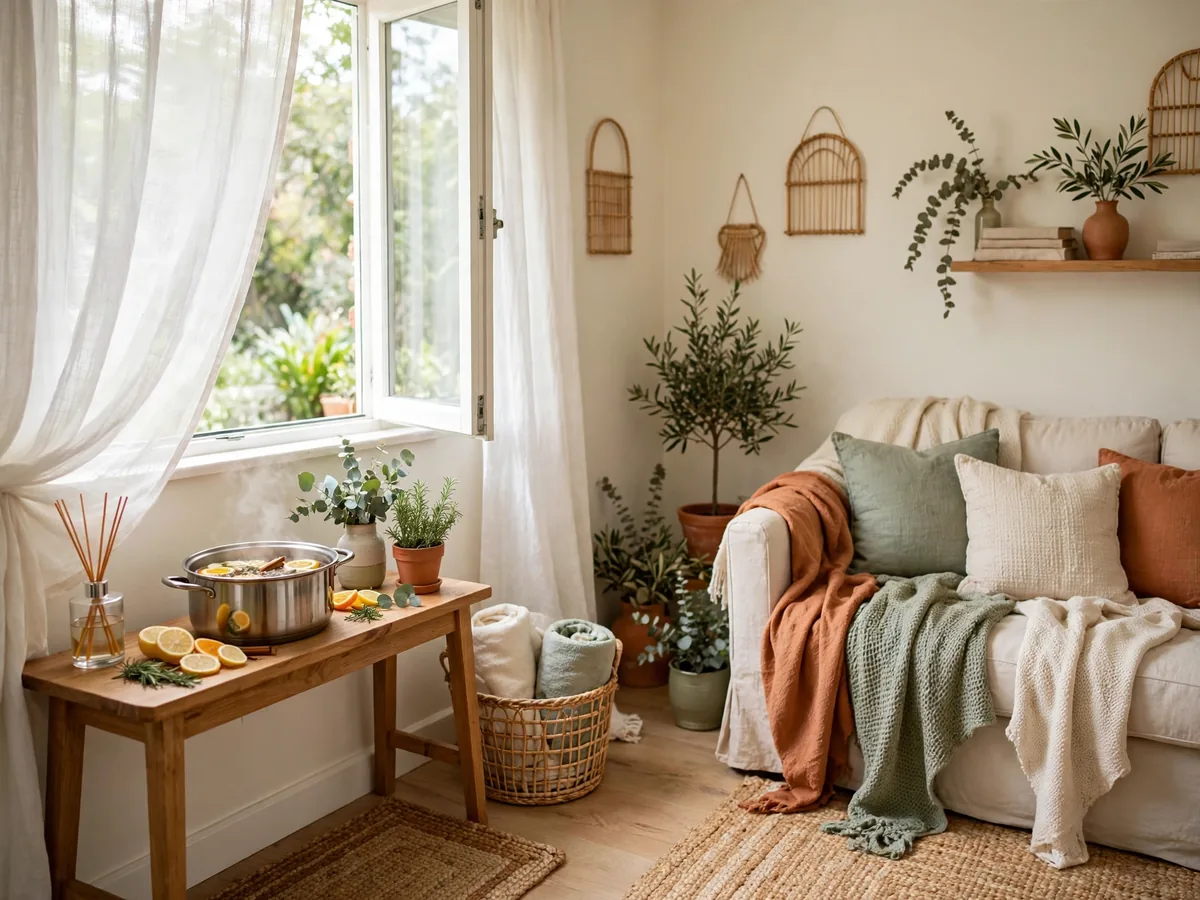
A simmer pot is the fastest way to change the mood of the whole house before guests arrive. Fill a small pot with water, add orange or lemon slices, a cinnamon stick, and a few cloves or rosemary sprigs, then keep it on the lowest heat so it barely steams.
Check the water level every thirty minutes and never leave a simmering pot unattended. Turn it off when you leave or go to sleep. The scent is warm and natural, and unlike a spray it keeps releasing gently for as long as the pot stays warm.
3. Place Baking Soda Where Odors Start

Baking soda does not add scent, it absorbs and neutralizes odor, which makes it perfect for the spots that quietly undo your efforts. Sprinkle it in the bottom of trash cans, keep an open box in the fridge, and set a small jar in a shoe cabinet or laundry area.
Replace fridge and room boxes about once a month, sooner in busy kitchens. For a light scent boost, stir a few drops of essential oil into a jar of baking soda, cover it with breathable fabric, and shake it weekly to refresh the surface.
4. Wash Soft Furnishings on a Schedule

Curtains, throw blankets, cushion covers, and bedding hold onto cooking smells, pet odor, and everyday body oils far longer than hard surfaces do. If a room smells stale after cleaning, the fabric is usually the reason, not the floor or the walls underneath it.
Set a simple rotation: bedding weekly, throws and cushion covers monthly, curtains a few times a year following their care labels. Opening windows while fabrics air on a line or rack helps too. Clean fabric is the background that lets home fragrance tips actually work.
5. Empty Trash and Clean the Bin Itself
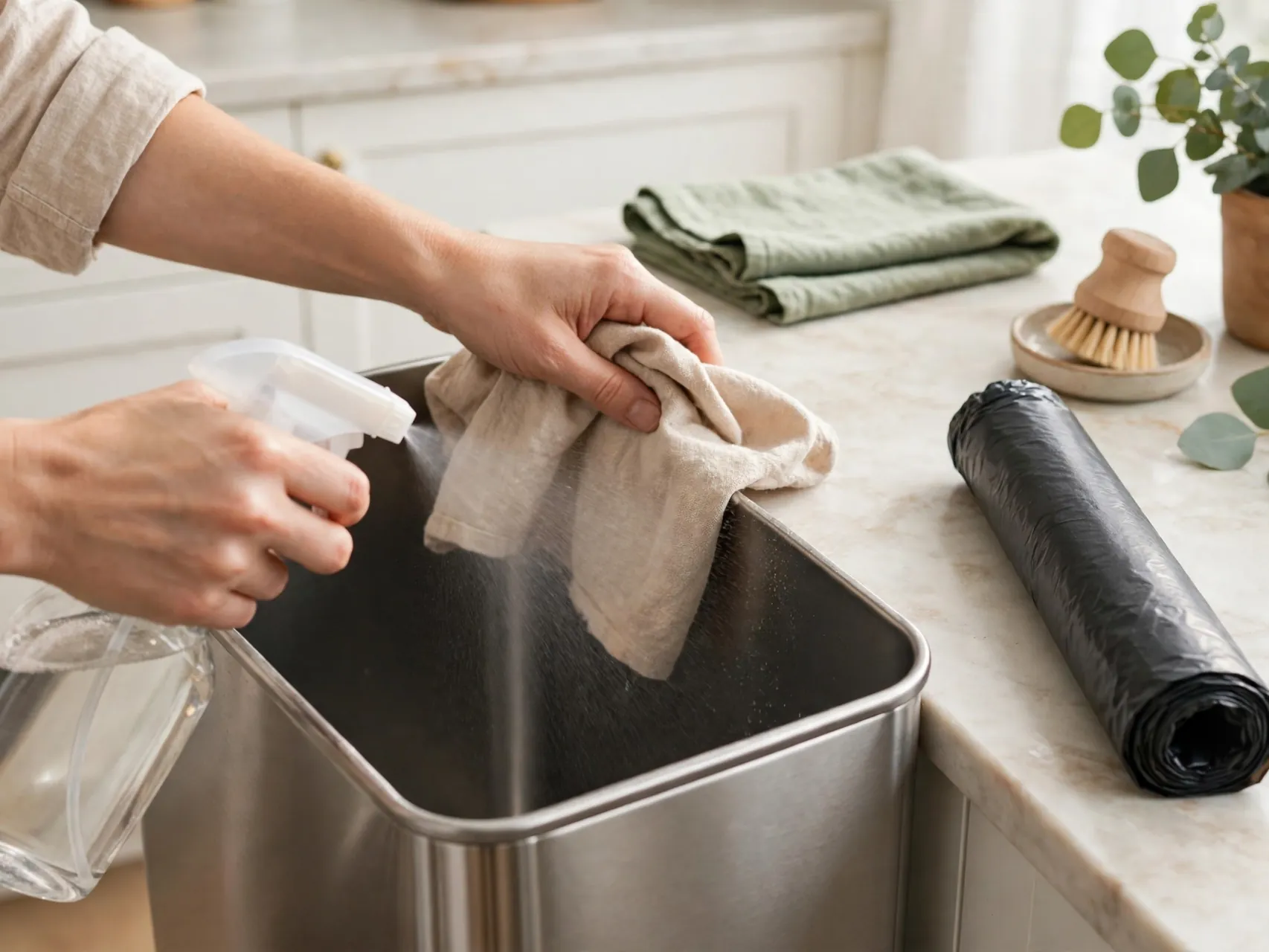
No candle can compete with a dirty trash can. Take kitchen trash out before it is overflowing, tie bags closed, and wipe spills inside the bin right away instead of waiting for wash day. Food residue in the can itself is a top source of whole house odor.
Once a month, wash the bin with warm soapy water, dry it fully in the sun if you can, and sprinkle baking soda in the bottom before adding a fresh bag. A dry, clean bin keeps the kitchen smelling neutral between meals.
6. Deodorize the Kitchen Sink and Disposal

Sink drains and garbage disposals collect tiny food scraps that turn sour fast. Run cold water, feed the disposal a handful of ice cubes to knock debris off the splash guard, then follow with citrus peels for a clean, sharp scent that rinses the chamber.
Scrub the rubber splash guard flaps with an old toothbrush and dish soap, because that hidden surface is often the real source of drain odor. Finish by flushing with plenty of water. Do this weekly in warm months when odors build faster.
7. Use a Simple DIY Room Spray Lightly
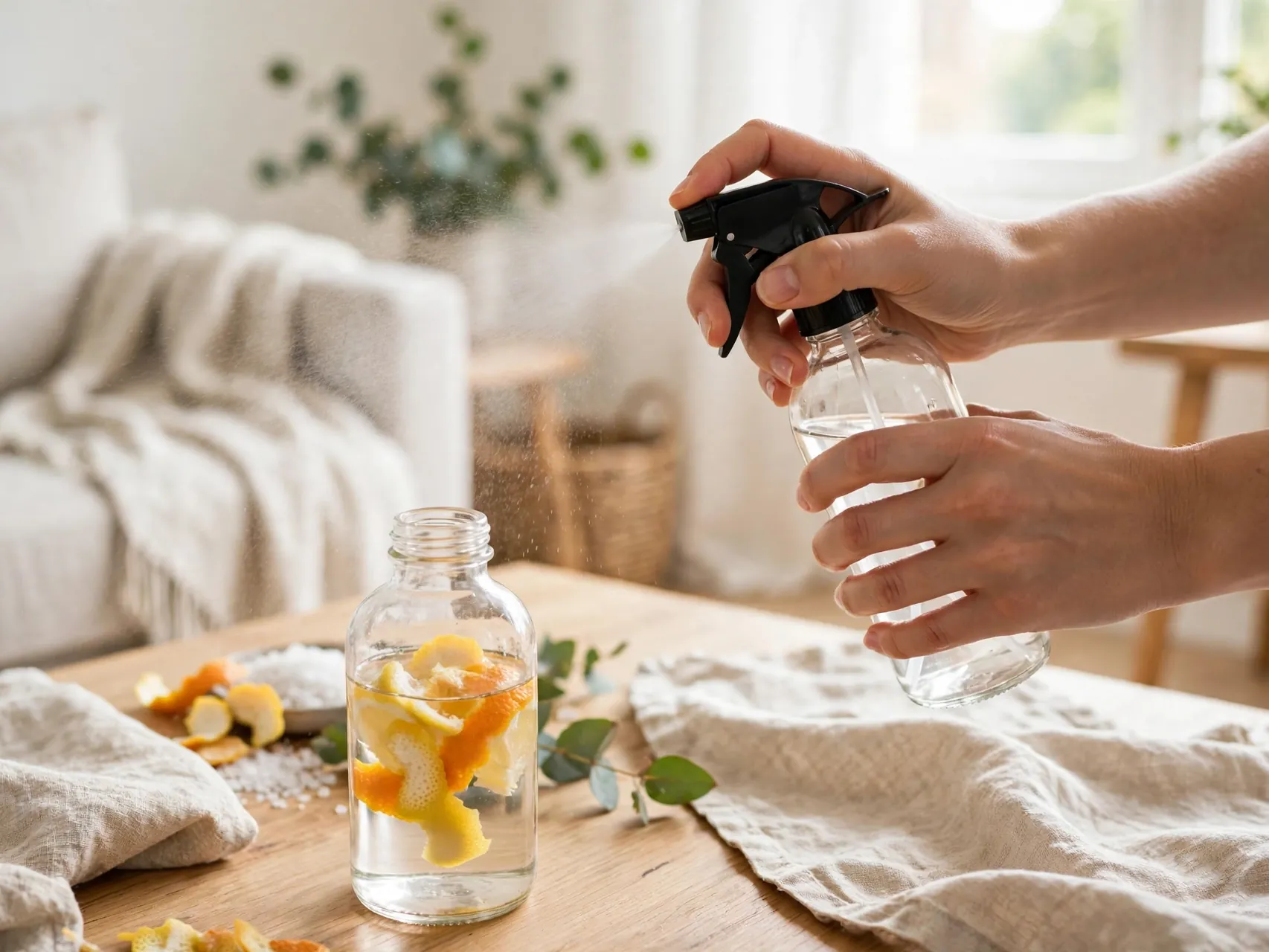
A light homemade spray is useful for a quick refresh before visitors, as long as it stays a finishing touch and not a cover up. Mix water with a tablespoon of witch hazel or plain vodka in a small bottle, add a few drops of lemon, lavender, or peppermint oil, and shake before each use.
Mist the air and washable fabrics lightly, keeping spray away from wood finishes, silk, and pets until it dries. A few spritzes in the center of a room beat heavy spraying in corners, and the scent should fade softly within the hour.
8. Set Out a Reed Diffuser in the Entry
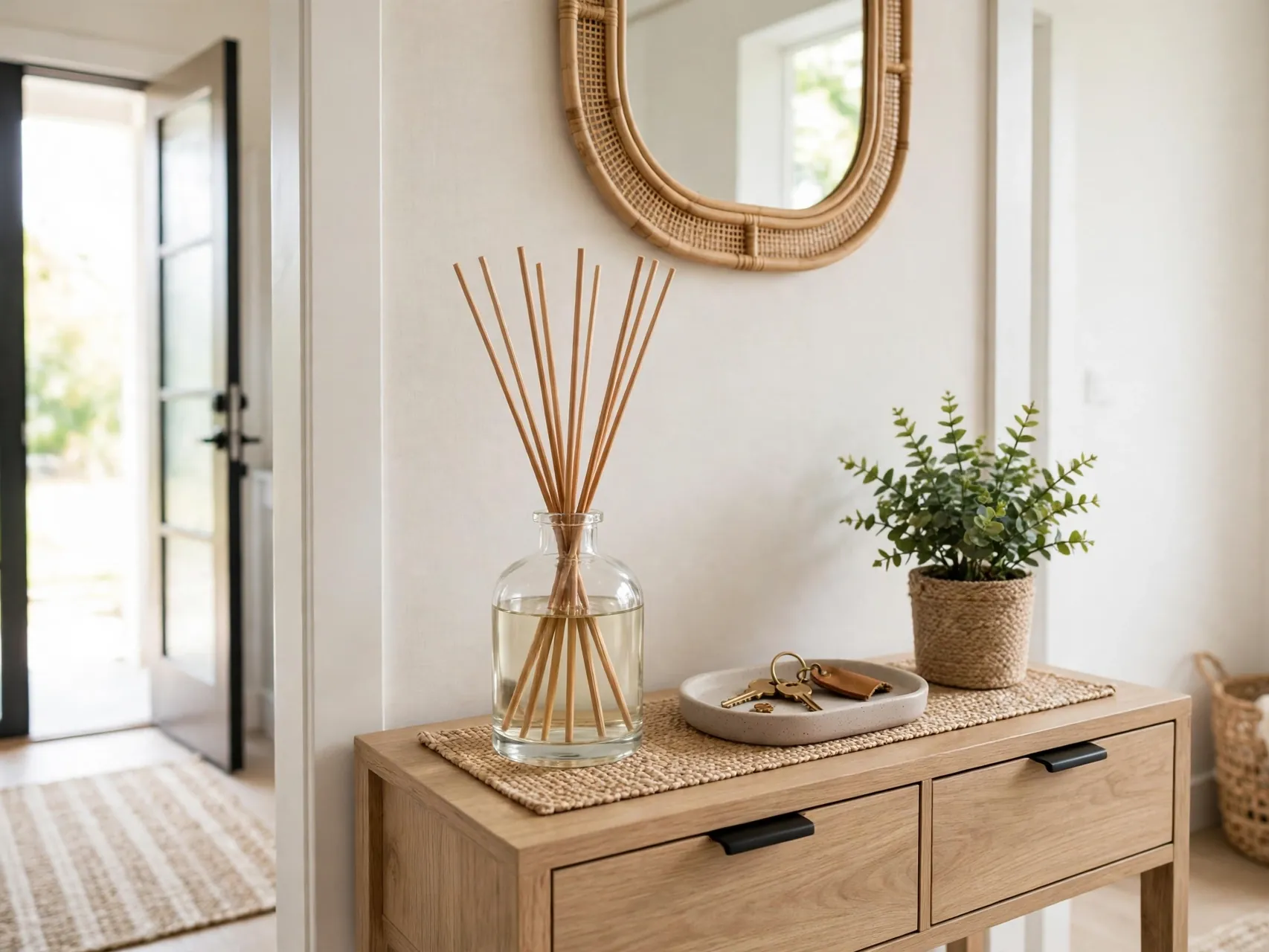
The entry sets the first impression, so give it a constant, gentle scent source. A reed diffuser works without flame or plugs, releases fragrance slowly, and suits a hallway or powder room where you want consistency rather than a strong burst before guests arrive.
Flip the reeds once a week to refresh the throw, and use fewer reeds in small spaces so the scent stays subtle. Keep diffusers out of reach of small children and pets, and place them on a coaster to protect wood surfaces from oil drips.
9. Diffuse Essential Oils in Short Sessions
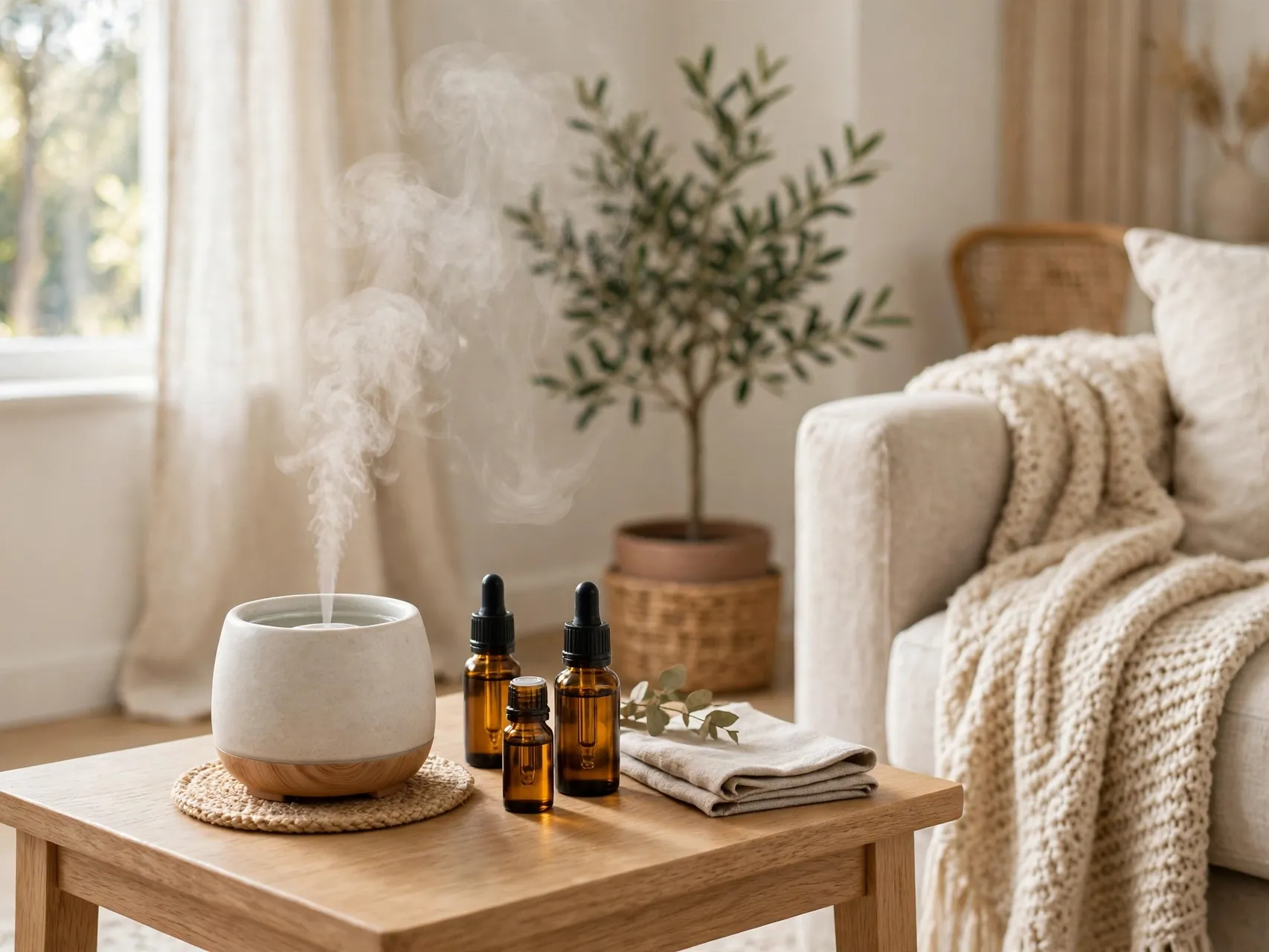
An ultrasonic diffuser is ideal for living rooms and bedrooms when you run it in short sessions rather than all day. Thirty to sixty minutes is enough to scent a room pleasantly, and turning it off between sessions keeps noses from going blind to the fragrance.
Use clean water, wipe the tank weekly, and choose simple blends like lemon with cedar or lavender with orange. Keep diffusers away from pet birds and use extra care around babies and pets, following the oil maker safety guidance for your household.
10. Add Scented Sachets to Drawers and Closets

Small spaces hold scent best, which makes sachets perfect for drawers, linen closets, and coat closets. Fill small fabric bags with dried lavender, cedar shavings, or rice mixed with a few drops of essential oil, then tuck one into each drawer or shelf corner.
Squeeze sachets monthly to release more scent and replace the filling when it fades, usually after a few months. Sachets also discourage the flat, closed up smell that builds in closets that stay shut, especially in humid weather or guest rooms used only occasionally.
11. Clean Upholstery and Rugs at the Source

Sofas and rugs trap odor deep in padding where sprays cannot reach. Vacuum upholstery slowly with the fabric attachment weekly, including under cushions, and sprinkle baking soda over rugs and sofa seats, let it sit for at least thirty minutes, then vacuum it up thoroughly.
For washable covers, follow the care label and dry them fully before putting them back. If a spill soaks into padding, blot it right away and clean it the same day. Source cleaning is how you truly eliminate household odors instead of masking them.
12. Keep Pet Beds and Blankets Fresh

Pet areas are often the first place guests notice, even when owners have gone nose blind to them. Wash pet beds, blankets, and soft toys on a regular cycle, vacuum pet corners more often than the rest of the room, and keep a washable throw where pets nap on furniture.
Wipe paws after muddy walks, brush pets outdoors to cut loose hair indoors, and store food in sealed containers so kibble odor does not drift. A clean pet zone lets the rest of your scent routine show, and most pets prefer a fresh bed too.
13. Wipe Fridge Shelves and Toss Old Food

A fridge quietly perfumes the kitchen every time it opens. Once a week, toss leftovers that are past their prime, wipe spills before they harden, and check produce drawers for anything softening out of sight. That five minute habit prevents the sour background note many homes struggle with.
Keep an open box of baking soda on a shelf and replace it monthly. Store strong foods like onions and cheese in sealed containers. A clean fridge also makes cooking more pleasant and helps fresh groceries last longer without picking up stale odors.
14. Bring in Fresh Herbs or Eucalyptus
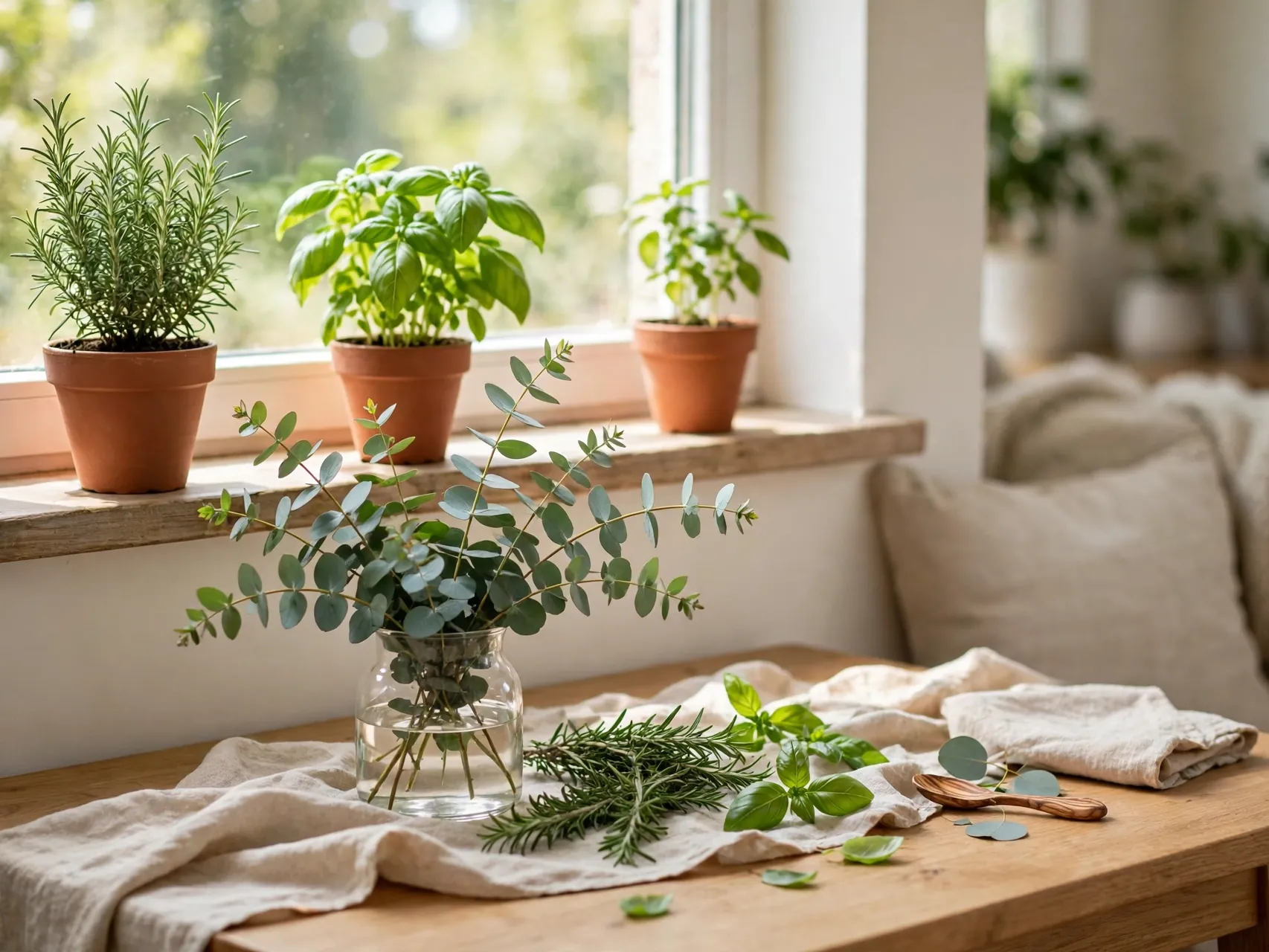
Living scent is subtle and changes a room without any product at all. A small pot of rosemary or mint on the kitchen sill, a vase of eucalyptus on the table, or fresh flowers in the entry release gentle fragrance every time air moves past them or you brush the leaves.
Replace water in vases every few days and trim stems so plants do not create the very odor you are trying to avoid. Dried herb bundles work in bathrooms and closets where live plants get too little light to thrive happily.
15. Simmer or Bake Something Warm and Simple

Real cooking creates the most believable good smell of all. Baking bread, roasting apples with cinnamon, or warming vanilla in a low oven for a short visit fills the house with a scent that feels lived in rather than sprayed on for show.
Use this trick before open houses, family dinners, or cozy weekends at home. Keep it simple and supervised, and enjoy the food afterward. Even reheating citrus peels and spices in a pan of water on the stove gives a similar effect with almost no effort.
16. Freshen Carpets Before You Vacuum

Carpets hold foot traffic odor at floor level, right where children and pets spend their time. Before vacuuming, sprinkle plain baking soda evenly over the carpet, let it sit for thirty minutes or overnight for problem rooms, then vacuum slowly in overlapping passes to pick it all up.
Check that your vacuum bag or bin is not already full of old debris, because a full machine pushes stale air back into the room. Empty it outdoors if you can. This routine is a quiet workhorse for homes that want to make house smell fresh all day.
17. Keep Laundry From Sitting Damp
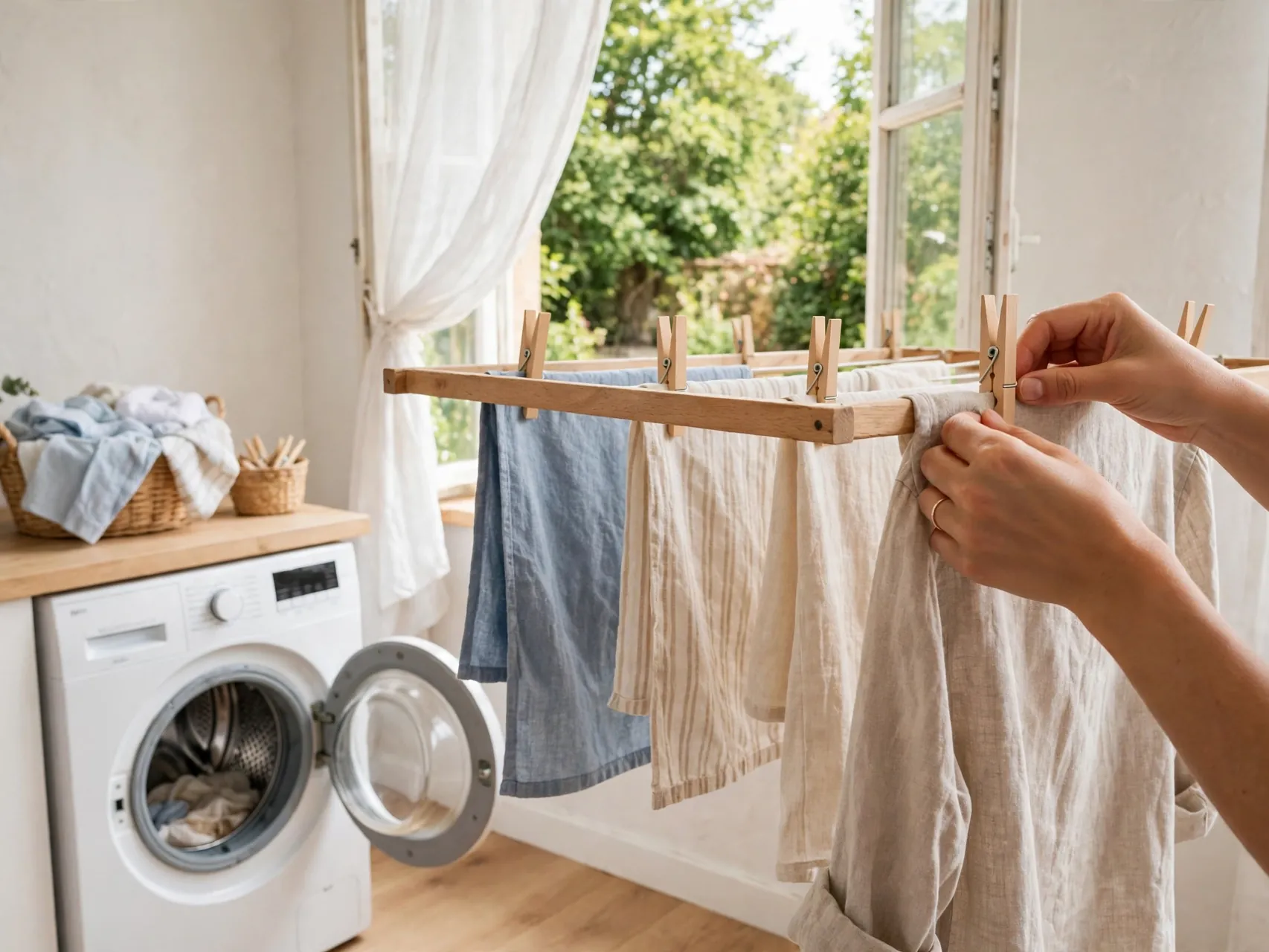
A forgotten load of wet laundry can sour a whole hallway within hours, and damp towels in a hamper do the same more slowly. Move finished loads to the dryer or line promptly, leave the washer door open between cycles so the drum dries, and hang used towels where air can reach them.
Wash cleaning cloths and bath mats regularly too, since they carry moisture and soil. If a load has sat too long and smells musty, rewash it before drying. Laundry discipline is invisible when it works, and very noticeable when it slips.
18. Place a Small Bowl of Vinegar Overnight

For a stubborn room odor after a fish dinner, paint project, or smoky cooking mishap, set out a small bowl of white vinegar overnight. Vinegar absorbs strong airborne odors as it evaporates, and its own sharp smell fades quickly once you remove the bowl in the morning.
Use this as a reset, not a daily routine, and keep bowls out of reach of pets and small children. Open a window at the same time if you can. By morning the room should smell neutral, ready for your normal light fragrance again.
19. Use Candles Safely and Sparingly
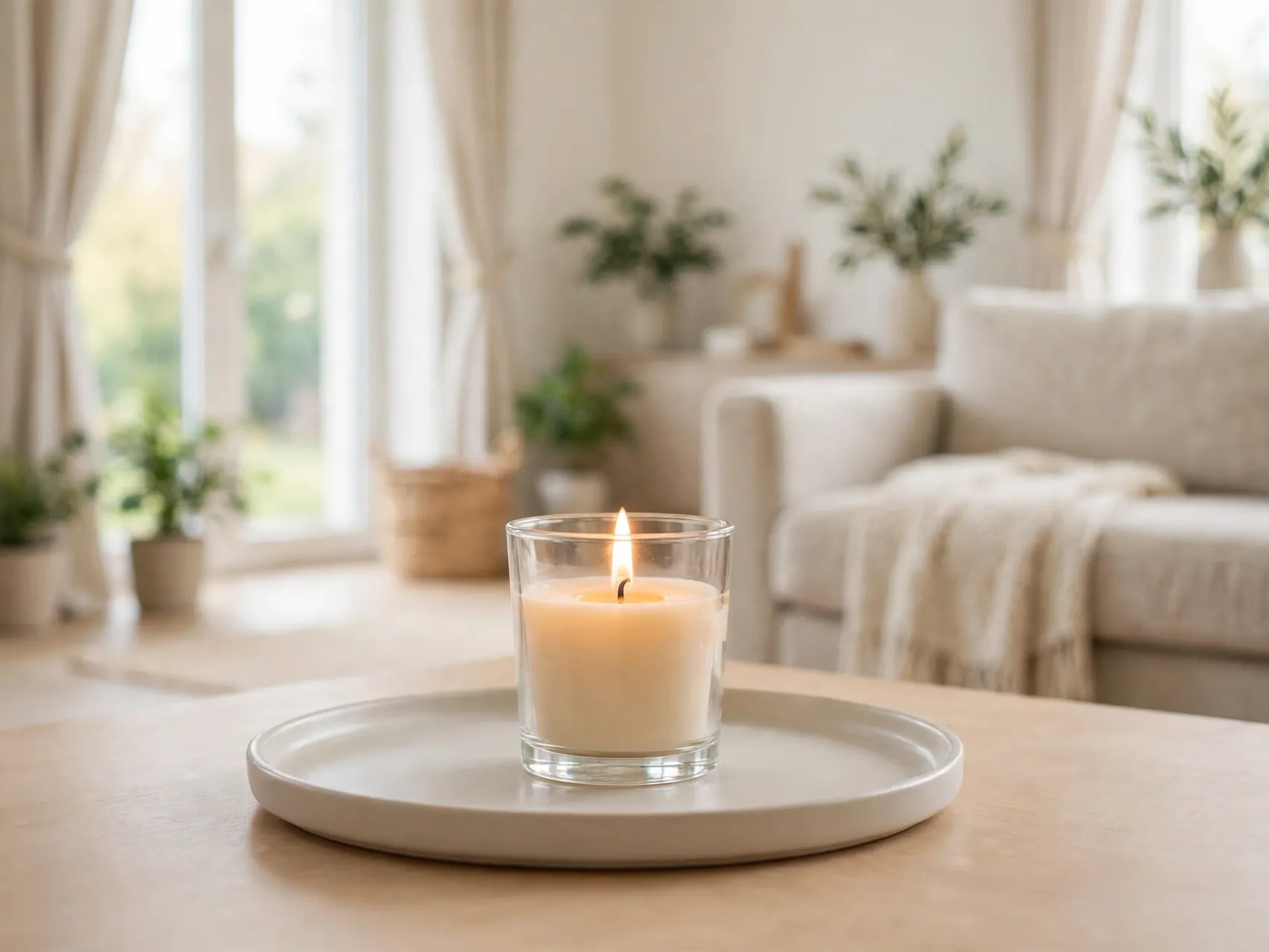
A lit candle adds warm scent and atmosphere in the evening, especially in the living room or bathroom during a bath. Choose one candle per room, trim the wick before lighting, and let the wax melt evenly across the top on the first burn to avoid tunneling and wasted fragrance.
Never leave a burning candle unattended, keep it away from curtains, bedding, and pets, and set it on a heat safe surface. Blow it out before sleep. Used this way, candles are a pleasant accent rather than your main odor strategy.
20. Build a Daily Ten Minute Fresh Air Routine

Lasting freshness is a routine, not a product. Link small habits together: open windows while coffee brews, take trash out with the morning bag check, wipe the sink after dinner, hang towels open, and run one scent source in the main living space instead of five competing ones.
Rotate scents by season so your nose stays sensitive to them, citrus and herbs in spring, warm spice in fall. This is the realistic way to make your home smell good from morning to night, with a home that smells clean first and scented second.
FAQ

Why does my house smell stale even after cleaning?
Usually the odor is living in soft surfaces or hidden sources rather than on cleaned hard surfaces. Check curtains, upholstery, rugs, trash bins, sink drains, damp laundry, and the fridge. Wash or deodorize those sources, improve ventilation, and the stale note normally lifts within a day or two of consistent habits.
What is the healthiest way to add scent at home?
Start with ventilation and source removal, then use light, intermittent scent such as a short diffuser session, a simmer pot, or a reed diffuser with fewer reeds. Avoid layering many strong products at once, keep rooms aired, and follow maker guidance around babies, pets, and birds, which can be more sensitive to fragrance.
How long does a simmer pot scent last?
While the pot is warm, scent spreads through nearby rooms, and a soft background note often lingers for a few hours after you turn it off. Always supervise a simmering pot, top up the water, and turn it off when you leave home or go to bed.
Can baking soda really remove odors or does it just cover them?
Baking soda neutralizes many common acidic odors on surfaces and in small enclosed spaces, which is why it works well in fridges, bins, and on carpets before vacuuming. It will not fix an active source like spoiled food or a damp leak, so remove the source first, then use baking soda as support.
How do I keep the smell good overnight?
Do a small evening reset: take out kitchen trash, wipe the sink, hang towels open, close toilet lids, and set one gentle scent source in the hall or entry. Close bedroom doors only after airing the rooms. You will wake up to a neutral, fresh house instead of closed up overnight odors.
Key Takeaways

- Clean first, scent second: Fresh air, trash, drains, and fabrics decide how your home smells before any fragrance does.
- Layer lightly: One scent source per zone beats several competing sprays, candles, and plug ins in the same room.
- Use absorbers well: Baking soda in bins, fridges, and carpets quietly neutralizes odor between deep cleans.
- Wash the soft stuff: Bedding, throws, curtains, and pet beds hold odor longest, so keep them on a schedule.
- Ventilate daily: Ten minutes of open windows resets stale air and helps control moisture and musty smells.
- Routine over products: A ten minute daily reset keeps the house fresh all day and night without effort spikes.
Love these ideas? Save this pin to your cleaning board on Pinterest so you can find them again before your next reset.