24 Ways to Remove Hard Water Stains From Glass Shower
Introduction
You can effectively remove hard water stains from glass shower doors by using acidic household solutions that break down mineral deposits. These unsightly spots occur because hard water contains high levels of magnesium, calcium, and iron minerals, which leave residues behind as water evaporates.
This guide covers twenty-four practical methods to restore the clarity of your bathroom surfaces. We explore everything from simple DIY mixtures, such as the standard 50/50 water and vinegar solution for chrome and glass, to heavy-duty mechanical scrubbing techniques. You will learn how to address existing buildup, understand the difference between acidic and alkaline cleaners, and implement long-term strategies like hydrophobic coatings to keep your glass pristine. Whether you are tackling minor spots or stubborn mineral deposits, these techniques provide safe and reliable ways to manage your home maintenance effectively.
Understanding Hard Water Stains
Mineral deposits on your shower doors are the result of water evaporation, not a permanent defect in the glass. Hard water contains high levels of magnesium, calcium, and iron minerals, as verified by the North Carolina Department of Health and Human Services. When water droplets sit on your shower glass and eventually evaporate, these dissolved minerals remain behind.
Over time, this accumulation forms visible spots and cloudy patches. While many people worry that these marks are etched into the glass forever, mineral buildup is typically a surface issue. Because the deposits sit on top of the glass rather than changing its chemical structure, they can be managed with the proper cleaning techniques.
You can effectively clear these spots by focusing on the following factors:
- The mineral content of your local water supply determines how quickly buildup returns.
- Regular maintenance prevents minerals from hardening into thick crusts.
- Acidic solutions are frequently used to dissolve the mineral bonds on the surface.
Addressing these stains early makes the process much simpler. By understanding that you are dealing with a surface-level mineral deposit, you can choose the right approach to restore clarity to your bathroom glass without fearing lasting damage. Consistent care is the most reliable way to maintain a clean appearance.
What Causes Hard Water Stains

Hard water stains appear on shower doors because the water supplied to your home contains high levels of magnesium, calcium, and iron minerals. These dissolved minerals are naturally occurring, but they become problematic once they land on your glass surfaces.
When you shower, water droplets containing these mineral ions cling to the glass. As the water evaporates, it leaves the solid minerals behind. This process repeats every time you use the shower, causing the microscopic mineral particles to bond together and accumulate into visible, cloudy spots.
The situation often worsens due to the interaction between these minerals and your bathroom products. Specifically, the soap scum from your body wash or shampoo mixes with the calcium and magnesium deposits. This creates a stubborn, filmy layer that is significantly more difficult to rinse away than plain mineral dust.
Because these deposits bond to the surface through repeated evaporation, they gradually form a layer that resists simple water rinsing. Over time, this buildup creates the characteristic frosted or foggy appearance on your glass doors. If you notice this hazy film, you are likely dealing with a combination of these factors:
- Calcium and magnesium ions from the water supply.
- Residue from soaps and personal care products.
- Gradual layering caused by constant evaporation cycles.
Understanding this chemical process is the first step in learning how to effectively clean etched shower glass. By addressing the mineral composition of your water, you can better select the appropriate cleaning agents to break these bonds without damaging your fixtures.
Safe DIY Cleaning Solutions
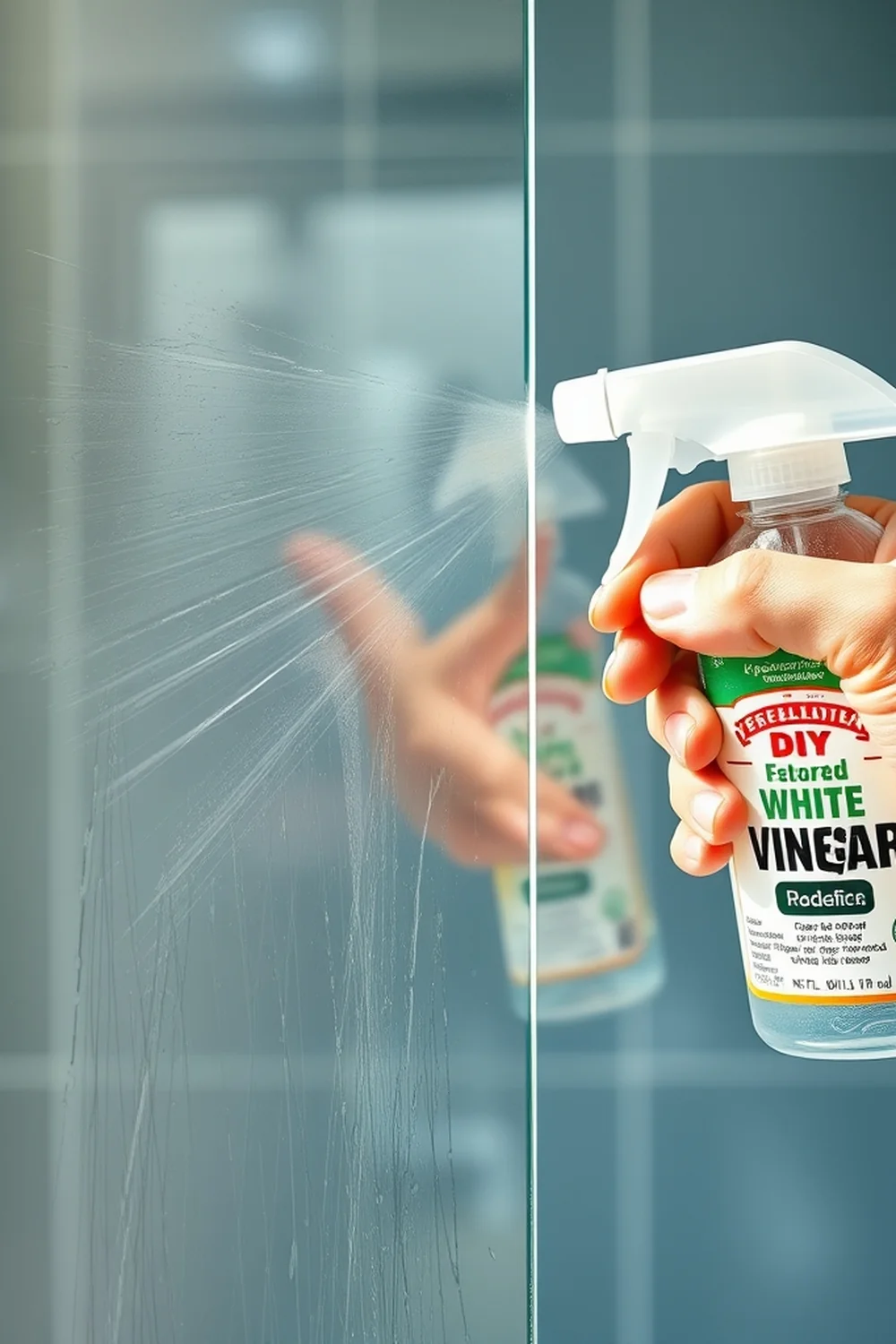
You can effectively address mineral buildup using a simple 50/50 mix of water and white distilled vinegar. This combination works because the mild acidity of the vinegar reacts with calcium carbonate deposits, which are the primary components of hard water stains. Hard water itself contains high levels of magnesium, calcium, and iron minerals that accumulate on surfaces over time.
Before applying any solution to your entire enclosure, always perform a patch test on a small, inconspicuous area to ensure the glass and surrounding hardware react safely. Follow these steps to prepare and test your cleaning mixture:
- Combine equal parts of white distilled vinegar and water in a clean spray bottle.
- Select a small, hidden corner of the glass to apply a small amount of the solution.
- Wait for five minutes to check for any unexpected discoloration or damage to the surface or metal frame.
- Wipe the area clean with a damp microfiber cloth to confirm the mixture is safe to use.
- Proceed to treat the rest of the glass once you are confident the solution will not affect the finish.
Using vinegar as a cleaning agent is common practice for various household fixtures. While this method is highly effective to remove stubborn mineral deposits from shower glass, ensure your ventilation is adequate during the process. If you notice persistent residue that does not respond to this mild acid treatment, avoid using abrasive scrubbers that could scratch the glass surface.
Common Cleaning Mistakes to Avoid

Avoiding improper tools and dangerous chemical combinations ensures your bathroom surfaces remain in good condition while you work to clear away mineral buildup. Using the wrong approach often leads to irreversible surface damage rather than a cleaner finish.
- Avoid using abrasive scrubbers or steel wool on glass panels, as these materials can create permanent scratches that trap more debris over time.
- Exercise caution with melamine sponges, such as the Magic Eraser Bath, because common guidance indicates they are not recommended for high gloss or polished surfaces where they may dull the finish.
- Never combine different cleaning agents, particularly those containing bleach or ammonia, because mixing household chemicals without professional guidance can produce hazardous fumes.
- Refrain from using high-strength industrial acids on shower hardware, as these substances can quickly corrode metal finishes and damage surrounding seals.
- Test any new cleaning solution on a small, inconspicuous area of the glass before applying it to the entire surface to ensure no discoloration or etching occurs.
Hard water contains high levels of magnesium, calcium, and iron minerals, which naturally cling to glass surfaces as water evaporates. While these deposits can be stubborn, they are not permanent features of your fixtures. Patience and the right technique will effectively clear them without requiring harsh methods that risk scratching or clouding the glass. Always prioritize gentle, non-abrasive tools to maintain the integrity of your shower enclosure during your maintenance routine.
Remove Hard Water From Glass

You can effectively soften mineral buildup on glass surfaces by using a soaking technique with vinegar-soaked paper towels. Hard water contains high levels of magnesium, calcium, and iron minerals, which often create stubborn cloudy layers. White distilled vinegar provides an acidic solution that breaks down these deposits, making them easier to wipe away after a short rest period.
Apply paper towels saturated in vinegar directly to the affected areas of the glass. The towels hold the liquid against the surface, preventing it from running off and allowing the acid to work on the mineral crust. Leave these in place for at least thirty minutes before removing them. You will find that the softened residue lifts much more easily with a microfiber cloth or a gentle wipe.
Cleaning shower door tracks presents unique challenges because these narrow, recessed areas are difficult to reach. Debris and soap scum tend to collect in these tight gaps, making manual cleaning tedious. A 50/50 mix of water and vinegar is a standard DIY solution that helps loosen grime in these difficult spots. You can pour the mixture into the tracks and let it sit to dissolve the buildup.
Use non-metallic brushes, such as old toothbrushes or specialized nylon grout brushes, to lift debris from the tracks without scratching the metal or glass finishes. Avoid using abrasive steel wool or metal scrapers, which can damage the surface. These soft-bristled tools allow you to reach deep into corners and crevices to dislodge loosened mineral deposits safely.
Preventing Future Mineral Buildup
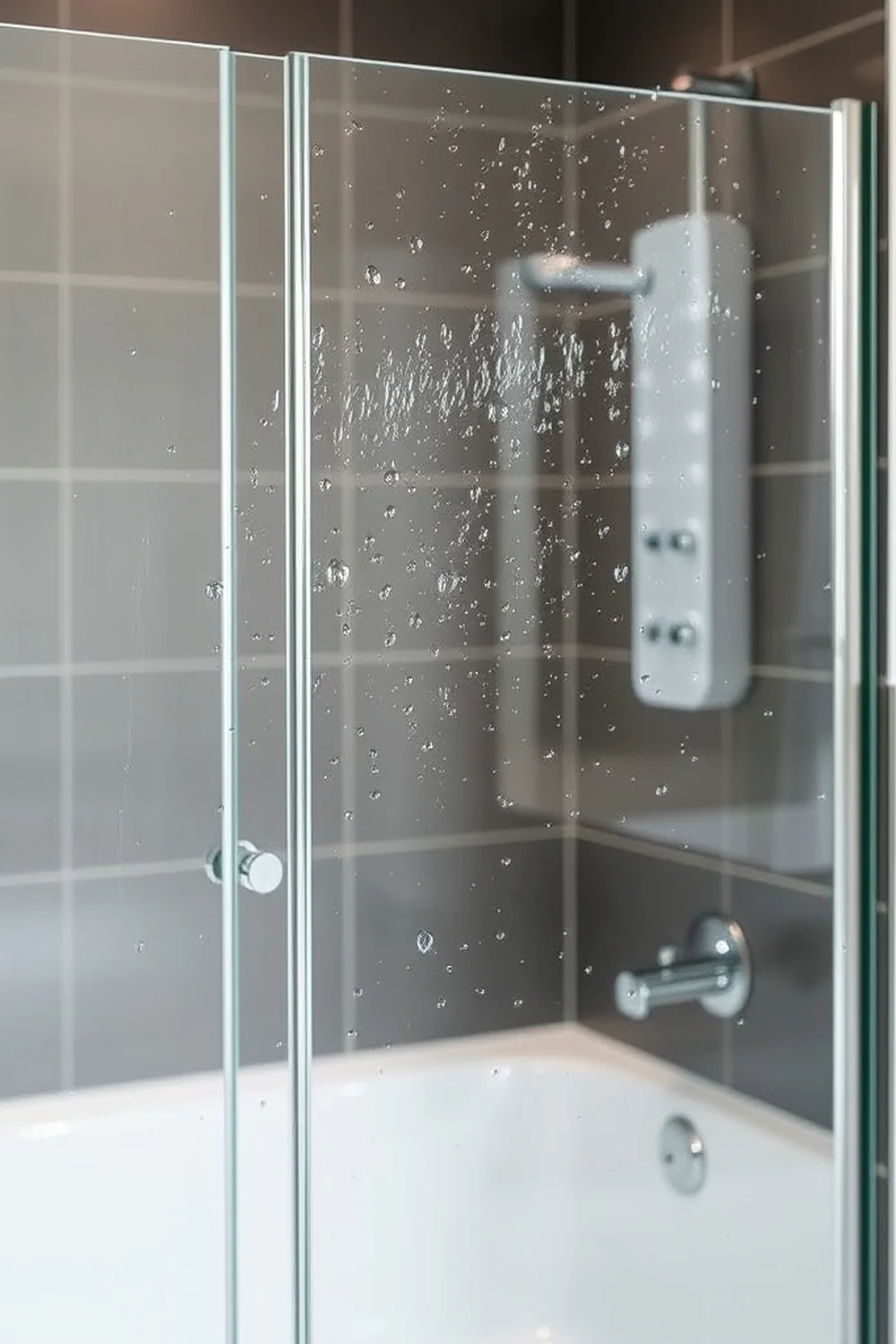
You can significantly lower the frequency of deep cleaning by addressing the mineral content in your water and creating a protective barrier on your shower glass. Hard water contains high levels of magnesium, calcium, and iron minerals, which are the primary culprits behind those persistent white spots. By managing how these minerals interact with your glass surfaces, you stop the cycle of recurring deposits before they form.
Implement these routine habits to prevent hard water buildup on glass:
- Keep a squeegee inside your shower and use it to wipe down all glass surfaces immediately after every use to eliminate standing water.
- Apply a professional-grade hydrophobic glass coating to the surface, which creates a non-stick barrier that causes water droplets to bead up and roll away.
- Install a home water softening system to filter out excess minerals from your household supply at the source.
- Ensure your bathroom has adequate ventilation by running the exhaust fan during and after your shower to reduce humidity levels.
- Wipe the glass down with a dry microfiber cloth once a day to clear away any residual moisture that the squeegee may have missed.
- Check your showerhead for mineral blockages regularly, as a cleaner flow helps prevent concentrated mineral mist from drying on the glass panels.
Taking these proactive steps minimizes the amount of scrubbing required over time. While you cannot completely change the chemistry of your local water supply, controlling how that water dries on your fixtures keeps your bathroom looking pristine for longer periods.
When to Seek Professional Help
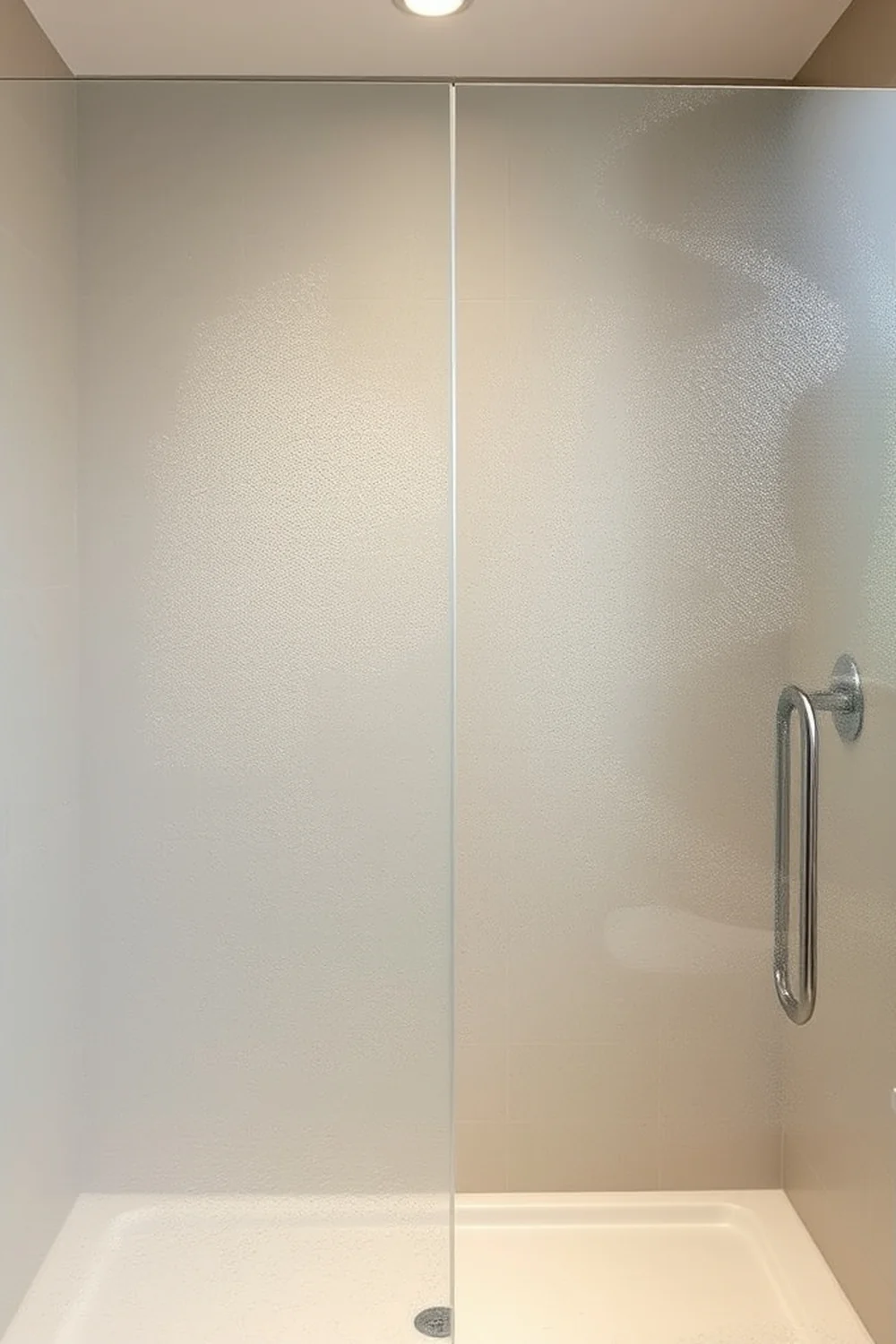
You should contact a glass specialist if your efforts to clear mineral buildup leave the surface looking cloudy, rough, or permanently opaque. While many people confuse simple surface deposits with structural issues, true etching occurs when the minerals in hard water have physically altered the glass texture.
Hard water contains high levels of magnesium, calcium, and iron minerals. Over time, these elements can interact with the glass surface in ways that standard cleaning solutions cannot reverse. If you have scrubbed the area thoroughly and the cloudiness persists, the glass may have undergone chemical etching that requires professional restoration or replacement.
Consider bringing in a professional if you notice the following signs:
- The glass remains hazy despite consistent use of acidic cleaning agents.
- The surface feels pitted or rough to the touch when dry.
- The clarity of the glass has significantly degraded compared to new or protected sections.
Understanding how to clean etched shower glass often reveals that the damage is beyond the scope of household maintenance. Because glass is a porous material on a microscopic level, deep-set damage can sometimes be buffed out by a professional using specialized equipment and polishing compounds. Do not attempt aggressive sanding or abrasive mechanical removal yourself, as this frequently leads to deep scratches that make the glass even more susceptible to future mineral accumulation. If the visual quality of your enclosure is compromised, a professional assessment will help determine if the pane can be salvaged or if a replacement is the most practical path forward.
FAQ
What causes hard water stains on glass shower doors?
Hard water contains high levels of magnesium, calcium, and iron minerals that deposit onto surfaces as water evaporates. These mineral accumulations create the cloudy, white film often seen on glass panels and chrome fixtures.
How do I remove hard water stains from glass shower doors safely?
A 50/50 mix of water and white distilled vinegar is a standard DIY solution for chrome fixtures and glass surfaces. Simply spray the mixture onto the glass, let it sit for a few minutes to break down the mineral bonds, and wipe clean with a microfiber cloth.
Are hard water stains on glass permanent?
Hard water stains are generally not permanent and can be removed with consistent cleaning methods even if they have been present for a long time. While heavy mineral buildup may require repeated applications of acidic cleaners, the glass surface itself typically remains intact.
Can I use a Magic Eraser to remove stubborn mineral deposits from shower glass?
Common guidance suggests that melamine foam sponges, such as a Magic Eraser, are not recommended for high gloss, polished, or coated surfaces. Using abrasive sponges on treated glass can potentially damage the finish or strip away protective hydrophobic glass coatings.
How can I prevent hard water buildup on glass in the future?
Using a squeegee to remove excess moisture after every shower is the most effective way to prevent mineral deposits from forming. Installing a water softening system can also reduce the concentration of calcium and magnesium ions in your home water supply, significantly decreasing the frequency of required deep cleanings.
What is the best way to clean shower tracks?
Cleaning shower tracks often requires targeting debris in tight corners where mineral deposits and soap scum accumulate together. Using a stiff brush or an old toothbrush with a vinegar solution helps reach into these crevices, and some homeowners find foaming cleansers helpful for lifting grime from the bottom track.
Conclusion
Choosing the right approach to remove hard water stains from glass shower doors depends on the severity of the mineral deposits and your preference for household staples or commercial cleaners. If you have a mild case, starting with a simple acidic solution, such as a 50/50 mix of water and white distilled vinegar, is usually the safest first step. For more significant mineral buildup, you may need to escalate to specialized scrubbing tools or products designed for deep cleaning. Always test a small, inconspicuous area before applying any substance to the entire surface to ensure compatibility.
Successfully cleaning glass requires a balance of patience and consistent maintenance. While hard water contains high levels of magnesium, calcium, and iron minerals, these deposits are generally manageable with the right techniques. Once your glass is clear, incorporating a regular drying routine with a squeegee can help prevent hard water buildup on glass in the future.
You might also like: 23 Victorian Kitchen Ideas Worth Stealing for Your Home