23 Tips to Clean Grease From Kitchen Cabinets With Ease
Introduction
Cooking just four meals a week releases enough airborne oil droplets to coat your cooking area in a sticky yellow film. If you want to clean grease from kitchen cabinets without ruining the paint or wood, you need to match your cleaner to the exact material you have. A harsh chemical that works on laminate can strip the finish right off custom wood doors in seconds.
You can easily clean grease from kitchen cabinets by starting with a simple mix of warm water and Dawn dish soap, or moving to baking soda for stubborn buildup. This guide walks you through twenty-three practical methods using everyday items like white vinegar and microfiber cloths to restore your kitchen.
Dish Soap Method
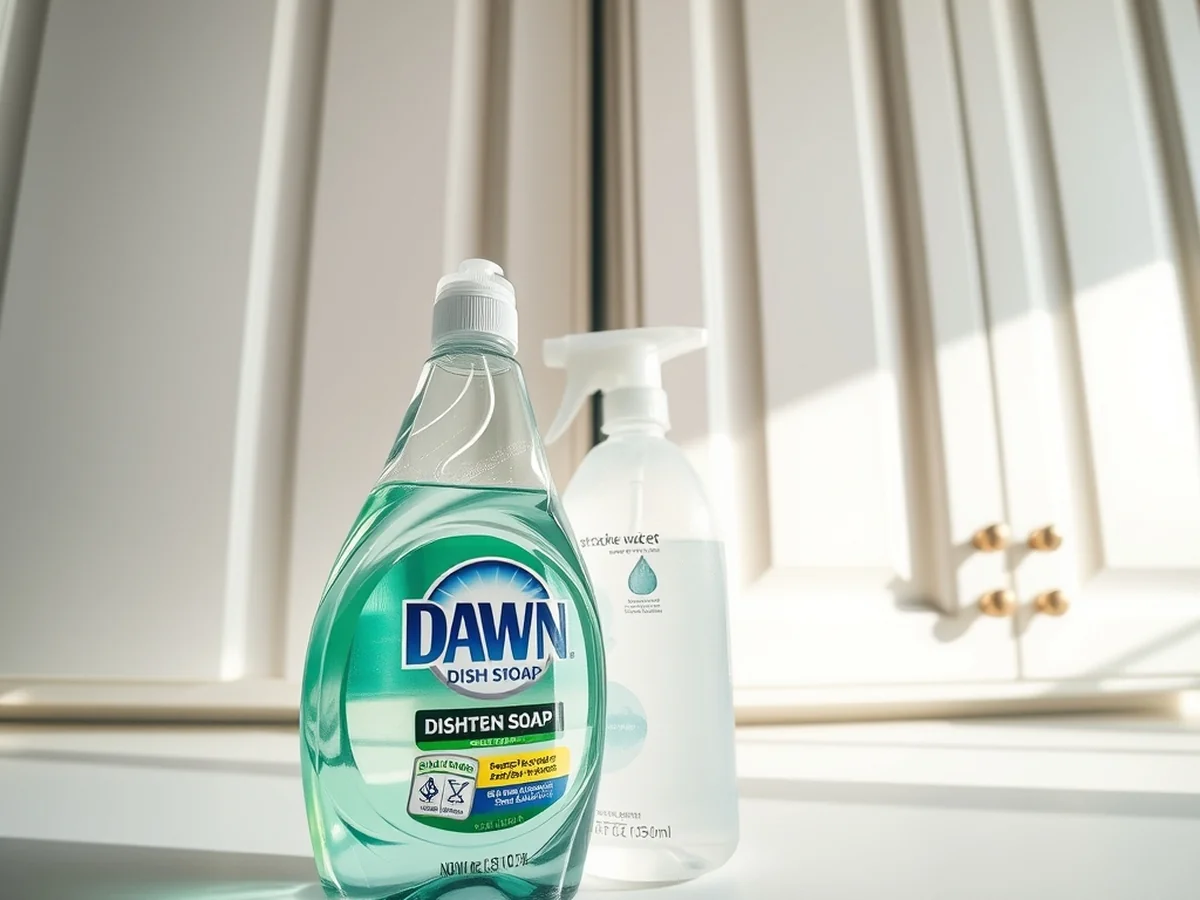
You can clean grease from kitchen cabinets safely using a basic bottle of Dawn dish soap and warm water. Mix about one teaspoon of dish soap into two cups of warm water inside a spray bottle. Spray the soapy solution onto the sticky spots and let it sit for two minutes to break down the oil. Use a damp soft sponge and a gentle circular scrubbing technique to lift the grime without scratching your paint. Wipe the surface clean with a damp microfiber cloth to remove any soapy residue.
Vinegar Cleaning Solution

Are you looking for a natural way to clean grease from kitchen cabinets without using harsh chemicals? Mix equal parts white vinegar and warm water inside a clean spray bottle for a mild acidic cleaner that cuts right through sticky film. Mist the solution directly onto your cabinet doors and let it sit for about 60 seconds to break down the grime. Wipe the surface clean using damp microfiber cloths so you don’t scratch the wood finish. Vinegar works wonders on everyday buildup, but you should avoid letting it pool near hinges or handles.
Baking Soda Paste
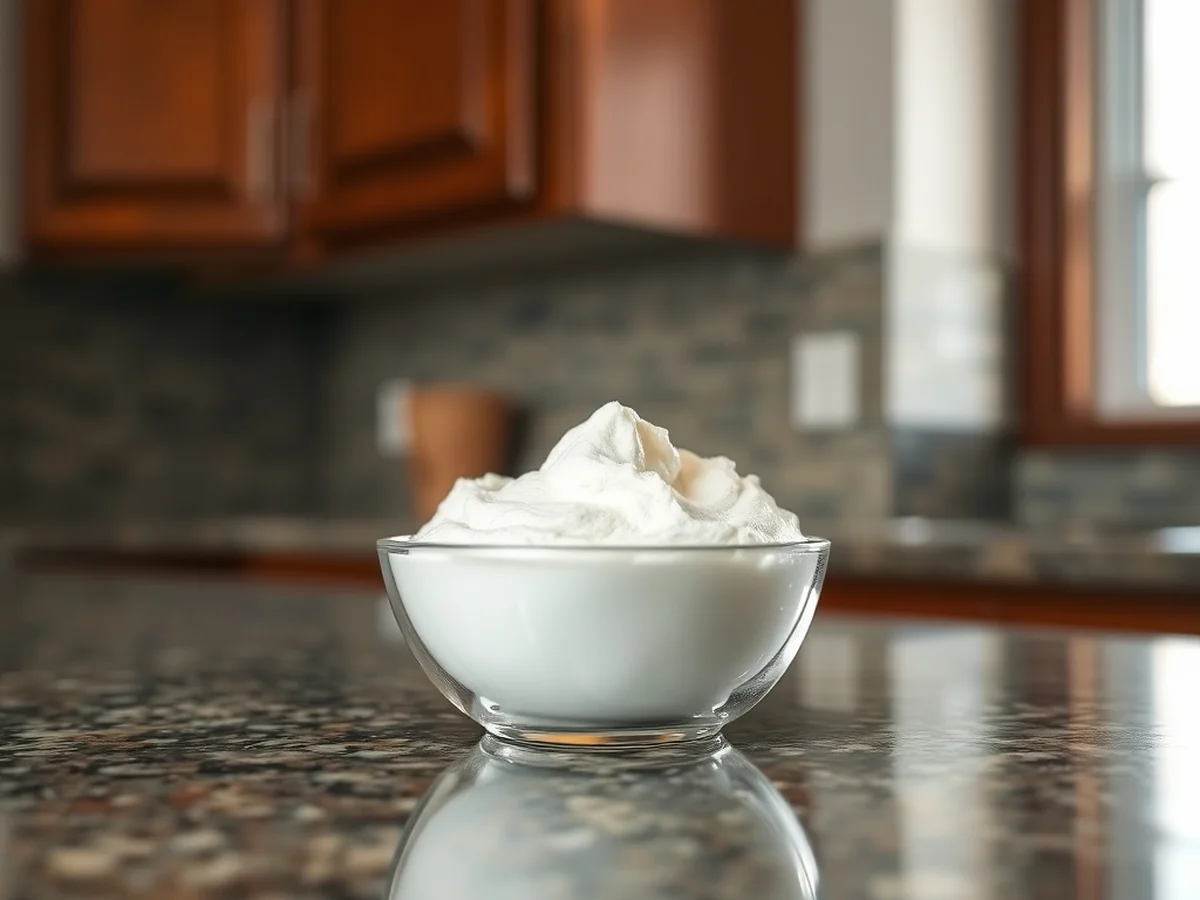
You might think harsh scouring pads are the only way to clean grease from kitchen cabinets, but scrubbing will actually ruin your paint and wood finish. A DIY baking soda paste makes a safe, mild abrasive that lifts grime without scratching. Mix equal parts baking soda and warm water until it forms a thick paste. Apply the mixture directly to targeting stubborn spots around your cabinet pulls and stove hood. Let it sit for about five minutes to break down sticky buildup. Gently rub the paste in circular motions using a soft sponge, then wipe the area clean with a damp microfiber cloth to remove any powdery residue.
Oil Soap Usage
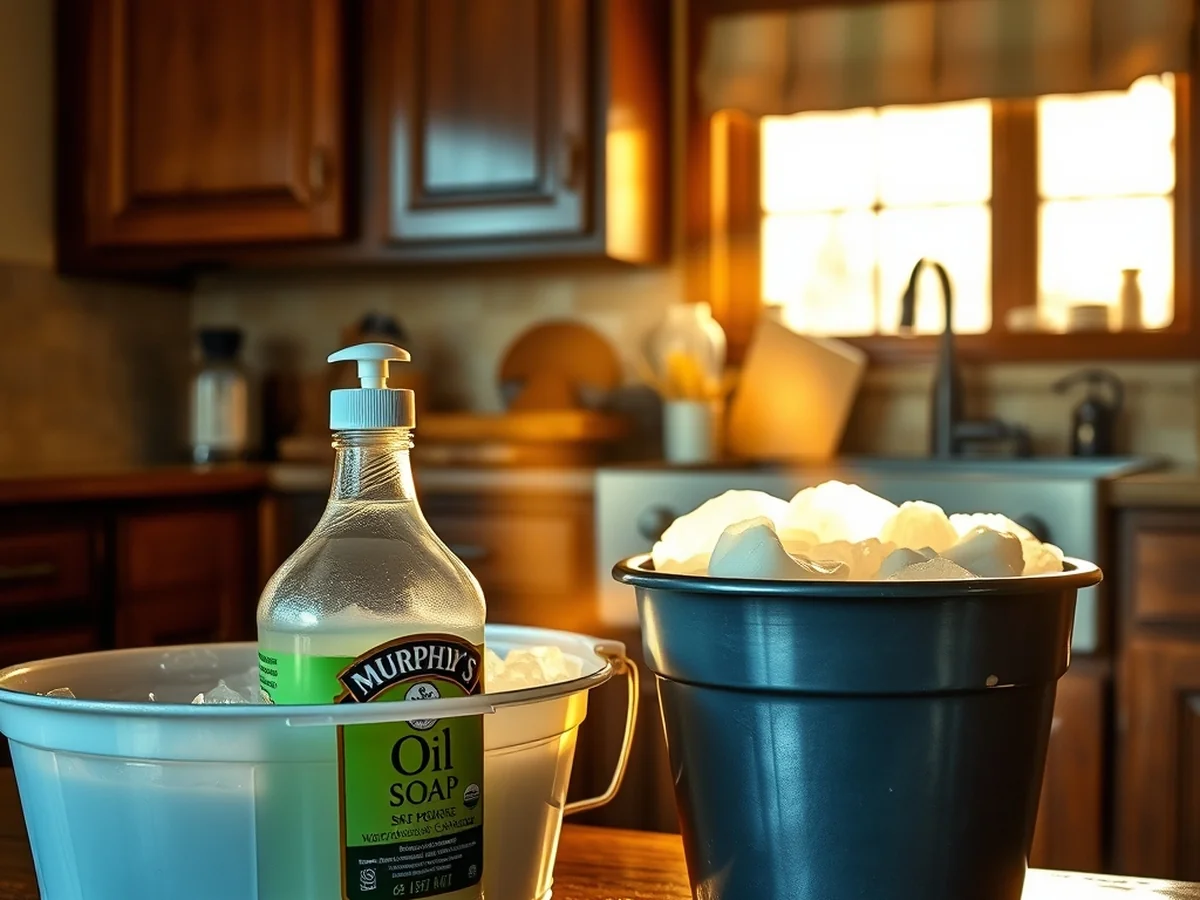
I find that Murphy’s oil soap is a gentle choice when you want to clean grease from kitchen cabinets without stripping the wood finish. It acts as a mild cleaner that preserves the natural luster of your cupboards. To get the best results, mix one-fourth cup of soap into one gallon of warm water. Always use a soft microfiber cloth to wipe the surfaces, as this prevents scratches on delicate paint or wood stains. This method is excellent for routine care rather than years of caked-on grime. After wiping, follow up with a dry cloth to remove any remaining moisture. This keeps your cabinetry looking fresh and prevents water spots from forming over time.
Vegetable Oil Trick

You can dissolve old grease by rubbing a small amount of common vegetable oil directly onto the sticky residue. The oil works by softening the hardened grime, making it much easier to wipe away than using harsh chemicals. Simply pour about 1 teaspoon of oil onto a clean microfiber cloth and gently buff the surface in circular motions. Once the gunk softens, switch to a fresh cloth to remove the remaining oil. This method is a gentle way to clean grease from kitchen cabinets because it won’t strip the wood finish. It is especially effective for stubborn spots that have been sitting on your cupboard doors for several months.
Ammonia Safety Warning
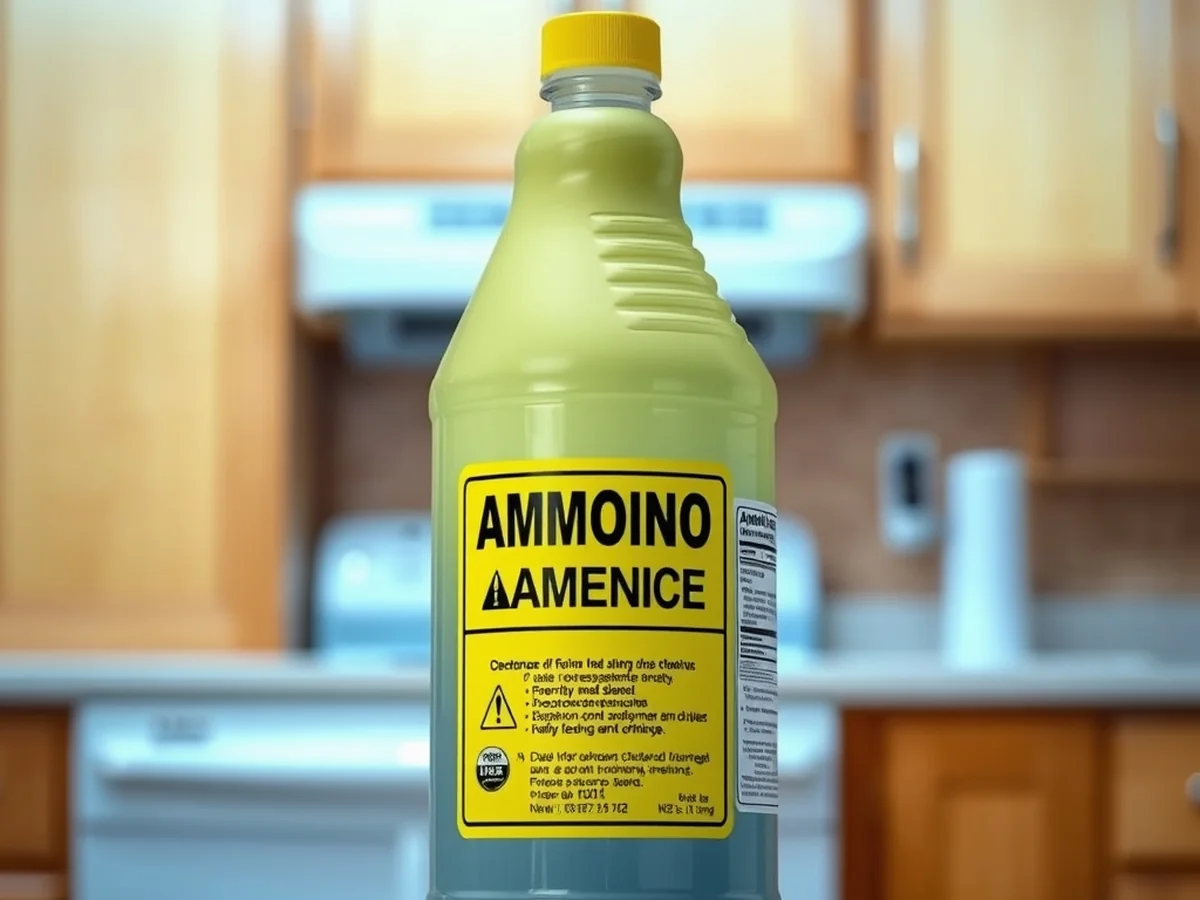
As you prepare for deep spring cleaning, keep in mind that ammonia is a powerful chemical that demands total caution. Never mix ammonia with bleach or other cleaning agents, as this creates toxic gases that are dangerous to inhale. When you work to clean grease from kitchen cabinets, ensure the room has at least 2 open windows for proper airflow. Wear rubber gloves to protect your skin from irritation. If you choose to use ammonia, dilute only 1 tablespoon per gallon of warm water to avoid damaging your wood finish or painted surfaces. Always prioritize your safety over speed when tackling heavy grime, and store the bottle well out of reach of children or pets.
Wood Cabinet Care

Professional cabinet refinishing costs over $3,000, but simple moisture control keeps your wood surfaces safe for pennies. When you clean grease from kitchen cabinets, never soak the wood. Excess water causes warping and ruins the delicate wood finish. Use a damp microfiber cloth instead of a saturated sponge to wipe away grime. After scrubbing, immediately buff the area dry with a fresh cloth to prevent moisture absorption. If you notice sticky buildup, mix a drop of Dawn dish soap into a cup of warm water. This mild solution removes residue without stripping the protective sealant or dulling the natural grain of your wood cabinetry.
Laminate Surface Tips
You only need one teaspoon of Dawn dish soap mixed into two cups of warm water to clean grease from kitchen cabinets made of laminate. Laminate is durable but reacts poorly to harsh chemicals like ammonia, which can dull the surface or cause peeling edges. Start by using a soft sponge to gently wipe down the doors, moving in small circles to lift the grime. If you scrub too hard with an abrasive pad, you risk leaving permanent scratches on the protective layer. Always follow up with microfiber cloths to dry the area completely, as standing moisture can seep into the seams and cause the laminate to swell over time.
Painted Cabinet Cleaning
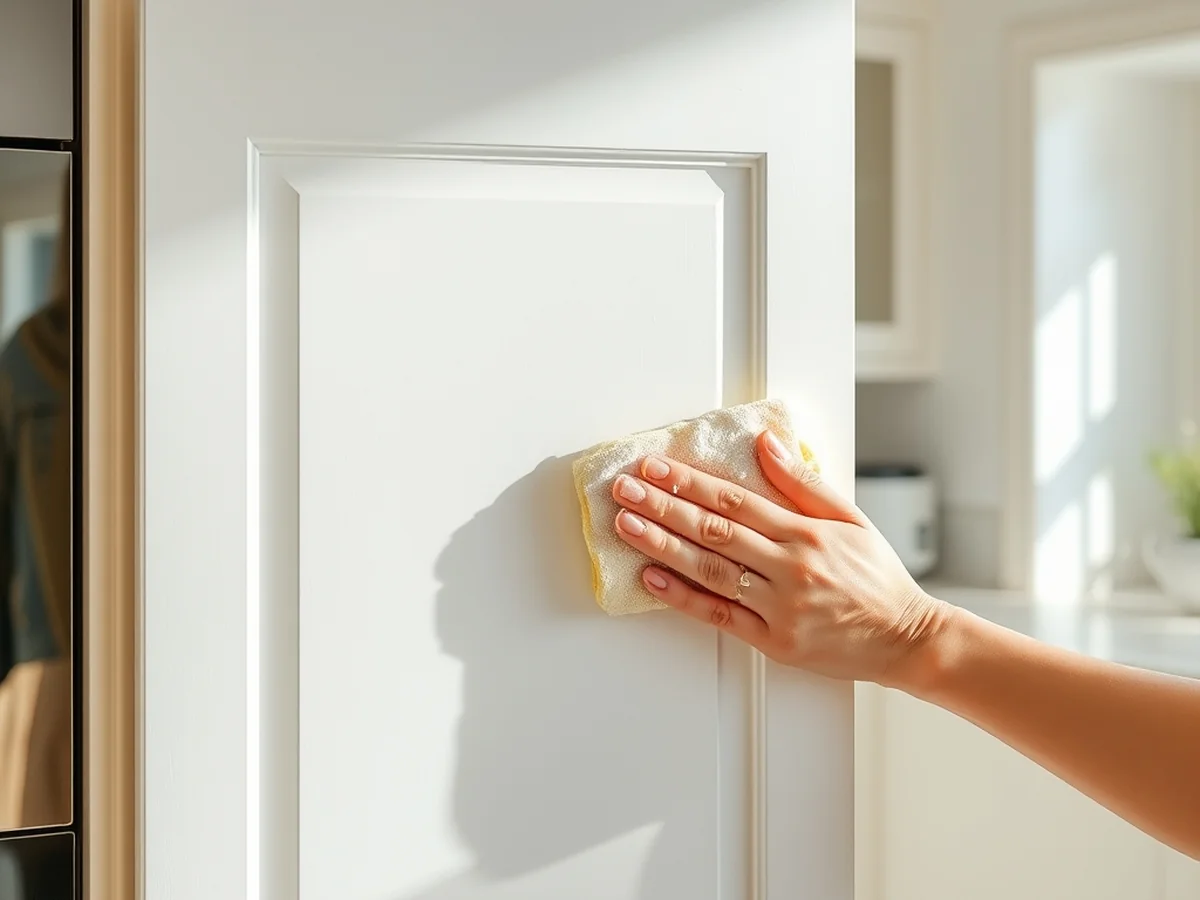
You notice a dull, sticky film on your white cupboard doors and worry that scrubbing will peel the finish right off. To clean grease from kitchen cabinets with a painted surface, mix two tablespoons of Dawn dish soap into a gallon of warm water. This mild solution cuts through grime without harsh chemicals that strip paint. Use a soft sponge rather than an abrasive pad to prevent scratches. If you encounter stubborn spots, gently rub with a damp microfiber cloth instead of forcing the dirt. Always wipe the surface dry immediately after cleaning to avoid moisture damage. Keeping your movements light ensures you protect the integrity of the paint while removing thick residue.
Deep Cleaning Cabinets

Do you struggle to clean grease from kitchen cabinets that have collected years of stubborn buildup? Start by mixing two tablespoons of Dawn dish soap into a bucket of warm water to soften the hardened residue. Apply this solution with a soft sponge, letting it sit for three minutes to break the bond between the grime and your wood finish. If the stickiness persists, create a paste using one part baking soda and one part water. Gently rub the paste onto the surface in circular motions to lift the film without scratching your cabinets. Always wipe away the cleaner with clean microfiber cloths, as leaving soap behind can dull your kitchen aesthetic over time.
Removing Sticky Residue
Many people assume a heavy-duty scouring pad is required to clean grease from kitchen cabinets, but harsh abrasives often ruin your wood finish. A soft sponge is the safest tool for the job because it lifts grime without scratching delicate surfaces. Start by dipping the sponge into a solution of warm water and a drop of dish soap. Gently wipe the sticky spots using circular motions. Follow this by buffing the area with microfiber cloths to absorb moisture and leftover residue. These cloths feature tiny fibers that trap oil better than paper towels. Use a clean cloth for every 2 square feet of cabinetry to prevent spreading the grease around.
Cleaning Cabinet Hardware
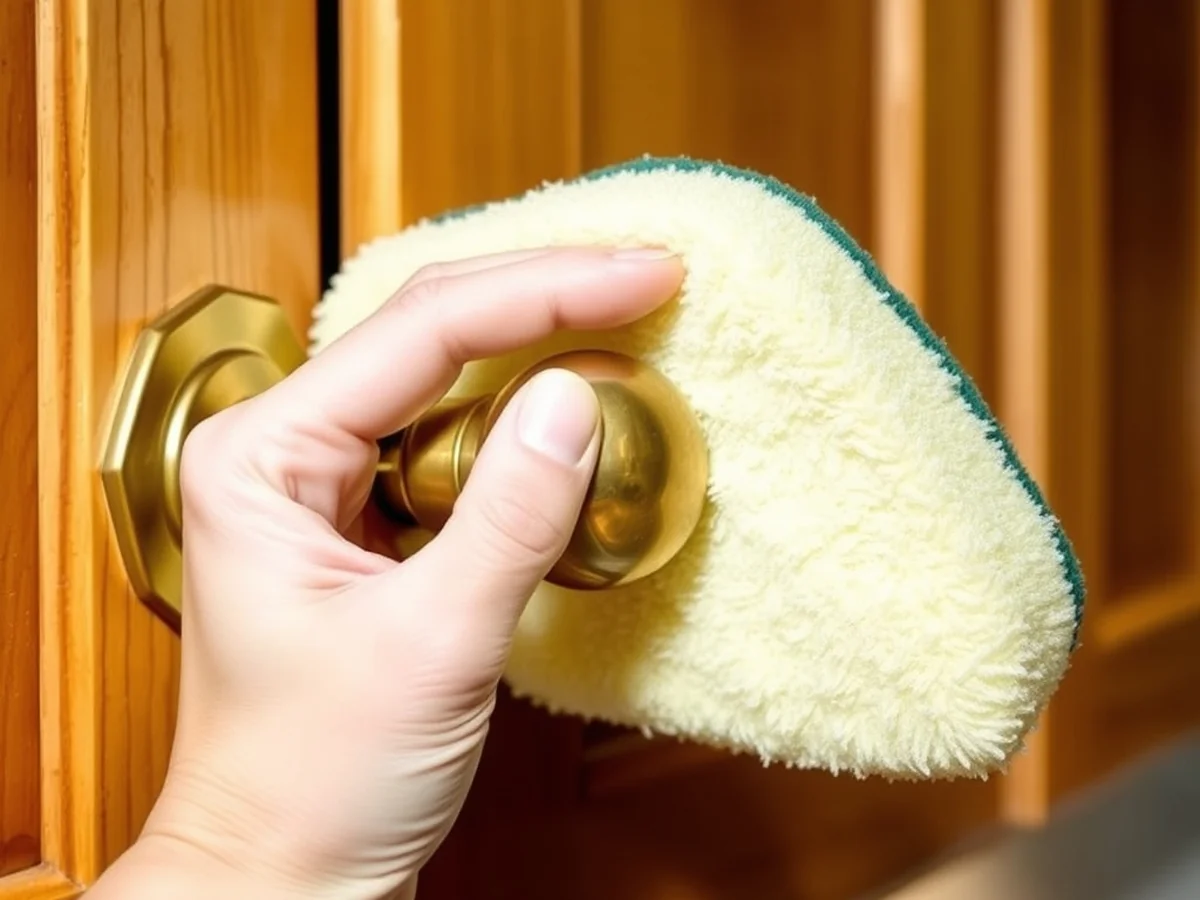
I have found that most grime hides right behind the knobs, making it tricky to clean grease from kitchen cabinets without a little extra effort. You do not need to unscrew your handles to get them shining again. Simply dip a soft sponge into a mixture of warm water and a drop of Dawn dish soap. Carefully scrub around the base of the hardware where sticky residue likes to pool. If you prefer not to remove the hardware, use a microfiber cloth wrapped around a cotton swab to reach those tight crevices. This keeps your finish safe while you work. I usually spend about 5 minutes per handle to ensure every spot is perfectly clear.
Preventing Grease Accumulation
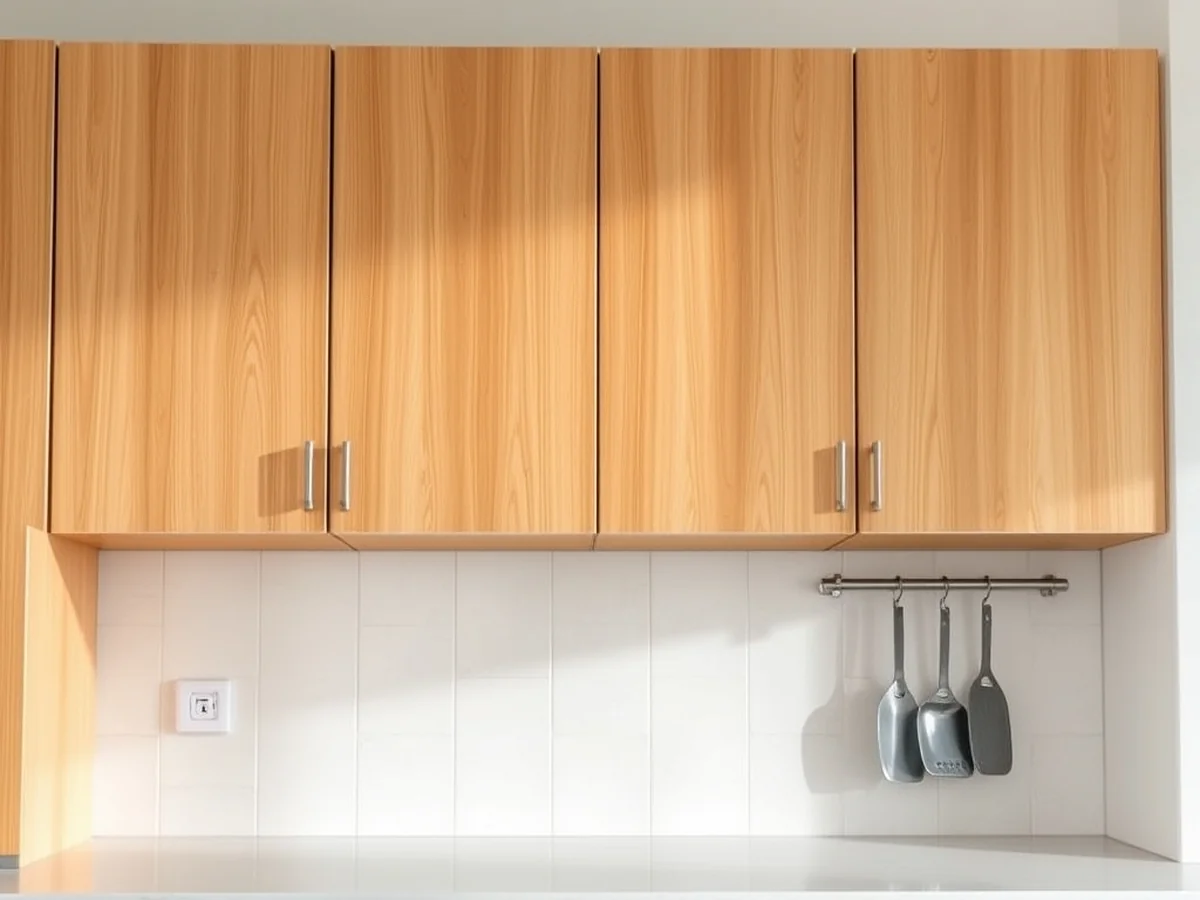
Wipe your cupboard doors down once a week using microfiber cloths and warm water to stop sticky grime from hardening. This simple habit saves you from needing to deep clean grease from kitchen cabinets every month. If you leave grease to sit, it oxidizes and becomes much harder to remove without damaging the wood finish. Aim to spend just 5 minutes each Sunday refreshing your surfaces before residue builds up.
You should also run your range hood on high for 10 minutes before you start cooking any meal involving oil. This simple step pulls airborne particles directly into the filter. Keeping your ventilation system clear is the best way to protect your paint and hardware from yellow buildup.
Avoid Abrasive Scrubbers
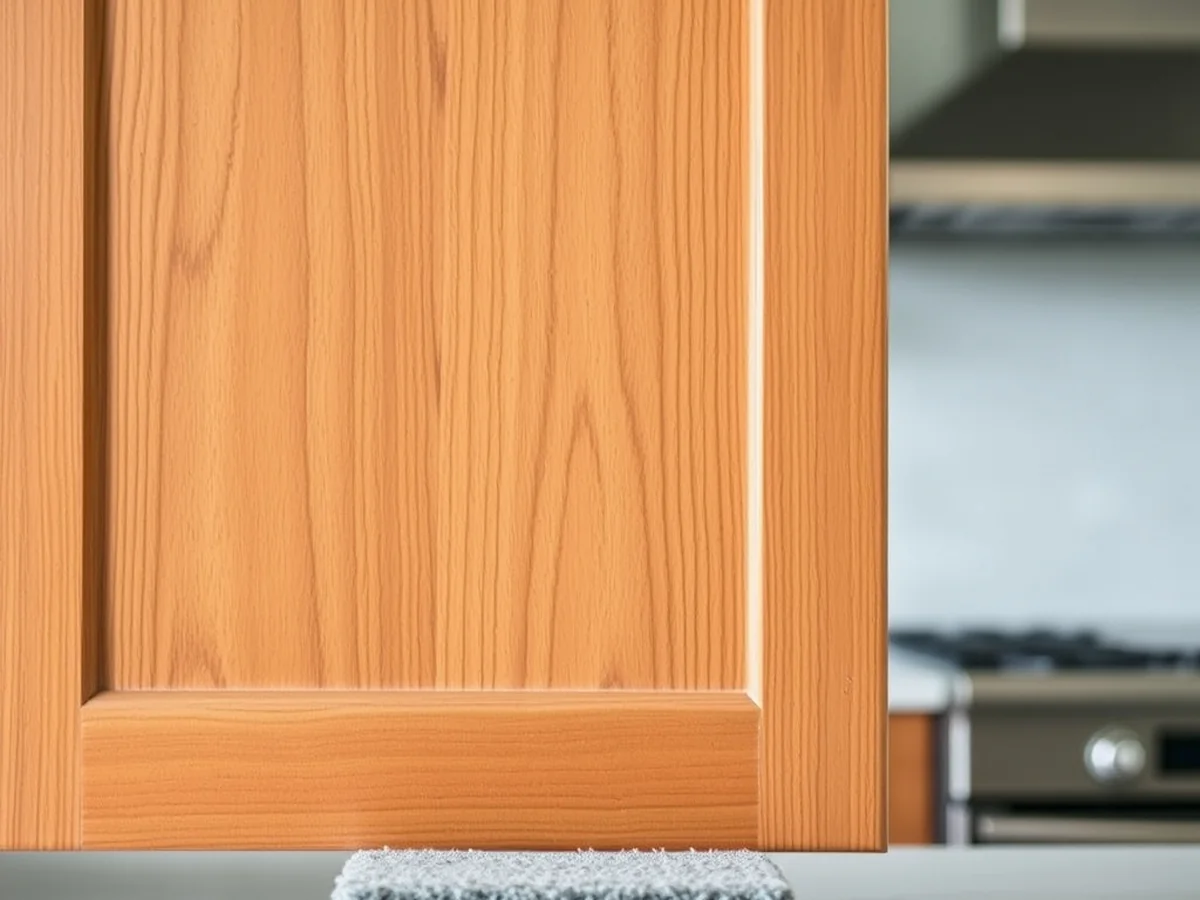
Spring cleaning is the perfect time to clean grease from kitchen cabinets, but you must avoid harsh tools that ruin delicate surfaces. Steel wool or heavy-duty scouring pads will quickly strip the wood finish and create permanent scratches on your cupboards. These abrasive materials leave tiny grooves that actually trap more grime over time, making future cleaning much harder. Instead of aggressive scrubbing, use microfiber cloths or a soft sponge to gently lift sticky residue. If you find a stubborn spot, apply a mixture of warm water and Dawn dish soap for about 5 minutes before wiping. This keeps your painted surfaces and wood grain smooth, protected, and looking new for years.
Testing Cleaning Products

Commercial degreasers often cost over $15 per bottle, while a simple mixture of Dawn dish soap and warm water costs less than 50 cents. Before you start to clean grease from kitchen cabinets, you must perform a spot test to protect your finish. Choose a small area inside the door or near the lower kickplate that remains out of sight. Apply your chosen solution with a microfiber cloth and wait five minutes to see if the finish reacts or discolors. This hidden area check ensures you avoid damage to delicate wood finish or painted surfaces. If the surface looks clean and stays intact, you can safely proceed with the rest of your kitchen.
Managing Extreme Grime
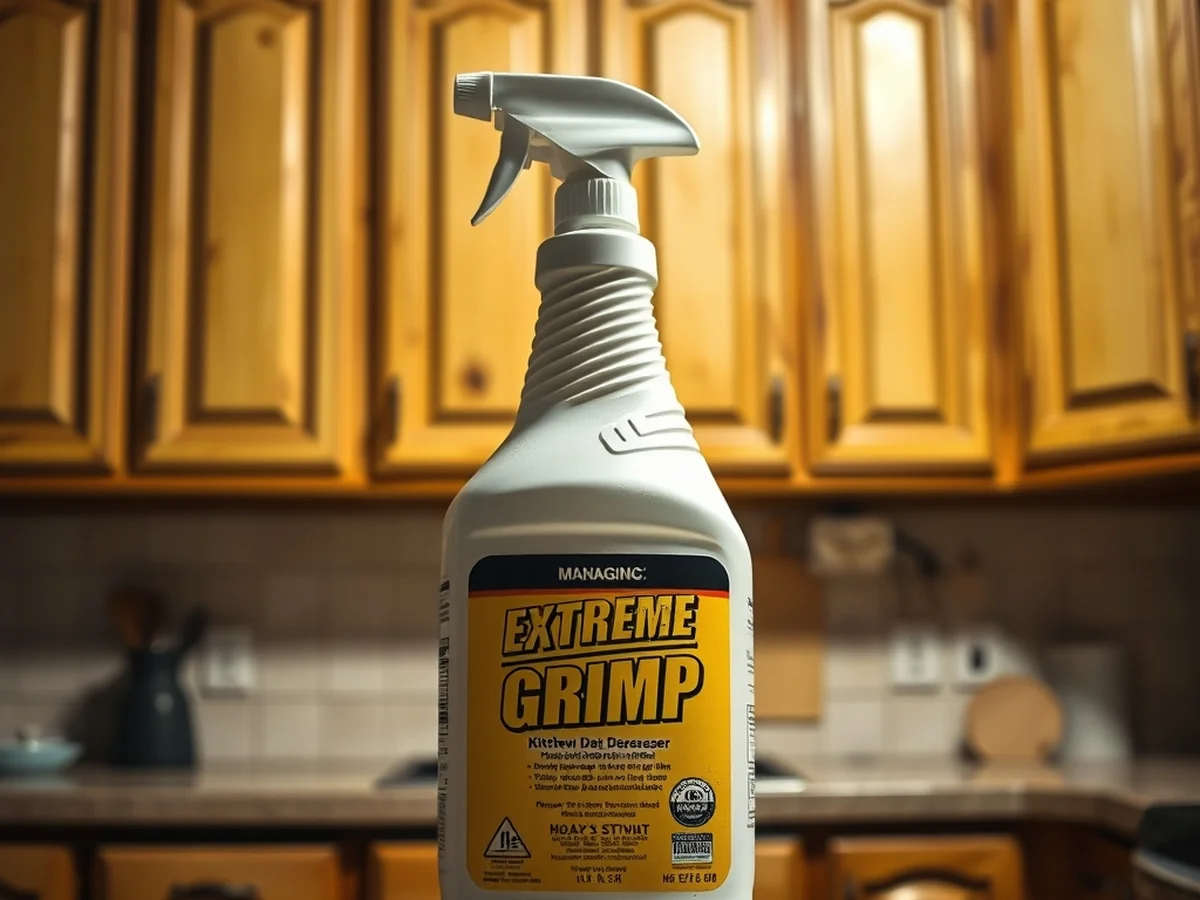
You can remove years of hardened buildup by soaking cabinet doors for exactly ten minutes before scrubbing. If standard soap fails to clean grease from kitchen cabinets, a heavy duty degreaser is often the only way to cut through thick, yellowed residue. I have found that applying a product like Krud Kutter works well on laminate surfaces, but you must be careful with wood finish. Always test a small hidden spot first to ensure the cleaner does not strip your paint or stain. After spraying, use a soft sponge to lift the softened gunk. Wipe away the remaining film with clean microfiber cloths and warm water to protect your cabinetry from long term moisture damage.
Daily Maintenance Habits
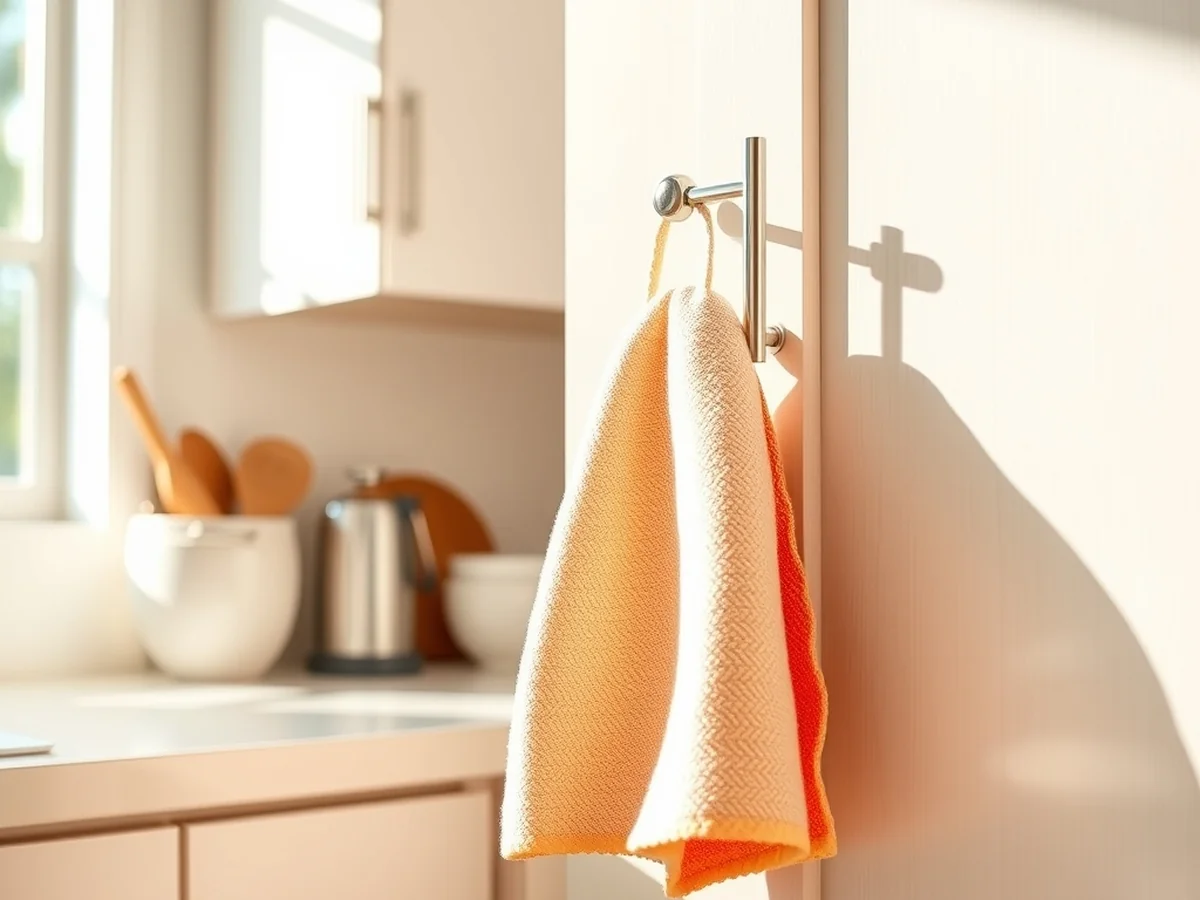
You probably notice a sticky film on your doors after frying bacon. To clean grease from kitchen cabinets before it hardens, keep a microfiber cloth under your sink for a fast nightly wipe. Spending just 60 seconds passing a damp cloth over high traffic zones stops buildup before it requires heavy scrubbing. This simple habit keeps your surfaces looking fresh without needing harsh chemicals.
- Use a soft sponge with a drop of Dawn dish soap in 1 cup of warm water to tackle fresh splatters immediately.
- Run your range hood fan while cooking to pull airborne particles away from your wood finish.
- Keep cabinet hardware free of dust so grime doesn’t settle into the crevices around handles.
Choosing Cabinet Cleaners

Are you wondering which store-bought product will actually clean grease from kitchen cabinets without ruining the paint? You should pick a commercial degreaser when DIY mixes fail against heavy cooking buildup. Murphy’s oil soap works wonders on wood, while milder soap is safer for laminate. Buy a dedicated cleaner if you face years of sticky yellow grime around your stove. Check the label before you start to make sure the formula protects your specific wood finish. A quality bottle usually costs around $8 at the hardware store. Always test the spray on a hidden spot near the cabinet hardware first. This prevents accidental fading or stripping on delicate painted surfaces.
Cleaning Cabinet Corners

People often assume a standard sponge can reach every crevice, but thick grime always hides in the tightest seams. To successfully clean grease from kitchen cabinets, you need tools that fit where fingers cannot. Wrap a thin microfiber cloth around the tip of a butter knife to slide along 90-degree joints. For stubborn dots of yellow buildup, dip a cotton swab directly into warm water mixed with a drop of Dawn dish soap. Roll the swab firmly along the inner edges of your cabinet hardware and panel insets to lift sticky residue without scratching the wood finish.
Drying Cabinet Surfaces

I always keep a stack of clean microfiber cloths nearby when I clean grease from kitchen cabinets to stop water spots from forming. Grab a dry cloth right after rinsing the surface and wipe down the doors using circular motions. This quick step buffs the wood finish and leaves a nice shine without streaks. A quick pass with a dry towel also protects the paint and keeps moisture away from hinges and cabinet hardware. Take your time around handles and edges to catch any hidden drops of water.
Professional Degreaser Options

You need to pick a store-bought cleaner that matches your cabinet material so you don’t ruin the finish. For tough jobs, a bottle of Murphy’s oil soap or a heavy-duty commercial degreaser works wonders on wood. Pour about 2 tablespoons of the cleaner into a bucket of warm water. Dip a soft sponge into the mix and ring it out completely until it is just damp. Wipe down the doors gently to clean grease from kitchen cabinets without stripping the paint or wood stain. Always test the chemical on a hidden spot inside a lower door first.
Clean Grease From Kitchen Cabinets
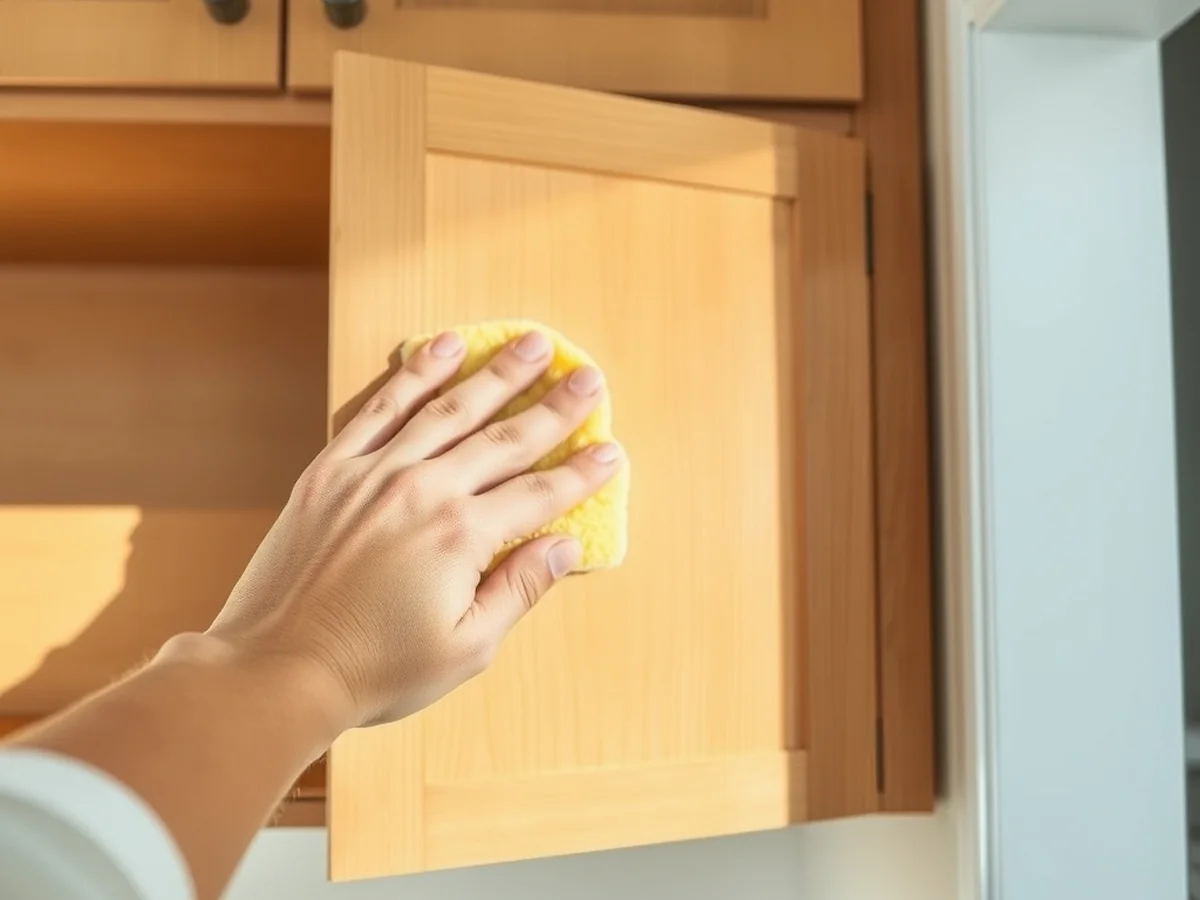
Spring cleaning is the ideal time to clean grease from kitchen cabinets before warm weather bakes the sticky film onto your wood finish. You can easily degrease kitchen cabinets naturally by mixing two tablespoons of Dawn dish soap with a gallon of warm water in a bucket. Grab a soft sponge and wring it out until it is just damp. Wipe down the cabinet doors starting from the top and working your way down to the baseboards. Use a dry microfiber cloth immediately to absorb moisture and protect your wood finish from water damage. Take off the cabinet hardware only if grease buildup is hiding underneath the metal plates.
Hygienic Cabinet Cleaning Steps

Spending $5 on basic dish soap saves you hundreds of dollars in repair bills compared to replacing damaged wood. When you clean grease from kitchen cabinets on a monthly schedule, you prevent harmful bacteria from building up near your food prep areas. Start by wiping down every surface using a soft sponge and a mixture of warm water and Dawn dish soap. Rinse the area right away with a damp microfiber cloth to protect your wood finish from moisture damage. Maintaining this routine keeps your cooking space sanitary and stops sticky residue from trapping cooking odors.
Surface Protection Techniques

About 70 percent of kitchen grease lands on upper cabinet doors within just 3 months of heavy cooking. To keep kitchen grease from kitchen cabinets permanently at low levels, you should wipe down wood finish surfaces once a week using microfiber cloths and warm water. For long term maintenance, applying a thin coat of vegetable oil every six months prevents sticky residue from bonding to paint. Avoid harsh scrubbing around cabinet hardware so you don’t ruin the protective seal.
Safe Cabinet Degreasing Methods

Sticky residue around your stove can ruin your kitchen’s look, but you can clean grease from kitchen cabinets without stripping the paint or wood. Start by mixing a few drops of Dawn dish soap with warm water in a spray bottle. Always use a soft sponge or microfiber cloths instead of abrasive scrubbers. A common mistake is using harsh chemicals like ammonia or soaking wood doors with too much liquid. If you have painted surfaces, skip the vinegar because it dulls the finish over time. Wipe down the doors gently and dry them immediately with a clean towel to protect the material.
For another perspective, this detailed piece on Tips on cleaning years of grease off the wooden cabinets … is worth a read.
FAQ
What is the safest way to remove grease without damaging the finish?
To clean grease from kitchen cabinets safely, mix equal parts warm water and white vinegar in a spray bottle. Wipe the surface gently with a microfiber cloth and dry it immediately so moisture doesn’t warp the wood finish.
Can you use baking soda on painted cabinets?
You should avoid using baking soda as a dry scrub because it is too abrasive for painted surfaces. Mix it with water into a runny paste instead, and test it on a hidden spot behind a door first.
How often should cabinets be deep cleaned?
You need to perform a thorough cleaning every 3 to 6 months to stop sticky buildup from hardening. Wipe high-touch areas near the stove once a week using mild dish soap.
What is the best way to handle years of thick, hardened grease?
Old, yellowed buildup requires a heavier approach. Apply a small amount of vegetable oil to a soft sponge to loosen the gummy layer before washing the area with a standard degreaser.
Is it safe to mix ammonia and bleach together?
Never mix ammonia with bleach or vinegar because this creates toxic fumes. Stick to one cleaner at a time and ventilate your kitchen well while you work.
You might also like: 22 Outdoor Kitchen Ideas for Every Backyard and Budget
Key Takeaways
You might think harsh commercial chemicals are the only way to tackle sticky kitchen buildup, but gentle household items often work better without ruining your surfaces.
- Dawn dish soap cuts through fresh cooking oil fast when mixed with warm water in a spray bottle.
- Baking soda paste lifts thick yellow buildup safely if you scrub gently with a soft sponge.
- White vinegar dissolves residue on laminate doors, but keep it away from raw wood to protect the finish.
- Microfiber cloths trap loosened grime without scratching your cabinet hardware or paint.
- Vegetable oil reacts with stubborn old residue and helps wipe it away from wood grain.
- Preventative maintenance once a month stops heavy grease from hardening into a permanent mess.
Pin this guide to your cleaning board so you can find these easy steps the next time you need to clean grease from kitchen cabinets.