20 Ways to Clean Oven Naturally Without Harsh Chemicals
Introduction
About 90 percent of standard oven cleaners release toxic fumes that linger in your kitchen for hours. Choosing to clean oven naturally protects your family and pets from these harsh chemicals. You don’t need a commercial homemade oven cleaner full of synthetic ingredients to tackle heavy carbonized food.
A simple mixture of baking soda and white vinegar cuts through stubborn grease without irritating your lungs. This guide covers twenty ways to clean oven naturally using basic pantry items like lemon juice and castile soap. You will learn how to scrub glass doors, soak oven racks, and maintain a fume-free kitchen with ease.
Gathering Natural Supplies
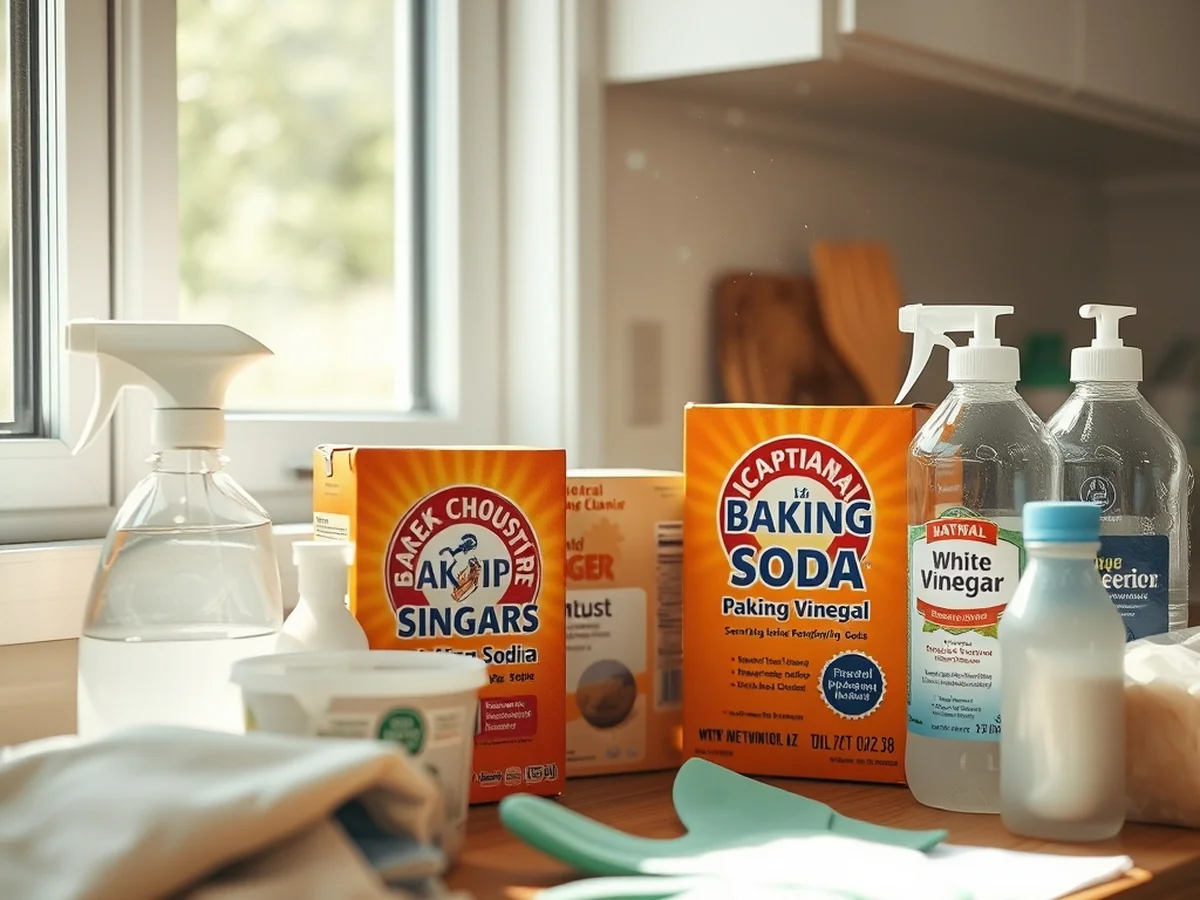
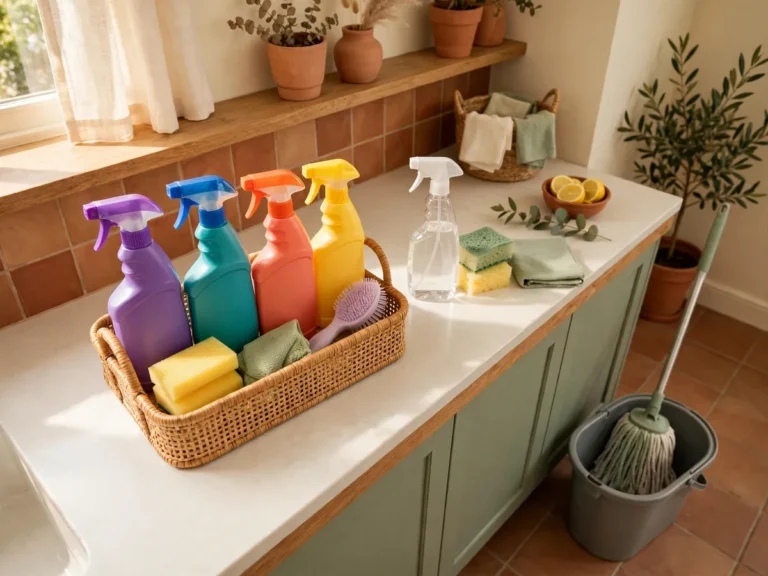
You probably already have everything you need in your pantry to clean oven naturally without filling your kitchen with toxic fumes. Before you start scrubbing, grab a pair of rubber gloves to protect your hands from drying out and irritation. Even when you use safe ingredients like baking soda and white vinegar, loose carbon dust and old grease can still irritate your skin and lungs as you wipe down the cavity. Set out three microfiber cloths, a stiff nylon scrub brush, and a glass spray bottle filled with warm water. Having these tools ready on the counter keeps you from running back and forth while your hands are covered in DIY paste.
Basic Baking Soda

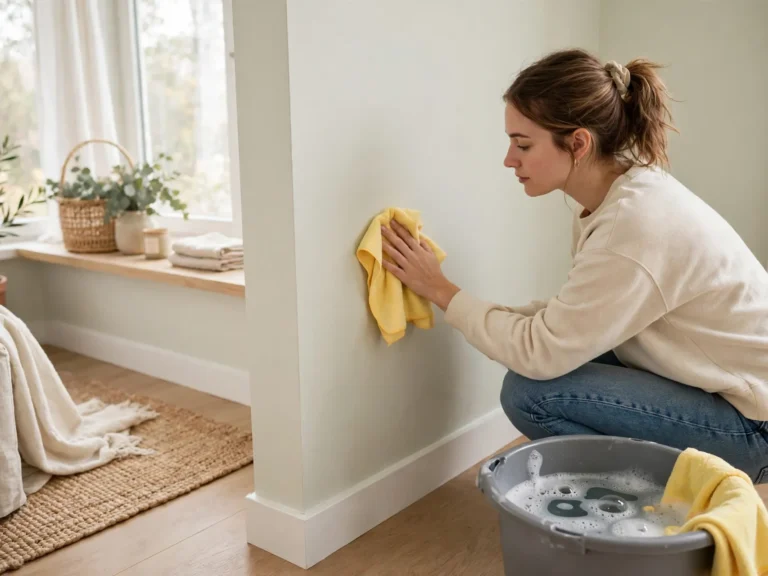
Do you want to clean oven naturally without dealing with harsh chemical fumes? You can mix half a cup of baking soda with warm water until you get a thick, spreadable paste. Spread this mixture over the bottom and sides of your appliance interior, making sure to avoid the heating elements. Let the paste sit for at least 12 hours so it can break down stubborn carbonized food and grease. In my experience, leaving it overnight yields the best results with minimal elbow grease required the next morning. Put on some rubber gloves and use a damp microfiber cloth or a plastic scraper to wipe away the softened residue.
Vinegar Spray Method
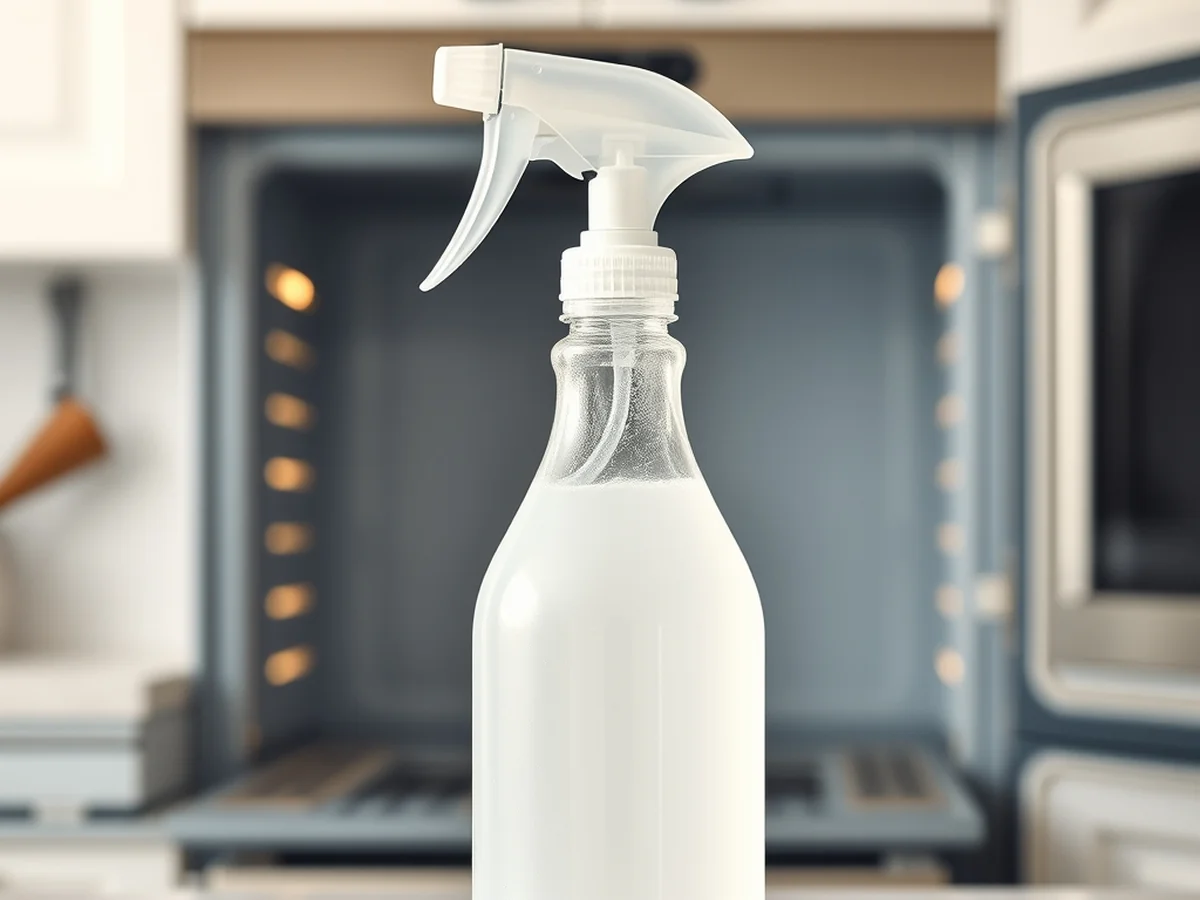
Some think spraying vinegar straight onto dry oven walls does all the heavy lifting, but the real magic happens when it fizzes against a dried paste. To clean oven naturally without commercial fumes, pour standard white vinegar into a trigger spray bottle and mist it generously over your existing baking soda layer. This acidic liquid triggers a mild chemical reaction that softens stubborn carbonized food. Adjust your nozzle to a fine mist so you can reach the dark back corners of the cavity without soaking the heating elements. Let the solution dwell for at least 30 minutes until the fizzing stops. Grab a damp microfiber cloth and wipe away the dissolved grease in circular motions. You’ll use about one cup of vinegar for a standard oven interior.
Cleaning Oven Racks

I usually dread dealing with wire grates, but soaking them makes the job much easier. You want to line your bathtub with an old towel and fill it with warm water mixed with half a cup of dish soap. Let the wire shelves sit in the tub overnight so the baked-on grease breaks down completely without harsh fumes. By morning, you can easily scrub away stubborn carbonized food using a stiff bristle brush or a plastic scraper. If you want to clean oven naturally without filling your house with toxic smells, this overnight bath method saves your arms from endless scraping. Rinse the metal grates thoroughly with clean water and dry them completely before sliding them back into the cavity.
Glass Door Care

You can clean oven naturally by holding a plastic scraper at a 45-degree angle against the glass oven door. This lifts thick carbonized food without leaving a single scratch on the surface. After scraping away the loosened debris, spray the glass with a simple mixture of white vinegar and warm water. Wipe the surface clean using dry microfiber cloths to buff away smudges. I’ve found that using a dry newspaper page as a final wipe prevents streaks better than paper towels. Take about 5 minutes to polish the entire glass panel until it shines like new.
Lemon Juice Power
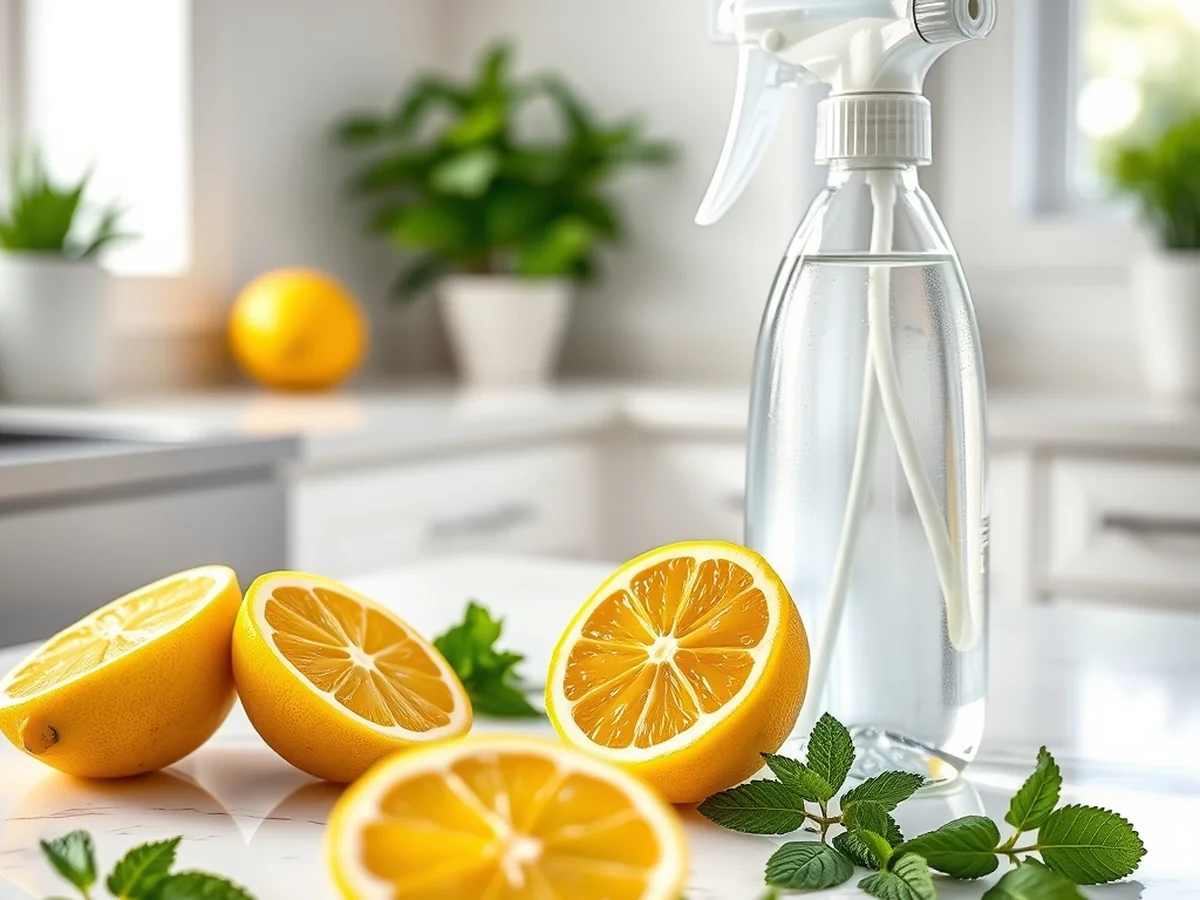
Winter baking leaves behind stubborn spills, but you can clean oven naturally using fresh citrus. Lemon juice contains natural acid that breaks down grease and leaves your kitchen smelling amazing. Squeeze the juice of 3 large lemons into a spray bottle filled with warm water for a simple degreasing spray. Mist the interior surfaces and let the liquid sit for thirty minutes to loosen carbonized food. Wipe the loosened grime away using damp microfiber cloths and a plastic scraper for tough spots. This method provides a fume-free clean without harsh chemicals.
Castile Soap Scrub
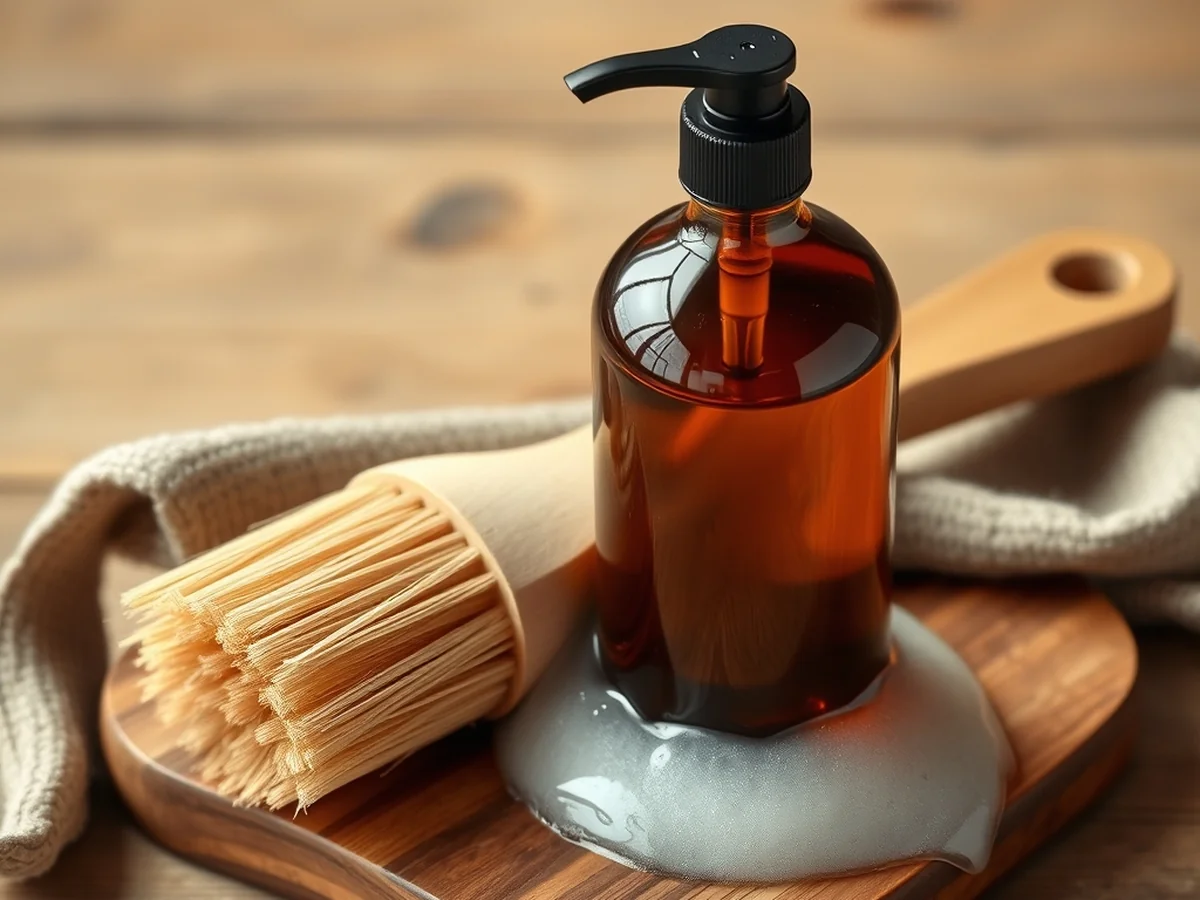
Buying commercial degreasers costs around $8 a bottle, but you can make a homemade oven cleaner for pennies. When you want to clean oven naturally without dealing with harsh fumes, mixing liquid castile soap into your cleaning paste provides extra sudsing power to lift grease. Castile soap is plant-based and gentle, making it the safest choice for delicate interior surfaces like modern enamel coatings that scratch easily. You just add two tablespoons of liquid castile soap to one cup of baking soda and enough warm water to form a thick paste. Spread this mixture over your glass oven door and interior walls, let it sit for thirty minutes, and scrub away carbonized food with a damp microfiber cloth.
Steam Cleaning Hack
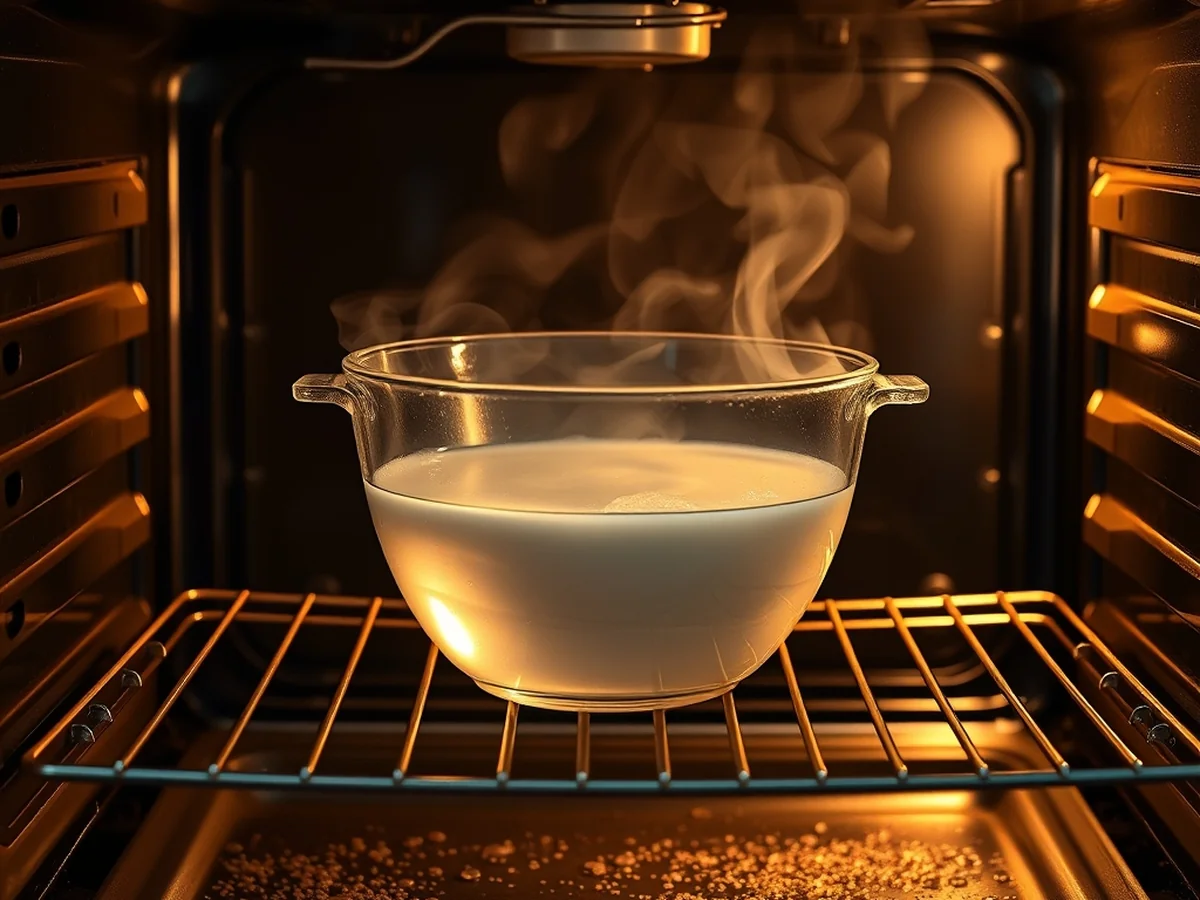
You can loosen stubborn grease and carbonized food in just 20 minutes using only water and heat. This method helps you clean oven naturally without dealing with harsh fumes or heavy scrubbing. Fill a glass oven door safe bowl with 2 cups of warm water and place it on the top rack. Turn your oven to 450 degrees Fahrenheit and let the water boil for 30 minutes to fill the cavity with heavy moisture. The rising steam softens hard baked-on spills so you can wipe them away easily with a damp microfiber cloth once the appliance cools down safely.
Essential Oil Boost
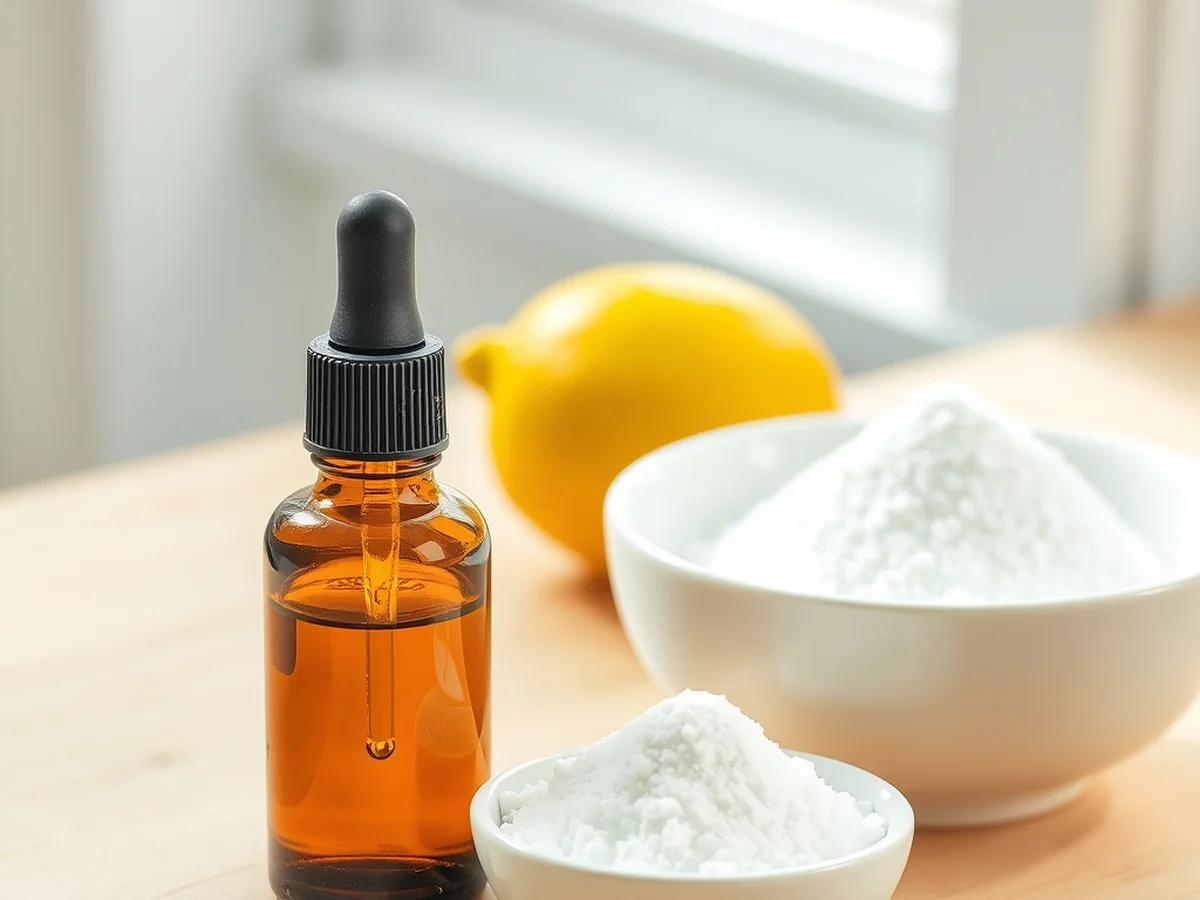
You might love using white vinegar to clean oven naturally, but the sharp smell can linger in your kitchen for hours. Adding 15 drops of lemon or eucalyptus essential oil to your cleaning spray cuts right through that sour odor. This simple step turns a chore into an aromatherapeutic experience.
- Mix your chosen oil directly into your spray bottle before wiping down surfaces.
- Citrus scents like sweet orange also help neutralize residual grease smells.
- Lavender provides a softer floral aroma if you prefer a subtle finish.
Choosing Safe Scrub Brushes

Do you worry about scratching your oven interior when you try to clean oven naturally? Using the wrong tool can leave permanent marks on enamel surfaces, especially if you apply too much pressure. For most jobs, a medium-stiffness nylon brush works best because it clears away softened grime without damaging the metal. Avoid metal brushes entirely, as they cause deep scratches that collect grease later.
Use a softer bristle brush when you work on the glass oven door or delicate seals. If you face stubborn, carbonized food, switch to a plastic scraper instead of a stiff brush. This tool costs about $5 and provides better leverage for flat surfaces. Pair your brush with a DIY paste to safely remove burnt-on grease naturally. Always test your brush on a hidden corner to ensure it leaves no marks before scrubbing the entire cavity.
Aluminum Foil Scrubber
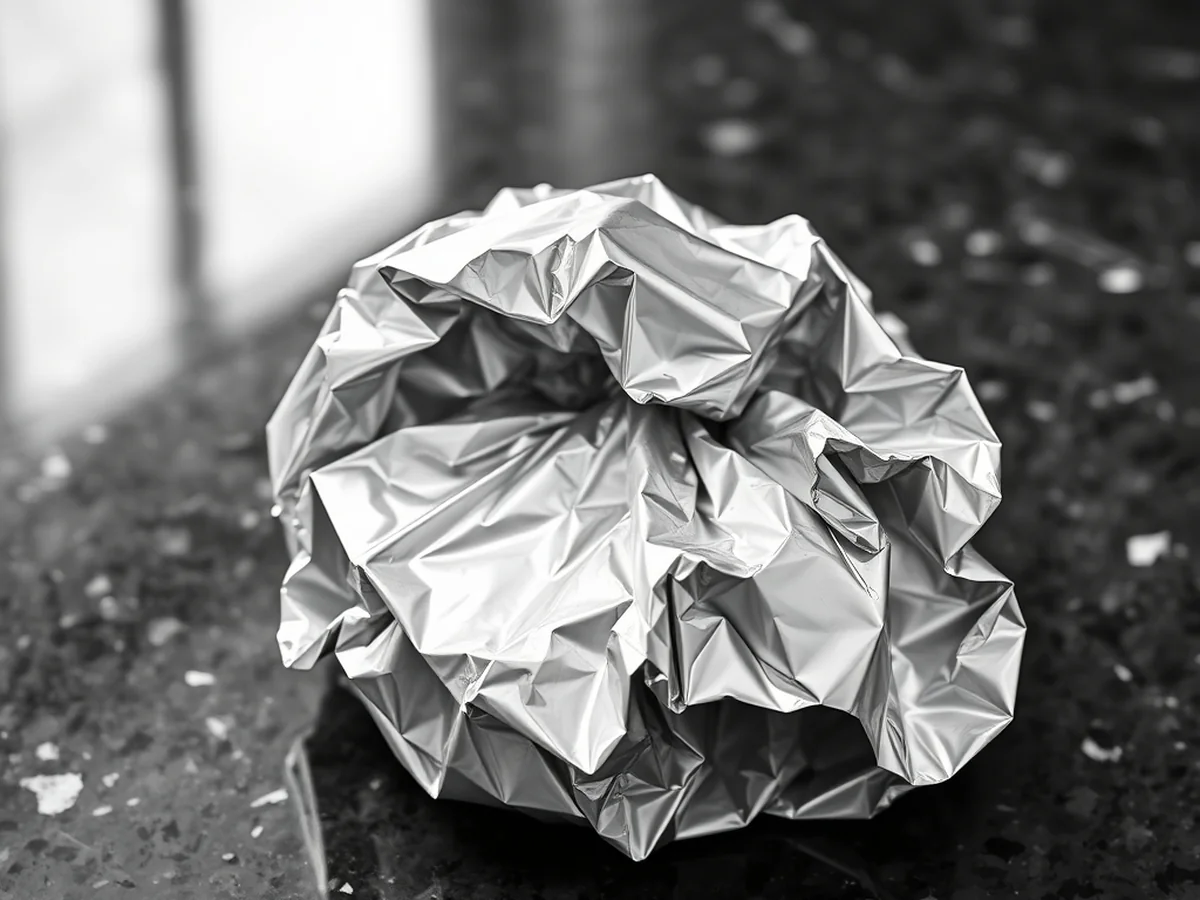
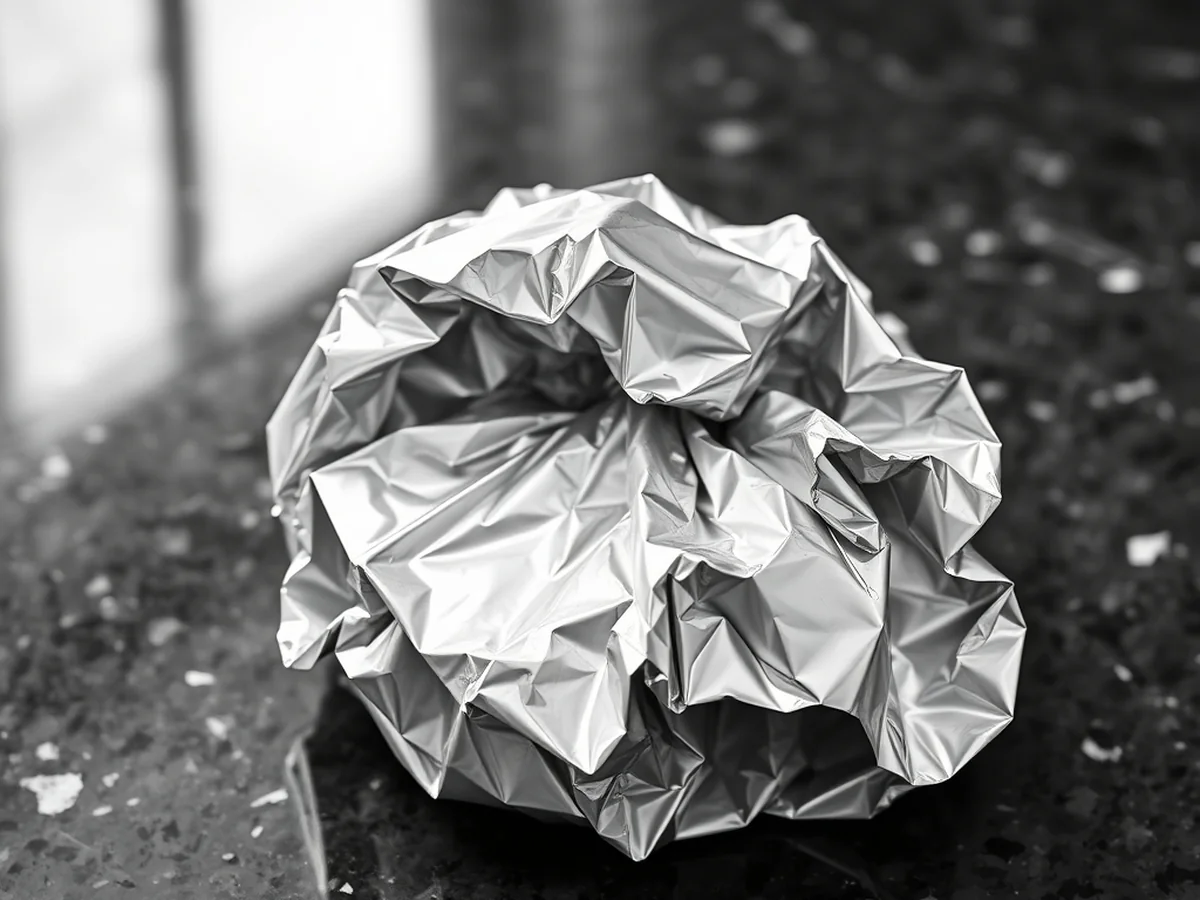
You might think you need a heavy-duty wire brush to remove burnt-on grease from your oven racks, but a simple piece of kitchen foil works better. While wire brushes often scratch protective coatings, a ball of aluminum foil is firm enough to lift carbonized food without damaging the metal surface. This is one of my favorite eco-friendly kitchen cleaning tips because it repurposes a common item you already own. Simply tear off an 18-inch sheet and roll it into a tight, dense ball. Dip the foil into a bit of warm water or your homemade oven cleaner paste to add extra grit. The textured surface of the foil acts as a micro-scrubber, helping you clean oven naturally by breaking down stubborn buildup on steel racks with just a little manual pressure.
Paper Towel Dwell

I have found that the biggest challenge when you clean oven naturally is keeping your homemade paste from drying out into a hard crust. If the baking soda mixture loses its moisture too fast, it stops breaking down stubborn grease. To solve this, simply press layers of damp paper towels directly against the paste on the oven walls. This creates a seal that traps moisture and keeps the active ingredients working on the carbonized food for hours. I usually keep about 6 sheets of standard paper towels on hand for this step. This technique ensures that your non-toxic oven cleaner stays wet and potent, making the final wipe down much easier. You won’t need to spend extra time re-applying the paste because the towels do the hard work of holding the cleaner in place.
Maintenance Schedule Tips
Wipe your oven interior every 7 days to stop grease from hardening into stubborn carbonized food. This weekly wipe down prevents thick layers of grime from building up, making it much easier to clean oven naturally when you finally tackle a deep scrub. Spend just 2 minutes after cooking to address small spills while the surface is still warm.
Keep a spray bottle filled with a mix of 1 part white vinegar and 2 parts warm water near your kitchen sink. Spraying the oven walls and glass oven door after use helps break down fats before they bake on. Use a soft microfiber cloth to catch drips immediately. This simple routine keeps your kitchen fresh and means you only need to perform a full deep clean every 3 months to maintain a non-toxic environment.
Handling Convection Fan Areas

As spring cleaning approaches, you should pay extra attention to the rear fan area when you clean oven naturally. The fan housing is delicate, and you must prevent liquid from entering the internal motor vents. Always use a damp microfiber cloth rather than a dripping wet sponge to wipe away surface grease near these openings. If you apply a homemade oven cleaner paste, keep it at least 2 inches away from the fan cover to avoid seepage. For stubborn spots, use a small, dry scrub brush to gently loosen debris without pushing moisture into the mechanism. If you accidentally get residue inside, use a vacuum hose attachment to suck out any loosened particles. Keeping this area dry protects your appliance while ensuring your non-toxic oven cleaner remains effective without risking electrical damage to the convection components.
Clean Oven Naturally

You can clean oven naturally for less than $2 in supplies compared to a $15 bottle of caustic oven cleaner. A simple mixture of baking soda and water creates a powerful paste that breaks down carbonized food without the toxic fumes. Applying this paste and letting it sit overnight allows the ingredients to soften thick, burnt-on grease effectively. In my experience, using a plastic scraper helps lift the softened grime from the metal walls without scratching the surface.
- Apply a thick layer of baking soda paste to all interior surfaces.
- Spray white vinegar over the paste to activate a mild fizz.
- Let the mixture dwell for 12 hours before wiping away.
It is far better to repeat this gentle process twice than to rely on harsh chemicals. Non-toxic oven cleaner methods protect your lungs while keeping your kitchen safe for kids and pets.
Non Toxic Oven Cleaner

You can clean oven naturally using just two pantry staples that cost less than $3 combined. Mixing baking soda and white vinegar creates a fizzy reaction that lifts grease without leaving dangerous residues on your cooking surfaces. Since your oven interior comes into direct contact with food, avoiding caustic fumes keeps your meals safer and your kitchen air clear. Choosing a homemade oven cleaner is a smart move for any eco conscious home because it eliminates the risk of inhaling toxic vapors while you scrub. You won’t need to wear heavy duty masks or keep windows wide open just to finish your chores. By using baking soda as a gentle abrasive, you remove carbonized food effectively without scratching the metal walls. This simple switch turns a dreaded deep cleaning task into a fume free cleaning routine that protects both your family and your appliances.
Burnt Sugar Removal
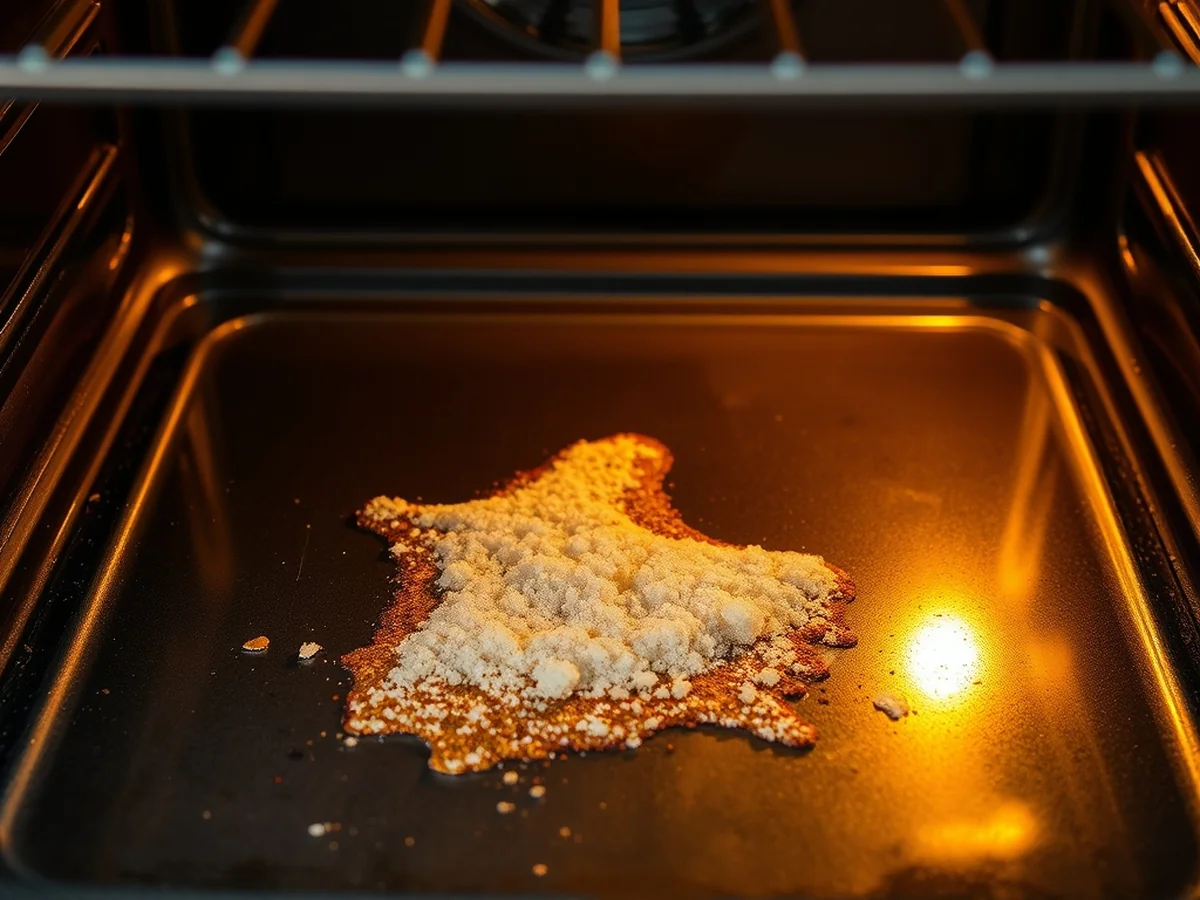
You probably know the frustration of opening your oven to find a stubborn, rock-hard pool of caramelized sugar stuck to the bottom. To clean oven naturally, you need to use heat and moisture to break down that sticky mess before it becomes permanent. First, turn your oven on to 200 degrees for about 10 minutes to soften the sugar. Once it warms up, turn the appliance off and let it cool slightly so it is safe to touch while wearing your rubber gloves.
Apply a thick DIY oven cleaning paste made from baking soda and a splash of warm water directly onto the spill. Let the mixture sit for 30 minutes to penetrate the hardened layer. Finally, use a plastic scraper to gently lift the debris away from the metal surface without causing any scratches.
Avoiding Self-Cleaning Cycles
Should you skip the high-heat cycle and clean oven naturally instead? Using the high-heat self-cleaning function often creates intense fumes that can damage internal sensors or even crack the glass oven door. Manual cleaning is far safer for the longevity of your appliance because it avoids extreme thermal stress. When you use baking soda and vinegar, you protect the delicate heating elements from potential burnout. I have found that a simple DIY oven cleaning paste removes carbonized food more effectively than a cycle that reaches 900 degrees Fahrenheit. If you rely on manual methods, you keep the finish intact and avoid the risk of permanent discoloration. Stick to gentle scrubbing with a plastic scraper to maintain your appliance surfaces safely. This approach ensures your kitchen remains free of acrid odors and helps your oven last for many years.
Removing Vinegar Odors

Many people believe the sharp scent of vinegar lingers for days, but it actually evaporates quickly once the surface dries. When you clean oven naturally, the acidity of the vinegar helps break down grime, but the smell can be strong for an hour. To clear it out, leave the oven door wide open for at least 30 minutes after you finish wiping the interior with microfiber cloths. This simple step allows air to circulate and pulls the remaining moisture out of the cavity.
- Place a small bowl containing 2 tablespoons of lemon juice inside the oven to help absorb any lingering scent.
- Turn on your kitchen exhaust fan to pull air through the oven chamber.
- Keep the oven door ajar overnight if you want to ensure the smell is completely gone before your next meal.
This natural approach ensures your kitchen remains fume-free and fresh.
Materials To Avoid
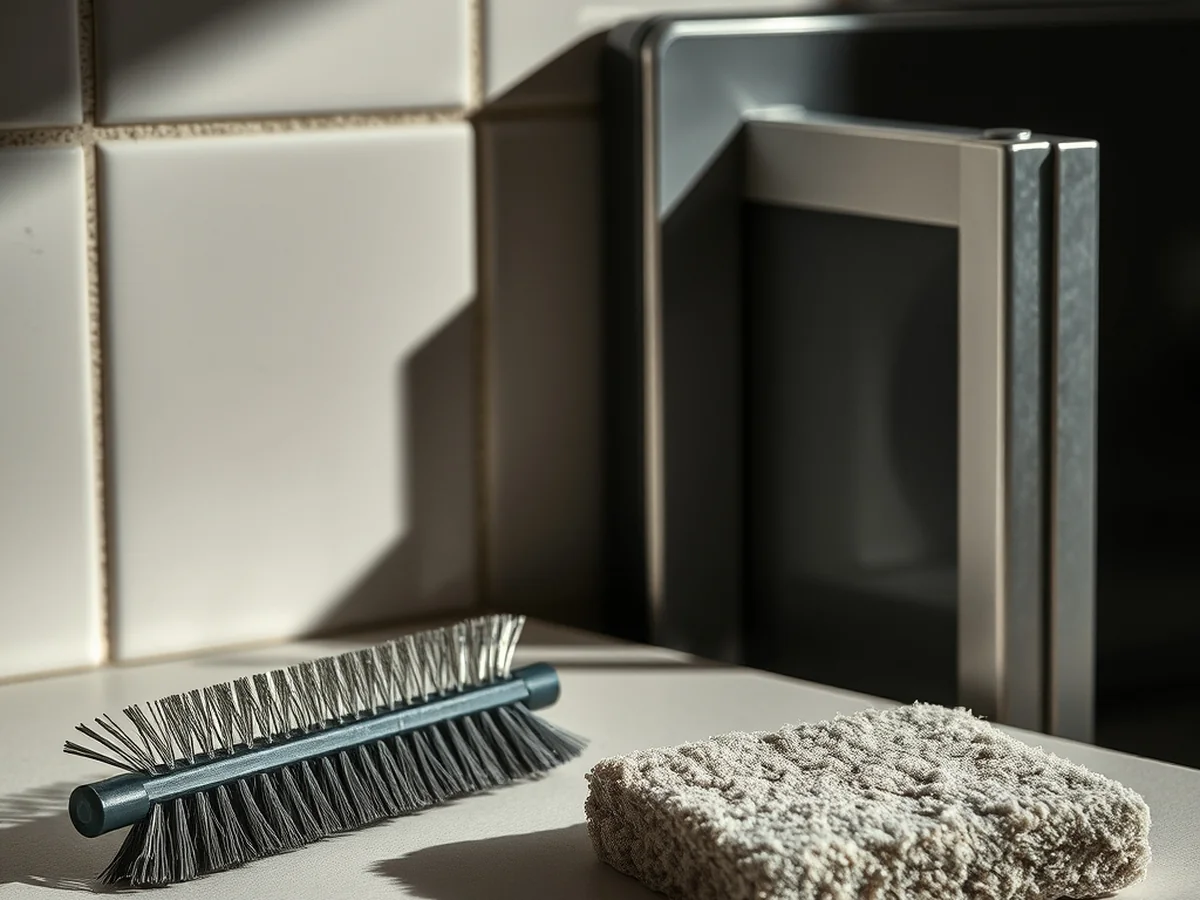
I have learned the hard way that certain scrubbing tools will permanently ruin the inside of your appliance. When you want to clean oven naturally without harsh fumes, skipping abrasive tools is just as important as choosing the right ingredients like baking soda and white vinegar. You must stay away from steel wool and metal scouring pads on coated or porcelain surfaces. These harsh items strip off the protective enamel finish in seconds. Instead of a metal pad, grab a plastic scraper or a soft scrub brush to lift stubborn carbonized food. Even a microfiber cloth works wonders for wiping away loosened grime without leaving a single scratch on your glass oven door. Keeping a budget-friendly plastic scraper in your kit costs about $3 and saves you hundreds in repair costs.
For another perspective, this detailed piece on How to Clean an Oven Naturally with Baking Soda & … is worth a read.
FAQ
Are these methods safe for all oven interiors?
You can safely clean oven naturally on standard porcelain and enamel surfaces using a simple baking soda paste. Avoid putting alkaline pastes directly onto exposed heating elements or aluminum parts because they can cause discoloration or pitting.
How long should I leave the cleaning mixture on?
Let your homemade paste sit for at least 12 hours or overnight to break down tough carbonized food and grease. Giving the ingredients enough dwell time means you won’t need to scrub nearly as hard the next day.
Can I use these hacks on a glass top range?
Baking soda and white vinegar are safe for standard glass oven doors and ceramic stovetops when paired with a non-scratch plastic scraper. Never use abrasive metal wool pads on glass surfaces if you want to avoid permanent scratches.
Can you use natural cleaners on self-cleaning oven settings?
You should never run the high-heat self-cleaning cycle while chemical or DIY residues remain inside the cavity. The extreme temperatures can bake lingering cleaners into the enamel and create unpleasant fumes.
How do you remove the smell of vinegar after cleaning?
Wipe down the interior cavity using a clean microfiber cloth dampened with warm water and a few drops of lemon juice. Leaving the oven door open for about 30 minutes also helps clear out any remaining scent.
You might also like: 22 Outdoor Kitchen Ideas for Every Backyard and Budget
Key Takeaways
Spring cleaning brings heavy kitchen grease to your attention, making it the right time to adopt a fume-free routine.
- Consistency is the best way to keep your oven clean by wiping minor spills after every baking session using warm water and a microfiber cloth.
- Natural ingredients are effective when given enough time, so let your baking soda paste sit undisturbed for at least 12 hours.
- Homemade oven cleaner costs under $2 to mix using pantry staples like baking soda, white vinegar, and a few drops of dish soap.
- Non-toxic oven cleaner methods protect your family and pets from the harsh fumes of store-bought aerosols.
- Remove burnt-on grease naturally by scraping softened carbon with a plastic scraper instead of scratching the enamel with metal tools.
- Eco-friendly kitchen cleaning tips help you clean oven naturally without wearing heavy-duty rubber gloves or opening every window.
Pin this guide to your cleaning board so you can find these natural methods whenever your kitchen needs a refresh.