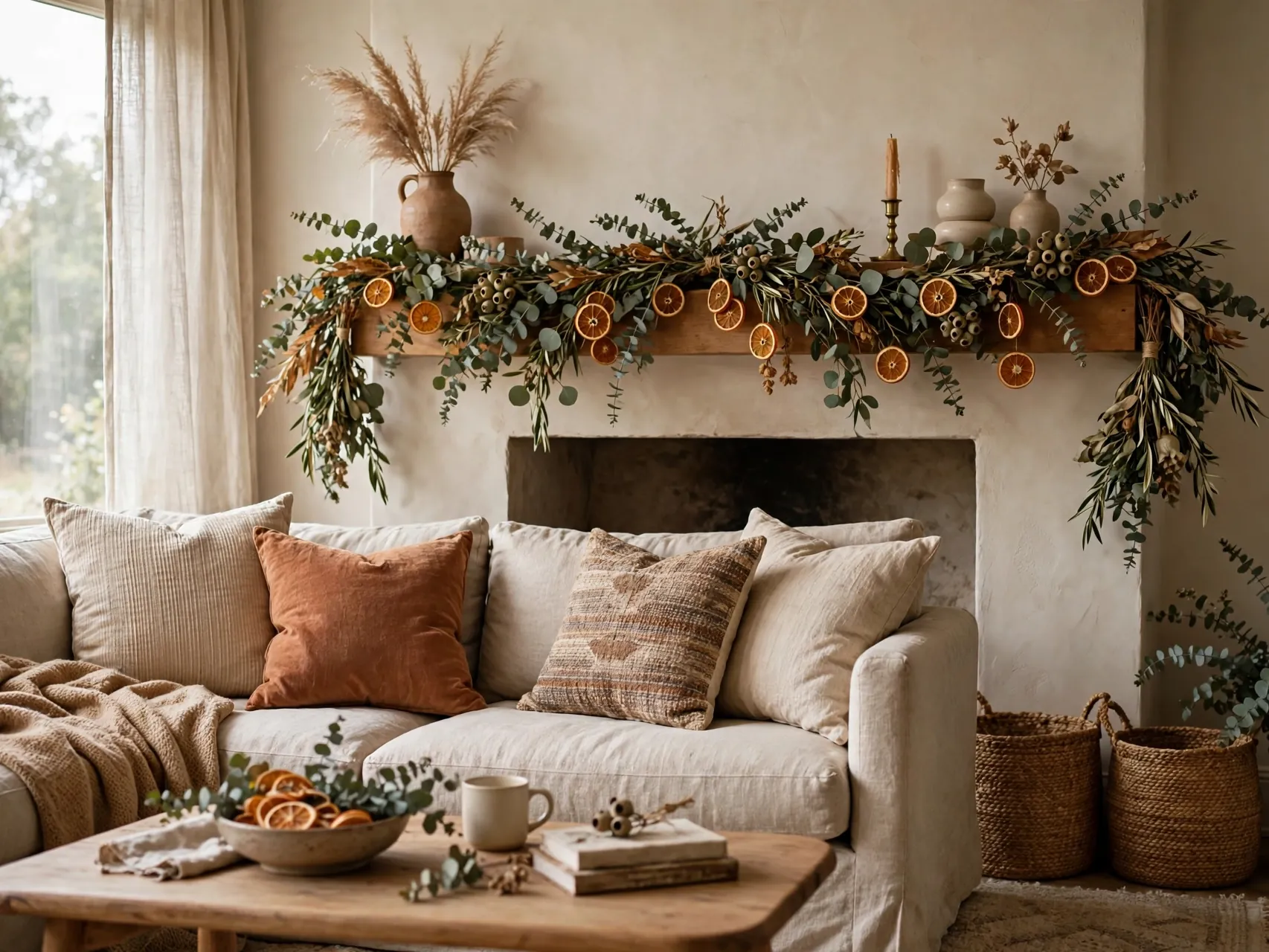
21 Natural Fall Garland Ideas With Dried Oranges and Greenery
Introduction
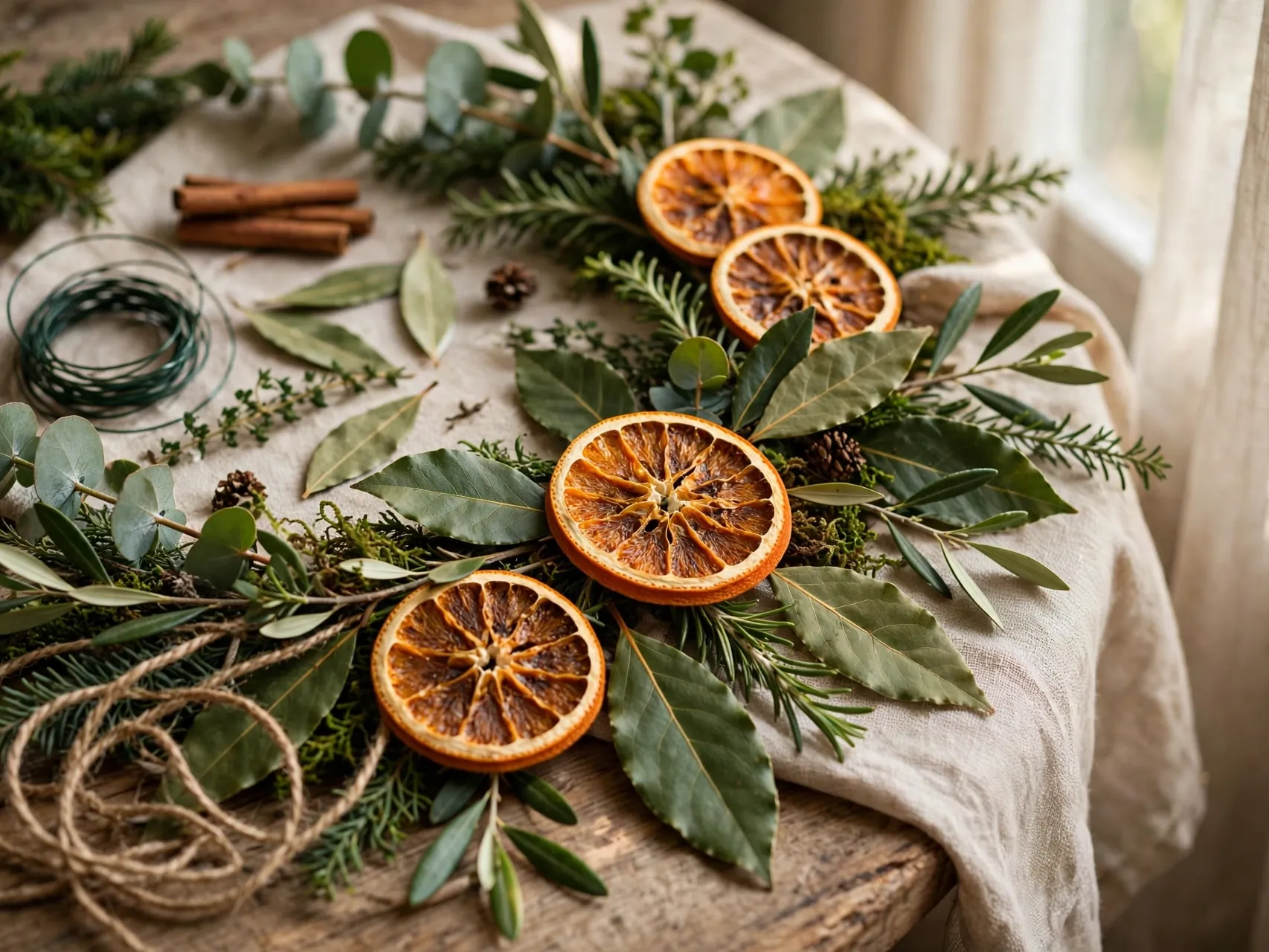
A garland made from real leaves, herbs and citrus does something plastic never quite manages. It smells faintly like fall, it catches light in a soft and uneven way, and it makes a plain mantel or table feel gathered rather than decorated. These natural fall garland ideas pair dried oranges with greenery in ways you can finish in an afternoon, most with twine, floral wire and things you can forage or buy in a grocery bunch.
Start simple if this is your first diy fall garland. A strand of orange slices on twine is forgiving and teaches you spacing and knotting. From there, layer in eucalyptus, pinecones, wheat or herbs until it feels full enough.
Two honest notes before you begin. Check every foraged piece outdoors first, shake off dirt, look for insects and let damp leaves dry fully, and discard anything moldy. And remember that dried materials catch fire easily, so keep every garland in this list away from open flame, candles, heaters, light bulbs and stovetops, and choose battery operated candles nearby instead.
Measure first and add extra length for a gentle swag, because a garland that drapes looks generous and trimming is easy.
1. Dried Orange and Eucalyptus Mantel Garland
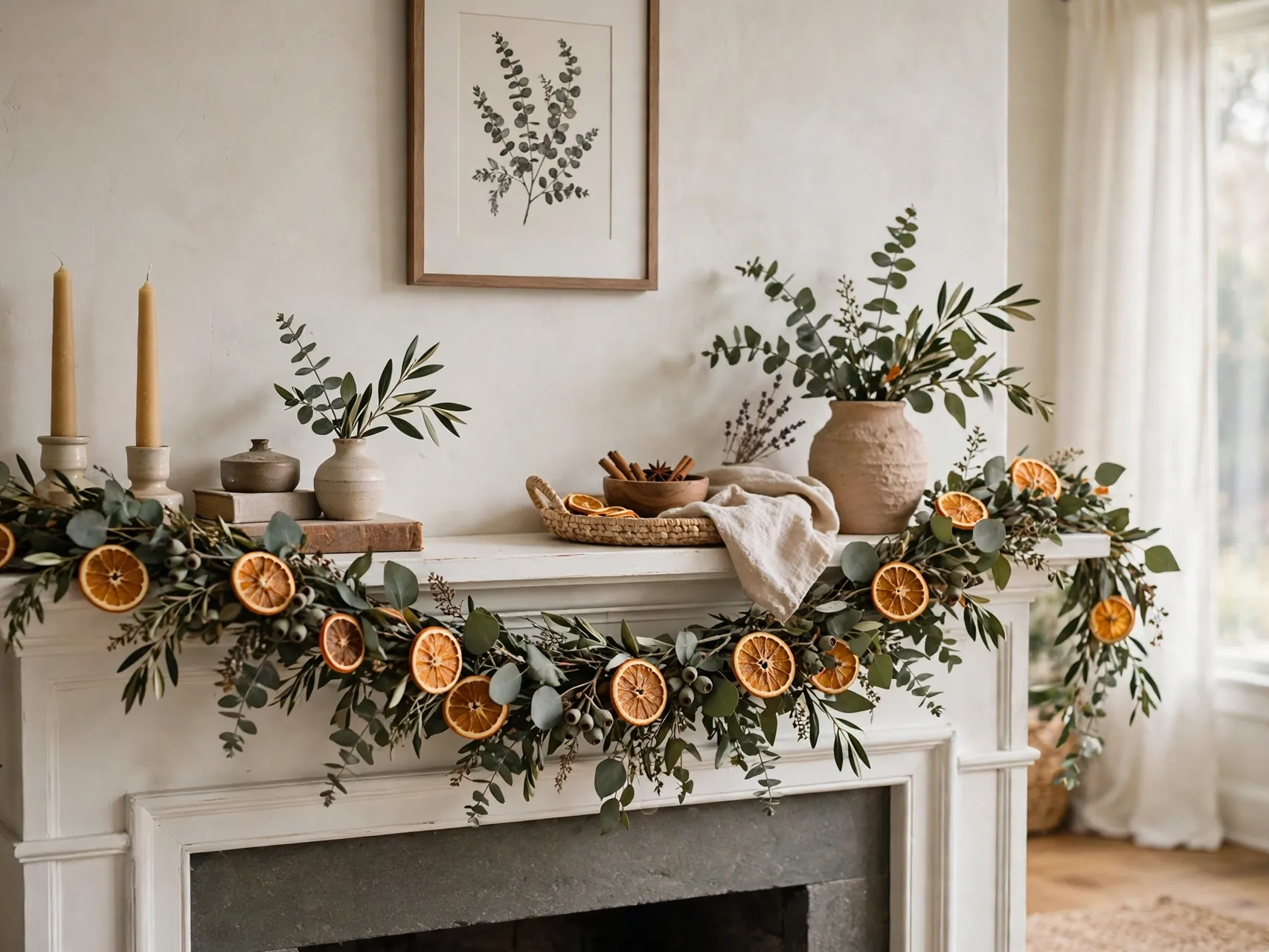
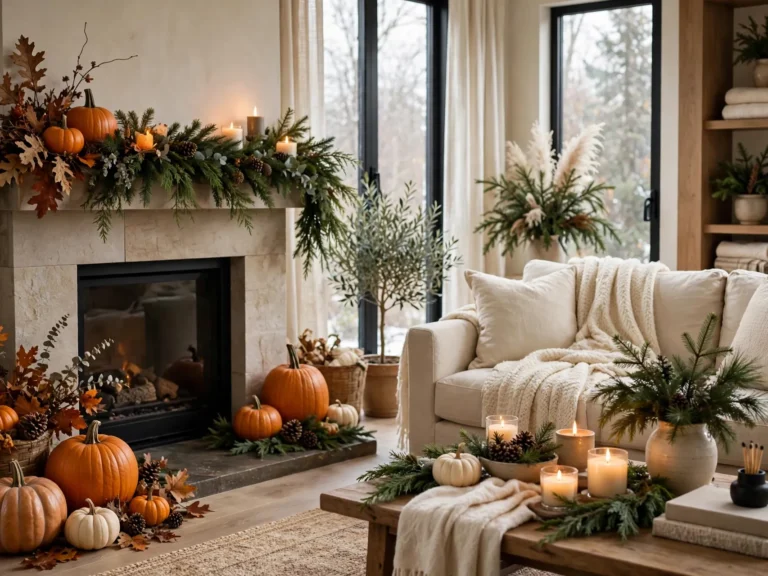
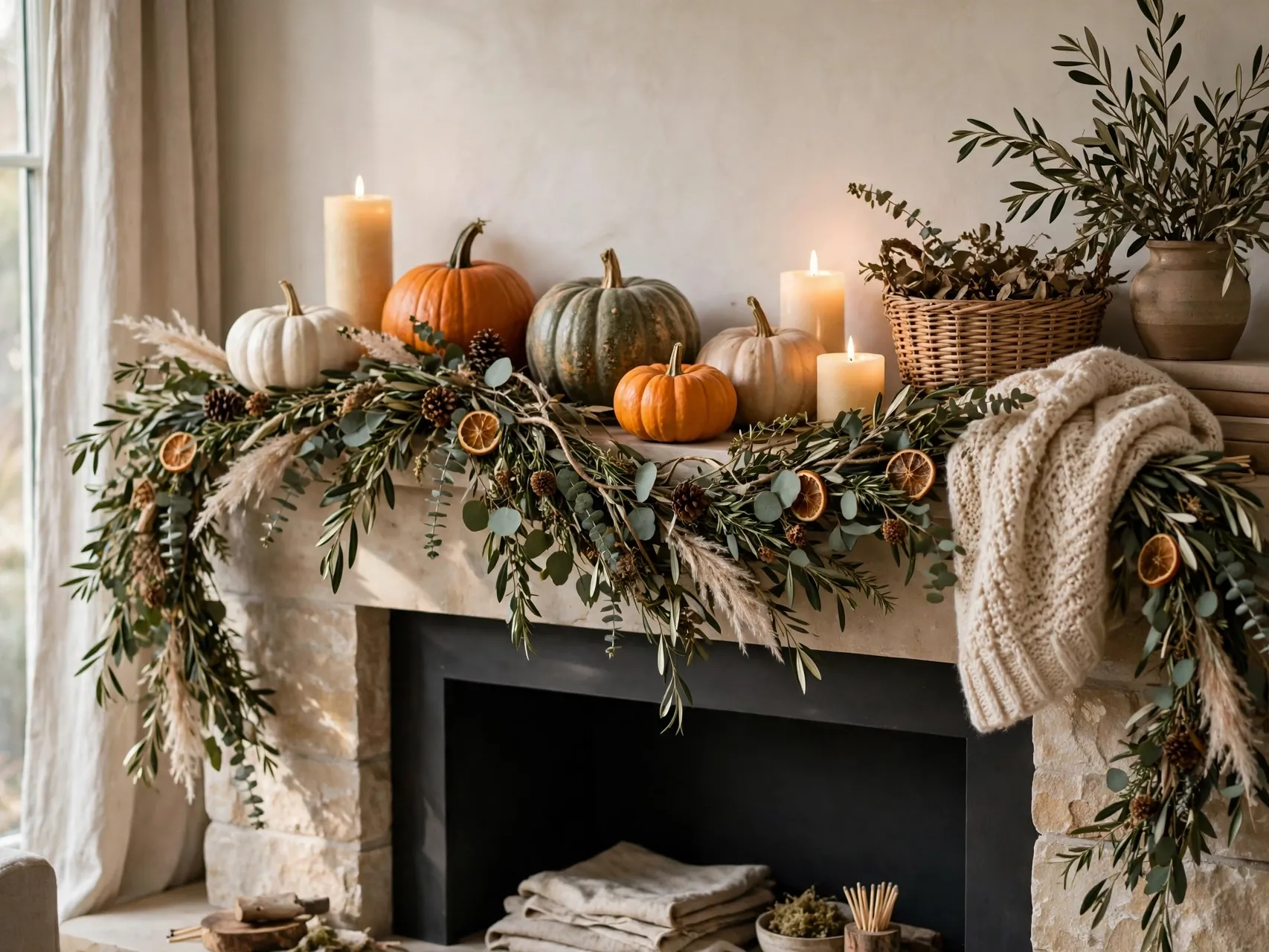
This is the classic fall mantel garland, and it earns that spot. Lay a base of seeded or silver dollar eucalyptus along the mantel, letting stems overlap so the line stays unbroken, then wire dried orange slices in small groups of two or three on top.
Fresh eucalyptus dries in place with plenty of airflow, softening to a silvery green while the oranges keep their color. Anchor the ends with small removable hooks under the mantel edge, keep the garland clear of any fireplace opening and heat, and let a few orange groups sit slightly forward for depth. Tip: build it directly on the mantel, because moving a finished layered garland almost always shifts the pretty parts.
2. Simple Orange Slice and Bay Leaf Strand
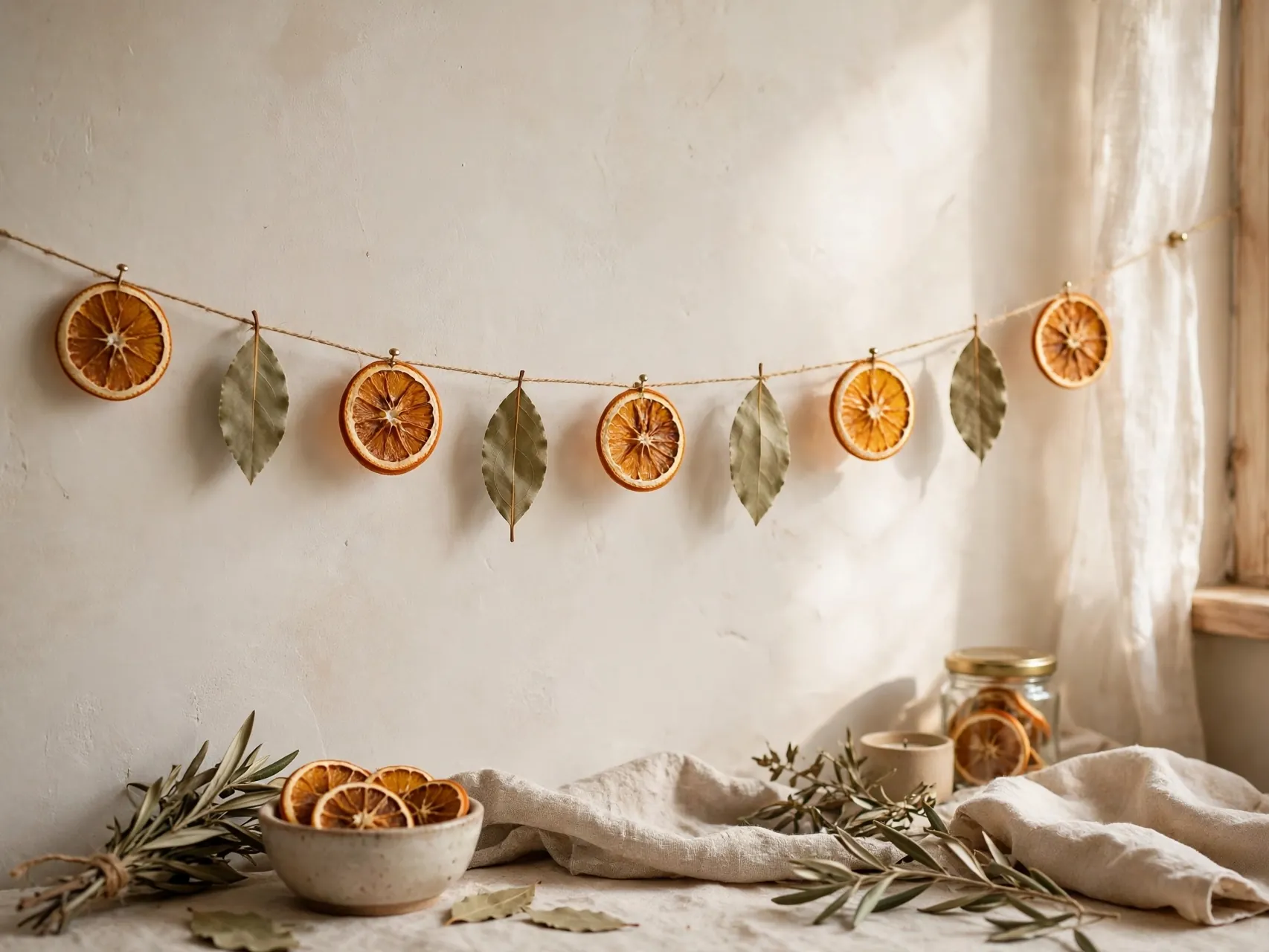
For a light and graphic dried orange garland, thread a large needle with twine and pass it through the top of each orange slice, alternating two bay leaves between slices. The pattern reads calm and tidy, perfect above a window or across a bookcase.
Bay leaves add a deep green note and a gentle scent, and they dry flat without fuss. Space the groups evenly by laying the strand flat as you work, and tie a small loop at each end for hanging. Tip: pierce the orange flesh near the rind rather than the very center, so slices hang straight and tear less.
3. Pinecone and Cinnamon Stick Garland
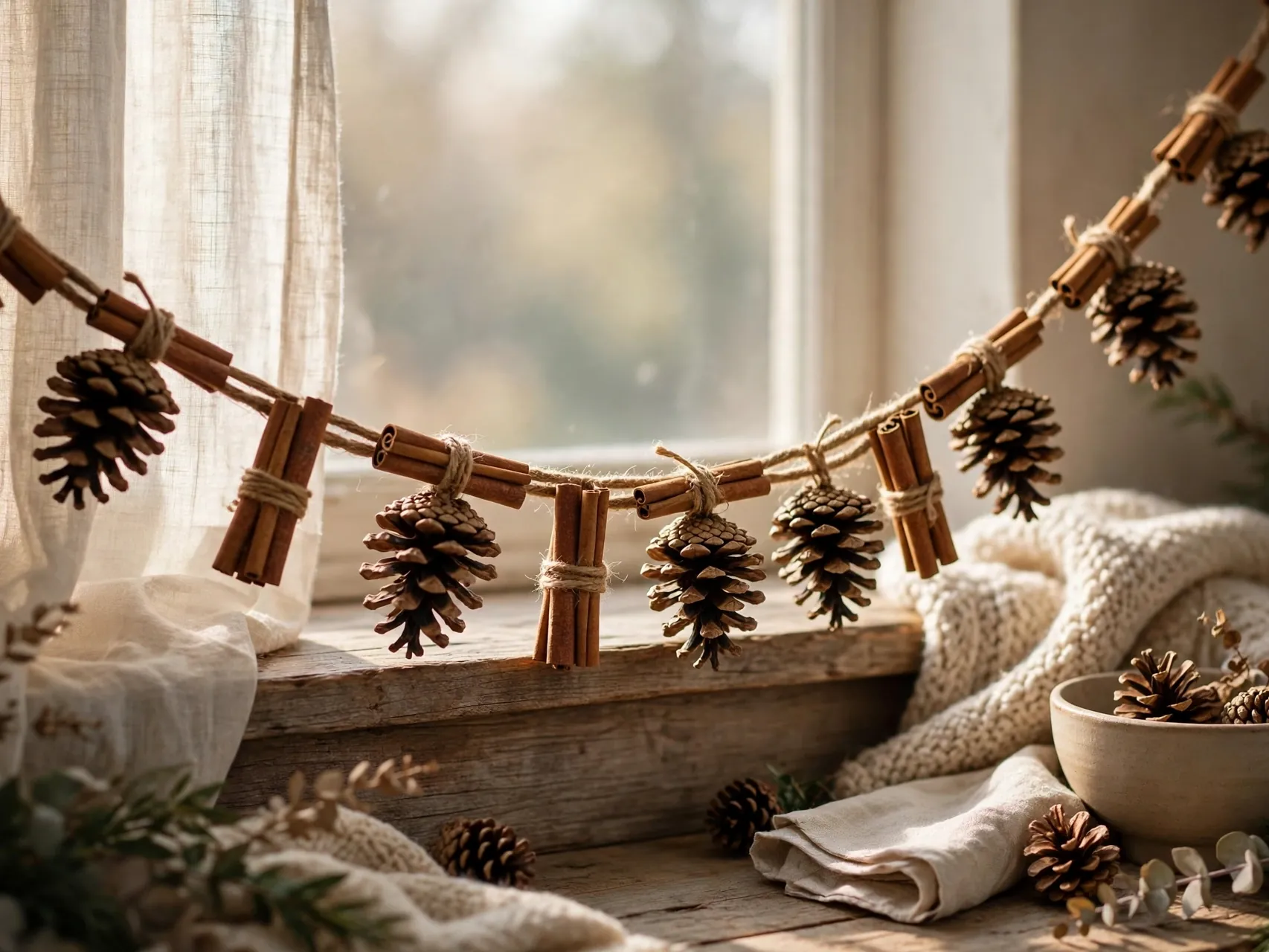
Wire small pinecones and bundles of two cinnamon sticks along a twine or thin rope base, spacing them a hand width apart. Add orange slices or tiny sprigs of greenery between them if the line feels too brown, and the whole strand turns warm and woodsy.
Check pinecones outdoors before you bring them in, shake them well and let them sit in fresh air until fully dry, since cones can hide small insects and sap. Hang this one in an entry or kitchen where its scent greets people. Tip: wire each pinecone around its lower scales, not the tip, so it sits snug and does not spin.
4. Foraged Leaf Garland for a Window
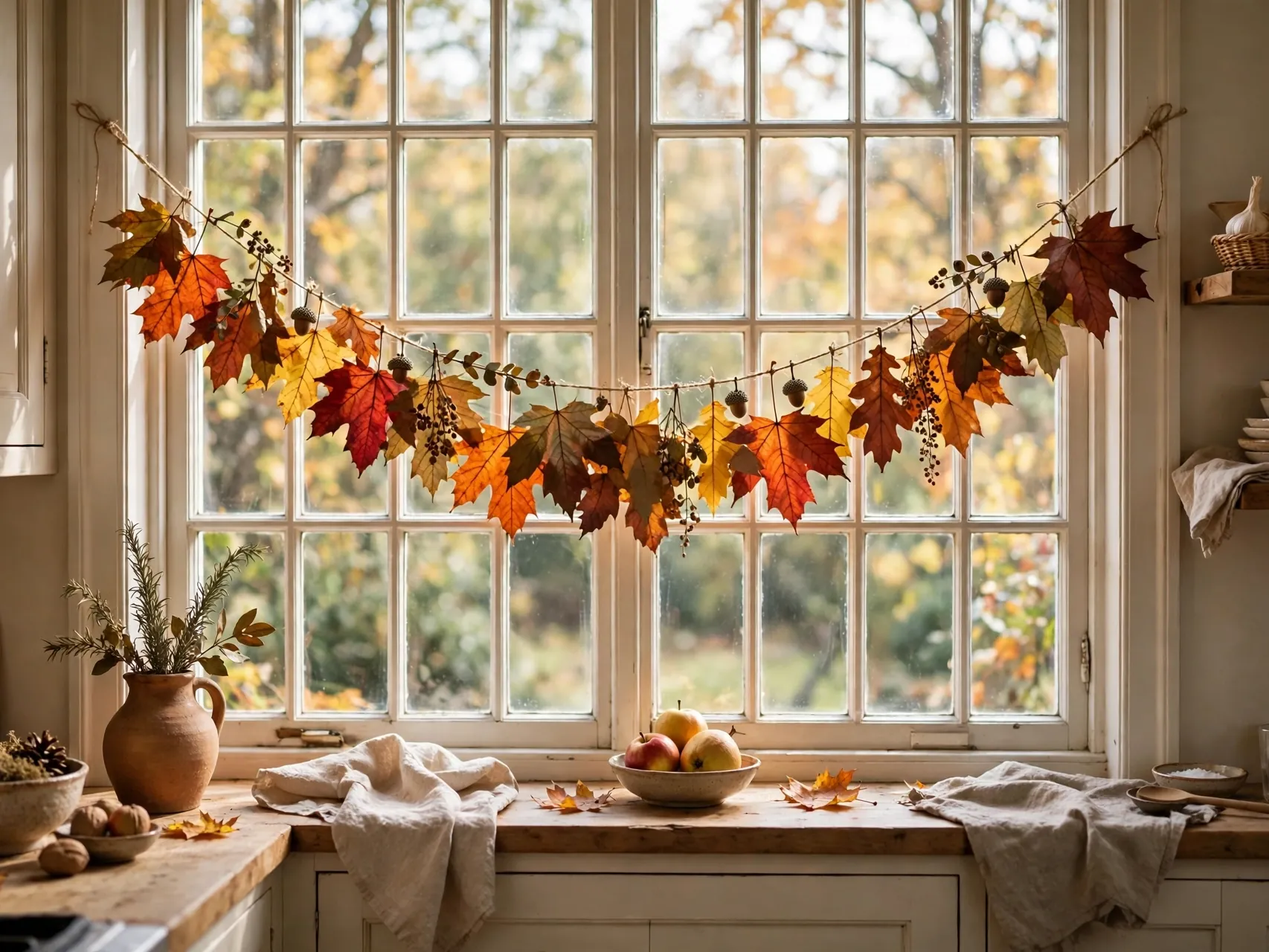
Gather fallen leaves that are still supple and flat, avoiding any that are already crisp or curling. Wipe them clean, press them briefly between heavy books if they curl, then thread a needle through each stem and slide the leaves along cotton thread with small gaps between them.
Hung across a kitchen window, real leaves glow when light passes through them, and no two strands ever match. This natural autumn garland lasts best away from steam and direct heat, and it is a lovely one day project with kids. Tip: mix leaf shapes and sizes instead of sorting them, because the variety is what makes it feel like a real walk in the woods.
5. Wheat and Dried Orange Table Runner Garland

Lay dried wheat stems flat down the center of the table, all facing the same direction, then tuck dried orange slices, small pinecones and short greenery sprigs between them. The low profile keeps sight lines open across the table, which matters more than height at dinner.
Keep the runner narrow enough that plates and glasses sit clear of it, and keep it well away from any candles on the table, using battery operated candles if you want a glow. Tip: build it on a length of linen or burlap so you can lift the whole runner off in one piece for clearing and reuse.
6. Magnolia Leaf and Orange Stair Garland
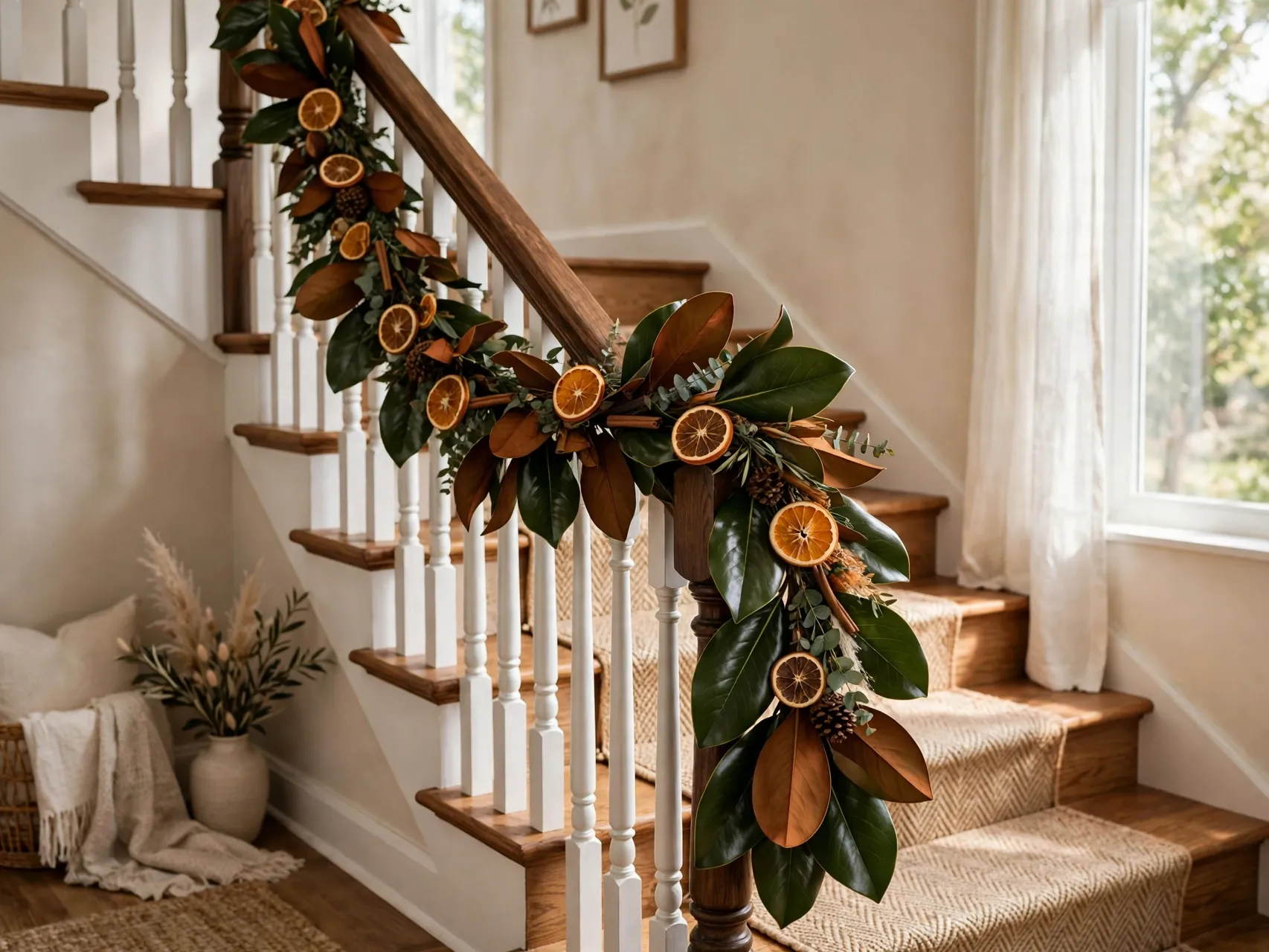
Magnolia leaves are sturdy, glossy on one side and velvety brown on the other, so they carry a stair rail without looking thin. Wire leaves in overlapping clusters to a rope base, flip every third cluster to show the brown side, then add orange slices at the newel post and at each turn.
Attach the garland to the rail with soft ties or ribbon at regular intervals so it cannot slip, and keep the walking side clear so hands and sleeves do not catch it. Tip: stairs need a fuller garland than you expect, because you view it from below and from the side at once.
7. Seeded Eucalyptus and Berry Garland
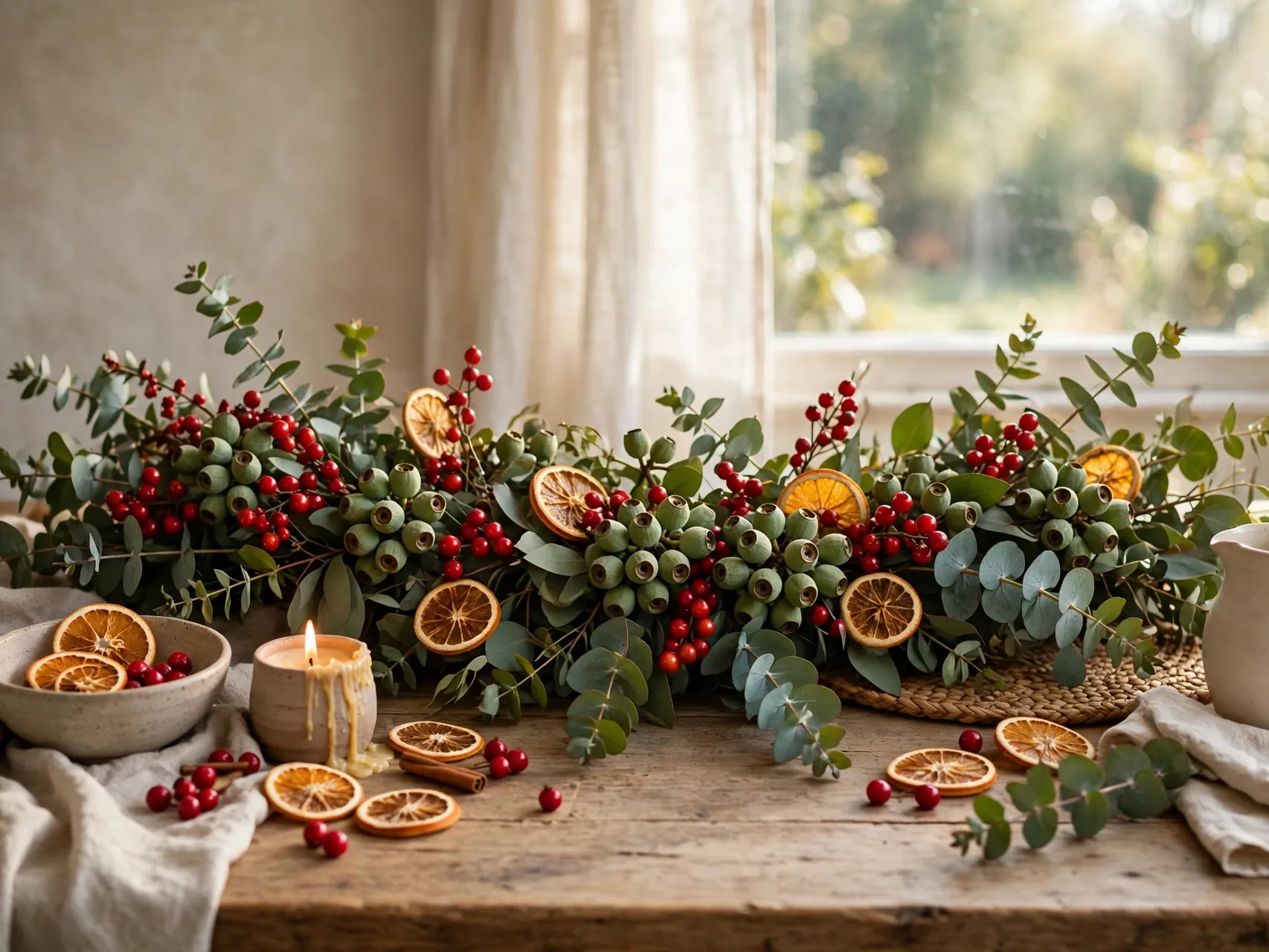
Seeded eucalyptus brings its own decoration, with clusters of small pods that read like berries at a distance. Lay stems along a rope base, wire each bunch where the next bunch will cover the wire, then tuck in a few dried orange slices and, if you like, faux berry sprigs for color that will not drop.
This version suits a mantel, a sideboard or a doorway, and it keeps its shape as it dries. If you use any real berries, place the garland where pets and small children cannot reach fallen pieces. Tip: work in one direction only, like roof shingles, so every wire stays hidden under the next layer.
8. Dried Apple and Orange Slice Garland

Alternate dried apple slices with orange slices on twine for a kitchen garland that looks like it belongs near baking. Apple slices dry paler and softer than oranges, so the contrast is gentle, and a light dusting of cinnamon on the apples before drying adds scent.
Dry fruit slices until they feel firm and leathery with no damp centers, because soft slices will not keep. Hang the finished strand across a hutch, open shelves or a window away from steam. Tip: thread through the strongest part near the peel on both fruits so the slices hang evenly and last longer.
9. Hydrangea and Greenery Garland
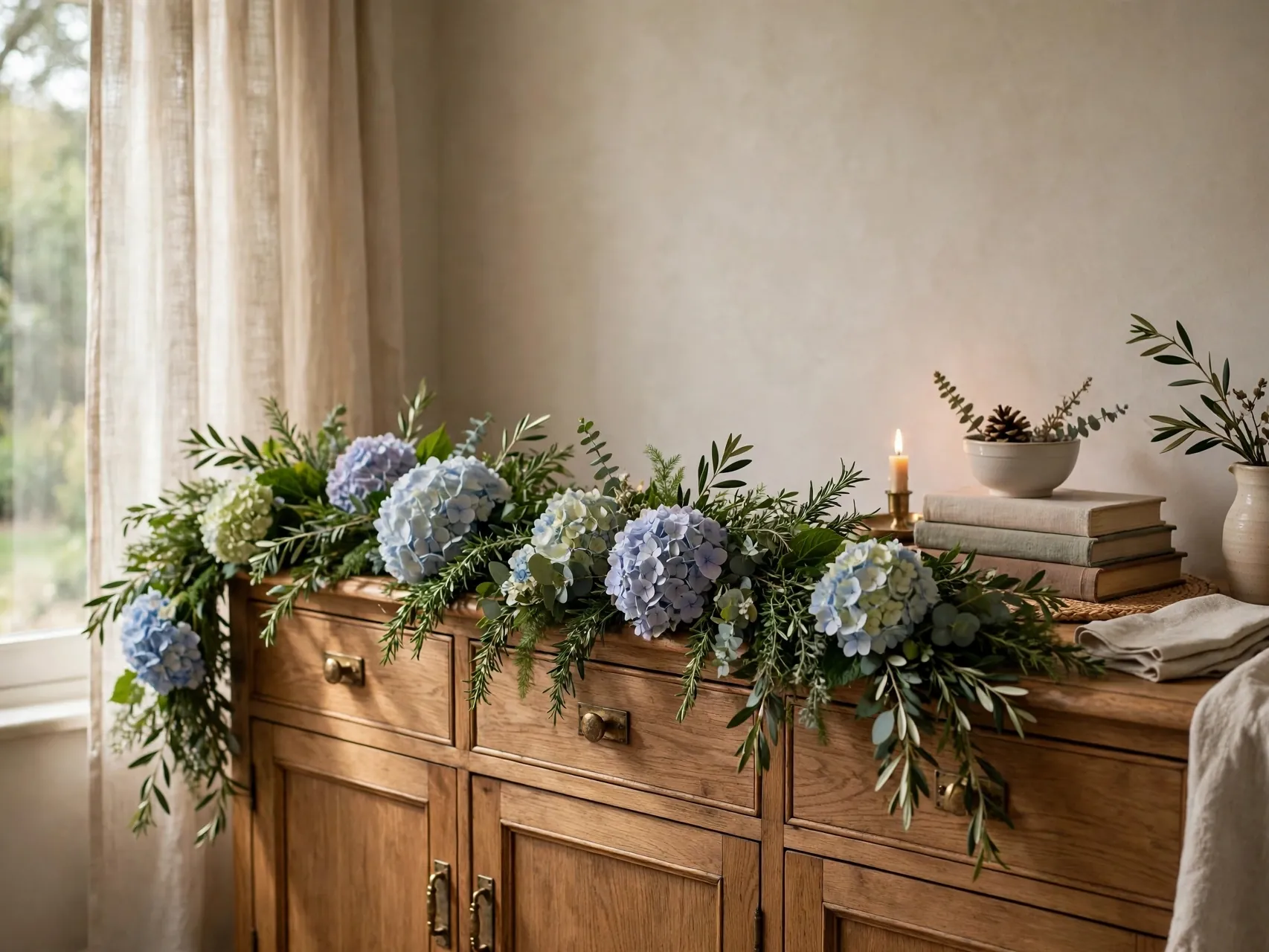
Dried hydrangea heads in faded green, cream and dusty blue soften a greenery base beautifully. Build a simple leaf or eucalyptus base first, then wire hydrangea heads in clusters, letting them sit proud of the leaves like small clouds.
Hydrangeas are delicate once dried, so handle them by the stem and place this garland where it will not be brushed daily, such as above a sideboard or high on a mantel away from heat. Tip: cluster an odd number of heads in each group and vary the cluster sizes, which keeps the garland looking natural rather than dotted.
10. Cedar and Juniper Garland With Citrus
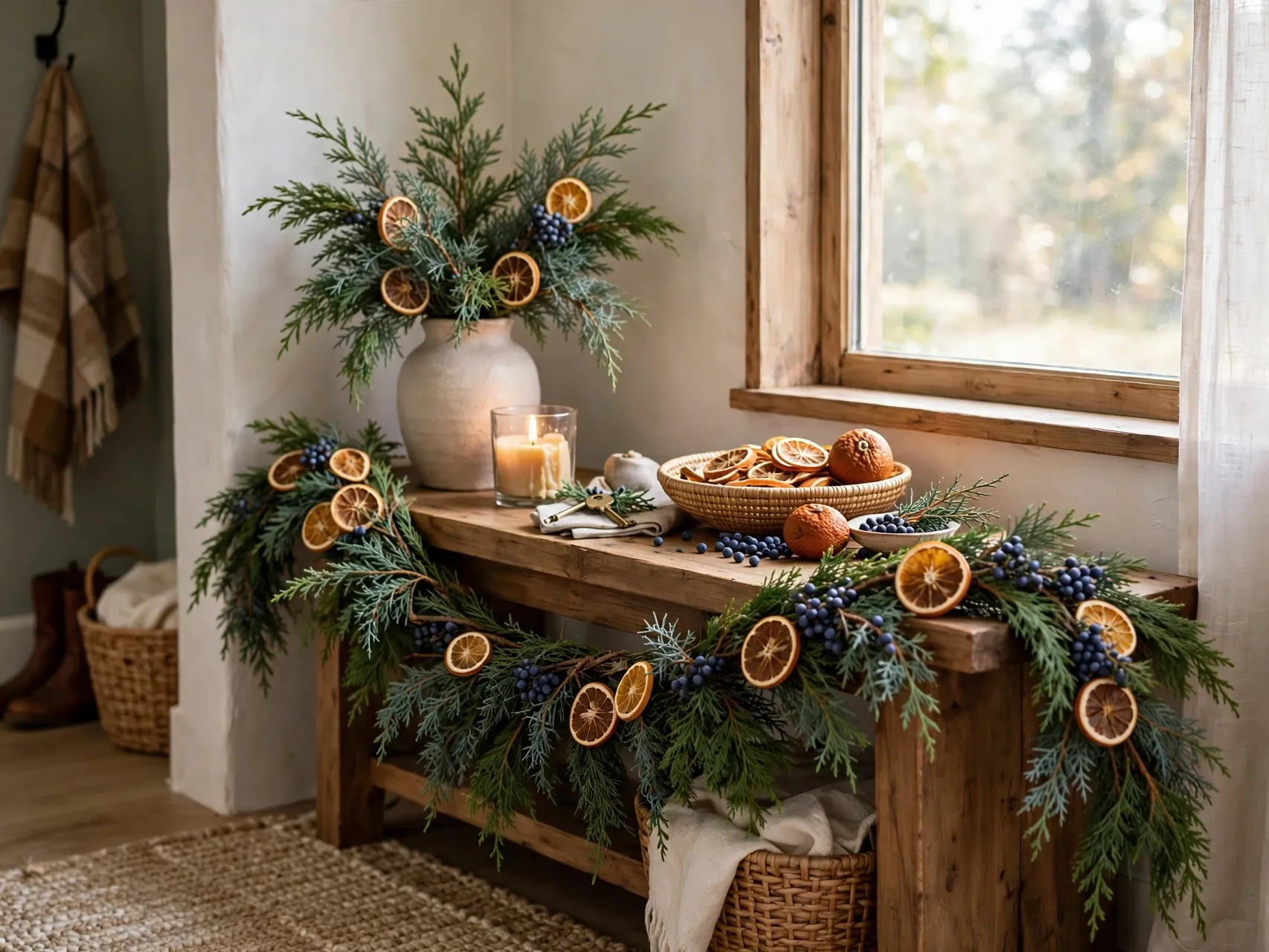
Cedar sprays and juniper with its blue gray berries make a garland that bridges fall and winter without shouting about either. Layer cedar flat along a base, add juniper sprigs for texture, then wire in dried orange or lemon slices for a bright note against the deep green.
This mix holds up well in a cool entry and scents the air each time the door opens. Keep it clear of heaters and direct blasts of warm air, which dry greenery brittle in days. Tip: misting is not needed and can spot the citrus, so let the garland simply dry gracefully in place.
11. Acorn and Wood Bead Garland
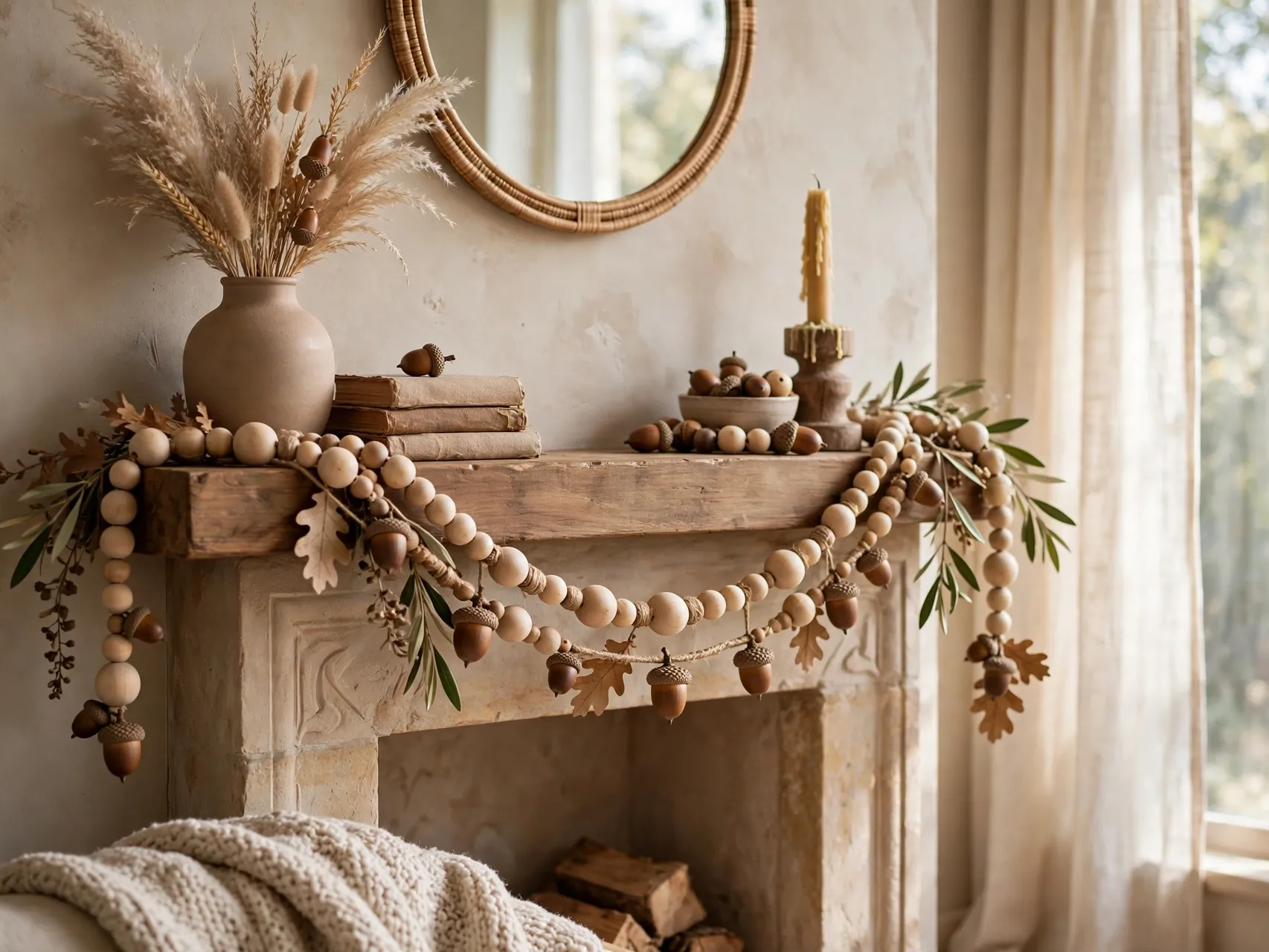
String natural wood beads and acorns along sturdy twine, knotting between groups so nothing slides. Add a few orange slices or small leaves if you want color, or keep it neutral for a calm Scandinavian feel that works from September through winter.
Inspect acorns outdoors and discard any with tiny holes, which can mean insects inside, and let them dry fully before stringing. This garland is sturdy, reusable and happy on a mantel, shelf edge or wrapped around a large vase. Tip: a pattern of three beads, one acorn, three beads keeps the rhythm tidy without measuring.
12. Herb Bundle Garland With Rosemary and Sage
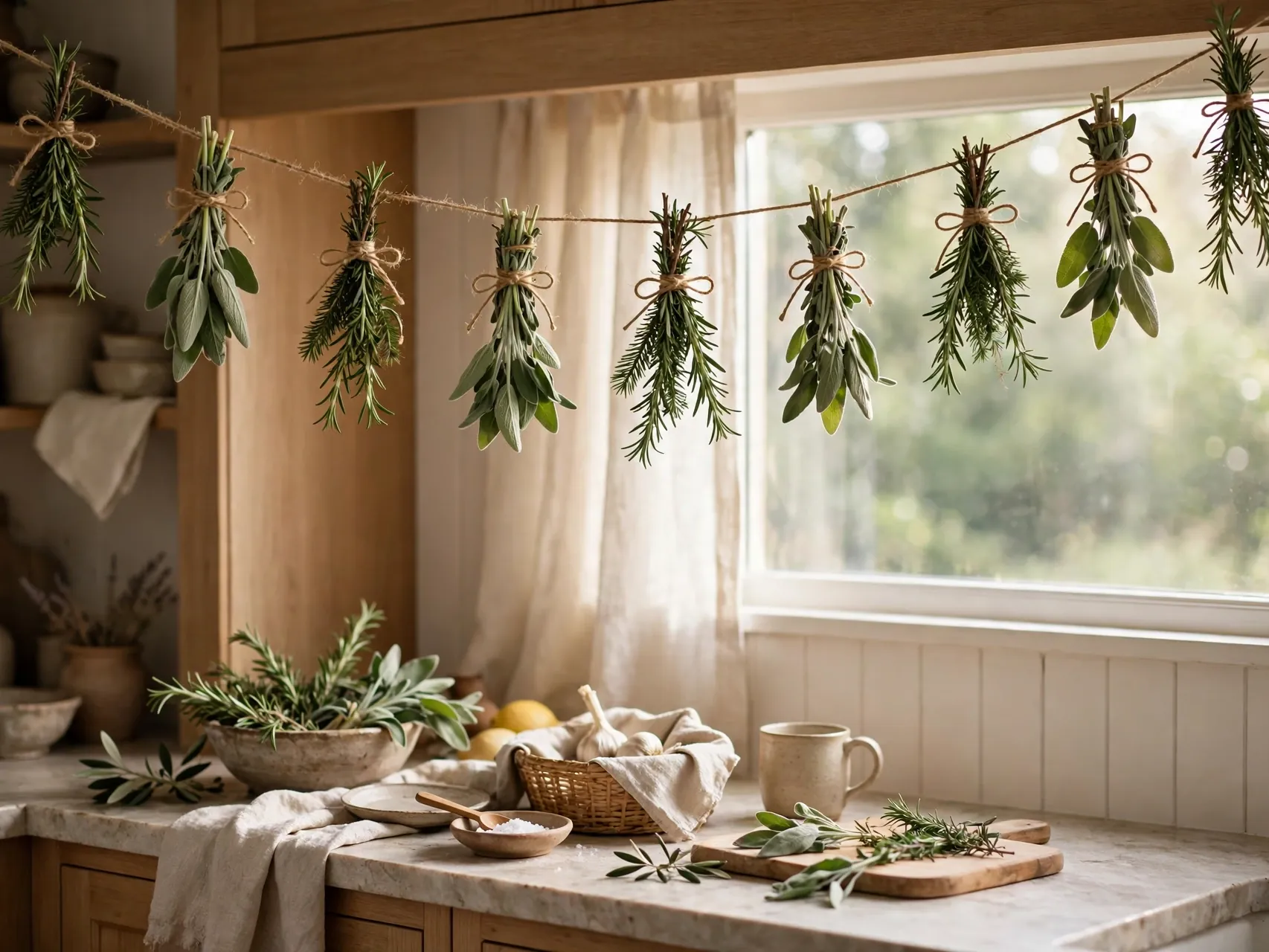
Tie small bundles of rosemary, sage and thyme with twine, then tie the bundles along a base strand so the herbs overlap like shingles. Tuck dried orange slices between bundles for color, and hang the garland in the kitchen where the scent belongs.
Herbs dry quickly and turn more fragile as they do, so place this one where hands will not brush it often. Use only clean, dry herbs with no signs of mold, and replace bundles that look tired rather than trying to revive them. Tip: this is a wonderful use for the last big harvest from a garden herb bed before frost.
13. Dried Flower and Orange Garland
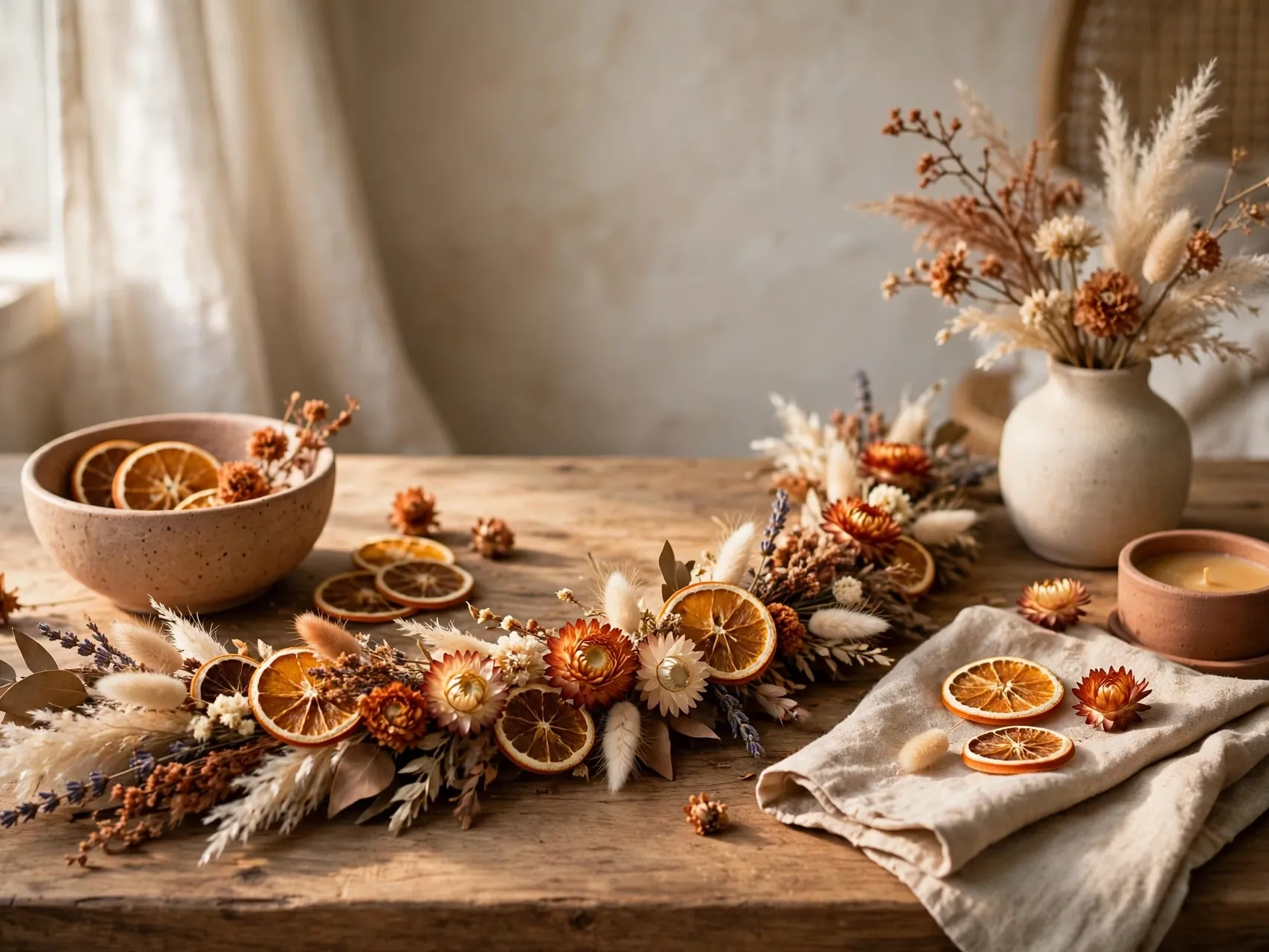
Dried strawflowers, statice and yarrow in rust, gold and cream weave happily into a greenery base with orange slices. The flowers bring the fall palette even in a room with no view of changing trees, and they hold their color for a long season indoors.
Keep this garland away from open flame and heat like every dried arrangement, since dried flowers catch fire easily, and favor a spot with gentle light so colors fade slowly. Tip: add flowers last, after the base is hung, because dried petals crush easily during lifting and adjusting.
14. Birch Twig and Pine Garland

Bundle slim birch or other fallen twigs into short lengths, wire the bundles along a rope base, then soften the lines with pine sprigs and a few orange slices. The result is rustic and spare, lovely over a doorway or along a farmhouse table.
Gather only fallen twigs, shake them clean outdoors and let them dry before use. This garland suits homes that lean simple, because its beauty is in the lines rather than fullness. Tip: keep twig bundles roughly the same length so the garland hangs in an even, intentional rhythm.
15. Olive Branch and Citrus Garland

Olive branches, real or good faux mixed with a few real sprigs, give a silvery and relaxed base that pairs beautifully with dried oranges. The loose, airy spacing makes this a kind choice for smaller rooms where a dense garland would feel heavy.
Wire branches lightly so the garland keeps its breathing room, and add citrus in wide intervals rather than tight groups. It looks especially pretty over a mirror or arched doorway. Tip: if you mix faux and real greenery, put the real pieces where light hits first, because that is where eyes judge the whole garland.
16. Mini Pumpkin and Greenery Garland
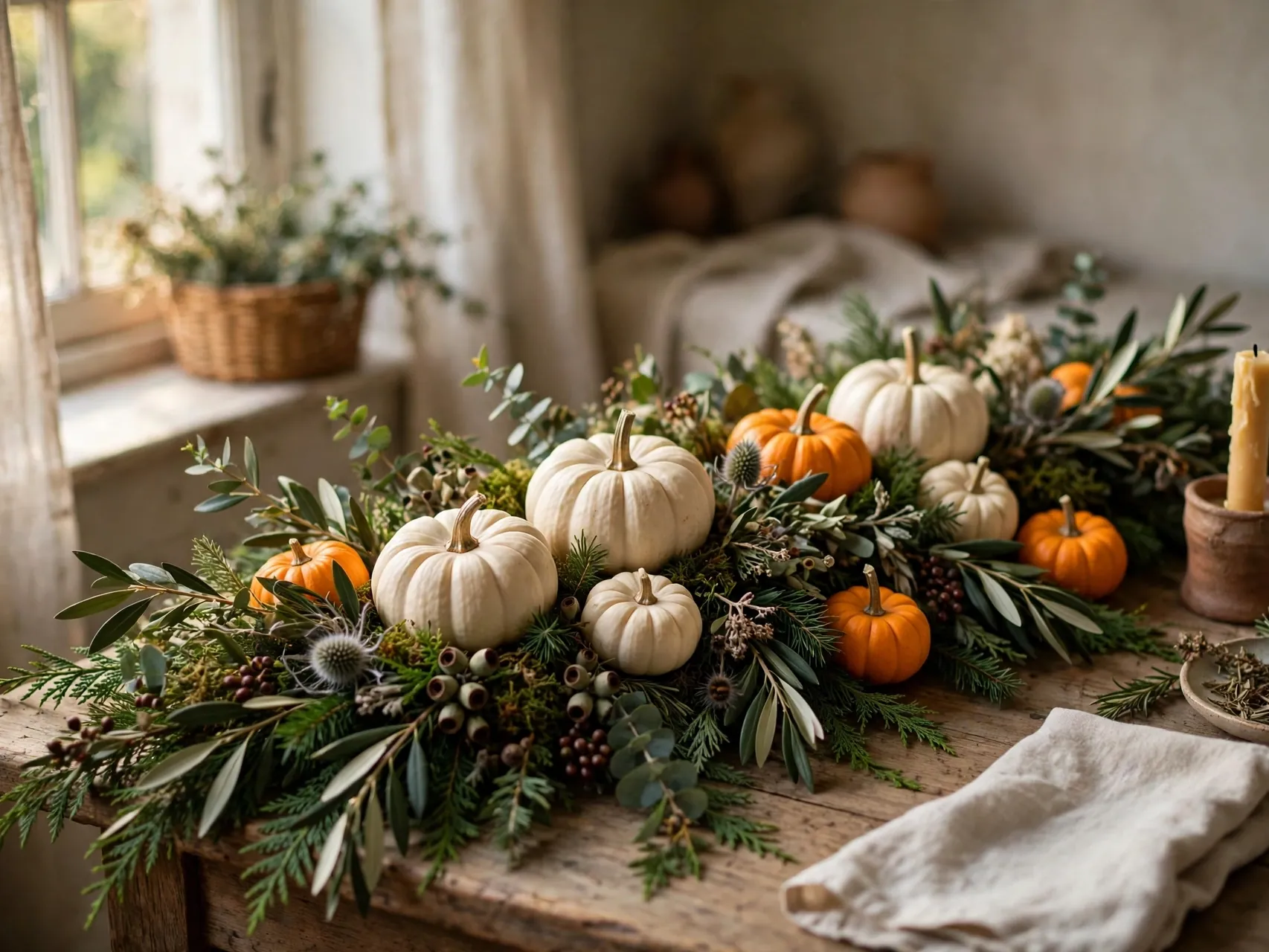
Nestle small real pumpkins and gourds into a sturdy greenery garland laid flat on a mantel, table or buffet. The greenery acts as a nest, so the pumpkins need no wiring, just a stable base and a check that each one sits without rolling.
Choose firm pumpkins with no soft spots, wipe them clean and dry them well before placing, and check them weekly, removing any that soften so they do not mark surfaces. Keep the display away from heat, which shortens pumpkin life. Tip: odd numbers and mixed sizes look gathered and natural, while matched pairs look formal, so pick the mood you want.
17. Twine, Burlap and Dried Orange Garland

For a craft room favorite diy fall garland, tie small burlap bows along a twine strand and hang an orange slice below each bow. It is quick, inexpensive in materials and charming across a mantel, a classroom wall or a market stall style kitchen shelf.
The burlap keeps the oranges from looking too sweet, and the whole strand packs flat for storage. Keep it clear of the stovetop and any open flame in the kitchen, as with all dried decor. Tip: cut burlap strips with sharp scissors in one go and shake them outdoors, since burlap sheds fibers generously.
18. Preserved Leaf and Pinecone Mantel Garland
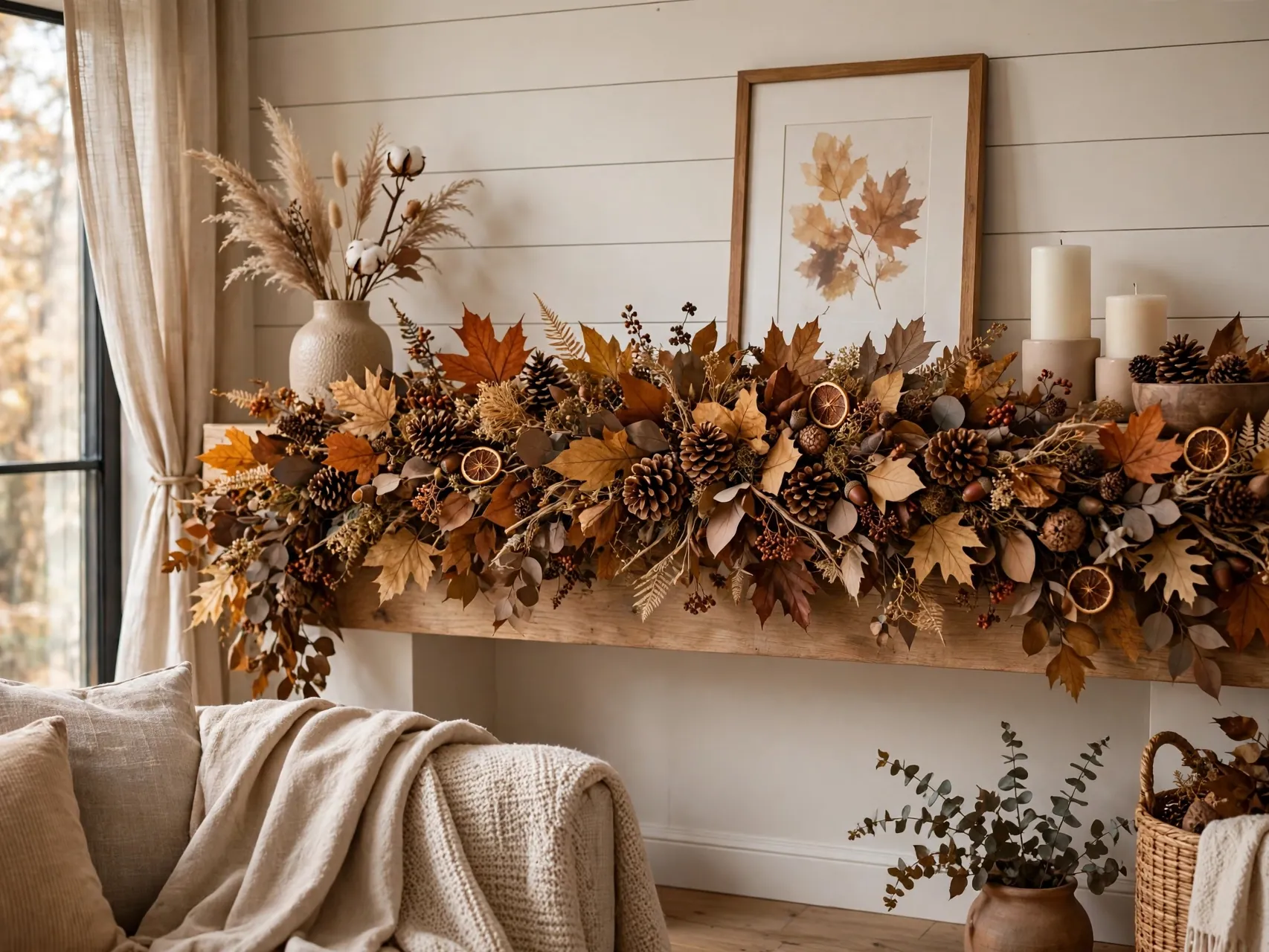
Preserved leaves, kept flexible with a coating or a glycerin style treatment from a craft guide you trust, hold color longer than fresh leaves. Layer them over a greenery base with small pinecones, and the garland reads rich and full without a single plastic leaf.
Follow the preserving product directions carefully and let leaves cure fully before arranging, so no residue transfers to the mantel. Place the finished garland where it will not be handled daily. Tip: preserved leaves pair best with matte companions like pinecones and twine, since shine next to shine can look busy.
19. Doorway Swag Garland With Greenery and Oranges

Frame a doorway with a garland that is fuller at the corners and lighter across the top, so it feels like a swag rather than a straight line. Build extra greenery and orange clusters at each corner, keep the center simple, and secure the strand at several points so it cannot sag onto heads.
Use sturdy hooks rated for the weight, keep the garland from blocking the door swing or any exit path, and check fixings after the first day. Tip: step outside or into the next room and view it from a distance, because doorway garlands are judged from far away, not from underneath.
20. Layered Double Garland for a Dining Table

Layer two simple garlands together for a special dinner: a greenery base below, and a thinner orange slice strand laid loosely on top. The layering adds richness without height, so guests can still see each other, and the top strand can lift off for everyday meals.
Keep both layers clear of serving heat and candle flame, and use battery operated tea lights in holders if you want sparkle among the leaves. Tip: chill the look for daytime by removing the orange strand and keeping only greenery, then add it back for evening, which gives you two looks from one base.
21. Garland You Can Store and Reuse Next Fall

Some natural garlands deserve a second season. Orange slices, pinecones, acorns and sturdy dried flowers store best, while soft leaves and herbs are happier made fresh. Build your reusable garland on a strong base with those hardy elements.
Before storing, brush the garland clean outdoors, confirm every piece is fully dry, and pack it flat in a box with tissue between layers, in a cool and dry spot. Label the box clearly. Tip: take a phone photo of the garland in place before you take it down, so next fall you can recreate the spacing you loved without guessing.
FAQ
How long does a natural fall garland last indoors?
A dried orange garland with dried greenery usually looks good for the whole fall season indoors, and hardy parts like orange slices, pinecones and acorns can be stored and reused next year. Fresh greenery dries over a few weeks, while fresh leaves fade fastest. Keep garlands dry and away from heat and steam for the longest life.
How do I dry orange slices so they keep their color?
Slice oranges evenly, pat them dry, and dry them slowly in a low oven or dehydrator following a trusted guide and your appliance directions, turning them so they dry evenly. They are done when firm and dry with no damp centers. Let them cool fully before stringing. Slices that stay soft will not keep, so patience here protects the whole garland.
Can I use fresh greenery, or does it need to be dried?
Yes. Many people build with fresh greenery and let it dry in place, as eucalyptus and cedar do gracefully. Fresh stems are flexible and easy to wire, then they set as they dry. Keep them away from heat so they dry slowly, and expect gentle curling and color change. For a set date, build only a short time before it.
How do I keep a garland safe around a fireplace?
Treat dried leaves, flowers and citrus as flammable decor. Keep garlands off the fireplace opening and away from flames, embers, heaters, light bulbs and any heat source. Use battery operated candles near dried arrangements, keep exits clear, and if the fireplace is in use, move the garland to a table, rail or doorway away from the fire.
What should I check when I forage leaves and pinecones?
Gather only fallen material, shake it well outdoors, and inspect it for insects, webs, dirt and mold. Let damp pieces dry fully, discard anything moldy or soft, and wash your hands after handling finds. Avoid material near busy roads or sprayed areas.
Key Takeaways

- Start with orange and one green: Dried oranges plus eucalyptus, cedar or bay give a classic natural fall garland with almost no learning curve.
- Build where it will live: Layer mantel and table garlands in place so spacing and swag look right from the start.
- Check foraged pieces outdoors: Shake out leaves and pinecones, look for pests and mold, and let everything dry fully.
- Keep dried decor away from heat: Keep garlands clear of flames, candles, heaters and bulbs, and choose battery operated candles nearby.
- Save the hardy parts: Orange slices, pinecones and acorns store well and can return next fall with fresh greenery.
Loved the orange and greenery mix? Save this guide to Pinterest and pin the garland you will try first.