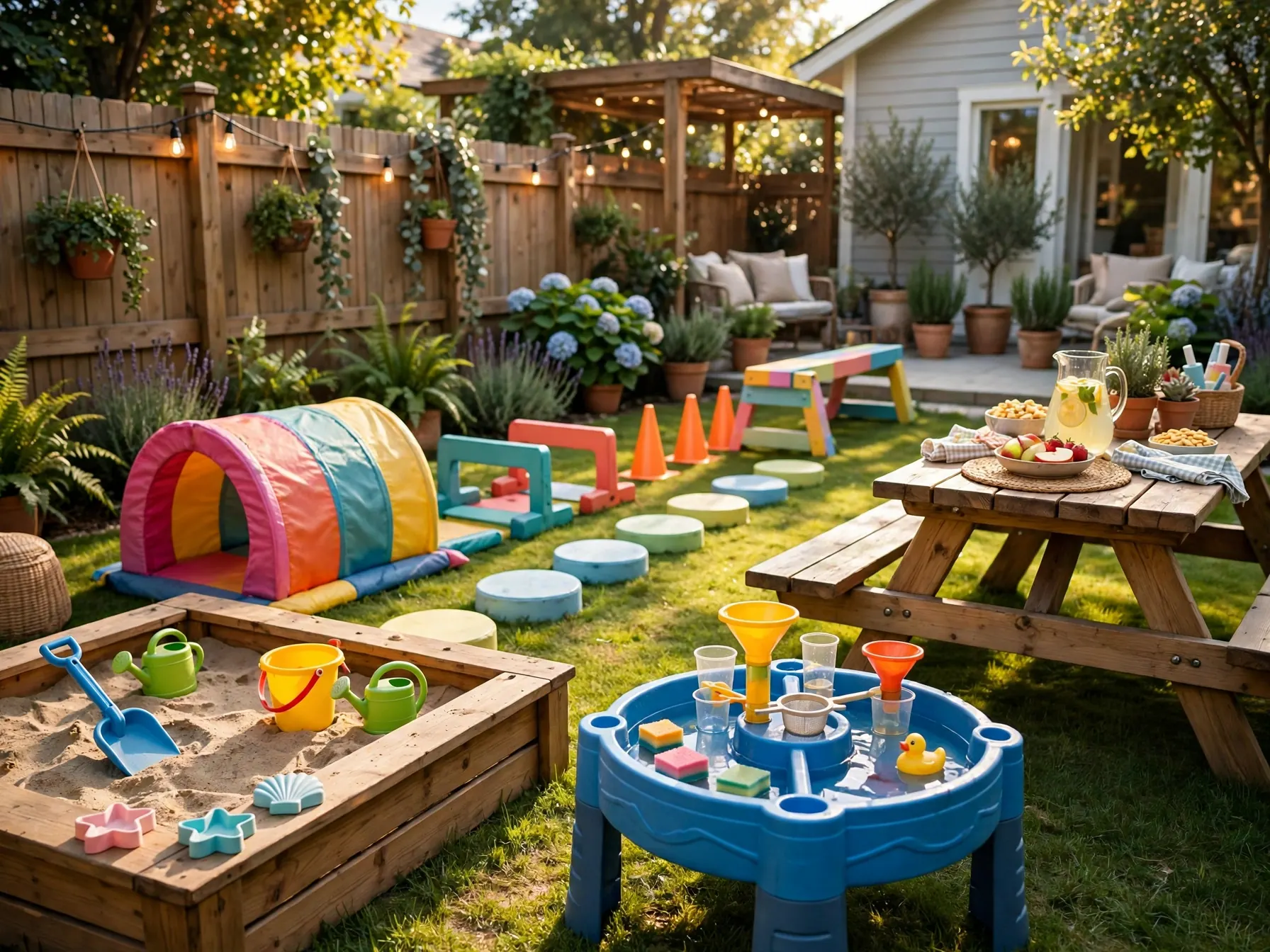
25 Backyard Ideas for Kids That Keep Them Outside All Day
Introduction
The yards kids use all day are not the ones with the most equipment, they are the ones with the most to do. These backyard ideas for kids mix active play, water, building, nature, and quiet corners, so when one game runs out of energy, the next is a few steps away.
Safety comes first. Follow CPSC home playground guidance: age appropriate equipment, shock absorbing surfacing rather than hard ground, regular hardware checks, and close supervision. Around water, CDC guidance is clear: close, constant, undistracted adult supervision.
You do not need all 25 ideas. Pick one active anchor, one creative station, one water option, and one quiet corner, and your yard will hold attention from breakfast to dinner.
1. Build a Sandbox With a Cover That Stays On

Sand is the original all day toy: digging, building, burying, and sifting never really run out. A simple framed sandbox or a sturdy sand table suits toddlers best, stocked with buckets, scoops, and a few trucks. Fit a cover and use it every night: covers keep rain, debris, and neighborhood animals out of the sand, and that one habit keeps the box inviting.
Set this up where you can see it from the house, and keep ground rules simple. Supervision is part of every idea here, especially around water, heights, and wheels.
2. Set Up a Water Table for Toddlers and Preschoolers
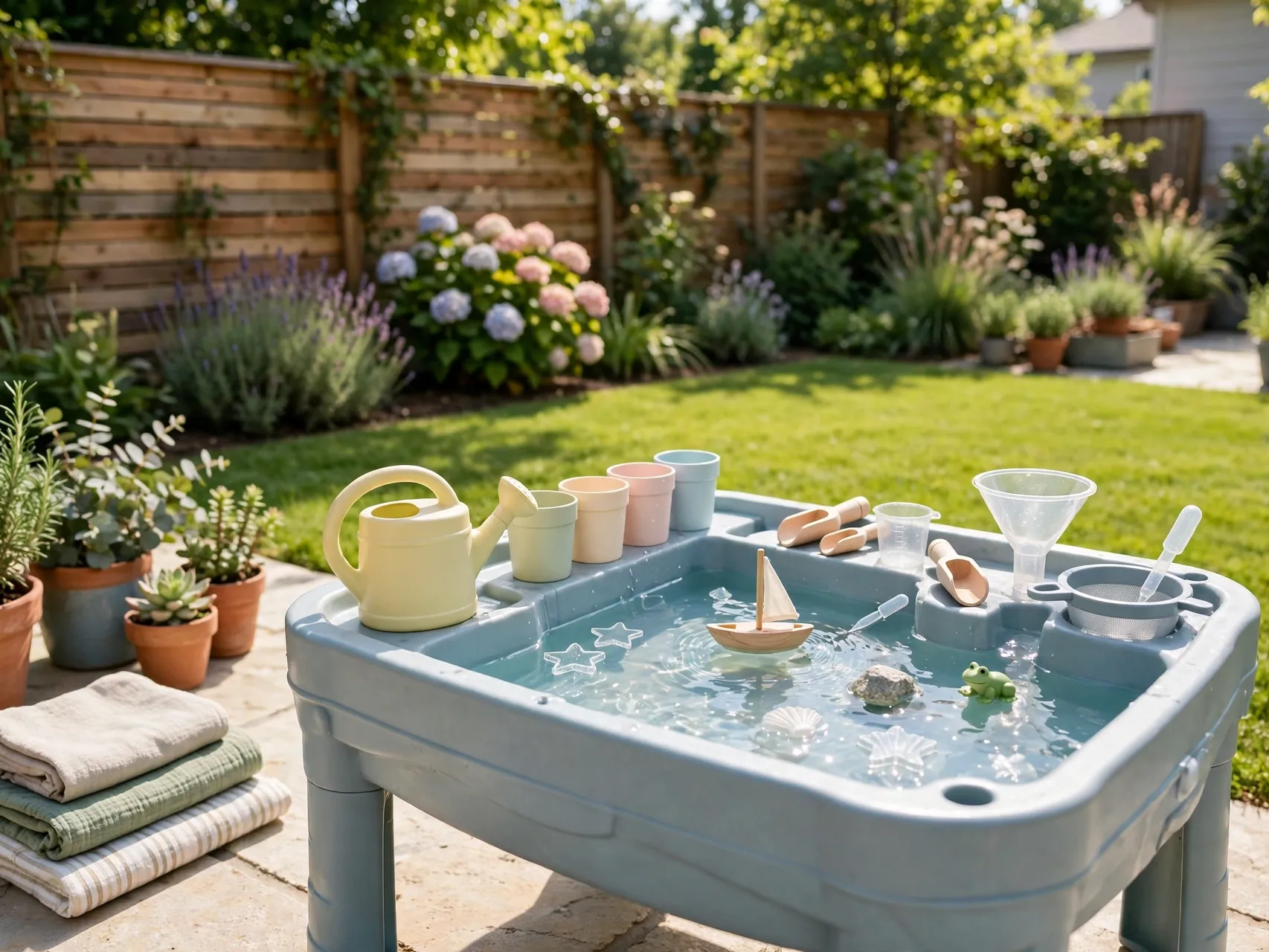
A water table at toddler height delivers pouring, splashing, floating, and sinking play with very little water and easy supervision from a chair nearby. Add cups, funnels, and boats, and refresh the water daily. Empty it after every use and store it upside down, because standing water attracts insects and is a hazard for small children if left accessible.
Match the challenge to the youngest child using it. CPSC guidance stresses age appropriate equipment, protective surfacing, and regular checks for hazards like protruding bolts.
3. Create a Mud Kitchen From Scrap and Old Pots

A mud kitchen turns a shady corner into a restaurant: an old bench or pallet counter, real metal bowls, spoons, and a bucket of water for mixing. Kids will spend longer here than at almost any bought toy, inventing menus and masterpieces. Set it where the mess is welcome, hose it down together at cleanup time, and keep soap and a towel at the back door.
Build shade, water, and rest into the design. Tired, overheated kids stop playing well long before they stop playing.
4. Paint a Fence Chalkboard for Big Art
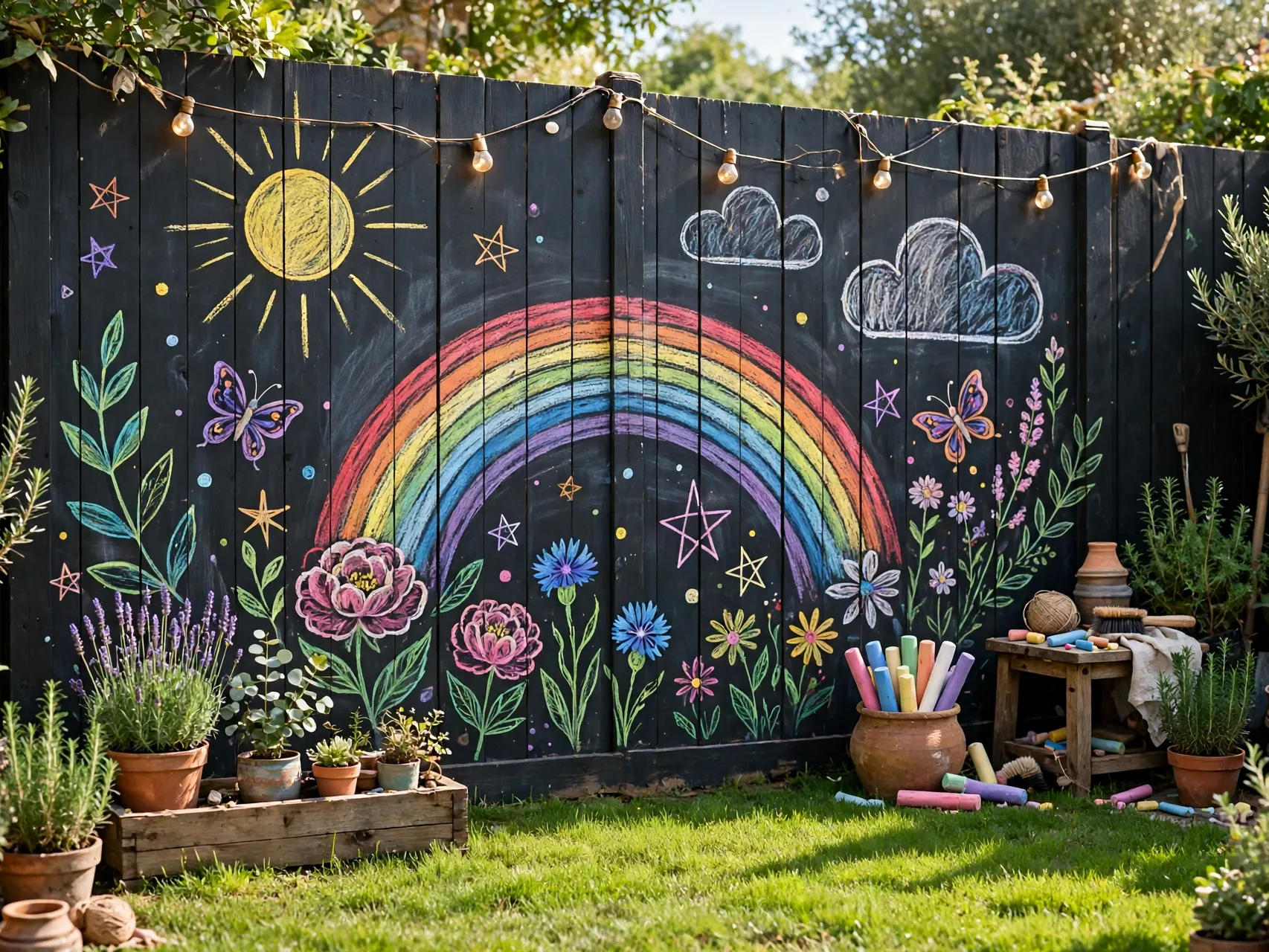
A large chalkboard panel on a fence or a freestanding board gives drawing, school games, score keeping, and hopscotch planning a permanent home outside. Big art invites big movement and group play in a way paper never does. Stock a lidded bucket of thick chalk, choose a spot with some shade, and let rain be the eraser between masterpieces.
Keep upkeep to ten minutes: covered storage, toys that hose off, and pieces that stay outside. Rotate stored toys back in weekly and familiar corners feel new.
5. Lay Out a Backyard Obstacle Course

Cones, a tunnel, hula hoops, a jump rope line, and a crawling blanket become a course kids design, time, and redesign all summer. Obstacle courses burn serious energy and grow with the child, because the course changes every time someone has a new idea. Keep landing areas clear and soft, and let kids set the challenge level for their own age group.
Follow CPSC surfacing guidance: no play equipment over concrete or hard ground, and shock absorbing surfacing at the depth the guidance and maker specify. Grass alone does not count.
6. Add a Low Balance Beam for Confidence
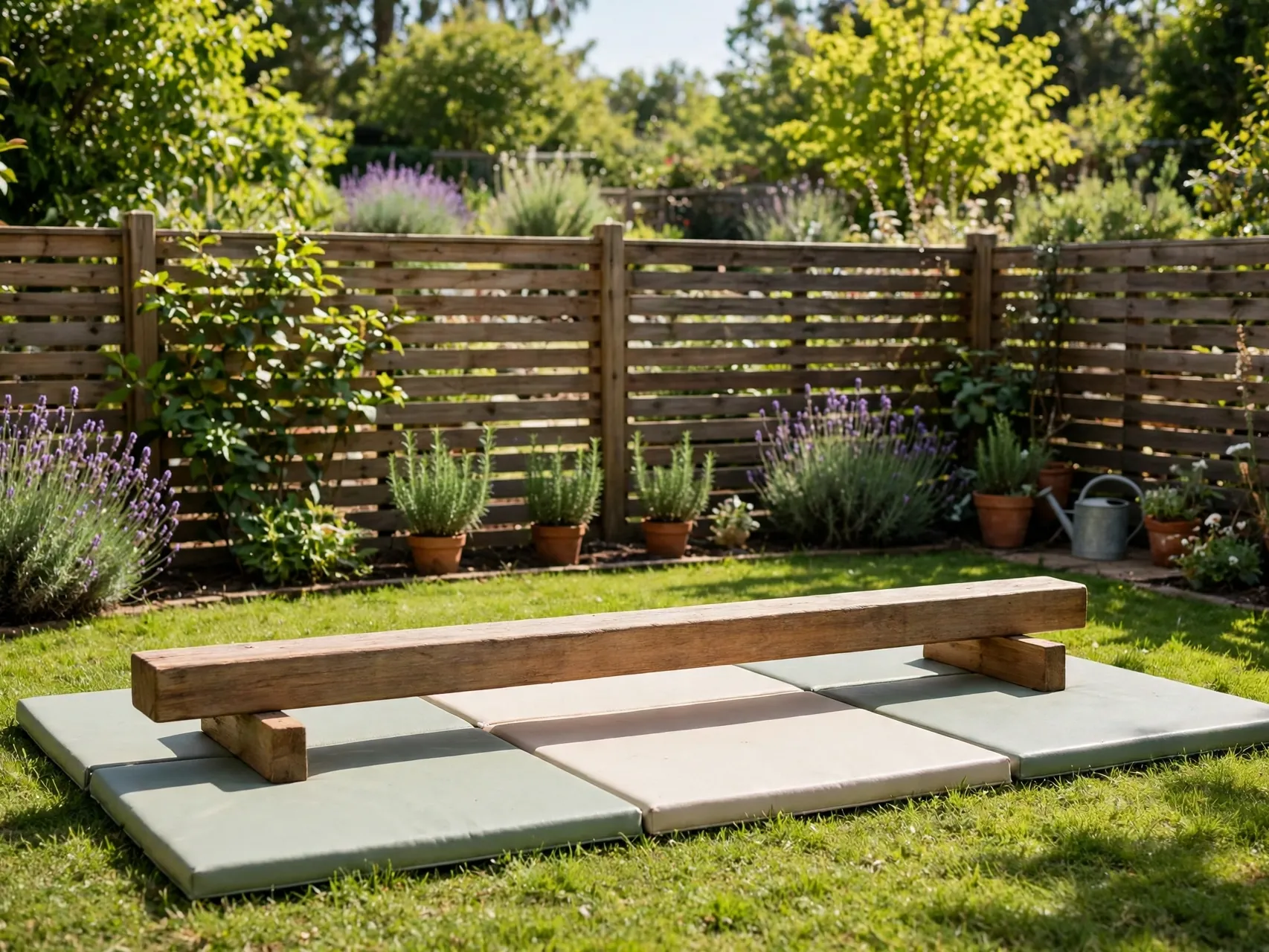
A low, wide beam just a few inches off the ground builds balance and confidence with a very forgiving fall height. Set it on level, soft ground with clear space on both sides, and check it stays stable before every use. Walking it forwards, backwards, and carrying a beanbag turns one simple plank into a season of small victories.
Set this up where you can see it from the house, and keep ground rules simple. Supervision is part of every idea here, especially around water, heights, and wheels.
7. Install a Climbing Dome Matched to Their Age
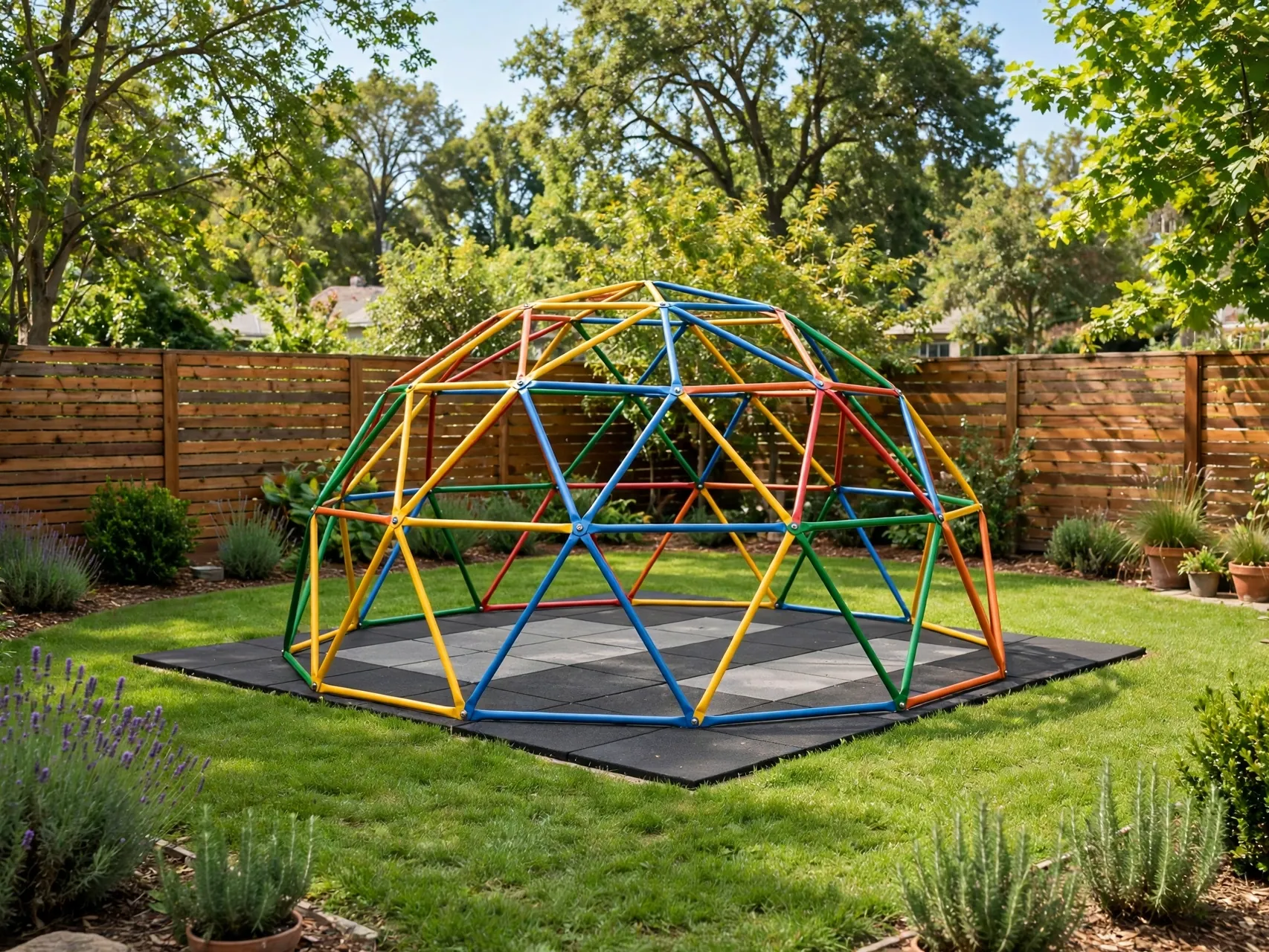
A climbing dome gives school age kids the climbing, hanging, and fort roof frame they crave in one footprint. Choose a model rated for your child age and weight, assemble it exactly to the maker instructions, anchor it as directed, and place it on protective surfacing with clear space around it, as CPSC guidance recommends for climbing equipment.
Match the challenge to the youngest child using it. CPSC guidance stresses age appropriate equipment, protective surfacing, and regular checks for hazards like protruding bolts.
8. Hang a Swing With Room to Soar Safely

A swing set or a sturdy frame swing is the backyard classic for a reason: it is exercise, daydreaming, and social seating in one. Follow the maker spacing and anchoring instructions, keep the swing path completely clear, and use full bucket seats for toddlers. The CPSC checklist stresses protective surfacing extending well beyond the swing arc, in front and back.
Build shade, water, and rest into the design. Tired, overheated kids stop playing well long before they stop playing.
9. Plant a Kids Garden Patch of Their Own

A small raised bed or a row of pots that belongs to the kids teaches patience better than any lecture. Fast, forgiving crops like radishes, cherry tomatoes, sunflowers, and herbs give quick wins, and a plant they grew is a vegetable they will actually taste. Give them a child sized watering can and let the patch be imperfect on purpose.
Keep upkeep to ten minutes: covered storage, toys that hose off, and pieces that stay outside. Rotate stored toys back in weekly and familiar corners feel new.
10. Make a Nature Hunt and Bug Watching Corner

A log pile, a magnifier, a bug viewer used gently and released, and a simple scavenger hunt list turn the yard into a field trip. Kids learn which corners hide beetles, where butterflies feed, and how the yard changes by month. Teach a look but do not handle rule for unfamiliar creatures, plant only non-toxic choices nearby, and wash hands after exploring.
Follow CPSC surfacing guidance: no play equipment over concrete or hard ground, and shock absorbing surfacing at the depth the guidance and maker specify. Grass alone does not count.
11. Stock an Outdoor Art Station in a Weatherproof Bin

Paint, chalk, big paper, rock painting supplies, and cardboard in a lidded outdoor bin means art can start the minute inspiration hits, with the mess outside where it belongs. A small table or an easel in the shade completes the studio. Outdoor art days produce the rocks, signs, and painted pots that slowly personalize the whole yard.
Set this up where you can see it from the house, and keep ground rules simple. Supervision is part of every idea here, especially around water, heights, and wheels.
12. Build a Reading Fort With Shade and Cushions
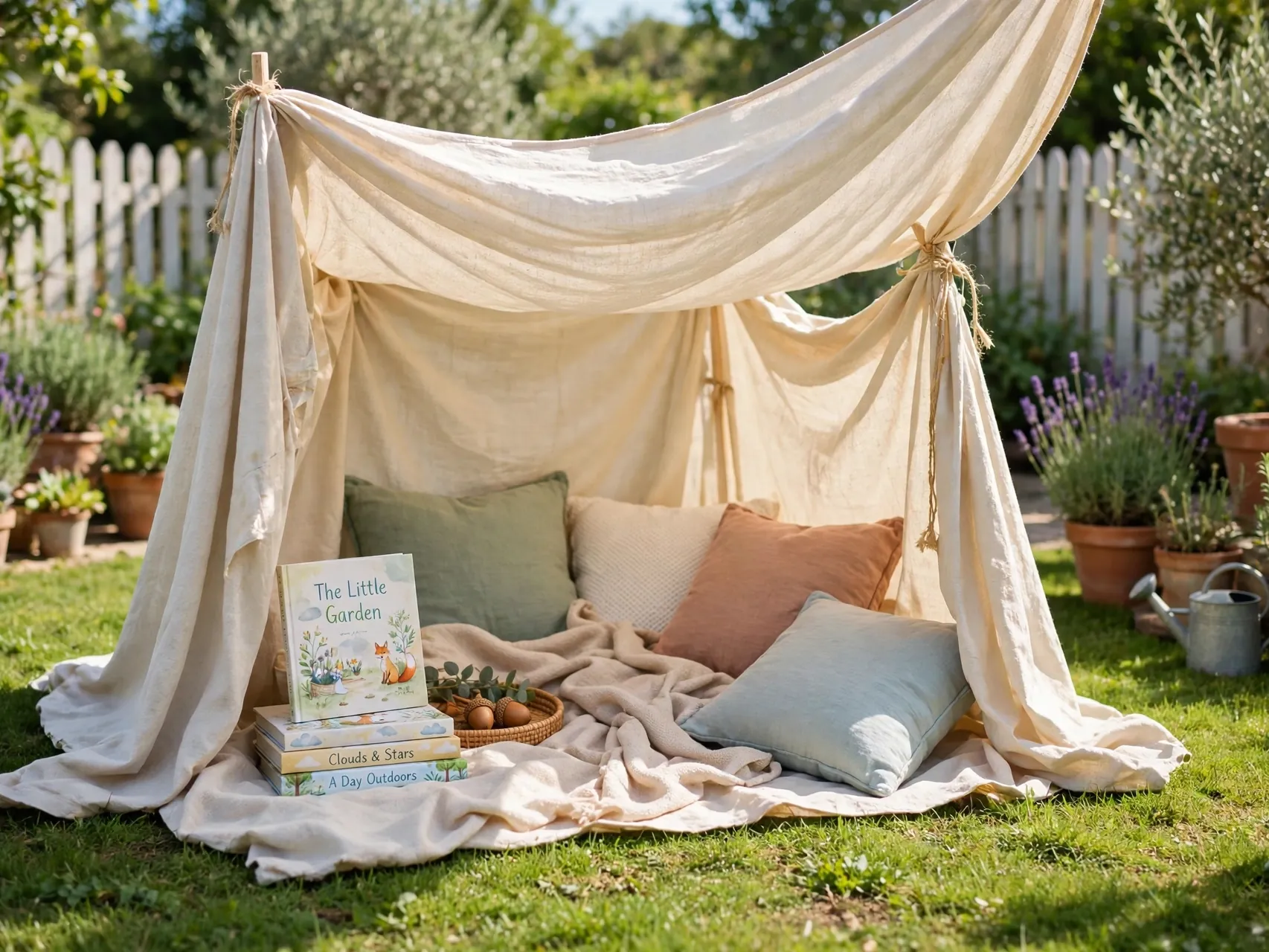
Every all day yard needs a slow corner. A teepee, a canopy over cushions, or a simple shade sail above a blanket creates a fort for books, drawing, and quiet games out of the midday sun. Add a small book basket and a water bottle station, and this becomes the reset spot that makes the active hours last longer.
Match the challenge to the youngest child using it. CPSC guidance stresses age appropriate equipment, protective surfacing, and regular checks for hazards like protruding bolts.
13. Set a Small Soccer Goal for Endless Games

One small goal and a soft ball create shootouts, dribbling drills, and family games that scale from a toddler kickabout to a serious sibling league. Anchor the goal exactly as the maker directs so it cannot tip, choose a ball suited to the youngest player, and keep the playing line away from windows, gardens, and the swing path.
Build shade, water, and rest into the design. Tired, overheated kids stop playing well long before they stop playing.
14. Hang an Adjustable Basketball Hoop

An adjustable hoop grows from first shots to real games over years of use, and shooting practice is the rare activity older kids choose alone. Install it to the maker instructions on a level surface, keep the base filled or weighted exactly as directed, and set a house rule of no hanging on the rim, which the makers warn against for safety.
Keep upkeep to ten minutes: covered storage, toys that hose off, and pieces that stay outside. Rotate stored toys back in weekly and familiar corners feel new.
15. Give Them a Building Zone With Loose Parts

Scrap lumber free of splinters and exposed nails, cardboard tubes, crates, rope, and old sheets in one corner invite forts, shops, bridges, and inventions no fixed toy can match. Loose parts play is where problem solving happens. Set ground rules for safe building heights, check pieces regularly, and let structures come down as happily as they go up.
Follow CPSC surfacing guidance: no play equipment over concrete or hard ground, and shock absorbing surfacing at the depth the guidance and maker specify. Grass alone does not count.
16. Run a Sprinkler and Splash Zone on Hot Days
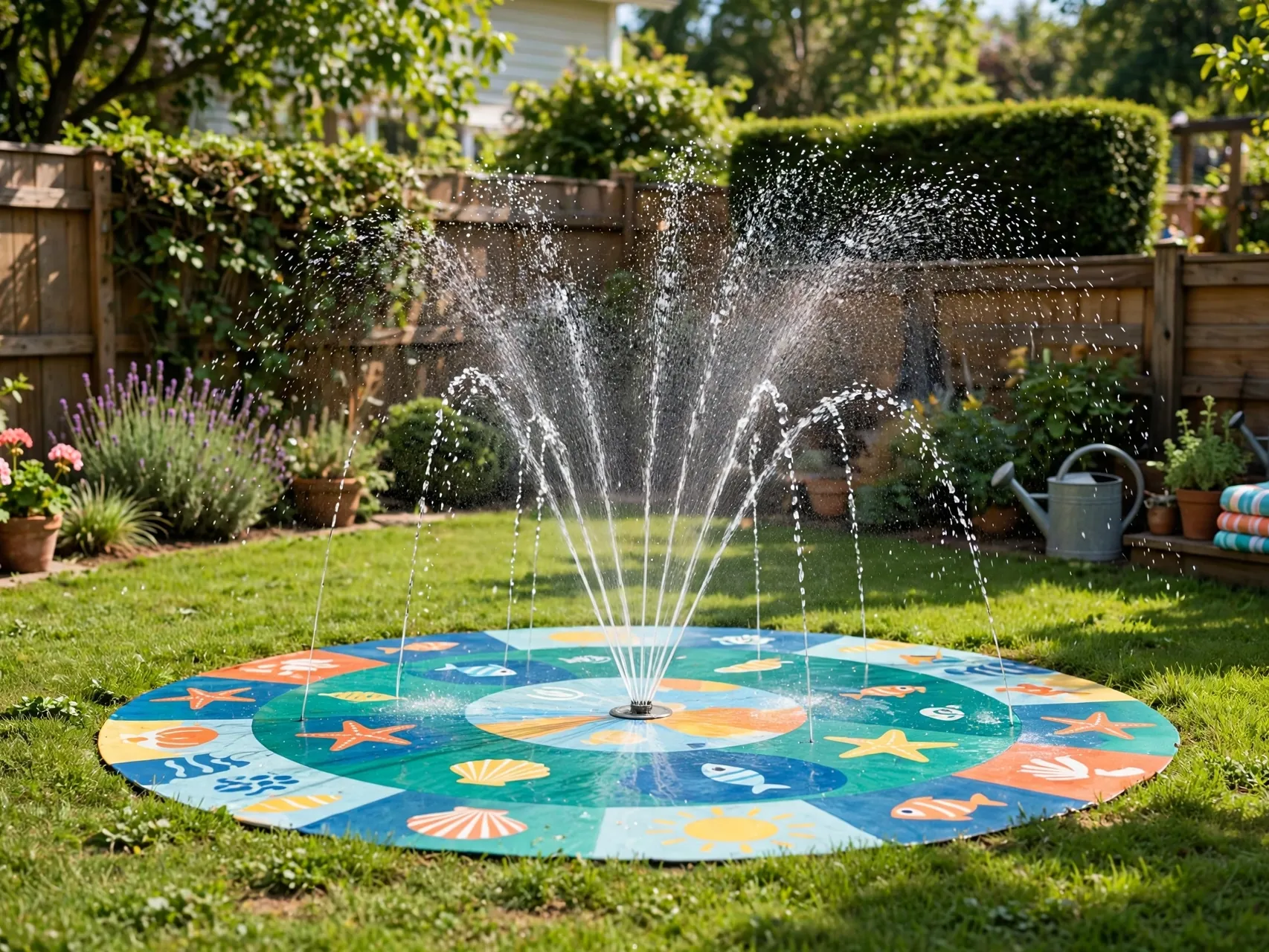
A sprinkler, a small splash pad, or a gentle spray feature turns the hottest hour into the best hour. Set it on grass away from play structures so surfaces do not get slippery, and keep sessions supervised and time boxed with shade and drink breaks. The CDC reminds families that water play still needs close, constant supervision, even in shallow water.
Set this up where you can see it from the house, and keep ground rules simple. Supervision is part of every idea here, especially around water, heights, and wheels.
17. Create a Bubble Station That Refills Itself
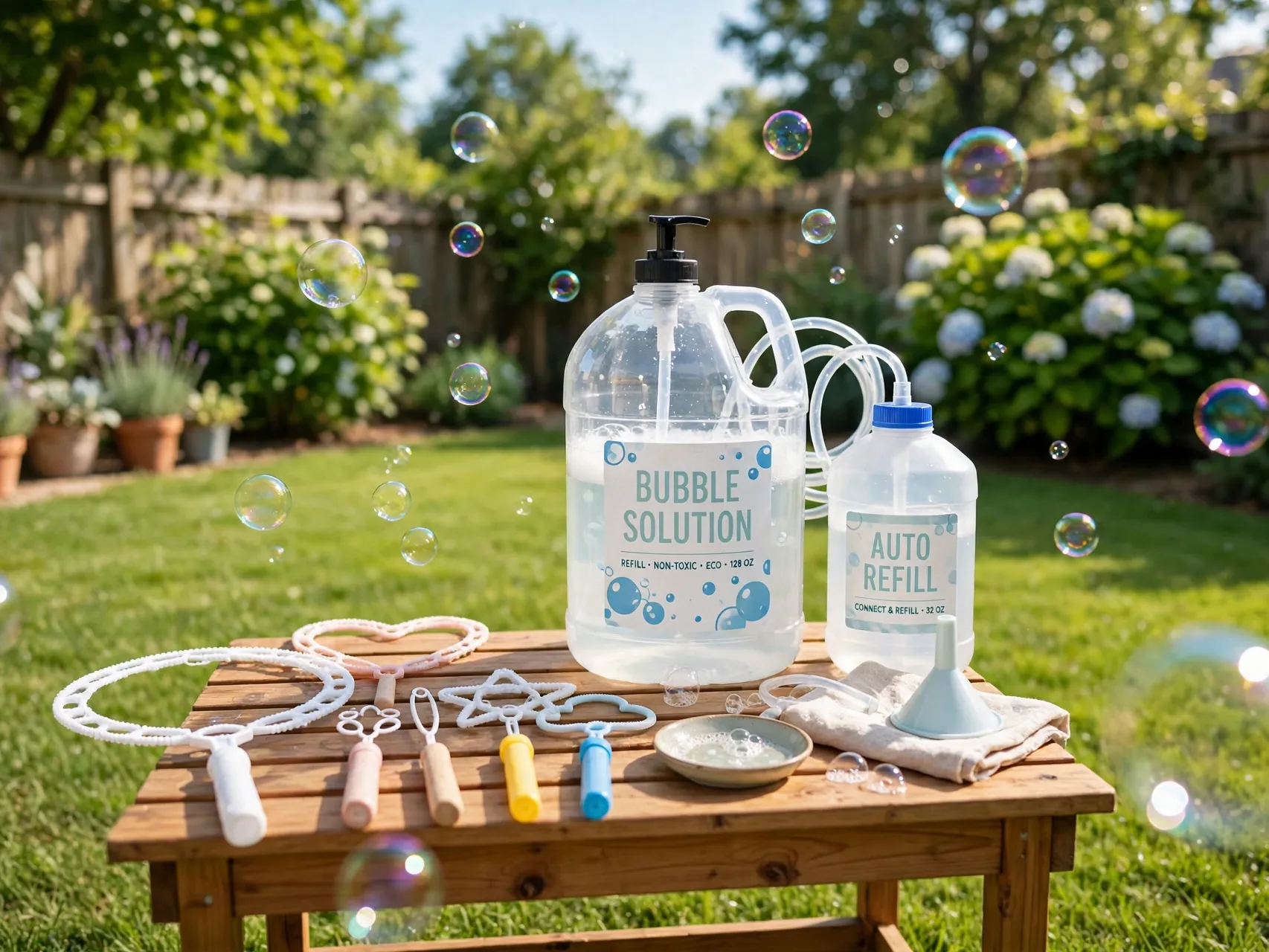
A bubble station with a big batch of solution, wands of several sizes, and a tray at kid height produces giant bubbles and long, calm play for mixed ages. Put it on a surface that tolerates drips, keep solution out of eyes, and store it covered so it stays clean. Bubble chasing across the lawn is stealth exercise for toddlers.
Match the challenge to the youngest child using it. CPSC guidance stresses age appropriate equipment, protective surfacing, and regular checks for hazards like protruding bolts.
18. Chalk a Bike and Scooter Track on the Patio

Chalk roads, parking bays, a stop sign, and a roundabout turn a driveway corner or patio into a tiny town for bikes, scooters, and ride on toys. Helmets on for anything with wheels, every time, and keep the track well away from the street and parked cars. Rain washes the town away, and rebuilding it differently is half the fun.
Build shade, water, and rest into the design. Tired, overheated kids stop playing well long before they stop playing.
19. Place a Kid Size Picnic Table at the Center

A small picnic table becomes snack bar, craft desk, game board, and lemonade headquarters, and it gives kids a home base that is theirs. Put it on level ground in part shade, and choose a finish you can hose or wipe clean. Meals outside at their own table are a small ritual that stretches every backyard day longer.
Keep upkeep to ten minutes: covered storage, toys that hose off, and pieces that stay outside. Rotate stored toys back in weekly and familiar corners feel new.
20. String a Hammock for Clouds and Books
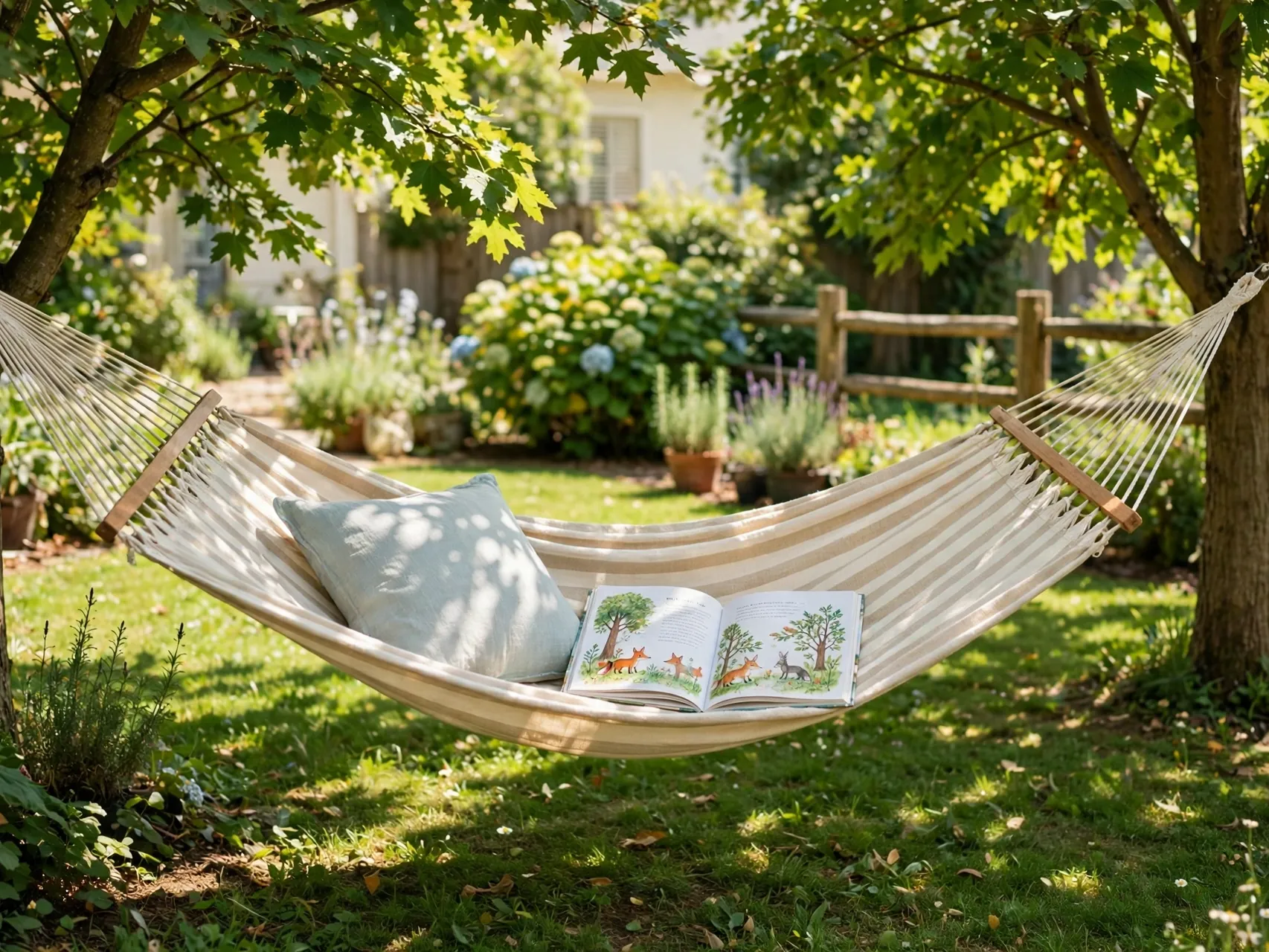
A hammock between two suitable supports or on a proper stand is the backyard daydream seat, for reading, cloud watching, and post lunch rest. Install it exactly as the maker directs, keep the height low, set a one or two person rule by its rating, and supervise young children, who should never be left in a hammock alone.
Follow CPSC surfacing guidance: no play equipment over concrete or hard ground, and shock absorbing surfacing at the depth the guidance and maker specify. Grass alone does not count.
21. Plan Backyard Movie Nights on the Lawn

A projector, a plain sheet or outdoor screen, and blankets on the grass turn an ordinary evening into the event of the week. Start at dusk, keep cords tidy and out of walkways, and let kids run the ticket and popcorn stand. Movie nights are how a play yard earns its keep after the little kids bedtime too.
Set this up where you can see it from the house, and keep ground rules simple. Supervision is part of every idea here, especially around water, heights, and wheels.
22. Build a Sensory Path of Textures to Walk Barefoot

A short path of smooth pebbles in a frame, a patch of soft grass, a sand square, a log round, and a washable mat gives bare feet a tour of textures, which toddlers and preschoolers find endlessly interesting. Keep every surface stable, clean, and checked for sharp edges, and put the path where a hose can rinse it and small feet clean.
Match the challenge to the youngest child using it. CPSC guidance stresses age appropriate equipment, protective surfacing, and regular checks for hazards like protruding bolts.
23. Add a Playhouse or Fort Platform for Big Imaginations

A playhouse is a shop, a castle, a clinic, and a home, sometimes in one afternoon. Choose a size and style matched to your children ages, assemble and anchor it to the maker instructions on level ground with protective surfacing where the guidance calls for it, and check fasteners and edges regularly, as the CPSC checklist recommends for all play structures.
Build shade, water, and rest into the design. Tired, overheated kids stop playing well long before they stop playing.
24. Set Up Lawn Games the Whole Family Plays

Cornhole with soft bags, ring toss, giant dice, and a simple ladder toss give grandparents, teens, and five year olds the same game at the same time. Family games are what turn a kids yard into a gathering yard. Store the set in one bag or bin by the door so a game can start in two minutes, not twenty.
Keep upkeep to ten minutes: covered storage, toys that hose off, and pieces that stay outside. Rotate stored toys back in weekly and familiar corners feel new.
25. Finish With a Stargazing Blanket Spot

End the day where it started, outside. A flat spot, a thick blanket, and ten minutes of sky watching after dinner teaches constellations and the names of the first stars. Keep a star guide in the picnic basket and switch off the yard lights.
Follow CPSC surfacing guidance: no play equipment over concrete or hard ground, and shock absorbing surfacing at the depth the guidance and maker specify. Grass alone does not count.
FAQ
How do I keep kids safe on backyard play equipment?
Follow the CPSC home playground guidance: buy age appropriate equipment, install and anchor it exactly as the maker directs, place it on shock absorbing protective surfacing rather than concrete, asphalt, or bare hard ground, and inspect regularly for loose hardware, sharp edges, and worn parts. Supervise young children closely and keep clear space around swings and slides.
What are the best backyard ideas for toddlers?
Toddlers thrive on a covered sandbox, a water table emptied after use, a mud kitchen, a sensory path, bubbles, and a low picnic table. Keep everything at ground level, avoid climbing equipment beyond their age range, and remember that toddlers need constant, within reach supervision, especially anywhere water is involved, even a few inches of it.
How can I keep kids outside longer without more screens or spend?
Rotate rather than add. Change the obstacle course layout, restock the art bin, move the fort, set a new scavenger hunt list, or declare a theme day like camping day with the playhouse and picnic lunch. A shady rest corner, cold drinks, and one idea saved for the afternoon stretch the day more than any single new toy.
What is the safest surface under a swing set or climber?
The CPSC guidance recommends shock absorbing protective surfacing under and around home play equipment, such as wood mulch or chips, engineered wood fiber, shredded rubber mulch, or sand and pea gravel at the depths specified for the equipment height, maintained and topped up as it compacts. Grass, dirt, concrete, and asphalt are not considered protective surfacing.
How do I make water play in the backyard safer?
Supervise closely and constantly, with one adult whose only job is watching, because the CDC notes drowning is quick and often silent. Empty water tables, buckets, and small pools after use, and fence any permanent pool with self closing, self latching gates.
Key Takeaways
- Mix the menu: One active anchor, one creative station, one water idea, and one quiet corner will hold a whole day better than five of any one kind.
- Safety is a setup habit: Age matched equipment, protective surfacing, regular hardware checks, and close supervision come straight from CPSC and CDC guidance.
- Water rules never relax: Designated watching adult, emptied containers after use, and fenced pools if you have one, every single time.
- Loose parts, big play: A building zone and an art bin create more new games than any single bought toy.
- Plan the slow hours too: Shade, drinks, a reading fort, and a stargazing spot are what stretch a play morning into an all day yard.
- Pin the plan: Save this guide to your backyard board on Pinterest, pick your first four ideas this week, and add one new corner each month.