22 Pallet Garden Ideas That Are Cheap and Charming
Introduction
A stack of free pallets behind a store looks like junk to most people and like a whole garden season to the right gardener. With one safe pallet, a staple gun and a bag of potting mix, pallet garden ideas can turn a blank fence, a tiny balcony or a dull patio corner into planted space for almost no money.
Cheap is only charming when it is safe, though. Pallets have a treatment history, and the first idea in this list is the stamp check that decides which pallets belong in your garden and which ones to leave behind. Get that right and everything after it is simple, satisfying building.
Most projects here need no more than a saw, a drill, landscape fabric and exterior screws. Pallet wood is rough, thin and imperfect, which is exactly why these builds suit flowers, herbs and shallow rooted crops best.
Pick one pallet and one project this weekend. Sand it well, plant it up, and enjoy the most affordable garden upgrade there is.
1. Check the Stamp First
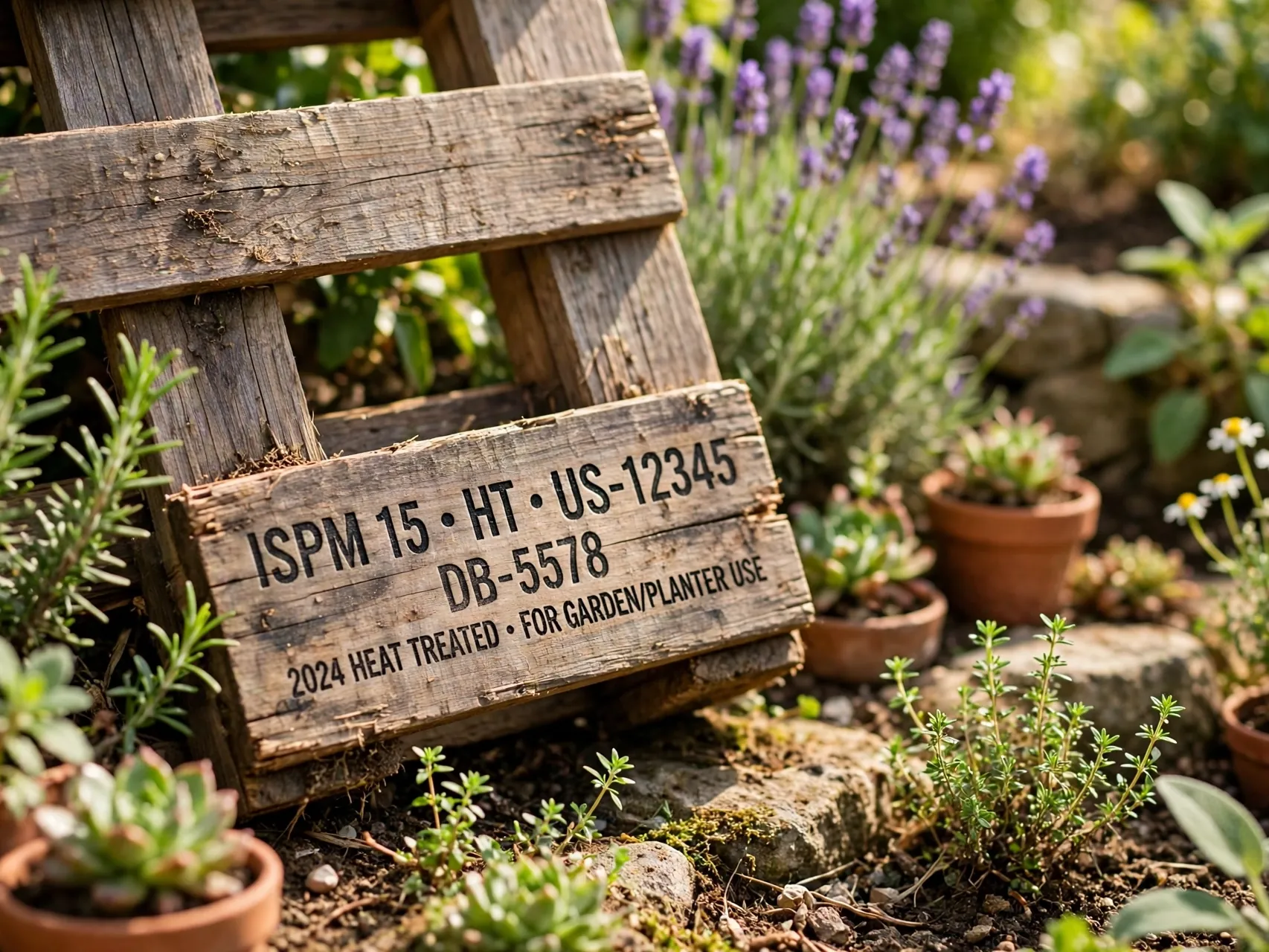
Before any project, flip the pallet over and find the IPPC stamp, usually on a side block. Look for the letters HT, which mean the wood was heat treated with no chemicals. Those are the pallets cleared for garden reuse in guide after guide.
Avoid any pallet stamped MB, which means it was fumigated with methyl bromide, a toxic pesticide treatment. Skip pallets with oil stains, chemical smells or no readable stamp and an unknown history, especially for herbs and vegetables. Sand every board, pull stray nails, and wash off dust before you build.
2. Classic Vertical Herb Wall

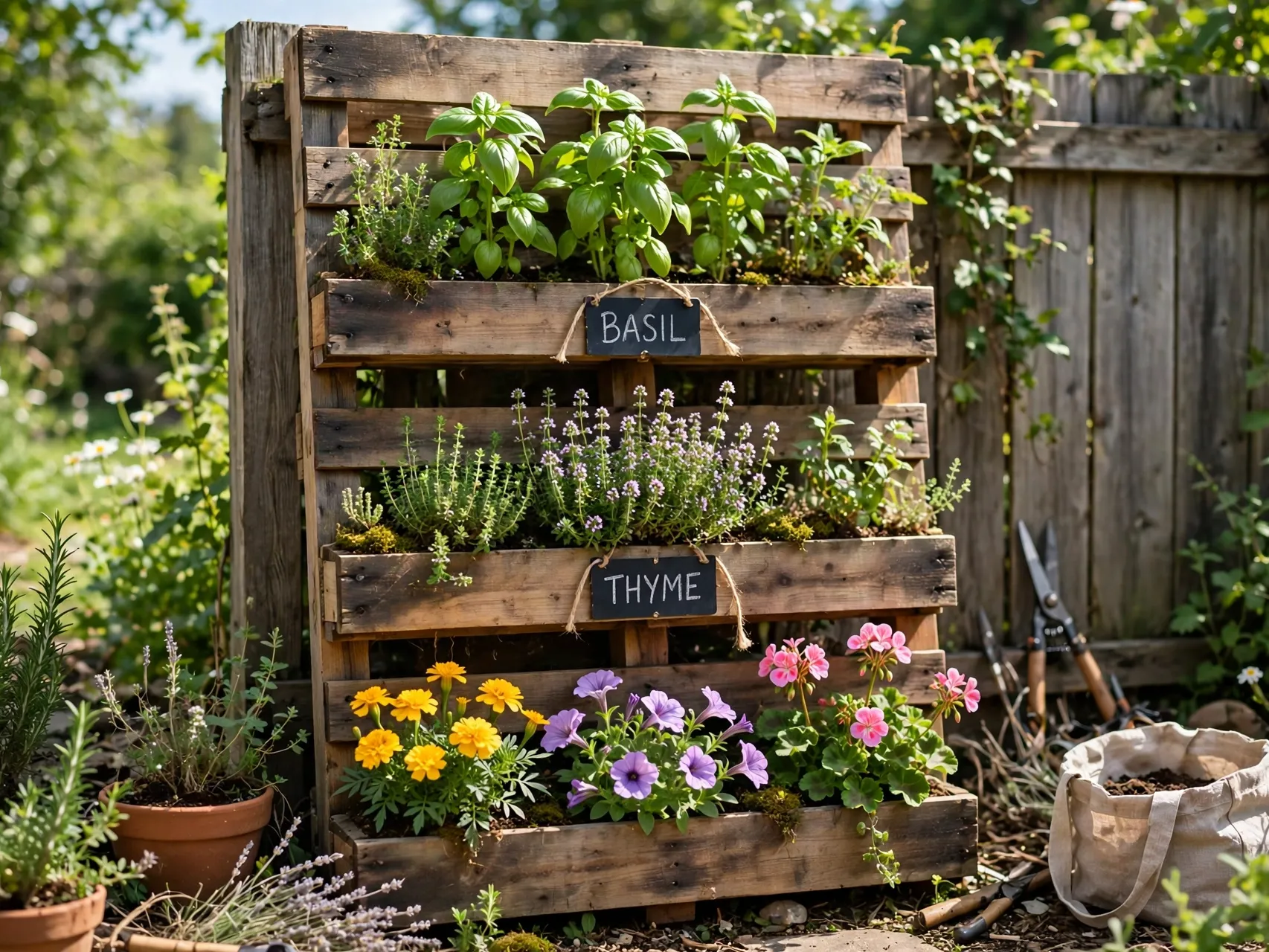
The most loved vertical pallet garden is also the simplest. Staple landscape fabric across the back, bottom and sides of a pallet to form deep pockets between the slats, fill each pocket with potting mix and plant herbs into the openings.
Keep the pallet lying flat for about two weeks after planting so roots grip the soil, then stand it against a sunny wall. Basil, thyme, oregano, parsley and mint all thrive this way. Water slowly from the top, since vertical plantings dry out fast, especially in wind and afternoon sun.
3. Leaning Flower Wall

A pallet leaned, not fixed, against a fence makes a flower wall renters can take with them. Line the pockets as you would for herbs, then fill them with petunias, marigolds, pansies and trailing lobelia for a curtain of color.
Lean it at a gentle angle and wedge the base so it cannot slip, or fix it with two removable hooks where your lease allows. The lean gives rain a better angle into the pockets than a fully upright wall, and replanting tired annuals takes minutes from the front.
4. Strawberry Pallet Planter

Strawberries are perfect pallet tenants. Their roots are shallow, their runners cascade prettily and the fruit hangs clear of the soil, which means cleaner berries and fewer slug attacks than a ground bed gives you.
Plant one strawberry per opening, water often and feed lightly through fruiting. Net the pallet when berries color up if birds find it before you do. In cold zones, lay the pallet flat in a sheltered spot for winter or accept replanting from runners, which your first plants will happily supply.
5. Lettuce and Salad Wall
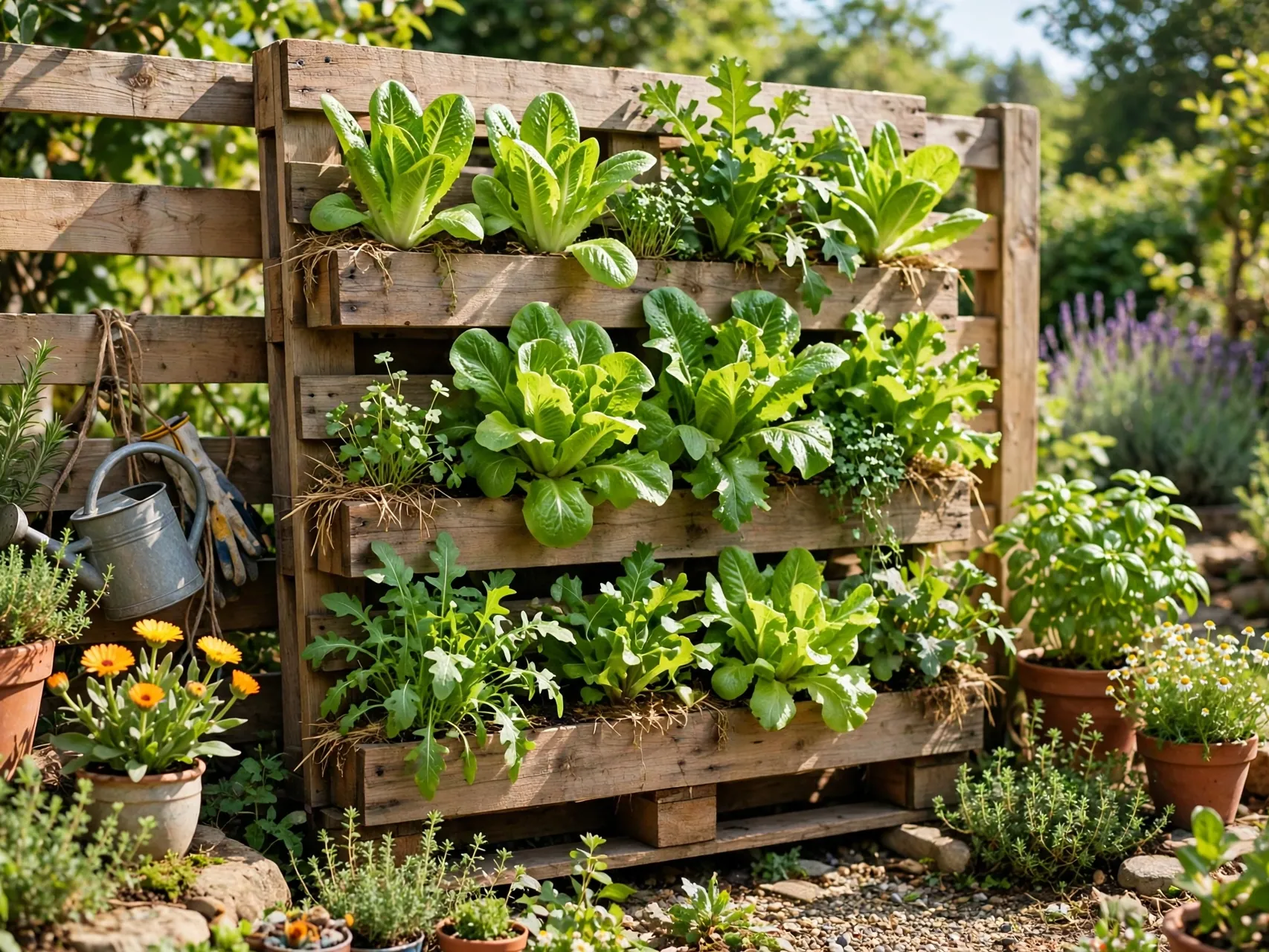
Lettuce, spinach and other salad leaves grow fast in shallow pockets and shade each other as they fill in. A salad pallet by the kitchen door turns dinner prep into a snip and rinse job, steps from the cutting board.
Sow in stages, a pocket or two every week, so you never face a wall of bolting lettuce at once. Cut outer leaves and let the hearts keep growing. In hot weather, move or shade the pallet, since salad greens turn bitter fast in heat and strong afternoon sun.
6. Succulent Pallet Frame
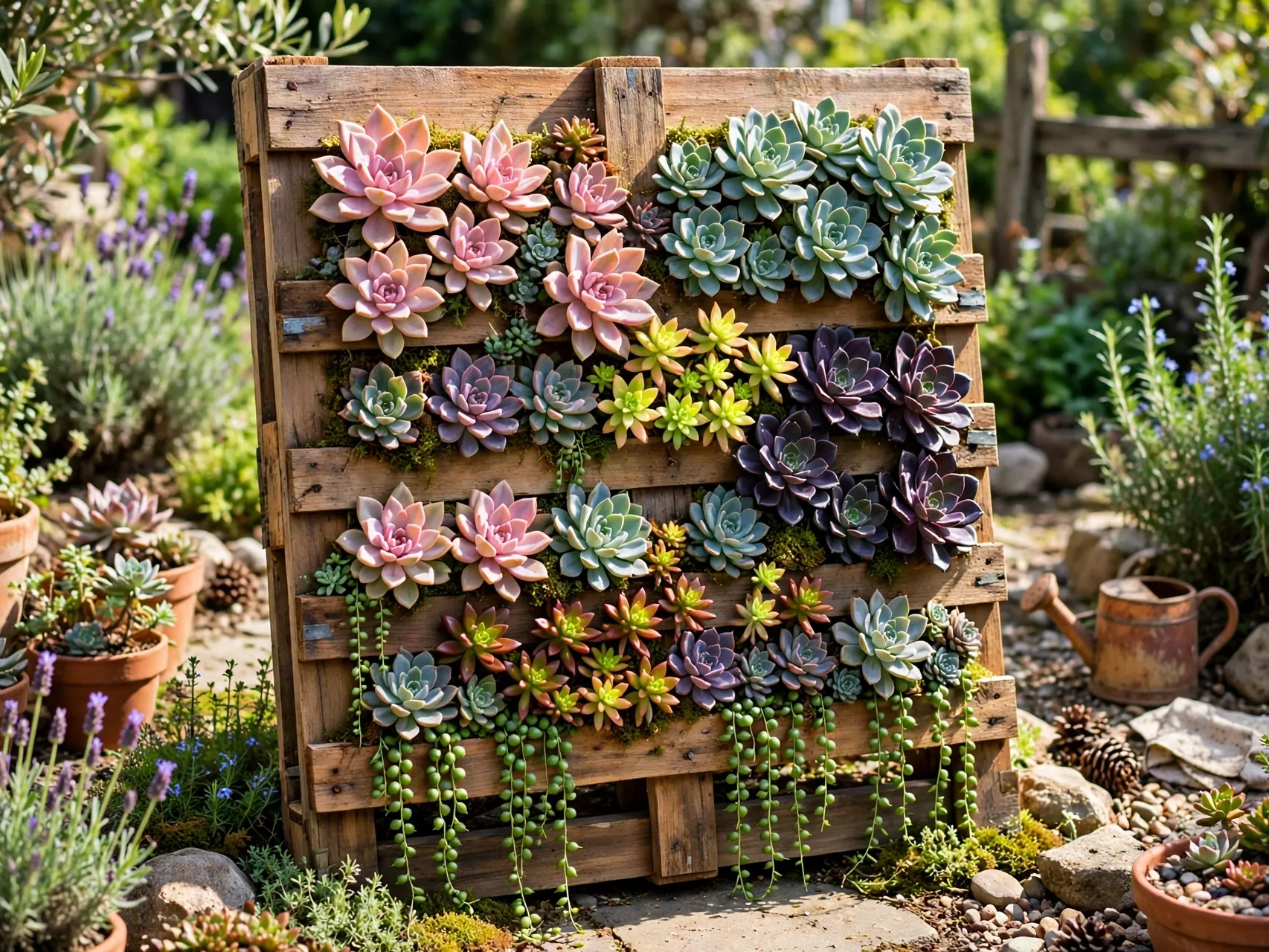
Snap the back off a pallet or use a shallow pallet section as a picture frame for succulents. Line it, fill it with gritty, free draining mix and tuck in small rosettes and trailing sedums until the wood nearly disappears behind the planting.
Let it rest flat for a few weeks while roots take hold, then hang it like art on a sunny wall or prop it on a porch table. Water rarely and deeply rather than little and often. This is the lowest maintenance project in the whole list and one of the prettiest.
7. Pallet Raised Bed

Break down two or three HT pallets and rebuild the boards into a simple raised bed frame, or use whole pallets on edge as instant bed sides for a no cut build. Line the inside with fabric or cardboard, fill with soil and compost, and plant.
Pallet wood is thin, so expect a few seasons rather than a decade from this bed, and use it for flowers, herbs or a trial vegetable patch before you invest in thicker lumber. For a free first raised bed that proves the sunny spot works, nothing beats it.
8. Tiered Pallet Planter Steps

Cut a pallet into sections and stack them as steps, each level holding a row of pots or a lined planting trough. The stair shape suits a porch corner and gives every plant its own sun, instead of a flat wall where top plants shade the bottom row.
Screw the levels together so the tower cannot shift, and put the heaviest, thirstiest plants on the bottom step where water collects. Herbs on top, flowers in the middle and trailing plants over the front edge make a small footprint look abundant.
9. Pallet Bench With Planters
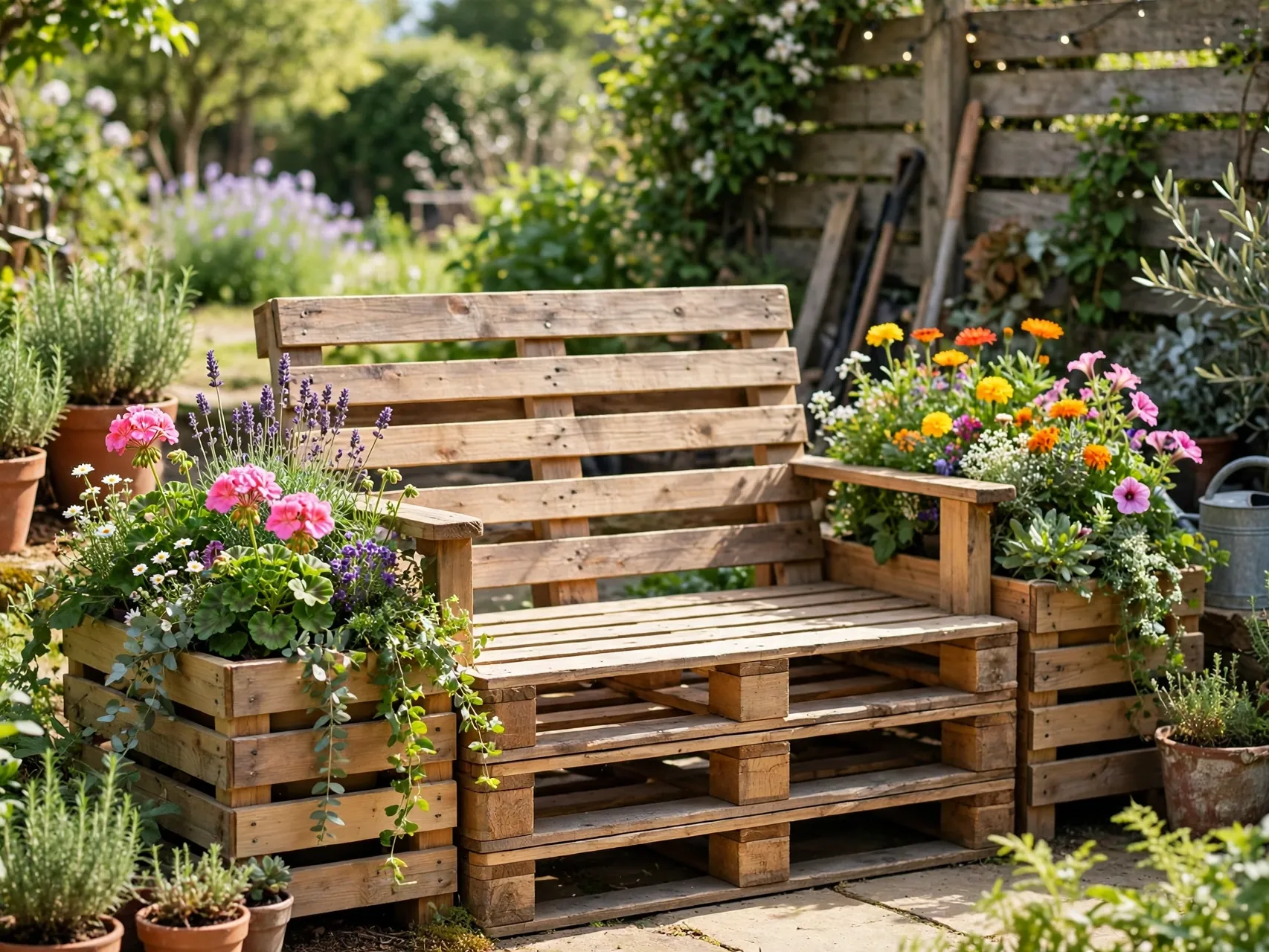
Two pallet boxes as armrest planters with pallet boards across them as a seat make a garden bench with built in greenery. It is a weekend build with real presence, perfect at the end of a path or under a tree.
Reinforce the seat with a thicker board if your pallet wood feels springy, and sand the sitting surface with extra care. Plant the side boxes with lavender or small shrubs for scent at elbow height. Add cushions stored indoors, and this cheap build becomes the seat everyone chooses.
10. Hanging Pallet Planter Boxes
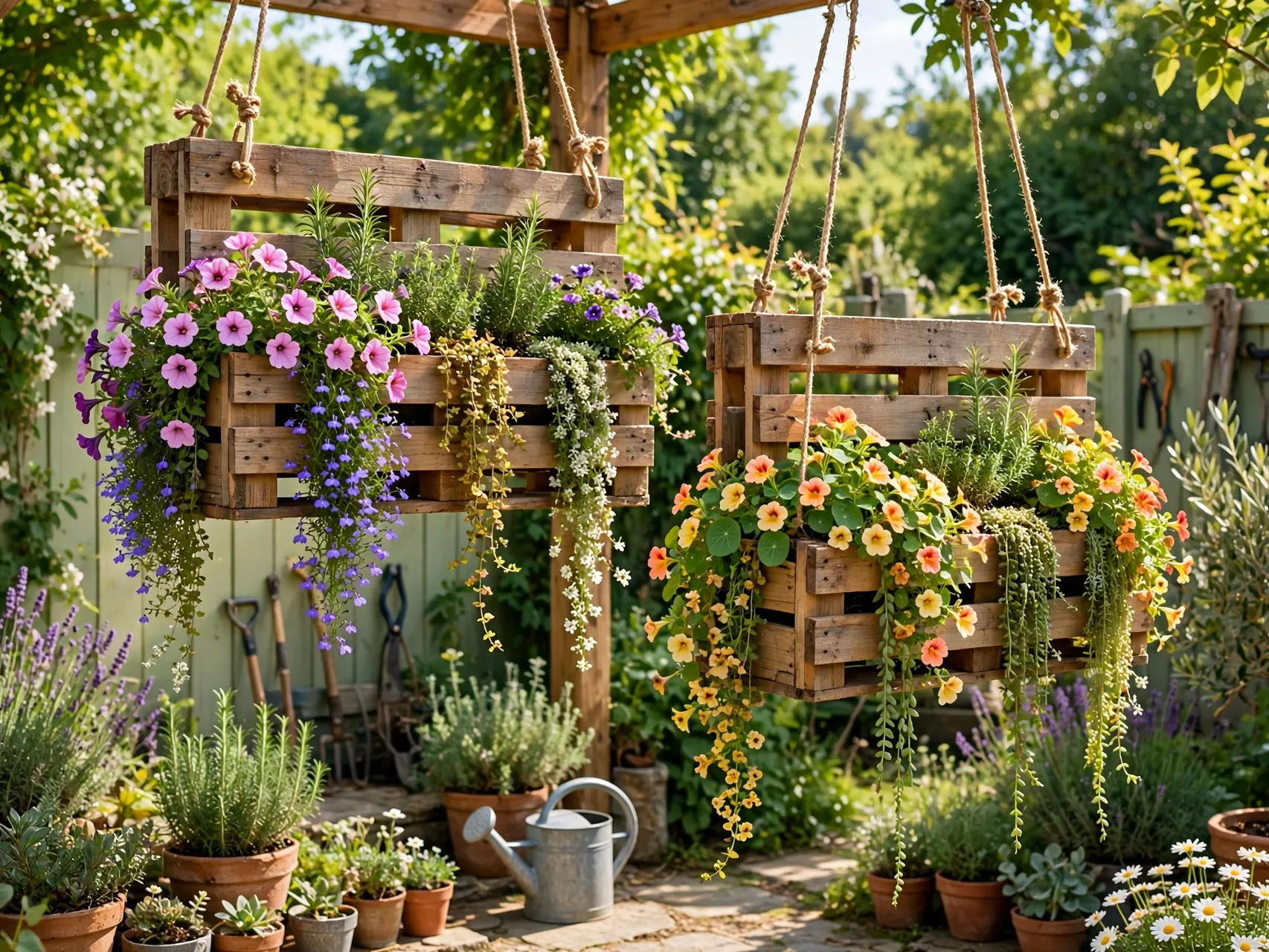
Dismantle a pallet and rebuild the boards into small boxes, then hang them from a fence, railing or wall with sturdy brackets. A row of three matching boxes looks designed, costs almost nothing and lifts herbs and flowers to easy picking height.
Keep boxes small and filled with lightweight mix, since wet soil is heavy and fixings have limits. Drill drainage holes and line each box. This is a favorite pallet planter ideas project for fences that need softening without giving up a single inch of ground space.
11. Pallet Potting Bench

Stand one pallet as the back of a potting bench, lay another across two supports as the work surface, and you have a station for mixing soil, potting up and storing tools. Hooks in the back slats hold trowels, twine and scissors right where your hands need them.
Add a lower pallet shelf for bags of mix and spare pots. A potting bench does not grow a single leaf, yet gardeners rank it among the most useful builds here, because tidy tools and a waist high surface make every other garden job faster and kinder on your back.
12. Pallet Compost Bin

Three pallets wired or screwed into a U shape make a classic compost bin with airflow built in. Add a fourth pallet as a loose front you can lift away on turning day. The slats breathe, the build takes an hour and the price is often zero.
Site it on bare soil in a shady corner, layer greens and browns as you have them, and keep it as moist as a wrung out sponge. Pallet bins will not win beauty contests, but screened behind a flower pallet from idea 3, nobody will ever know your compost system cost nothing.
13. Pallet Garden Shelf
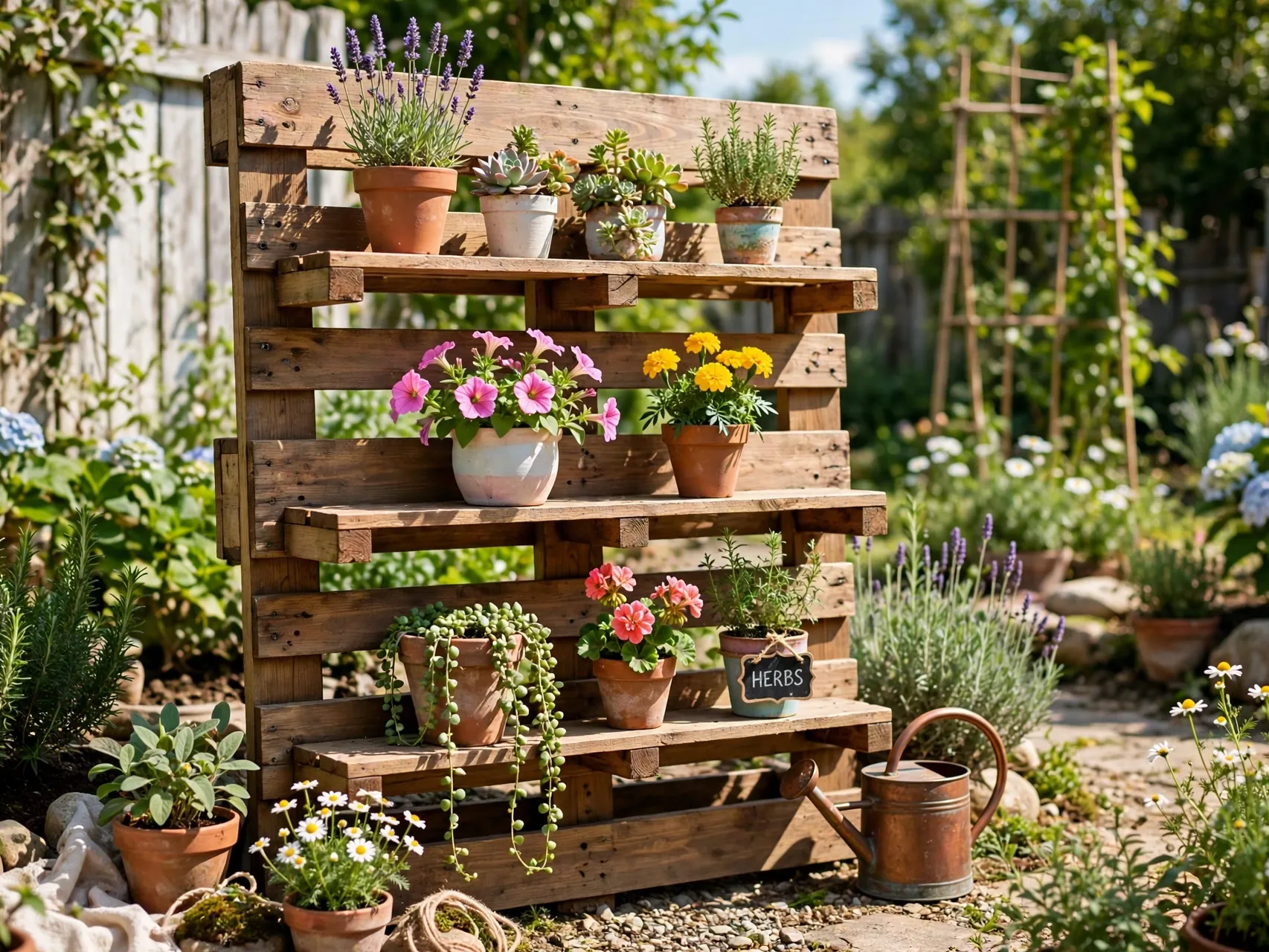
A pallet fixed upright to a wall or fence, with a few boards added across the slats, becomes open shelving for pots, jars of seed and small tools. It suits a greenhouse, shed wall or covered porch where rain will not soak everything daily.
Sand well, since hands will reach across this wood constantly. Keep heavy pots on the lowest shelf and light, pretty things up top. A coat of exterior paint in sage, cream or charcoal turns pallet shelving from scrappy to cottage core in one afternoon, which is the whole charm of this list in one project.
14. Painted Pallet Flower Bed

Lay a pallet flat on a prepared patch, fill between the slats with soil and plant rows of flowers or herbs in the openings. The slats act as instant row markers and mulch in one, keeping spacing tidy and weeds down between plants.
This ground pallet method suits lettuce, radishes, marigolds and bedding flowers, and it is brilliant for gardeners who struggle to keep rows straight. At seasons end, lift the pallet, compost the remains and the bed is clear. Use only HT wood here too, since the pallet sits in full contact with your soil.
15. Pallet Path and Edging

Pallet boards laid as a simple boardwalk path through a damp garden corner keep feet out of the mud and look instantly charming. Short sections of pallet stood on edge also make quick, rustic edging for flower beds and herb spirals.
Expect path boards to weather and need replacing every few seasons, which costs nothing but an hour. Keep paths level and pinned so boards do not rock. In a cottage style garden, a weathered pallet path reads as character, not compromise, especially edged with lavender or thyme.
16. Pallet Cold Frame
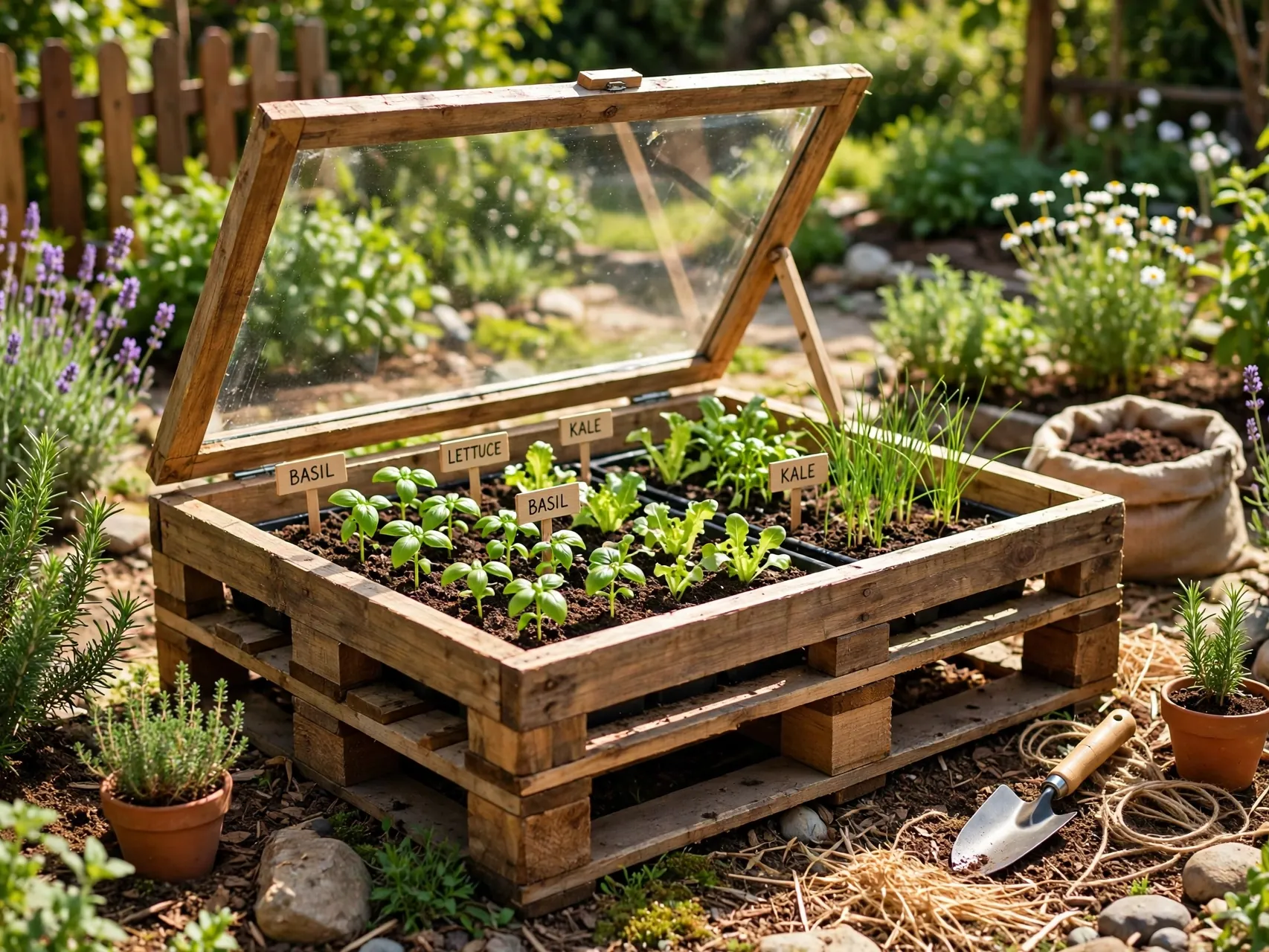
Hinge a pallet frame fitted with an old window or clear panel over a low pallet base and you have a cold frame for hardening off seedlings and stretching the salad season at both ends. The pallet slats make the sides, the lid does the weather work.
Prop the lid open on warm days so seedlings do not cook, and close it on frosty nights. Old windows turn up free at remodels, but check any old painted frame for flaking paint and keep it out of food soil contact. A cold frame is a small build that changes what your climate allows.
17. Pallet Tool Store

A pallet fixed to a shed or garage wall, slats facing out, stores long handled tools upright in its pockets. Spades, rakes and forks slide between the boards and stay off the floor, visible and dry. Add a few hooks for hand tools and gloves.
It takes twenty minutes and ends the leaning tower of tools in the corner forever. Keep it under a roof edge or indoors, since pallet wood and tool handles both last longer out of the rain. Pair it with the potting bench and your whole work corner is organized for free.
18. Kids Pallet Sensory Garden
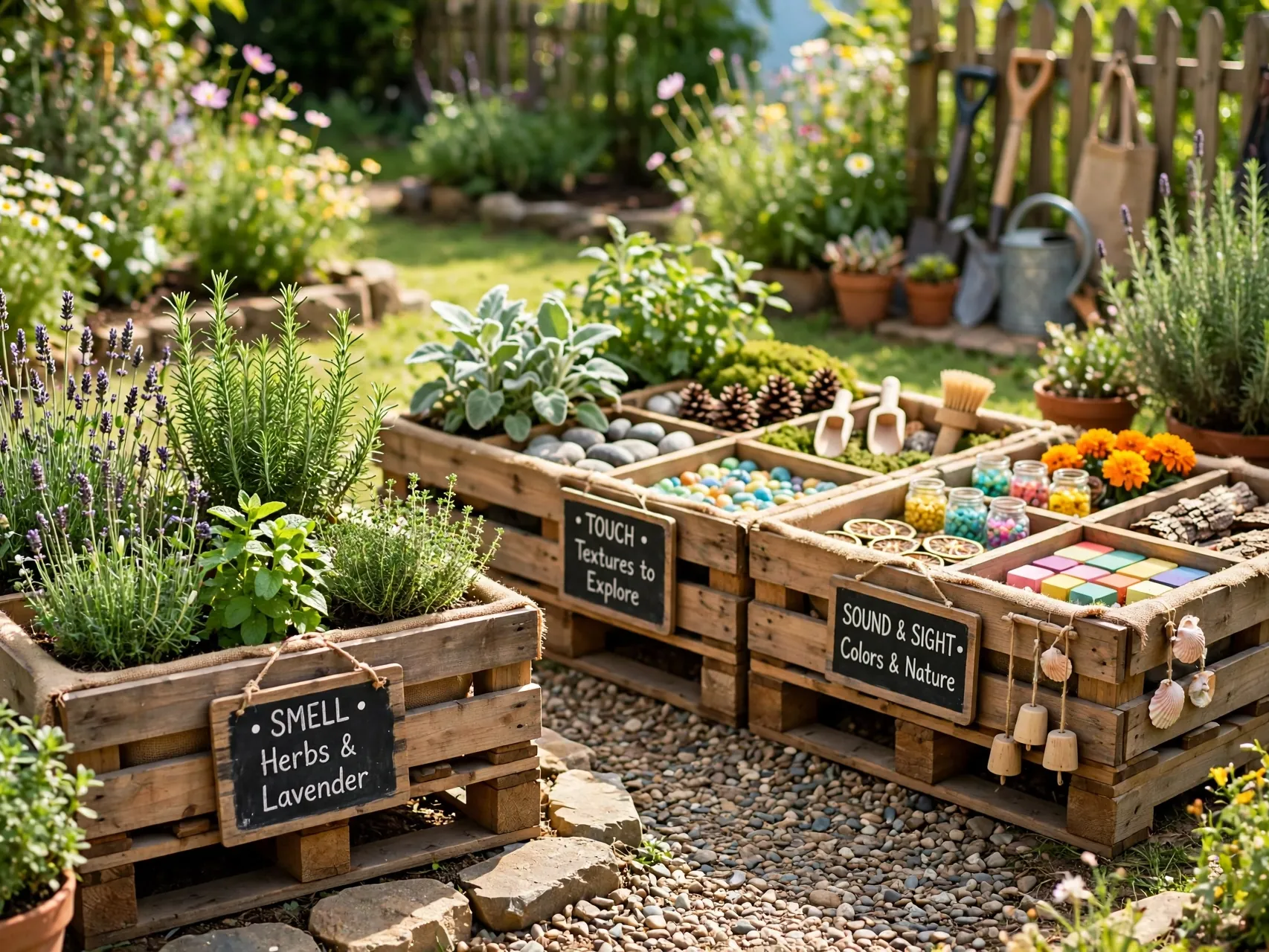
Give kids their own pallet, painted in their colors, planted with lambs ear to stroke, mint to sniff, cherry tomatoes to pick and marigolds to deadhead. A low, flat pallet bed is safe, reachable and fully theirs, which is how small gardeners are made.
Use only HT wood, sand every edge smooth and stick to non toxic, edible friendly plants within reach of small hands. Let them water with their own small can. A DIY pallet garden at knee height teaches more about where food comes from than any book on the shelf.
19. Pallet Fence Planter

Replace a tired fence panel or cover a chain link stretch with pallets planted as vertical gardens and you gain privacy, sound softening and flowers in one move. Fix pallets securely to strong posts, since a soil filled, watered pallet is seriously heavy.
Stagger planting for fullness, mixing trailers that spill down with upright fillers. Check fixings each spring and after storms. Neighbors usually love this project, since their side gets a tidy wooden fence while your side gets a living wall of herbs and blooms through the whole season.
20. Pallet Corner Tower
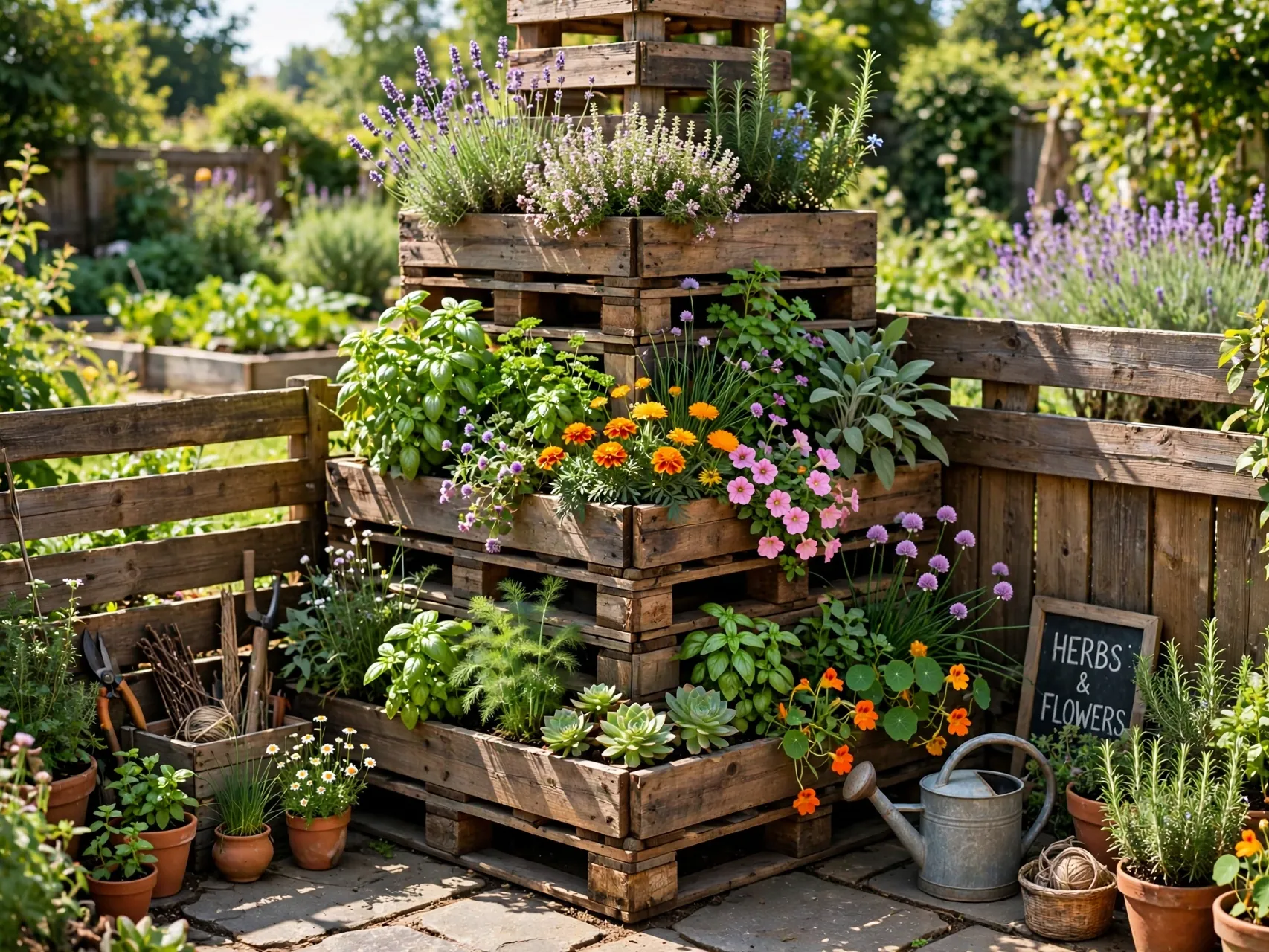
Two pallets joined at a right angle make a corner tower for a patio or balcony that wastes no space. Line both faces, plant the sunny side with herbs and flowers and the shadier side with ferns, lettuce or mint that prefer cooler roots.
Anchor the tower to a wall or railing for safety, especially in windy spots, and water the corner join well since it dries from two directions. Corner towers photograph beautifully, which is why they fill Pinterest boards, but their real win is turning dead patio geometry into two walls of planting.
21. Pallet Table With Herb Center
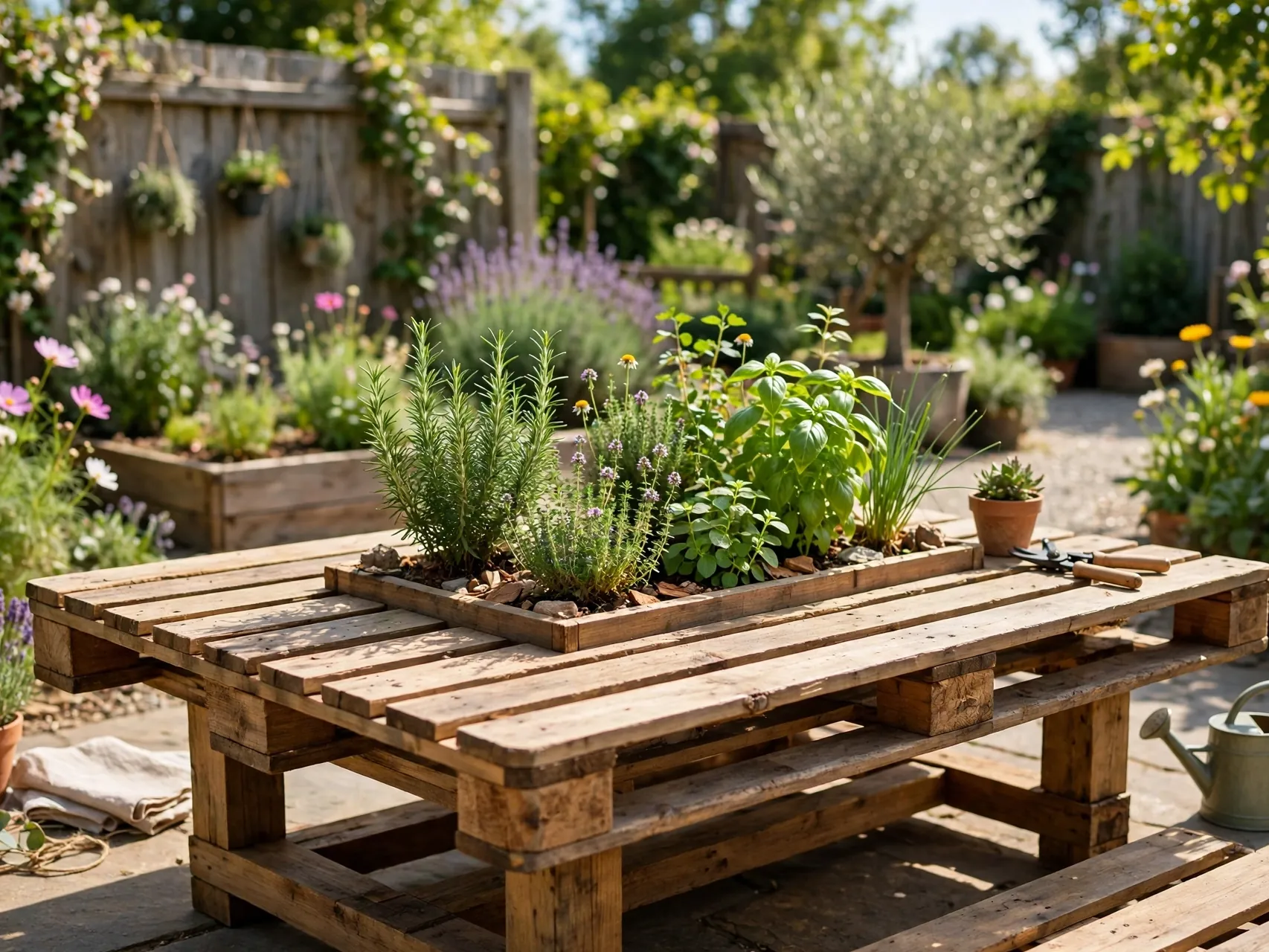
A pallet top on simple legs makes a rustic outdoor table, and if you leave the center slats out and drop in a lined trough, the table grows its own herb centerpiece. Guests pick basil and mint at the table, and the cook never walks to the garden mid meal.
Seal the eating surface well and sand it smooth, or cover it with a washable cloth for meals. Keep the herb trough shallow and water it after guests leave, not before. It is a showpiece build that still costs less than a single store bought planter of the same size.
22. Seasonal Pallet Display
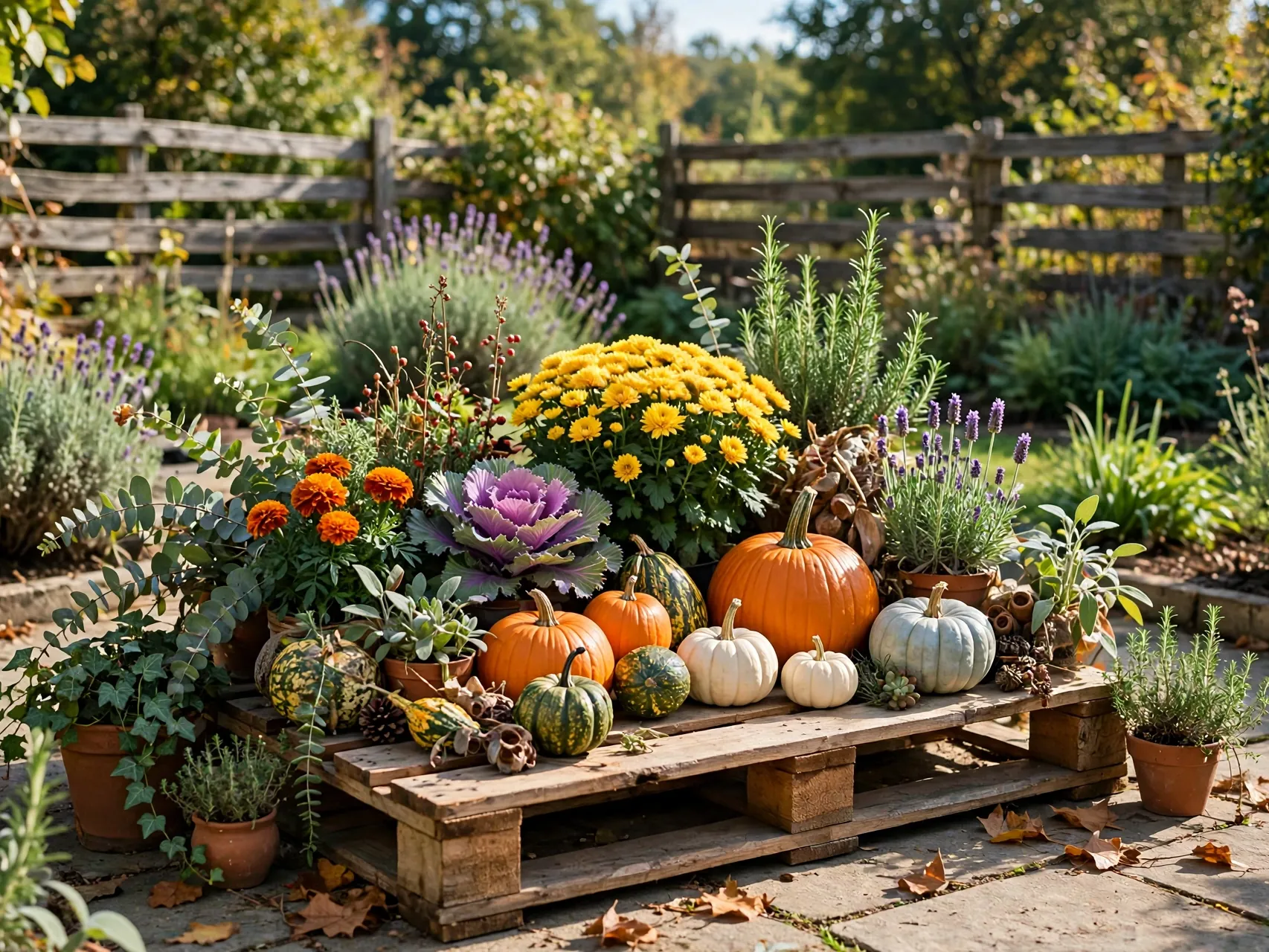
Keep one pallet purely decorative and restyle it each season: spring bulbs and pansies, summer petunias, fall mums with small pumpkins tucked into the slats, winter evergreen cuttings and pinecones. A display pallet by the front door becomes your homes changing welcome sign.
Paint it a neutral color that suits every season, or stencil a simple word if you like the farmhouse look. Because nothing here needs to survive for years, this is the perfect home for a pallet in fair condition that you would not trust for food crops. Cheap, charming and endlessly changeable is a fine place to end.
Whichever project you choose, remember the rhythm of pallet gardening. Water vertical builds more often than beds, feed container plantings lightly through the season, and expect to rebuild or refresh wood every few years. That is not a flaw in these pallet garden ideas. It is the trade that makes a free material so useful, and rebuilding a favorite project on a spring Saturday is half the fun.
FAQ
Are pallets safe to use for growing food?
Only use pallets stamped HT, which means heat treated without chemicals, and avoid any pallet stamped MB for methyl bromide. Skip stained, smelly or unstamped pallets with an unknown history for herbs and vegetables, wash and sand the wood, and line planters for extra care.
How long do pallet gardens last?
Pallet wood is thin and untreated for outdoor life, so most builds last two to four seasons depending on climate, ground contact and whether they sit under cover. Treat that as part of the bargain and rebuild favorites with fresh free pallets when boards soften.
How often does a vertical pallet garden need water?
Often. Pockets hold little soil and dry fast in sun and wind, so check daily in summer and water slowly from the top so each pocket gets its share. A layer of mulch in each opening and morning watering help stretch the interval.
What grows best in a pallet garden?
Shallow rooted plants suit pallet pockets best: herbs like basil, thyme and parsley, plus lettuce, spinach, strawberries, succulents and compact annual flowers. Deep root crops like carrots and large vegetables like squash need real beds with deeper soil.
Where can I find free pallets?
Ask local stores, garden centers, flooring shops and small warehouses, always with permission, since pallets often belong to suppliers. Choose clean, dry, HT stamped pallets, inspect for spills and broken boards, and never take pallets marked as chemical or industrial stock.
Key Takeaways
- Stamp first, build second: HT means heat treated and garden suitable, MB means walk away.
- Shallow roots win: Herbs, lettuce, strawberries, succulents and annuals suit pallet pockets best.
- Water is the workload: Vertical pallet plantings dry fast, so daily checks in summer are the deal.
- Expect a few seasons: Thin pallet wood is a short life, low cost trade, and rebuilding is easy.
- Start with one classic: A vertical herb wall teaches lining, planting and watering in a single project.
- Free needs permission: Ask before taking pallets and inspect every board before it enters your garden.
Save this list to Pinterest before your next pallet hunt, and pin the project you will build first so the stamp check, fabric and plant list are all in one place.