23 Ways to Attract Hummingbirds to Your Garden Fast
Introduction
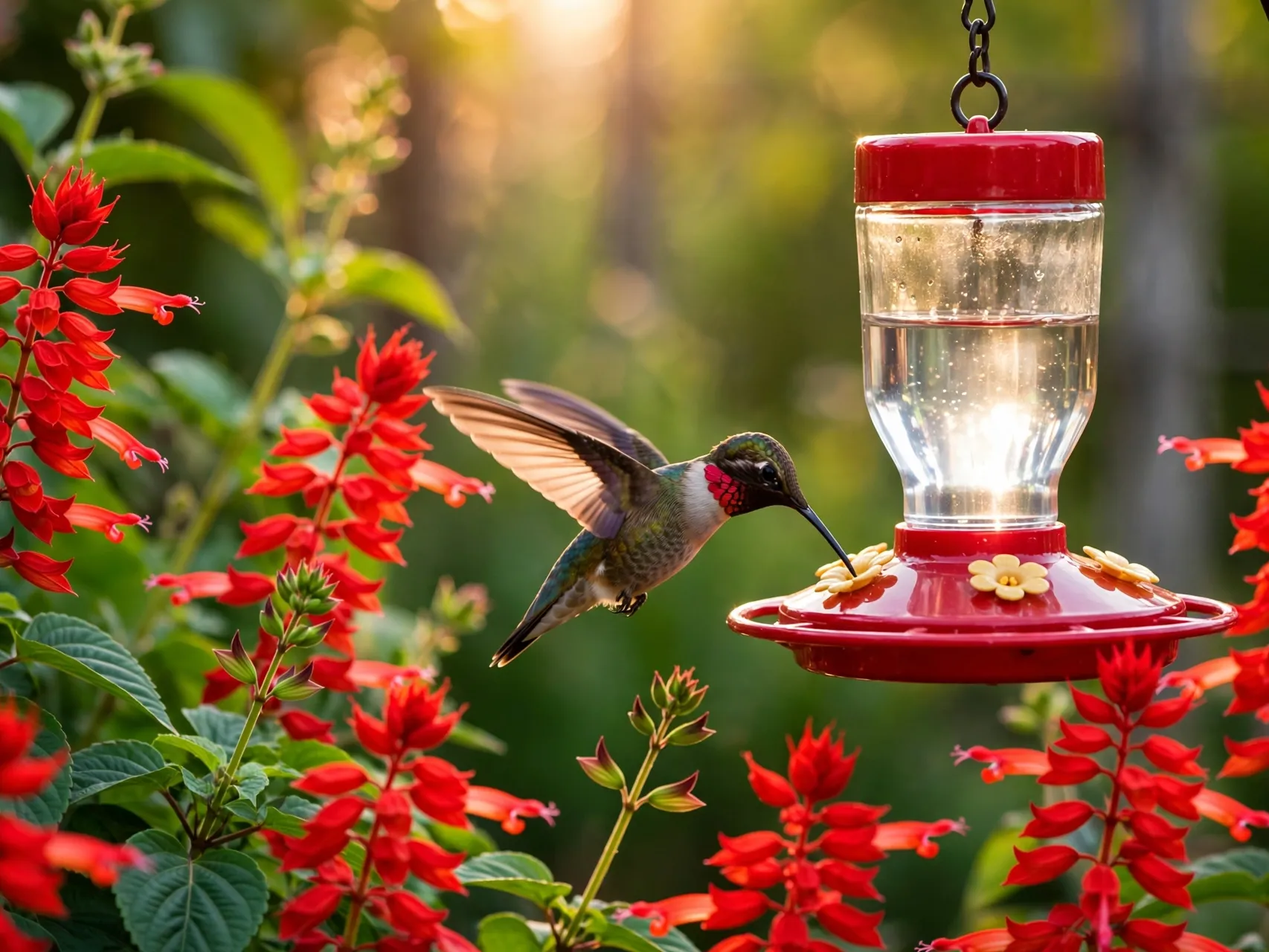
Few garden moments beat the first hummingbird of the season, hovering at the feeder like it never left. If you want that moment on repeat, the fastest route is not luck. It is a clean feeder, fresh nectar and flowers planted with intent, all working together to attract hummingbirds week after week.
Hummingbirds remember good feeding spots and return to them. That memory works in your favor when your yard offers reliable food, water and shelter, and it works against you when feeders sit empty or nectar turns cloudy and stale.
This guide pulls together 23 practical moves, from the exact nectar recipe wildlife experts recommend to the planting tricks that keep blooms coming from spring to fall. Start with the feeder basics, then layer in plants and habitat.
You do not need a large garden. A balcony with two pots and one well kept feeder can host daily visits, as long as the basics are done right and done consistently.
1. Hang a Feeder Early

Put your feeder up a week or two before hummingbirds usually return to your area, so scouts find food waiting when they arrive. In much of the US that means early spring, earlier in the South and a little later in the far North.
An early feeder also helps tired migrants refuel. Keep at least a small amount of fresh nectar in it, and do not worry if visits are slow at first. Consistency now pays off with regular traffic later in the season.
2. Make Nectar the Safe Way
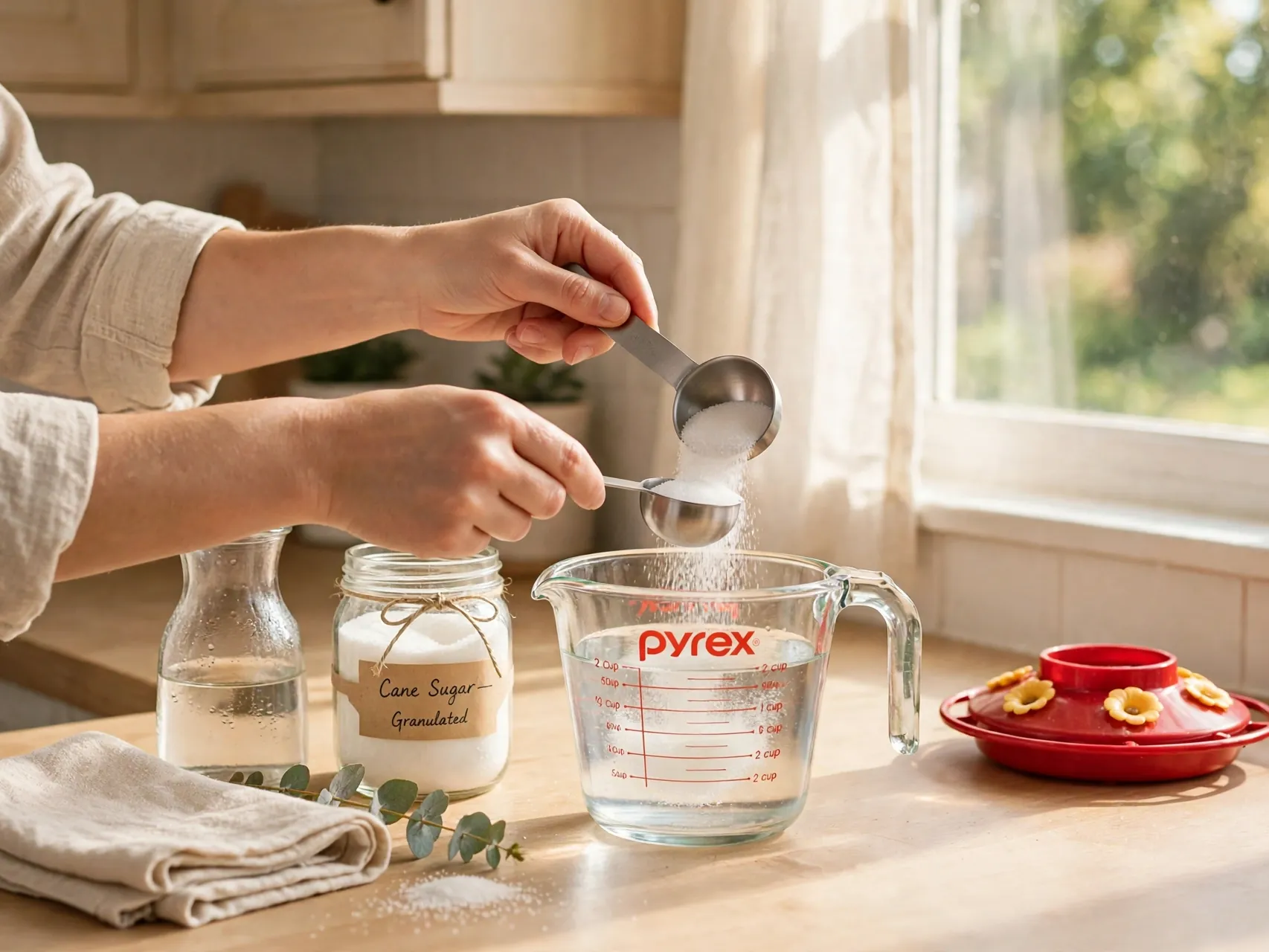
Use the recipe backed by the National Audubon Society and state wildlife agencies: 1 part refined white sugar to 4 parts water. Heat the water, stir until the sugar dissolves, cool it fully, then fill the feeder.
Never use honey, which can grow a fungus that harms hummingbird tongues, and never add red dye. The red parts on the feeder itself are enough to catch a birds eye. Skip brown sugar, raw sugar and artificial sweeteners too, and store extra nectar in the fridge for up to two weeks.
3. Choose a Saucer Feeder

Flat saucer style feeders are easy to open, scrub and refill, and that ease matters because clean feeders get cleaned. They also leak less than many upside down bottle designs and let you watch birds feed from above.
Pick a feeder with red accents, perches and bee guards if wasps are a problem in your yard. Avoid feeders with hard to reach corners where mold hides. If you cannot clean it in two minutes, you will clean it less often, and the birds will notice.
4. Clean Feeders on Schedule

Dirty feeders can sicken the birds you are trying to help, so treat cleaning as part of the hobby, not a chore for later. In hot weather above 90 degrees, change nectar every 1 to 2 days. In mild weather, every 2 to 3 days is a safer rhythm than once a week.
Scrub with hot water and a bottle brush, rinse well, and use a weak vinegar solution for stubborn mold. Change nectar right away if it looks cloudy. This single habit does more for repeat visits than any fancy feeder.
5. Add a Second Feeder Out of Sight
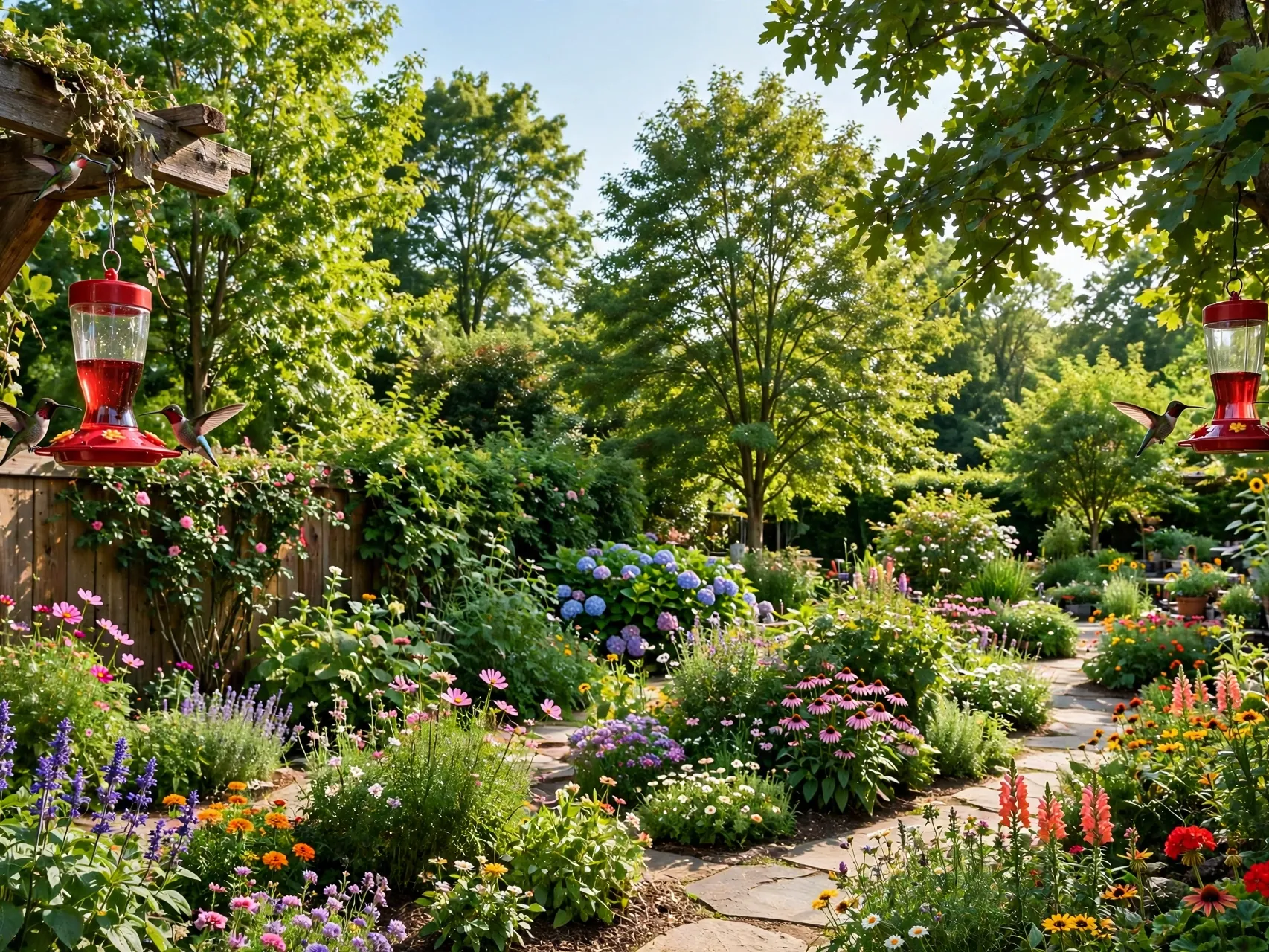
One bold male can guard a feeder and chase every newcomer away. A second feeder placed around a corner, on another side of the house or out of the first feeders line of sight gives shy birds a place to drink in peace.
More feeders also means more birds at peak season, when demand is high. Keep the same cleaning schedule for every feeder you hang. Two clean feeders beat four neglected ones every time, so add feeders only as fast as you can maintain them.
6. Plant Cardinal Flower
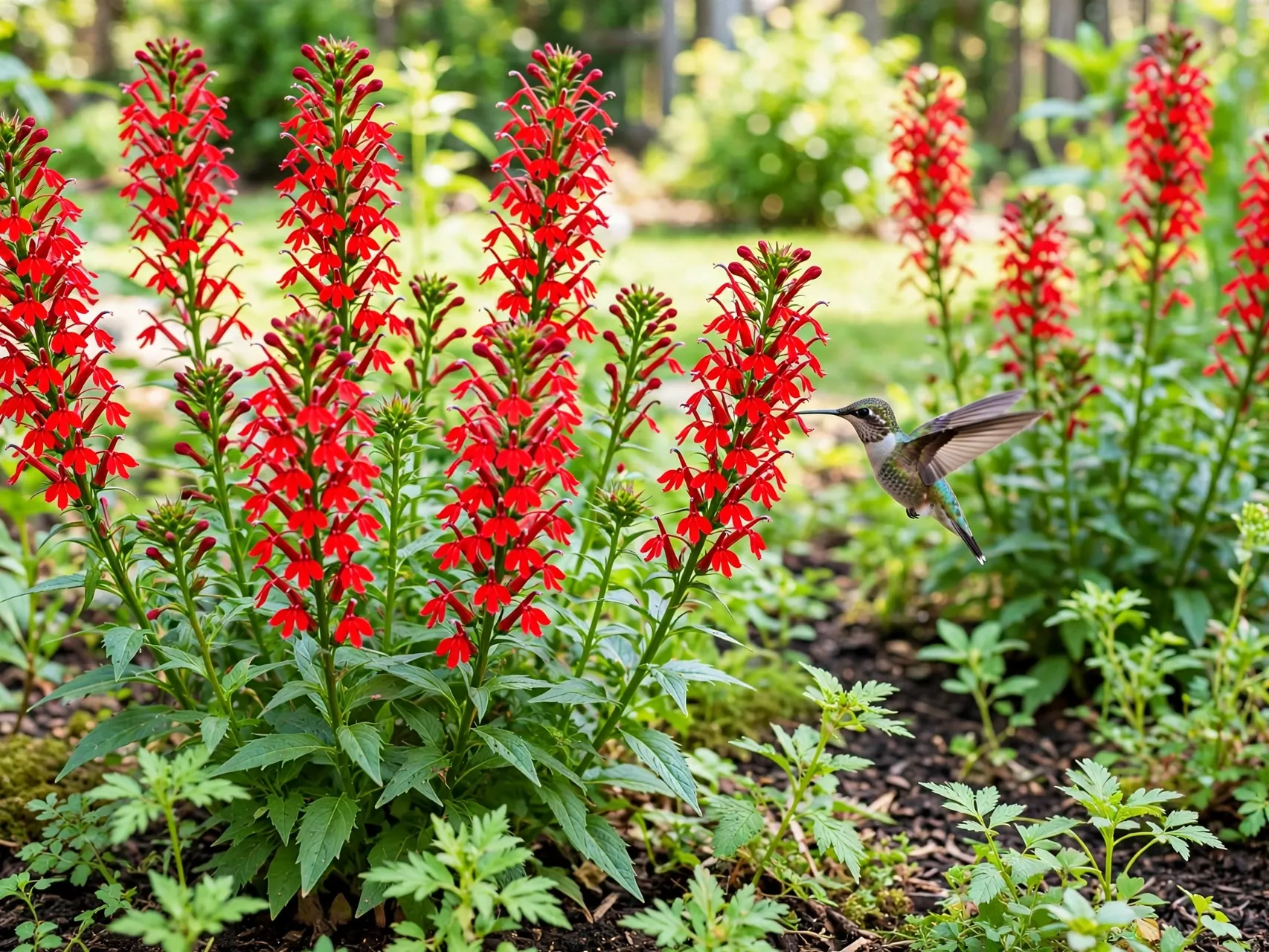
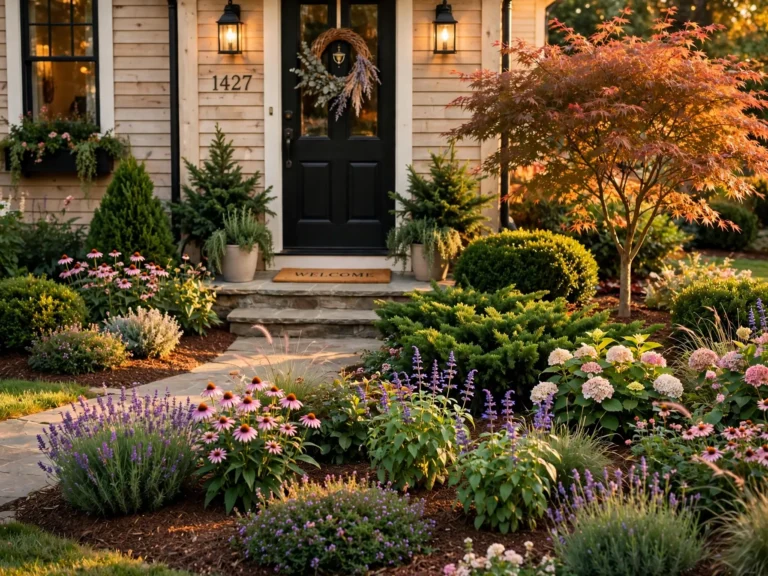
Cardinal flower is a native favorite with tall spikes of true red blooms that hummingbirds find hard to resist. It likes moist soil and part shade, which makes it perfect for a low spot or the edge of a rain garden.
Plant it in groups of three or more for a stronger signal. It blooms in mid to late summer, right when young birds are learning the yard and feeder traffic peaks. Let a few seed heads stand if you want it to return and spread gently.
7. Grow Bee Balm
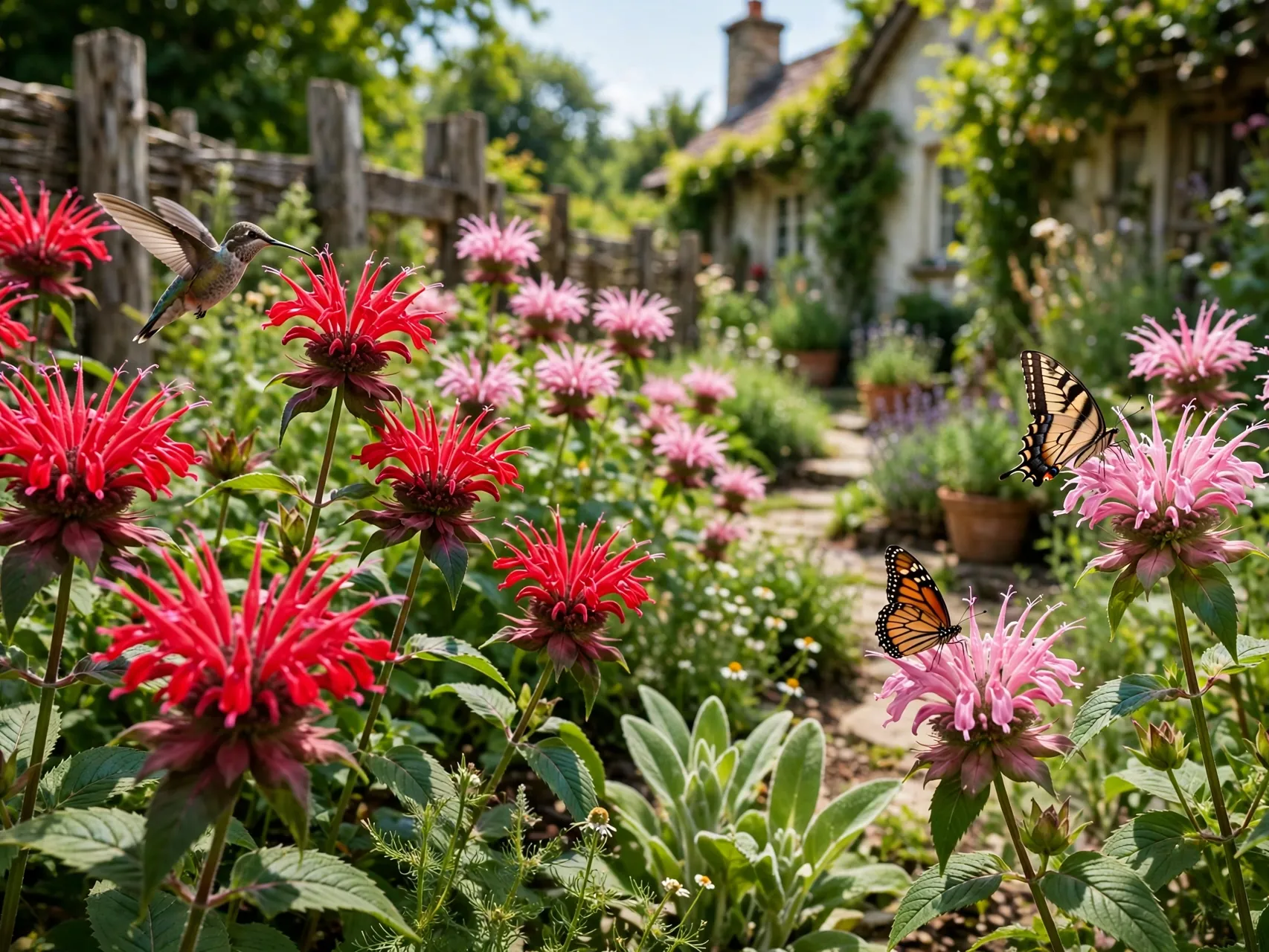
Bee balm, also called monarda, offers shaggy red, pink or purple flower heads packed with nectar tubes. Hummingbirds work the blooms for long stretches, and the plant flowers for weeks in early to mid summer.
Give bee balm sun and air flow, since it can get powdery mildew in crowded, damp corners. Deadhead the first flush and many varieties push a smaller second show. Its leaves smell bright and herby when brushed, which is a bonus by a path or bench.
8. Plant Coral Honeysuckle

Coral honeysuckle is a well behaved native vine with clusters of coral red trumpet flowers from spring into summer, followed by red berries that other birds enjoy. Unlike some imported honeysuckles, it climbs without taking over the whole fence.
Train it on a trellis, arbor or mailbox post near a window so you can watch the visits. Hummingbirds love working a vine at eye level, and the repeat blooms give them a reason to patrol your yard daily instead of just passing through.
9. Add Salvia in Clusters

Salvias are hummingbird magnets, with tubular flowers in red, hot pink, purple and blue and a long bloom season. Plant them in clusters of the same color rather than single scattered plants, since a clear patch is easier for birds to spot from the air.
Many salvias are tender perennials grown as annuals in cold zones, so treat them as seasonal color in pots or beds. Keep deadheading and they will flower until frost. A sunny cluster of best flowers for hummingbirds near the feeder creates a perfect feeding circuit.
10. Plan Spring to Fall Blooms

A yard that blooms in May and quits in July will lose its birds. Plan for succession: columbine and coral honeysuckle in spring, bee balm and salvia in summer, cardinal flower and trumpet vine into late summer and fall.
Keep a simple list of what blooms when in your beds and fill the gaps first. Even two new plants chosen for an empty month can stretch your season by weeks. Returning migrants in fall need fuel too, so late blooms matter as much as early ones.
11. Use Red Without Dye

Hummingbirds notice red and orange quickly, so use color on feeders, ribbons, pots and flowers rather than in the nectar. A red feeder, a red hanging basket or a strip of red ribbon tied near a new feeder helps birds find it faster.
Once birds know your yard, color matters less than reliability. Keep the nectar clear, always. Dye adds risk with no benefit, a point Audubon and wildlife agencies repeat for good reason. Let the flowers and the feeder body do the advertising instead.
12. Add a Mister or Shallow Bath

Hummingbirds bathe by flying through fine spray or splashing in very shallow water. A mister attached to a hose, a dripper over a birdbath or a shallow bath with a bubbling solar fountain will draw birds that ignore still, deep water.
Keep baths shallow, clean and refreshed, since the same hygiene rules apply to water as to nectar. Place the bath where you can watch the show. Few sights are funnier or sweeter than a hummingbird showering under a leaf drip on a hot afternoon.
13. Provide Perches Near Feeders
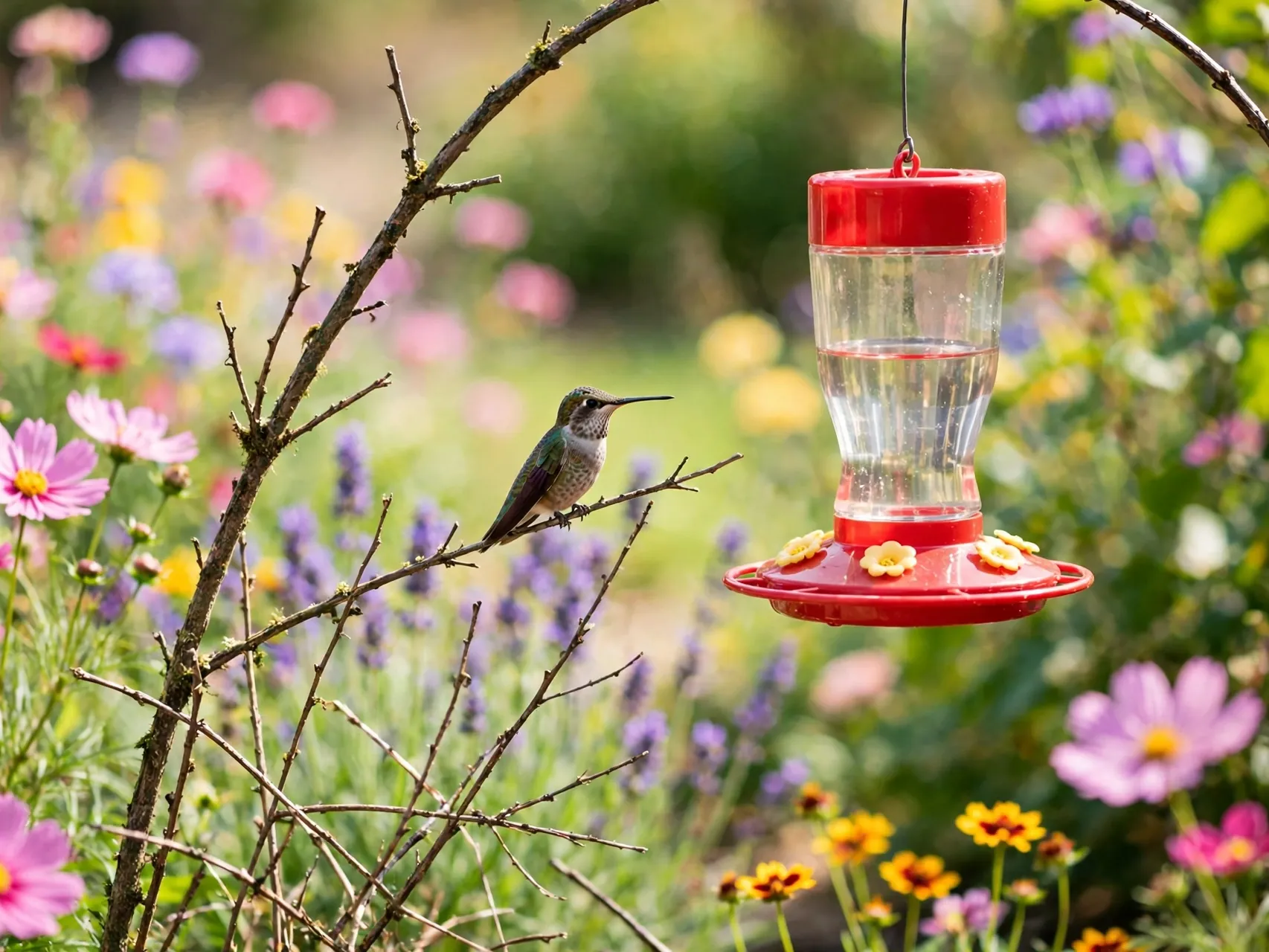
Hummingbirds spend much of their day perched, digesting and watching their territory. A small bare branch, a tomato cage, a shepherds hook or a thin twig wired near the feeder gives them a lookout between sips.
Dead twiggy branches on a shrub are ideal, so think twice before pruning every bare stem away. A perch within a few feet of the feeder also gives you better photos and longer looks, since a resting bird stays put far longer than a feeding one.
14. Leave Spider Webs Alone

This tip surprises people. Hummingbirds gather spider silk to build and stretch their tiny nests, and they also pick small insects out of webs. A garden with a few webs in quiet corners is a garden with nesting supplies on hand.
You do not need to farm webs. Just skip clearing every web from shrubs and eaves during nesting season, and never spray webs near feeders. The birds also hunt gnats and tiny flies constantly, which is one more reason the next tip matters so much.
15. Skip the Pesticides
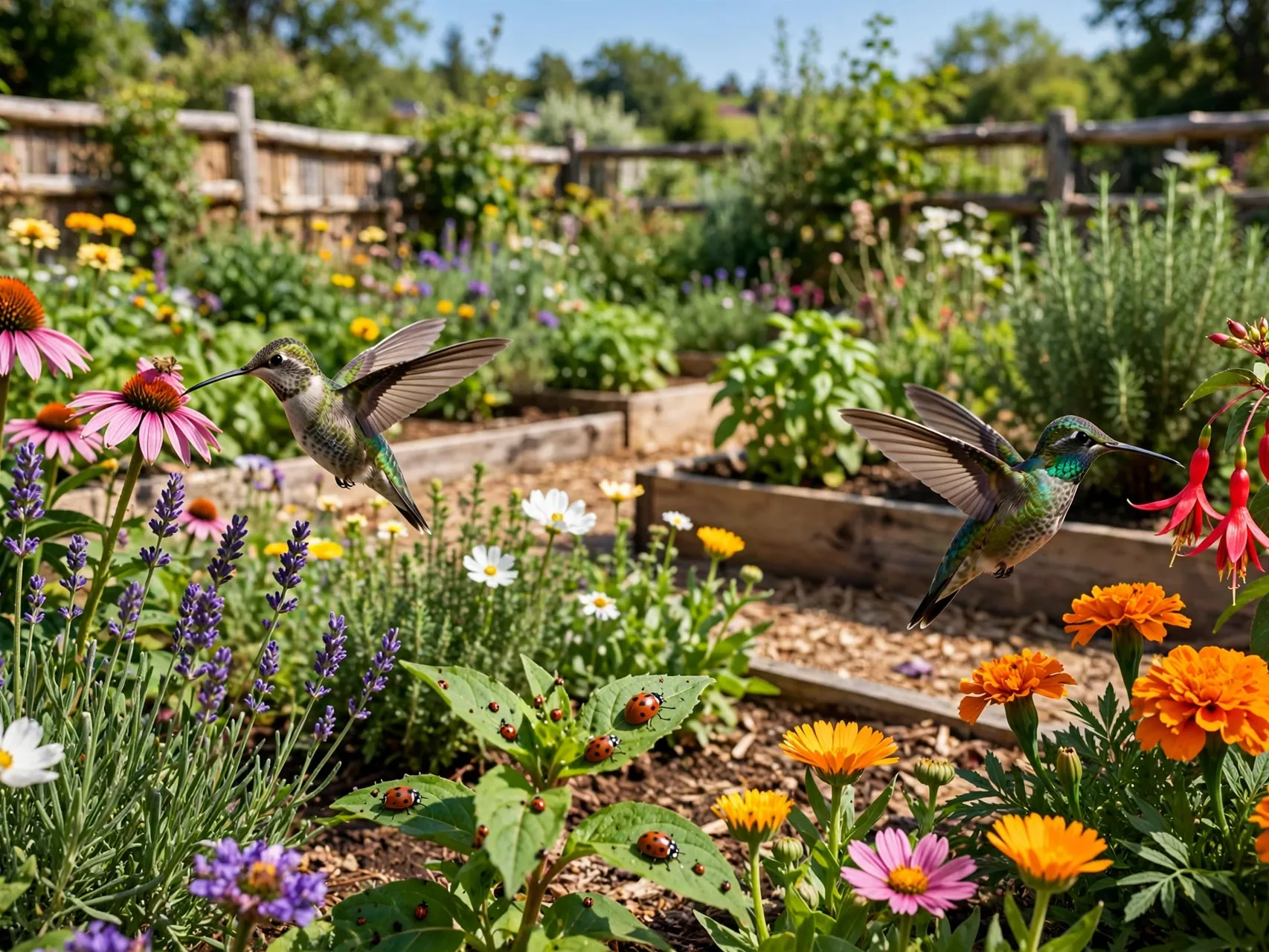
Insects are not a side snack for hummingbirds. They are essential protein, especially for females feeding chicks, which is why extension experts advise reducing or avoiding insecticides in hummingbird gardens. Spraying the yard removes their food and can harm the birds directly.
Tolerate a few chewed leaves, hand pick problem pests, and let the birds, spiders and other predators do the patrol work. A yard with small insects is a yard that can raise hummingbird families. A sterile yard, however pretty, is a food desert to them.
16. Control Ants With a Moat
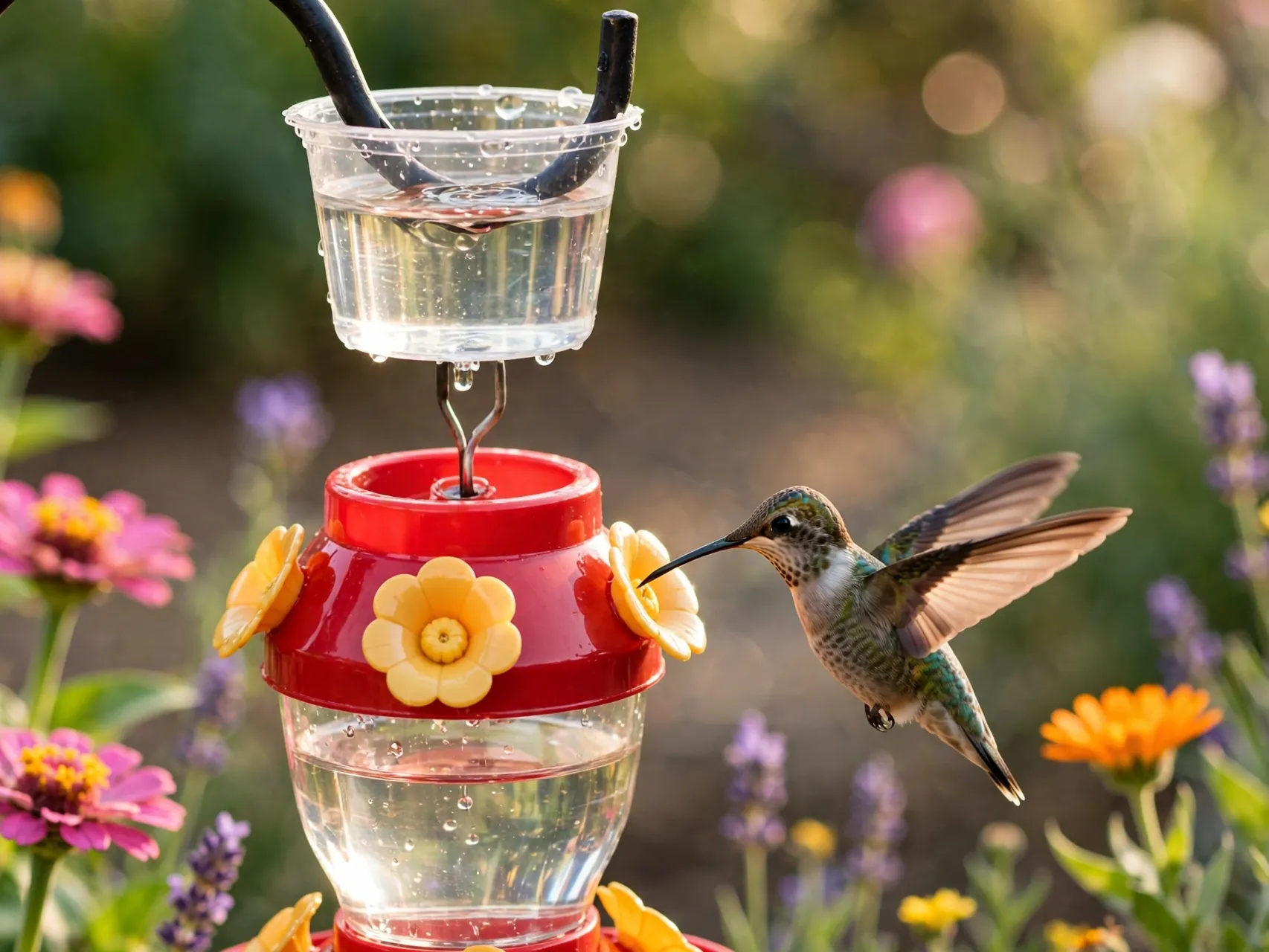
Ants find feeders fast and can foul the nectar. An ant moat, a small cup of water hung above the feeder that ants must cross, stops most of them without any chemicals. Many feeders have one built in, and add on moats are cheap.
Keep the moat filled with plain water and check it when you change nectar. Never use oil, grease or insecticide on the hanger or pole. Those substances can harm feathers and poison birds. The moat is simple, safe and it works, which is the best kind of fix.
17. Keep Bees Off Feeders
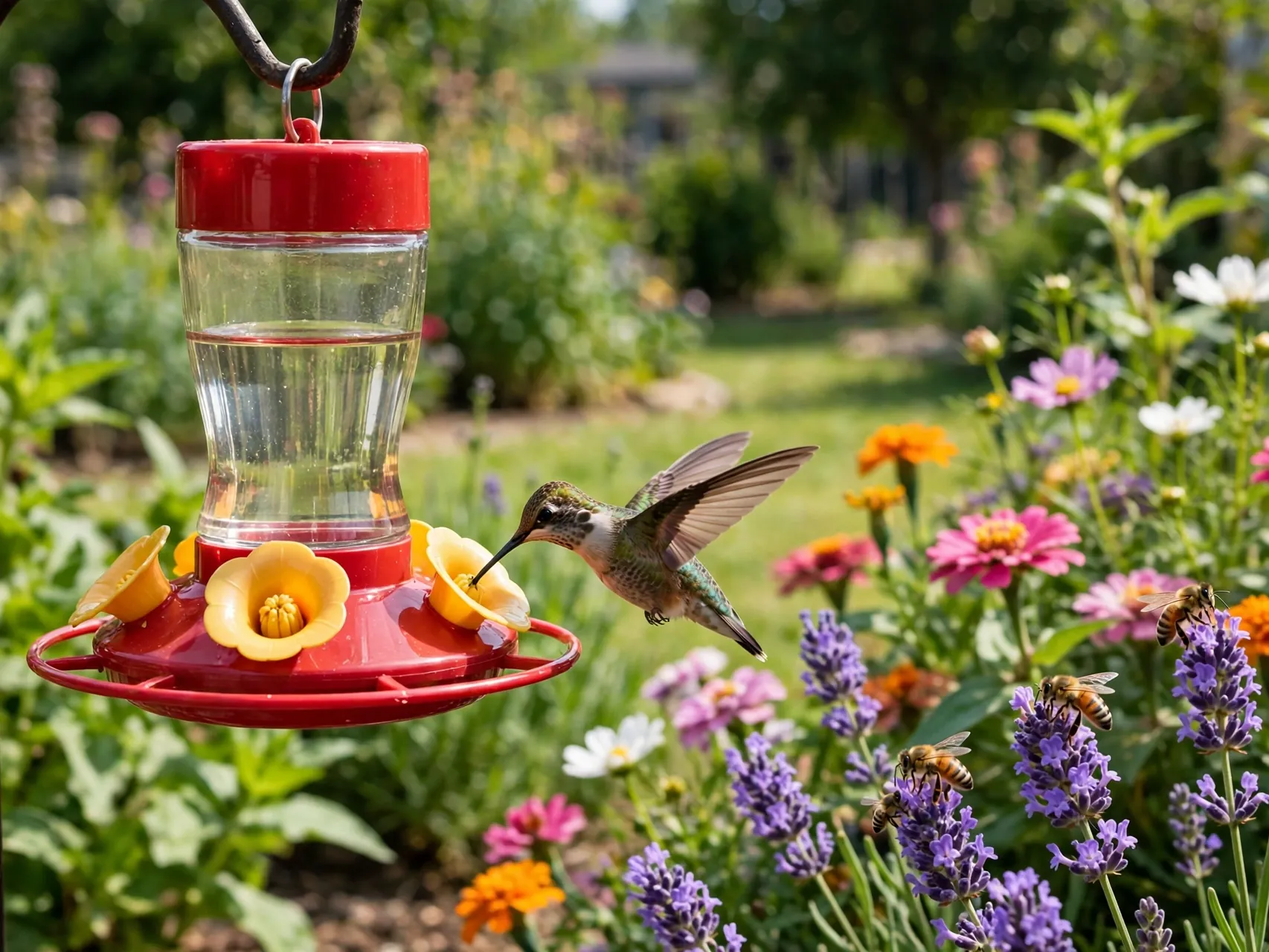
Bees and wasps crowd ports when nectar leaks or when feeders have yellow parts that attract them. Choose feeders with bee guards, fix drips, and move the feeder a few feet, since bees often fail to find it again quickly while hummingbirds relocate it at once.
If bees persist, take the feeder down for a day or two until they move on, and offer the birds flowers in the meantime. Never use oil or petroleum jelly on ports to deter bees. It endangers feathers and does more harm than the bees ever would.
18. Hang Baskets of Trailing Blooms
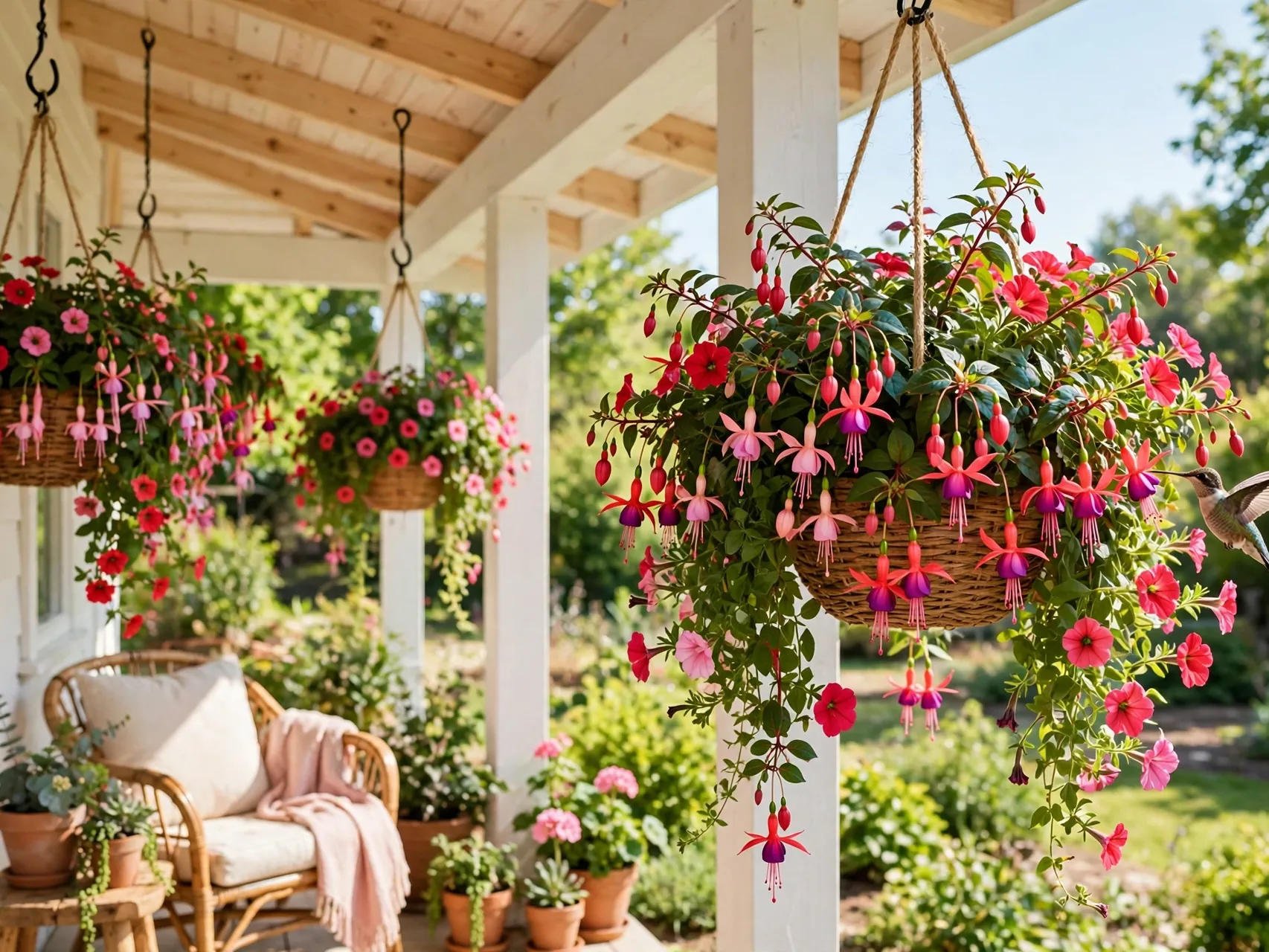
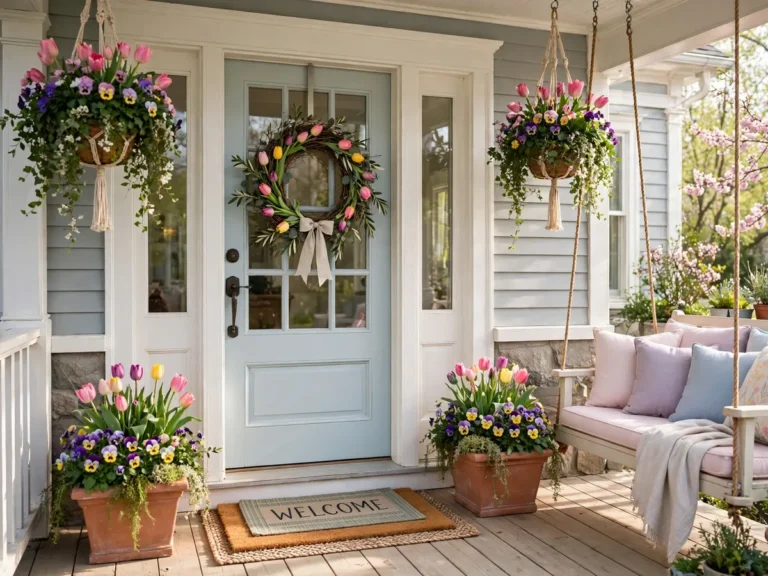
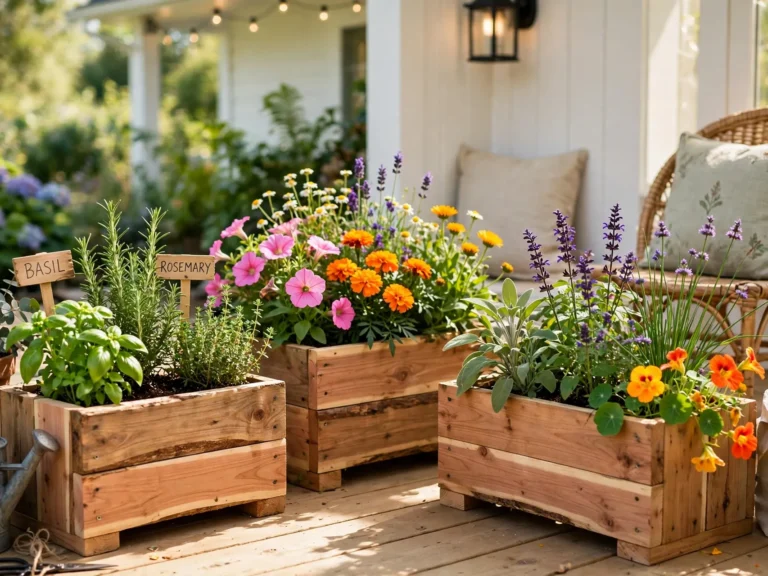
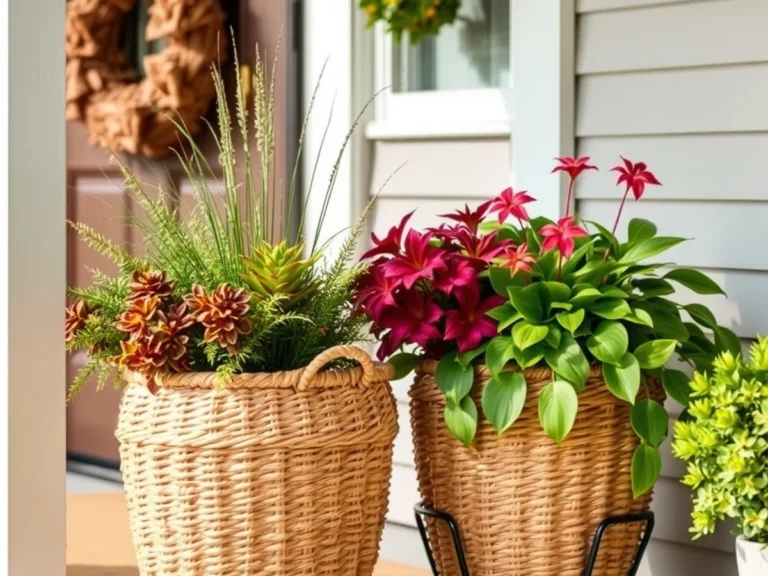
Hanging baskets of fuchsia, lantana, calibrachoa or trailing salvia bring flowers to porch height, right where feeders hang. Baskets suit small spaces and renters, and birds love feeding at a basket beside a chair where you can watch up close.
Water baskets daily in heat, since small soil volumes dry fast, and feed lightly through the season to keep blooms coming. A basket plus a feeder on the same porch is the fastest small space setup in this whole guide, and it can be ready in one afternoon.
19. Grow a Small Tree or Shrub
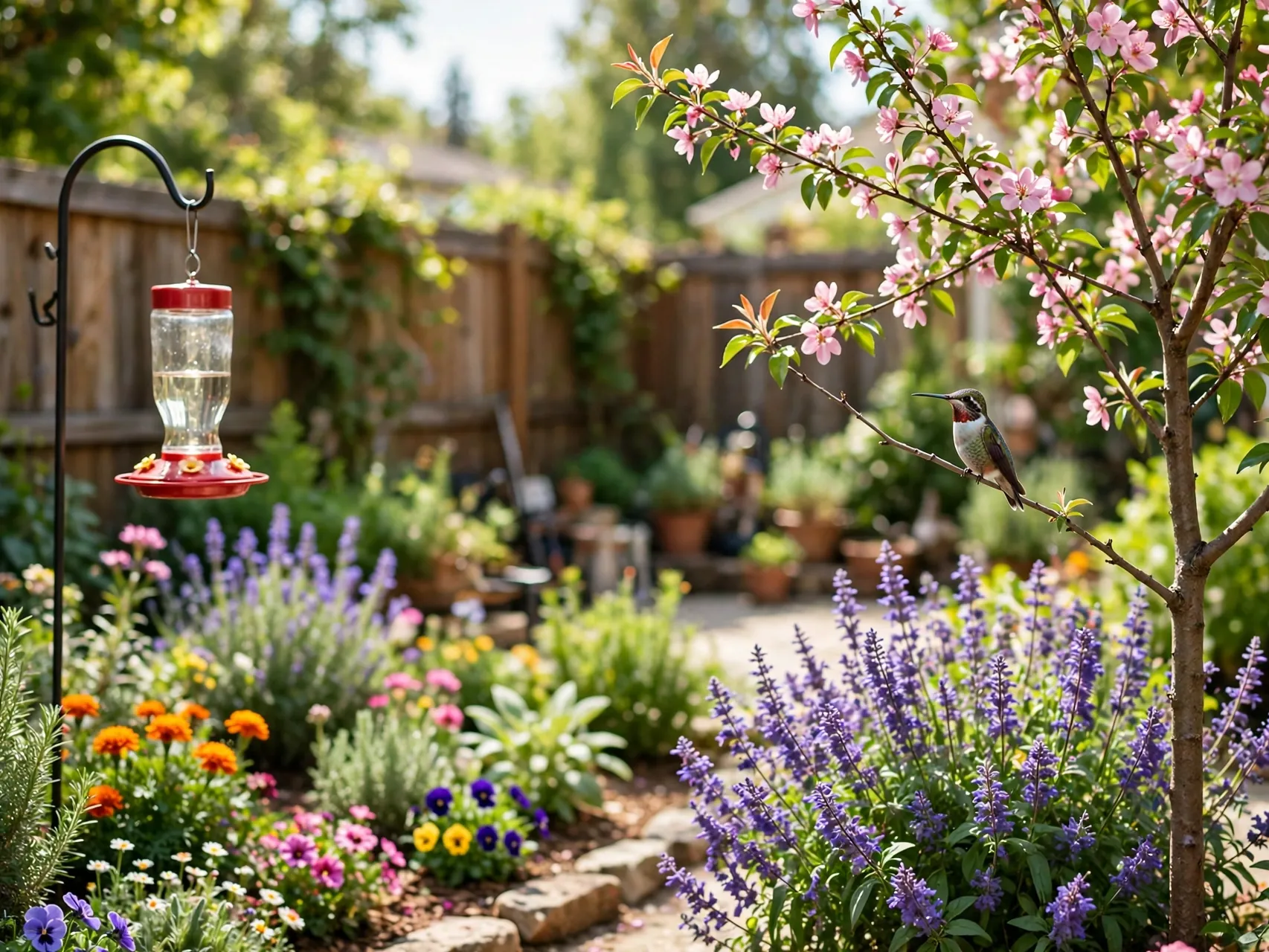
Flowers feed hummingbirds, but trees and shrubs house them. A small tree, a flowering shrub or a dense evergreen gives birds shelter from storms, shade in heat and safe perches away from predators. Nesting females choose forked branches in leafy cover, often near water.
You do not need a forest. One well placed shrub near the feeding area changes how secure the yard feels to a tiny bird. Choose species that also flower or fruit, and the same plant feeds, houses and hides your visitors across the seasons.
20. Offer Nesting Material Nearby
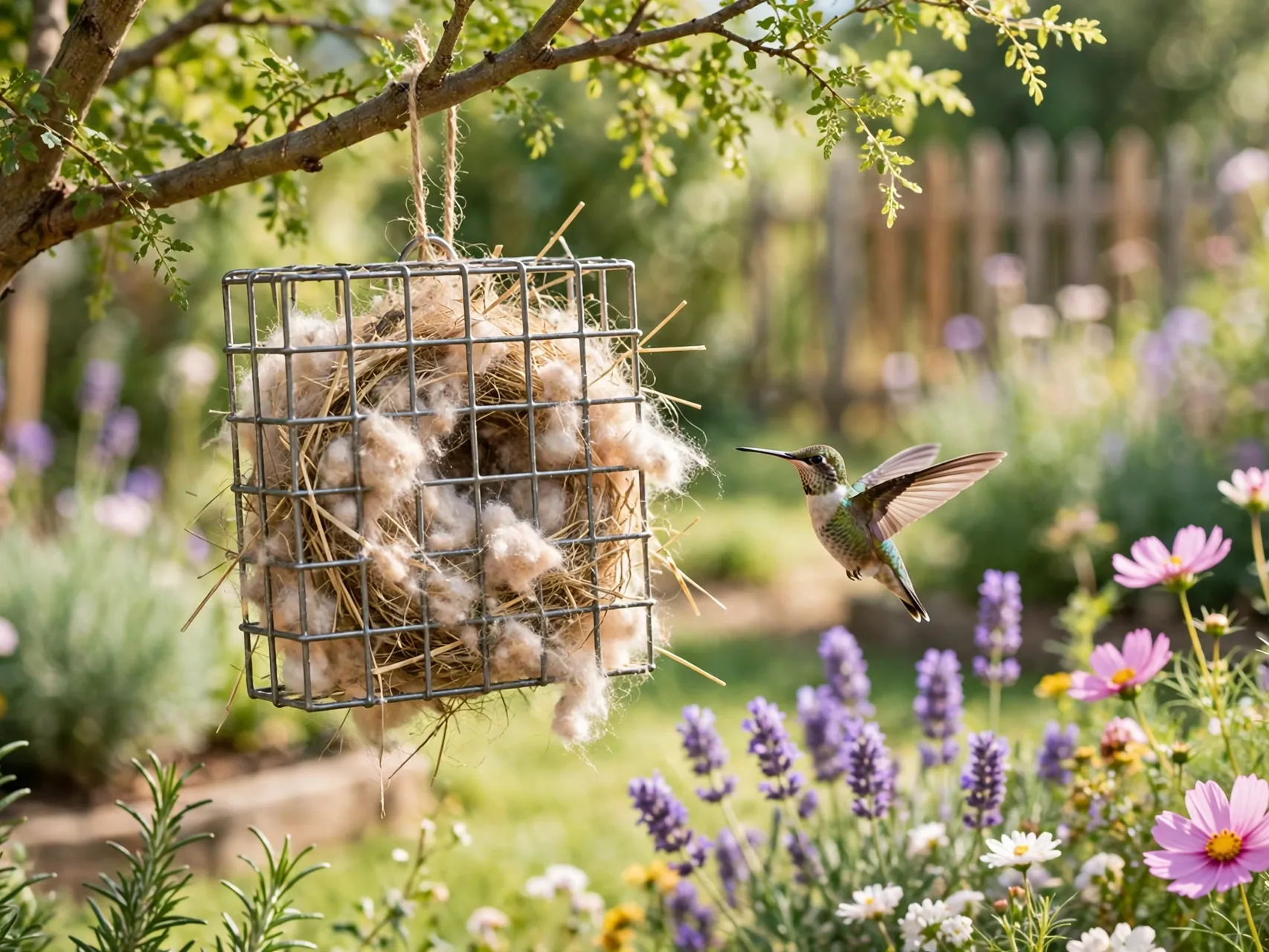
Females build walnut sized nests from plant down, soft fibers and spider silk, lined and camouflaged with lichen. You can help by leaving seed heads, fluffy native plants and a little natural cotton in a suet cage or basket where birds can gather material.
Skip dryer lint and synthetic fibers, which hold water and tangle. Keep material dry and close to cover so gathering trips are short and safe. You may never find the nest, since they are superbly hidden, but a female collecting fluff on your porch is a sight worth the small effort.
21. Place Feeders Near Windows Safely
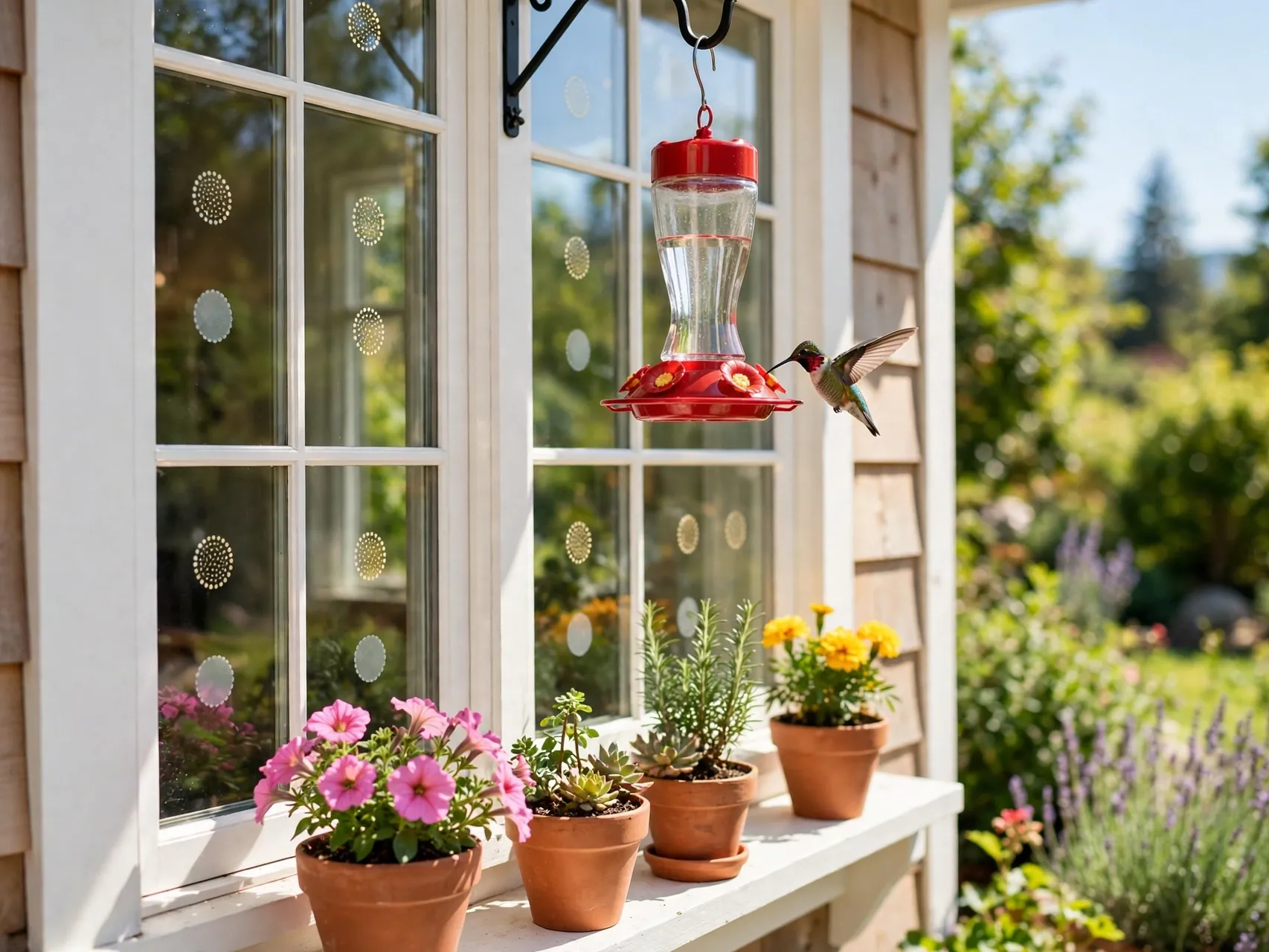
Watching hummingbirds from the kitchen table is half the joy, so hang feeders close to a window you use daily. Very close placement, within about 3 feet, is actually safer than mid distance, since birds cannot build up speed before reaching the glass.
For feeders farther out, place them well away from windows or add window decals and screens to cut reflections. Shade helps nectar last longer, and a spot visible from indoors means you will spot an empty or cloudy feeder quickly and fix it the same day.
22. Keep Feeders Up for Migrants
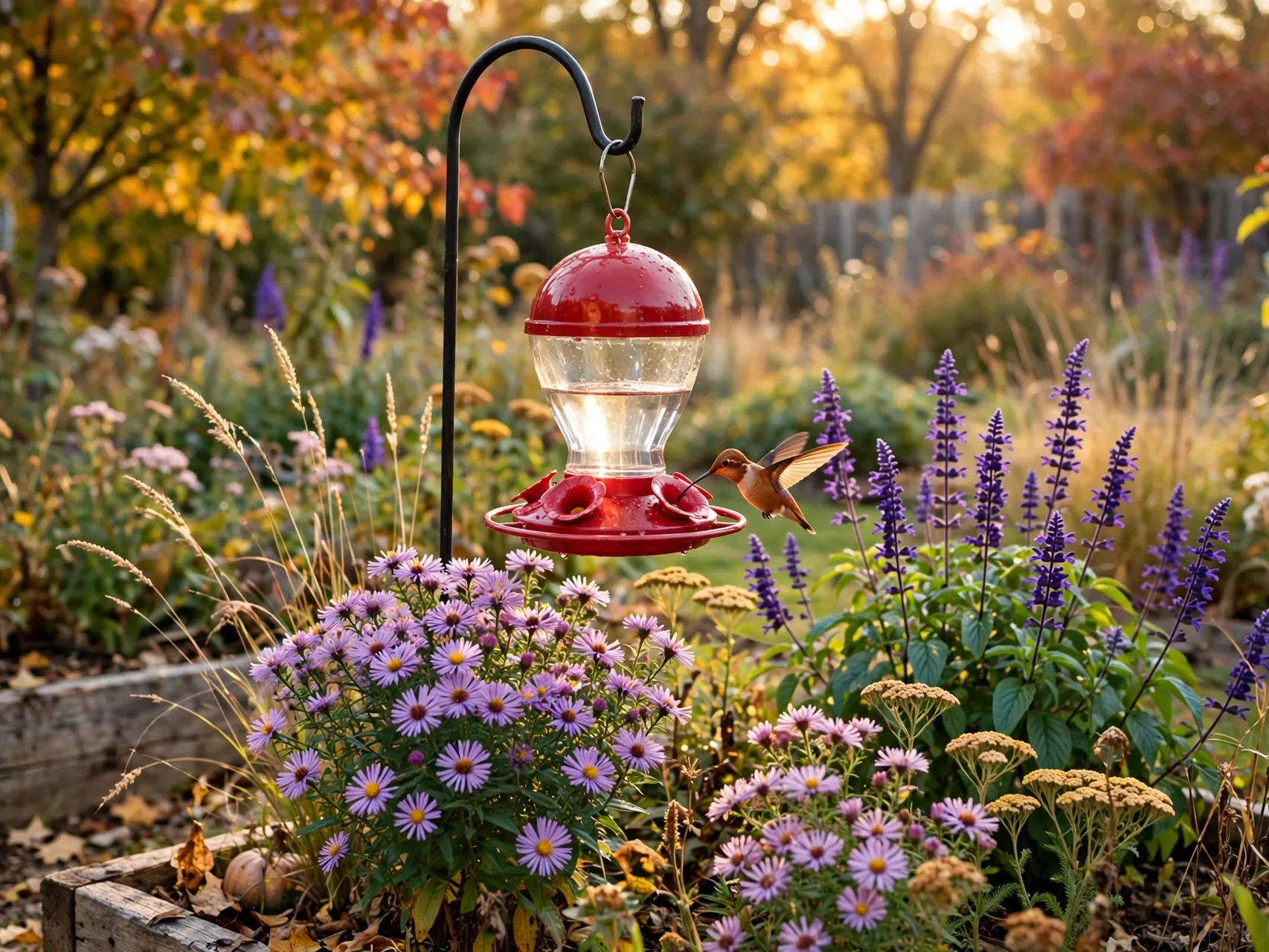
Do not take feeders down on a calendar date. Leaving them up into fall does not stop birds from migrating, since migration is driven by daylight, not food supply. Your feeder may be the refueling stop a late traveler is counting on.
Keep one feeder up at least two weeks after your last sighting, and longer in mild climates where winter hummingbirds occur. In frost free areas some gardeners host Anna hummingbirds all year. Fresh nectar in lean months is a genuine lifeline, not just a treat.
23. Watch and Adjust Weekly
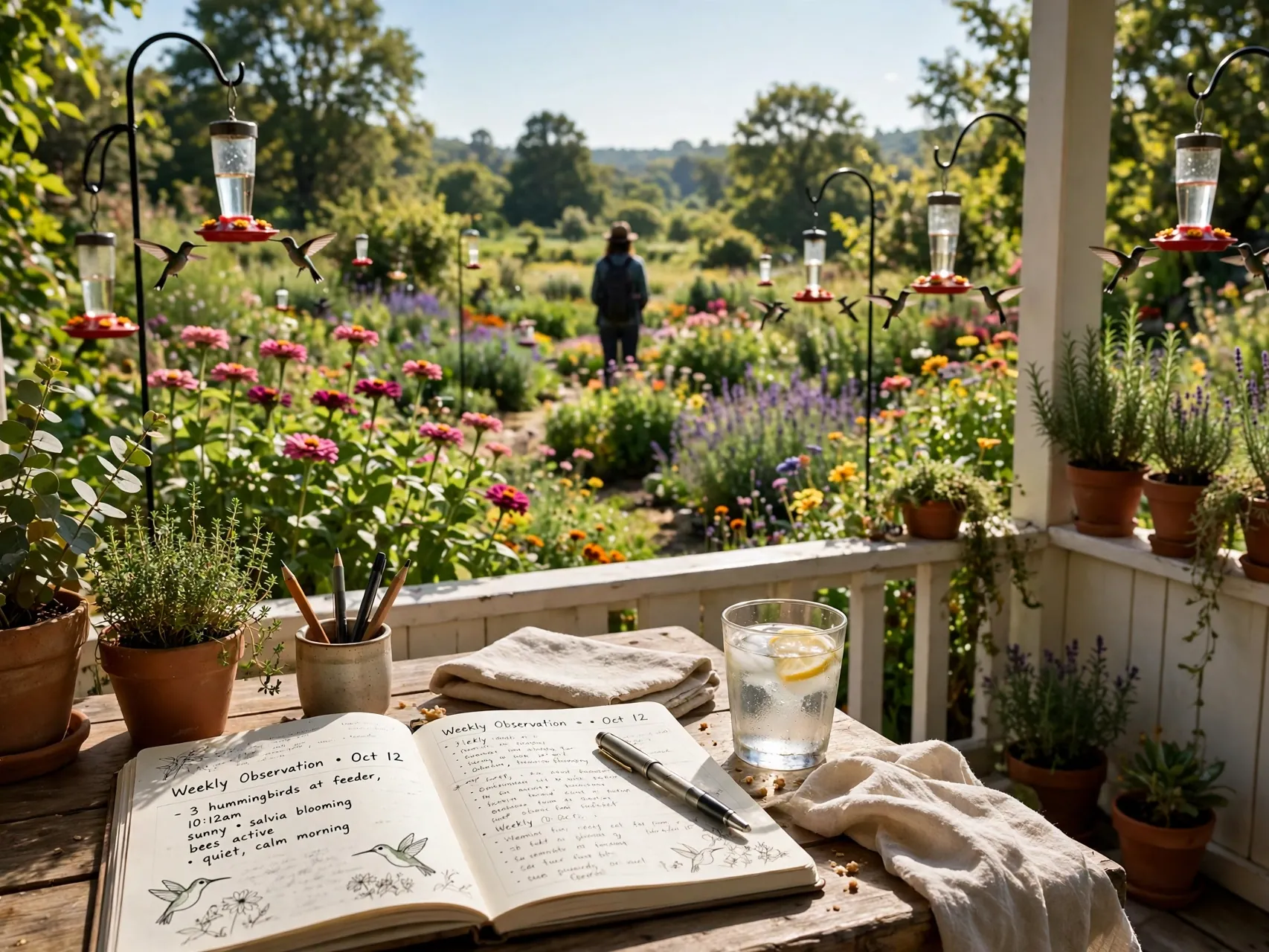
The fastest way to more hummingbirds is to treat your yard as an experiment. Note which flowers get worked hardest, which feeder empties first and where birds like to perch, then add more of what works and move what does not.
Shift a feeder a few feet, add a second cluster of the winning flower, or swap a failing plant without guilt. Gardeners who watch weekly build the yards birds return to, because every change is based on real behavior, not guesses. That habit, more than any single purchase, is how you truly attract hummingbirds for good.
If you are starting from zero, do not try all 23 ideas at once. Hang one clean feeder with correct nectar this week, add one cluster of tubular flowers next week, and put out water the week after. Birds find new stations fast when the basics are right, and a simple setup you maintain beats a grand one you abandon by July.
FAQ
What is the correct hummingbird nectar recipe?
Mix 1 part refined white sugar with 4 parts water, heat until the sugar dissolves, cool, and fill the feeder. Never use honey, brown sugar or artificial sweeteners, and never add red dye. The red feeder parts attract the birds on their own.
How often should I change hummingbird nectar?
Every 1 to 2 days in heat above 90 degrees, every 2 to 3 days in mild weather, and right away if the nectar looks cloudy or shows mold. Scrub the feeder with hot water and a brush at every change.
What flowers attract hummingbirds the fastest?
Tubular red and orange flowers work fastest, especially cardinal flower, bee balm, coral honeysuckle and salvias. Plant them in clusters, not singles, and mix spring, summer and fall bloomers so food never runs out.
Why are hummingbirds not coming to my feeder?
The usual causes are old or cloudy nectar, a feeder hidden from view, ants or bees crowding the ports, or a dominant bird guarding a single feeder. Refresh the nectar, add red accents, fit an ant moat and hang a second feeder out of sight.
Should I take my feeder down in fall?
No. Feeders do not delay migration, which is triggered by daylight. Keep a feeder up at least two weeks after your last sighting to help late migrants, and year round in mild climates where winter hummingbirds stay.
Key Takeaways
- Nectar done right: 1 part white sugar to 4 parts water, no honey, no dye, ever.
- Clean is everything: Change nectar every 1 to 3 days by temperature and scrub at every refill.
- Flowers in clusters: Cardinal flower, bee balm, coral honeysuckle and salvia, planned spring to fall.
- Think habitat, not just food: Water, perches, shelter and no pesticides complete the invitation.
- Manage the bullies: Ant moats, bee guards and a second hidden feeder keep every bird fed.
- Keep it up: Feeders stay up for late migrants, and weekly watching guides your next move.
Save this guide to Pinterest before your next garden center trip, and pin it so your feeder, flowers and water are all ready when the first hummingbird arrives.