
21 Mosquito Repellent Plants That Keep Bugs Far Away
Introduction
A patio ringed with fragrant pots sounds like the perfect bite free evening, and garden centers are happy to sell that dream. The honest truth about mosquito repellent plants is more useful than the dream: the plants help, but only when you use them the right way.
The scented oils that mosquitoes dislike stay locked inside the leaves while a plant sits untouched. Crush the leaves, rub them, burn sprigs or brush past the foliage often, and those oils release and start working for a short while in a small area. An untouched pot, on its own, will not clear a yard.
That is why this guide pairs every plant with its activation method, its best spot and its limits. Used as one layer with fans, dry ground and, when risk is high, an EPA registered repellent on skin, these plants make outdoor time noticeably better.
Start with the strong performers near your chairs, not scattered across the back fence. Proximity is everything with plant based help.
1. Citronella Grass

True citronella grass is a tall tropical grass whose leaves carry the classic citronella scent. It is the source plant behind citronella oil, and it earns its place when you crush a leaf and rub the oils on skin or clothing before you settle outside.
Grow it in a large pot in cold climates and bring it in before frost, since it only overwinters in frost free zones. Keep the pot beside seating where you can reach and bruise leaves easily. Standing alone and untouched, it is mostly a handsome grass, so plan to use it, not just admire it.
2. Lemongrass
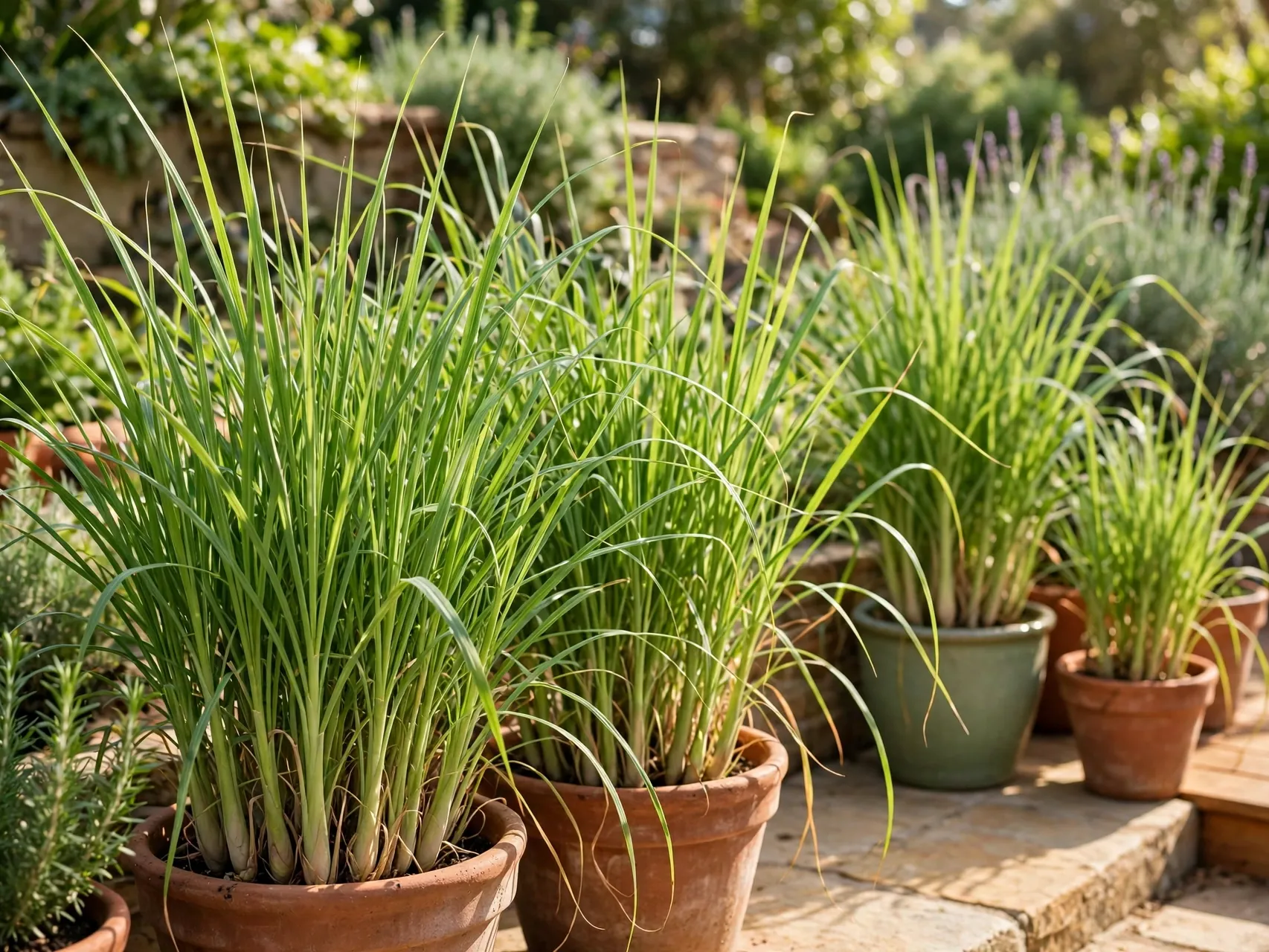
Lemongrass is a close relative with strong citrus oils, and it doubles as a kitchen herb for teas and curries. Snip a stalk, crush the base and rub it, or simmer cut pieces in water for a scented steam near a gathering.
It grows fast and large in summer heat, so give a single plant a big pot of its own. In most US zones it is grown as an annual or overwintered indoors. Keep pets from chewing it, and harvest often, since regular cutting is what keeps the oils flowing and the plant tidy.
3. Lavender

Lavender carries linalool and camphor scents that many insects avoid, and people love, which makes it the easiest sell on this list. Plant it along sunny paths and patio edges where legs and hands brush the flowers and release the scent as you pass.
Dry the flower heads for sachets in drawers and linen cupboards, where they help deter moths indoors. Lavender wants sharp drainage and full sun, and it sulks in heavy wet soil. A raised bed or gravelly spot keeps it happy for years while it quietly works the seating area.
4. Catnip
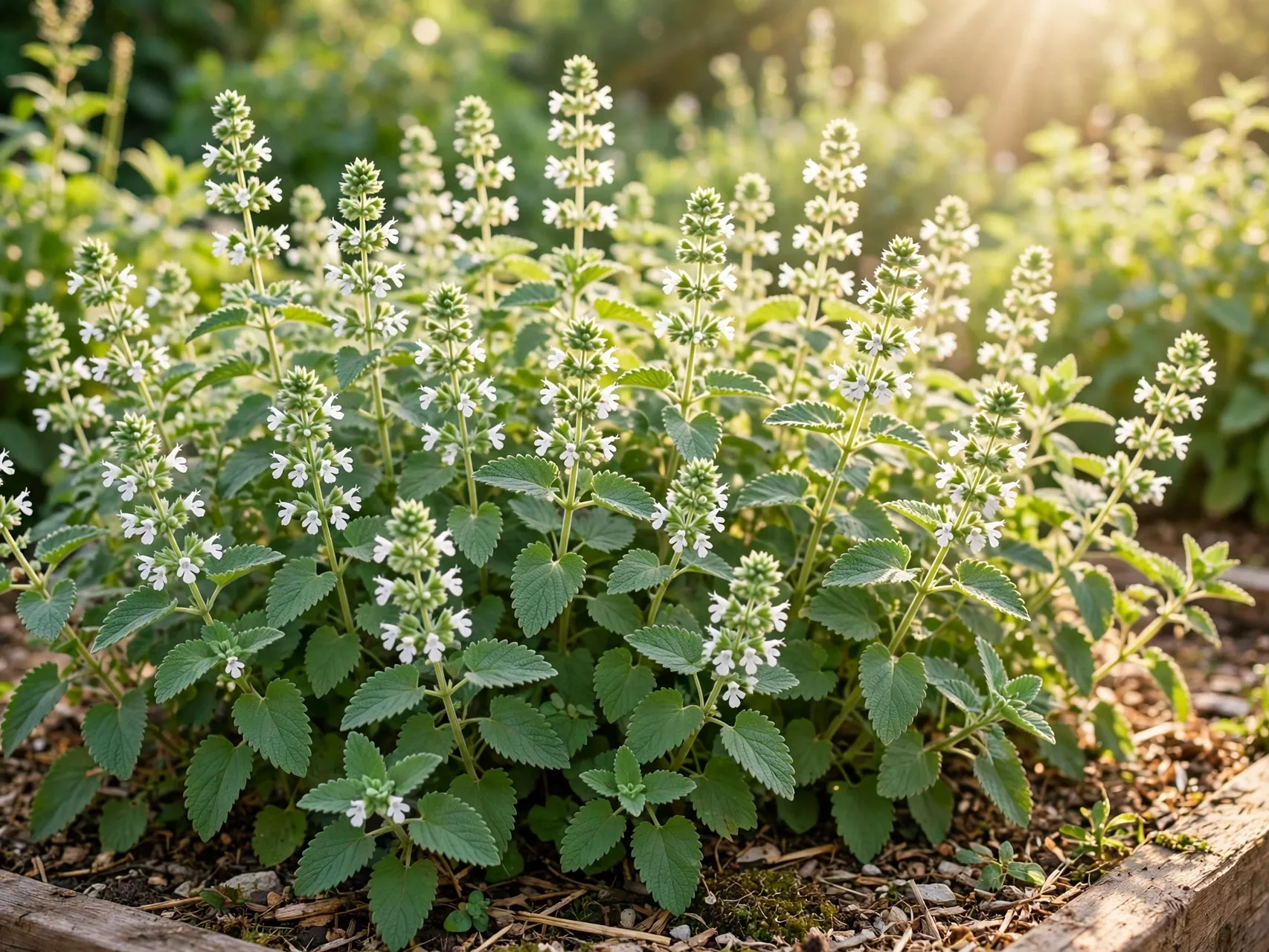
Catnip is the surprise heavyweight. Its oil, nepetalactone, performed strikingly well in lab tests against mosquitoes, which is why researchers keep studying it. In the garden, bruised leaves rubbed on skin give short, local help, much like the other herbs here.
Grow it in a pot unless you want it everywhere, because it spreads like its mint cousins. Neighborhood cats will find it, roll in it and occasionally flatten it, so place the pot where that show is welcome. Dry extra leaves for cat toys and keep the fresh supply for evenings outside.
5. Lemon Balm
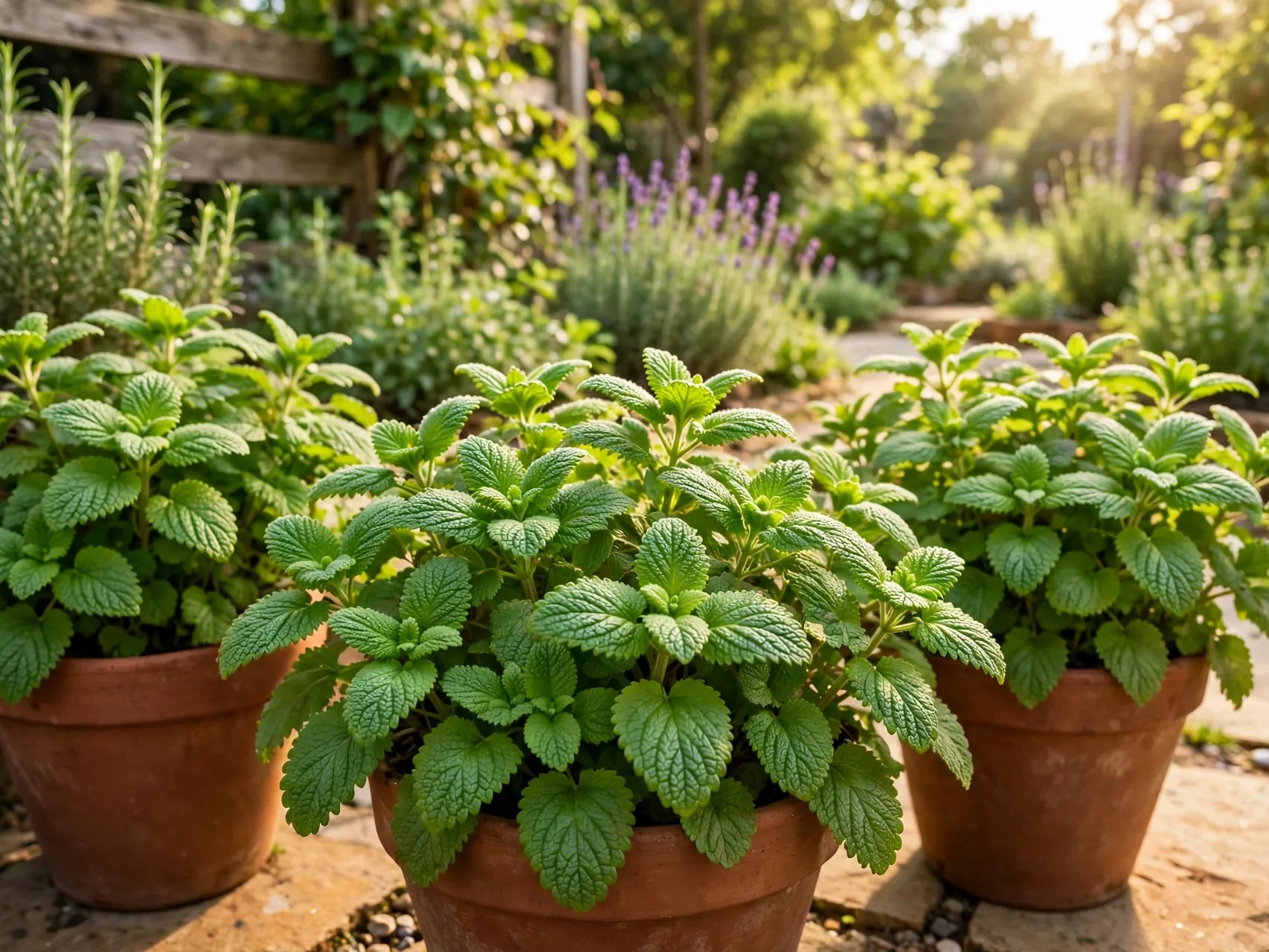
Lemon balm is rich in citronella type compounds and smells like lemon candy when you crush a leaf. Rub fresh leaves on arms and ankles before gardening, and toss a handful into a bowl on the table so guests can help themselves.
This plant spreads with real enthusiasm. Grow it in a pot or a contained corner, cut it back hard a few times a season, and use the trimmings rather than wasting them. It is a perennial in most zones, returns early in spring and gives you the longest season of any plant on this list.
6. Lemon Thyme

Lemon thyme is a low, tidy herb that earns its keep twice, once in the kitchen and once by the patio. Almanac testing has rated crushed lemon thyme among the better performers for short term repellency, and its small leaves release scent easily when stepped on or brushed.
Plant it between stepping stones or at the front of a border where feet and chair legs disturb it. A few sprigs thrown on grill coals as food finishes add a fragrant smoke that helps clear the seating area while everyone gathers for dinner.
7. Basil
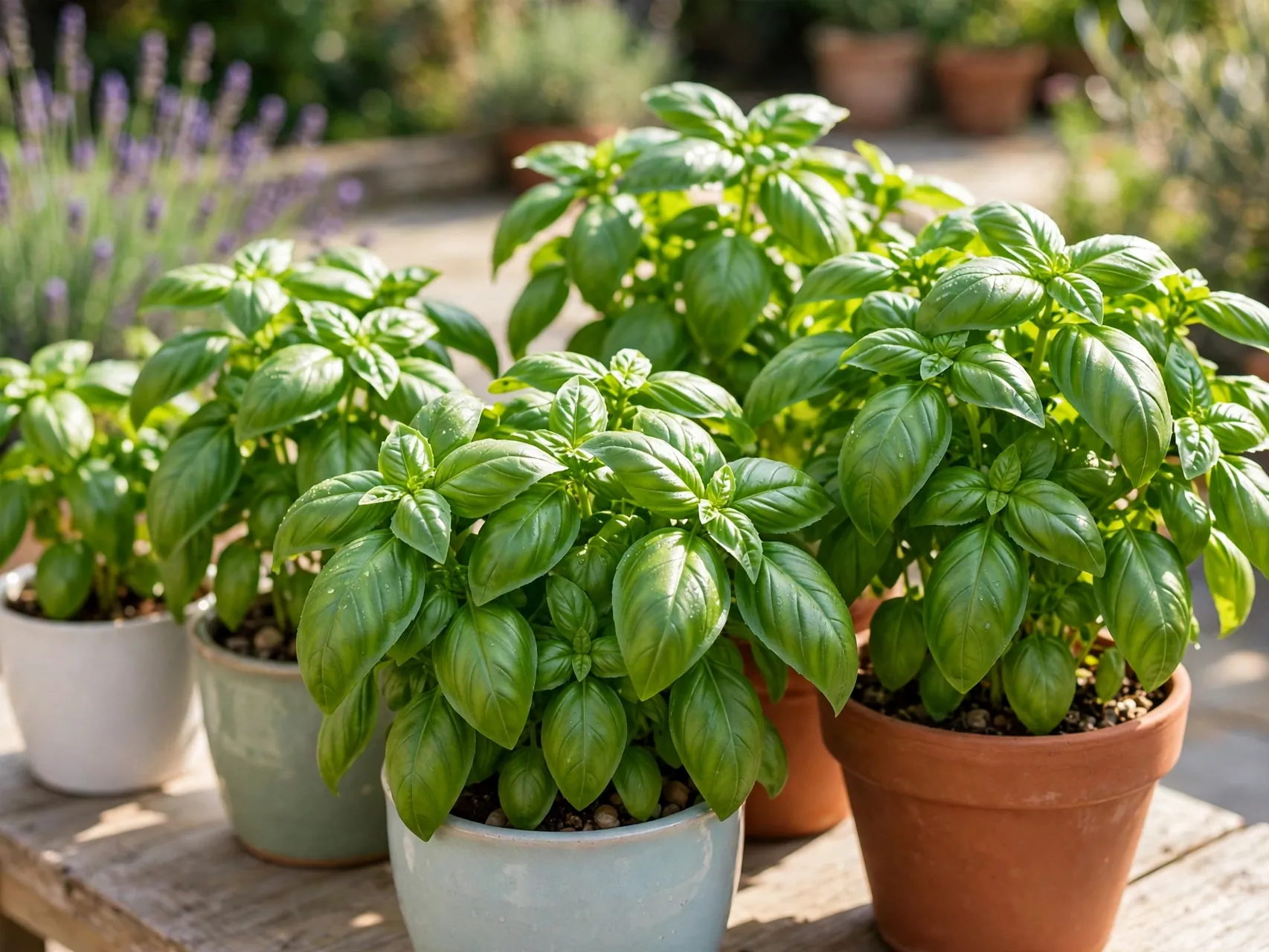
Basil is unusual because its leaves release scent without crushing, which makes a row of pots by the back door genuinely useful. Sweet basil and lemon basil both work, and regular pinching for the kitchen keeps plants bushy and productive.
Grow several pots rather than one hero plant, and rotate them onto the table when you eat outside. Basil hates cold, so treat it as a summer annual in most zones. It will not protect a whole yard, but a basil ringed table is a nicer place to sit at dusk than a bare one.
8. Rosemary

Rosemary is a tough, woody herb whose resinous scent holds up in heat. Its best mosquito trick is smoke: toss fresh sprigs onto the grill or fire pit as you cook, and the aromatic smoke helps keep bugs off the cooks and the crowd nearby.
Plant rosemary in a sunny, well drained spot or a large pot you can move beside the grill. In cold zones, bring potted plants into a bright, cool spot for winter. Harvest with purpose, since every snipped sprig is either dinner, smoke or a crushed leaf rub waiting to happen.
9. Marigolds
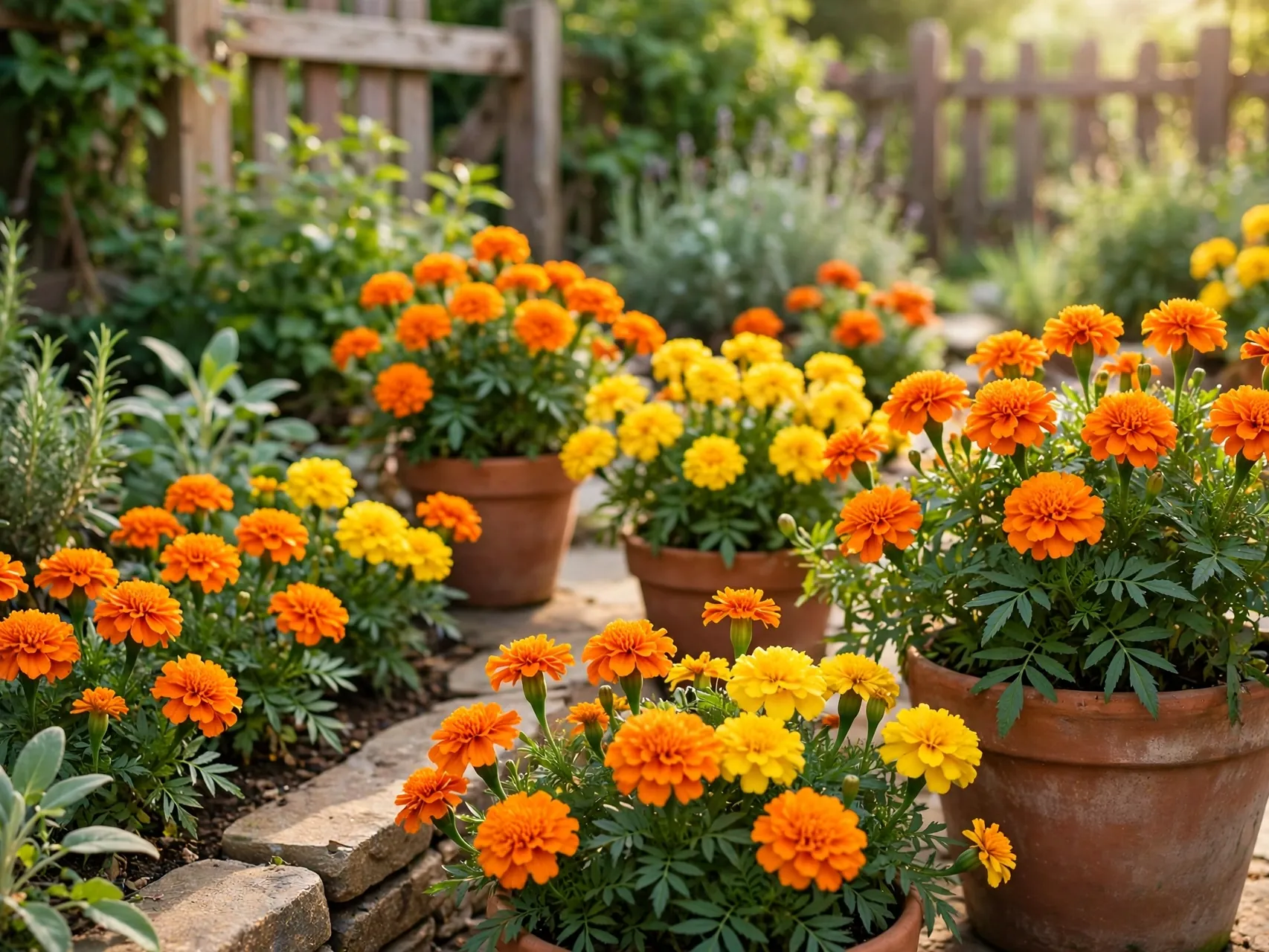
Marigolds bring bold color and a pungent scent that many gardeners swear by around vegetable beds. Their roots are also valued in the veggie patch, where French marigolds are a classic companion planting for soil pest management in rotation plans.
Be honest about the mosquito effect: marigolds alone will not guard a patio. Their value is as part of a layered border near seating, with flowers you brush past and foliage that adds scent to the mix. They bloom until frost, cost little from seed and ask only for sun and deadheading.
10. Mint in Pots
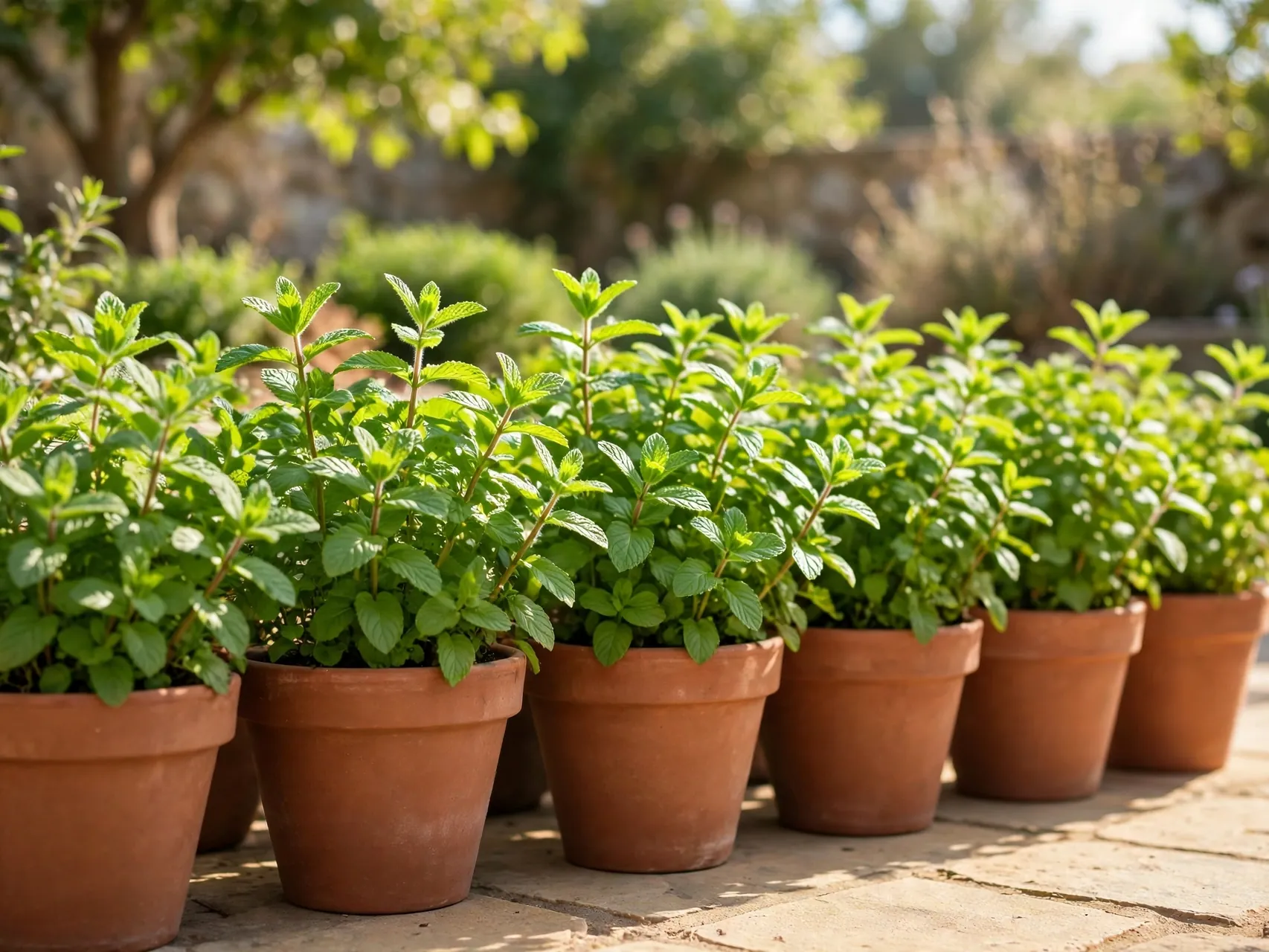
Peppermint and spearmint carry strong menthol scents, and a crushed leaf rubbed on skin is a classic gardener trick before an evening weed session. The plants are vigorous, fragrant and nearly impossible to kill in a pot.
In the ground is another story. Mint spreads by runners and will colonize a bed, so strict pot growing is the rule for this whole plant family, lemon balm and catnip included. Set mint pots at the corners of a deck or beside steps where brushing past them is unavoidable, and pinch them often.
11. Scented Geranium

The plant sold as a citronella or mosquito plant is usually a scented geranium with citronella like foliage. Its scent releases when leaves are bruised, and as a potted patio plant it is pretty and easy to overwinter on a sunny windowsill.
Know two limits before you buy. Untouched, its effect is small, like the rest of this list. And scented geraniums are listed as toxic to dogs and cats, so keep pots up and away from pets that chew leaves. For pet free balconies where you will actually rub the leaves, it earns its spot.
12. Bee Balm
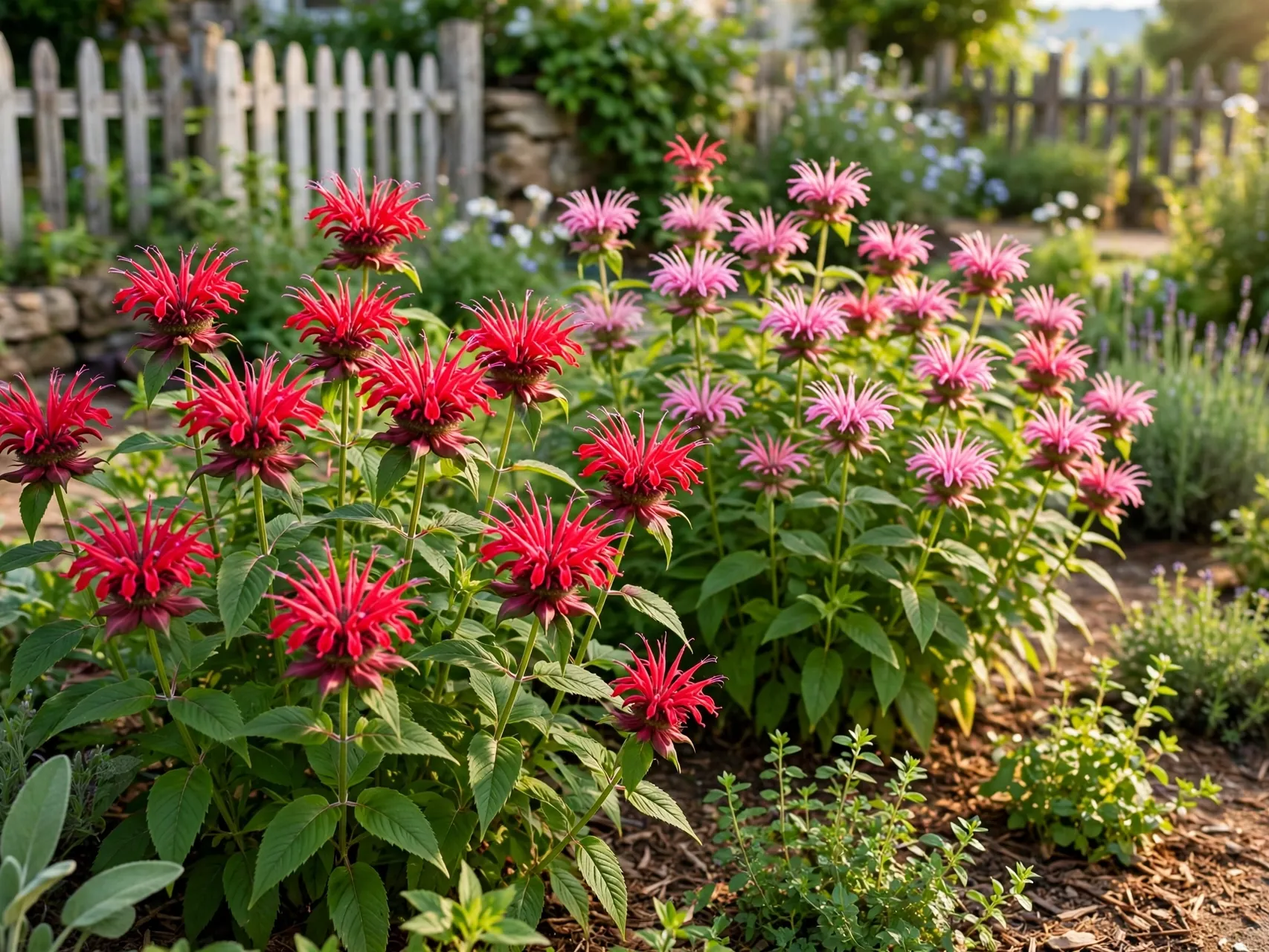
Bee balm leaves carry thymol rich oils with a strong herbal scent when crushed, and the flowers pull in hummingbirds and bees all summer. That double duty makes it a smart pick for a sunny border near, but not right inside, your main seating.
Rub a leaf before you work in the beds nearby, and enjoy the pollinator show while you weed. Bee balm can spread and can mildew in still, damp air, so give it space and sun. It is a garden plant first and a repellent helper second, and it is excellent at both jobs.
13. Garlic
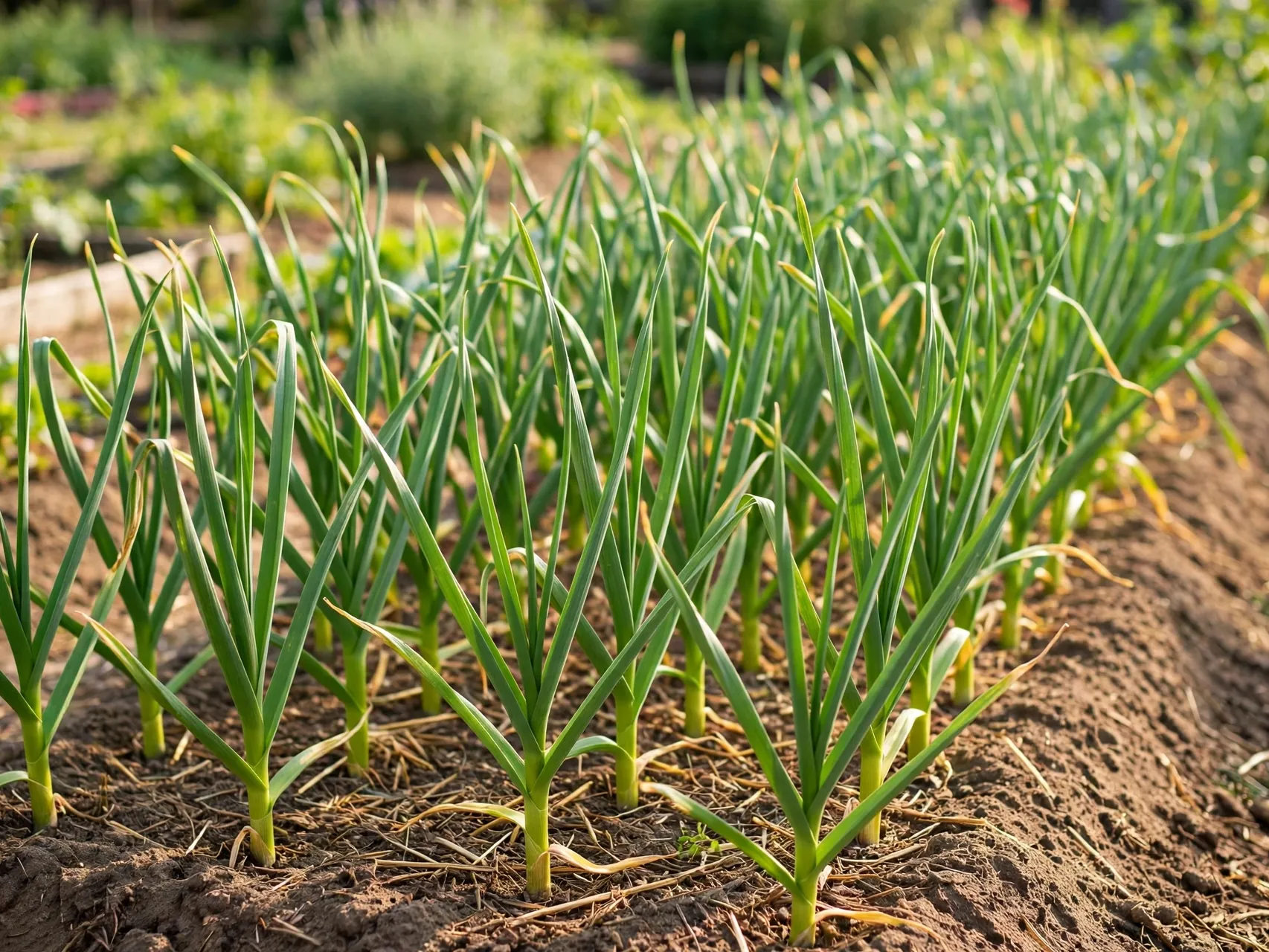
Garlic is more legend than shield. Eating it has not been shown to keep mosquitoes away, and a growing garlic bed will not guard your chairs. Where garlic does help is crushed, as a strong scented rub, though most people find it as hard on friends as on bugs.
Grow garlic for the kitchen and let its reputation rest. If you experiment with garlic sprays on plants for other pests, test on a small area first. For mosquito duty by the patio, the herbs above deliver the same idea in a scent you will actually enjoy wearing.
14. Ageratum

Ageratum, also called floss flower, produces coumarin, a compound used in some repellent research, and its fuzzy blue, pink or white blooms soften border edges all season. It is a tidy annual for the front of beds near paths and seating.
Its garden effect is mild, so plant it for looks first and count any bug benefit as a bonus. Ageratum shines in containers mixed with trailing plants by a door, where every entry brushes the foliage. Deadhead lightly and it will flower from early summer until the first hard frost.
15. Lemon Eucalyptus

Lemon eucalyptus is the source of oil of lemon eucalyptus and its active compound PMD, which the CDC recognizes in registered repellent products. That recognition belongs to the concentrated oil in tested products, not to a potted tree on your porch, and the difference matters.
Grow it as a fast, fragrant container tree in warm zones or as a summer patio specimen elsewhere, crushing leaves for short local scent like the other plants here. For real protection on hikes or in high risk areas, use a registered product with PMD or another EPA registered active, applied as the label directs.
16. Pennyroyal With Caution

Pennyroyal has a long folk history as a flea and mosquito herb, and its strong minty scent is real. It also deserves the clearest warning on this list: pennyroyal oil is toxic, and the plant should not be used on skin, around children or where pets and livestock can eat it.
For most home gardens, the right call is to skip it and choose lemon balm or mint instead, which give similar scent with far less risk. It appears here so you recognize it in old advice and seed lists, and choose a safer plant with your eyes open.
17. Floss Flower Borders by the Door

Placement can matter as much as plant choice. A low border of ageratum, lemon thyme and marigolds along the path to your door gets brushed by every arrival, releasing small puffs of scent exactly where people pause with arms full of groceries.
That pause point is where bites happen, on ankles, at dusk, by a bright porch light. Scented planting at thresholds, steps and gate latches puts your plants that repel mosquitoes where they can do their limited, honest work, instead of wasting them along a back fence nobody stands near.
18. Herb Spiral Near Seating

An herb spiral or a tight cluster of pots puts basil, rosemary, lemon balm, mint and lemon thyme within arms reach of your chairs. That reach is the whole strategy. Plants you can touch get crushed, and crushed plants are the only ones helping.
Build the cluster at chair height where possible, with a small table for a bowl of cut leaves. Guests will rub leaves between their palms once they see you do it, and the scent becomes part of the evening rather than a chore. Refill the bowl as you refill drinks.
19. Crushed Leaf Rub Station

Make the method official with a tiny station: a pair of snips, a small basket and the weeks cut herbs on the patio table. Rubbing a crushed leaf on exposed skin gives roughly half an hour of lighter protection in almanac testing, so reapplying is part of the ritual, like passing the lemonade.
Patch test first if your skin is sensitive, keep oils away from eyes, and skip plant rubs for babies and toddlers, who should be protected with netting over strollers and age appropriate guidance instead. The station turns a limit into a habit, and habits are what make plants useful.
20. Smoke Sprigs on the Grill
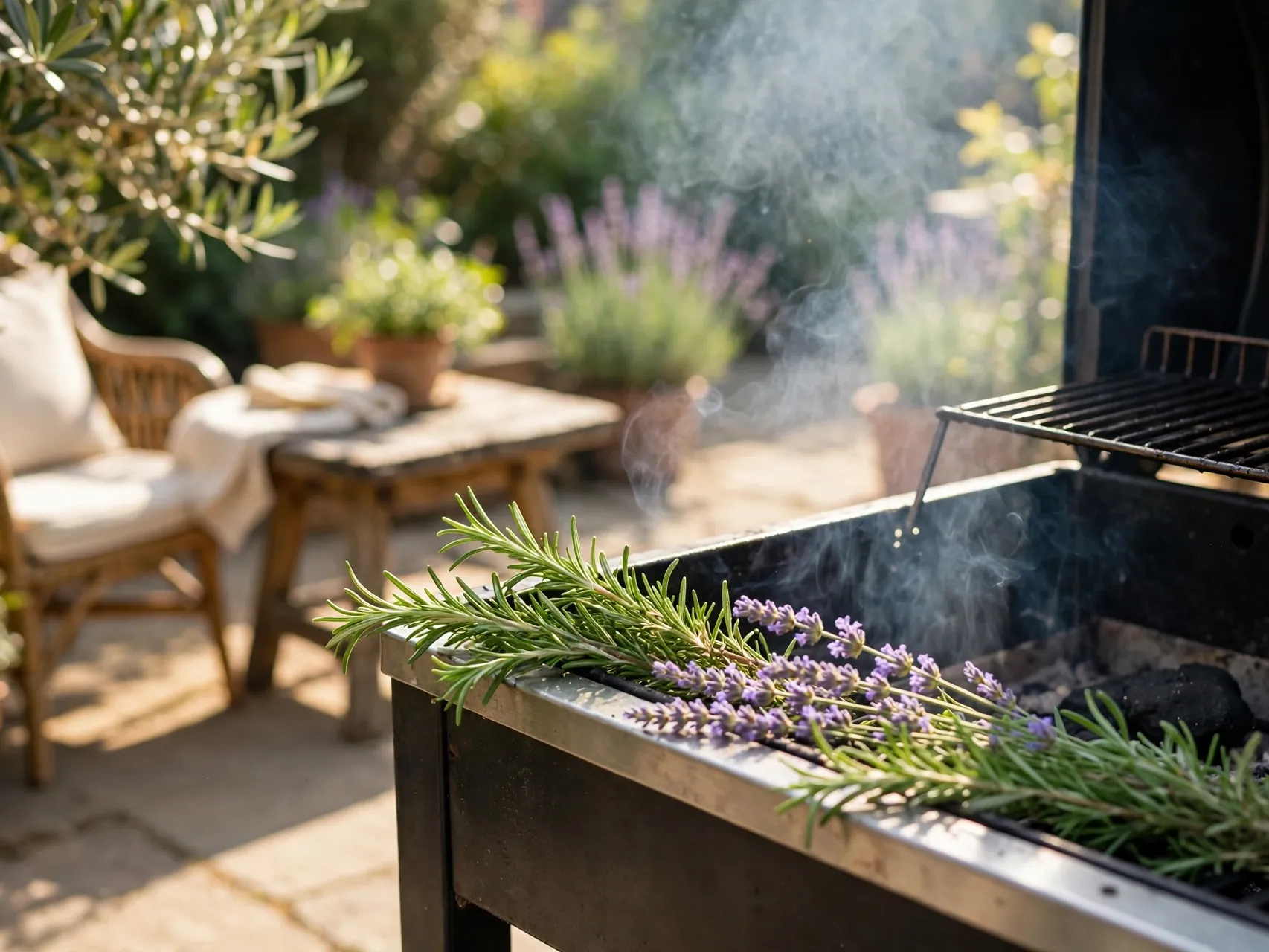
Fire is an old mosquito tool, and scented smoke is its friendliest form. Rosemary, lavender stems and lemon thyme tossed on coals or into a fire pit as you gather will not sterilize the yard, but the fragrant smoke makes the seating circle noticeably less popular with bugs while it lasts.
Time it for the worst window, the still hour around dusk when mosquitoes feed hardest. Keep smoke gentle and downwind of food once cooking is done, observe local fire rules, and never leave a fire or grill unattended. Smoke is a layer, not a solution, and it pairs well with a fan.
21. The Layered Patio Plan

The best use of the best mosquito repellent plants is as one layer in a simple system. Remove standing water weekly from saucers, toys and tarps, since that is where mosquitoes breed. Run a fan by seating, because mosquitoes are weak fliers and moving air defeats them better than scent alone.
Then add your plants at touch points, crush leaves on schedule, and use a registered repellent on skin when biting pressure or disease risk is high. Gardeners who layer honestly get comfortable evenings. Gardeners who trust a single pot get bitten, and then blame the plant for a promise it never made.
If you buy only three plants this weekend, make it lemongrass for the big pot by the chairs, basil for the table and lemon balm in a contained corner. Crush, rub, repeat, and add a fan. That small, honest kit outperforms a yard full of untouched natural mosquito control plants every single evening.
FAQ
Do mosquito repellent plants work if you just plant them?
Only a little. The oils that mosquitoes dislike are stored inside the leaves and release when foliage is crushed, rubbed or burned. An untouched plant gives minimal protection, which is why placement at touch points and regular crushing matter so much.
What is the strongest mosquito repellent plant?
Citronella grass and lemongrass carry the most familiar repellent oils, catnip oil performed very well in lab tests, and lemon eucalyptus is the source of PMD used in registered repellents. In a real yard, the strongest plant is the one you actually crush and use.
Are mosquito repellent plants safe for dogs and cats?
Some are not. Scented geraniums are listed as toxic to dogs and cats, lemongrass should not be eaten by pets, and pennyroyal is best avoided entirely. Check the ASPCA plant lists before planting where pets graze, and keep potted plants out of chewing reach.
How long does crushed leaf protection last?
Testing summarized by the Farmers Almanac puts crushed leaf protection at about 30 minutes before you need to reapply. Treat it as short, local help for sitting outside, not as all evening or hiking protection.
What else should I do besides planting?
Dump standing water weekly, run a fan near seating, and wear an EPA registered repellent when biting pressure is high or mosquito borne disease is a local concern. Plants are a pleasant layer in that system, never a replacement for it.
Key Takeaways
- Crush to activate: Repellent oils release when leaves are crushed, rubbed or burned, not while a plant sits untouched.
- Plant at touch points: Doors, steps, paths and chair side pots beat a pretty border across the yard.
- Top picks to start: Lemongrass, citronella grass, basil, lemon balm and lemon thyme cover scent, kitchen and container use.
- Mind pets and spread: Keep scented geranium from pets, skip pennyroyal, and pot every mint family spreader.
- Layer your defense: Standing water removal, a fan and a registered repellent for high risk times do the heavy lifting.
- Reapply like a ritual: Crushed leaf help lasts about 30 minutes, so keep cut herbs on the table.
Save this guide to Pinterest before your next nursery run, and pin it so your patio planting plan is ready before the first warm evening.