24 Indoor Plants for Beginners That Are Hard to Kill
Introduction
Every confident plant owner started with one forgiving plant on one windowsill. The secret is not a green thumb, it is picking indoor plants for beginners that store water, tolerate average room light, and shrug off a missed watering while you learn. Every plant on this list was chosen for exactly that forgiving nature.
Start with light, because light decides everything else. Bright indirect light near a window suits most of these plants, and even low light tolerant ones still need some daylight. A windowless room will not keep any plant going without a grow light.
Then be honest about watering. If you travel or forget, choose the drought tolerant plants first. A pot with drainage and a finger test in the soil will save more plants than any schedule.
One safety note: several popular houseplants are toxic to cats and dogs if chewed, and the ASPCA plant list is the place to check any plant before it comes home. Pet safe picks are flagged below.
1. Snake Plant for the Forgetful Waterer

Upright, sword shaped leaves make the snake plant the most sculptural plant on this list, and it stores water in those thick leaves, so it waits patiently between drinks. It tolerates low light, though it grows faster in brighter spots. The ASPCA lists snake plant as toxic to cats and dogs, so place it where pets do not chew leaves.
Water only when the soil feels dry below the surface, then water deeply and empty the saucer. Extension guidance is consistent: overwatering and poor drainage cause more beginner losses than underwatering.
2. ZZ Plant for Low Light Corners

Glossy leaflets on arching stems give the ZZ plant a polished look in rooms that never get strong sun. It grows from thick underground rhizomes that store water, which is why it survives business trips and busy months. It is slow in dim light but steady. Keep it away from pets, as the ASPCA lists it as toxic if ingested.
Rotate the pot a quarter turn weekly for even growth, and move it closer to a window if new growth turns pale or leggy. Low light tolerant never means no light.
3. Golden Pothos for Shelves and Hanging Pots
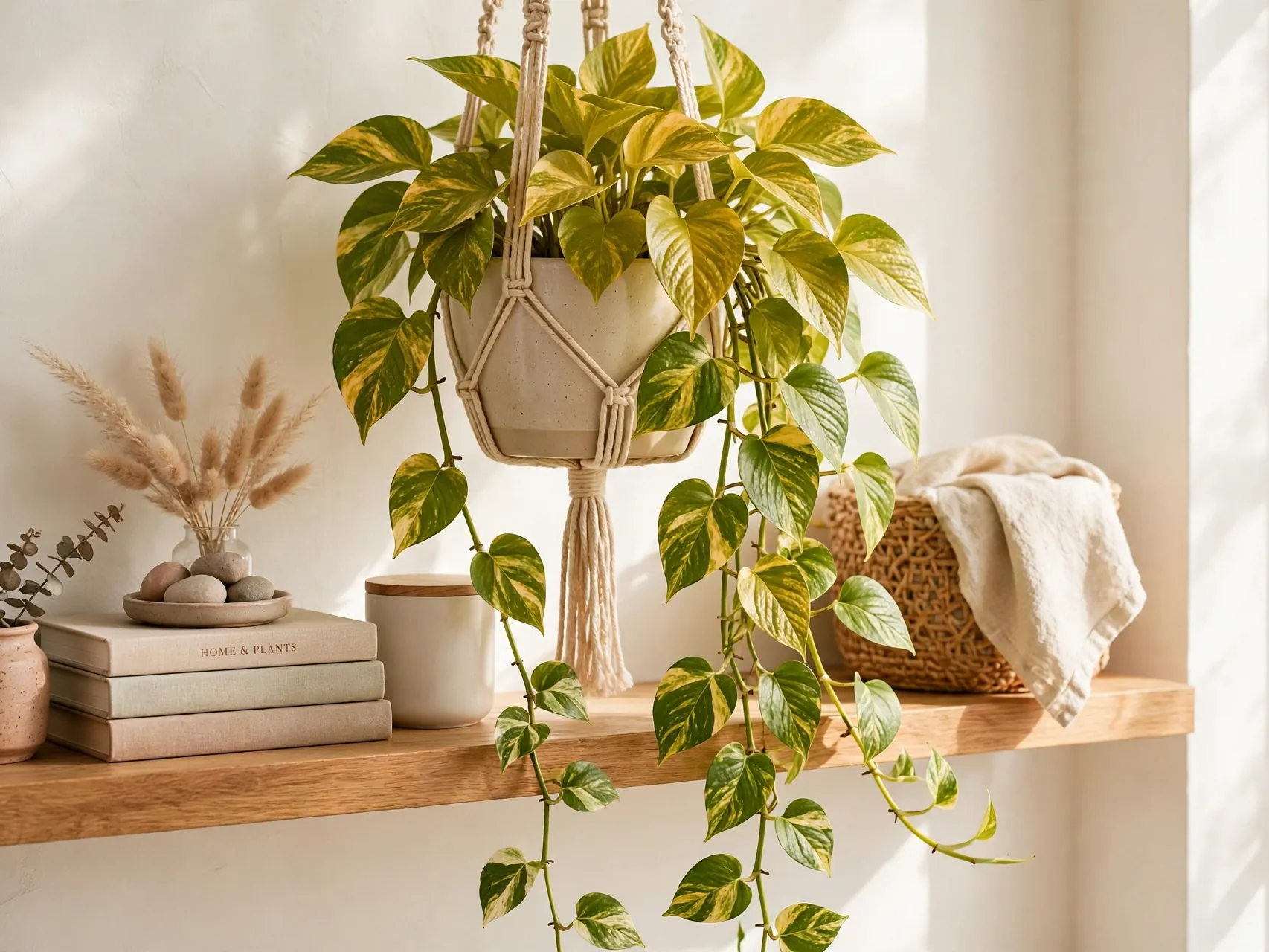
Pothos is the trailing plant beginners succeed with first: heart shaped leaves, fast growth, and easy cuttings you can root in water and share. It climbs, trails, and forgives both a late watering and a dim corner. The trade off is pet safety, since the ASPCA lists pothos as toxic to cats and dogs, so hang it high and out of reach.
Feed lightly in spring and summer only, at label strength, and skip feeding stressed plants. Growth slows in winter, so water and food both ease back then.
4. Spider Plant for a Pet Safe Classic

Arching striped leaves and dangling baby plantlets make the spider plant cheerful and generous, and those babies root easily for free new plants. It likes bright indirect light and a drink when the top of the soil dries. Best of all for pet homes, the ASPCA lists spider plant as non-toxic to cats and dogs.
Check leaf undersides weekly. Sticky leaves, webbing, or tiny specks mean isolate the plant, wipe the leaves, and recheck until it stays clean.
5. Heartleaf Philodendron for Easy Trailing
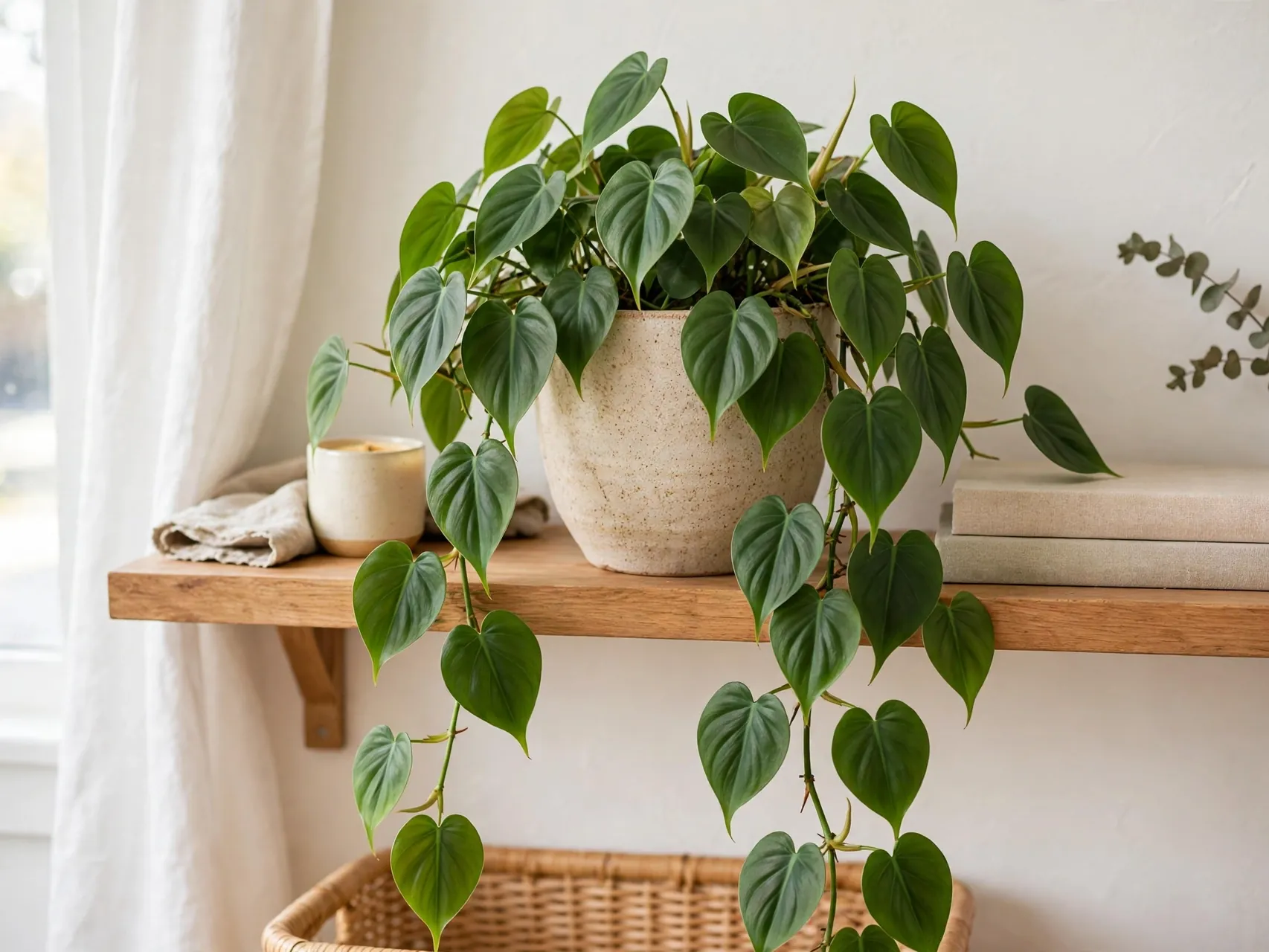
Heartleaf philodendron trails like pothos but with softer, smaller leaves and an even more relaxed attitude about light. Pinch long stems to keep it full, and root the cuttings to thicken the pot. Like its pothos cousin, it contains calcium oxalate and is listed by the ASPCA as toxic to pets, so shelves and hanging pots are its safest homes.
Repot only when roots circle the drainage hole, and go one size up in spring. A much larger pot holds wet mix around small roots, which invites rot.
6. Cast Iron Plant for the Darkest Room
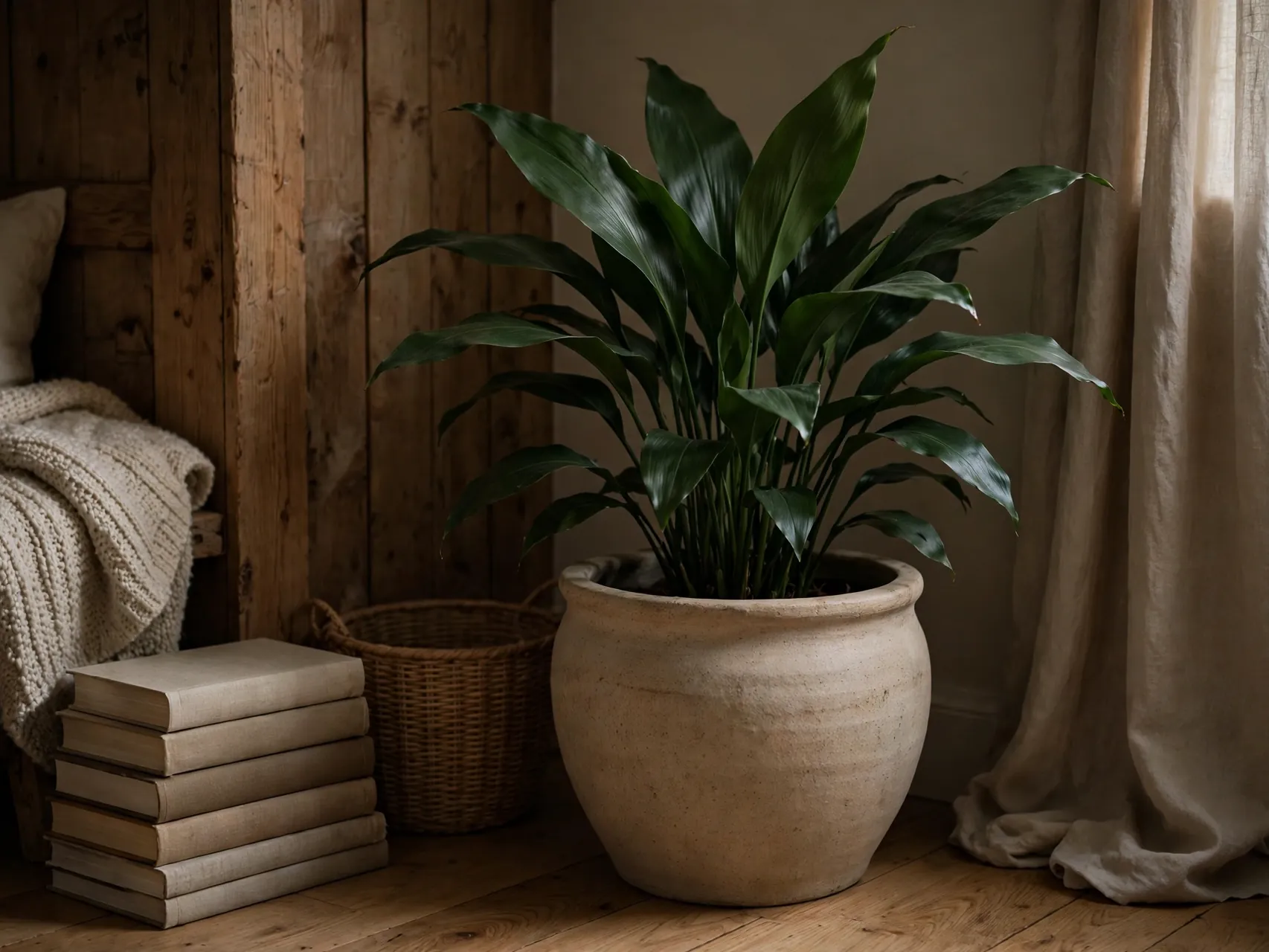
The cast iron plant earned its name in Victorian parlors with low light and little care, and it still suits north facing rooms and hallways today. Broad, dark leaves grow slowly and ask only for occasional water and no direct sun. It is one of the toughest choices here for anyone whose rooms simply do not get bright light.
Water only when the soil feels dry below the surface, then water deeply and empty the saucer. Extension guidance is consistent: overwatering and poor drainage cause more beginner losses than underwatering.
7. Chinese Evergreen for Color in Low Light
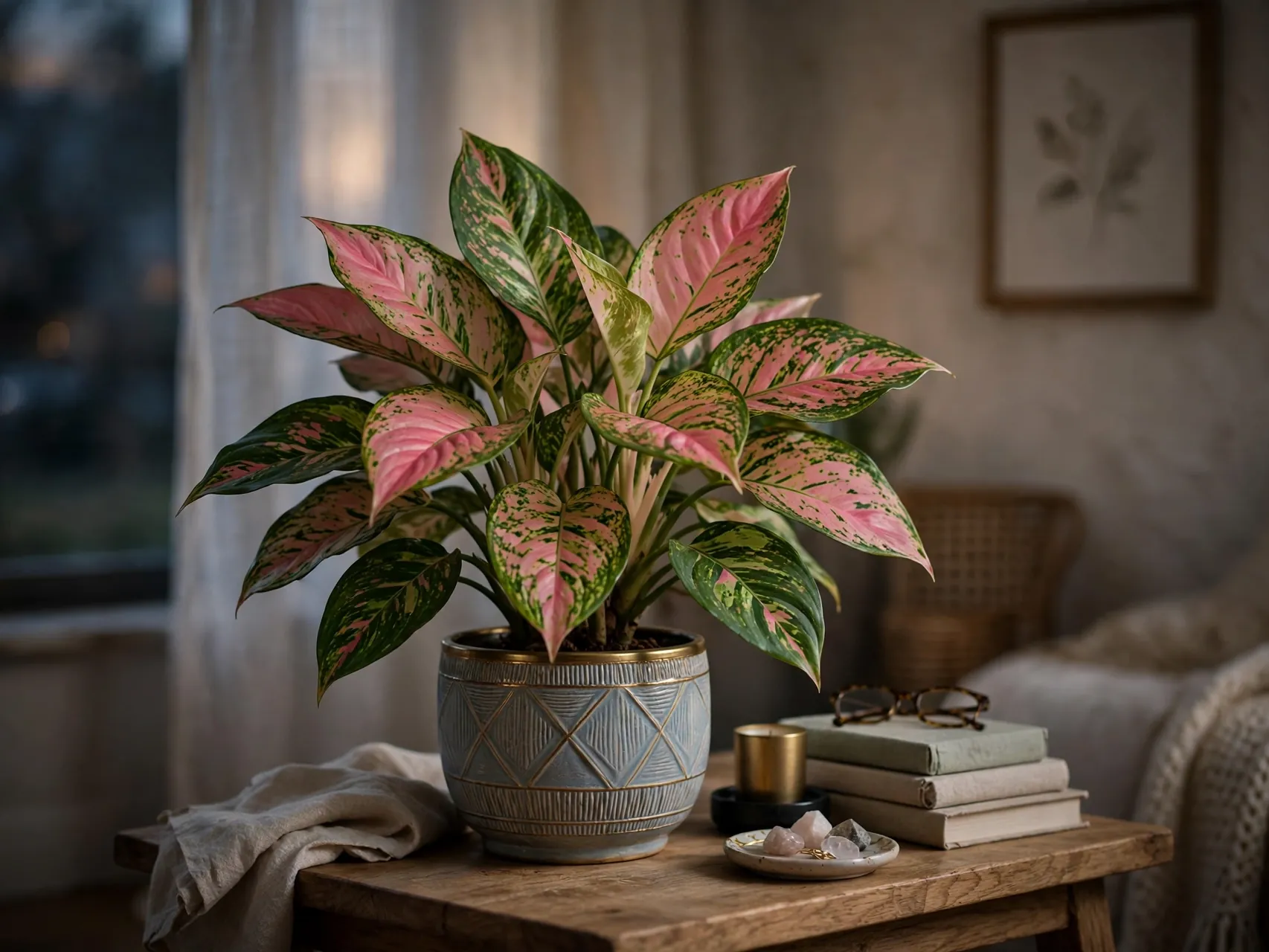
Chinese evergreen brings patterned leaves in silver, cream, pink, and red greens to spots most flowering plants refuse. It tolerates low light, likes steady, light moisture, and grows slowly enough to stay tidy on a desk or side table. The ASPCA lists it as toxic to cats and dogs, so enjoy the color in a spot pets cannot reach.
Rotate the pot a quarter turn weekly for even growth, and move it closer to a window if new growth turns pale or leggy. Low light tolerant never means no light.
8. Peace Lily for a Clear Thirst Signal

Peace lilies tell you exactly when they are thirsty: the leaves droop, and they lift again within hours of a good drink, which makes them wonderful teachers for new plant owners. White blooms appear in bright indirect light. Keep the soil lightly moist rather than soggy, and note that the ASPCA lists peace lily as toxic to pets.
Feed lightly in spring and summer only, at label strength, and skip feeding stressed plants. Growth slows in winter, so water and food both ease back then.
9. Dracaena for Height Without Fuss

Dracaenas give you height, a small tree shape, without a tree sized care routine. Strappy leaves in green, striped, or red edged forms suit floor corners and tabletops, and they tolerate missed waterings once settled. Bright indirect light keeps the markings strong. The ASPCA lists dracaena species as toxic to cats and dogs, so floor plants need a pet free room.
Check leaf undersides weekly. Sticky leaves, webbing, or tiny specks mean isolate the plant, wipe the leaves, and recheck until it stays clean.
10. Peperomia for Small Spaces and Desks
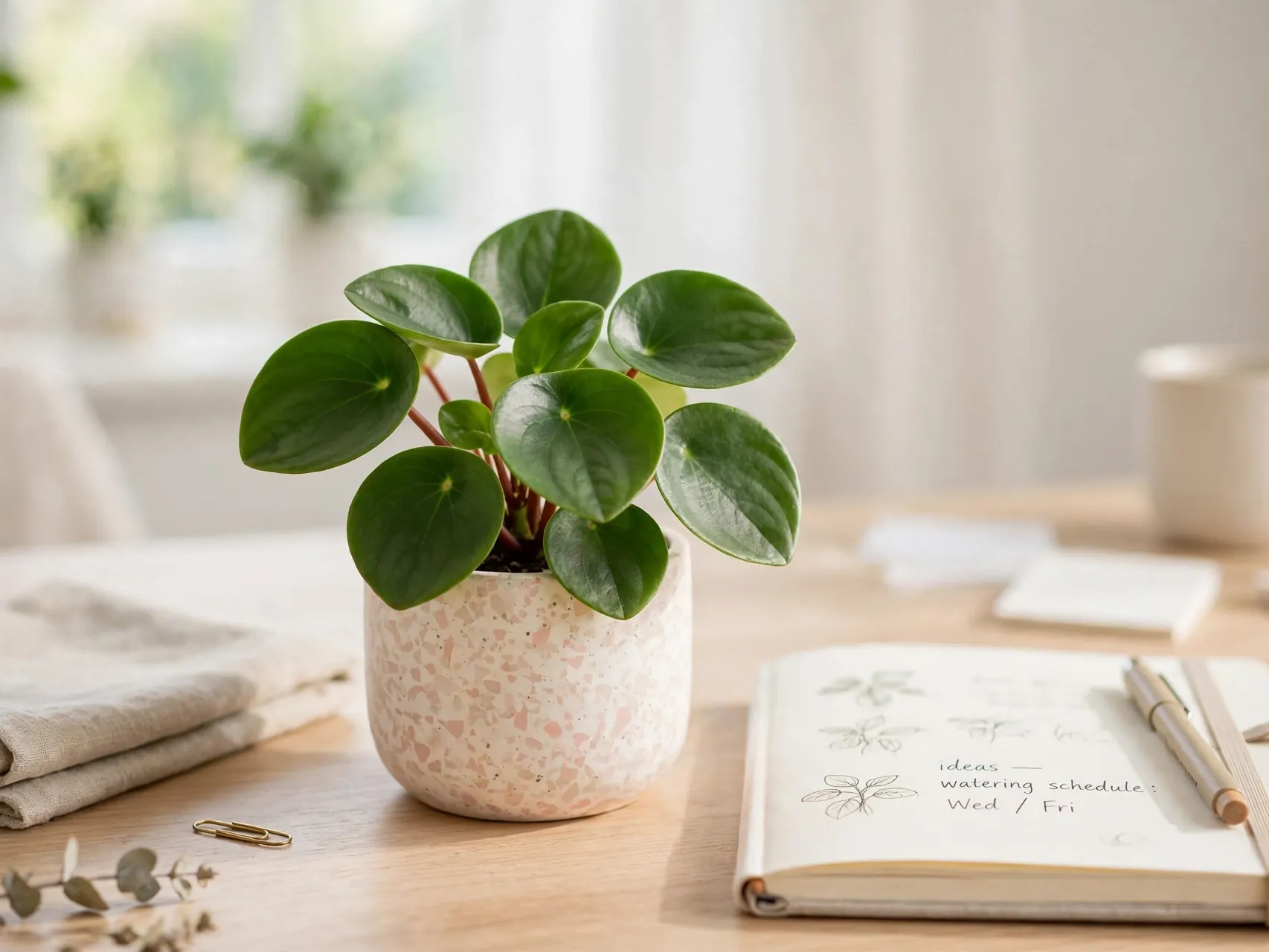
Peperomias are a whole family of compact plants with coin, ripple, watermelon, and trailing leaf patterns, nearly all of them happy in a small pot on a desk or shelf. They store a little water in their stems, so they forgive a late drink. Many peperomias are listed by the ASPCA as non-toxic, which makes them easy pet home picks.
Repot only when roots circle the drainage hole, and go one size up in spring. A much larger pot holds wet mix around small roots, which invites rot.
11. Hoya for Blooms That Come Back

Hoyas are slow, waxy leaved climbers and trailers that reward patience with clusters of sweet, star shaped flowers once they are mature and a little root bound. Bright light is the trigger for blooms, so give your sunniest sill. They dislike soggy soil and frequent repotting. Hoya species are listed by the ASPCA as non-toxic to cats and dogs.
Water only when the soil feels dry below the surface, then water deeply and empty the saucer. Extension guidance is consistent: overwatering and poor drainage cause more beginner losses than underwatering.
12. Jade Plant for the Sunniest Window

Jade is a small succulent tree with plump leaves that store water for weeks, which is why it thrives in hot, bright windows where other houseplants scorch. Let the soil dry well between waterings and use a gritty, fast draining mix. Prune lightly to shape it. The ASPCA lists jade as toxic to cats and dogs, so sunny sills behind closed doors suit it best.
Rotate the pot a quarter turn weekly for even growth, and move it closer to a window if new growth turns pale or leggy. Low light tolerant never means no light.
13. Aloe Vera for a Sunny Kitchen Sill

Aloe is the classic kitchen plant: upright rosettes, very little water, and all the sun you can give it. Grow it in a cactus or succulent mix, water deeply but rarely, and let it dry fully between drinks. It is a plant to admire rather than a home remedy shortcut, and the ASPCA lists aloe as toxic to pets if eaten.
Feed lightly in spring and summer only, at label strength, and skip feeding stressed plants. Growth slows in winter, so water and food both ease back then.
14. Haworthia for a Tiny, Pet Safe Succulent

Haworthia looks like a miniature aloe with white dotted, upright leaves, but it handles lower light than most succulents and stays small enough for a mug sized pot. It is a smart first succulent for bright desks and shelves away from the sunniest glass. The ASPCA lists haworthia as non-toxic, a real advantage over look alike plants in pet homes.
Check leaf undersides weekly. Sticky leaves, webbing, or tiny specks mean isolate the plant, wipe the leaves, and recheck until it stays clean.
15. Ponytail Palm for a Statement That Stores Water

The ponytail palm is not a true palm but a cheerful plant with a swollen base that stores water and a fountain of long, thin leaves. That built in storage makes it one of the most drought tolerant floor plants you can buy. Give it bright light and excellent drainage. It is listed by the ASPCA as non-toxic to cats and dogs.
Repot only when roots circle the drainage hole, and go one size up in spring. A much larger pot holds wet mix around small roots, which invites rot.
16. Parlor Palm for Soft, Pet Safe Greenery

Parlor palms have been houseplants since Victorian times because they tolerate low light, dry indoor air, and beginner watering better than most palms. The feathery fronds soften a corner without demanding a sunroom. Keep the soil lightly and evenly moist, and mist or group plants if leaf tips brown. The ASPCA lists parlor palm as non-toxic to pets.
Water only when the soil feels dry below the surface, then water deeply and empty the saucer. Extension guidance is consistent: overwatering and poor drainage cause more beginner losses than underwatering.
17. Boston Fern for Hanging Baskets
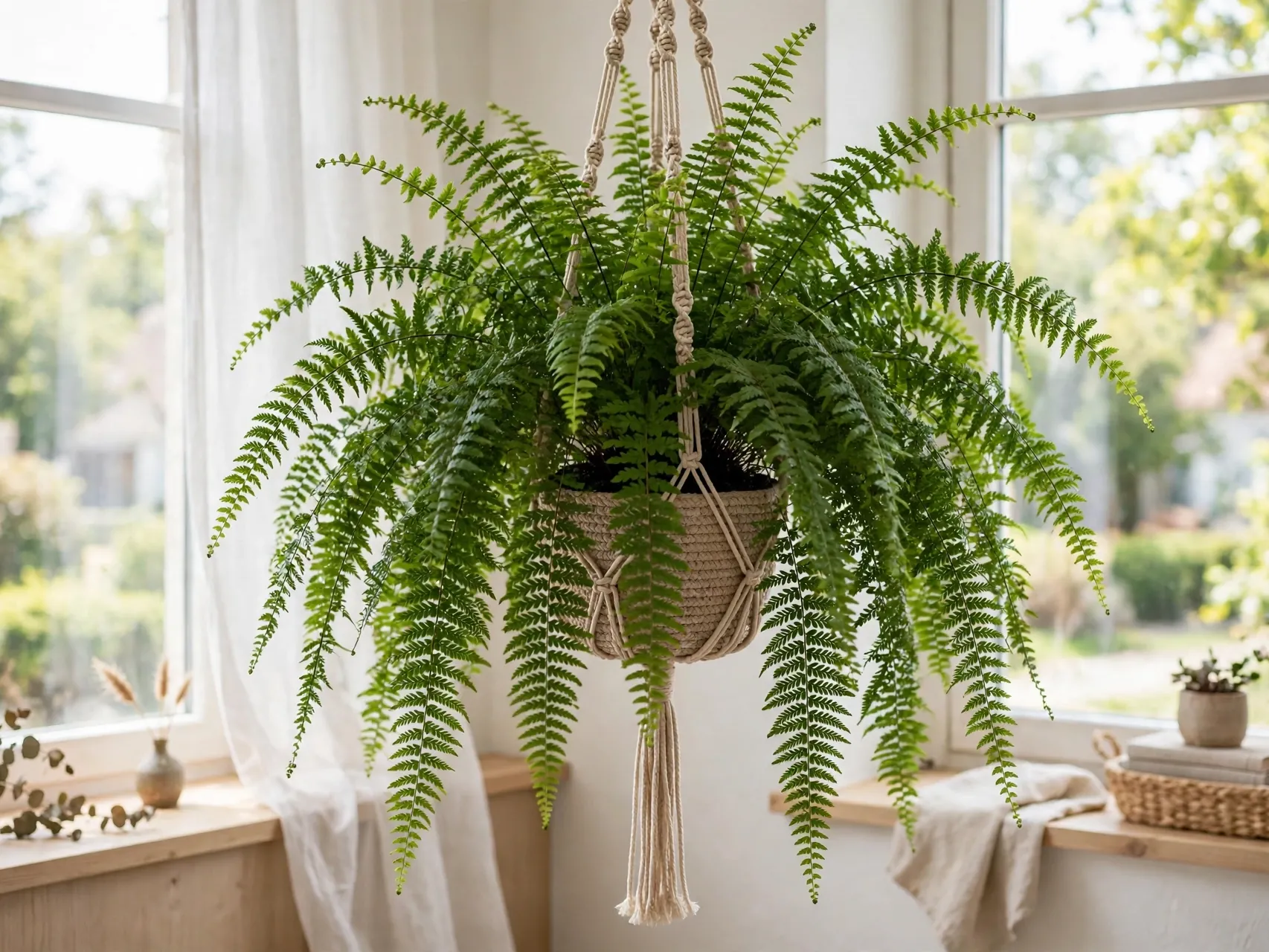
A Boston fern in a hanging basket is pure cottage charm, all arching fronds and soft movement. Ferns are thirstier than most plants here, liking steady moisture and the humidity of a bright bathroom or a pebble tray. Brown tips usually mean dry air, not a dying plant. Boston fern is listed by the ASPCA as non-toxic to cats and dogs.
Rotate the pot a quarter turn weekly for even growth, and move it closer to a window if new growth turns pale or leggy. Low light tolerant never means no light.
18. English Ivy for Cool, Bright Spots
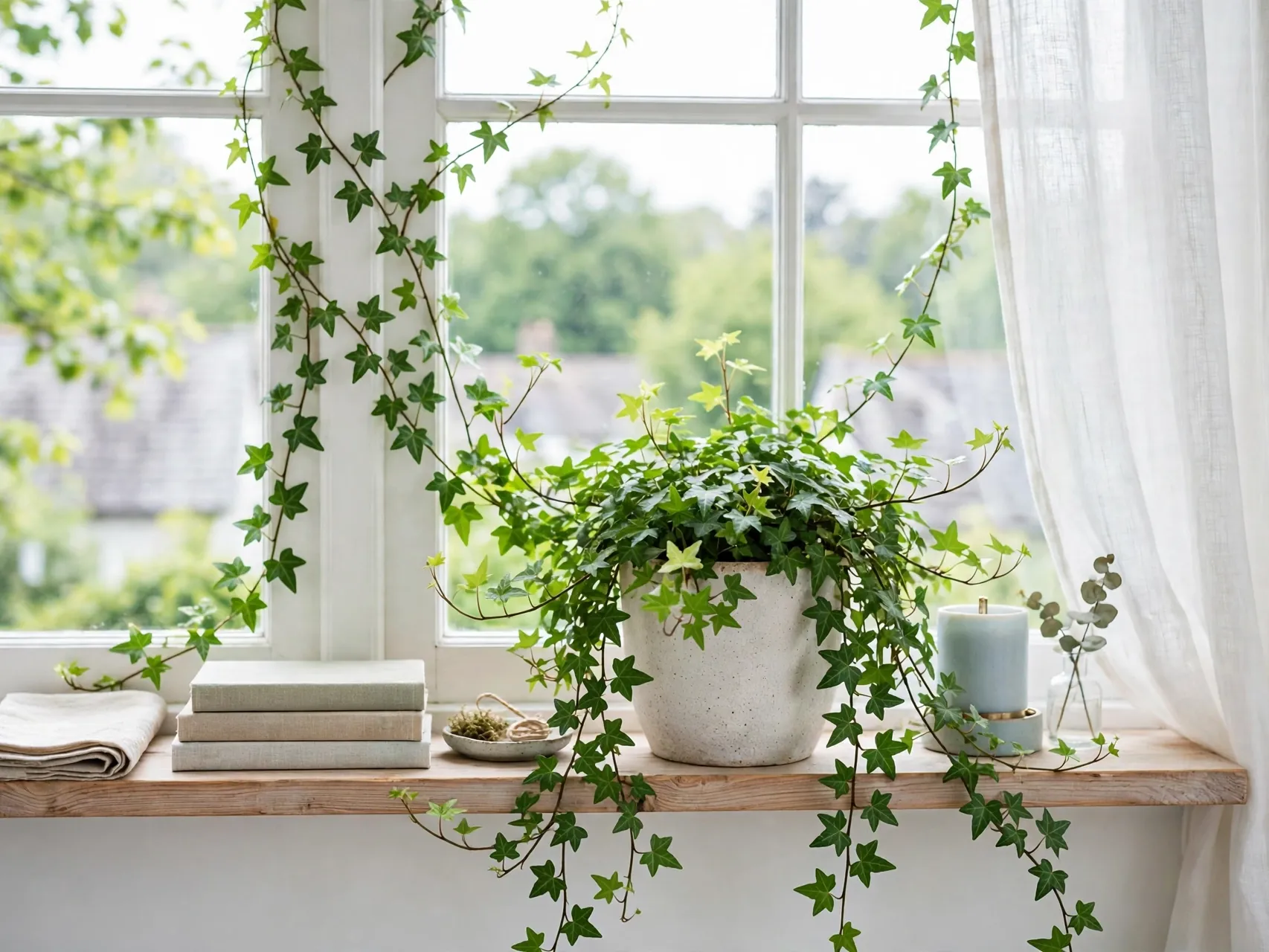
English ivy trails and climbs with classic lobed leaves and looks lovely spilling from a high shelf or trained on a small trellis. It prefers cool rooms and bright light, and it sulks in hot, dry air. Check often for pests on the leaf undersides. The ASPCA lists English ivy as toxic to pets, so this one belongs well out of chewing reach.
Feed lightly in spring and summer only, at label strength, and skip feeding stressed plants. Growth slows in winter, so water and food both ease back then.
19. Air Plants for Soil Free Styling

Air plants need no pot and no soil: they perch on shelves, in glass globes, and on driftwood, taking in water through their leaves. A weekly soak in room temperature water, a good shake, and upside down drying keep them healthy, along with bright indirect light and air flow. They are a low commitment way to style shelves and listed as non-toxic by the ASPCA.
Check leaf undersides weekly. Sticky leaves, webbing, or tiny specks mean isolate the plant, wipe the leaves, and recheck until it stays clean.
20. Prayer Plant for Leaves That Move
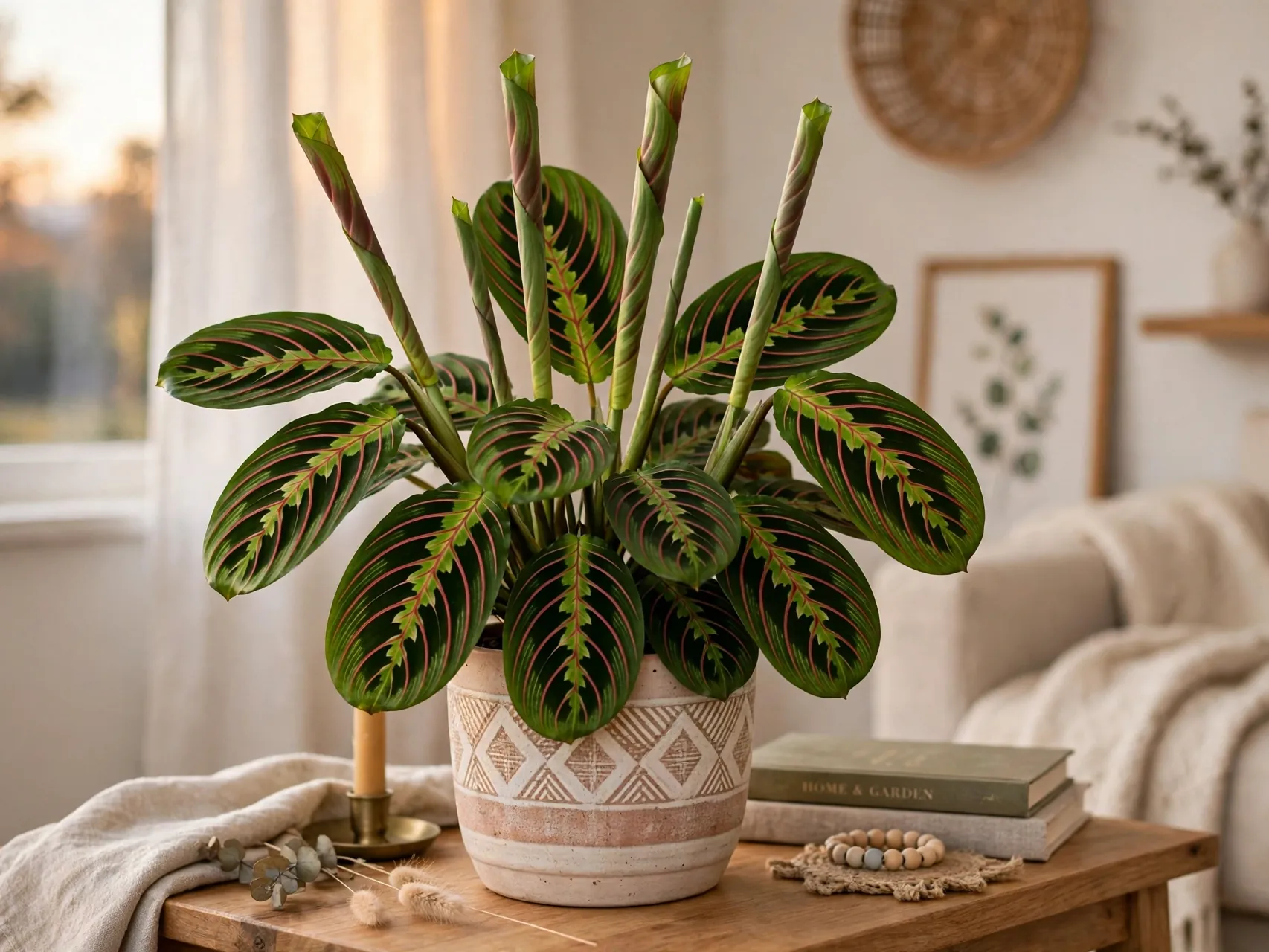
Prayer plants fold their patterned leaves up at night and open them again each morning, a small daily show on your tabletop. They like warm rooms, steady moisture with distilled or rain water if your tap water is hard, and medium light to keep the patterns bold. Calathea and maranta types are listed by the ASPCA as non-toxic to pets.
Repot only when roots circle the drainage hole, and go one size up in spring. A much larger pot holds wet mix around small roots, which invites rot.
21. Rubber Plant for Bold, Glossy Leaves

A rubber plant brings big, glossy leaves and real presence to a corner, and young plants are easy while they settle in. Wipe the leaves so they shine and can use the light, rotate for even growth, and prune the top if you want branching. The ASPCA lists rubber plant as toxic to pets, so place it where leaves will not be chewed.
Water only when the soil feels dry below the surface, then water deeply and empty the saucer. Extension guidance is consistent: overwatering and poor drainage cause more beginner losses than underwatering.
22. Monstera for a Big Leaf Moment Later

Monstera is the reward plant once your first few plants are thriving: huge split leaves, fast summer growth, and a look that fills a bright corner. It wants a moss pole or support, room to grow, and bright indirect light for the best splits. It is not the easiest plant here, and the ASPCA lists it as toxic to pets, so plan its spot with care.
Rotate the pot a quarter turn weekly for even growth, and move it closer to a window if new growth turns pale or leggy. Low light tolerant never means no light.
23. Bird Nest Fern for a Pet Safe Centerpiece
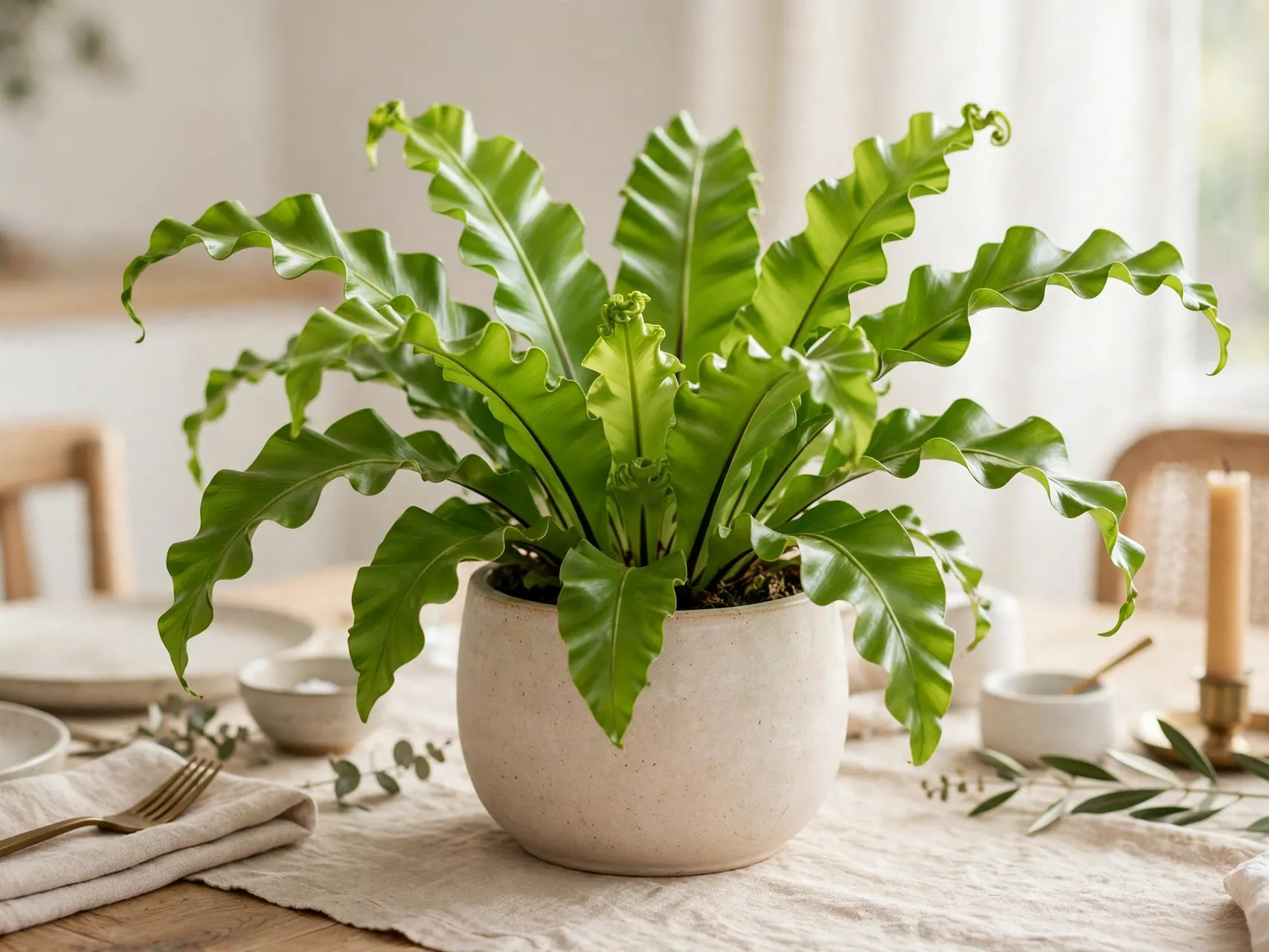
Instead of lacy fronds, the bird nest fern grows a rosette of smooth, wavy leaves from a central nest, and it makes a handsome table centerpiece. Water into the soil at the edge, not into the nest, and keep humidity up for crisp free leaf edges. It tolerates medium light kindly. The ASPCA lists it as non-toxic to cats and dogs.
Feed lightly in spring and summer only, at label strength, and skip feeding stressed plants. Growth slows in winter, so water and food both ease back then.
24. Money Tree for Good Luck and Easy Care
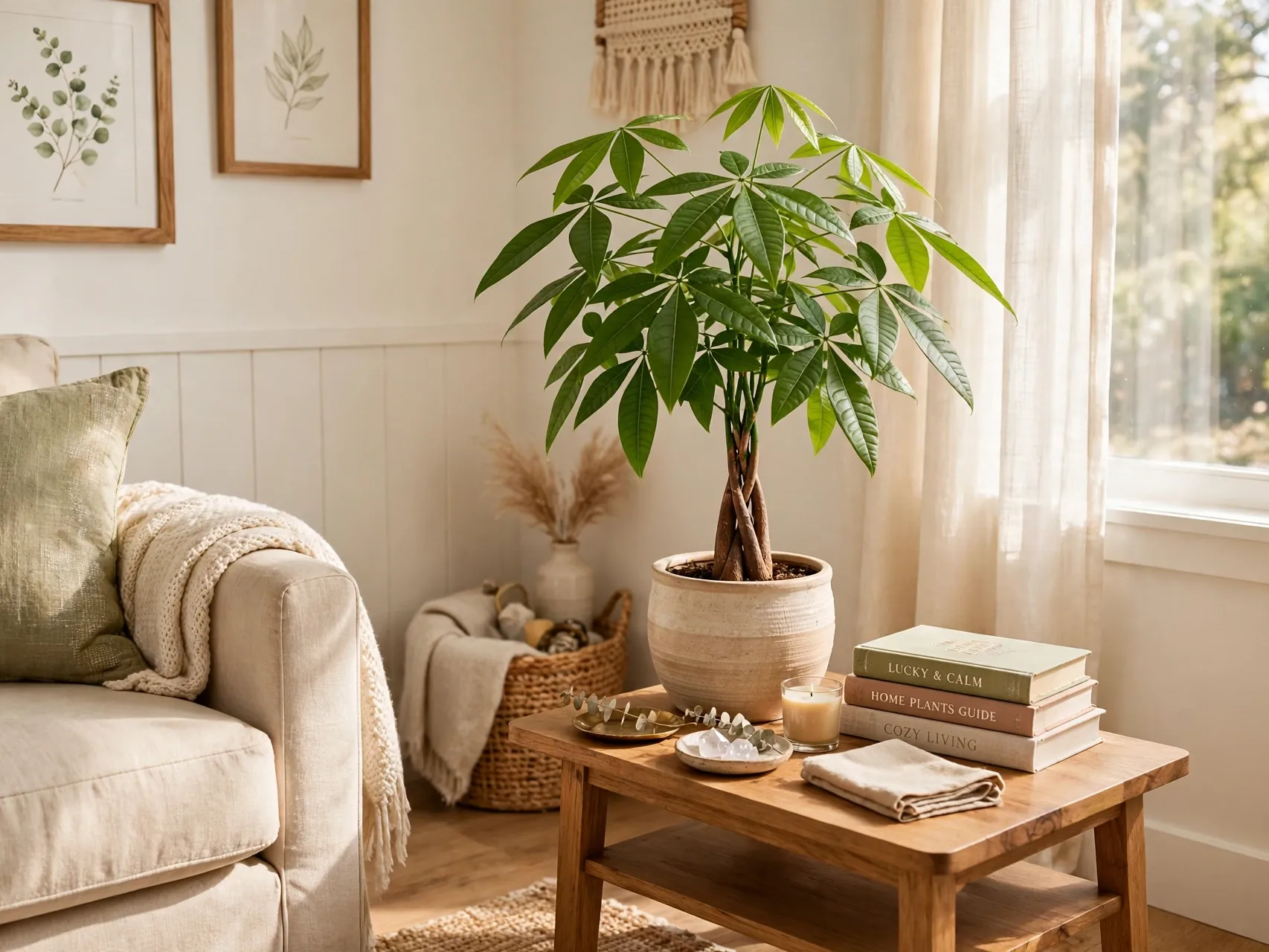
Money trees are sold with braided trunks and hand shaped leaves, and they are friendlier than they look: bright indirect light, a drink when the top soil dries, and a turn now and then for even growth. They can grow into small indoor trees over the years. Pachira aquatica is listed by the ASPCA as non-toxic to cats and dogs.
Check leaf undersides weekly. Sticky leaves, webbing, or tiny specks mean isolate the plant, wipe the leaves, and recheck until it stays clean.
FAQ
What is the easiest indoor plant for a total beginner?
Start with a snake plant, ZZ plant, or pothos if you forget to water, or a spider plant if you want a pet safe first plant. All four tolerate average room light and recover well from beginner mistakes. Pick the one that matches your light and your pets, and learn on that plant before collecting more.
How often should I water beginner houseplants?
There is no safe calendar schedule, because light, pot size, and season change everything. Use the finger test: water when the top inch or two of soil feels dry for drought tolerant plants, and sooner for ferns and peace lilies. Extension guidance points to overwatering and poor drainage as the most common cause of beginner plant loss.
Which of these plants are safe for cats and dogs?
The ASPCA lists spider plant, parlor palm, Boston fern, bird nest fern, peperomia, hoya, prayer plants, haworthia, ponytail palm, and money tree as non-toxic. Snake plant, ZZ plant, pothos, philodendron, peace lily, jade, aloe, English ivy, rubber plant, and monstera are listed as toxic, so check the ASPCA list for your exact plant and keep toxic plants out of reach.
What does low light tolerant actually mean?
It means the plant survives and grows slowly in lower light, not that it lives in the dark. Low light tolerant plants still need daylight from a window in the room, and they grow faster and fuller with more of it. If new growth is pale, small, or stretched, the plant is asking for a brighter spot.
Why are the leaves on my new plant turning yellow?
Widespread yellow leaves most often point to overwatering, poor drainage, or a pot sitting in water, according to extension guides. Empty the saucer, let the soil dry to the right depth, and only then water again.
Key Takeaways
- Start with three forgiving plants: Snake plant, ZZ plant, and pothos teach watering and light basics fast, and a spider plant is the pet safe starter.
- Light first, plant second: Match the plant to the daylight your room actually gets, and remember low light tolerant still means some daylight.
- Drainage is non negotiable: A pot with a hole, soil that drains, and an emptied saucer prevent the overwatering problems extension guides warn about most.
- Check pets before plants: Use the ASPCA plant list for every new plant, keep toxic picks out of reach, and favor the flagged non-toxic plants in pet homes.
- Water by touch, not by calendar: The finger test in the soil beats any fixed schedule, in every season and every room.
- Pin your first plant list: Save this guide to your plant board on Pinterest, pick your three starters, and build your indoor jungle one success at a time.