
23 Ways to Get Rid of Wasps Safely and Naturally Fast
Introduction
Wasps around the patio usually mean one of two things: easy food, or a nest nearby. Learning how to get rid of wasps safely starts with telling those apart, because a few visiting wasps need deterrents and cleanup, while an active nest needs a calm, planned response, and sometimes a professional.
Safety comes before speed. Anyone with a known sting allergy should never approach a nest, and everyone should know the emergency signs: trouble breathing, swelling of the face, lips, tongue, or throat, widespread hives, dizziness, or fainting mean use a prescribed epinephrine auto-injector if available and call 911 right away.
Most wasps are not out to sting. They defend nests when those are threatened, which is why the methods in this list work at dusk, from a distance, or better, by removing the food and shelter that invited them in the first place.
Never pour gasoline into a nest, never set one on fire, and never seal an active nest inside a wall, which can drive wasps indoors. Work through the calm options below in order, and stop and call a professional whenever a nest is large, hidden, high, or near someone allergic.
1. Identify the Wasp Before You Act
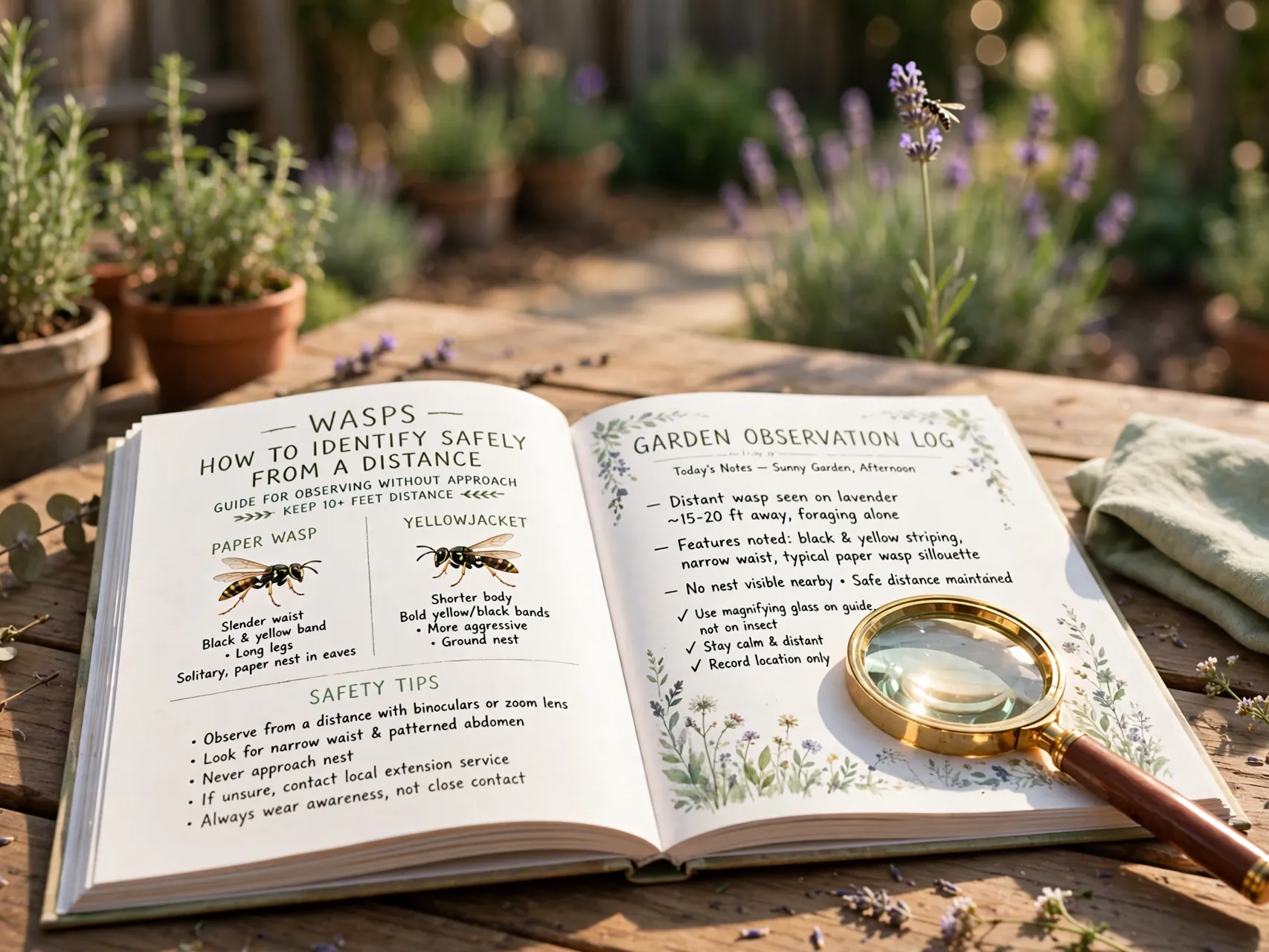
Paper wasps build open umbrella nests under eaves, yellowjackets often nest in the ground or walls, hornets build enclosed paper nests, and mud daubers make small mud tubes and rarely sting. Each needs a different response, and mud daubers often deserve to be left alone entirely.
Watch flight paths from a safe distance for a day. A steady stream returning to one hole tells you a nest location, while scattered visitors at flowers and drinks usually mean no nest on your property at all.
2. Leave Beneficial and Solitary Wasps Alone
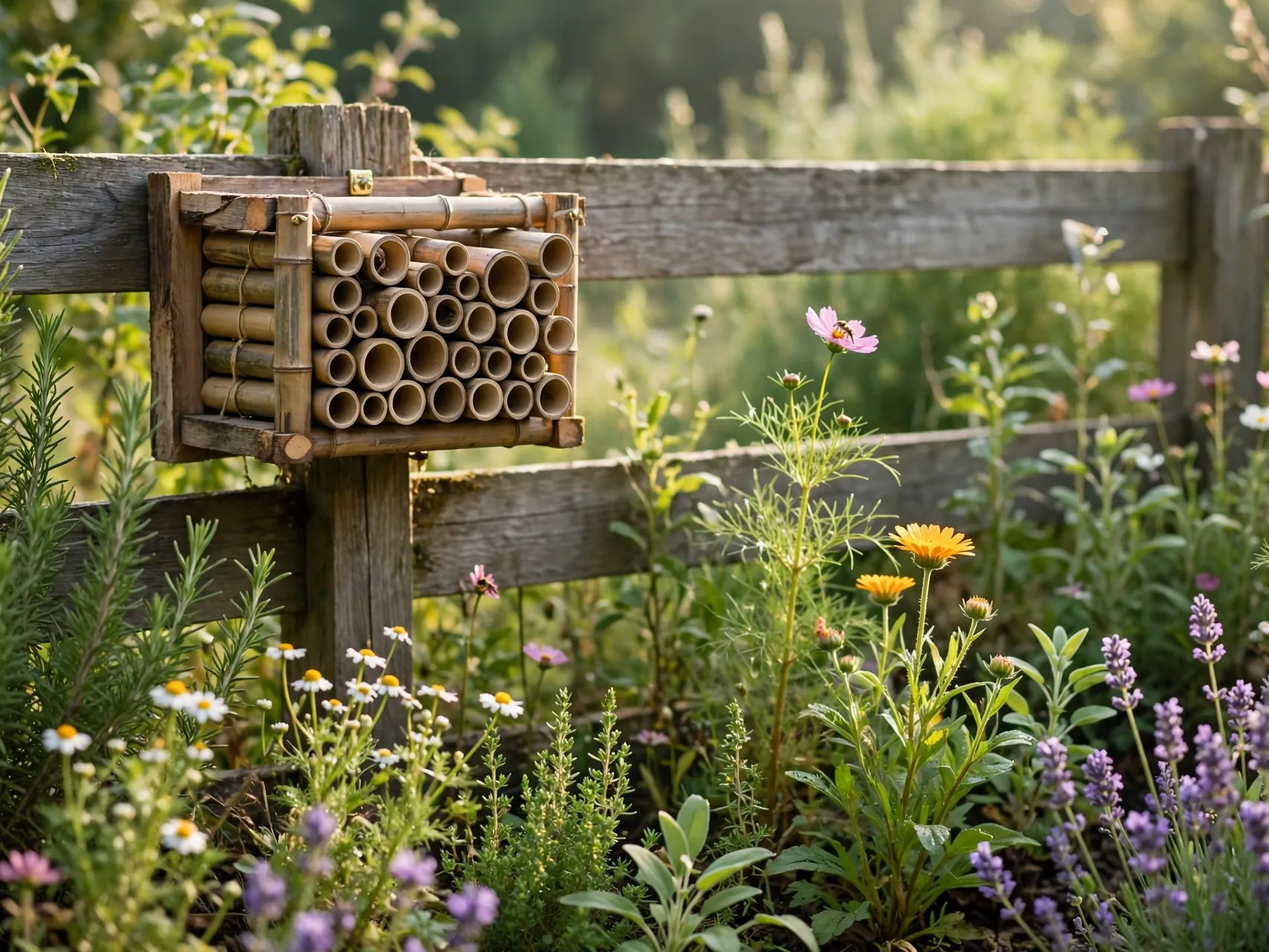
Many wasps hunt caterpillars and other garden pests and pollinate as they feed. A single wasp working your flowers is free pest control, not a problem to solve. Removing every wasp can leave your garden worse off than a few calm visitors do.
Focus your effort on nests in high traffic spots, aggressive yellowjacket colonies near doors and play areas, and swarms around food. Tolerance for the rest keeps the garden balanced and keeps you away from unnecessary sting risk.
3. Remove Food and Drink Attractions Outdoors

Wasps in late summer are hunting sugar and protein for the colony. Cover food and drinks outside, use cups with lids and straws you can check, wipe up spills at once, and clear plates promptly after eating on the patio.
Check cans and bottles before sipping, since wasps crawl inside sweet drinks unseen. This one habit prevents most patio stings, which happen at tables, not at nests.
4. Seal Trash, Recycling, and Compost
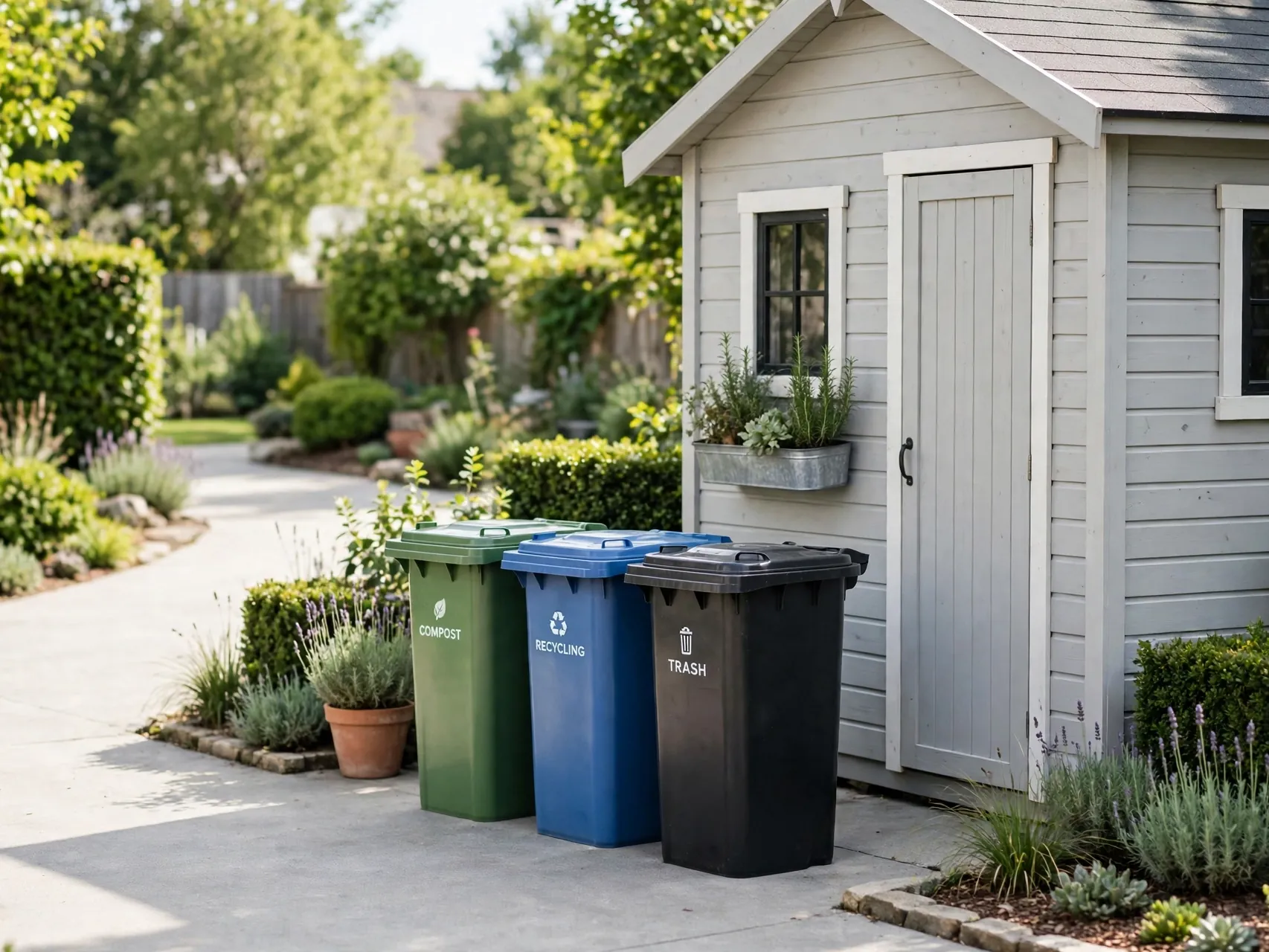
Open bins are wasp restaurants. Use lids that close tightly, rinse bottles and cans before recycling, bag food scraps well, and move bins away from doors and seating where possible, especially during late summer wasp season.
Clean sticky spills on bin lids and around outdoor sinks. A yard with no easy food teaches scouting wasps to take their colony shopping list somewhere else.
5. Pick Up Fallen Fruit Promptly

Fermenting windfall apples, plums, and berries draw wasps in crowds. Gather fallen fruit daily during harvest, harvest ripe fruit on time, and compost or bin what you collect well away from paths and seating.
Wear shoes around fruit trees in season. Stepping barefoot on a feeding wasp is a classic summer sting, and a quick daily tidy removes both the wasps and the temptation.
6. Find Every Nest With a Dusk Inspection

Before treating anything, map the problem. Walk the house and yard at dusk, when wasps return home, and watch eaves, sheds, fence posts, ground holes, and wall gaps from a respectful distance. Note every nest so one treatment plan covers them all.
Do this inspection from the ground, without tapping walls or shining bright lights into entrances. Surprising a colony during your survey is exactly what the calm, planned approach is meant to avoid.
7. Treat Only Small, Exposed Nests Yourself

The honest limit for DIY work is a small, exposed, easily reached nest, early in its growth, with no ladder involved and no allergy in the household. Small paper wasp nests under a low eave are the usual safe candidate.
Anything large, hidden inside a wall or ground cavity, high up, or near an allergic person belongs to a professional. Knowing where your limit sits is the most important safety skill in this whole guide, and there is no shame in using it.
8. Use Soap and Water Spray at Dusk
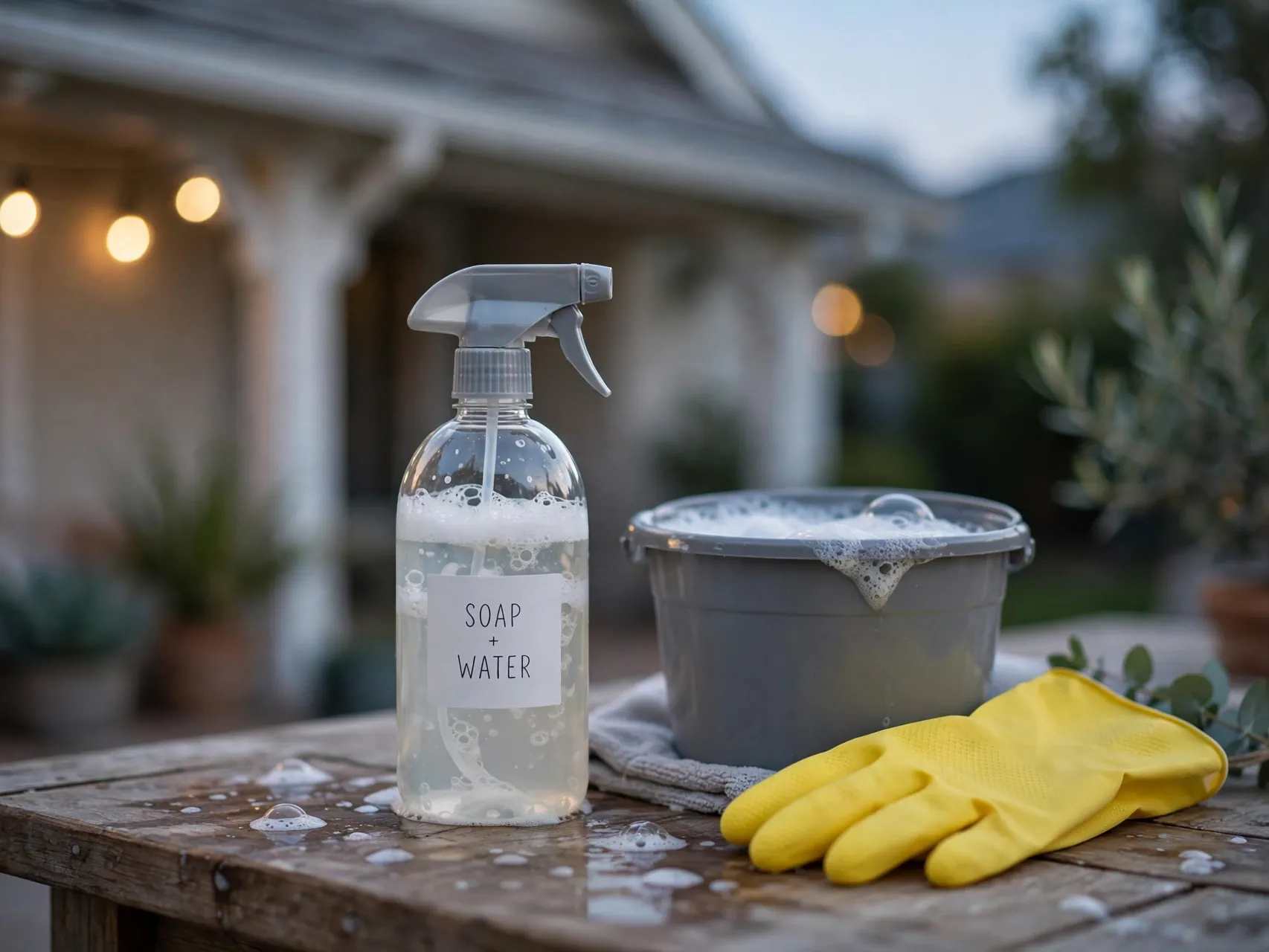
For a small exposed nest, soap and water is the best known natural option. Soap breaks the water repellent coating on wasps bodies so the spray can soak and drown them. Mix dish soap with water in a hose end sprayer, which keeps you as far back as possible.
Work after dusk when the colony is home and calm, wear protective clothing, keep children and pets inside, and have your exit route clear. Soak the nest thoroughly, leave the area at once, and check from a distance the next day before repeating if needed.
9. Dress for Protection and Plan Your Exit
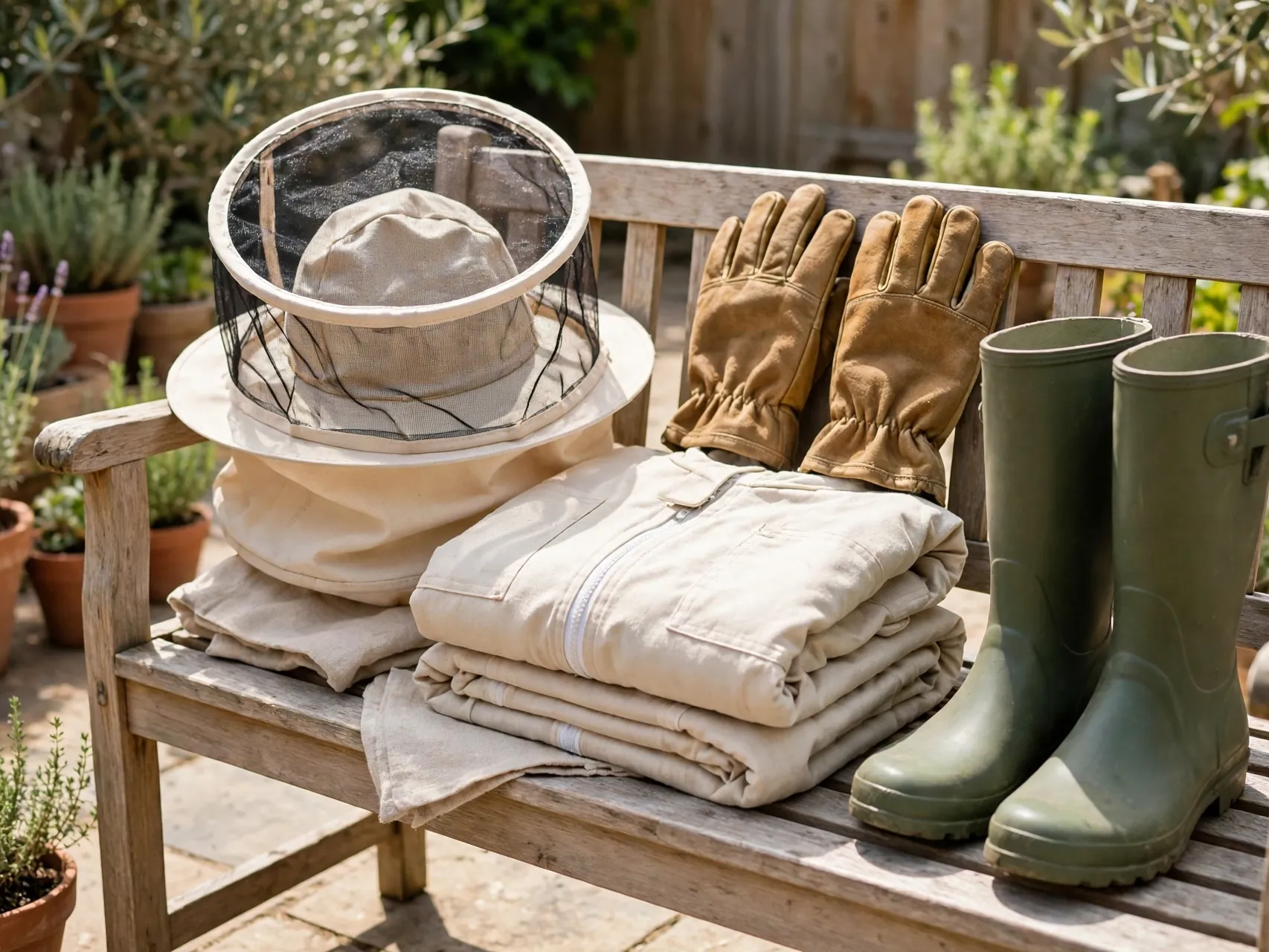
Any nest task needs covered skin: long sleeves and trousers tucked in, gloves, closed shoes, and ideally a veil or hat with netting. Light, smooth clothing is harder for wasps to grip than dark, fuzzy fabrics, and strong perfumes are best skipped.
Plan the retreat before the treatment. Know which door you are heading to, keep it unlocked, and never work above your head from a ladder where a swarm and a fall become a double emergency.
10. Try a Bottle or Commercial Wasp Trap Away From Seating

Traps with sweet bait catch foraging wasps and suit yards where visitors, not a nest, are the issue. A homemade bottle trap or a reusable commercial trap both work on the same principle of bait, entry, and no easy exit.
Place traps well away from tables, doors, and play areas, since a trap attracts wasps to its own spot. Refresh bait as directed, empty traps carefully in the evening, and remember traps reduce visitors but do not remove a nest.
11. Hang a Decoy Nest Where Colonies Start
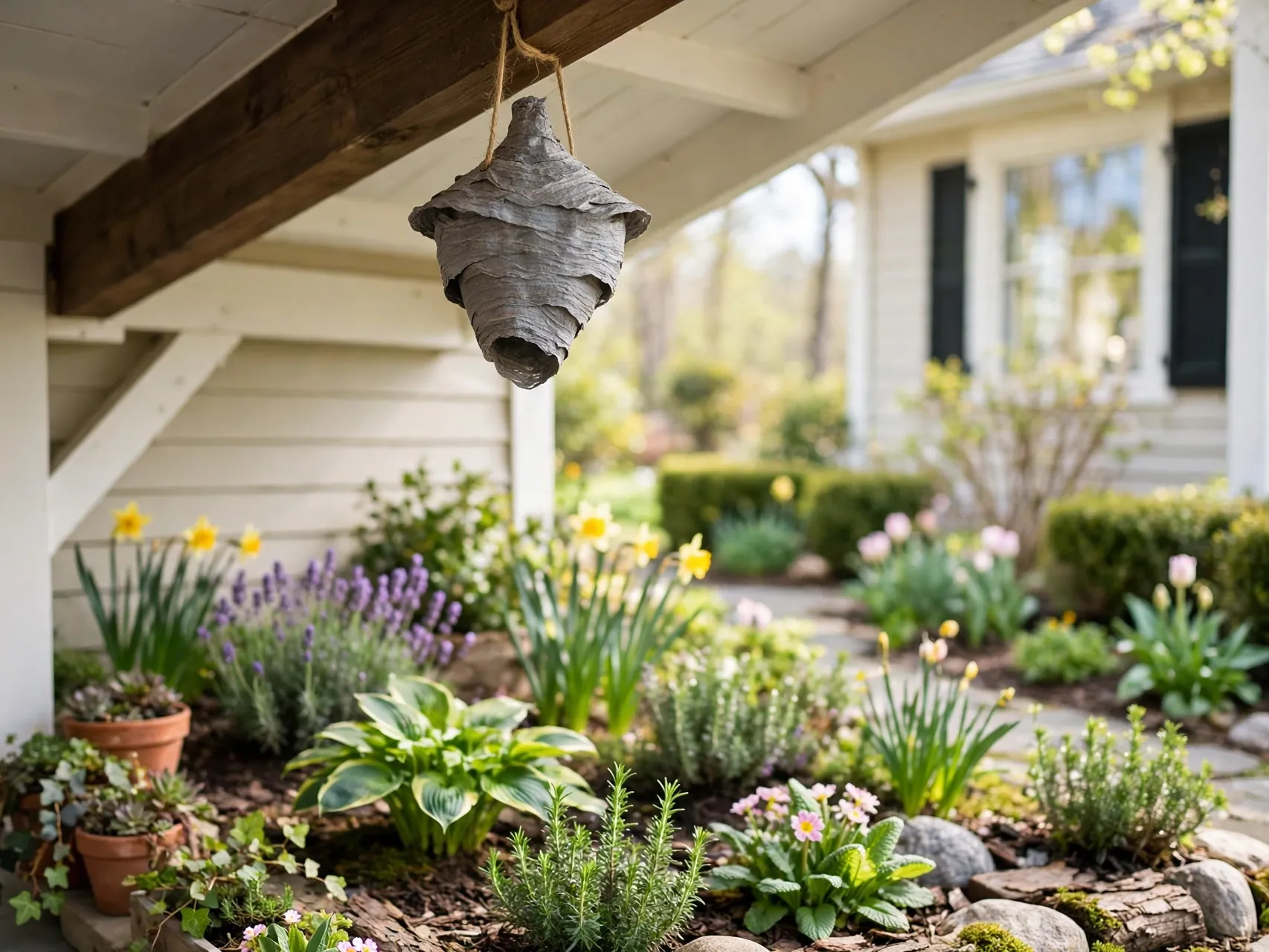
Paper wasps and hornets are territorial, and a fake nest hung early in spring under eaves or in a tree may discourage queens from building nearby. Results vary and evidence is anecdotal, but decoys cost little and carry zero sting risk to install in early season.
Timing is everything. A decoy hung after a real nest exists next door will not move an established colony. Put yours up before nesting season for its only realistic chance of helping.
12. Wipe High Risk Surfaces With Peppermint Oil
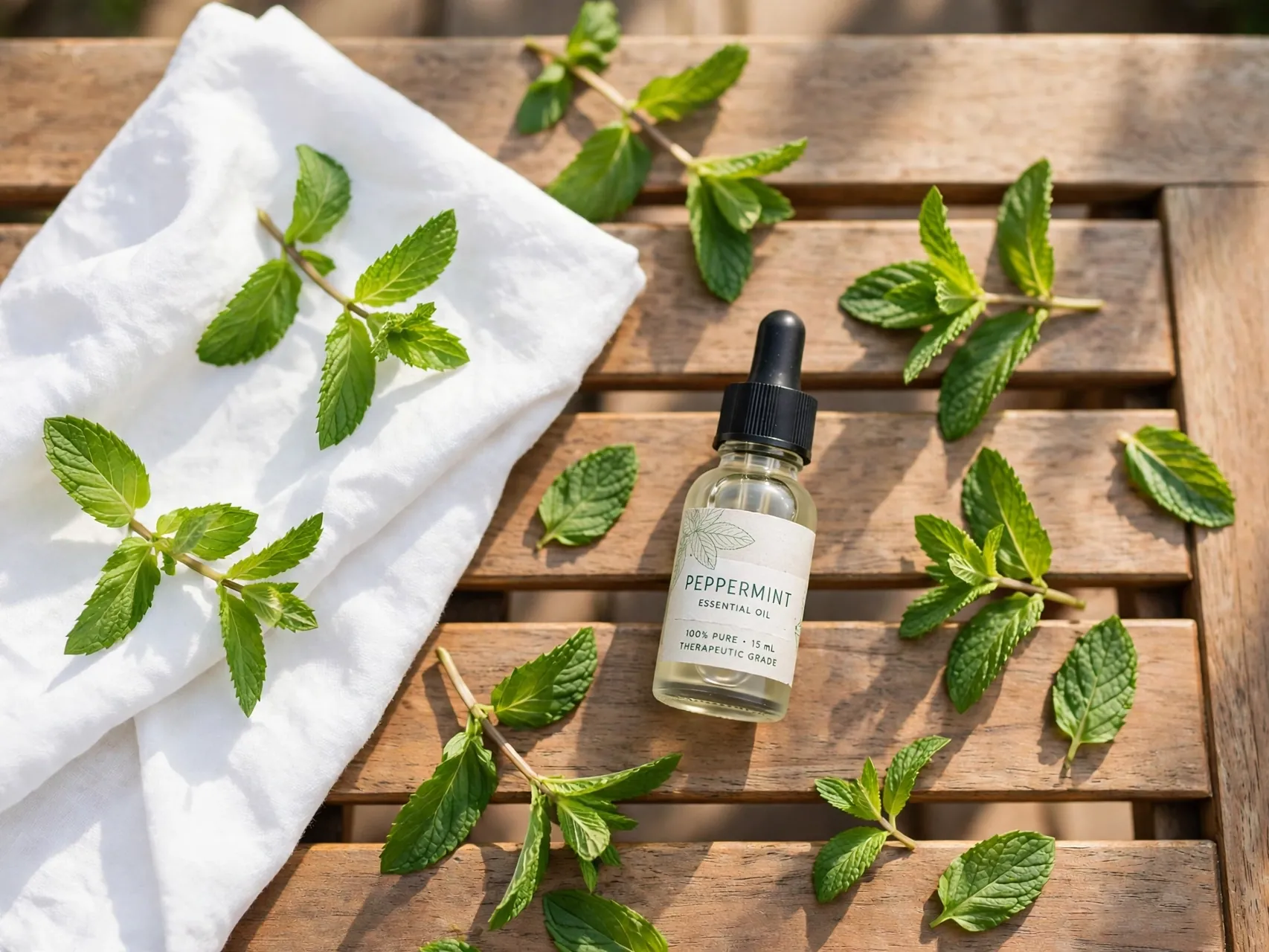
Wasps dislike strong scents such as peppermint, clove, lemongrass, and geranium. A few drops of peppermint oil on a cloth, wiped around door frames, eaves, and the undersides of patio furniture, can discourage new nest building in those exact spots.
Be clear about limits: oils deter, they do not remove a nest, and scent fades fast outdoors, so reapply after rain. Use them as prevention on clean surfaces, never as a spray at an active colony.
13. Plant Scented Herbs Near the Patio Edge
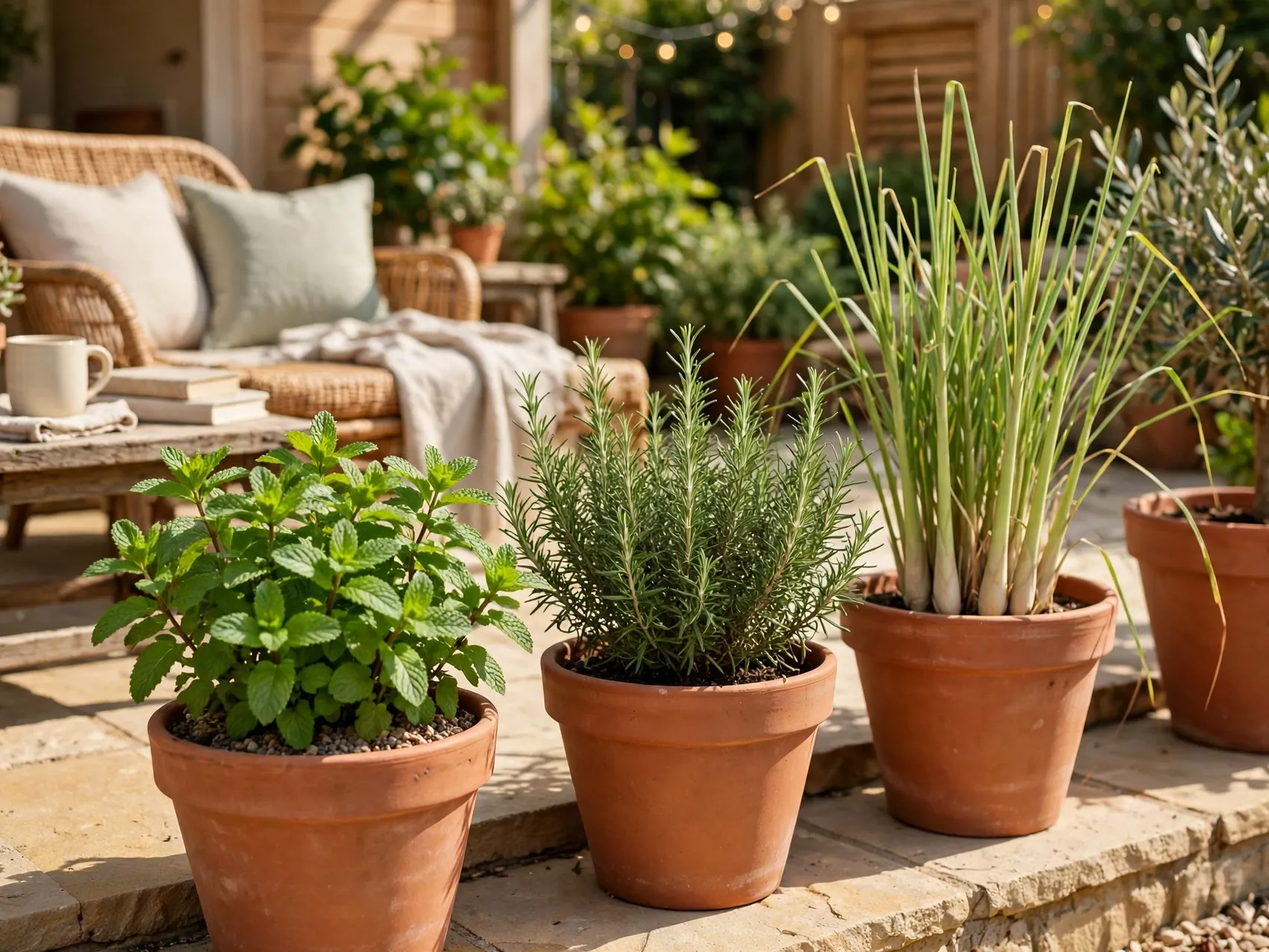
Mint, lemongrass, citronella grass, thyme, and eucalyptus are the plants most often suggested as wasp unfriendly planting near seating. Their scent is released best when leaves are brushed, so pots by chair arms and path edges make more sense than a distant bed.
Keep mint in pots, since it spreads aggressively in open soil. Herbs will not empty an active nest, but as part of a patio with covered food and sealed bins, they add one more reason for scouts to dine elsewhere, which is the heart of wasp deterrent ideas that actually last.
14. Knock Down Tiny Starter Nests Early in Spring
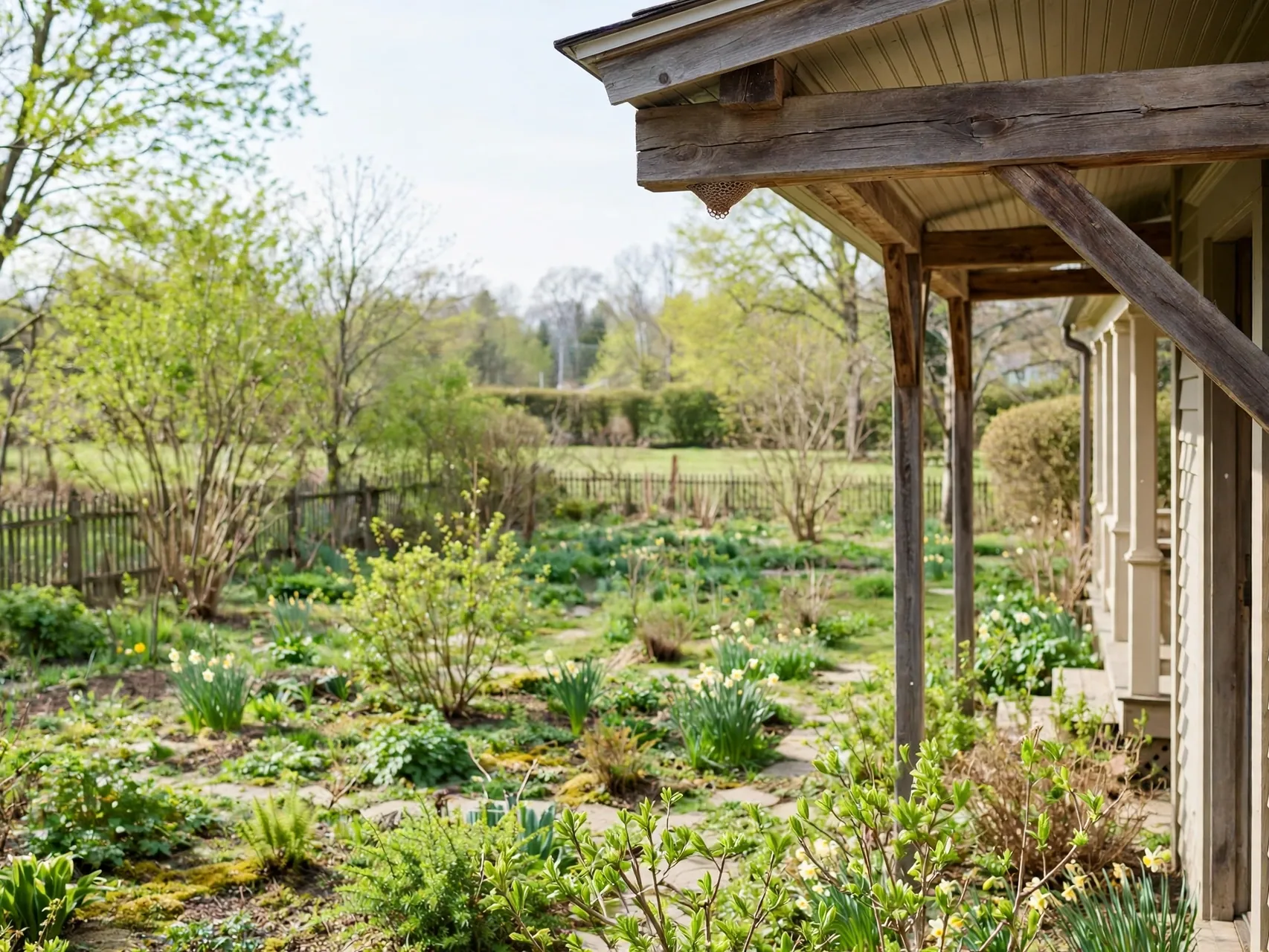
In spring a nest may hold only a queen and a few cells. Checking eaves, shutters, and shed corners weekly in early season lets you spot these golf ball sized starters while the risk and the job are both at their smallest.
Even then, work carefully at dusk, from the ground, and only if no one in the home is allergic. If a starter nest is already busy or in an awkward spot, a professional call in spring is quick and inexpensive peace of mind compared with a midsummer colony.
15. Remove Old Nests in Winter and Clean the Spot

In cold climates, most wasp colonies die off in winter and nests are not reused, though the favorite site often is. Removing the old nest in winter, when it is empty, prevents confusion next spring and lets you seal the gap it hung from.
Wash the attachment point with soap and water to clear scent traces. Always confirm a nest is truly inactive before handling, and wear gloves, since an unseasonably warm winter can leave surprises in sheltered nests.
16. Seal Entry Gaps in Walls, Eaves, and Sheds
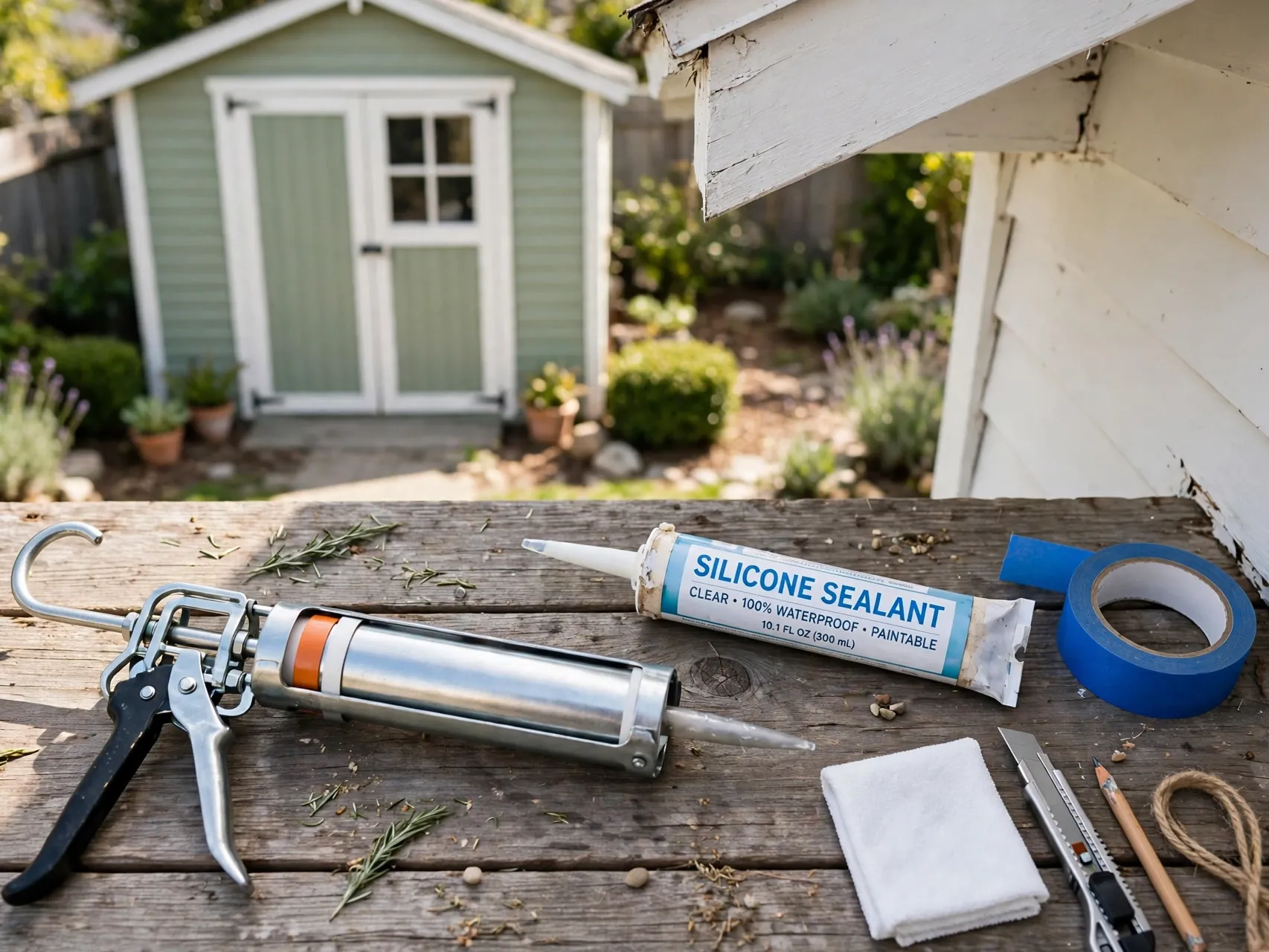
Yellowjackets love wall voids, and the time to block them is autumn and winter, not while a colony is active inside. Seal cracks, repair screens, cap open pipes, and fill gaps around cables with appropriate filler or mesh once you are sure no nest is active.
Never seal an entrance while wasps are using it in summer. Blocked colonies chew new exits, often into living rooms. If you hear activity in a wall, call a professional instead of reaching for the filler gun.
17. Keep Meat and Sweets Covered at Barbecues

Grill season and wasp season overlap, and protein hungry wasps home in on meat, marinades, and sweet sauces. Keep raw and cooked food under mesh covers or indoors until serving, and set a decoy plate of scraps far from the table to draw scouts away from guests.
Serve drinks in covered cups, clear the table fast after eating, and keep a lid on the bin you scrape plates into. Most barbecue sting stories start with an open plate left standing in the sun.
18. Move, Do Not Swat, When a Wasp Investigates You
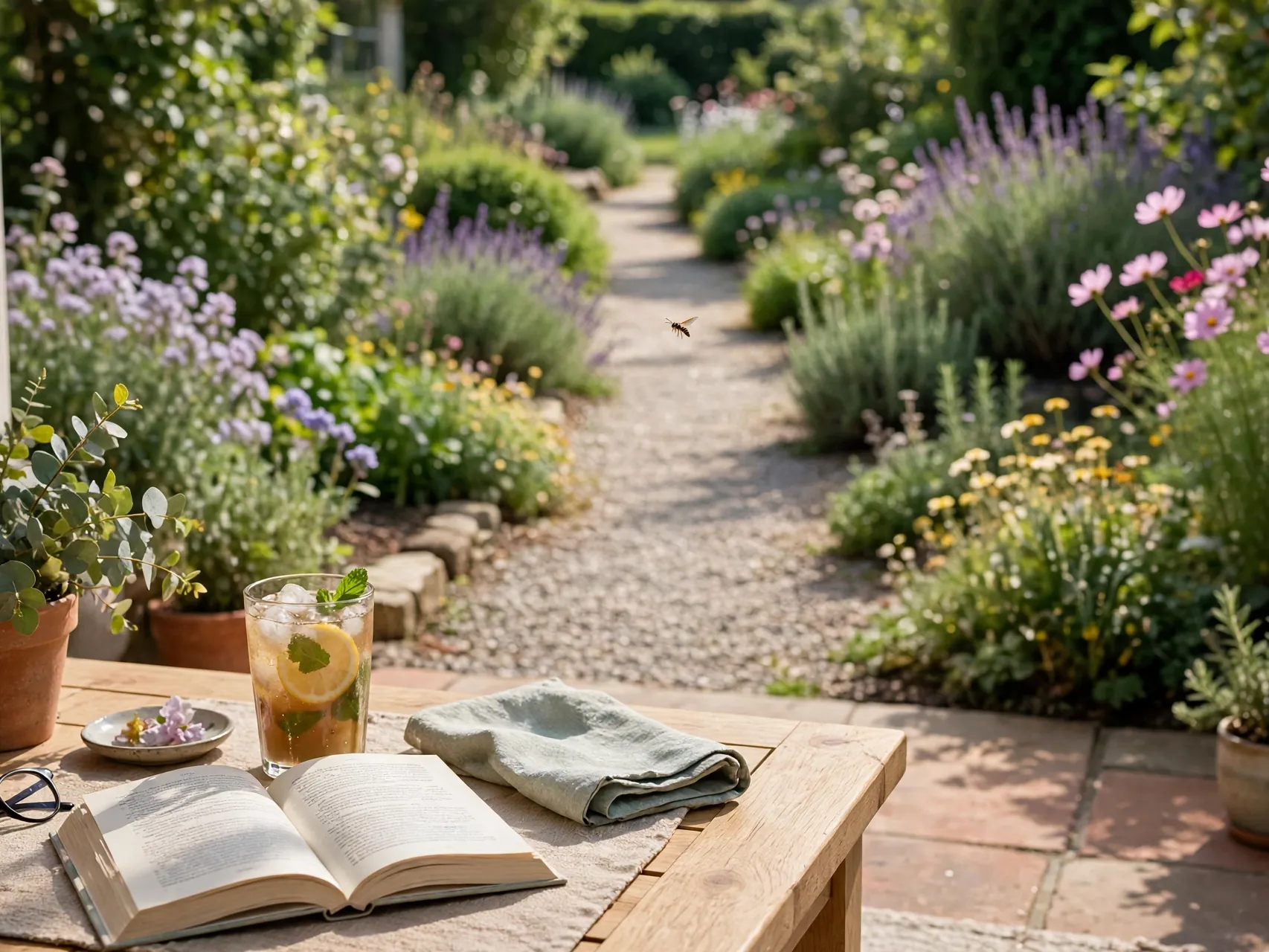
A lone wasp checking your plate is curious, not attacking. Stay calm, avoid waving and swatting, which read as threats, and walk away slowly until it loses interest. Crushing a wasp near a nest can also release alarm scents that draw others.
Teach children the same calm routine: freeze, step back, tell an adult. Panicked running and flapping arms cause more stings than the wasp ever planned to give.
19. Treat a Single Indoor Wasp With a Glass and Card
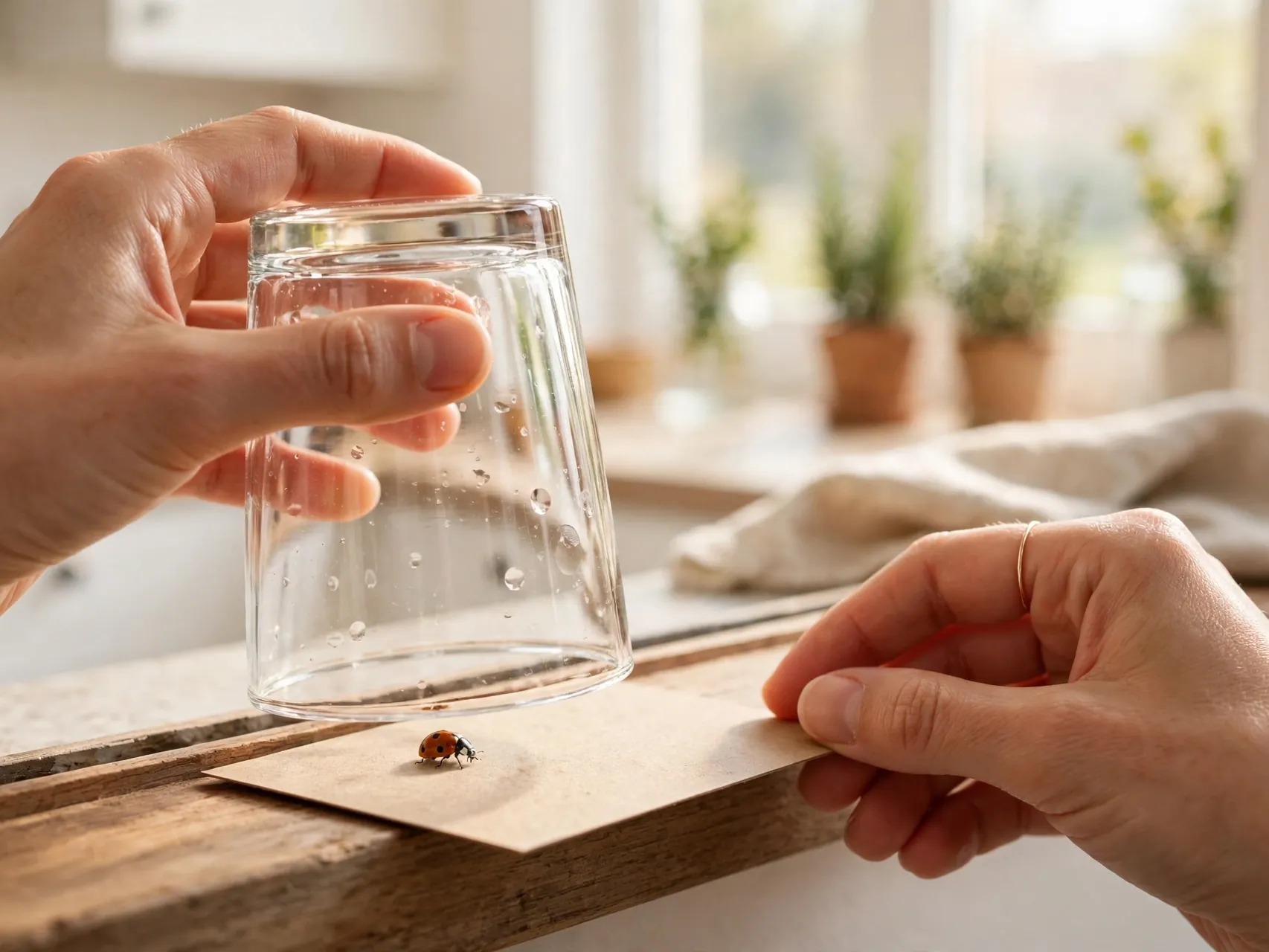
One wasp indoors needs no spray cloud in your kitchen. Wait for it to land, place a glass over it, slide a stiff card underneath, and release it outside away from doors. Open windows and doors first, since many indoor wasps leave on their own within minutes.
If several wasps appear indoors daily, that signals a nest in a wall, chimney, or attic. Stop treating individuals and call a professional to find the colony, because the indoor visitors will keep coming until the nest is dealt with. This is a core part of how to remove wasp nest safely thinking: solve the source, not the symptom.
20. Protect Pollinators While You Work
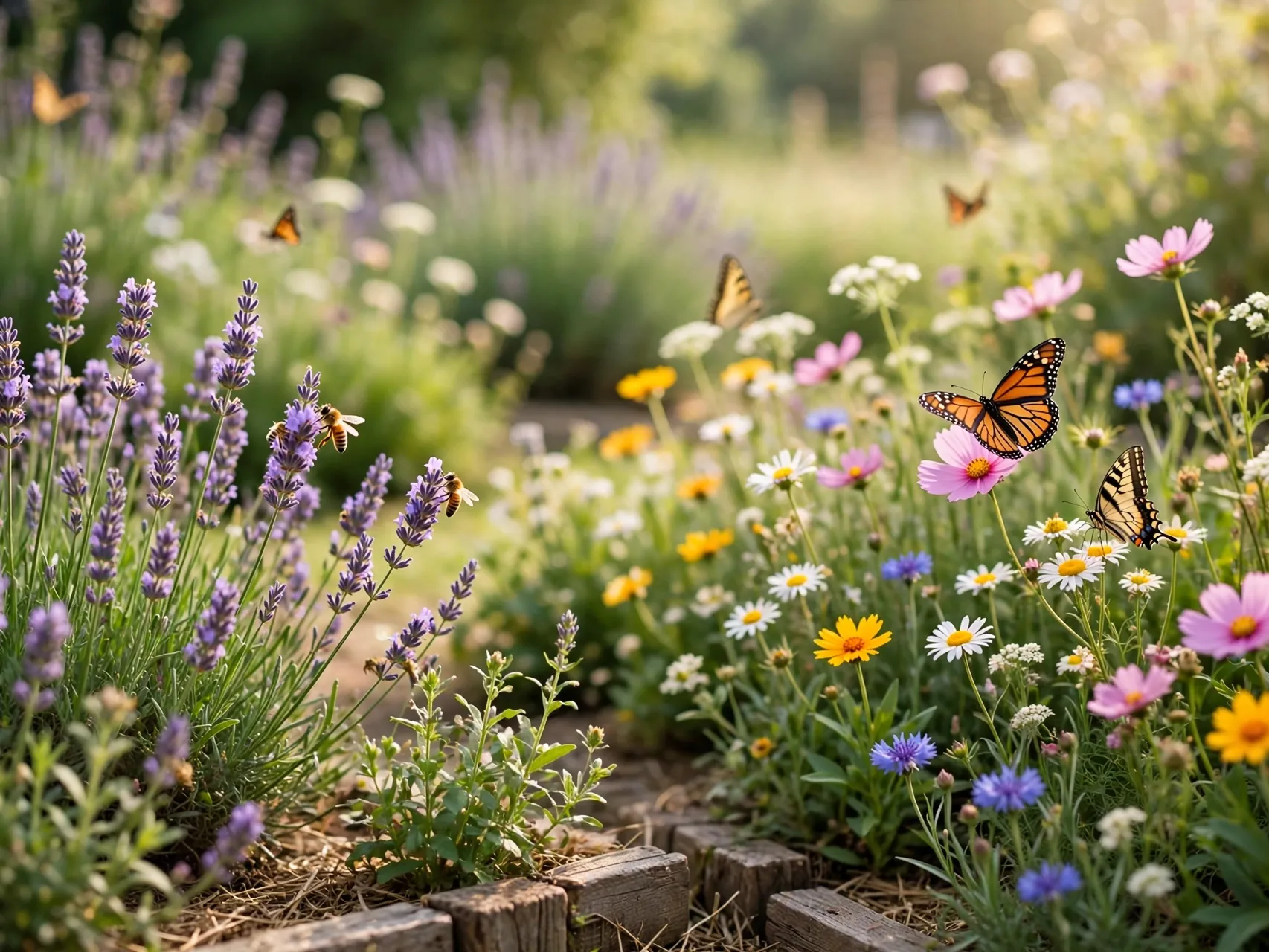
Do not mistake bees for wasps. Honey bees and bumblebees are hairier, rounder, and focused on flowers, and they need protection, not treatment. If you find a bee colony, call a local beekeeper, who will often relocate a swarm gladly.
Work at dusk, target only the nest itself, and avoid spraying flowering plants. A careful, nest specific approach solves your problem without collateral damage to the insects your garden depends on.
21. Know the Sting First Aid Basics

If a sting happens, move away calmly to avoid more stings. Wasps usually do not leave a stinger, but if one is present, scrape it off with a card edge rather than pinching it. Wash the spot with soap and water and apply a cold pack to ease pain and swelling.
Watch the person for at least half an hour. Trouble breathing, swelling of the face or throat, widespread hives, dizziness, or collapse are emergency signs: use a prescribed epinephrine auto-injector if available and call 911 immediately, even if symptoms seem to improve.
22. Keep an Allergy Plan if Anyone Is Sensitive
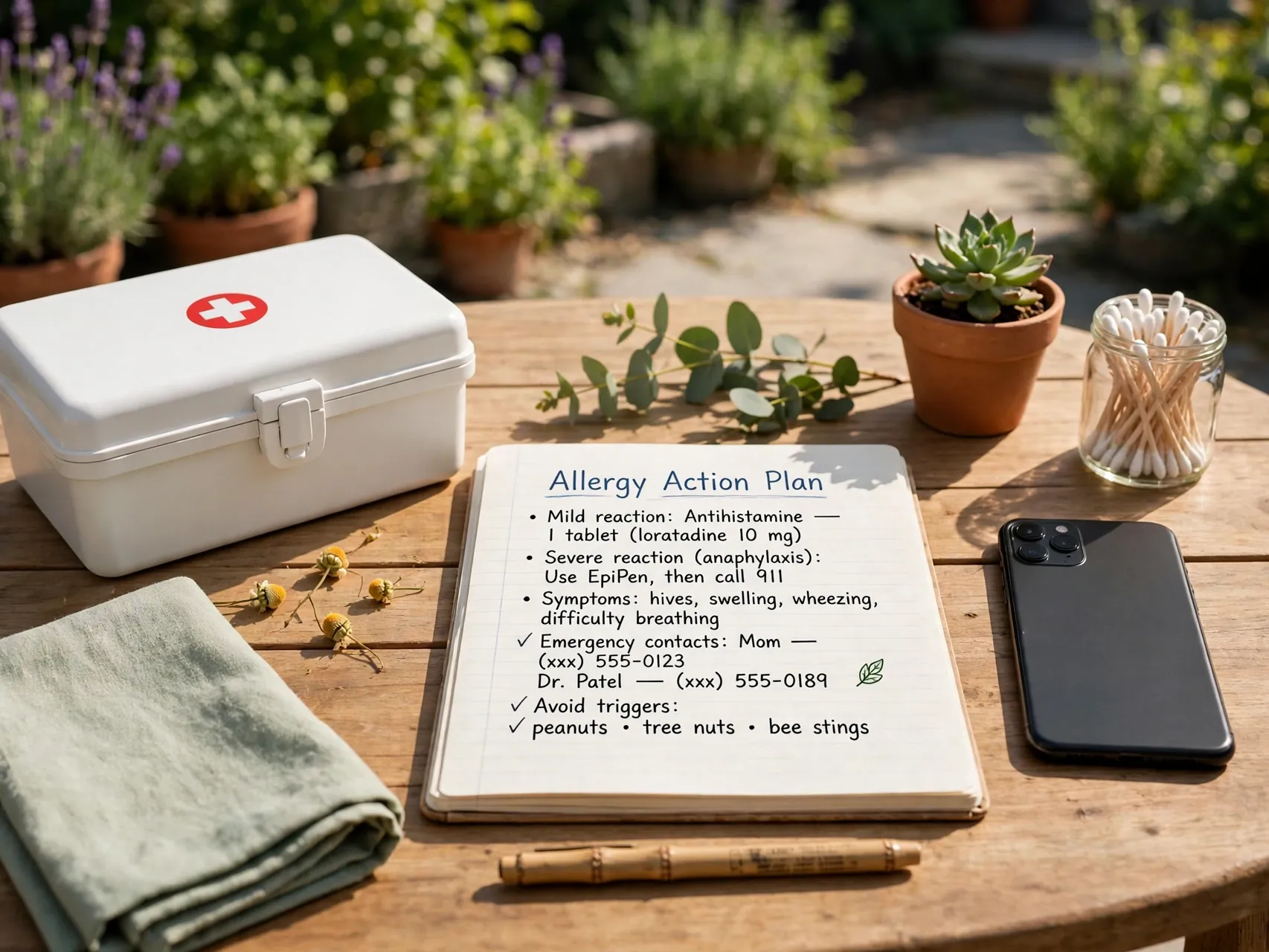
Households with a known sting allergy should treat wasp work differently from the start. The allergic person never approaches nests, prescribed epinephrine stays within reach outdoors in season, and family and regular guests know where it is and when to call 911.
Tell your doctor about any large or unusual sting reaction, even if it was not an emergency. Allergy plans, and sometimes referral for testing or treatment, turn a frightening unknown into a managed risk for every summer that follows.
23. Call a Professional for Large, Hidden, or High Nests
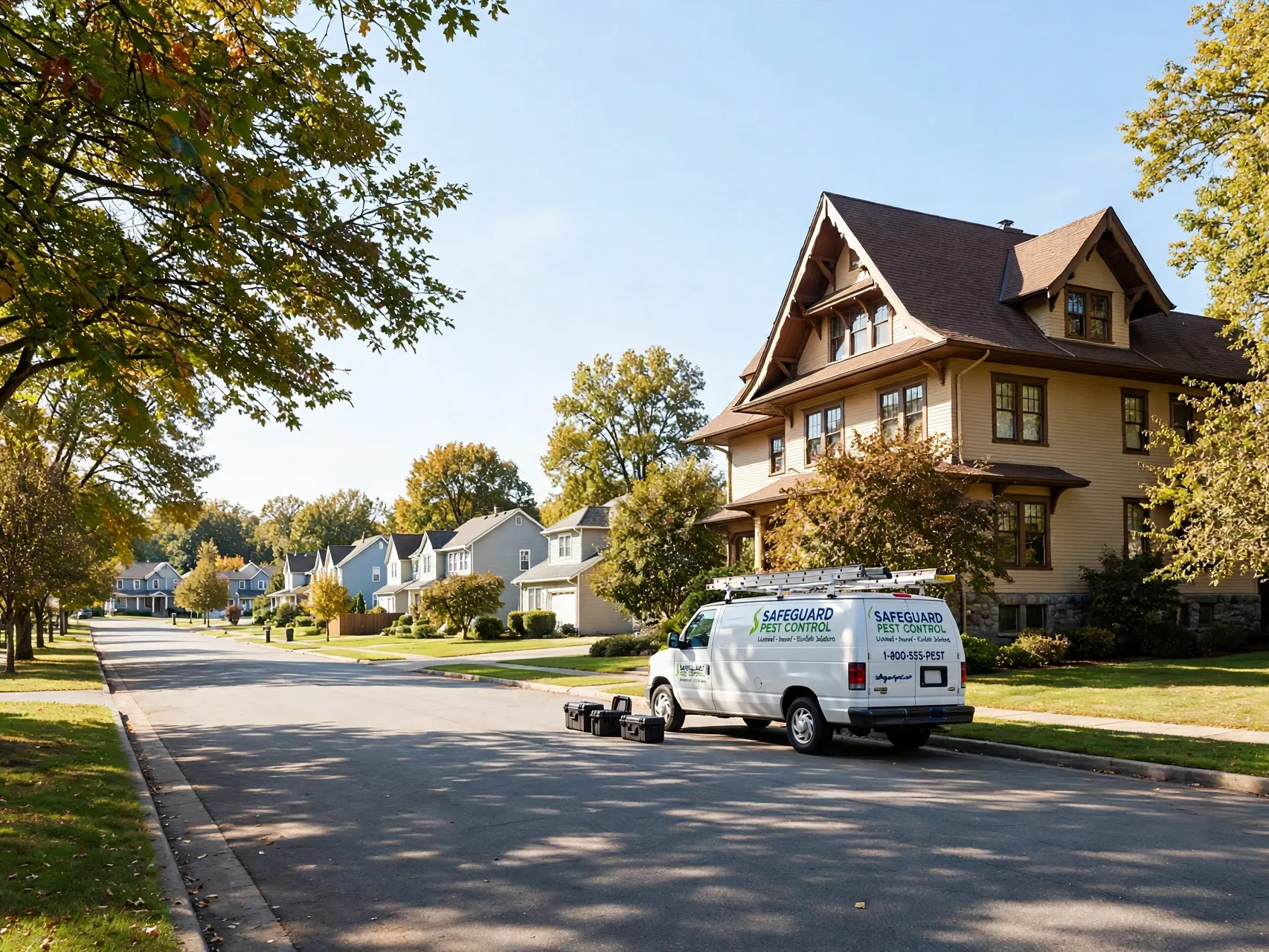
Call a licensed pest professional when a nest is large, inside a wall or ground cavity, up high, near an allergic person, or when a first careful attempt has not worked. Professionals have protective gear, longer reach tools, and treatments for voids that DIY methods cannot reach safely.
Ask what they will treat, whether the nest will be removed, and what to watch for afterward. The fastest way in this guide is often this call: one visit, the right equipment, and nobody in your household gambling on a ladder at dusk. That judgment is the real secret of how to get rid of wasps naturally where natural methods fit, and professionally where they do not.
FAQ
What is the fastest natural way to get rid of wasps?
For a small, exposed nest, a soap and water spray applied thoroughly at dusk is the most reliable natural method. For visiting wasps with no nest, traps placed away from seating plus strict food cleanup work fastest. Large or hidden nests are fastest handled by a professional, and forcing a natural method on them usually wastes time and adds sting risk.
What scent do wasps hate most?
Peppermint is the most widely reported deterrent scent, with clove, lemongrass, and geranium also commonly used. These scents may discourage wasps from settling on wiped surfaces and can support prevention, but no scent removes an established nest, so treat oils as one layer in a bigger plan.
Is it safe to remove a wasp nest myself?
Only in a narrow set of cases: the nest is small, exposed, reachable from the ground, and no one nearby is allergic to stings. Work at dusk with protective clothing and a clear exit. If the nest is large, hidden in a wall or ground, high up, or you feel unsure, call a professional instead.
When should I call 911 after a wasp sting?
Call 911 immediately for trouble breathing, swelling of the face, lips, tongue, or throat, widespread hives, dizziness, fainting, or a tight feeling in the chest or throat. If the person has a prescribed epinephrine auto-injector, use it right away and still call 911, since further care may be needed even if symptoms improve.
Why do wasps keep coming back every year?
New queens start fresh colonies each spring and favor sheltered spots that worked before, such as eaves, wall gaps, and shed corners. Remove old nests in winter, wash the attachment spot, seal entry gaps in autumn and winter, and hang deterrents early in spring, and the same sites become far less likely to be chosen again.
Key Takeaways
- Identify first: Paper wasps, yellowjackets, hornets, and mud daubers each need a different response, and some are best left alone entirely.
- Cut the invitations: Covered food and drinks, sealed bins, and prompt fruit cleanup solve most visiting wasp problems without touching a nest.
- Small and exposed only: Soap and water at dusk is the natural option for a small, reachable nest, with protective clothing and a planned exit every time.
- Allergy safety rules everything: Trouble breathing, face or throat swelling, widespread hives, or dizziness after a sting means epinephrine if prescribed, then 911.
- Prevention is seasonal: Remove old nests in winter, seal gaps, and set deterrents in early spring before queens settle.
- Dealing with a patio invasion? Pin this guide to your garden board on Pinterest so the safety steps are saved before you need them.