25 Front Yard Landscaping Ideas on a Small, Tight Budget
Introduction
A tight budget does not limit curb appeal nearly as much as a missing plan does. The yards that look cared for on very little money share the same moves: clean edges, one clear path, a few plants repeated with confidence, and a front door that looks intentional. Good front yard landscaping is mostly editing, not spending.
Work in this order and each step will make the next one cheaper. First clean and edge what you already have. Then define the beds and the path. Then plant slowly, using divisions, seeds, and a short list of reliable perennials and natives that suit your sun and soil. Save the fun extras, lights, numbers, and painted details, for last.
Check plant tags for hardiness, sun needs, and mature size before anything goes in the cart, and call 811 before you dig so underground lines are marked. The 25 ideas below are sequenced roughly in that working order, so you can stop after any weekend and still have a yard that looks finished.
1. Start With a Ruthless Cleanup and Fresh Edges

The cheapest transformation in this whole list costs nothing but an afternoon. Pull weeds, rake out leaves and debris, sweep the path and driveway, and cut a crisp edge along every bed with a flat spade so grass and planting have a clean line between them.
A defined edge is what makes a yard read as designed. Re-cut edges once or twice a season to keep the effect. Do this first, before you buy a single plant, because many yards need far less planting than their owners feared once the lines are clean.
2. Lay Fresh Mulch for an Instant Finished Look

Fresh mulch is the fastest finished look in gardening. A layer of about 2 to 4 inches over beds holds moisture, suppresses weeds, and gives every plant a clean, dark background that makes even small plantings look deliberate.
Keep mulch a few inches away from trunks and stems, and check whether your city offers free or low cost mulch from yard waste programs before you buy bags. For a small front yard landscaping project, one mulch refresh often delivers more visible change per dollar than any other single step.
3. Define Beds With Salvaged Brick or Stone Edging

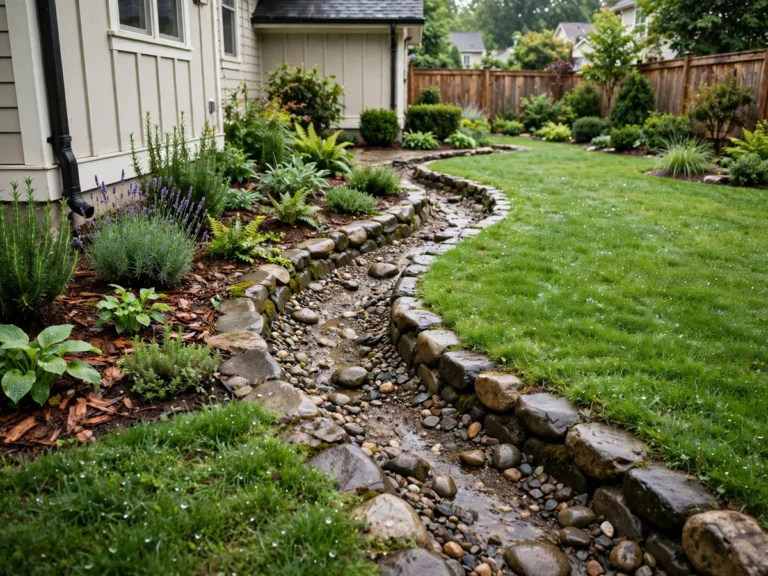
Edging holds the mulch in, the grass out, and the design together. Reclaimed brick, stone, or concrete pieces from salvage yards, marketplace listings, or your own yard can edge a small front garden for very little, and the slight irregularity suits cottage and traditional homes.
Set edging on a shallow, level trench so pieces sit firm and even. A consistent material matters more than a costly one: one edging type, used everywhere, is a quiet signal of taste that visitors feel even if they cannot name it.
4. Build a Simple Gravel or Stepping Stone Path

A clear path to the door is both welcome and design. Stepping stones set into lawn or gravel, spaced at a natural stride and bedded level on sand, give guests a dry, obvious route and give you a strong line to plant along.
Outline a gravel path with your salvaged edging so gravel stays where it belongs. Keep the route simple and direct. Of all cheap curb appeal ideas, a readable path is the one that changes how the whole house feels from the street.
5. Paint the Front Door and Update the Numbers
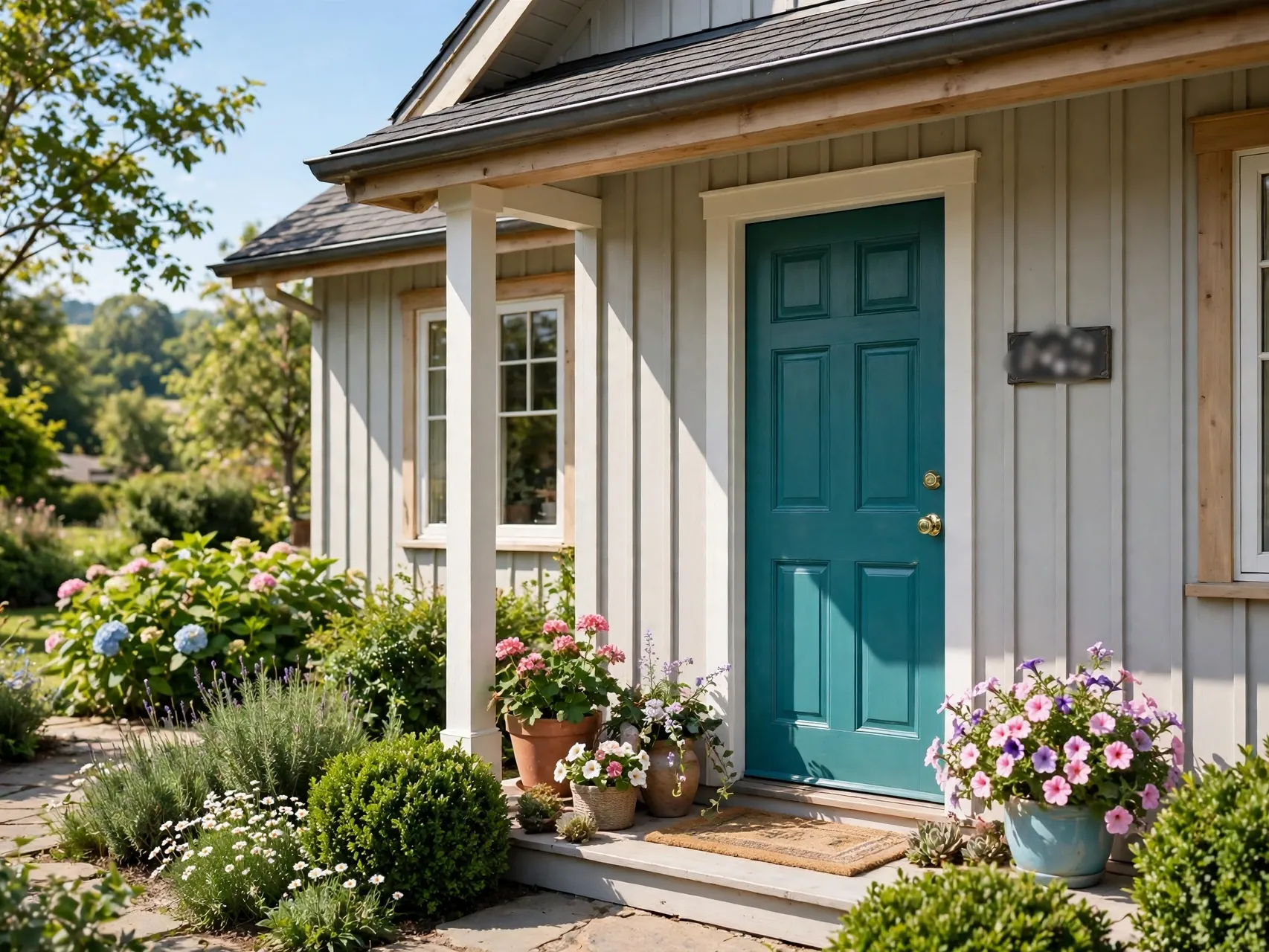
The front door is the focal point every path and bed points toward, so one can of exterior paint in a color that suits your house is money very well spent. Clean, lightly sand, and paint on a dry day, then add clean, matching house numbers and a simple door mat.
Choose one metal finish for numbers, light fixture, and handle so the entry reads as a set. This is a half day project that photographs like a renovation, and it makes the planting around it look better without touching a single plant.
6. Plant Perennials You Can Divide and Repeat

Perennials cost more than annuals on day one and far less every year after. Choose a few tough, long lived types that suit your zone and sun, plant them in groups, and in a year or two divide them to fill the rest of the bed for free.
Repetition is the budget secret of expensive looking yards: three plants, repeated, look designed, while fifteen single plants look like a sale table.
7. Choose Native Plants That Ask for Less
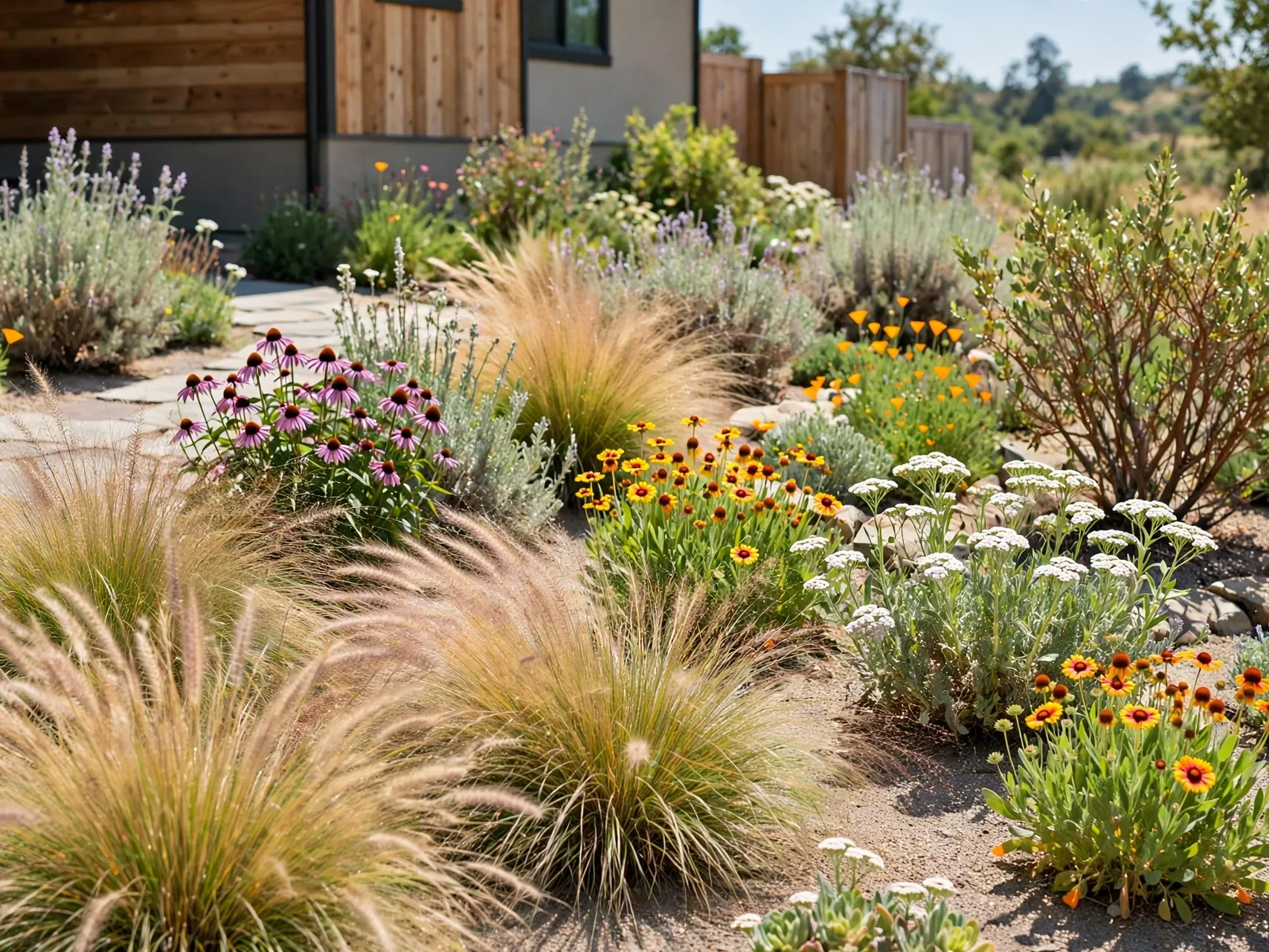
Plants native to your region are adapted to your rainfall, soil, and winters, which usually means less watering, less feeding, and fewer replacements. Your local extension service and native plant society publish lists matched to your exact area, so start there rather than with a generic list.
Natives also support local pollinators, which keeps the yard feeling alive. Check mature size carefully, because a happy native shrub can outgrow a small bed. Right plant, right place is the rule that saves the most money over time.
8. Grow Color From Seed Along the Path
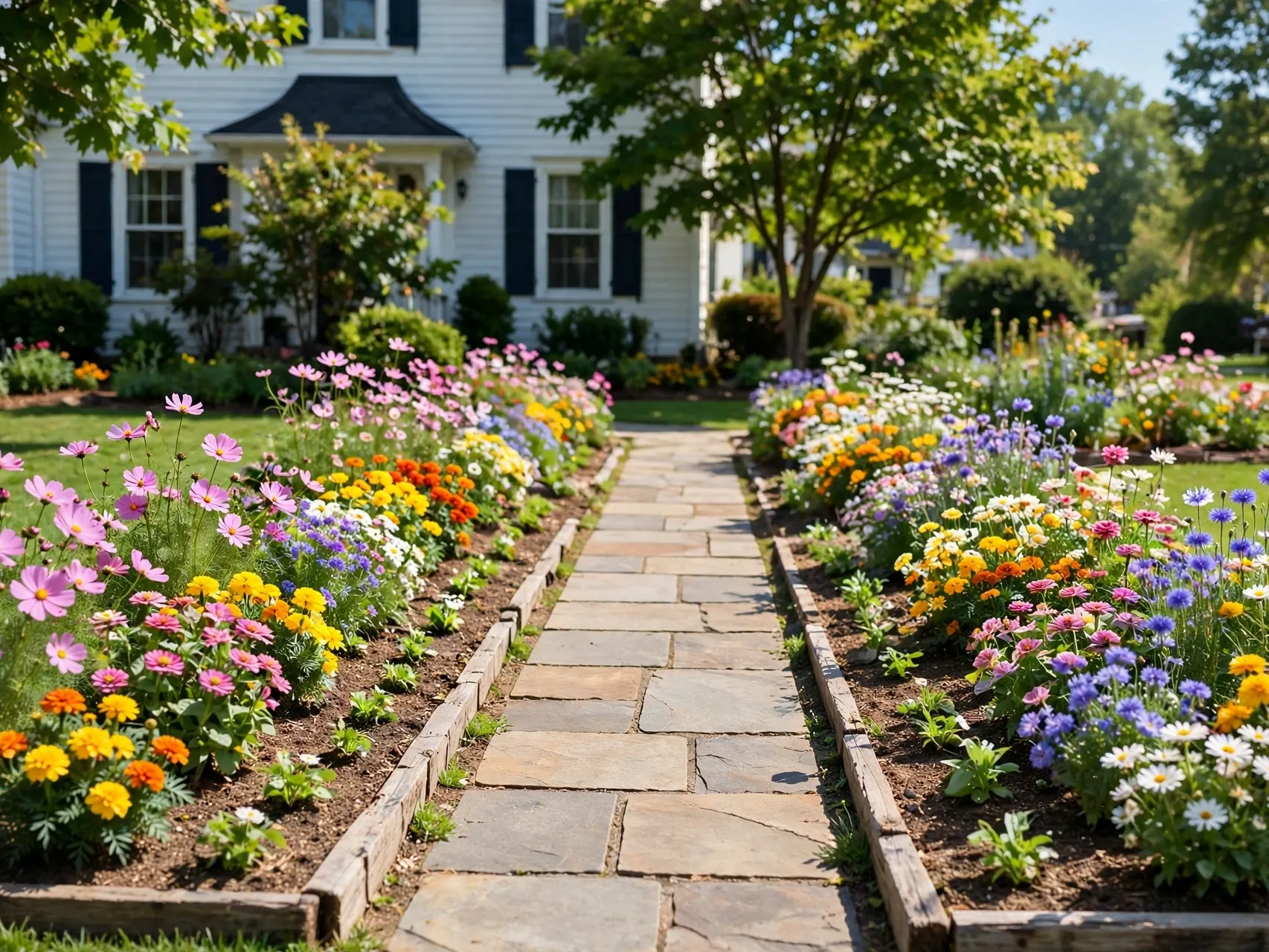
Seed is the cheapest color in gardening. Hardy annuals and self seeding flowers sown along a path edge or in a sunny bed corner give a full season of bloom for the price of a coffee, and many return on their own next year.
Follow the packet for timing and depth, keep the seed bed moist until germination, and thin seedlings so they have room. Save your plant budget for the shrubs and perennials that form the bones of the yard, and let seed handle the cheerful, changeable layer.
9. Use Ground Cover Where Grass Struggles

Every front yard has a spot where grass fails: deep shade under a tree, a hot strip by the street, a slope that is miserable to mow. Low ground cover plants suited to that exact spot fill in, suppress weeds, and end the yearly cycle of reseeding bare patches.
Plant in a staggered pattern, mulch between plants while they spread, and water through the first season.
10. Shrink the Lawn and Grow the Beds Instead

Lawn is not free: it asks for mowing, water, and feeding forever. Widening the beds along the house and path, even by a foot or two, reduces that upkeep and gives you room for layered planting that looks generous from the street.
Convert lawn in stages with the cardboard and mulch smothering method so you never face a yard of bare soil. Smaller lawn, bigger beds is the structural move behind most successful front yard landscaping ideas on a budget, because it trades weekly work for one time planting.
11. Layer Plants Tall at the Back, Low at the Front

Layering is free design. Tall shrubs or grasses at the back of a bed, mid height perennials in the middle, and low edging plants at the front create depth that makes a small yard feel larger and a plain house feel planted rather than decorated.
Check mature heights on tags, not the size in the pot, and give each layer its space. A layered bed also hides its own fading flowers behind fresh ones, which stretches the season where the yard looks good with no extra spending at all.
12. Add Two Matching Planters at the Front Door
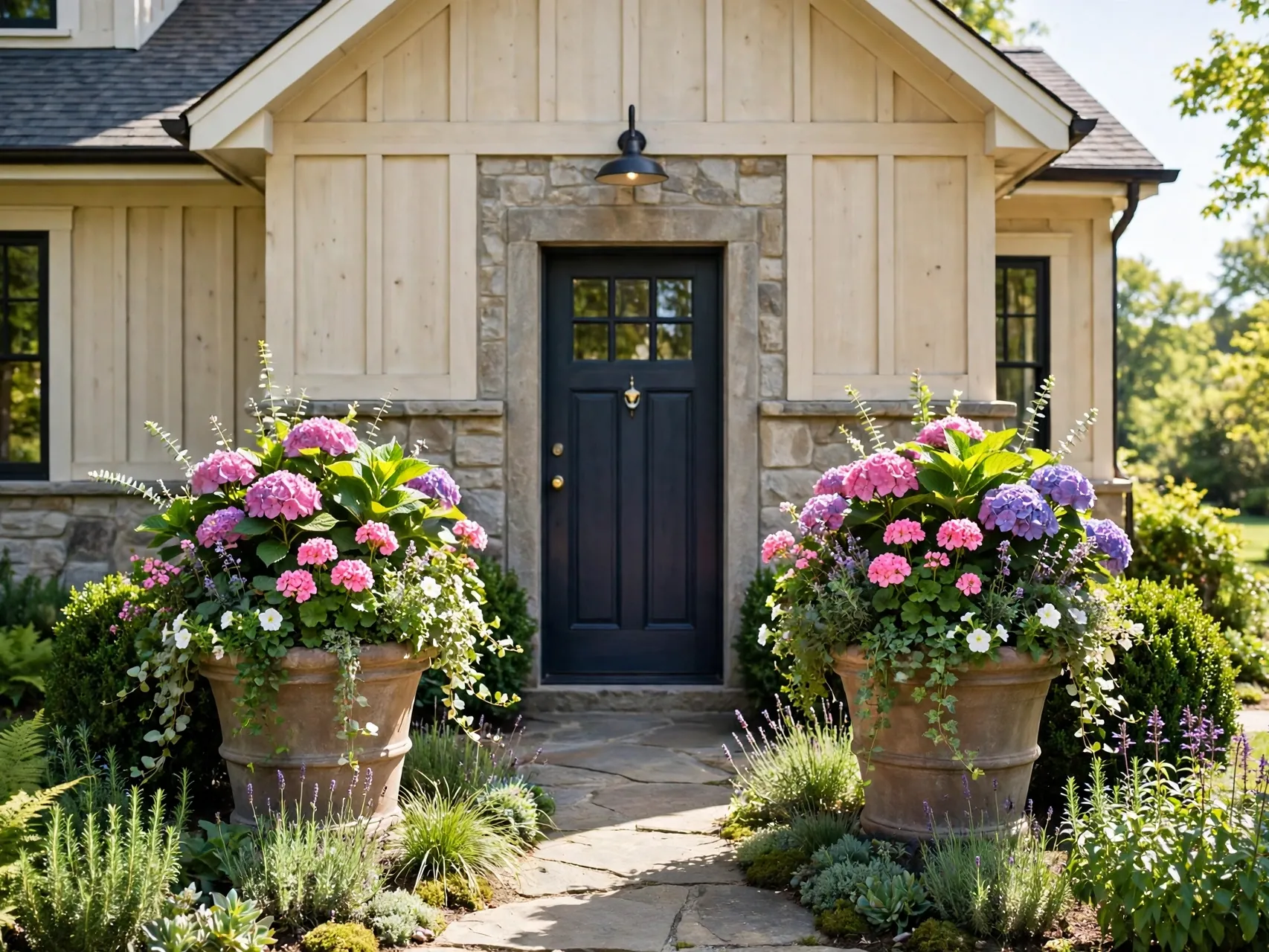
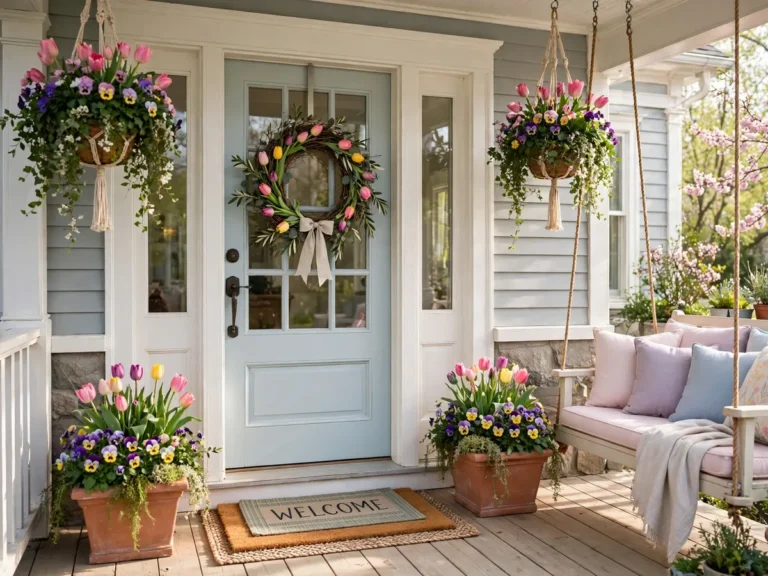
Symmetry is a shortcut to elegance. Two matching planters flanking the door, filled with the same plants, frame the entry and make the whole front feel planned. The planters themselves can be thrifted, salvaged, or simple pots painted the same color.
Fill them with one upright plant, one filler, and one trailing plant if you like a full look, or keep them to a single clipped green shape for a calm, classic feel. Matching containers are portable too, which makes this a favorite for renters.
13. Upcycle Containers You Already Own

Before you buy planters, shop your garage. Buckets, crates, old watering cans, sturdy baskets, and worn boots have all held front step plants happily. Drill drainage holes, add a coat of outdoor paint if you want them to match, and group them rather than scattering singles.
Upcycled containers carry much of the charm in a budget front yard makeover, and every dollar they save can go to soil and plants instead.
14. Build a Pallet or Trellis Vertical Accent
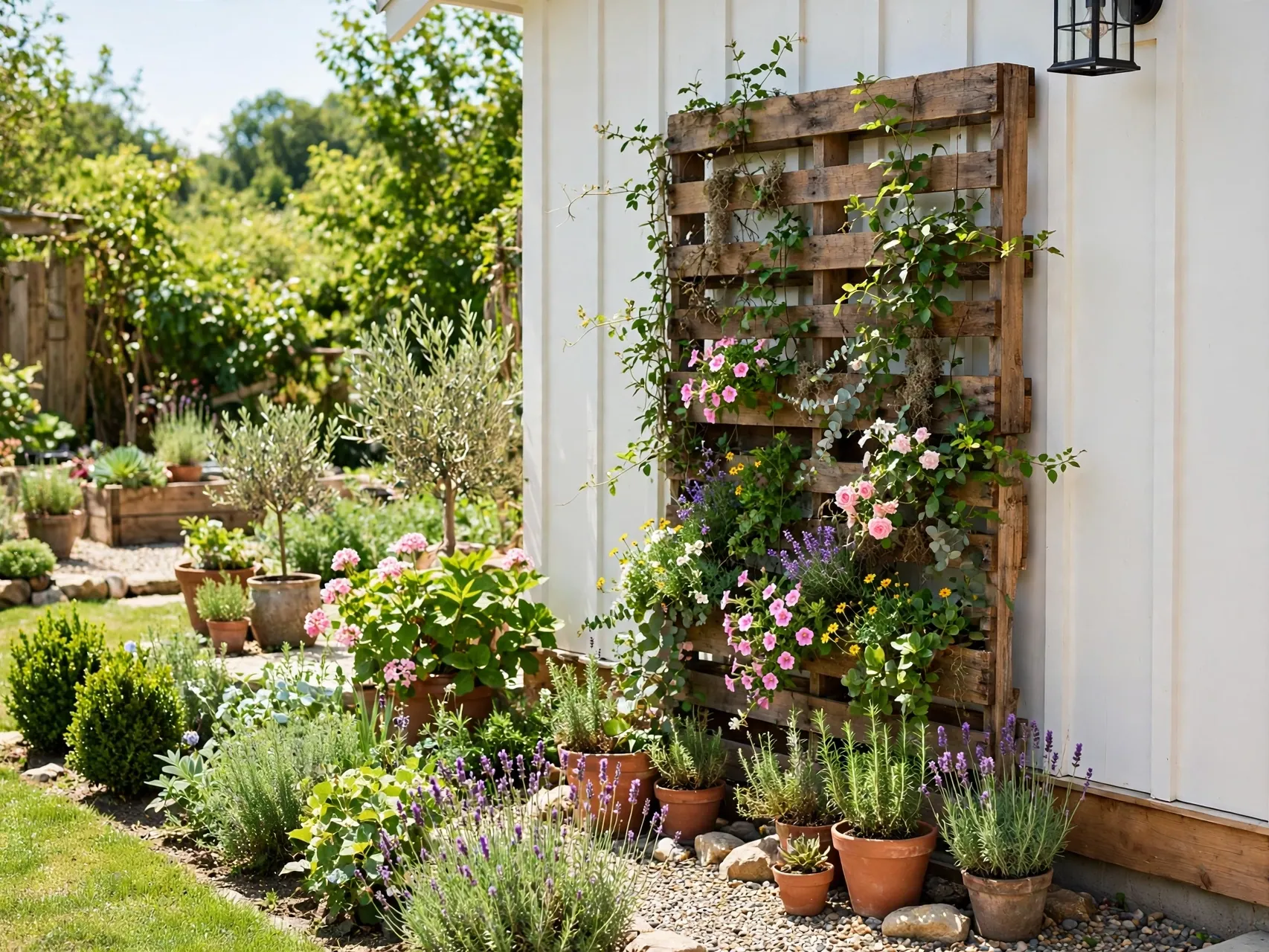
Small yards grow up. A simple trellis, obelisk, or cleaned pallet planter against the house or beside the door adds height, supports a climbing plant, and draws the eye upward so the yard feels bigger than its footprint.
Secure anything tall so wind cannot take it, check fixings do not damage siding, and confirm climbing plants are well behaved for your area. Vertical accents also solve the blank wall problem beside many front doors, where no bed width exists at all.
15. Line the Walk With Solar Path Lights
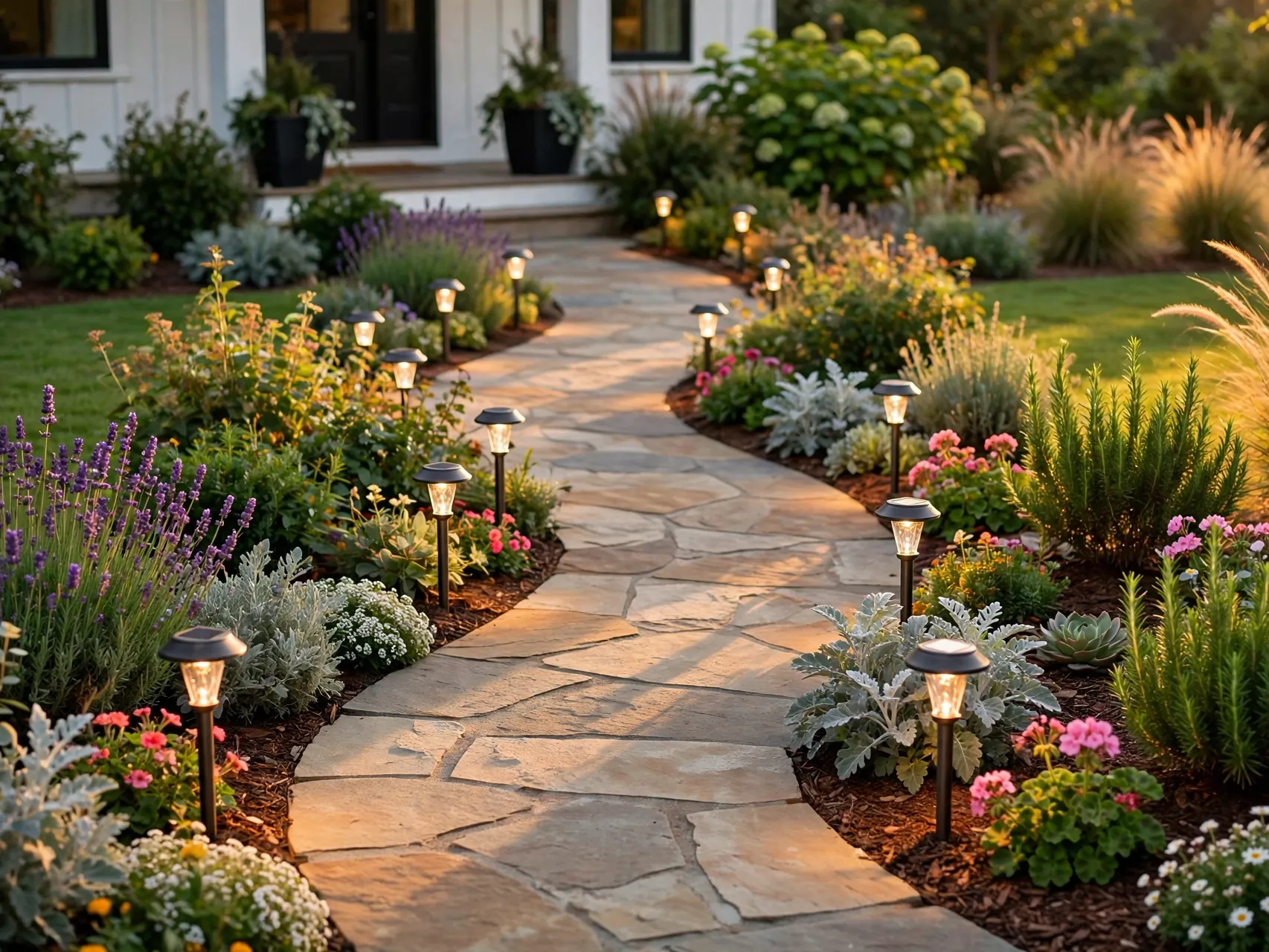
A few solar path lights, spaced evenly along the walk or at the steps, add safety and a warm evening welcome with no wiring and no running cost. Even spacing matters: a measured rhythm looks installed, while random gaps look like leftovers.
Clean the small solar panels now and then so they charge well, and choose one light style for the whole front. Lighting is best added after planting, so you light the path and the door, not the middle of a bed.
16. Create a Small Gravel Sitting Nook

If the front yard gets the good evening light, claim a corner of it. A small level gravel pad, edged to hold the gravel, with two thrifted chairs and a container or two, turns a pass-through space into a place neighbors stop and talk.
Keep it simple and permeable, level the base well, and choose chairs that can live outdoors.
17. Plant One Small Tree or Large Shrub as the Anchor

One anchor plant gives a yard its structure. A small ornamental tree or a large, well shaped shrub, chosen for your zone, sun, and the mature space available, anchors a corner bed and makes everything around it look intentional.
Planting small is the budget move: young plants cost less, establish faster, and catch up sooner than most people expect. Water deeply through the first seasons, mulch the root zone, and check with local guidance and 811 before you dig the hole.
18. Use Ornamental Grasses for Movement and Privacy

Ornamental grasses earn their space three seasons a year: fresh growth in spring, movement and soft screening in summer, and seed heads that hold into winter. A small group at a bed corner softens the house line and gives gentle privacy without a fence.
Cut grasses back once, in late winter or early spring before new growth starts, and that is most of their care. Choose types suited to your zone and avoid any known to self seed aggressively in your region. Grouping three of one grass looks calmer and costs less than mixing many.
19. Paint or Stain the Fence and Mailbox to Match

A weathered fence or a rusty mailbox quietly dates the whole front. Cleaning and painting or staining them in a color that echoes the door or trim pulls the street view together for the price of one can and a Saturday.
Prep is the unglamorous half: wash, scrape loose finish, let it dry, then coat. Check any neighborhood or postal rules that apply to mailbox changes before you start. Matching these background pieces is what lets modest planting look like a finished design.
20. Add a Window Box or Rail Planter for Height
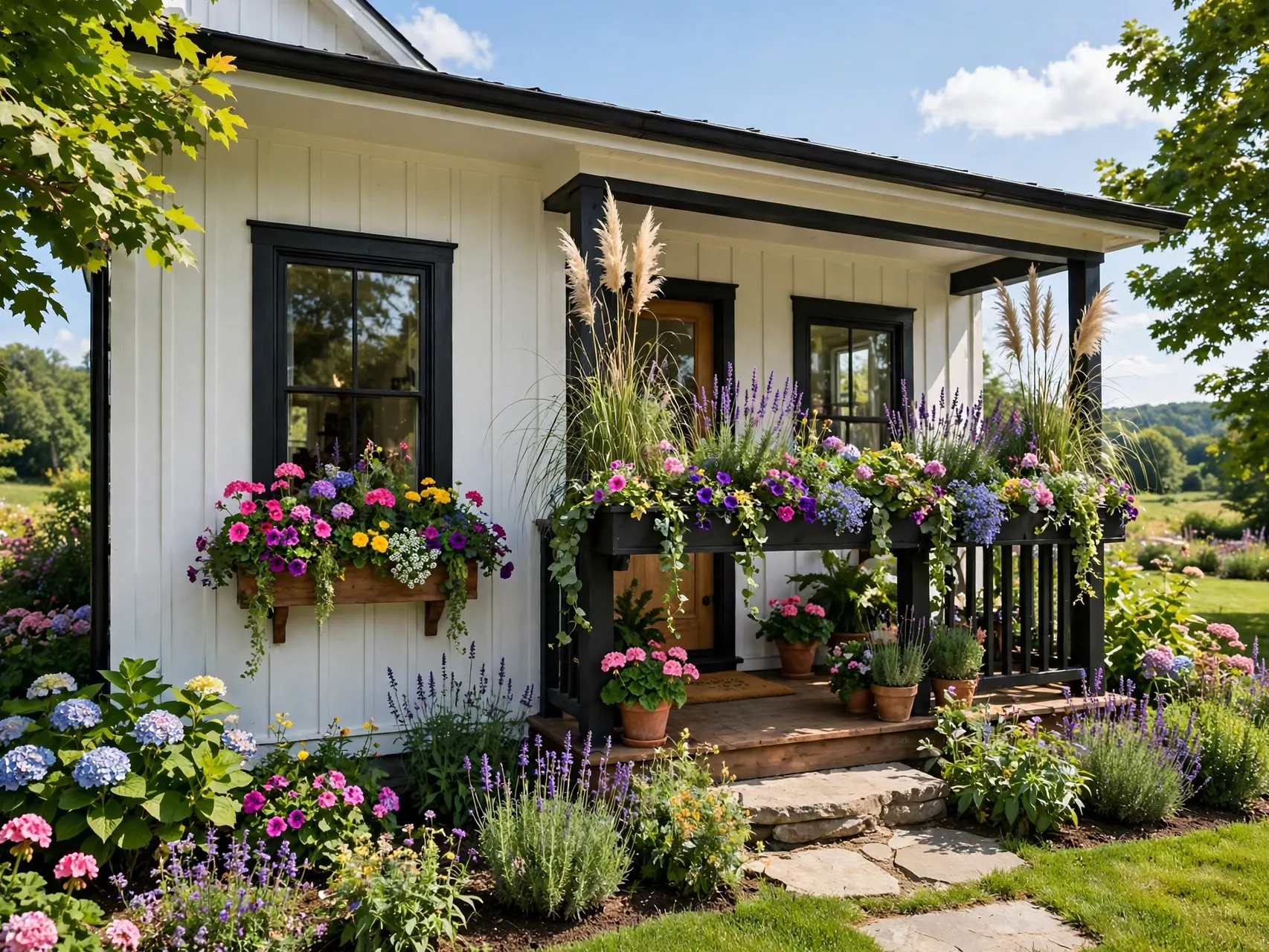
A window box under the front window connects the house to the garden and puts flowers at the height drivers and walkers actually see. Fit fixings into sound material, use a liner for easy replanting, and water more often than beds, because boxes dry fast.
Plant boxes in the same color family as the door planters so the front reads as one scheme. For renters, rail and over-sill boxes that need no drilling give the same effect and leave with you at the end of the lease.
21. Make DIY Stepping Stones With Leaf Prints

Homemade stepping stones add the personal detail bought paths never have. Cast simple concrete stones in reusable molds or sturdy trays, press a large leaf or a pattern of small stones into the surface, and let them cure fully before setting them.
Set finished stones level with the lawn so mowing passes easily and no one trips. A short run of handmade stones through a bed or to a side gate is a small project children can help design, and it costs a fraction of bought pavers.
22. Use Rock and Gravel Beds Where Water Is Scarce

In dry climates or hot, reflected heat spots by the street, a gravel bed with a few drought tolerant plants and one or two well placed rocks is honest, tidy, and cheap to keep. The rocks are often free or salvaged, and the planting can be sparse on purpose.
Edge firmly so gravel stays put, and blow or rake leaves out regularly. A dry bed that looks deliberate beats a thirsty lawn that looks tired every summer.
23. Borrow Plants With a Neighborhood Swap

Gardeners divide perennials whether or not anyone takes the extras. A street or community plant swap, a garden club sale, or a simple ask in a local group can fill a new bed with proven, local plants for nothing but a tray of your own divisions in return.
Inspect swapped plants, plant them promptly, water them in well, and quarantine anything that looks diseased away from your beds until you are sure. Local plants come with local advice attached, which is worth as much as the plants themselves.
24. Keep a Renter Friendly, Fully Portable Front

Renters can have curb appeal that moves house with them. Containers at the door, a gravel path laid over fabric with no digging, removable edging, solar lights pushed into soil, and annuals from seed give a full front with nothing permanent to undo.
Get written permission before anything that attaches to the house or changes planting beds, and photograph the yard when you arrive. A portable approach is still real front yard landscaping, and many owners are glad to see a cared for front they did not have to fund.
25. Maintain Little and Often So It Always Looks Done

The final idea is the one that protects all the others. Fifteen minutes a week, edge touch-ups, weeds pulled while small, mulch topped up once a year, spent flowers trimmed, path swept, keeps a budget yard looking like a cared for yard every single week.
Big cleanups are what make yards feel expensive to keep. Small regular care is nearly free. Put the short routine on a day you already go out front, pair it with the mailbox trip, and your budget front yard makeover will still look fresh long after bigger projects fade.
FAQ
What is the cheapest front yard upgrade with the biggest impact?
Fresh edges and fresh mulch. Cutting a clean edge along beds and topping them with a few inches of mulch costs little, sometimes nothing if your area offers free mulch, and it changes the whole street view in one afternoon. Do cleanup and edging first, then decide whether the yard still needs new plants at all.
Which plants are best for landscaping on a tight budget?
Long lived perennials you can divide, region native plants that need less water and care, and flowers grown from seed give the most years per dollar. Check hardiness, sun, soil, and mature size before buying, and use your local extension lists. A few reliable plants repeated in groups look better and cost less than many single impulse buys.
How do I landscape a front yard if I rent?
Focus on portable pieces: matching containers at the door, solar lights, removable edging, a no-dig gravel path, and color from seed. Get written permission before attaching anything or changing beds, and keep the agreement simple. A cared for, portable front is a genuine improvement, and every piece leaves with you.
Is mulch or rock cheaper for front beds?
It depends on local supply and delivery. Mulch usually costs less up front, improves soil as it breaks down, and is easy to refresh, while rock often costs more at the start and suits dry, hot spots. Many tight budget yards use mulch in planted beds and gravel only for paths and dry corners, which balances cost and upkeep well.
What should I do before digging in a front yard?
Call 811 before you dig so underground utilities can be marked, which is free and required in many places. Then check property lines, any local or neighborhood rules for fences, trees, and mailboxes, and your plants mature sizes. A short planning pause prevents the most expensive mistakes in budget landscaping, which are nearly all digging and sizing mistakes.
Key Takeaways
- Edit before you buy: Cleanup, crisp edges, and fresh mulch deliver the biggest change for the least money.
- Structure beats spending: A clear path, defined beds, and layered planting make modest plants look designed.
- Plant for free growth: Divisible perennials, suitable natives, and seed color fill a yard without filling receipts.
- Repeat and match: Repeating a few plants, containers, and finishes is the visual secret behind front yard landscaping ideas on a budget.
- Care little and often: Short weekly upkeep keeps a tight budget yard looking finished all season.
- Planning your own weekend refresh? Save this guide to Pinterest and pin the first idea you will tackle.