22 Ways to Snake Proof Your Yard Without Any Chemicals
Introduction
Most snakes visit a yard for three simple reasons: food, water, and a quiet place to hide. Remove those three things and most snakes move on by themselves. That is the honest foundation of every method that helps you snake proof your yard, and it works without sprays, powders, or poisons.
Be skeptical of quick fixes. Extension guidance is consistent on this point: no chemical repellent, scent product, or ultrasonic device has been proven to keep snakes away reliably. Mothballs do not work either, and using them outdoors is a misuse that can harm children, pets, and wildlife.
What does work is patient habitat work plus one good barrier where it matters most. Work through this list in order, starting with cleanup, then sealing, then fencing the areas your family uses most.
If you meet a snake while you work, stop, back away, and let it leave. Never try to handle, corner, or kill a snake, even one you think is harmless. Identification mistakes happen, and most bites happen when people get too close.
1. Mow the Lawn Short and Often
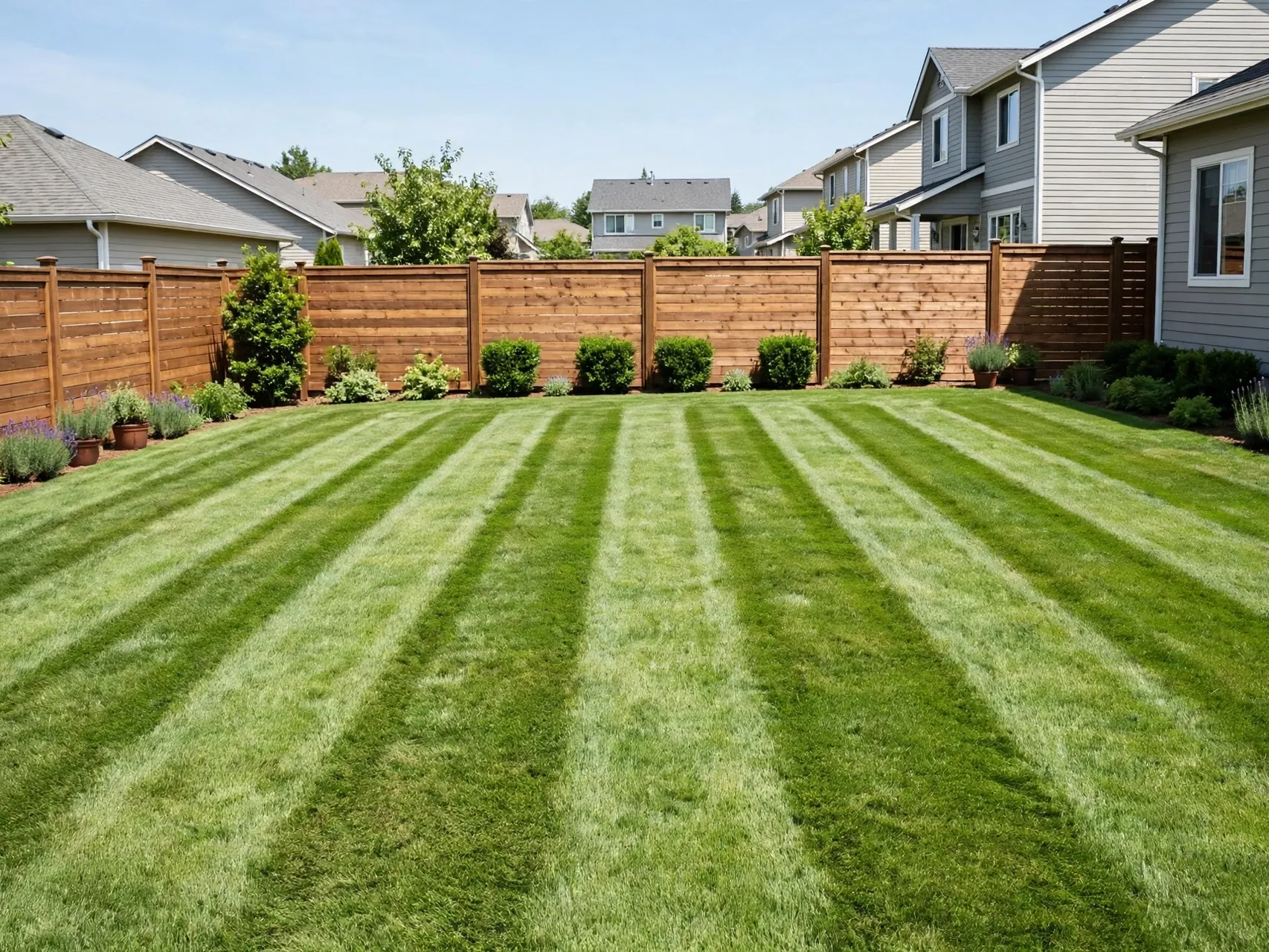
Tall grass is perfect snake cover. It hides a snake from predators, keeps it cool, and shelters the frogs and rodents it hunts. Keeping your lawn mowed short removes that cover and makes your yard feel exposed and risky to a passing snake.
Mow edges and corners too, not just the open middle. The shaggy strip along a fence or shed is exactly where a snake likes to travel, so a neat edge matters as much as a short lawn.
2. Clear Away Piles of Debris

Brush piles, stacked stones, old boards, leaf heaps, and forgotten garden clutter all make cool, dark hiding spots. Clearing them is the single fastest way to make a yard less welcoming, and it costs nothing but an afternoon.
Work carefully as you clear. Use a rake to pull material toward you, wear gloves and boots, and watch where you step. If a snake is sheltering in a pile, give it room to slip away rather than reaching in by hand.
3. Store Firewood Off the Ground and Away From the House
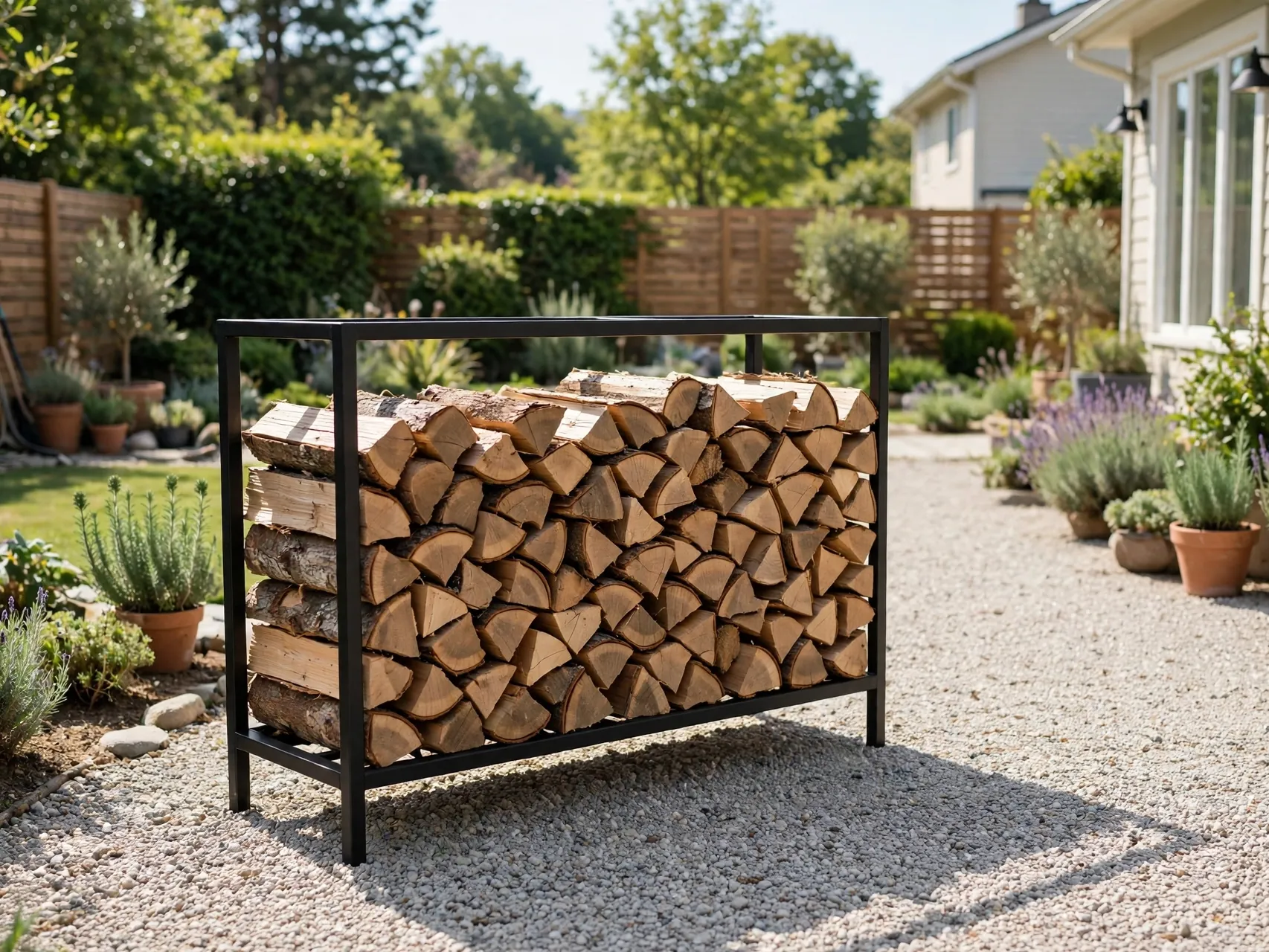
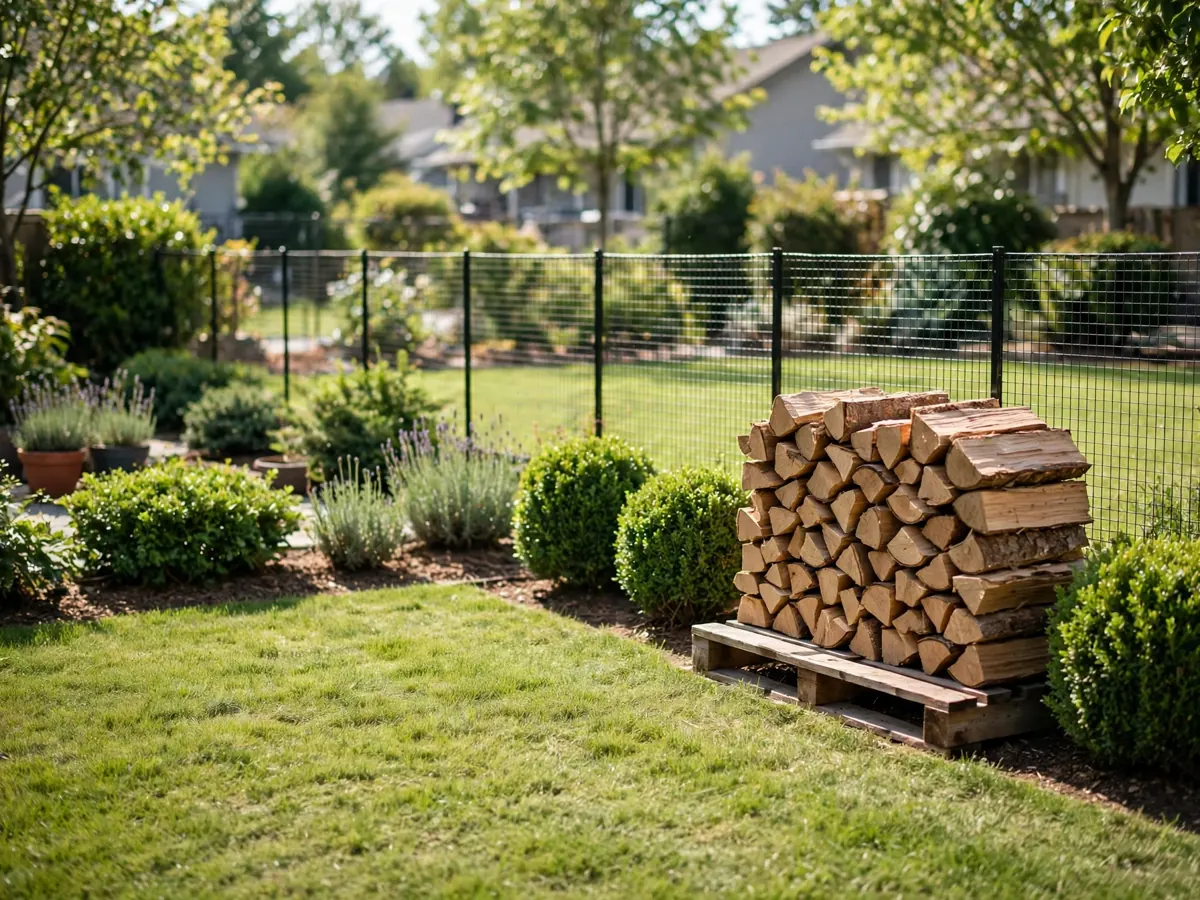
A woodpile stacked on the soil is a snake apartment building, with gaps at ground level and mice nesting between the logs. Raise firewood on a rack or pallet at least a foot off the ground and keep the stack away from walls and play areas.
Take wood from the top of the stack, tap logs together before carrying them inside, and wear gloves. A tidy, raised stack is also drier, burns better, and looks far better in photos of your yard.
4. Trim Shrubs and Lift Low Branches
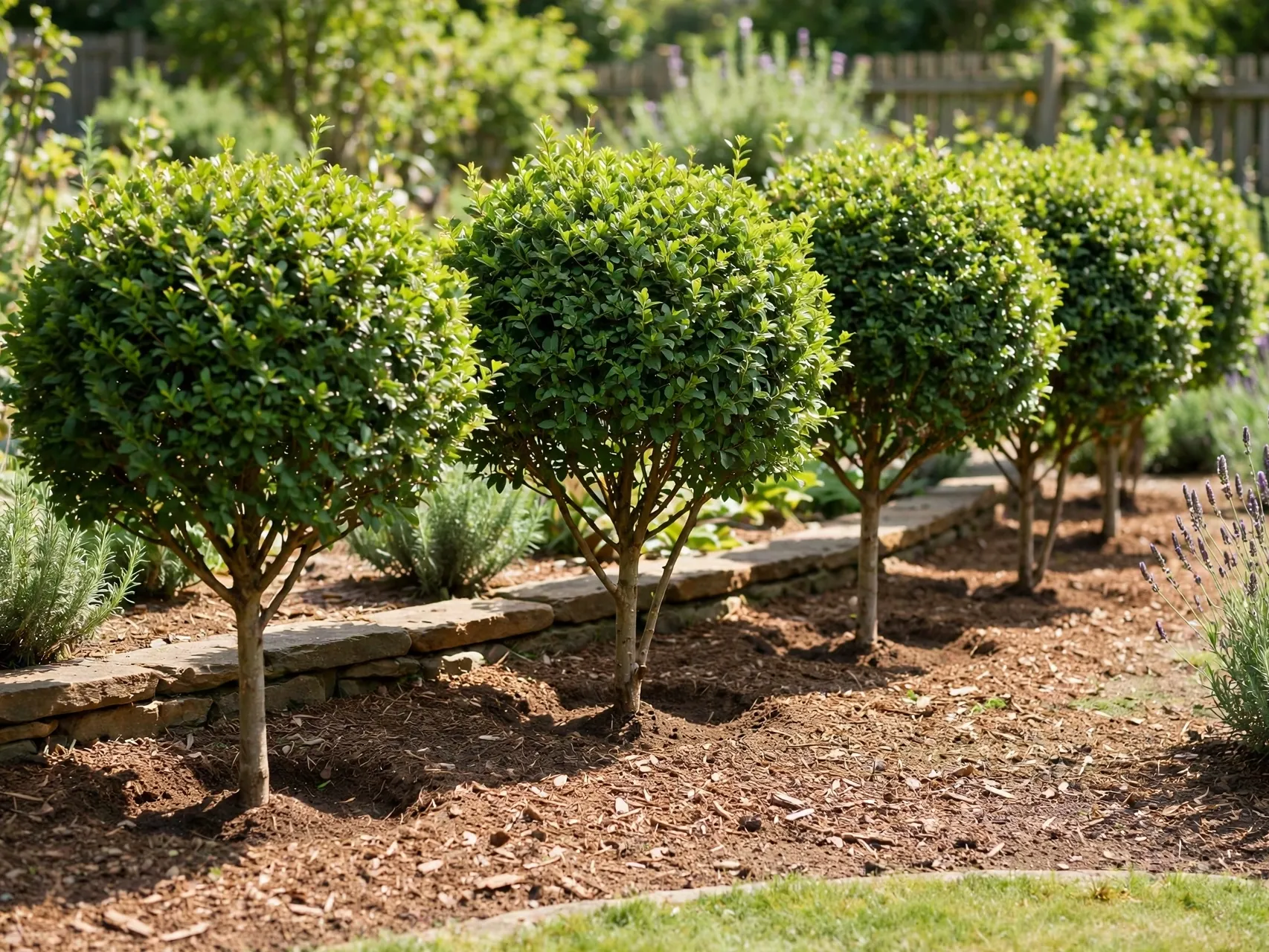
Dense shrubs that touch the ground create a shaded tunnel system where snakes rest unseen. Trim the lowest growth up so you can see bare soil or mulch beneath each shrub, especially along paths, porches, and the house foundation.
Thin out overgrown beds near doors and steps first. You do not need to remove your planting, just open it up. Light and airflow under shrubs make them poor hiding places while keeping the garden look you love.
5. Remove Rock Walls and Loose Stone Piles Near Play Areas
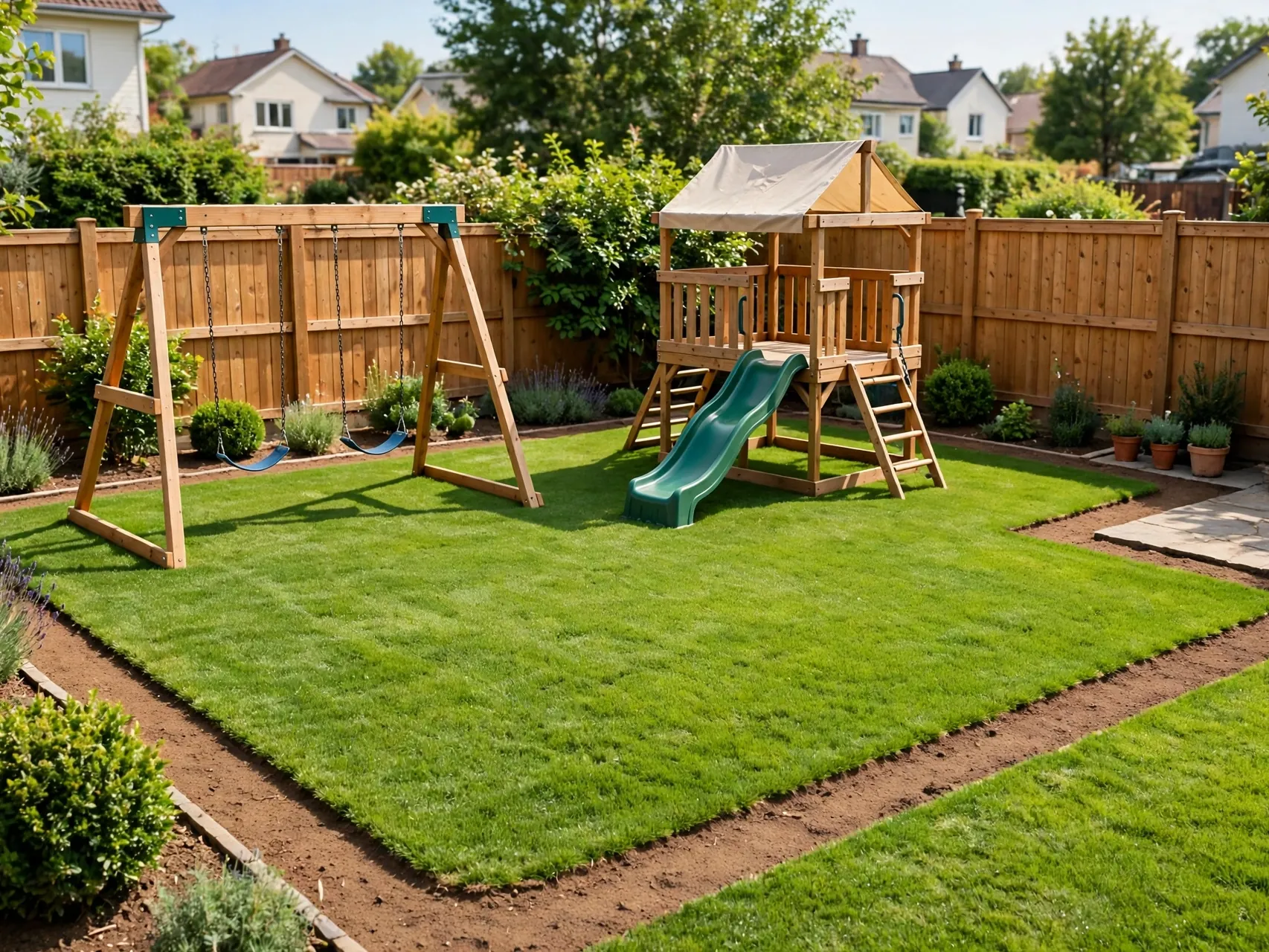
Loose rock piles and dry stone walls warm up in the sun and offer deep crevices, which makes them favorite snake shelter. If rocks sit near a sandbox, pool, or patio, consider moving that feature or rebuilding it with mortar so the gaps disappear.
Where a stone wall must stay, keep the area in front of it clear and short. A visible, open strip means a snake has nowhere to pause unseen between the wall and your family.
6. Install a Proper Snake Proof Fence Around Key Areas
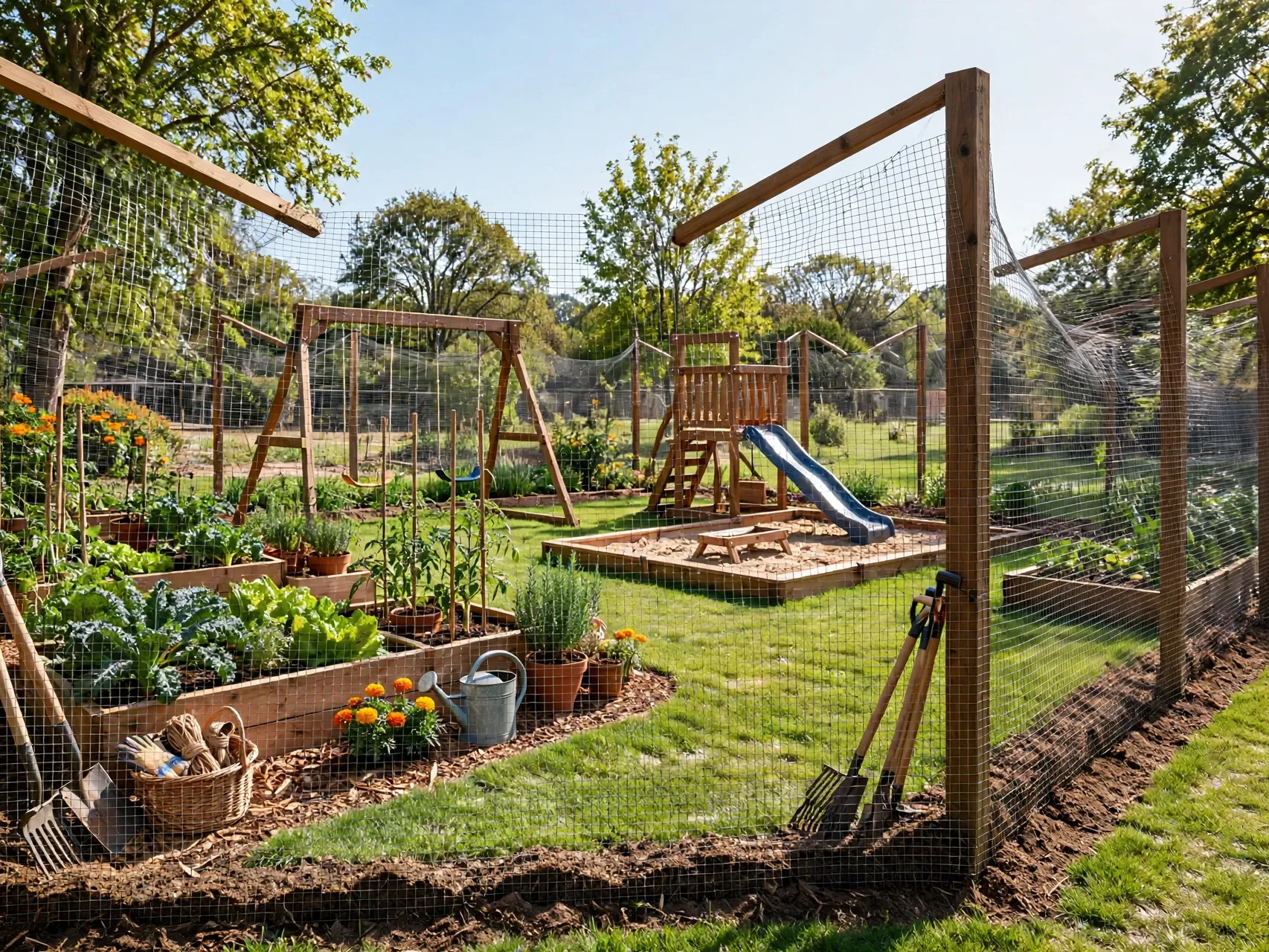
A barrier is the most reliable step on this list. Use fine mesh hardware cloth with openings a quarter inch or smaller, at least 30 to 36 inches tall, and bury the bottom 4 to 6 inches underground so snakes cannot push underneath.
Angle the top slightly outward if you can, keep gates tight fitting, and walk the line monthly to repair gaps. You rarely need to fence a whole property. Fencing the garden, pool, or play area gives most of the protection for a fraction of the work, which is the smart core of most snake proof fence ideas.
7. Add Mesh to the Bottom of Existing Fences
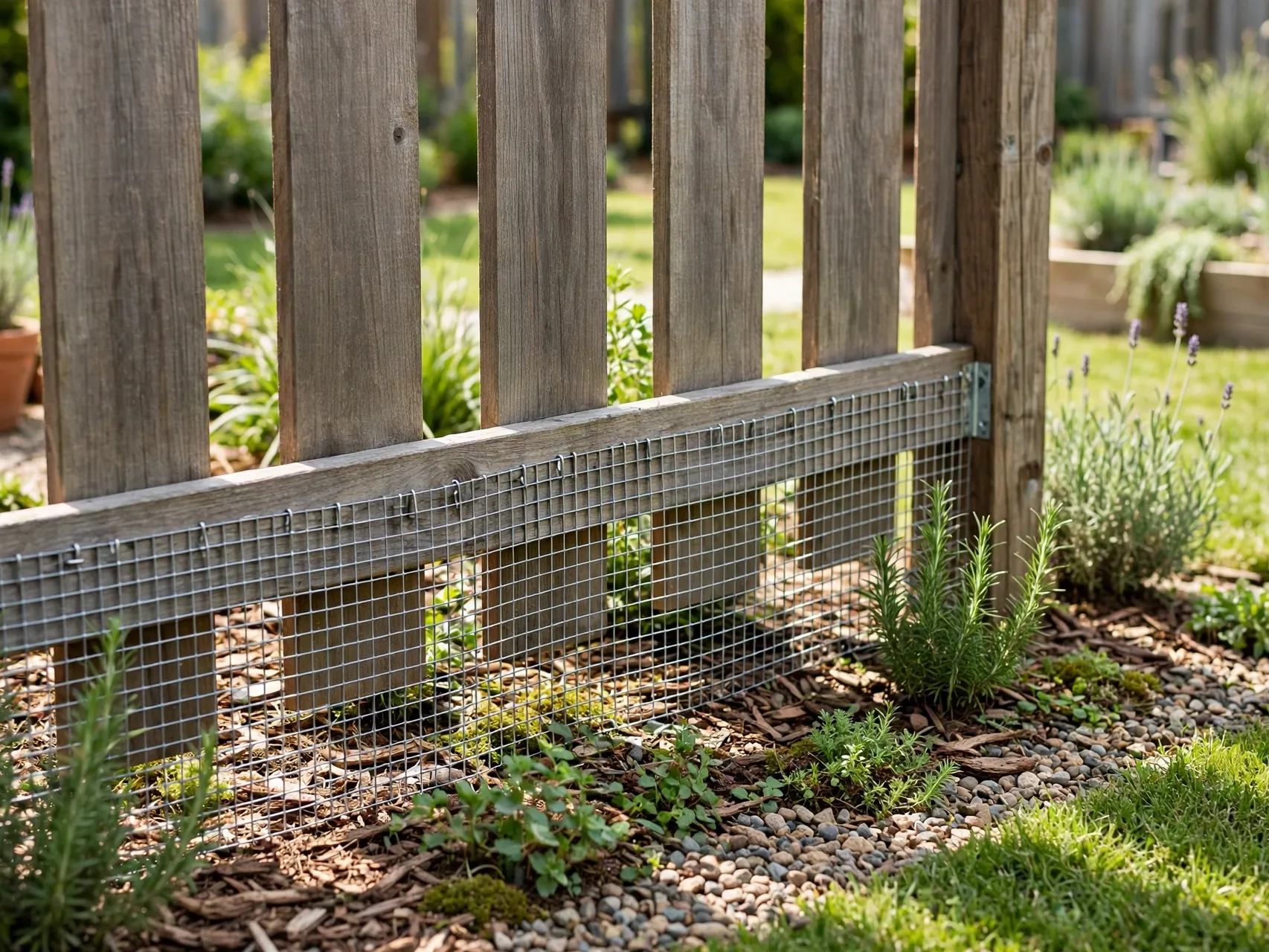
A standard chain link or picket fence stops dogs, not snakes. The openings are far too wide. Retrofit what you already have by attaching fine hardware cloth along the bottom, inside face, and burying its lower edge a few inches deep.
Pay attention to corners and gate posts, where small gaps hide. Press soil firmly against the buried mesh so nothing can slip under it, and check after heavy rain washes soil away.
8. Seal Gaps Under Sheds, Decks, and Porches
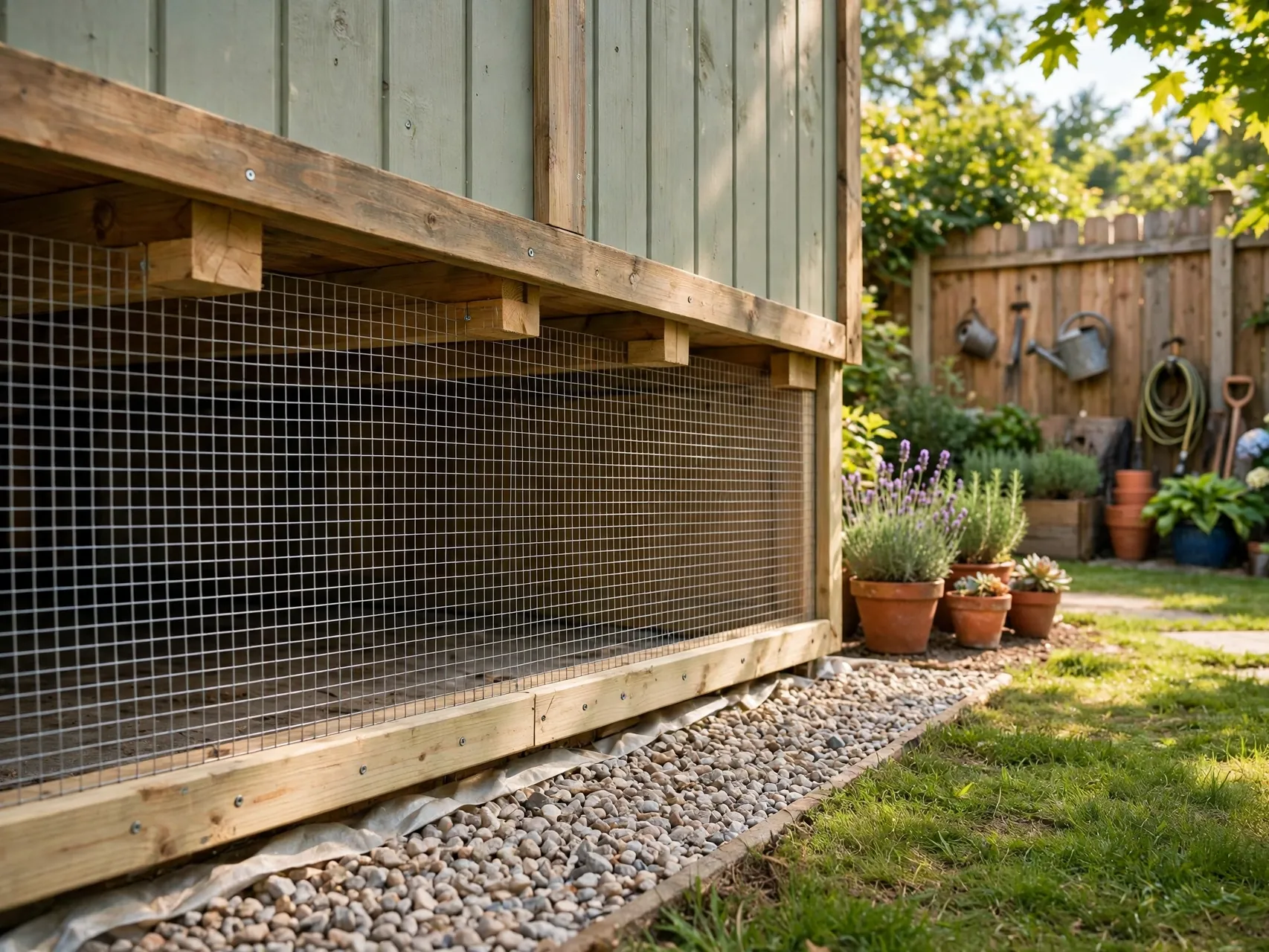
The dark space under a shed or deck is prime snake shelter, cool in summer and safe from predators. Block access with hardware cloth or solid boards fitted tightly around the base, buried slightly so animals cannot dig under.
Before sealing, make sure nothing is living under there already. Watch the space for a day or two, leave one section open as an exit, then close it once you are confident the space is empty. Never seal an animal inside.
9. Cover Drains, Vents, and Pipe Openings With Mesh

Open drain pipes, vent covers with broken slats, and uncapped pipes are easy entry points into yards, garages, and crawl spaces. Fit them with sturdy wire mesh or proper vent covers and secure the edges so nothing can push past.
Add this check to a spring walk around your home. Winter weather cracks covers and shifts pipes, and ten minutes with a flashlight in March prevents a surprise in July.
10. Fill Foundation Cracks and Add Door Sweeps
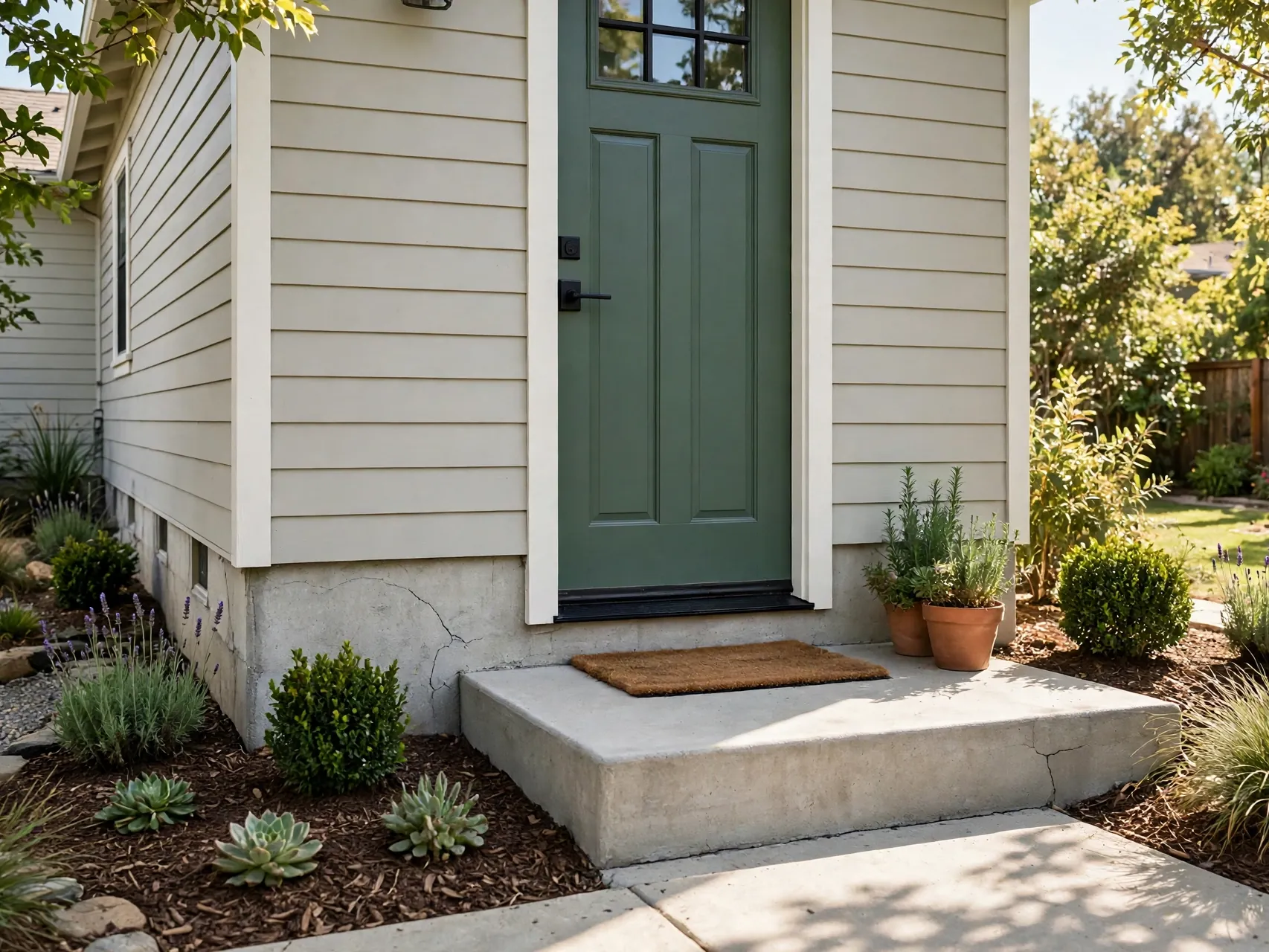
Snakes can pass through surprisingly small openings, roughly the width of a pencil in some cases, by following mice. Seal cracks in the foundation with mortar or sealant, repair gaps around pipes and cables, and fit door sweeps on garage and exterior doors.
This work does double duty. The same sealing that blocks snakes also blocks mice, insects, and drafts, so your home feels tighter and your heating and cooling work less hard.
11. Cut Off the Rodent Food Supply
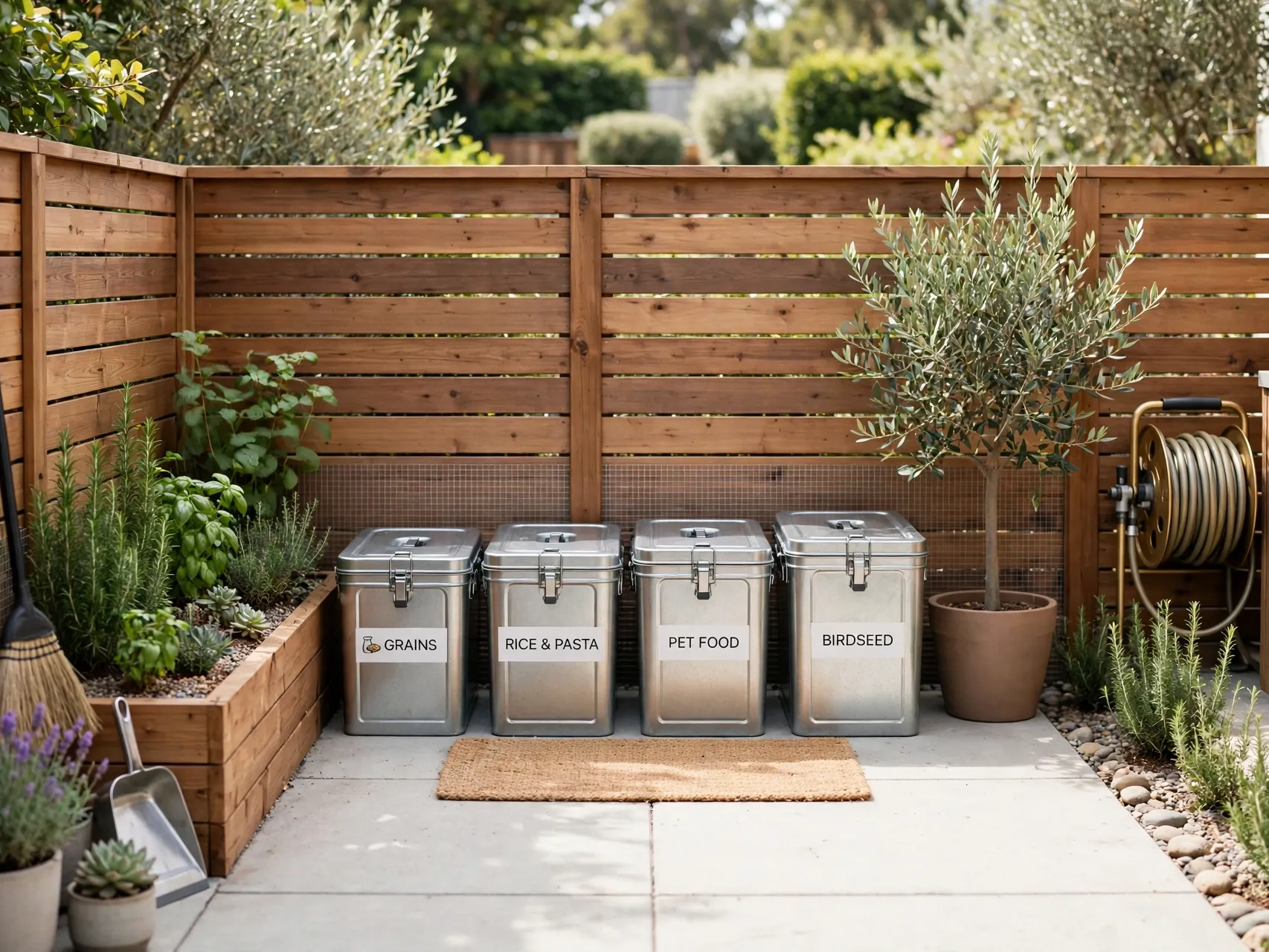
Snakes follow food. A yard full of mice will keep attracting them no matter how tidy it looks. Store bird seed and pet food in sealed containers indoors, clean up seed spilled under feeders, and pick up fallen fruit promptly.
If rodents are a real problem, use traps or call a pest professional rather than poison. Poisoned rodents can harm the owls, hawks, and pets that eat them, and those predators are some of your best free snake control.
12. Secure Trash, Compost, and Pet Food Outdoors

Open trash and loose compost feed rodents, and rodents feed snakes. Use bins with tight, locking lids, switch to an enclosed compost bin instead of an open pile, and bring pet food bowls inside after feeding rather than leaving them out overnight.
Rinse recycling so food residue does not linger. These small habits break the food chain at its lowest link, which is exactly where how to keep snakes out of your yard naturally really begins.
13. Fix Leaks and Remove Standing Water

Dripping faucets, soggy hose connections, and saucers of standing water draw frogs, toads, and insects, and snakes follow them. Repair leaks, store hoses neatly, and empty buckets, toys, and plant saucers that collect rain.
Grade low spots that stay puddled after storms if you can. A yard that dries out after rain is far less interesting to the prey animals snakes are hunting.
14. Water the Garden in the Morning, Not at Night

Overwatering keeps soil damp and full of slugs, worms, and frogs, which is a buffet for snakes. Water deeply in the early morning instead, so the surface dries during the day and beds are not wet and crawling with prey at dusk.
Check irrigation timers after storms and turn them off when rain has done the job. Plants stay healthier with this rhythm too, since leaves dry before evening and mildew gets less of a foothold.
15. Lay a Wide Gravel Border Around the House and Play Zones
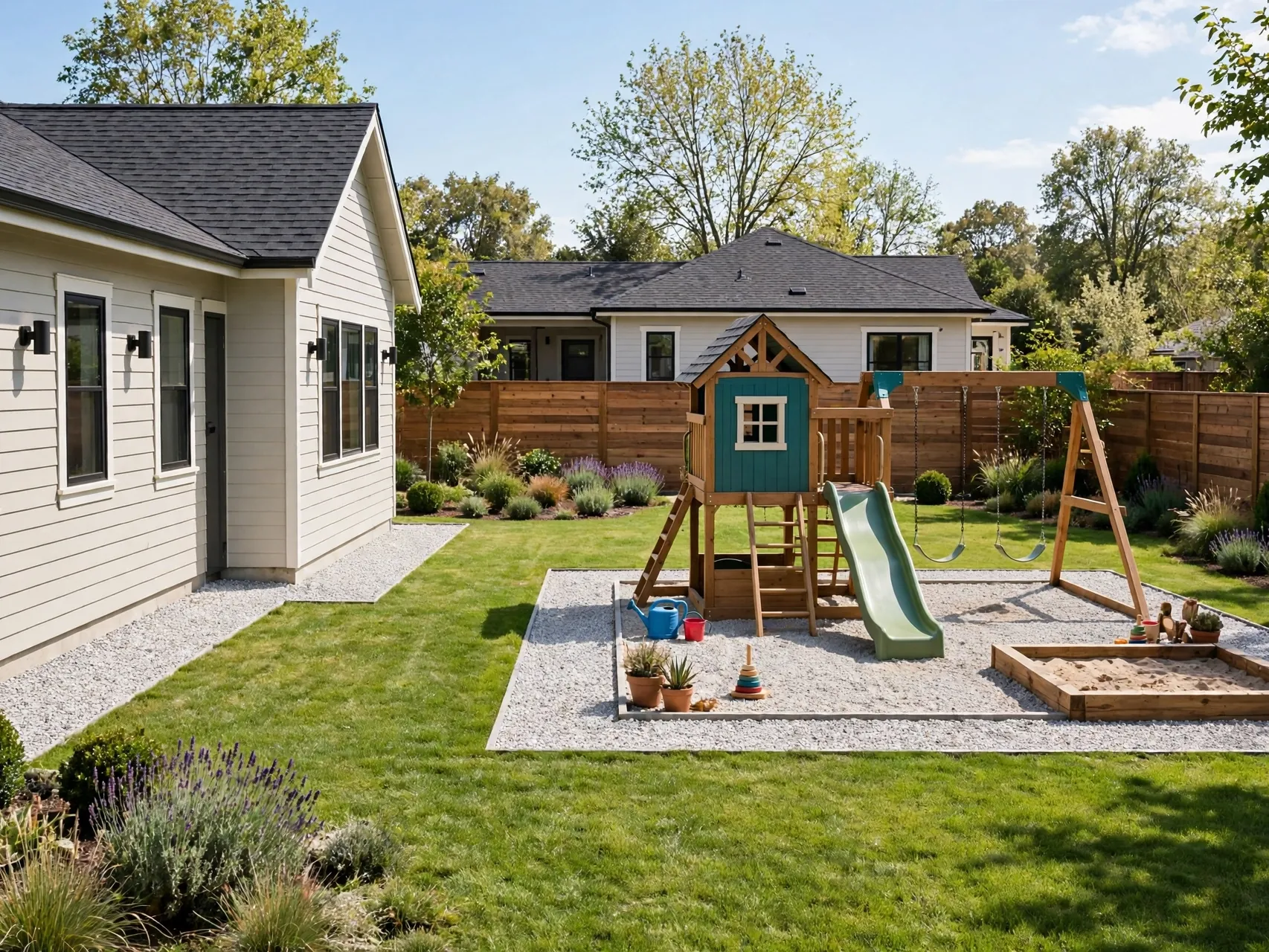
A clean band of gravel or crushed rock around the foundation, patio, and play equipment gives snakes no cover at the exact places you walk most. It also lets you see anything crossing it, which brings real peace of mind.
Keep the border free of leaf litter and weeds so it stays open and dry. Gravel alone will not stop a determined snake, but as part of a tidy edge it removes hiding spots where they count most.
16. Keep Garden Beds Open With Mulch Discipline

Thick, loose mulch piled deep against walls can shelter both rodents and snakes. Keep mulch at a moderate depth, pull it a few inches back from the foundation, and rake it occasionally so it does not become a settled, undisturbed mat.
In vegetable beds, keep paths clear and harvest ripe produce promptly. Fallen tomatoes and melons feed rodents overnight, and a clean garden is a much harder place for a snake to hunt unseen.
17. Move Bird Feeders Away From the House

Feeders themselves do not attract snakes, but spilled seed attracts mice, and mice attract snakes. Move feeders to the far edge of the yard, use seed trays to catch spills, and sweep the ground beneath them weekly.
If snake visits continue, take feeders down for a few weeks in peak summer. Breaking the rodent routine for a short spell often ends the snake visits that were following it.
18. Encourage Owls With a Nest Box

Owls hunt the rodents snakes depend on, and a nest box on a quiet tree or pole can invite a resident hunter. Place the box away from busy seating so the birds feel safe, and be patient, since occupancy can take a season or more.
Never use rodent poison in a yard where you want owls. A poisoned mouse can kill the owl that eats it, removing your best nighttime patrol and harming wildlife you were trying to help.
19. Keep Pets Supervised and Train a Solid Recall

Curious dogs are the family members most likely to find a snake first. Supervise outdoor time in high grass or near woodpiles, keep dogs leashed in wild corners of the yard, and train a strong come command you can trust in an exciting moment.
Talk to your veterinarian about snake risks in your area and what to do if a pet is bitten. Knowing the nearest emergency vet in advance turns a panic into a plan.
20. Teach Children a Simple See and Step Back Rule
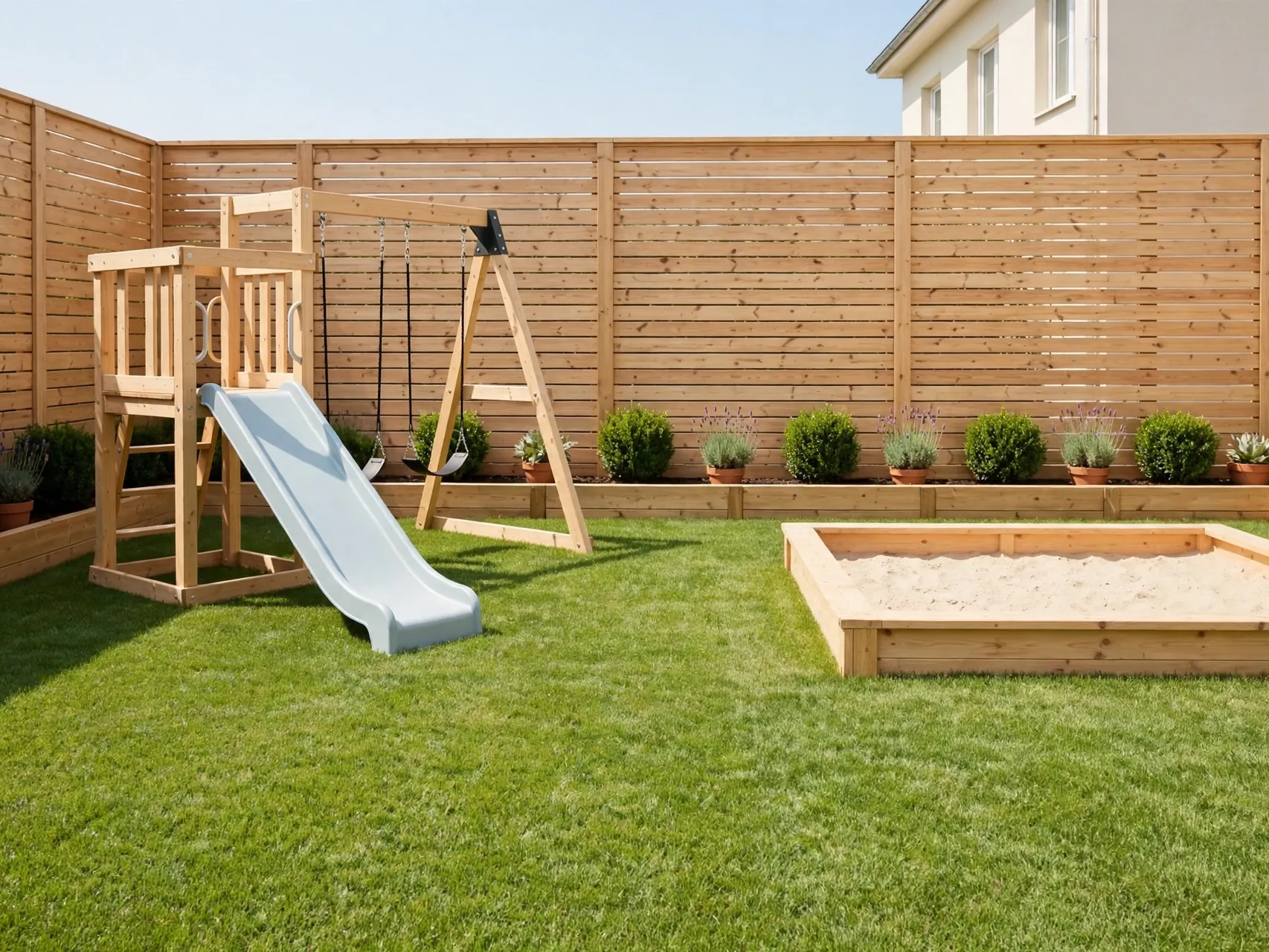
Children should know one calm rule: if you see a snake, freeze, step back, and tell an adult. No touching, no throwing things, no trying to move it with a stick, even if it looks small or slow.
Practice spotting from photos so kids can recognize common local species from a safe distance. Calm knowledge beats fear, and a child who steps back confidently is a child who stays safe.
21. Know What Does Not Work and Skip It
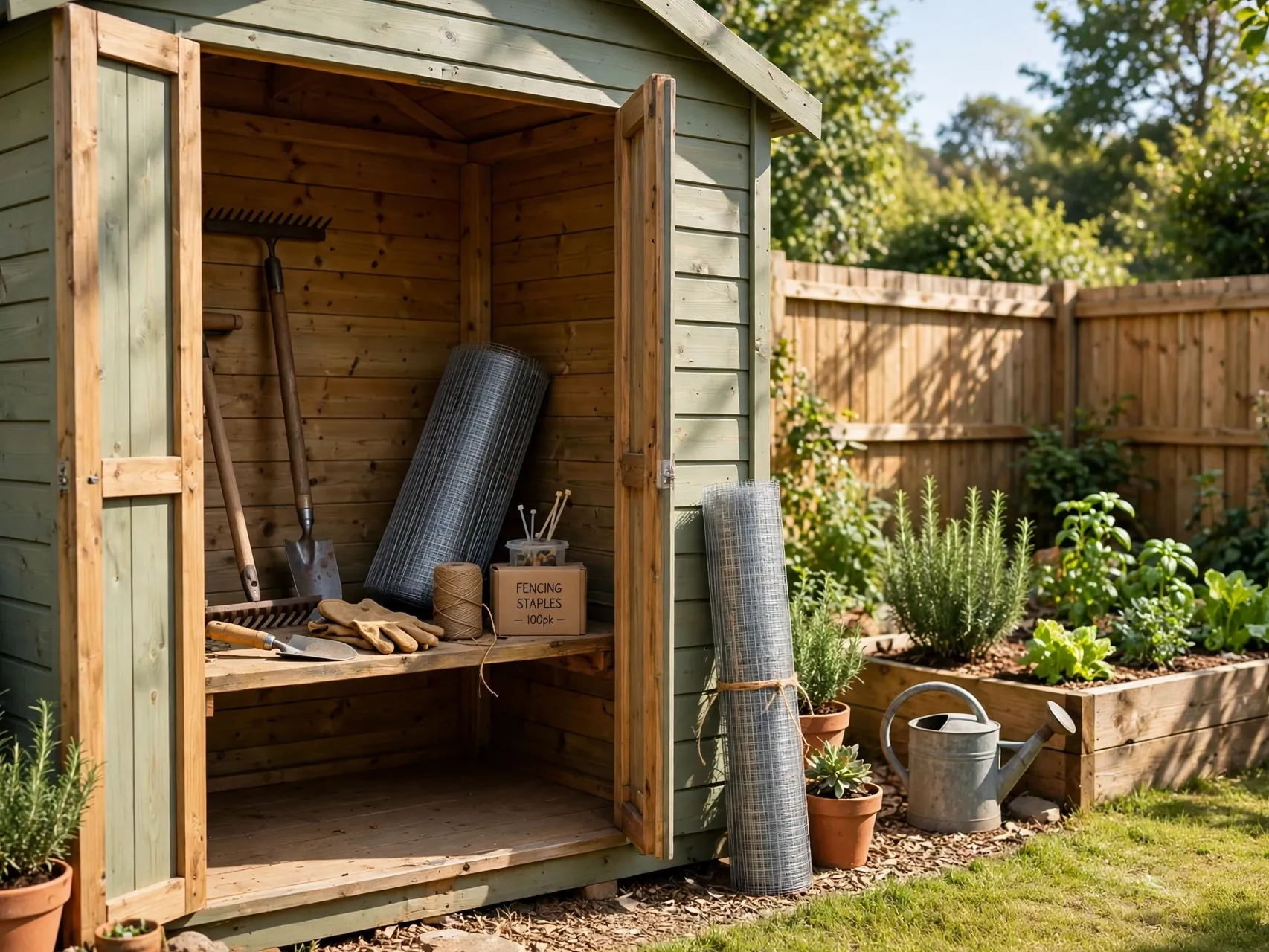
Save your money and skip the myths. Mothballs are not proven, are not labeled for outdoor use, and can poison children, pets, and wildlife. Sulfur lines, ammonia rags, ultrasonic stakes, and scent sprays have no reliable evidence behind them either.
Repellent plants like marigolds and lemongrass are pleasant to grow, but no plant has been proven to repel snakes. Grow them for their beauty and scent, and put your real effort into cleanup, sealing, and fencing, the snake deterrent yard tips that actually change what a snake finds in your yard.
22. Call a Licensed Relocator When a Snake Will Not Leave

Most snakes leave on their own within a day once cover and food are gone. If one settles under a porch, returns repeatedly, or you suspect it may be venomous, call animal control or a licensed wildlife relocator rather than handling it yourself.
Keep people and pets indoors and watch the snake from a distance so you can tell the professional where it is. Relocators remove snakes safely and legally, and many will point out the exact gap or shelter that invited it.
FAQ
What is the most effective way to snake proof a yard?
Habitat work plus a barrier. Remove hiding places, cut off rodents and standing water, then install fine mesh fencing with the bottom buried around the areas you use most. No spray, powder, or scent product has been proven to replace those steps.
Do mothballs or sulfur keep snakes away?
No. Extension and wildlife agencies are consistent that mothballs do not repel snakes, and using them outdoors is a misuse that can harm children, pets, and the environment. Sulfur and commercial scent repellents also lack reliable proof, so do not depend on them.
How tall should a snake fence be?
A common extension aligned setup uses fine hardware cloth with openings a quarter inch or smaller, roughly 30 to 36 inches above ground, with the bottom 4 to 6 inches buried. Gates must fit tightly and the line needs regular checks for gaps, since one opening undoes the rest.
What should I do if I find a snake in my yard?
Stop, back away slowly, and give it an escape route. Bring pets and children inside and let the snake leave on its own, which most do quickly. Never try to handle or kill it. If it will not leave or may be venomous, call animal control or a licensed relocator.
Are most yard snakes dangerous?
Many common yard snakes are harmless and even helpful, since they eat rodents. That said, never approach a snake to check. Treat any unidentified snake with caution, admire it from a distance, and let a professional identify and move it if it is too close to the house.
Key Takeaways
- Food, water, cover: Snakes visit for those three things, so removing them is the real foundation of how to snake proof your yard without chemicals.
- Cleanup first: Short grass, cleared piles, raised firewood, and trimmed shrubs remove the hiding places snakes need most.
- Fence what matters: Fine mesh, buried at the bottom and checked for gaps, protects gardens, pools, and play areas better than any repellent.
- Seal the small gaps: Shed bases, vents, drains, and foundation cracks are easy entry points that mesh and door sweeps close for good.
- Skip the myths: Mothballs, sulfur, and scent sprays are unproven and sometimes harmful. Spend effort on habitat and barriers instead.
- Love a calmer, safer yard? Pin this guide to your garden board on Pinterest so the full checklist is ready before your next yard day.