21 Backyard Fire Pit Ideas for Cozy Nights on Any Budget
Introduction
A good fire pit turns an ordinary yard into the place everyone drifts to after dinner. The glow, the warmth and the simple ritual of gathering in a circle make even a Tuesday feel like a mini holiday. With the right backyard fire pit ideas, that feeling fits almost any yard and almost any budget.
This guide gathers 21 designs, from a dry stacked block ring you can build in an afternoon to gas tables, smokeless pits and built in seating walls. Each idea includes the placement and safety notes that matter, because a pretty pit in the wrong spot is a problem, not a feature.
Before you buy a single block, check your local fire code, HOA rules and any burn bans, and measure your clearances honestly. Then pick the style that suits how you actually live, and build the base properly. The cozy nights will take care of themselves.
1. Classic Stone Ring on Gravel
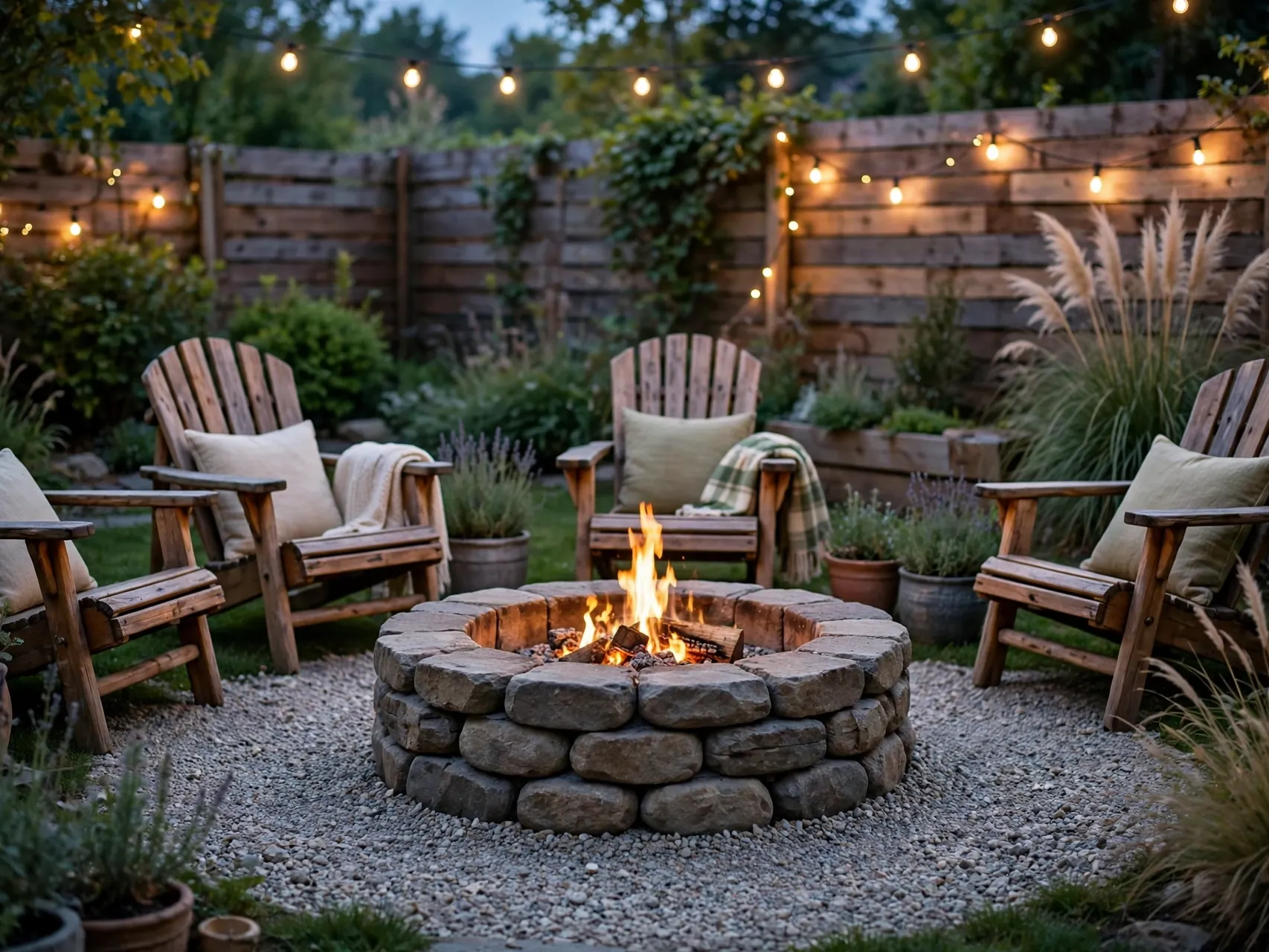
A ring of natural stone or retaining wall blocks on a level gravel pad is the timeless starting point. It costs little, needs no mortar for a low build, and suits almost any yard style from cottage to modern.
Set the pad on a non combustible surface, keep the pit at least 10 feet from structures and fences, and check your local code, since many towns require more distance. Line the inside with fire brick if you plan frequent fires, and keep a spark screen on top while it burns.
2. Budget Block Pit Under a Weekend

Concrete retaining wall blocks stacked two or three courses high make a tidy round or square pit in an afternoon. The blocks give clean lines and hold heat well, and you can dry stack them for a renter friendly build.
Level the first course carefully, since everything above follows it. Leave the floor as gravel or pavers for drainage. This is one of the most popular DIY fire pit ideas because the materials are sold everywhere and the result looks built in.
3. Smokeless Stainless Fire Pit

A double wall stainless pit burns wood with far less smoke by drawing air through vents and reburning it near the rim. Your clothes smell better, neighbors complain less, and you can sit on any side without shifting chairs.
Place it on pavers, gravel or a heat resistant mat, never directly on a wood deck unless the maker allows it with a stand and shield. Even smokeless pits throw heat and occasional sparks, so keep the same clear space you would for any wood fire.
4. Propane Fire Table for Instant On and Off

A gas fire table gives you flame at the turn of a knob and no ash to clean. It doubles as a coffee table with a lid on, which is gold for small patios where every surface has to work twice.
Have gas lines installed by a licensed pro and follow the maker clearances for walls and overhead covers. Portable propane models hide the tank inside the base. Gas is often the easiest option where wood smoke is restricted by local rules or an HOA.
5. Sunken Fire Pit Lounge

Digging the seating area down a step or two, or building the pit low into a terrace, creates a sheltered lounge that feels private and blocks wind. Stone or block edging defines the drop and keeps gravel in place.
Drainage is the key detail. Grade the floor to shed water and add gravel so the lounge never becomes a pond. Keep exits wide and lit with low path lights so guests can step up safely after dark.
6. Modern Square Concrete Pit

Clean square lines in poured concrete, precast pavers or steel make a fire feature that matches contemporary homes. A wide coping edge gives guests a place for drinks and feet, within a safe distance from flame.
Use fire rated liner materials inside any concrete build and leave expansion room, since plain concrete can crack with repeated heat. Pair the square shape with matching square seating for a calm, ordered look that photographs beautifully.
7. Portable Bowl Pit for Renters

A steel or cast iron bowl on legs is the fastest route to a fire, and you can move it for mowing or take it along when you move house. It suits renters and anyone testing where a permanent pit should go.
Set the bowl on a level, non combustible base and keep it well clear of siding, fences and overhanging branches. Let ash cool fully in a metal bucket with a lid before disposal. Portability is no excuse to skip the water bucket or extinguisher nearby.
8. In Ground Pit With Bench Seating

A shallow in ground pit ringed with built in benches feels like a campsite built for grown ups. The low profile keeps views open across the yard and the benches mean you never drag chairs across the lawn.
Dig carefully and call your local utility marking service before you dig, as with any excavation. Build benches from stone, block or exterior timber and leave gaps for people to enter the circle without stepping over hot edges.
9. Fire Pit and Pergola Combo, Done Safely
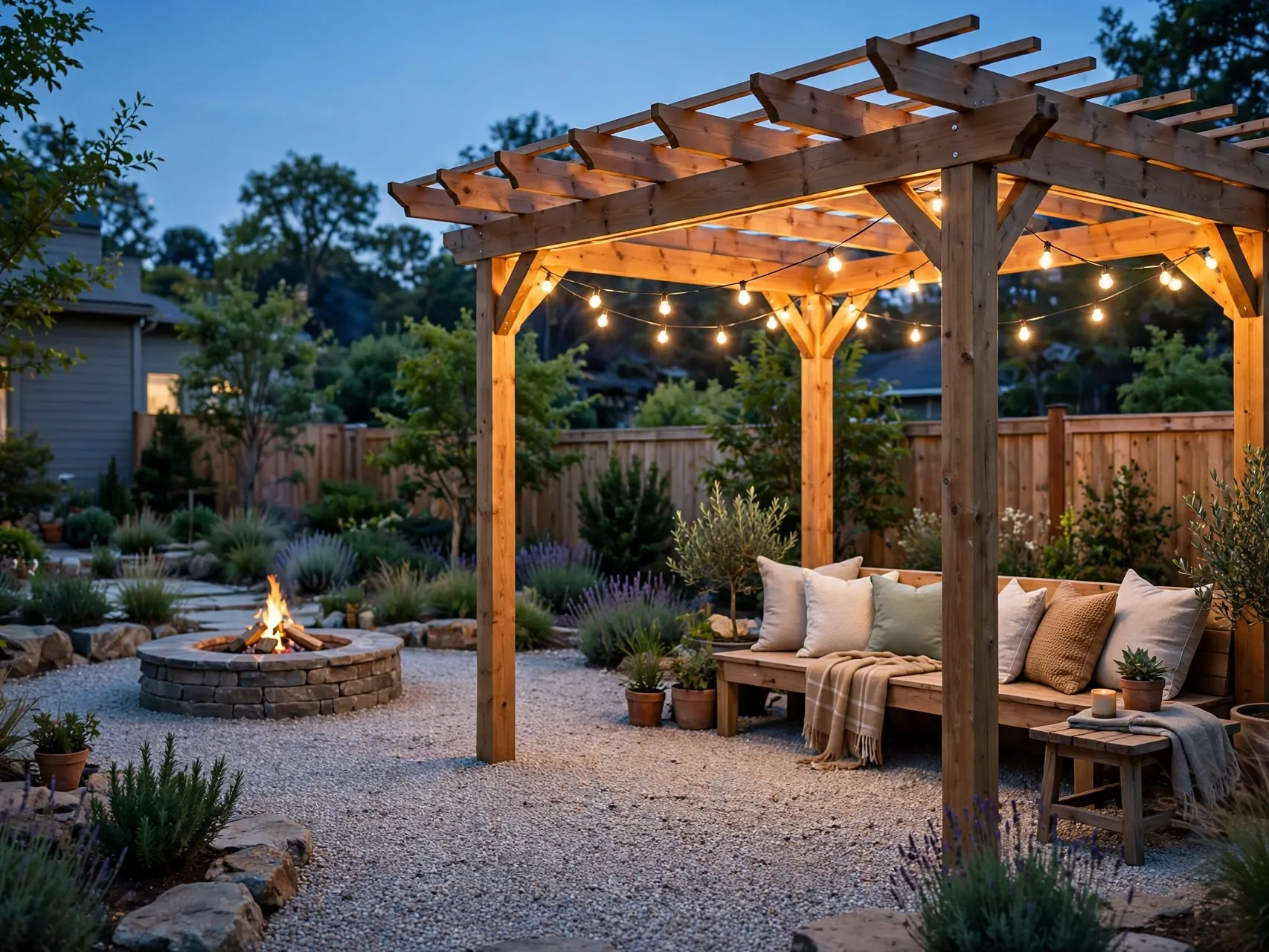
A pergola near, not over, a fire pit gives you shade by day and a defined room by night. Keep any roof, fabric or climbing plants well away from the flame path and rising heat, and favor open sides for ventilation.
Many guides require generous overhead clearance for wood fires, so the safest pairing is a pergola over seating beside the pit rather than above it. Always follow local code and maker guidance first. String lights on the pergola, kept clear of heat, finish the evening glow.
10. Tabletop Pit for Tiny Patios and Balconies

A small tabletop gas or gel style burner brings the fire pit feeling to a bistro table. It throws gentle warmth for two and needs no floor space, which makes it ideal for condos and petite patios.
Check building and HOA rules first, since many multi family properties restrict open flame on balconies. Use only fuels and burners made for tabletop use, keep them stable and attended, and never refill a hot burner. Small flame still deserves full respect.
11. Rustic Fieldstone Pit for Country Style

Irregular fieldstone stacked with care gives a handmade, gathered look that suits farmhouse and woodland gardens. The varied shapes take longer to fit, but the result feels like it has always been there.
Use larger, stable stones for the base course and save flat pieces for the cap. A steel ring insert inside adds safety and helps the stonework last by taking the direct heat. Mortar is optional for low walls if every stone sits solidly.
12. Adirondack Circle With Gravel Pad
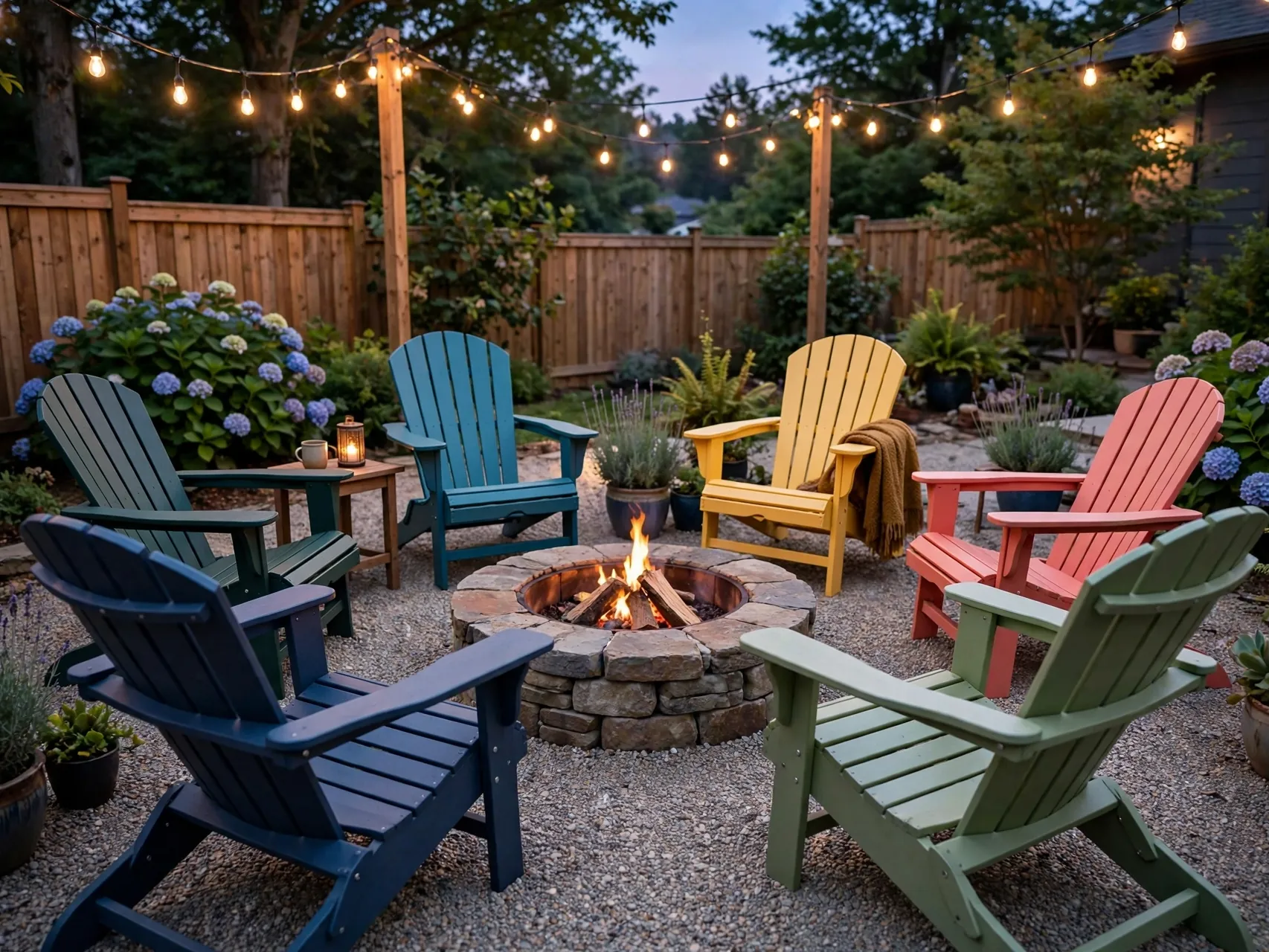
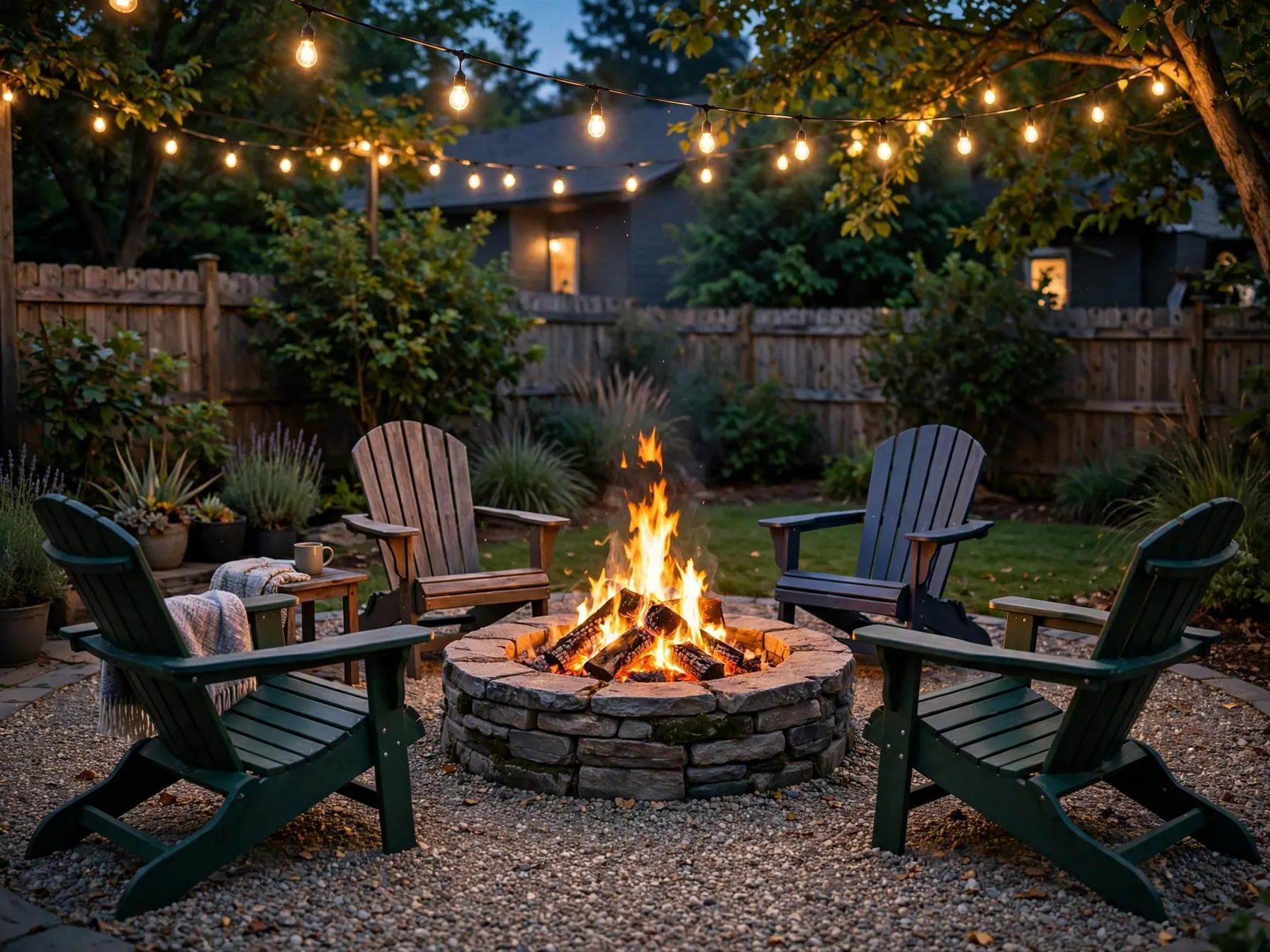
Few scenes say weekend like Adirondack chairs around a fire on a crisp gravel circle. The wide arms hold drinks, the recline suits long talks, and the gravel keeps mud off shoes and chair legs.
Size the circle generously so chairs sit back from heat with room to walk behind them. A 12 to 14 foot seating circle is a common comfortable target for planning. Edge the gravel so it stays in the circle and out of the lawn mower path.
13. Gas Fire Bowl With Seating Wall
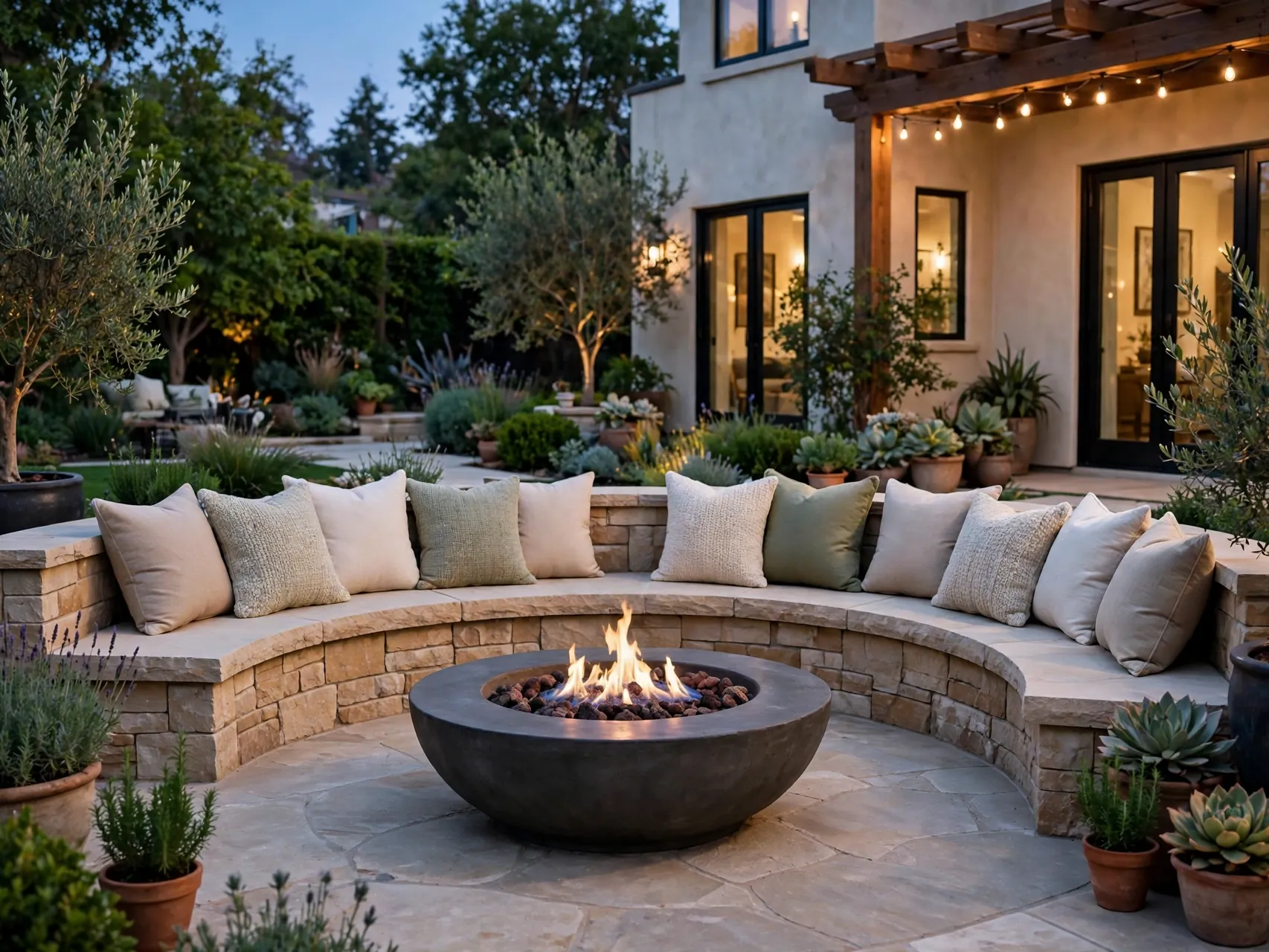
A round gas bowl set into a low seating wall turns a patio edge into a destination. The wall gives permanent seats, defines the patio boundary and hides planting behind it for a layered backdrop.
Plan the gas supply and ignition access before you build the wall, and use a certified burner kit sized for the bowl. Cushions stored in a deck box nearby make the wall comfortable without leaving fabric out in the rain.
14. Cooking Pit With Grill Grate
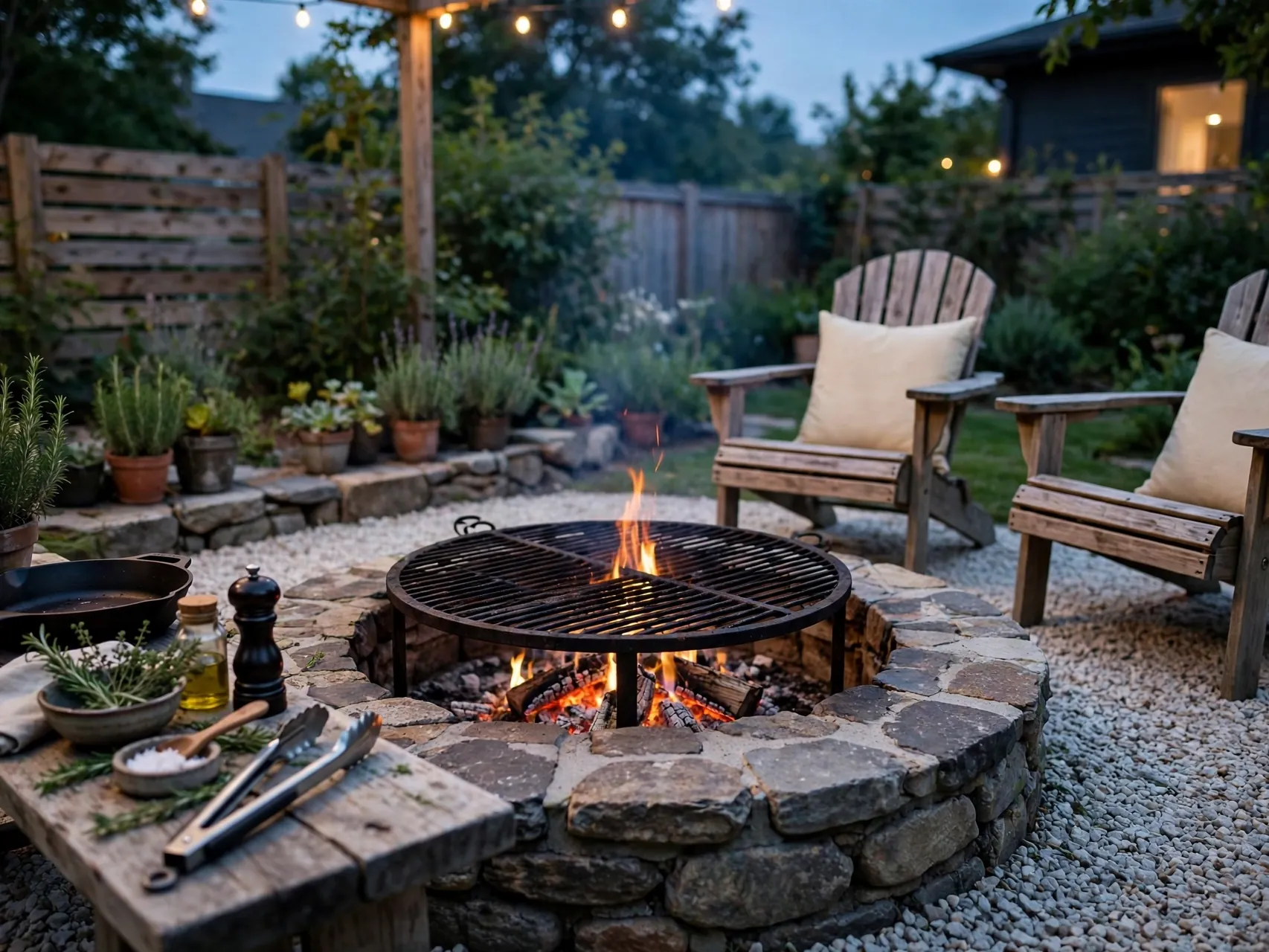
A fire pit with a hinged or height adjustable grill grate earns its keep at dinner. Steaks, corn and foil packets cook over real wood, and a swing away grate keeps the pit open for a plain fire afterward.
Burn seasoned hardwood such as oak or hickory for cooking, never treated wood, plywood or trash, which can release harmful fumes. Keep food handling clean, with separate tools for raw and cooked items, and a side table for platters away from ash.
15. Minimalist Steel Corten Pit

Weathering steel develops a rich rust toned finish that needs no paint and suits modern and desert planting. A simple bowl or box shape keeps the focus on flame and silhouette, and the steel ages gracefully outdoors.
Place corten on gravel or stone, since early runoff can stain pale paving while the finish settles. Thick steel lasts for years and can be recycled at end of life. Keep the same clearances you would for any wood burning backyard fire pit ideas layout.
16. Fire Pit With Built In Wood Storage
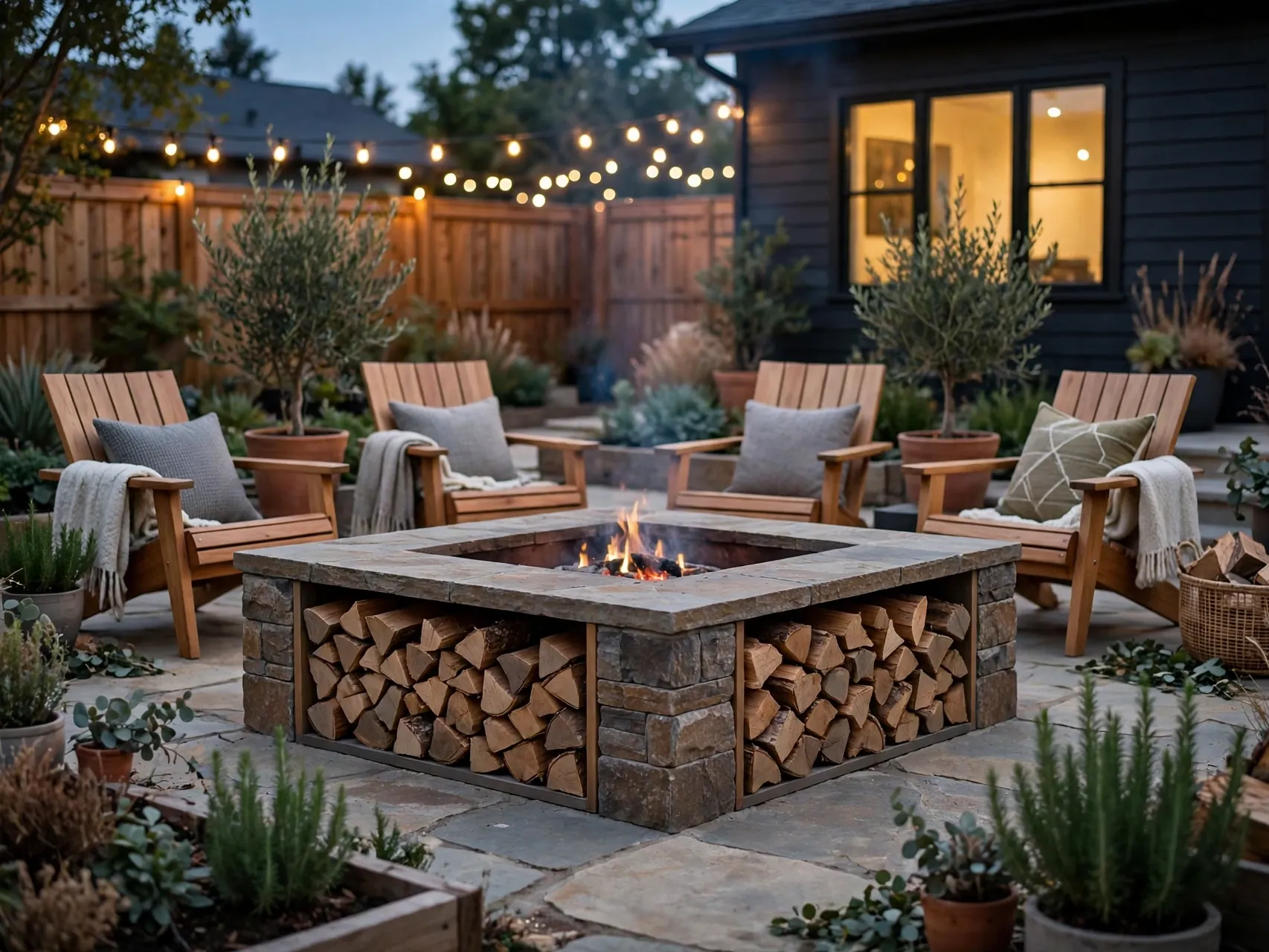
A bench, wall niche or ring base with a dry wood store solves the ugly tarp pile problem. Logs stacked neatly become part of the design, and dry wood burns cleaner with less smoke and fewer sparks.
Keep stored wood a safe distance from the flame itself and off damp ground. A small roof or overhang over the store helps a lot in rainy climates. Seasoned hardwood, split and stacked with airflow, is the goal for every fire night.
17. Beach Style Sand Pit Area

A wide sand or fine gravel area with a central pit channels relaxed coastal evenings, even far from the shore. Low chairs, driftwood tones and dune grasses complete the scene and the soft floor is kind to bare feet.
Sand contains sparks well and is easy to rake clean. Rinse feet at the edge to keep sand out of the house, and sift the area regularly if cats visit your yard. A simple rope or timber edge keeps the beach from migrating across the lawn.
18. Fire Pit Path and Lighting Plan

The best pit areas work after dark because the route there is safe. A short path of pavers or gravel, plus low solar or wired lights, stops guests tripping over roots, hoses and chair legs on the way to the fire.
Light the path and steps, not the faces around the fire, so eyes stay adjusted to the dark. Keep a flashlight and a fitted lid or screen at the pit. A clear, lit exit route is a safety feature, not just a pretty extra.
19. Corner Pit for Awkward Yards
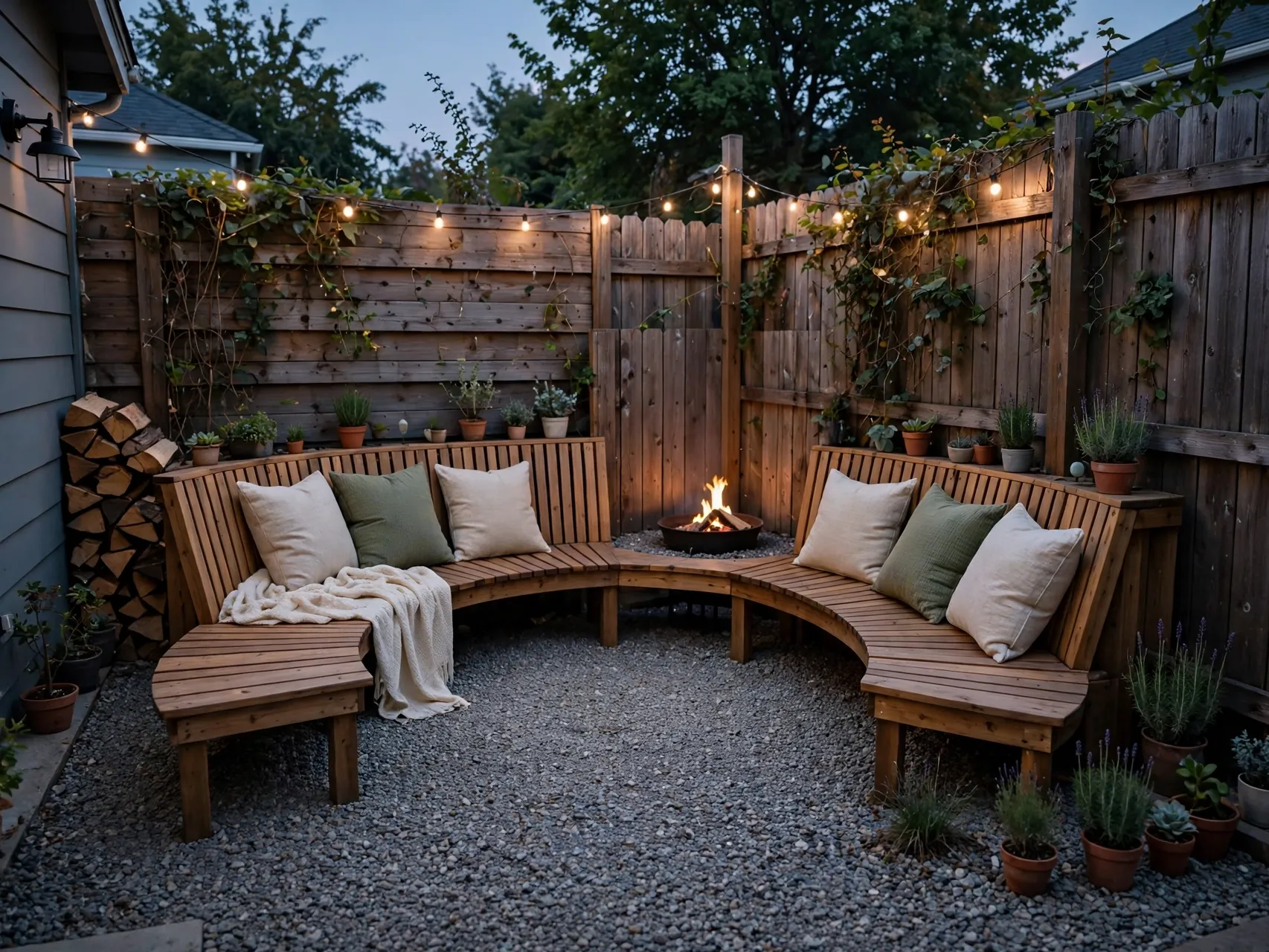
That unused corner behind the garage can hold a compact pit with seating on two sides. Corner placement frees the center lawn for play and turns dead space into the most booked seat in the yard.
Watch fences on two sides and keep extra distance from them, since heat and smoke collect in corners. A fan of chairs or an L shaped bench fits the angle. This layout is a favorite small backyard fire pit fix because it wastes nothing.
20. Kit Pit With Paver Patio Ring

Big box and landscape supplier kits bundle the block, cap and metal insert in matched sizes, which removes the guesswork. Add a simple paver or gravel ring patio and the project still lands in a single weekend for most yards.
Follow the kit instructions for base depth and block adhesive, and do not substitute non rated materials inside the fire chamber. Kits cost more than loose block but save returns and re cuts. The finished ring looks professional enough to anchor a full patio plan.
21. Safe Spark Screen and Extinguish Station
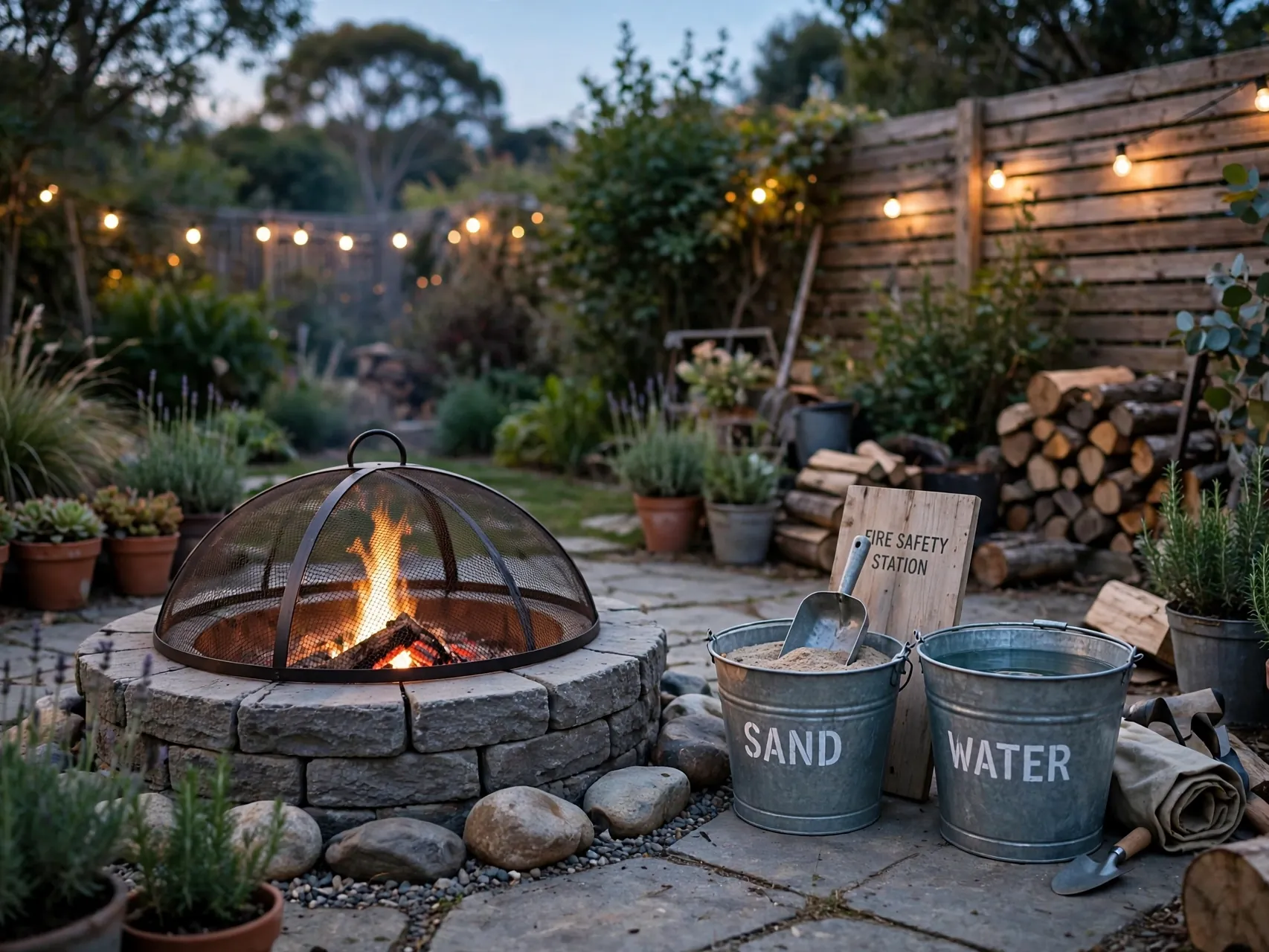
Whatever style you choose, finish it with a safety station: a fitted spark screen, long handled tools, a metal ash bucket, heat proof gloves and water or a Class A extinguisher within easy reach.
Douse the fire until it stops hissing and stir the ash to find hot spots, every time. Never leave a fire unattended and never head inside with embers glowing. This unglamorous idea is the one that lets every other propane fire pit ideas or wood design stay fun for years.
If you host often, think about wind as well as distance. Watch where smoke drifts on a typical evening and angle seating so guests are not trapped downwind. A small shift in the circle, or a move to seasoned wood and a taller, cleaner burn, can be the difference between a pit you use weekly and one you light twice a year and then ignore.
FAQ
How far should a fire pit be from the house?
Keep a fire pit at least 10 feet from your home, fences and other structures, and more if your local code requires it. Many builders aim for 15 to 20 feet where space allows. Always check city, county and HOA rules before you build.
Can I put a fire pit on a wood deck?
Wood burning pits do not belong on wood decks in most guidance and many local codes ban them there. Some gas fire tables are allowed with a proper heat shield and maker approval. When in doubt, ask your local fire department and choose a patio or gravel pad instead.
Do I need a permit for a backyard fire pit?
It depends where you live. Many towns allow small recreational fires without a permit if setbacks and fuel rules are met, while others require a permit or ban open burning on dry or windy days. Check before your first fire and during burn bans.
What is the cheapest fire pit to build?
A dry stacked ring of retaining wall blocks or stone on a gravel base is usually the lowest cost option, followed by a portable steel bowl. Both can be affordable if you already own basic tools and seating.
How do I put a fire pit out safely?
Spread the coals, douse with water until hissing stops, stir and douse again, then check for heat with the back of your hand held above the ash. Store cooled ash in a metal bucket with a lid, away from structures, for several days before disposal.
Key Takeaways
- Safety first: Keep at least 10 feet from structures, clear overhead space and water nearby, every time.
- Match fuel to rules: Wood, gas and smokeless designs each suit different codes, yards and neighbors.
- Build the base right: A level gravel or paver pad on a non combustible surface prevents most problems.
- Plan seating distance: Chairs set back from heat with room to pass behind stay comfortable all night.
- Burn clean and dry: Seasoned hardwood gives less smoke and fewer sparks than soft or wet wood.
- Finish the job: Screen on while burning, douse until cold, and store ash in metal with a lid.
Save this guide to Pinterest for later, and pin the fire pit style that fits your yard, budget and local rules.