24 Natural Pest Control for Plants That Really Works
Introduction
Every gardener knows the sinking feeling of lifting a leaf and finding it covered in aphids, holes or webbing. The good news is that natural pest control for plants works, as long as you use it in the right order and at the right time.
Extension services call that order integrated pest management. You identify the pest first, prevent what you can with soil, spacing and variety choice, exclude pests with covers, remove them by hand, support the insects and birds that eat them, and only then reach for a spray, chosen for that specific pest.
That sequence is the difference between a calm garden and a summer of spraying everything and still losing. Most pest explosions trace back to a skipped early step, like covers that went on a week too late.
This guide walks through 24 methods in that working order. Start at the top, and you will need the sprays near the bottom far less often than you expect.
1. Identify the Pest First
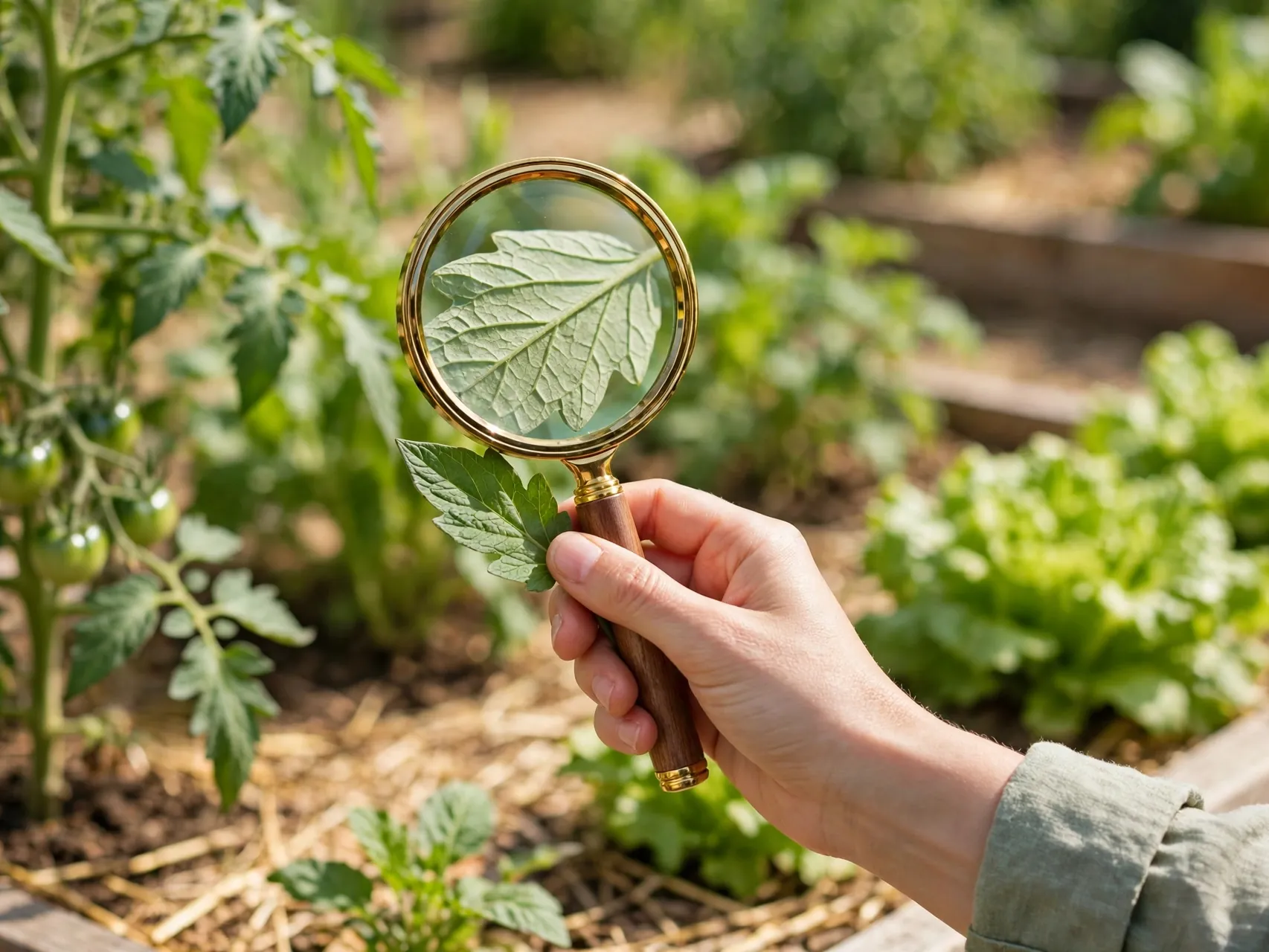
Never treat a pest you have not named. Chewed leaves, sticky residue, curled tips and tiny webbing all point to different culprits, and the right fix for one can be useless for another. A hand lens and your local extension website will name most garden pests in minutes.
Check leaf undersides, stems and the soil line, and look at night with a flashlight for slugs and beetles that hide by day. Photograph what you find. Accurate identification is the first and cheapest form of organic pest control for garden success.
2. Build Healthy Soil

Strong plants tolerate feeding that would finish a weak one, and most pest pressure starts with stressed plants. Feed the soil with compost each season, mulch to hold moisture steady, and avoid heavy nitrogen boosts that push soft, sappy growth aphids love.
Get a soil test every few years through your extension service and adjust lime and fertilizer to the results, as Clemson Extension advises. Healthy soil also supports the fungi, beetles and microbes that quietly suppress soil pests before you ever see damage above ground.
3. Choose Resistant Varieties

Seed catalogs quietly list disease resistance and, for some crops, tolerance to common pests. Choosing those varieties is pest control you plant once and benefit from all season, with no spraying and no weekly effort.
Save your own notes each year. If a variety collapses under aphids or beetles in your yard while its neighbor stands clean, that is local data no catalog can give you. Over a few seasons, a variety list tuned to your garden does more than any single product on this page.
4. Rotate Crops Each Year
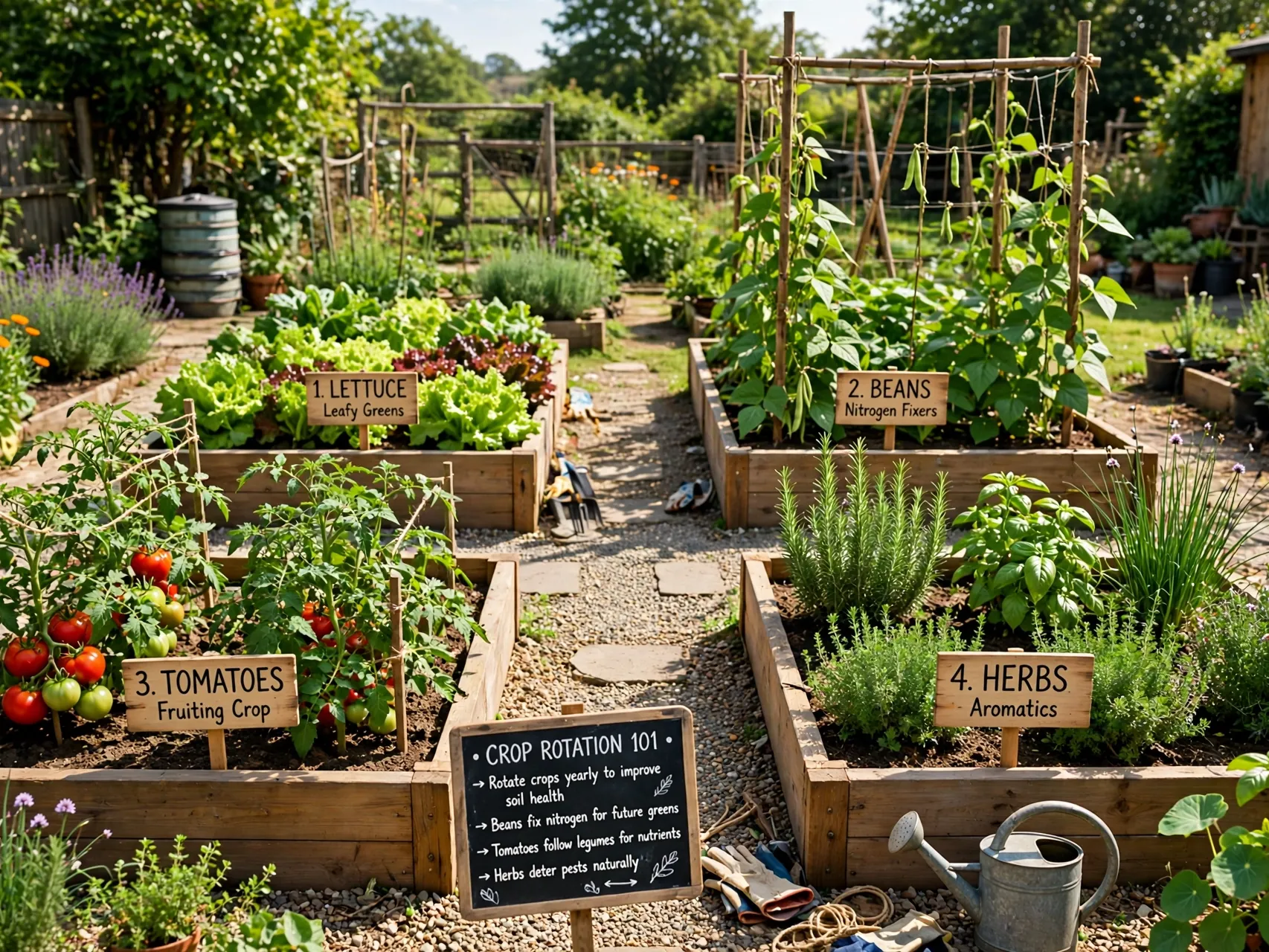
Many pests and diseases wait in the soil where their host grew last year. Moving plant families to a new bed each year, on at least a three year cycle, breaks that trap for soil pests and gives foliage pests a harder search.
Keep a simple bed map in a notebook or phone photo. Rotate tomatoes, peppers and potatoes as one family, cabbage relatives as another, and squash and cucumbers as a third. Rotation is free, takes ten minutes to plan in winter, and prevents problems no spray can fix later.
5. Space for Airflow
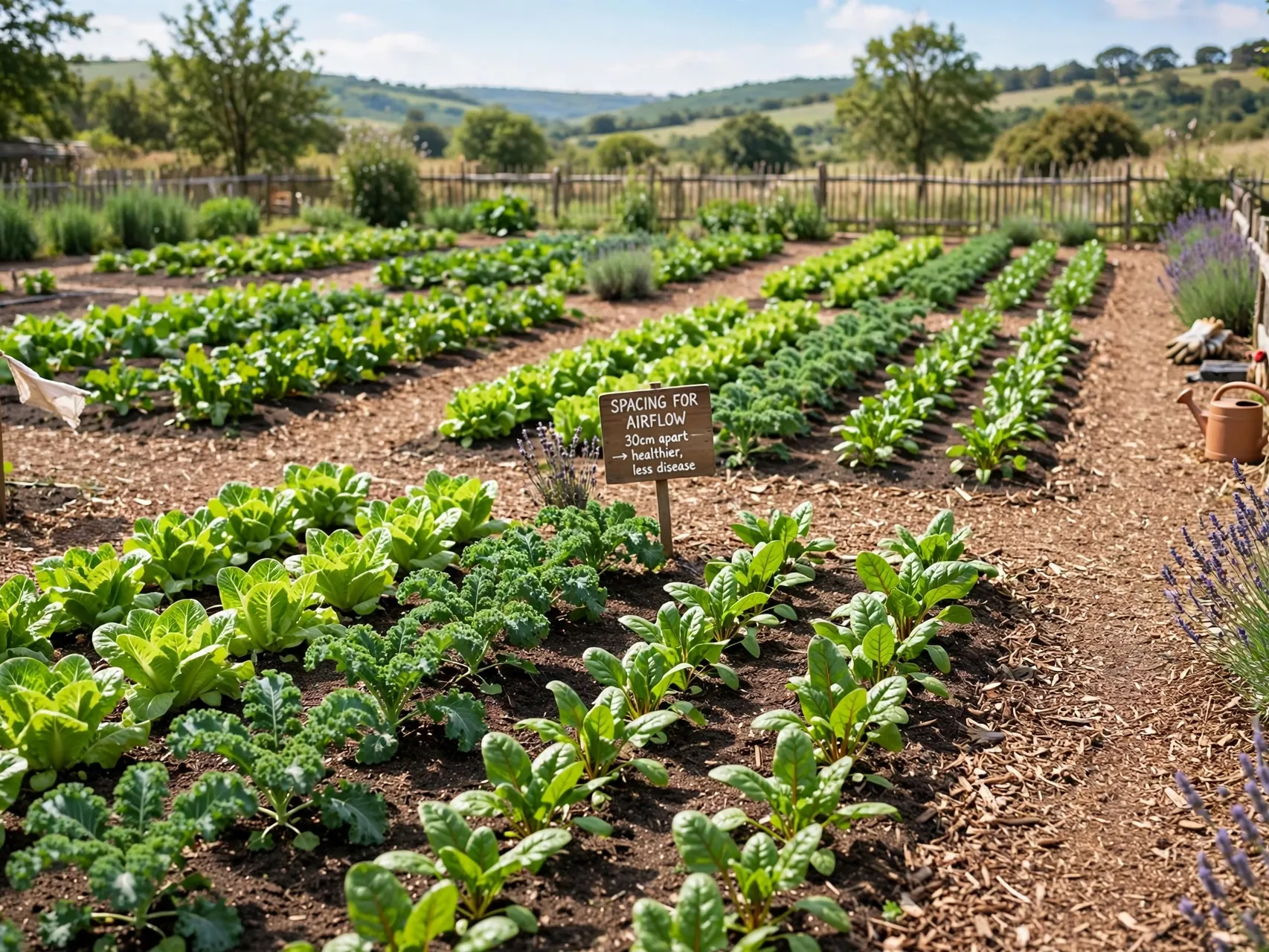
Crowded plants stay wet, stress easily and let pests walk from leaf to leaf without ever touching the ground. Follow packet spacing even when seedlings look lonely, thin ruthlessly, and prune for air movement in tomatoes and other dense growers.
Dry foliage discourages many fungal problems, and open plants are easier to inspect, which means you spot the first aphid colony while it is still a colony and not a city. Good spacing is quiet, unglamorous pest control that pays off every single week of the season.
6. Water at the Base
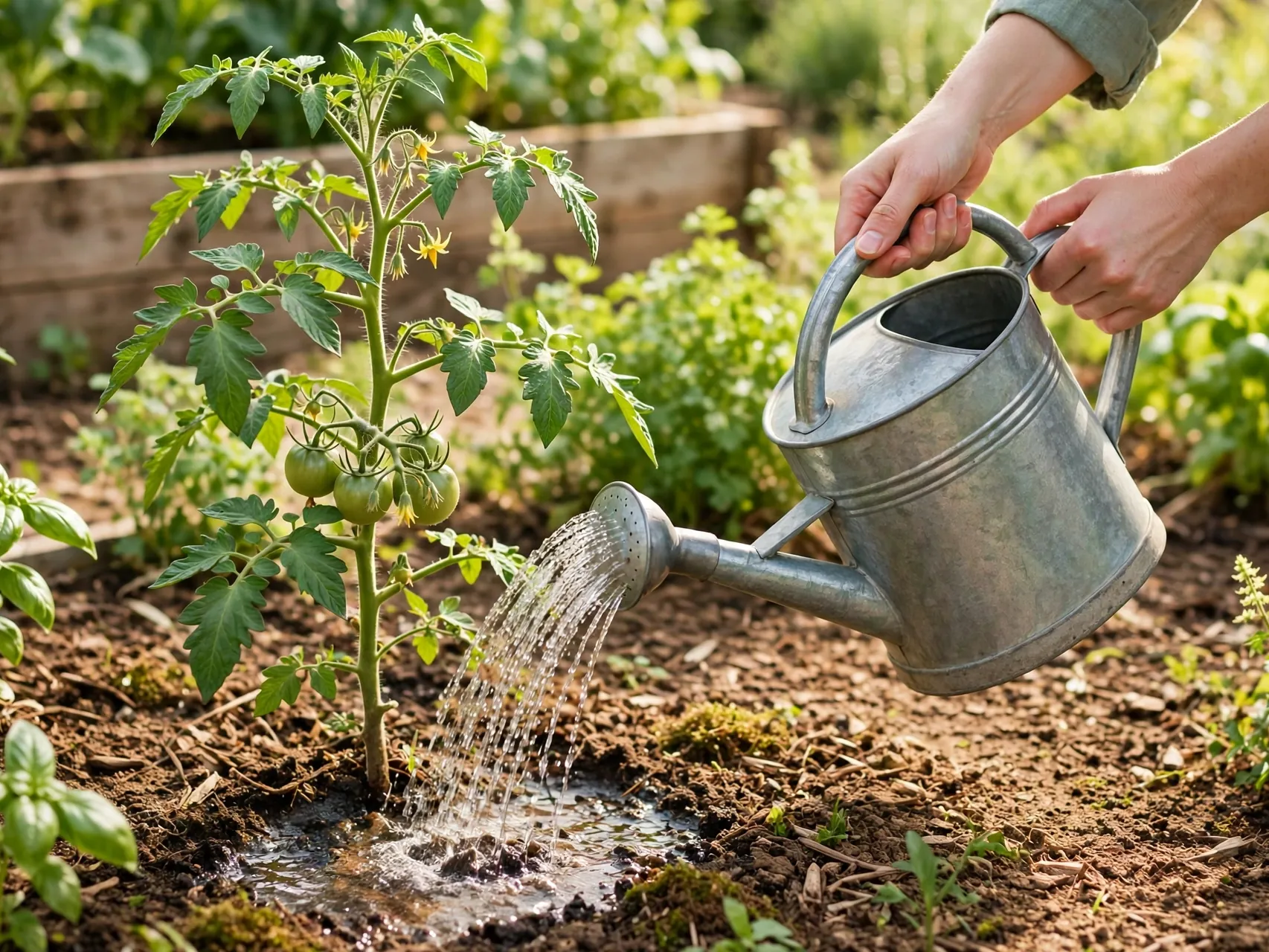
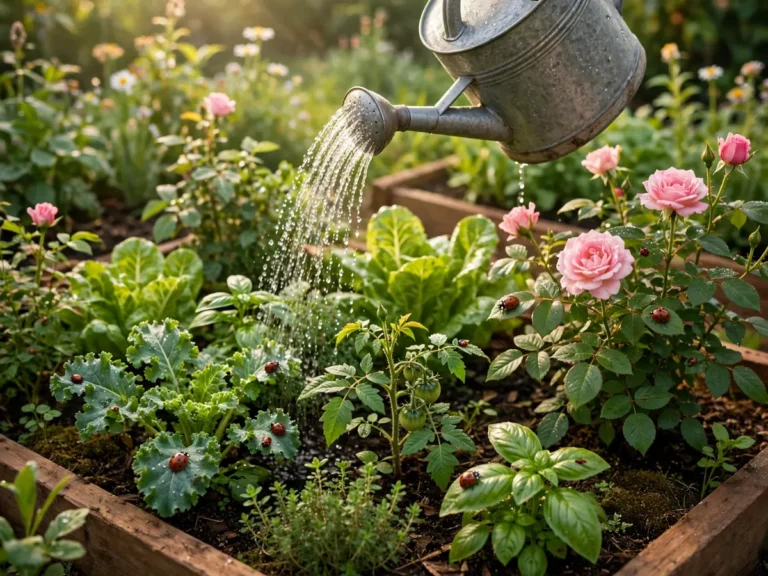
Wet leaves invite disease, and overhead watering also knocks beneficial insects off their hunting grounds. Water at the base with a can, drip line or soaker hose, in the morning so any splashes dry fast in the sun.
Mulch under plants to stop soil splashing onto lower leaves during rain, which is how many leaf diseases travel. Consistent moisture matters too. Plants that swing between drought and flood crack fruit, drop leaves and attract exactly the opportunists you are trying to keep away.
7. Handpick Into Soapy Water
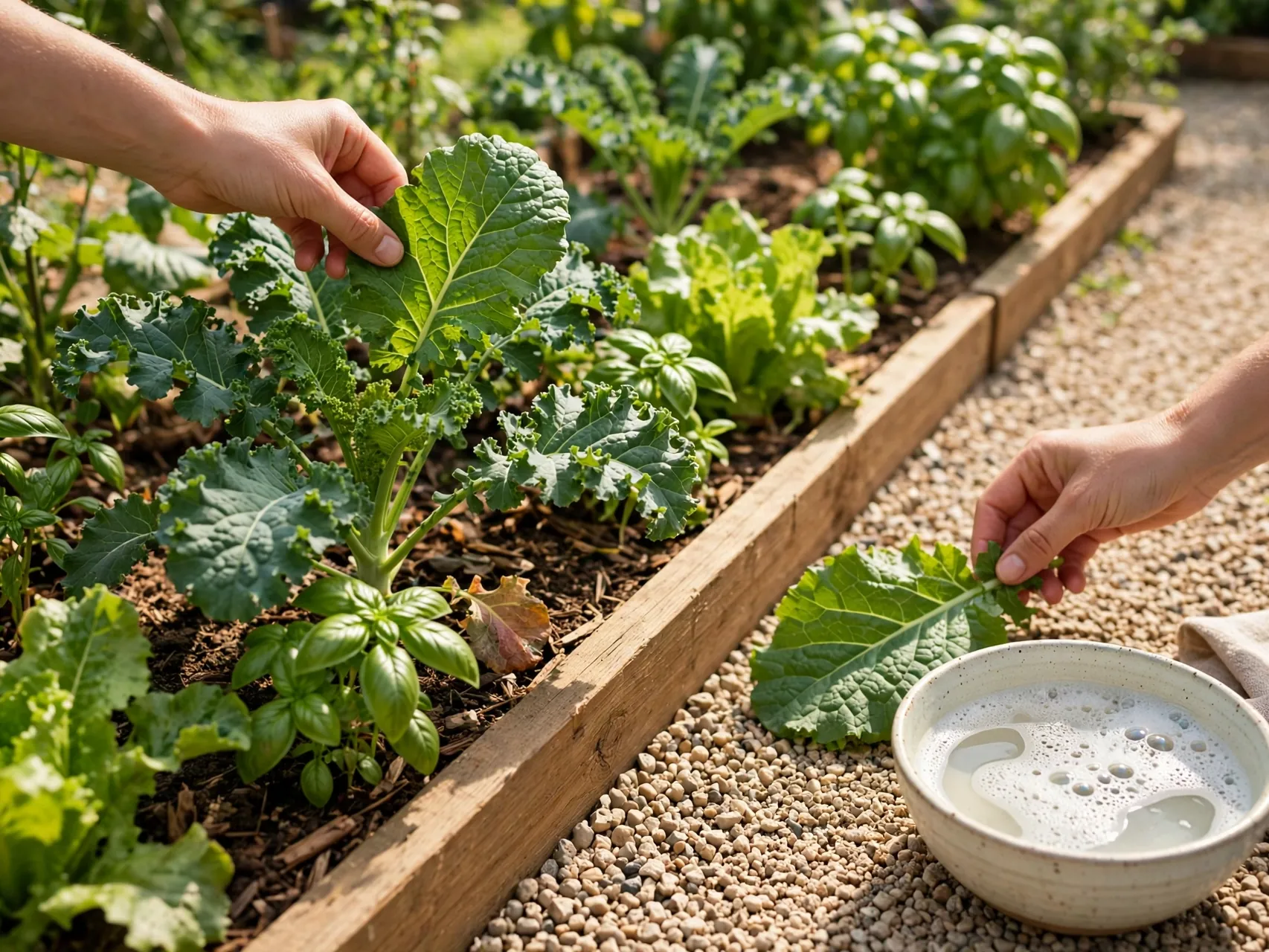
For large pests, your hands are the most selective pesticide ever made. Drop tomato hornworms, Japanese beetles, cabbage worms, slugs and squash bugs into a bucket of water with a squirt of soap, in the cool of morning when they are slow.
Check the undersides of leaves for squash bug egg clusters and rub them off with tape or a gloved thumb. Ten minutes of handpicking at the first sign of a pest often ends an outbreak that sprays would chase for a month. It is oddly satisfying work.
8. Blast With Water

A firm jet of water from the hose knocks aphids, spider mites and whiteflies off stems and leaf undersides, and most cannot climb back. Repeat every few days for a week or two, since eggs survive and hatch, and the cycle breaks.
Aim carefully on sturdy plants and skip fragile seedlings. Morning is best, so foliage dries before evening. This zero cost method is the classic first response in extension guides, and gardeners skip it only because it sounds too simple. For soft bodied pests on contact, simple is exactly right.
9. Floating Row Covers
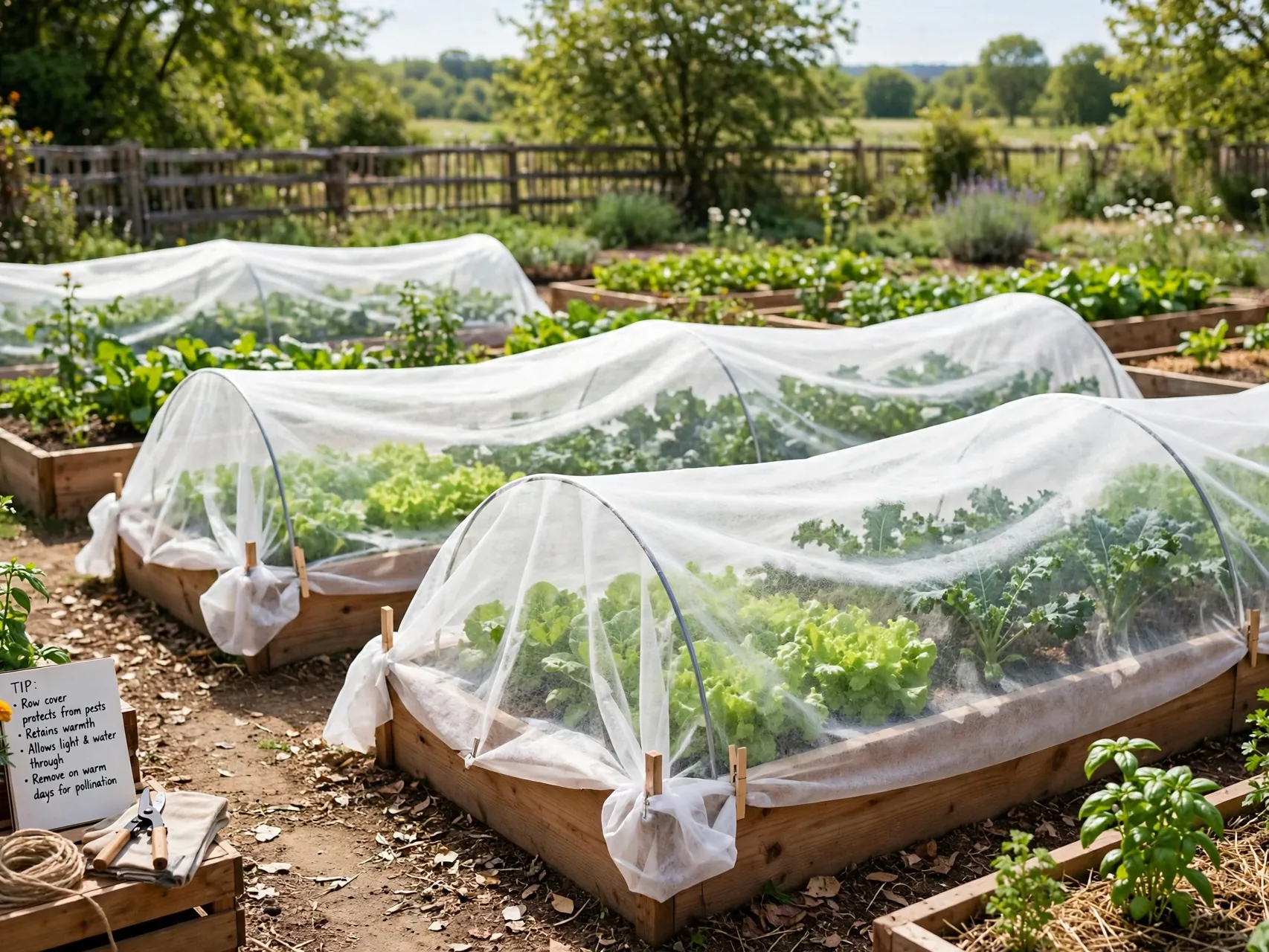
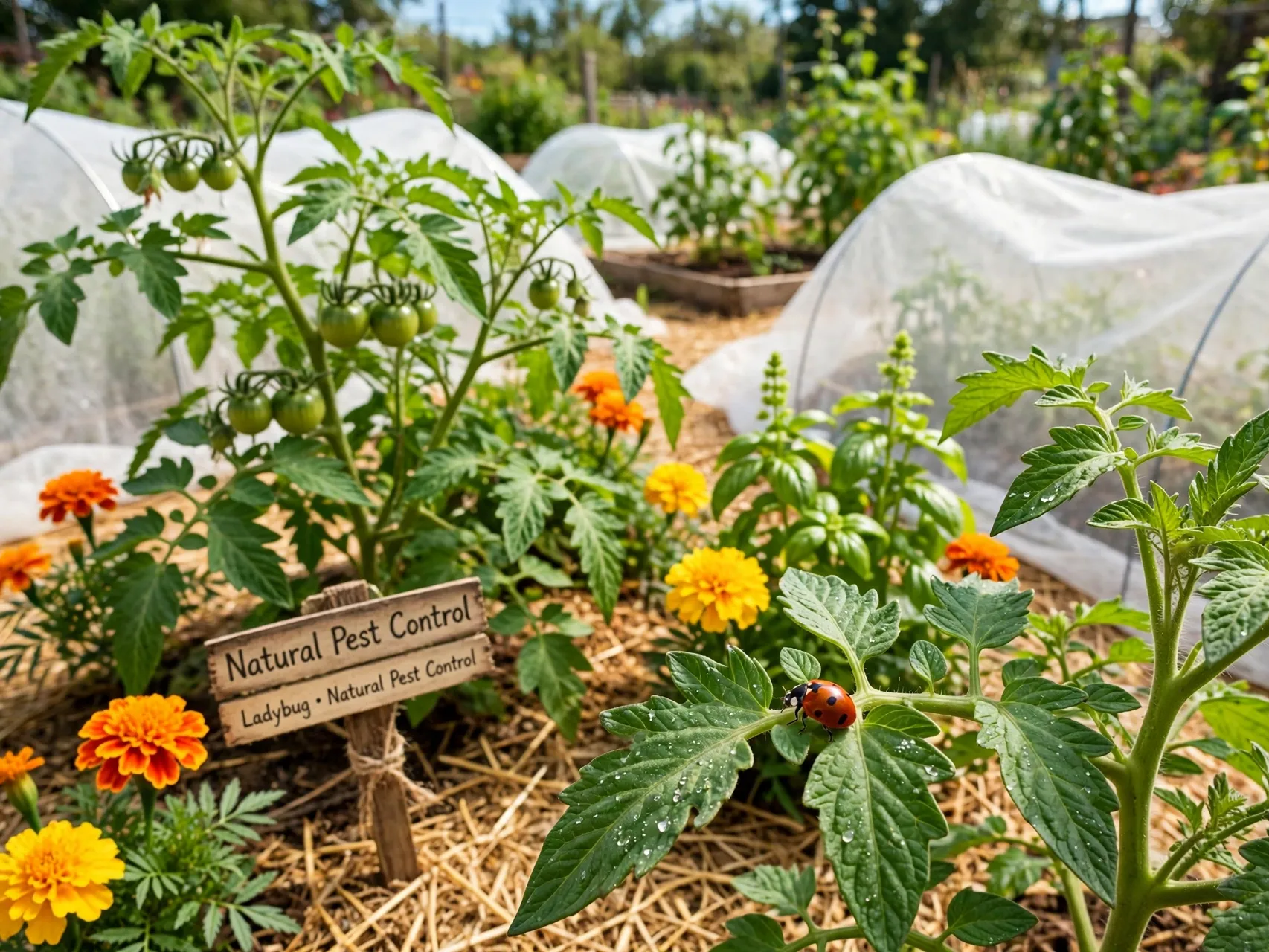
Lightweight row cover fabric laid over crops keeps cabbage moths, flea beetles, squash bugs and many other fliers off plants while light and rain pass through. Put covers on at planting, seal the edges with soil or boards, and pests never get their first foothold.
Remove covers when crops flower if they need pollinators, or hand pollinate under the fabric. For young vegetables, exclusion is often more dependable than any rescue spray, a point extension IPM programs repeat because it holds true season after season in real gardens.
10. Copper and Collars for Slugs
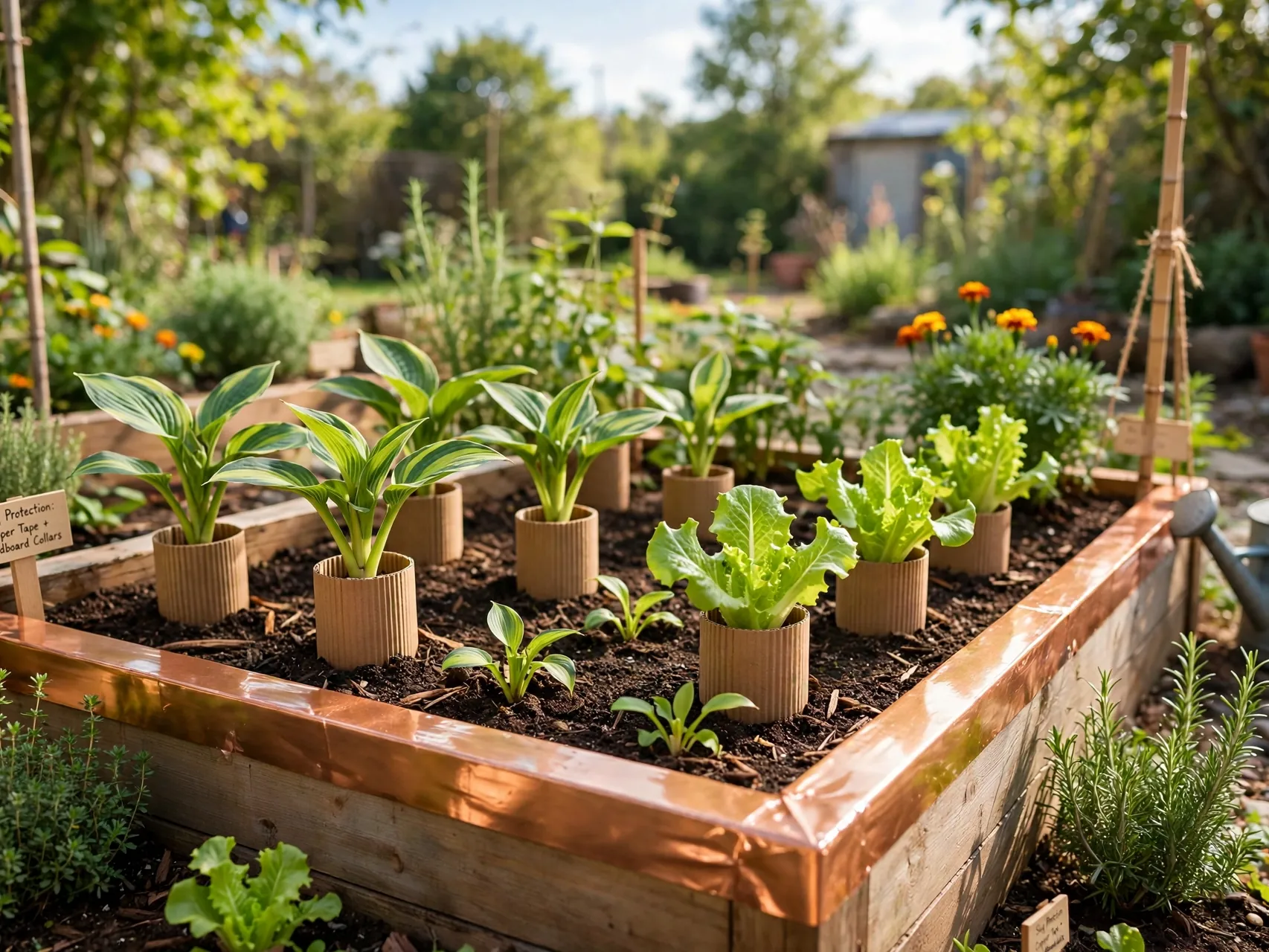
Slugs and cutworms work at ground level, so guard the ground. Cardboard or paper collars around young stems stop cutworms, and copper tape around raised beds and pots is a widely used slug deterrent that many gardeners find helpful as one layer among several.
Combine barriers with dry, tidy bed edges, since slugs shelter in damp debris by day. Go out after rain with a flashlight and handpick. No single slug trick wins alone, but collars, clean edges and night patrols together protect seedlings through their most vulnerable weeks.
11. Sticky Yellow Traps

Yellow sticky cards hung just above the canopy catch whiteflies, fungus gnats, winged aphids and other small fliers. Their best use is monitoring: a card that fills fast tells you a population is rising while numbers are still small enough to manage gently.
Hang traps near, not in, heavy bloom so you catch fewer pollinators, and replace them when they coat over. In greenhouses and sunrooms, traps paired with water blasts and soap control most small flyer problems without a single broad spray across your plants and beneficial insects.
12. Beer Traps for Slugs
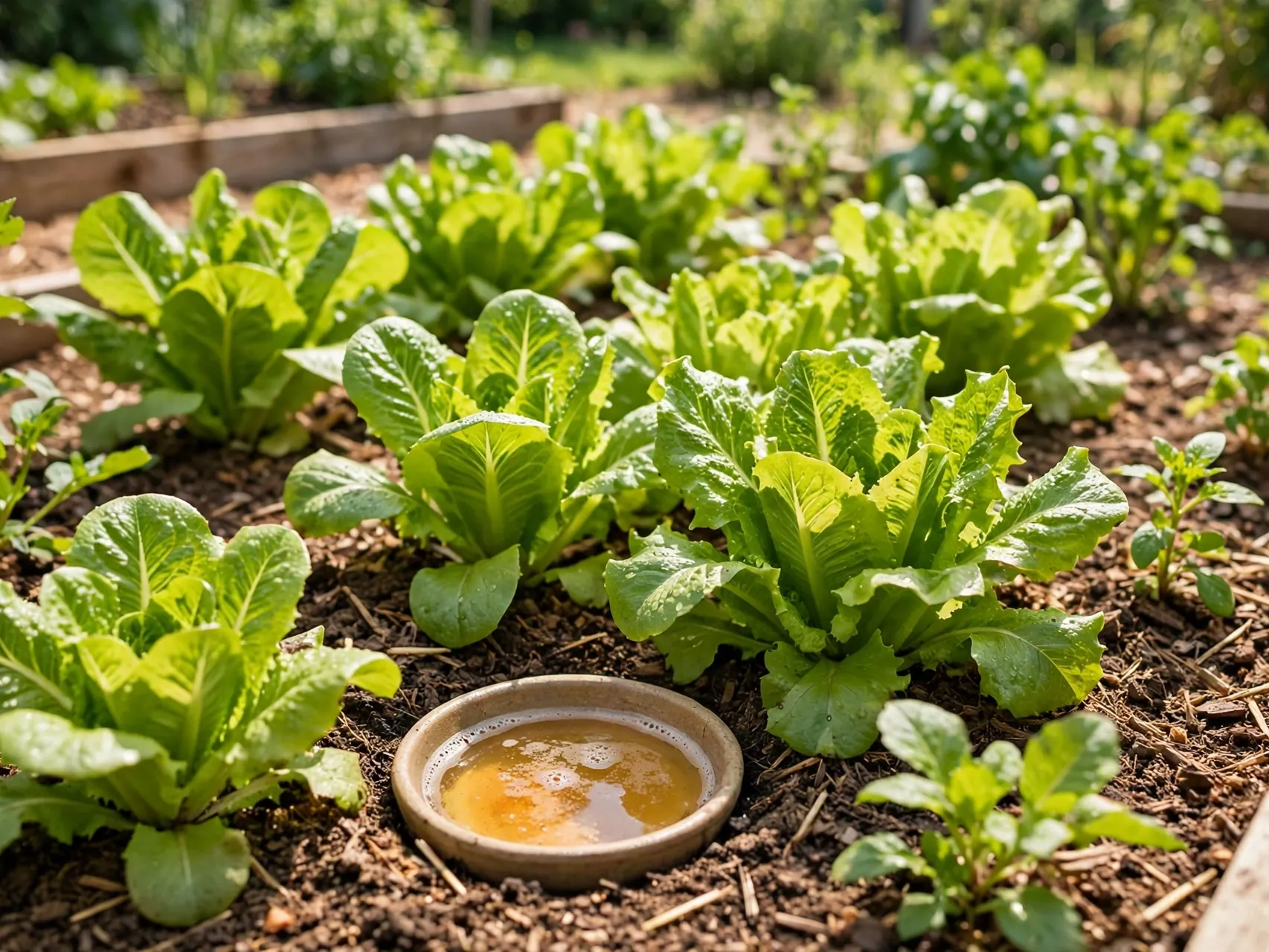
A shallow container sunk to soil level and filled with beer or a yeast, sugar and flour mix lures slugs that slip in and drown. City and extension guides have shared versions of this trap for decades, and it works best as a population check near vulnerable beds.
Empty and refill traps every few days, and place them at bed edges rather than in the middle of plantings so you do not lure slugs into the crop. Traps reduce numbers around seedlings, but they support, rather than replace, handpicking and tidy borders.
13. Invite Ladybugs and Lacewings

Ladybugs, lacewing larvae, hoverflies and tiny parasitic wasps eat astonishing numbers of aphids, thrips, mites and eggs. You invite them by skipping broad sprays, tolerating a few pests as their food supply, and planting the flowers covered in the next idea.
Buying ladybugs rarely works as hoped, since most fly away within days. Building habitat keeps the local population that already knows your yard. If you do buy predators, lacewing eggs for a defined bed are usually the steadier choice, released in the evening onto plants with pests present.
14. Plant for Beneficials
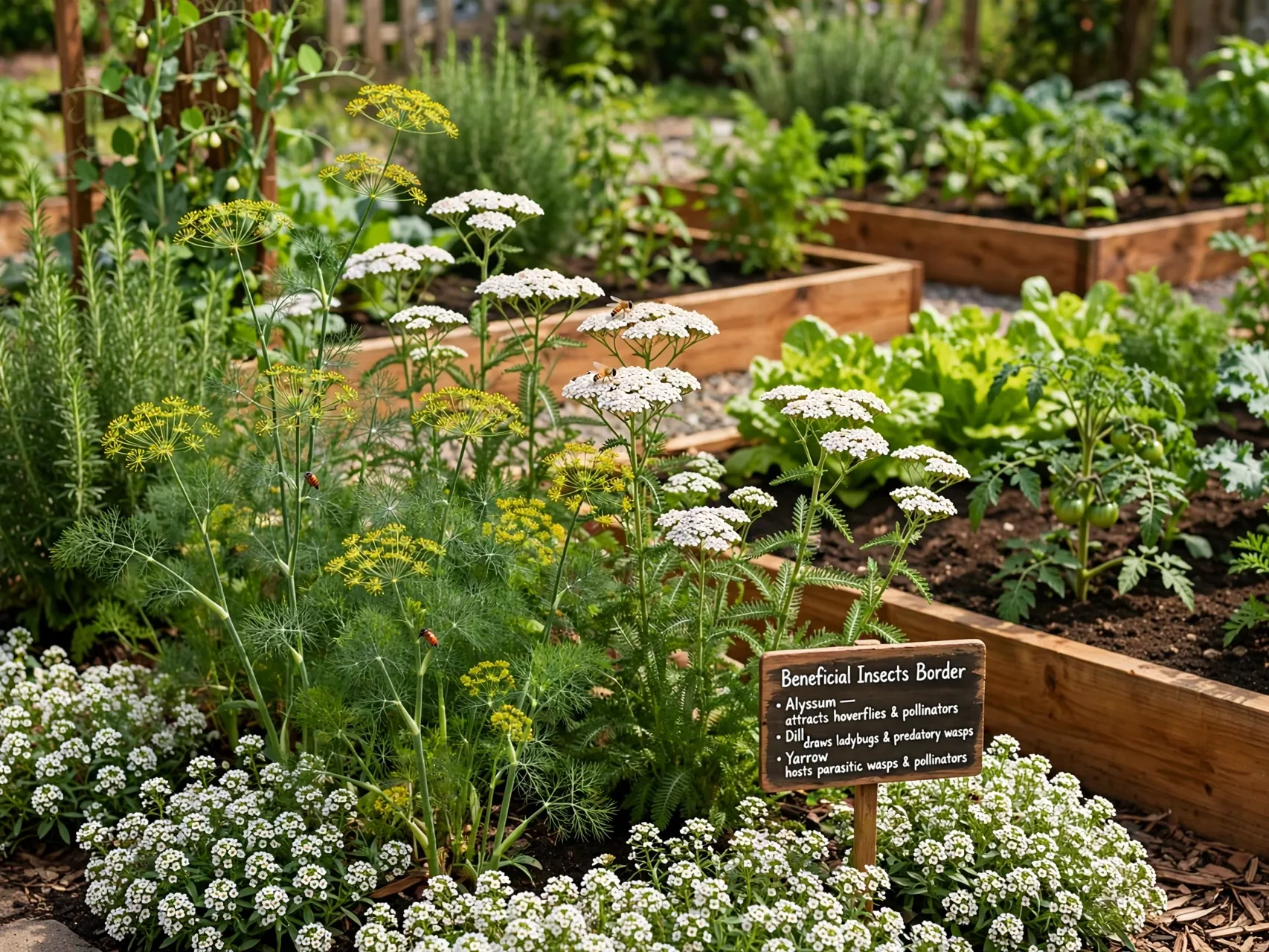
Beneficial insects need nectar and pollen as adults, even when their young eat pests. Flat, open flowers like alyssum, dill, fennel, yarrow and cosmos are filling stations for lacewings, hoverflies and parasitic wasps that cannot use deep tubular blooms.
Thread these plants through the vegetable beds rather than isolating them in a pretty corner. A strip of alyssum along a bed edge costs almost nothing from seed and hums with tiny allies by midsummer. This is natural pest control methods thinking at its best: feed the workforce and it stays.
15. Companion Planting
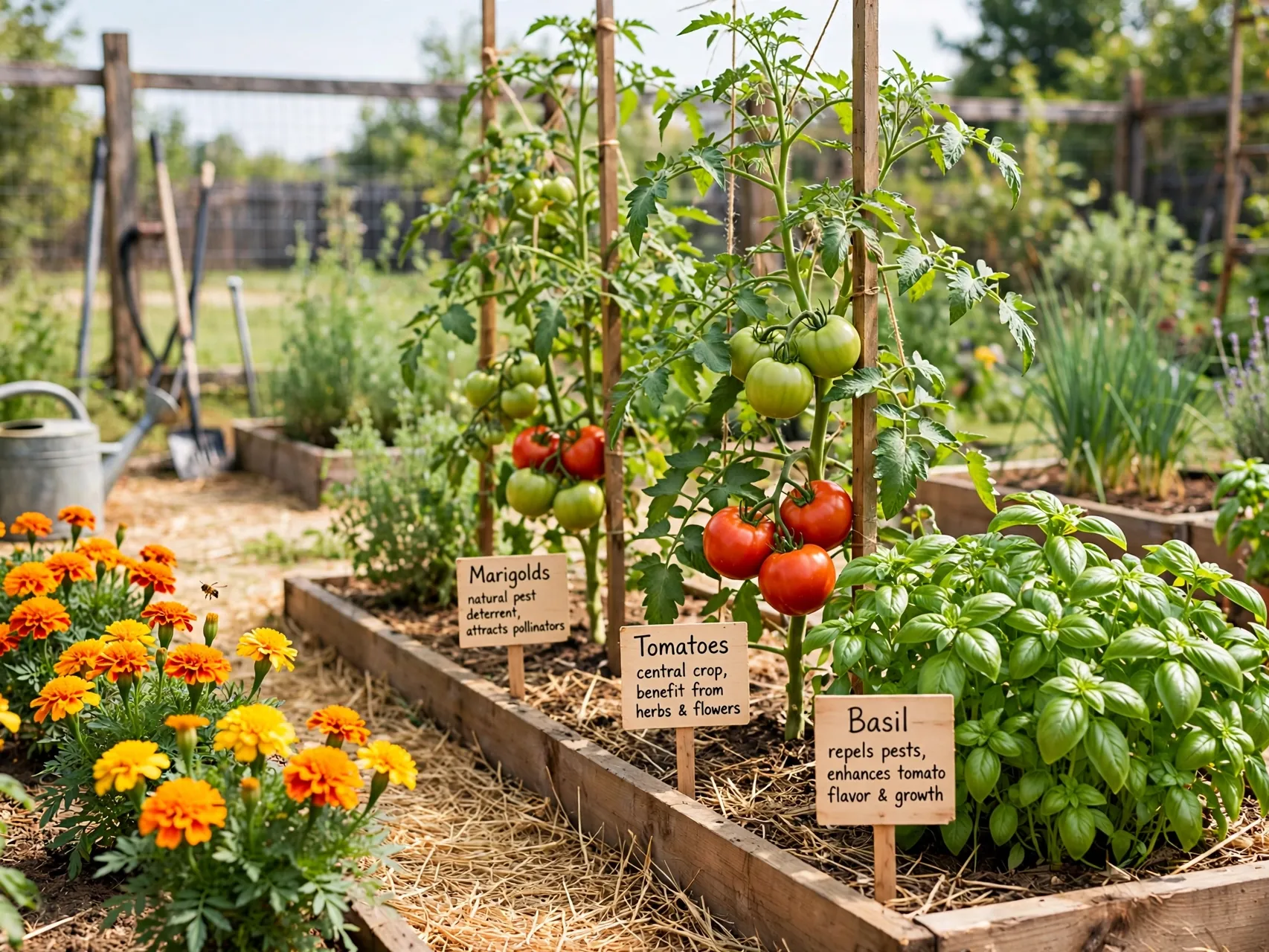
Companion planting pairs crops with neighbors that confuse, repel or shelter protection. Marigolds by vegetables, basil near tomatoes and herbs threaded through beds are the classic examples, and gardeners value them for scent, beneficial habitat and ground cover as much as for direct repelling.
Keep expectations honest. Companions support a system, they do not cast a spell. Their clearest wins are more beneficial insects, better soil cover and fewer bare patches where weeds and pests settle. Combined with rotation and covers, those small wins stack into a visibly calmer garden.
16. Trap Crops
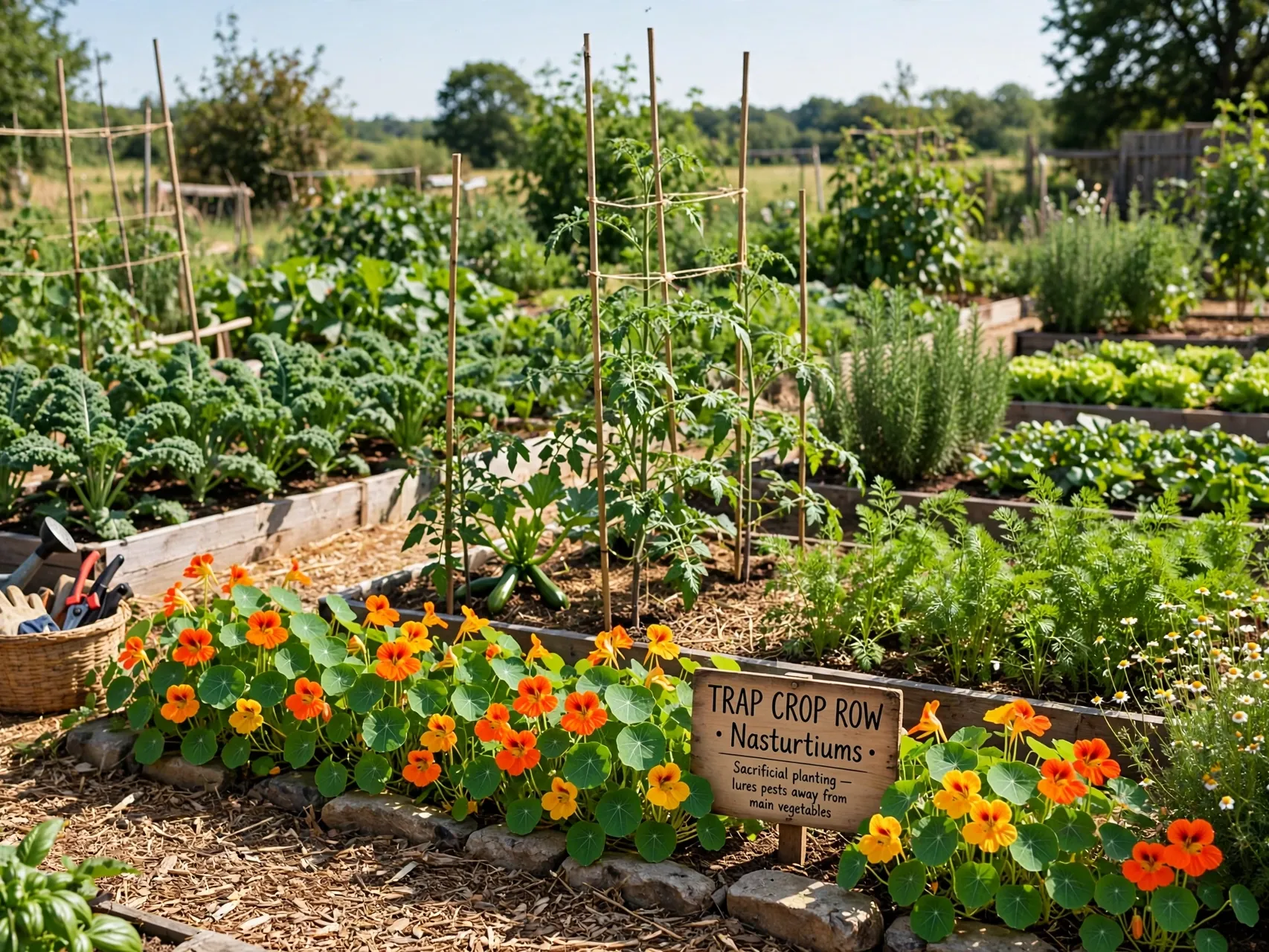
A trap crop is a plant pests prefer to your harvest, planted to draw them into one spot you can manage. Radishes lure flea beetles, nasturtiums collect aphids, and a sacrificial row of squash can draw squash bugs away from the main planting.
Check trap crops often and act there: handpick, blast with water or remove a badly infested plant entirely. A neglected trap crop becomes a pest nursery, so this method rewards attentive gardeners. Used well, it concentrates your work into a few square feet instead of the whole garden.
17. Insecticidal Soap Done Right
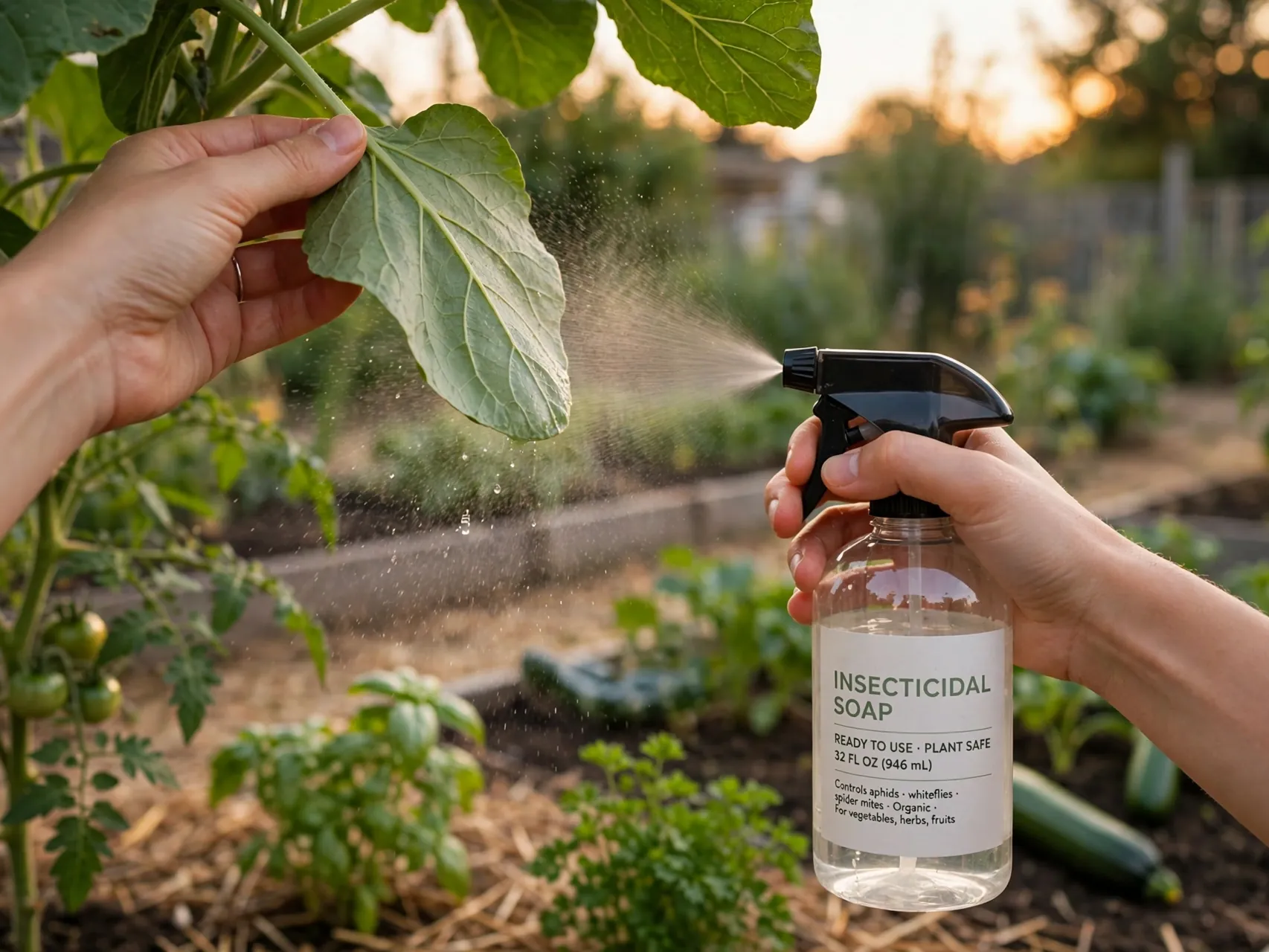
When you do spray, start with a true insecticidal soap product, not dish detergent. Extension sources are clear that household detergents carry fragrances, degreasers and additives that can damage leaves, while labeled insecticidal soaps are made to kill soft bodied insects on contact by breaking down their outer coating.
Soap only works where it touches the pest, so coat leaf undersides thoroughly. Apply in the cool of morning or evening, test on a small area first, and repeat as the label directs. It has little effect once dry, which is why timing and coverage matter more than strength.
18. Neem Oil With Care
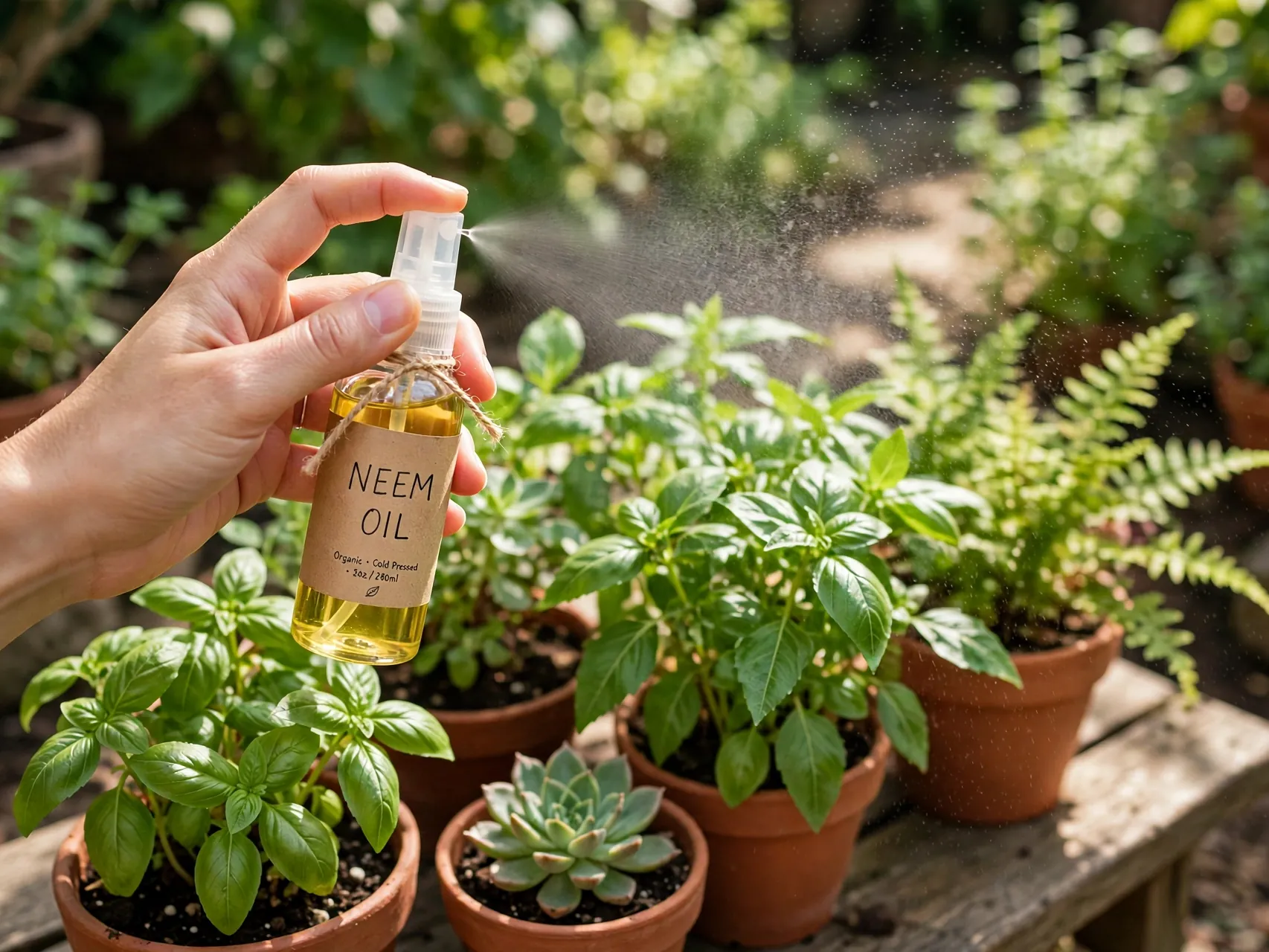
Neem products, including azadirachtin extracts from neem seeds, disrupt feeding and growth in many pests, especially in their early life stages, as New Mexico State University Extension explains. They break down in sunlight, so evening application gives them time to work and reduces exposure for daytime pollinators.
Apply only to affected plants, avoid open blooms, and follow the label exactly. Neem can affect immature beneficial insects as well as pests, so spot treatment is the rule, not the exception. Give it days, not hours, to show results, since growth disruption is slower than contact knockdown.
19. Bt for Caterpillars
Bacillus thuringiensis, called Bt, is a naturally occurring bacterium sold as a targeted spray for caterpillars. Eaten by a feeding caterpillar, it stops the pest while sparing most other insects, which is why IPM programs list it among the most selective options a home gardener can buy.
Timing is everything. Spray when caterpillars are small and feeding, coat the leaves they eat, and reapply after rain as the label directs. Bt does nothing for beetles, aphids or slugs, which is the point. A narrow tool used at the right moment beats a broad one used in hope.
20. Diatomaceous Earth, Dry Only
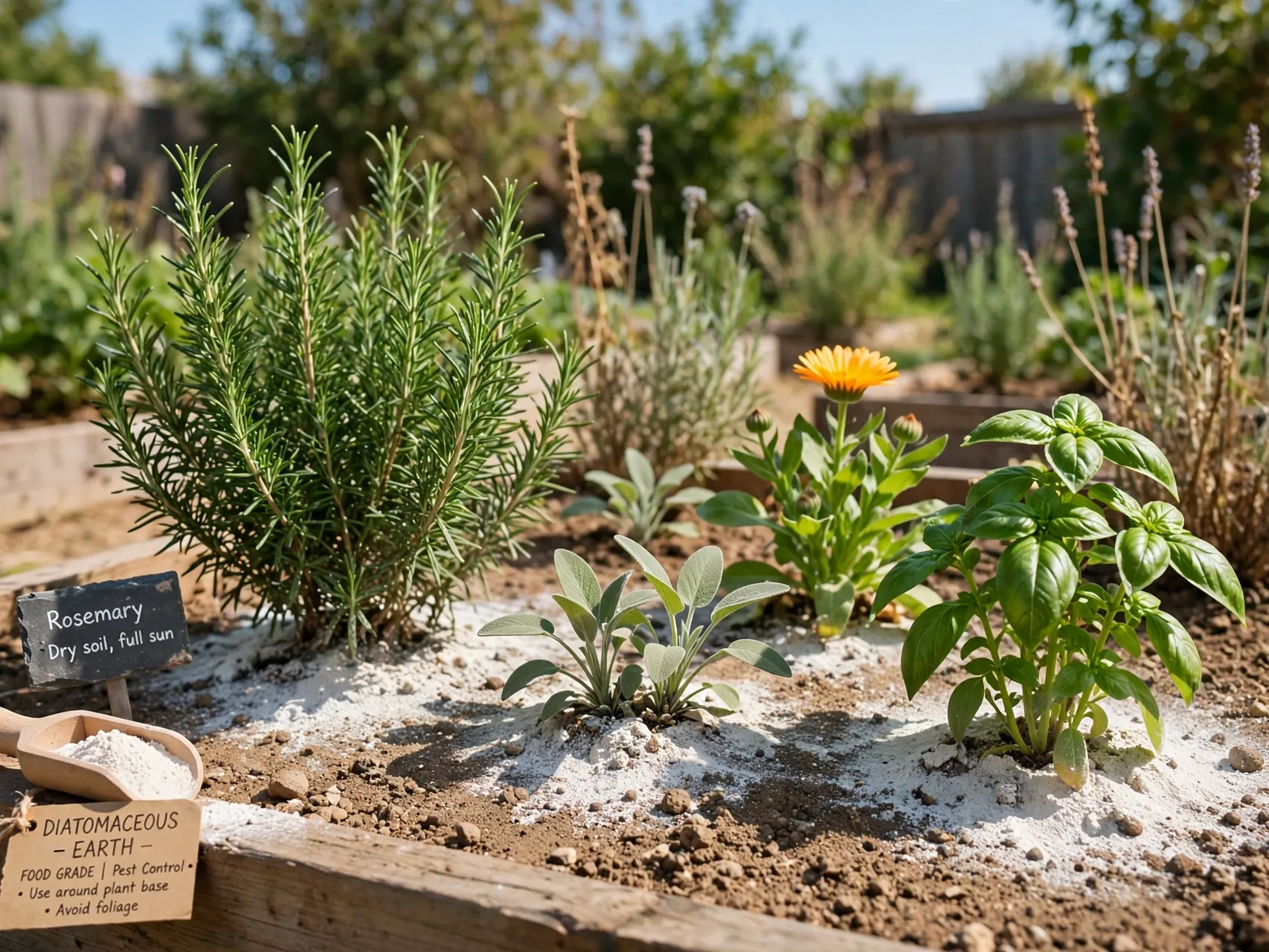
Food grade diatomaceous earth is a fine powder of fossilized algae with sharp edges that damage the waxy coating of crawling insects, causing them to dry out. Dust it around stems and on soil for ants, beetles and other crawlers, as a dry barrier rather than a spray.
It stops working when wet, so reapply after rain, and apply on a calm day to keep dust down. Wear a mask, avoid inhaling it, and never dust open blooms, since pollinators should not contact it. Outdoors, on dry ground, away from flowers, it is a useful physical tool.
21. Horticultural Oil
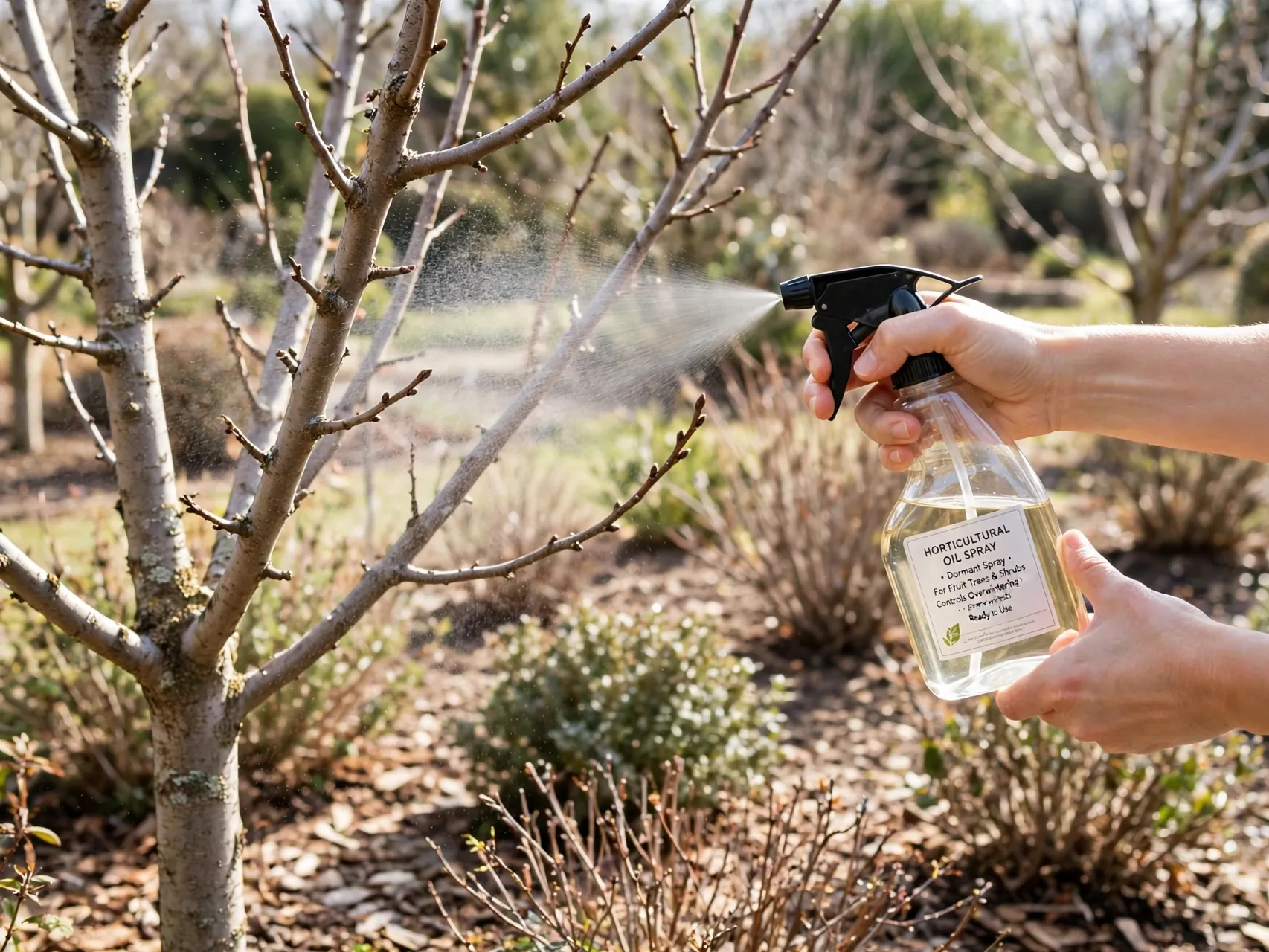
Horticultural oils smother eggs, scale, mites and other small pests on contact, and they are a long standing, lower toxicity option in extension guides for fruit trees, roses and shrubs as well as vegetables. Modern oils are highly refined and, used by the label, suit many home gardens.
Respect the limits. Do not apply in extreme heat, on drought stressed plants or close to sulfur sprays, and always test tender foliage first. Oil works by contact and leaves little residue, which protects beneficials that arrive later, as long as you spray the pest, not the whole yard.
22. Kaolin Clay Coating

Kaolin clay mixed with water sprays onto plants as a white, powdery film that irritates and confuses many insects and masks the plant they want. The EPA has found kaolin not harmful to non target organisms, and studies cited by university sources note no adverse effects on spiders and honeybees.
The coating washes off in rain and needs renewing, and white dusted leaves take some getting used to. For fruit trees, cucumbers and other pest magnets, that trade is often worth it. Harvested produce rinses clean with water, and the film also reduces sunscald on fruit in hot climates.
23. Clean Up in Fall

Many pests and diseases overwinter in fallen leaves, spent plants and old fruit left in the beds. Pull finished crops, compost only healthy material, remove mummified fruit from trees and clear the debris where slugs, beetles and fungal spores spend the winter.
This unglamorous hour in fall prevents a surprising share of next springs problems. Till or cover bare soil, refresh mulch after cleanup, and store row covers and traps clean and dry. Gardeners who close the season properly start the next one ahead, which is the cheapest homemade pest spray for plants substitute there is: not needing one.
24. Monitor Weekly and Act Early

Walk the garden once a week with the specific job of looking: under leaves, at growing tips, along stems and at the soil line. Note what you find, even in a few words on your phone. Most pest disasters were small, fixable problems two weeks earlier.
Act at the first threshold that matters, a few aphids before the colony, the first eggs before the hatch, the first holes before the skeletonized leaf. Early action is why layered, attentive gardeners spray least. If you take one habit from this guide on how to get rid of garden pests naturally, make it this walk.
A final word on expectations. A natural garden is not a pest free garden, and it should not be. A few aphids feed the ladybugs that guard your roses, and a nibbled leaf or two is the rent you pay for a living system. Aim for balance and healthy harvests, not perfection, and intervene with the gentlest method that solves the actual problem in front of you.
FAQ
What is the most effective natural pest control method?
Layered prevention. Correct identification, row covers before pests arrive, rotation, healthy soil and beneficial habitat stop most problems. For young vegetables, physical exclusion is often more dependable than any spray, and sprays work best as a targeted last layer.
Can I use dish soap instead of insecticidal soap?
No. Extension guidance is clear that dish detergents contain degreasers, fragrances and additives that can damage plant tissue. Use a product labeled as insecticidal soap, apply it where pests actually are, and follow the label rates and timing.
Is neem oil safe for bees and pollinators?
It is lower risk when used carefully, but direct contact can harm bees and immature beneficial insects. Apply in the evening when bees are not foraging, avoid open blooms, spot treat only affected plants, and follow the product label.
How do I control aphids without any spray?
Start with a firm water blast every few days, prune out the worst tips, and protect the ladybugs and lacewings that eat aphids by skipping broad sprays. A small aphid population left in place is often what keeps those predators living in your garden.
Does diatomaceous earth work after it rains?
No. It must stay dry to work, and wet powder needs replacing once foliage and soil dry again. Use only food grade product outdoors, keep it off blooms, wear a mask while applying and reapply lightly rather than piling it on.
Key Takeaways
- Order matters: Identify, prevent, exclude, remove, support beneficials, then spray selectively.
- Covers beat cures: Row covers on young crops prevent more damage than any rescue treatment.
- Hands before bottles: Handpicking and water blasts solve early outbreaks with zero collateral harm.
- Use real products right: Labeled insecticidal soap, neem and Bt each target specific pests, so match the tool to the pest.
- Protect pollinators: Spray in the evening, avoid open blooms and spot treat instead of blanket spraying.
- Walk weekly: Ten minutes of monitoring prevents most pest emergencies before they start.
Save this guide to Pinterest at the start of the season, and pin it where you can find it the first morning you lift a leaf and meet an aphid army.