
25 Ways to Get Rid of Aphids Naturally and Save Plants
Introduction
Aphids look alarming because they arrive in crowds. One week a rose bud is clean, the next it is coated in tiny green, black, or white insects feeding on sap and leaving sticky honeydew behind. The good news is that soft bodied aphids are among the easiest garden pests to control without harsh products when you learn how to get rid of aphids naturally.
Start simple. Extension services such as the University of Minnesota and UF/IFAS give the same first advice: knock aphids off with water, prune the worst tips, and protect the ladybugs and lacewings that eat them for free. Sprays come second, and only where they are needed.
Work through this list from the gentlest methods up. Most home infestations clear with the first few ideas, repeated for a week or two, because aphid numbers crash once their colonies are disturbed and their predators move in.
Check the undersides of leaves and tender new growth as you work. That is where aphids hide, where eggs and young cluster, and where early action saves you a much bigger job later.
1. Blast Them Off With a Strong Stream of Water
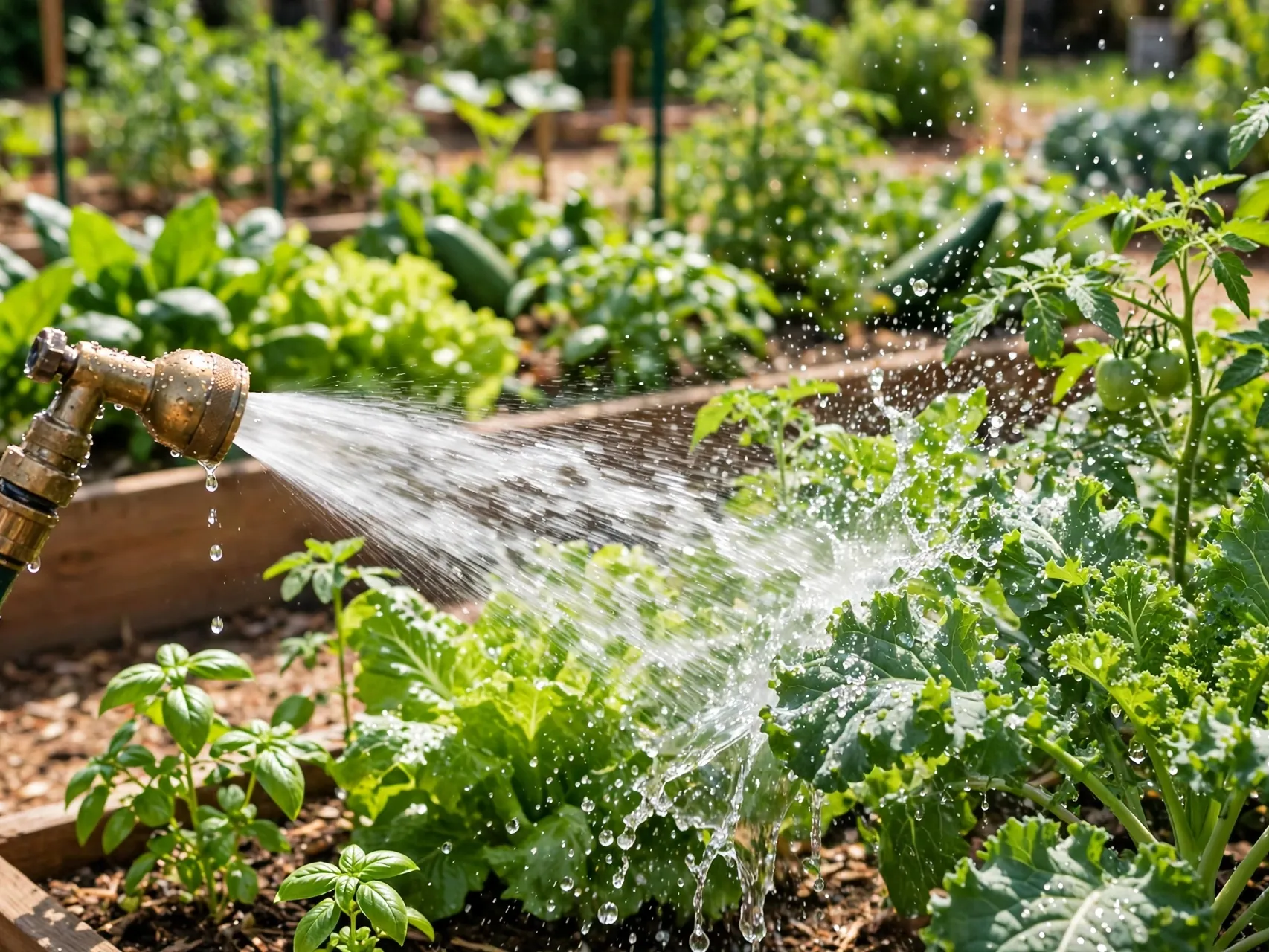
A firm jet of water from the hose is the fastest first step on sturdy plants. Aim at leaf undersides and stems, and most aphids are knocked to the ground, where they usually cannot climb back and are eaten by ground predators.
Repeat every two or three days for a week or two. One blast removes adults, but young aphids keep appearing for a while, and steady repetition is what breaks the cycle on roses, kale, and shrubs.
2. Wipe Aphids Off Delicate Plants by Hand
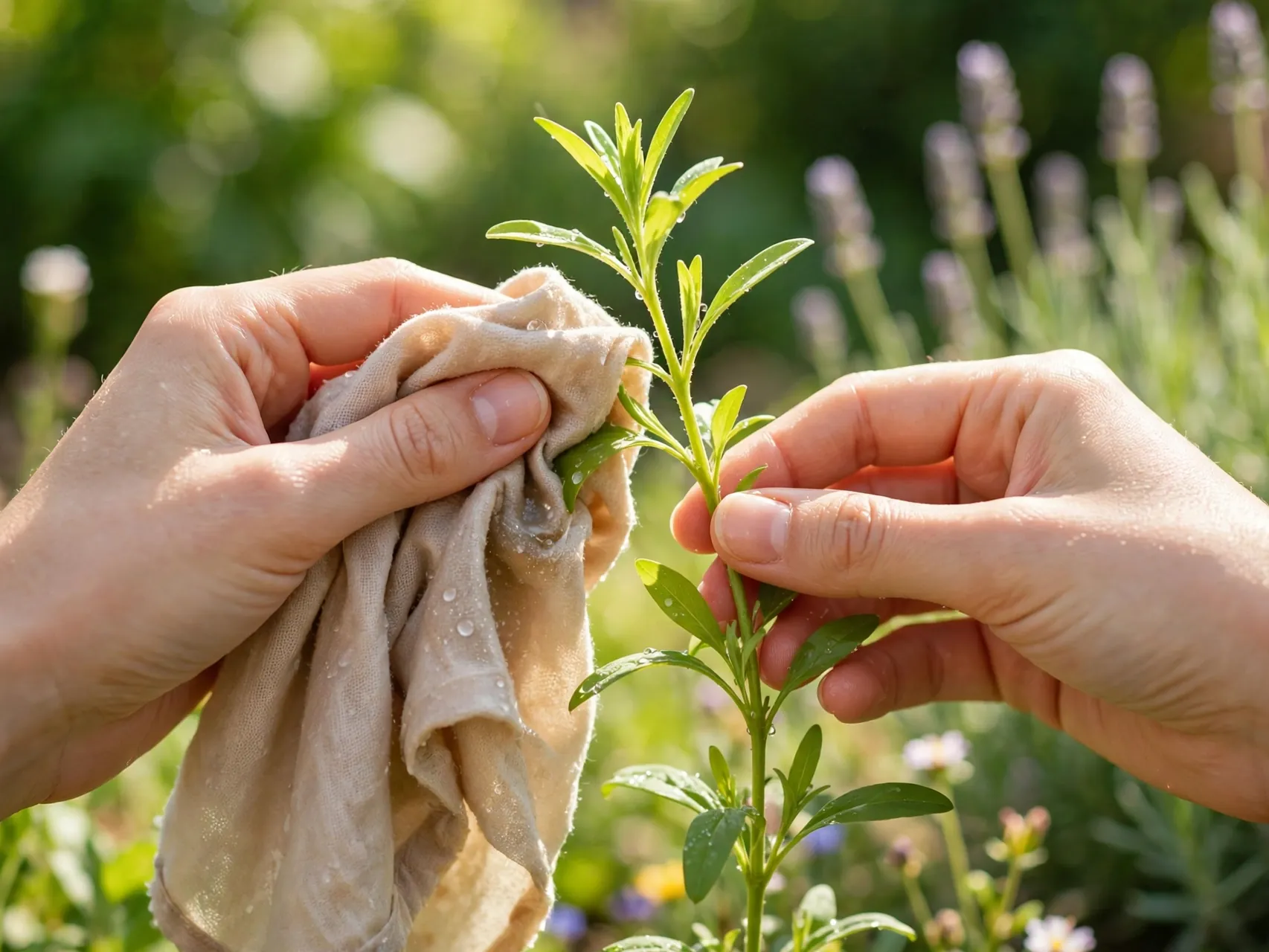
Seedlings and soft herbs cannot take a hard spray. Instead, support the leaf with one hand and wipe colonies off with damp fingers or a soft cloth, working over a bowl of soapy water so the insects drop in and cannot escape.
Gloves make the job pleasanter. Check again in two days, because a few missed aphids restart a colony quickly, and a second gentle pass usually finishes what the first one started.
3. Prune and Bag the Worst Infested Tips

Aphids cluster on tender tips, buds, and curled leaves. When one shoot is coated while the rest of the plant is clean, snip that shoot off, drop it straight into a bag, and throw it in the trash, not the compost.
Pruning also opens the plant to air and light, which aphids dislike. On vegetables, removing a few ruined leaves is better than spraying the whole plant for a problem that lives on one stem.
4. Spray With Insecticidal Soap, Exactly as Labeled
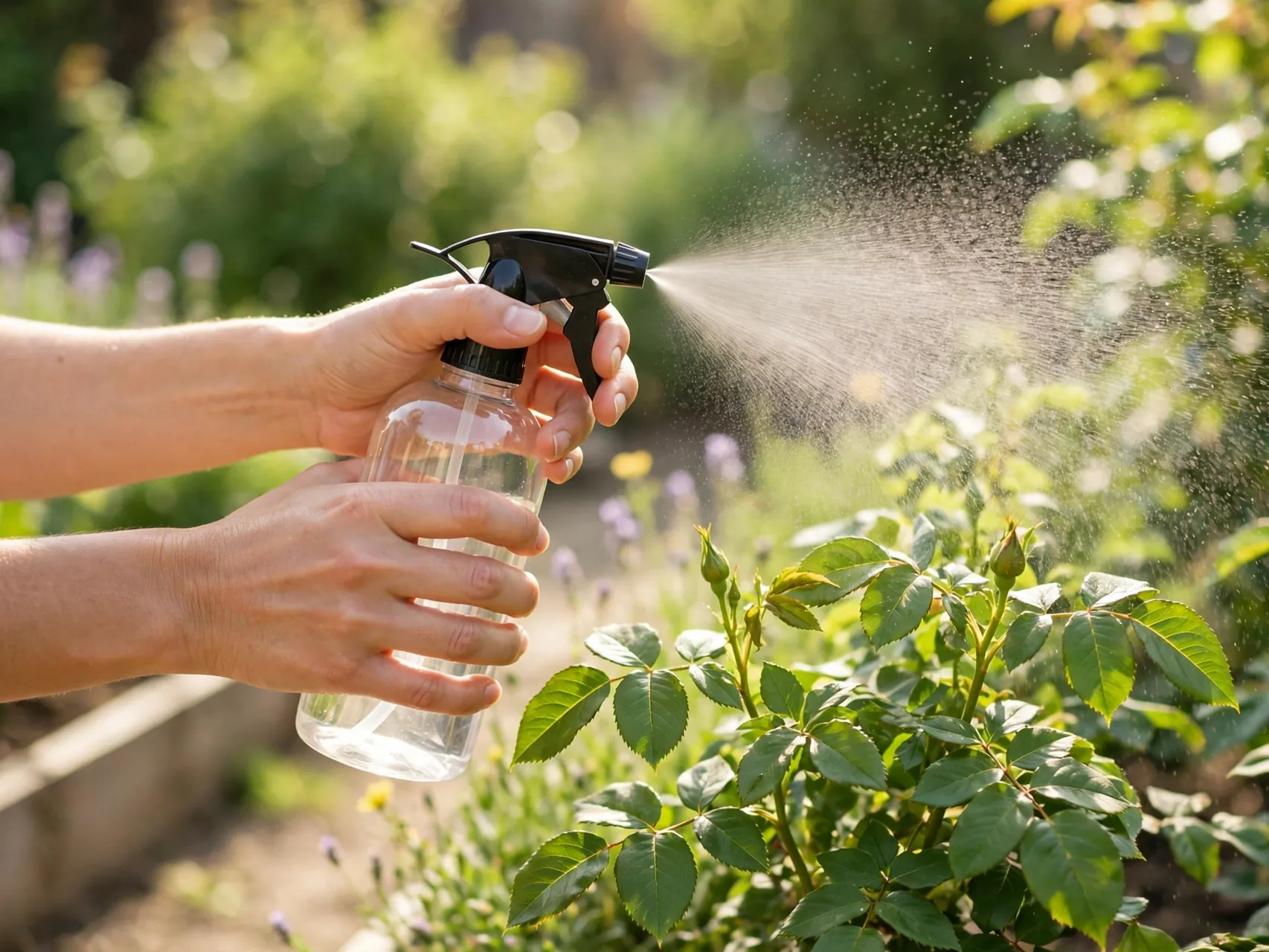
Insecticidal soap is a contact treatment that works on aphids it touches, and extension guidance notes it only works the day it is sprayed. Coat colonies thoroughly, especially leaf undersides, and repeat as the label allows while aphids remain.
Use a product labeled for aphids on your plant type, test it on a small area first, and apply in the cooler parts of the day. Avoid spraying open blooms where bees are feeding, and never mix stronger doses hoping for faster results.
5. Use Neem Oil for Feeding and Growth Control

Neem oil for aphids works differently from soap. It discourages feeding and disrupts the growth of young aphids, so it suits plants where colonies keep returning. Mix and apply strictly by the label, covering undersides well.
Apply in the evening or on a cloudy day so leaves do not scorch and pollinators are less active. Neem suits shrubs, roses, and houseplants moved outdoors for treatment, and results build over several days rather than minutes.
6. Try Horticultural Oil on Woody Plants and Roses
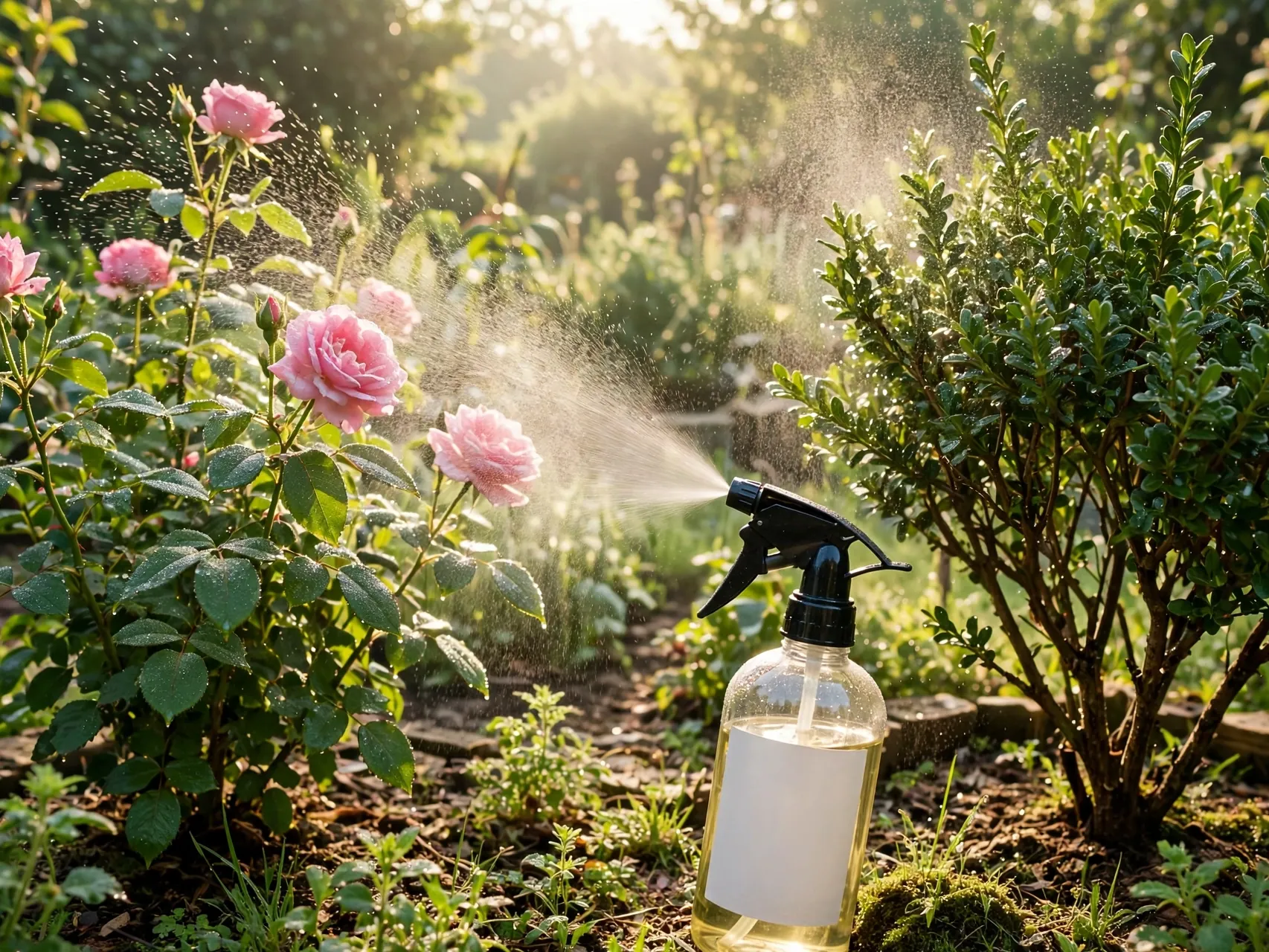
Light horticultural oils smother aphids and their eggs on contact and are a long standing extension recommendation for roses, shrubs, and fruit trees. They are especially useful in early spring, before leaves fully open, on overwintering eggs.
Follow the label for season and temperature limits, since oils can damage leaves in hot weather or on stressed plants. Keep oil sprays separate from sulfur products, and check the label for the safe interval between them.
7. Make a Simple Castile Soap Spray for Small Jobs

For a few pots or one houseplant, a homemade natural aphid spray of plain castile soap and water is a common home option. Keep it weak, spray a test leaf first, wait a day to check for leaf damage, and rinse the plant with plain water after a few hours.
Homemade mixes are less predictable than labeled insecticidal soap, so treat them as the small job option. If leaves curl or spot after a test, stop and switch to water blasting and hand wiping instead.
8. Dunk Cut Flowers and Harvested Greens
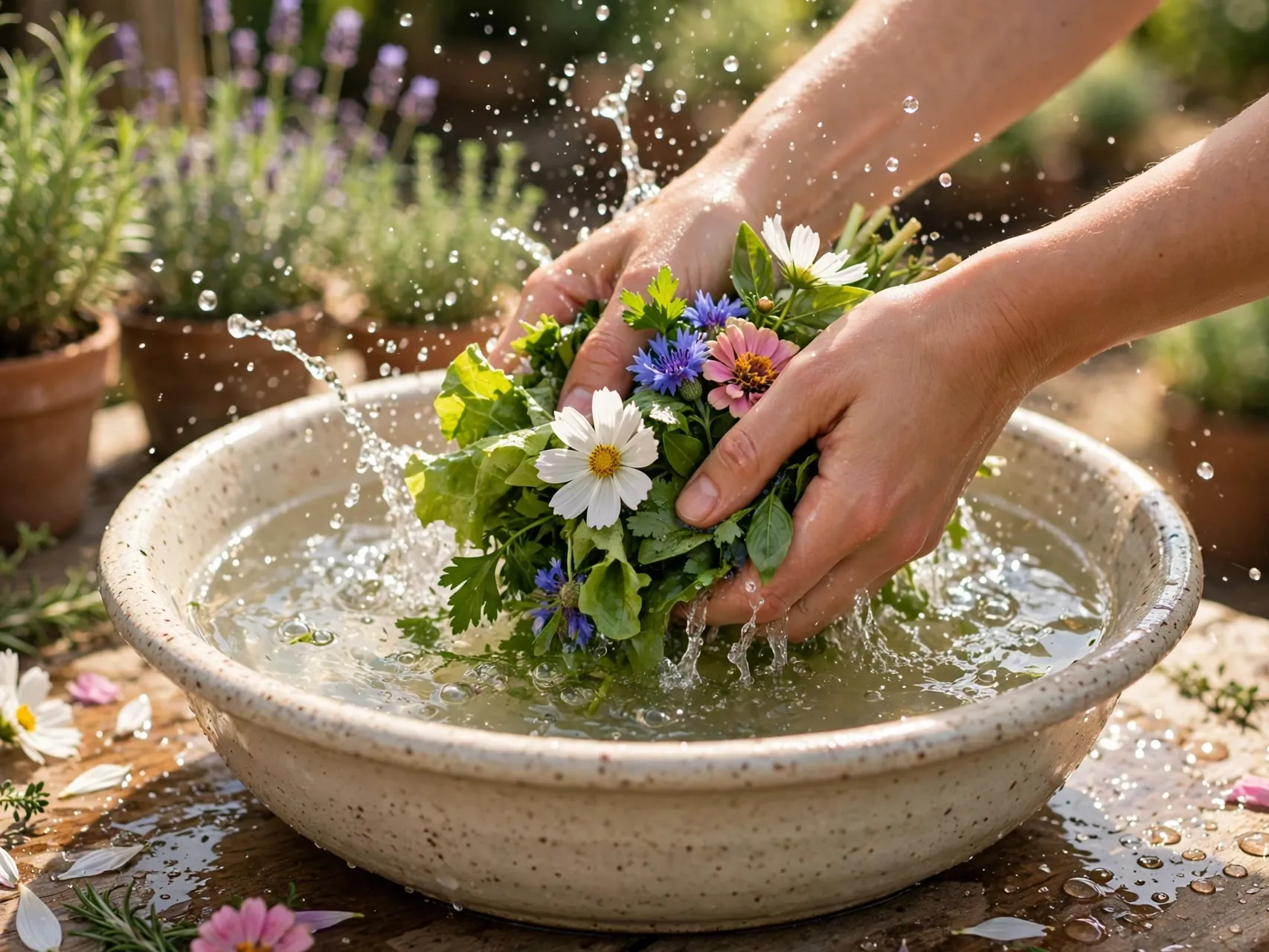
Aphids hitchhike indoors on cut flowers and picked greens. Swish stems and leaves in a bucket of cool water with a tiny drop of soap, then rinse under the tap. Most aphids let go in the dunk and never reach your kitchen or vase.
This habit also protects houseplants. A bouquet placed beside indoor plants can seed a whole new infestation, so a quick wash outside is a small step that saves a long cleanup later.
9. Welcome Ladybugs Already Living in Your Garden
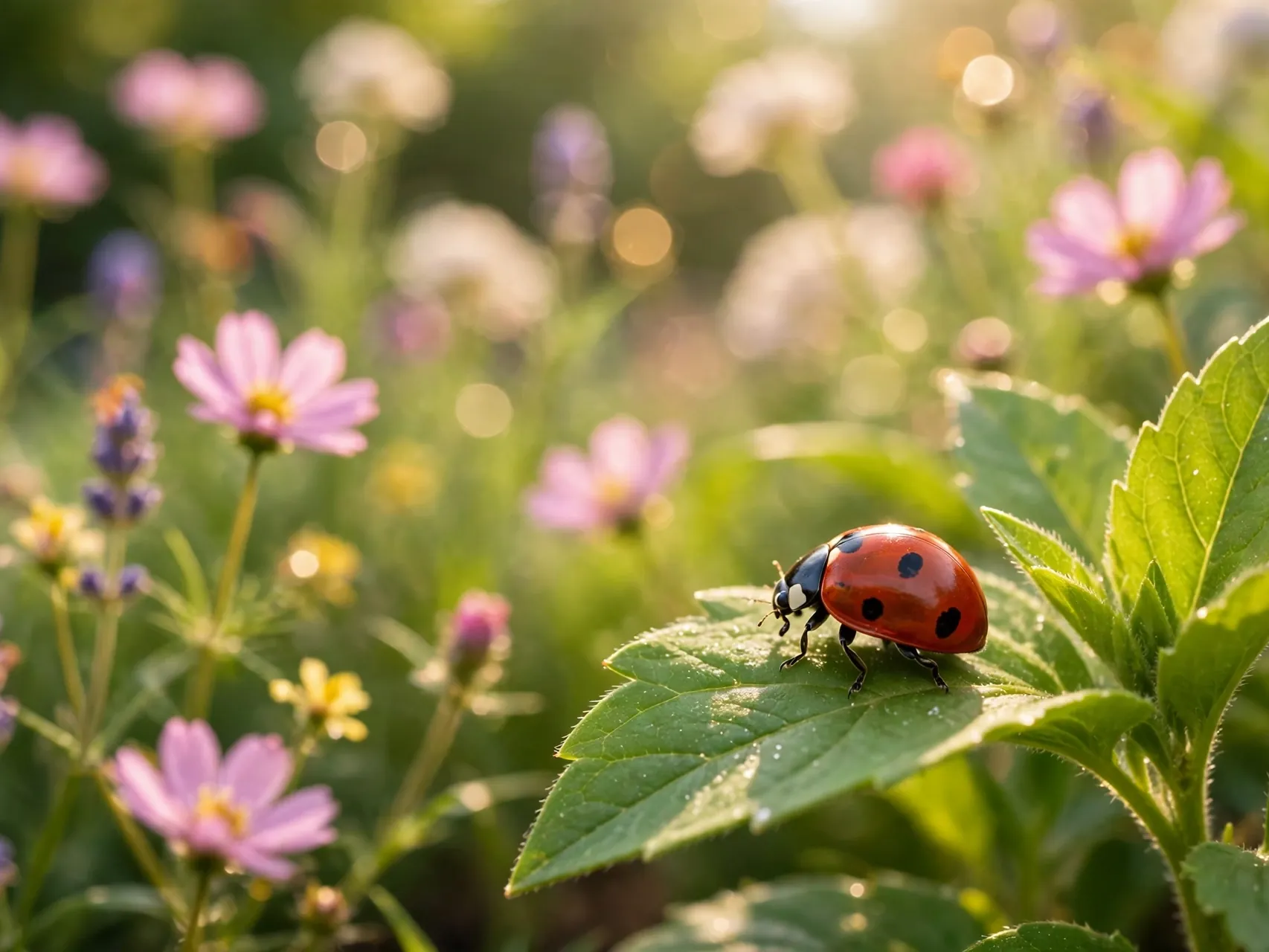
Ladybug adults and their dark, spiky larvae both eat aphids, and the larvae eat a great many. Learn to recognize the larvae so you do not mistake these helpers for pests and remove the very insects solving your problem.
Extension sources caution that bought ladybugs often fly away soon after release. Your resident ladybugs are worth more, so keep them by avoiding broad sprays and leaving a few aphids on a sacrificial plant for them to hunt.
10. Attract Lacewings, Hoverflies, and Parasitic Wasps

Lacewing larvae, hoverfly larvae, and tiny parasitic wasps are quiet aphid control working in the background. Small flowers such as sweet alyssum, dill, fennel, and yarrow feed the adult insects, whose young then hunt aphids on nearby plants.
Plant these flowers in and around vegetable beds, not in a separate corner. Predators need to live where the prey is, and a bed edged with alyssum often shows fewer aphid outbreaks by midsummer.
11. Look for Aphid Mummies and Leave Them Alone

A plump, tan, papery aphid stuck to a leaf is a mummy, an aphid already used by a parasitic wasp. Inside it, a new wasp is developing that will go on to parasitize more aphids. It is free control in progress.
Leave mummies exactly where they are and skip spraying that plant if you can. Gardeners who learn this one sign stop fighting their own allies and watch colonies collapse with far less effort.
12. Plant Trap Crops Aphids Prefer

Nasturtiums are famous aphid magnets. Planted a short distance from vegetables and roses, they draw aphids away from the plants you care about, concentrating the pest in one spot you can blast, prune, or remove entirely.
Check trap plants twice a week. A trap crop only works if you manage it, so cut and bag heavily infested nasturtium stems before aphids spread back to the crops they were protecting.
13. Grow Companion Herbs With Strong Scents

Chives, garlic, and catnip planted among vegetables and roses are traditional companions said to make nearby plants less appealing to aphids. Their evidence is mixed, but the herbs are useful in the kitchen either way, so the pairing costs nothing.
Companions support, they do not replace, active control. Think of them as one layer in a garden where predators, water blasts, and good spacing do the heavy lifting.
14. Control the Ants That Farm Aphids
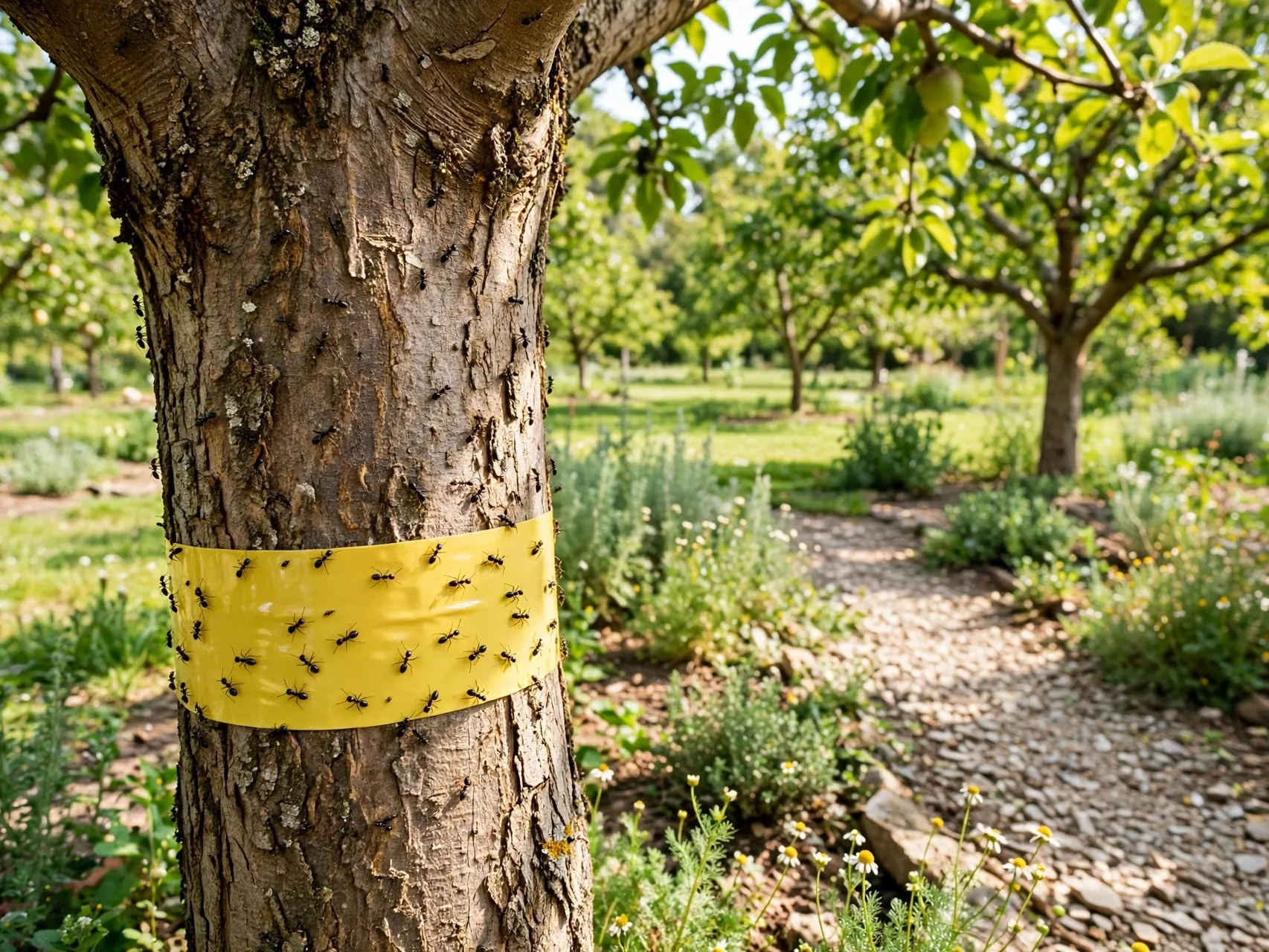
Ants protect aphids from ladybugs in exchange for sweet honeydew, so a plant can stay infested simply because ants are guarding it. On trees and woody shrubs, a sticky band around the trunk, applied as the product label directs, stops ants climbing up.
Also clean up fallen fruit and honeydew coated leaves below the plant. Remove the ants food and bodyguards, and predators can finally reach the colony and finish it.
15. Wash Away Honeydew and Sooty Mold
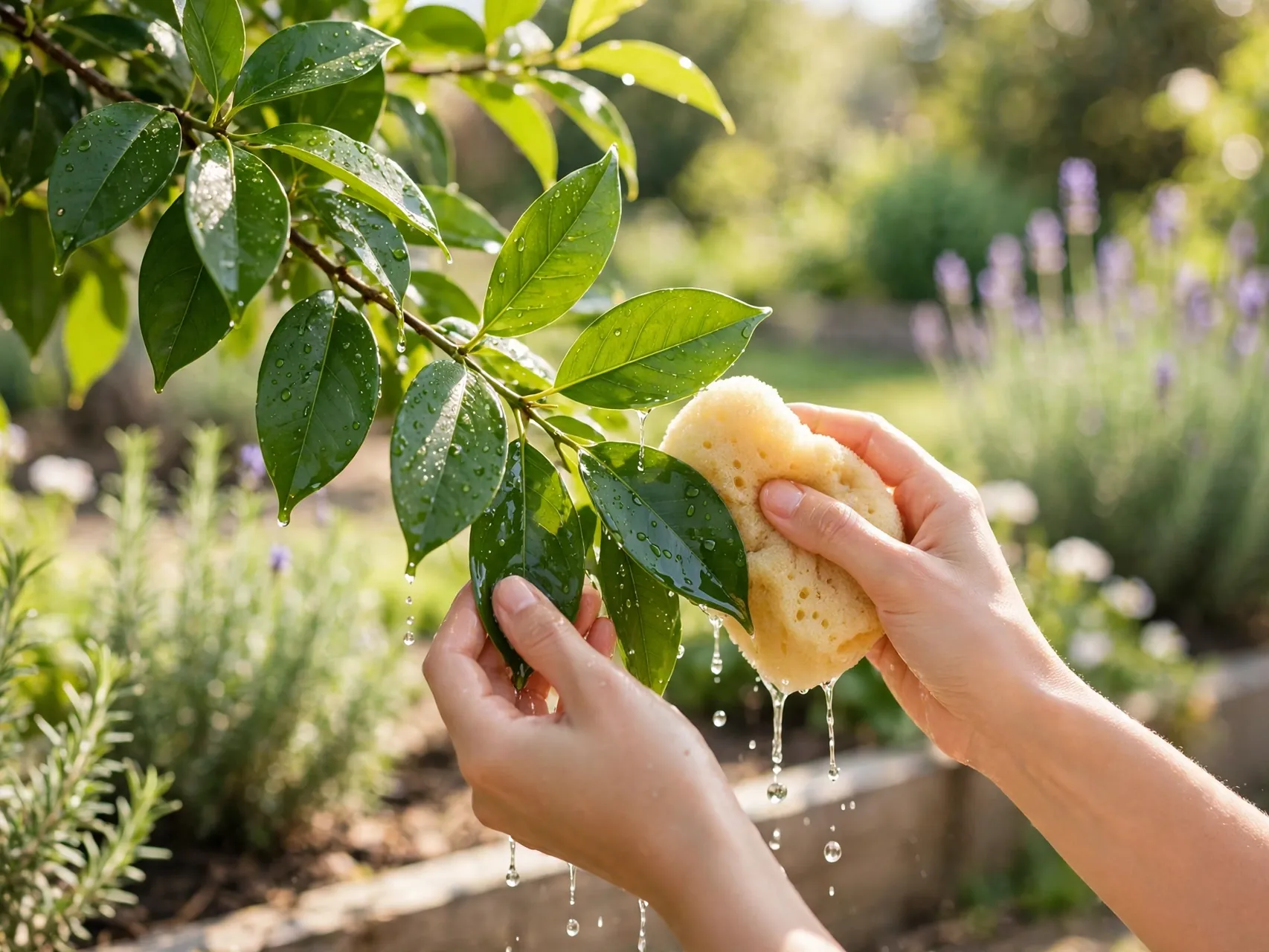
Sticky, shiny leaves and black sooty mold are signs aphids have been feeding for a while. Rinse foliage with water to remove honeydew, which improves leaf health and removes the sugary film that attracts ants and wasps.
Sooty mold fades once the aphids are gone and no new honeydew lands. The wash is cosmetic and helpful, but keep treating the insects themselves or the stickiness returns within days.
16. Stop Overfeeding With Nitrogen Fertilizer

UF/IFAS guidance is clear that excess nitrogen pushes soft, lush growth that aphids reproduce on fastest. If one plant is always covered while neighbors are clean, check how much high nitrogen feed it has been getting.
Switch to balanced, slow feeding and follow soil test or label rates rather than a more is better habit. Firm, steady growth is less attractive to aphids and sturdier against every other stress too.
17. Space Plants for Airflow and Light

Crowded, shaded plants stay damp, grow soft, and hide aphids from both you and their predators. Space vegetables and flowers as their tags suggest, thin extra seedlings early, and prune crossing stems on shrubs so you can actually see the undersides of leaves.
Good spacing makes every other method work better. Water blasts reach further, sprays cover evenly, and your twice weekly inspection takes minutes instead of an archaeological dig.
18. Use Reflective Mulch Around Vegetables

Silver reflective mulch confuses flying aphids and reduces their landings on young vegetable plants, a method UF/IFAS notes can also slow aphid spread of plant viruses in crops like squash and melons. Lay it at planting time, when plants are most vulnerable.
Once the canopy grows over the mulch the effect fades, but by then plants are bigger and tougher. Remove and store or dispose of the mulch at season end according to local guidance.
19. Cover Young Plants With Row Cover

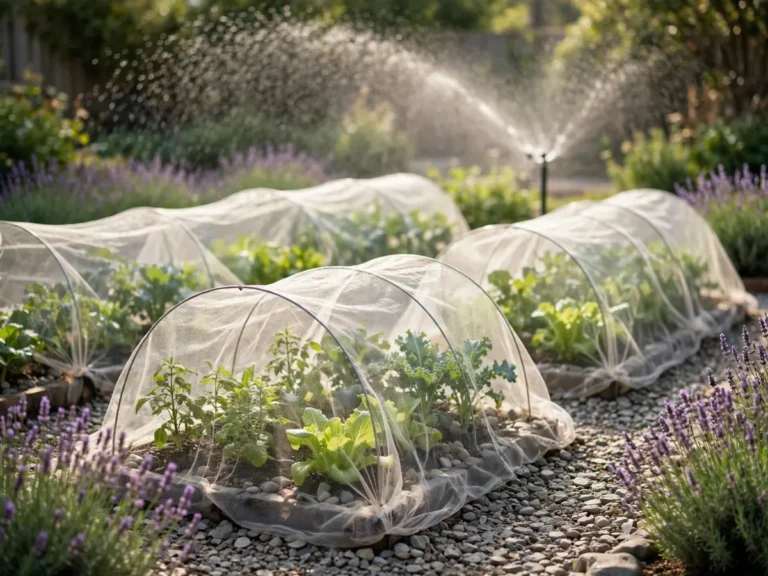
Lightweight row cover keeps flying aphids off seedlings and transplants entirely during their most tender weeks. Drape it loosely over hoops, seal the edges with soil or clips, and the plants grow in a clean, protected tunnel.
Remove covers when flowering crops need pollinators, or hand pollinate where needed. Inspect before covering, since sealing aphids inside with the plants gives them a predator free paradise instead of protection.
20. Quarantine and Clean New Plants Before Planting

Many infestations arrive on a new plant from the store. Inspect purchases closely, especially under leaves and in buds, and keep new plants apart from your main beds and houseplant collection for a week or two while you watch them.
Rinse new plants with water before planting and remove any hitchhikers by hand. This one habit prevents more problems than any spray, because most garden aphid outbreaks start as a few hidden insects on fresh stock.
21. Treat Houseplants in the Sink or Shower

Indoor aphids have no predators and no rain, so they multiply undisturbed. Carry the plant to a sink or shower and rinse every leaf, top and underside. For small pots, a gentle soak and swish of the foliage in soapy water, followed by a rinse, clears most colonies.
Isolate the plant for two weeks and repeat the rinse weekly. Check neighboring houseplants too, since aphids spread plant to plant across a sunny windowsill faster than most owners expect. This is how to remove aphids from plants indoors without any product at all.
22. Rub Stems With a Cotton Swab and Rubbing Alcohol

For a tiny colony on one stem of a prized houseplant or orchid, a cotton swab dampened with rubbing alcohol touched directly to the insects can clear them precisely, with no spray drift onto blooms or furniture.
Test on a small hidden spot first, since some plants are sensitive, and keep this as a spot treatment only. It is far too slow for a whole shrub, but perfect for surgical work on a favorite plant.
23. Keep Plants Evenly Watered and Unstressed

Stressed plants, especially cool season crops struggling in heat or plants swinging between drought and soaking, draw heavier aphid pressure. Steady watering, mulch to hold moisture, and planting crops in their right season all reduce that stress signal.
A plant growing comfortably still gets a few aphids, but it tolerates them, and predators keep numbers low. Gardening with the season is quiet, long term aphid control without chemicals.
24. Clean Up Weeds and Spent Plants Promptly

Weeds and finished crops host aphids between plantings, giving the next generation a home the moment new seedlings go in. Pull weeds around beds, remove spent plants promptly, and clear fallen leaves where colonies shelter.
In autumn, tidy beds and remove infested debris rather than leaving it in place. Fewer overwintering spots means a slower, smaller first wave of aphids next spring, when your inspections matter most.
25. Inspect Twice a Week and Act at the First Cluster
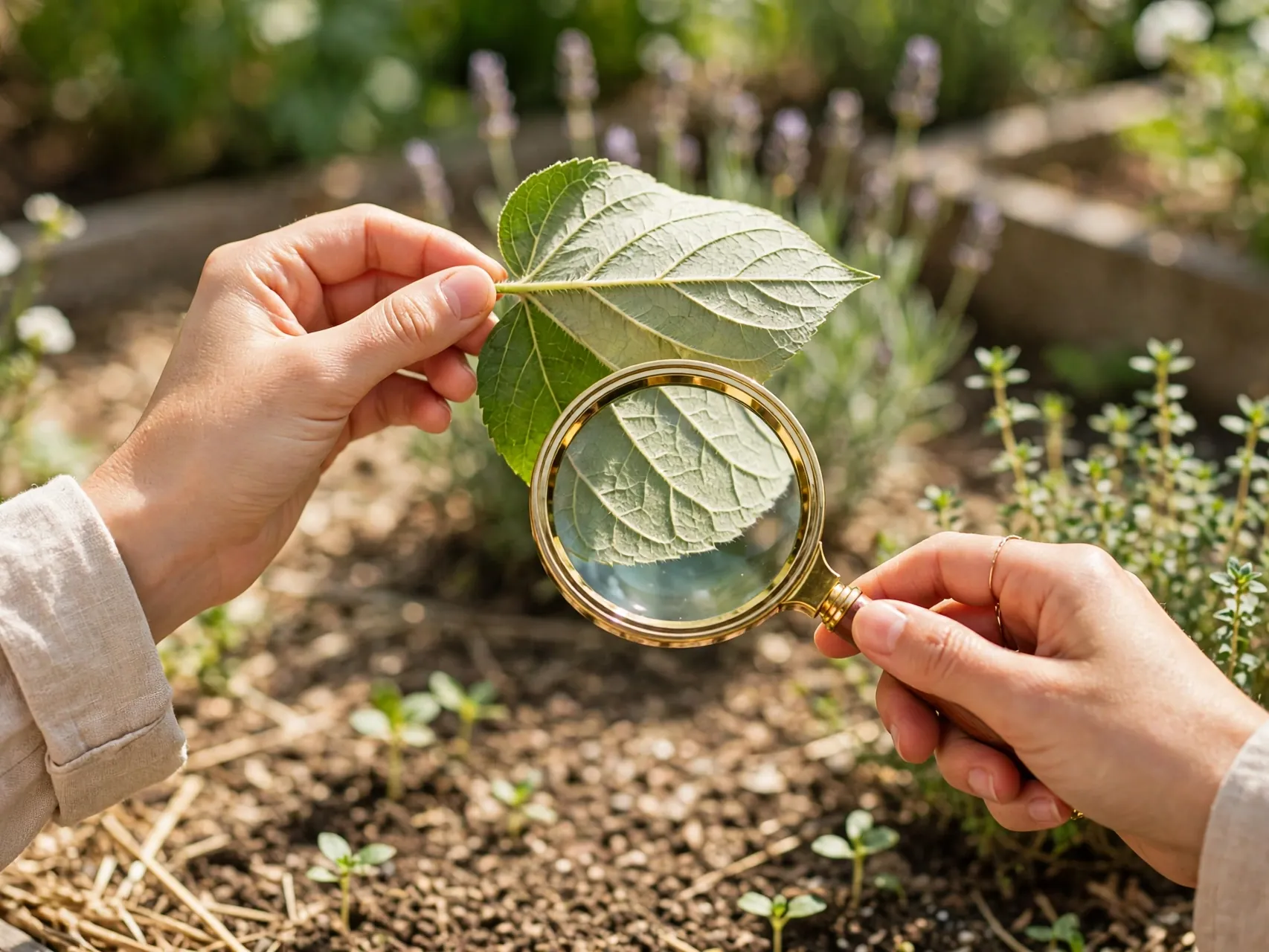
Every method above works best early. A two minute check of buds, shoot tips, and leaf undersides twice a week catches colonies at ten aphids instead of ten thousand, when a water blast or a pinched tip solves everything.
Keep a simple rhythm: inspect, blast or prune, check again in three days. Aphid control is rarely about one perfect product. It is about small, regular actions that keep a fast breeding pest permanently behind.
FAQ
What kills aphids instantly without harming plants?
Nothing natural is truly instant, but a strong water blast removes most aphids on contact, and insecticidal soap applied exactly as labeled kills the aphids it coats that same day. Repeat checks matter more than speed, since young aphids keep emerging for several days after the first treatment.
How often should I spray for aphids naturally?
As often as the product label allows while aphids are still present, commonly with a gap of several days between applications. Water blasting can be repeated every two or three days. Stop spraying when inspections show no live aphids, and switch to monitoring so you do not disturb beneficial insects.
Will neem oil harm bees or ladybugs?
Applied carelessly, any spray can harm beneficial insects it touches. Reduce risk by applying neem or soap in the evening, avoiding open blooms, and spraying only infested plants rather than whole beds. Dried residues are far less risky, which is another reason timing and targeting matter.
Why do aphids keep coming back to the same plant?
Usually because that plant is stressed, overfed with nitrogen, guarded by ants, or sheltering a few survivors under curled leaves. Fix the underlying cause, control the ants, ease off high nitrogen feed, and remove curled, infested leaves, and the repeat cycle usually slows sharply.
Can aphids spread disease to my plants?
Yes. Aphids can carry plant viruses from one plant to another as they feed, which is one reason early control matters on vegetables. Remove badly infected plants, wash hands and tools after handling them, and use reflective mulch and row cover on young crops where virus risk is a concern.
Key Takeaways
- Water first: A firm hose blast, repeated every few days, is the simplest way to get rid of aphids naturally on sturdy plants.
- Spray smart: Insecticidal soap and neem work on contact or by disrupting feeding, so coverage, timing, and label directions decide the result.
- Protect your predators: Ladybugs, lacewings, hoverflies, and parasitic wasps do daily control for free when you plant small flowers and avoid broad sprays.
- Fix the cause: Excess nitrogen, plant stress, crowding, and ant guards keep colonies returning. Correct those and outbreaks shrink.
- Inspect on a rhythm: Twice weekly checks catch colonies while a pinched tip or one rinse still solves the whole problem.
- Watching your roses recover? Pin this guide to your garden board on Pinterest so the full 25 step checklist is saved for the next aphid wave.