21 Small Space Decorating Mistakes That Make Rooms Cramped
Introduction
A small room rarely feels cramped because of its measurements. It feels cramped because of a handful of choices that steal light, floor, and breathing room one by one. The good news is that most small space decorating mistakes cost nothing to fix. You move a sofa, raise a curtain rod, swap a rug, or clear a surface, and the same square footage suddenly works.
Work through this list in order if you can. Layout comes first, then light, then color and styling. Fixing layout mistakes first makes every later change look better, because the room finally has a clear path, a focal point, and space around the pieces that matter most.
You do not need to fix all twenty one in a weekend. Pick the three that describe your room most honestly, start there, and live with the change for a few days. Small rooms reward patience, and each fix makes the next one easier to see.
1. Pushing Every Piece Against the Walls
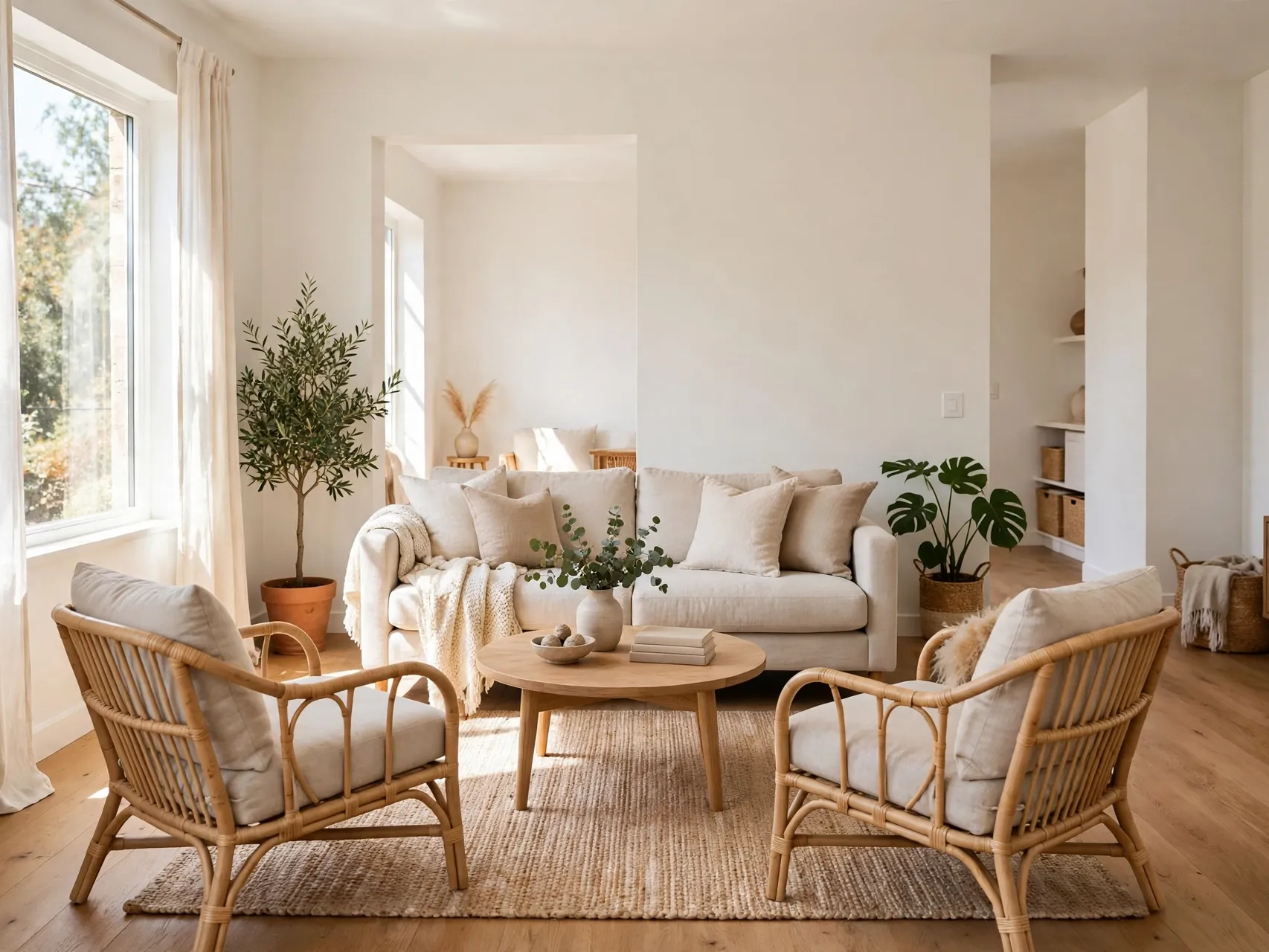
Pushing the sofa, chairs, and tables flat against the walls feels like it creates space, but it usually leaves a dead, empty middle and a ring of furniture hugging the edges. The room reads as a waiting area, not a living space, and conversations feel far apart.
Pull the main seating a few inches off the wall instead. Even a small gap behind a sofa creates shadow and depth, and grouping pieces around a rug makes a clear zone. In many small room decorating mistakes lists, this is the fastest free fix, and it works in living rooms and bedrooms alike.
2. Buying Oversized Furniture That Eats the Floor
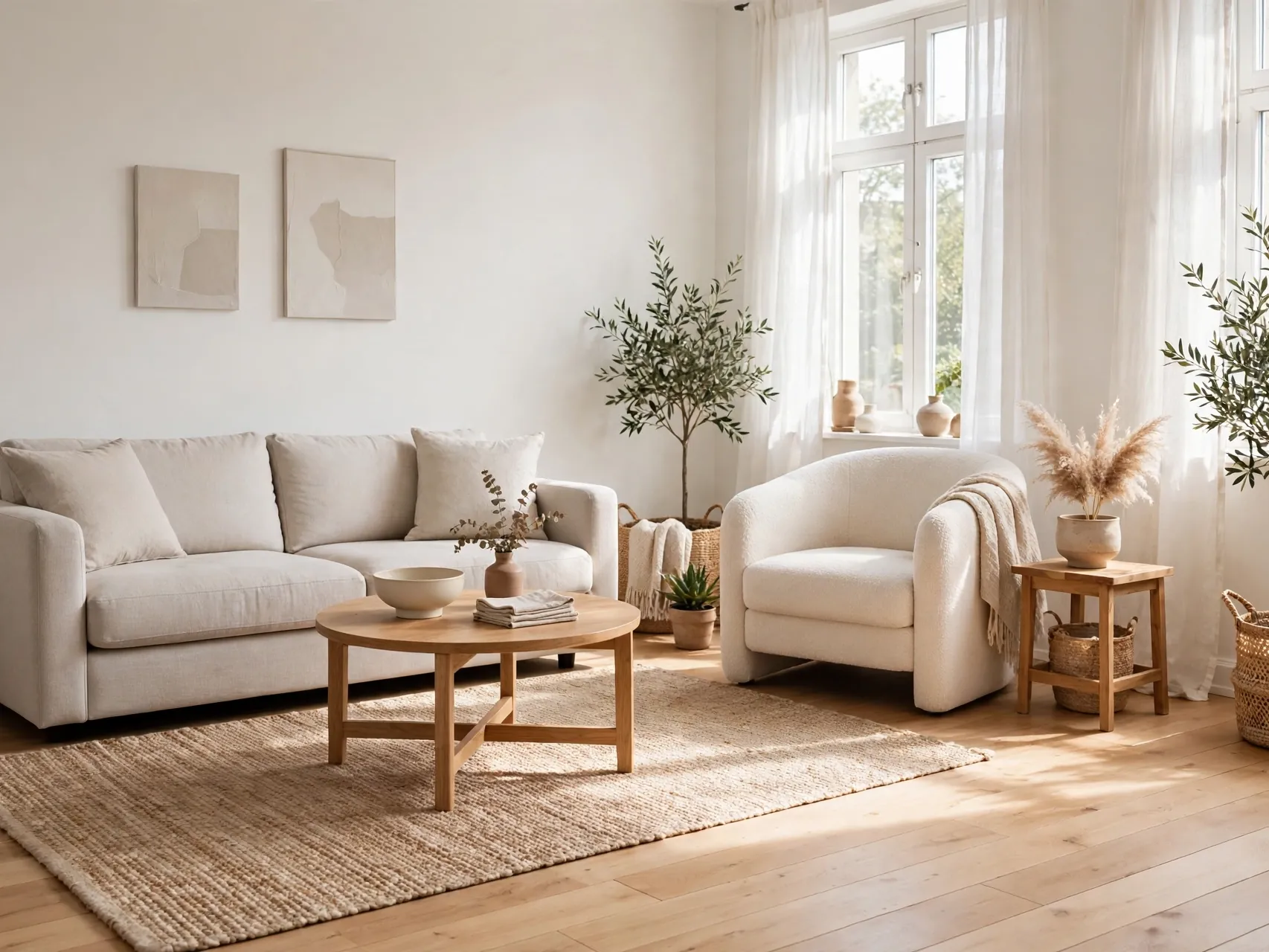
One deep, bulky sofa can take the floor space of a slimmer sofa and a chair combined. Thick arms, wide cushions, and a solid base that sits on the floor all add visual weight, so the room feels full before you add anything else.
Choose apartment scale pieces with narrower arms and legs you can see. When you can see floor under furniture, your eye reads that floor as usable space. If you love a larger piece, let it be the only large piece, and keep everything around it lighter, lower, and simpler.
3. Filling the Room With Only Tiny Furniture
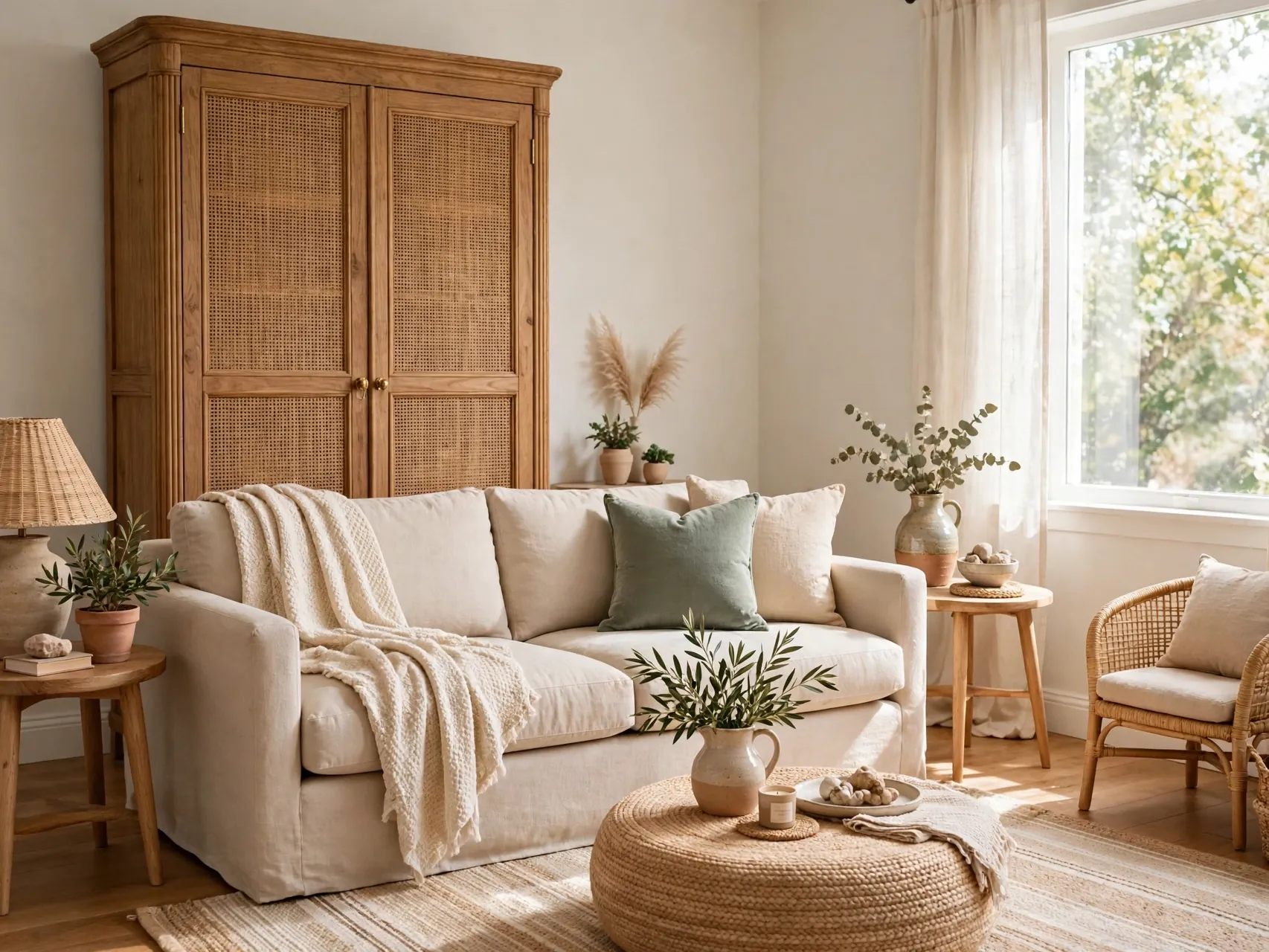
The opposite mistake is just as common. A room full of small, fiddly pieces looks busy and doll like, and none of the pieces are truly comfortable. Lots of little tables, little chairs, and little lamps create lots of edges for your eye to stop on.
A better mix is fewer pieces at a honest scale. One proper sofa, one good chair, and one table often feel calmer than six small items. Scale is about proportion, not size alone, and a small room can hold a normal sized anchor piece beautifully if the rest stays edited.
4. Laying a Rug That Is Far Too Small
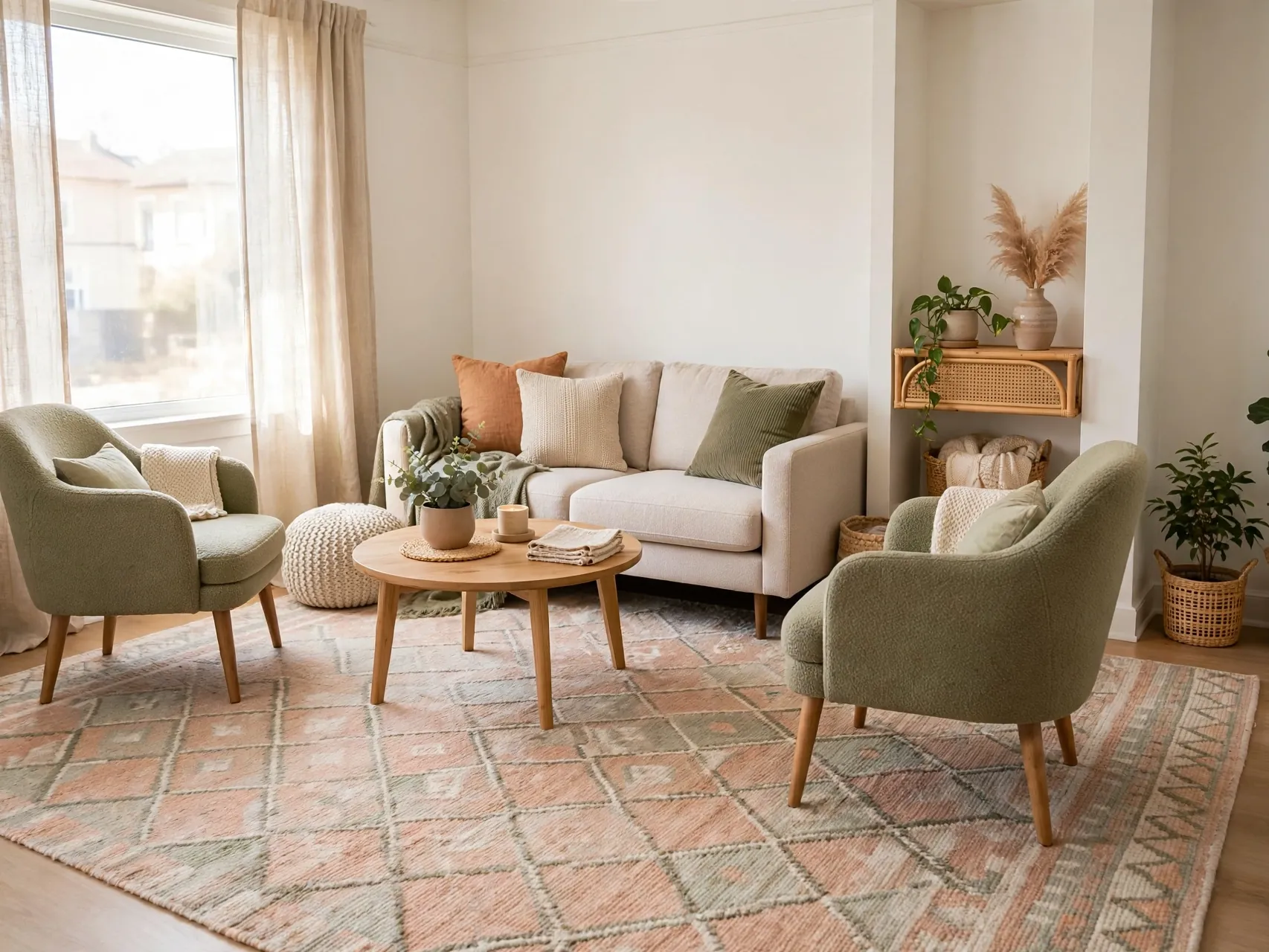
A tiny rug floating in the middle of the floor chops the room into pieces. It makes the seating look disconnected and the floor look smaller, because your eye measures the rug and assumes the room ends at its edges.
Choose a rug that at least fits under the front legs of your sofa and chairs. That one change ties seating together into a single zone and makes the floor plane read larger. If a big rug is not in the budget yet, layering a larger plain, low cost rug under a smaller favorite one gives the same anchored effect.
5. Blocking Windows With Furniture and Heavy Drapes
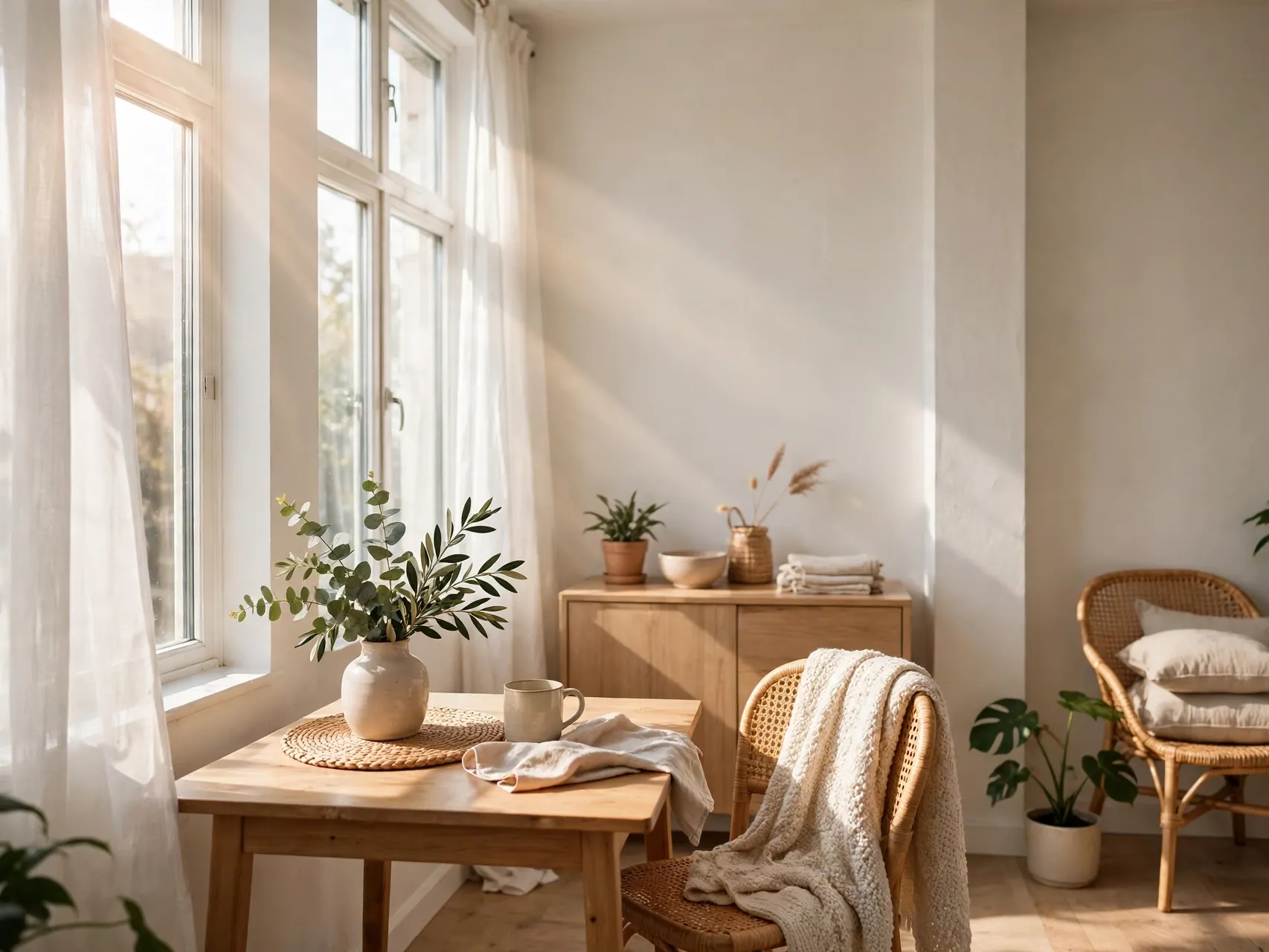
Natural light is the cheapest way to make a room feel bigger, and blocking it is one of the most costly mistakes that make a room look smaller. A tall bookcase in front of a window, a sofa back covering half the glass, or thick drapes that never fully open will dim the whole room.
Keep window areas as clear as your layout allows. Choose sheer or light filtering panels for daytime privacy, and move tall pieces to solid walls. If furniture must sit near a window, pick a low profile piece so light can pass over it and into the room.
6. Hanging Curtains Low and Narrow

A rod mounted right on the window frame, with panels that cover the glass even when open, makes windows look small and ceilings look low. Short panels that end mid wall add another horizontal line that cuts the room in half visually.
Mount the rod several inches above the frame and wider than the window, so open panels sit mostly on the wall. Let panels reach the floor or just kiss it. This simple change draws the eye up, lets in more light, and makes the window itself look larger without any renovation at all.
7. Relying on a Single Overhead Light

One ceiling light leaves the corners in shadow, and shadowy corners are exactly where a small room seems to shrink. Harsh overhead light also flattens everything under it, which makes a compact room feel boxy rather than layered.
Add light at different heights instead. A floor lamp in a dark corner, a table lamp at reading height, and a small light near a shelf or picture spread brightness evenly. Plug in wall sconces and battery puck lights are renter friendly ways to layer light without an electrician, and warm bulbs keep the glow welcoming.
8. Overcrowding With Too Many Pieces

Every piece in a small room has to earn its place. Extra side tables, a second accent chair nobody uses, and decor on every surface add up to a room you have to edge through sideways. Crowding is less about one item and more about the total count.
Try the edit test. Remove two or three pieces for a week and notice how much easier the room is to use and clean. Keep clear floor showing in at least a few places. Empty space is not wasted space in a small home, it is what lets the room breathe.
9. Letting Clutter Live on Every Flat Surface

Mail on the coffee table, chargers on the side table, and products across every bathroom counter send one message: there is no room here. Flat surfaces collect clutter fastest in small homes because there are fewer places for things to land in the first place.
Give everyday items a closed home, like a lidded basket, a drawer, or a tray that limits how much can collect. A two minute reset each evening keeps surfaces clear. This is one of the most repeated small apartment decorating mistakes, and also one of the easiest habits to change tonight.
10. Ignoring Vertical Space

When everything sits between knee and waist height, a small room looks squat and the walls above feel wasted. Vertical space is free storage and free height, and most small rooms leave it completely unused.
Add tall, narrow shelving, hang a picture ledge higher than feels obvious, or take curtains and bookcases closer to the ceiling. Keep the heaviest and most used items at easy reach, and lighter, prettier things up high. Drawing the eye upward is a classic answer to how to decorate a small space without adding a single square foot.
11. Choosing Dark Colors Without Light to Balance Them
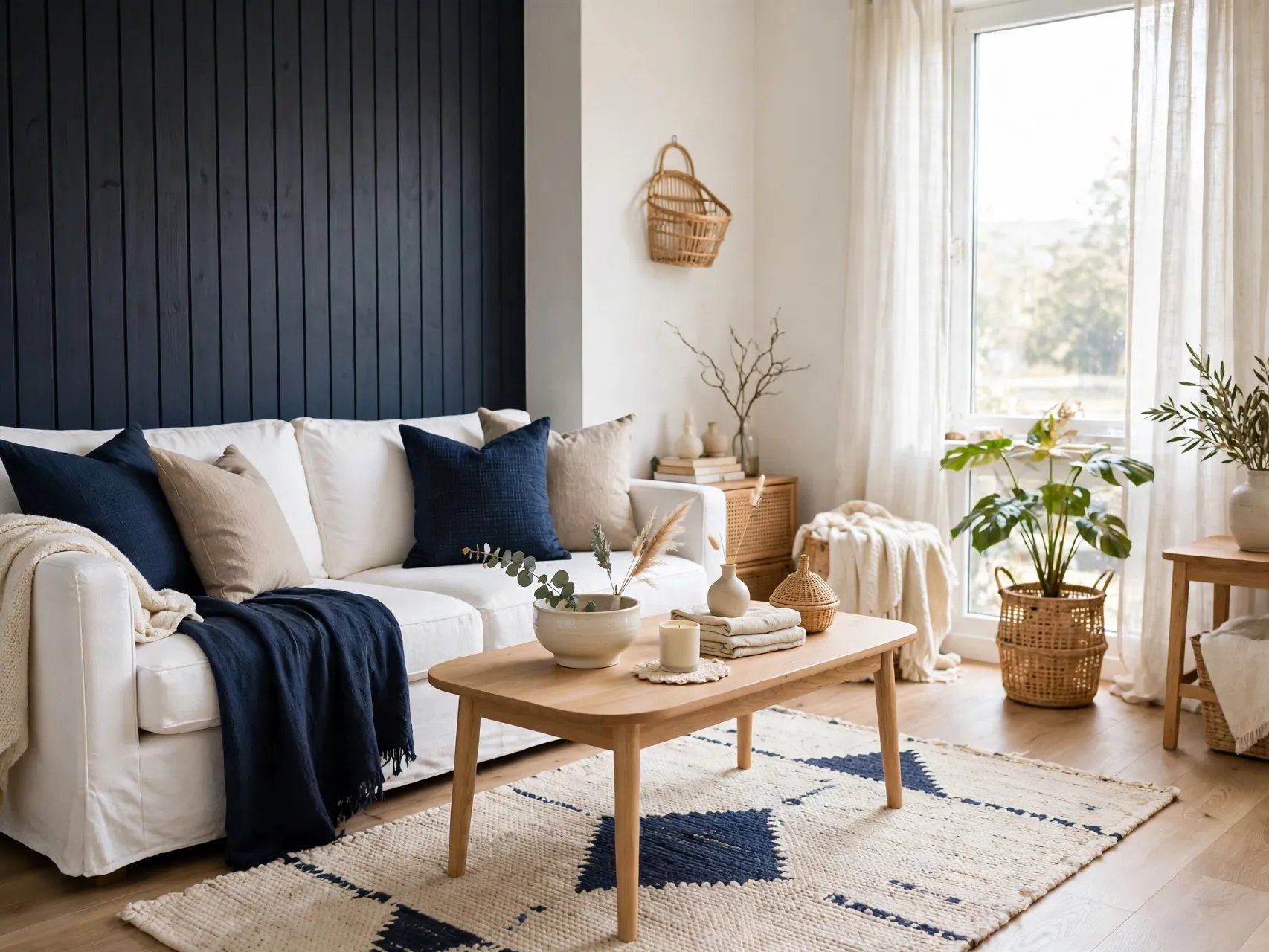
Dark colors are not banned in small rooms. A deep green nook or a moody bedroom can feel cozy and intentional. The mistake is using dark walls, dark furniture, dark flooring, and heavy window coverings all at once in a room with little natural light, then wondering why it feels like a cave.
Balance is the rule. If walls go dark, keep bedding, rugs, or upholstery lighter and add layered lamps. If you prefer light walls, one dark accent piece adds depth. Test paint with a sample first and check it morning and evening before committing.
12. Using Too Many Colors and Patterns at Once

In a large room, mixed colors have space to settle. In a small room, five competing colors and four busy patterns make your eye bounce, and a busy room always feels smaller than a calm one of the same size.
Pick two or three main colors and repeat them in cushions, art, and a throw. Keep large surfaces, like walls and the main rug, fairly quiet, and let pattern live on smaller pieces you can change easily. Repeating a color three times in a room is a simple stylist trick that makes the whole scheme feel planned.
13. Skipping Multi Functional Furniture

Single use furniture is a luxury of large homes. In a small home, a coffee table that only holds a mug, or a guest chair used twice a year, takes floor space that could be working every day.
Look for pieces that do two jobs: a storage ottoman, a lift top coffee table, a bench with room for blankets inside, or a daybed that is a sofa by day and a guest bed by night. Each swap can remove one whole piece from the room. Fewer, harder working pieces almost always beat more, single job pieces.
14. Forgetting Clear Walking Paths
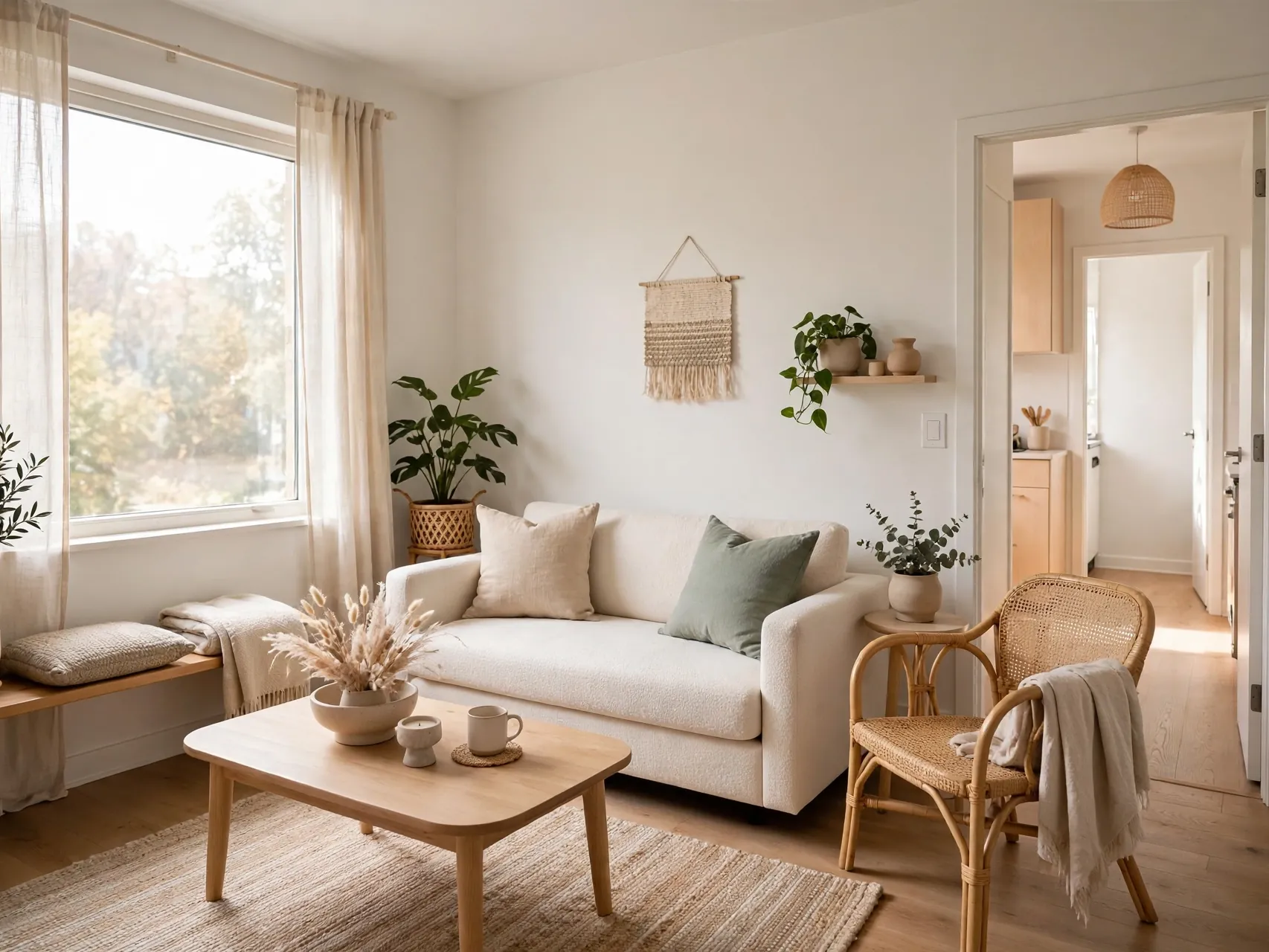
If you have to turn sideways past the coffee table or step around a chair to reach the door, the room will feel cramped no matter how pretty it is. Tight paths are a layout problem, not a style problem, and guests notice them immediately.
Map the routes you walk most, from door to sofa, sofa to kitchen, bed to bathroom, and clear those lines first. Angle a chair, swap a square table for a round one, or move a plant to a corner. A room that is easy to move through always feels larger than its measurements suggest.
15. Hanging Art Too High or Too Small

One small picture floating high on a big wall makes both the art and the wall look lost. Art hung too high also breaks the connection between the picture and the furniture under it, so the room feels unsettled rather than finished.
Hang art so its center sits roughly at eye level, and a little lower over a sofa or console so the pieces relate. If your art is small, group several pieces into one gallery arrangement and treat the group as a single large piece. Paper templates taped to the wall first save extra nail holes.
16. Choosing Closed, Boxy Storage Only
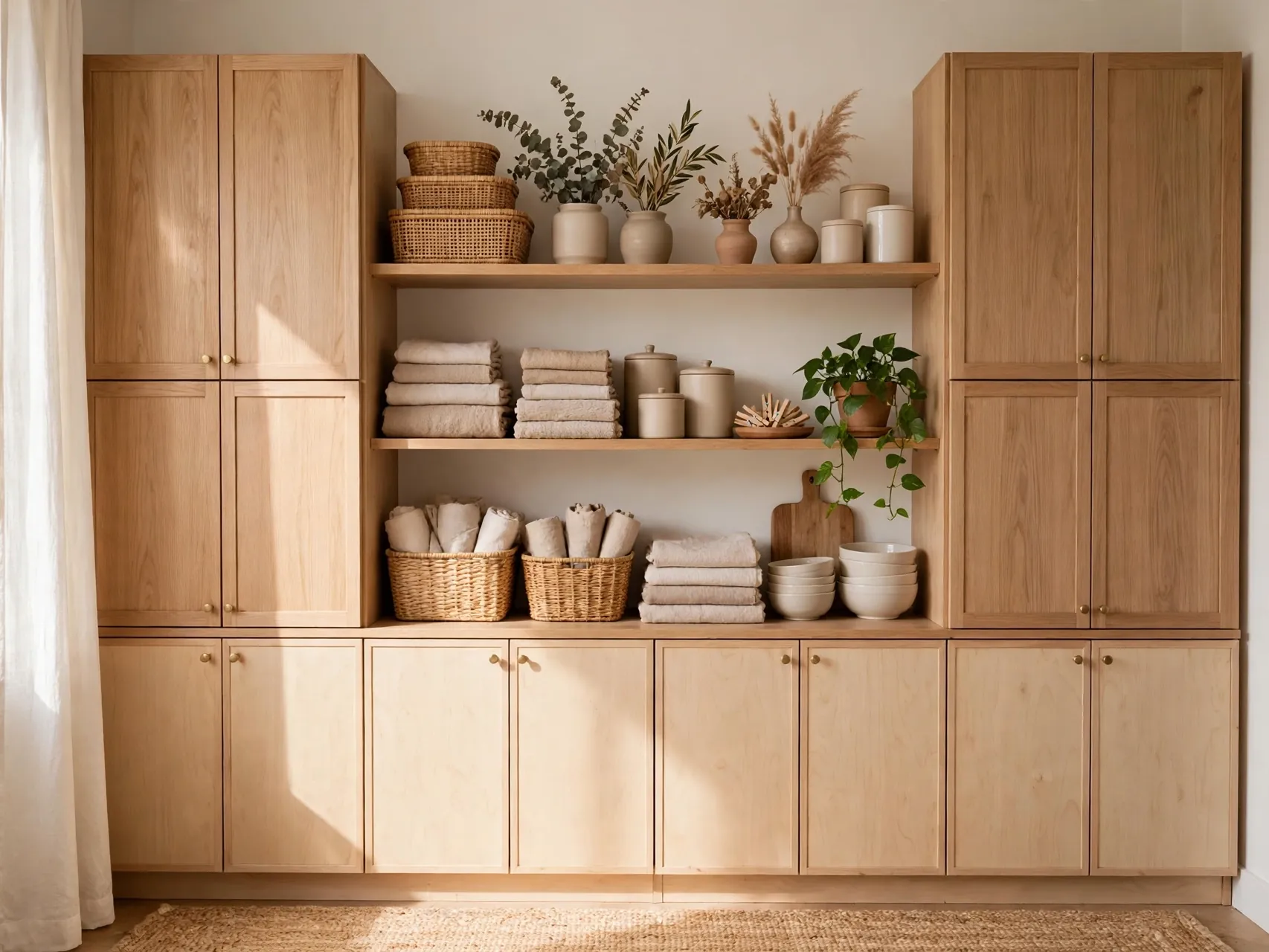
Solid, boxy storage has its place, but a room lined with heavy closed cabinets can feel like a storage unit. At the other extreme, all open shelving can look messy fast. The mistake is picking only one type without thinking about what you actually store.
Mix them on purpose. Closed storage hides clutter and cleaning supplies, open shelves hold books and pretty everyday pieces, and baskets bridge the two. Glass front or leggy storage pieces feel lighter than solid boxes to the floor. Matching the storage type to the contents keeps a small room tidy and calm.
17. Leaving Cords and Chargers on Show
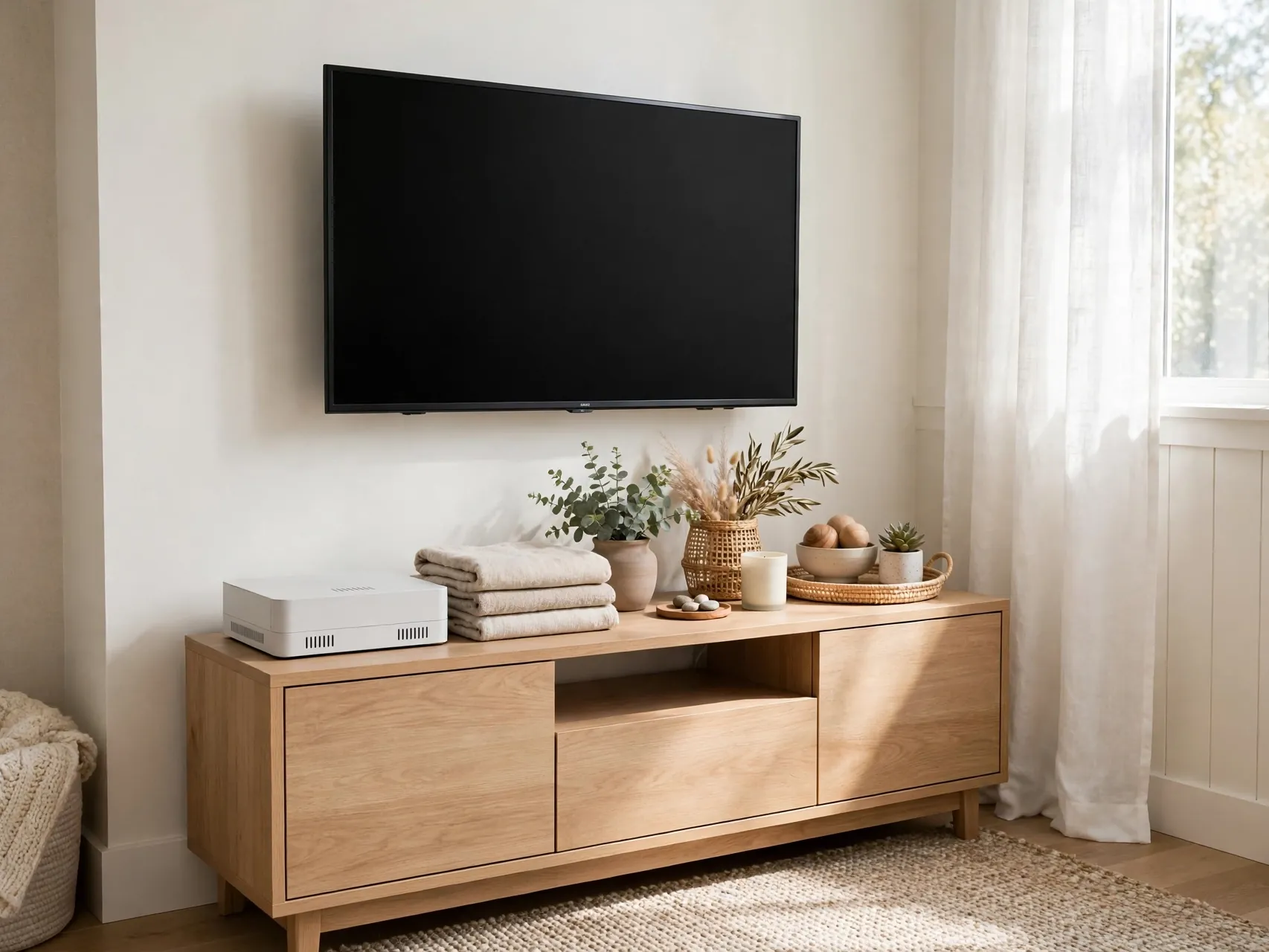
A tangle of black cords under the TV, chargers trailing across the floor, and a power strip in the middle of the room add visual noise that small spaces cannot spare. Cords also collect dust and make cleaning slower, which adds to the cramped feeling over time.
Route cords along baseboards or behind furniture, use a cable box or basket for chargers, and keep one charging spot instead of five. Cord covers in a wall color nearly disappear. It is a small, unglamorous fix, but visitors read a cord free room as a larger, calmer room.
18. Matching Every Piece in the Same Set

A full matching set, sofa, loveseat, tables, and lamps all bought together, can swallow a small room. Matched sets tend to be bulky, and the sameness makes the room feel like a showroom display rather than a home, with every piece competing at the same volume.
Break the set up. Keep the best piece, then mix in a different wood tone, a lighter chair, or a vintage side table. Contrast in texture and shape gives your eye places to rest. Designers repeat this point often because mixed pieces, chosen slowly, make small rooms feel personal and spacious at once.
19. Skipping Mirrors and Reflective Pieces
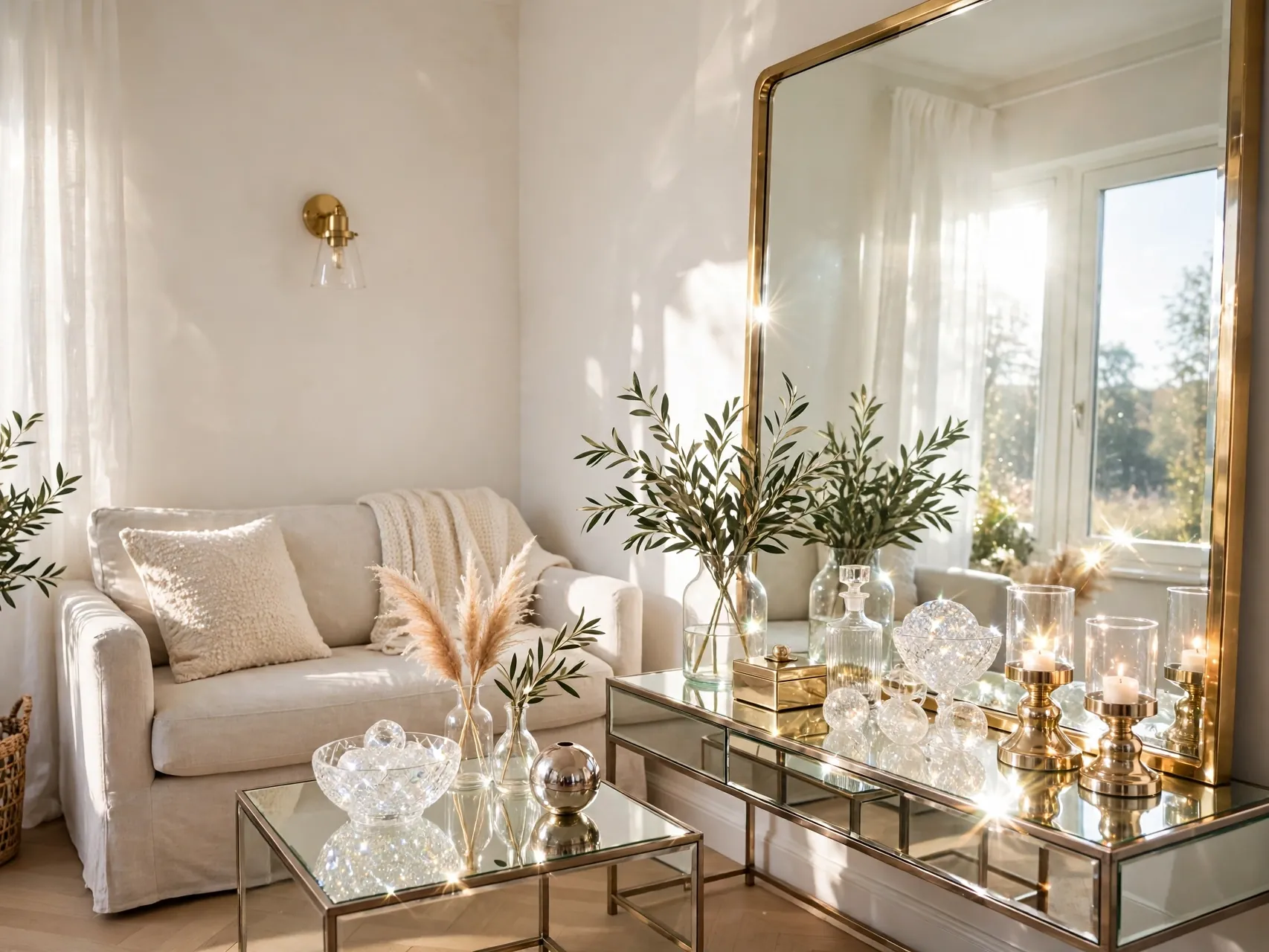
A room with no mirror and all matte, absorbent surfaces holds light in one place. One well placed mirror reflects a window, a lamp, or a pretty view and gives the eye a sense of depth that a solid wall cannot offer.
Hang a mirror opposite or beside a window for the most light, or use a large leaning mirror in a bedroom corner. Mirrored trays, glass frames, and a glossy picture frame add smaller touches of reflection. Keep mirrors where they reflect something worth seeing, not a cluttered corner or a bare ceiling light.
20. Decorating All at Once Without a Plan

Buying everything in one weekend leads to pieces that do not fit, colors that fight, and a budget spent before you know how you really live in the room. Rushed rooms often need the most fixing later, which is why this mistake sits underneath so many others on this list.
Start with a simple plan: measurements, a color palette, and the biggest functional problem first. Live with the layout for a while, then add decor in layers. A wish list with sizes written down stops impulse buys at the store, and it keeps your small room improving instead of just filling.
21. Measuring Nothing Before You Buy

Guessing is how a sofa ends up blocking a door swing and a rug ends up two feet too short. Online photos hide scale, and a piece that looked perfect in a large showroom can overwhelm a compact room the moment it arrives.
Measure the room, the wall, and the doorway and hallway the piece must pass through. Tape the footprint of a new piece on the floor with painter tape and walk around it for a day. Write your key measurements in your phone so they are with you when you shop. Five minutes of measuring prevents the most expensive small space decorating mistakes of all.
FAQ
What is the biggest decorating mistake in a small room?
Overcrowding causes the most cramped feeling. Too much furniture, too much decor, and no clear walking path will shrink any room. Remove a few pieces first, pull seating slightly off the walls, and check that you can move through the room easily. Those free changes usually make a bigger difference than any purchase.
Should small rooms always be painted light colors?
No. Light colors reflect more light and are the safest choice for dark rooms, but dark colors can work beautifully in a small bedroom or nook when they are balanced with lighter bedding, a pale rug, and good layered lighting. The mistake is not dark paint itself, it is dark everything at once with no light to balance it.
How big should a rug be in a small living room?
Bigger than most people buy. At minimum, the front legs of the sofa and chairs should sit on the rug so the seating reads as one group. A rug that floats under only the coffee table makes the room look chopped up. If budget is tight, layer a large plain rug under a smaller patterned one.
Can I use large furniture in a small space?
Yes, if it is one anchor piece and the rest stays lighter. A proper sized sofa often looks better than several tiny chairs. Look for slim arms, visible legs, and a depth that still leaves a clear path. Tape the footprint on the floor first and live with the outline before you order.
Where should I start if my small room feels cramped?
Start with layout and clutter, because both are free. Clear flat surfaces, remove two pieces, pull furniture off the walls, and open the windows fully. Then fix curtains and lighting. Paint and new purchases come last, once the room is working, and you will often find you need far less than you thought.
Key Takeaways
- Layout first: Pull furniture off the walls, clear walking paths, and let one rug anchor the seating before you buy anything new.
- Protect your light: Keep windows clear, hang curtains high and wide, and layer lamps instead of relying on one overhead light.
- Scale with balance: Mix one honest sized anchor piece with lighter, leggy pieces, and measure every footprint with tape first.
- Edit ruthlessly: Fewer, harder working pieces and clear flat surfaces make the same room feel calmer and larger.
- Use height and reflection: Tall shelving, vertical lines, and one well placed mirror add space your floor plan does not have.
- Ready to fix your room one mistake at a time? Pin this guide to your small spaces board on Pinterest so the checklist is saved for your next free afternoon.