21 Ways to Stop Cats Pooping in Garden Beds for Good
Introduction
Finding cat mess in a freshly planted bed is frustrating, especially when it happens in the same soft corner again and again. Cats choose gardens for simple reasons: loose, dry soil is easy to dig, and a quiet bed feels safe. To stop cats pooping in garden beds for good, you need to change those two things.
One trick rarely works for long. The reliable approach is layered and humane: remove waste and scent, cover bare soil, add textures cats dislike walking on, block easy entry, and use scent or water deterrents as backup.
Every method in this list is non-harmful. Never use mothballs, which are toxic to cats, dogs, children, and people, contaminate soil, and are illegal to use outdoors as a repellent in many places. Poisons and harmful traps have no place in a garden plan.
Start with the bed being used, not the whole yard. Protect that spot well for two to three weeks, and most visiting cats will form a new habit elsewhere, especially if you stay consistent with cleanup and cover.
1. Remove Waste and Wash the Scent Away Promptly

Cats return to places that already smell like a toilet, so cleanup is the foundation of every other step. Wear gloves, remove waste promptly into a sealed bag, and rinse the spot with water to dilute lingering scent. Wash your hands well afterward.
For vegetable beds, remove waste right away and wash produce thoroughly before eating. Do not compost cat waste in a home pile for food gardens. Consistent cleanup for a few weeks tells visiting cats this is no longer an established spot, which makes your covers and deterrents far more effective.
2. Cover Every Patch of Bare Soil

Bare, freshly dug soil is an open invitation. Cats strongly prefer soft, exposed earth they can scratch, so the simplest way to keep cats out of garden beds is to leave them almost no bare soil to choose. Mulch, plant densely, or cover gaps with stone or mesh.
Walk your beds after planting and look specifically for cat-sized patches of open ground between plants. Those gaps are the target. Filling them with ground cover, mulch, or a temporary cover removes the opportunity, which works even when no one is home to shoo a visitor away.
3. Lay Chicken Wire or Mesh Flat on the Bed
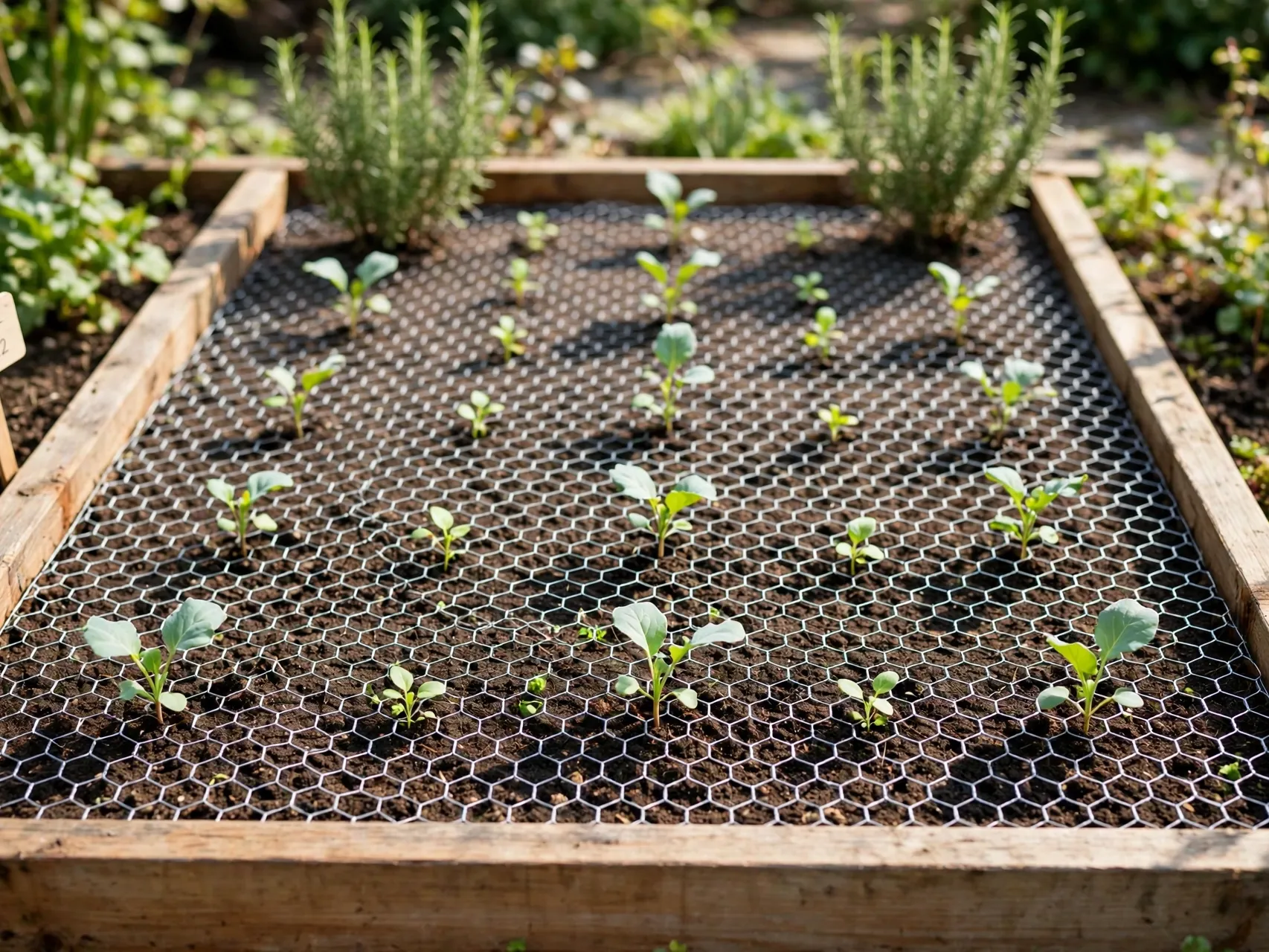
Wire mesh laid directly on the soil is one of the most reliable physical fixes. Cut chicken wire or sturdy garden mesh to fit the bed, lay it flat, pin the edges with landscape staples, and plant seedlings through the openings or set it down just after planting.
Cats dislike walking on the wire and cannot dig through it, yet plants grow up through the holes happily. Cover the mesh lightly with mulch if you dislike the look. This method protects a whole bed at once, needs no reapplying after rain, and lasts for seasons.
4. Use Plastic Scat Mats on Favorite Spots
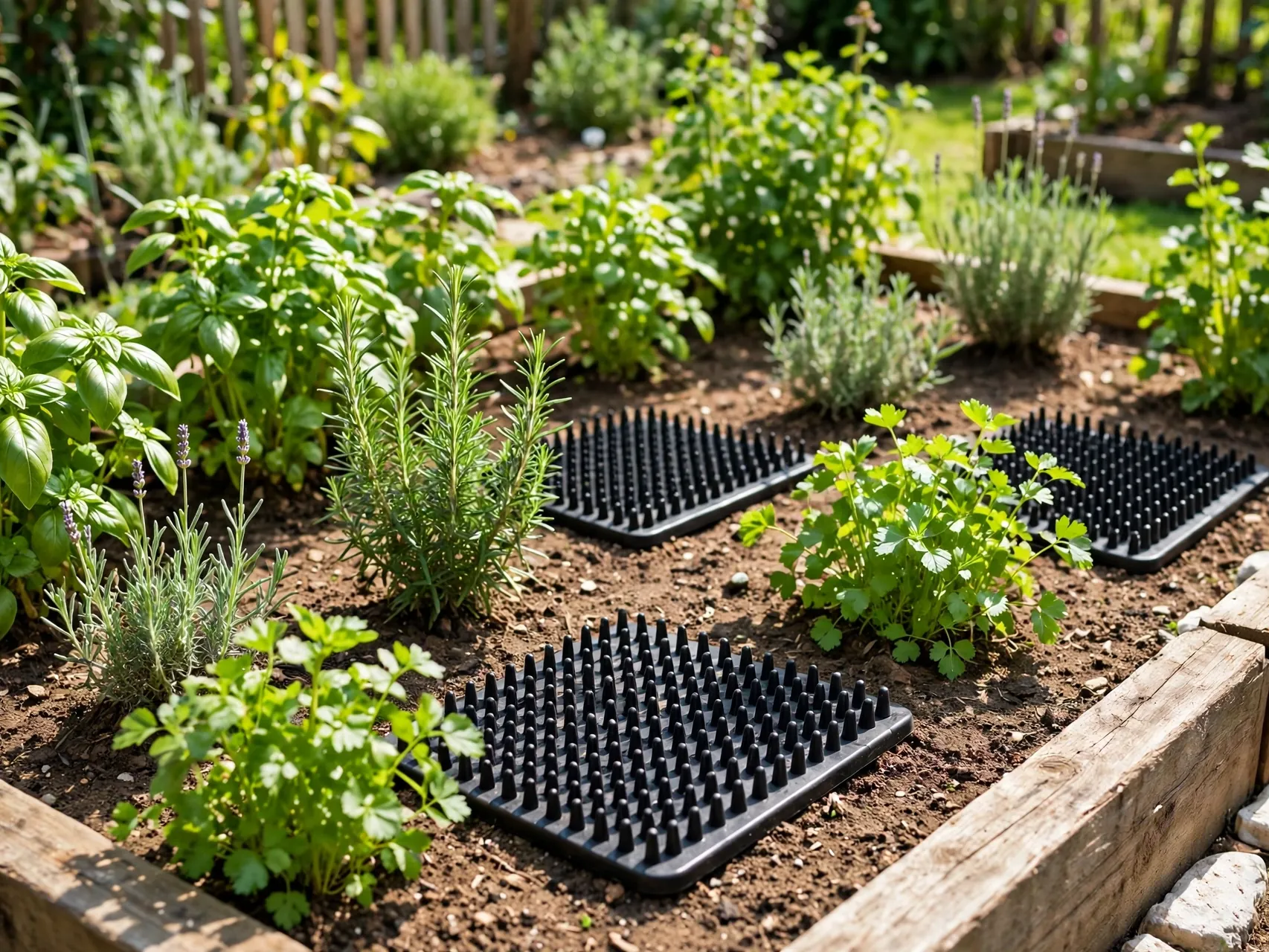
Scat mats are flexible plastic mats with soft, blunt spikes that make a surface uncomfortable to walk or dig on without injuring an animal. Press sections into the soil around prized plants, in pots, or across the exact corner a cat keeps choosing.
Cut mats to fit with scissors and pin them down so they stay flat. They work well in small, high-value areas where mesh over a whole bed is impractical, such as herb pots and seed trays. Check mats after storms and brush off soil that builds up and softens the texture.
5. Mulch With Pine Cones and Prickly Clippings

Texture is a language cats understand. A layer of pine cones, prickly plant clippings placed safely on the surface, or coarse, chunky mulch makes digging awkward and unrewarding, so cats move on to easier ground.
Use materials you already have where possible. Gather fallen pine cones, spread them closely over bare patches, and tuck them between plants. Avoid anything sharp enough to injure people or pets, and keep walkways clear. As plants grow and cover the soil themselves, you can thin the prickly layer back to just the gaps that still need it.
6. Add Stone, Pebble, or Gravel Mulch

Cats like soil they can dig and bury in. Stone chippings, pebbles, and coarse gravel offer nothing to dig, which is why animal welfare guidance often suggests them for beds used as toilets. Spread a firm layer over the surface, especially in dry, sunny beds that cats favor most.
Stone mulch also suits Mediterranean herbs and gravel garden planting, so the fix can look deliberate and pretty. Keep stones away from lawn edges where mowers can throw them. In pots, a pebble top layer stops digging and helps the soil stay moist underneath at the same time.
7. Push in Short Upright Sticks or Forks

A grid of short sticks makes a bed physically awkward to squat in. Push twiggy branches, bamboo skewers, or sturdy plant supports into open soil, spaced a few inches apart, with rounded or blunt ends uppermost so nothing can be hurt.
This works best in newly planted beds and seed rows, where the soil is at its most tempting and plants are too small to cover it. As seedlings grow, remove sticks gradually. It is not the prettiest method, but for two or three weeks over a fresh sowing, it is cheap, instant, and surprisingly effective.
8. Plant Densely So No Soil Shows

Long term, the best cover is living cover. Closely planted shrubs, perennials, and ground covers leave no inviting bare earth and make a bed harder for a cat to cross or settle in. Welfare guidance on deterring cats often points to closely planted shrubs for exactly this reason.
Fill gaps with fast ground covers while slower shrubs mature. Dense planting also shades out weeds and keeps soil moist, so the garden wins twice. When you plan new beds, design for full coverage at maturity rather than wide mulch gaps, and the cat problem often never starts.
9. Scatter Fresh Citrus Peels

Most cats dislike strong citrus scent. Scatter fresh orange, lemon, or lime peels over the beds cats use, tucking pieces between plants, and replace them as they dry out and lose their smell, usually every few days at first.
Peels are safe, free if you eat citrus at home, and break down into the soil. They work best as a supporting layer alongside physical cover, not as the only defense on a large bare bed. Never use concentrated citrus oils as a shortcut, since concentrated oils can be unsafe for cats. The gentle peel is the right strength here.
10. Spread Used Coffee Grounds Lightly
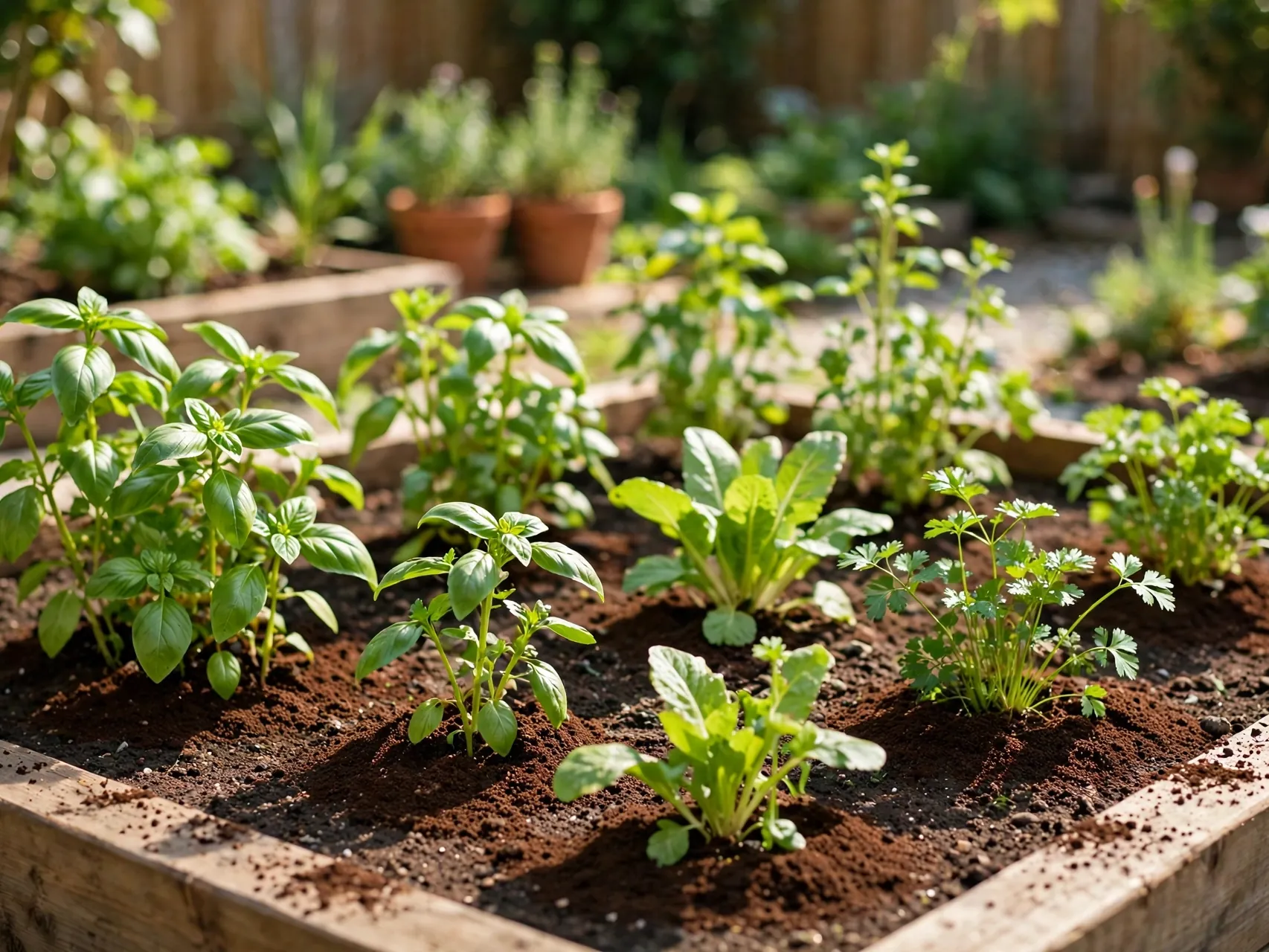
Used coffee grounds offer both a scent cats tend to avoid and a gritty texture they dislike underfoot. Sprinkle a light layer over problem beds and refresh it after rain. Grounds break down and add organic matter as they go.
Keep layers thin so the surface does not form a hard crust that sheds water. Coffee grounds are a supporting player, most useful on small beds and pots. If you do not drink coffee, many cafes give used grounds away. Pair them with mesh or mulch for a bed a cat will quickly give up on.
11. Grow Cat Repellent Plants at Bed Edges
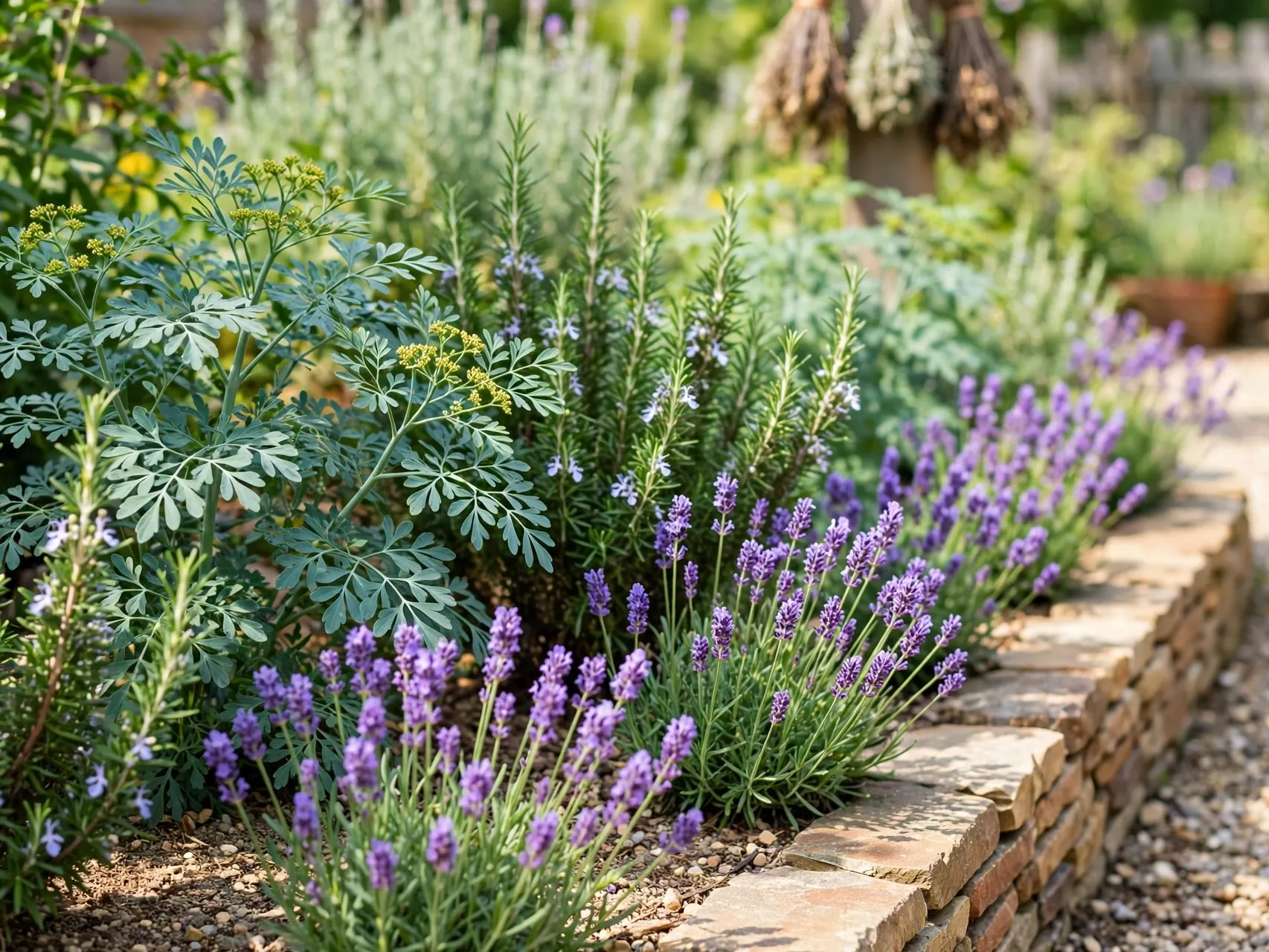
Some plants earn their place by scent alone. Lavender and rosemary are pleasant to people and pollinators but strong to cats, and coleus canina is sold specifically as a cat repellent plants choice for bed edges. Rue is traditional too, though its foliage can irritate skin, so handle it with gloves and place it away from paths.
Plant deterrent species where cats enter the bed, not just in the center. Living plants keep working without reapplication and look like part of the design. Combine two or three scented edges with covered soil for the strongest plant-based defense.
12. Keep the Soil Surface Damp

Cats prefer dry soil for digging and burying. A bed that is watered regularly, with a surface that stays lightly moist, is far less appealing than the dry, dusty corner they choose by instinct. Water new plantings as they need it anyway, and time a light extra sprinkle for problem beds.
Do not overwater plants just to deter cats, since soggy roots cause their own damage. Mulch helps here too, holding moisture at the surface longer. This habit works quietly in the background and supports every other humane cat deterrents layer you add on top.
13. Install a Motion-Activated Sprinkler

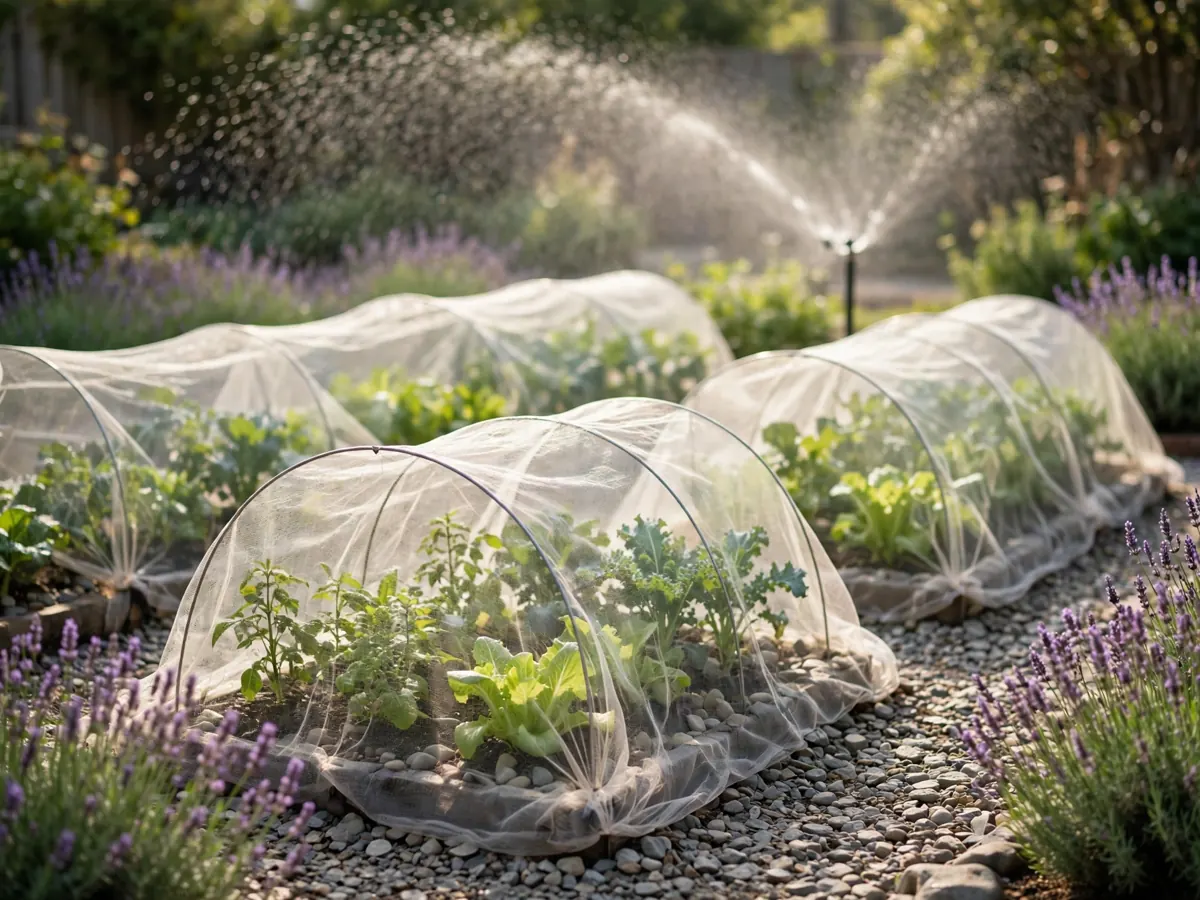
A motion-activated sprinkler gives a short, harmless burst of water when an animal crosses its sensor. The surprise, not the soaking, does the teaching, and it works day and night without you watching the garden. Welfare and gardening sources alike list these among the most effective deterrents.
Aim the sensor at the entry route or the bed being used, and test the arc so you do not spray paths where people walk. Move the unit every week or two so cats do not simply learn its blind spots. Warn family members, or the first lesson may be theirs.
14. Try an Ultrasonic Deterrent as Backup

Ultrasonic devices detect movement and emit a high-pitched sound that people generally cannot hear but cats dislike. Results vary by cat and by garden layout, so treat these units as backup for physical barriers rather than your main plan.
Follow the maker instructions for height and range, keep the solar panel or batteries maintained, and give the device a clear line of sight to the bed. Some dogs and other animals may also hear the sound, so watch how your own pets respond. If a unit shows no effect after a few weeks, rely on mesh and cover instead.
15. Block Fence Gaps and Easy Entry Points
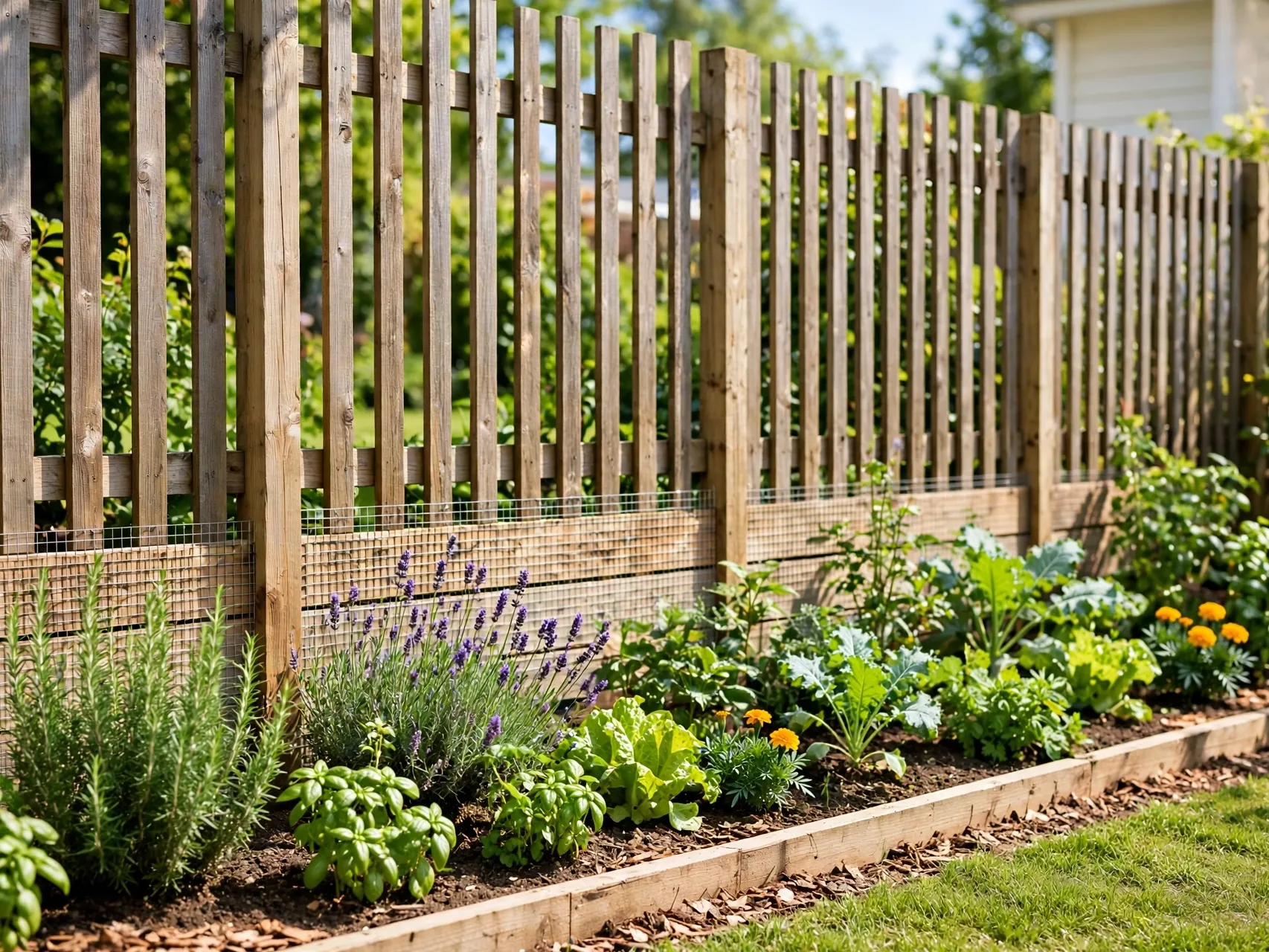
Watch how cats actually enter. Most use the same gap under a gate, hole in a fence, or low crossing point every visit. Repair gaps, add mesh at the base of gates, and plant dense shrubs along the favorite crossing line to make the route awkward.
You will rarely cat-proof an entire boundary, since cats climb well, and that is fine. The goal is to protect specific beds and remove the easy, habitual route to them. Combine entry fixes with bed covers, and a cat that does get in finds nothing rewarding waiting for it.
16. Cover Seedlings With Cloches or Netting

Newly sown rows and tiny seedlings are the most vulnerable and the most tempting, since the soil around them is fresh and bare. Cover them with garden netting on hoops, cloches, or a simple frame of mesh until plants are large enough to cover the ground themselves.
Secure edges so cats cannot slip underneath and birds do not get tangled, and check covers daily. Use wildlife-friendly netting with a small, firm mesh rather than loose, flimsy net. These covers also protect seedlings from birds and harsh weather, so they earn their space in the shed all season.
17. Raise the Bed or Use Tall Containers
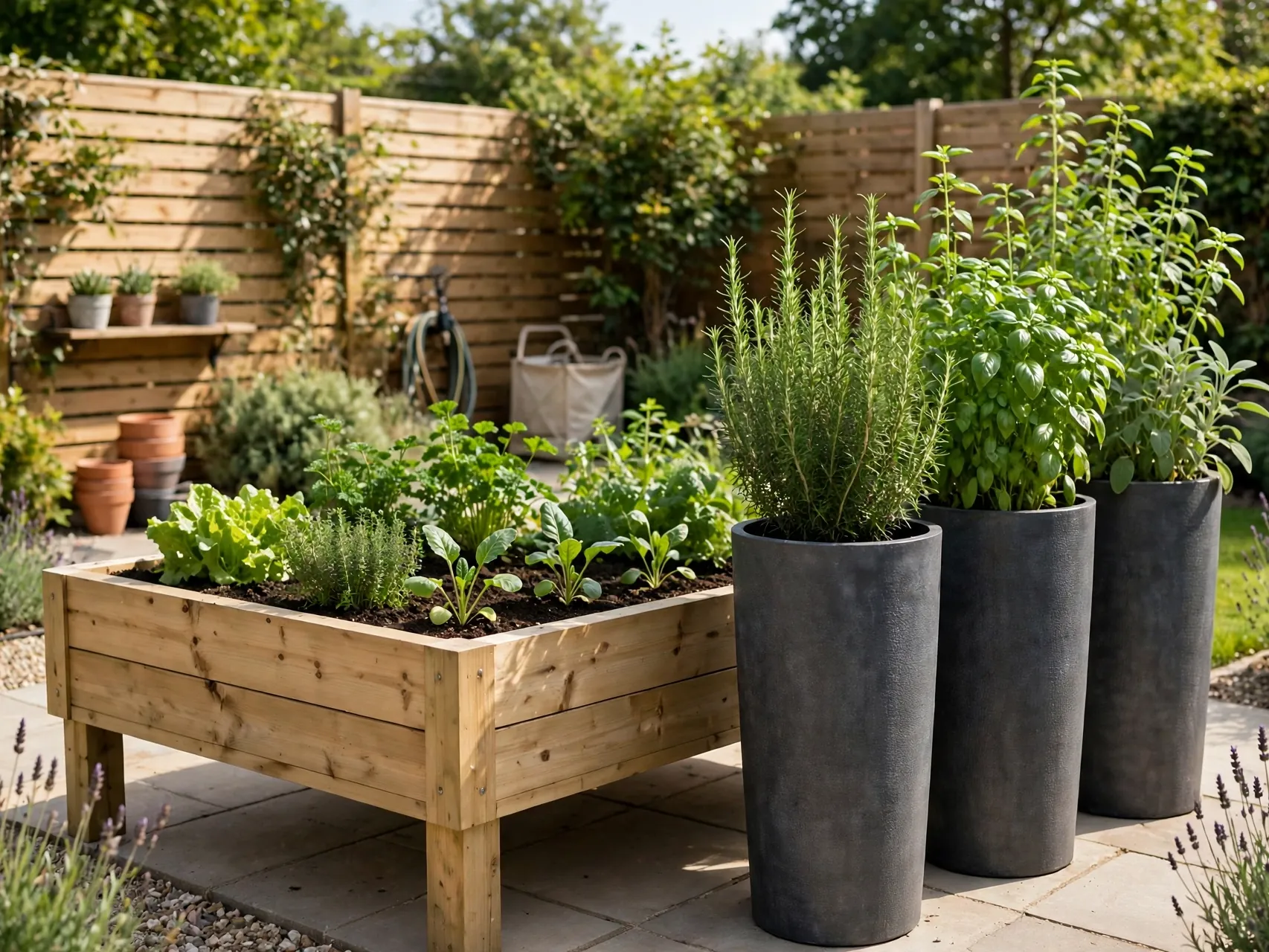
Height changes the calculation for a cat. Taller raised beds with firm sides are less inviting than ground-level soil, especially when the surface is also meshed or densely planted. Large containers on a patio remove prized plants from the ground entirely.
If you are rebuilding a problem bed anyway, raising it can be the permanent fix. Add a pebble or mesh top layer in the raised bed for the first season while plants establish. Herbs, salads, and strawberries near the kitchen are ideal candidates to move up and out of reach.
18. Remove Food and Other Attractions

Gardens that offer food get repeat visitors. Do not feed visiting cats, since welfare guidance is clear that feeding encourages them to return and linger. Secure outdoor bins, clear fallen fruit, and avoid leaving pet food outside, including in open porches and garages.
Bird feeding is fine, but site feeders away from vulnerable beds and clean up spilled seed, which attracts rodents that attract cats. A garden that offers no meal, no dry bare soil, and no quiet undisturbed corner gives a visiting cat very little reason to make it part of a daily route.
19. Offer a Redirect Area Away From Beds

Where a neighborhood or community cat is firmly established, a redirect can work better than a fight. Some cat welfare groups suggest a simple outdoor litter area, a shallow frame of sand or fine soil in an unused corner, kept clean and placed well away from vegetables, play areas, and seating.
This is not right for every yard, since it may still attract cats, so weigh it honestly. If you try it, maintain it like a litter tray or it will be ignored. Keep it as a last layer, after your real beds are covered and protected, not as a substitute for protecting food crops.
20. Talk Politely With the Cat Owner
If the visitor belongs to a neighbor, a friendly conversation often helps more than another gadget. Explain which beds are affected, ask whether the cat has a litter tray or outdoor toilet area at home, and share what you are doing on your side to protect seedlings.
Most owners are apologetic and will add a tray or check their own garden setup. Keep it kind and specific rather than a complaint about cats in general. In many areas cats are legally free to roam, so the practical goal together is a home setup that gives the cat a better option than your vegetable bed.
21. Layer Methods and Stay Consistent for Weeks

The final method is the system itself. Pick one physical cover, one texture or scent layer, and one active deterrent for the target bed, then hold that combination steady for at least two to three weeks while you clean up promptly every day.
Cats are creatures of habit, and habits break with consistency, not novelty. Swapping methods every two days teaches nothing. Once the bed has stayed clean for several weeks, you can relax the most visible layers, such as sticks or mats, while keeping soil covered and planted. That steady routine is how you stop cats pooping in garden beds for good, humanely.
FAQ
What is the most effective humane way to keep cats out of beds?
Covering bare soil is the single strongest step, using mesh or chicken wire laid flat, dense planting, or stone mulch. Add a motion-activated sprinkler for a persistent visitor and clean up waste promptly so the scent does not invite a return. Layered methods held consistently for a few weeks outperform any single product.
Are mothballs safe to use in the garden to deter cats?
No. Never use mothballs outdoors. They contain naphthalene or paradichlorobenzene, are toxic to cats, dogs, children, and adults, and can contaminate soil. Using them as a garden repellent is off-label and illegal in many places. Choose physical covers, textures, and water deterrents instead, which work without poisoning anything.
Do citrus peels and coffee grounds really work?
They help as supporting layers, especially on small beds and pots, because many cats dislike the scents and gritty texture. They fade quickly and need refreshing after rain, so they rarely solve a problem alone on a large bare bed. Pair them with mesh, mulch, or dense planting for results that last.
How do I protect a vegetable bed cats have already used?
Remove waste with gloves right away, rinse the area, then cover the soil with mesh or netting so it cannot be used again. Wash all produce thoroughly before eating, and keep children from playing in the affected soil until it has been covered and cleaned. Persistent protection matters more than any one-time deep clean.
What should I do if nothing seems to work?
Check that you are layering methods on the exact bed and entry route, not spreading effort thinly across the whole yard. Confirm cleanup is daily and covers are secure at the edges. Then talk with the owner if the cat has one, or contact a local cat welfare group for advice on community cats in your area.
Key Takeaways
- Cover the soil: Mesh, stone, prickly mulch, and dense planting remove the soft bare earth cats are actually looking for in your beds.
- Clean up daily: Prompt waste removal and a rinse break the scent habit that brings cats back to the same spot again and again.
- Layer humanely: Combine one physical cover, one scent or texture, and one active deterrent such as a motion sprinkler for the target bed.
- Never use mothballs: They are toxic to people, pets, and soil, and illegal as an outdoor repellent in many places, so skip them entirely.
- Protect food beds first: Gloves, prompt cleanup, thorough washing of produce, and secure netting keep vegetable gardens safe while deterrents take effect.
- Tired of sharing your beds with the neighborhood cats? Save this guide to Pinterest and pin the layered plan to start this weekend.