20 Garden Screening Ideas for Beautiful Backyard Privacy
Introduction
A yard can have a good fence and still feel exposed. Upper windows next door, a raised deck behind you, and a gap at the side gate all leak views into the spots where you drink coffee, read, and let the kids play. The best garden screening ideas fix those specific sightlines instead of walling off the whole garden.
Start by standing, and sitting, in the places you actually use, and note exactly where eyes come from. Screening one patio corner well is cheaper, prettier, and faster than screening every boundary, and layered plants plus one structure usually beat a single tall barrier.
Before you build or plant, check local fence height rules, HOA guidance, and your property lines. Rules vary widely, and a quick check keeps a weekend project from becoming a dispute. Choose plants by their mature size, not their nursery pot size, so the screen still fits in five years.
Mix fast and slow solutions together. A panel, curtain, or container screen gives privacy this month while a hedge or tree matures behind it, and the combination looks designed rather than defensive.
1. Plant a Classic Evergreen Hedge
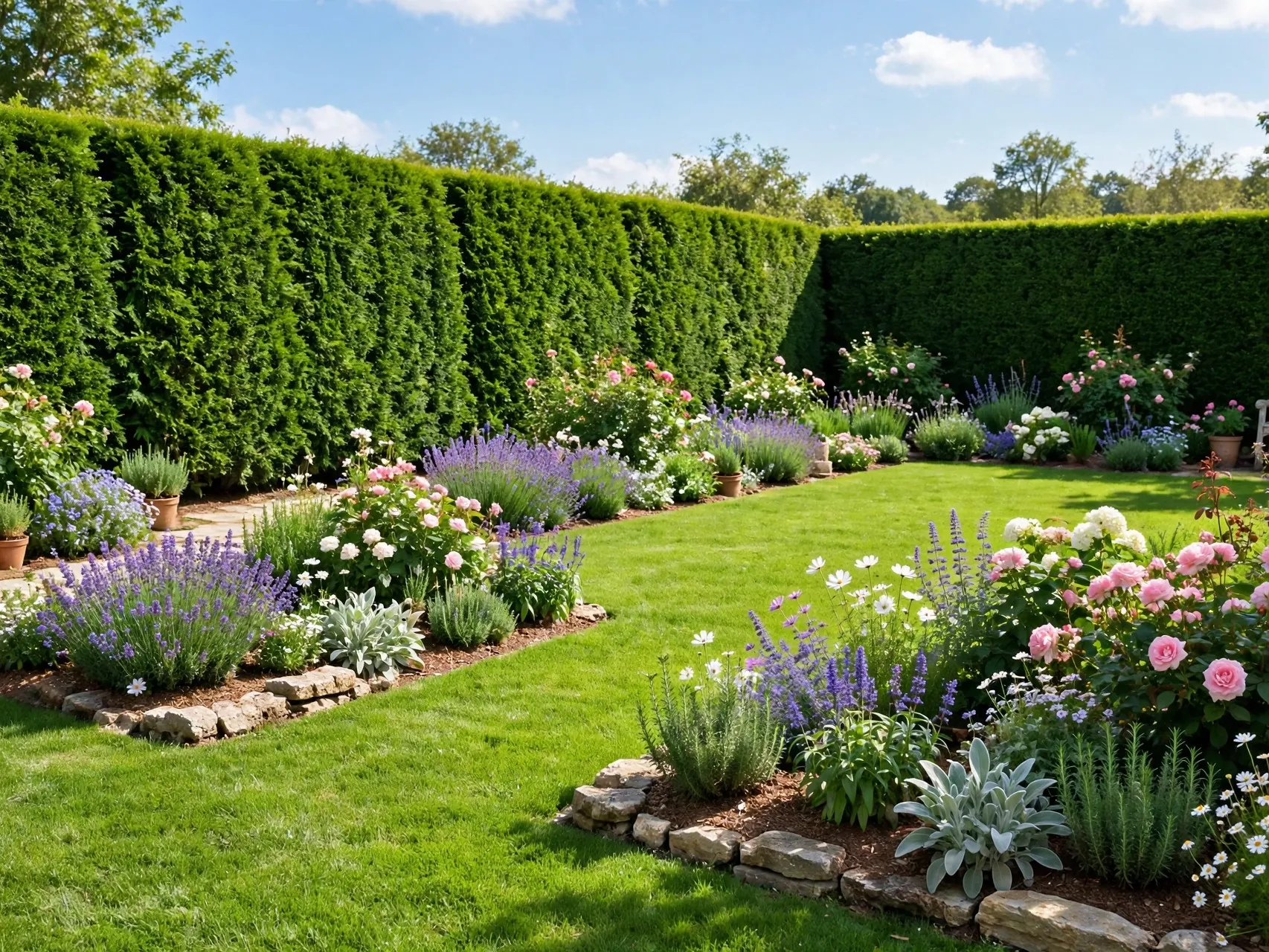
Arborvitae, laurel, holly, and yew form the traditional green wall, giving year round cover, sound softening, and a calm backdrop for flowers. Planted in a straight, well spaced row and trimmed once or twice a year, a hedge reads as part of the garden rather than a fence substitute.
Choose a variety whose mature height slightly exceeds the sightline you need to block, and space plants for their mature spread so they knit together without crowding. Hedges take a few seasons to fill in, so pair this long game with one instant idea from this list while you wait.
2. Layer a Mixed Border Screen

A loose, layered border of evergreens at the back, flowering shrubs in the middle, and grasses or perennials in front screens views while looking like a flower garden. Mixing species also spreads risk, so one pest or dry spell never opens a hole in your privacy.
Repeat two or three plants through the border so it feels planned. Viburnum, hydrangea, and ninebark give flowers and autumn color, and the shifting heights block views from different angles better than one flat row. This is the most forgiving of all privacy plants for garden approaches.
3. Grow a Columnar Tree Row in a Narrow Yard
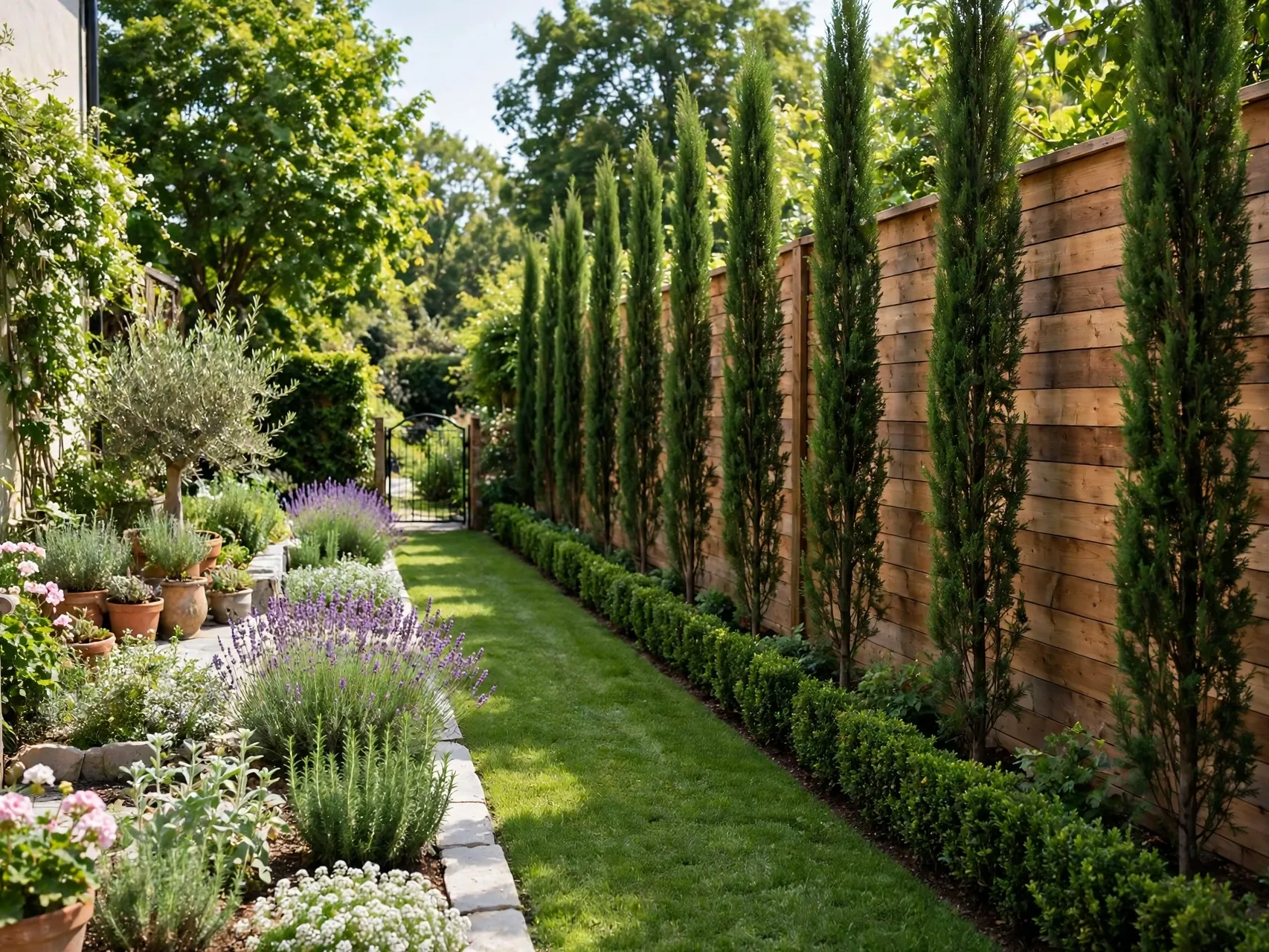
Tall, narrow trees are made for side yards and tight boundaries where a wide hedge would swallow the lawn. Columnar arborvitae, upright hornbeam, and narrow junipers rise well above fence height while taking very little ground space, which is exactly where fences stop helping.
Plant them where upstairs windows look down, since height at the right spot matters more than coverage everywhere. Water deeply through the first two summers, and these slim trees will repay you with a green column that needs almost no pruning.
4. Train Climbers Up a Trellis Panel

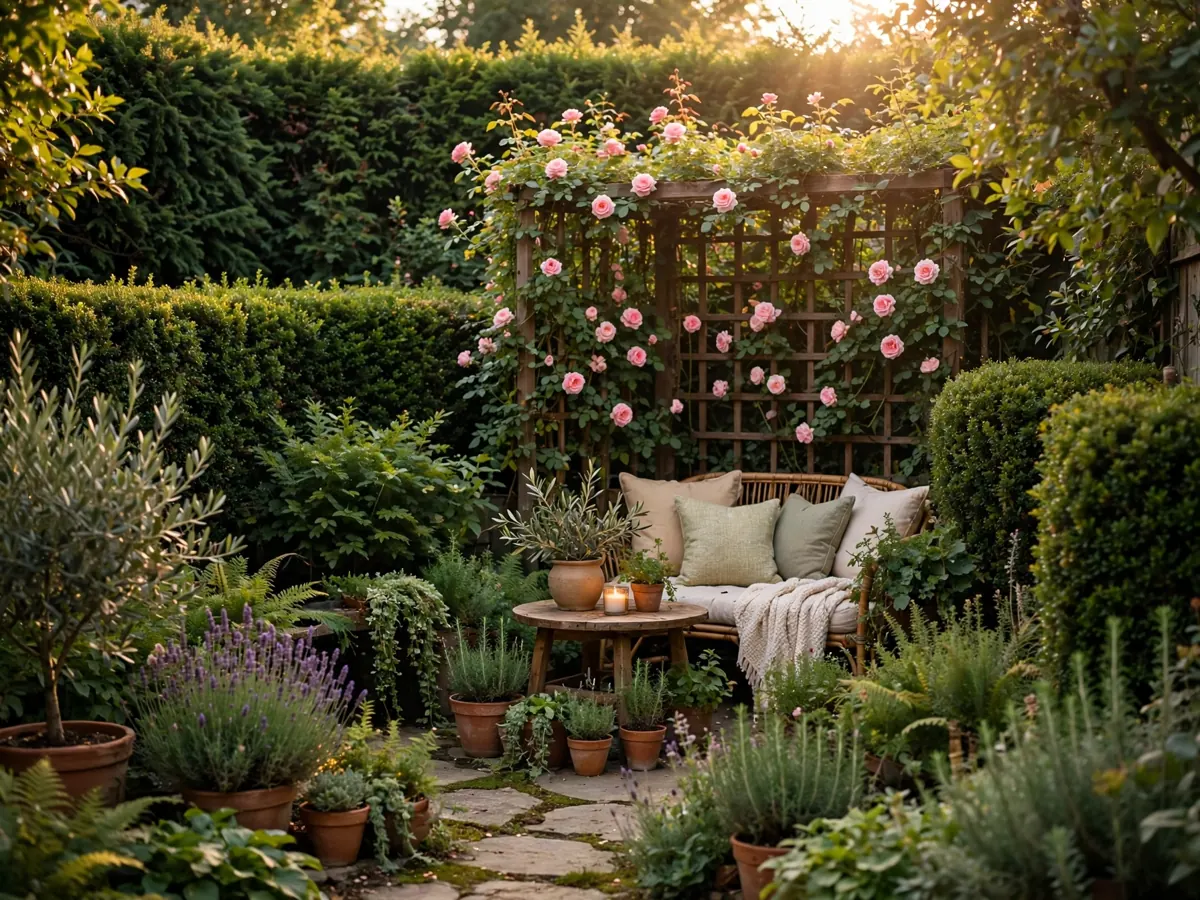
A sturdy trellis panel covered in clematis, honeysuckle, jasmine, or climbing roses gives a flowering screen in a footprint only inches wide. Set the panel a little inside your boundary, tie young stems in loosely, and the plants do the climbing themselves.
For year round cover choose an evergreen climber suited to your zone, or mix a deciduous vine for summer flowers with an evergreen behind it. Trellis panels also work beautifully as internal dividers, hiding a vegetable patch, bins, or a work corner from the seating area.
5. Build a Living Willow or Hazel Hurdle Screen

Woven willow and hazel hurdles bring instant cottage character. The panels arrive ready to fix to posts, filter wind rather than fighting it, and soften beautifully as climbers thread through them over the seasons.
Woven natural panels weather over time and will need replacing after some years, which most gardeners accept as the trade for their looks. Set them on firm posts, keep the base clear of soggy soil where you can, and plant a low hedge in front to take over as the hurdles age.
6. Roll Out Bamboo or Reed Screening on an Existing Fence
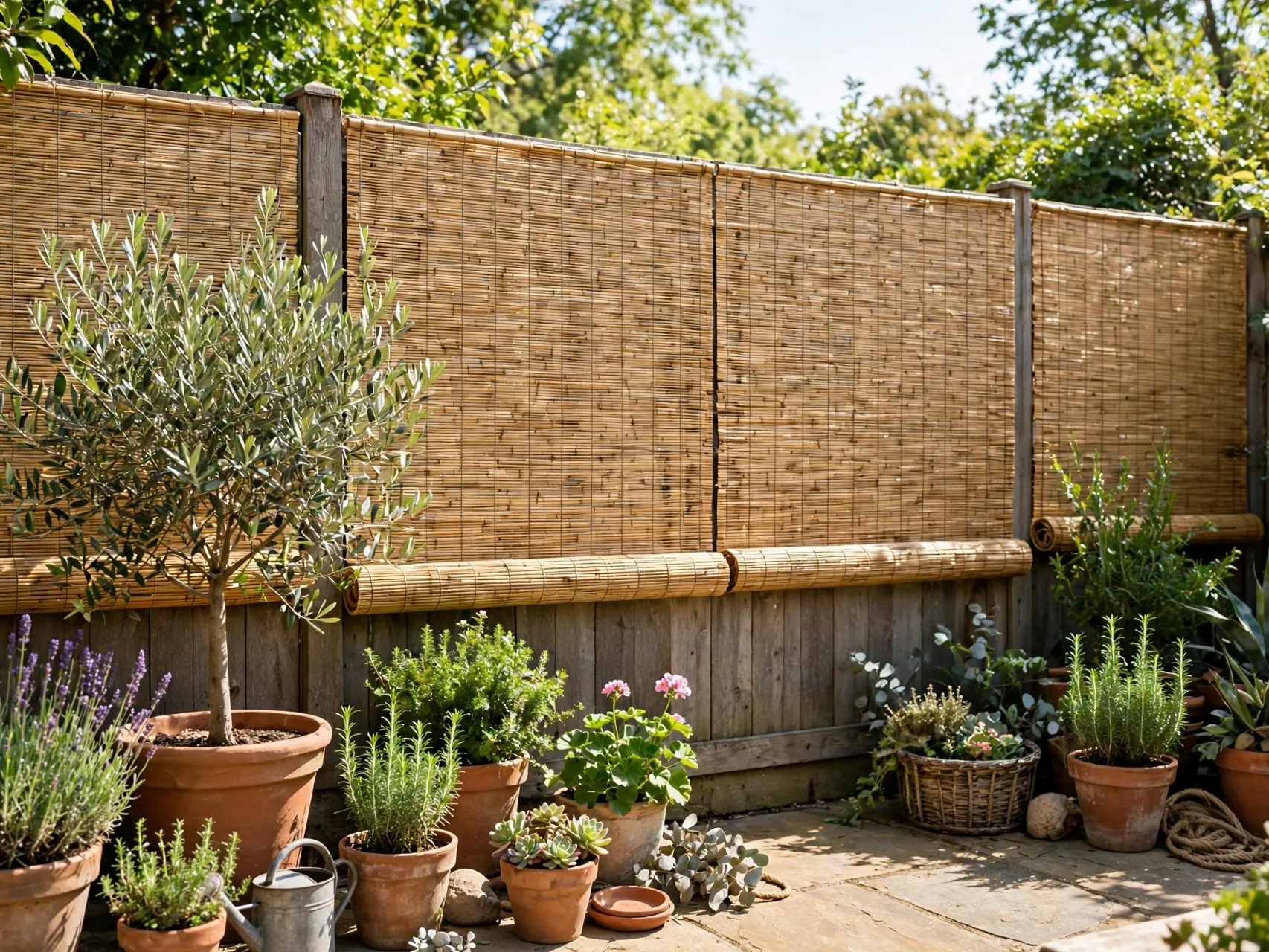
If a fence exists but is gappy, ugly, or too open, reed and bamboo rolls are the fastest makeover in this list. Fix the roll tightly to the existing fence with ties or staples and the boundary turns natural and private in one afternoon.
Be honest about lifespan: thin reed is a short term fix, thicker bamboo lasts longer, and a weatherproofing coat helps both. Never plant running bamboo directly in the ground to copy this look. It spreads aggressively, so choose clumping types or containers instead.
7. Hang Outdoor Curtains From a Pergola or Porch
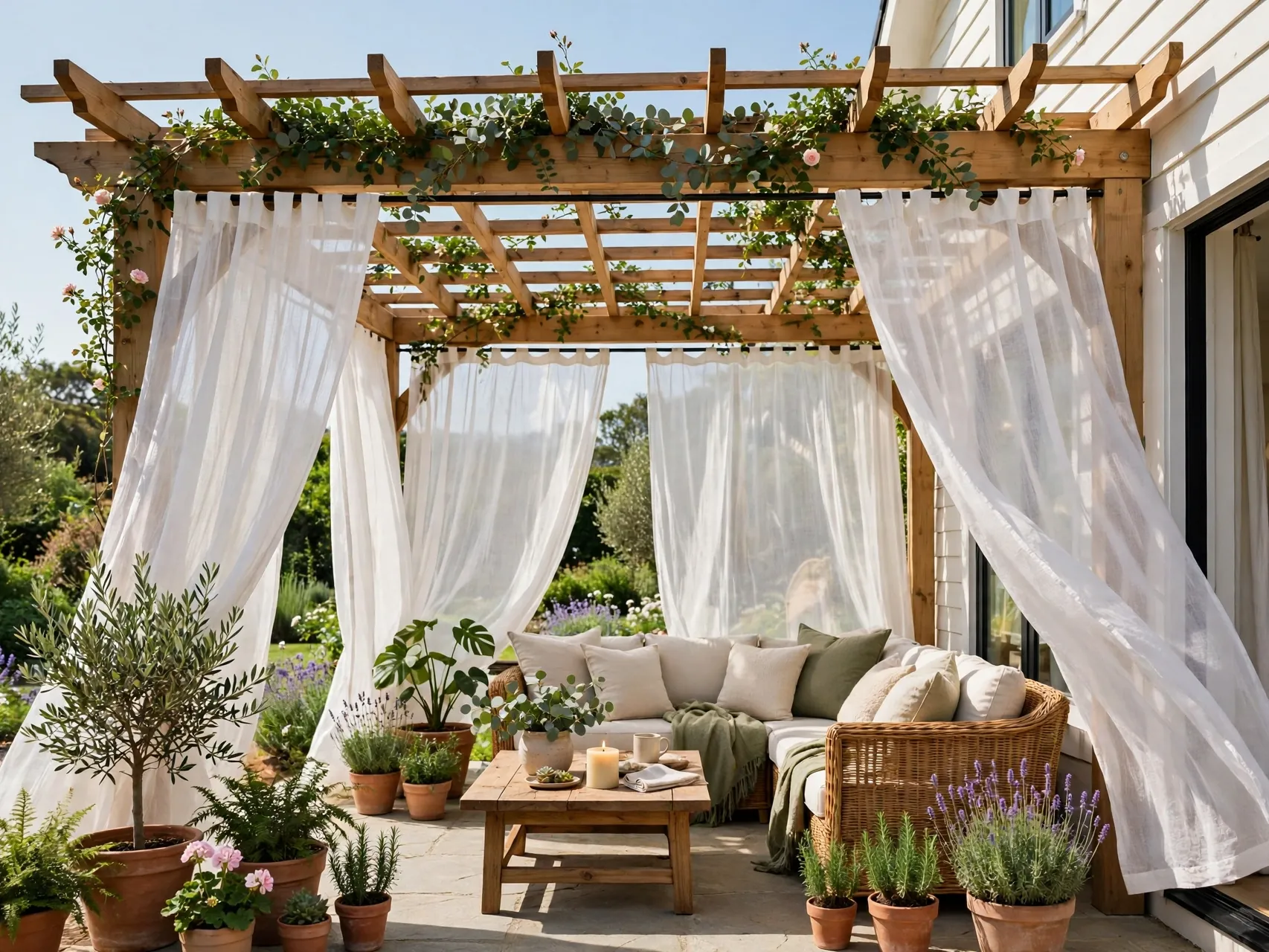
Fabric softens everything. Outdoor curtains on a pergola, porch, or a simple cable between posts close for privacy and a breeze filtered glow, then tie back when you want the view. Choose outdoor rated fabric that dries fast and resists fading.
Curtains are also the most adjustable screen here. Close the side facing the neighbors during dinner, open it in the morning for sun. Add tiebacks and a way to secure the hems on windy days so panels do not flap against furniture or plants.
8. Set Up Freestanding Privacy Panels

Decorative metal, composite, or wood slat panels on feet or posts give renters and impatient gardeners privacy today with zero planting time. Place one panel where a neighboring window overlooks your chairs and the problem is solved at the exact angle it existed.
Panels work singly or in a staggered row, and laser cut patterns throw pretty shadows while still blocking direct views. Anchor them properly for wind, and soften the base with pots so the screen feels like furniture rather than fencing. These are classic outdoor privacy screen ideas for patios and decks.
9. Make a Pallet or Slatted Wood Screen Wall

A DIY slatted wall of pallets or evenly spaced boards gives a modern, warm screen you can build to the exact width and height your sightline needs. Small gaps between slats keep it light and airy while still breaking up views effectively.
Mount planters, hooks, or a shelf on the garden side and the screen earns its keep as storage and display. Use sound wood, treat it for outdoor use, and fix the structure to proper posts set firmly in the ground so it stands safely through storms.
10. Line Up Tall Planters and Container Trees
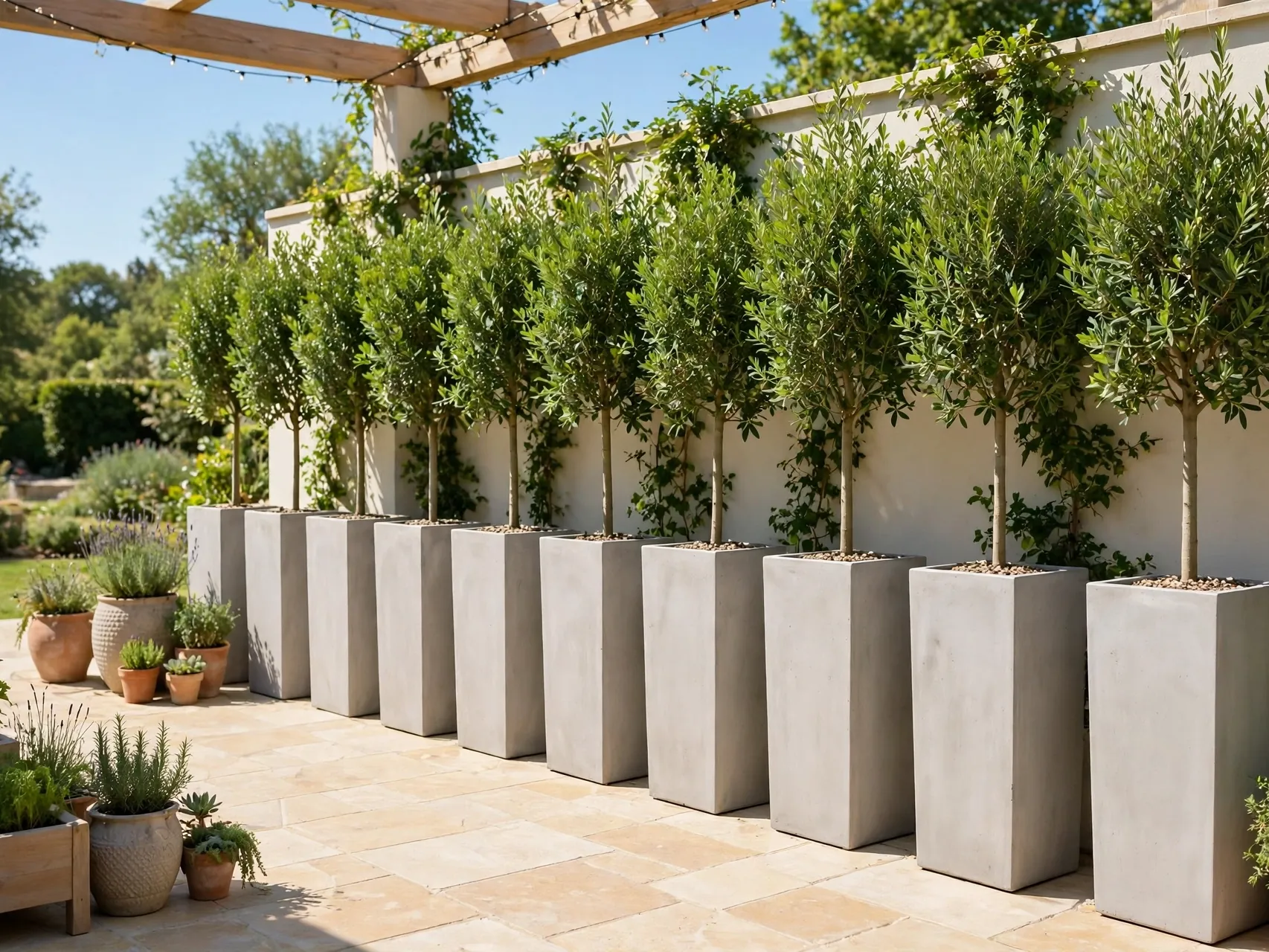
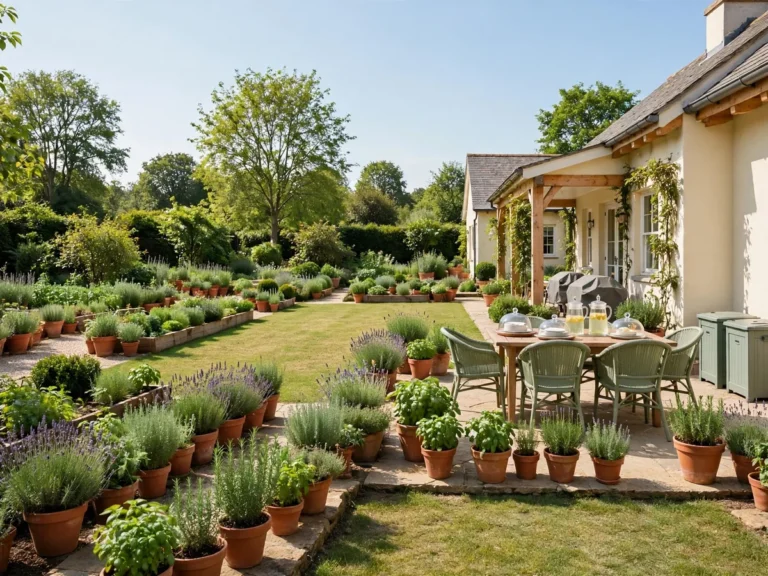
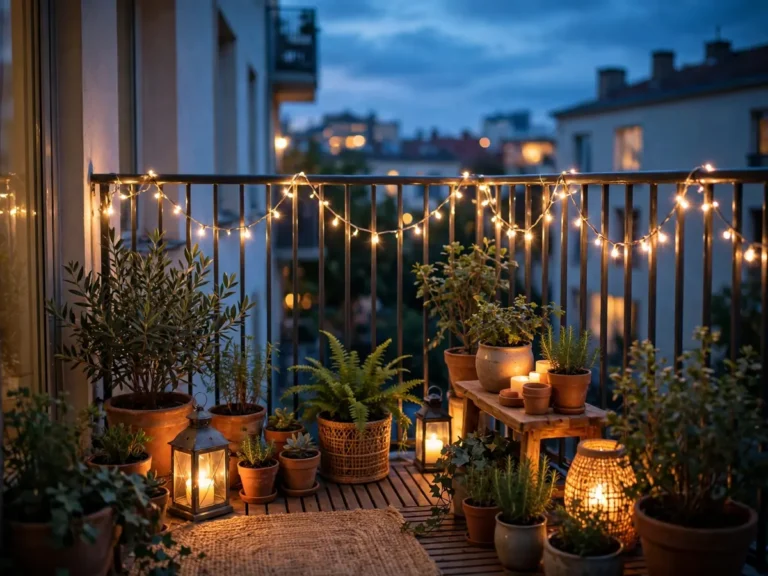
A row of tall planters filled with bamboo in pots, small trees, or upright shrubs creates a movable green wall for patios and decks where digging is impossible. Containers let renters screen a space and take the whole garden with them when they move.
Match pot size to plant ambition, since cramped roots stunt the height you are counting on. Group pots tightly so foliage overlaps at eye level, water container screens often in summer, and add casters under the biggest pots so you can shift the wall with the sun.
11. Plant Ornamental Grasses for a Soft Summer Screen
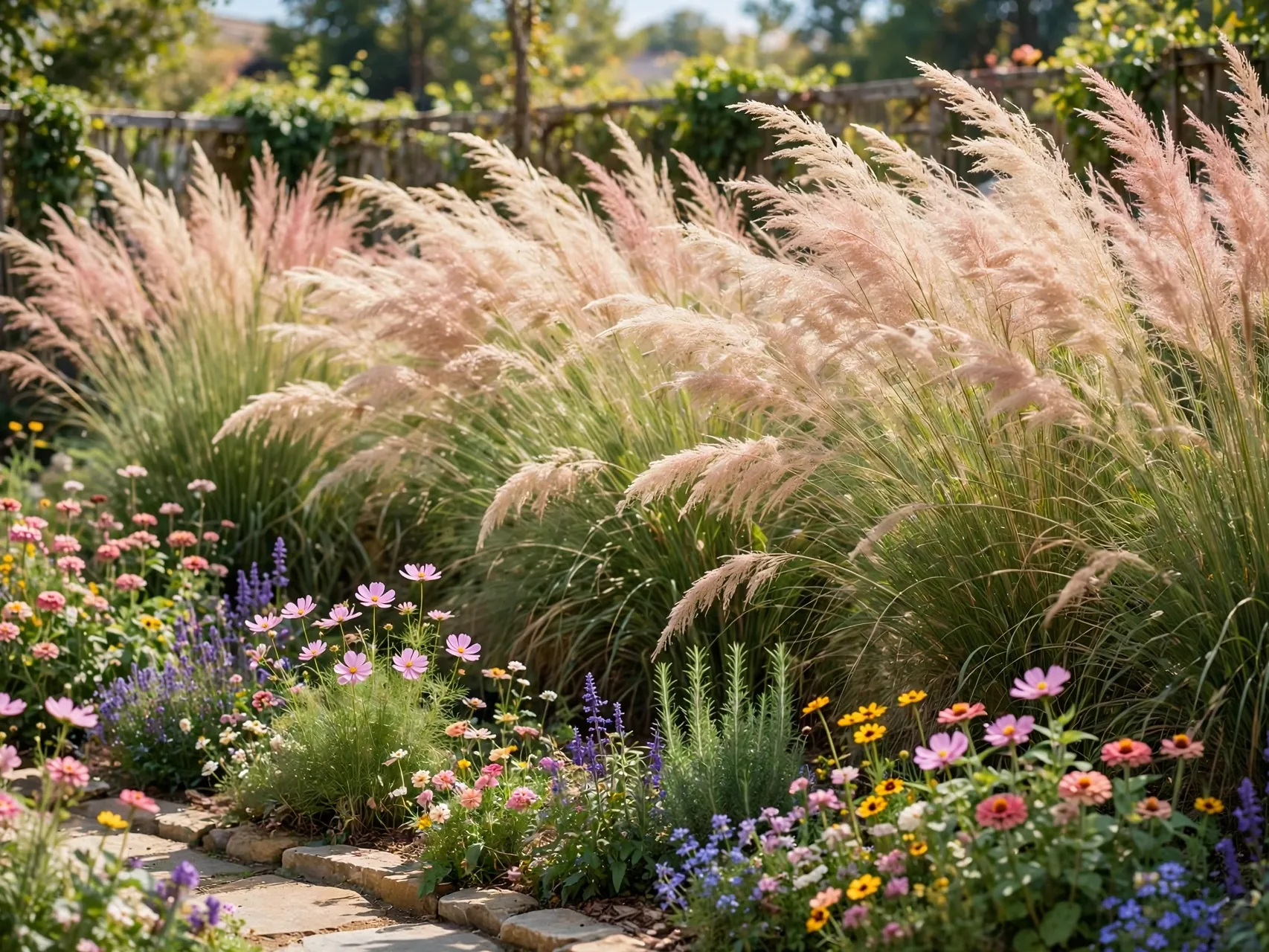
Tall ornamental grasses such as miscanthus give a swaying, semi private screen that filters views and adds sound and movement. They are fast, inexpensive, and beautiful backlit in late summer, and their feathery plumes extend the effect into autumn.
Know the trade: most grasses are cut down in late winter, so privacy dips in early spring. Pair grasses with an evergreen or a panel behind them if you need cover in every month, and let each layer cover the other ones off season.
12. Espalier Fruit Trees Against a Fence
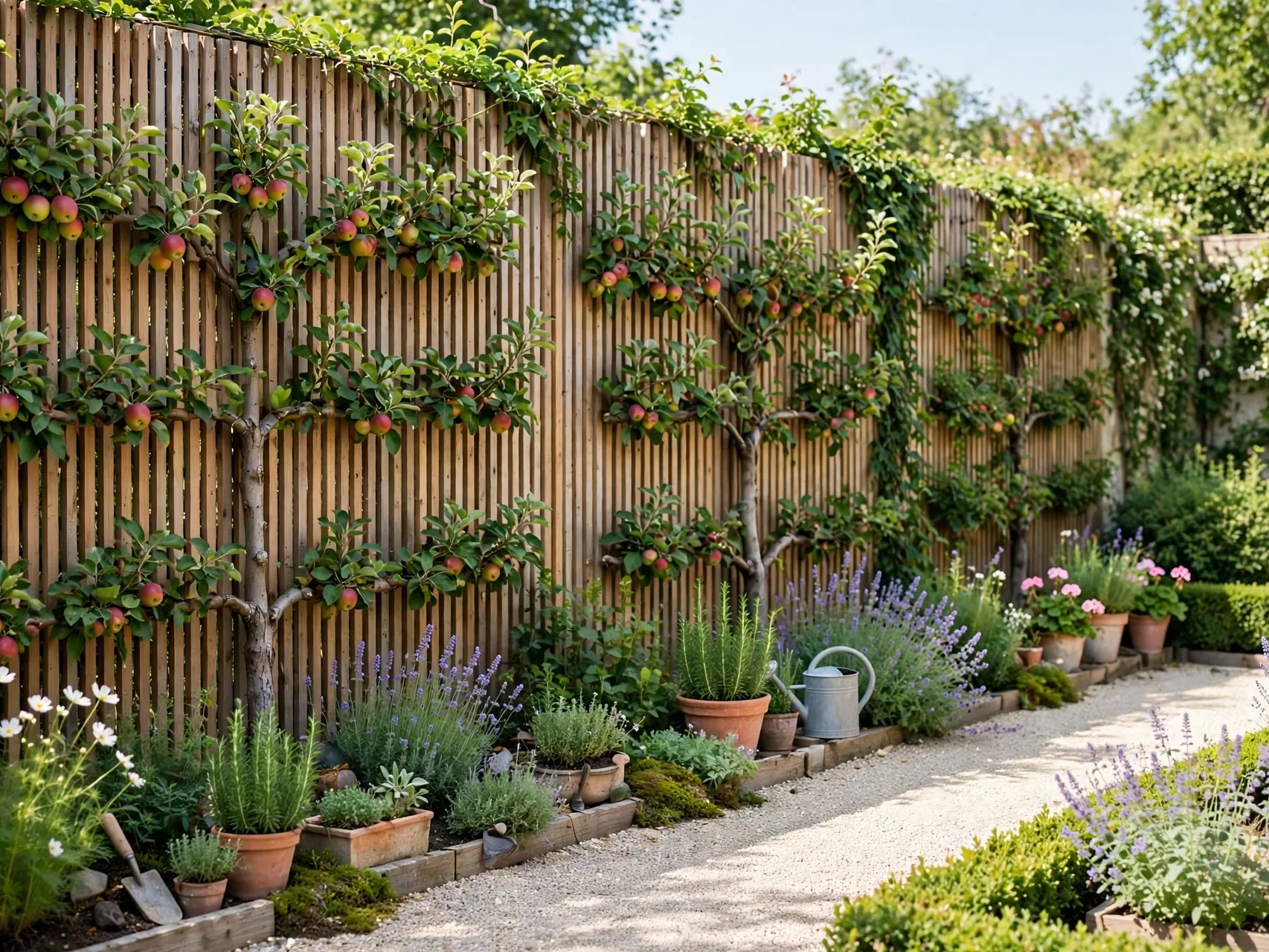
An espaliered apple or pear trained flat on wires along a fence gives leaves, blossom, and fruit in a layer only inches deep. It is the classic small garden answer where every foot of soil must work twice, and the flat shape never shades out the bed in front of it.
Espalier is a slow, satisfying project. Buy a pre trained young tree if you can, prune in the correct seasons, and accept lighter screening for the first years while the framework of branches extends along the wires.
13. Add a Pergola With a Vine Covered Roof
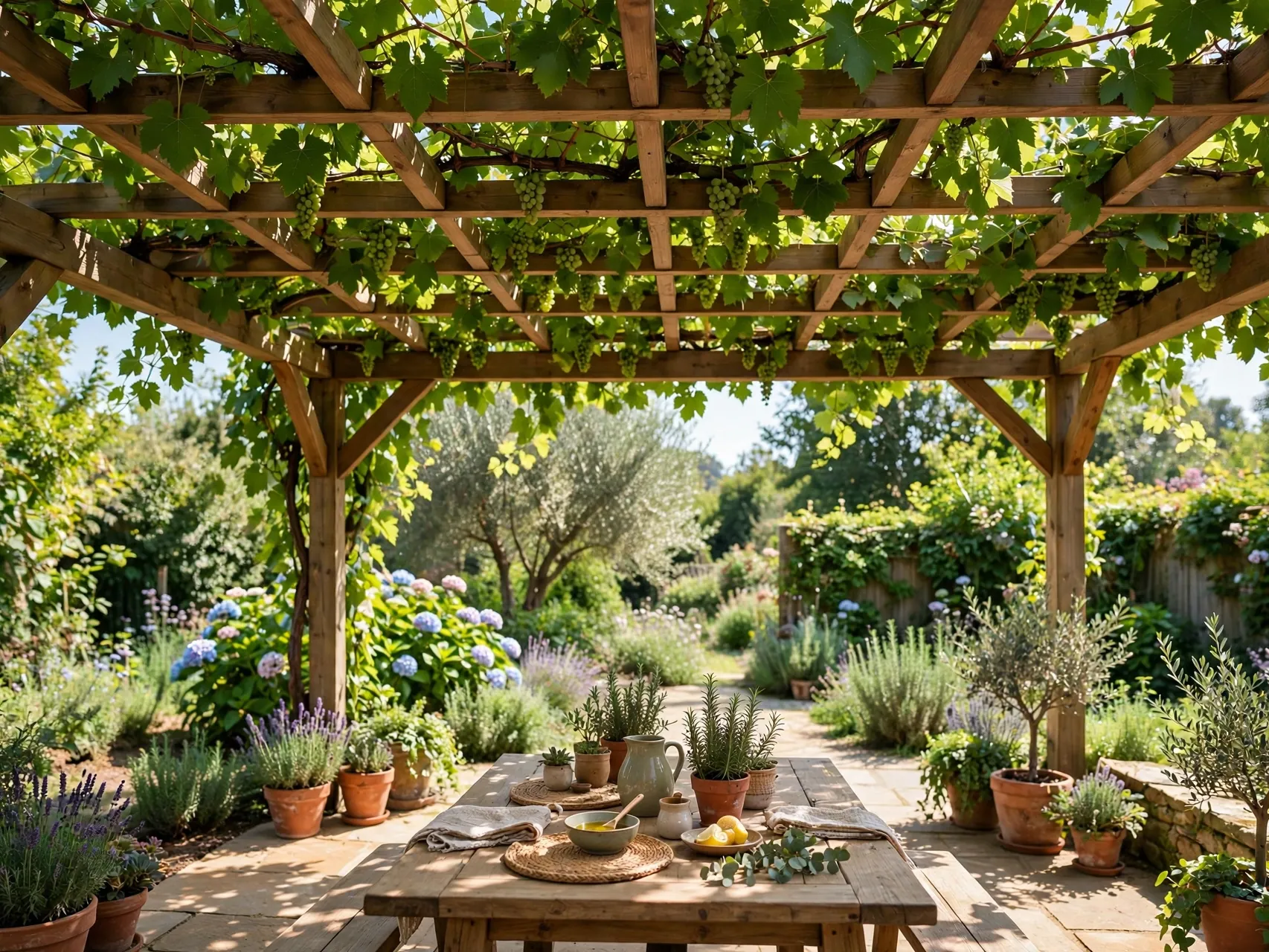
Some privacy problems come from above, from balconies and upper windows looking down. A pergola over the seating area, roofed with a grapevine, wisteria, or a retractable canopy, blocks that downward view and creates the feeling of an outdoor room.
Train vines along the top rather than the legs so the shade lands where you sit. A pergola also gives your other screens a structure to connect to, and with curtains on one side it becomes the most private corner of the whole garden.
14. Install a Sail Shade Angled Against Overlookers
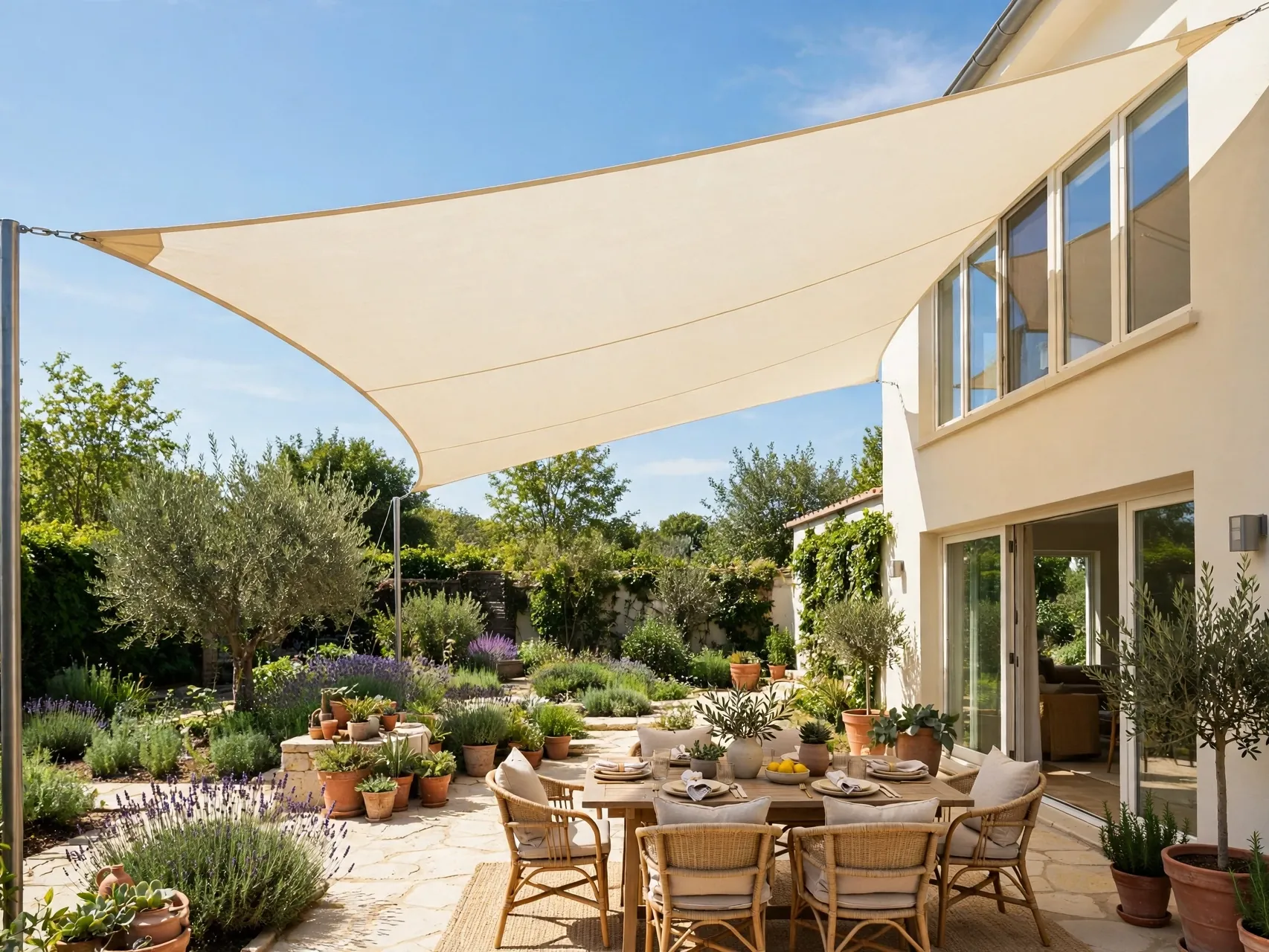
A triangular shade sail tilted toward the overlooking window blocks sightlines and sun at the same time, with a clean modern look that suits small yards. Angle is everything: set the high side toward the viewers and the sail becomes a privacy roof, not just shade.
Fix sails to strong points, house walls with proper anchors or sturdy posts, and take them down in storms and winter. Choose a color that matches your house so the sail reads as architecture rather than camping gear.
15. Stack a Green Wall of Hanging Planters
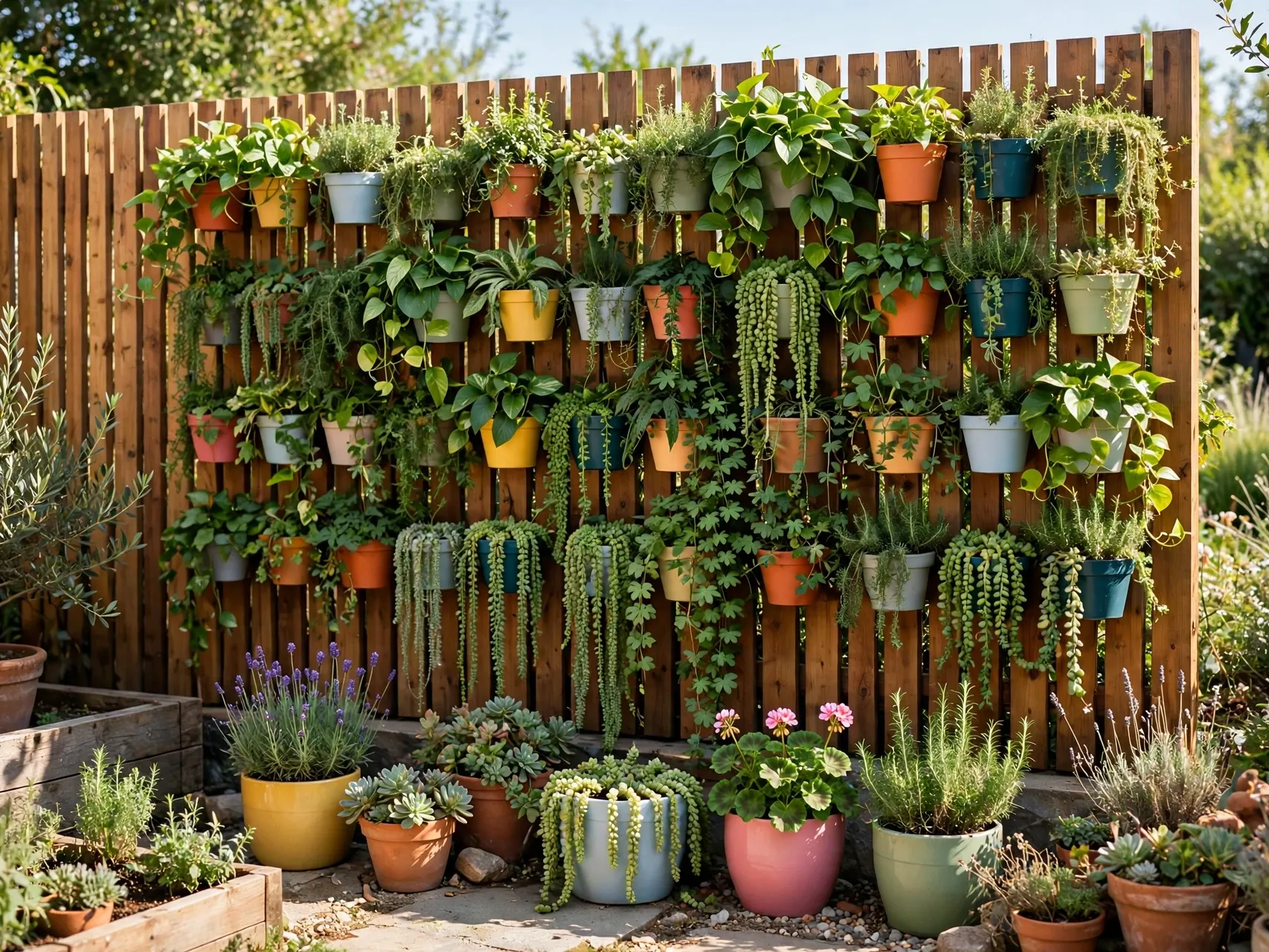
On a fence or frame, rows of hanging pots and pocket planters build a living wall that screens and gardens at once. Ferns, trailing ivy alternatives, herbs, and strawberries all thrive in this vertical setup, and the density of leaves blocks more view than you would expect.
Plan watering before you plant, since high pots dry fast. A simple drip line or a routine with a long neck watering can keeps the wall lush, and a lush wall is the difference between a pretty feature and a real screen.
16. Use a Garden Arch and Gate to Screen the Side Yard
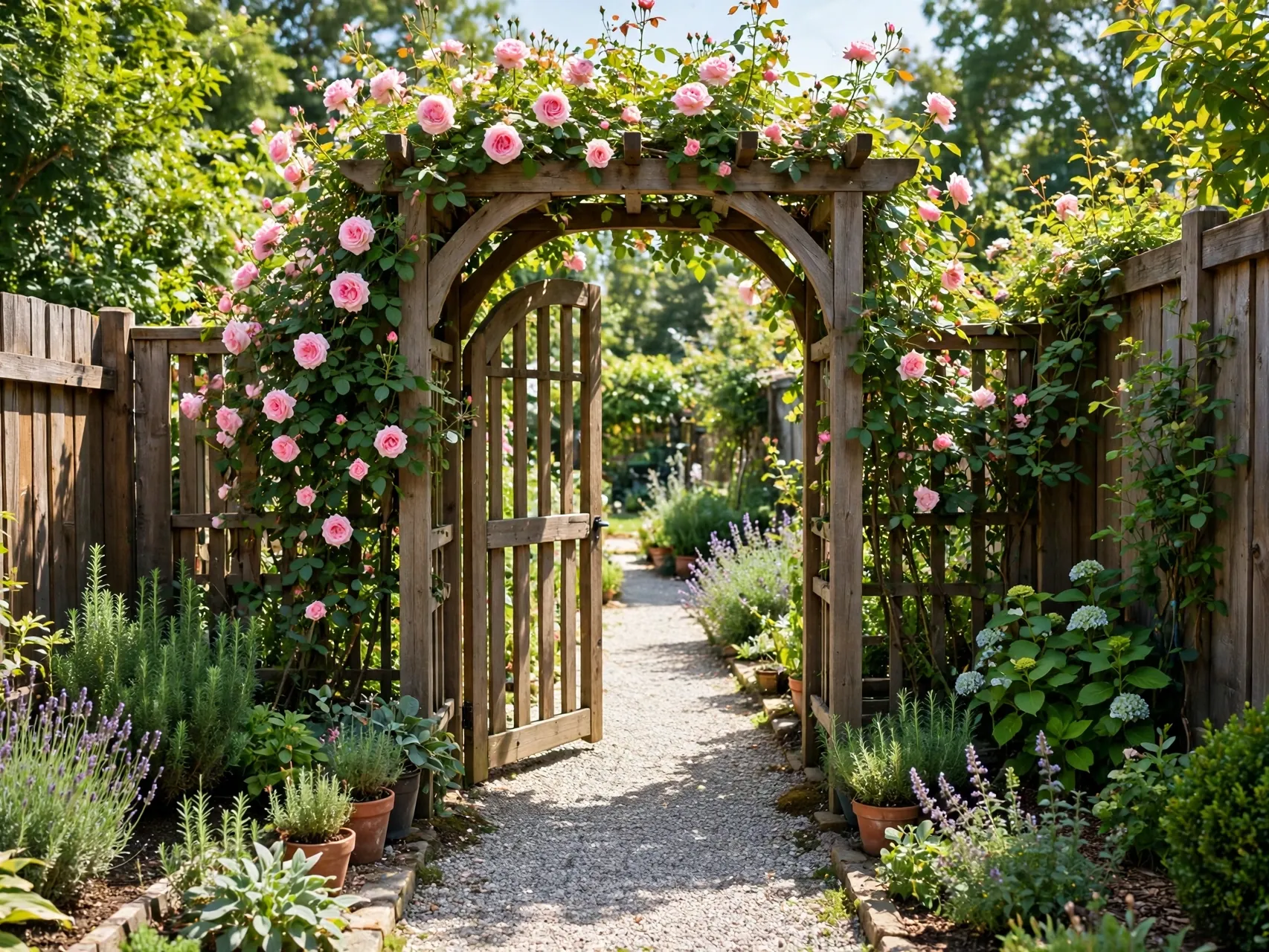
The side passage is often the most overlooked spot, visible straight from the street to the back door. An arch with a gate, planted with a climber, closes that view, marks the entrance to the back garden, and adds a moment of charm to a purely practical space.
Set the arch where the path turns if you can. A screen at a corner blocks the whole sightline with one small structure, a trick worth remembering anywhere a view runs in a straight line through your garden.
17. Plant a Small Multi Stem Tree as a Focal Screen

Sometimes one well placed tree beats a whole hedge. A multi stem amelanchier, small maple, or ornamental cherry planted beside the patio spreads a canopy exactly where upstairs windows look in, while its open stems keep the ground level feeling light and airy.
This is targeted garden privacy screening at its smartest: privacy where you sit, sun where you garden, and a beautiful specimen tree as the centerpiece. Give it room to mature, mulch the root zone, and protect the trunk while it settles in.
18. Raise a Planted Berm Along the Boundary
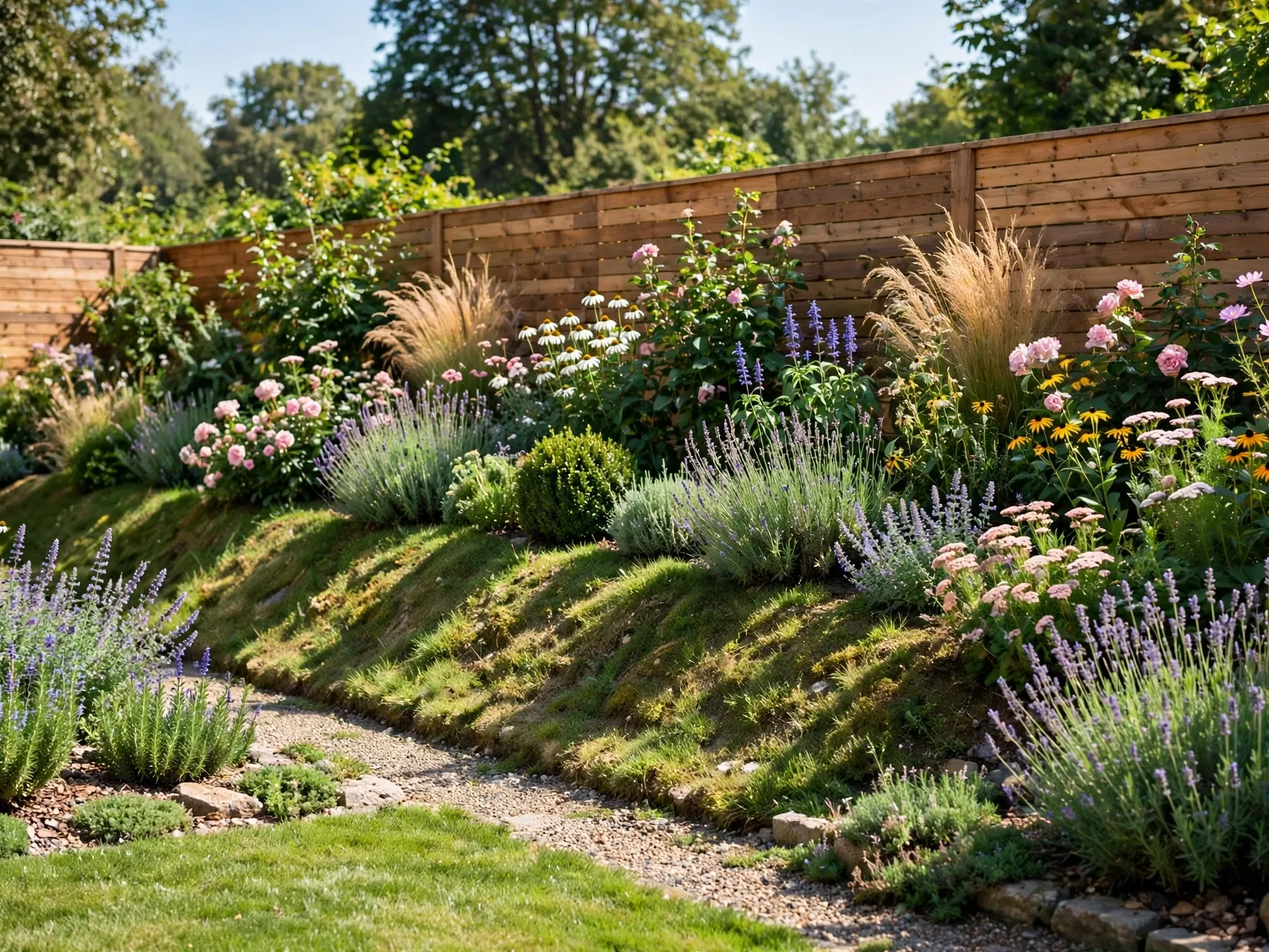
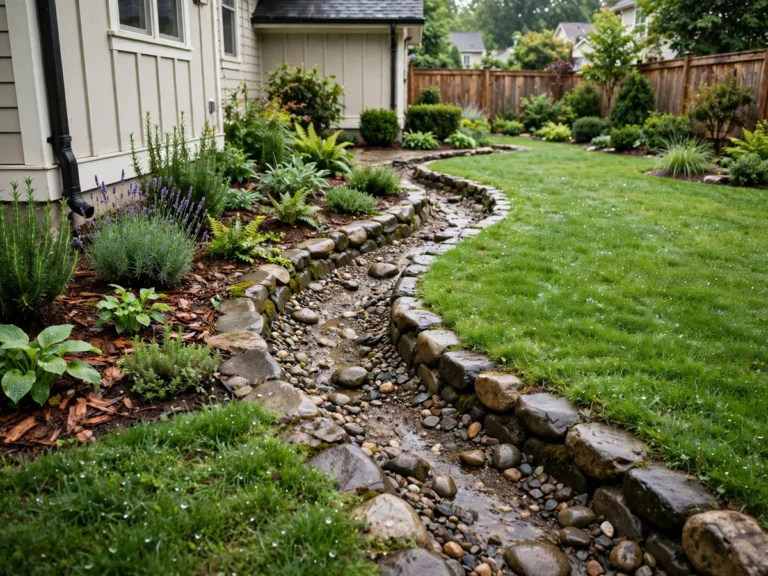
On flat, overlooked ground, a low planted mound lifts shrubs a valuable foot or two higher without taller plants or a higher fence. Berms also improve drainage for the shrubs on top and add gentle shape to a plain rectangular yard.
Keep slopes gentle enough to mow or mulch easily, and plant densely so the berm reads as a garden bed rather than a soil heap. Combined with a standard fence behind it, a berm quietly adds the extra height that makes seating feel enclosed.
19. Try a Faux Green Panel for Instant, No Maintenance Cover

Artificial leaf panels fixed to a fence or frame give solid, year round greenery with no watering, no waiting, and no gaps. They suit deep shade corners where real plants struggle, rental balconies, and anyone who needs a screen finished this weekend.
Quality varies, so choose UV stable panels made for outdoor use and view a sample in daylight if you can. Mix in a few real pots at the base and the eye accepts the whole wall as planting far more easily.
20. Screen in Zones Instead of Around the Whole Garden

The smartest plan often uses three small screens instead of one long one: a panel by the dining table, climbers where the neighbors deck overlooks, and grasses screening the hot tub or reading chair. Zoning costs less, looks layered, and leaves the rest of the garden open and sunny.
Walk your yard at different times of day before deciding, since morning and evening sightlines differ. This zone approach pulls together every backyard privacy screen ideas trick in this list into a garden that feels private exactly where you live in it.
FAQ
What is the fastest garden screening idea?
Freestanding panels, reed or bamboo rolls on an existing fence, and faux green panels all give same day privacy. Curtains on a pergola are nearly as fast. Plant a hedge or climbers behind your instant screen so a living, longer lasting layer is growing while you already enjoy the space.
What are the best low maintenance privacy plants?
Slow, dense evergreens such as yew and some laurels need only occasional trimming once established, and columnar arborvitae needs very little shaping. Match the plant to your soil and zone, space it for its mature size, and the main jobs become watering in the first two years and one tidy up a year.
How can I get privacy from upstairs windows next door?
Think upward and overhead. Tall columnar trees, a small canopy tree beside the seating, a pergola with vines or canopy, and an angled shade sail all block downward views that a fence never can. Sit in your chair and look up to find the exact angles before you buy anything.
Can renters screen a garden without permanent changes?
Yes. Freestanding panels, container screens on casters, curtains on tension systems, and rolls fixed to existing fences with removable ties all come down cleanly. Check your lease for rules about attachments and heights, keep fixings reversible, and photograph the space before and after your changes.
Do I need permission to put up a tall screen?
Often there are limits. Fence and structure heights are commonly regulated by local codes or HOA rules, and boundary structures may need to sit on your own land. Rules differ by location, so check with your local planning or HOA office before building anything tall or permanent.
Key Takeaways
- Screen the sightline, not the whole yard: Sit where you relax, find the exact overlooking angles, and spend your budget only there for the best garden screening ideas results.
- Layer instant and living screens: Panels, curtains, and rolls give privacy now while hedges, trees, and climbers mature into the long term screen.
- Buy for mature size: A plant chosen for its final height and spread fills in without crowding, and saves years of hard pruning.
- Think overhead too: Pergolas, sails, and canopy trees solve the upstairs window problem that no fence can fix.
- Check the rules first: Local height limits, HOA guidance, and property lines protect your project from expensive do overs.
- Planning your private corner? Pin this guide to your garden board on Pinterest and save the screen that fits your sightline best.