
25 Ways to Keep Mosquitoes Out of Yard All Summer Long
Introduction
Nothing empties a patio faster than the first wave of mosquitoes at dusk. The good news is that most biting pressure in a home yard comes from mosquitoes that hatched close by, in water you can find and fix. Learning how to keep mosquitoes out of yard spaces starts there, not with a spray can.
This guide puts the steps in the order that works. First remove or treat breeding water, then take away the shady daytime resting spots adults love, then protect people while they are outside. Gadgets and scented plants come last, with honest notes on their limits.
The CDC routine is simple: once a week, empty and scrub, turn over, cover, or throw out anything that holds water. A mosquito can complete its life cycle in about a week in warm weather, so a weekly habit breaks the cycle before new adults emerge.
Pick one morning for the water walk, keep it weekly, and layer the other ideas below as needed.
1. Dump and Scrub Every Container Weekly
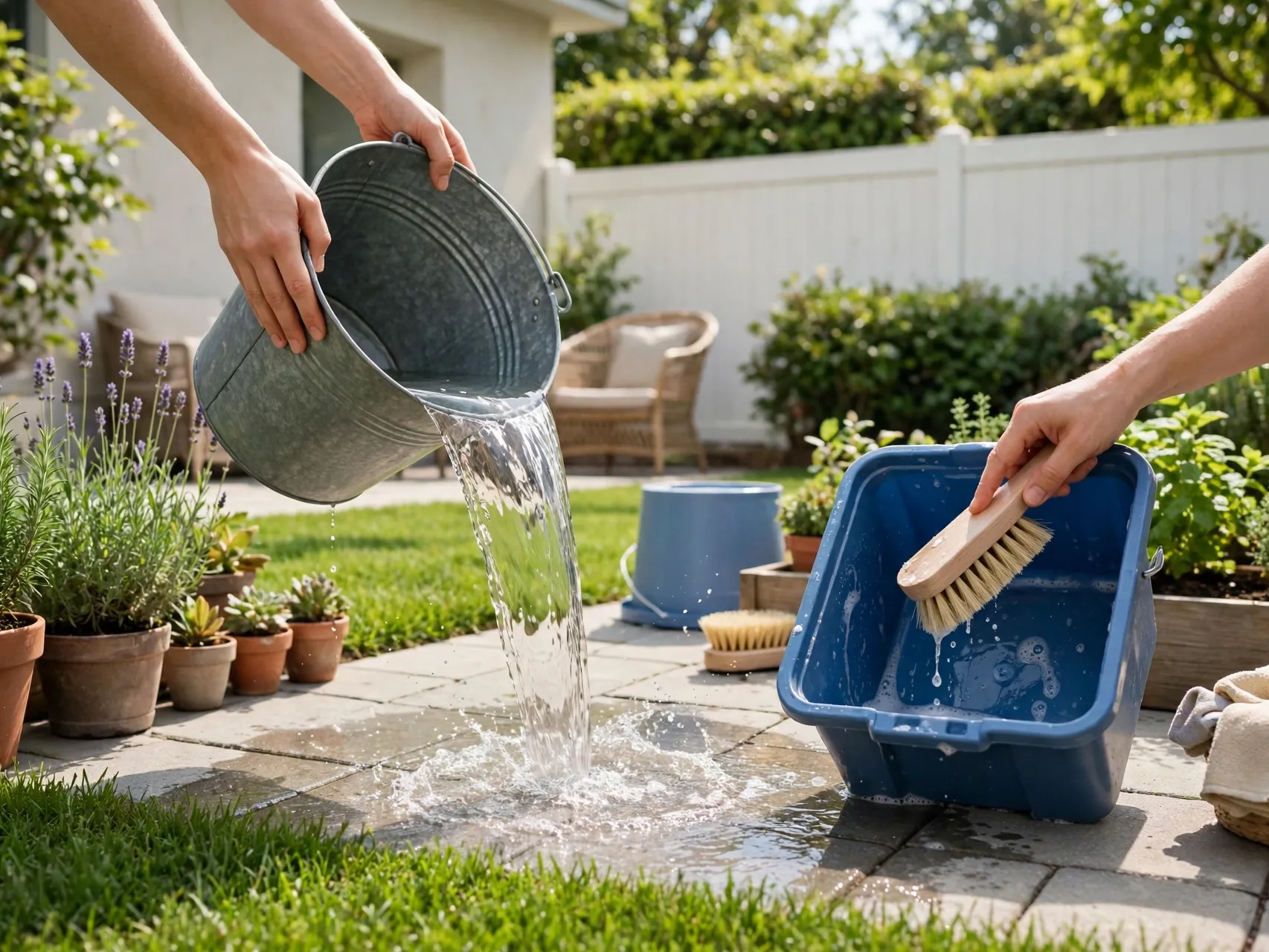
Walk the whole yard once a week and empty every container that holds water: saucers, buckets, toys, tarps, bins and planters. Tipping is not enough on its own. Scrub the inside walls, because eggs can stick to the sides and hatch the next time water fills the container.
Tie the walk to a day you already remember, like trash day. This single habit is the core of mosquito control for yard plans because it removes the next generation before it can fly.
2. Cover Rain Barrels With Fine Mesh

Rain barrels and cisterns hold water for weeks, which makes them perfect nurseries if they sit open. Cover them tightly with a lid, or fit wire mesh with holes smaller than an adult mosquito over every opening, including overflow pipes.
Check the mesh after storms, since leaves and debris can lift edges and leave gaps. A covered barrel keeps your garden water and loses the mosquitoes, and it needs no chemicals at all.
3. Use Bti Dunks in Water You Cannot Dump

Some water cannot be tipped out: a pond edge, a French drain sump, a low swale that stays wet. For those spots, the CDC lists larvicides such as Bti dunks and bits. Bti is a naturally occurring bacterium that kills mosquito larvae when they eat it, before they become biting adults.
Use Bti only in water that will not be used for drinking and cannot be covered, dumped or removed, and follow the product label exactly. Penn State Extension notes that Bti does not affect mammals, birds or fish. It does not kill adults already flying.
4. Refresh Birdbaths and Pet Bowls Often

Birdbaths, pet dishes and chicken waterers refill themselves with eggs if the water sits still all week. Dump and refill birdbaths at least once a week, scrub the basin to remove eggs and algae, and refresh outdoor pet water daily where you can.
A small solar fountain that keeps birdbath water moving can help between cleanings, but it does not replace the weekly scrub. Clean water also keeps the birds and pets you are watering healthier.
5. Clean Gutters So Water Keeps Moving
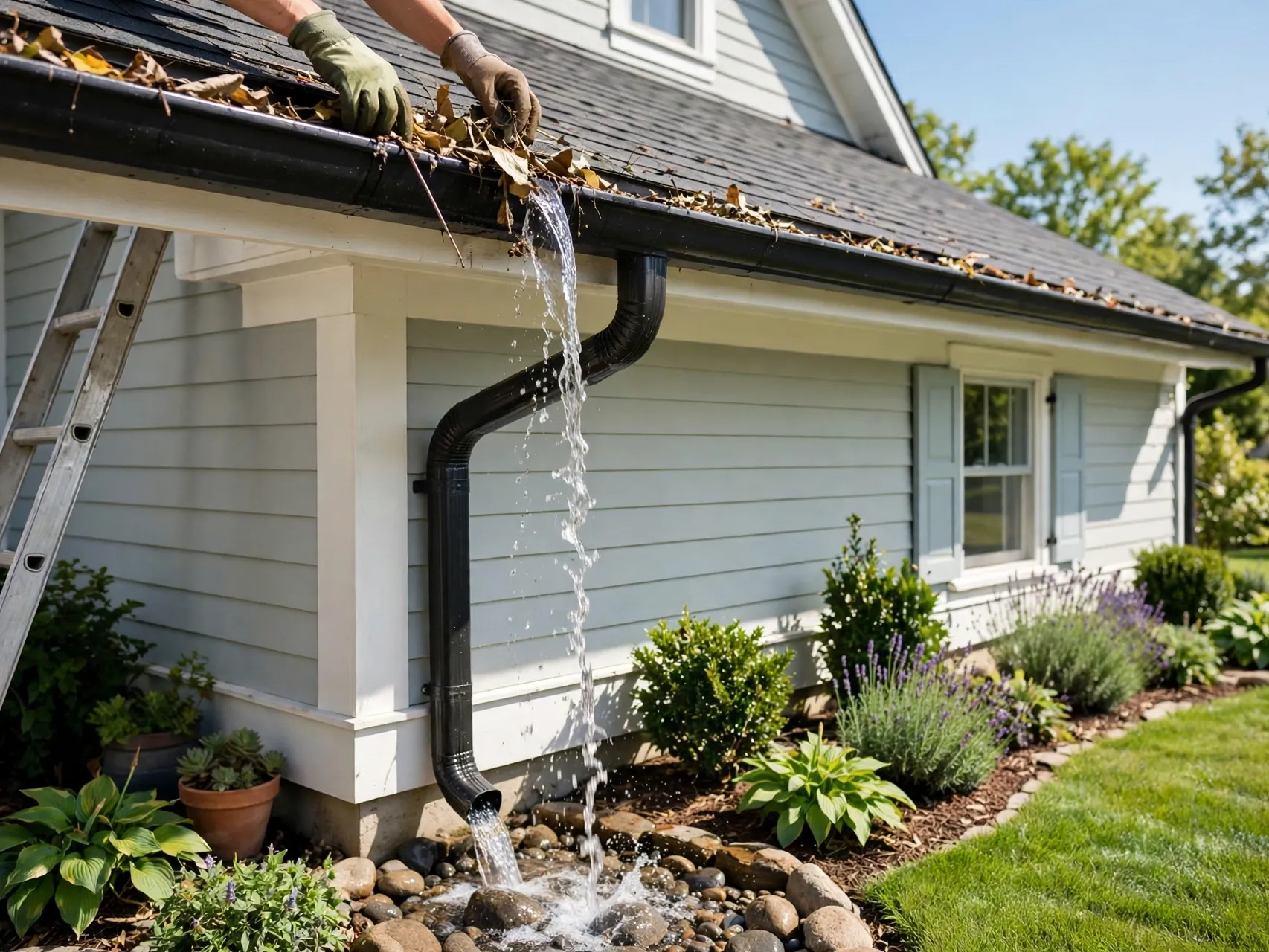
Clogged gutters hold leaf soup inches deep, hidden at roof height where nobody looks. That standing water can produce mosquitoes all season while the yard below looks perfectly tidy.
Clear gutters and downspouts in spring and again after heavy leaf fall, and check that water exits away from the foundation instead of pooling at the base. If gutters overflow in one spot every rain, fix the slope or the blockage rather than treating the puddle below forever.
6. Fix Low Spots That Hold Puddles

Low corners of lawns, worn spots under swings and dips along fences can hold water for days after rain. If a puddle lasts long enough for larvae to grow, it is a breeding site, even though it looks like plain mud.
Fill small dips with soil or compost and reseed, regrade problem areas where you can, and move play equipment off worn wet patches. For a swale that must stay, Bti bits on the label schedule are the backup plan.
7. Store Buckets and Toys Upside Down

Buckets, watering cans, kiddie pools, wheelbarrows and tarps collect rain quietly between uses. Store them upside down, under cover, or drilled with drainage where that makes sense, and shake water off tarps after storms so folds do not hold hidden pools.
Do a fast post rain lap with kids on the team. Turning over ten small containers takes five minutes and removes the exact container water that how to get rid of mosquitoes outside guides warn about most.
8. Keep Grass Short and Edges Trimmed

Adult mosquitoes rest in cool, humid shade during the day, and tall grass is one of their favorite shelters. Mowing regularly and trimming along fences, beds and foundations takes away that daytime cover close to where people walk and sit.
You do not need a putting green. A normal, tidy mow height kept on schedule is enough. Pay extra attention to shaded corners and the strip behind sheds, where grass grows long and air barely moves.
9. Thin Dense Shrubs Where Adults Rest

Overgrown shrubs, ivy walls and dense foundation plantings hold still, damp air all day, which is exactly where adult mosquitoes wait for evening. Thin crowded growth, lift low branches and open airflow through the planting, especially around patios, doors and play areas.
Keep the plants, lose the jungle. A lighter shrub still gives privacy and flowers, but it dries faster after rain and offers far fewer protected resting spots within a few feet of your chairs.
10. Clear Leaf Litter and Yard Debris
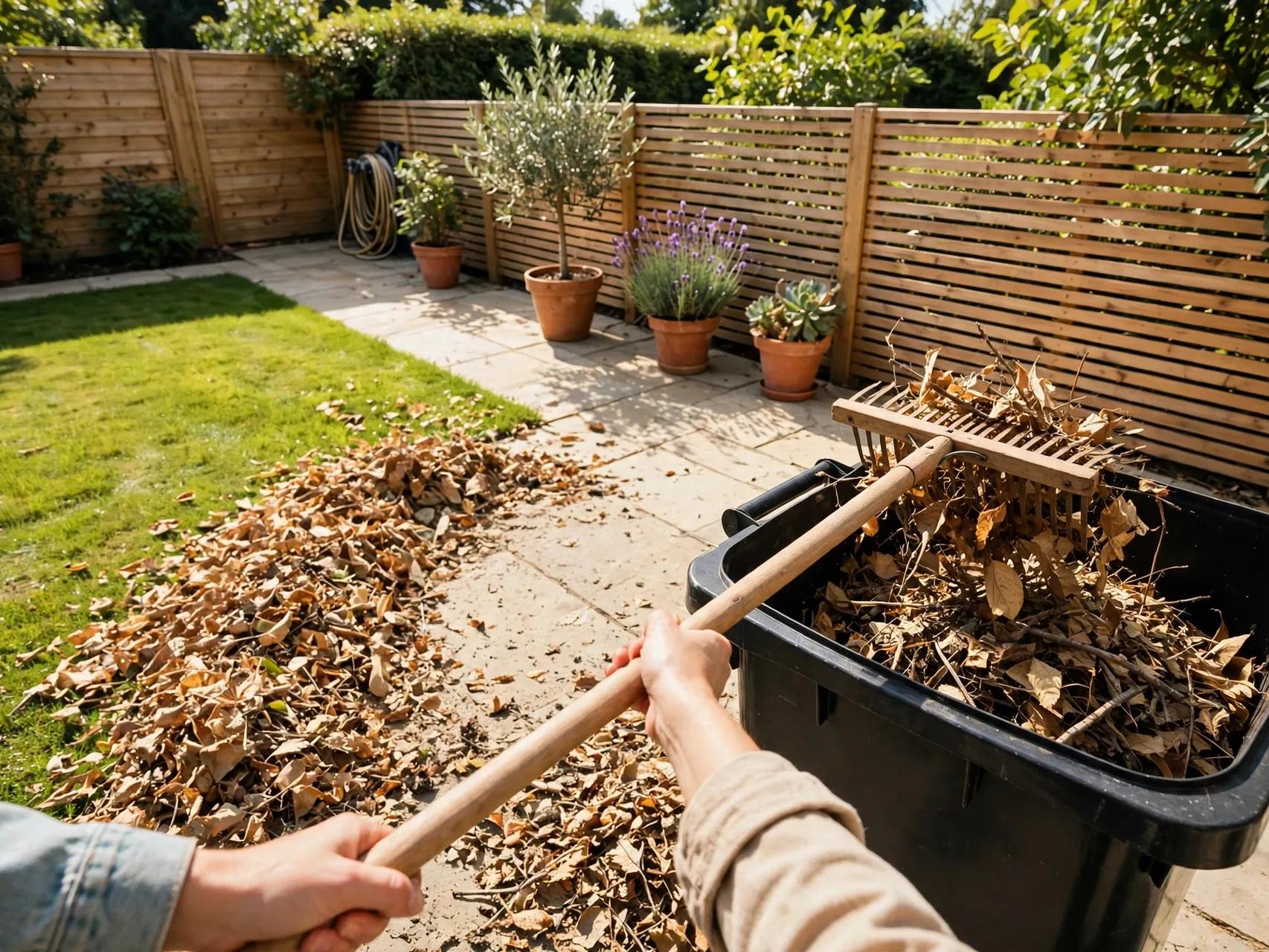
Leaf piles, stacked firewood on bare ground, old boards and brush heaps stay damp and shaded for weeks, sheltering adults and holding pockets of water. Rake litter out from under decks and shrubs, stack wood off the ground in a sunny spot, and remove debris you no longer need.
Compost bins are fine when they are hot and turned. The problem is cold, wet, forgotten piles. A monthly tidy round keeps this quiet source of natural mosquito control working for you.
11. Run Outdoor Fans Where You Sit

Mosquitoes are weak fliers, and moving air makes it hard for them to find and land on you. A ceiling fan over a porch or an oscillating fan aimed across a seating area can make a patio feel dramatically better on a still evening.
Set fans up before guests arrive, not after the swatting starts. Fans protect only the area where the air moves, so pair them with the water routine. Think of a fan as personal space protection, not yard wide control.
12. Repair Window and Door Screens
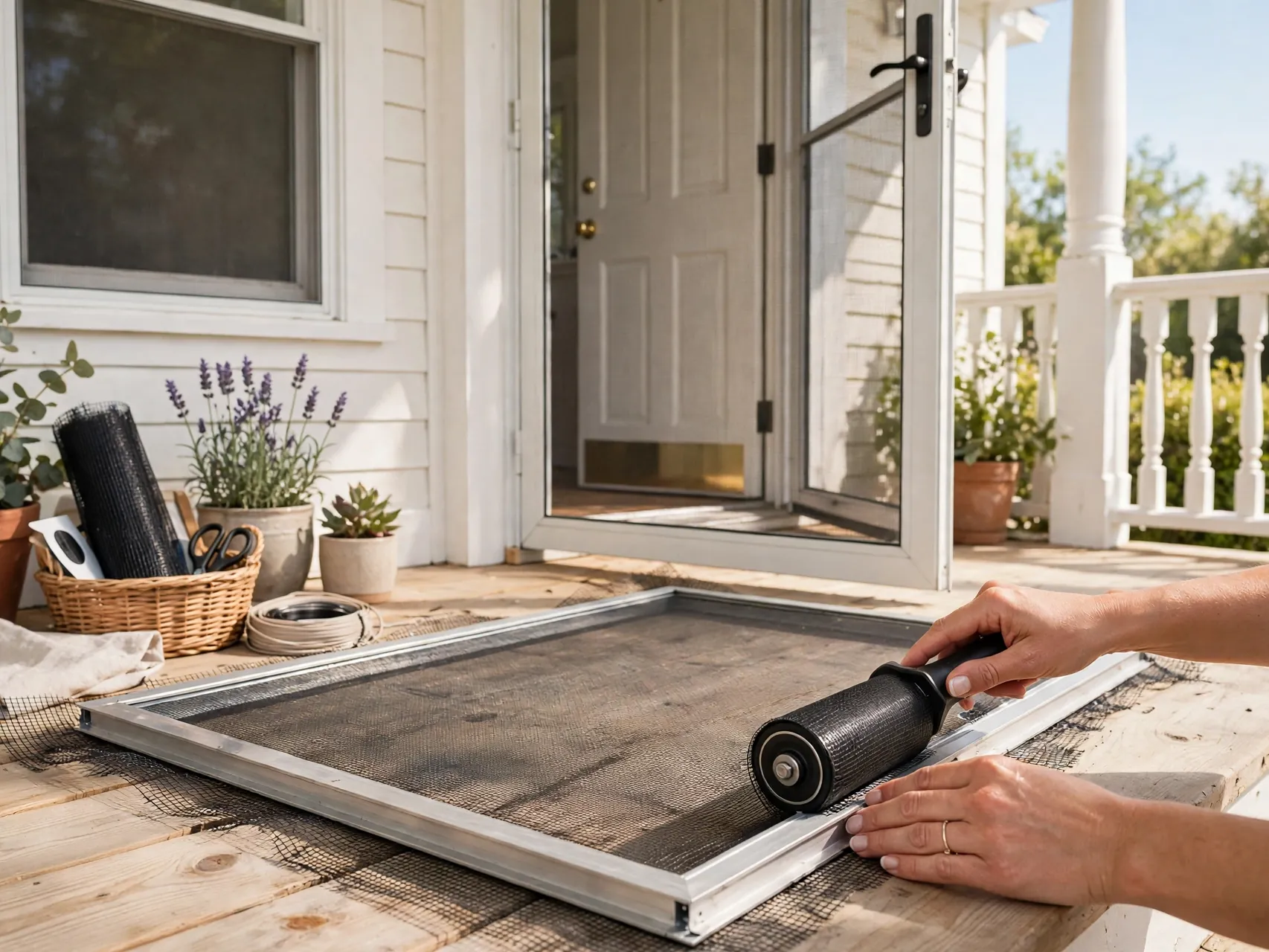
A yard plan fails fast if mosquitoes simply follow you indoors. Inspect screens each spring for tears, loose edges and gaps at the frame, patch small holes with a screen repair kit, and add door sweeps where thresholds let insects slip under.
Screens let you open windows on cool nights without trading comfort for bites. Check pet doors and attic vents too. This is basic mosquito repellent for yard thinking applied to the house itself: block the easy entry first.
13. Use EPA Registered Repellent on People
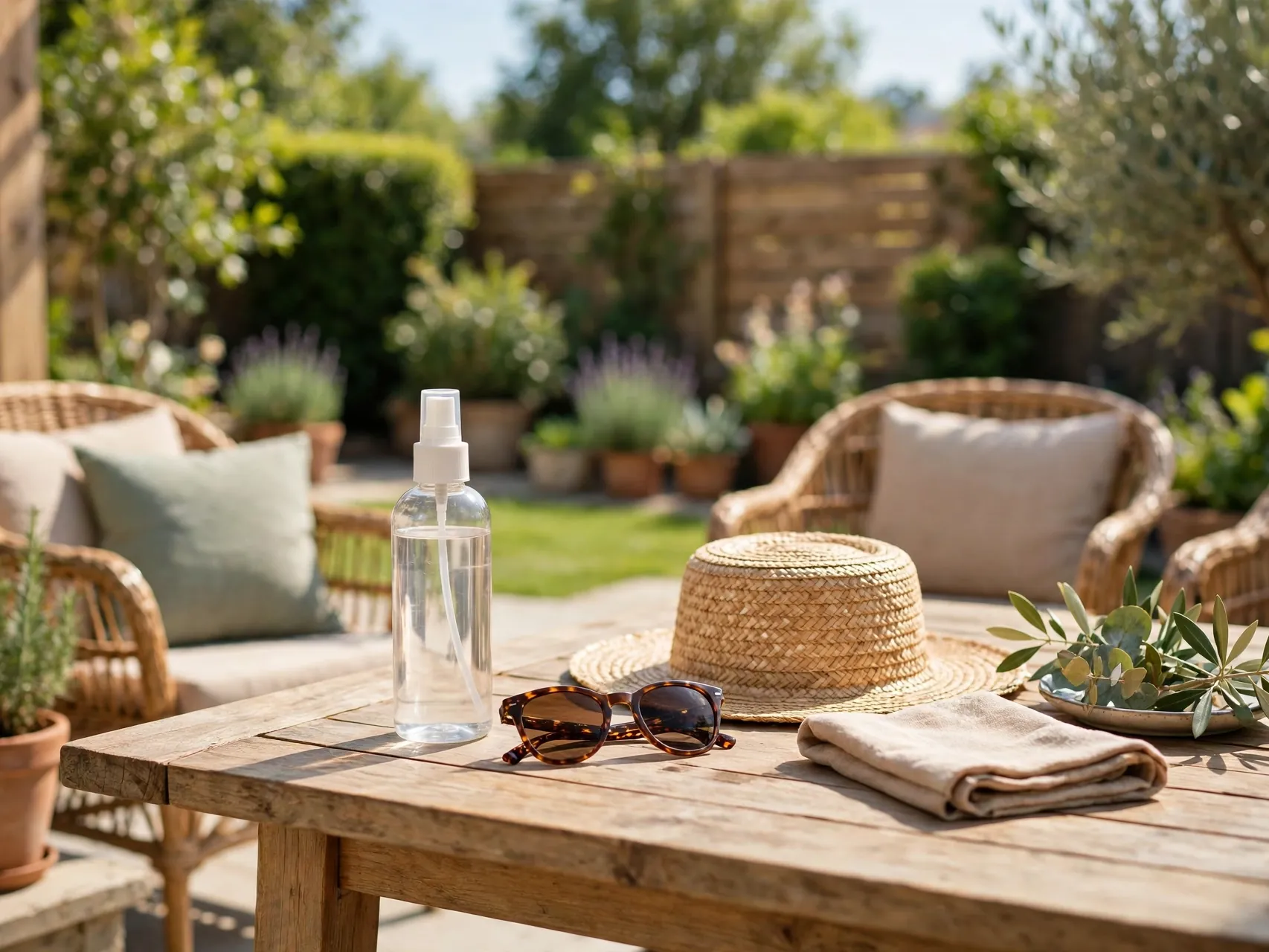
For the people part of the plan, use an EPA registered repellent on exposed skin and follow its label. The CDC recommended active ingredients include DEET, picaridin, IR3535 and oil of lemon eucalyptus. Look for the EPA registration number on the product.
Apply sunscreen first and repellent second, and wash repellent off when you come back inside. Do not use oil of lemon eucalyptus products on children under three. A good repellent protects the person wearing it for hours, which no candle or plant can match.
14. Cover Up at Dawn and Dusk

Many common yard mosquitoes feed most actively around dawn and dusk. Loose, light colored long sleeves and pants, plus socks over ankles, cut bites sharply during those peak windows, especially for garden work when repellent rubs off fast.
Tight clothing is less help, since mosquitoes can bite through thin, stretched fabric. Loose fits and thicker weaves work better. Plan heavy yard chores for midday where your schedule allows, and save the dusk bonfire for after your water and yard routine is in place.
15. Place Citronella Close to Seating Only

Citronella candles and torches can make a small area around a table a little less appealing to mosquitoes while they burn, especially on calm nights. The scent plume is small, so the candle belongs on or beside the seating, not at the far edge of the yard.
Be honest about the limit: wind wipes the effect out, and citronella does nothing to breeding water ten feet away. Use it as evening atmosphere with a mild bonus, and keep flames away from children, pets and dry plants.
16. Grow Scented Herbs With Realistic Expectations

Lavender, basil, lemongrass, rosemary and catnip carry scented oils in their leaves, and pots of them look and smell wonderful around a patio. Bruising or brushing the leaves releases more scent, which is why plants by a chair you brush past help more than plants across the yard.
What they will not do is clear a yard on their own. Extension guidance is clear that repellent plants in pots do not provide reliable area control. Grow them for cooking, looks and a small local boost, and keep your weekly water routine as the real plan.
17. Swap to Yellow Bug Lights by Doors

Standard white porch bulbs draw crowds of night insects to doors, and mosquitoes hunt in that busy, lit zone where people come and go. Yellow bug lights are less attractive to many flying insects, so the crowd at the door thins out.
This will not repel mosquitoes from the yard, and no bulb replaces repellent on skin. It simply makes entries less of a swarm point at night. Motion sensor fixtures help too, since the light is off most of the time and the gathering never builds.
18. Skip Bug Zappers as Your Main Plan

It is satisfying to hear a zapper work, but Penn State Extension advises against bug zappers for mosquito control: research shows they kill few mosquitoes and kill many beneficial insects instead, including species that help control other pests.
If you already own one, place it away from seating, since it attracts insects toward its light, and do not count it as protection. Spend the zapper budget on dunks, a fan and screen repairs first. Those three fix causes. The zapper mostly makes noise.
19. Skip Ultrasonic Devices and Wristbands
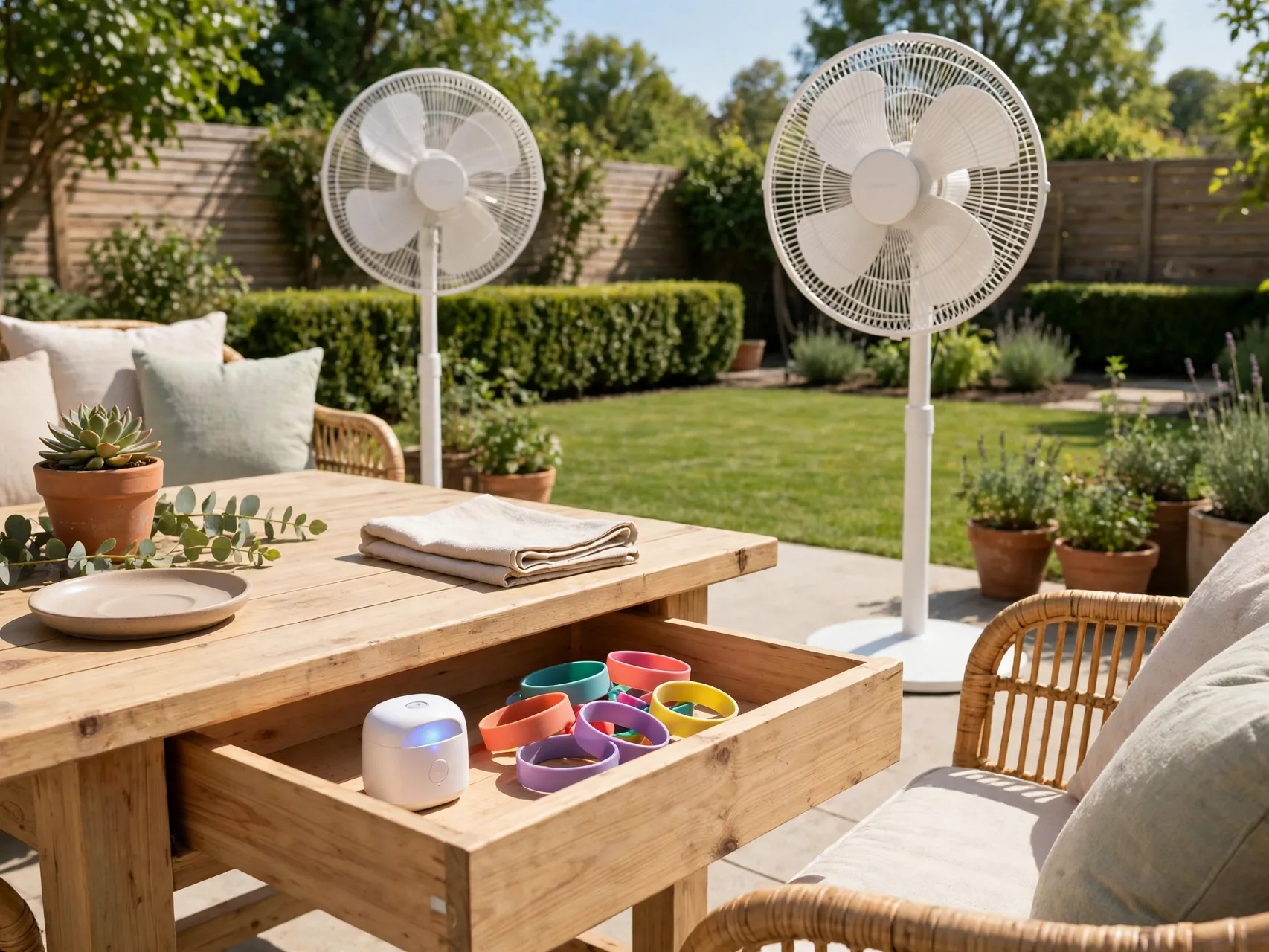
Ultrasonic plug ins, phone apps and repellent wristbands promise effortless protection, but they do not put a proven repellent on your skin or remove a single breeding site. Reviews by extension and consumer sources keep reaching the same result: no measurable drop in bites.
A wristband can scent your wrist and leave your ankles wide open. Save the money. If a product is not EPA registered for skin or listed by the CDC for larval control, treat its claims as marketing and keep it out of your plan.
20. Treat Shady Resting Spots With Care

If you choose a yard spray, the target is not open lawn. Adults rest on the underside of leaves, in shrubs, under decks and on shaded walls, so barrier style treatments focus there and are usually repeated every few weeks in season.
Follow the label exactly, spray when pollinators are not active on blooms, never spray flowering plants bees are visiting, and keep people and pets off treated areas until dry as directed. Many homeowners hire a licensed pro for this step. Spraying is the last layer, and Penn State Extension calls outdoor fogging the least effective method on its own.
21. Use a Fan and Trap Combo on the Patio
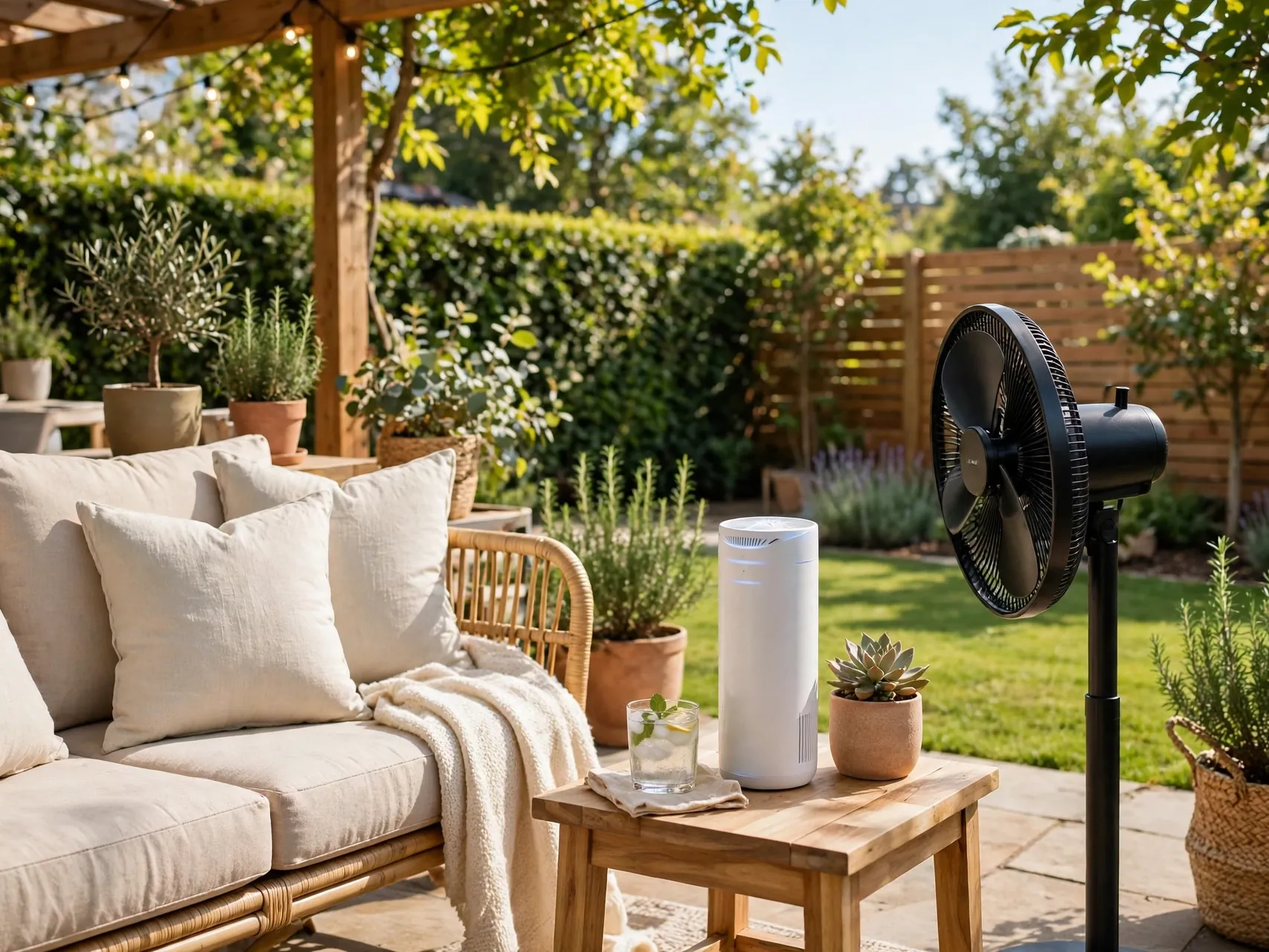
Carbon dioxide and lure based traps can catch biting females over time and may lower numbers near a fixed seating area. They work slowly, need power and lure refills, and perform best when breeding sources are already removed.
Place a trap away from chairs, not beside them, since it draws mosquitoes toward itself. Think of traps as a supplement for a stubborn yard, tested for a full season, rather than a quick fix for this weekend. Keep notes on bite counts before and after so you know if yours earns its cost.
22. Check Hidden Water in Drains and AC Drips
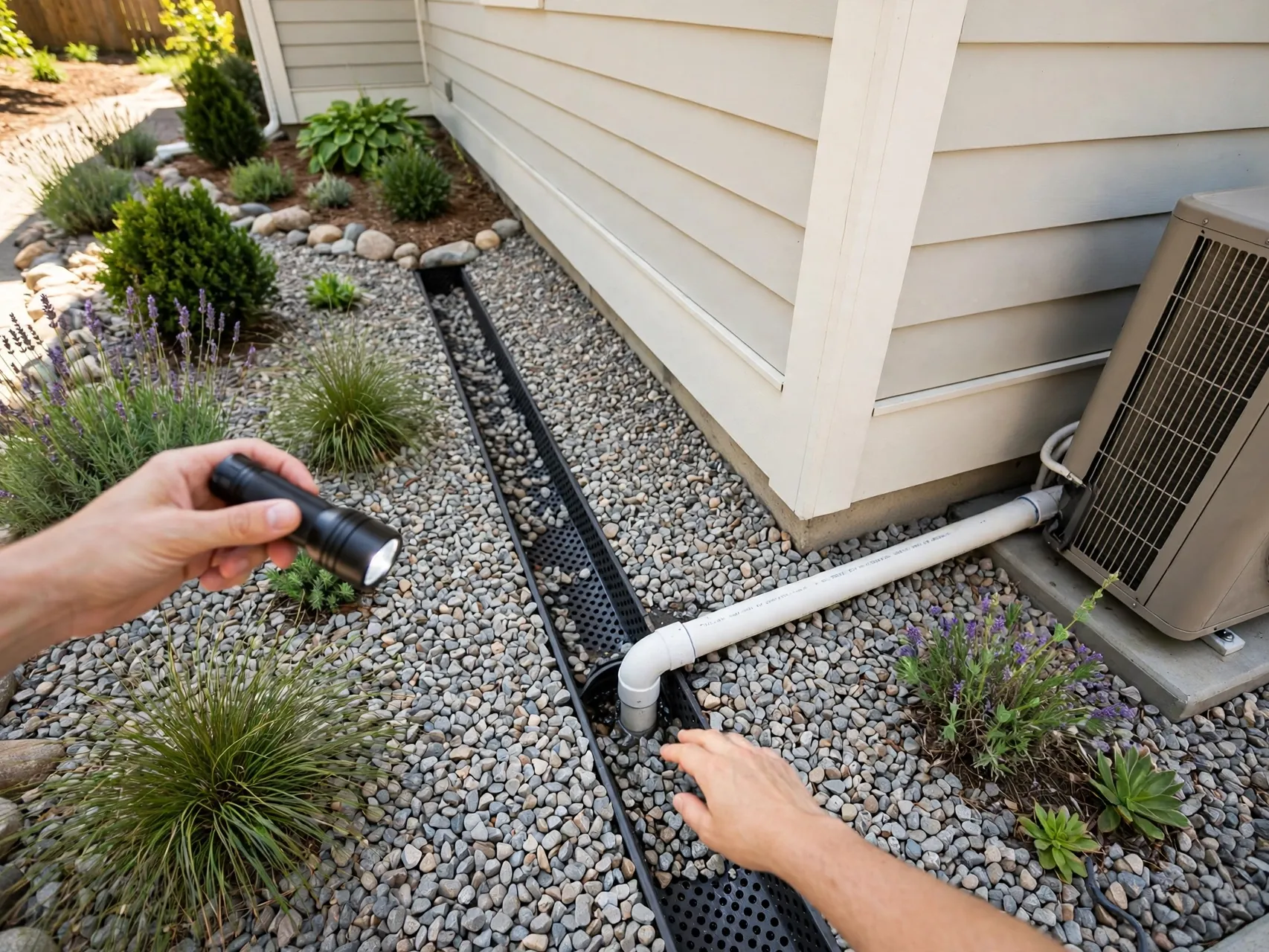
The sites people miss are small and hidden: air conditioner drip pans, French drain outlets, hollow fence posts, bromeliad cups, boat covers and the tray under a grill. Walk slowly with a flashlight after rain and look for anything holding even a bottle cap of water.
Flush plant cups weekly, cap hollow posts, and keep drain outlets clear so water moves through. Hidden water explains many mystery cases where bites stay heavy in a clean looking yard.
23. Keep Pool Water Circulating and Treated

A maintained, chlorinated pool with a running pump is not a mosquito nursery, because treated, moving water does not suit larvae. A neglected pool, an uncovered spa or a pool cover sagging full of rain is the opposite, and it can produce mosquitoes for the whole street.
Run the pump daily, keep treatment on schedule, drain water off covers after rain and treat any off season pool you cannot drain with a labeled larvicide. If a neighbor pool sits green and still, a friendly note or a call to local mosquito control protects everyone.
24. Time Evenings Around Peak Biting Hours

You cannot move dusk, but you can plan around it. Schedule the most still, seated outdoor time, like a long dinner, with fans running and repellent on, and put active games and garden walks earlier when you are moving and less of a target.
On the worst weeks of the season, a screened gazebo or porch hour at peak time, then open yard time later, keeps summer fun without the misery. This is not surrender. It is using the mosquito daily rhythm against it while your source control lowers the overall numbers week by week.
25. Call Local Control or a Pro When Pressure Stays High

If bites stay heavy after three or four weeks of steady source control, the source may be off your property: a storm drain, a neglected pool or wetland edge nearby. Many counties run mosquito control districts that inspect, treat public water and advise homeowners for free.
A licensed pro can also find hidden water and apply treatments you cannot buy. Ask what they treat, how often and what they skip. Good mosquito control for yard help starts with inspection and water, not a spray schedule alone.
FAQ
How long does it take to get mosquitoes out of a yard?
Expect steady improvement over two to three weeks of weekly water removal, not overnight relief. Eggs and larvae already in place need to clear, and adults already flying live out their days. If nothing improves after a month of consistent work, look for hidden water or an off property source and call your local mosquito control district.
Do mosquito repellent plants actually work?
Only in a very small way. Scented plants release more oil when leaves are crushed or brushed, and a pot beside a chair can help a little at that seat. Extension guidance does not support plants as yard wide control. Grow them for beauty and cooking, and rely on water removal, fans and EPA registered repellent for real protection.
Are Bti mosquito dunks safe around pets, birds and fish?
Yes, when used as the label directs. The CDC lists Bti as a larvicide used for more than 30 years, and Penn State Extension notes it does not affect mammals, birds or fish. Use it only in water that will not be used for drinking and cannot be dumped, covered or removed, and never apply more than the label allows.
Why do I still get bites after spraying the yard?
Sprays mainly kill adults they contact that day, and they miss larvae growing safely in water. New adults emerge within days if saucers, gutters, drains or covers still hold water. Fogging alone is the least effective method in extension guidance. Pair any treatment with the weekly dump and scrub routine, or the cycle restarts at once.
What is the single most important step?
The weekly water walk. Once a week, empty and scrub, turn over, cover or throw out every item that holds water, exactly as the CDC directs. That habit stops the next generation at the source, costs nothing, and makes every other step, from fans to repellent, work noticeably better.
Key Takeaways
- Water first: A weekly dump, scrub, cover or discard routine breaks the mosquito life cycle at the source.
- Bti for what stays: Use labeled Bti dunks or bits only in water that cannot be dumped or covered and will not be used for drinking.
- Resting spots matter: Short grass, thinned shrubs and cleared litter remove the shady daytime shelter adults need.
- Protect people directly: Fans where you sit plus EPA registered repellent on skin beat candles, zappers and gadgets.
- Know the limits: Plants and citronella help only at close range, and sprays fail fast if breeding water remains.
- Ask for help when stuck: Local mosquito control districts can find and treat off property sources for free in many counties.
Love a bite free patio? Save this pin to your outdoor living board on Pinterest so you can find these steps again before your next summer reset.