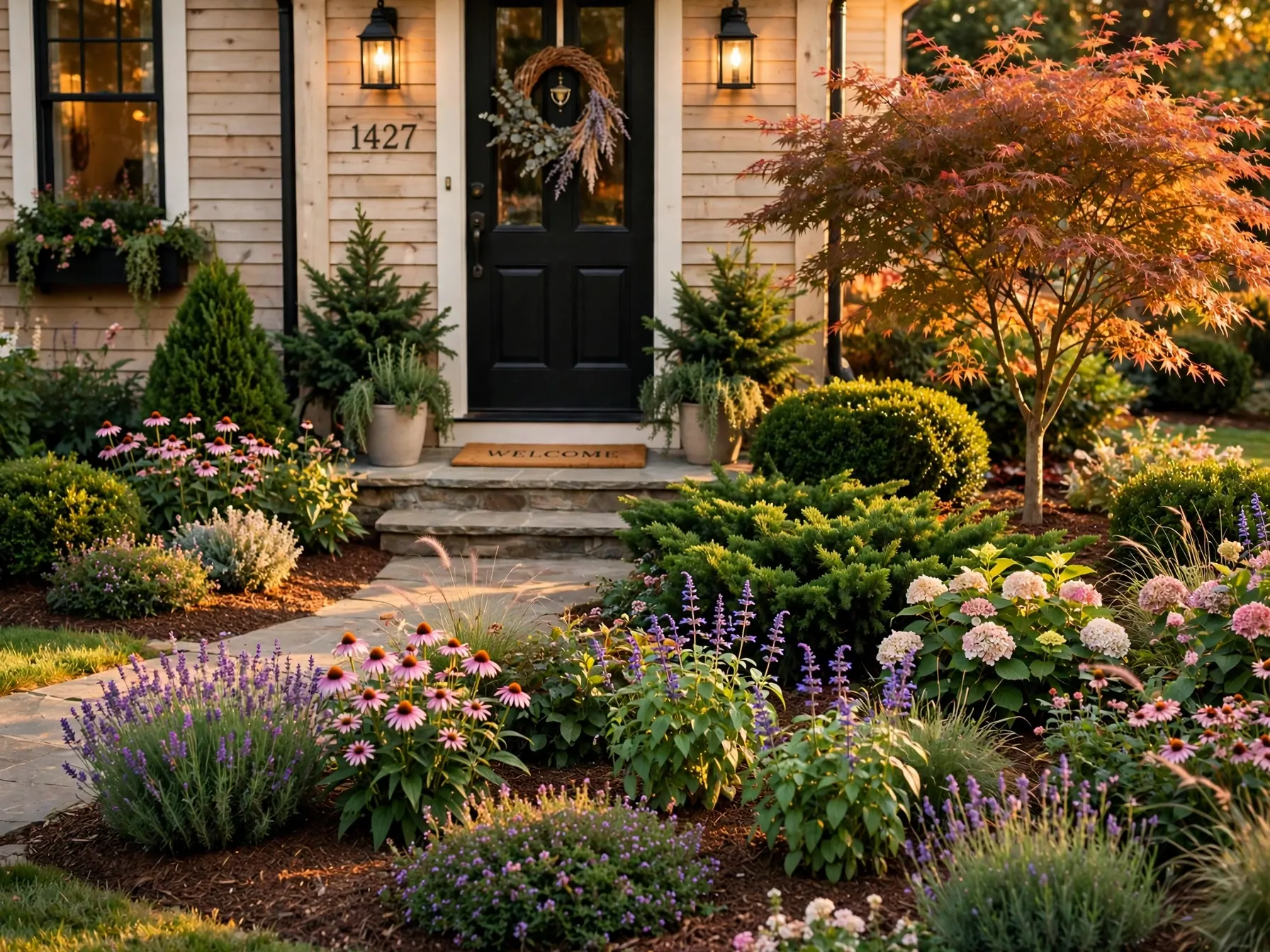
20 Front Yard Landscaping Ideas That Boost Curb Appeal
Introduction
Curb appeal is not a renovation, it is a first impression, and first impressions are made of edges, layers, and color that looks cared for. These front yard landscaping ideas start with the high impact basics, a clean edge, wider beds, layered planting, and then build toward focal points and finishing touches that make a house look loved from the street.
Work with your site, not against it. Note where the sun falls morning and afternoon, where water runs after rain, and which plants already thrive. Local extension offices and native plant lists for your region will steer you to choices that need less water and less rescue work once planted, which is the real secret behind low maintenance curb appeal.
You can do this list in any order and at any budget pace. Many readers start with the weekend wins, cleanup, edging, mulch, and porch pots, then add one planting project per season. Viewed from the curb after each step, the improvement is visible enough to keep the momentum going.
1. Widen the Foundation Beds Beyond the Usual Strip
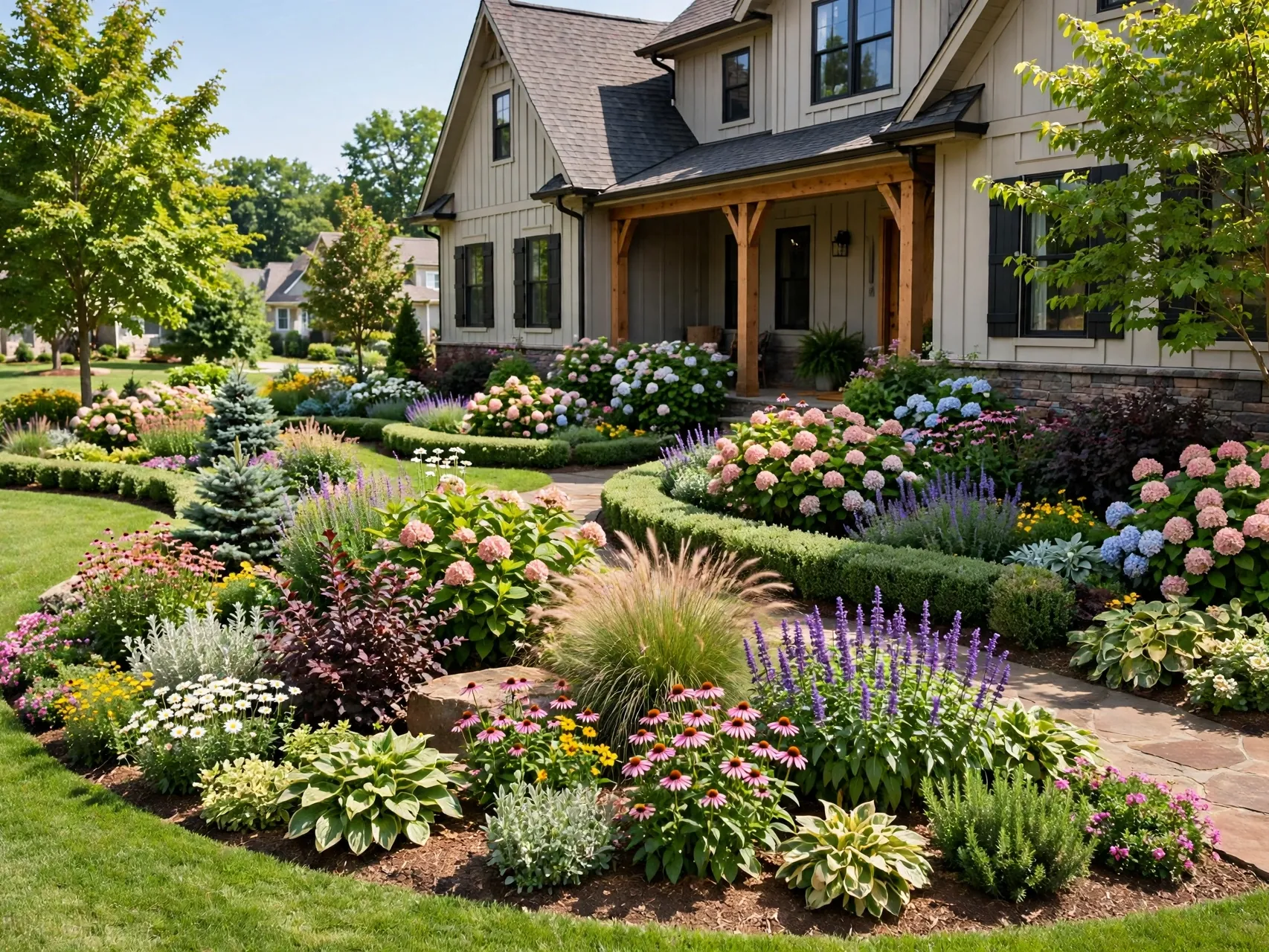
Narrow beds squeezed against the house make every planting look like a garnish. Widening foundation beds to six feet or more gives room for real layers, shrubs, mid height perennials, and a low front edge, and instantly makes the house look settled into its landscape. Curve the outer edge gently and the whole front gains the designed look visitors notice.
Plant for the size on the tag in five years, not the nursery pot, and layer heights instead: low at the front, mid size behind, tallest toward the house or corners. Crowded beds become a pruning battle within two seasons.
2. Layer Plants in Three Heights for Depth
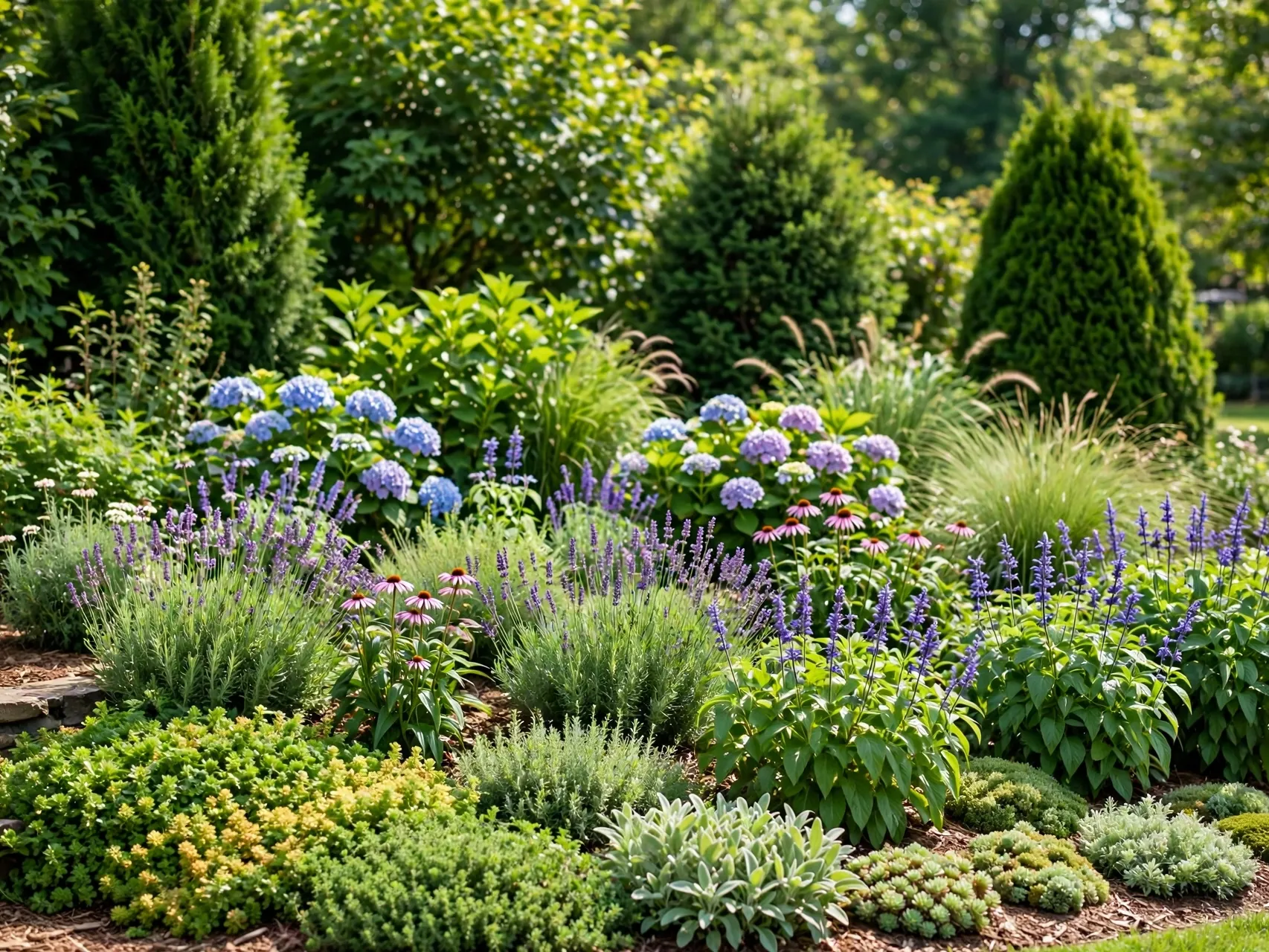
Layering is the professional trick behind every admired front yard: low plants and groundcover at the front, flowering perennials and small shrubs in the middle, and taller shrubs or a small tree at the back or corners. Repeat each plant in small groups rather than singles, and the bed reads as a composition from the street instead of a row of specimens.
Finish planting with mulch and a clean edge. Mulch helps beds hold moisture, tempers weeds, and makes plantings look deliberate from the street. Keep it pulled back from trunks and stems, and refresh it when it thins.
3. Edge Every Bed With a Clean, Sharp Line

A crisp edge between lawn and bed is the cheapest curb appeal there is. Cut a clean line with an edging tool, or install stone, brick, or metal edging for a line that holds. That single dark shadow line makes mulch look fresher, planting look intentional, and the lawn look mowed even between mowings.
Match plants to your region, soil, and the sun the bed actually gets. Local extension offices publish native and well adapted lists for this reason, and matched plants need less water and rescue work. Group similar water needs together.
4. Refresh Mulch for an Instant Finished Look

Fresh mulch unifies beds, sets off plant colors, helps the soil hold moisture, and slows weeds while it breaks down. Choose a color that contrasts gently with your plants and house, spread it evenly, and keep it a little way back from trunks, stems, and siding. A thin, tired mulch layer refreshed in spring makes last year planting look newly installed.
Plan for four seasons, not just spring: early bulbs, summer color, fall foliage or berries, and evergreen structure for winter. Walk to the curb in each season and look back, because that street view is the design brief.
5. Plant a Native Pollinator Bed by the Walkway
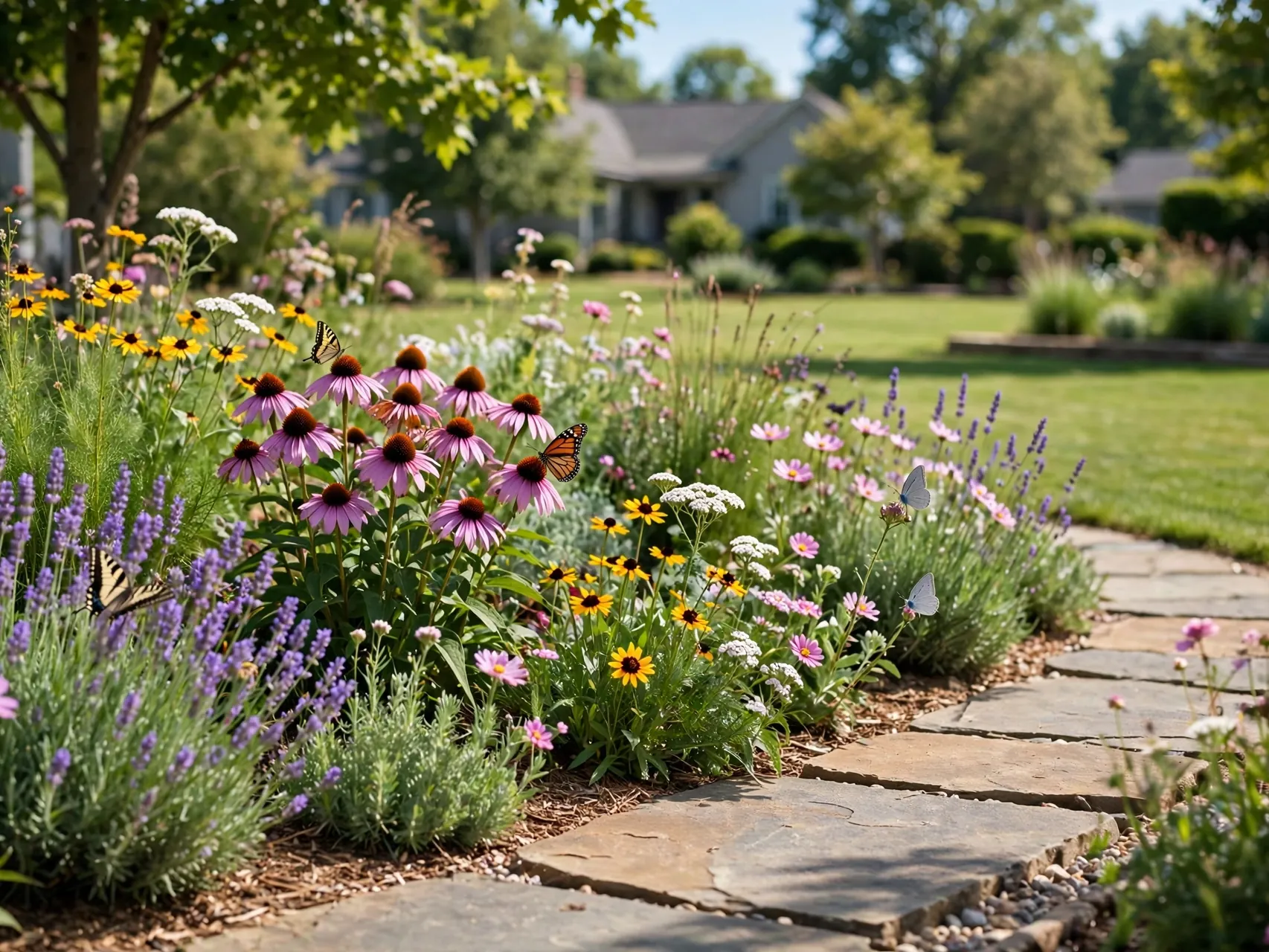
A bed of regional native flowers near the front walk supports bees and butterflies and gives you months of changing blooms for very little care once established. Guidance from the EPA and pollinator groups is consistent: choose a diverse mix of native species suited to your region, plant in clumps, and provide blooms across the season. Your extension office list will name the right plants for your county.
Maintain the frame and the picture improves: trim plants off walkways and windows, keep lawn edges tidy, sweep the path, and remove dead pieces promptly. Most curb appeal is a well kept version of what is already there.
6. Add One Ornamental Tree as the Focal Point

Every front yard needs one star. A small ornamental tree, a Japanese maple, redbud, crabapple, or serviceberry suited to your region, gives spring flowers, summer shade, and fall color in a single planting, plus winter shape. Site it where it frames the house rather than hiding it, check mature size before you buy, and confirm it clears utility lines and sight lines.
Plant for the size on the tag in five years, not the nursery pot, and layer heights instead: low at the front, mid size behind, tallest toward the house or corners. Crowded beds become a pruning battle within two seasons.
7. Frame the Front Door With Matching Planters
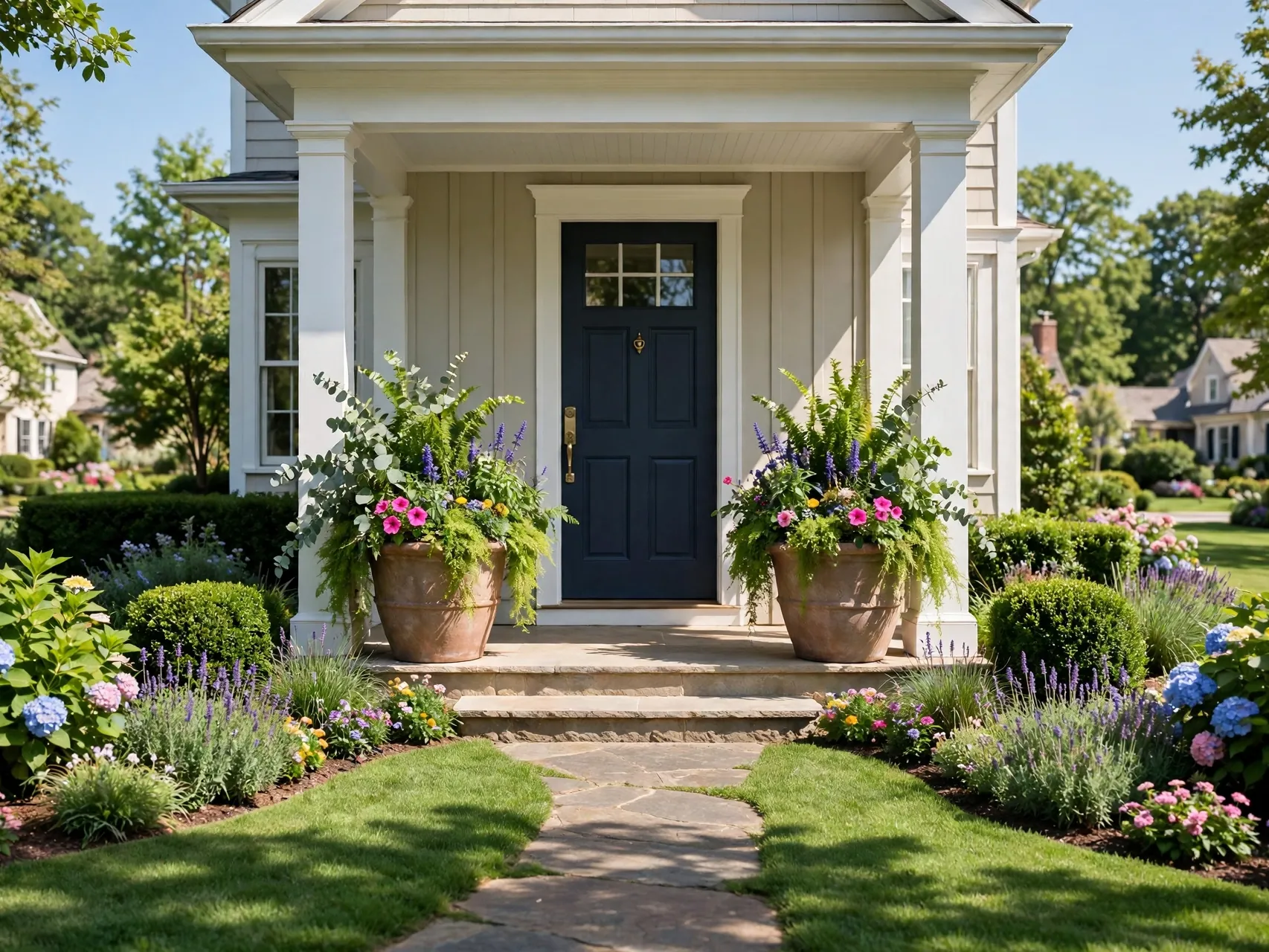
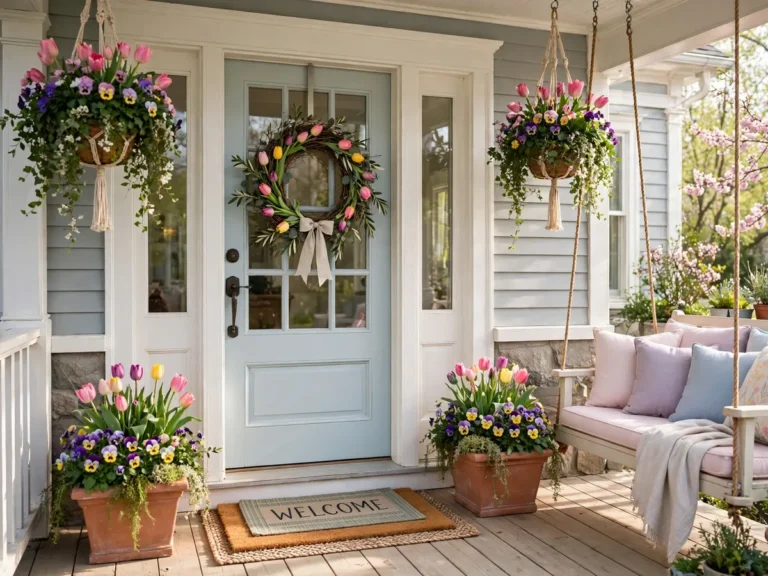
Two matching planters flanking the front door create the symmetry our eyes read as welcoming and well kept. Fill them with a simple formula: one upright plant, one filler, and one trailing plant, repeated in both pots. Match the planter color to the door or trim, refresh the flowers seasonally, and a plain entry becomes the photo of the house.
Finish planting with mulch and a clean edge. Mulch helps beds hold moisture, tempers weeds, and makes plantings look deliberate from the street. Keep it pulled back from trunks and stems, and refresh it when it thins.
8. Line the Walkway With Low Planting and Light
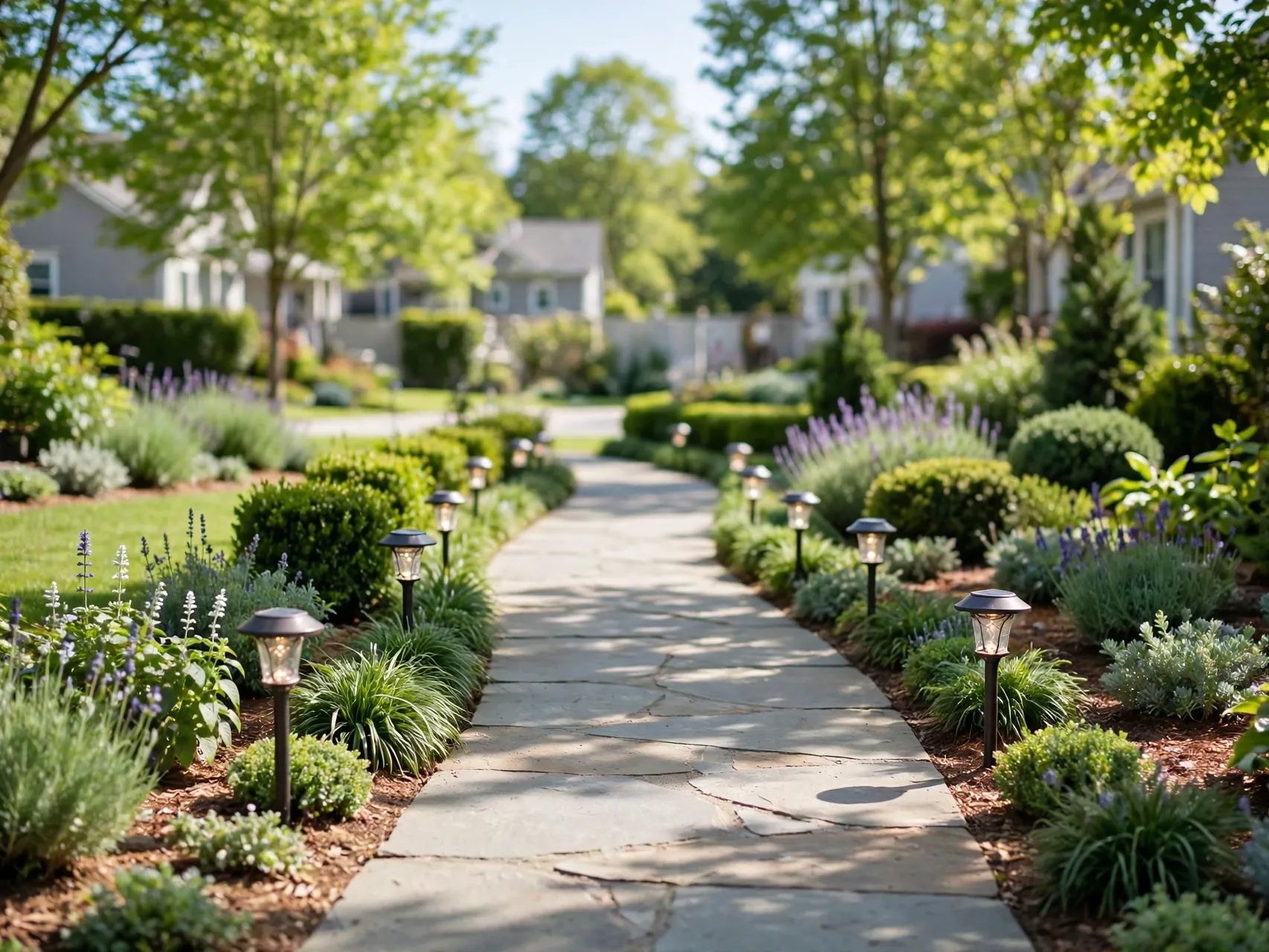
A walkway lined with low mounds of planting on both sides guides visitors in and makes the path feel like part of the garden, not a strip through it. Keep plants trimmed back off the walking surface, and add low path lighting for evening safety and a warm welcome. Solar options make this a no wiring weekend project in most yards.
Match plants to your region, soil, and the sun the bed actually gets. Local extension offices publish native and well adapted lists for this reason, and matched plants need less water and rescue work. Group similar water needs together.
9. Build Structure With Evergreen Shrubs
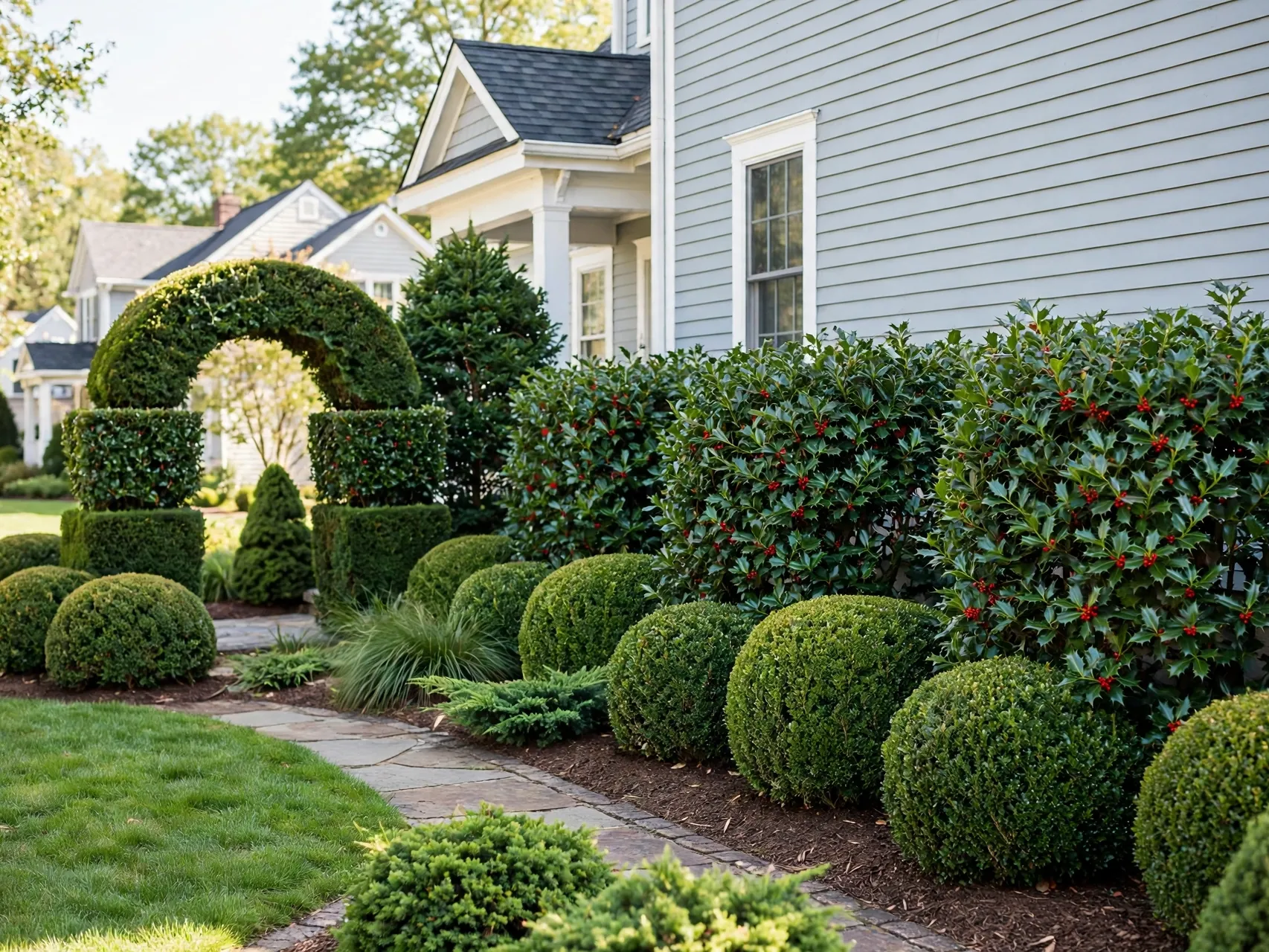
Flowers come and go, but evergreen structure carries the front yard in every month. Boxwood, holly, juniper, and other evergreens suited to your region give beds their winter bones and make deciduous planting look better beside them. Plant evergreens first when you redo a bed, place them for the winter view from the street, and let seasonal color fill in around them.
Plan for four seasons, not just spring: early bulbs, summer color, fall foliage or berries, and evergreen structure for winter. Walk to the curb in each season and look back, because that street view is the design brief.
10. Use Ornamental Grasses for Movement and Texture

Ornamental grasses add what shrubs cannot: movement, soft texture, and seed heads that glow in low sun and stand through winter. Tuck them in groups at bed corners, along the driveway, or behind low perennials. Choose varieties suited to your region and sized for the spot, cut them back once in late winter, and they ask almost nothing else all year.
Maintain the frame and the picture improves: trim plants off walkways and windows, keep lawn edges tidy, sweep the path, and remove dead pieces promptly. Most curb appeal is a well kept version of what is already there.
11. Replace Struggling Grass With Groundcover

Every front yard has a strip where grass fails: deep shade, a hot slope, or the narrow side of the driveway. Groundcovers and low spreading plants built for that exact condition turn a bald patch into a deliberate green carpet that needs no mowing. Prepare the soil well, plant densely enough to close over, and mulch between plants while they establish.
Plant for the size on the tag in five years, not the nursery pot, and layer heights instead: low at the front, mid size behind, tallest toward the house or corners. Crowded beds become a pruning battle within two seasons.
12. Create a Cottage Style Flower Border

A generous border of mixed perennials in soft drifts brings the cottage welcome everyone slows down for. Plant in odd numbered groups, repeat colors down the length of the bed, and mix bloom times so something is always performing. Cottage borders forgive informal edges, welcome self sown extras, and improve every year as the perennials settle and spread.
Finish planting with mulch and a clean edge. Mulch helps beds hold moisture, tempers weeds, and makes plantings look deliberate from the street. Keep it pulled back from trunks and stems, and refresh it when it thins.
13. Install a Rain Garden Where Water Already Gathers

If water pools in one front yard spot after storms, a shallow rain garden planted with moisture loving native plants turns a problem into a feature and helps runoff soak in where it falls. Site and build it following your local extension or municipal guidance, which covers soil, depth, and plant lists for your area, and keep it clear of foundations and septic systems as directed.
Match plants to your region, soil, and the sun the bed actually gets. Local extension offices publish native and well adapted lists for this reason, and matched plants need less water and rescue work. Group similar water needs together.
14. Add an Arbor or Small Trellis at the Entry

An arbor at the start of the walkway creates a doorway into your front garden and gives climbing roses, clematis, or native vines a place to perform. Even unplanted, the structure adds height and intention. Set it level and secure, keep the path beneath fully clear for visitors and deliveries, and repeat its material or color at the porch for a connected look.
Plan for four seasons, not just spring: early bulbs, summer color, fall foliage or berries, and evergreen structure for winter. Walk to the curb in each season and look back, because that street view is the design brief.
15. Give the Porch a Sitting Spot, Not Just a Doorstep

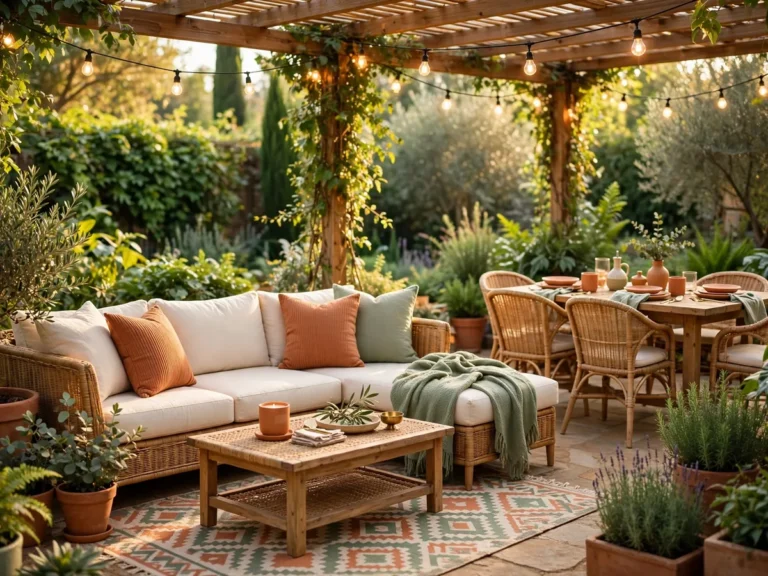
A bench or two chairs on the porch or a small front patio tells the street this is a lived in, friendly house, and gives you a morning coffee seat with the best view of your own garden. Add pots and a small side table, keep the arrangement clear of the door swing and the mail path, and the front of the house becomes a room.
Maintain the frame and the picture improves: trim plants off walkways and windows, keep lawn edges tidy, sweep the path, and remove dead pieces promptly. Most curb appeal is a well kept version of what is already there.
16. Plant the Mailbox and House Numbers Like a Mini Bed
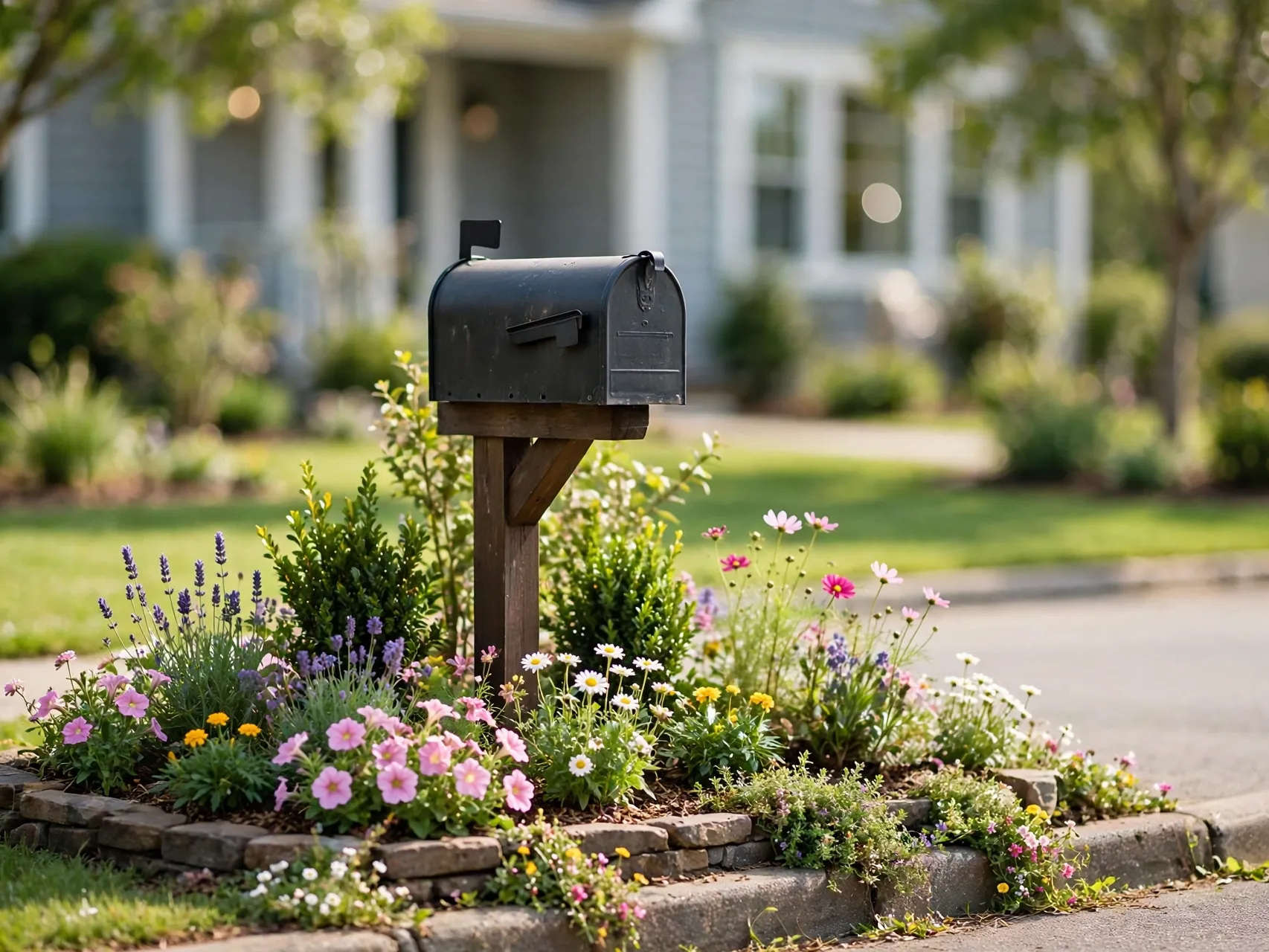
The mailbox is the first part of your yard every visitor touches, and a small planted bed around it with the house numbers clearly visible makes a disproportionate impression. Keep numbers unobstructed and readable from the street, choose low plants that will not swallow the post or block the mail door, and echo your foundation planting so it feels like part of one plan.
Plant for the size on the tag in five years, not the nursery pot, and layer heights instead: low at the front, mid size behind, tallest toward the house or corners. Crowded beds become a pruning battle within two seasons.
17. Light the House and Trees for Evening Curb Appeal

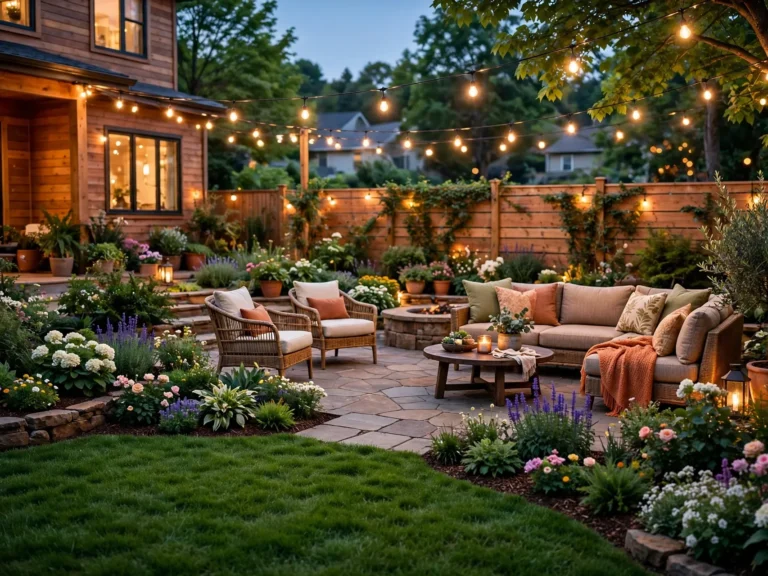
Daytime curb appeal ends at dusk unless you light it. A warm light at the door, path lights along the walk, and one uplight on your focal tree or the house facade give a front yard a second, softer showing every evening. Choose outdoor rated fixtures, aim light down or at features rather than into eyes and windows, and put them on a timer for effortless routine.
Finish planting with mulch and a clean edge. Mulch helps beds hold moisture, tempers weeds, and makes plantings look deliberate from the street. Keep it pulled back from trunks and stems, and refresh it when it thins.
18. Try a Low Hedge to Define the Street Edge

A low, clipped hedge along the front boundary gives a yard instant architecture: a green line that says this space is designed and tended. It also frames lawn and beds like a picture frame. Pick a hedge plant suited to your region and the width you can maintain, plant at the spacing its guidance recommends, and commit to the regular light trims that keep it crisp.
Match plants to your region, soil, and the sun the bed actually gets. Local extension offices publish native and well adapted lists for this reason, and matched plants need less water and rescue work. Group similar water needs together.
19. Swap in Seasonal Color at the Front of the Beds

A narrow ribbon of seasonal flowers at the front edge of your beds, spring bulbs, summer annuals, fall mums and ornamental kale, refreshes the whole front for very little money because it is the strip closest to every viewer. Tuck the rotation into the same front row each season, feed and water it as you plant, and the yard never looks between seasons.
Plan for four seasons, not just spring: early bulbs, summer color, fall foliage or berries, and evergreen structure for winter. Walk to the curb in each season and look back, because that street view is the design brief.
20. Finish With a Tidy Lawn Frame Around It All

Landscaping reads best inside a tidy frame: lawn mowed at a healthy height, edges trimmed along walks and drives, and bare patches reseeded in the right season for your grass type. You do not need a perfect lawn, you need a neat one, because a ragged edge makes good planting look unfinished while a clean frame makes simple planting look sharp.
Maintain the frame and the picture improves: trim plants off walkways and windows, keep lawn edges tidy, sweep the path, and remove dead pieces promptly. Most curb appeal is a well kept version of what is already there.
FAQ
What is the fastest way to boost curb appeal in one weekend?
Clean up first: prune overgrowth off paths and windows, cut a fresh edge around every bed, pull weeds, and refresh the mulch. Add matching planters at the front door and a few path lights, and most houses look transformed by Sunday evening. These steps cost the least because they reveal the landscaping you already have.
What are the best low maintenance front yard plants?
Start with evergreen shrubs suited to your region for structure, ornamental grasses for texture, and native perennials recommended by your local extension office for flowers that return yearly with local rainfall in mind. Group plants by water needs, mulch well, and give new plants a full first season of watering while their roots establish.
How do I choose plants that will not outgrow the front of my house?
Read the mature height and width on the plant tag or extension listing before you buy, and plant for that size, not the nursery pot size. Place taller choices at corners and between windows, keep plants below window sills where you want light indoors, and leave air space between shrubs and siding for maintenance and healthy air flow.
Do native plants really look tidy enough for a front yard?
Yes, when they are planted like a garden rather than scattered like a meadow. Use defined beds with clean edges, plant natives in repeated clumps, mix in evergreen structure, and keep the walkway and lawn frame tidy. The EPA pollinator guidance itself suggests a diverse mix of regional native flowering plants, and structure is what makes them read as landscaping.
How much mulch should I put down in front beds?
Spread mulch evenly over the bed, deep enough to cover the soil and slow weeds, keeping it pulled back a few inches from trunks, stems, and the house siding. Top it up when it thins or fades rather than burying beds deeper every year. If you are unsure on depth for your mulch type, your local extension office publishes regional guidance worth checking.
Key Takeaways
- Edges and mulch first: A sharp bed line and fresh mulch are the cheapest, fastest curb appeal on this whole list.
- Layer in threes: Low front, mid height middle, tall back or corners. That one pattern makes any bed look designed.
- Structure before flowers: Evergreens and one focal tree carry the yard in winter, when most fronts go flat.
- Plant for your region: Extension and native plant lists give you choices that thrive on local conditions instead of constant rescue.
- Frame the front door: Matching planters, a lit walkway, and a sitting spot turn an entrance into a welcome.
- Pin the plan: Save this guide to your curb appeal board on Pinterest, photograph your house from the street today, and start with the weekend wins.