25 Small Home Theater Ideas for a Cozy Movie Night Setup
Introduction
You do not need a spare wing or a row of cinema seats to get a real movie feeling at home. These small home theater ideas turn a spare corner, a small den, or one end of a living room into a setup that feels deliberate, dark, and wonderfully cozy.
The formula is simple. Control the light, sit closer than you think, soften the sound with textiles, and hide the tech so the screen is the only glowing rectangle in the room. Comfort does the rest.
Start with the screen wall and the seating distance, then add layers one movie night at a time. Keep every electrical change safe and simple, use surge protection for your equipment, and call a qualified electrician for anything beyond plugging in gear you already own.
Start With the Screen Wall First

Choose the wall with the fewest windows and doors as your screen wall, then build everything else around it. Seating distance matters more than screen size, so a modest screen viewed from closer feels bigger than a huge screen viewed from across a long room.
Clear that wall of shelves, art, and clutter. One clean dark wall with the screen centered on it instantly makes even a living room corner feel like a cinema instead of a TV that happens to be on.
Choose a Short Throw Projector for Tight Rooms

A short throw projector sits close to the wall and still throws a large image, which suits small rooms where a standard projector would land in the middle of the seating. Always check the maker throw distance for the image size you want.
Keep the projector ventilated exactly as its manual requires and never cover its vents. A small shelf or a low console behind the seating works well and keeps the unit, and its fan noise, out of the front of the room.
Mount the TV to Free the Floor
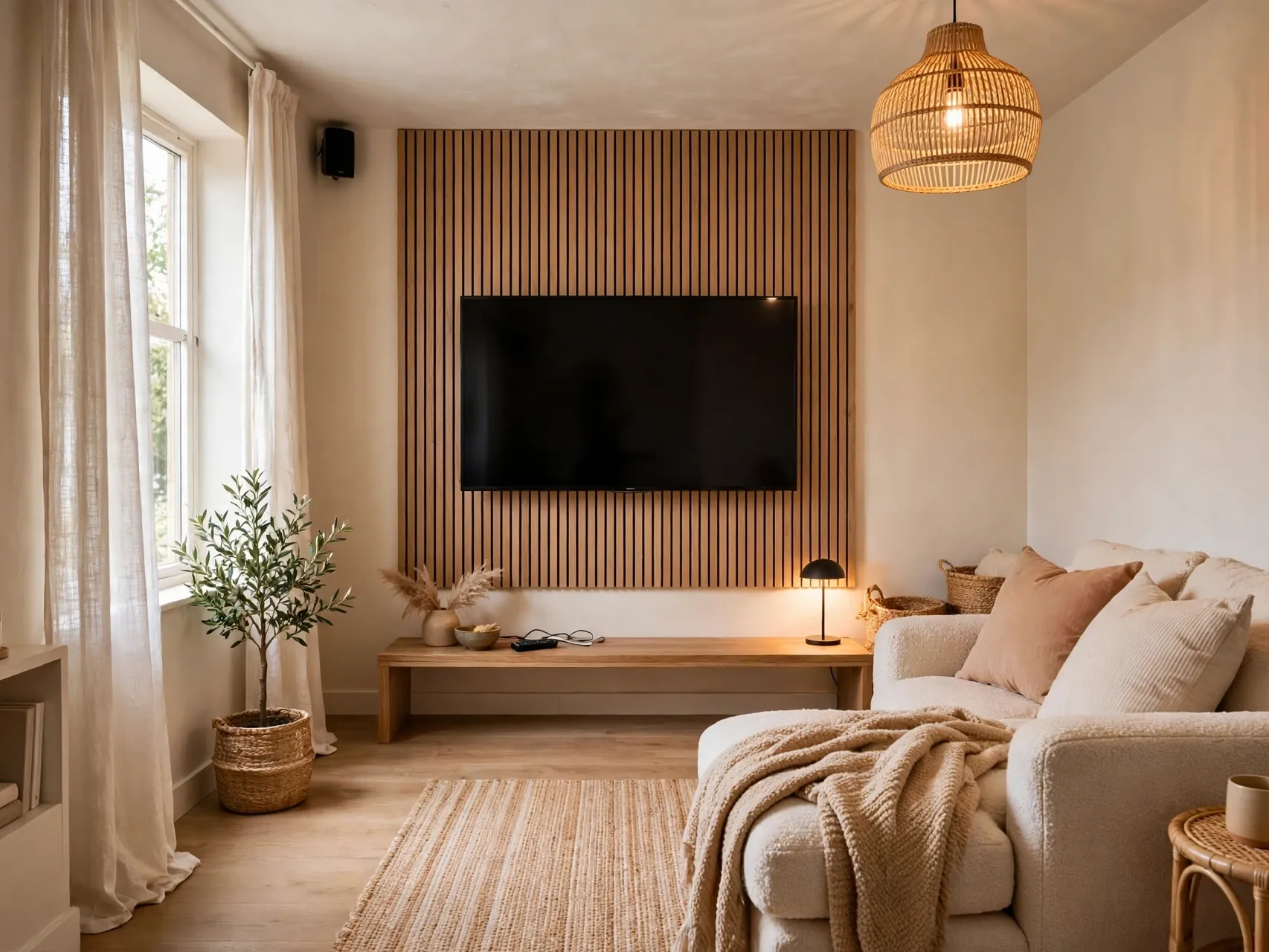
Wall mounting a television removes the need for a deep stand and lets you pull seating closer, which is the whole trick in small movie room ideas that actually feel cinematic. Use a mount rated for your screen size and weight.
Fix the mount into studs or with fixings suited to your wall type, following the mount instructions. If you are unsure about the wall, hire help for this one job. A level screen at seated eye height prevents neck strain on long films.
Paint the Screen Wall a Deep Matte Tone

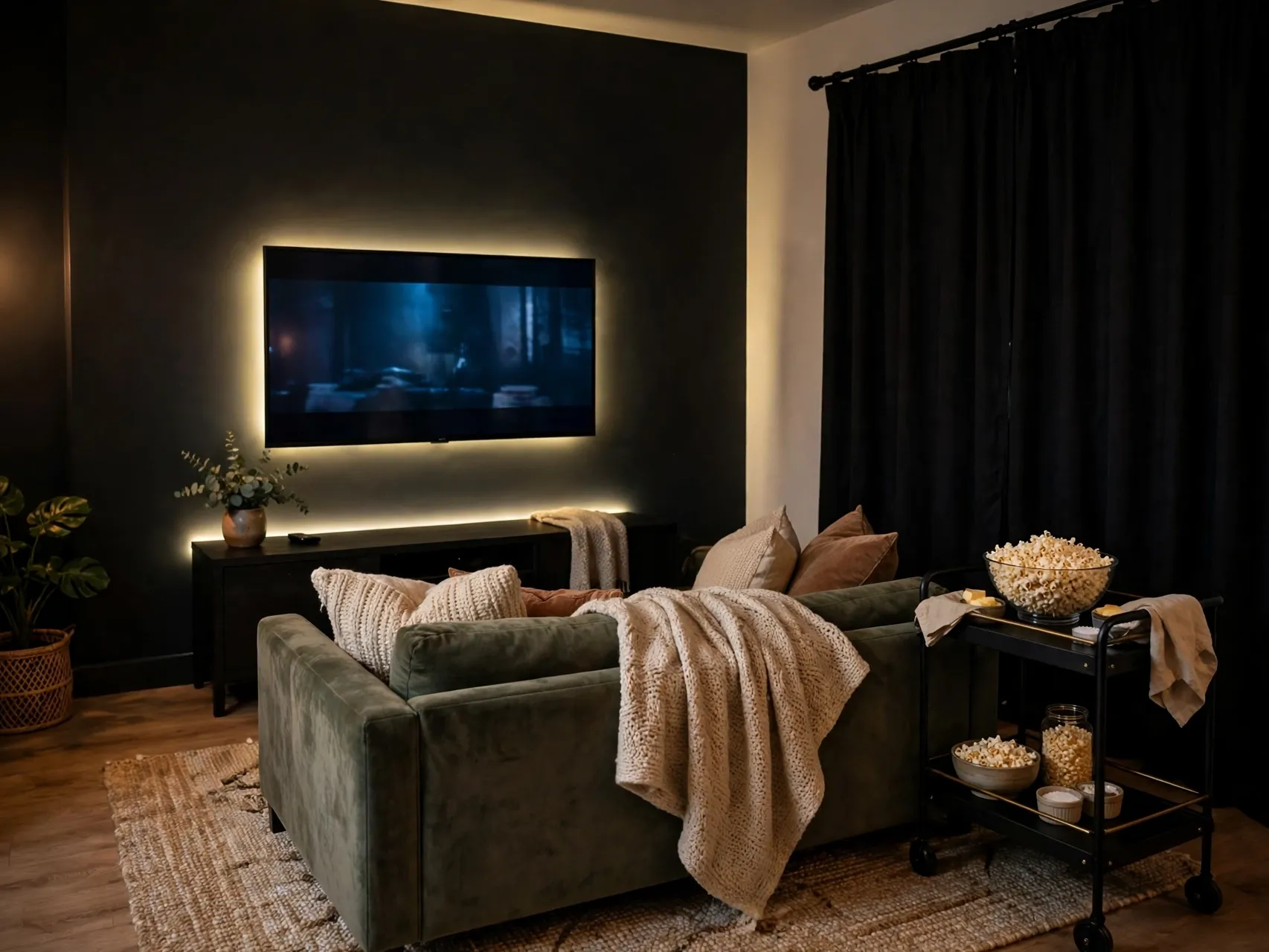
One wall in charcoal, deep navy, or warm black makes the picture look richer and the room feel like evening, even at noon. Matte paint cuts reflections, which is why it outperforms glossy finishes behind any screen.
Paint only the screen wall if the room is also your living room. The other walls can stay light for daytime, and the contrast will make the dark wall feel like a design choice rather than a cave.
Add Blackout Curtains You Can Close in Seconds
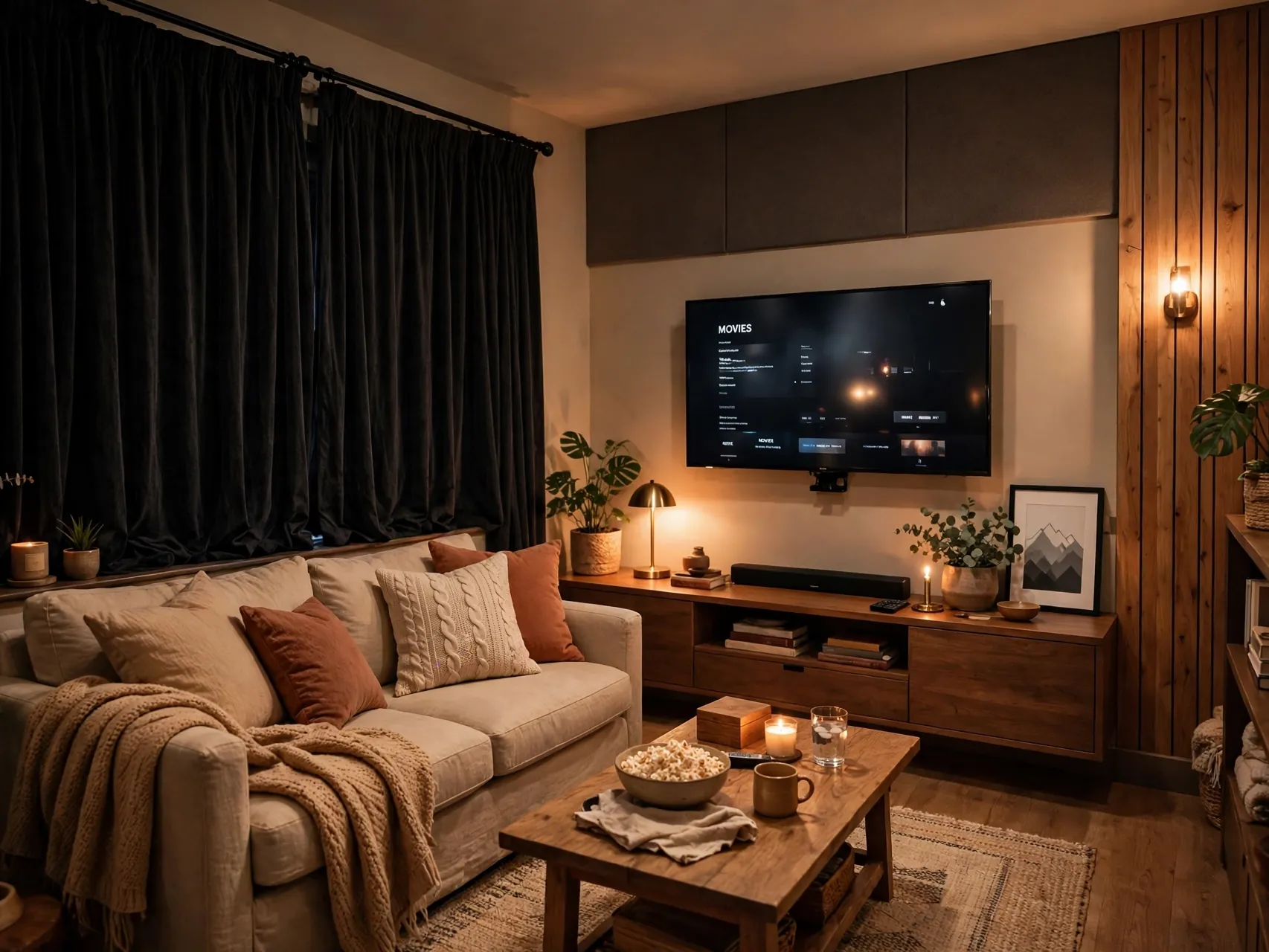
Light control is the cheapest picture upgrade there is. Blackout curtains or a well fitted blackout shade on the windows nearest the screen let you start a film at seven in summer without a washed out image.
Hang curtains wide and high so they stack clear of the glass when open. In shared living rooms, blackout lining on normal decorative curtains gives you both looks without a second set of hardware.
Pick a Compact Loveseat or Small Sectional
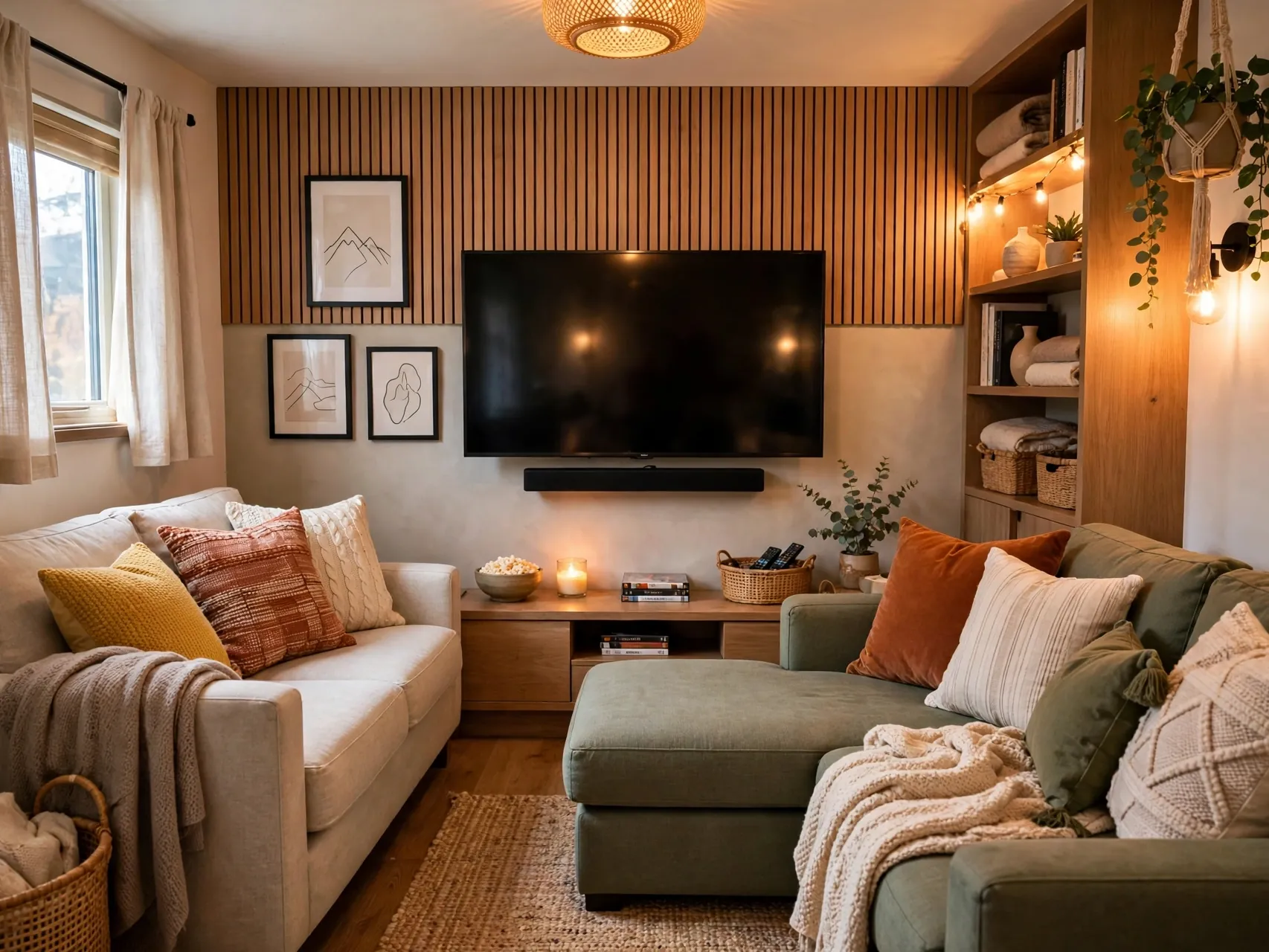
One right sized seat beats several squeezed ones. A loveseat or a small L shaped sectional placed at the correct distance gives everyone a clear view and leaves walking space around the edges of the room.
Choose firm cushions that support a two hour sit, and test the depth before buying if you can. Add one good footstool or ottoman rather than recliners all round, since ottomans move wherever feet need them most.
Layer Floor Cushions for Extra Guests
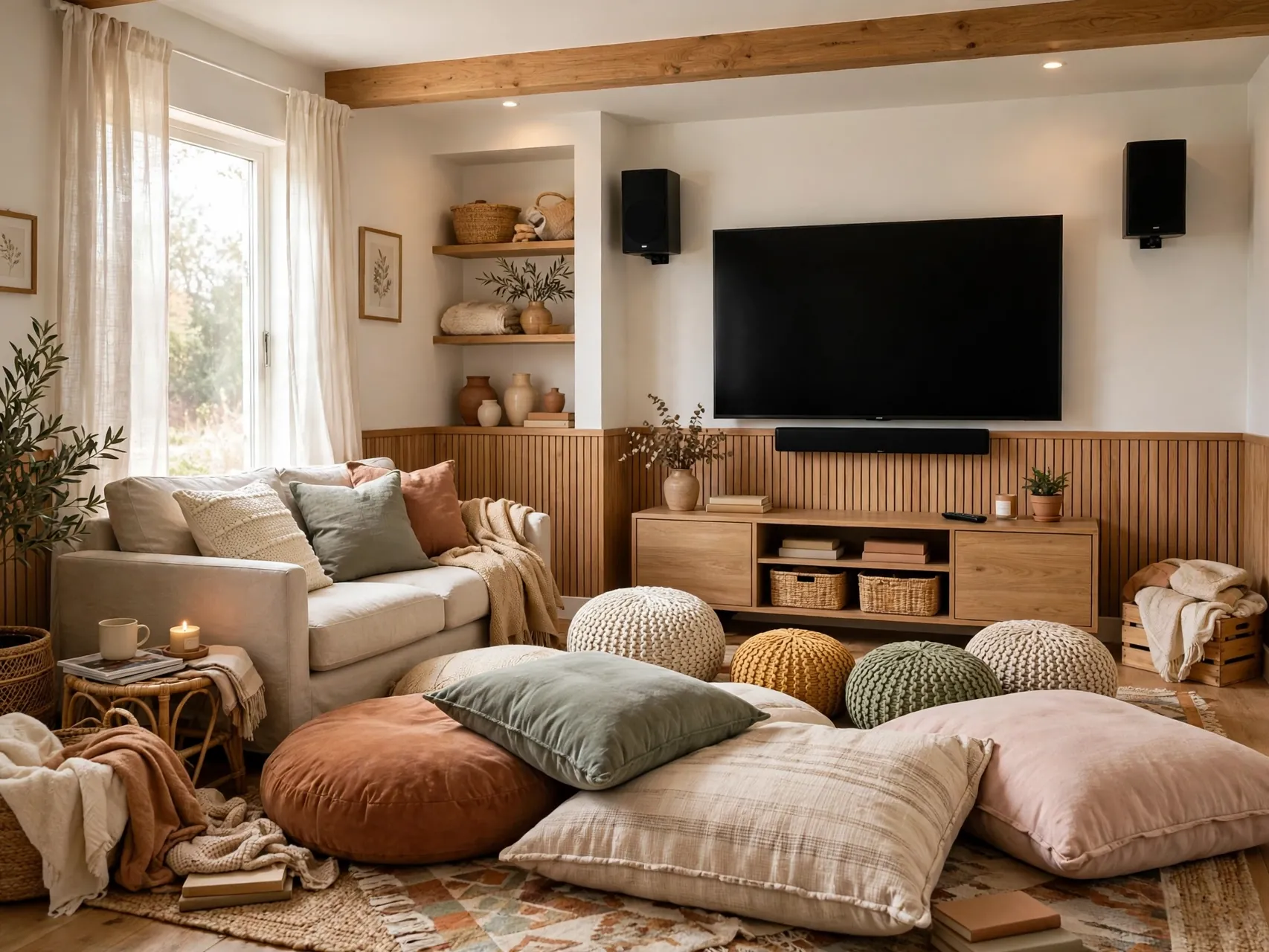
Overspill seating solves the guest problem without permanent furniture. Large floor cushions and a couple of firm poufs live in a basket or behind the sofa, then come out when friends join for a premiere or a game.
Place floor seats slightly to the sides so sight lines stay clear. A thick rug under this front row makes low seating feel intentional and comfortable rather than like an afterthought on a hard floor.
Add One Recliner Pair Instead of a Full Row
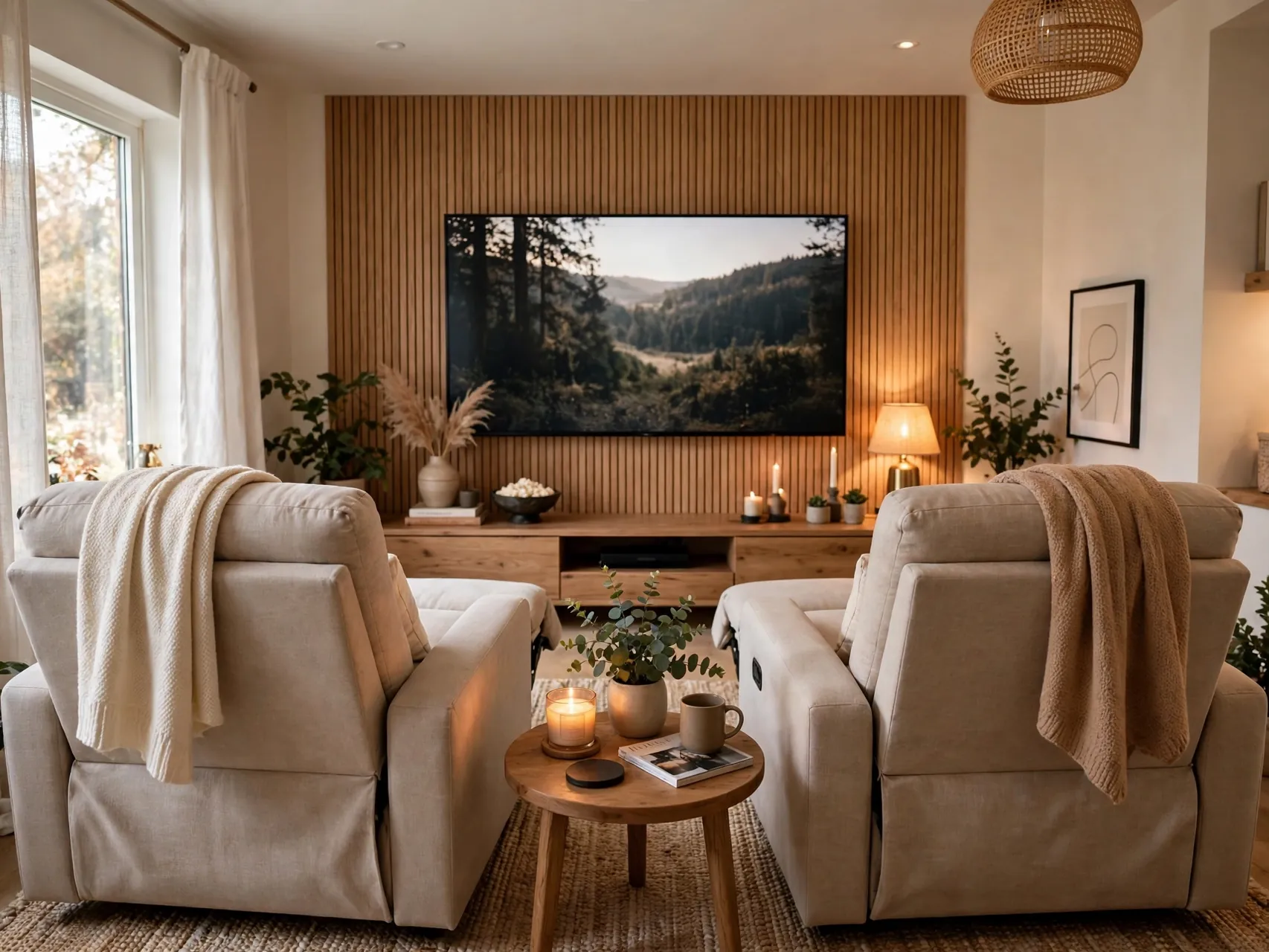
If you love recliners, buy two good ones instead of forcing four into the room. A pair centered on the screen, with a small shared table between them, feels luxurious and leaves the room breathing space.
Wall hugger styles that recline without needing much clearance behind them suit small rooms best. Check the full reclined footprint, including footrest length, against your seating distance before you commit.
Use a Soundbar Instead of Bulky Speakers

A soundbar under the screen delivers clear dialogue and real presence from one slim unit, which is why it anchors most home theater ideas for small rooms. Many connect with a single cable to the television.
Place the soundbar at the front edge of its shelf so sound does not bounce inside the furniture. Keep its power supply ventilated and plugged into a surge protected outlet, and update its settings for dialogue clarity if it offers that mode.
Place Small Speakers High in the Corners
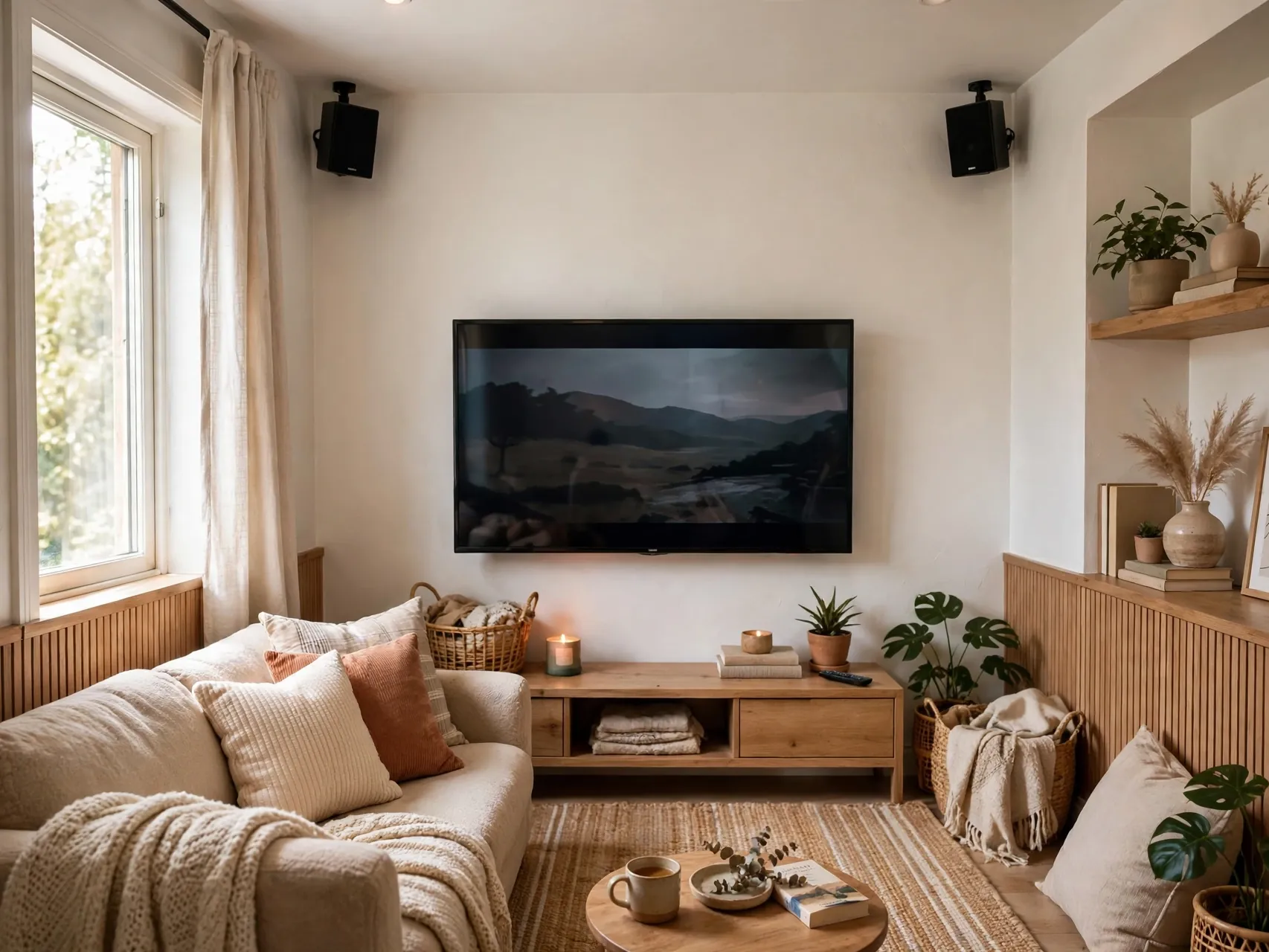
If you add separate speakers, small bookshelf models on high shelves or wall brackets in the front corners fill a small room easily. You do not need floor standing towers at this scale, and they would crowd the seating.
Angle speakers gently toward the main seats. Run speaker wire along skirting boards or inside cable raceways so nothing crosses walkways. Loose cables underfoot are the one truly uncinematic detail in any setup.
Soften Sound With Rugs and Heavy Drapes
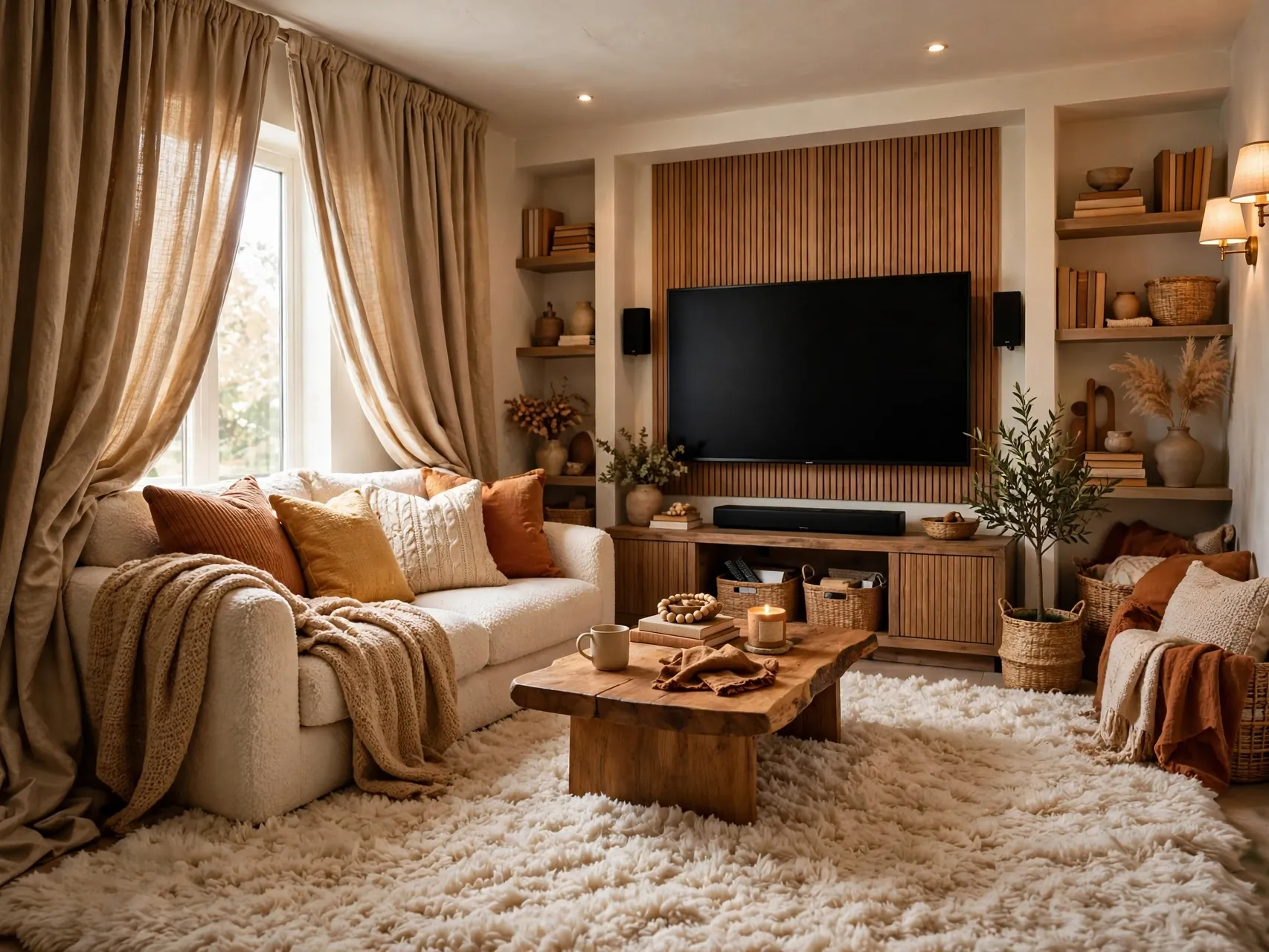
Small hard rooms make dialogue echoey and harsh. A thick rug between the seats and the screen, heavy curtains, and an upholstered sofa absorb those reflections and make voices sound close and clear.
Add softness in layers and listen as you go. You will hear the room calm down. This textile approach improves sound more honestly in a small space than expensive panels added to a bare, echoing box.
Add Fabric Panels That Double as Decor

A few large fabric covered panels or a padded fabric section on the side walls tame echo and look like intentional decor. Choose colors that continue your screen wall palette so they read as design, not equipment.
Keep panels at the first reflection points beside the seating if you can find them, roughly where a mirror on the side wall would reflect the screen. Even two panels make dialogue noticeably easier to follow.
Run LED Strips Behind the Screen
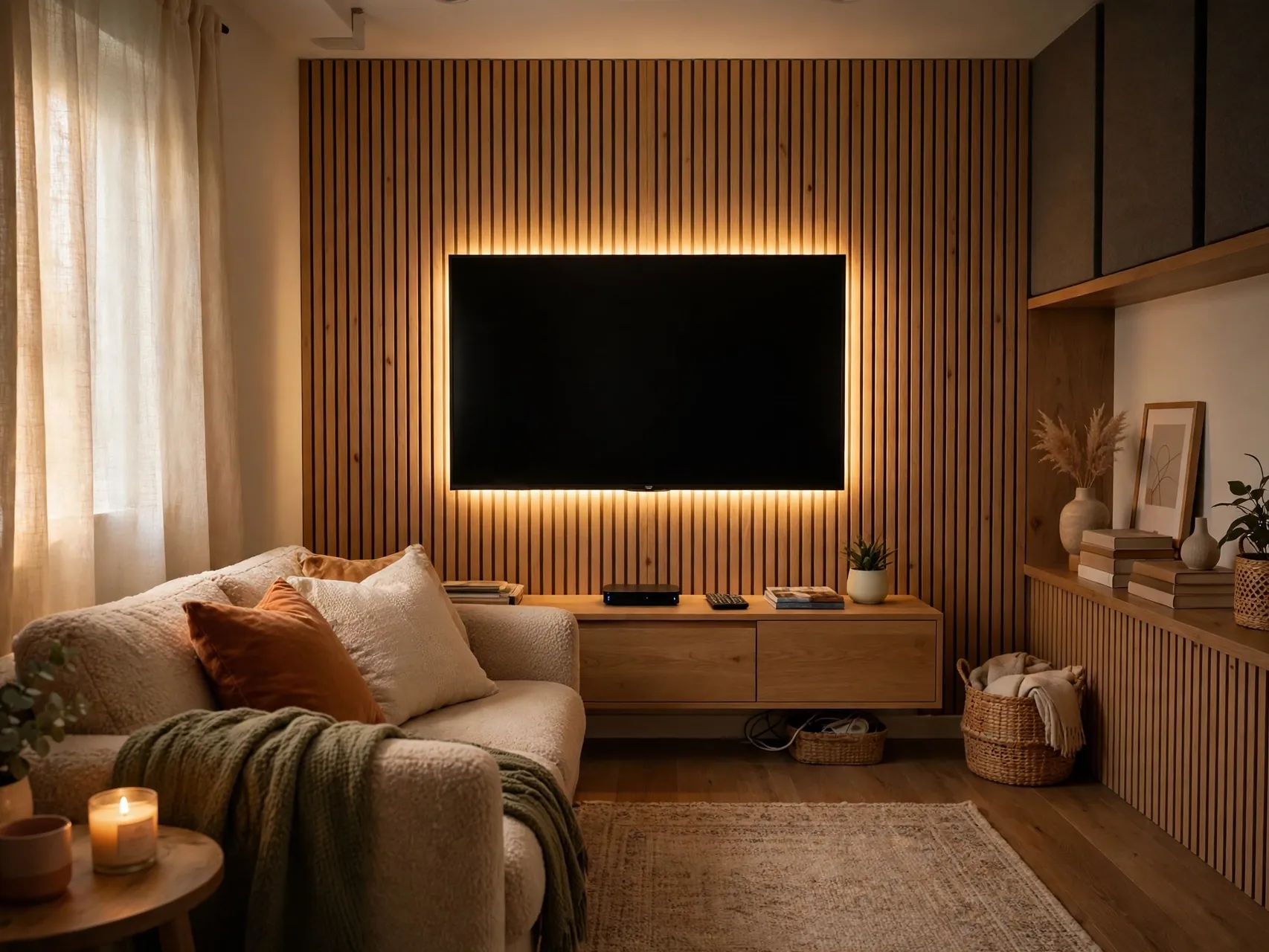
A soft strip of light behind the television or screen frame reduces eye strain during dark scenes and gives the wall a gentle cinema glow. Choose a warm or neutral strip and keep the brightness low.
Use strips with their own remote or app dimming so you can set them once and forget them. Route the power lead neatly to the same surge protected outlet as the rest of the setup to keep leads together and tidy.
Install Dimmable Lighting on a Remote

One dimmable light source you control from the sofa changes everything. A lamp with a smart bulb, or a plug in dimmer on an existing lamp, lets you drop the room to a glow without getting up mid film.
Any change that involves wall switches or fixed wiring belongs to a qualified electrician. Stick to plug in options for a DIY setup, keep bulbs within the fitting rating, and never dim a fitting that the maker says is not dimmable.
Hide Every Cable With Raceways and Ties

Paintable cable raceways along the skirting board, velcro ties behind the console, and one labeled power strip turn a nest of leads into a clean line. The room looks calmer and cleaning gets easier.
Use a surge protected strip sized for your gear, do not overload outlets, and keep power strips ventilated and off the floor where spills happen. If you need more outlets on that wall, that is a job for an electrician, not an extension lead chain.
Build a Tiny Snack Station on a Cart
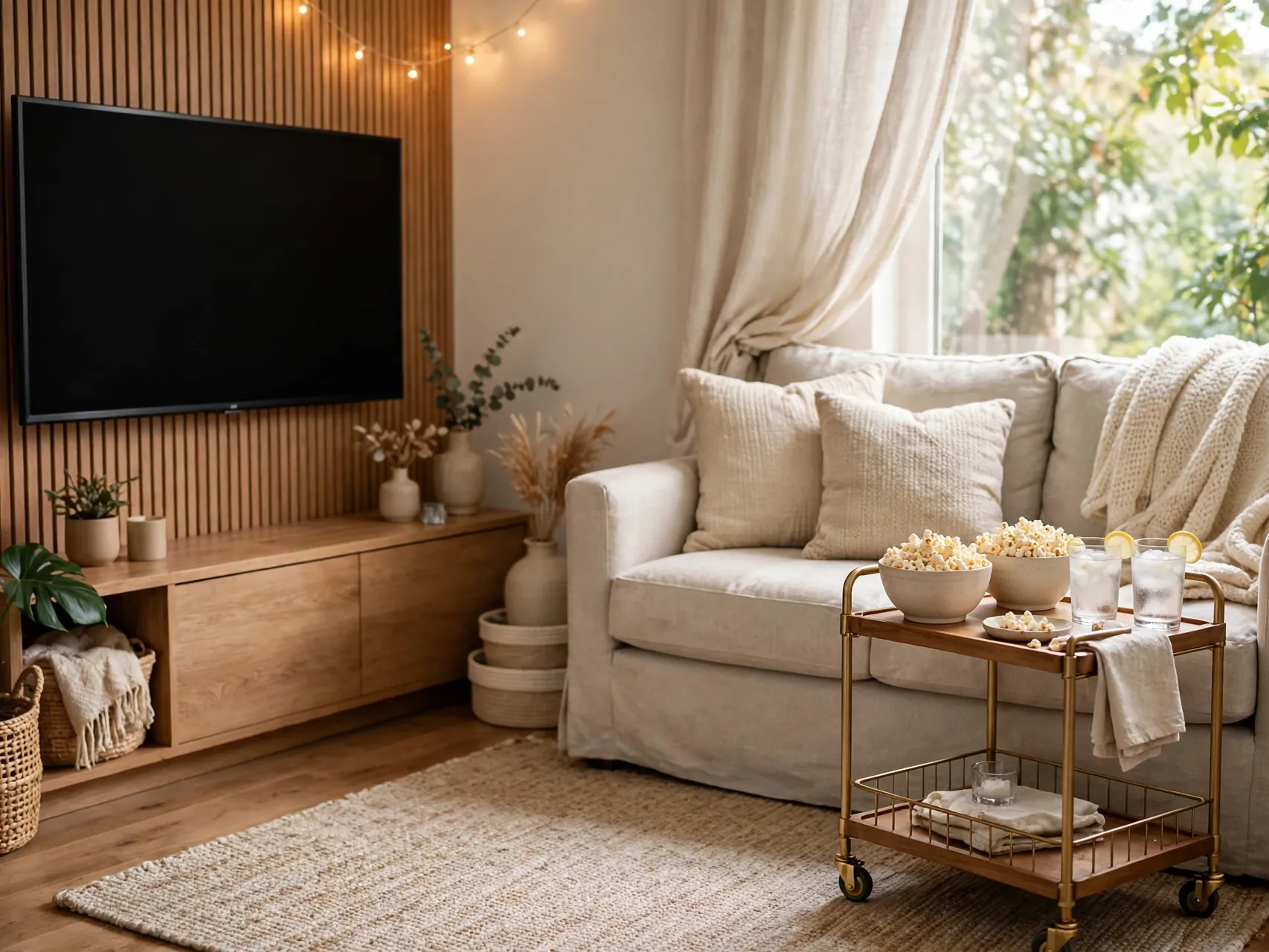
Half the fun of a cozy movie night setup at home is the snacks. A small rolling cart beside the seating holds popcorn bowls, drinks, and napkins, then parks in a corner or cupboard the rest of the week.
Keep a lidded bin for wrappers on the lower tier so the room resets in one trip to the kitchen. A tray on top contains spills before they reach your rug or upholstery.
Keep a Mini Fridge Within Reach

A small fridge in the corner ends the paused movie kitchen run. Stock it before guests arrive with drinks and anything that needs chilling, and keep it on a level surface with the ventilation space its manual specifies.
Plug it directly into a wall outlet rather than a multi way adapter, and keep its cord clear of walkways. Choose the quietest model you can, since fridge hum is very noticeable in a small quiet room.
Store Media in a Low Console With Doors

A low console under the screen holds players, game consoles, and remotes behind doors, so the wall stays clean. Leave the back open or use the maker cable cutouts so equipment gets the airflow it needs.
Never stack hot running equipment tightly or cover vents with decor. Group remotes in one small tray or basket on top, and the where is the remote search ends for good.
Add Movie Posters in Matching Frames
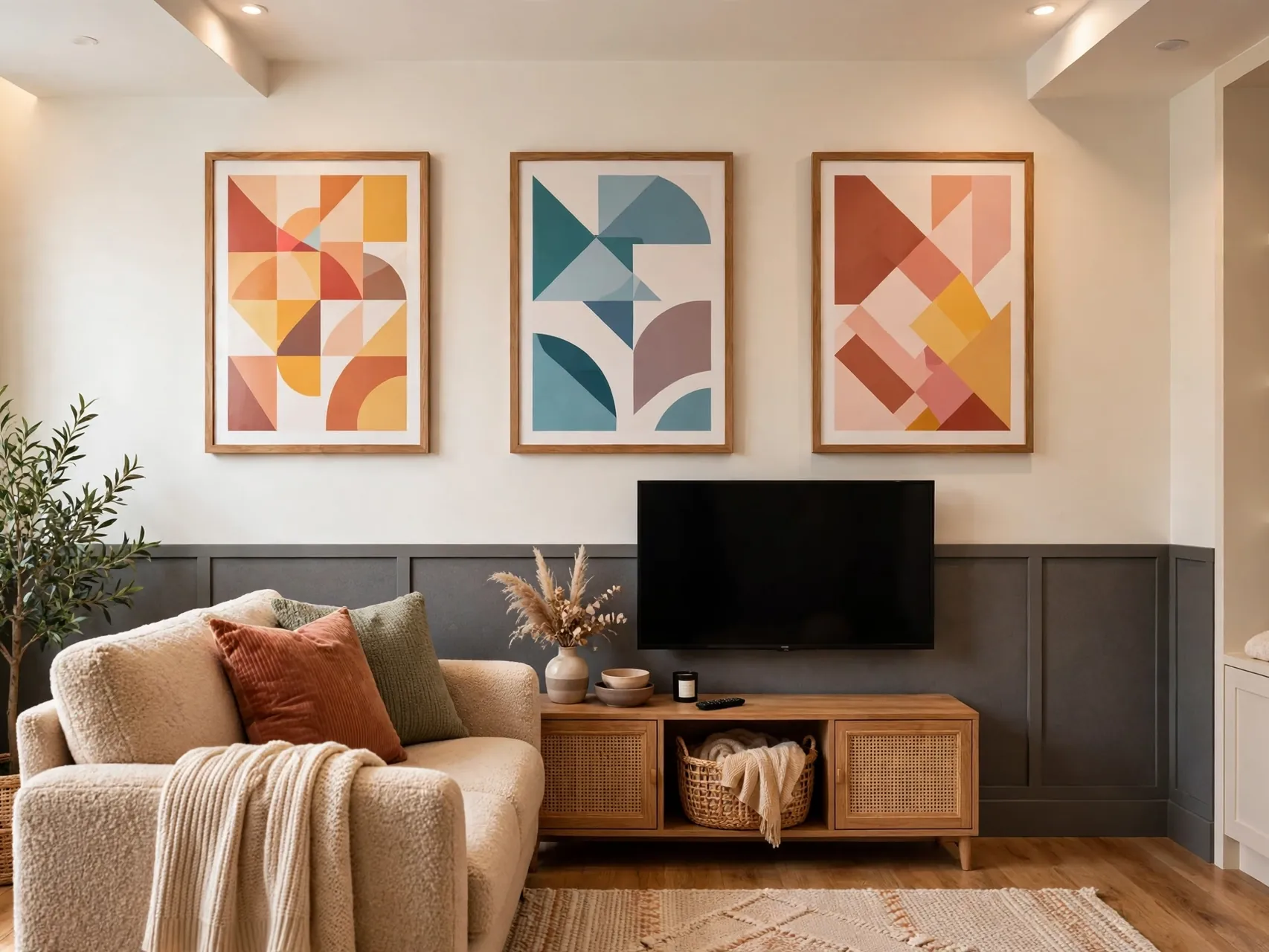
Two or three framed posters in identical frames give you the lobby feeling without theme park overload. Pick films you genuinely love, keep sizes consistent, and hang them on a side wall rather than competing with the screen wall.
Prints in frames with a mat border look far more grown up than bare posters. A small picture light or a nearby lamp glow across them adds the finishing cinema touch in the evening.
Create an Under Stairs Micro Theater
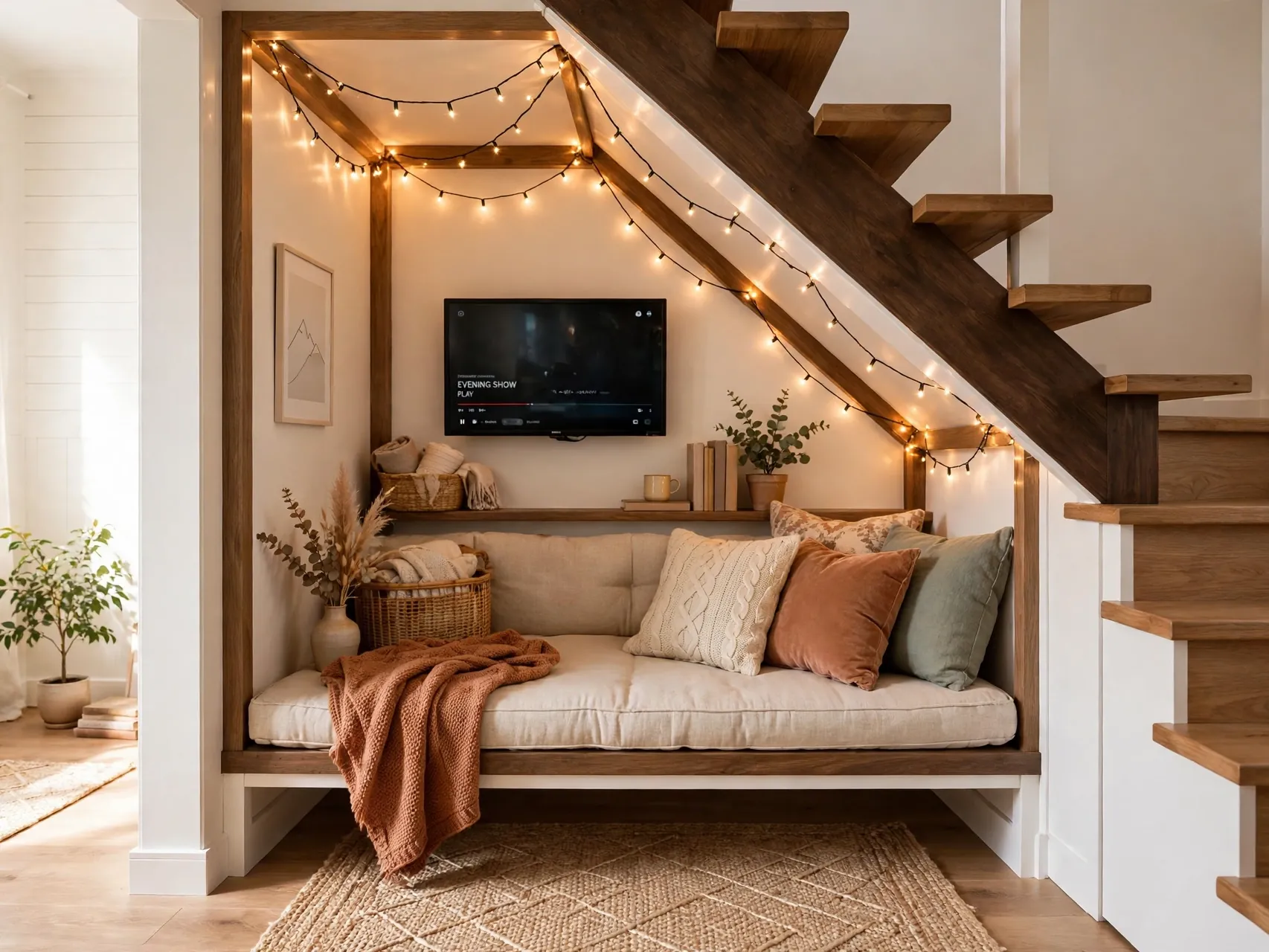
The cupboard or nook under the stairs can hold a wall mounted small screen, floor cushions, and a curtain across the opening for a properly hidden mini cinema, loved by kids and solo viewers alike.
Check the space is dry, ventilated, and safe before adding any powered equipment, and keep the doorway curtain light and easy to move. This is a bonus nook, never a place to block an exit route.
Turn a Spare Closet Into a Screening Nook

A wide closet with doors removed can frame a screen or a small projector setup, with seating pulled up outside it. The closet depth hides equipment and gives the image a natural dark frame.
If you run power into a closet, follow the equipment manuals for heat and airflow, and keep fabrics and stored clothes well away from anything that warms up. When movie night ends, the doors or a curtain close the theater away.
Use a Pull Down Screen in a Living Room
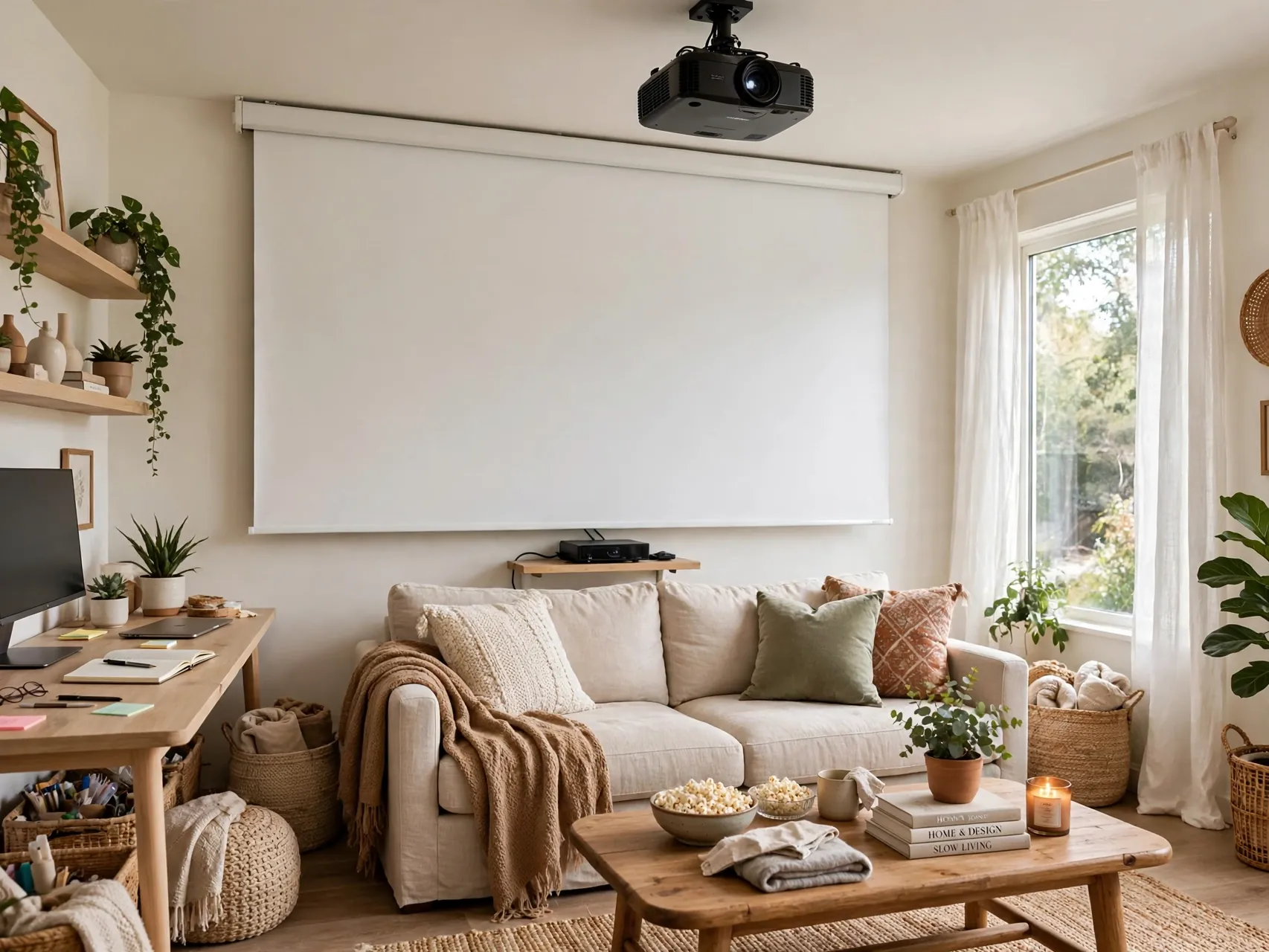
A ceiling or wall mounted pull down screen lets a normal living room become a theater in one minute. Pair it with a projector on a rear shelf and the daytime room shows no trace of the setup.
Mount the screen case securely following its instructions, since it is heavy and sits above head height. Keep the bottom bar clear of lamps and tall decor so the screen always drops smoothly to the same place.
Add Blankets and Throws in a Basket

Coziness you can grab beats coziness you admire. A basket of washed throws and two spare cushions beside the seating means everyone settles at their own comfort level without a household blanket negotiation.
Choose throws that wash easily, since they will meet popcorn, drinks, and pets. Shake and air them outside regularly. This one basket is the most photographed and most used item in most small theaters.
Set Up Smart Plugs for One Tap Movie Mode
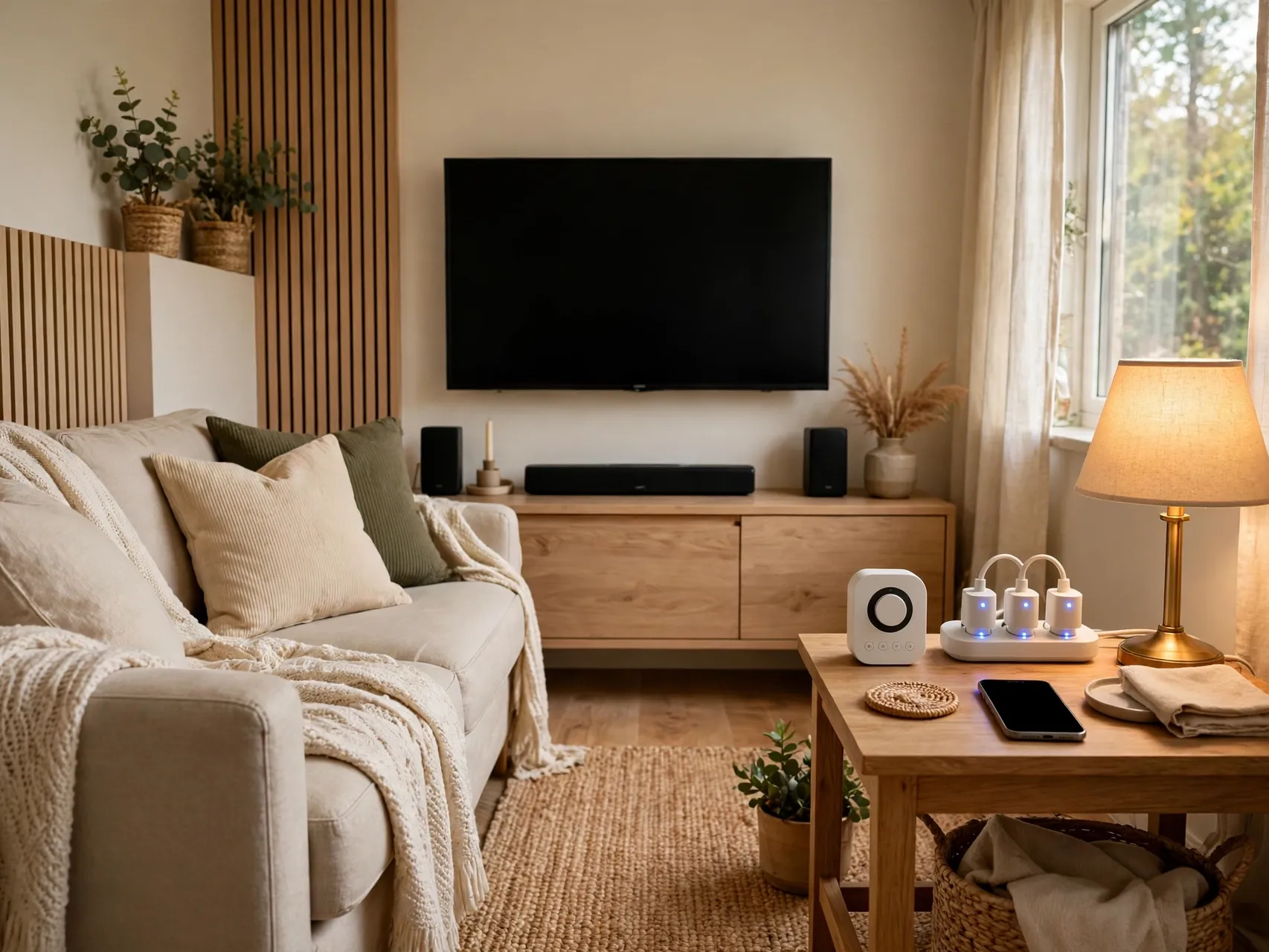
A smart plug or two, used within their ratings, can bring the lamp, the LED strip, and the screen to life from one app tap or voice command. It is the smallest upgrade with the biggest nightly payoff.
Keep smart plugs accessible, never buried behind heavy furniture, and do not plug heaters or anything with a motor into them unless the maker clearly allows it. Label each plug in the app so guests can work the room too.
Finish With a Small Marquee or Sign Moment
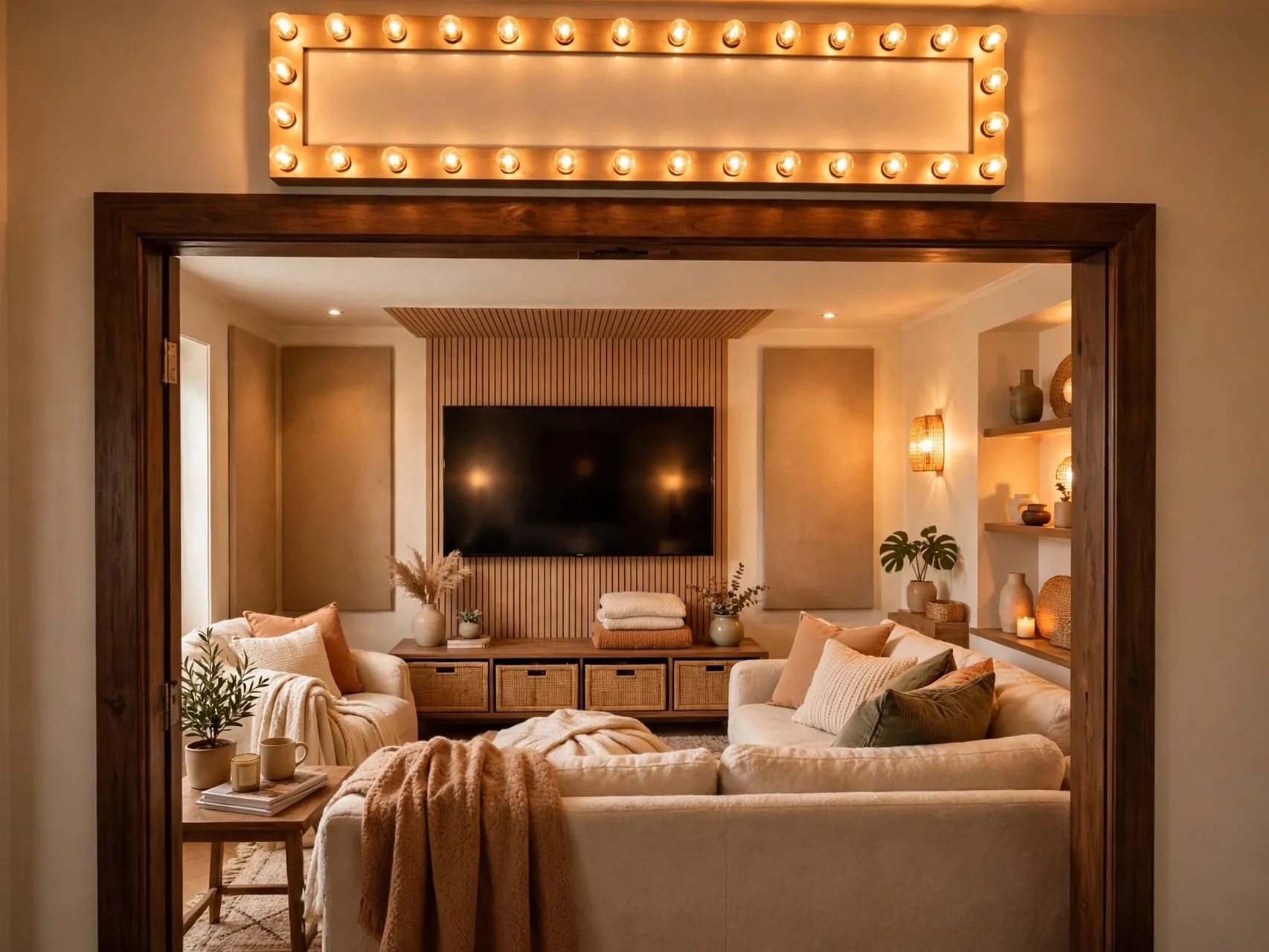
One playful finishing touch, a small letter board with the night film title, a ticket style print, or a simple now showing sign, tells everyone this room has a ritual. It costs little and photographs beautifully.
Keep it to one piece so the room stays calm and grown up. Change the title for birthdays, premieres, and double features, and the smallest theater in the neighborhood becomes the one everyone asks about.
FAQ
How small can a home theater be and still feel good?
Very small, if the basics are right. A single loveseat, a screen sized for your viewing distance, blackout control on the nearest window, and a soundbar create a convincing cinema in a corner of a living room or a spare nook. Comfort, darkness, and clear sound matter far more than square footage.
Is a projector or a TV better for a small room?
A TV is simpler, brighter in daylight, and needs no throw distance planning. A projector gives a bigger, softer cinema image in a dark room and disappears when off, especially short throw models in tight spaces. Choose based on how dark you can make the room and how you use it in daytime.
How do I improve sound without big speakers?
Start with textiles. A thick rug, heavy curtains, and upholstered seating calm echo so dialogue clears up. Then add a soundbar with a dialogue or night mode if it has one. In a small room these two steps usually beat adding more speakers to a hard, echoing space.
What should I know about power and safety for a small theater?
Plug equipment into a surge protected strip sized for the load, do not overload outlets or chain extension leads, and keep vents on projectors, consoles, and fridges clear as their manuals require. For new outlets, fixed wiring, or dimmer switches, hire a qualified electrician. Keep all cables out of walkways.
How do I make a living room work as a theater and a normal room?
Use a pull down screen or a TV on a clean dark wall, seating that works for conversation, and movie layers that appear fast: blackout curtains, a throw basket, a snack cart, and dimmable lamps on smart plugs. The room converts in minutes and returns just as fast the next morning.
Key Takeaways
- Light control first: Blackout curtains and one matte dark screen wall upgrade the picture more than a bigger screen.
- Sit closer: Right sized seating at the right distance is the core of all small home theater ideas that work.
- Soften the room: Rugs, drapes, and upholstery fix echo and add the cozy layer at the same time.
- Hide the tech: Raceways, a low console, and one tidy surge protected strip keep the focus on the film.
- Stay safe with power: Keep vents clear, never overload outlets, and leave fixed wiring to a qualified electrician.
- Pin these ideas for later: Save this list to your movie night board on Pinterest before your next setup weekend.
Ready for your best movie night yet? Pin this list to your home theater board on Pinterest and pick your first three upgrades.