22 Camping Breakfast Ideas That Are Quick and Delicious
Introduction
Camping mornings ask a lot of breakfast. It has to be fast, filling, and simple enough to make on a camp stove or fire while half the camp is still waking up.
Prep is the secret. Chop vegetables, mix dry pancake ingredients, boil eggs, and assemble burritos at home, and camp cooking becomes mostly heating and serving. Pack breakfast items together in one cooler zone or bin so you are not digging through dinner food at dawn.
Food safety matters outdoors. Keep perishable food in a cooler at or below 40 degrees F, use an appliance thermometer to check, and follow the two hour rule, perishable food left out for more than two hours, or one hour when it is above 90 degrees F, should be discarded.
Cook only where fires and stoves are allowed, follow park rules and fire bans, and never leave a fire or stove unattended. With those basics handled, breakfast can be the best part of the camping day, hot coffee, something warm and hearty, and a plan everyone is fueled for.
1. Make Overnight Oats in Sealed Jars

Overnight oats are the original make ahead camp breakfast. At home or the night before at camp, combine rolled oats, milk or a milk alternative, and your favorite add ins in a sealed jar, then chill it in the cooler overnight for a ready to eat morning meal.
Try peanut butter and banana, apple and cinnamon, or berries and a spoon of yogurt. Keep jars upright in the coldest part of the cooler and eat them within a safe cold storage window. Because there is no cooking, this is perfect for early hike days and fire ban mornings.
2. Layer Yogurt Granola and Berry Parfaits

A yogurt parfait feels like cafe food and takes two minutes at the picnic table. Layer Greek yogurt, granola, and berries in a jar or cup, keeping the granola separate until serving if you want it to stay crunchy.
Keep yogurt chilled in the cooler until you serve, and return leftovers to the cooler right away rather than leaving them on the table in the sun. Use sturdy berries and washed fruit prepared with clean hands and utensils. Kids love building their own layers, which makes this a calm, no stove start for family camps.
3. Roll Nut Butter and Banana Tortilla Wraps

A tortilla spread with peanut, almond, or sunflower seed butter, rolled around banana slices, is filling, portable, and needs no cooking or refrigeration for the wrap itself. It travels well to a lookout, lake edge, or trailhead.
Add a drizzle of honey, a sprinkle of granola, or a few chocolate chips for kids. Make wraps in the morning so bananas stay fresh, and pair one with a piece of fruit or a protein bar on big activity days. This is also a kind fallback when weather cancels a planned cooked breakfast.
4. Pack Bagels With Cream Cheese or Avocado
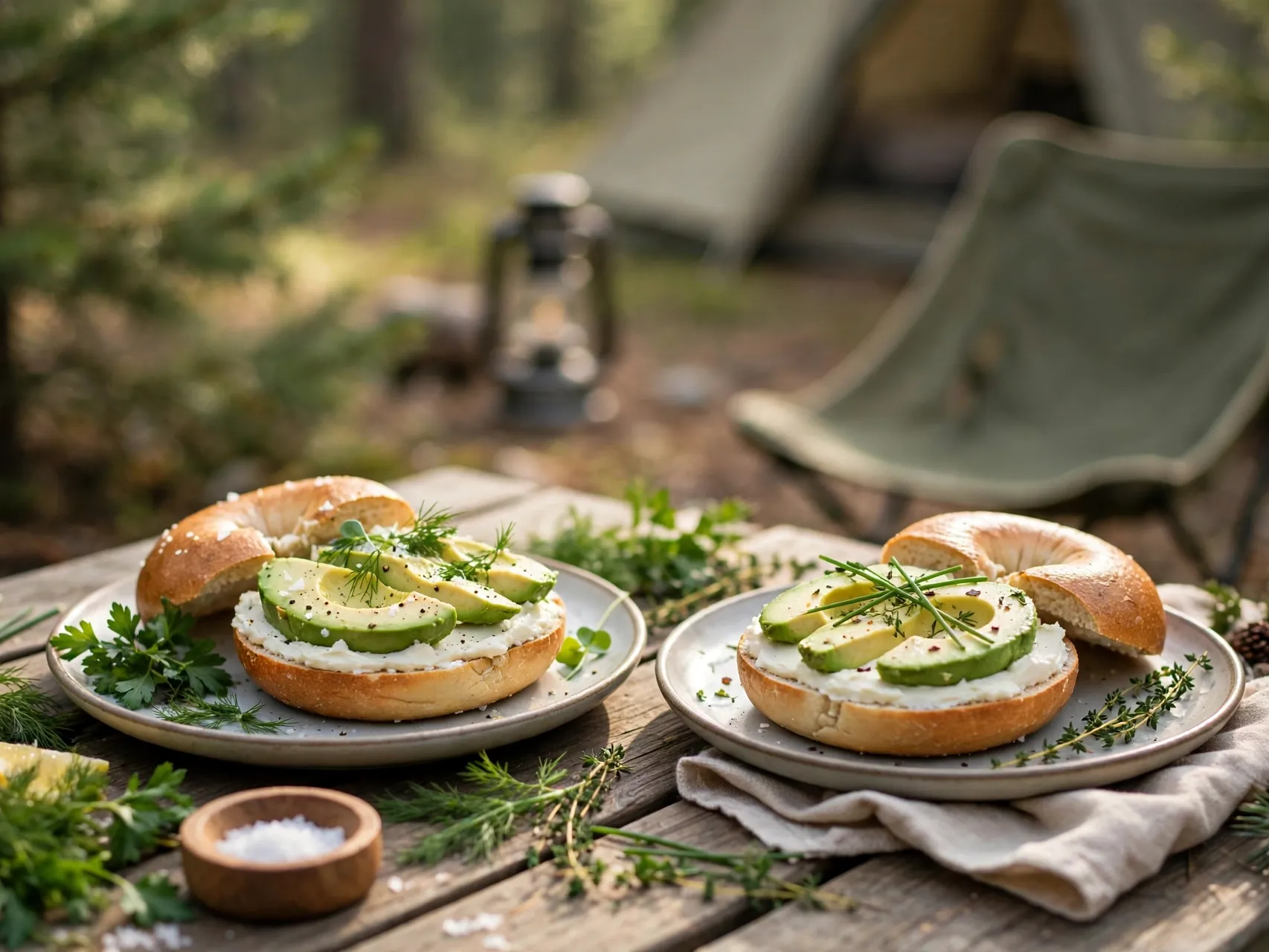
Bagels pack without squishing, toast nicely over a camp stove or fire where allowed, and carry sweet or savory toppings. Bring small portions of cream cheese, jam, or nut butter, or mash a ripe avocado with a pinch of salt for a fresh option.
Keep cream cheese and any perishable topping chilled in the cooler until serving, and do not leave them sitting out through a slow morning. Pre slice bagels at home to save knife work at camp. A bagel sandwich with a hard boiled egg sliced inside turns this simple idea into a hearty meal.
5. Scramble Eggs With Peppers and Cheese in One Skillet
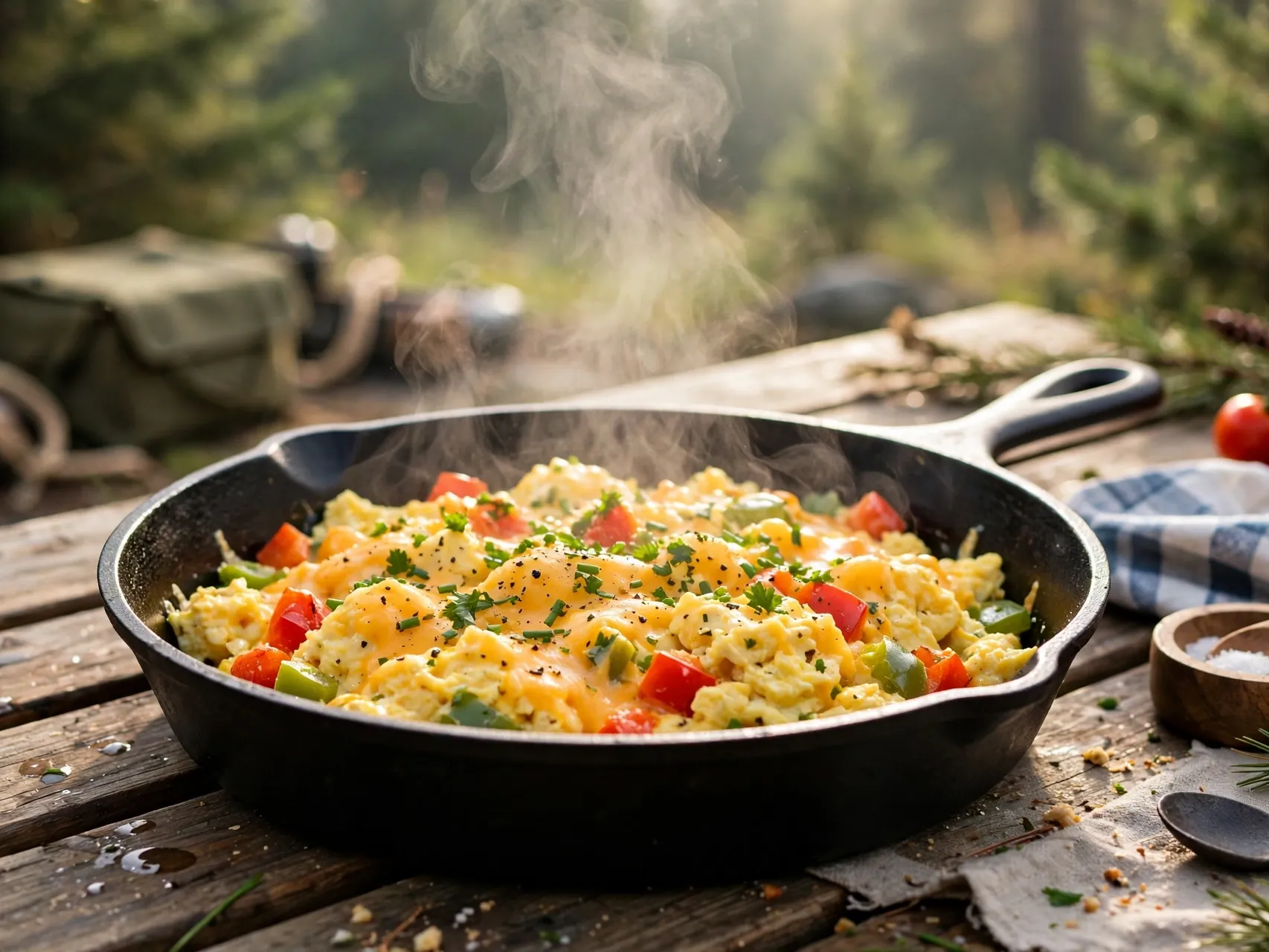
Scrambled eggs with pre chopped peppers, onion, and cheese are fast, hot, and endlessly flexible. Cook them in one skillet over a camp stove, stirring gently, and serve straight from the pan onto tortillas, toast, or plates.
Chop vegetables at home and store them in a sealed container in the cooler. Crack eggs into the pan at camp, or transport eggs in their shells in a protective case.
6. Make a Camp Skillet With Potatoes and Eggs

A camp skillet of diced potatoes, onion, peppers, and eggs cracked on top is the hearty breakfast that fuels a full day outdoors. Cook the potatoes first until tender and crisp at the edges, add vegetables, then eggs, and cover until the eggs are set.
Use pre cooked or par cooked potatoes from home to cut camp cooking time, keeping them chilled until they go in the pan. Serve with hot sauce and fruit on the side. Make sure eggs are cooked until firm, and serve the skillet right away rather than holding it warm for late risers.
7. Cook Simple Pancakes From Just Add Water Mix
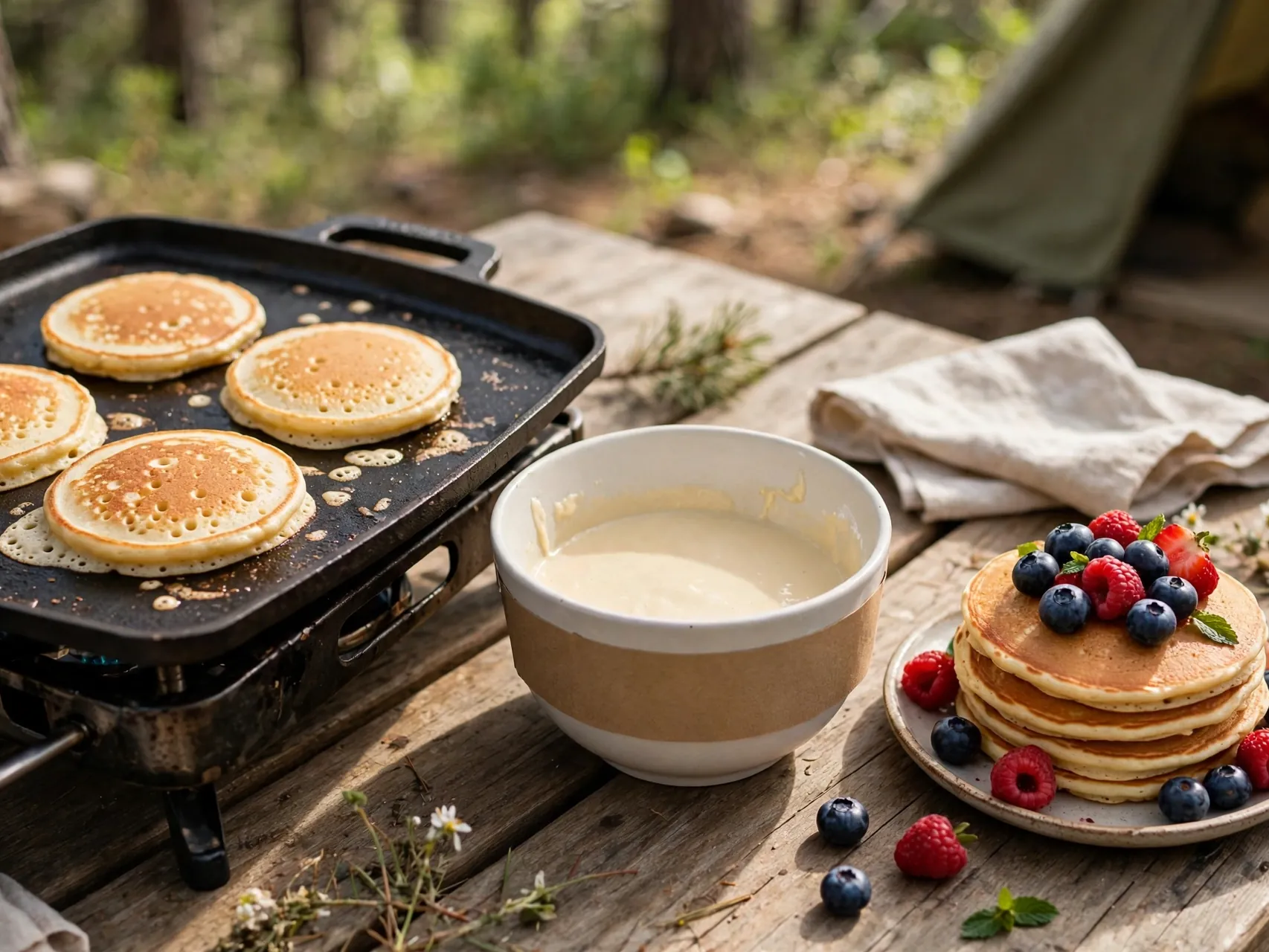
Pancakes made from a just add water mix need no eggs or milk at camp, which simplifies packing and cleanup. Mix batter in a bowl or a sealed bag or bottle, pour small rounds onto a hot, lightly oiled griddle or skillet, and flip when bubbles appear.
Bring syrup, nut butter, or jam and fresh berries for toppings. Keep batter chilled if you mix it ahead with perishable ingredients, and discard leftover mixed batter rather than saving it for another day. A small squeeze bottle makes neat pancakes and keeps kids entertained while they wait for their turn.
8. Make Cinnamon French Toast Sticks

French toast sticks are easier to eat at camp than full slices, no knife needed. Dip thick bread sticks in a mixture of egg, milk, and cinnamon, then cook them in a buttered skillet until golden on all sides and cooked through.
Mix the egg dip at camp and keep it chilled until use, cooking in small batches so the pan stays hot. Serve with syrup for dipping and fruit on the side.
9. Build Make Ahead Breakfast Burritos

Breakfast burritos made at home are the ultimate grab, heat, and go camp meal. Fill tortillas with scrambled eggs cooked until firm, cooked sausage or beans, cheese, and peppers, roll them tightly, wrap in foil, and freeze or chill them for the trip.
At camp, heat wrapped burritos on a grill or skillet over a stove or fire where allowed, turning them so they heat evenly, until they are steaming hot throughout. Keep burritos frozen or properly chilled in the cooler until cooking, and discard any that have sat out beyond the two hour rule.
10. Wrap Foil Packet Breakfast Hash Over the Fire
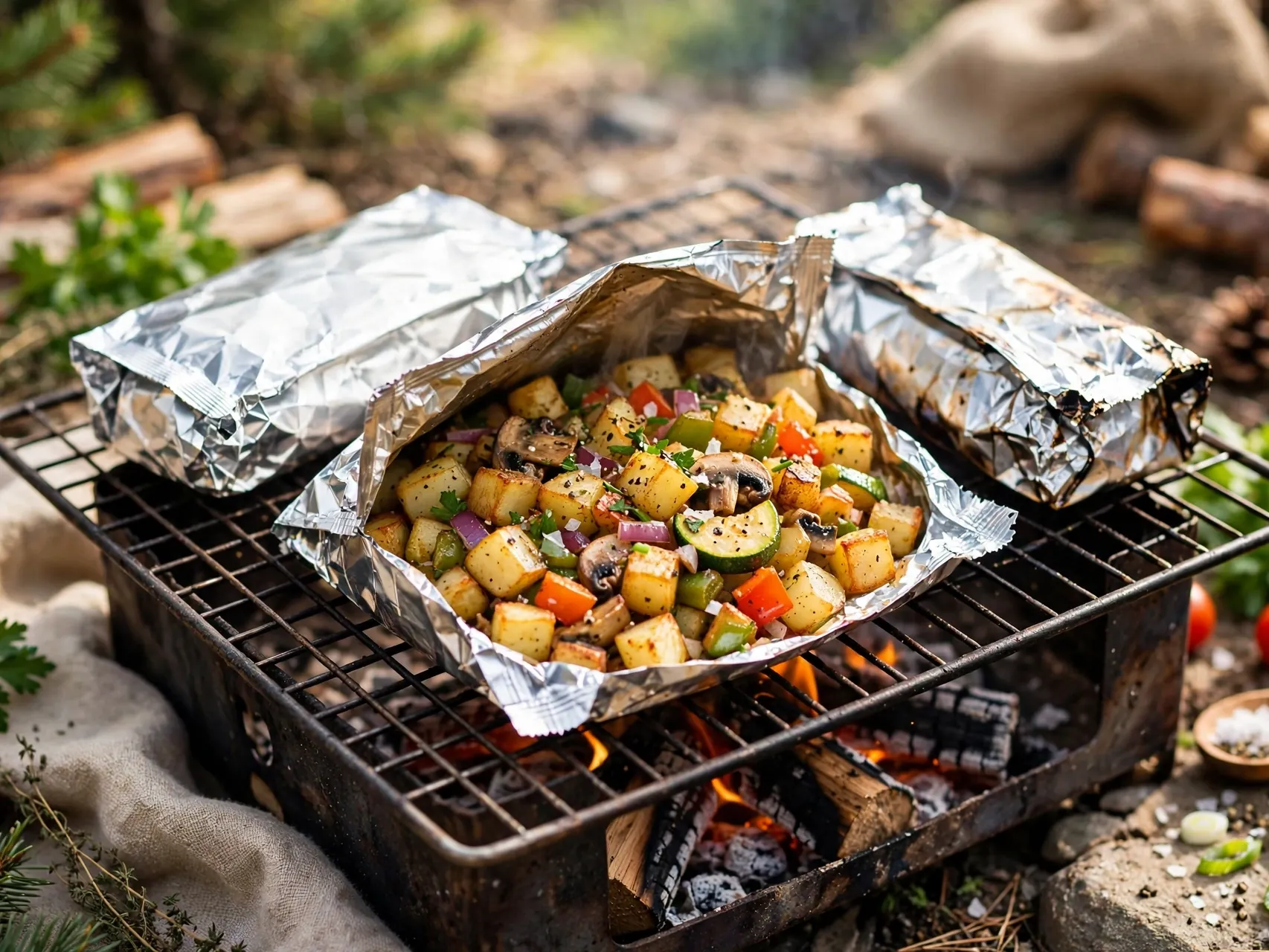
Foil packet hash lets each camper build their own breakfast. On a sheet of heavy foil, layer diced pre cooked potatoes, peppers, onion, and cooked sausage or beans, seal well, and cook on a grill grate over coals until hot and steaming throughout.
Use only a fire or grill where allowed, place packets with tongs, and open them carefully to avoid steam burns. Add a cooked egg on top at serving if you like. Prep vegetables at home, keep raw meat separate or use fully cooked proteins, and wash hands before assembling packets so ready to eat ingredients stay safe.
11. Toast English Muffin Breakfast Sandwiches

English muffin sandwiches are compact, hot, and easy to customize. Toast the muffins, add a cooked egg, cheese, and cooked bacon, sausage, or tomato, and wrap in foil to melt everything together for a minute over gentle heat.
Cook eggs until firm and any meat thoroughly at camp, or use fully cooked options kept chilled until heating. Assemble sandwiches on a clean surface with clean hands. These are ideal for mornings when some campers want a full breakfast and others are already packing, since each sandwich is its own complete, portable meal.
12. Make Hard Boiled Eggs at Home for Grab and Go Mornings
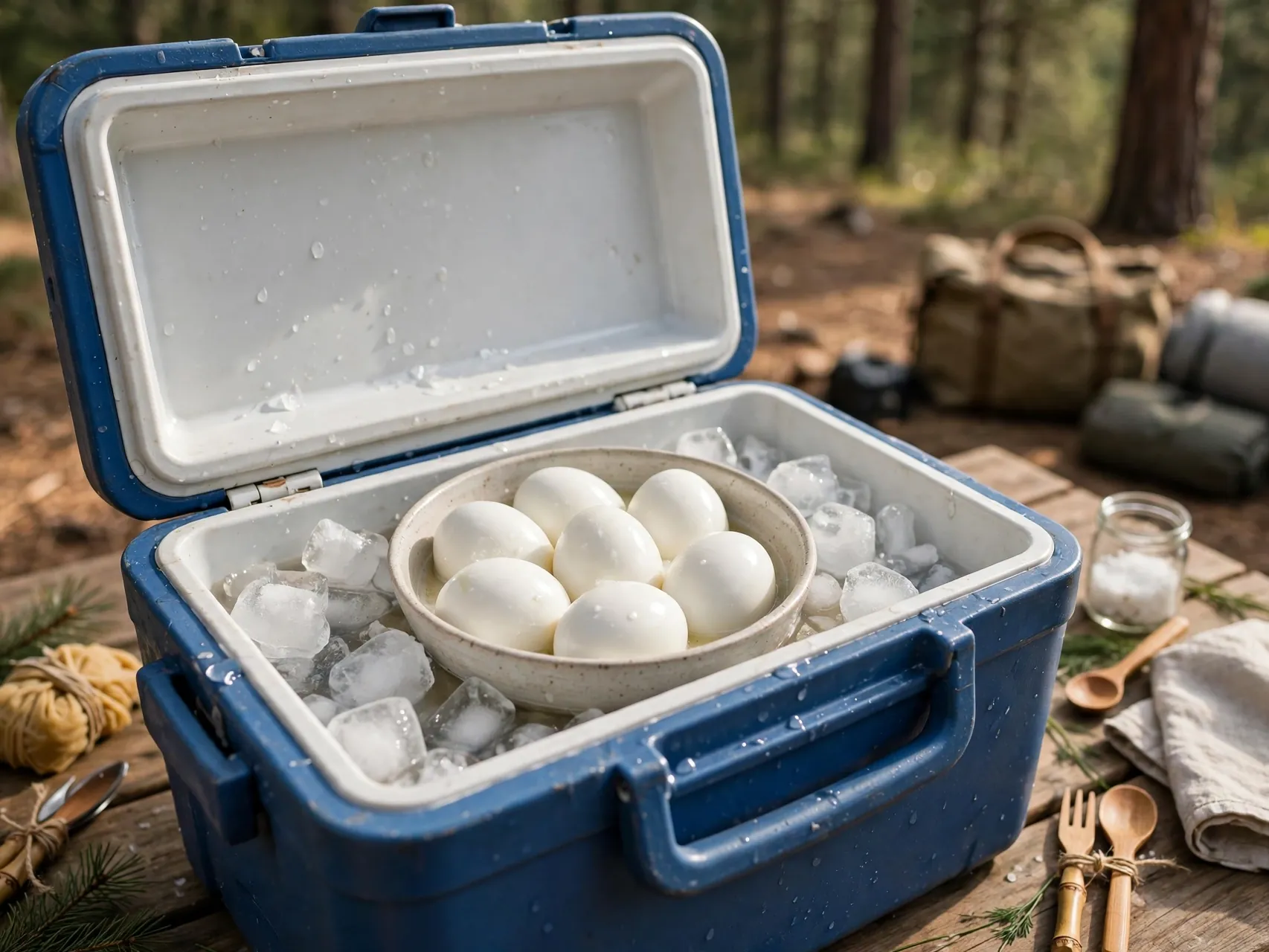
Hard boiled eggs cooked and peeled at home, or kept in their shells, are protein rich, tidy, and ready the second you open the cooler. Pair them with fruit, a muffin, or toast for a complete no cook breakfast.
Keep boiled eggs chilled in the cooler and eat them within a safe cold storage period, discarding any that have been left out beyond the two hour rule. A pinch of salt and pepper packets make them feel finished.
13. Serve Instant Oatmeal With Nuts and Dried Fruit
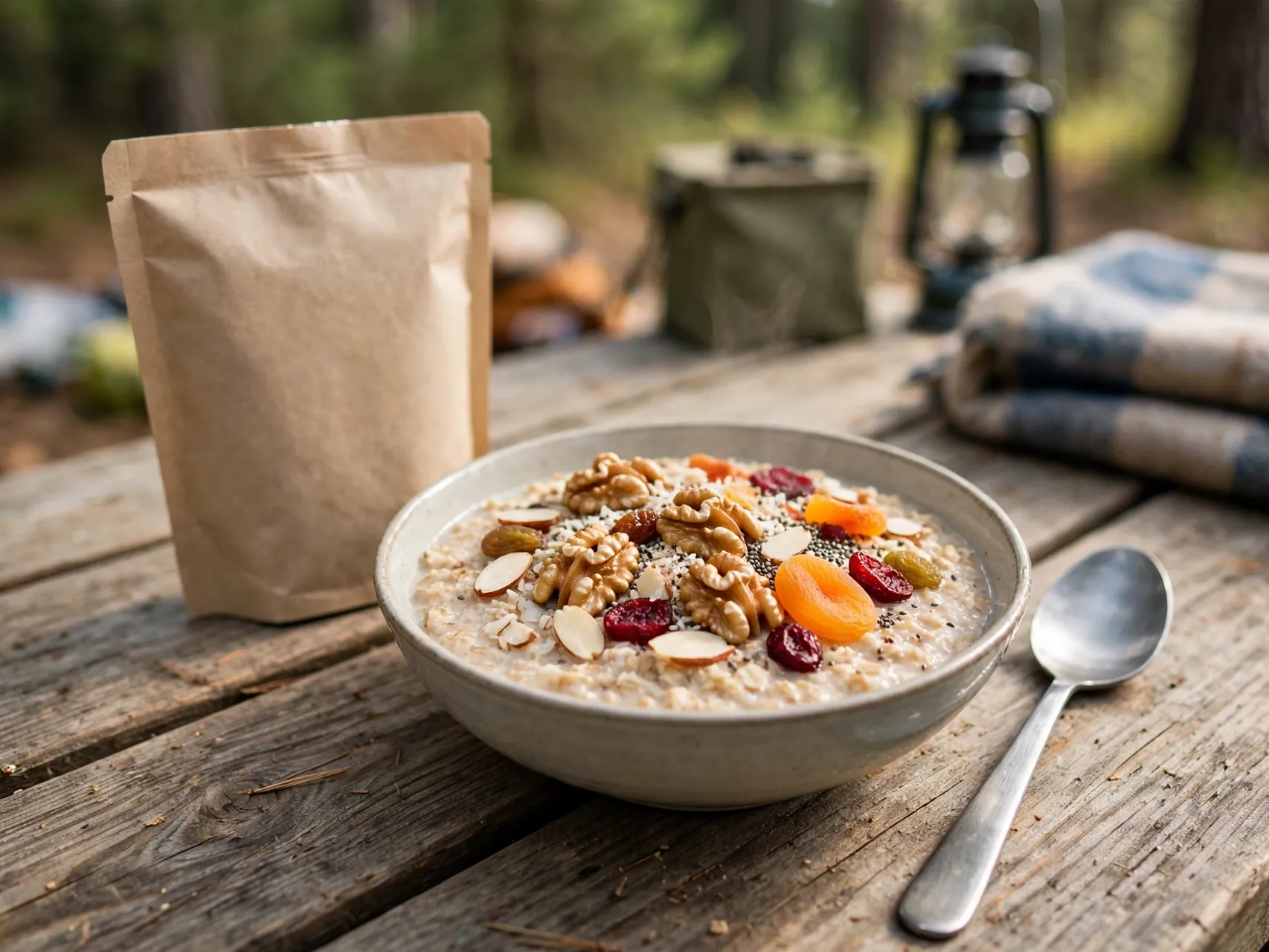
Instant oatmeal packets plus hot water may be the fastest hot breakfast at camp. Set out nuts, seeds, dried fruit, brown sugar, and nut butter so each camper can build a bowl that will actually keep them full until lunch.
Heat water on the camp stove and supervise kids around hot kettles and cups. For a heartier version, stir in powdered milk or a spoon of peanut butter.
14. Blend a Frittata With Leftover Vegetables

A skillet frittata turns last night leftover vegetables, cheese ends, and a few eggs into a fresh breakfast with almost no waste. Saute the vegetables first, pour in beaten eggs, and cook gently until the center is set and firm.
Use only leftovers that were promptly chilled in the cooler and kept at a safe temperature, and discard leftovers you are unsure about rather than cooking them into a new dish. Serve the frittata hot, in wedges, with toast or fruit.
15. Make Breakfast Quesadillas With Eggs and Cheese

Breakfast quesadillas are crisp, cheesy, and faster than burritos because they cook flat in a skillet. Fill a tortilla with scrambled eggs cooked until firm, cheese, and peppers or beans, fold it, and toast both sides until the cheese melts and the outside crisps.
Serve with salsa kept chilled until serving, and cut quesadillas on a clean board with clean hands. These are a hit with kids and picky eaters because everyone chooses their own filling. Keep cooked quesadillas hot and serve them right away rather than holding them at warm outdoor temperatures.
16. Pack Muffins and Breakfast Bars for Early Starts

Home baked or store bought muffins and breakfast bars are the zero effort option for sunrise starts, travel days, and campers who cannot face a cooked meal early. Pair them with fruit, yogurt, or a hard boiled egg so the meal has staying power.
Store muffins in a crush proof container so they survive the food bin, and keep any muffin with perishable filling chilled. Check bars for a balance of protein, fiber, and flavor your group will actually eat. A simple, early breakfast eaten on time beats a fancy one skipped because the hike started without it.
17. Slice Fresh Fruit With Nut Butter for Dipping
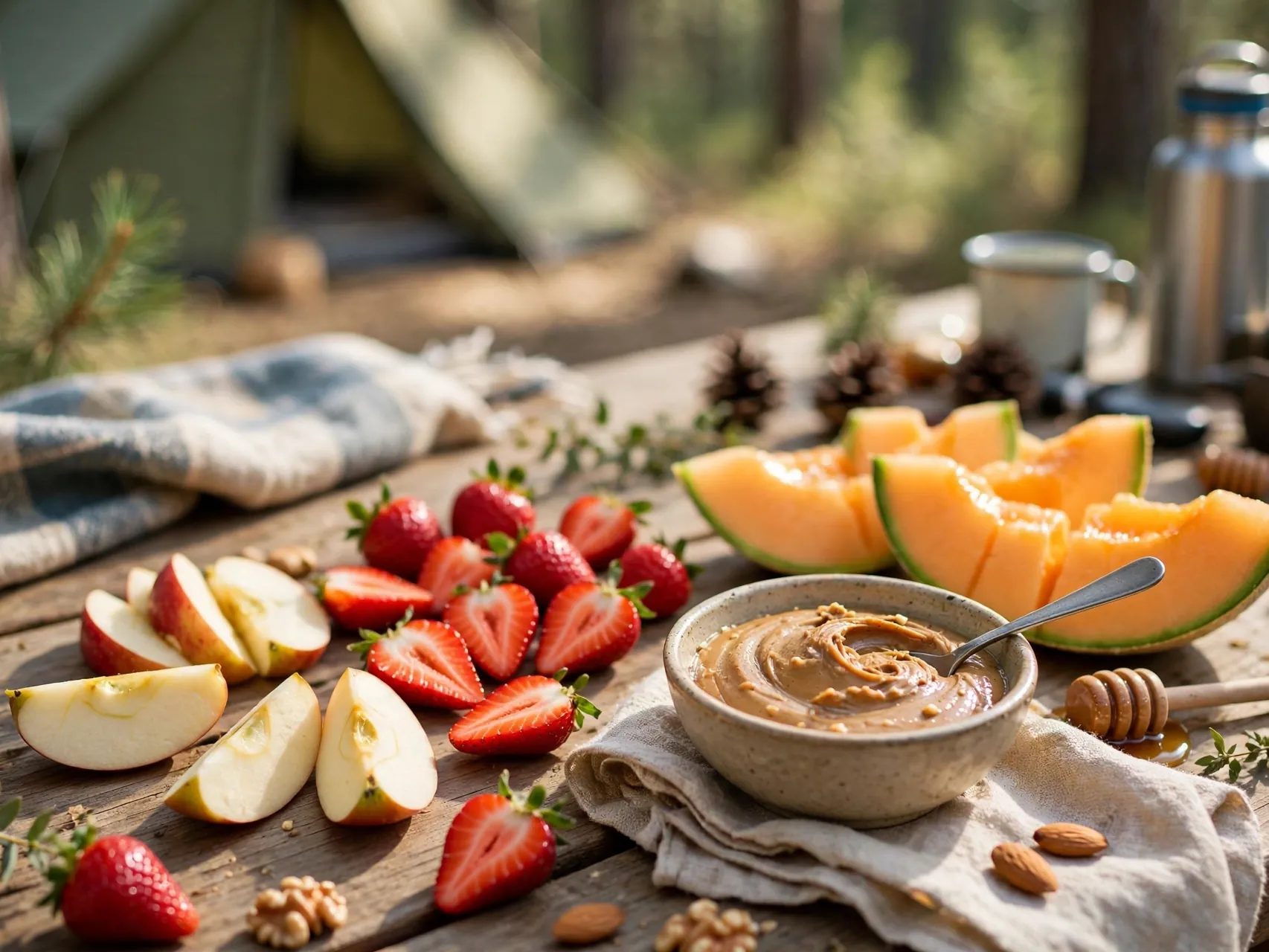
A platter of apple slices, banana pieces, and melon with small cups of nut butter for dipping is fresh, hydrating, and welcome after several rich camp meals. Wash fruit under clean running water before packing or slicing, and prepare it with clean hands and utensils.
Slice fruit at serving time so it stays fresh, and keep cut melon and other perishable cut fruit chilled until you serve it, returning leftovers to the cooler promptly. Add a bowl of granola or yogurt for campers who want more. This light option balances a trip menu and uses up fruit before the drive home.
18. Make Campfire Cinnamon Rolls in a Skillet

Cinnamon rolls baked in a lidded skillet or Dutch oven over a stove or coals where allowed feel like a celebration at camp. Use refrigerated dough kept chilled until baking, arrange rolls with space to grow, and cook gently until they are baked through and golden.
Follow the dough package directions and your fire or stove safety rules, and let the pan cool enough to handle safely before serving. Add icing once rolls are off the heat.
19. Cook Breakfast Sausage and Egg Foil Packs Safely
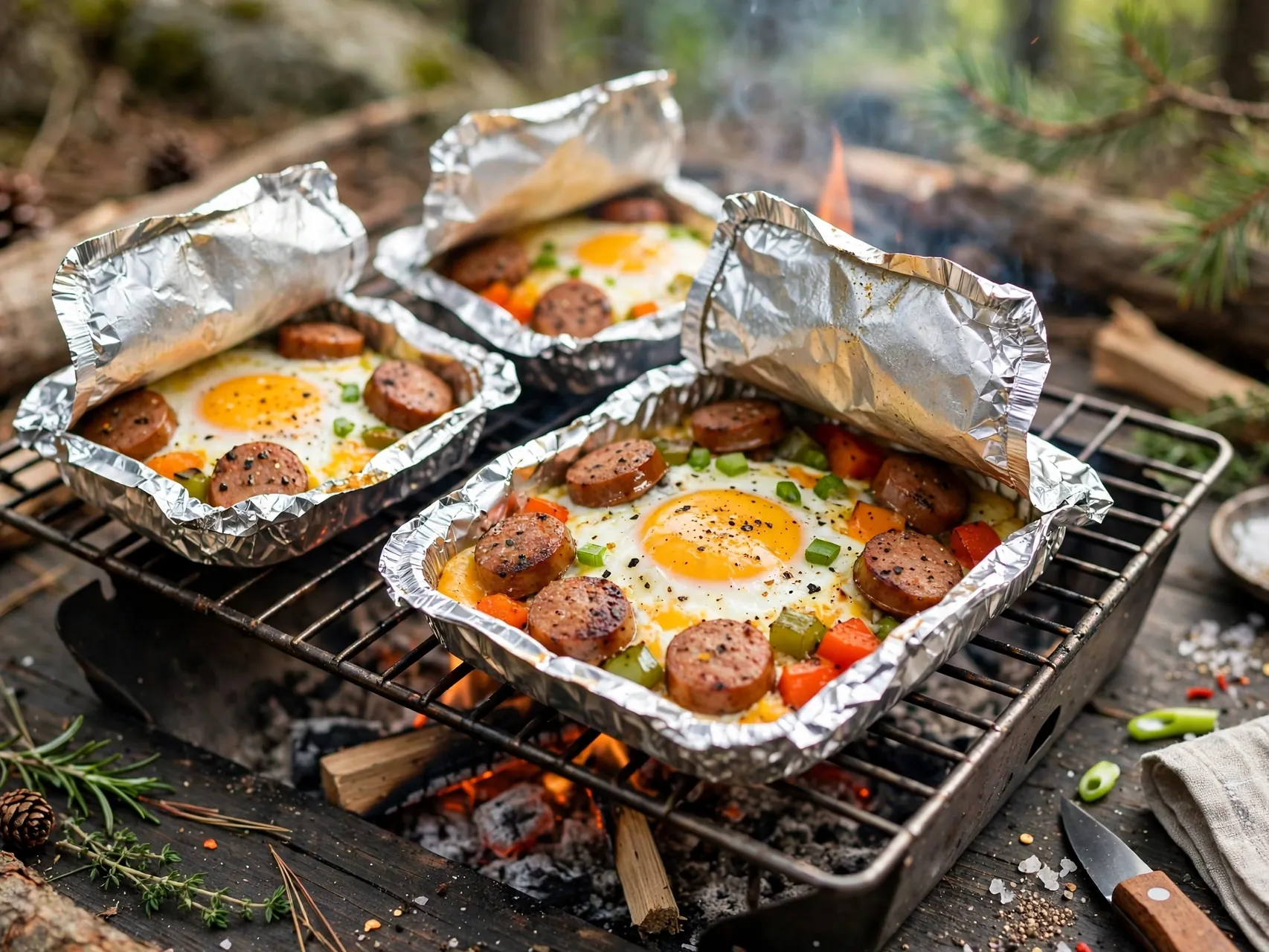
Individual foil packs with fully cooked sausage pieces, diced potatoes, peppers, and a cracked egg on top give each camper a complete hot breakfast. Seal packs well and cook them on a grill over coals or a stove until the egg is firm and everything is steaming hot.
Use fully cooked sausage to simplify safety, keep raw egg packs chilled until they go on the heat, and wash hands after handling raw egg. Open packs carefully away from faces because steam builds inside. Serve packs on plates, not laps, and discard leftovers rather than saving partly eaten packs in the cooler.
20. Serve Cold Brew Coffee With Protein Bars

For the earliest starts, cold brew coffee made the night before and a protein bar will get hikers moving without waking the whole camp for stove duty. Steep coffee in a sealed jar in the cooler, strain in the morning, and serve over ice if you have it.
Keep cold brew chilled and treat any milk or creamer as perishable, returning it to the cooler right after pouring. Pair the coffee with something substantial, a bar plus fruit or a nut butter wrap, so caffeine is not the whole breakfast.
21. Make Granola Cups With Milk or Yogurt
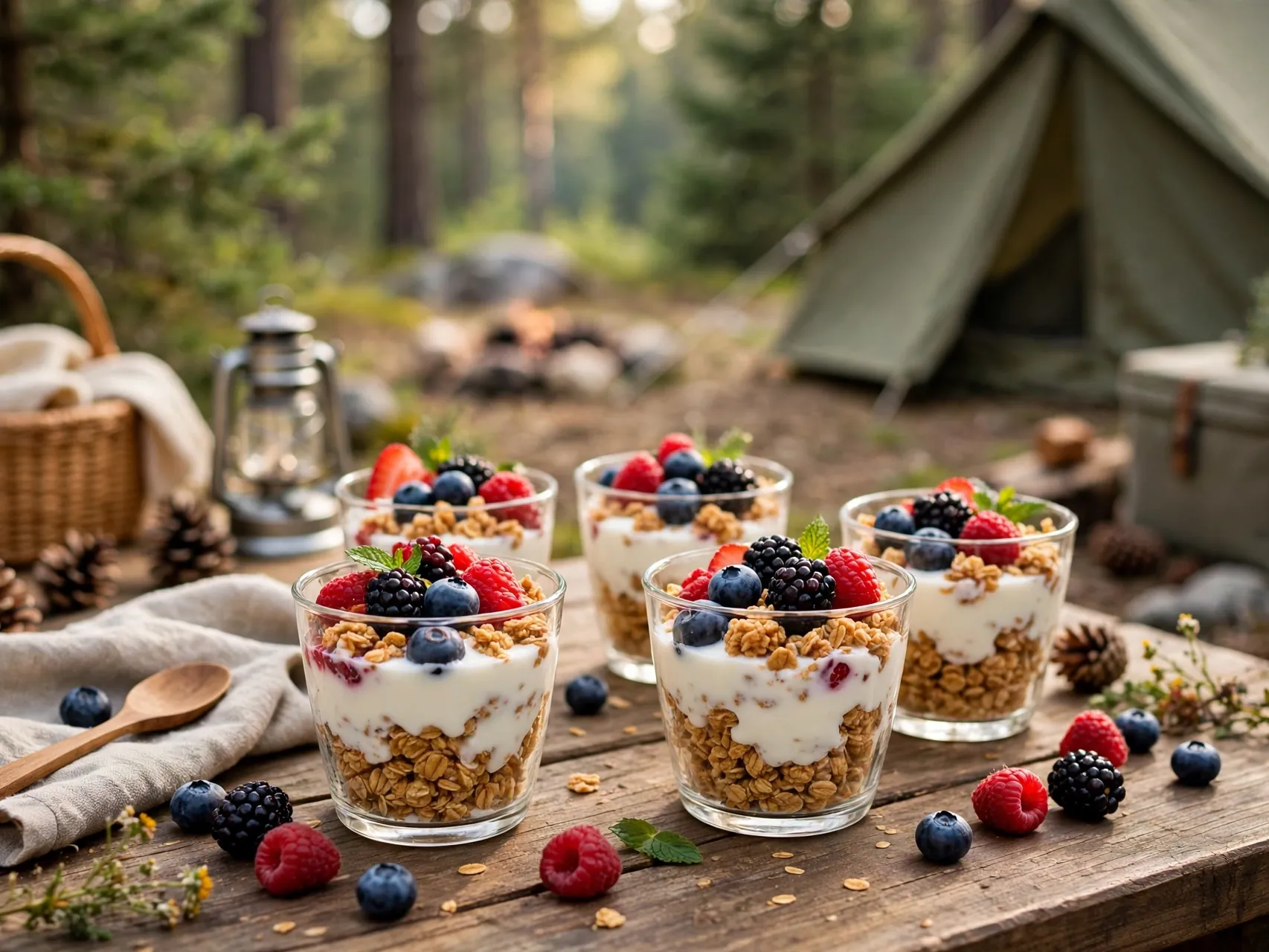
Granola served in individual cups with milk or yogurt is a build your own breakfast bar in miniature. Set out granola, dried fruit, nuts, and fresh berries, keep the milk or yogurt in the cooler until the moment you serve, and let everyone mix their cup.
Use shelf stable milk in single servings if cooler space is tight, opening each carton only when needed. This idea scales easily for groups and needs no cooking, which makes it perfect for the last morning when gear is half packed. Keep sweet toppings in sealed containers so camp moisture does not stale them overnight.
22. Set Up a Simple Breakfast Board for the Whole Camp
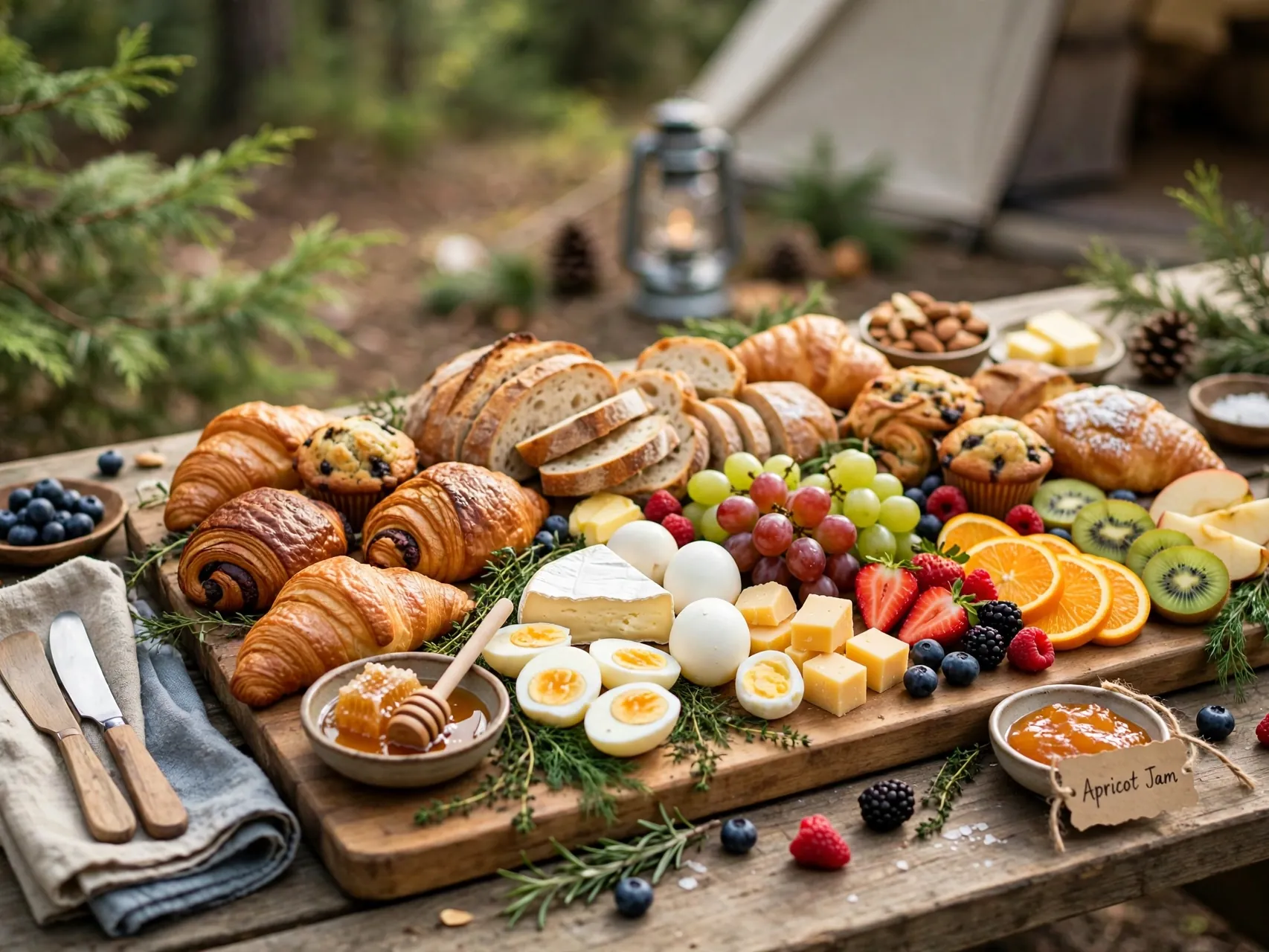
A breakfast board turns odds and ends into a shared feast. Arrange toast or muffins, hard boiled eggs, cheese, fruit, nut butter, jam, and yogurt cups on a clean board or tray, and let the camp graze while morning plans come together.
Build the board on a clean surface, keep perishable items nestled on a tray of ice or return them to the cooler in small batches, and watch the clock, perishable food should not sit out more than two hours, or one hour in heat above 90 degrees F.
FAQ
How far ahead can I prep camping breakfasts?
Prep ingredients like chopped vegetables, dry mixes, and boiled eggs a day or two before the trip and keep perishables chilled at home and then in the cooler at or below 40 degrees F. Assemble burritos ahead and freeze or chill them. At camp, overnight oats and cold brew can be made the night before. When in doubt about how long something has been warm, discard it.
How do I keep breakfast food safe in a cooler?
Pack the cooler full with ice or frozen gel packs, keep it in shade, open it as little as possible, and use an appliance thermometer to confirm it stays at or below 40 degrees F. Store raw meat and eggs separately and below ready to eat foods, in sealed containers or bags. Consider a separate drinks cooler so the food cooler is not opened all morning.
What are the best no cook camping breakfasts?
Overnight oats, yogurt parfaits, nut butter wraps, bagels, hard boiled eggs, fruit with nut butter, granola cups, and muffins with a protein side are all strong no cook options. They need no fire, which helps on fire ban days and early starts. Keep the perishable parts chilled until serving and return them to the cooler promptly after the meal.
How long can breakfast food sit out at the campsite?
Follow the USDA two hour rule. Perishable food should not sit out for more than two hours, and only one hour when the temperature is above 90 degrees F. That includes milk, yogurt, eggs, cheese, cut fruit, and cooked items. Set out small amounts, refill from the cooler, and discard perishable food that has passed the limit rather than saving it.
How can I make camping breakfasts filling for kids and hikers?
Combine protein, whole grains, and a fruit or vegetable at each meal, eggs or nut butter plus oats, tortillas, or bagels plus fruit is a reliable pattern. Serve a hearty cooked option on big activity days and keep bars, wraps, and fruit ready for a second small breakfast on the trail. Warm drinks and a calm, seated meal also help everyone start the day well fed.
Key Takeaways
- Mix the formats: combine no cook, make ahead, and one pan ideas so breakfast matches lazy mornings and early starts alike.
- Prep at home: chopped vegetables, dry mixes, boiled eggs, and assembled burritos turn camp cooking into simple heating and serving.
- Keep cold food cold: a full cooler at or below 40 degrees F, checked with a thermometer, protects every perishable breakfast item.
- Follow the two hour rule: perishable food left out over two hours, or one hour above 90 degrees F, should be discarded, no exceptions.
- Cook eggs and meats fully: serve eggs firm and hot food steaming, wash hands often, and keep raw items separate from ready to eat foods.
- Fuel the day and share the plan: a filling, relaxed breakfast sets up the whole trip, so pin these camping breakfast ideas to your Pinterest camping board before your next weekend outdoors.