20 DIY Planter Box Ideas You Can Build for Under $30
Introduction
Store bought planters add up fast, which is why so many gardeners reach for lumber offcuts, cedar fence pickets and a handful of screws instead. A simple diy planter box costs a fraction of a retail planter, fits the exact gap on your porch or patio, and takes an afternoon at most to build.
Every idea in this list is planned to stay under $30 in new materials, and most drop well below that if you already own screws, stain or scrap wood. Costs assume budget lumber like cedar fence pickets and furring strips, which are the secret behind most cheap builds online.
Before you cut anything, settle three basics. Give every box drainage holes or gaps, line solid boxes with landscape fabric so soil stays in and water gets out, and pick untreated or naturally rot resistant wood if you plan to grow herbs or vegetables.
Measure your space, pick the style that suits it, and build one this weekend. Then build a second one, because nobody stops at one planter.
A quick note on tools, since tool cost scares off more beginners than lumber cost ever does. Every box here can be built with a saw, a drill, a tape measure, sandpaper and a square. If you do not own a saw, most large home stores will make straight cuts for you at the service desk, often free for the first few cuts. Borrow a drill before you buy one, and spend your saved money on good exterior screws and one extra picket, because a spare board forgives a bad cut.
1. Cedar Fence Picket Box
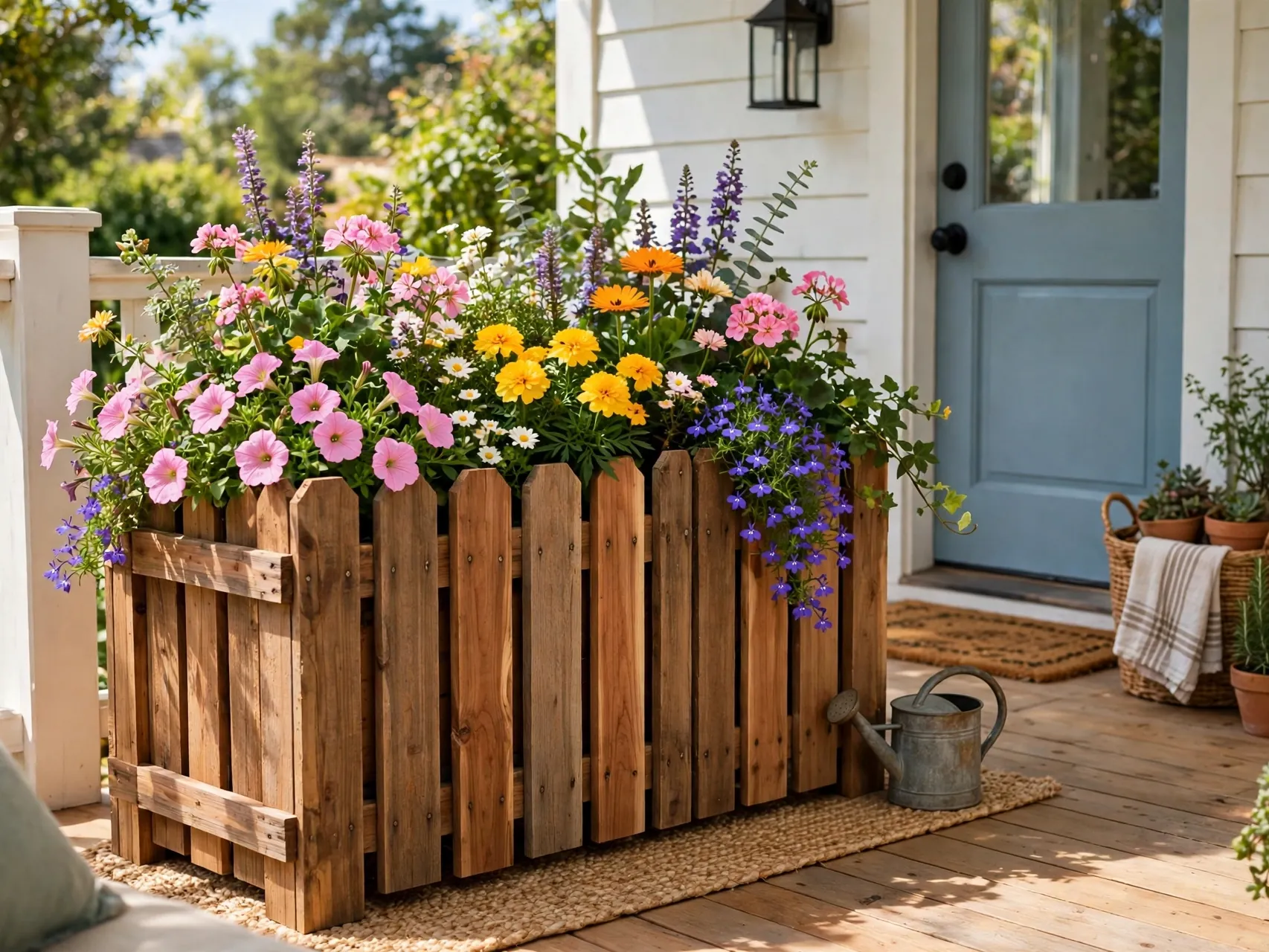
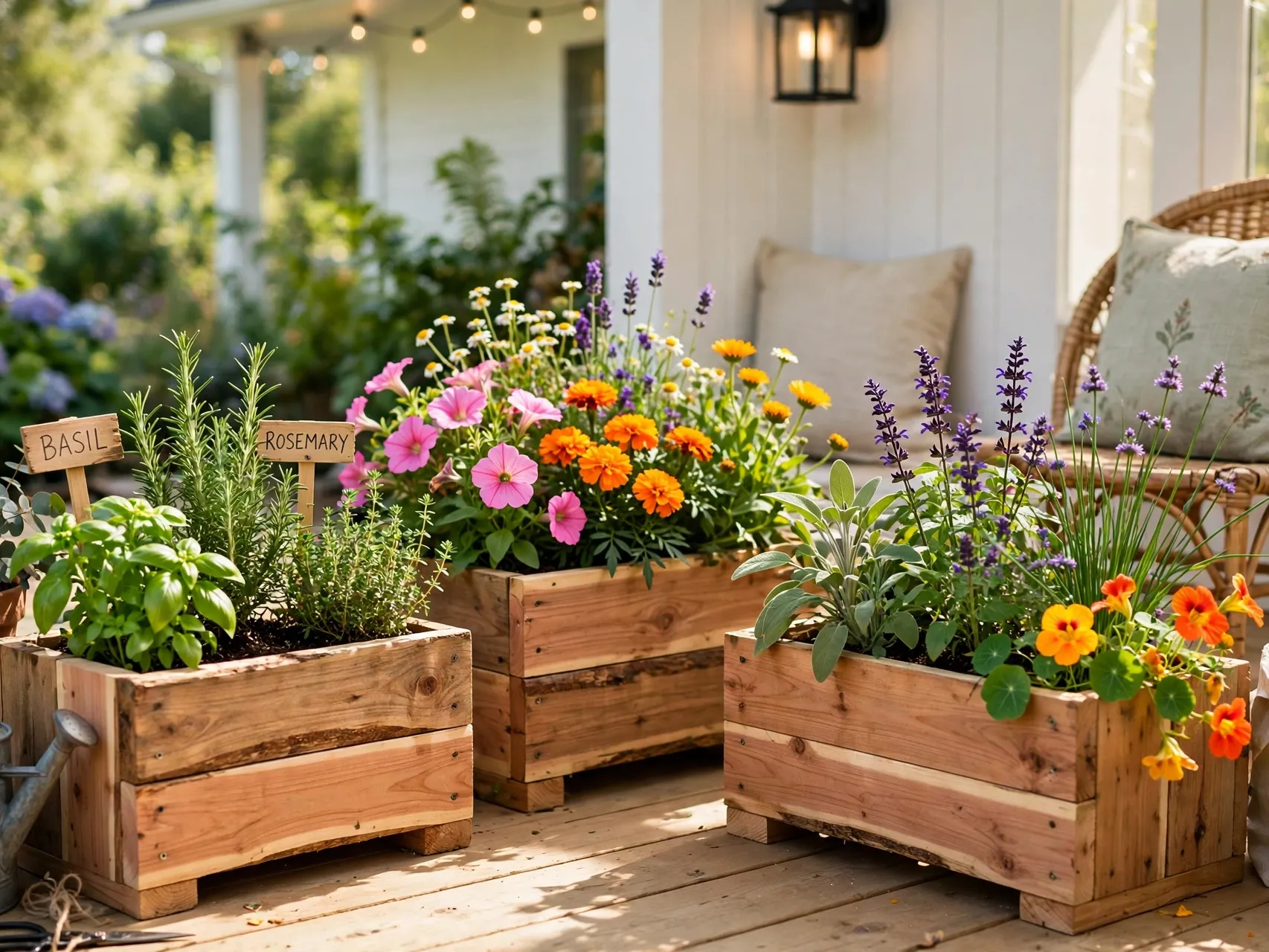
Four cedar fence pickets and a short length of 2 by 2 make the classic budget box. Pickets are wide, light and naturally rot resistant, so the finished planter handles rain far better than plain pine at a similar price.
Cut two long sides and two short ends, screw them to corner posts, then add bottom slats with small gaps for drainage. Sand the top edges well, since hands and forearms will brush them every time you water or harvest.
2. Raised Leg Planter for Herbs
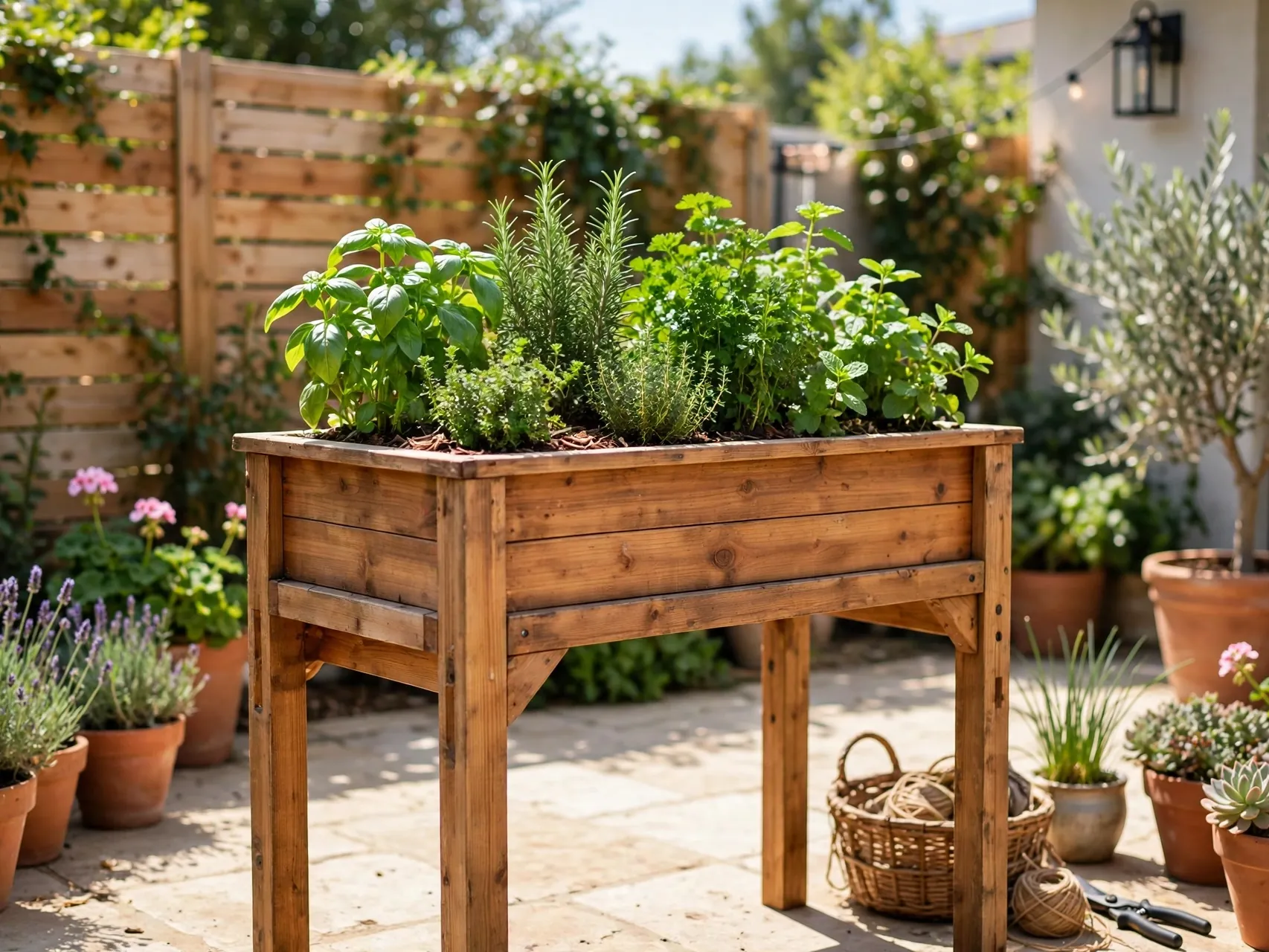
Short legs lift a shallow box to waist height, which saves your back and keeps herbs close to the kitchen door. Use furring strips for the frame and pickets or 1 by 6 boards for the sides to keep the bill low.
Keep the soil depth near 8 to 10 inches for herbs like basil, parsley and chives. Add a lower slat shelf between the legs for a watering can or spare pots, and place the planter where it gets morning sun.
3. Window Box From Scrap Boards

A window box is just a long, narrow planter with brackets, and it is the perfect use for leftover boards from other projects. Build it about 6 inches deep and a few inches wider than your pots or liner.
Drill drainage holes, line it with fabric, and fix it to studs or masonry with proper anchors, never just to siding. Trailing petunias, ivy and herbs soften the front of the house for very little money.
4. Tiered Corner Planter

Three boxes stacked in shrinking sizes turn a dull corner into a small tower of flowers. Each level is a simple four sided box, and the stack needs no fancy joinery, just screws and level placement.
Plant the tiers by height and thirst. Put cascading flowers on top, mid size blooms in the middle and shade tolerant fillers at the base if the corner is sheltered. Water the top tier slowly so runoff feeds the levels below instead of washing soil out.
5. Crate Planter With Rope Handles
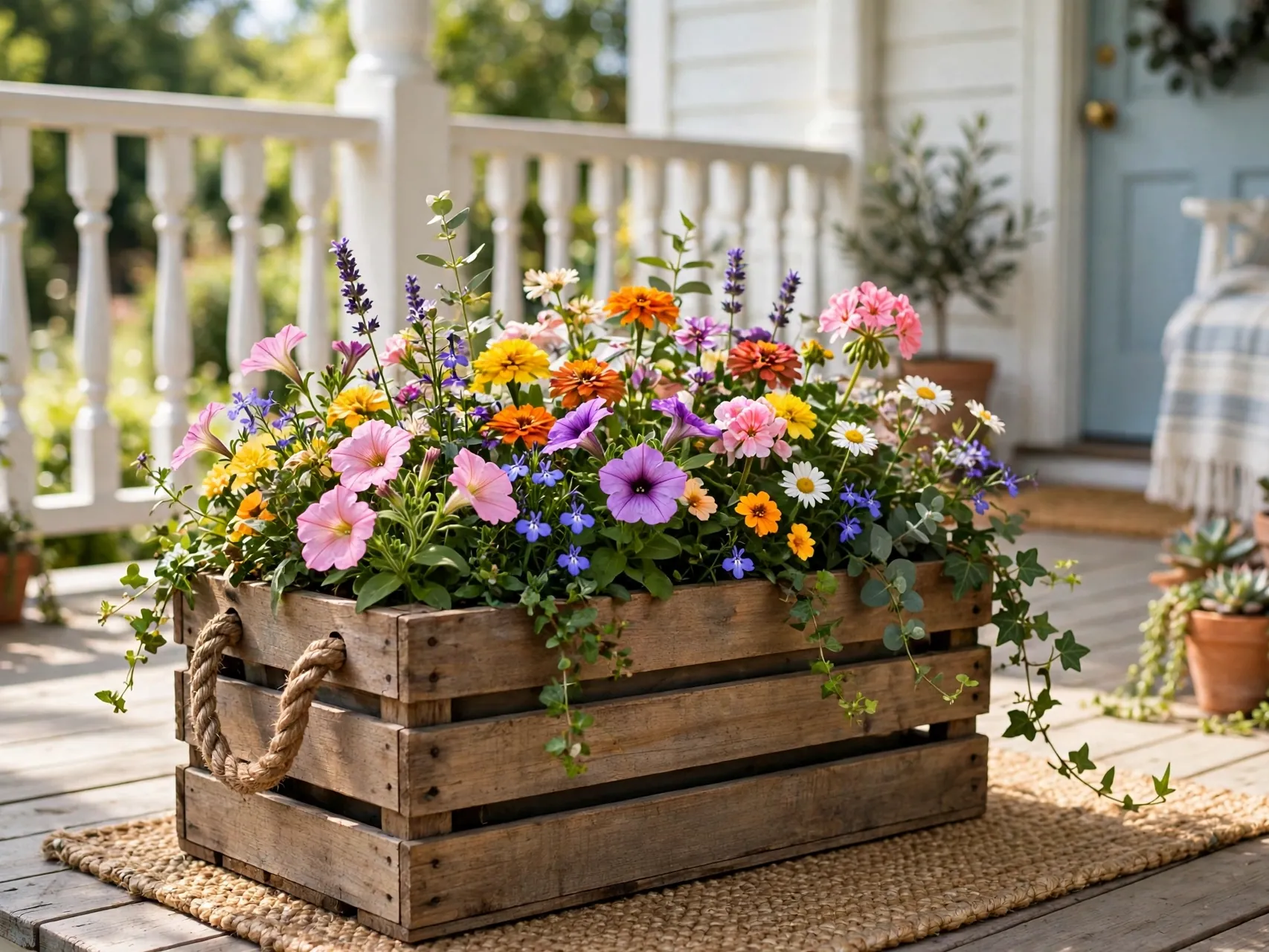
A slatted crate style box looks farmhouse cute and uses very little wood, since the gaps between slats are part of the design. Line it with landscape fabric or a cut open compost bag so soil stays put.
Add thick rope handles through drilled holes on each end. The handles are not just pretty. They let you move the planter to chase sun, dodge frost or clear the patio for guests without dragging it across the boards.
6. Long Porch Railing Box

A long, low box that sits on or hooks over a railing brings flowers to eye level and frees up floor space. Keep it light by using thin boards and a fabric liner, and keep the soil shallow.
Secure it properly. Use railing brackets or screws into the rail where allowed, and check the fixings mid season. A waterlogged box is heavy, so good drainage matters even more up high than it does on the ground.
7. Painted Number House Planter
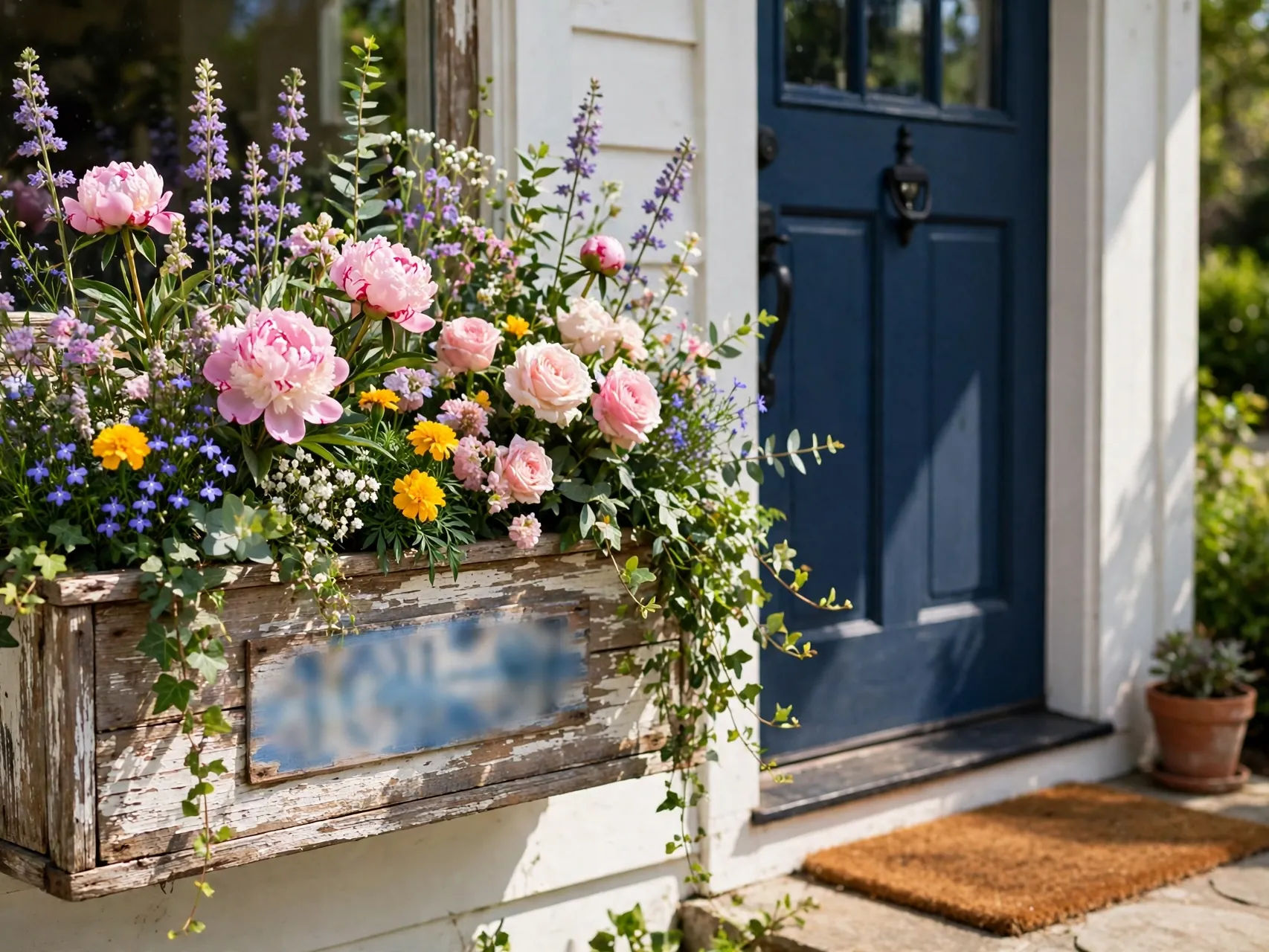
A small box under the house number or beside the front door makes a welcome that costs almost nothing. Build a simple rectangle, paint it to match your door or trim, and stencil the number on the front if you like.
Choose compact plants that will not hide the number, like dwarf marigolds, alyssum or a single ornamental grass. This is a great first DIY wooden planter box project because mistakes are small, cheap and easy to repaint.
8. Tapered Modern Planter
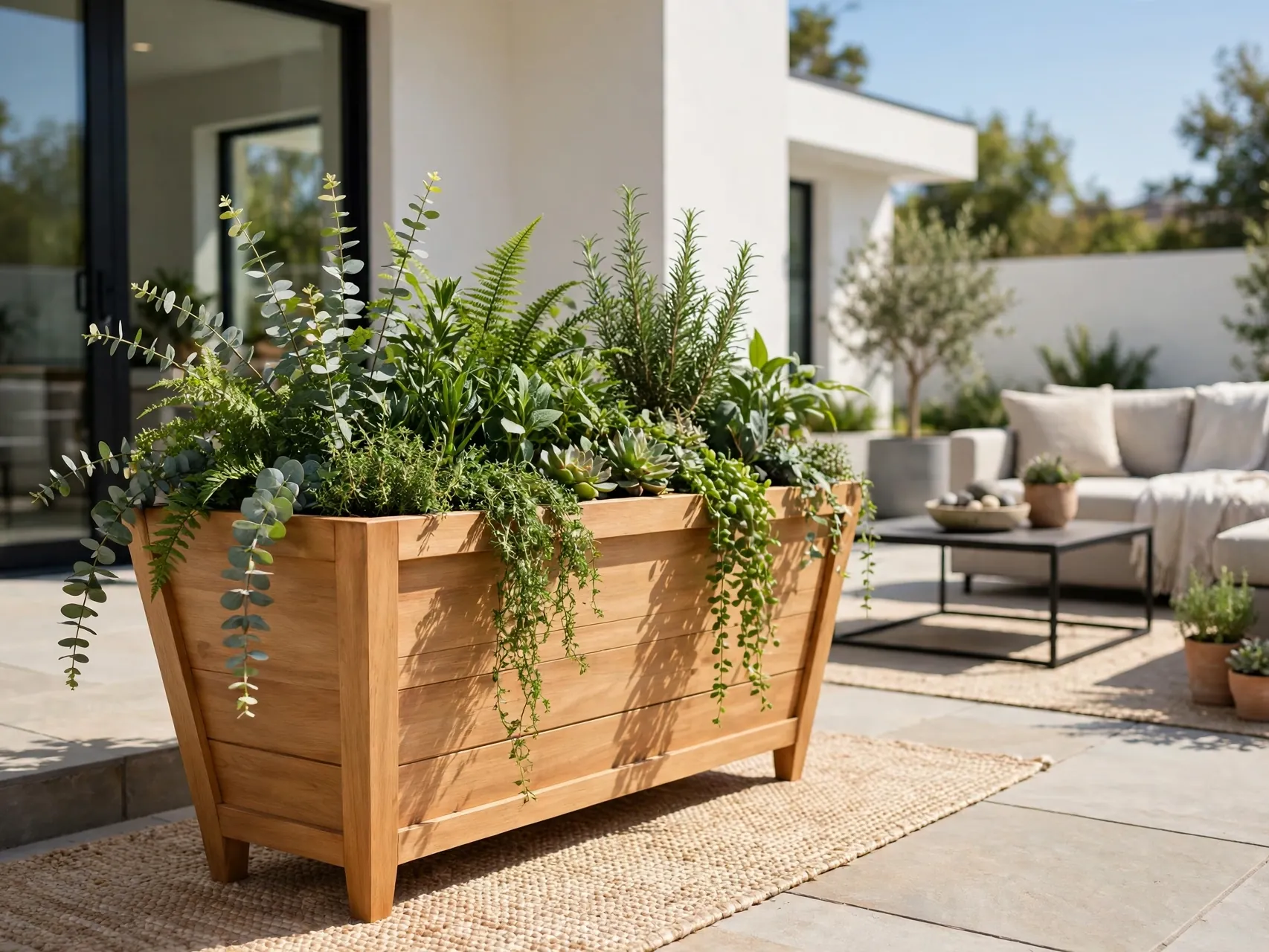
Angled sides give a planter a clean, store bought look. Cut the side panels with a gentle taper, wider at the top than the base, and join them with corner battens hidden inside.
Paint it matte black, white or a deep green for a modern finish, and set a plastic nursery pot inside instead of filling it with soil. The inner pot makes swapping seasonal plants simple and keeps the wood drier for longer.
9. Corner Triangle Planter

Triangular boxes fit the corners that rectangular planters waste. Three boards and a triangular base make the shape, and two of them bookend a deck or flank a garden bench nicely.
Because the soil volume is small, pick plants with modest roots, such as succulents, small grasses or annual color. Group three triangles at different heights if you have offcuts, and the corner suddenly looks designed rather than forgotten.
10. Bench Planter Combo

Two small boxes joined by a bench seat give you planting and a place to sit for the price of one project. Keep the boxes sturdy, since the seat boards screw into their top edges.
Use thicker lumber for the seat than for the box sides, and sand it smooth. This combo suits a sunny wall by the back door, where you can sit with coffee while the herbs in the side boxes warm in the sun.
11. Small Square Tabletop Box

A cube shaped box for the patio table holds a single herb pot or a cluster of succulents and costs almost nothing in offcuts. It also makes a kind, handmade gift filled with a plant.
Add small feet cut from scrap so the base stays dry, and drill one drainage hole if you plant directly into it. Most makers use it as a cover for a plain plastic pot, which is the easiest option of all.
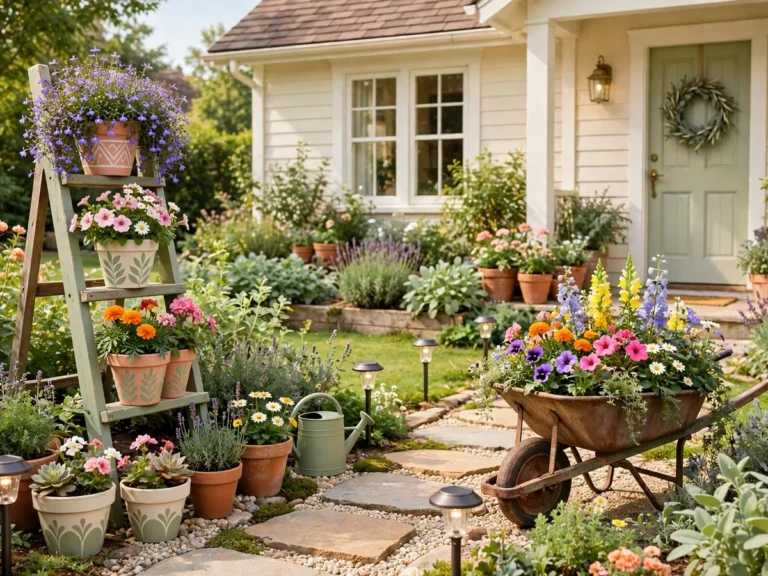
12. Ladder Shelf Planter
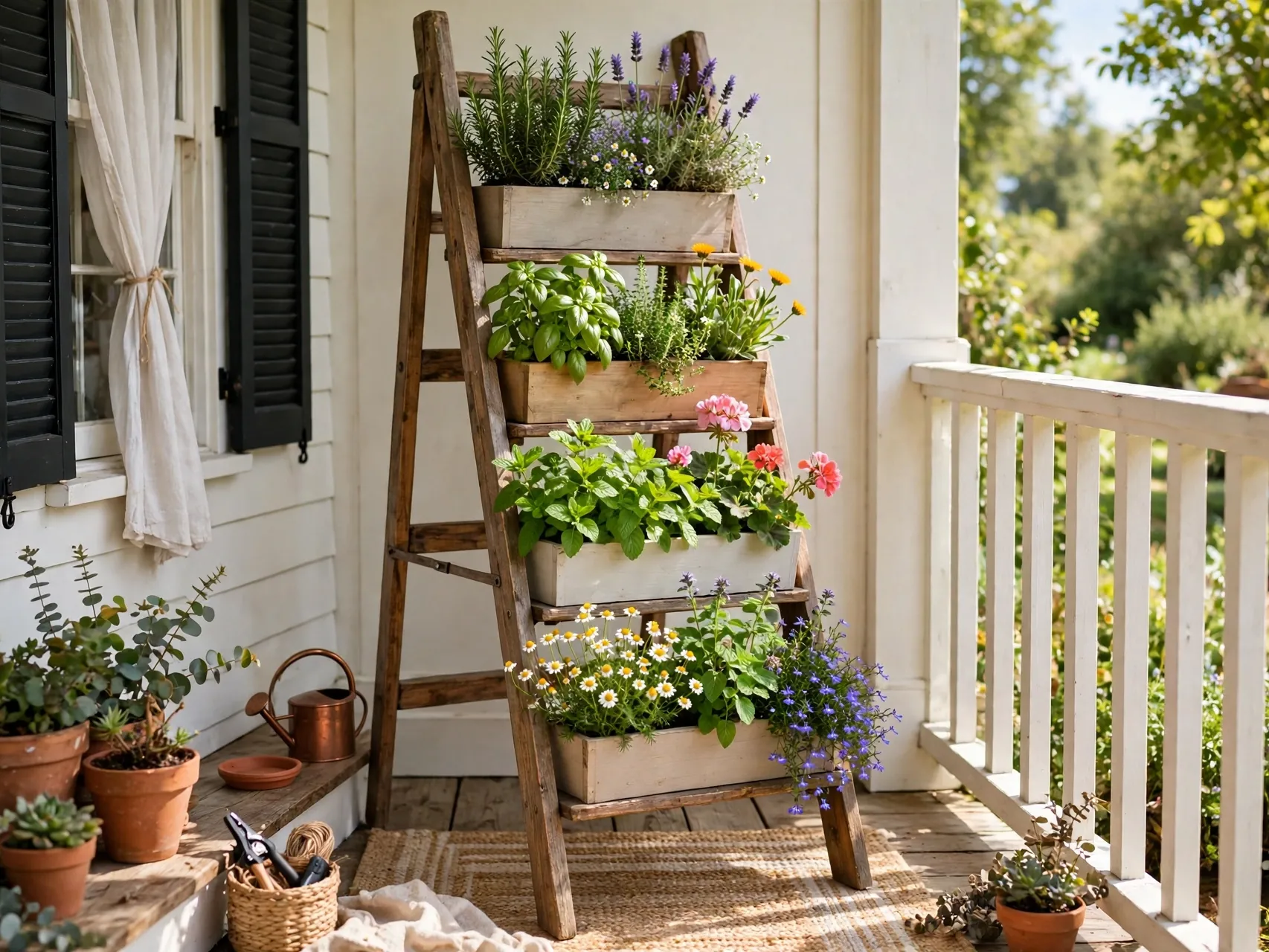
An old step ladder or a simple A frame built from furring strips becomes a vertical planter when you set small boxes or pots on each step. It suits renters because nothing fixes to a wall.
Keep heavy pots low and light ones high, and stand the ladder on level ground away from busy paths. This is one of the smartest cheap planter box ideas for balconies, where floor space is tight but vertical space is free.
13. Hanging Wall Planter

A shallow box hung on a fence or exterior wall lifts herbs and flowers off the ground and away from slugs. Build it like a window box, then fix it through the back board into posts or studs.
Weight is the limit here. Fill it with lightweight potting mix, not garden soil, and choose compact plants. Water gently with a can rather than a hose blast, which can push mix out of a shallow box in seconds.
14. Rolling Planter With Casters

Four small caster wheels under a sturdy box let you move heavy plantings with one hand. That matters for citrus, peppers and other sun lovers that need repositioning through the season.
Buy casters rated for outdoor use and lock at least two of them. Build the base from thicker boards than the sides, since the base carries the load. A rolling cedar fence picket planter with locking wheels is a porch upgrade you will thank yourself for every week.
15. Reclaimed Drawer Planter
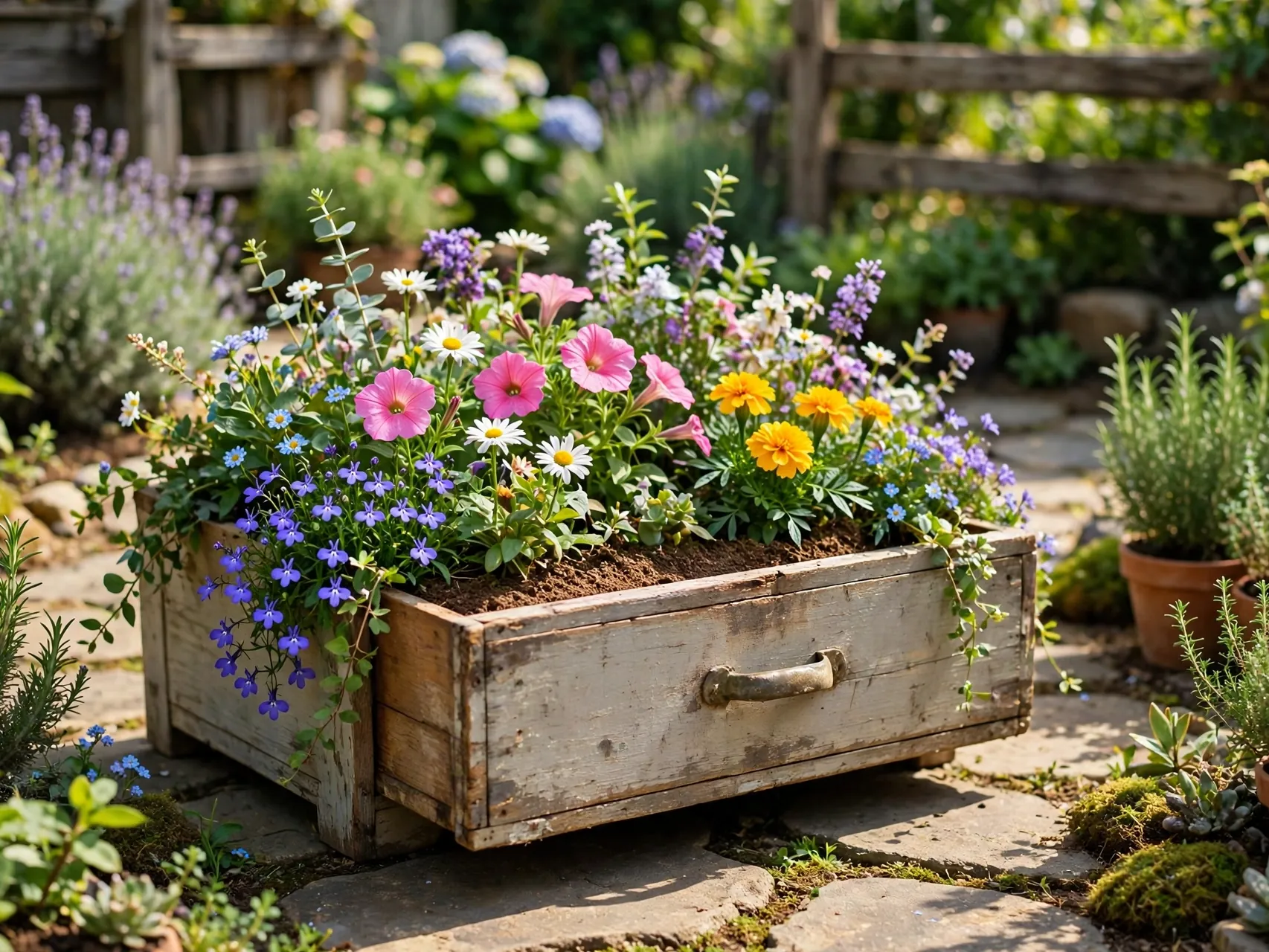
An old dresser drawer is already a box. Drill drainage holes in the base, line it, add short feet or handles if they are missing, and it is ready for flowers in under an hour.
Drawer wood is thin, so keep these planters under cover or accept a shorter life outdoors. Paint the outside with exterior paint to slow the weather down. Save drawers with dovetail joints for display spots, since they hold together best.
16. Cinder Block and Board Shelf

Two stacks of cinder blocks with a long board across them make a planter shelf with no screws at all. Set pots on the board and tuck small succulents into the block holes for a modern, sculptural look.
Use a board rated for outdoor use and level the blocks carefully on firm ground. This idea suits a patio edge or greenhouse corner, and you can take it apart in minutes when you want the space back.
17. Barn Wood Rustic Box

Weathered barn boards or old fence panels make a planter with instant character. Check every board for nails, staples and rot before you cut, and avoid any wood with peeling lead paint or chemical stains.
For vegetables and herbs, line the inside fully with fabric and use fresh potting mix, so the old wood is structure and style rather than soil contact. The silver gray finish needs no paint, which keeps the cost and the effort down.
18. Tall Privacy Planter
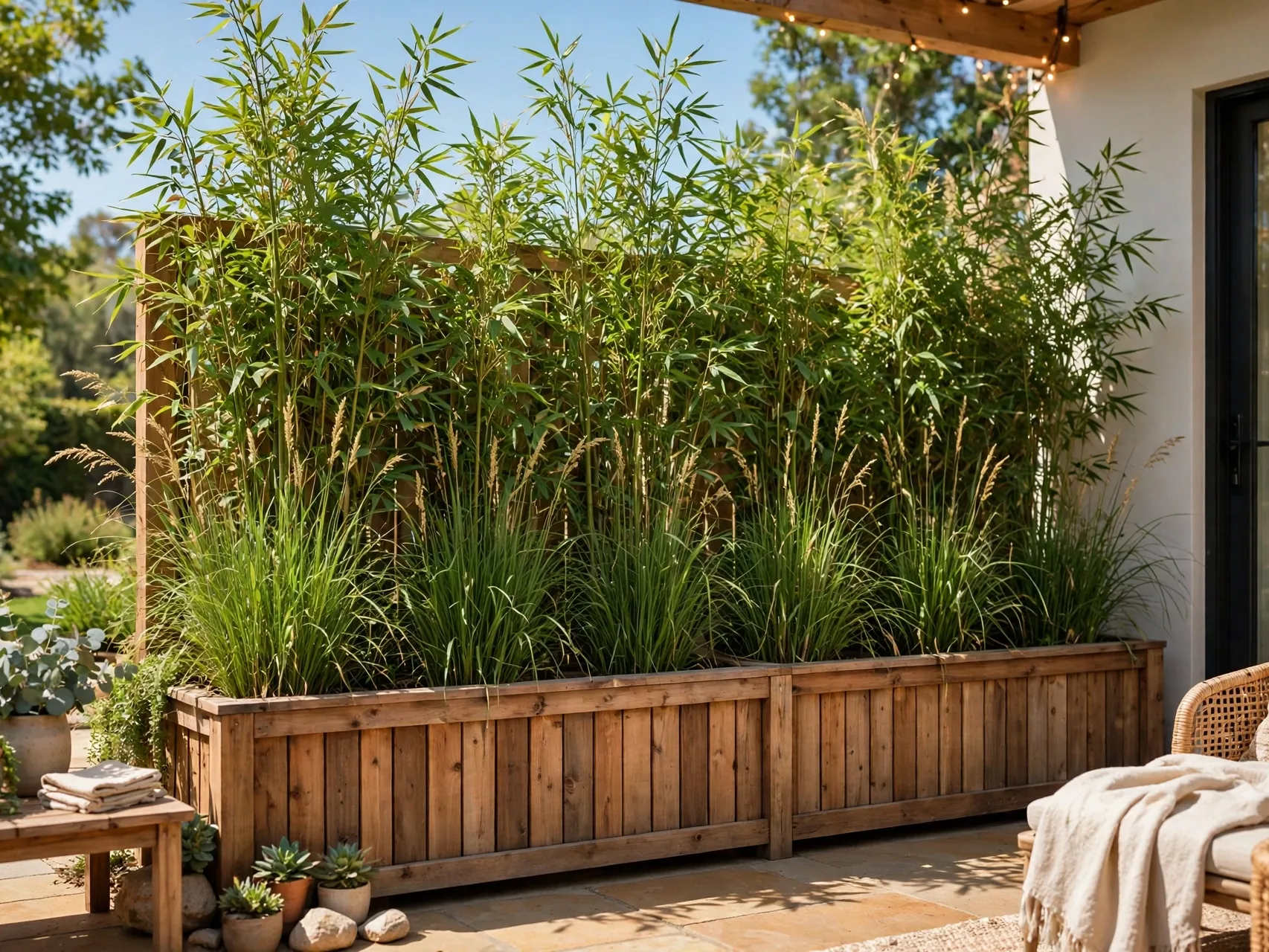
A taller box with a simple trellis back panel gives you planting plus a green screen. Build the box deeper than usual for stability, then fix vertical battens or a lattice panel to the back.
Grow climbers like sweet peas, jasmine or clematis up the panel, depending on your climate and sun. Place two tall planters side by side to screen a seating area or hide bins, and water well while roots establish.
19. Kids Painted Planter

A small box painted by kids in bright colors is a joyful first garden project. Keep the build adult led, then hand over the painting and planting to small hands with washable outdoor paint.
Fast, forgiving crops make it work. Radishes, lettuce and marigolds sprout quickly and forgive irregular watering. A name painted on the front in wobbly letters is not a flaw. It is the whole point of this planter.
20. Double Wide Vegetable Box

Two picket boxes joined into one long bed give tomatoes, peppers or zucchini real root room while staying under budget if you build with pickets and furring strips. Keep the width near 2 feet so you can reach the middle.
Fill with a mix of potting mix and compost rather than heavy garden soil, and mulch the surface to hold moisture. A budget planter box under $30 like this one will not last as long as a premium cedar bed, but it grows a full season of food for very little money.
If your first box wobbles, check the corners before you blame the design. Most wobble comes from uneven cuts or a base that is not level. Shim the base, tighten the screws, and the next build will come together faster and squarer than the first.
Finishing is where a cheap box starts to look like a chosen one. A coat of exterior stain evens out mismatched boards, while clear sealant keeps the natural cedar tone and slows graying. Let any finish dry fully before you add soil, and keep finish off the inside faces where roots will sit if you grow food. Small feet, even four short offcuts screwed to the base corners, lift the box off wet ground and add a surprising amount of life to the bottom boards.
Watering deserves one last thought. Boxes dry out faster than garden beds, especially small ones in full sun. Group small planters together so they shade each other a little, mulch the soil surface with bark or straw, and water deeply in the morning rather than splashing a little every evening. A simple saucer under tabletop boxes protects wood surfaces, and a self watering insert made from a cut bottle can carry herbs through a hot weekend away.
FAQ
What is the cheapest wood for a DIY planter box?
Cedar fence pickets are usually the best value. They cost only a few dollars each, resist rot better than plain pine, and are wide enough that a small box needs only three or four of them. Furring strips are the cheapest option for frames and legs.
Does a planter box need drainage holes?
Yes. Roots sitting in water rot quickly, and even drought tolerant plants suffer in a sealed box. Drill holes in solid bases or leave small gaps between bottom slats, then line the box with landscape fabric so soil does not wash out.
Should I line my planter box?
Lining helps. Landscape fabric holds soil in while letting water out, and it slows direct contact between wet soil and wood. For edible crops in older or reclaimed wood, a full liner is a sensible extra layer of care.
How long will a cedar picket planter last?
Expect several seasons outdoors, longer under a porch roof or with a protective finish. Thin pickets weather faster than thick lumber, so check corners each spring and replace a failed board rather than the whole box.
Can I grow vegetables in a planter box under $30?
Yes, if the box is deep enough and the wood is safe. Give tomatoes and peppers at least 12 inches of soil depth, use fresh potting mix with compost, and avoid old treated wood of unknown history for food crops.
Key Takeaways
- Pickets keep it cheap: Cedar fence pickets and furring strips are the budget backbone of most builds here.
- Drainage is non negotiable: Holes or slat gaps plus a fabric liner protect roots and wood.
- Match depth to the plant: Herbs need about 8 to 10 inches, while fruiting vegetables want 12 inches or more.
- Secure anything raised: Railing and wall boxes need proper fixings and lightweight mix.
- Use safe wood for food: Untreated or naturally durable wood plus a liner is the careful choice for edibles.
- Start small, then repeat: One square box teaches every skill the bigger builds need.
Save this list to Pinterest for your next weekend build, and pin the planter style that fits your porch, patio or balcony.