21 Cut and Come Again Flowers for Blooms All Season Long
Introduction
Most garden flowers give you one good show and then slow down. A special group does the opposite: the more stems you cut, the more stems the plant sends up. These are the cut and come again flowers, the workhorses behind a whole summer of kitchen table bouquets.
Cutting works because it removes the spent bloom before the plant pours energy into seed. Iowa State University Extension gives the same advice for deadheading: pinch or cut faded flowers regularly to prevent seed formation and promote additional flowering. A harvest and a deadheading are the same helpful cut.
This list gathers 21 reliable producers for US gardens, from fast annuals like zinnias and cosmos to perennials like yarrow and coreopsis that return each year. Each entry explains how the plant responds to cutting and the one care habit that keeps it going.
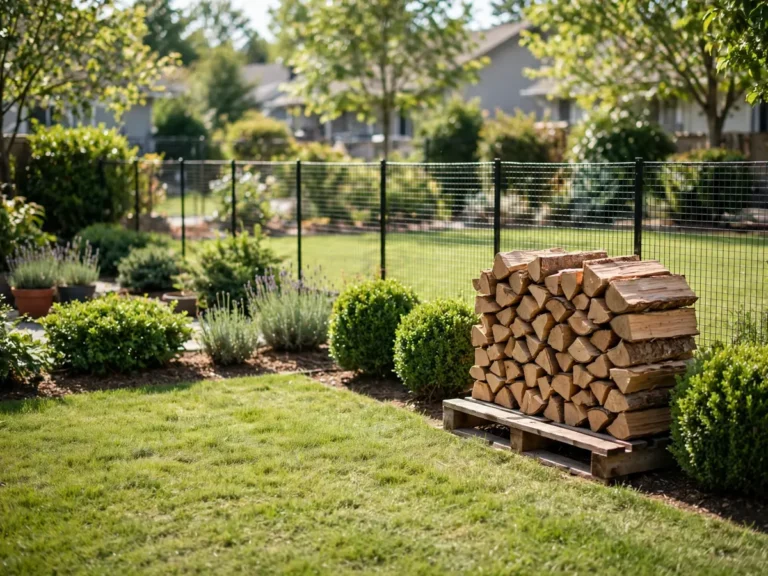
Plant in blocks or rows you can reach easily, pinch young plants once to make them branch, water during dry spells and cut at least twice a week in peak season. The bouquet habit is the fertilizer these flowers respond to best.
1. Zinnias

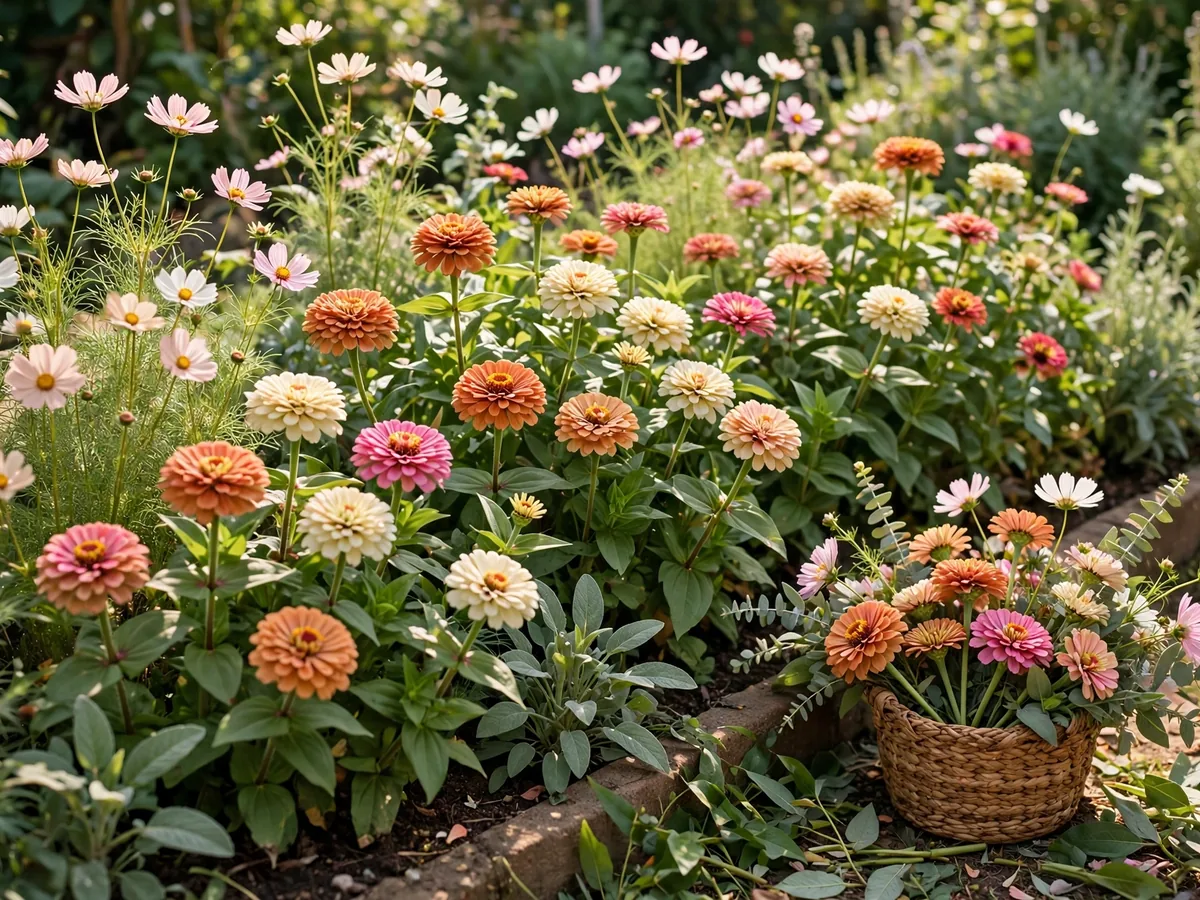
If you plant one cutting flower, plant zinnias. They thrive in heat, come in almost every color except blue and respond to every harvest with fresh side stems. Cut just above a leaf pair where side shoots are forming, and the plant branches instead of ending.
Pinch young plants once when they are about a foot tall to build a bushy base. Harvest fully open blooms, since zinnias picked too tight may not open well in the vase. With steady cutting, a bed of these classic cut flower garden flowers produces from midsummer until frost.
2. Cosmos

Cosmos float clouds of daisy blooms over ferny foliage and bloom harder the more you pick. Cut stems long, down to a branching point, and deadhead any spent blooms you do not pick, since seed set slows the plant quickly.
Pinch plants early to stop them turning into tall, floppy singles. Utah State University Extension notes that a cosmos plant that has grown tall and sparse can be cut back to 12 to 18 inches as a reset, with rebloom in about a month, but routine twice weekly cutting prevents that rescue job in the first place.
3. Dahlias

Dahlias are the premium cut flower that rewards bold harvesting. Cutting a bloom deep, down to a strong leaf joint, tells the tuber to push more flowering stems, while timid short cuts leave weak, crowded growth.
Pinch the center shoot once early for branching, stake tall varieties before wind does the pruning and cut blooms just as they fully open. Dahlias bloom from midsummer until frost and get more productive as nights cool in fall. In cold zones, lift and store tubers after frost or treat plants as annuals.
4. Marigolds
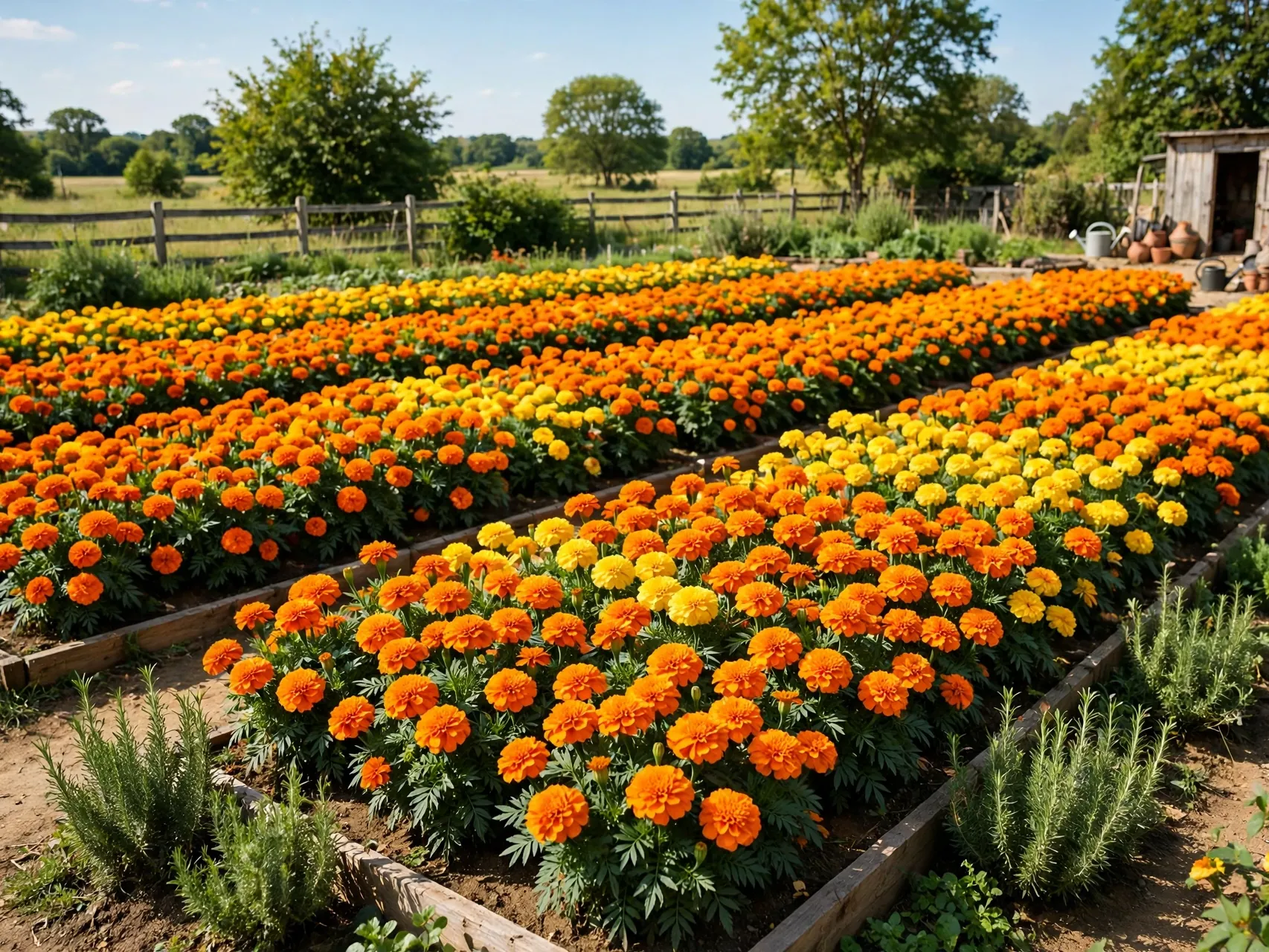
Marigolds are tougher than their cheerful faces suggest. Larger African and triploid types make real bouquet stems, and every cut or deadhead sends the plant back into bud. Their scent divides gardeners, but their work ethic does not.
Pinch young plants, space them for airflow and cut spent heads promptly, because a marigold left to seed slows down fast. Plants bloom from early summer until frost with almost no fuss, shrug off heat that stalls other flowers and hold up well in a vase for such an easy annual.
5. Scabiosa, the Pincushion Flower
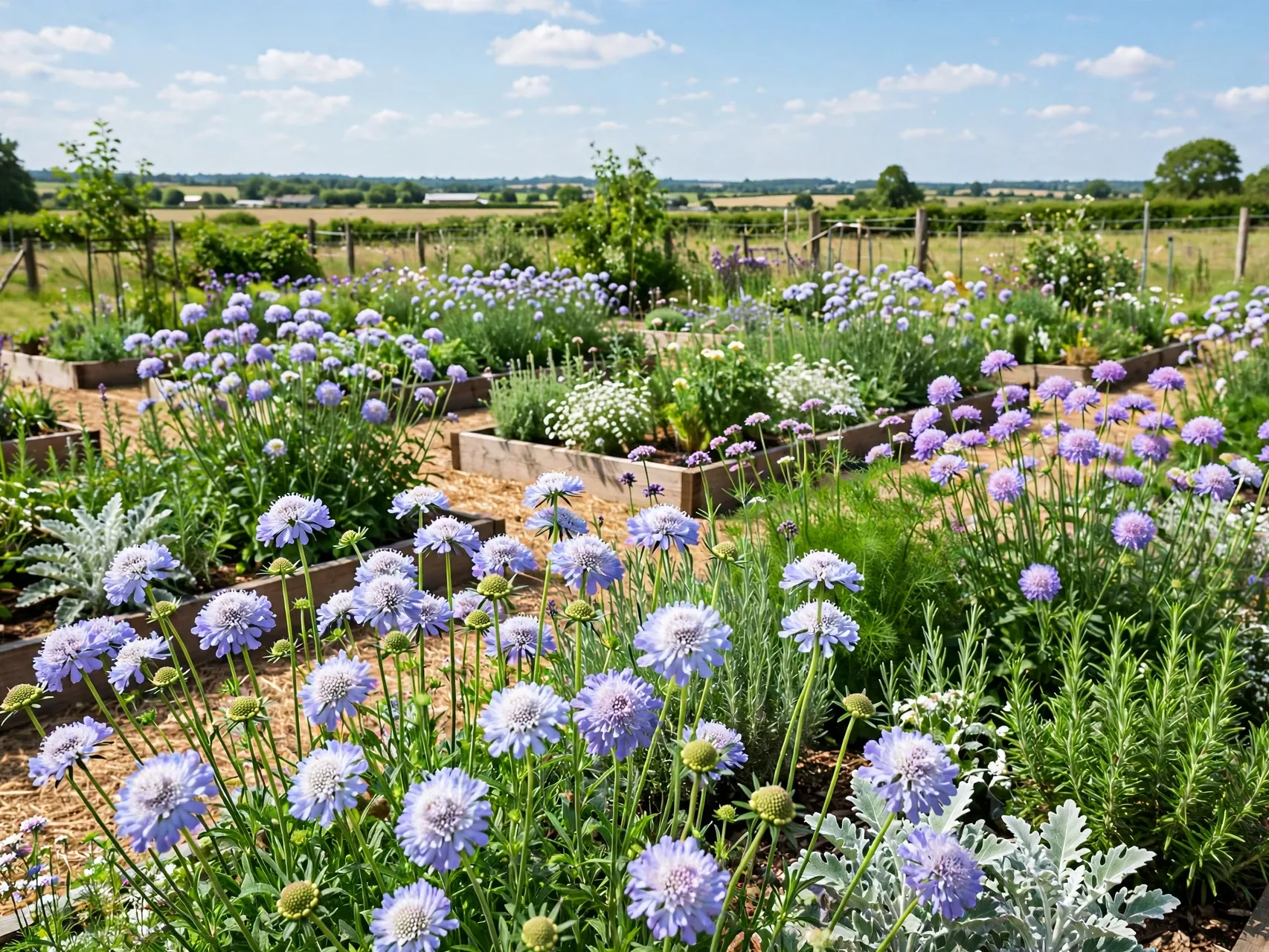
Scabiosa carries pincushion blooms on wiry stems that seem designed for arranging. The plant produces flower after flower as long as you keep cutting, and the round seed heads that form if you miss a bloom are decorative in their own right.
Harvest when blooms are open and firm, and snip spent stems at the base rosette rather than leaving stubs. Annual scabiosa runs through summer, while perennial types return for repeat years. Few flowers that bloom all summer mix as easily with both soft cottage blooms and bold dahlias.
6. Celosia
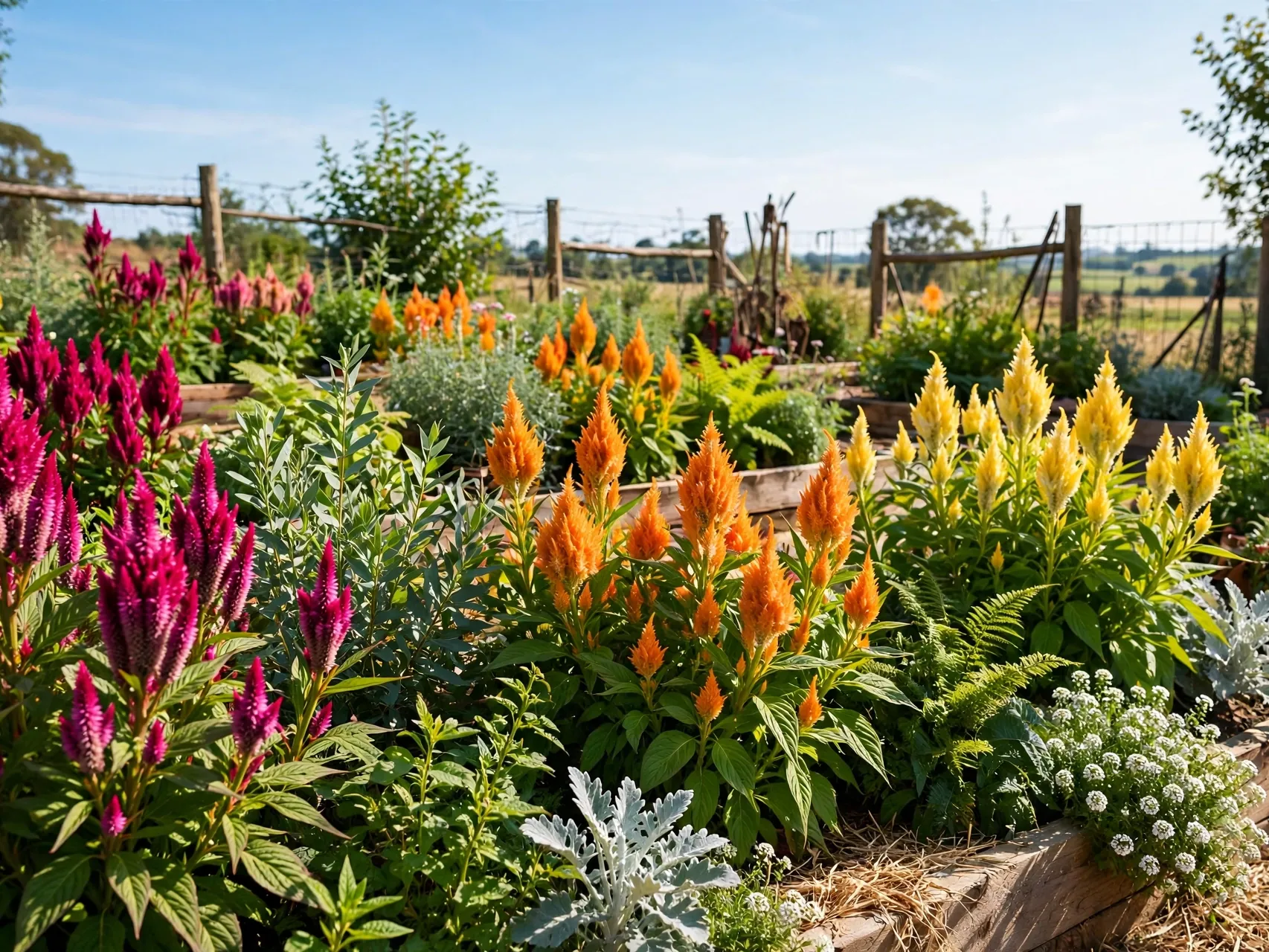
Celosia brings shapes nothing else offers: crested cockscomb, plumes and wheat like spikes in saturated reds, oranges, pinks and golds. Plants love heat, wait for warm soil at planting and then produce stems steadily for cutting and drying.
Cut main stems and the plant branches with slightly smaller, very usable side stems. Harvest when heads feel firm and colors are fully developed. Celosia holds its color dried, so late season cuts become winter bouquets. Keep plants watered in drought, since stressed celosia sets small heads early and stops growing.
7. Globe Amaranth, Gomphrena
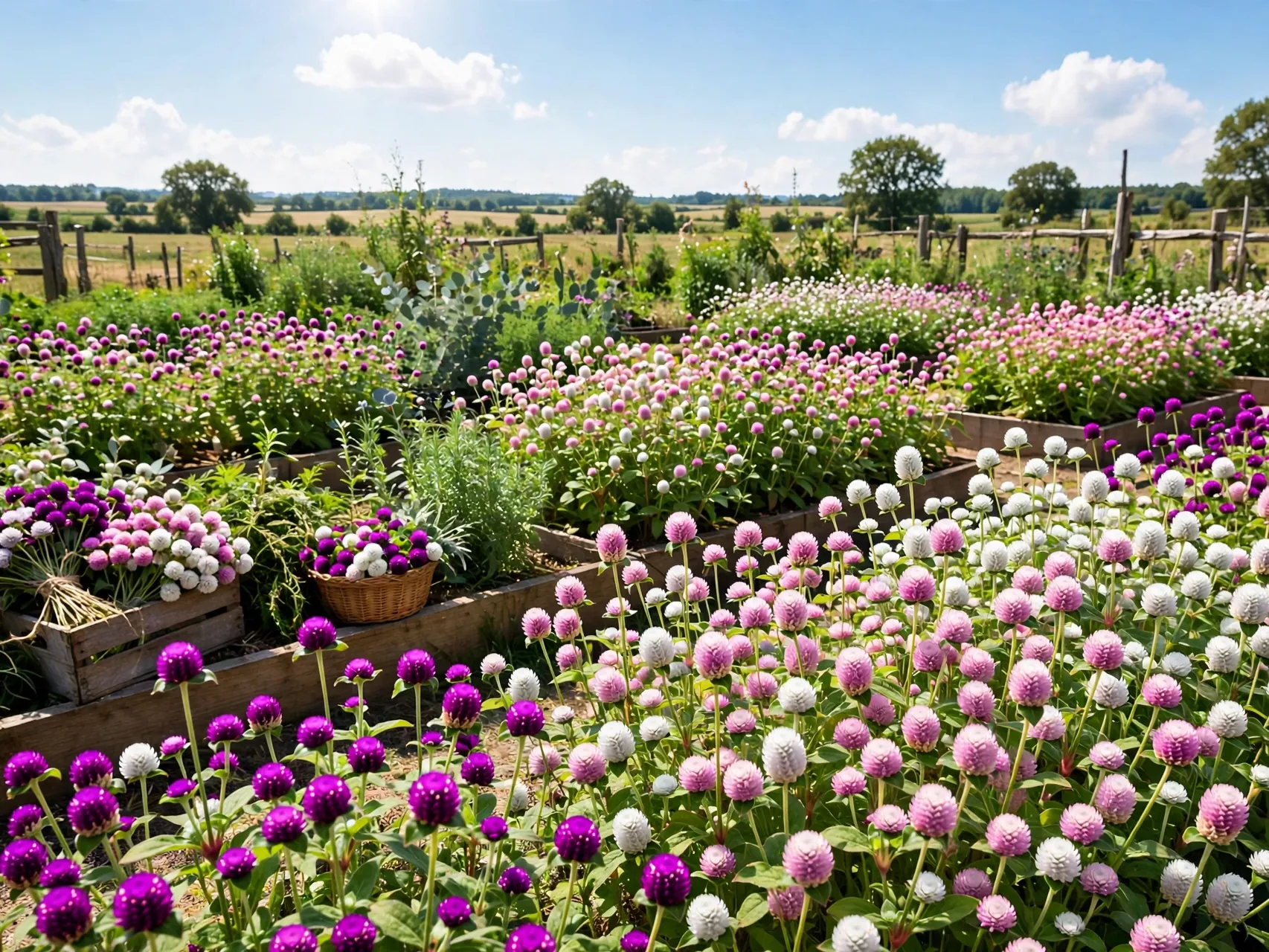
Gomphrena makes tidy clover like globes in purple, pink, white and red that feel almost dry on the plant. That papery texture means an unusually long vase life and perfect dried flowers later, all from a plant that blooms without pause.
Cut stems long and often. The plant branches freely and fills back in, asking only for sun, warmth and reasonable water. Gomphrena is a quiet star of best flowers for cutting garden lists because one planting supplies fresh summer bouquets and dried fall arrangements with no extra work.
8. Sweet Peas

Sweet peas are the famous cool season member of this family. The rule is absolute: pick every bloom every other day, and never let pods swell, or the vine reads its job as done and stops flowering.
Grow them up netting or a trellis in rich soil, water steadily and cut with short stems into water at once. In most US zones they shine in spring and early summer, and in mild winter areas they can be fall sown. Their scent alone earns the effort, and constant picking is a pleasant chore.
9. Snapdragons
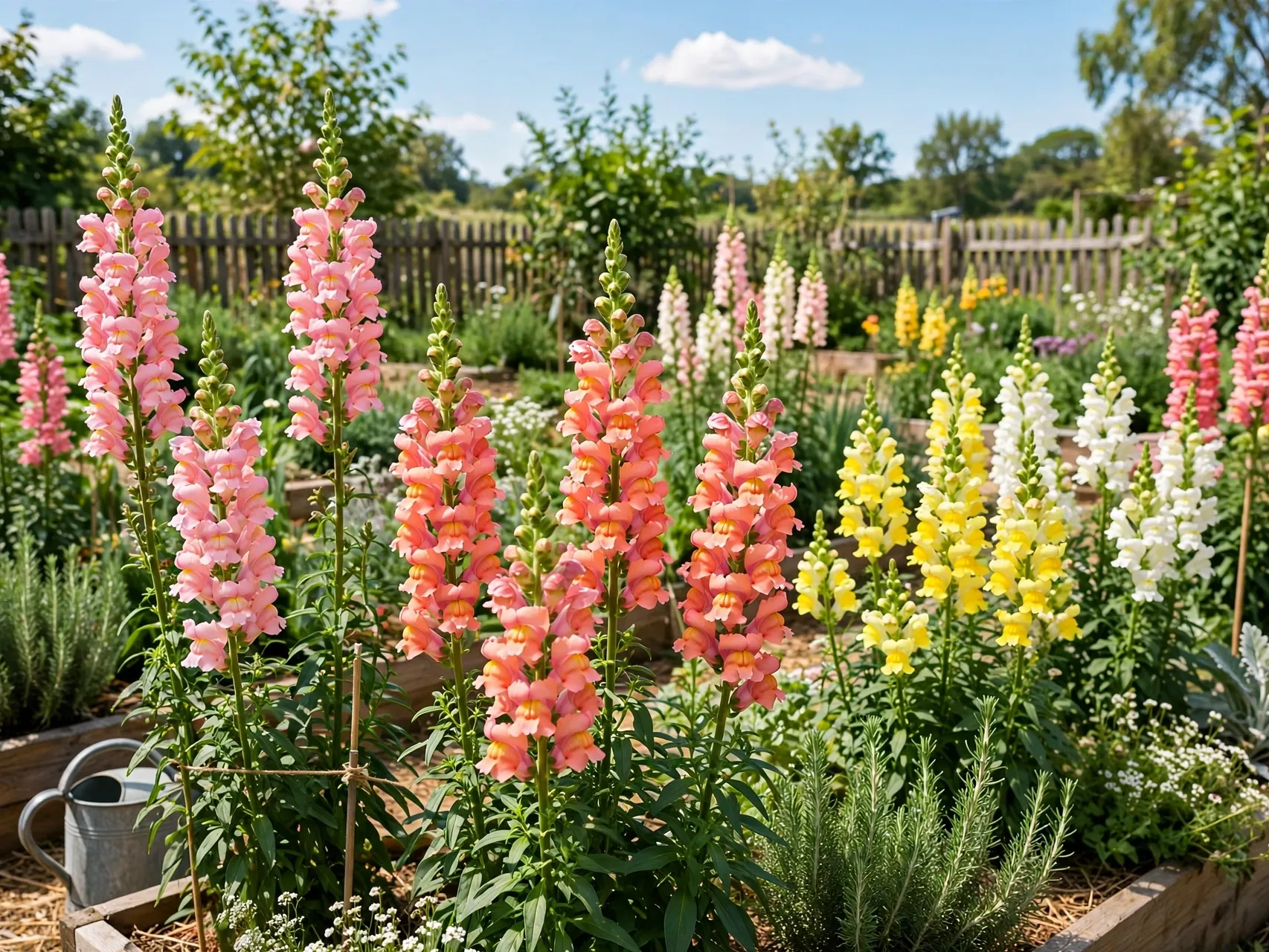
Snapdragons give vertical spikes that arrangements need, and a cut main spike returns as several side spikes for a second and third harvest. Pinch seedlings once for branching plants with more, slightly shorter stems.
They prefer cooler weather, thriving in spring and again in fall in many zones, with tall types needing netting or stakes to keep stems straight. Cut when the bottom third to half of the florets are open. Penn State Extension lists snapdragons among annuals that respond well to regular cutting and deadheading.
10. Branching Sunflowers

Only branching sunflower varieties belong on this list. A single stem type gives one glorious bloom and finishes, while branching types send out stem after stem from the main stalk when you keep harvesting.
Choose pollenless branching varieties bred for cutting if pollen dust on tables bothers you. Cut just as blooms open for the longest vase life, and strip lower leaves at harvest. Sow a short new row every few weeks through midsummer so fresh plants replace tired ones, a simple succession habit that keeps sunflowers coming until fall.
11. Ageratum
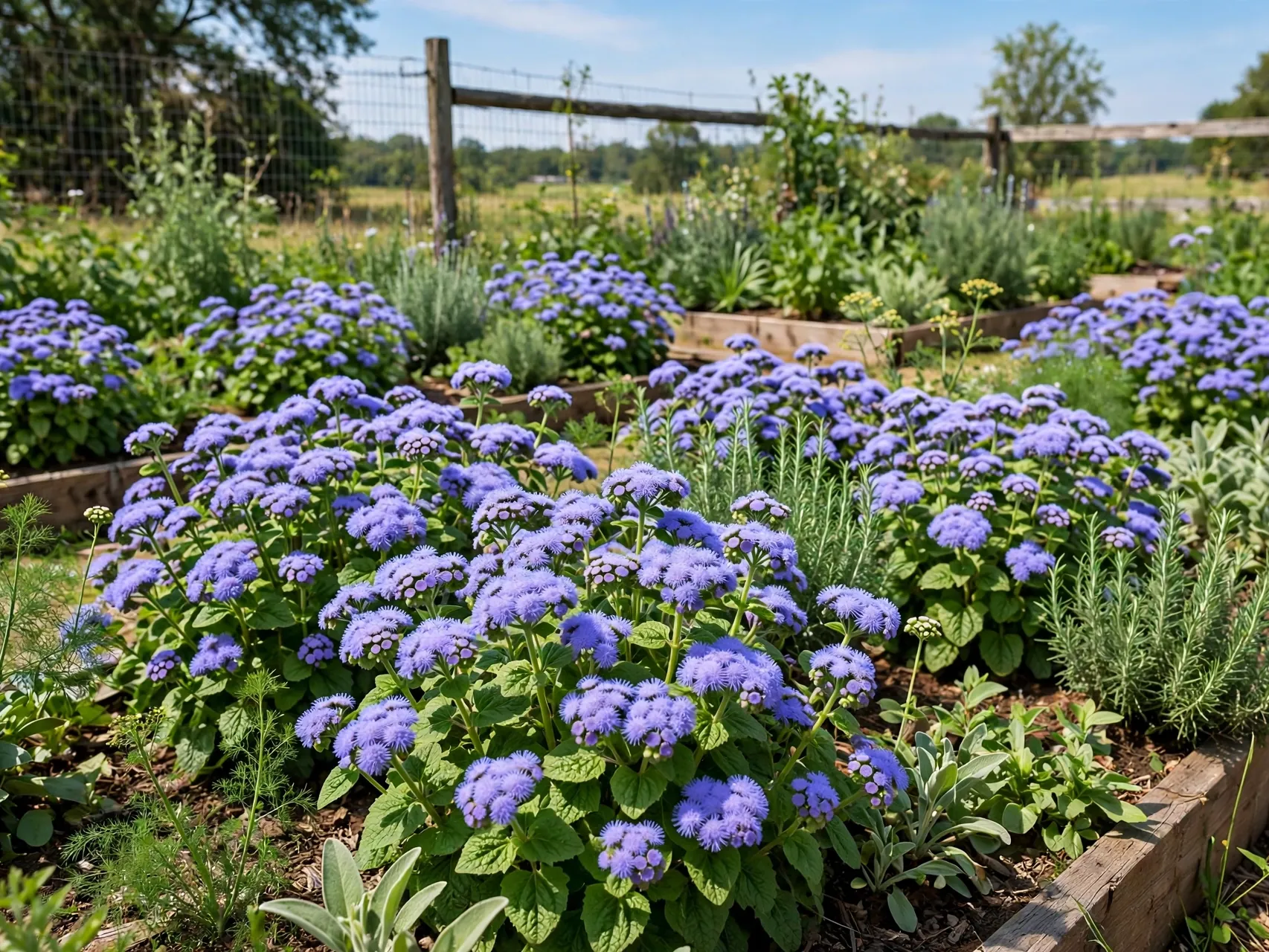
Tall ageratum varieties produce clouds of small, fuzzy blooms in blue, lavender, pink and white that act as built in filler. The plants branch steadily and replace cut stems through the summer with little attention beyond water in dry spells.
Cut bunches of stems when most flowers in the cluster are open, and deadhead tired clusters to the next buds. Short bedding ageratum is a different tool, so read seed packets and choose the tall cutting types. Ageratum earns its place by making every mixed bouquet look fuller and softer.
12. Salvia
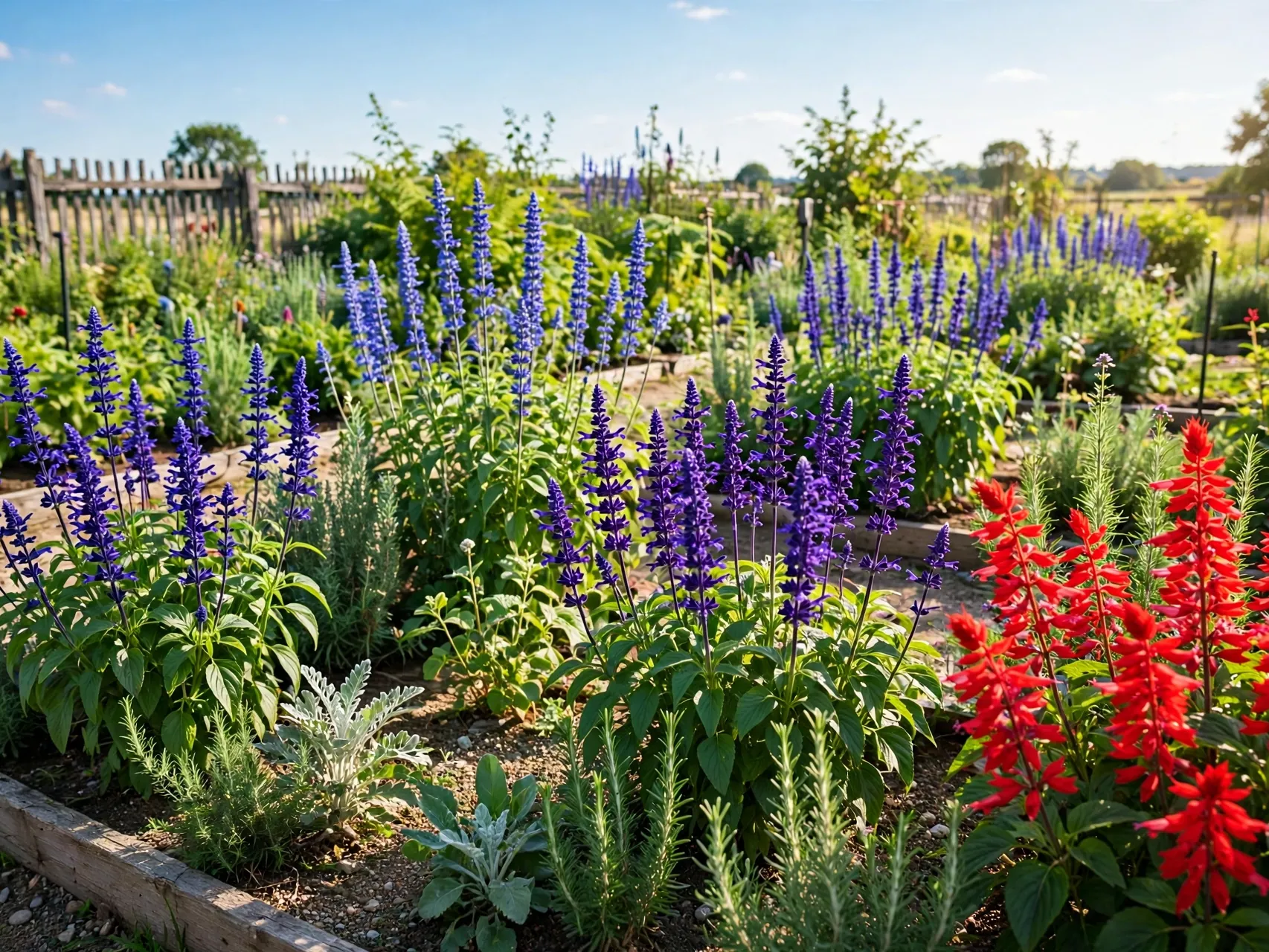
Salvias span annual and perennial types, and both reward the snip. Cut a finished flower spike back to fresh foliage or a side shoot and new spikes follow, a pattern Penn State Extension notes for salvia deadheading and rebloom.
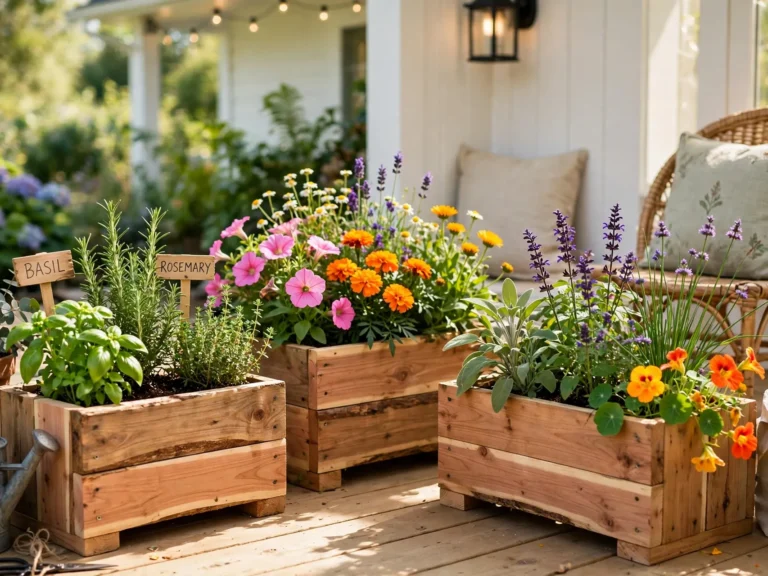
Annual bedding salvias bloom hot season long, while hardy perennial types give strong flushes with a quick shear between rounds. The spiky shape and true blues and purples are hard to find elsewhere. Bees work salvia constantly, so cut your stems in the morning and leave plenty of blooms standing for pollinators.
13. Yarrow
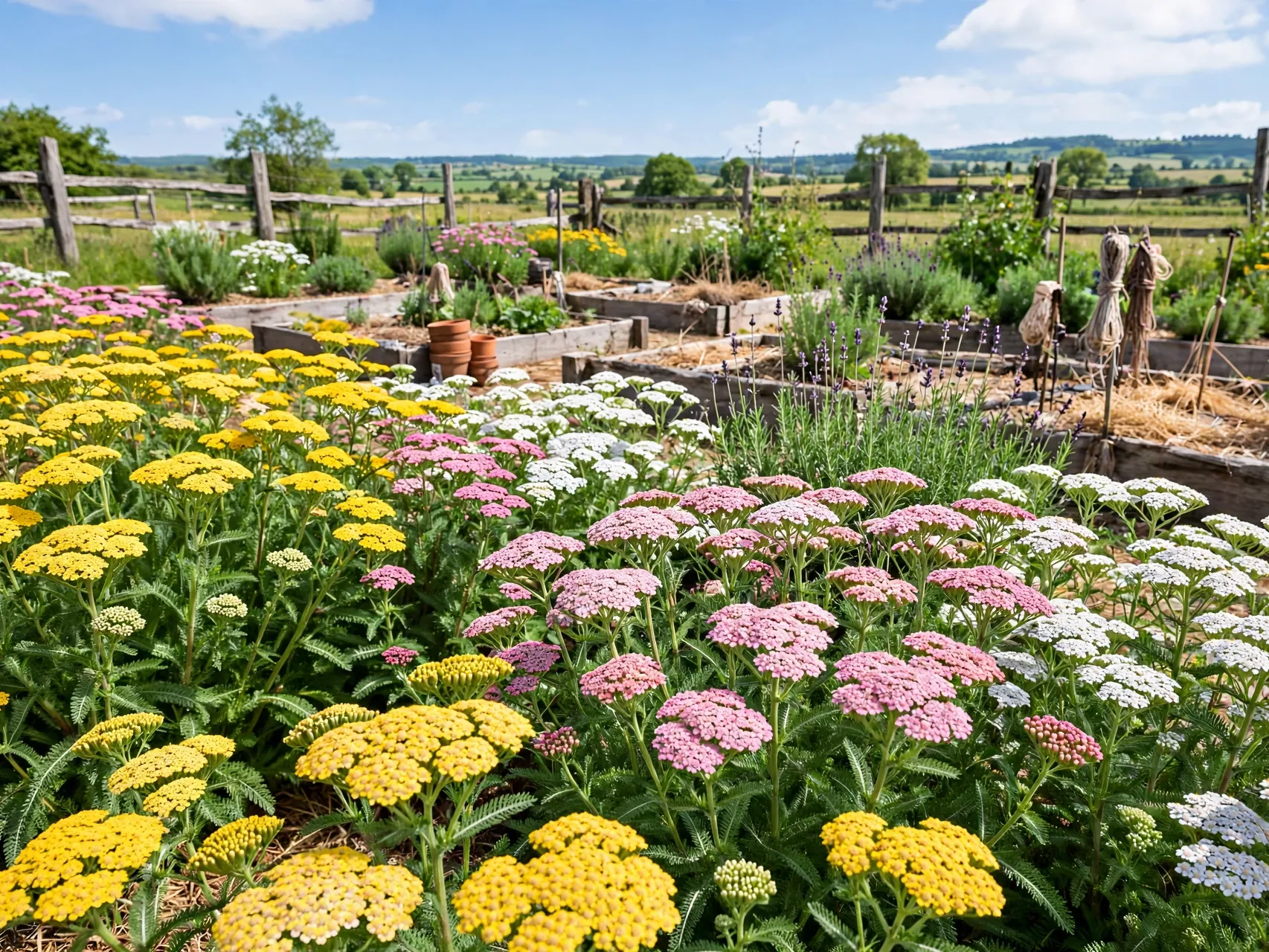
Yarrow is a perennial backbone plant for cutting beds. Flat heads in white, yellow, pink and rust tones dry beautifully, last well in a vase and return year after year in most zones with almost no care once established.
Cut stems when heads are fully colored and firm, and shear spent stems at the base to invite a second flush. Yarrow tolerates lean soil and drought better than most cut flowers, which makes it the plant for the far bed you water least. Divide clumps every few years to keep centers vigorous.
14. Coreopsis
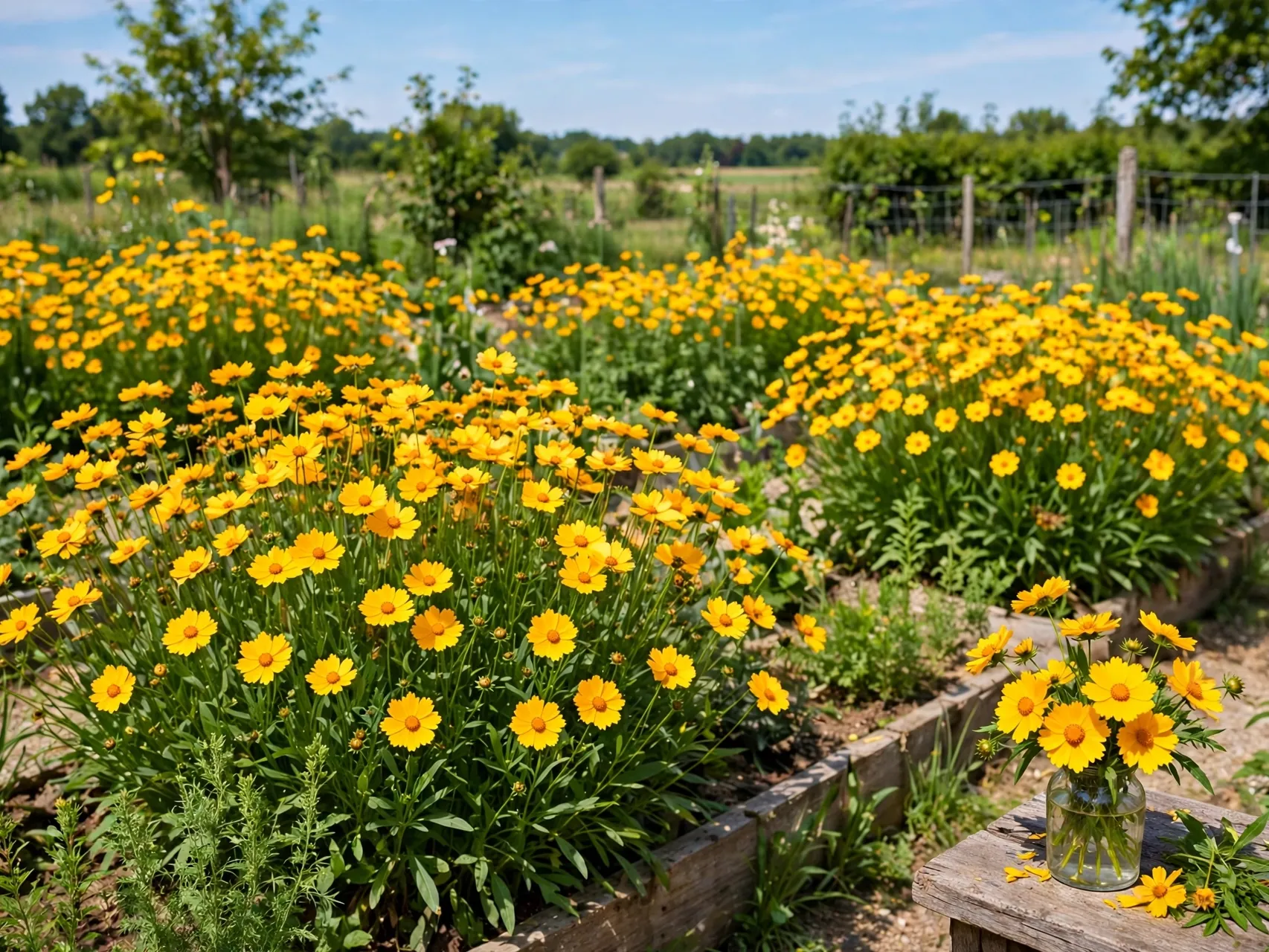
Coreopsis covers itself in small, bright daisy blooms on thin stems from early summer onward, and it keeps coming if you keep cutting. Deadheading is the whole secret: plants left to seed slow down, while sheared or harvested plants push fresh buds for months.
Use coreopsis as airy filler in bouquets or let it star in a simple jar. Perennial types return reliably in many zones, and annual types self sow lightly. Few plants give this much bloom per minute of care, which is why extension lists keep coreopsis under rebloom with deadheading.
15. Calendula
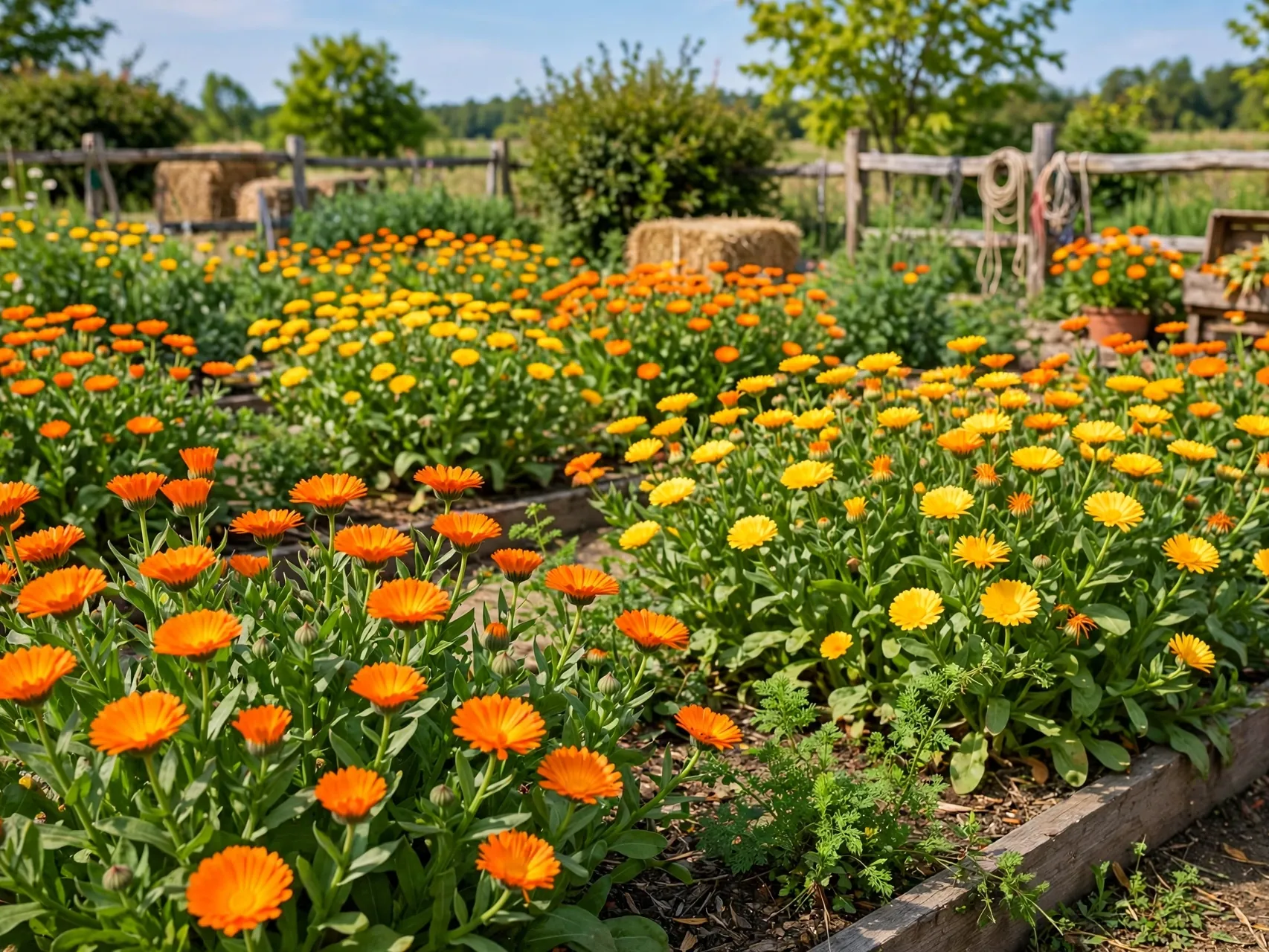
Calendula, the pot marigold, blooms in cool weather when summer flowers rest, giving spring and fall harvests of sunny orange and yellow blooms. It is also edible flowered and endlessly cheerful in beds and pots.
Pick blooms every few days and deadhead without mercy, because calendula sets seed fast and a plant carrying pods stops flowering. In hot summer zones it may pause in peak heat and return as nights cool. Let a few late plants self sow and next spring bed often starts itself, a bonus no other flower here matches so easily.
16. Cornflowers, Bachelor Buttons
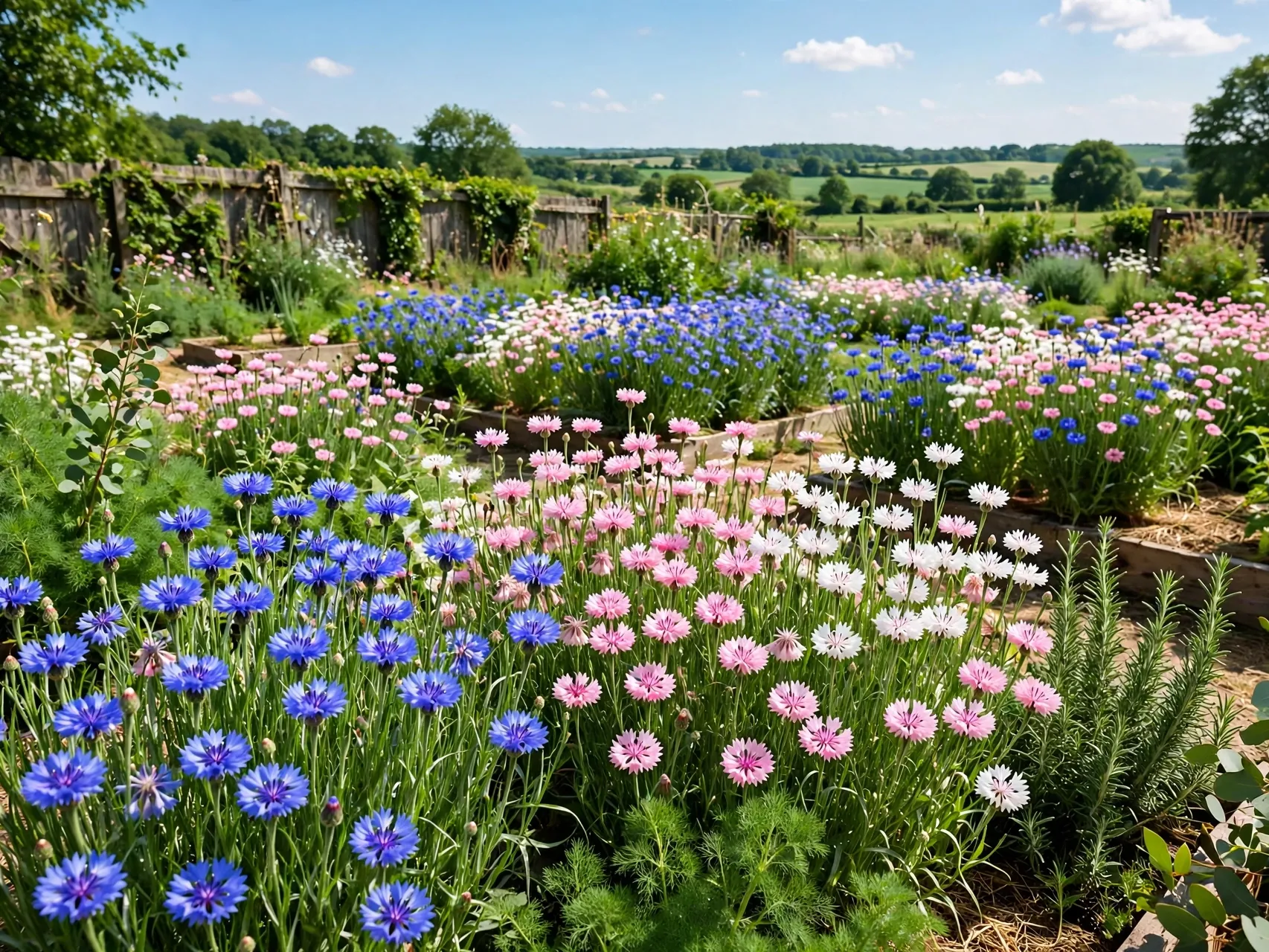
Cornflowers in true blue, pink, white and burgundy are cottage garden classics that bloom heavily in spring and early summer. Regular cutting is essential: pick or deadhead every few days and plants keep branching and budding instead of seeding out.
Sow in fall in mild zones or early spring elsewhere, straight into the bed where they will grow. Stems are wiry and light, perfect for loosening stiff arrangements. Cornflowers also dry well. Let the last flush of the season stand if you want seed for birds and for next year sowing.
17. Nicotiana, Flowering Tobacco

Nicotiana sends up branching stems of star shaped blooms in white, lime, pink and deep red, many of them sweetly scented in the evening. Tall types make elegant, airy bouquet material and bloom from early summer toward frost when kept cut.
Harvest stems as clusters open and remove any stem that starts forming seed capsules. Plants tolerate light shade better than most flowers on this list, which helps in gardens with big trees. The lime green forms work almost like foliage in arrangements, cooling bright zinnias and dahlias in a mixed bunch.
18. Strawflower

Strawflowers feel like dried flowers while they are still growing, with crisp papery petals in jewel tones. That texture gives an exceptional vase life fresh and a second life dried, from the same cutting bed.
Pick blooms before they fully open, since centers keep opening after cutting and over open flowers shatter. Cut long stems and strip leaves at once if you plan to dry them. Plants produce steadily through summer heat. Hang bunches upside down in a dark, airy spot and your summer harvest decorates the house all winter.
19. Amaranth
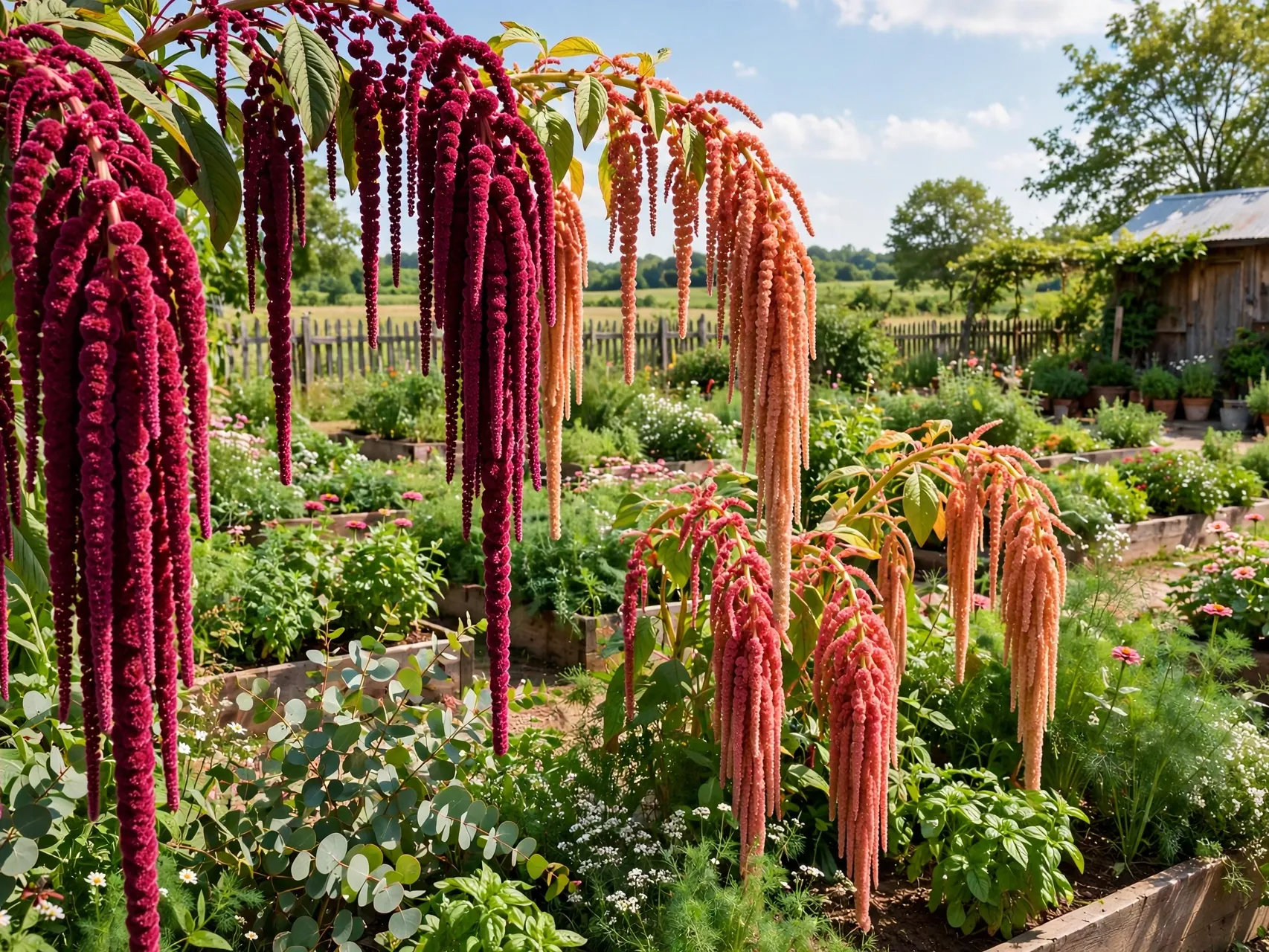
Amaranth adds drama: upright spikes or trailing tassels in deep red, burgundy, green and gold that make a whole arrangement look designed. Plants grow fast in heat and produce long, sturdy stems for cutting over a long window.
Cut spikes young for fresh use or let them mature slightly for drying and seed heads. Amaranth self sows freely, so deadhead or harvest before seed ripens if you want control of next year beds. One plant yields armfuls, making amaranth the most generous filler on this list by sheer volume.
20. Feverfew

Feverfew produces sprays of small white daisies with yellow centers on bushy plants, and a hard cut after the first flush brings a clean second round. It is the white filler that makes colors around it look brighter.
Cut whole stems as sprays open and shear plants back by about half after peak bloom, then water well. Feverfew self sows politely and often behaves as a short lived perennial, popping up in friendly spots. Keep some plants uncut for pollinators, since bees and hoverflies work the small blooms constantly.
21. Rudbeckia, Black Eyed Susan
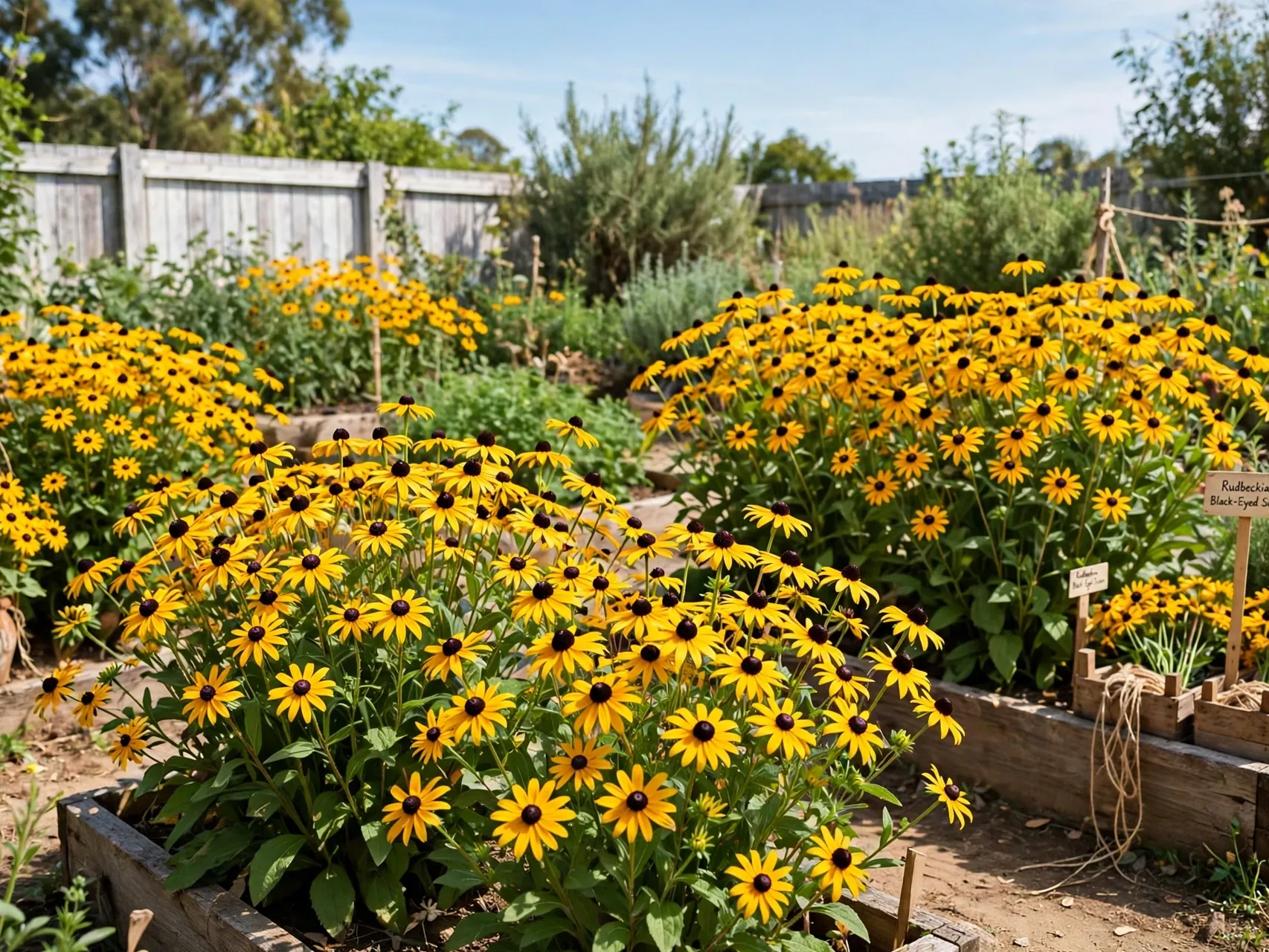
Rudbeckia closes the season in gold. These sturdy daisies bloom from midsummer into fall, handle heat and modest drought and return as perennials or strong self sowers in many zones. Cut stems keep coming as long as spent blooms do not sit and seed.
Harvest when blooms are newly open and petals sit flat, and cut deep to strong side growth. Leave the final late blooms standing: the dark seed heads feed birds and look handsome in frost. Paired with amaranth and dahlias, rudbeckia makes the fall bouquet that proves deadheading flowers for more blooms pays off all the way to frost.
FAQ
What does cut and come again actually mean?
It means the plant responds to harvest by growing new flowering stems instead of finishing. Cutting removes the bloom before seed forms, so the plant keeps trying to reproduce by making more flowers. Plants bred or built to branch, like zinnias, cosmos and dahlias, do this best, while single stem plants bloom once and end.
How should I cut flowers to get the most regrowth?
Use clean, sharp snips, cut in the cool of morning where you can and place stems straight into water. Cut down to a healthy leaf pair, side shoot or branching point rather than leaving a bare stub, and never take more than about a third of the plant at once. Twice weekly harvesting keeps most plants in steady production.
What is pinching and which flowers need it?
Pinching means removing the growing tip of a young plant once, usually when it is 6 to 12 inches tall, to force branching. Zinnias, cosmos, dahlias, snapdragons and branching sunflowers all benefit. The plant loses a week, then returns with several stems instead of one, which means many more blooms to cut over the season.
How do I keep blooms coming in late summer when plants tire?
Keep cutting and deadheading, water deeply in dry spells and sow small succession rows of fast annuals like zinnias and cosmos every two to three weeks through midsummer. Utah State Extension notes an overgrown cosmos can be cut back hard as a reset, but steady weekly harvests prevent most late season slumps without drastic cuts.
How long do cut and come again flowers last in a vase?
It varies by flower. Strawflower, gomphrena and celosia are among the longest lasting, while sweet peas are among the shortest and are grown for scent instead. Harvest at the right stage for each flower, strip leaves below the water line, use a clean vase and fresh water, and keep arrangements out of direct sun for the best vase life.
Key Takeaways
- Cutting is the trigger: Removing blooms before seed forms keeps plants producing new flowering stems.
- Pinch once, harvest often: One early pinch builds branching plants, then twice weekly cuts keep them going.
- Match flower to season: Sweet peas, calendula and cornflowers favor cool weather, while zinnias, celosia and gomphrena love heat.
- Cut to a growing point: Always snip down to a leaf pair or side shoot, never leave a bare stub.
- Sow in waves: Succession sowing every few weeks replaces tired plants and stretches harvest to frost.
- Mix textures: Pair bold dahlias and zinnias with airy cosmos, feverfew and amaranth for bouquets that look designed.
Want fresh bouquets all season? Save this pin to your flower garden board on Pinterest so you can find this planting list again before seed starting time.