25 Ways to Get Rid of Gnats Naturally Indoors and Out
Introduction
Few things test your patience like a cloud of tiny flies around the fruit bowl or a houseplant. Gnats feel impossible because you only see the adults, while the real problem, eggs and larvae in damp soil, drain film, or a forgotten piece of fruit, stays hidden and keeps producing more flies every few days. This guide shows you how to get rid of gnats naturally indoors and out by identifying the type first, trapping adults to cut numbers, and most importantly removing or treating the breeding source. You will find kitchen, drain, houseplant, and patio steps that work together, including BTI, a biological control the EPA describes as having no toxicity to people. Expect a gradual win, not an overnight one. Most outbreaks fade over two to three weeks of steady trapping, drying, and cleaning, because you have to outlast the eggs already laid.
1. Work Out Which Gnat You Have
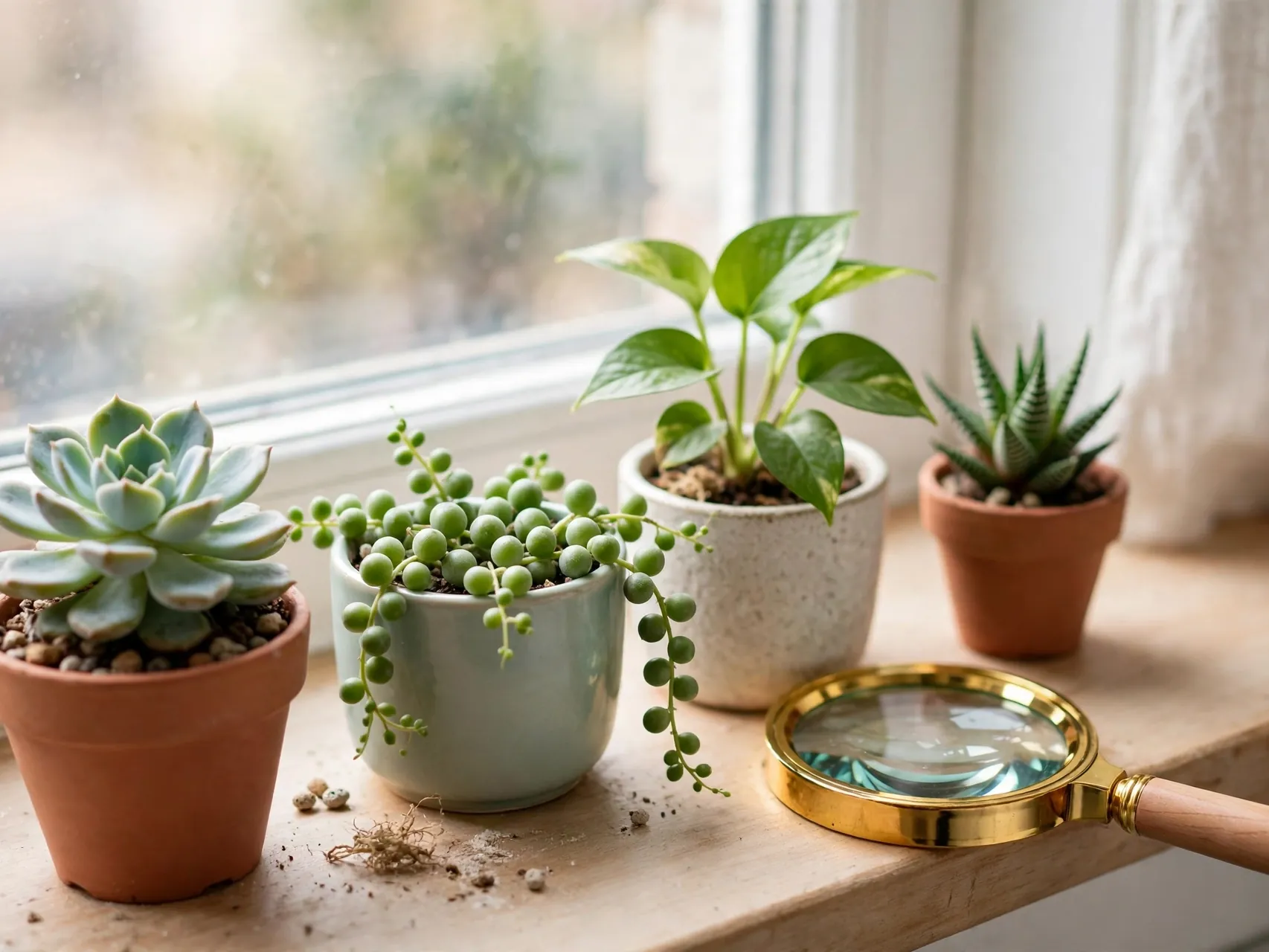
Treatment depends on the type. Tiny flies around houseplants are usually fungus gnats breeding in damp potting soil. Flies around fruit and drains are often fruit flies feeding on fermenting residue. Slightly fuzzy flies resting on bathroom walls can be drain flies breeding in drain slime.
Watch where flies rest for a day before treating. Correct identification saves a week of treating soil when the real source is a drain.
2. Set an Apple Cider Vinegar Trap

The classic trap works because apple cider vinegar smells like fermenting fruit. Pour half an inch into a small jar or bowl, place it where you see the most flies, near fruit, the sink, or houseplants, and leave it undisturbed so adults find it without competing scents nearby.
Empty and refresh the vinegar every few days. Traps cut adult numbers, but they must be paired with source removal to end breeding for good.
3. Add a Drop of Dish Soap to Traps
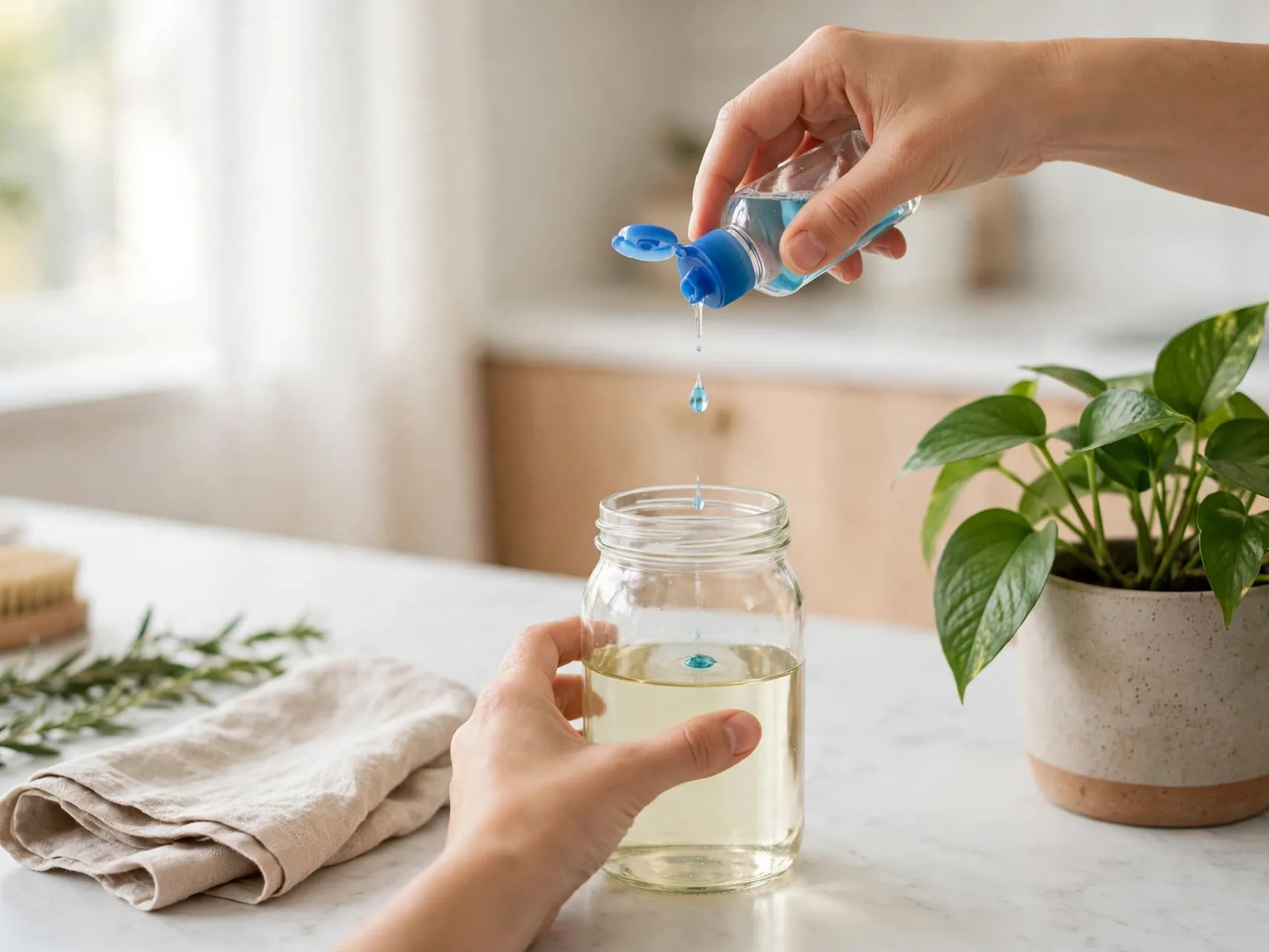
A single drop of dish soap in the vinegar breaks the surface tension of the liquid. Flies that would normally land, sip, and leave instead sink and cannot escape, which makes a simple open bowl far more effective than vinegar alone in most kitchens.
Do not overdo the soap, because a sudsy, detergent smelling trap is less attractive to flies. One drop, gently swirled in, is enough. This small upgrade turns a basic fruit fly trap vinegar setup into a reliable daily catcher during an outbreak.
4. Cover Traps With Perforated Wrap
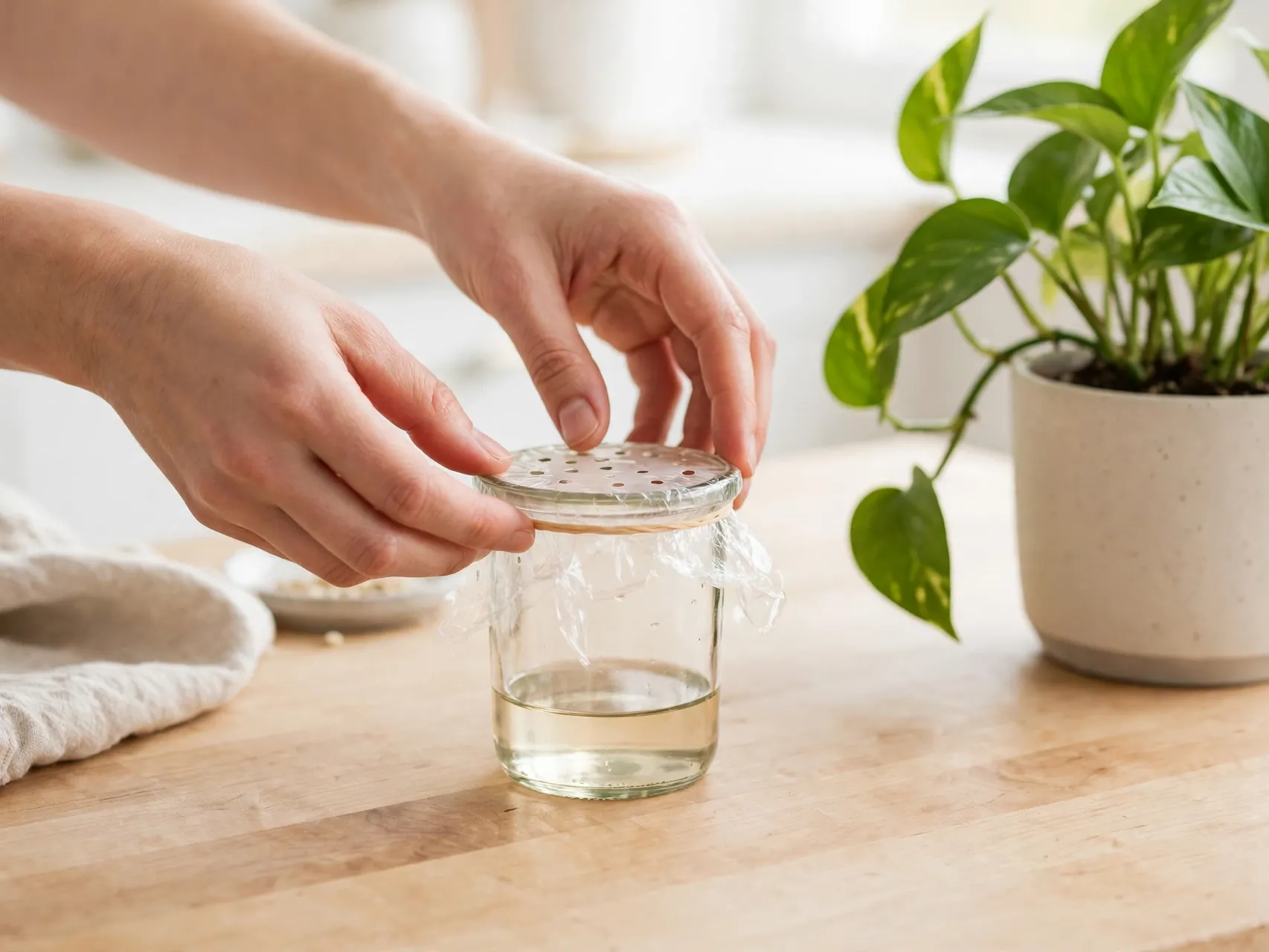
For fruit flies that keep escaping open bowls, cover the vinegar bowl tightly with plastic wrap and poke a few small holes with a toothpick. Flies crawl in toward the scent, then struggle to find the small exits, so more of them end up in the liquid below.
A paper cone set into a jar works the same way. Check traps daily and move them toward any new hot spot.
5. Remove Overripe Fruit From Counters

One soft banana or a bowl of peaches past their prime can feed a whole fruit fly nursery. Move ripe fruit off the counter during an outbreak, eat or cook what is ready, compost or discard anything mushy or leaking, and wipe the fruit bowl and counter underneath where juice has pooled.
Going forward, keep only a day or two of fruit out and store the rest chilled. This single source step often cuts kitchen flies faster than any trap, because it removes both food and egg laying sites at once.
6. Store Fruit in the Fridge During Outbreaks
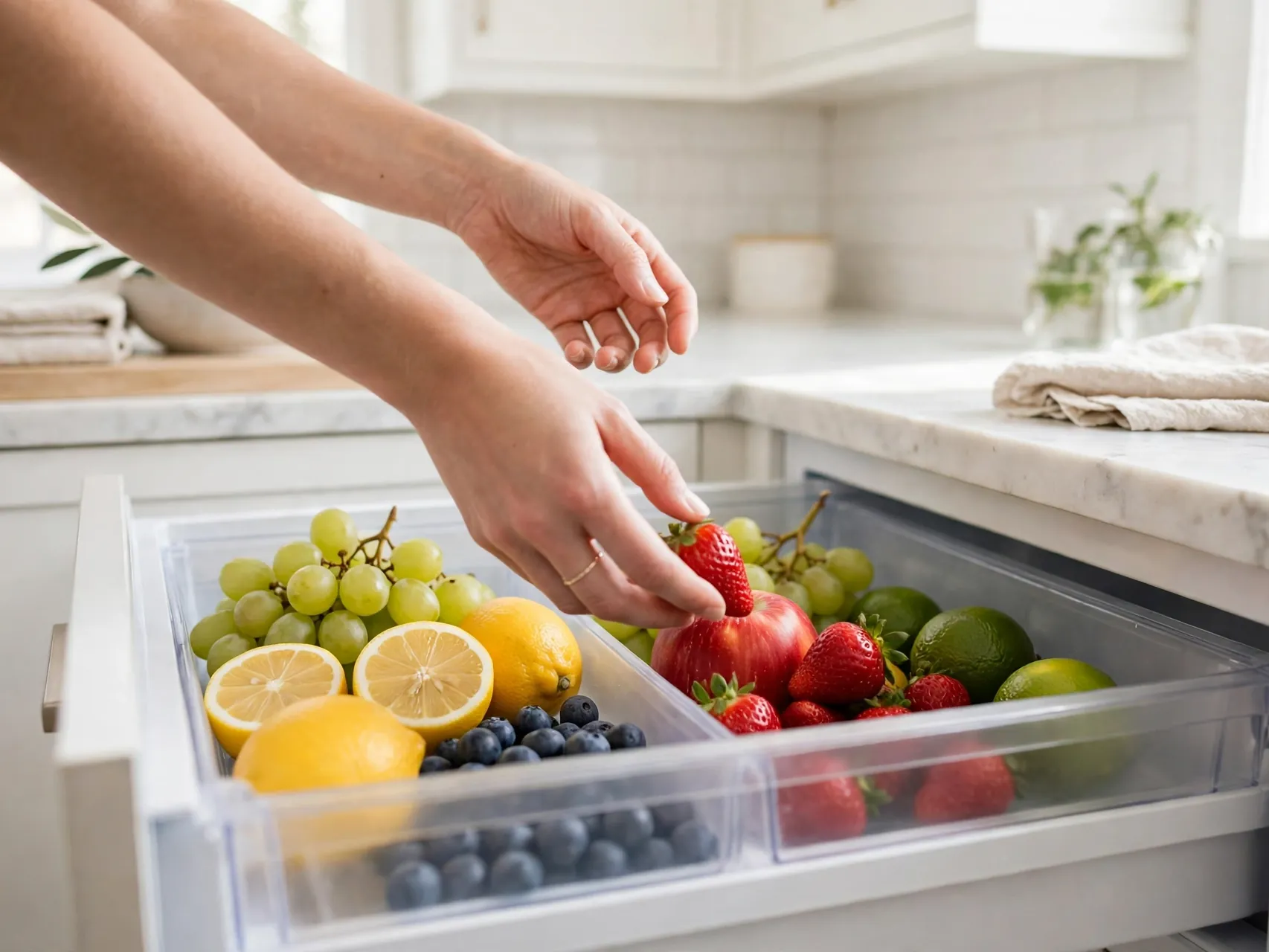
Refrigeration slows ripening and makes fruit invisible to fruit flies looking for a fermenting meal. During an active outbreak, fridge all cut fruit, berries, tomatoes, and ripe stone fruit, and bring items out only when you are ready to eat or cook with them that day.
Wipe fridge drawers weekly. Once adults have been gone for a week, you can return hardier fruit to the counter in small amounts.
7. Empty Kitchen Trash and Rinse the Bin
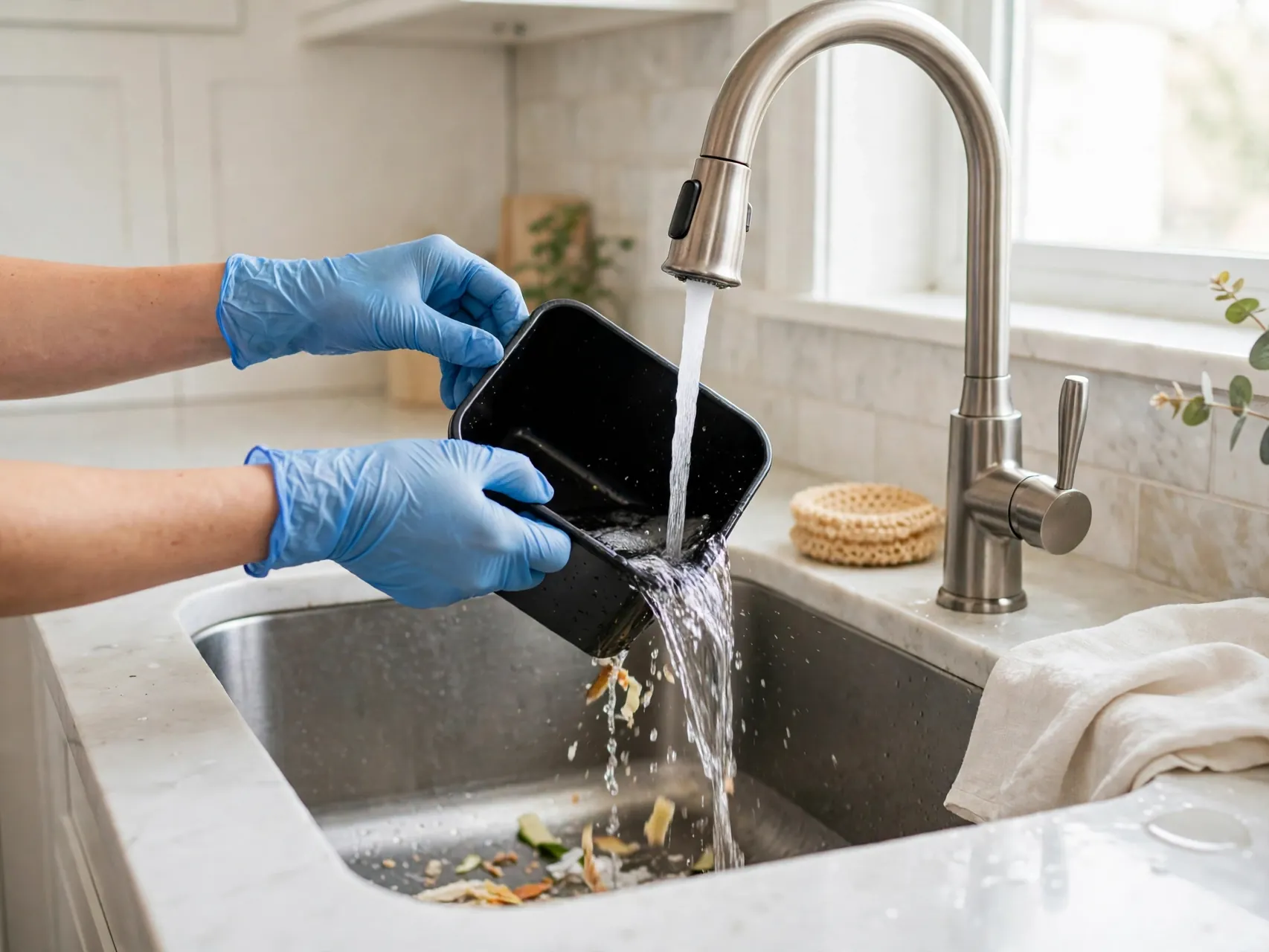
Fruit scraps, coffee grounds, and food packaging in an open bin are a buffet and a nursery in one. Use a bin with a lid during outbreaks, take food trash out daily, and tie bags closed so flies cannot get in or out as they please between trips.
Rinse or wash the bin itself weekly and dry it fully, paying attention to sticky drips under the bag. A clean, dry, lidded bin removes one of the most overlooked breeding sites in kitchens that otherwise look spotless.
8. Clean Sink Drains Where Flies Breed
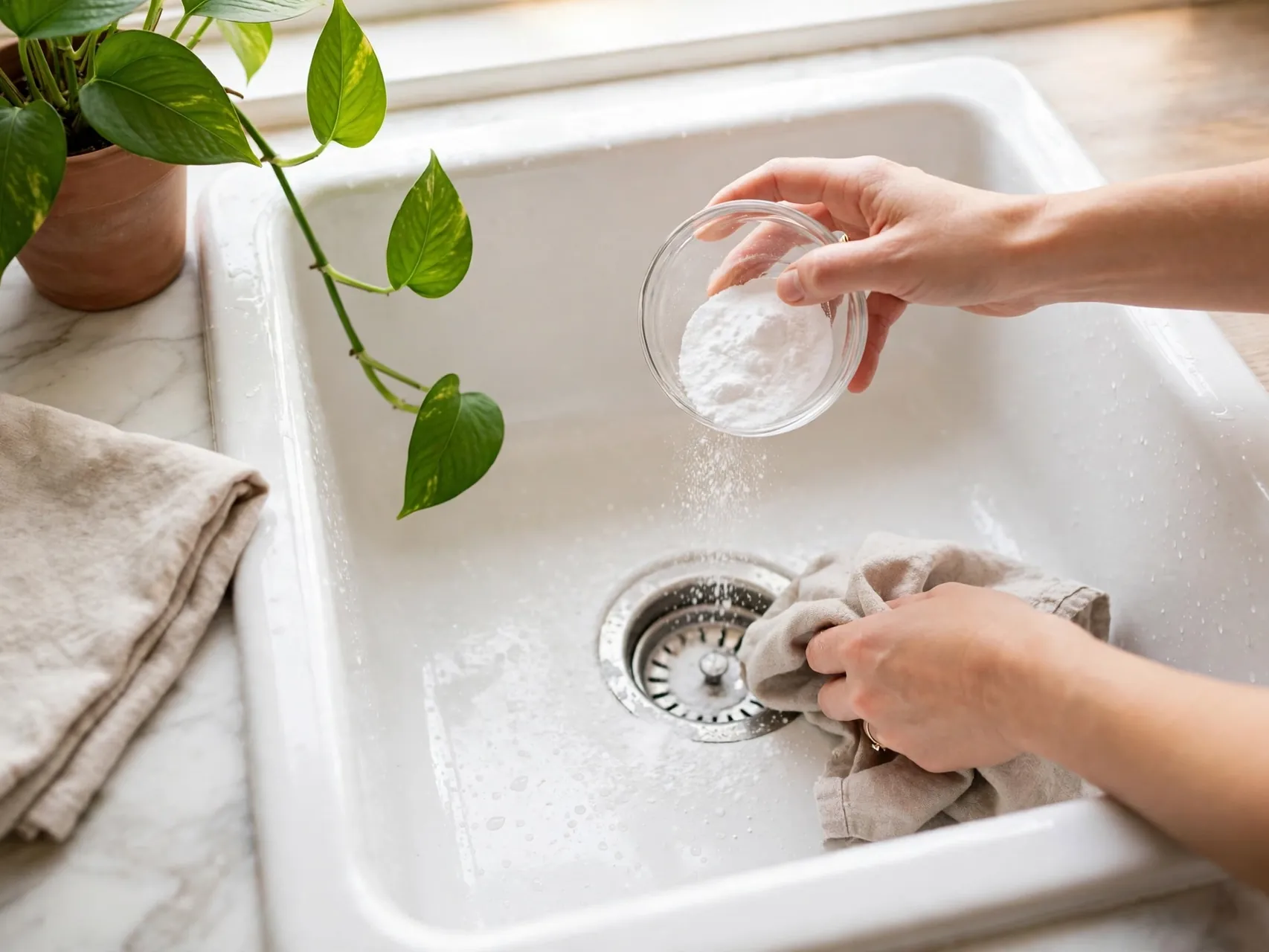
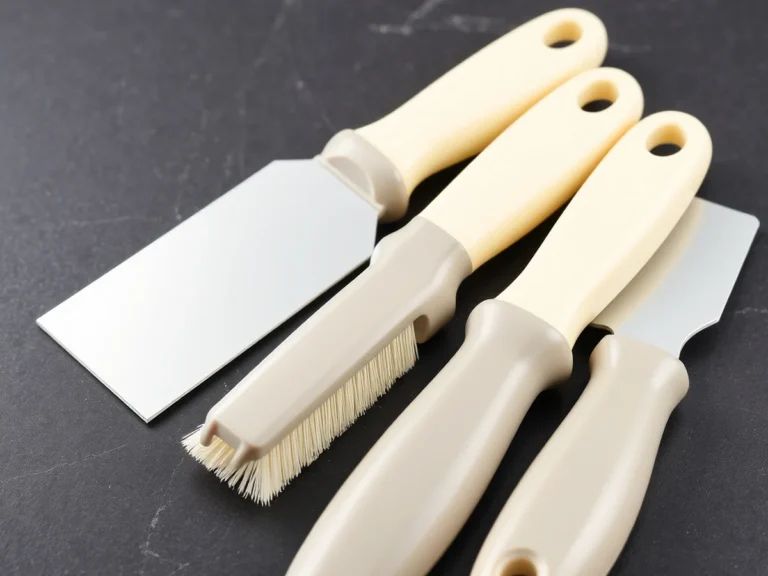
Drain flies and fruit flies breed in the soft, slimy film that coats the inside of sink drains, just below the strainer where water and food bits collect. Pouring cleaners down alone rarely removes that film, so physical scrubbing with a long drain brush and hot soapy water is the key step.
Scrub as far down as the brush reaches, rinse with hot water, and repeat several times across one week to break the breeding cycle. Keep strainers in place afterward to catch food before it feeds the film again.
9. Scrub Drain Flies Out With a Brush
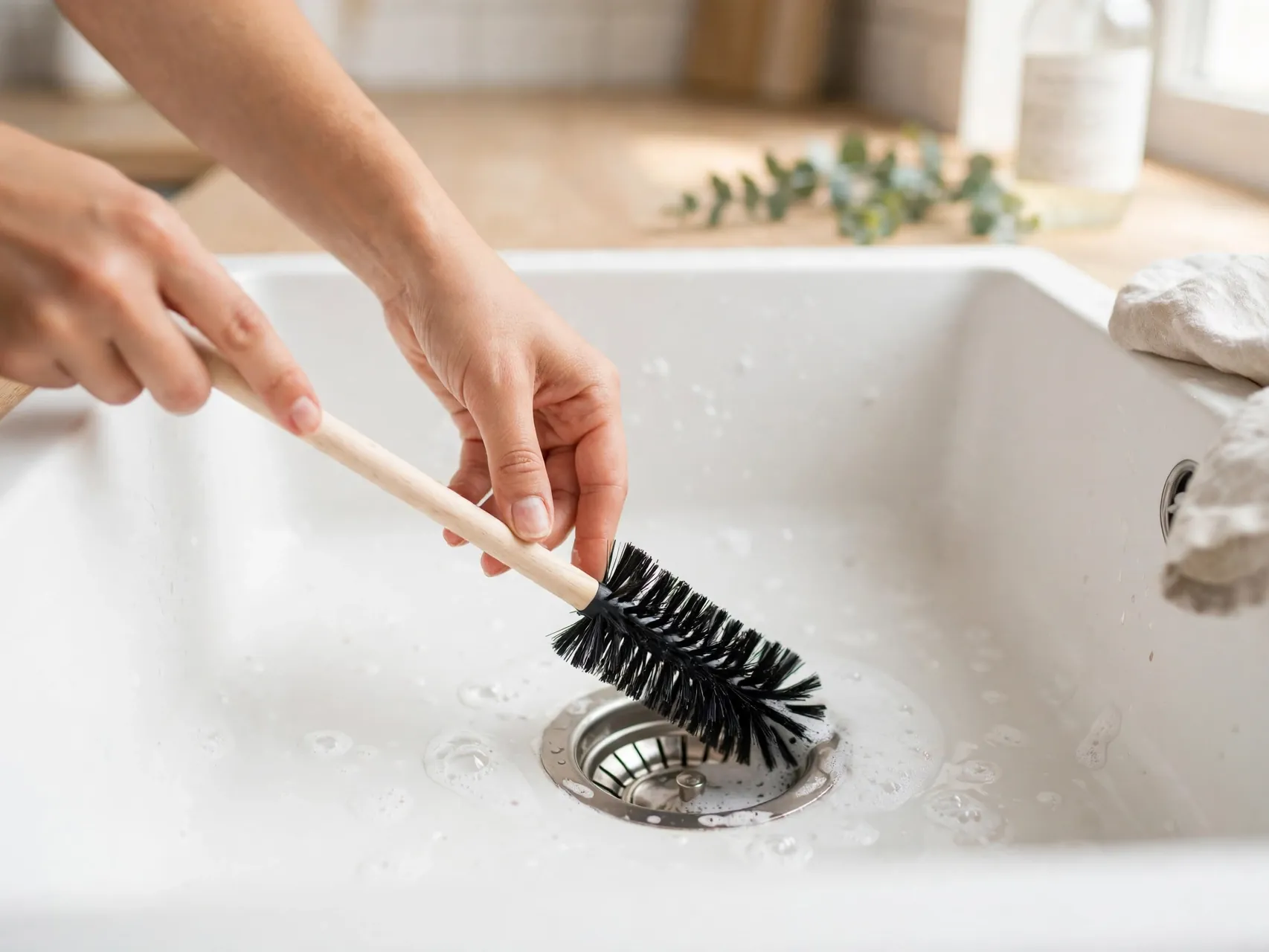
For bathroom and laundry drains with resting drain flies on nearby walls, the same brush method applies: scrub the drain walls, flush with hot water, and clean the overflow and strainer areas where slime also grows. A baking soda scrub followed by hot water helps loosen light film before brushing.
Avoid pouring bleach or harsh chemicals as a first move, because they run past the film without removing it and add fumes to a small room. Mechanical cleaning is what extension and plumbing guidance consistently points to for how to get rid of drain flies.
10. Let Houseplant Soil Dry on Top
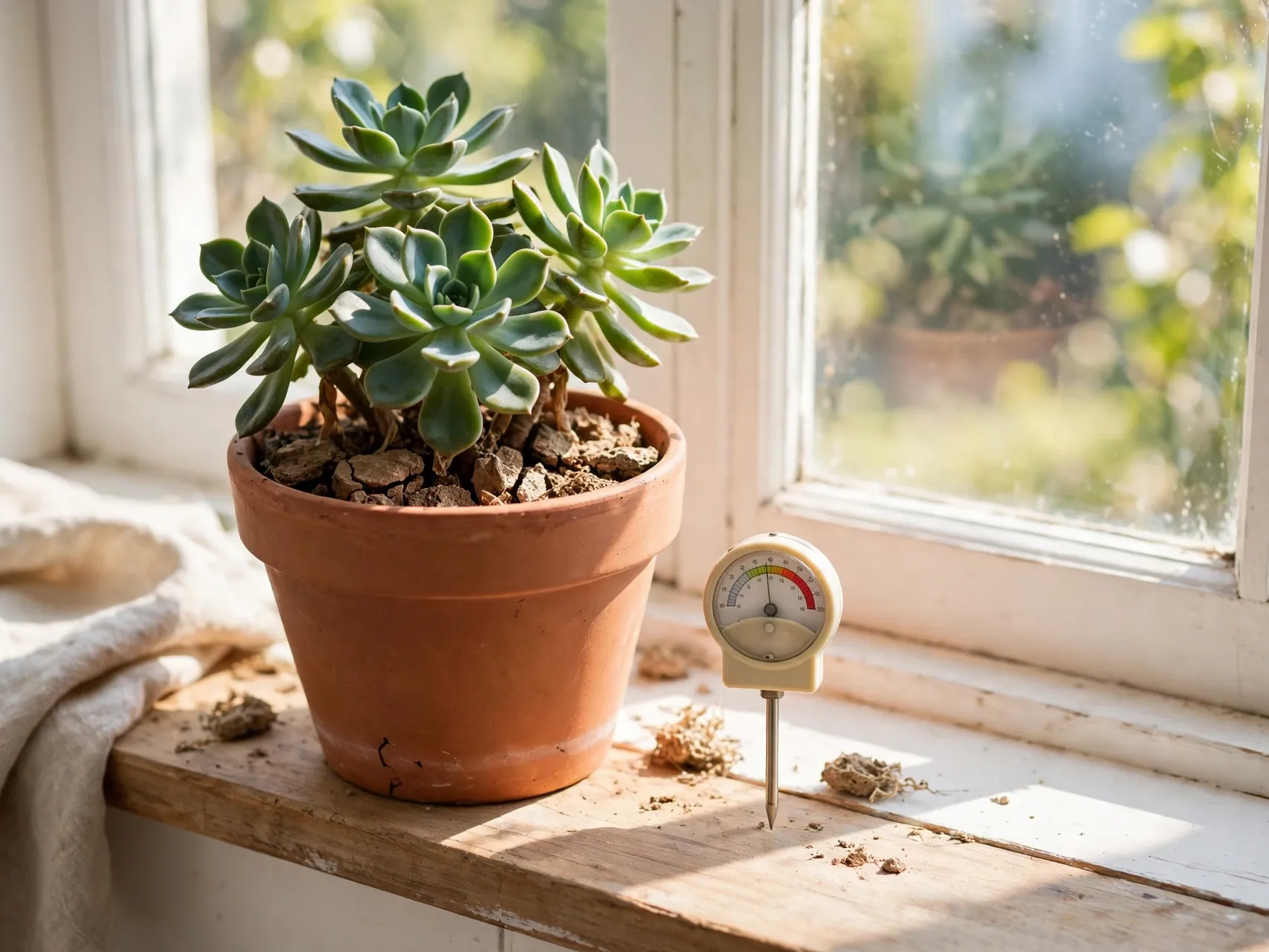
Fungus gnat larvae live in the top layer of moist potting soil, feeding on fungi and organic matter. Letting the top inch or two of soil dry out between waterings makes that layer unlivable for eggs and young larvae, and it is the single most important step for plant gnats.
Adjust for each plant: most common houseplants tolerate a dry surface well, while moisture loving plants need closer watching. Check with a fingertip or a wooden skewer before watering, instead of watering every plant on the same fixed schedule.
11. Switch to Bottom Watering for a While

Bottom watering lets roots drink while the soil surface stays dry, which is exactly the opposite of what fungus gnats want. Set the pot in a shallow tray of water for ten to fifteen minutes, let it drain fully, then empty any leftover water from saucers so nothing sits stagnant.
Use this method for a few weeks during treatment. It pairs well with sticky traps above the soil.
12. Add a Sand Layer Over Potting Soil
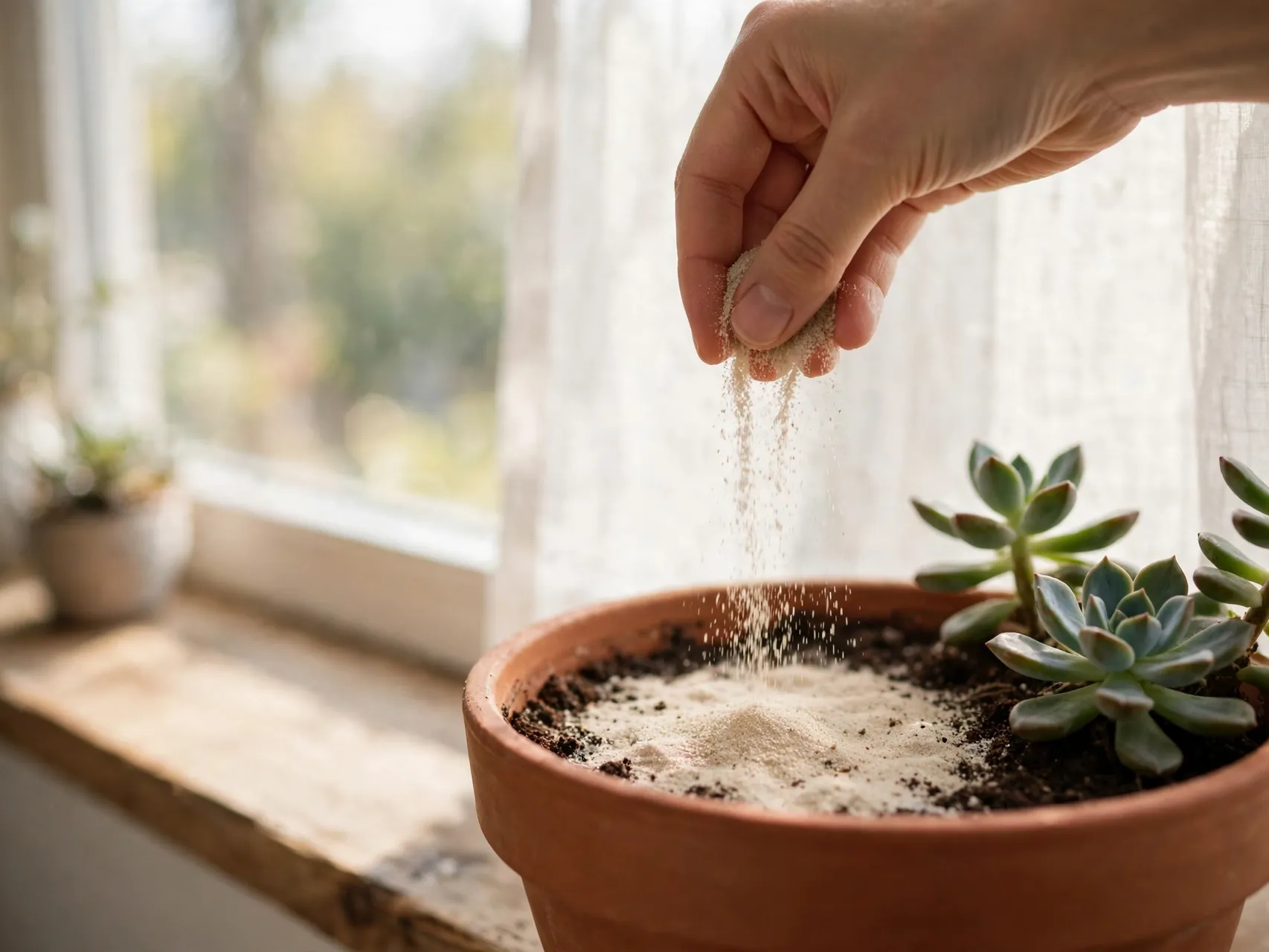
A half inch layer of coarse horticultural sand or fine gravel over the soil surface dries quickly after watering and makes it hard for adult fungus gnats to reach the soil to lay eggs. It also gives pots a tidy, finished look that suits shelves and windowsills nicely.
Keep the layer dry on top. Sand is a barrier, not a cure for soil already full of larvae, so combine it with drying, traps, and a larval treatment.
13. Use Yellow Sticky Traps Above Soil
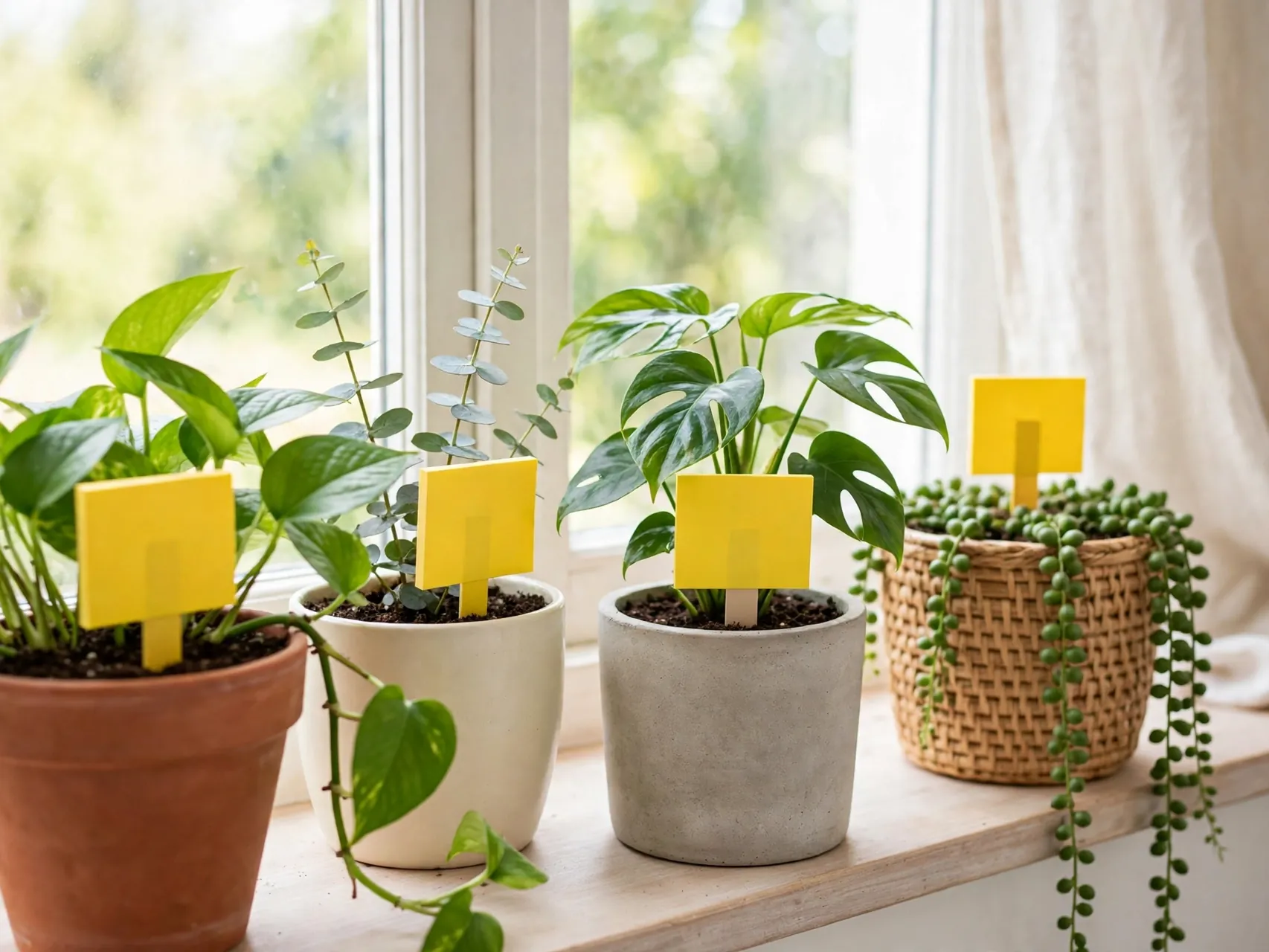
Fungus gnats are drawn to yellow, so small sticky cards placed just above the soil surface catch adults before they lay more eggs. Push the stake into the pot edge, keep the sticky side facing the plant canopy, and replace cards when they look full or dusty.
These traps also act as your progress meter. A falling catch over two to three weeks means your soil treatments are working. A steady high catch means a breeding source is still active somewhere, often one plant you have not treated yet.
14. Water With BTI Mosquito Bits Tea
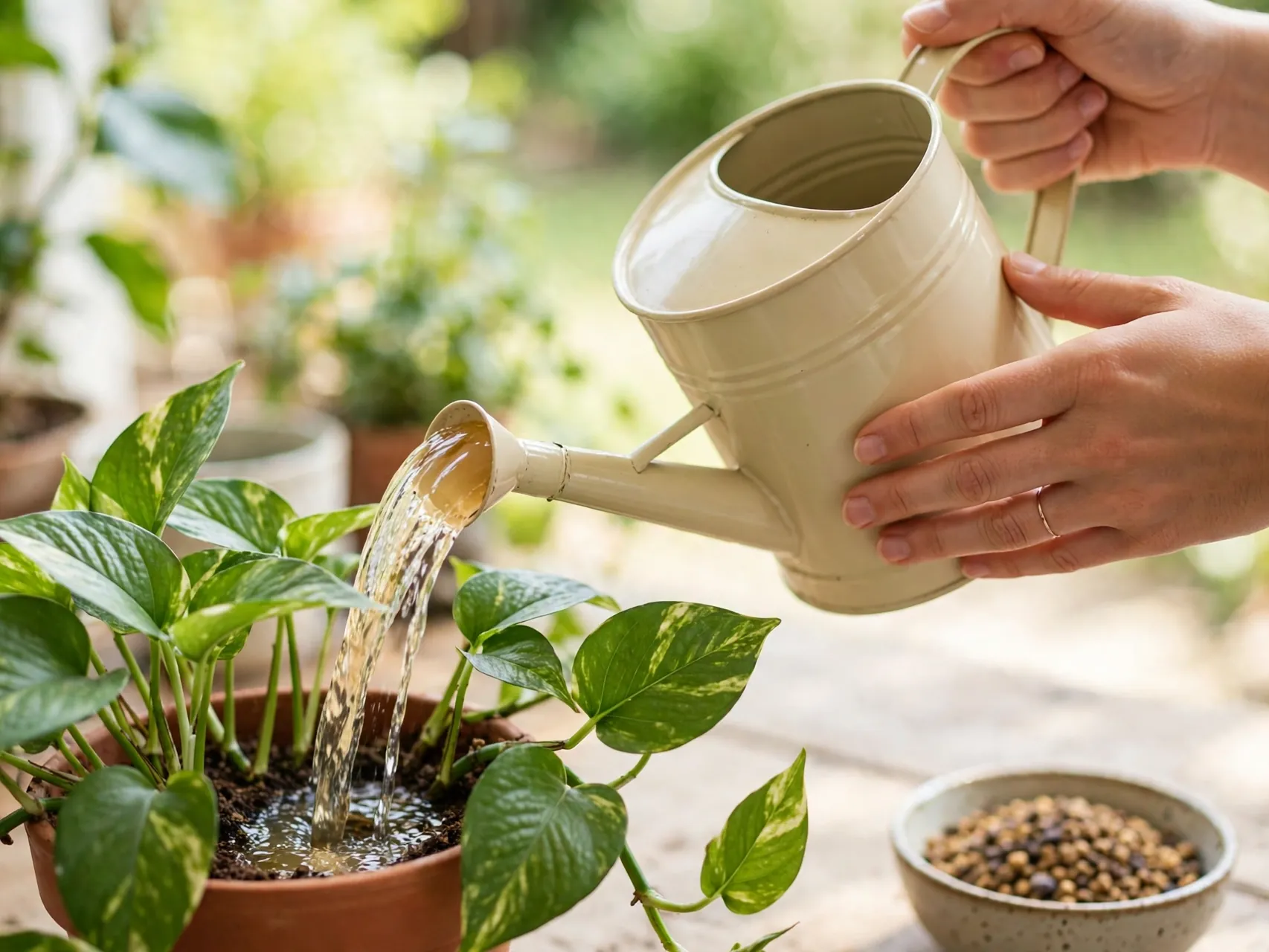
BTI, or Bacillus thuringiensis israelensis, is a naturally occurring bacterium whose proteins target the larvae of mosquitoes, black flies, and fungus gnats. The EPA notes that BTI has no toxicity to people and minimal toxicity to honey bees, and it is used in organic farming when labels are followed carefully.
Soak mosquito bits in watering water as the product label directs, strain, and water plants with the tea so larvae ingest the BTI. Repeat with waterings for several weeks to cover new hatchlings, and always follow the specific product label for rates and timing.
15. Try a Diluted Hydrogen Peroxide Drench Carefully
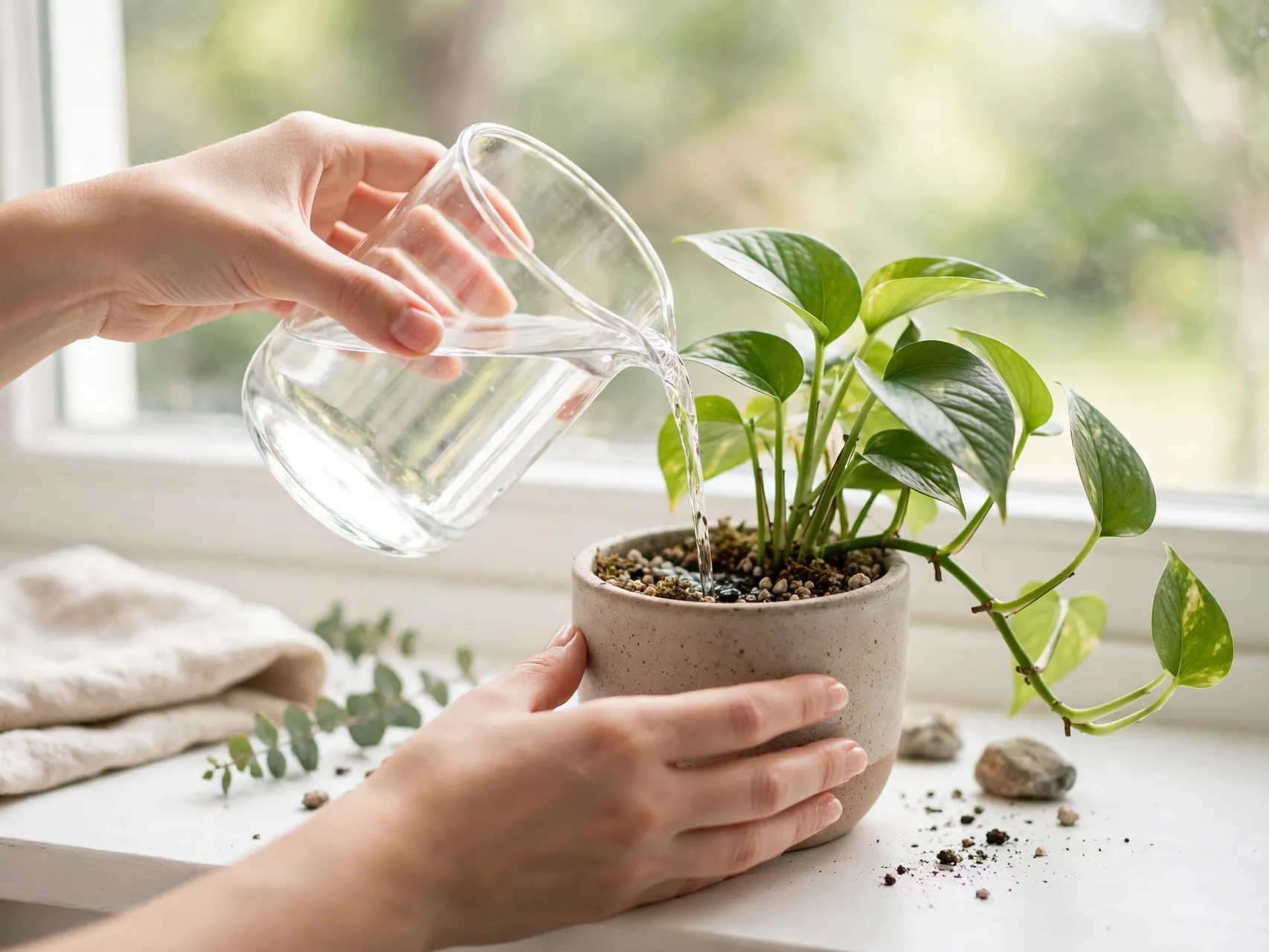
A diluted hydrogen peroxide soil drench is a common home method for fungus gnat larvae in potting soil: one part standard 3 percent hydrogen peroxide mixed with four parts water, applied to moist soil until it drains through, where it fizzes on contact with organic material in the mix.
Use it sparingly, test on one plant first, and do not apply it on the same day as BTI, since peroxide can reduce the beneficial bacteria you just added. Stop if a plant shows stress, and rely on drying and BTI for ongoing control instead.
16. Repot Plants With Fresh Dry Mix if Needed
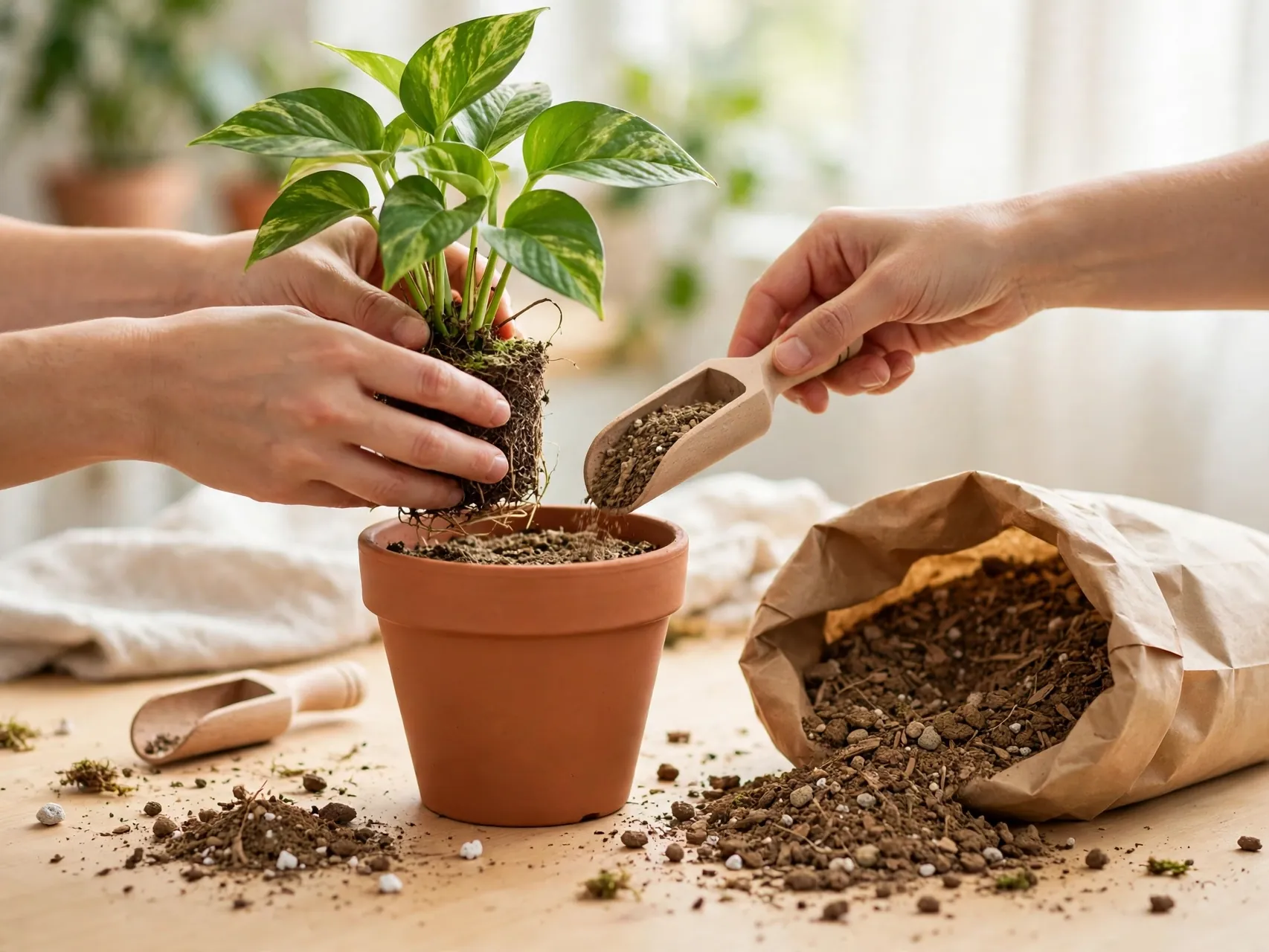
A plant in old, compacted, constantly wet mix that stays infested despite treatment may need a fresh start. Tip it out, shake old soil from the roots, trim any black, mushy roots, and repot into a clean pot with fresh, well draining mix and a working drainage hole underneath.
Water lightly after repotting and keep the surface drier than before. Isolate the plant for a week with a sticky trap so you can confirm it is clean before it rejoins your other houseplants on the shelf.
17. Keep a Small Fan Moving Air Near Plants
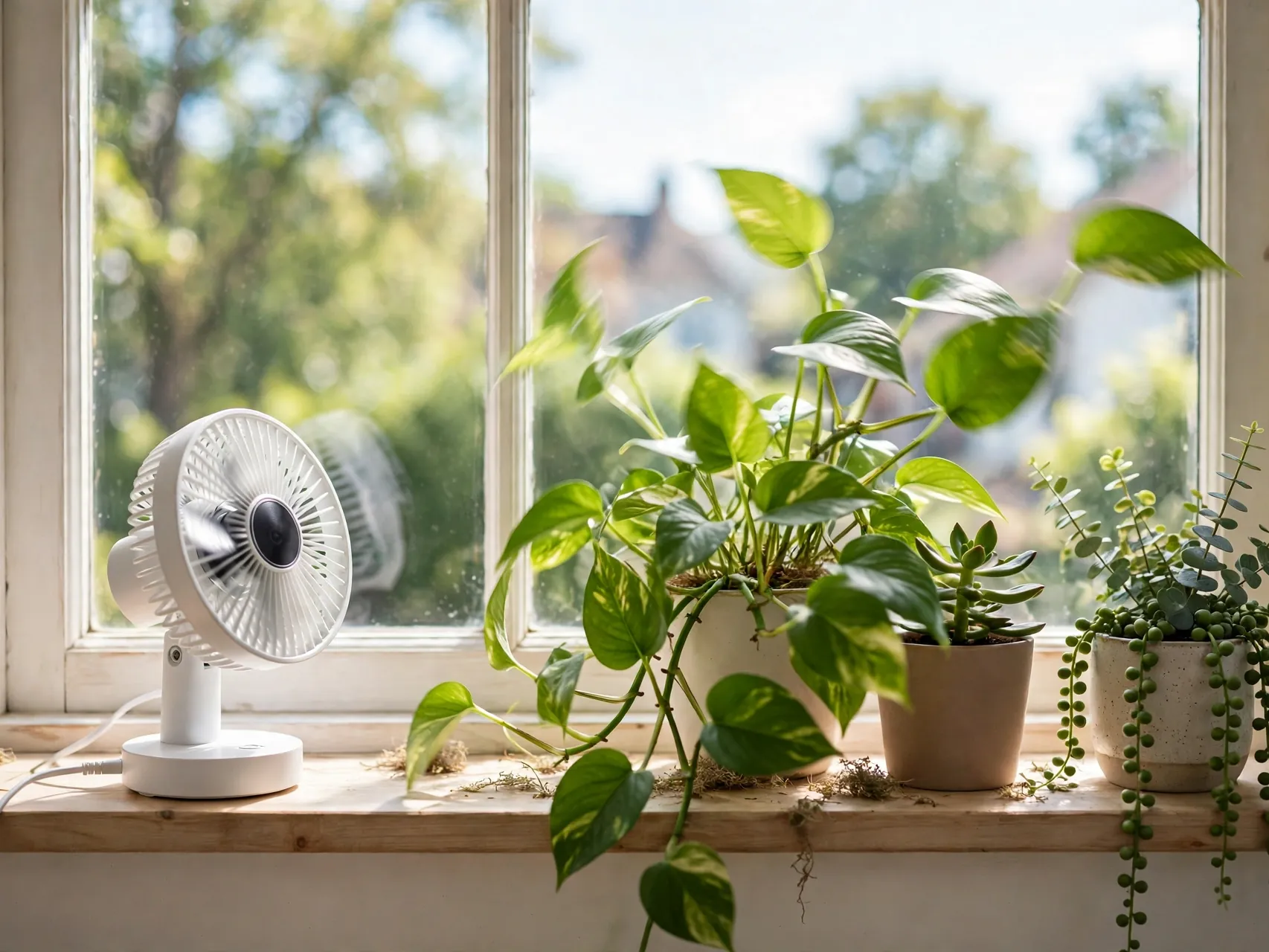
Adult fungus gnats are weak fliers. A small fan on a low setting near a plant shelf makes it hard for them to land on soil, and moving air also dries the soil surface faster between waterings, which quietly supports every other treatment you are using at the same time.
Run the fan during the day if noise bothers you. Moving air also helps prevent damp, still conditions that encourage fungal growth.
18. Use a Wine or Fruit Trap as Backup

A bottle with a little leftover red wine, or a jar with a piece of very ripe banana under perforated wrap, makes a useful backup trap for kitchen fruit flies when vinegar traps are already out. The fermenting scent draws adults in, and the narrow opening keeps most of them inside.
Place backup traps away from your main vinegar traps so you can tell which area has more activity. Remove and discard fruit based traps every few days, because old bait left too long can become a breeding site itself.
19. Wipe Up Juice and Wine Spills at Once
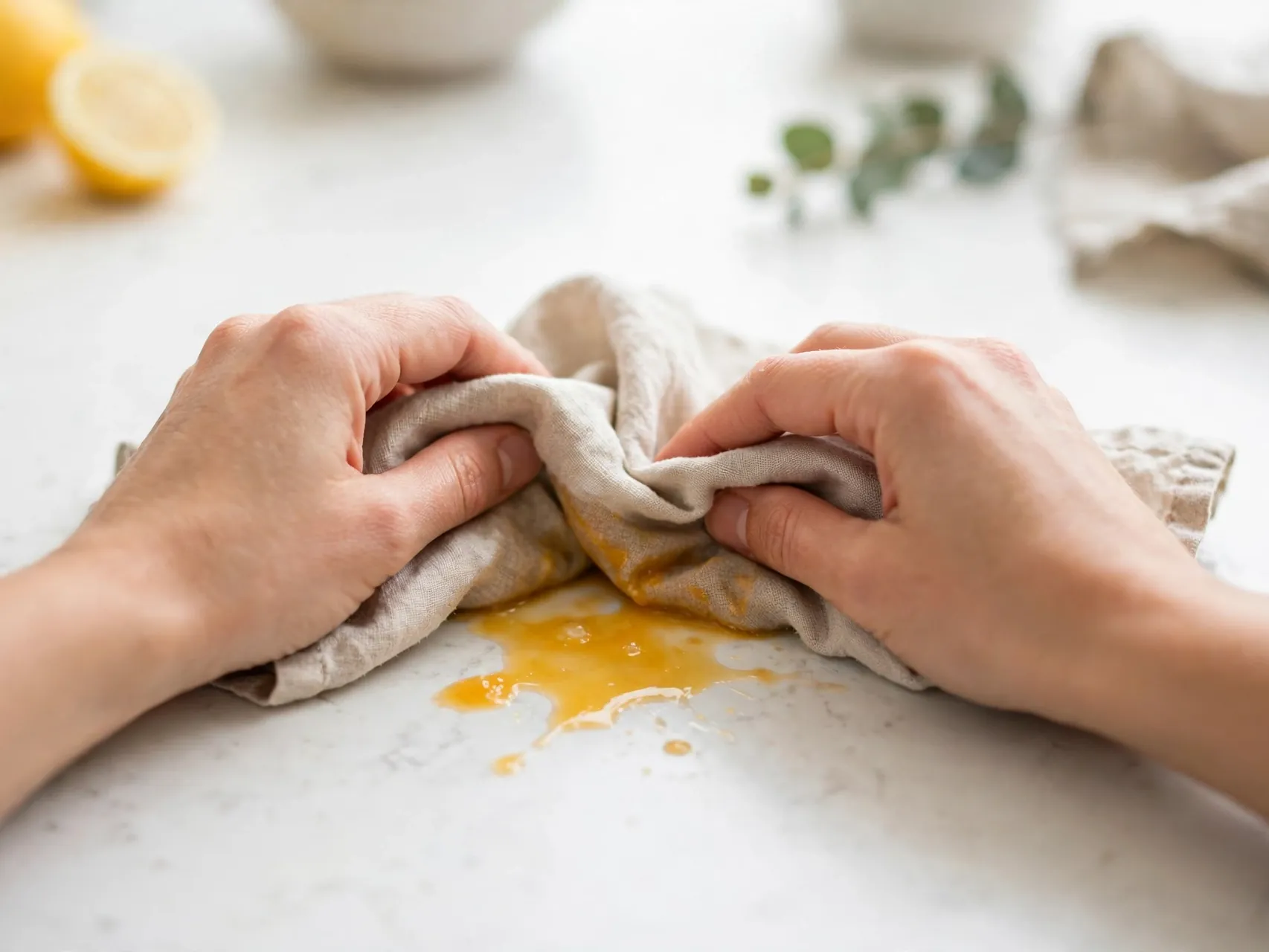
A dried juice ring under the fridge, a wine splash behind the bin, or a sticky spot under a fruit bowl can feed fruit flies for days without you seeing a single piece of fruit. When spills happen, wipe them fully with a damp cloth and cleaner, including the floor and cabinet toe kick below.
During an outbreak, check under appliances and around the recycling bin for hidden sticky spots.
20. Clean the Fridge Drip Areas and Seals
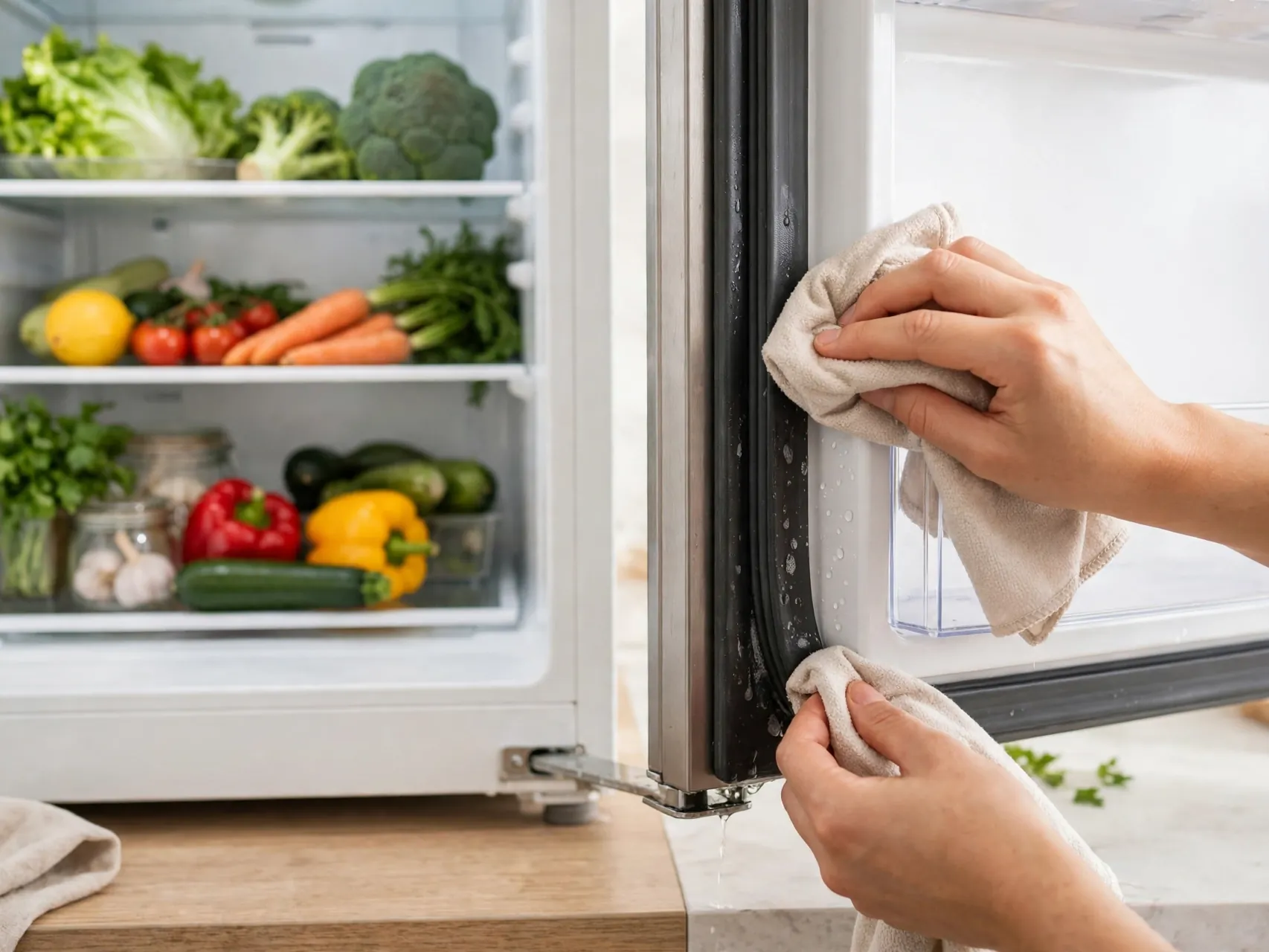
Fruit flies sometimes breed around fridge door seals, drip trays, and spilled juice in drawers, especially in warm kitchens. Wipe seals with warm soapy water, empty and wash produce drawers, and check for forgotten fruit rolling at the back of a shelf, quietly softening out of sight.
Dry seals after cleaning so mildew does not join the problem. A fridge that is clean inside and around the door removes a cool, hidden nursery that many people never think to check during a kitchen outbreak.
21. Empty Standing Water Indoors and Out

Plant saucers, pet bowls, mop buckets, and outdoor trays that hold water give gnats and mosquitoes places to breed and gather. Empty saucers after watering, refresh pet water daily, store buckets upside down, and walk the yard weekly to tip out water from toys, tarps, and empty pots after rain.
Where water cannot be drained, like a rain barrel or pond, follow label guidance for BTI products made for standing water. This outdoor habit lowers pressure at doors and windows, where outside gnats wander in.
22. Place Traps Near Outdoor Doors and Patios
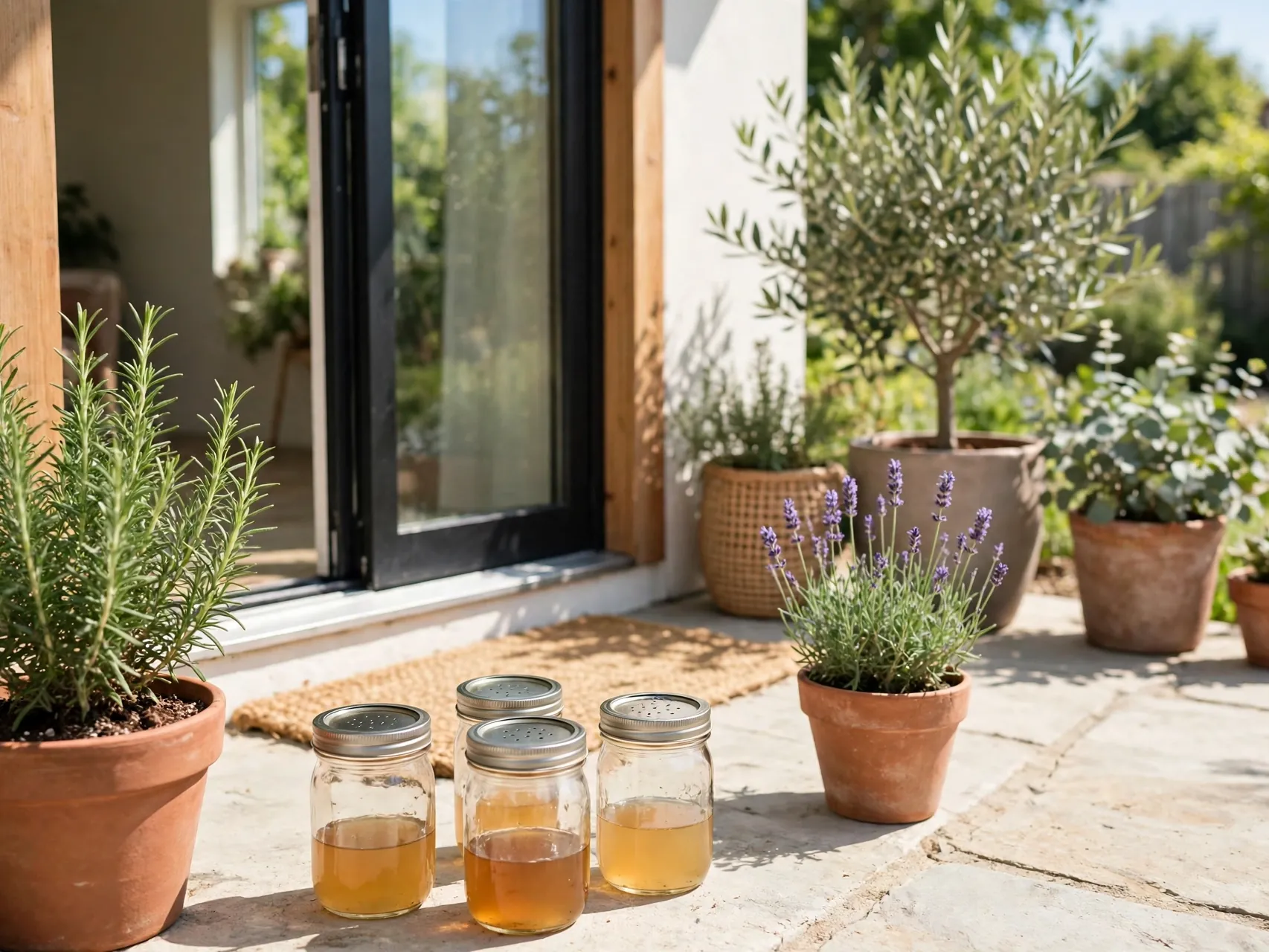
Gnats that gather around doors, porch lights, and patio seating can be cut down with traps placed just outside entry points, along with removing the damp, shady, organic build up they rest in. Sweep leaves from door corners, move potted plants a little away from the door, and let the area dry in the sun.
Inside, keep screens in good repair so outdoor pressure does not become an indoor problem. A few traps outside during peak season protect summer evenings when doors open and close all day long.
23. Use Citronella Outside Where You Sit

Citronella candles or torches used close to outdoor seating can help make a small area less pleasant for flying insects while you are sitting there, especially when there is little wind. Place them near, not far from, the people they are meant to protect, and follow all fire safety directions carefully.
Citronella is an evening comfort aid, not yard wide control, so pair it with standing water removal and clean, dry patio surfaces. Never leave flames unattended, and keep torches away from children, pets, and dry plants.
24. Check New Plants Before Bringing Them In
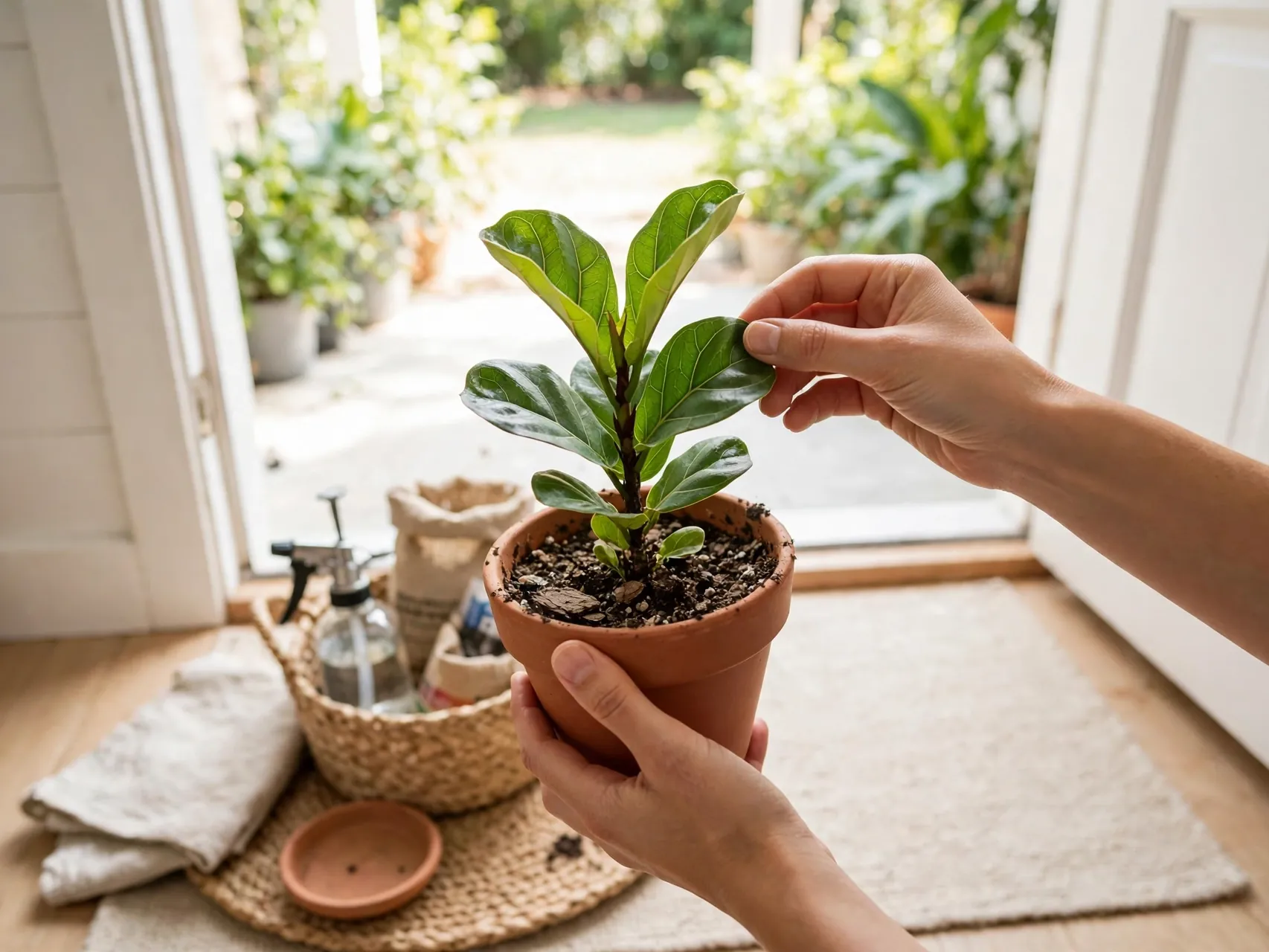
Many fungus gnat problems arrive home inside a new plant from the store or a cutting from a friend. Before a new plant joins your collection, tap the pot and watch for flies, check the soil surface, and keep it separate for a week or two with a sticky trap as an early warning system.
Water new plants sparingly during quarantine, since nursery soil often arrives very wet. Catching a small problem in one isolated pot is far easier than treating a whole shelf of fungus gnats houseplants collections later.
25. Repeat Treatments Weekly Until Adults Stop
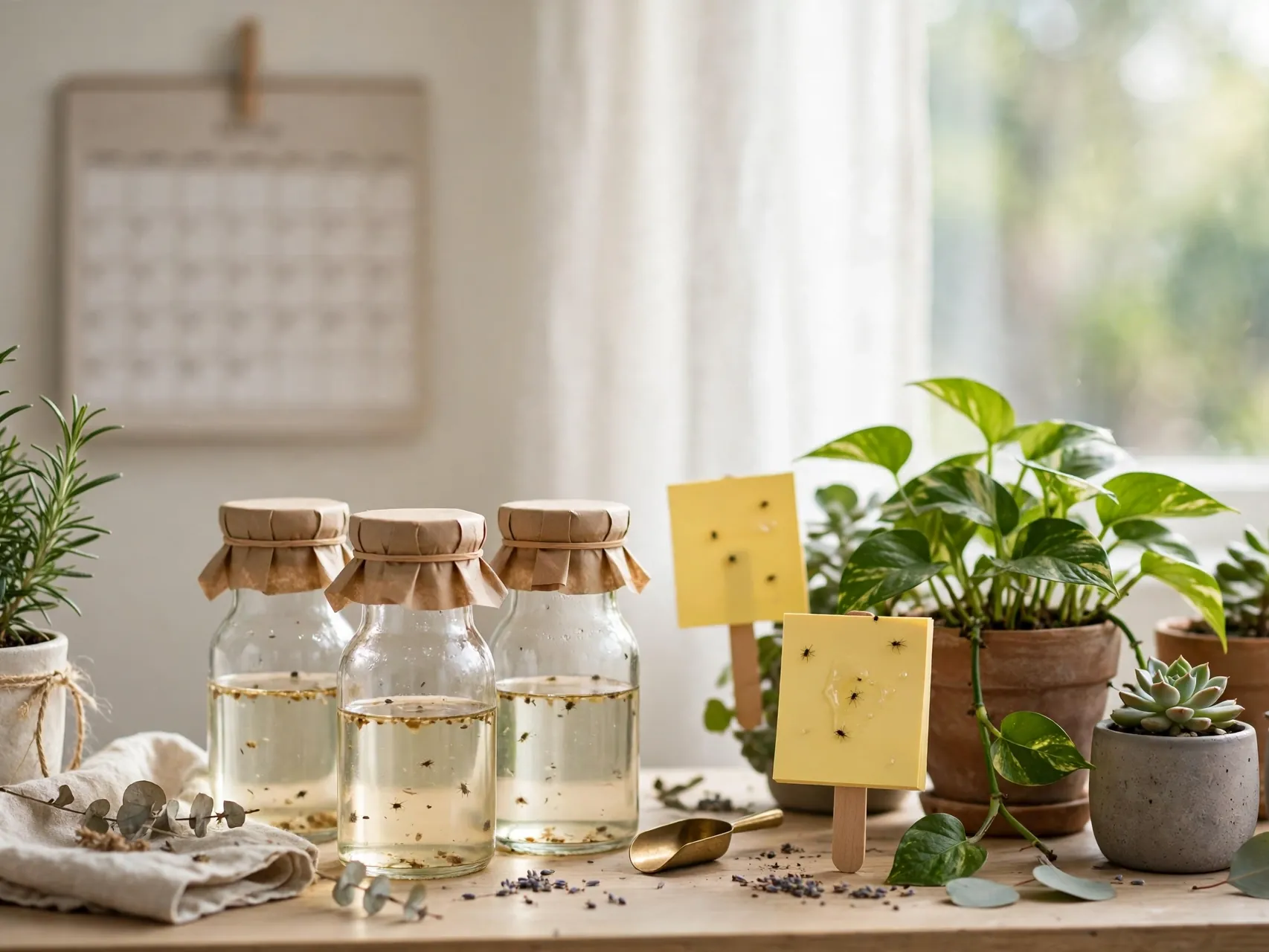
Gnat eggs and larvae already in soil or drains will keep producing adults for a while, even after you remove the source, because each life stage takes time to clear. Keep traps fresh, repeat BTI waterings and drain scrubbing weekly, and hold your drying routine steady for at least three full weeks before judging the result.
Track the sticky trap and vinegar trap counts as you go. A slow, steady decline is success, even if a few adults linger at first. Consistency is the whole method when you get rid of gnats naturally without harsh sprays.
FAQ
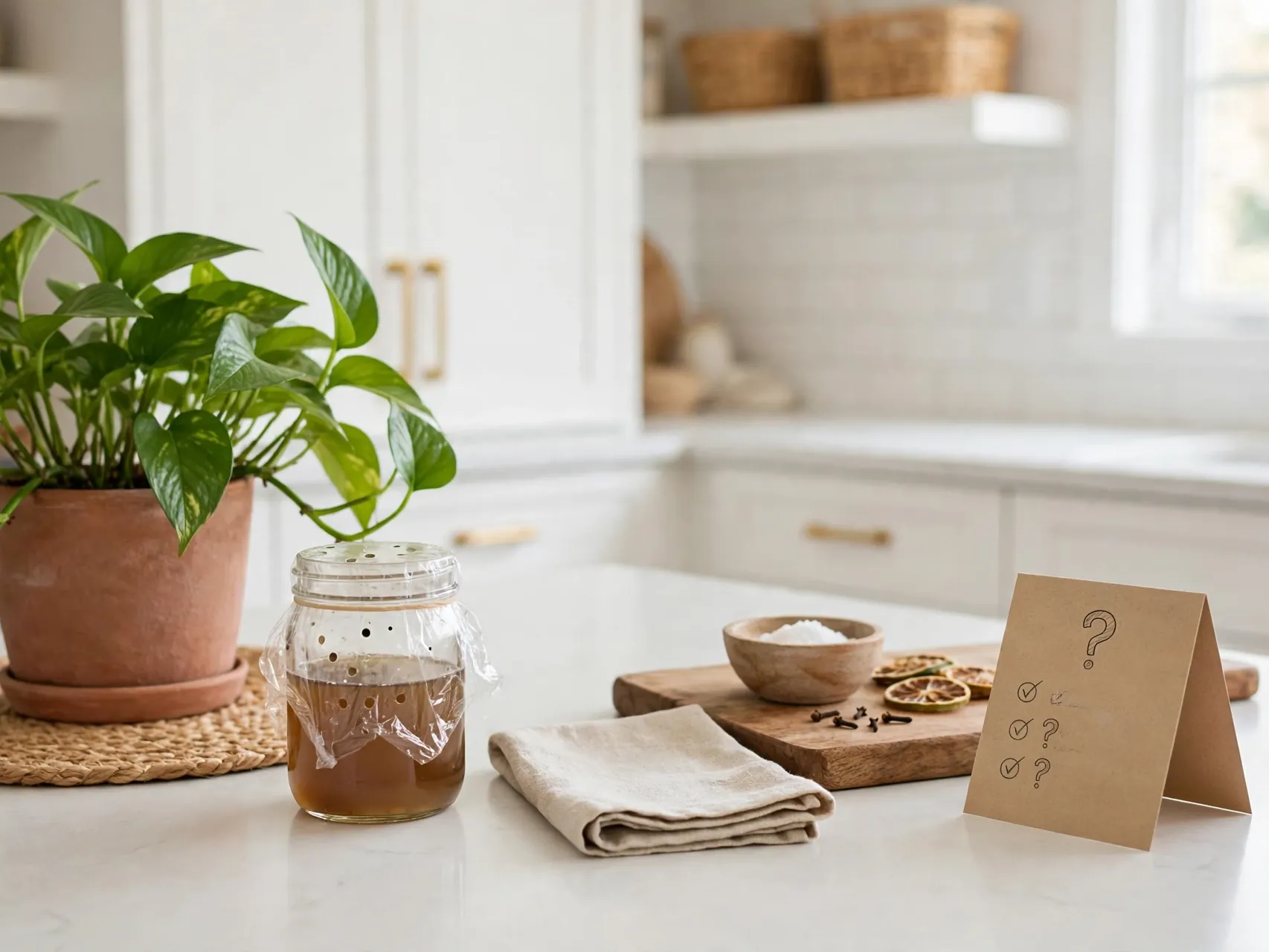
How long does it take to get rid of gnats naturally?
Most home outbreaks decline noticeably within one to two weeks and clear in about three weeks of consistent work, because eggs and larvae already present must finish their cycle. Keep traps, soil drying, BTI waterings, or drain scrubbing going weekly until adult catches drop to zero for several days in a row.
What is the difference between fungus gnats and fruit flies?
Fungus gnats are slender, dark, and weak flying, and they breed in damp potting soil. Fruit flies are tan with redder eyes and breed on fermenting fruit, juice, and drain residue. The source tells you the treatment: dry and treat soil for fungus gnats, remove fruit and clean drains for fruit flies.
Is BTI safe to use around children, pets, and food plants?
The EPA states that BTI has no toxicity to people, produces toxins that specifically affect the larvae of mosquitoes, black flies, and fungus gnats, and can be used in organic farming operations. Always follow the label of the specific product you buy for where and how it may be used in your home.
Why are gnats in my bathroom if there is no fruit or plants there?
Bathroom gnats are often drain flies breeding in the slimy film inside sink, shower, or floor drains. Scrub the inside of the drain with a long brush and hot soapy water, clean overflows and strainers, and repeat across a week. Removing the film removes the nursery that sprays cannot reach.
Can I just use a vinegar trap and skip cleaning?
Traps catch adults, which helps and shows your progress, but they do not stop eggs and larvae in soil, drains, trash, or fruit from producing new adults. Pair every trap with source removal, drying, or scrubbing, or the outbreak will continue for as long as the breeding site remains active.
Key Takeaways
- Identify first: Fungus gnats, fruit flies, and drain flies breed in different places, so find the source before treating.
- Trap adults, treat larvae: Vinegar and sticky traps cut numbers while drying, BTI, and scrubbing end breeding.
- Dry the soil surface: Letting the top inch or two dry and bottom watering stops most houseplant gnat cycles.
- Scrub the drains: Physical brushing removes the slime film where drain flies actually live and reproduce.
- Remove the buffet: Ripe fruit, food trash, juice spills, and standing water removed daily starve out new generations.
- Stay weekly for three weeks: Repeating treatments until trap counts hit zero is how natural control finishes the job.
Love these ideas? Save this pin to your cleaning board on Pinterest so you can find them again before your next reset.