20 Home Decorating Rules You Can Break With Confidence
Introduction
Every decorator knows the classic instructions: match your furniture, hang art at eye level, never paint a small room dark. Rules like these exist for good reasons, and understanding the reason is what lets you break them well. These home decorating rules are not orders. They are starting points.
A rule usually protects you from a common mistake, like a room feeling cramped, chaotic, or unfinished. Once you know what the rule is protecting, you can often get the same protection in a more personal way, and gain a room that looks like you, not like a catalog.
Break one rule at a time, with intention, and keep the rest of the room calm while you do it. Confidence in decorating is mostly this: knowing why you made a choice, and being able to repeat the logic across the room.
1. Rule: Furniture Sets Must Match – Break It With a Shared Thread
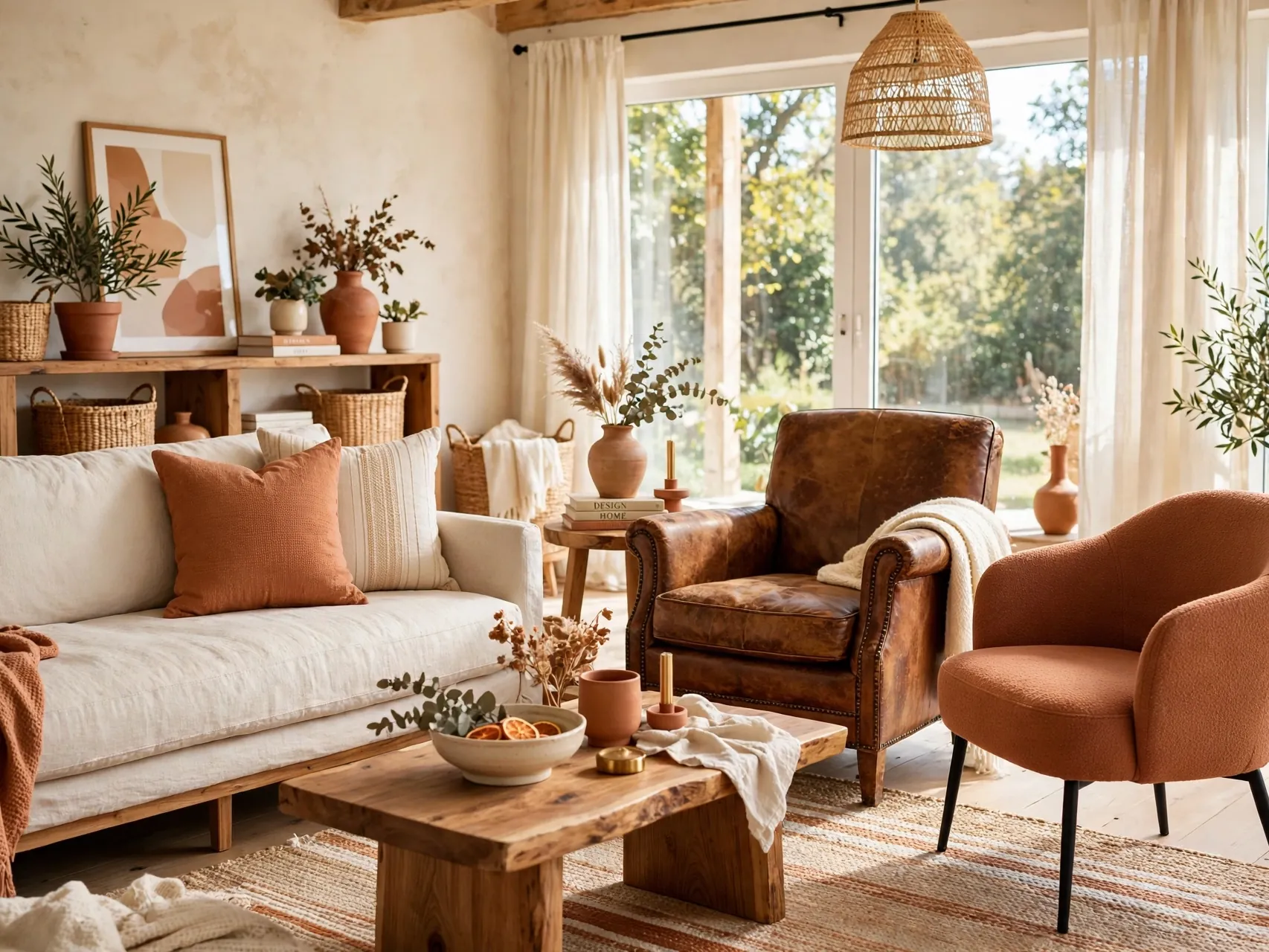
Matching sets exist because they guarantee harmony with no effort: same wood, same fabric, same style, instant coordination. The cost is a room that can feel like a showroom floor, with no sense of a life collected over time.
Break it by mixing pieces that share one thread: a similar wood warmth, a repeated color, or the same level of formality. A fabric sofa, a leather chair, and a wood side table can belong together if the thread is clear. Keep silhouettes balanced in scale so the mix feels chosen, not leftover.
2. Rule: Small Rooms Must Be Painted Light – Break It With Mood
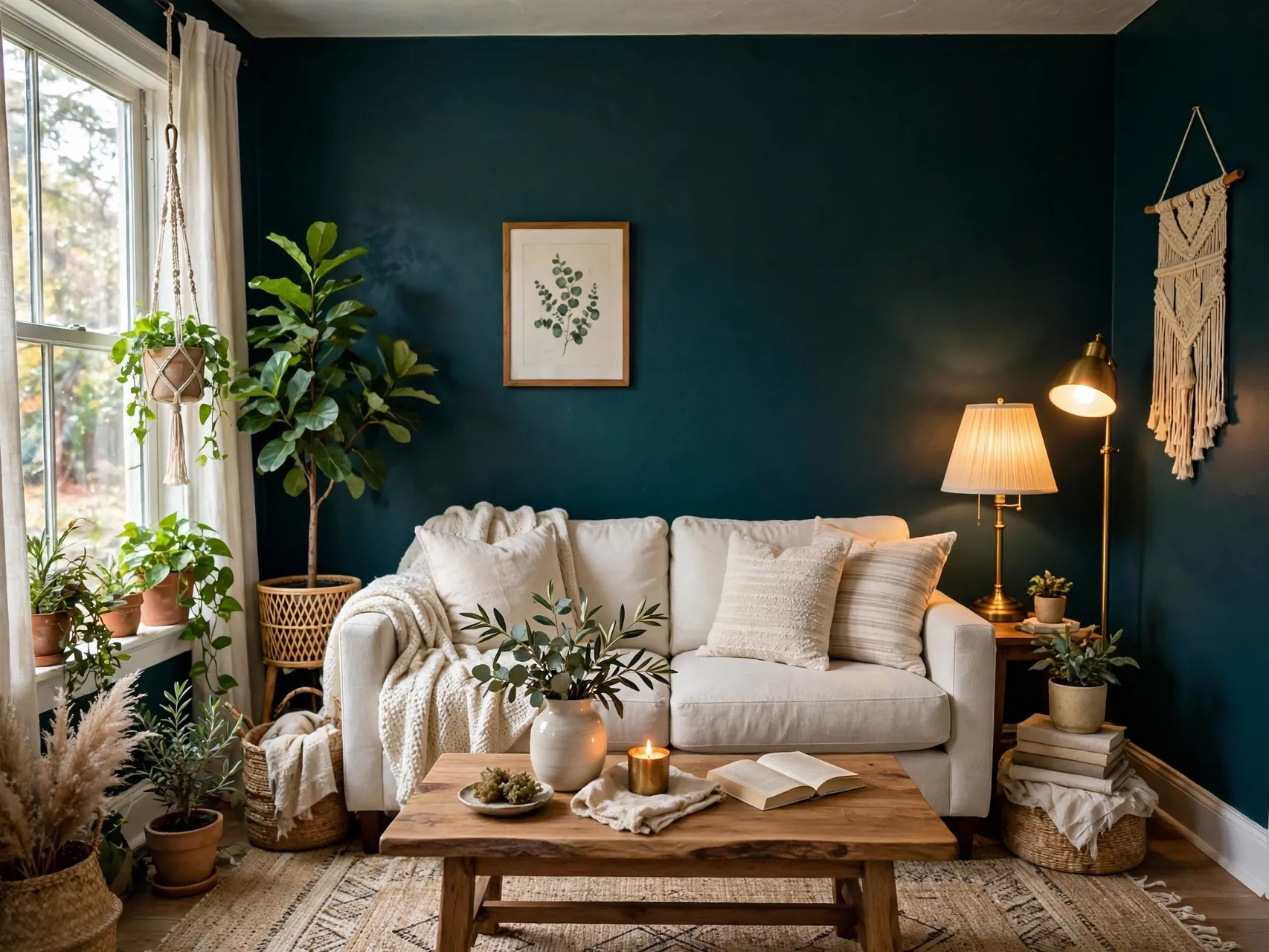
Light paint protects small rooms from feeling cramped, because pale walls reflect light and blur corners. It is sensible advice for a dark, low room with one small window and a need to feel airy.
But a small room can also be a jewel box. Deep color on walls in a powder room, study, or cozy bedroom makes the smallness feel intentional and cocoon like, especially with good lighting and pale textiles for contrast. The trick is commitment: paint it fully, light it well, and let small be dramatic rather than apologetic.
3. Rule: Never Mix Patterns – Break It With Scale
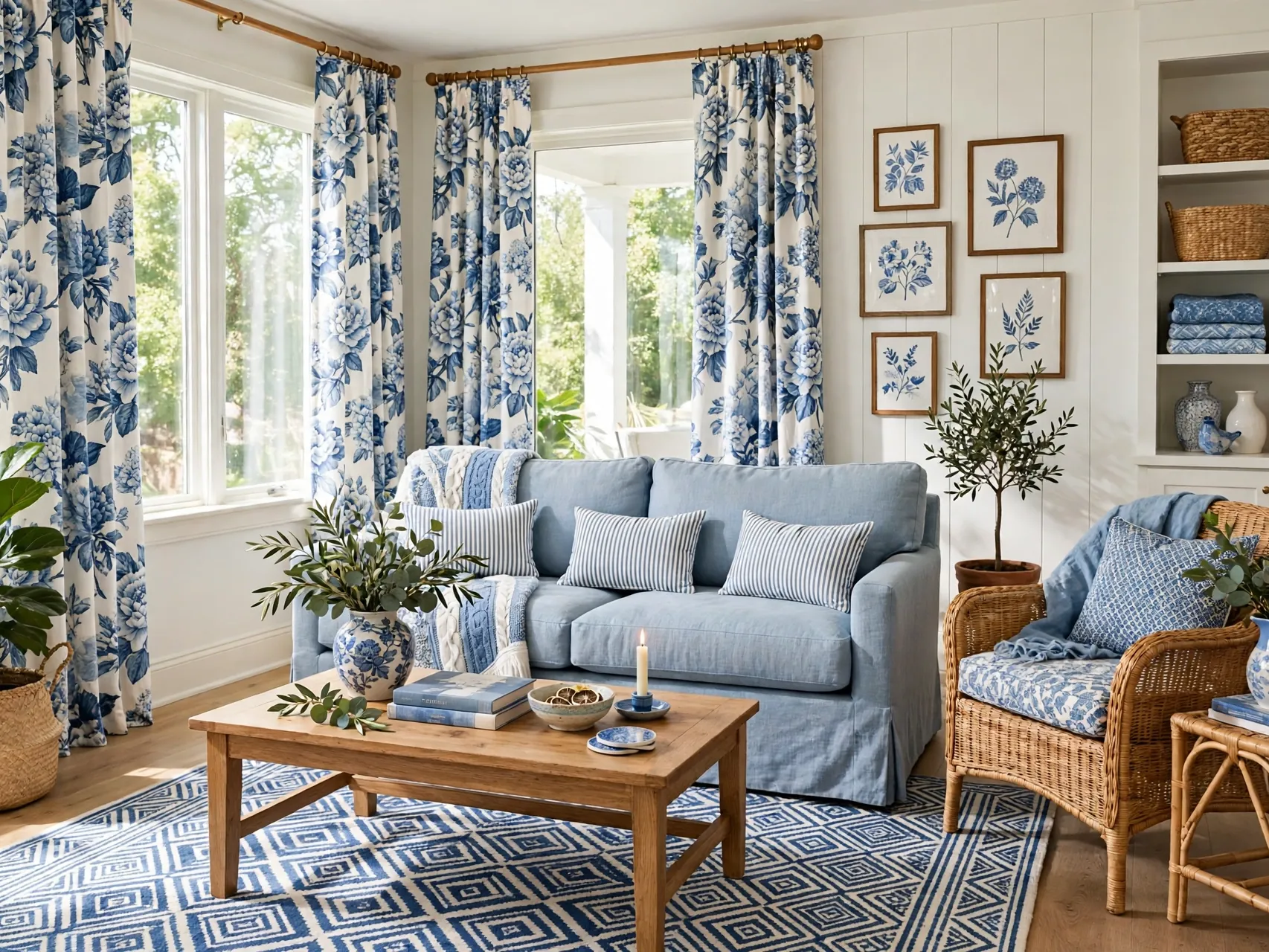
The pattern rule exists because clashing prints at the same scale fight for attention and tire the eye. Florals beside stripes beside plaid can turn a calm room into visual noise very quickly.
Break it by mixing patterns at different scales that share a color palette: one large print, one medium, one small or a simple stripe as the peacekeeper. Repeat the shared colors in plain pieces around the room. When scale and color agree, mixed patterns look rich and collected instead of chaotic, and cushions and curtains become the easiest place to practice.
4. Rule: Art Must Hang at Eye Level – Break It With the Furniture Line
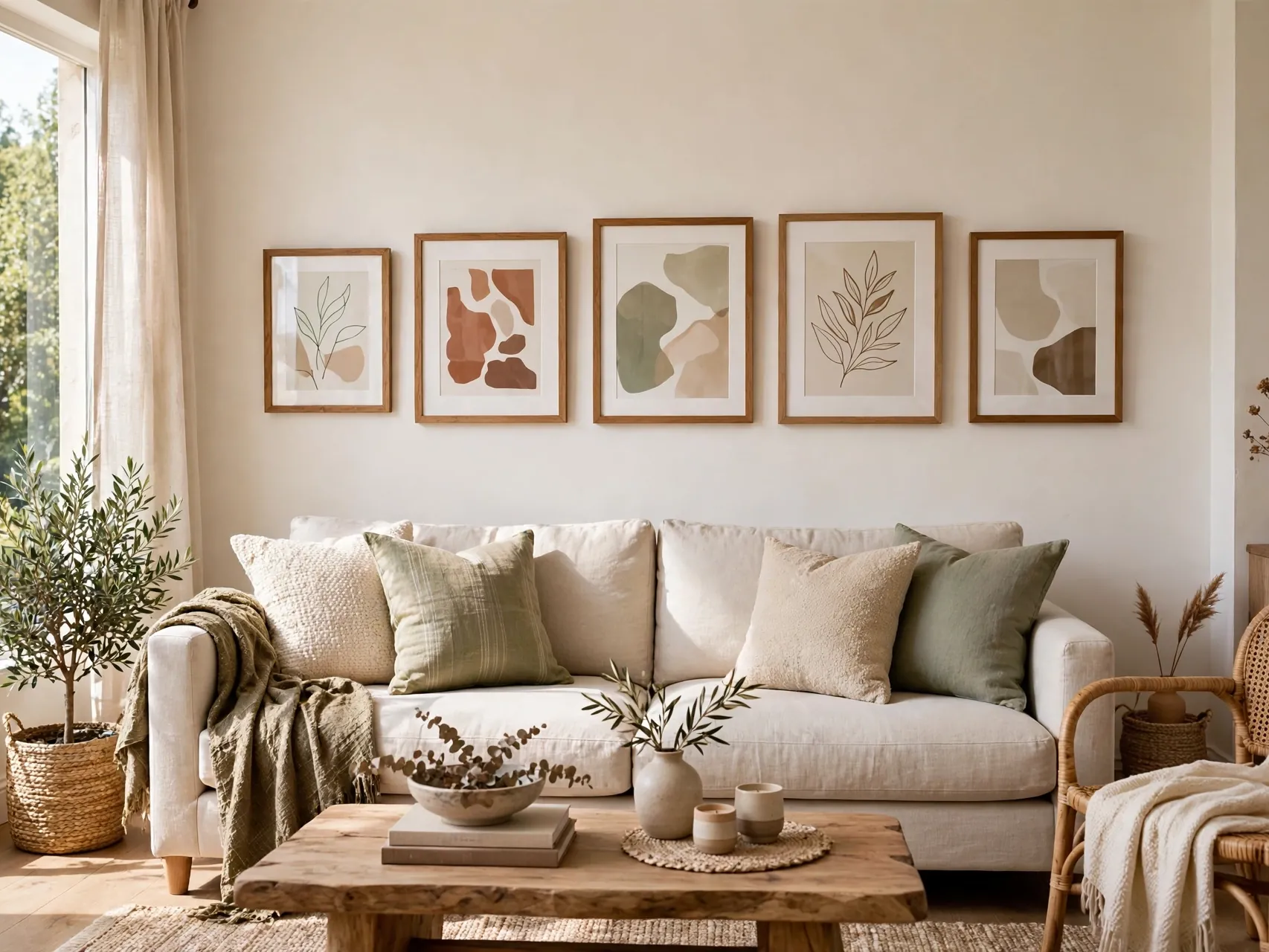
Eye level hanging exists to stop art floating too high, disconnected from the room, a mistake that makes even good art look lost. As a starting guide for a single piece on an empty wall, it works.
Break it when art relates to furniture. Above a sofa, dresser, or desk, art usually looks best hung lower, closer to the piece below, so the two read as one group. Gallery walls, leaning frames on shelves, and tall pieces in high ceiling rooms all follow the furniture and architecture, not a fixed height. Connection beats measurement.
5. Rule: Metals Must Match Throughout – Break It With Repetition
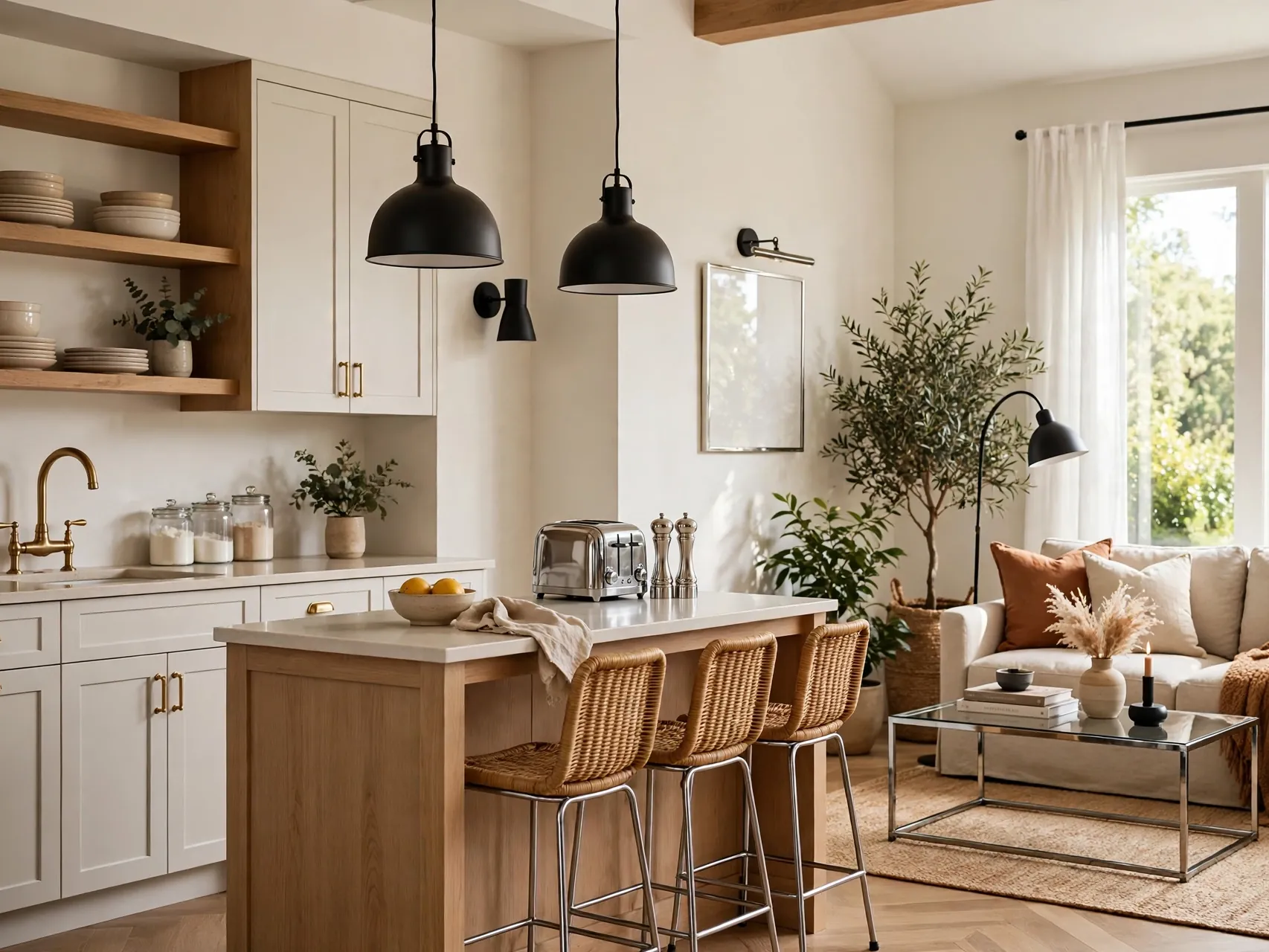
Matching metals protect a room from looking unfinished, as if handles, lamps, and faucets were bought in a hurry with no plan. One finish everywhere is the simplest route to polish.
Break it by mixing two, at most three, metal finishes and repeating each one more than once. Brass lamps plus black handles plus a chrome faucet can work when each metal appears at least twice. Repetition is the difference between mixed and mismatched. Keep the undertones in a similar family, warm or cool leaning, so the metals converse instead of arguing.
6. Rule: Wood Tones Must Match – Break It With Warmth Families

Matching wood exists because clashing undertones, orange oak beside gray washed pine beside red cherry, can make a room feel restless even when each piece is lovely alone.
Break the match rule by grouping woods by warmth instead. Warm woods of different depths layer beautifully, as do cool toned woods together. A rug or upholstery between two woods softens their meeting. If one piece fights the family, it is the candidate for paint, stain adjustment, or a move to another room, not a reason to replace everything else.
7. Rule: All Furniture Must Sit on the Rug – Break It With Front Legs On
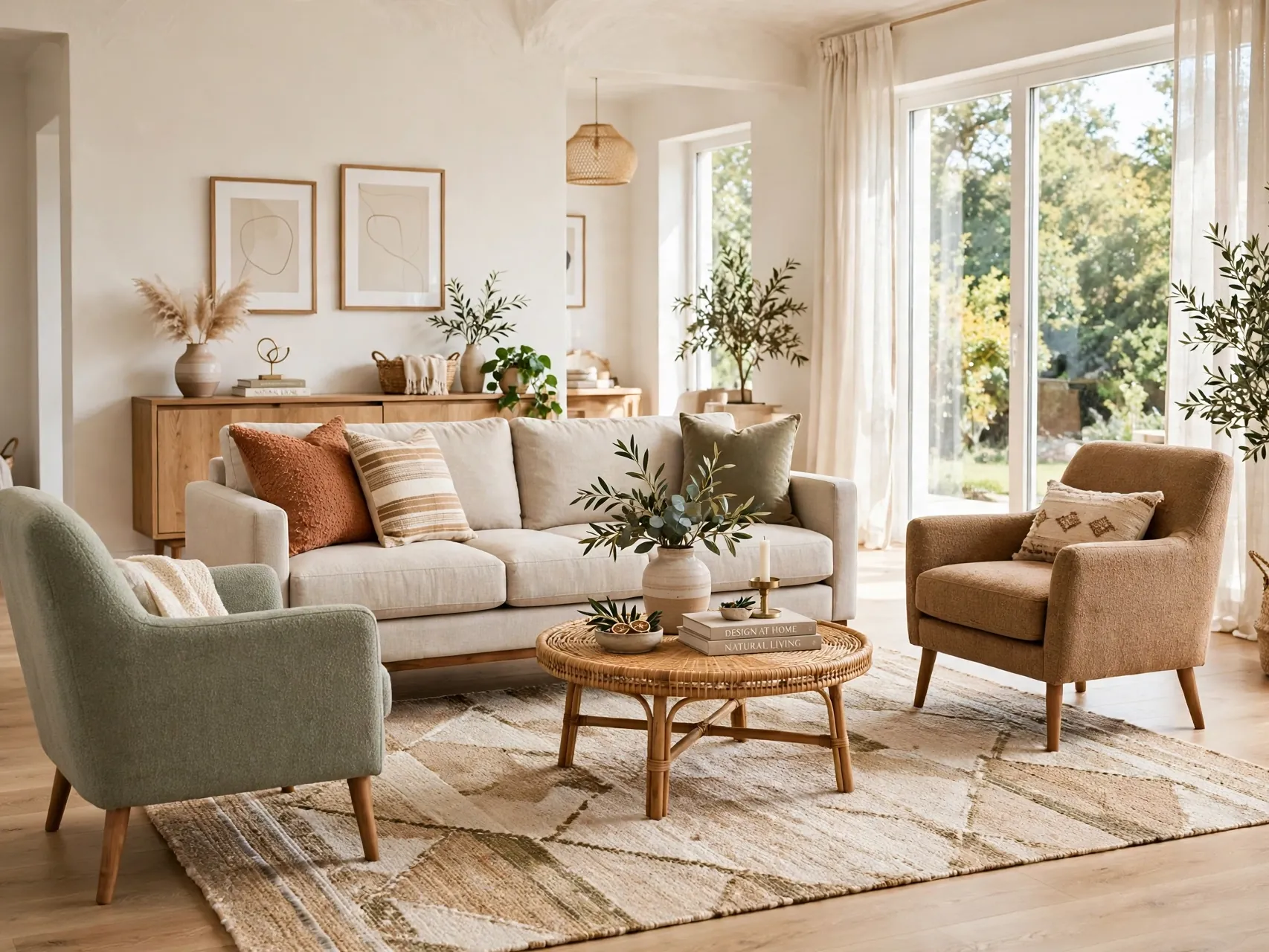
The rug rule exists to stop rugs floating like islands and furniture looking disconnected. A rug that grounds the seating group makes conversation areas feel anchored and generous.
Break it in smaller rooms with the front legs on approach: front legs of sofas and chairs on the rug, back legs off. The group still connects, and you can use a smaller, better rug. You can even layer a small beloved rug over a large plain one. What matters is that the furniture and rug read as one arrangement, not a rug size certificate.
8. Rule: Ceilings Must Be White – Break It With a Deliberate Fifth Wall
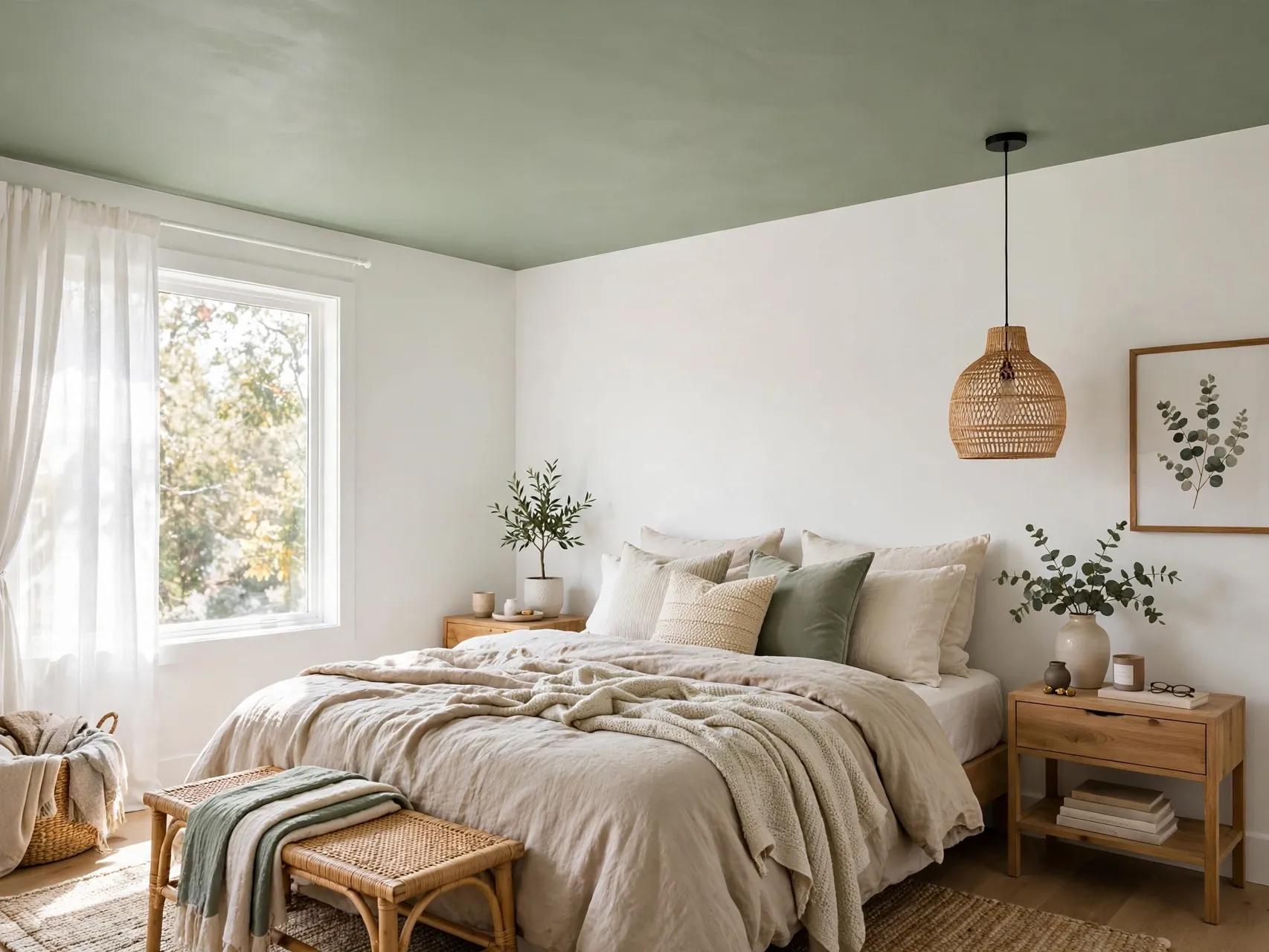
White ceilings exist because they lift a room, reflect light, and never clash with wall color changes. For low or dark rooms, white overhead is often the right call.
Break it where height and light allow: a soft tint of the wall color, a pale contrasting shade, or, in a small dramatic room, the same deep color as the walls for a cocoon. A colored ceiling needs the rest of the room to stay fairly calm. Sample overhead color carefully, because colors read darker on ceilings, and enjoy a room that finally looks finished at the top.
9. Rule: Curtains Must Match and Touch the Floor Perfectly – Break It With Ease

Precise curtain rules exist because short, skimpy panels can make windows look mean and rooms look unfinished. Full, floor length panels are a reliable route to a tailored look.
Break it with intention where life demands: sill length curtains in kitchens and bathrooms, relaxed linen that puddles slightly in a casual bedroom, or no curtains at all where privacy and light allow and the view deserves to stay open. The real rule underneath is generosity and purpose. Panels should look plentiful for their style, and the choice should suit the room use.
10. Rule: Every Room Needs a Focal Point – Break It With Even Calm

Focal point advice exists because rooms with no visual anchor can feel aimless, with the eye wandering and nothing to settle on. A fireplace, a view, or a strong piece of art gives a room its first impression.
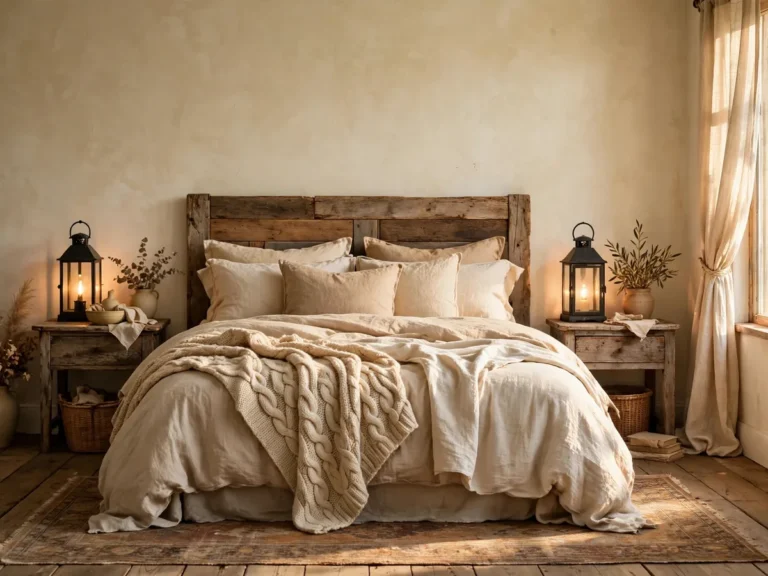
Break it in rooms meant for rest. A bedroom, a reading space, or a calm living room can be evenly gentle, with several quiet pleasures and no single star. Balance the visual weight around the room instead. Not every room needs to perform; some rooms earn their keep by lowering your heart rate, and an even, unexciting balance is exactly the design that does it.
11. Rule: Symmetry Is Always Best – Break It With Balanced Asymmetry

Symmetry exists because mirrored arrangements are instantly calming and formal, and they are almost impossible to get wrong. Matching lamps, chairs, and tables give a room order at a glance.
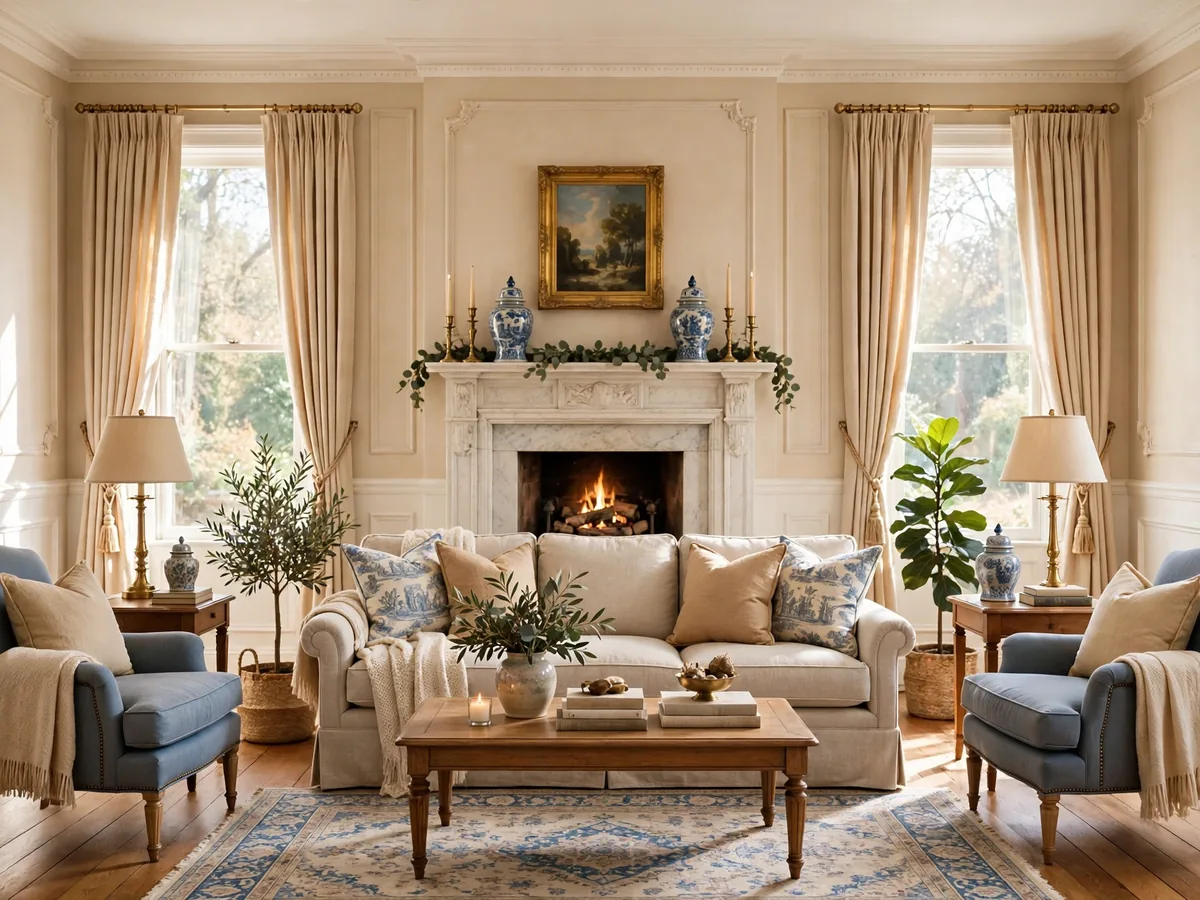
Break it by balancing weight instead of copying sides: a tall plant on one side balanced by a stack of art and a floor lamp on the other, a sofa with a chair on one end and a chaise or bench on the other. Step back and judge the whole composition. Asymmetry feels relaxed and modern, as long as both sides carry similar visual weight and share a clear center.
12. Rule: Stick to One Style in a Room – Break It With an Era Mix

One style rules exist to prevent theme park rooms, where every item shouts the same era and the room feels staged rather than lived in. Pure period rooms can also be hard to update without starting over.
Break it by letting one style lead and another accent: a mostly modern room with one antique wood piece, or a traditional room sharpened by clean lined lighting and art. Keep proportions and colors bridging the gap. Homes that collect pieces across eras and trips look personal in a way single style rooms rarely achieve, and they evolve gracefully as you do.
13. Rule: Neutrals Are Safe, Color Is Risky – Break It With One Brave Piece
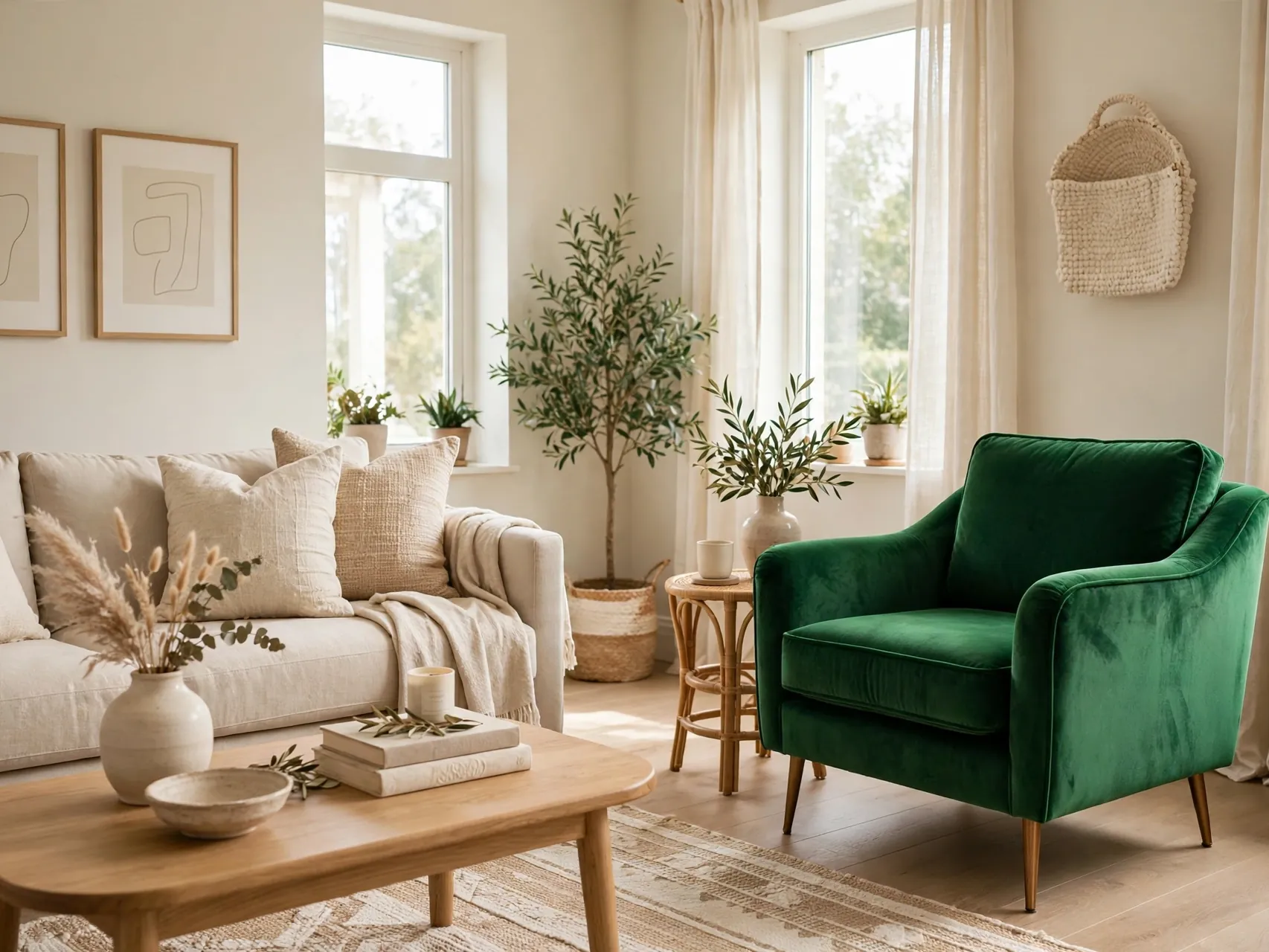
The neutral rule exists because color mistakes feel expensive, and beige rooms rarely offend anyone. But safe can slide into forgettable, and many neutral rooms feel unfinished rather than calm.
Break it with one brave piece in a room you control: a colored sofa, a painted bookcase, a bold rug, or a single painted door. Surround the brave piece with neutrals so it shines without competition. One strong color, repeated in a cushion or a book spine across the room, is enough to give a whole space a personality that guests remember.
14. Rule: Dining Chairs Must All Match – Break It With a United Mismatch

Matching dining chairs exist for formality and simplicity: one purchase, one look, no decisions. They suit formal dining rooms beautifully.
Break it by uniting mismatched chairs with one shared feature: the same paint color, the same seat cushion fabric, similar heights, or a bench on one side with chairs on the other. A host chair pair at the ends can frame a mixed set and make it look planned. Keep seat heights comfortable and similar for guests. Collected dining sets feel welcoming, like the table grew with the family.
15. Rule: Books and Objects Should Be Decorative Only – Break It With Real Life
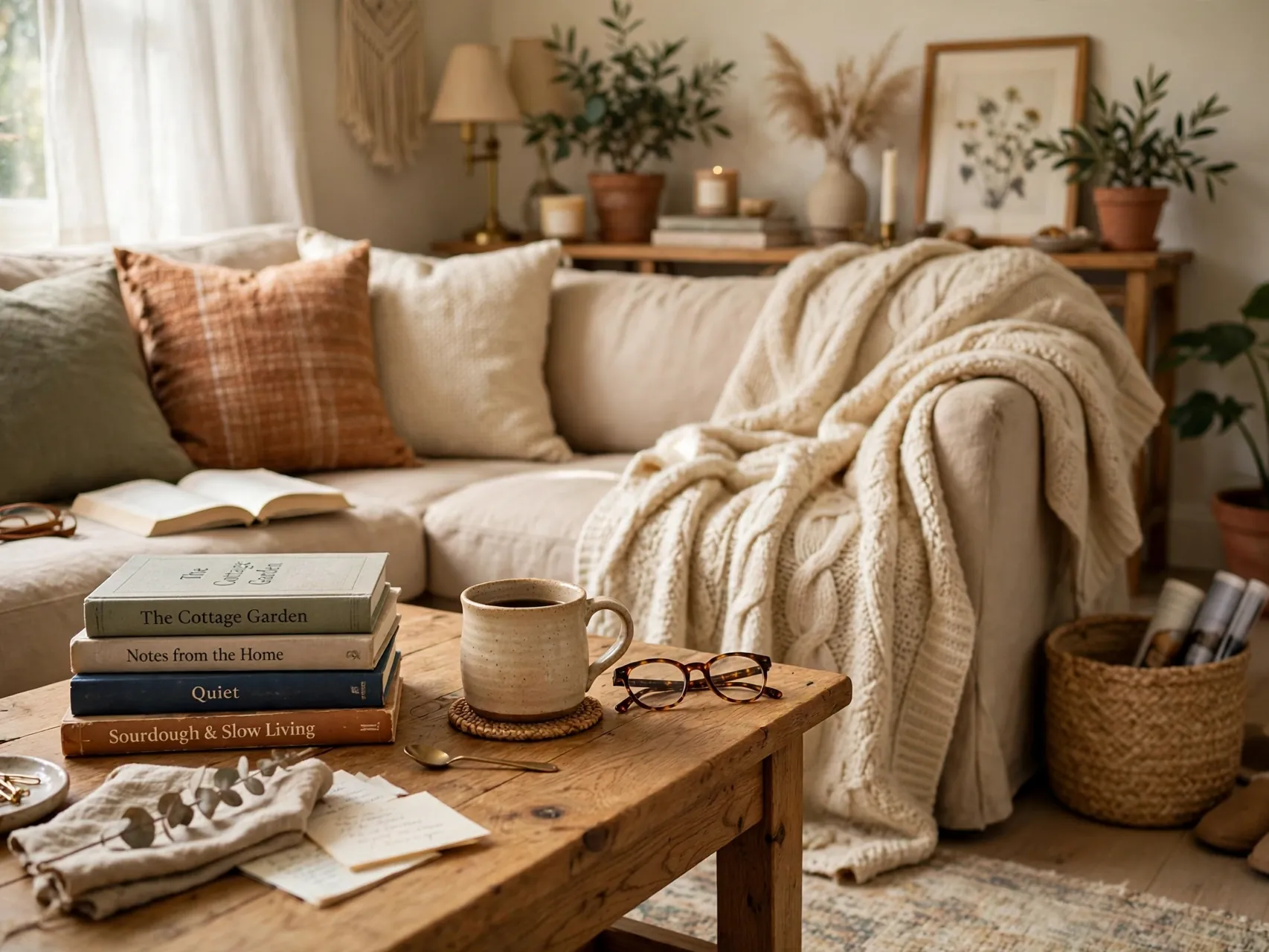
Styling rules that ban everyday objects exist because clutter photographs badly, and styled shelves in magazines hold only beautiful things. Real homes, however, have remotes, chargers, homework, and the book you are actually reading.
Break it by designing for real objects: a tray or basket for remotes and chargers, a shelf zone for current books, hooks where bags truly land. When real life has a planned home, it looks like part of the decor instead of a mess on top of it. A room that works daily will always beat a styled room that collapses by Tuesday.
16. Rule: Lighting Comes From One Ceiling Fixture – Break It With Layers
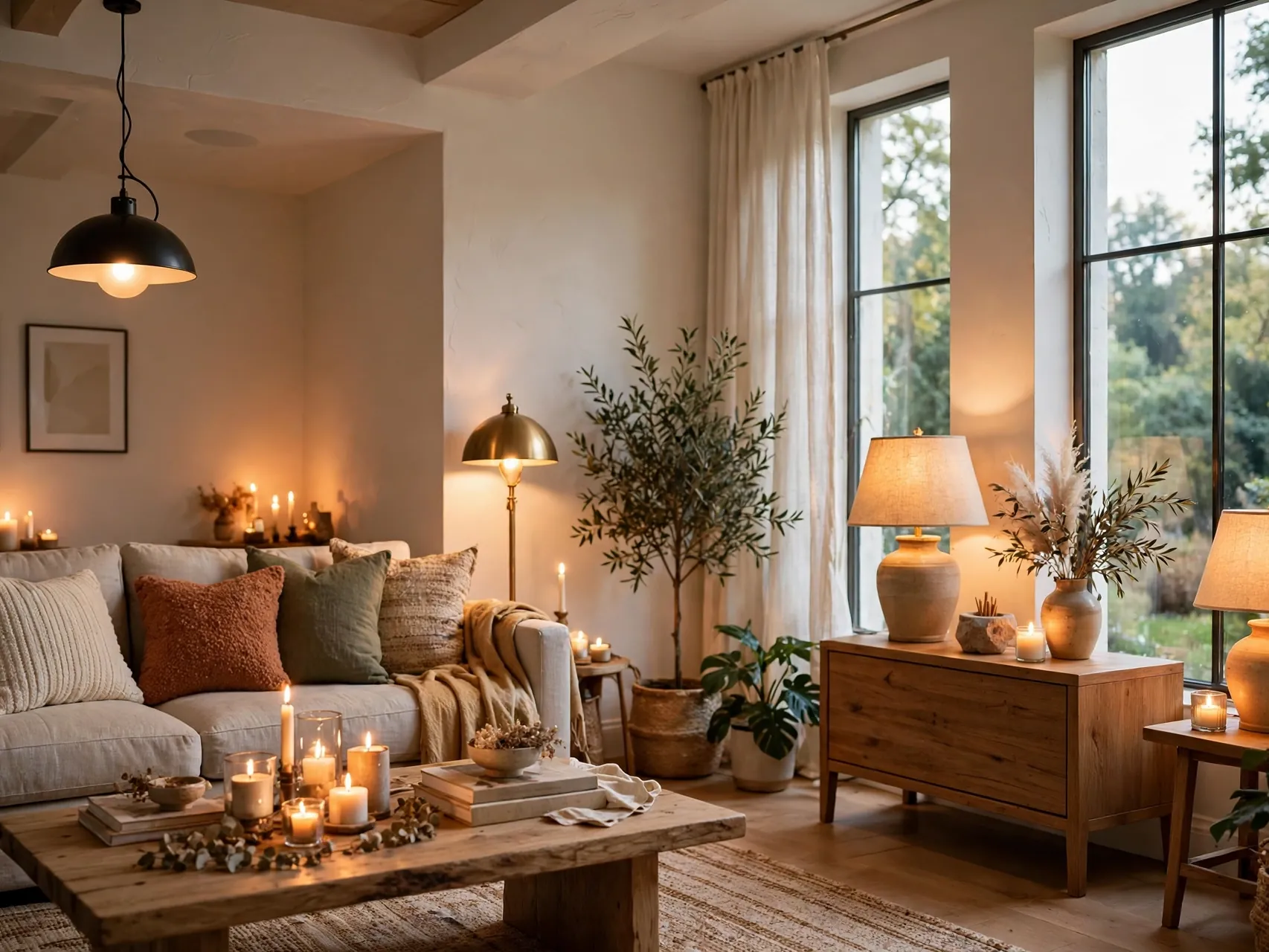
Single fixture habits exist because one ceiling light is cheap and simple to install. It is also why many rooms feel flat or harsh in the evening, with shadows in every corner and glare in the middle.
Break it by layering light at different heights: ceiling or wall light for general use, table and floor lamps for tasks and reading, and small accent or LED light for glow. Put lamps where activities happen, not just where outlets are. Layered light is the single change that makes almost any rule breaking room look intentional after dark.
17. Rule: Large Furniture Does Not Belong in Small Rooms – Break It With Fewer, Bigger Pieces
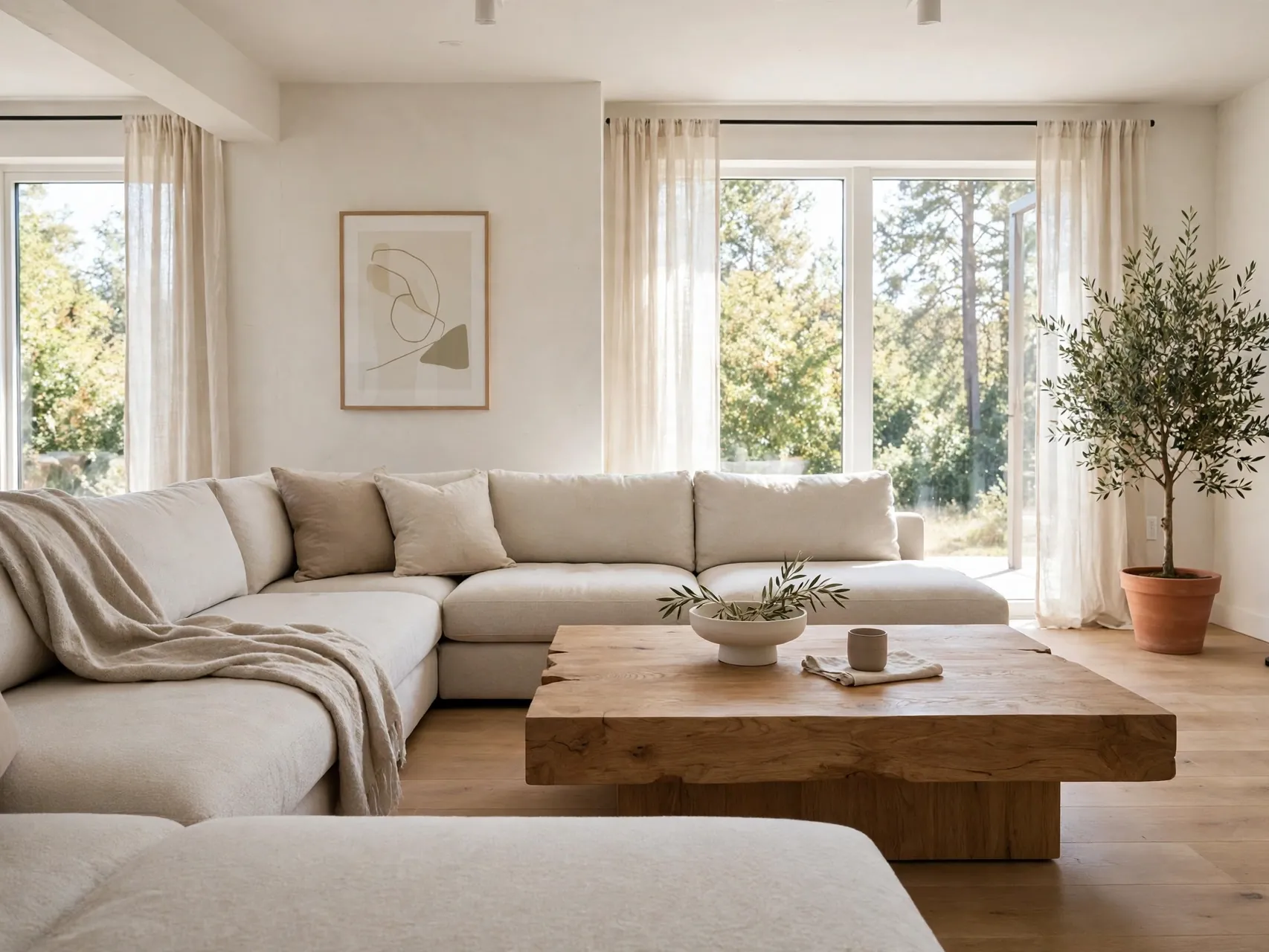
The small furniture for small rooms rule sounds logical, but many small pieces can make a room feel busier and smaller than a few generous ones. Tiny chairs, tables, and rugs chop a room into fragments.
Break it by choosing fewer, larger anchors: one full size sofa instead of two small chairs, one substantial rug, one big piece of art. Keep legs visible and colors calm so the large pieces feel airy. Walkways matter more than piece count. A small room with one great sofa and clear paths feels larger than a room tiptoeing around doll scale furniture.
18. Rule: Kitchens and Bathrooms Need Cool, Clinical Color – Break It With Warmth
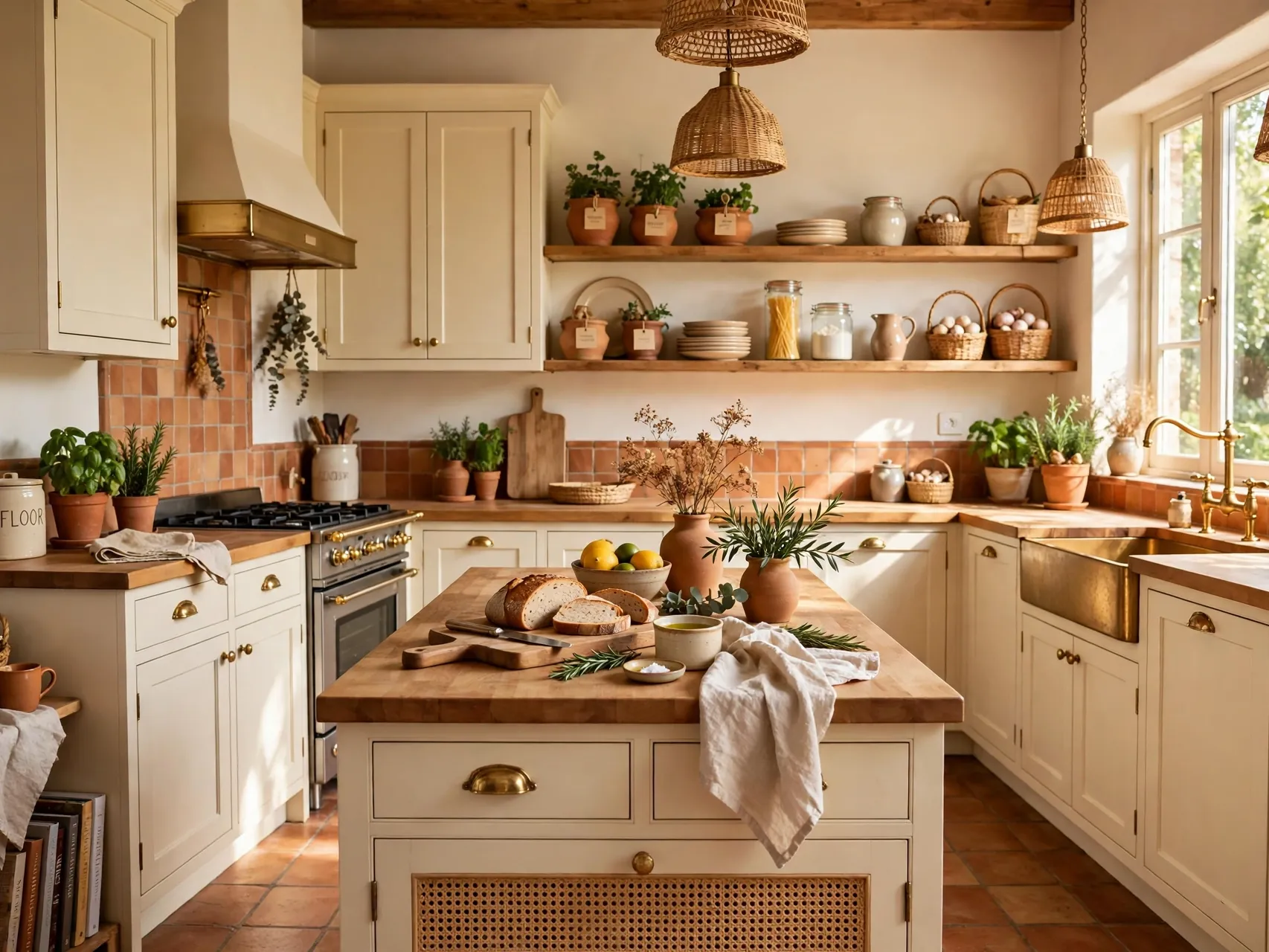
Hard working wet rooms drifted toward cool white and gray because those colors signal clean, and they suit tile and fixtures. The risk is a kitchen or bath that feels like a clinic, cold at the exact moments you are barefoot and half awake.
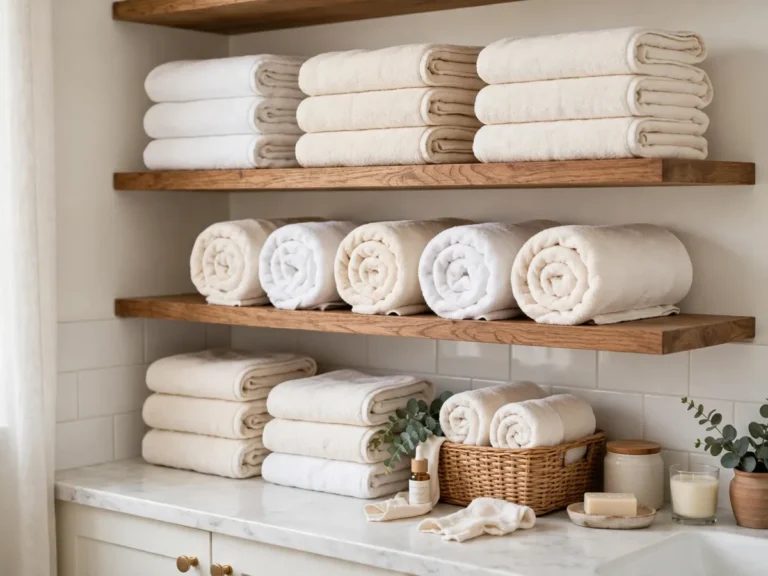
Break it with warm layers: wood boards and stools, warm metal handles, a runner rug, warm lighting, plants, and towels in warm tones. You can even paint cabinets or a vanity in a warm mid tone. Clean comes from actual cleaning and good light, not from a color temperature, so let these rooms feel like part of the home.
19. Rule: Never Use Dark or Bold Wallpaper in a Small Space – Break It With One Wall or a Small Room
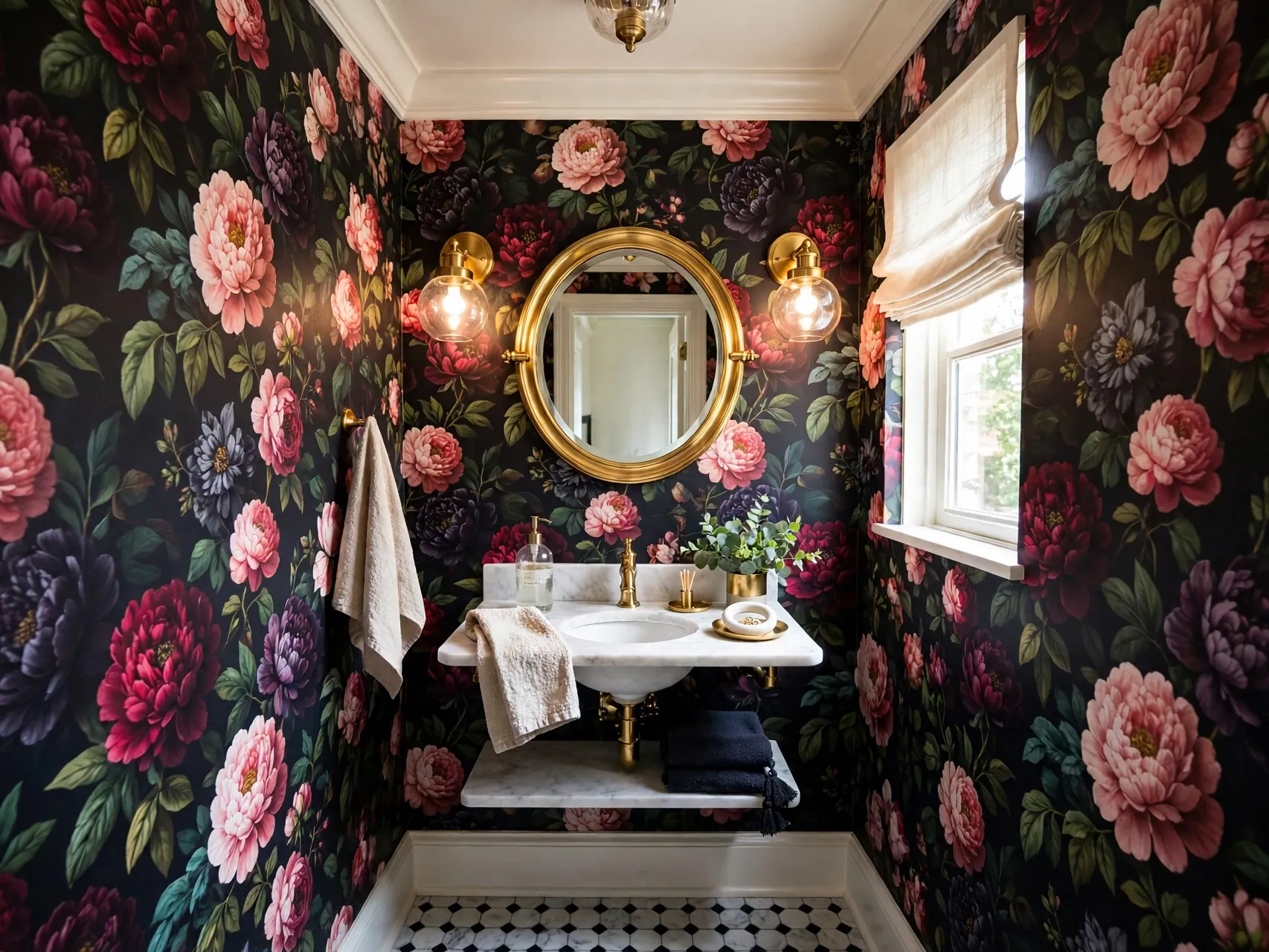
Caution with bold wallpaper exists because pattern at full strength on every wall can overwhelm, and wallpaper is more work to change than paint. In a large, busy family room, the caution is fair.
Break it where the dose is controlled: one wall behind a bed or sofa, or all walls of a tiny powder room where the drama becomes the point. Keep the rest of the scheme simple and let the paper be the art. Small spaces actually forgive bold choices well, because you experience them briefly and the effect feels like a designed moment, not a daily argument.
20. Rule: Your Home Should Be Finished Before Guests See It – Break It Completely

The finished home rule is not really about decor. It exists because we compare our homes to photographs and feel behind. It makes people apologize for rooms, delay gatherings, and buy rushed furniture they later regret, just to feel done.
Break this one completely. Homes are meant to evolve: a good chair this year, art when you find it, paint when you are ready. Invite people into the in progress version, with good light, a comfortable seat, and something warm to drink. Guests remember welcome, not whether the gallery wall is complete. A home that grows with you will always look more confident than a rushed, finished one.
FAQ
Why do decorating rules exist if I can break them?
Most rules began as protection against common mistakes: rooms feeling cramped, chaotic, mismatched, or unfinished. Knowing what a rule protects helps you break it safely. If you can get the same comfort, balance, or calm in a more personal way, the rule has done its job and you can move past it with confidence.
How many rules should I break in one room?
One or two at a time is a good pace. Break one rule with intention, keep the rest of the room fairly calm, and live with it before breaking another. Rooms where everything is a statement compete with each other. A single confident exception, like a dark small room or mismatched dining chairs, reads as design.
What is the easiest decorating rule to break first?
Mixing metals or wood tones is an easy, low cost start because it needs no renovation: repeat each finish at least twice and group woods by warmth. Painting a small room or a single door a deeper color is another good first step, since one can of paint can be reversed in a weekend if you dislike it.
How do I break a rule without making the room look like a mistake?
Repeat the exception, balance its visual weight, and keep a shared thread of color, material, or scale through the room. Test with samples, tape, or by moving pieces you own before buying. If the choice looks deliberate from the doorway, with echoes elsewhere in the room, guests read it as style rather than error.
Which decorating rules should I never break?
Keep the rules that protect safety, comfort, and function: clear walkways, secure fixings and anchored tall furniture, safe lighting and electrical practice, and seating that actually supports the people using it. Style rules are flexible. Safety and honest comfort are not, and no look is worth a room that does not work.
Key Takeaways
- Learn the reason, then decide: Every classic rule protects against a real problem; knowing the reason tells you how to break it safely.
- Break one rule at a time: A single confident exception in a calm room reads as design, while many at once read as chaos.
- Repeat the exception: Mixed metals, woods, patterns, and chairs look intentional when each choice appears more than once.
- Balance beats matching: Shared color, warmth, scale, and visual weight hold mixed rooms together better than identical sets.
- Safety and comfort stay fixed: Walkways, secure furniture, good layered light, and supportive seating are never up for rule breaking.
- Ready to break a rule beautifully? Save these home decorating rules to Pinterest and pin the one you will try first.