23 Tips on How to Plan a Halloween Party Guests Will Love
Introduction
A great Halloween party is mostly planning, not spending. When you know your theme, your guest count, and your simple timeline, the day itself feels calm, and you actually get to enjoy your own party. Learning how to plan a halloween party is really about making a few decisions early.
This guide breaks the process into 23 practical tips, from four weeks out to the last hour before guests arrive. It covers invites, decor zones, food safety, games, and the small hosting touches guests remember most.
You do not need a perfect house or a huge budget. You need one clear theme, food that is safe and easy to serve, lighting that sets the mood, and a plan for where guests will gather, snack, and play.
1. Pick One Theme and Two Colors First
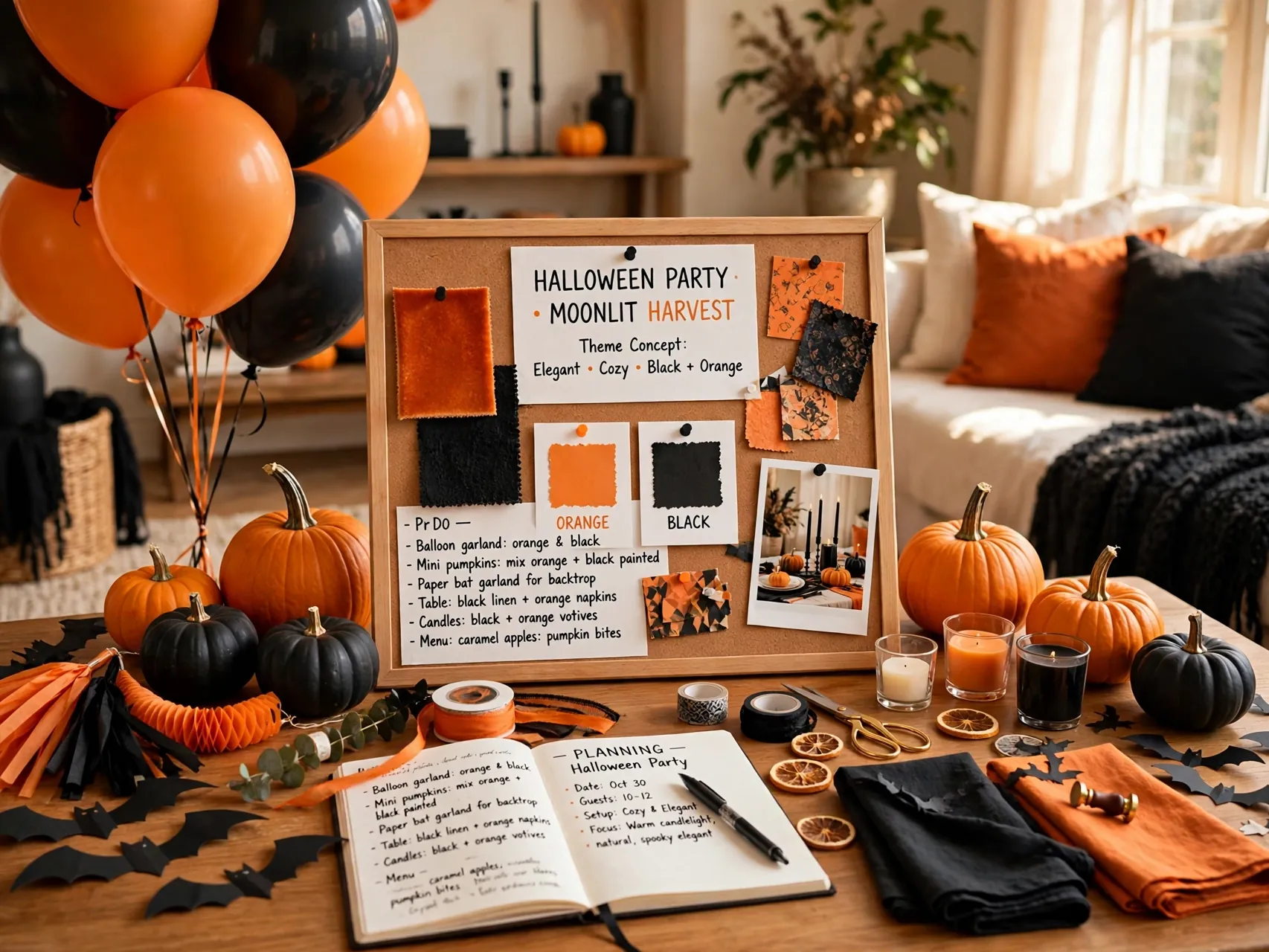
Choose a single theme, like haunted house, pumpkin patch, masquerade, or movie night, and limit yourself to two main colors plus one metallic or neutral. Every later choice, from napkins to playlist art, should pass this simple test.
A tight theme stops impulse buying and makes even dollar store decor look intentional. Write your theme and colors at the top of your planning notes and shop with that list only.
2. Decide the Guest Vibe and Age Range Early
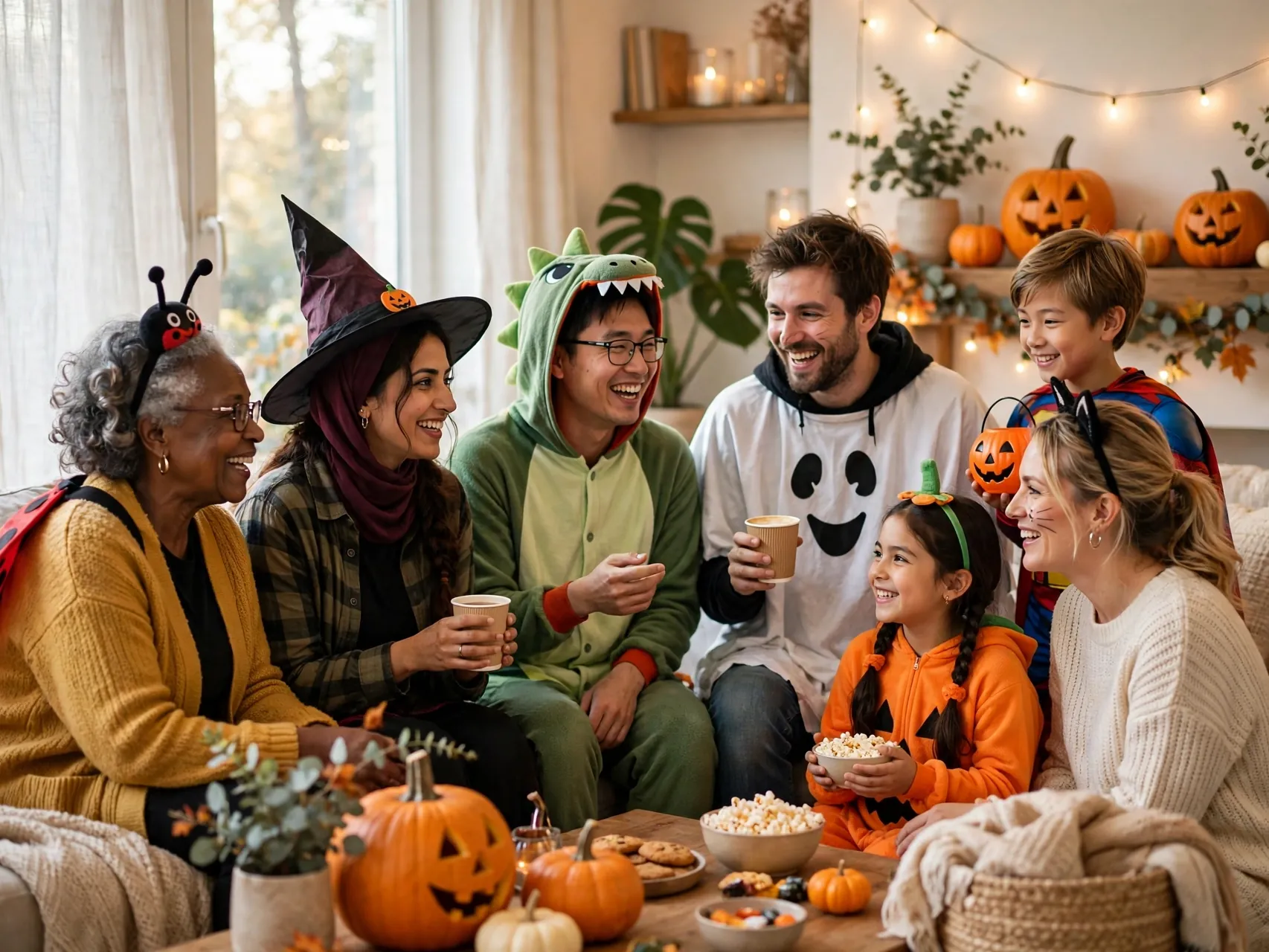
Kids under eight need short games, clear rules, and room to move. Mixed ages do best with stations guests can visit at their own pace. Adults only parties can handle longer trivia, a mystery game, or a costume contest with judging.
Write the age range at the top of your plan. That one line will guide your menu, your music volume, your decor scare level, and your end time more than any other decision.
3. Start Four Weeks Ahead With a Simple Timeline

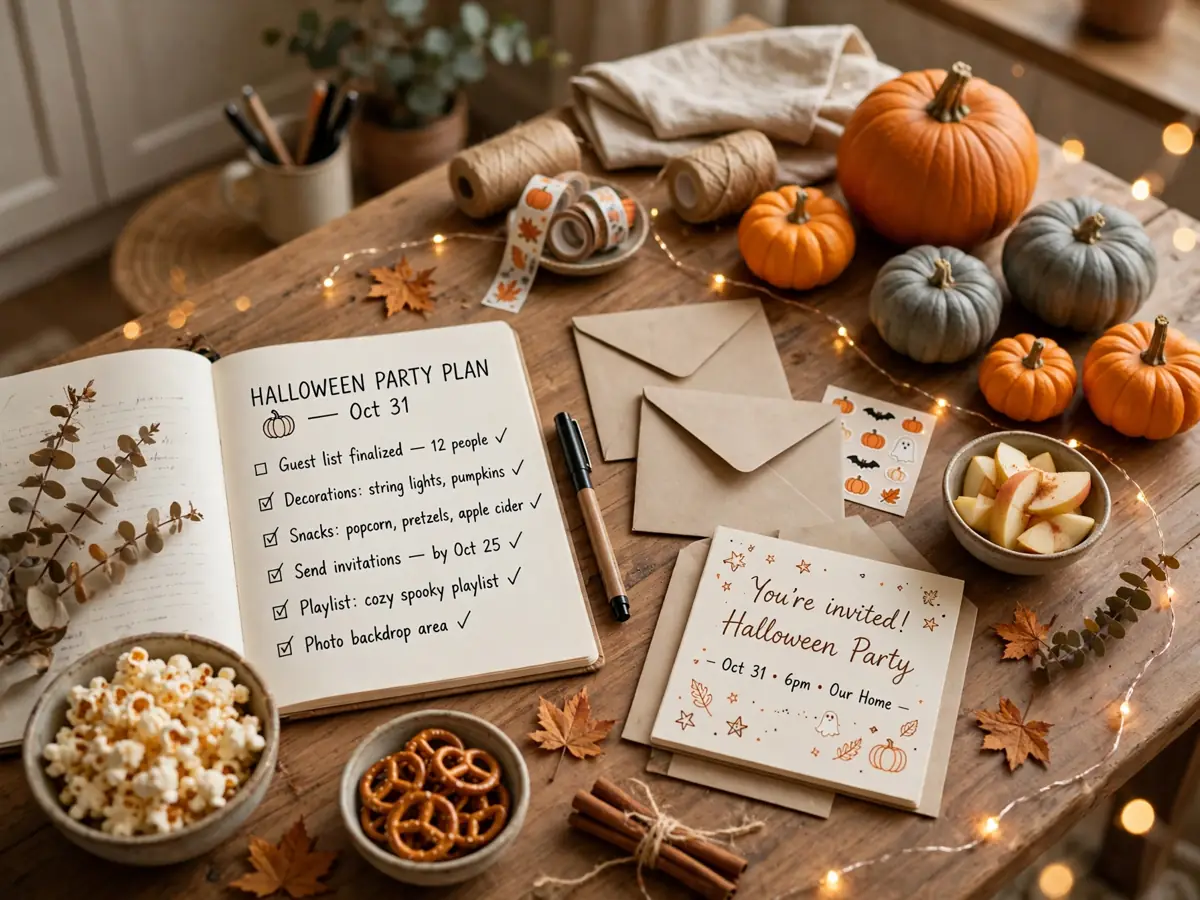
A useful halloween party planning timeline is simple. Four weeks out, pick the theme and date. Three weeks out, send invites. Two weeks out, plan the menu and games. One week out, shop for shelf stable items and confirm RSVPs.
In the final three days, shop for fresh food, set up decor, and prep make ahead dishes. Spreading tasks out is the difference between a host who is relaxed and one who is still decorating when the doorbell rings.
Put each task on your calendar with a real date rather than a vague week, because a dated task gets done, while a hopeful intention quietly slips until it becomes a stressful last minute emergency job.
4. Build a Guest List That Fits Your Space

Count your seats, your standing room, and your food table space before you invite. A crowded party feels chaotic, while a slightly smaller list lets guests move, talk, and reach the snacks without squeezing past furniture.
If space is tight, consider an open house style party with a wider time window, so guests arrive and leave in waves. Note plus ones and children on your list, because they change food and seating needs.
5. Send Invites That Set Costume Expectations

Your invite should name the theme, the date and time, the address, parking notes if needed, and whether costumes are required, encouraged, or optional. Guests dress up far more often when they know everyone else will.
Add an RSVP date and a note about food allergies or a dish sign up if you are doing potluck style. A digital invite with a fun theme name builds excitement and makes updates easy to send.
6. Set a Realistic Budget and Shop Your Home First

Decide what you will spend on food, decor, and prizes before you shop. Then walk your home with your theme in mind. Black linens, glass jars, baskets, books, candles with LED flames, and fall decor you already own can cover half your setup for free.
Spend what remains on lighting and food, because guests notice those most. Borrow serving pieces and extra chairs instead of buying items you will store all year.
7. Plan Three Zones: Scare, Snack, and Play

Give each part of the party its own place. A scare zone holds your best decor and photo spot. A snack zone holds food and drinks with room to stand. A play zone holds games or crafts, away from the food line.
Zones prevent the classic problem where everyone crowds the snack table and no one sees your best decorations. One hero item per zone, plus a few small touches, is enough to make each area feel complete.
Label each zone with a small themed sign, because signs help new guests orient themselves without asking, and they make your home feel like a venue that was designed for this exact celebration and crowd.
8. Use Lighting to Transform the Room Cheaply
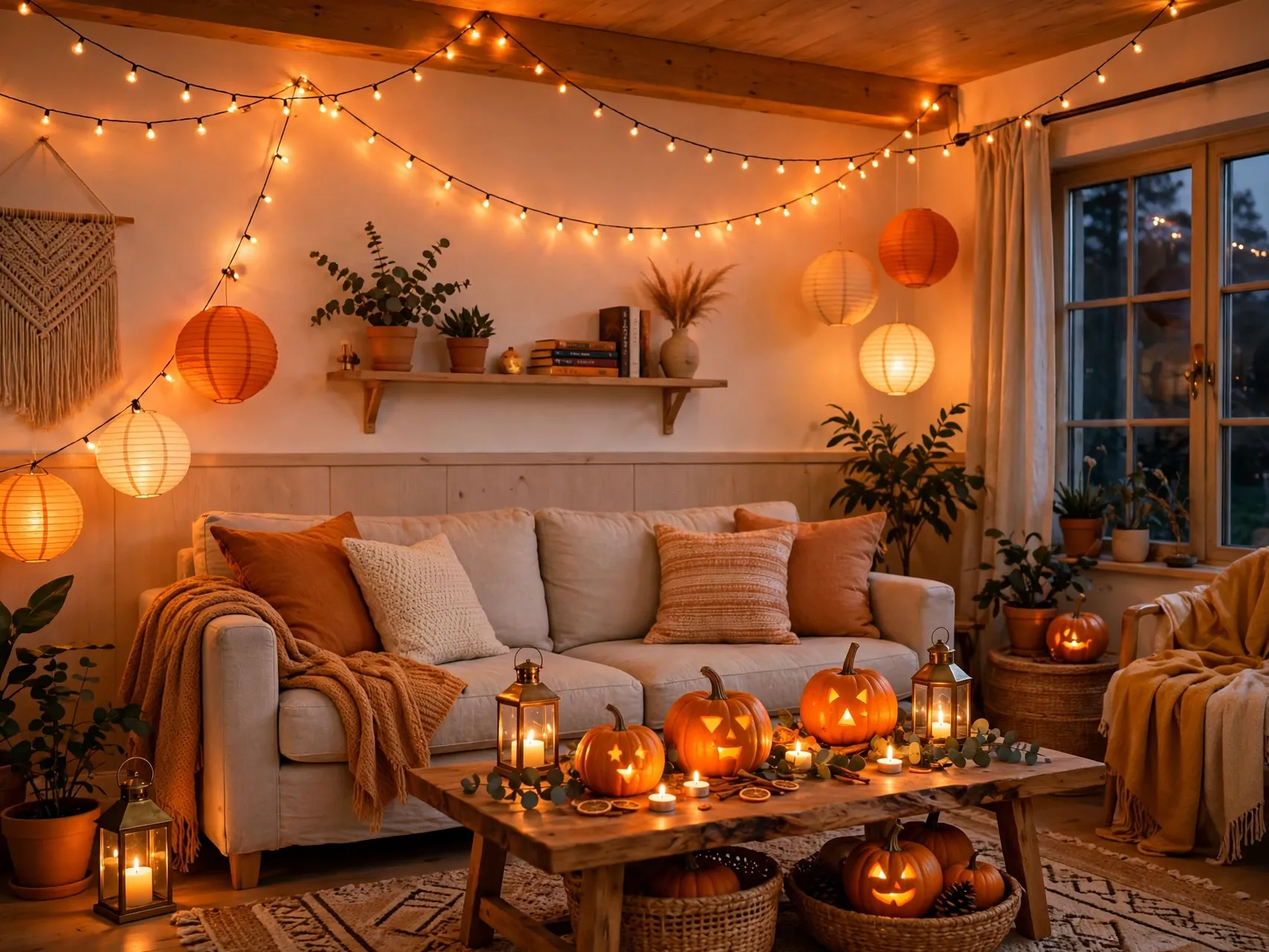
Turn off harsh overhead lights and layer softer sources. String lights, lanterns, LED candles, and one or two lamps with warm bulbs create a Halloween mood faster than any prop you can buy.
Keep a practical light level on stairs, walkways, and the entry so guests can move safely. Test your lighting the night before, at the same hour as the party, so there are no dark surprises.
9. Decorate the Entrance Like It Matters
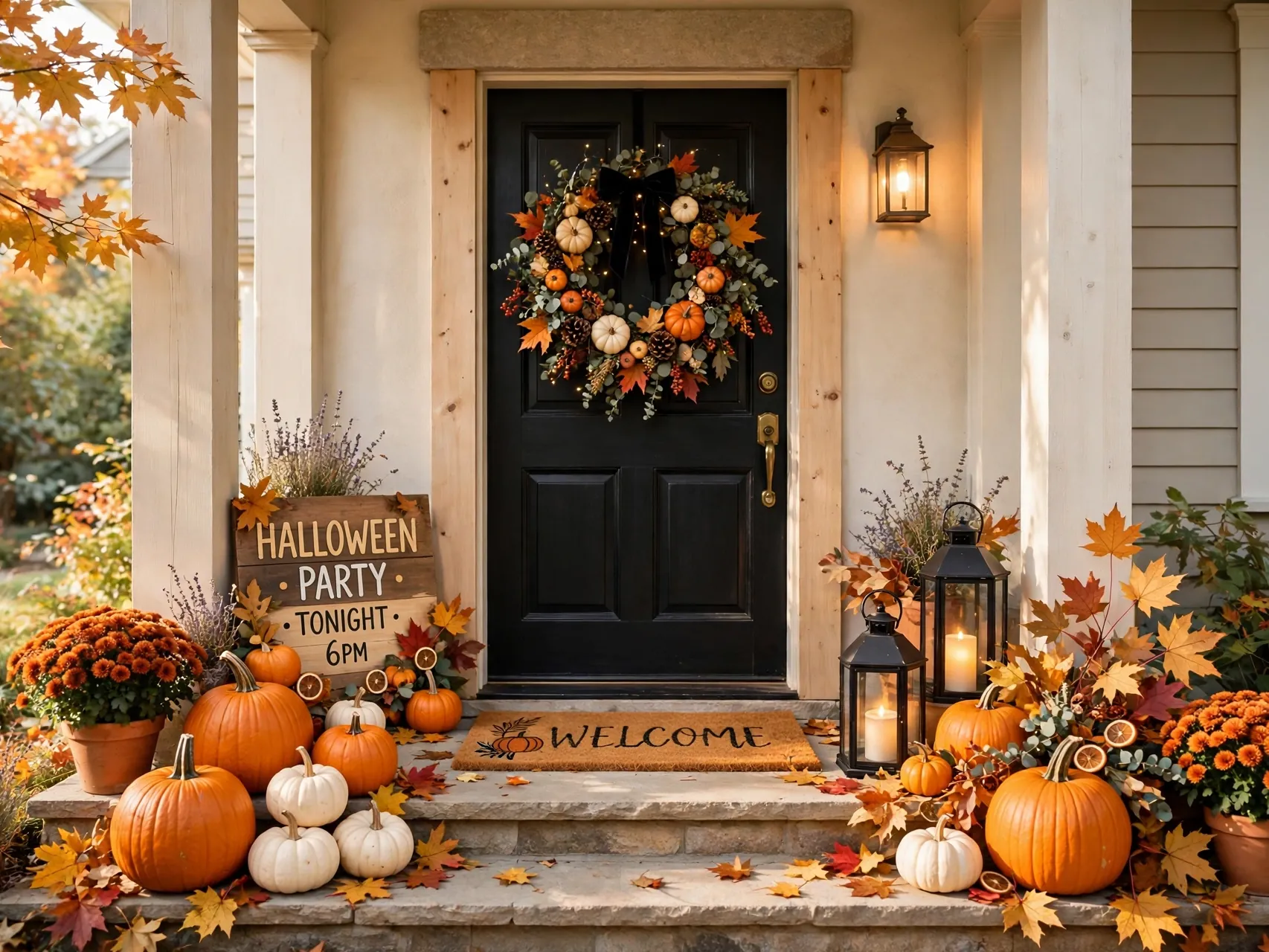
The door is your first impression. A wreath, pumpkins or lanterns on each side, a simple sign, and lit path markers tell guests they have found the right house and set the tone before they step inside.
Keep the entry clear of tripping hazards, tape down any cords, and place a small mat for wet shoes if weather is damp. A great entrance also makes your party easy to find for first time guests.
10. Plan a Menu of Easy Finger Foods
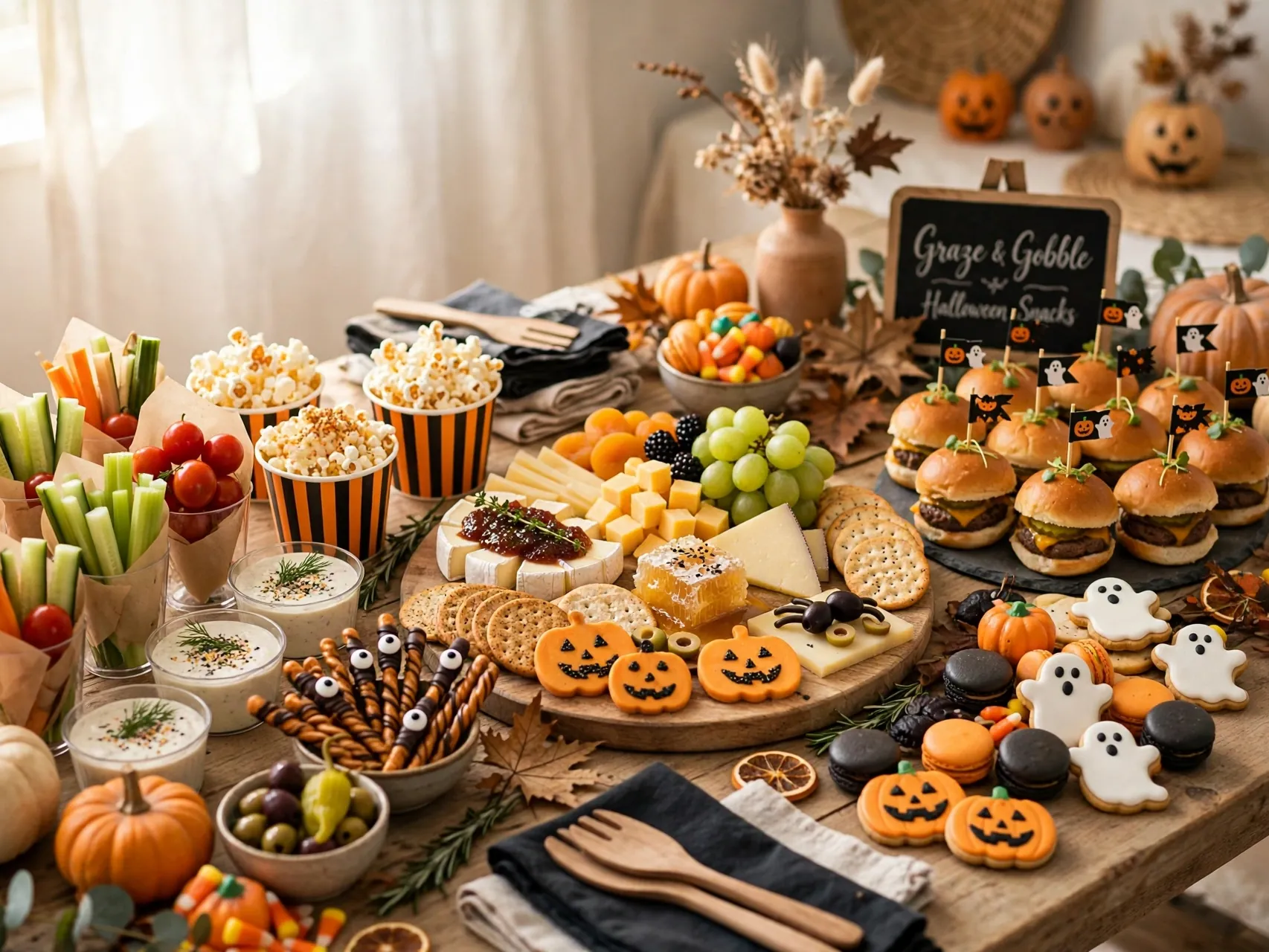
Finger foods let guests eat while standing, talking, and wearing costumes. Choose a mix of savory, sweet, fresh, and filling items, with at least a few options that suit common dietary needs in your group.
Give foods playful theme names on small cards, like monster dip or witch finger breadsticks. Name cards also carry your allergy labels, which guests with allergies will quietly appreciate all night.
11. Follow Halloween Food Safety Basics
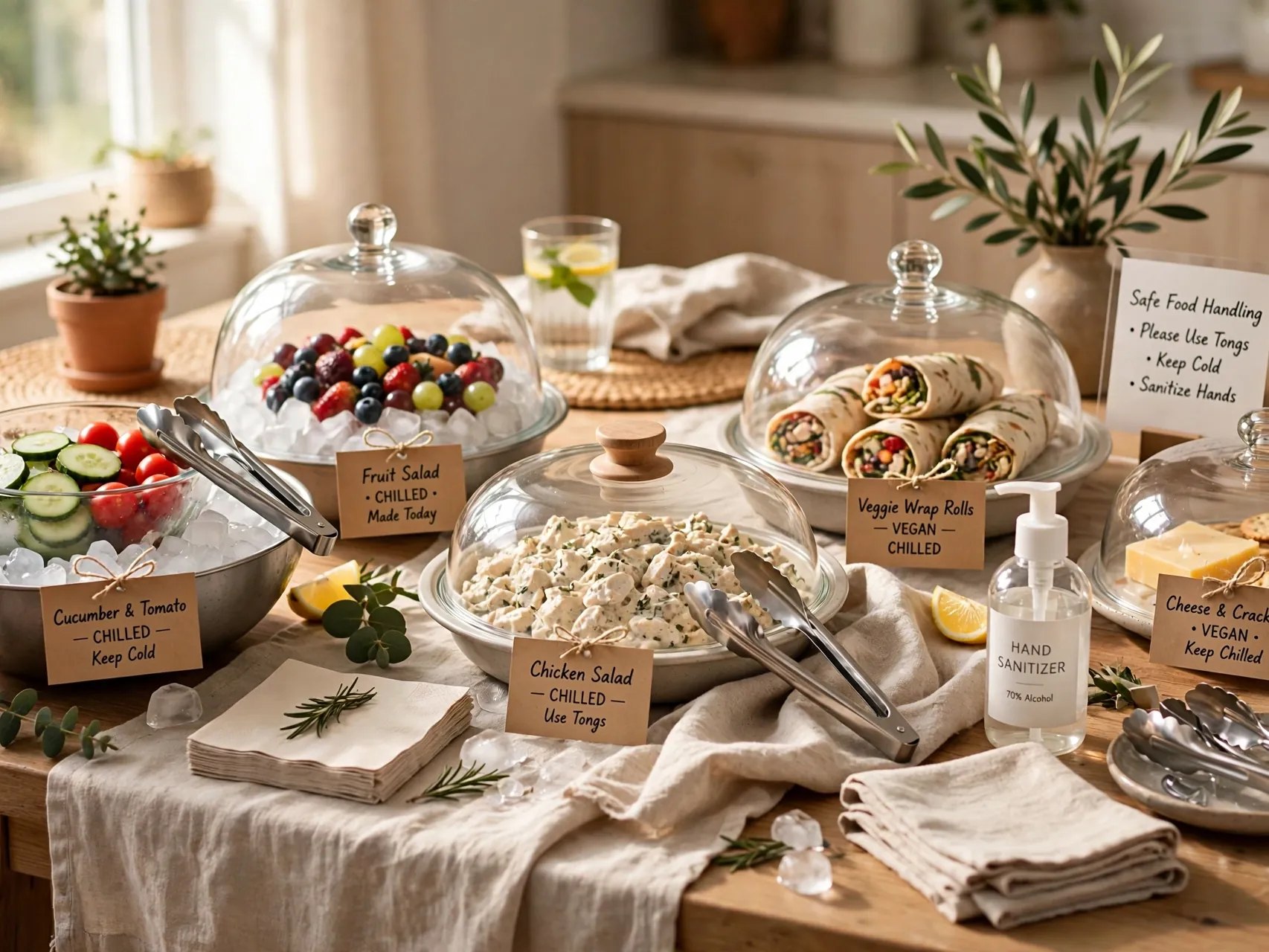
Keep cold perishable foods at 40 degrees F or cooler and hot foods at 140 degrees F or above. Do not leave perishable food out for more than two hours, or one hour if the room or day is very warm, and refill trays in small batches from the fridge.
Serve pasteurized juice or cider, wash fresh produce well, and never taste raw cookie dough or batter with uncooked eggs or flour. Inspect any treats served to young children and remove choking hazards like hard candy and whole nuts for toddlers.
Keep a clean serving spoon in every dish and replace it if it falls, keep raw and ready to eat foods separate during prep, and wash hands well before cooking and before you set out the first tray.
12. Offer One Signature Drink and Simple Options

One signature punch or cocktail, plus water, soda, and one non-alcoholic themed option, is easier and cheaper than a full bar. Serve drinks from a cauldron style bowl or labeled bottles for theme effect, and set up a self serve station so you are not bartending all night.
Label ingredients clearly, keep alcohol out of reach of children and separate from the kids area, and plan water and food alongside any alcohol. End the night with a clear plan for guests to get home safely.
13. Build a Playlist Before Party Day
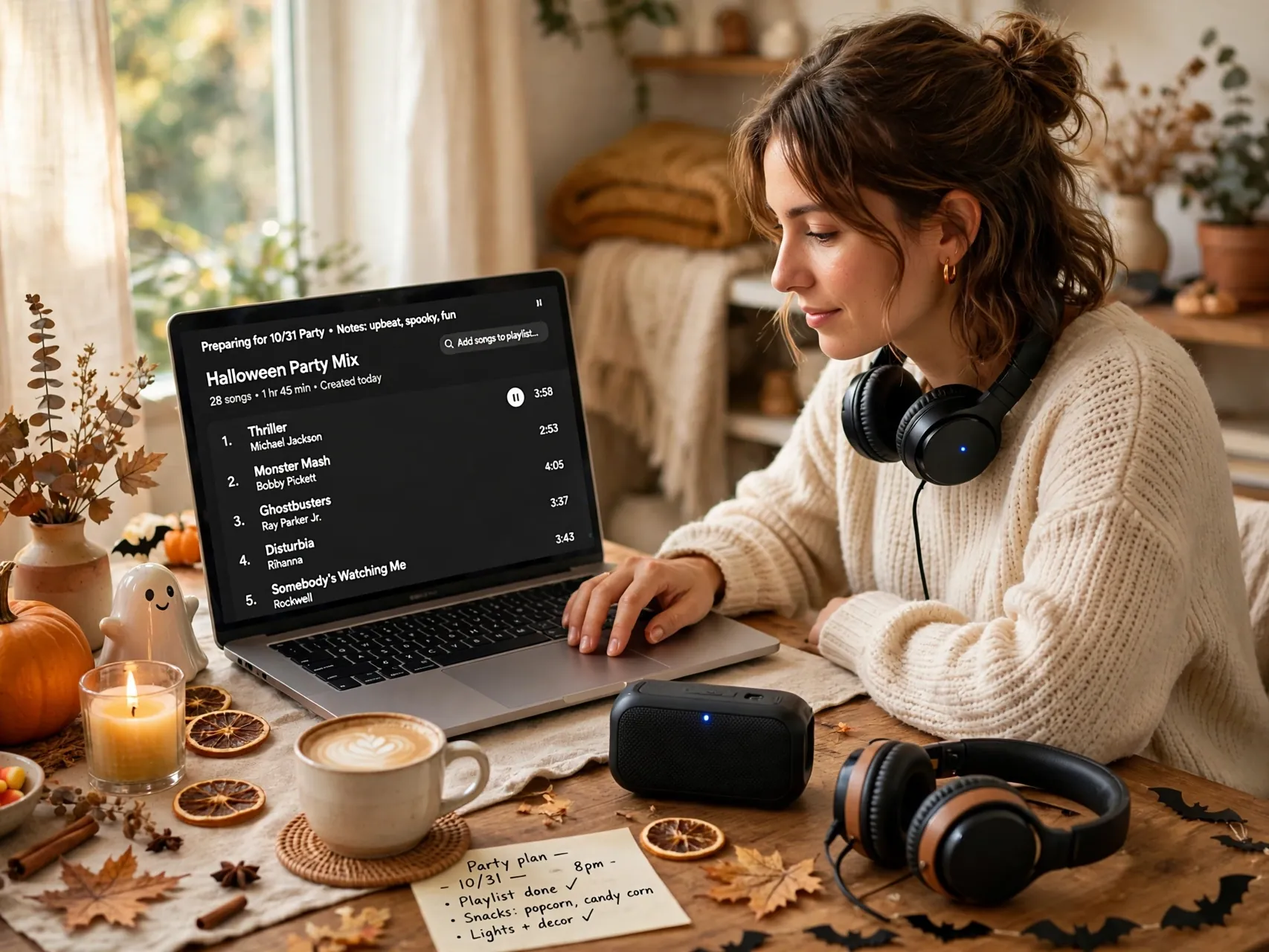
Music fills silence and sets energy. Build a playlist of three to four hours with Halloween classics, movie themes, and regular upbeat favorites your guests know. Start it before the first guest arrives, because a quiet house feels unfinished.
Keep volume low enough for conversation in the snack and seating areas, and a little higher in the play or dance area if you have one. Test your speaker placement and charging cable before the day.
14. Choose One Hero Activity, Not Five Small Ones
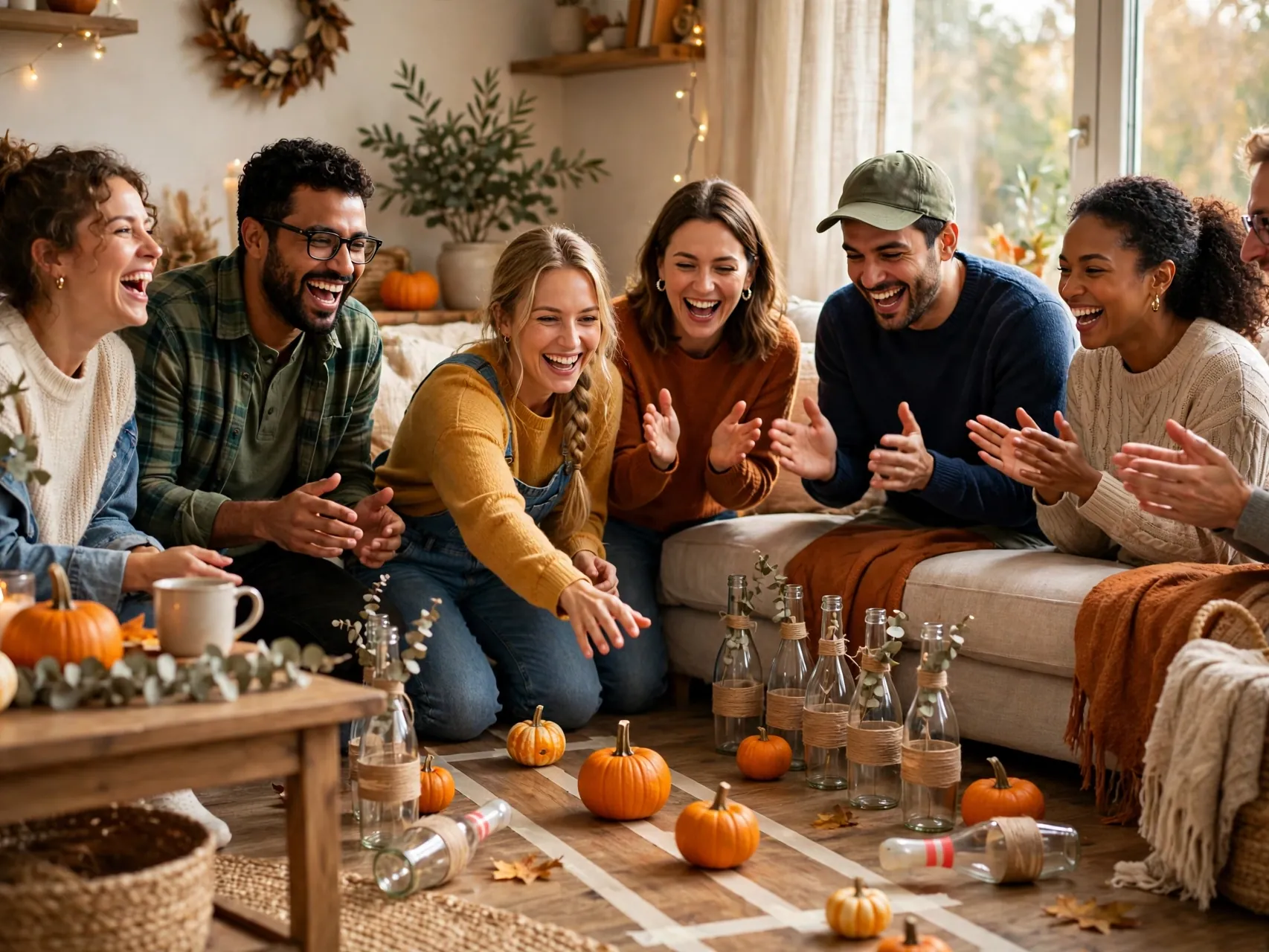
Pick one main activity that fits your age group, like bingo, trivia teams, a scavenger hunt, a printable escape style game, or a costume contest. One well run activity beats five half prepared ones that confuse guests and exhaust the host.
Prepare all pieces in advance, write simple instructions on a card at the station, and choose prizes that are small and fun. Schedule the hero activity for the middle of the party, when most guests have arrived.
15. Add a Photo Spot Guests Will Actually Use
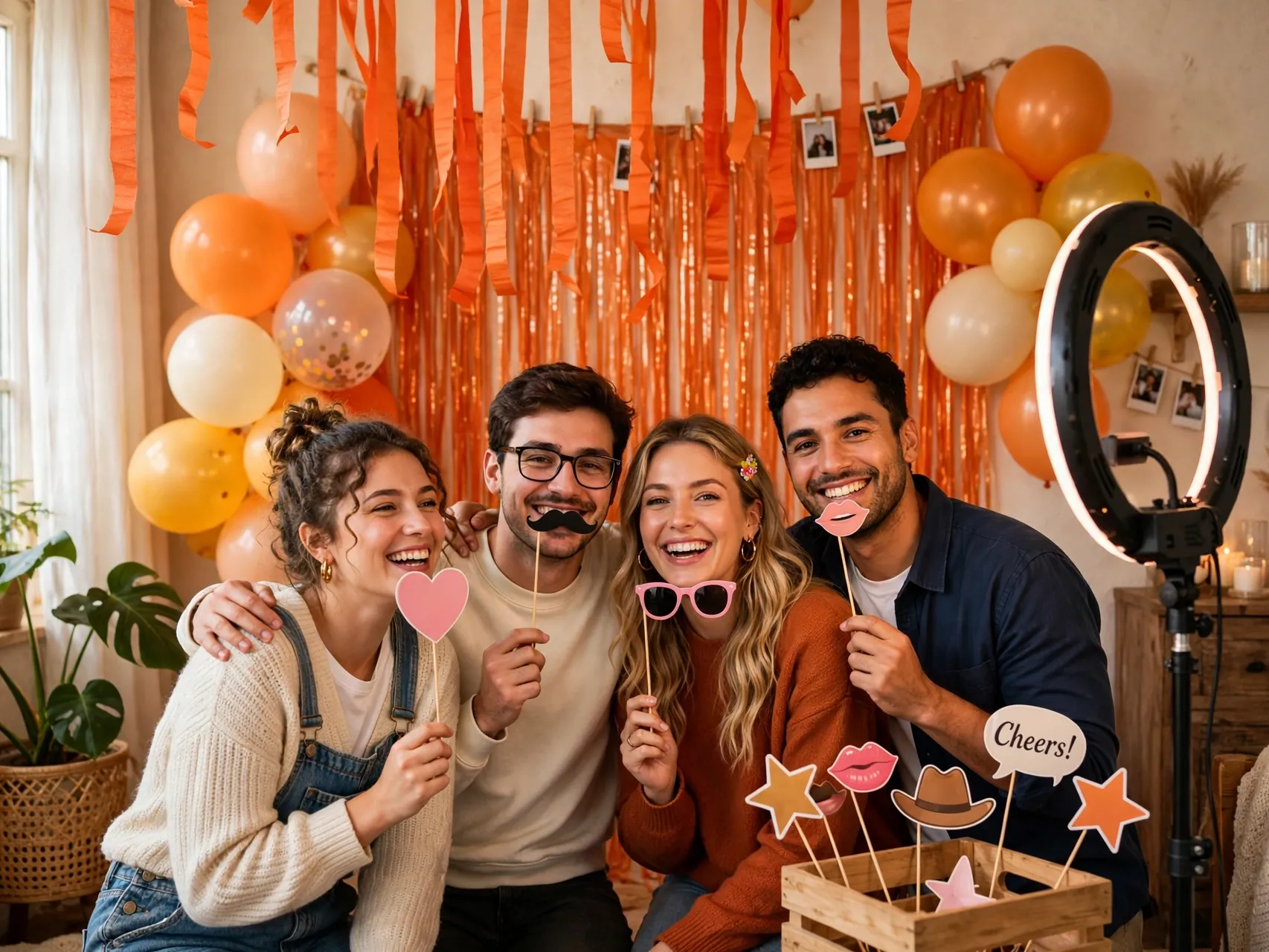
A dark backdrop, a banner or balloon garland, good light facing the guests, and a small basket of props is all a photo spot needs. Place it near the entrance or scare zone, where guests pass it early while costumes are fresh.
Add a simple hashtag or a shared album note if your group likes sharing photos. Photos are the souvenir guests keep, and they do more for your party reputation than any expensive prop.
16. Run a Costume Contest With Clear Categories

Announce categories on the invite, like best overall, funniest, best couple or group, and most creative homemade look. Clear categories encourage guests who know they will not win scariest to still join in and try.
Keep judging simple, with applause voting, a small ballot, or one or two guest judges. Give small prizes, take a group photo of the winners, and keep the whole contest under fifteen minutes so the party keeps moving.
17. Set Up a Kids Craft or Coloring Station
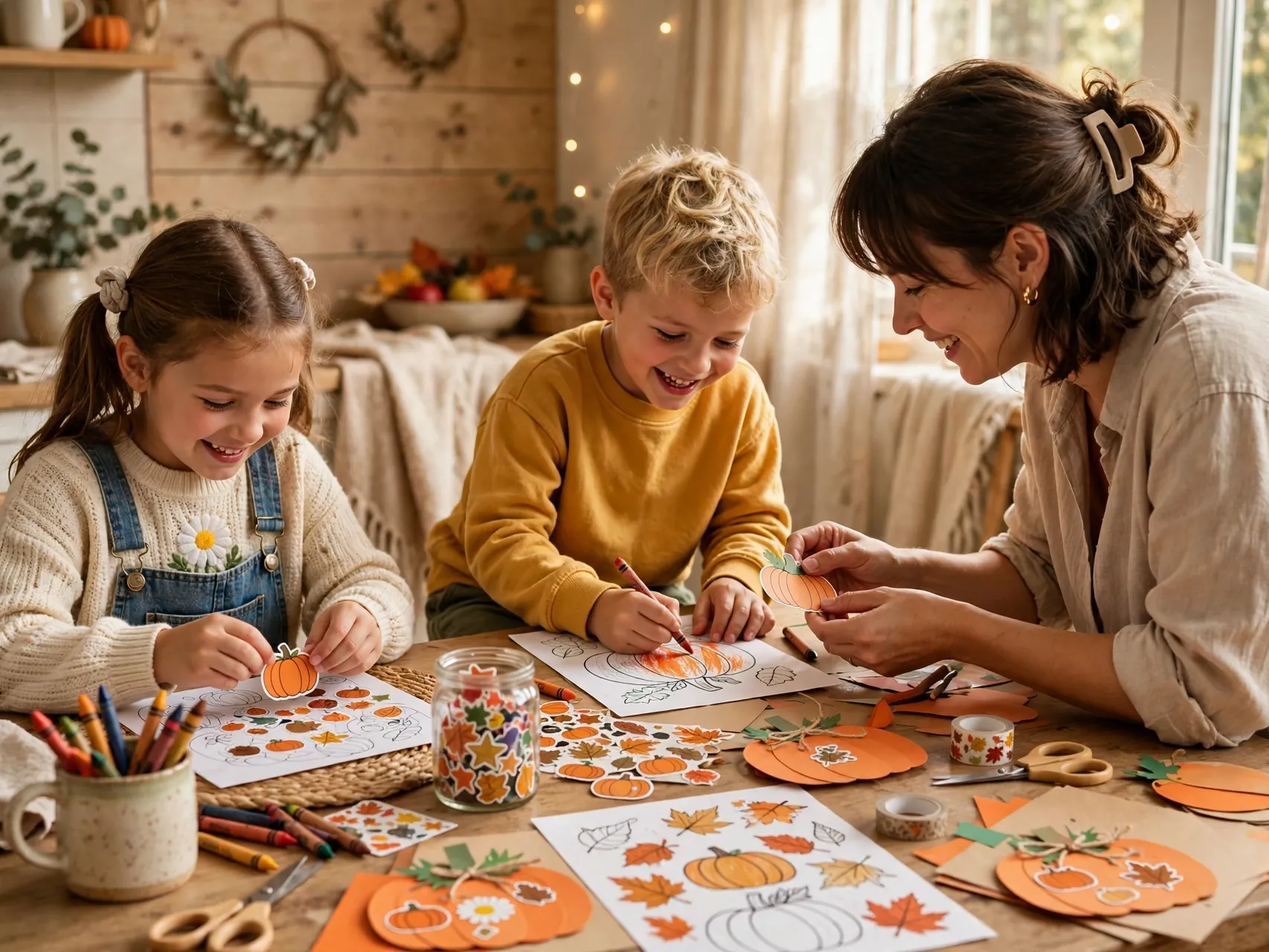
For family parties, a small table with coloring pages, stickers, and a simple paper craft gives children a calm place to land between games. Choose washable, non-toxic supplies, safety scissors, and projects an adult can check on easily.
Cover the table for easy cleanup, keep small parts away from toddlers, and place the station where adults can see it from the main gathering area. A craft station prevents the restless wandering that leads to spills and breakage.
18. Plan the Party Flow in Time Blocks
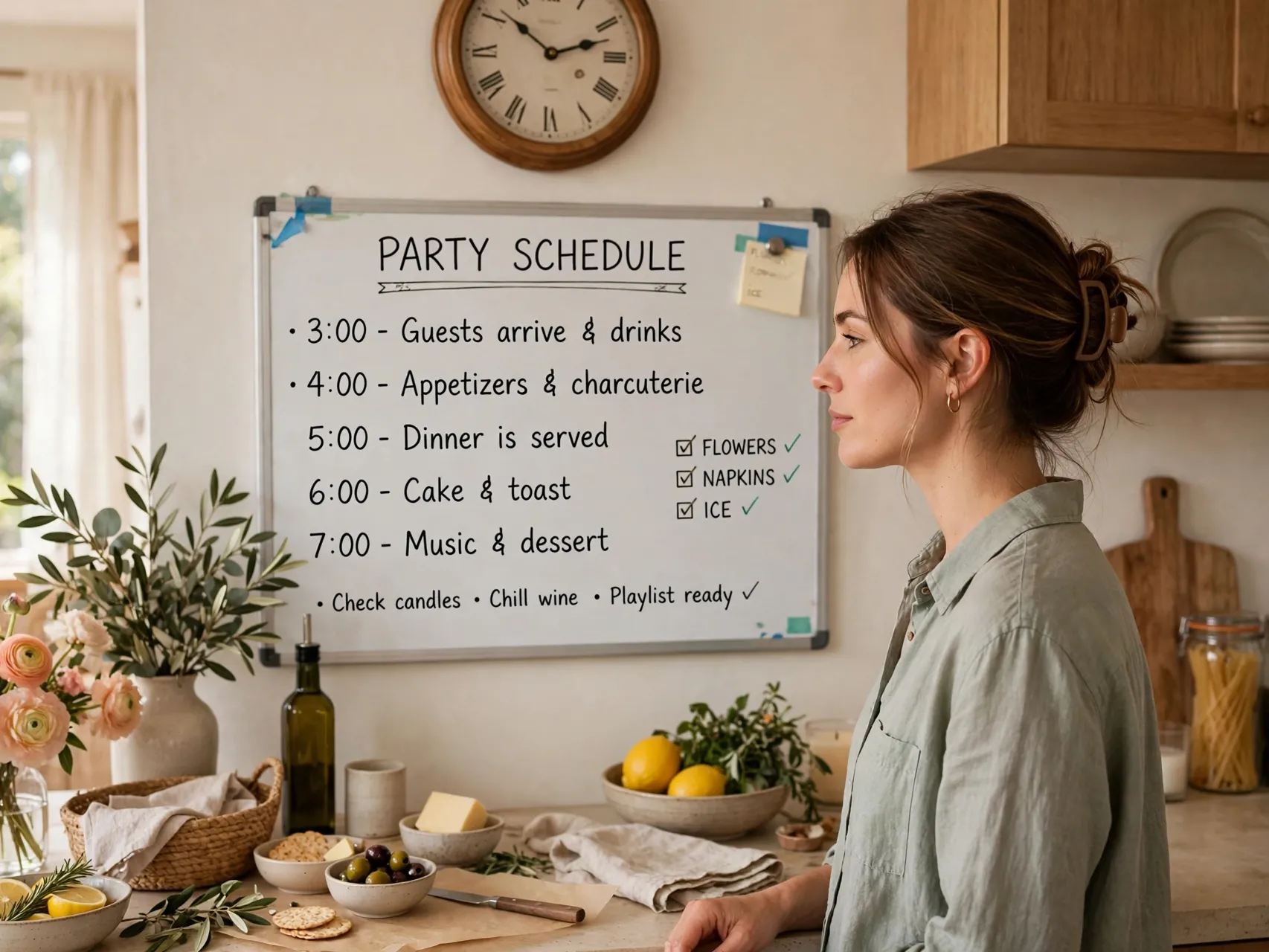
A simple flow keeps energy steady. For a two hour party, try arrivals and photos first, the hero game in the middle, snacks and free time after, then a short final game or contest and goodbyes.
Put the loudest activity in the middle, serve dessert after the main snack rush, and start a calm activity near the end for younger guests. Share the rough plan with a co-host or partner so you are not the only one watching the clock.
Share the rough end time with parents of young guests in advance, because families plan bedtimes, rides, and costume changes around it, and a clear finish helps everyone relax and enjoy the final hour together.
19. Prep Make Ahead Food and a Host Snack

Choose at least half your menu as dishes you can make the day before or assemble cold. Dips, cheese boards, pasta salads kept properly chilled, and baked treats all hold well and free up your party day for setup and rest.
Eat a real snack yourself before guests arrive. Hosts who skip food get tired and stressed by the second hour, and a calm host is the single biggest factor in whether a party feels welcoming.
20. Do a Safety Walk Before Guests Arrive

Walk the exact path guests will take, from the street to the door to the bathroom. Clear tripping hazards, secure loose rugs, light dark corners, move cords, and place paper decor and fabric well away from any open flame or heat source.
Use LED candles in jack-o-lanterns and near costumes, check that exits are clear, and keep a basic first aid kit and phone charger where you can find them. Five minutes of checking prevents most party accidents.
21. Have a Weather and Backup Plan
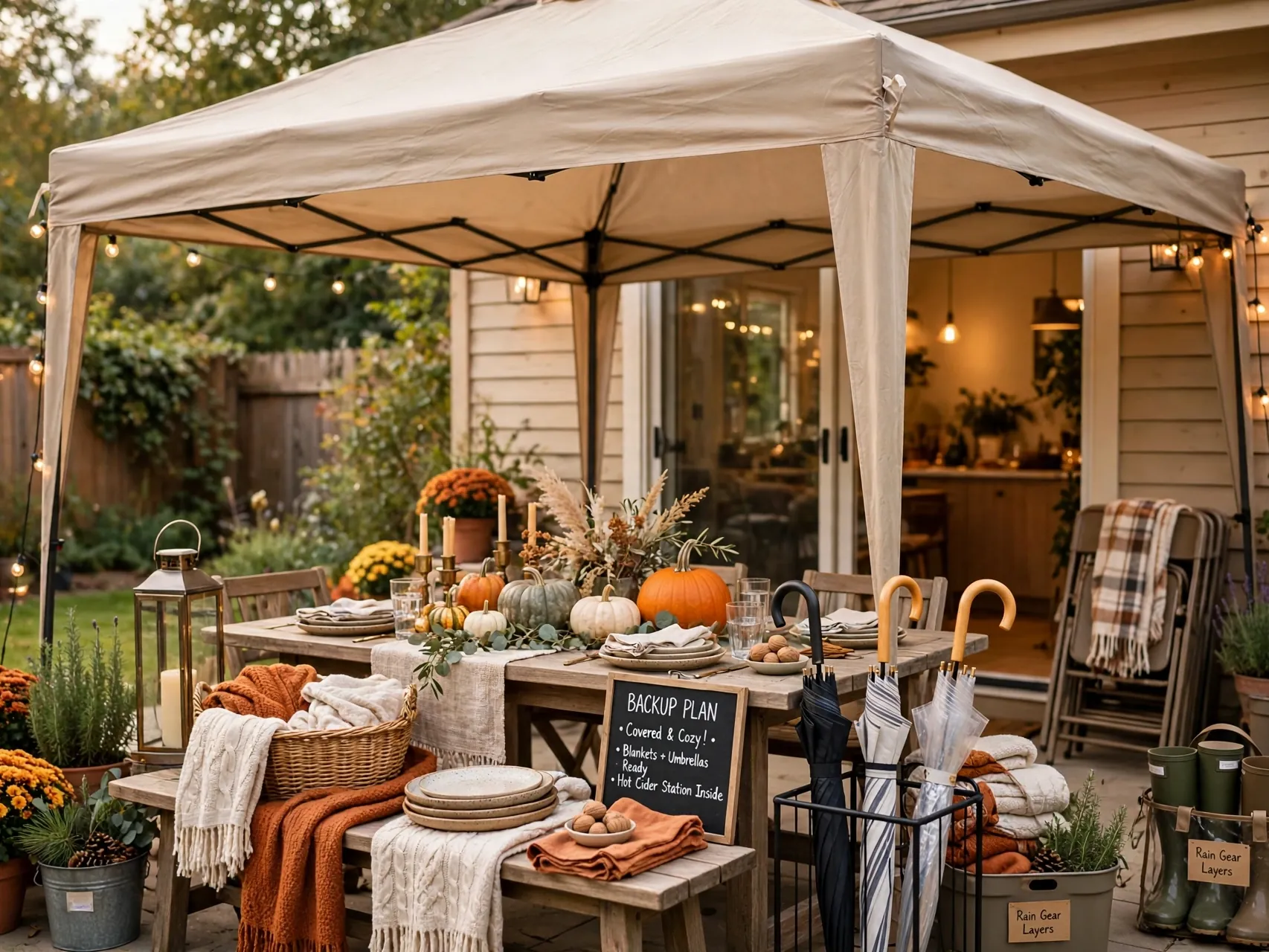
Rain changes everything for porch and garden parties. Decide in advance which outdoor pieces move inside, where wet coats and umbrellas will go, and whether you need a covered area for food and seating.
For indoor parties, plan a backup game in case energy dips or a planned outdoor hunt is rained out. A trivia set or a movie corner with blankets is a reliable rescue that needs no extra shopping.
22. Send Guests Home With a Small Favor

A tiny favor closes the night warmly. Mini candy bags, a cookie in a clear bag, a small candle, or a printed photo from your photo spot all work, and none of them need to be expensive or elaborate.
Set favors by the door so no one forgets, and pack a few extras for surprise plus ones. If children are leaving after dark, a glow stick or a reminder to use reflective gear and flashlights is a kind and practical touch.
23. Be a Guest at Your Own Party

The final tip in any halloween party planning checklist is about you. Finish setup thirty minutes early, change into your costume, pour your own drink, and stop fixing small details. Guests copy the host mood, so a relaxed host creates a relaxed party.
Take photos, join the game, and let small imperfections go. People remember how a party felt, the music, the food, the laughter, far more than whether a garland hung perfectly straight. That is the real secret of how to host a halloween party well.
FAQ
How far in advance should I plan a Halloween party?
Start about four weeks ahead. Pick the theme and date first, send invites at three weeks, plan food and activities at two weeks, and shop and prep in the final week. That pace leaves room for RSVP changes and prevents expensive last minute shopping.
What is a good Halloween party schedule for kids?
For a 90 minute to two hour kids party, start with arrivals and a photo or coloring activity, run the main game in the middle, follow with snacks and free play, then finish with a short game or costume parade and goodbyes. Short, clear blocks suit young attention spans best.
How do I plan a Halloween party on a small budget?
Shop your home first, pick a theme built on paper and items you own, make food instead of catering, and ask guests to bring a dish or drink if that suits your group. Spend your limited budget on lighting and food, borrow serving pieces, and keep prizes small and playful.
What food safety rules should a Halloween host follow?
Keep cold foods at 40 degrees F or cooler and hot foods at 140 degrees F or above, limit perishable food to two hours out, serve pasteurized juice or cider, and wash produce well. Do not taste raw dough or batter, label dishes for allergies, and inspect treats for young children for choking hazards.
What are the most important safety checks before a Halloween party?
Clear and light all walkways, keep exits unblocked, tape down or remove cords in paths, and use LED candles instead of open flames near costumes, paper, and fabric. Check that decor is stable, keep alcohol and hot food away from young children, and keep a phone and first aid basics nearby.
Key Takeaways
- Decisions early, stress low: Theme, guest list, and timeline four weeks out make every later choice simple.
- Three zones fix most problems: Scare, snack, and play areas stop crowding and show off your best decor.
- Food safety is hosting basics: Cold stays cold, hot stays hot, two hour limit, pasteurized drinks, clear labels.
- One hero activity carries the night: A contest, hunt, or trivia game in the middle keeps energy up without over planning.
- Host mood sets party mood: Finish early, join your own party, and let small flaws go unnoticed.
- Planning your best Halloween yet? Save this checklist to Pinterest and pin it for your party prep.