21 Rental Decorating Rules Every Renter Should Know First
Introduction
Most decorating problems in a rental do not start with bad taste. They start with a skipped step, like drilling before reading the lease, using a strip on fresh paint, or throwing away the landlord hardware you meant to refit later. A little planning at the start prevents almost all of that stress.
Learning the basic rental decorating rules helps you decorate with confidence instead of guessing. You will know what usually needs permission, what is normally reversible, and which records protect you if a question comes up about your deposit at move out.
This guide keeps legal points general on purpose. Leases differ, and deposit rules vary by state and city, so your own lease and local law are always the final word. Use these 21 rules as a practical checklist, then confirm anything unclear in writing before you start a project.
Think of the rules as a sequence. First you read and ask, then you test and decorate, and finally you restore and document. Follow that order and a small rental can feel personal now while still being easy to hand back later.
1. Read Your Lease Before You Buy Anything

Your lease is the first decorating document you own. Look for clauses about holes, paint, wallpaper, adhesives, fixtures, flooring and any requirement to restore the home to its original condition. Note the exact wording, not just the general idea.
Also read your move in checklist if you have one. It records the condition you accepted, which matters later. If your lease is vague and says no permanent modifications without defining them, treat that as a reason to ask questions, not as permission to guess.
2. Ask for Permission in Writing for Bigger Changes

Paint, wall mounted shelves, curtain brackets, fixture swaps and anything that needs screws or anchors deserve a written yes before you start. A short email that names the room, the product and how you will restore it is usually enough to start the conversation.
Keep the reply with your lease. Writing protects both sides, because memories of a hallway chat fade by move out. If permission includes conditions, like an approved color or a restore date, follow those conditions exactly and save proof when you meet them.
3. Know What Counts as a Permanent Change

A permanent change alters the property itself. Paint, drilled holes, replaced flooring, removed doors, changed locks and hardwired lighting all fall in this group in most leases. Even a change you love and did well can be a problem if it was never approved.
Reversible changes travel with you. Furniture, rugs, lamps, curtains on tension rods, leaning art and freestanding shelves normally sit in this safer group. When you are unsure which group a project belongs to, ask before you buy materials for it.
4. Test Every Adhesive in a Hidden Spot First
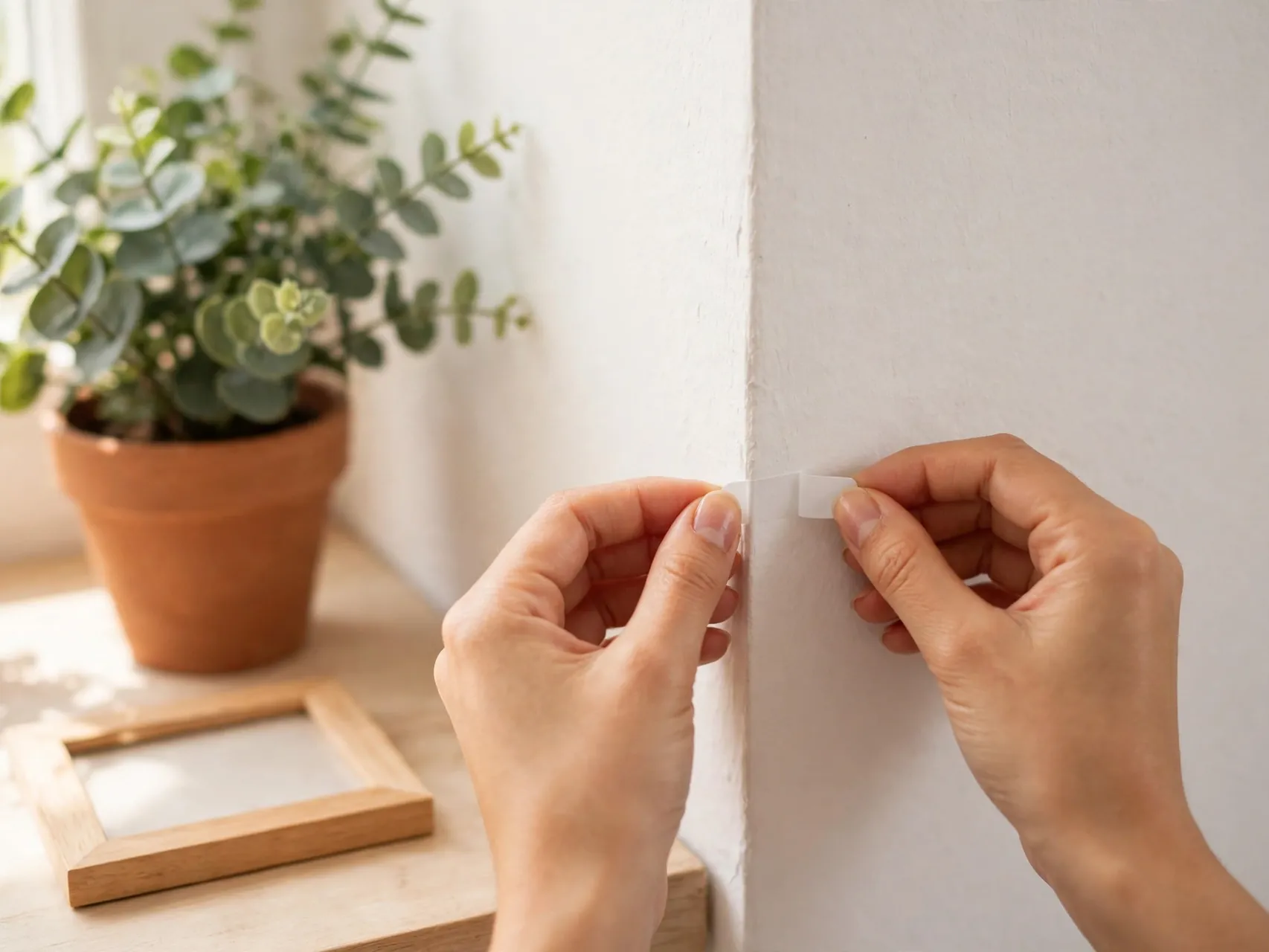
Removable does not mean safe on every wall. Flat paint, old paint, textured walls and wallpaper can all react badly to strips, hooks, decals and putty. Test your exact product behind a door, inside a closet or behind furniture first.
Leave the test in place for several days when you can, then remove it using the maker method. If paint lifts, residue stays or the sheen changes, choose a no touch display instead for that room. A five minute test can save a whole wall repair.
5. Respect Weight Limits on Hooks and Strips
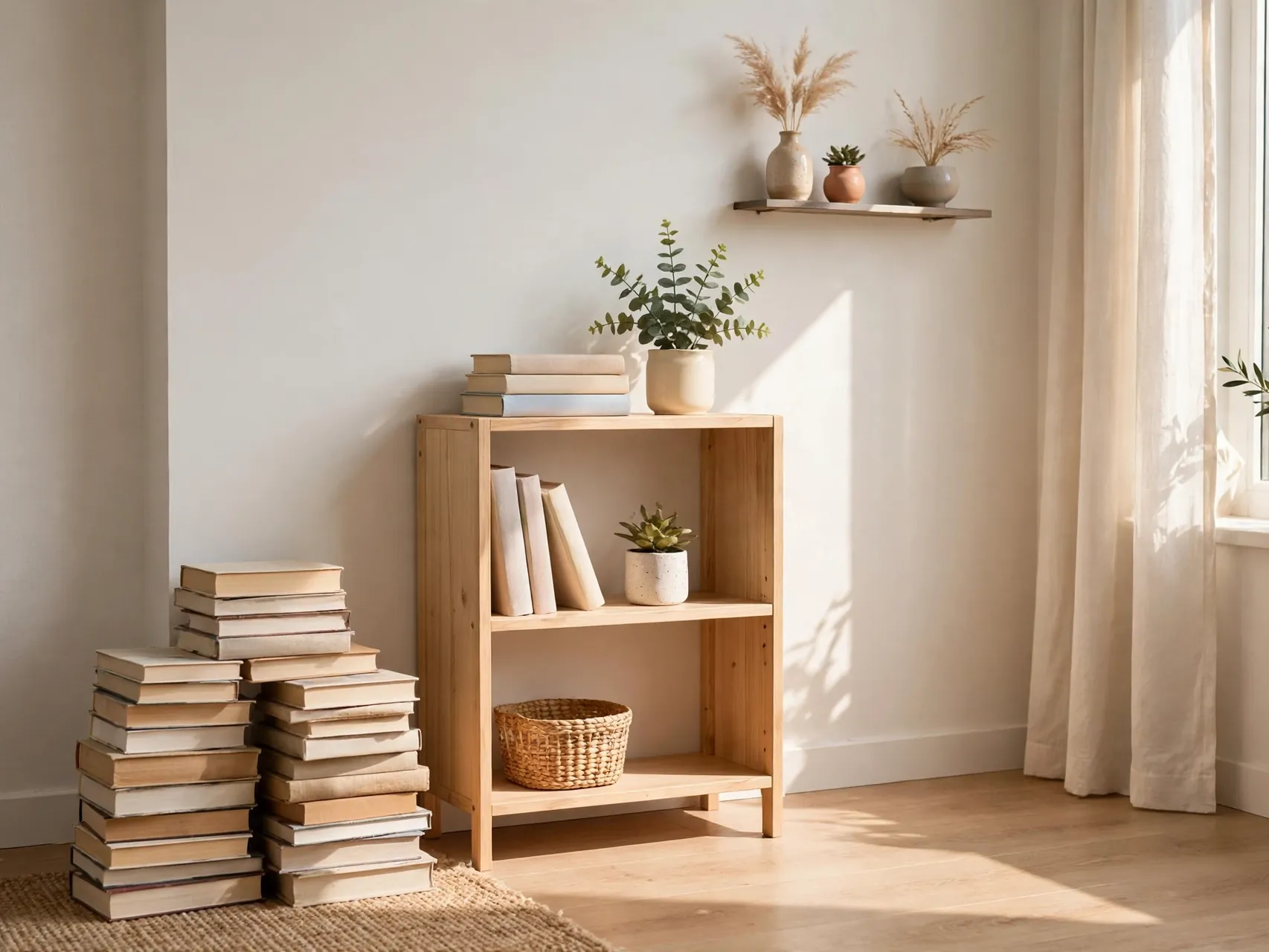
Every adhesive product has a limit, and the limit assumes a clean, smooth wall and correct application. Weigh your frame with glass and hardware included, then choose strips or hooks rated above that weight with room to spare.
Follow the prep steps that make the rating real. Wipe the wall with rubbing alcohol if the maker directs it, press for the full time, and wait an hour before hanging. Never use adhesive alone for heavy mirrors or valuable art over a bed or sofa.
6. Keep Original Hardware, Fixtures and Covers
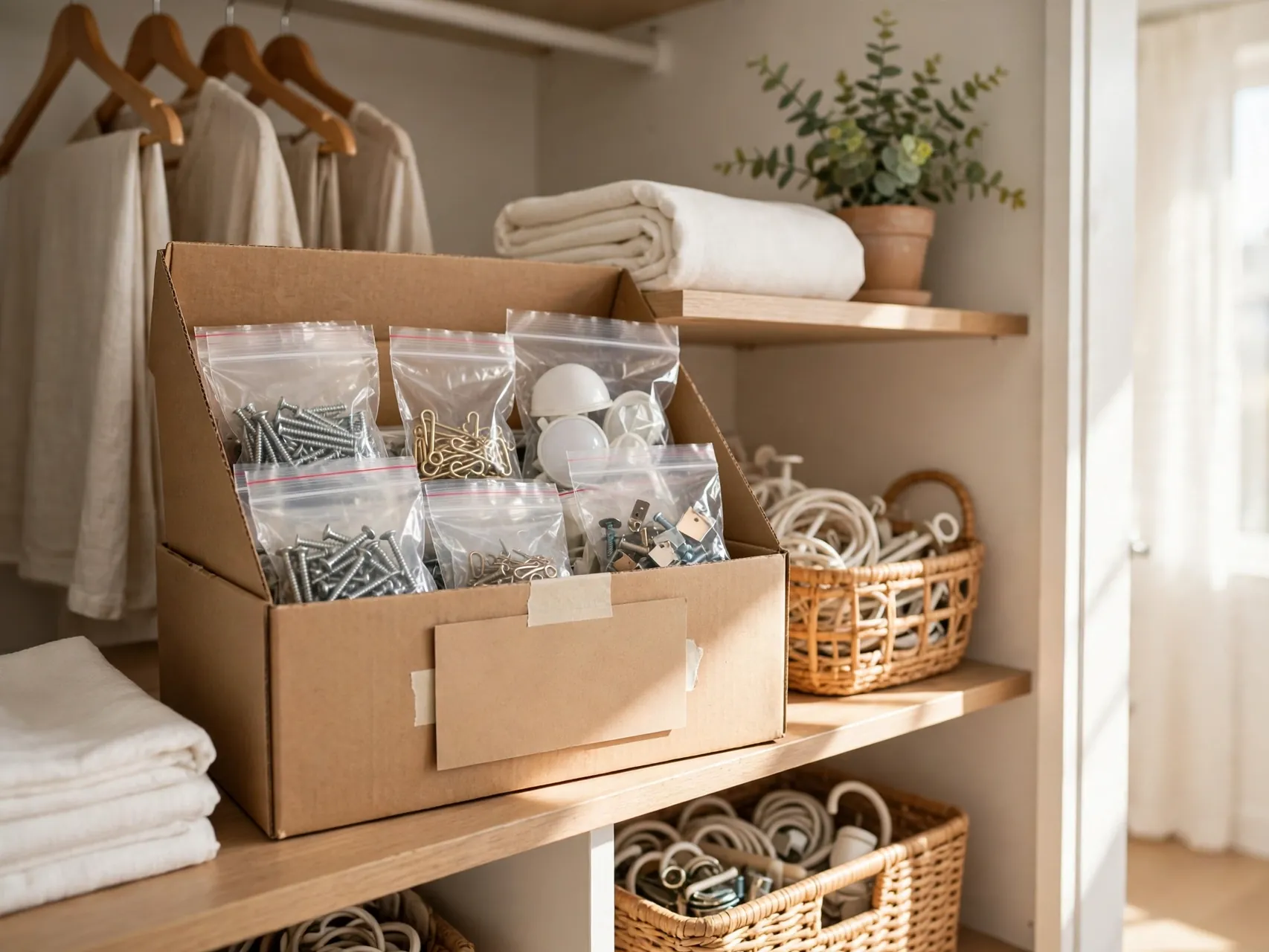
If you swap cabinet knobs, drawer pulls, shower heads, light covers or switch plates, keep every original piece. Store each set in a labeled bag or box with its screws, and note which room it came from while the detail is fresh.
This simple habit is one of the most useful renter friendly decorating guidelines there is. Missing landlord hardware is an avoidable cost, and refitting originals at move out is fast when nothing has been lost, mixed up or thrown away during a tidy up.
7. Save Paint Colors, Receipts and Product Notes

Keep a small folder, paper or digital, for your rental projects. Save paint names if painting was approved, product packages for strips and wallpaper, receipts, and the removal directions for anything you stick to a wall, counter or floor.
These notes help in two moments. During the project, they tell you weight limits and wait times. At move out, they tell you exactly how each product was meant to come down, which is when slow, correct removal matters most for your deposit.
8. Photograph Walls at Move In and Move Out

Take wide and close up photos of every room when you move in, including existing scuffs, holes, stains and peeling paint. Use daylight, keep the date on the files, and store them with your lease and move in checklist.
Repeat the same angles after you remove your decor and clean. Paired photos turn a vague disagreement into a calm comparison. This is general good practice for renters anywhere, and it costs nothing but ten minutes at each end of your lease.
9. Avoid Paint and Wallpaper Unless Approved

Paint feels like the fastest fix, but unapproved paint is one of the most common decorating disputes. Colors, sheen and coverage quality all matter to a landlord who must relet the home. Traditional wallpaper is even harder to reverse and should never go up without clear written approval.
Safer color options include removable wallpaper you have tested, large art, tapestries, curtains, rugs and colorful furniture. If you do get paint approval, confirm the color, the rooms and whether you must repaint at move out before you open a can.
10. Choose Removable Products Made for Renters

Look for products that say removable, temporary or damage free, and read the surface limits on the package. A strip made for smooth painted walls is not made for brick, wallpaper or rough plaster, no matter how strong the box claims it feels.
Quality matters here. Thin papers tear into scraps, cheap adhesive leaves residue, and weak hooks drop frames. Buying the right removable product once is usually cheaper than repairing a wall after a bargain product fails, especially in a small room you use every day.
11. Protect Floors, Counters and Tiles Too

Decorating rules are not only about walls. Peel and stick tiles, contact paper, floor decals and adhesive hooks can affect counters, floors and bathroom tile. Test them, keep water away from edges, and remove them with the same slow heat and low angle care you use on walls.
Use felt pads under furniture, trays under plants and liners under sinks. Water damage from a happy plant or a leaking vase is still damage, even when the decor itself was temporary. Small protection habits keep your upgrades truly reversible.
12. Watch Humidity in Bathrooms and Kitchens

Steam and moisture weaken many adhesives and can trap damp behind wallpaper, decals and panels. A product that holds for a year in a bedroom may peel, bubble or grow mildew at the edges in a small bathroom with daily showers.
Choose bathroom decor with that in mind. Freestanding storage, over door organizers, washable curtains and art in sealed frames handle humidity better than large adhesive projects. Open the door or run the fan after showers, and check behind panels now and then for damp or odor.
13. Keep Holes Small, Few and Easy to Repair

Some leases allow small nail holes, while others ban holes entirely. If yours allows them, keep holes few, small and placed with a plan. One well placed hook you use for a year is a different story than a wall of trial holes from one afternoon.
Avoid anchors unless you have permission and a real need, because anchor holes are larger and harder to hide. Never drill into tile, cabinets or exterior walls without clear approval. When you are unsure, use a leaning or adhesive option and ask first.
14. Plan Your Exit Before You Decorate

Before a project goes up, ask how it comes down. Do you have the backing sheets, the removal tabs, the original hardware and the time to remove it slowly? If the honest answer is no, scale the project down until the exit plan is simple.
This rule helps most with big ideas like a full wallpaper wall, a gallery of heavy frames or swapped light fixtures. Renters who plan the exit first tend to enjoy the project more, because move out stops feeling like a deadline hanging over every pretty choice.
15. Ask About Small Nail Holes Instead of Guessing

Renters often ask friends whether nail holes are fine, but friends do not hold your deposit. Your lease and landlord do. If the lease does not mention holes clearly, ask a direct written question about small picture nails and how holes should be left at move out.
Some landlords prefer to fill holes themselves so repairs match. Others allow tenants to fill small holes neatly. Either answer is workable when you know it early. What causes trouble is a confident guess that turns out to be wrong.
16. Follow Building Rules for Shared Spaces

Hallways, balconies, patios, doors and windows that face shared areas often have extra rules. Wreaths, lights, signs, balcony screens and outdoor rugs may be limited by building policy, fire rules or local codes, even when your own lease says little about them.
Check before you decorate outward facing spaces. Keep exits and hallways clear, avoid anything that drips onto a neighbor patio, and use outdoor rated products outside. A friendly check with management now is better than a removal notice later.
17. Keep Noise, Dust and Odors Low During Projects
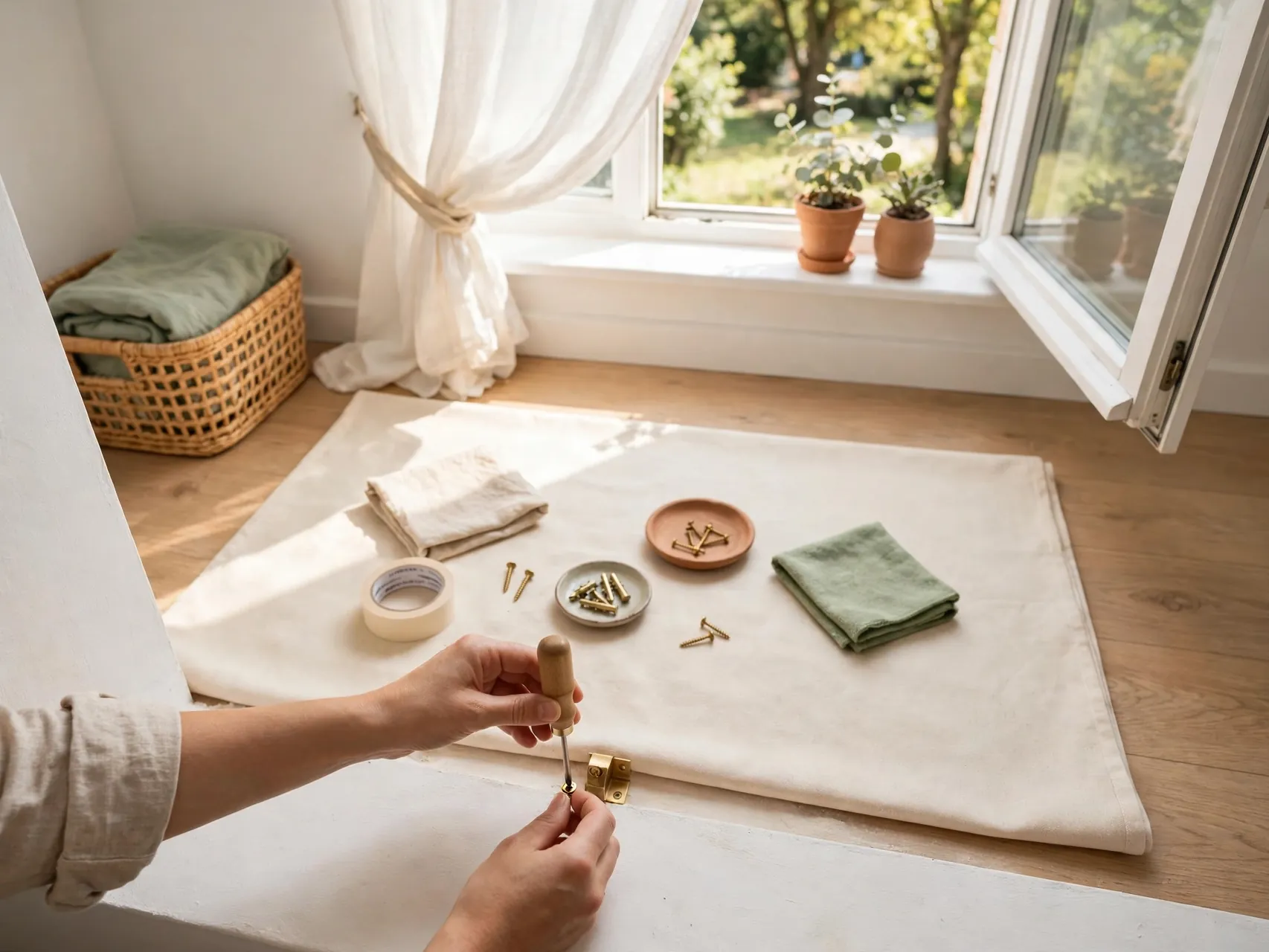
Even allowed projects happen inside a shared building. Keep drilling, sanding and hammering, if approved at all, to reasonable daytime hours. Open a window when you use paint or cleaners with a strong smell, and follow the product safety directions every time.
Protect your neighbors and your own health at once. Use a mask for dust, keep pets out of the work area, and clean up each day. Small courtesies like these also build the goodwill that makes future permission requests easier to approve.
18. Return Everything to Its Original Place

At move out, your goal is simple to state and easy to forget in a rush. Original hardware back on, rods and shelf pins back in place, landlord furniture where it started, and your temporary products fully removed with residue cleaned.
Walk room by room with a list instead of relying on memory. Check inside cabinets and closets, where liners, hooks and dividers hide. Leave doors opening and closing properly, and photograph each finished space. A methodical restore is the heart of security deposit decorating rules in daily practice.
19. Understand Normal Wear and Tear in General Terms
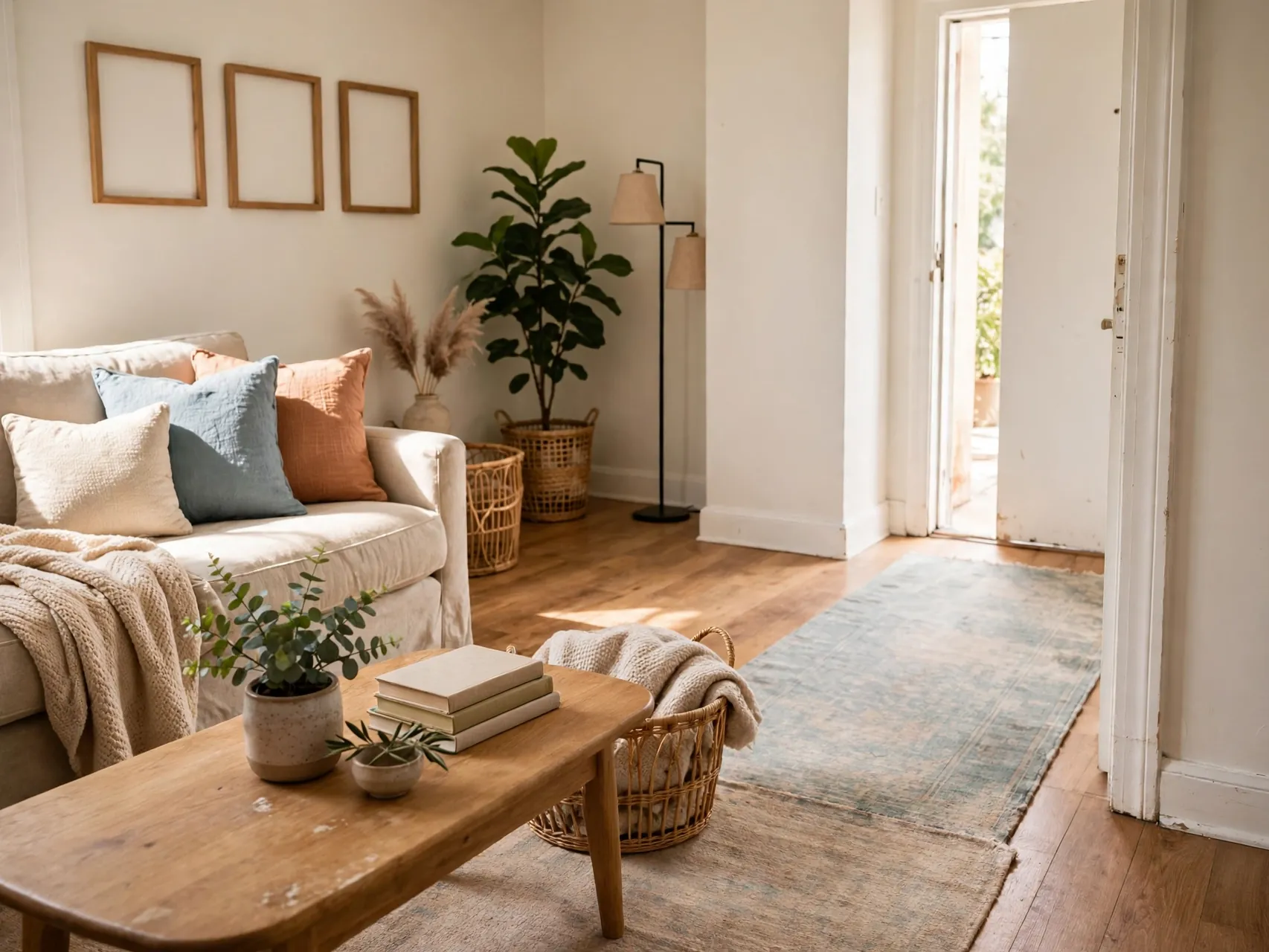
In general terms, normal wear and tear means the gradual change that comes from ordinary living, like slight paint fading or very small marks from everyday use. Damage is different. It includes large holes, unapproved paint, broken fixtures, stains and changes that need repair beyond routine turnover work.
Exact definitions and deposit duties vary by state and lease, so do not rely on a friend story from another state. If a deduction surprises you, ask for it in writing, compare it with your move in photos, and check local tenant guidance for your area.
20. Check Local Rules When Your Lease Is Unclear

When your lease is silent or confusing, look for tenant guidance from your city, county or state housing office, a local legal aid group or a trusted tenant resource. These sources explain deposit timelines, notice duties and dispute steps for your exact location.
Keep notes of what you read and when. Local rules change, and a general blog post, including this one, cannot replace current local guidance. If the amount in dispute is large or communication has broken down, consider qualified local help before you agree to charges.
21. Leave the Home Clean and Ready for Inspection
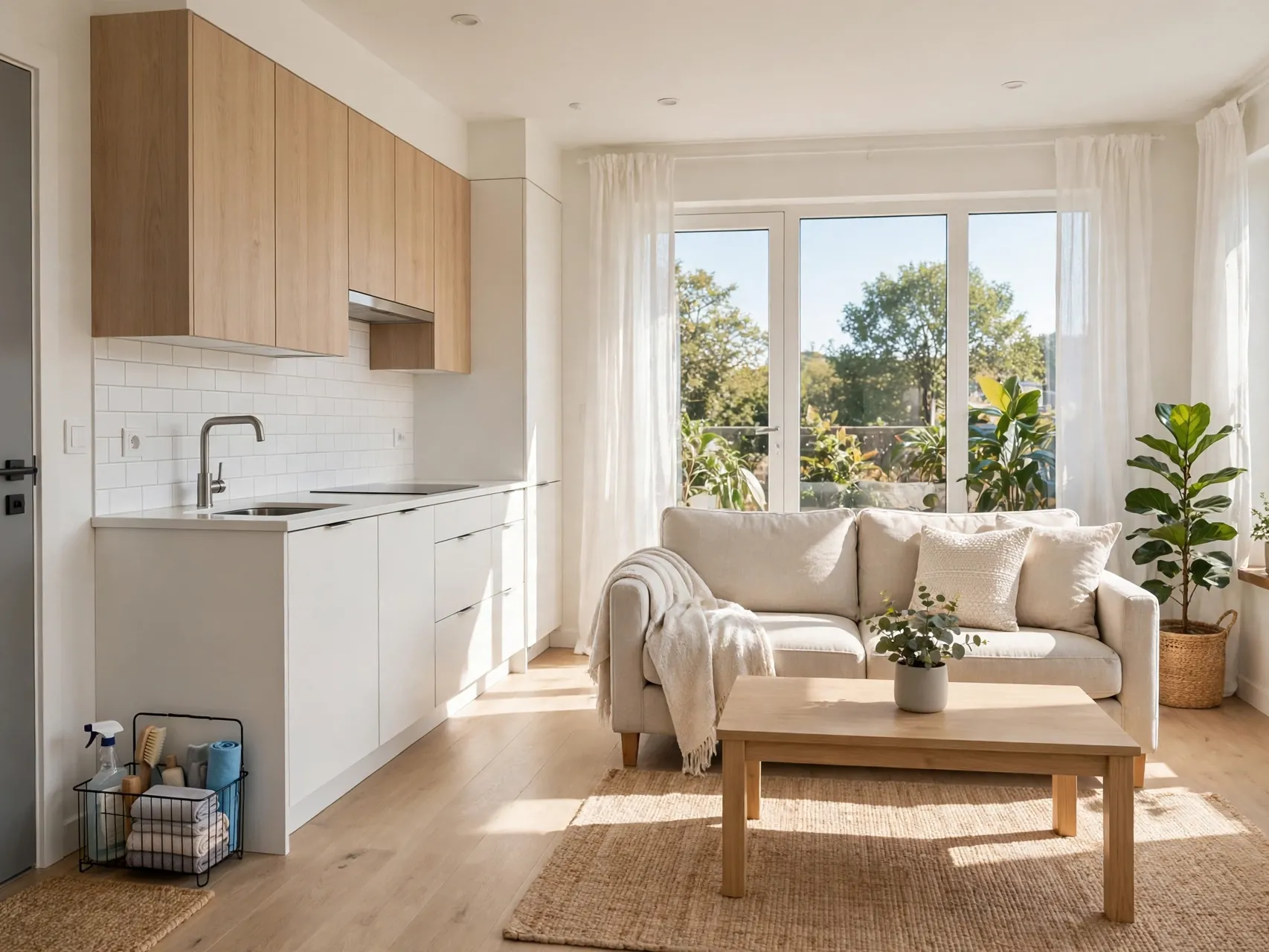
Good decorating ends with a clean handoff. Remove all decor and residue, wipe walls where art hung, clean floors under rugs and furniture, and empty every cabinet and closet. Dust lines and sticky spots that look small to you can stand out in bright inspection light.
Do a final walkthrough in daylight and again under room lights. If your landlord offers a joint walkthrough, take it and note comments together. Stay calm and factual, show your photos if needed, and keep your records until the deposit is fully settled.
FAQ
What decorating changes can renters usually make without asking?
Furniture, rugs, lamps, curtains on tension rods, plants, bedding and leaning or freestanding displays are usually safe because they do not alter the property. Still read your lease first, since a specific building can limit items like balcony decor or window coverings.
Do I need written permission to paint one wall?
In most leases, yes. Paint is a change to the property even when you plan to repaint later. Ask in writing, confirm the color and the restore expectations, and keep the reply. If you cannot get a clear yes, use removable wallpaper you have tested or large art instead.
Are small nail holes considered damage?
It depends on your lease, the number and size of the holes, and local practice. A few small holes are treated differently from many large anchor holes in general guidance, but only your lease and local rules decide your case. Ask before you drill and photograph everything.
Can a landlord keep my deposit for decorating damage?
A landlord may be able to deduct for repair of damage beyond normal wear and tear, subject to state law, your lease and proper documentation. Rules and deadlines vary by state. Keep move in and move out photos, receipts and written permissions to support your side.
What is the best first step before any rental project?
Read the exact lease clauses for that project, then test your product in a hidden spot and write down your restore plan. Those three steps take under an hour and prevent the most common renter mistakes: unapproved changes, adhesive damage and missing original parts.
Key Takeaways
- Lease first, shopping second: Read the exact clauses on holes, paint, adhesives and restoration before you buy.
- Get bigger changes in writing: Paint, anchors, fixtures and brackets deserve a clear written yes with conditions saved.
- Test and weigh everything: Hidden spot tests and package weight limits are what make removable decor safe.
- Keep originals and records: Labeled hardware, receipts, product notes and dated photos protect your deposit.
- Plan the exit on day one: Know how each project comes down before it goes up, and restore room by room.
- Keep legal points local: Deposit rules vary by state and city, so check your lease and local guidance when unsure.
Pin this checklist to Pinterest before your next project day so the rules are handy while you decorate.